Thursday, December 25, 2025
Home Blog Page 3218

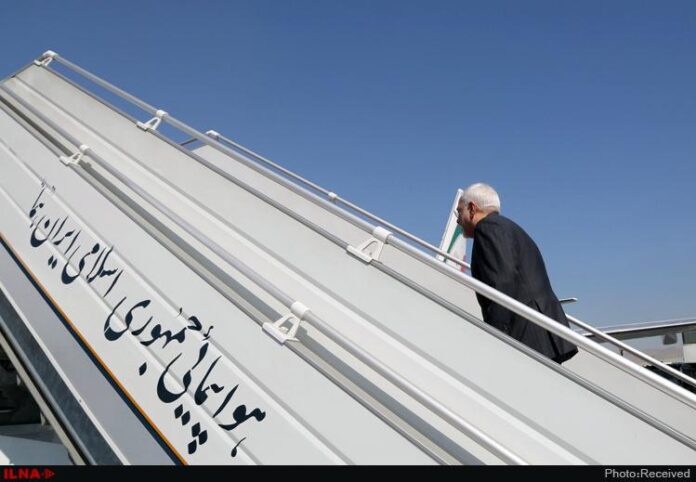
FM Zarif Leaving Tehran for Syria, Turkey

Mohammd-Javad Zarif’s trips are aimed at continuing regular and constant consultations between Iranian authorities and Syrian and Turkish officials.

In addition to holding talks with senior officials of the two countries, Zarif will also discuss the most pressing issues in bilateral relations, including the agreements reached by the Iranian, Syrian, and Iraqi presidents.

Coordinating the positions of the three countries on key regional and international issues in a bid to contribute to the promotion of peace and stability in the Middle East region will also be on the agenda of Zarif’s trips.

US Sanctions Impeding Int’l Cash Aid to Flood-Hit Iranians

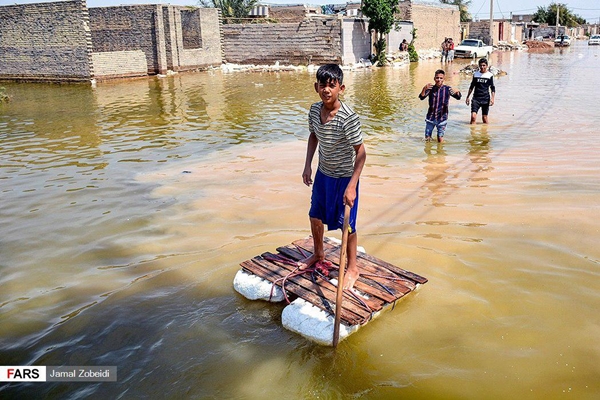
Kids affected by the recent flooding in the city of Ahvaz in south-western Iran

In a statement, the Iranian Red Crescent Society (IRCS) explicitly announced that no international cash aid has yet been handed over to the society due to the brutal sanctions imposed on the country by the US.

“Because of the sanctions, there is no financial channel to transfer cash money to the Iranian Red Crescent Society. All international banks in which we have foreign currency accounts are under the US sanction. Earlier, some international bodies and countries expressed their preparedness to contribute to aid operations by dispatching cash and non-cash aid to Iran but due to the US sanctions, all financial channels to receive the cash aid are blocked,” the statement by the IRCS read.

Following the devastating floods which began to hit Iran on March 19, some international bodies and charities expressed their sympathy with the Iranian people and said they’re ready to send cash and non-cash aid to the flood-hit country.

Over the past few weeks, there have been some contradictory reports on aid contributions to the Iranians struggling with floods. However, the contradiction comes because the media reports don’t distinguish between cash and non-cash aid. There is no impediment to receive non-cash aid convoys imported to Iran but the US sanctions have made it impossible to deliver any cash aid to the Islamic Republic.

The flow of cash aid to the flood-hit Iranians are hampered by the US bullying policies and this comes as the red cross centres, red crescent societies and charities are legally exempted from any restrictions due to the international law. Such organizations should be able to contribute to aid operations in crisis situations regardless of all political and international laws.

In its statement, the IRCS highlighted the fact that despite claims by the American officials, the US sanctions have not only impeded the flow of aid to the flood-hit Iranians but also disturbed the routines of the society by creating logistic problems for it.

For example, Iran is suffering from shortage of rescue helicopters due to the sanctions and the IRCS has only 24 helicopters to cope with the recent devastation. Unfortunately, the sanctions have also put Iran in trouble in preserving the helicopters.

Over the past week, at the request of a growing number of Iranians living abroad, a financial channel was established to attract cash aid for the flood-hit people but the channel was immediately blocked due the US sanctions. So, the only available way for the Iranian diaspora as well as other countries’ residents to contribute to cash aid to the flood-hit areas is a charity channel named Donit set up by Germany’s Red Cross.

Iranian and German relief bodies jointly collect and spend the cash contributions by developing new plans.

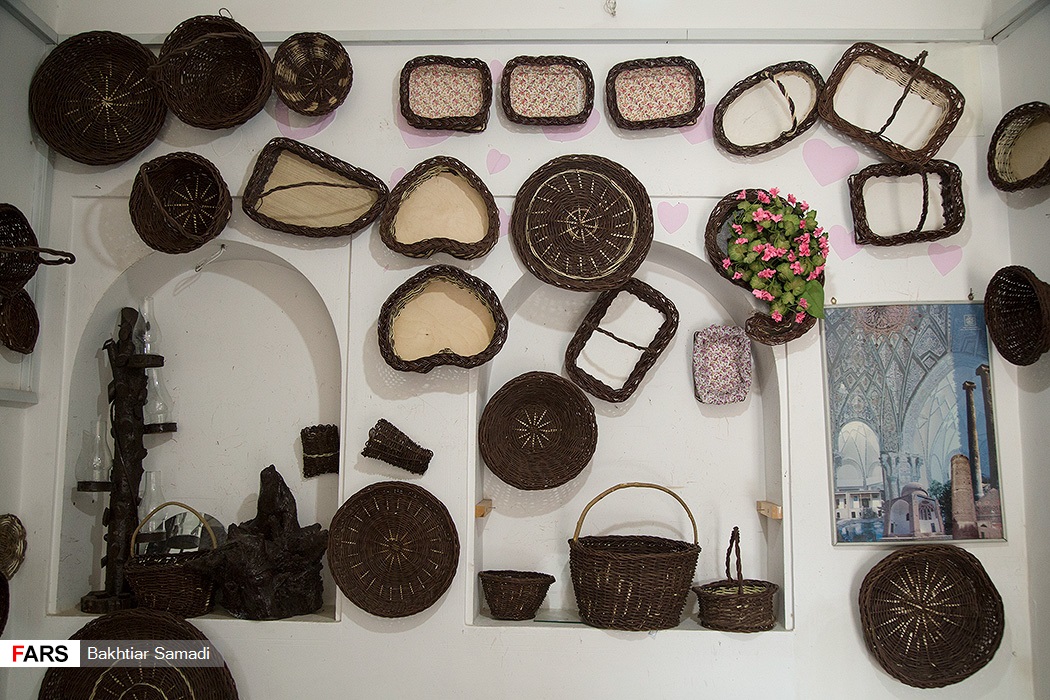
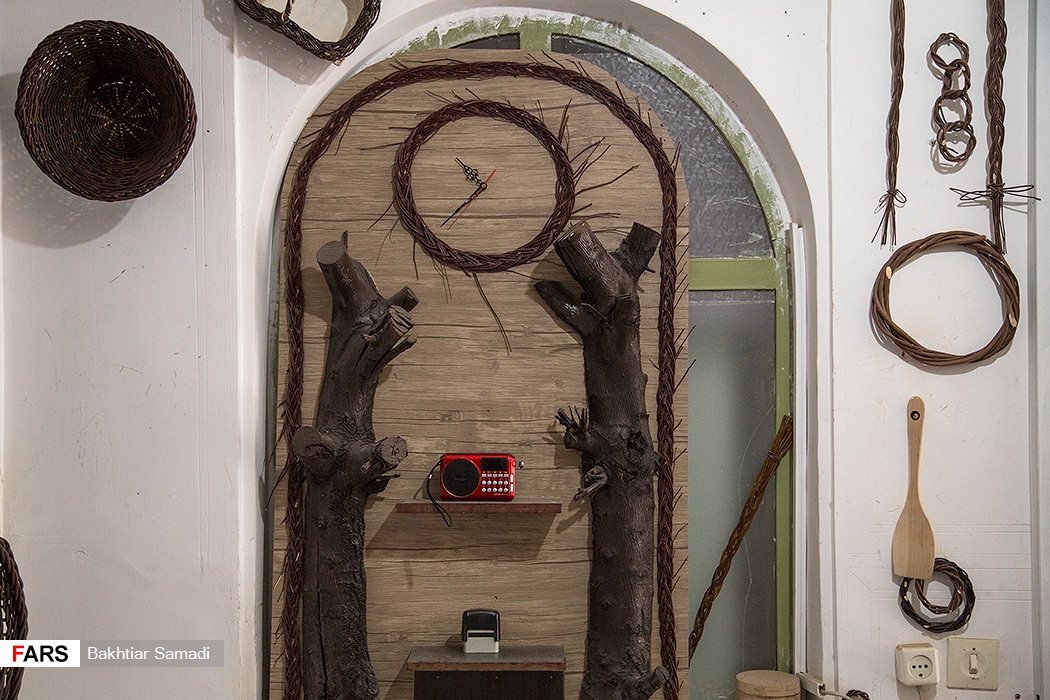
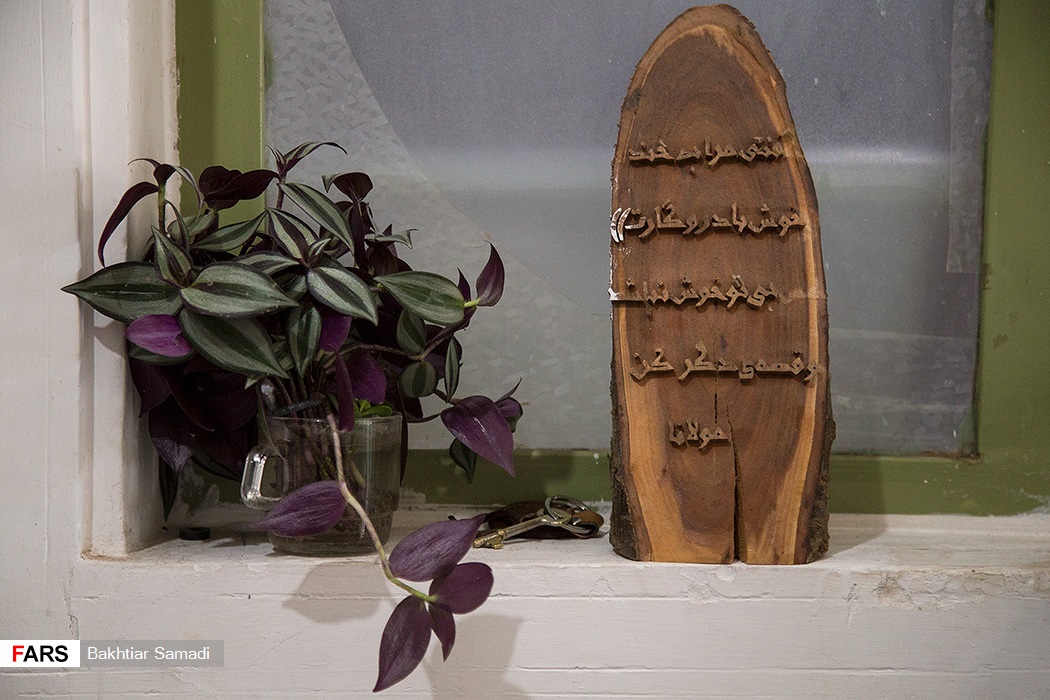
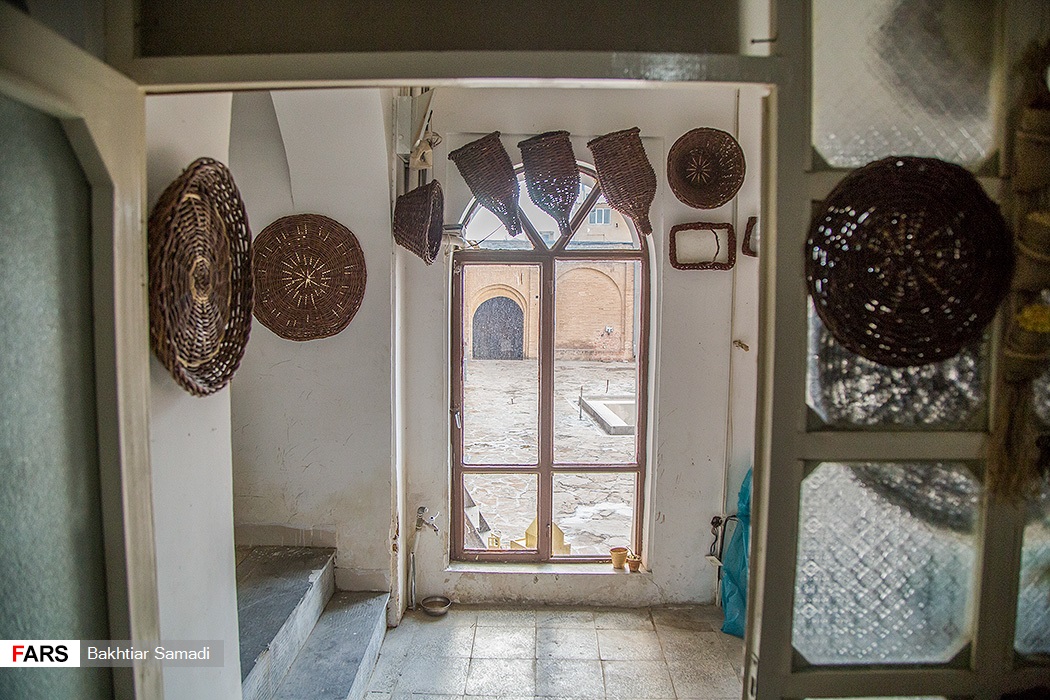
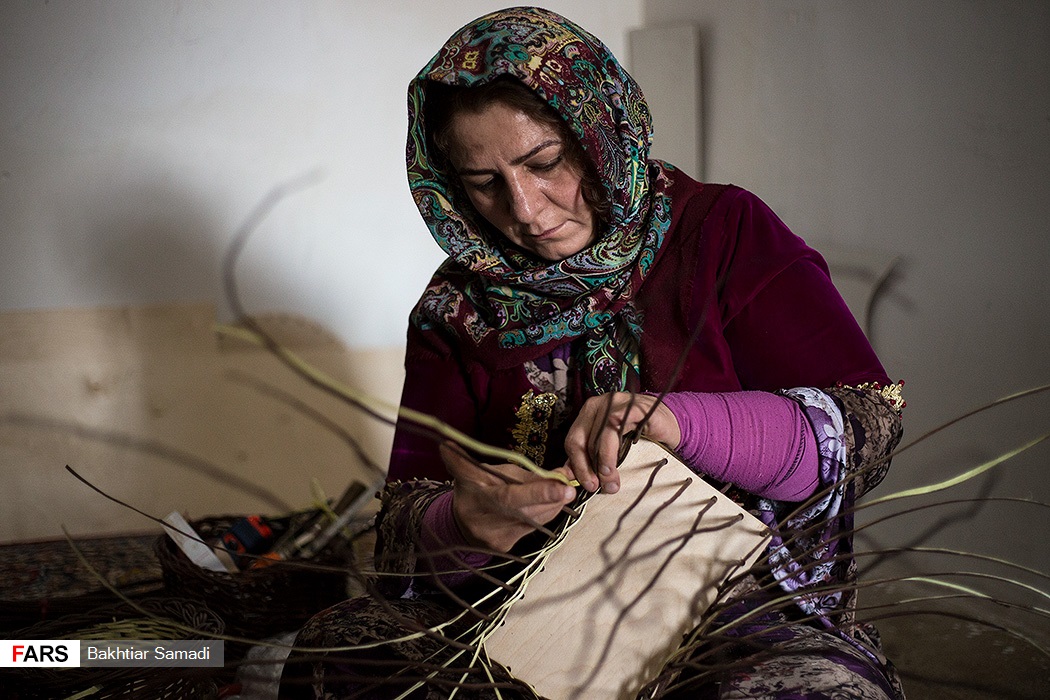
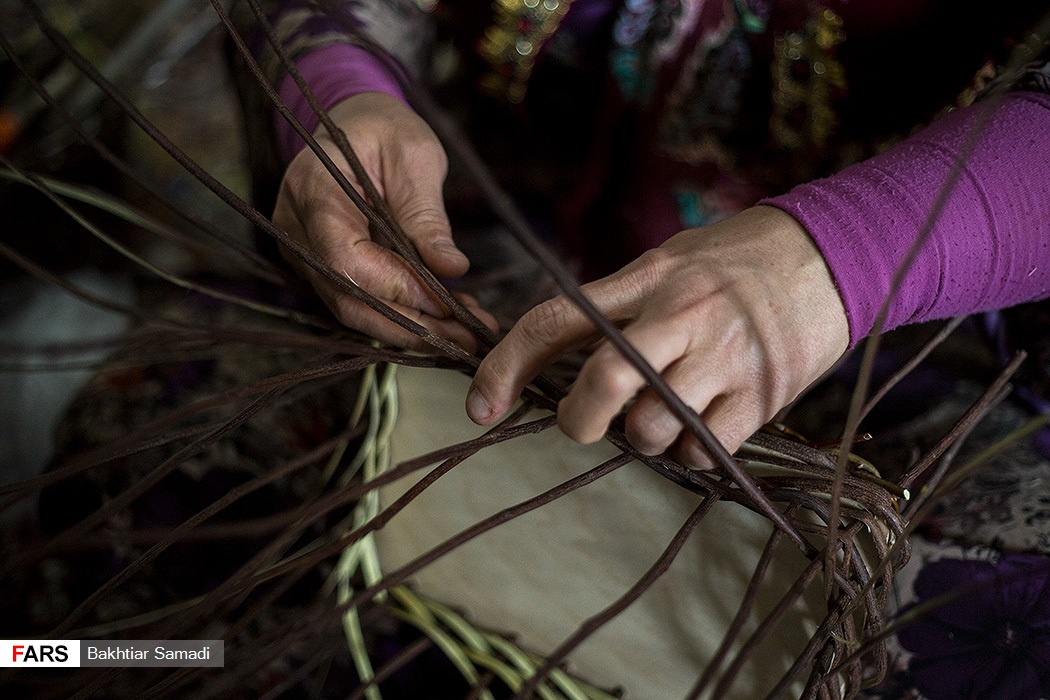
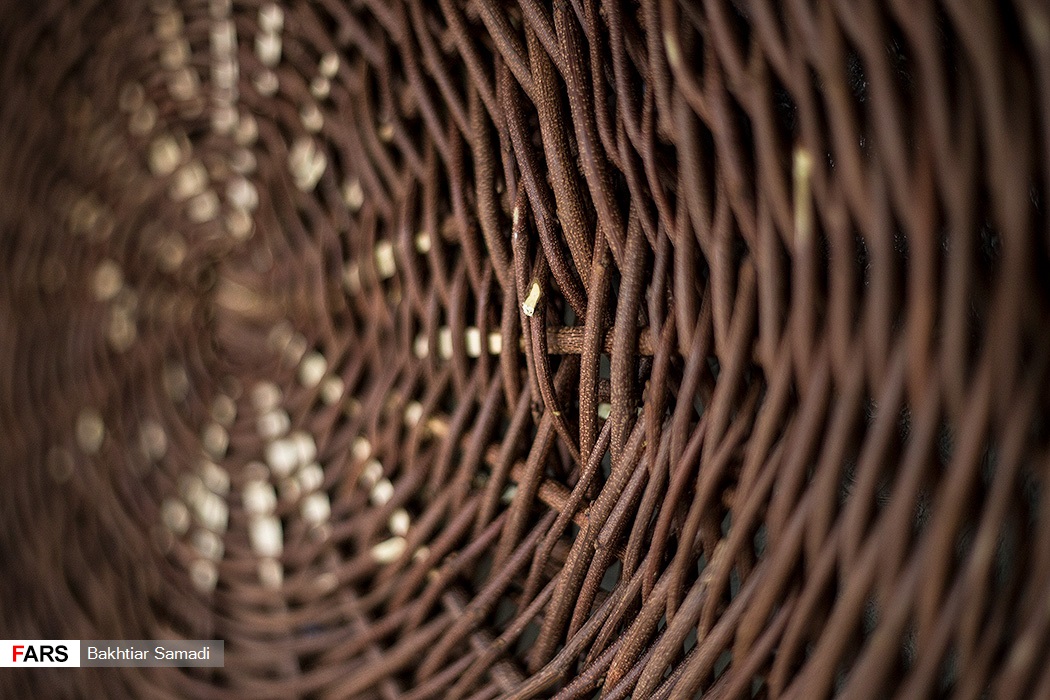
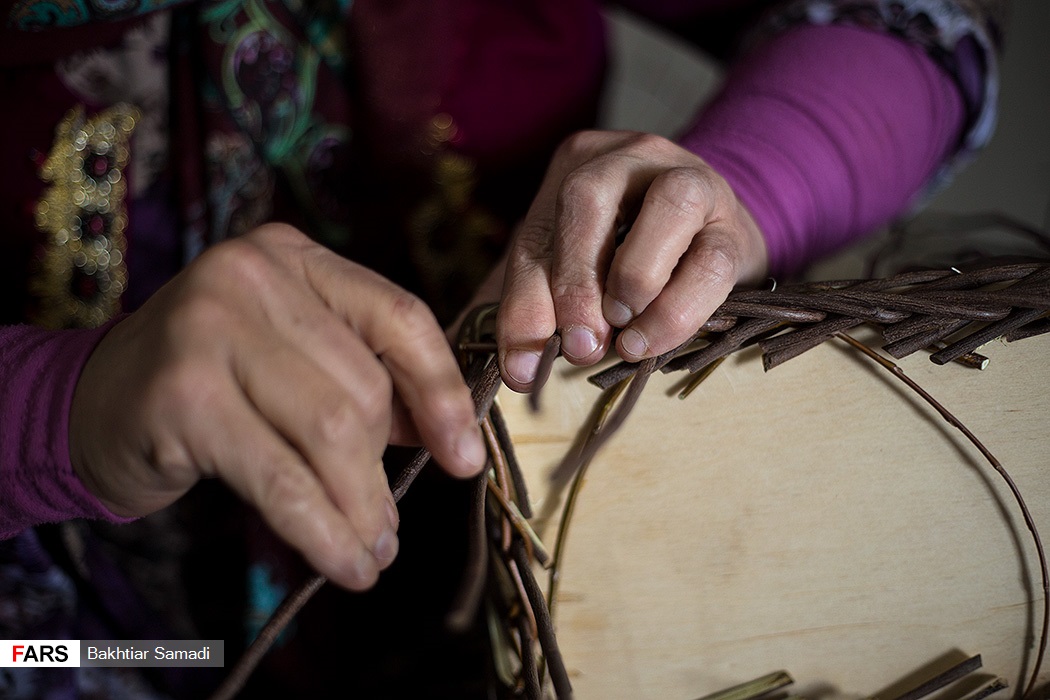
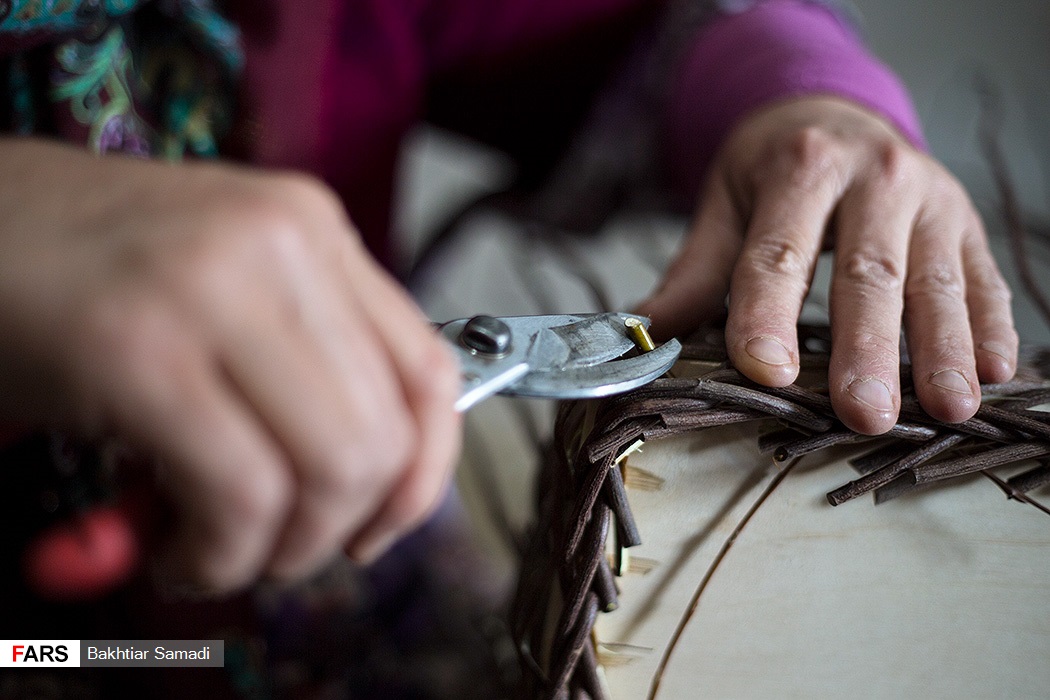
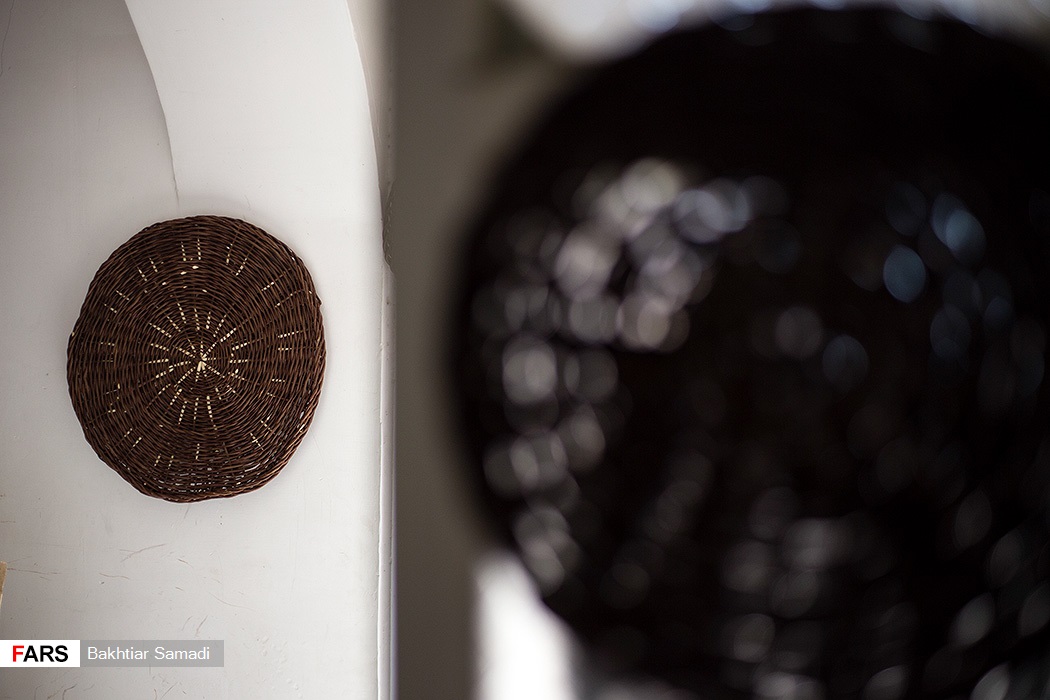
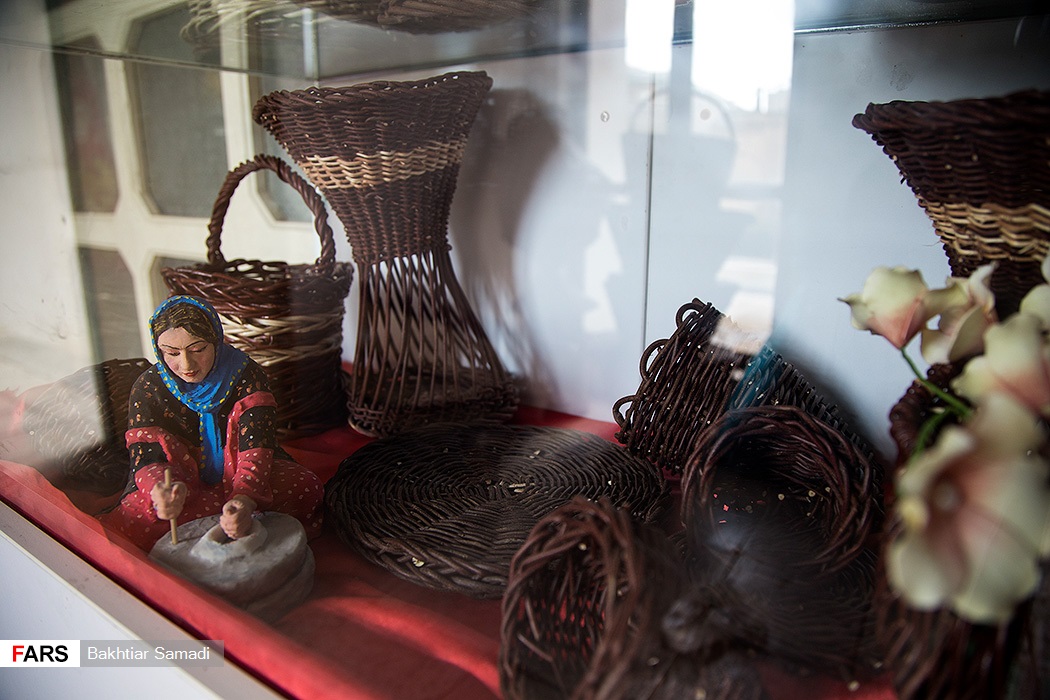
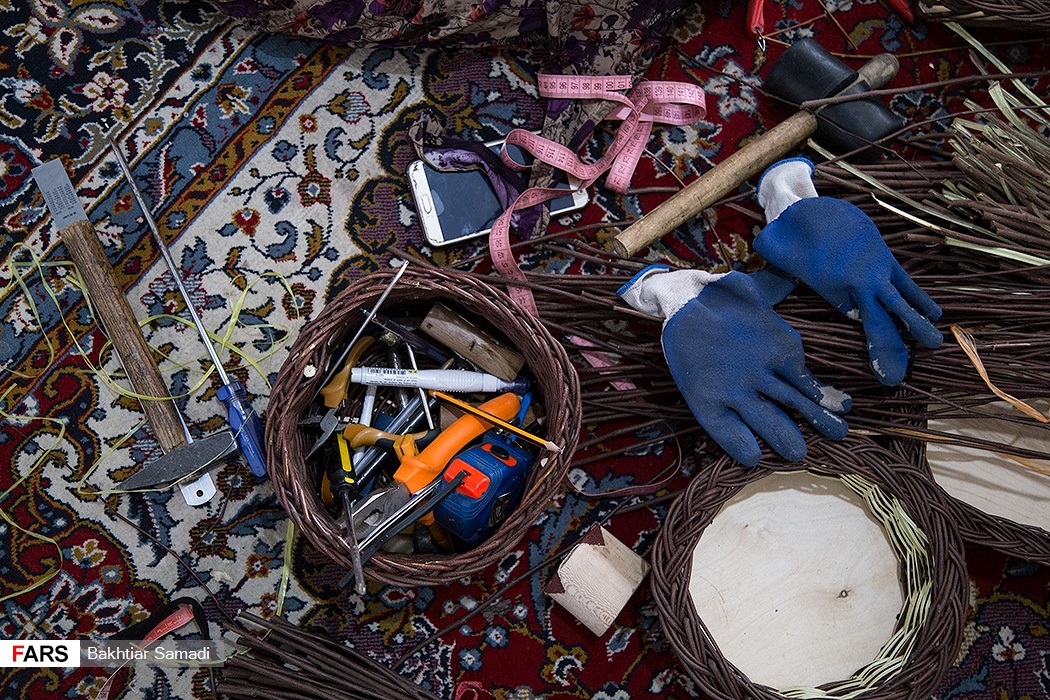
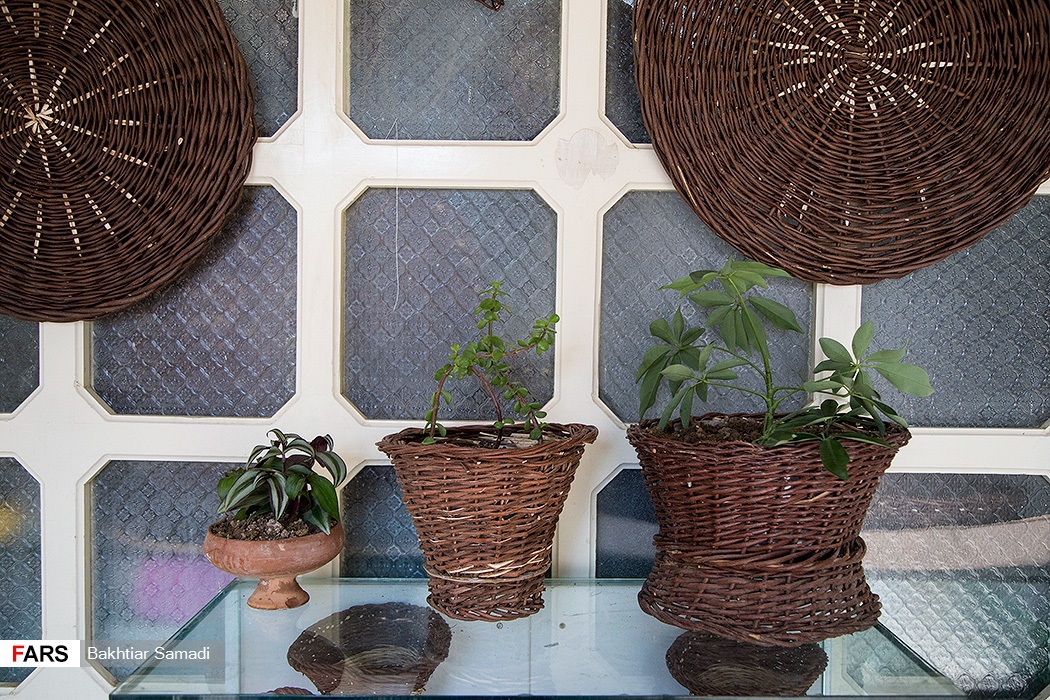
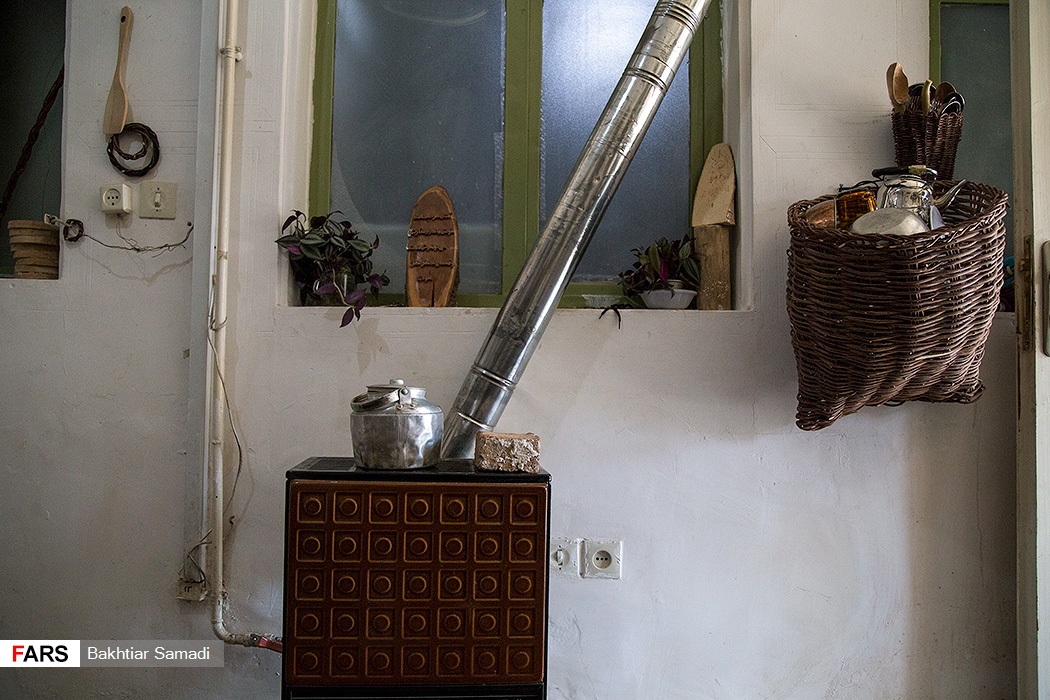
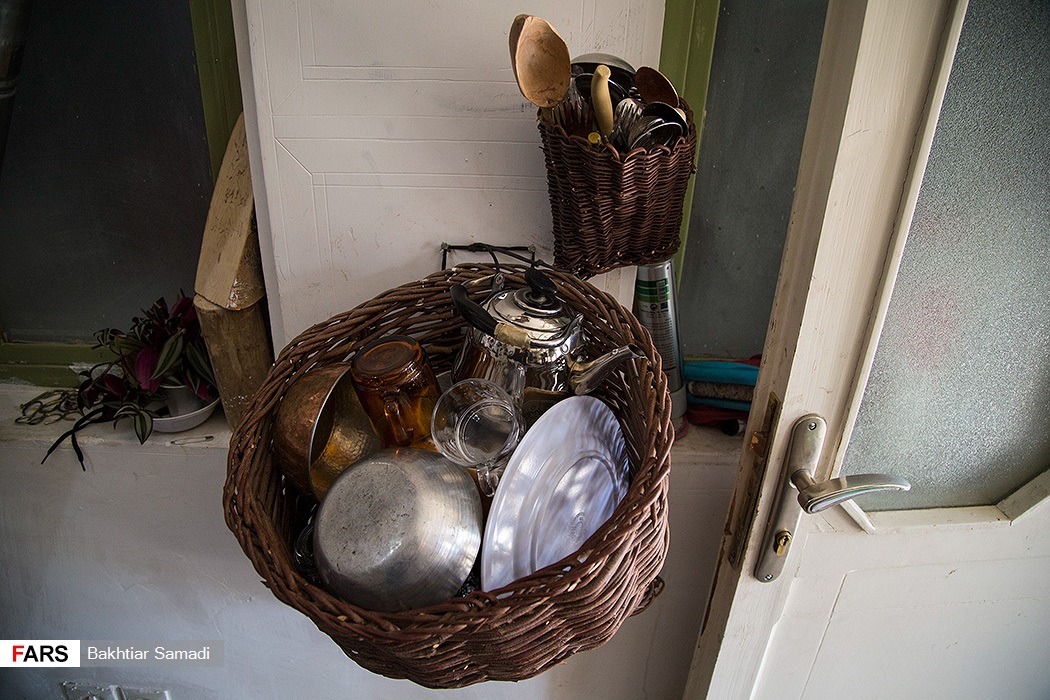
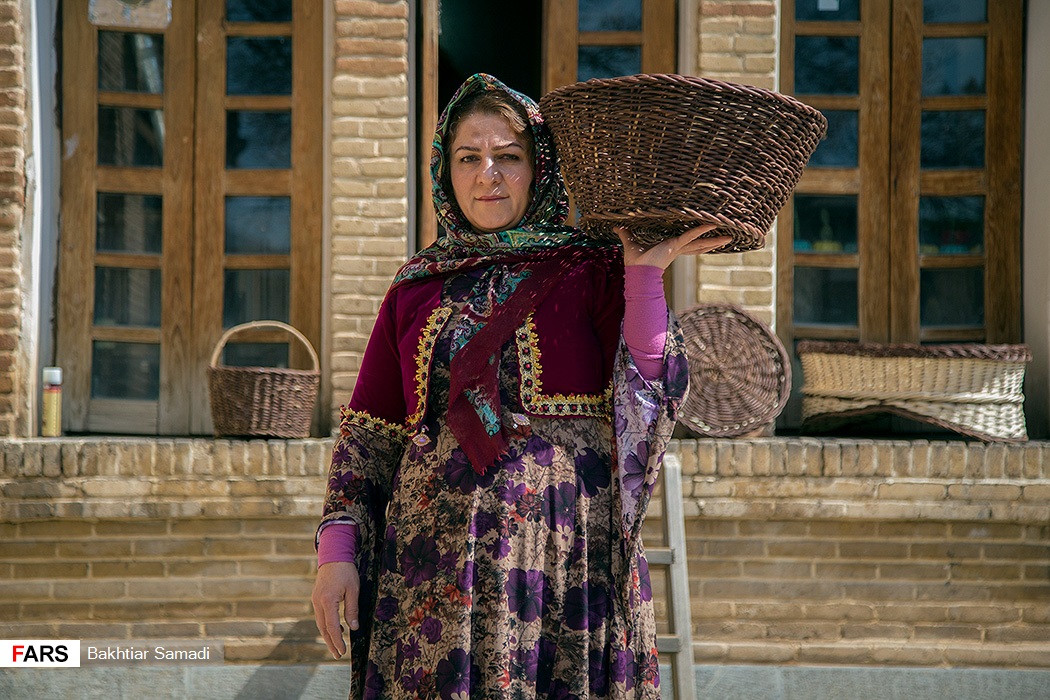
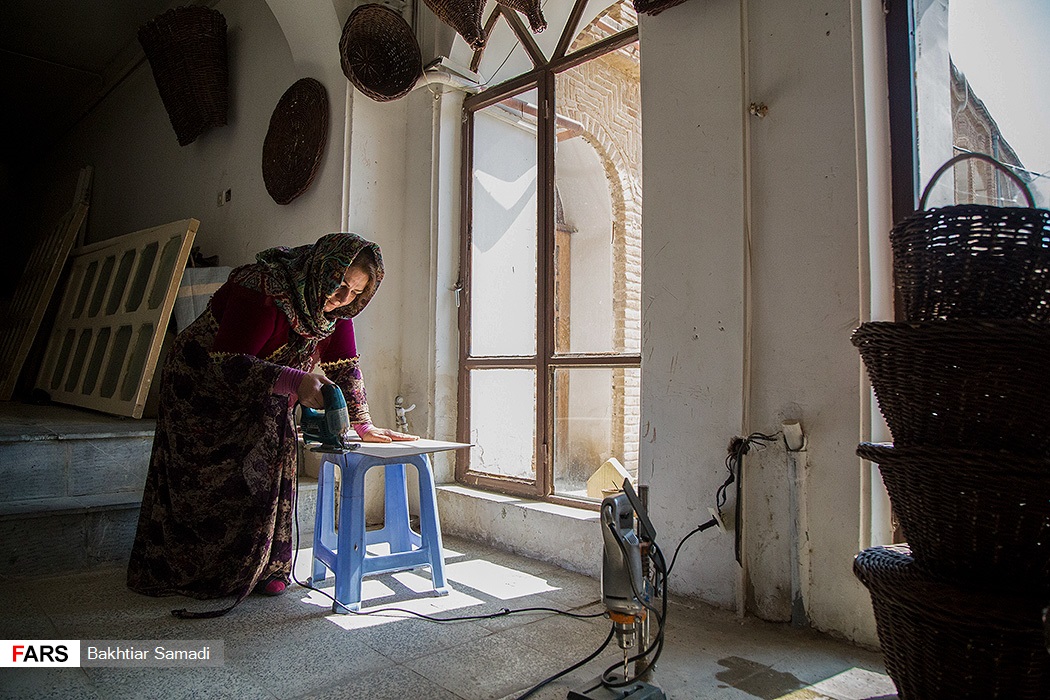
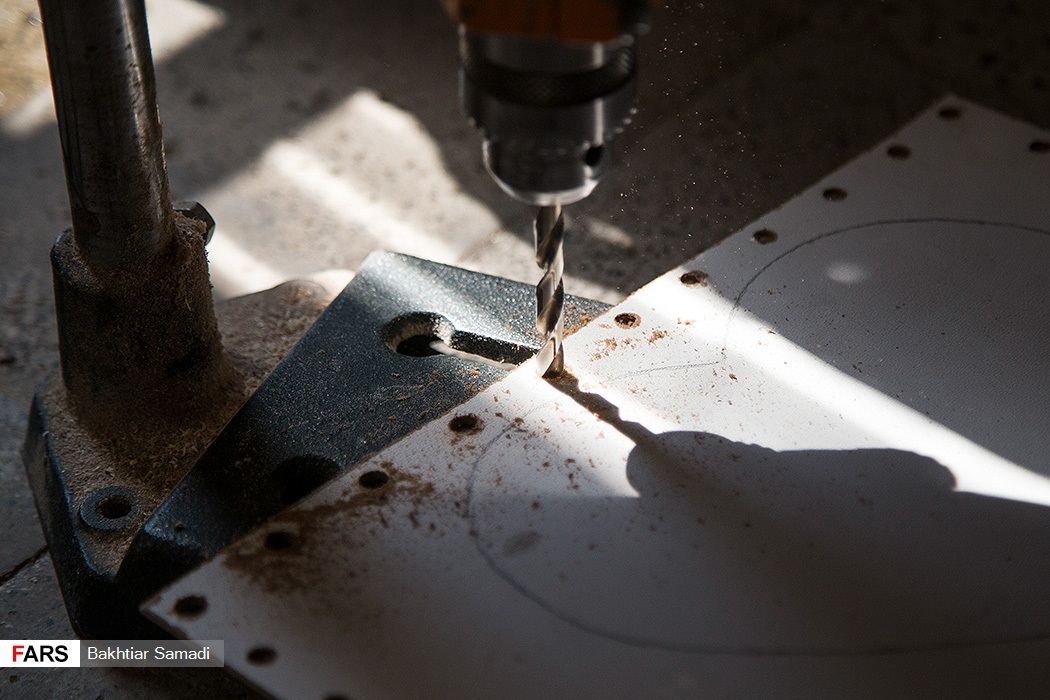
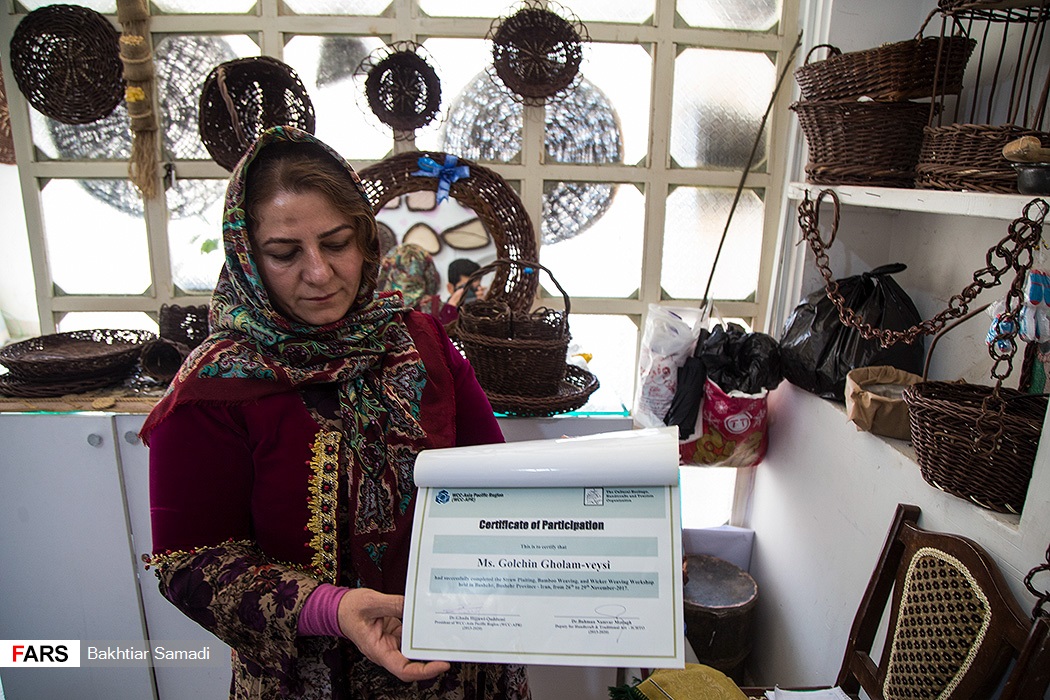
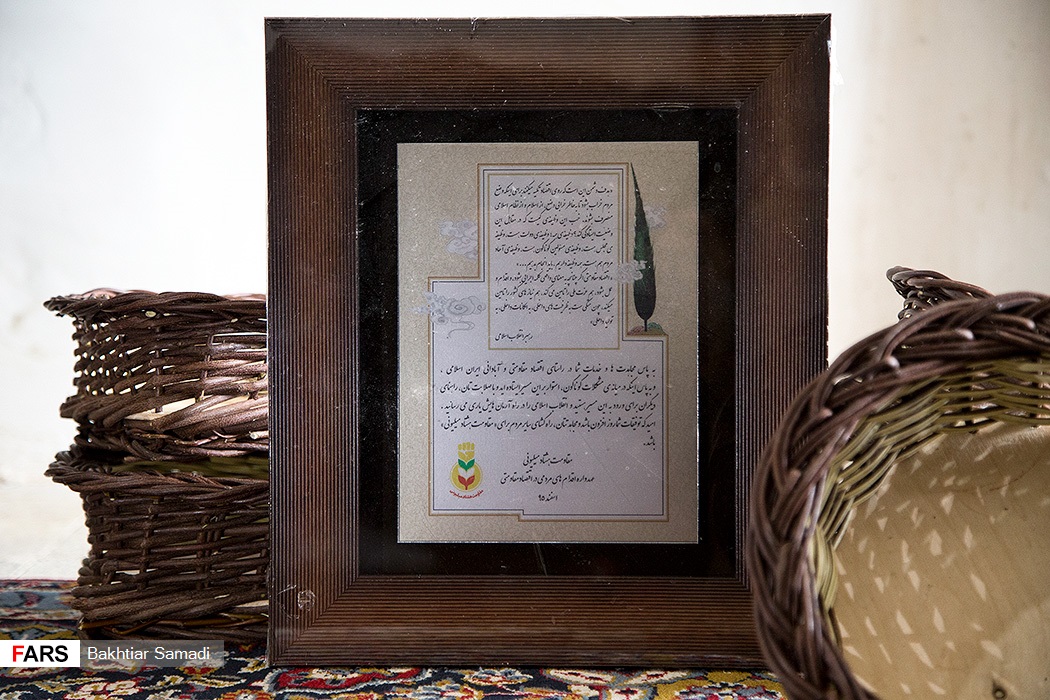
Iranian Woman Making a Living by Weaving Baskets

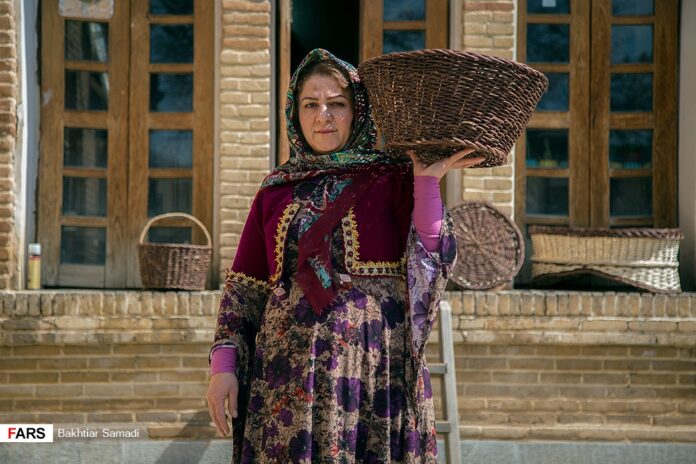
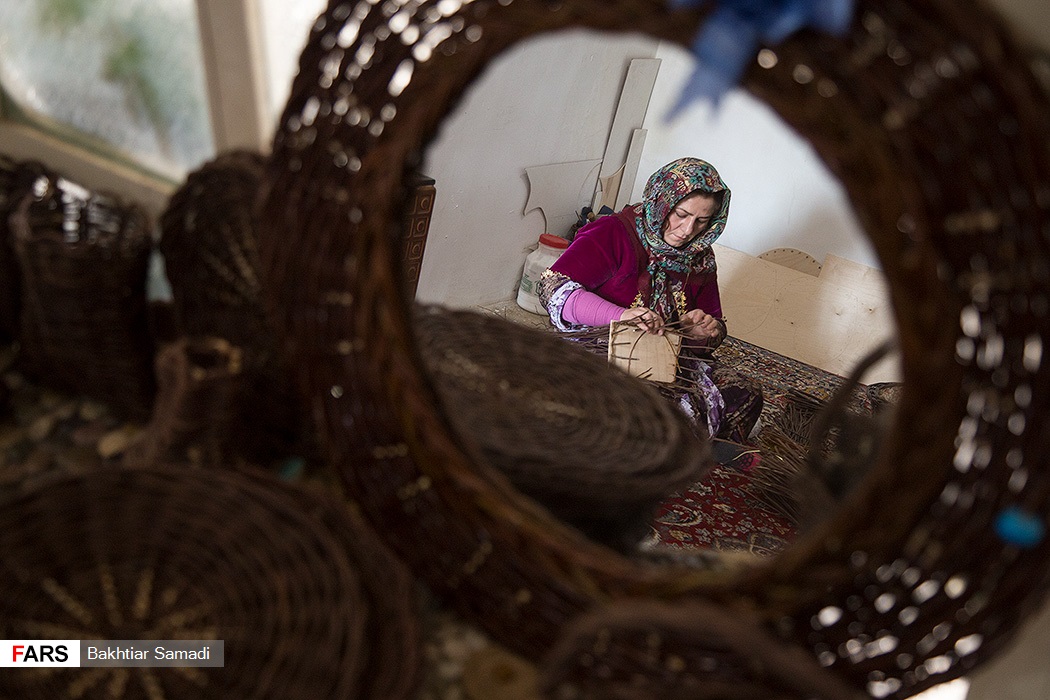
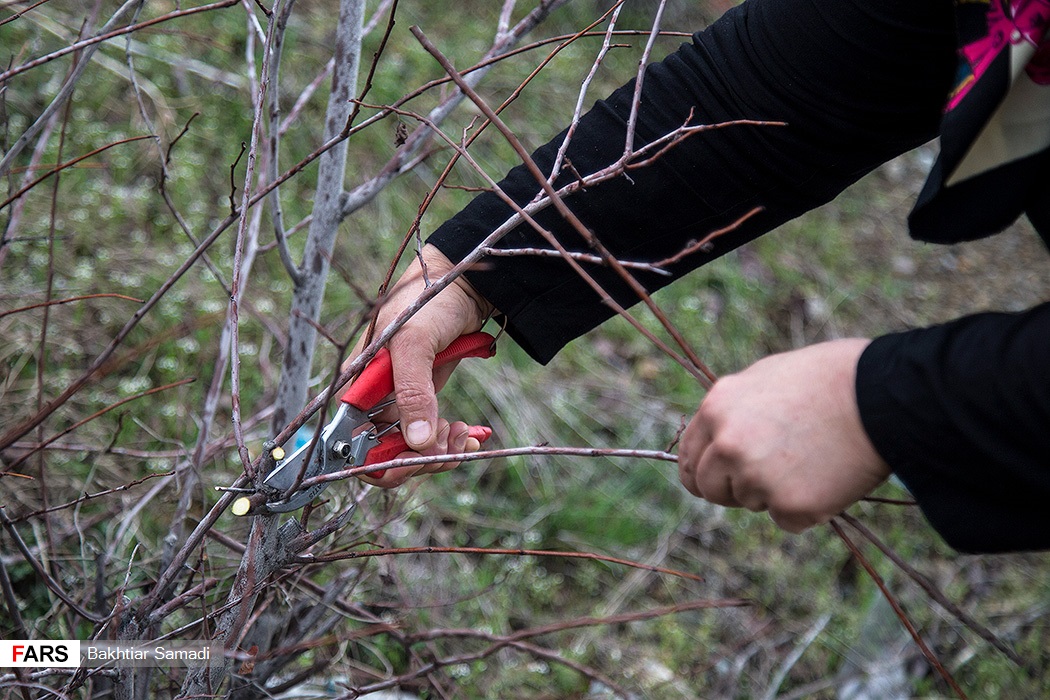
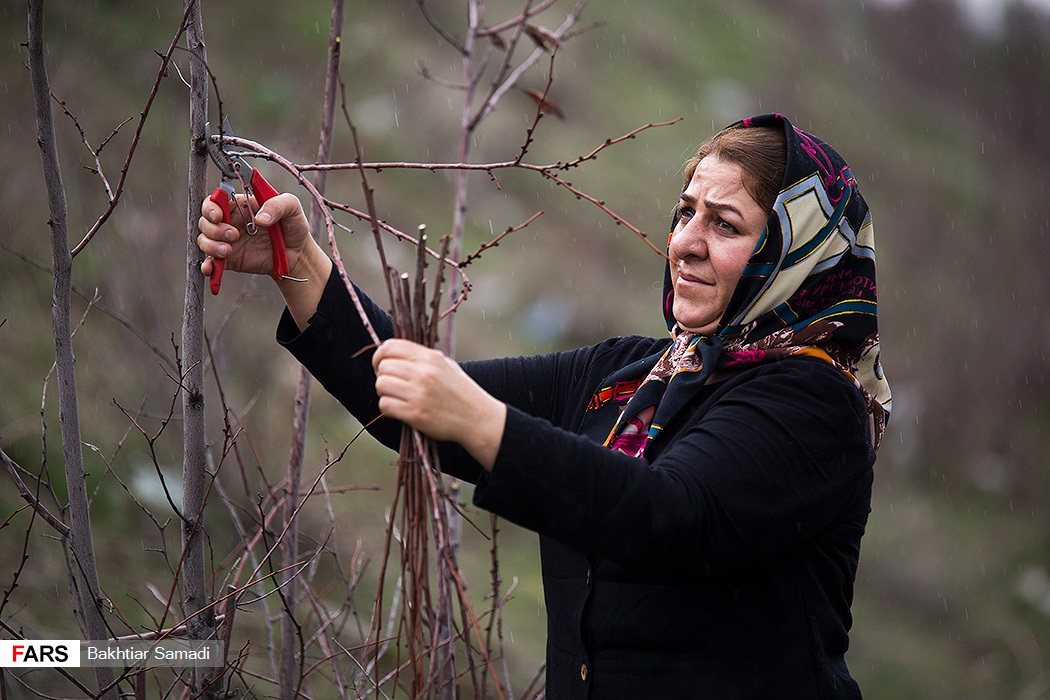
Golchin Gholamveisi has been involved in basket-weaving for 12 years. She goes to mountains in Kurdistan region and collects twigs from Judas trees. She picks the twigs in such a way that the trees are not harmed.

What follows are Fars news agency’s photos of her efforts to earn a living:

Iraq, Syria Working on Joint Railway Project with Iran

The issue came up for discussion in a meeting of the Iraqi-Syrian Joint Commission.

Head of Iraq’s National Railway Company Taleb al-Husseini said talks have been held in that regard given the importance of Iraq’s railway network being connected to that of Syria before being linked to Iran’s railroad network.

He said Iraqi authorities are holding talks with Iranian and Syrian sides in order to hold a three-way meeting to discuss the implementation of the project to establish rail links between the three countries and act on what was agreed upon at a bilateral meeting on May 7, 2014.

He said all parties to the talks have stressed the importance of moving towards boosting mutual relations and enhancing the level of expectations for economic, trade, scientific and technical cooperation.

He said the negotiators also worked out ways of forging closer cooperation in the field of economy and overcoming impediments and limitations that hinder the promotion of trade transactions between the two sides.

Iran and Iraq began trying to connect their railway networks years ago.

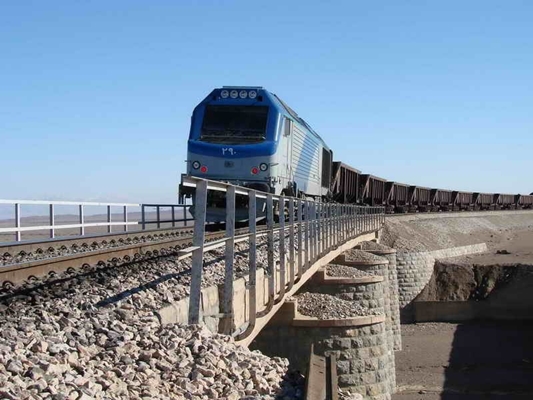
Accordingly, a railroad connecting Khorramshar and Shalamcheh was inaugurated in 2011. It was supposed to stretch for another 32 kilometres to the city of Basra inside Iraqi soil. However, the project was left unfinished due to reasons such as the attack by ISIS on Iraq in 2014.

The remaining 32-kilometre stretch of railroad was completed during a recent trip to Iraq by Iranian President Hassan Rouhani and the following visit to Iran by Iraqi Prime Minister Adil Abdul-Mahdi. The two sides also agreed on how and when the railway should be inaugurated. Based on the agreement reached, the railroad from Khorramshahr will be connected to Iraq’s national railway network, making it possible to make major trade exchanges and transport passengers from Iran all the way to other parts of the Middle East.

The Syrian transport minister had also said earlier that the establishment of a rail link between Syria, Iran and Iraq was one of the priorities of his country.

Living Fossil Resurfaces in Hamoun Wetland after Recent Floods

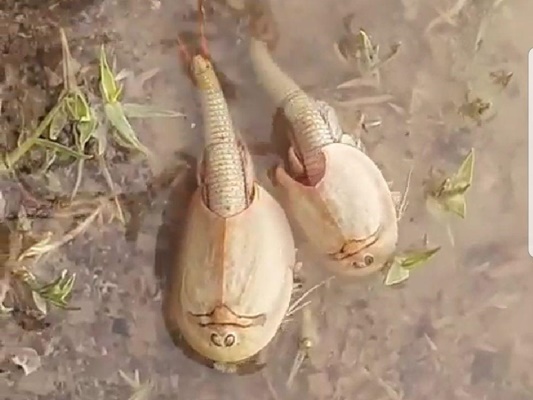
An official from the provincial Department of Environment says one of the species of animals that is seen after the release of water into the imperiled wetlands on the hillside of Khawaja Mountain is the aquatic called Triops Cancriformis which is known in the world as “Living Fossil.”

Vahid Pourmardan added that this creature is a form of Crustaceans living in lake type waters of the world. He further noted that this species has been classified as in danger of extinction in the United States and Europe. “This species is considered to be one of the oldest living species on the planet at around 200 to 300 million years old. Due to its similarity to toads it is sometimes called tadpole shrimp. So far about 10 species of Triops have been found in the world, and the presence of this live fossil is promising for the next year in the province and Hamoun wetlands.”

The size of this species is usually up to 6 centimetres and is reported to be up to 11 centimetres in normal conditions. Due to its high tolerance in hard environmental conditions, including extreme temperatures, acidity of soil texture and long droughts, it has been able to form cysts to continue to survive under mud and freshwater beds. In the event of the provision of bio-nutritional conditions, it will resume its growth stages within two weeks and continue for up to 90 days.

Although members of the genus Triops usually have no economic importance, some variants of them has been used to control mosquitoes and weeds.

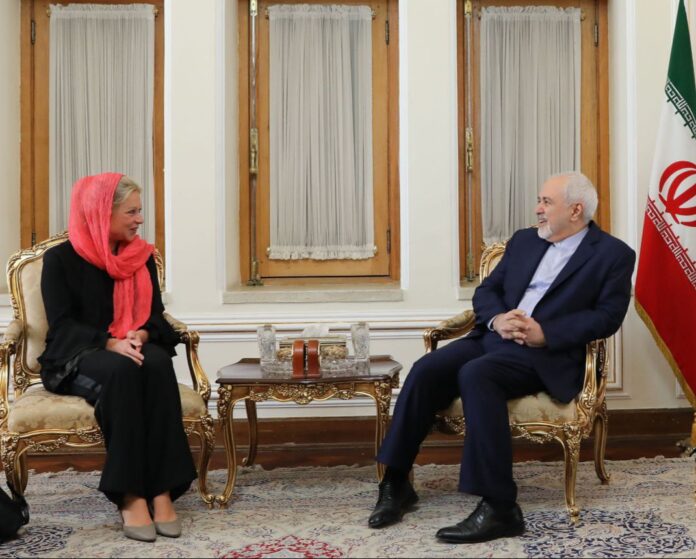
Iran FM, UN Envoy Discuss Iraq Developments

During the Monday meeting held in Tehran, the two sides conferred on the latest field developments in Iraq, particularly the situation of terrorist groups including ISIS.

They also exchanged views on the provocative and hatemongering activities of certain regional states against Iran, and the recent hostile position of the US against the Islamic Revolution Guards Corps (IRGC).

The administration of US President Donald Trump designated the IRGC as a foreign terrorist organization last Monday through an official statement.

The decision, formally under the State Department’s purview, was made as part of the White House’s increasingly aggressive strategy towards Iran.

The US had already blacklisted dozens of entities and individuals affiliated with the IRGC, but not the entire force.

The chief commander of the IRGC warned last Sunday that the elite force will put reciprocal action against the US forces on its agenda if Washington labels it as a “terrorist organization.”

Delaram; A Village with One Doctor in Every Family

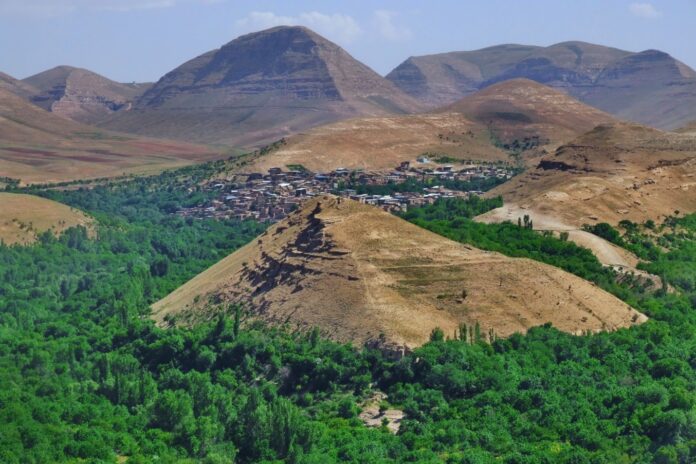
175 physicians have been raised by the 180 families living in this village. The term “village of doctors”, which could be seen on the village’s entrance, has long attracted the attention of tourists.

In the past, one person from each family used to turn into a physician. Among the most famous ones, one can refer to professor Ardeshir Qavamzadeh, the father of Iran’s hematopoietic stem cell transplantation, professor Ahmad Parsa, the pioneer of the new botanical science of Iran, Dr Shabafrooz, one of the first dentists in Iran who was the founder of the Department of Dentistry at the University of Tehran, Ataollah Parsa, a pharmacist, and Qodratollah Parsa, a professor of radiology.

Of course, these days the village is very secluded. Zahra Ganjali, an elder in the village, says most physicians have left the country and some others live in the provincial capital of Arak or Tehran.

“At present, only 40 families live in the village and the village gets busy during the holidays.”

The interest in medicine in this village has a 100-year history. Like many villagers in the past, people in Delaram were crippled with many illnesses, and their interest in changing their conditions has made them keen on learning medicine.

On the other hand, the growth of many medical herbs around the village and their interest in them led people to seek medical knowledge and encourage their children to learn this knowledge.

The pristine nature and clean air of this village, as well as the existence of houses with traditional architecture and the old texture of passages along the greenery and streams of running water are among other attractions of Delaram.

The following are some natural and historical attractions of the village:

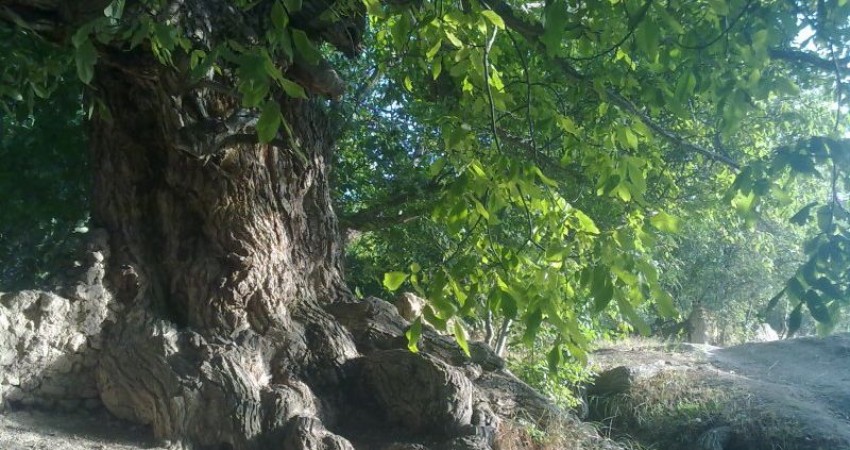
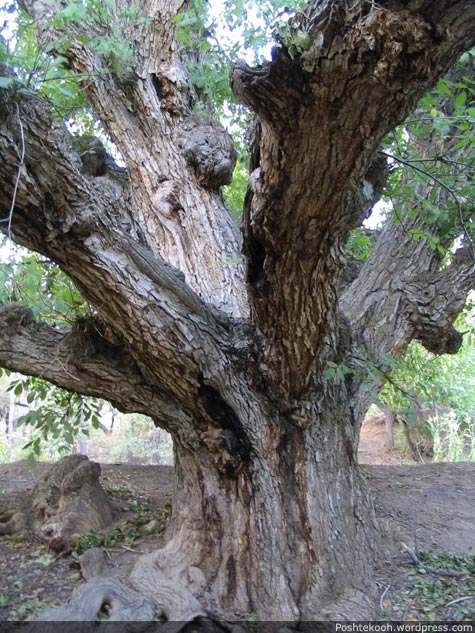
  • Anushiruwan walnut tree, with a perimeter of 6 metres and a diameter of 2 metres, has 5 main branches, each of which is as large as a solid tree. The life of this tree is estimated to be over 1000 years. Local people believe the Anushiruwan walnut tree was planted during Sassanid era and the rule of Khosrow I.
  • Ab Gerab Spring is the main spa resort of the city of Tafresh. Its water is mixed with bicarbonate mineral water. Because of its properties, it can help digestion and increases digestive secretions. It can also have a palliative effect. In addition, the spring can also cause the vessels to open and close during swimming. Because of a temporary decrease in blood pressure, the pulse is slowed down causing a good mood in the person who is swimming in the spring.
  • Except these attractions, the beautiful nature of this region is considered a suitable destination for tourists.

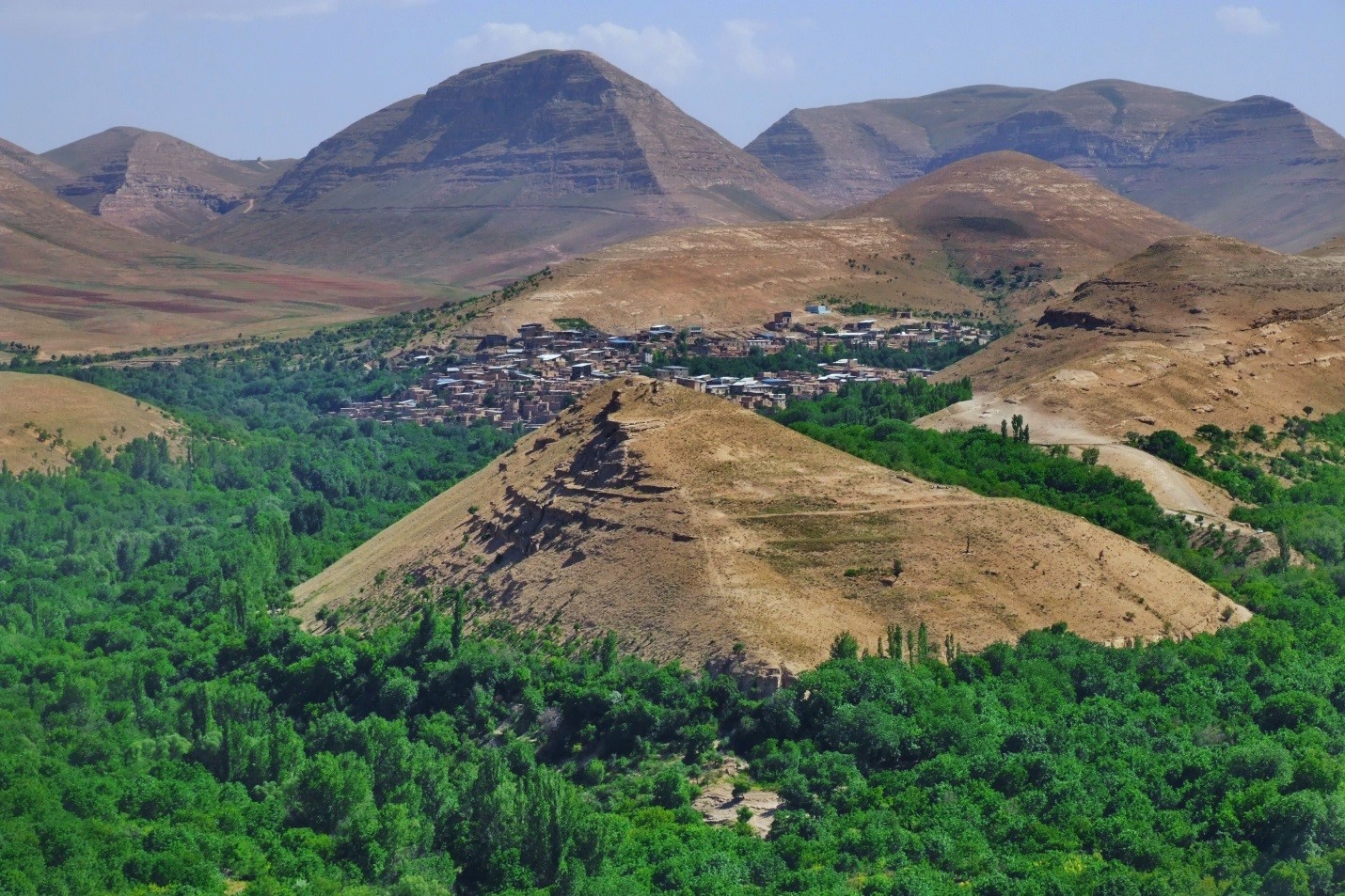
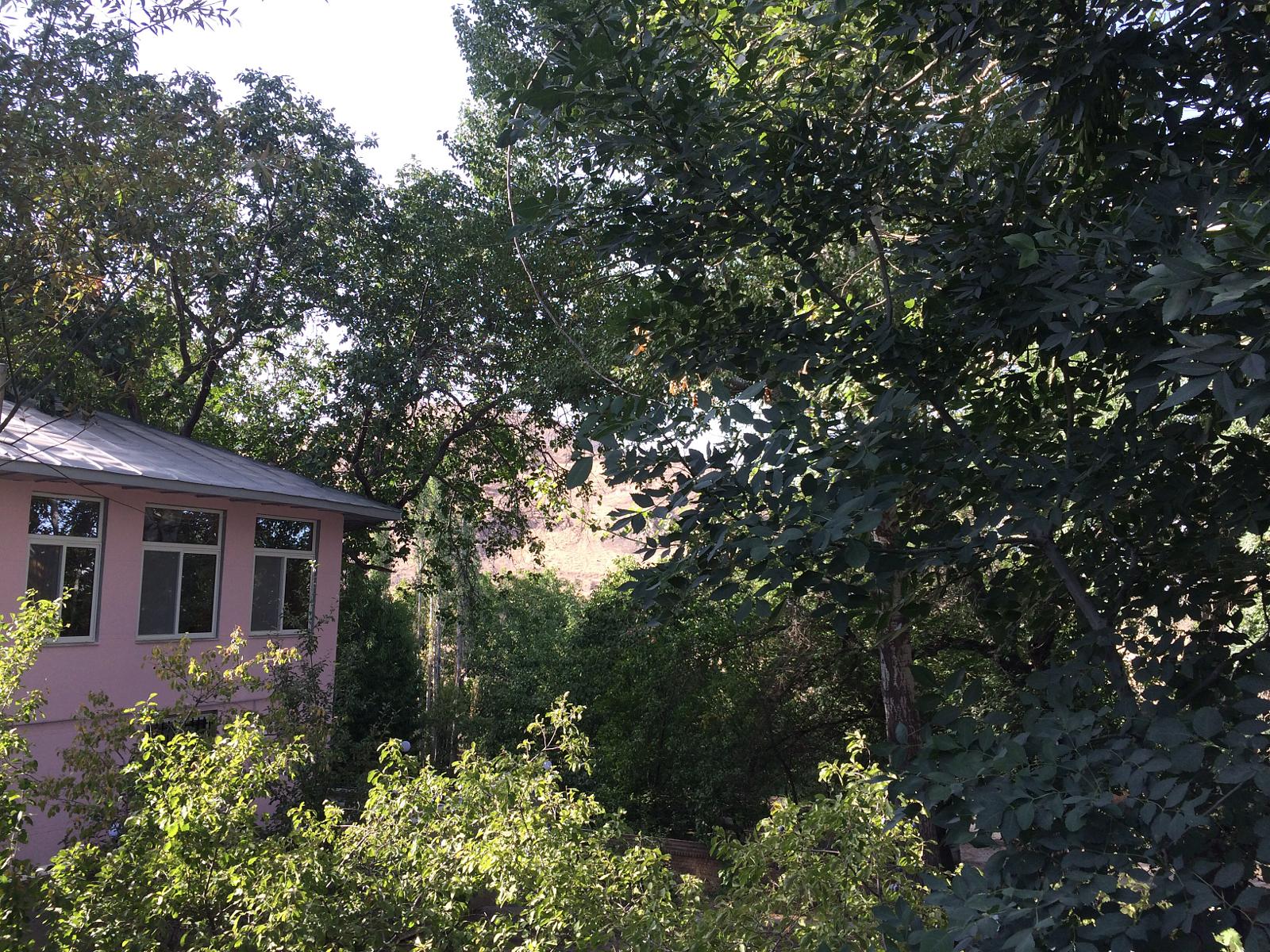
Here you can see pictures of this village retrieved from various sources:

A Look at Iranian Newspaper Front Pages on April 15

A Look at Iranian Newspaper Front Pages on November 19

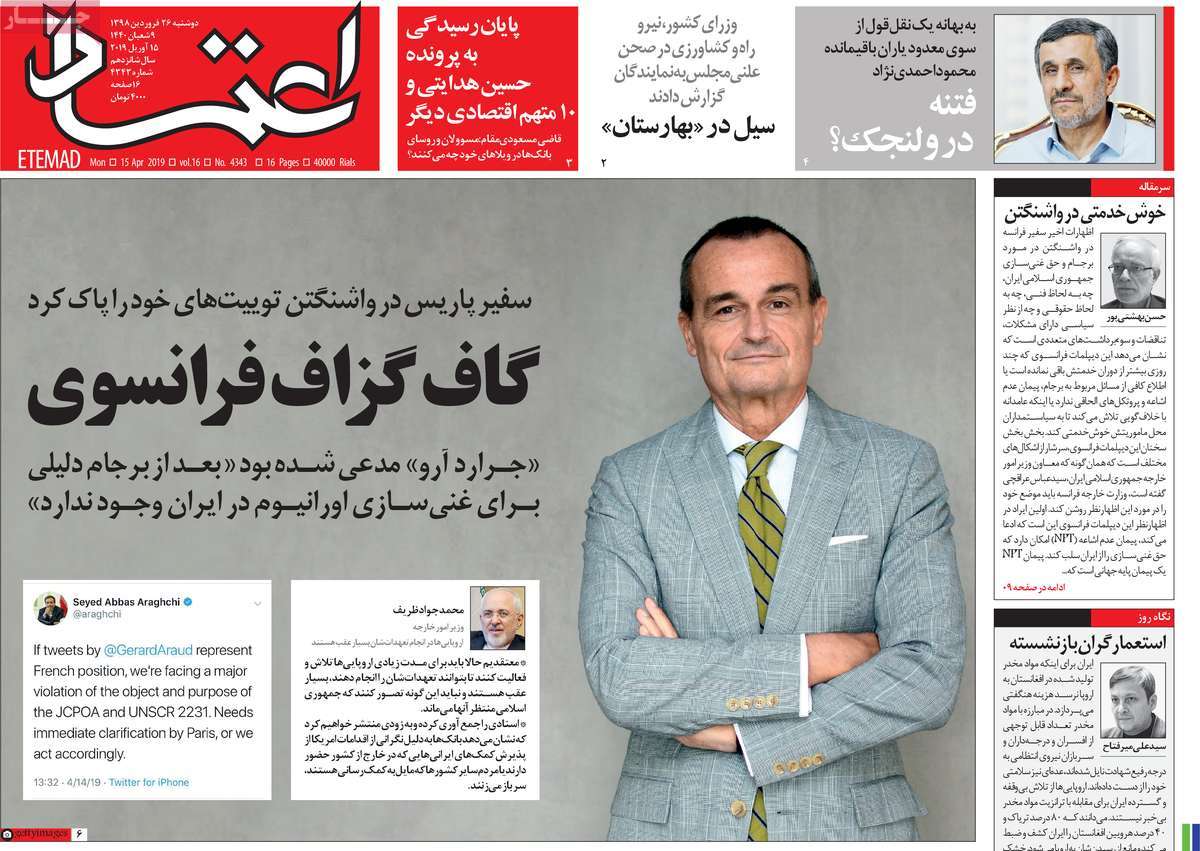
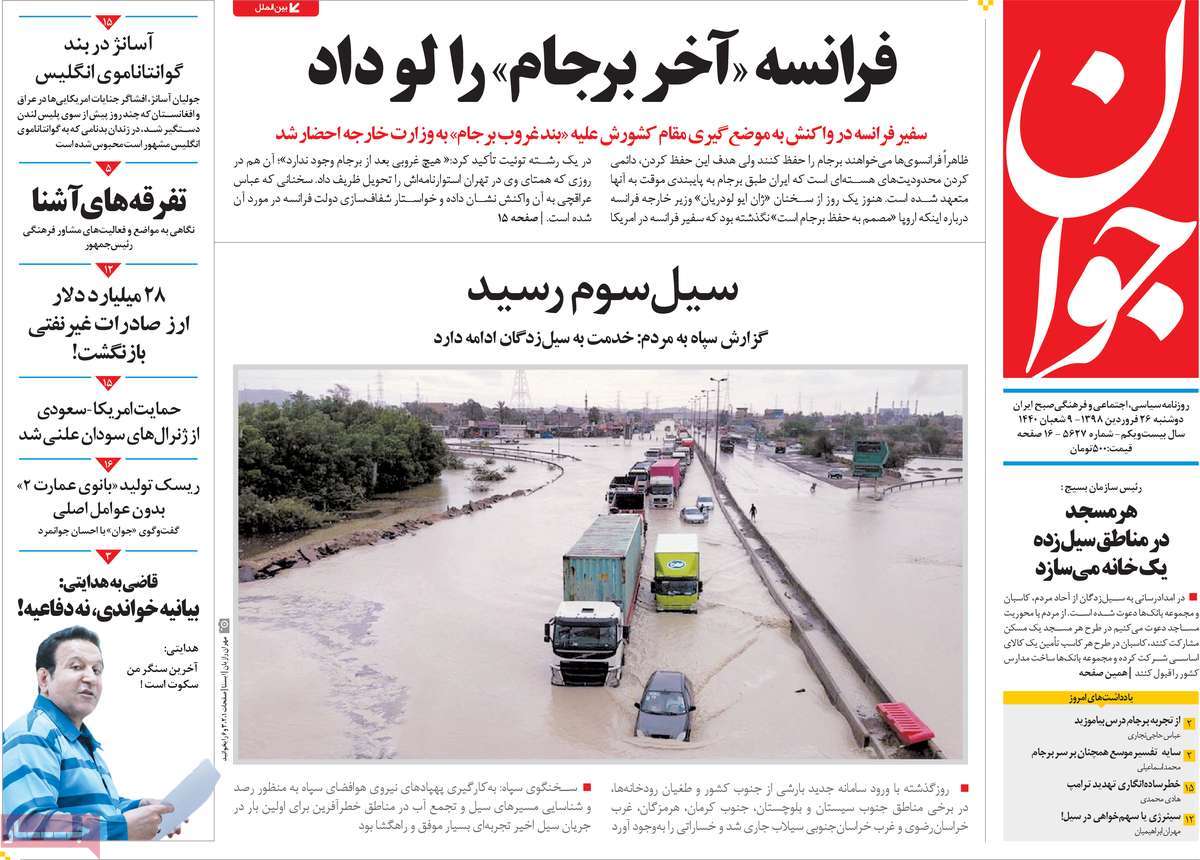
The top story in all papers today was an “unacceptable” tweet by French Ambassador to the UN Gerard Araud, in which he claimed Iran will not need to enrich uranium even after 2025, when the JCPOA will let Iran resume its higher-level enrichment.

The move was strongly protested by the Iranian foreign ministry, which summoned the new French envoy to Tehran, and asked for Paris’ explanation. Araud later deleted the tweets.

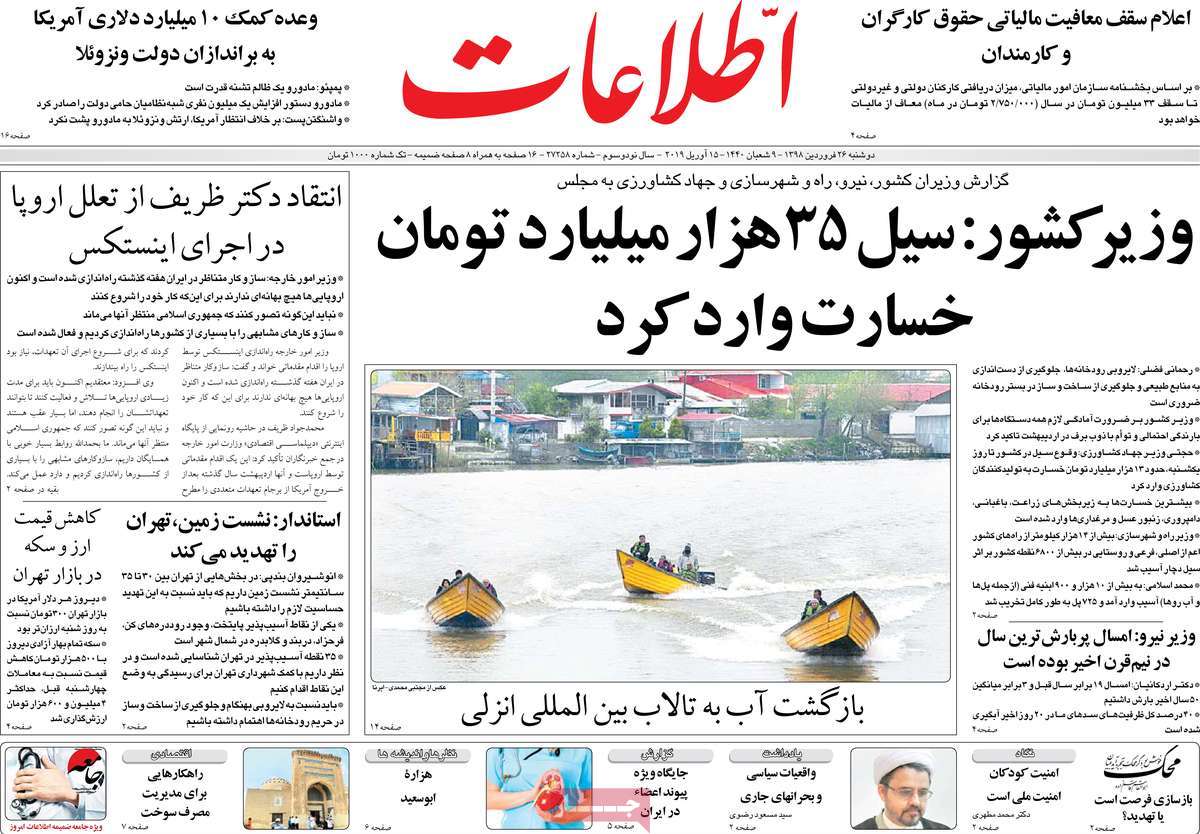
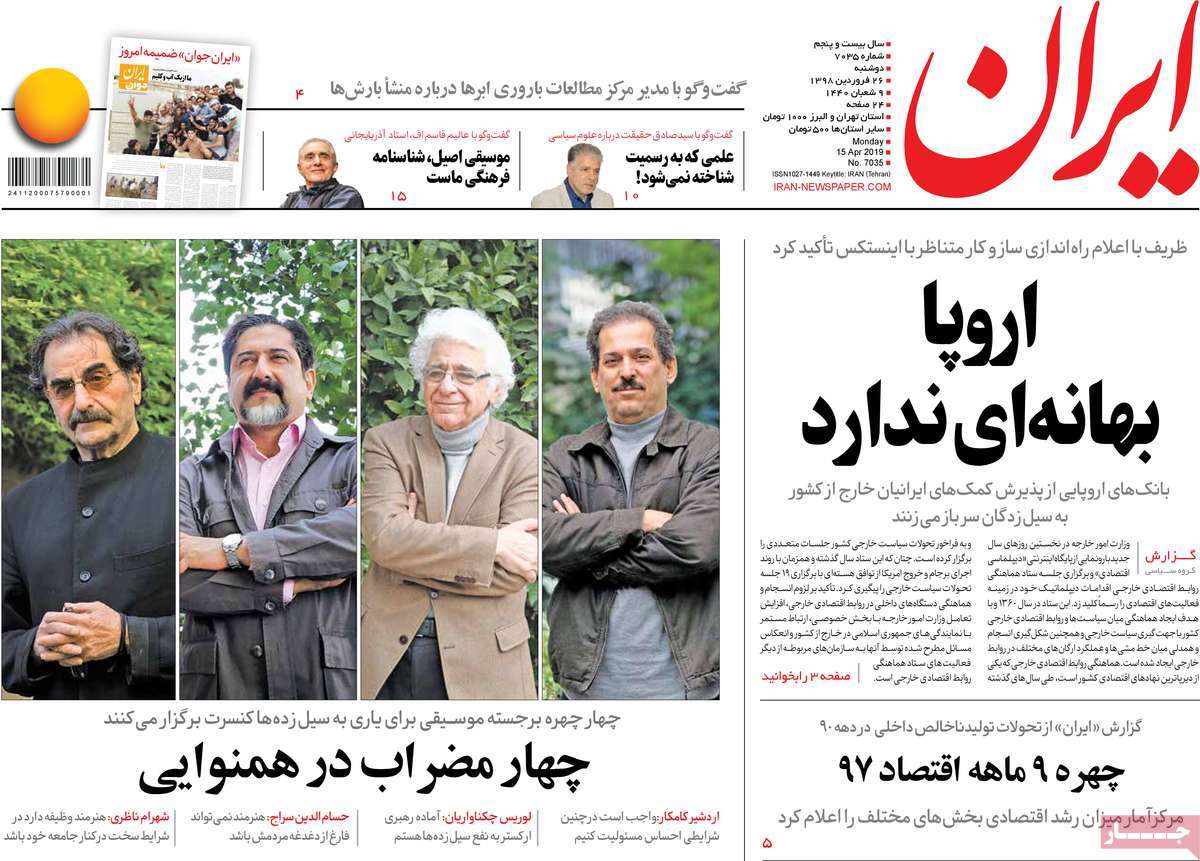
Iranian Foreign Minister Mohammad Javad Zarif’s criticism of Europe over its delay in launching its special purpose vehicle, known as INSTEX, also received great coverage.

The above issues, as well as many more, are highlighted in the following headlines and top stories:


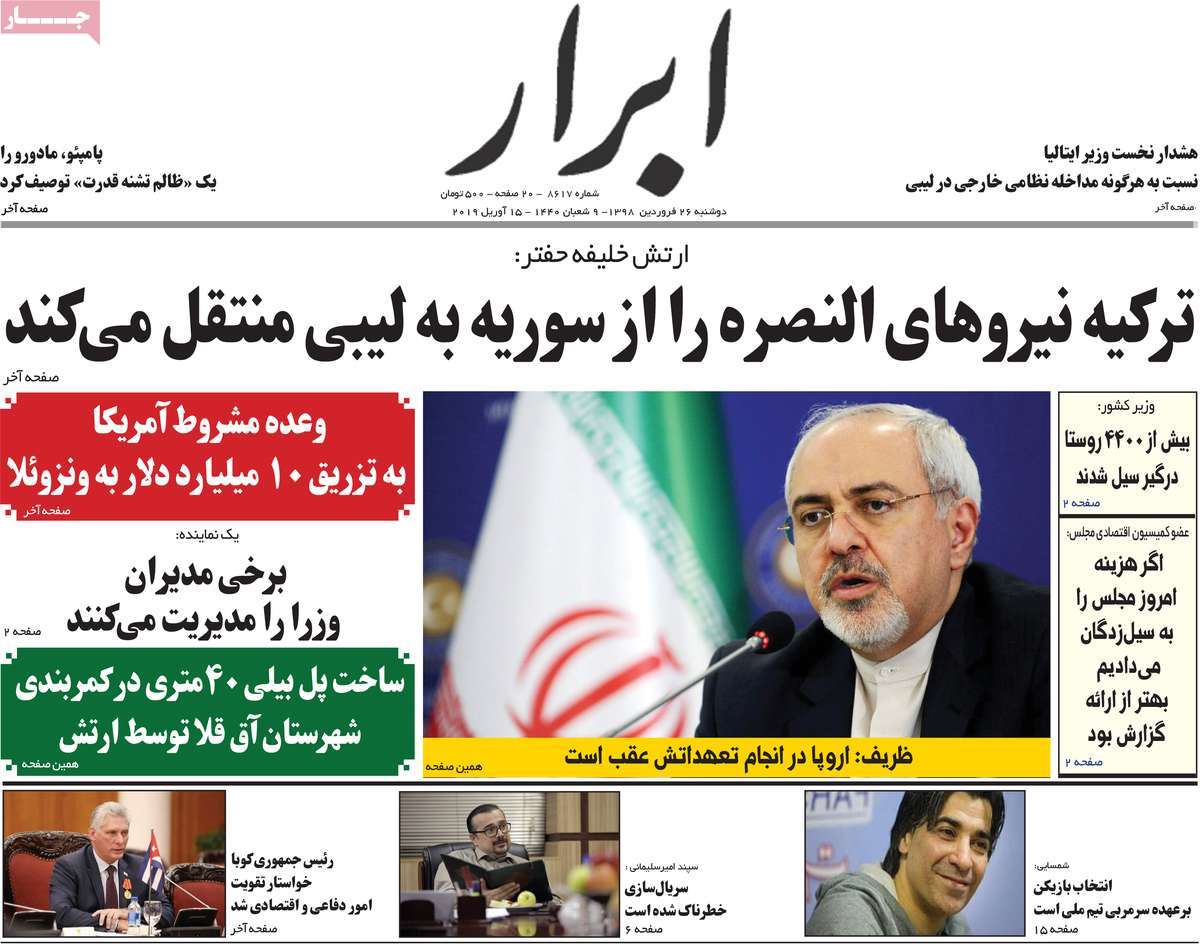
Abrar:

1- Italian PM Warns against Any Foreign Interference in Libya

2- Pompeo Describes Maduro as Power-Hungry Tyrant

3- Turkey to Transfer Nusra Front Fighters from Syria to Libya
A Look at Iranian Newspaper Front Pages on April 15


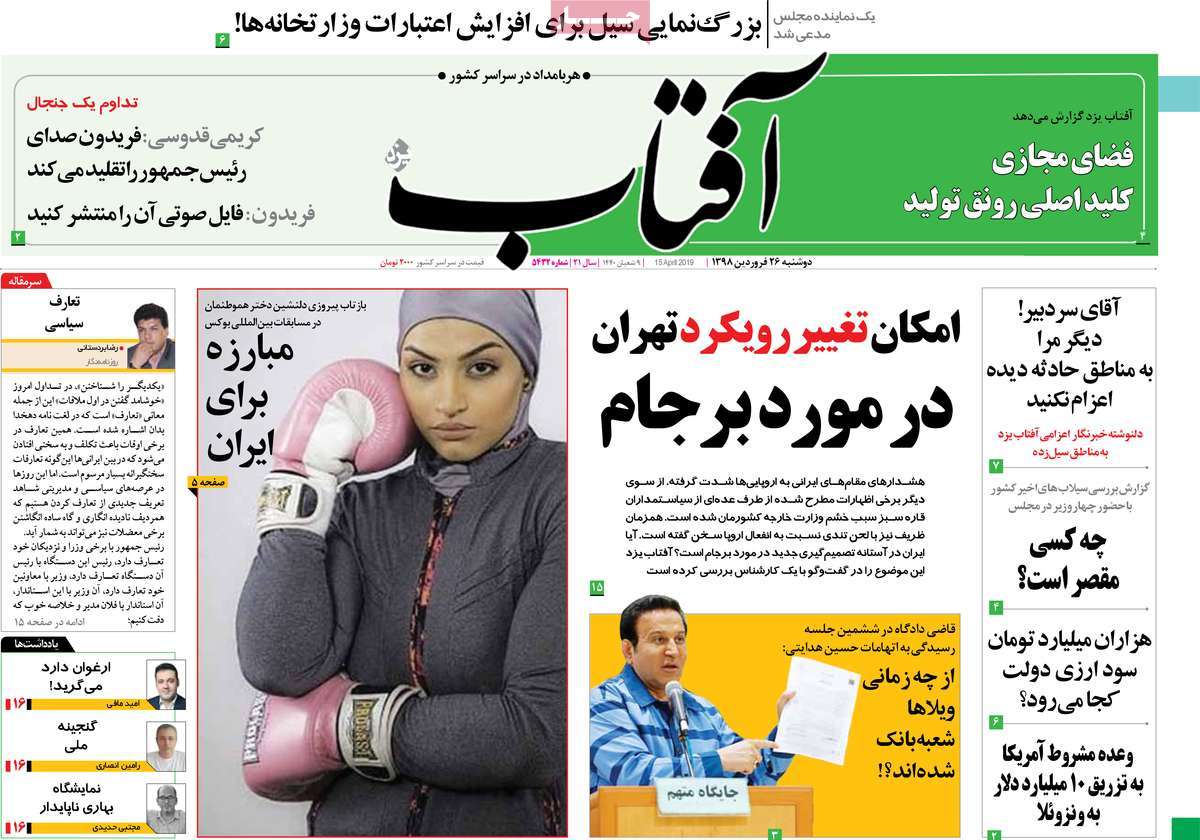
Aftab-e Yazd:

1- Tehran May Change Its Stance over JCPOA

2- US Sets Condition for Giving Venezuela $10 Billion
A Look at Iranian Newspaper Front Pages on April 15


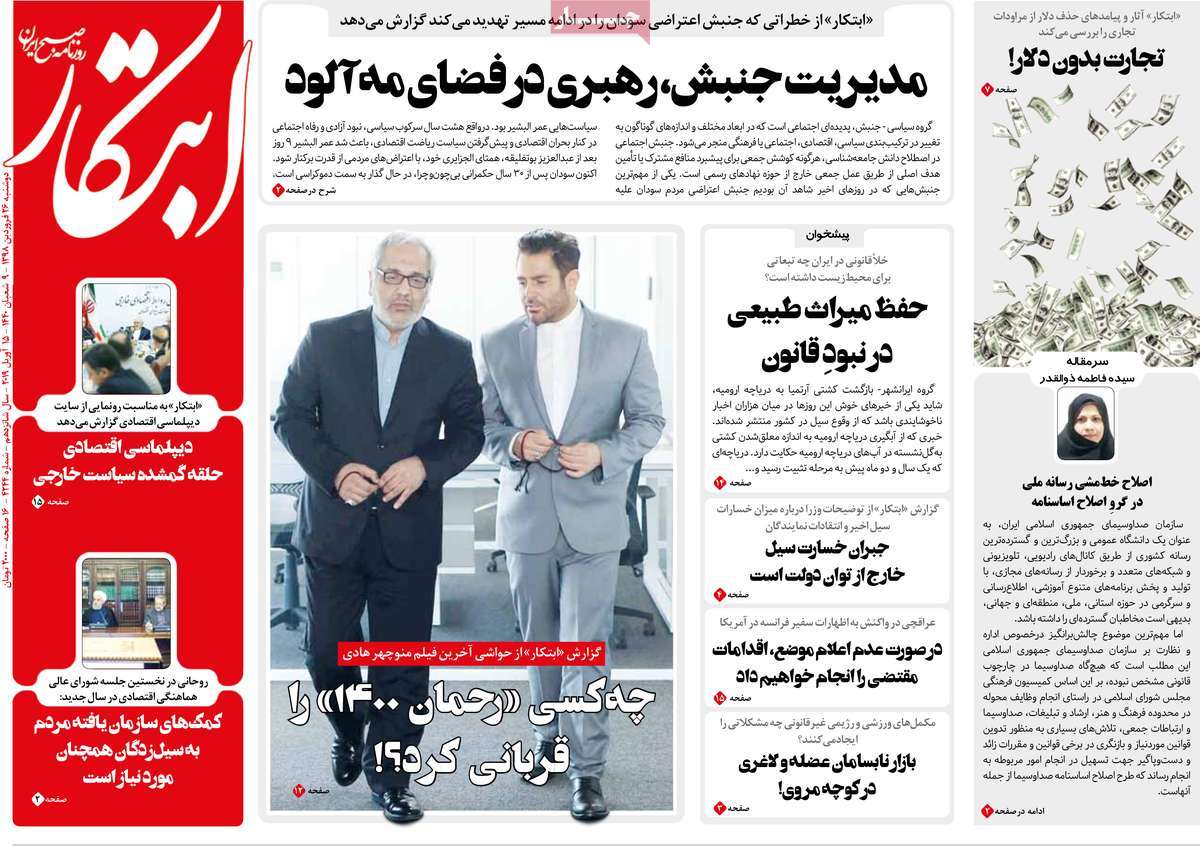
Ebtekar:

1- Dangers That Threaten Sudan’s Protest Movement

2- Iran to Give Appropriate Response to Unacceptable Tweet of French Ambassador to US
A Look at Iranian Newspaper Front Pages on April 15


Etemad:

1- France’s Goof: Araud Deletes His Tweets after Iran’s Reaction
A Look at Iranian Newspaper Front Pages on April 15


Ettela’at:

1- Zarif Criticizes Europe’s Delay in Launching INSTEX

2- US Vows to Give $10 Billion to Opponents of Maduro Gov’t
A Look at Iranian Newspaper Front Pages on April 15


Iran:

1- Zarif: Europe Has No Pretext to Delay Launch of INSTEX

2- European Banks Refusing to Accept Iranian Diaspora’s Donations to Flood Victims
A Look at Iranian Newspaper Front Pages on April 15


Javan:

1- France Spoils End of JCPOA

* French Envoy Summoned to Iran Foreign Ministry over Araud’s Tweets

2- Assange Detained in UK’s Guantanamo Prison

3- US-Saudi Support for Sudanese Generals Disclosed
A Look at Iranian Newspaper Front Pages on April 15


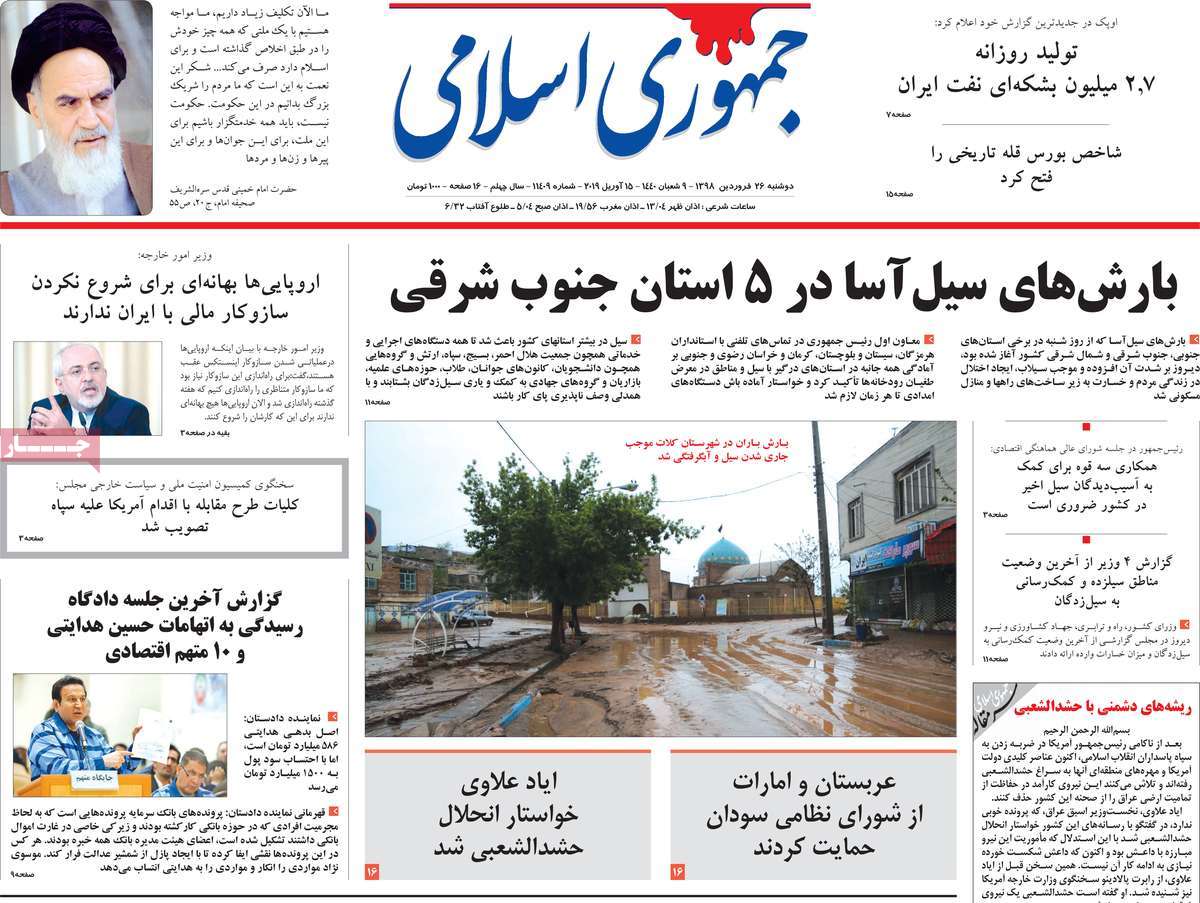
Jomhouri Eslami:

1- Iran Produces 2.7 Million Barrels of Oil per Day

2- Saudi Arabia, UAE Support Sudanese Military Council

3- Iran Passes Generalities of Plan to Counter US Move against IRGC
A Look at Iranian Newspaper Front Pages on April 15


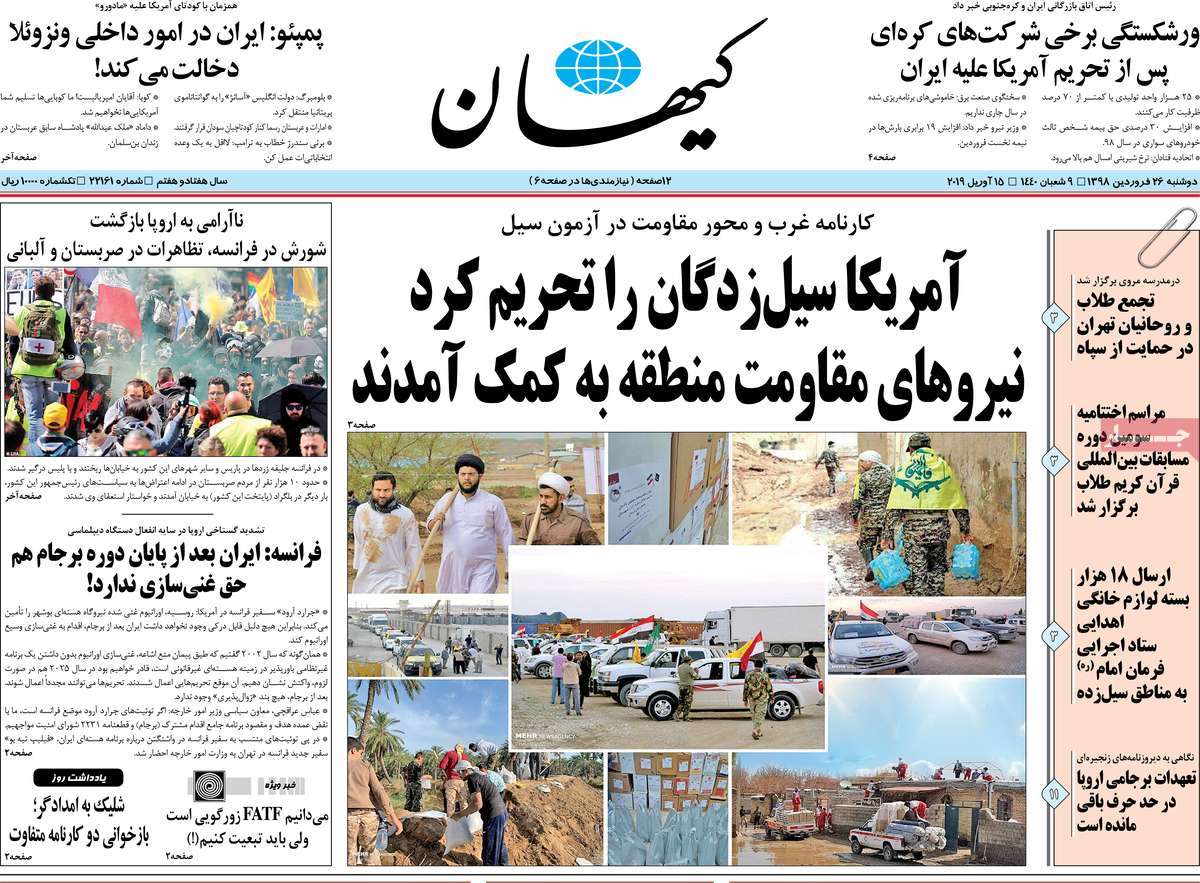
Kayhan:

1- Some Korean Companies Gone Bankrupt after US Sanctions on Iran

2- Amid US’ Coup against Maduro; Pompeo: Iran Interfering in Venezuela’s Internal Affairs

3- US Sanctions Flood Victims; Regional Resistance Forces Come to Help

4- France: Iran Won’t Be Allowed to Enrich Uranium Even after JCPOA
A Look at Iranian Newspaper Front Pages on April 15


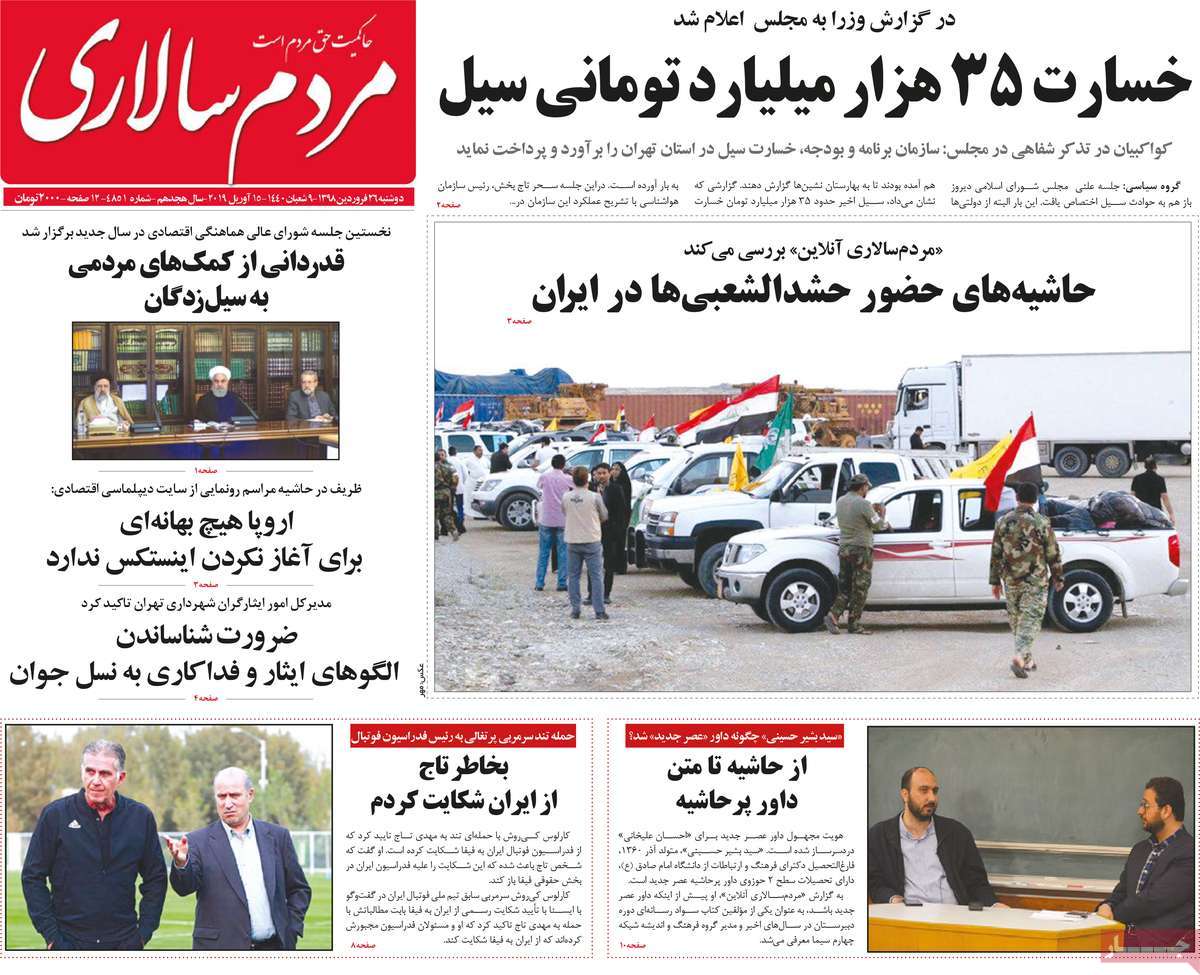
Mardom Salari:

1- Controversies over Presence of Hashd al-Shaabi Forces in Iran

2- Flood Causes IRR 350,000 Billion in Damages
A Look at Iranian Newspaper Front Pages on April 15


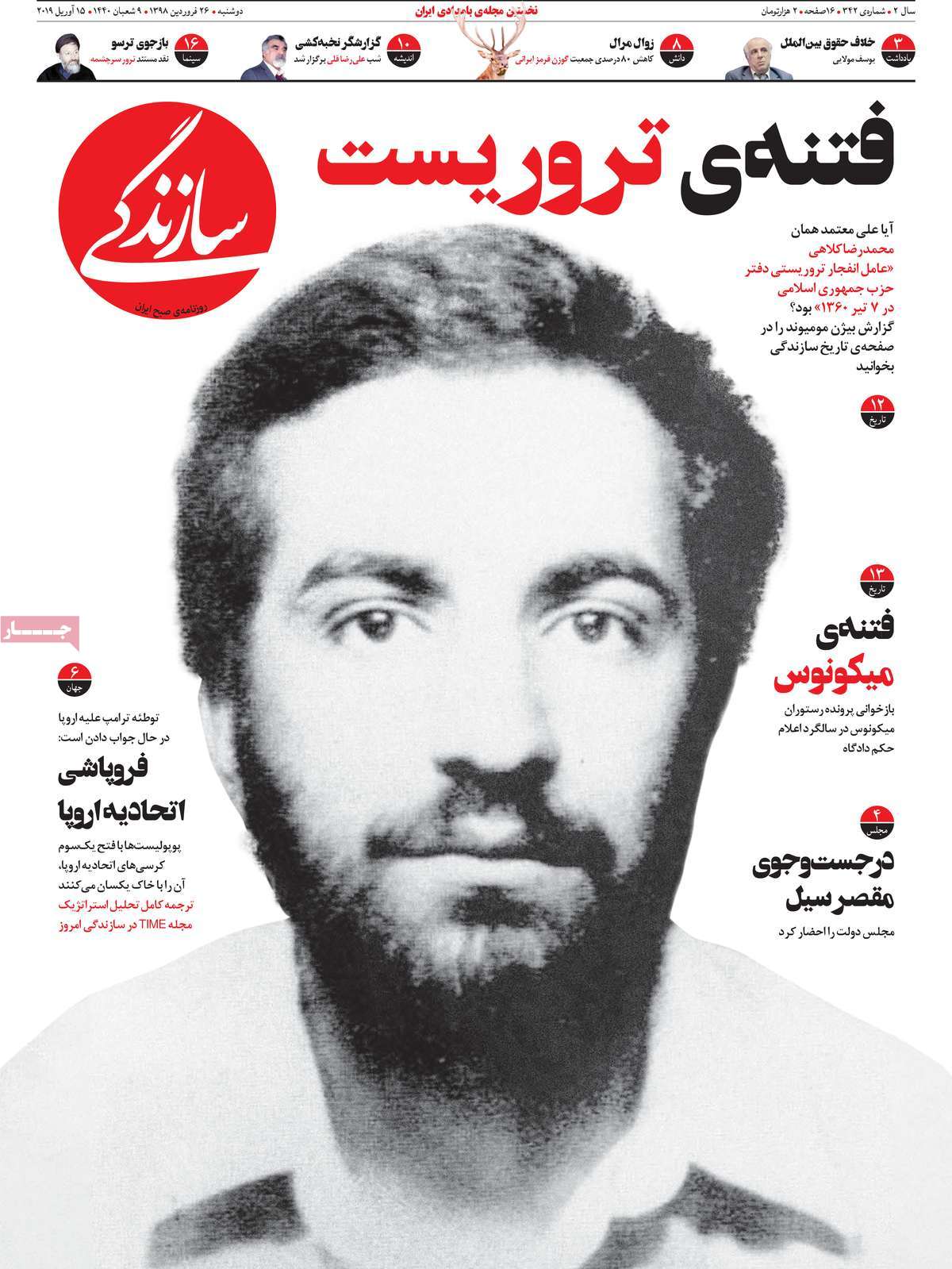
Sazandegi:

1- European Union’s Collapse: Trump’s Plot against Europe Working

* Populists to Destroy EU by Winning One-Third of Seats
A Look at Iranian Newspaper Front Pages on April 15


Shargh:

1- New French Envoy Summoned to Foreign Ministry on Same Day He Presented His Credentials

2- Last Ultimatum to Trump

3- Rouhani Stresses Cooperation of All Branches of Gov’t to Help Flood Victims
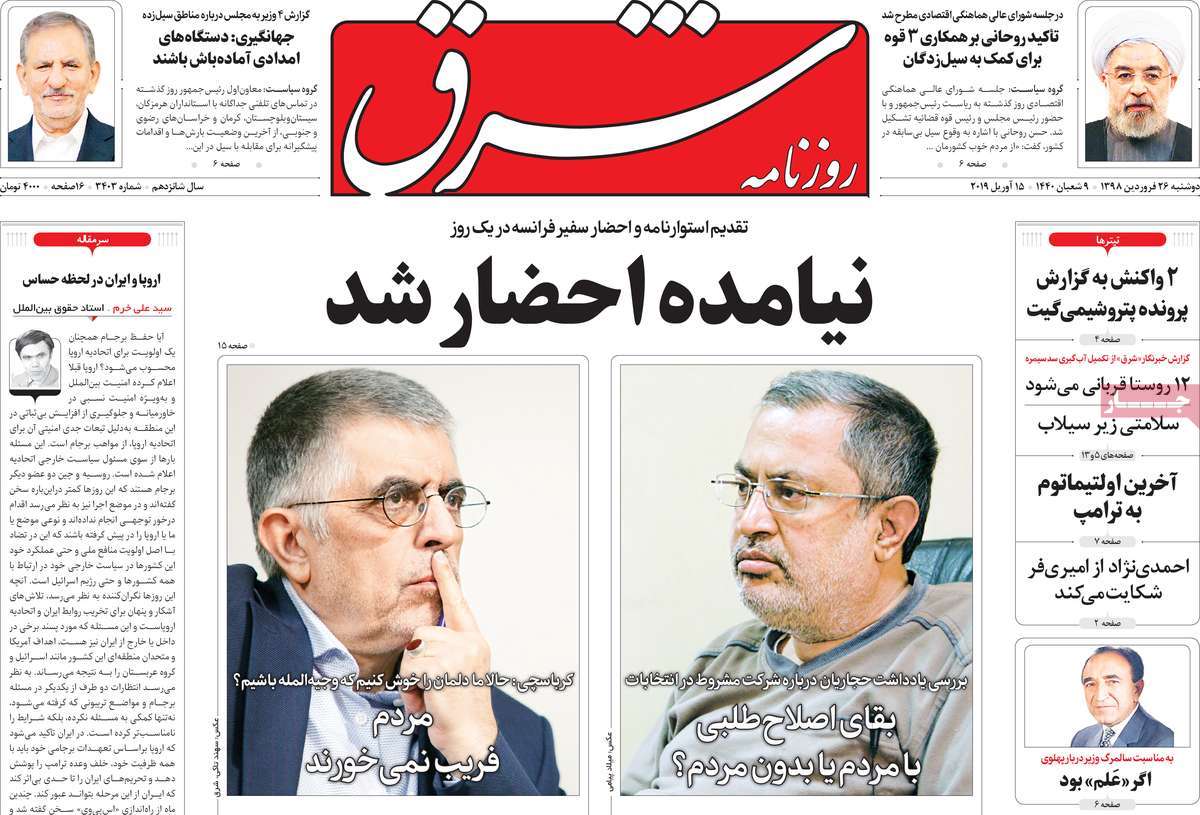
A Look at Iranian Newspaper Front Pages on April 15


Sobh-e Now:

1- From Basra to Latakia; Iran’s New Economic Move

2- The Retarded Europe: When Western Parties Violate JCPOA in Turn
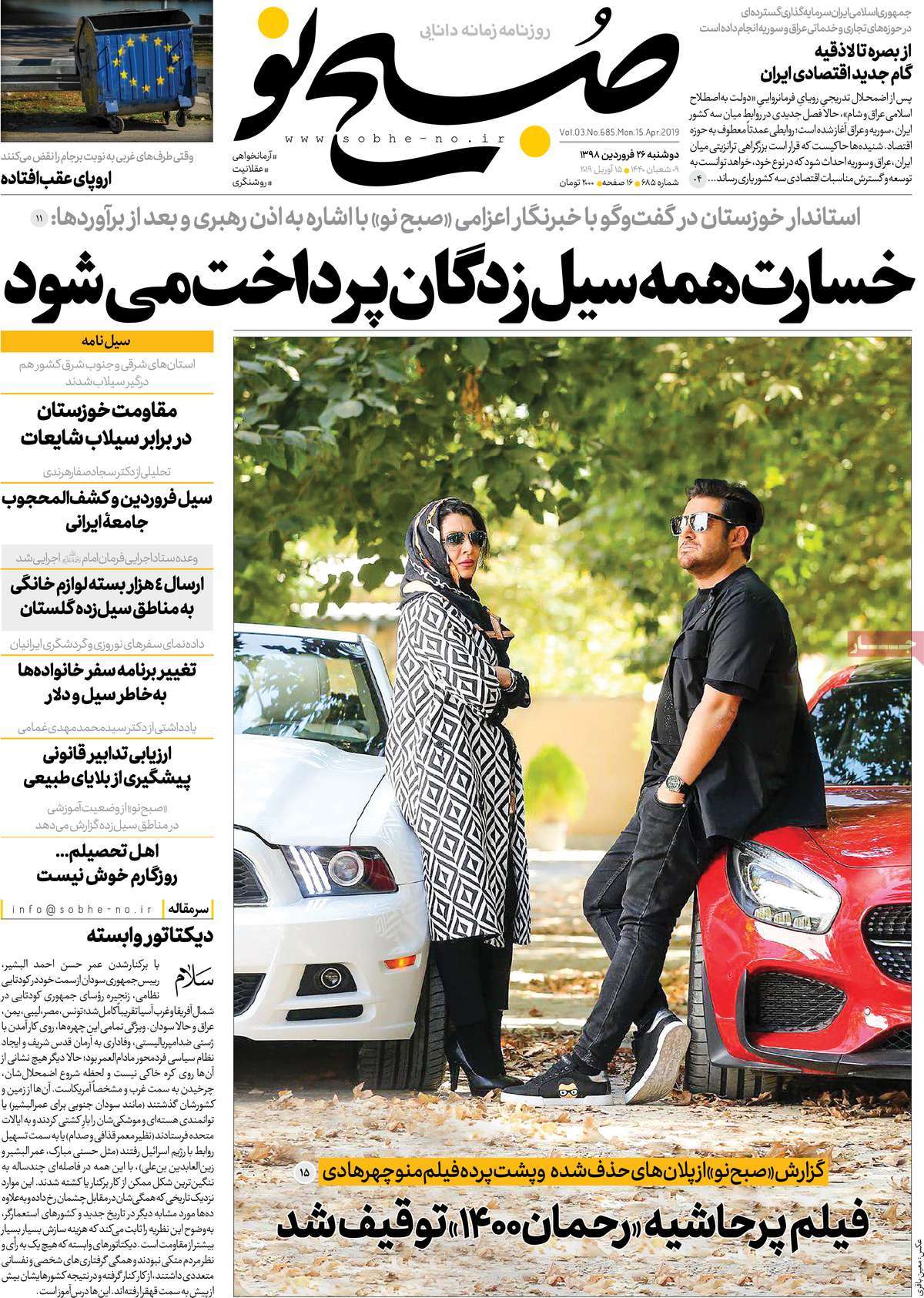
A Look at Iranian Newspaper Front Pages on April 15
‘Are You Volleyball?!’ Most Acclaimed Short Film of Iran

Held in the Swiss city of Ascona, the event presented its Best Short Film and Audience Award to the Iranian acclaimed title.

With this award, the film has already won 100 awards at 300 international festivals.

Directed by Mohammad Bakhshi, it features a group of Arabic-speaking asylum seekers who try to make their way to the border of an English-speaking country.

They get into a conflict with border guards until a deaf child makes communications easier between the two sides.

“Are You Volleyball?!” has been featured at several international film events, including the FICTS – Federation Internationale Cinema Television Sportifs in France, the Short Shorts Film Festival & Asia in Japan, the Kinolub International Film Festival for Children and Youth in Poland, the Hong Kong International Film Festival, the Children’s Right International Film Festival in Turkey, and the Batumi Film Festival in Georgia.

The film has so far won awards from Spain, Romania, Russia, Australia, Iraq, etc. Artists such as Naeem Sheikh Mahboubi, Yasmin Solhi, Hamed Nadri, Ebrahim Amoureh, Mahdi Hosseini and Mohsen Dadashzadeh have played in the short.

‘Some Korean SMEs Go Bankrupt after US Sanctions against Iran’

Hossein Tanha’ee referred to a 70-percent decline in Iran-South Korea trade after the US sanctions, saying that large companies in the country, mainly in the automotive, petrochemicals and home appliances sectors were forced to cut their trade ties with Iran.

“The trade volume of some large South Korean companies with the United States is as high as 25 percent of their trade with other countries of the world, while their trade ties with Iran account for only one percent of their trade volume,” he told Tasnim.

“This means their trade volume with the US is 25 times more than their trade with Iran,” Tanha’ee went on to say.

On the other hand, there were major problems for two large Korean banks to keep doing transactions with the Islamic Republic. Meanwhile, large shipping companies were not willing to work with Iran, and shipping insurance for Iran is also subject to sanctions, he added.

He underscored that following the decline in Iran-South Korea economic relations, all these problems led to bankruptcy of many of the so-called SMEs.

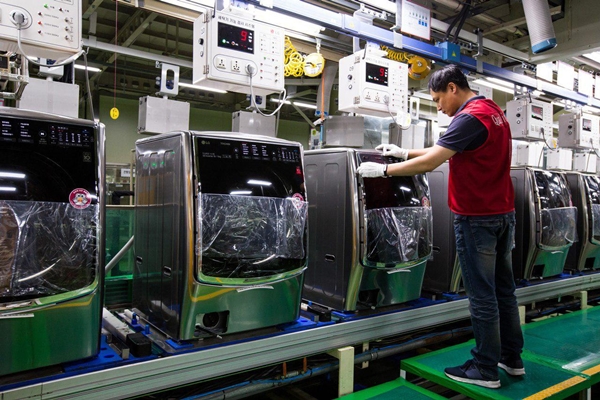
According to this Iranian official, between 20% and 25% of the decline in bilateral trade is in home appliance exports by two major Korean home appliance companies.