Saturday, December 27, 2025
Home Blog Page 3201

Iran Strongly Condemns US’ Coup Attempt in Venezuela

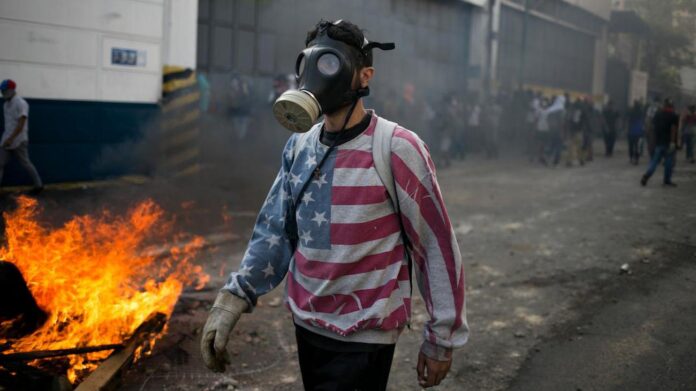
Anti-government protesters clash with security forces in Caracas during the commemoration of May Day on May 1, 2019. / Photo by AFP

Mousavi made the remarks on Thursday in reaction to reports of American officials’ comments about the use of force and military action against Venezuela.

“Threatening to use force against other countries is a stark violation of international laws, particularly the United Nations Charter,” he noted.

“The UN Secretary General and all members of the international community are expected to condemn such remarks and show an appropriate reaction to them,” Mousavi went on to say.

Unfortunately, he added, the global order and stability is under threat by a group of warmongering, lawless, and chaos-seeking individuals in the US administration.

“It is imperative that all members of the international community take their momentous responsibility to contain such measures and heresies [by the US],” he added.

On Tuesday morning, opposition leader Juan Guaido, standing near the La Carlota air force base in capital Caracas and surrounded by a group of some 70 armed men in uniforms, called for military units to support him in the “final phase” of a plan to end Maduro’s “usurpation” of power.

The revolt sparked two days of clashes between dozens of Guido’s supporters and security forces.

However, Guaido’s plan to dislodge Maduro proved to be unsuccessful as top leaders and high-ranking military officials reiterated their full support for the government, and 25 rebel troopers sought asylum at the Brazilian embassy in the capital.

As the apparent coup attempt was unfolding, Pompeo told reporters that Washington was prepared to take military action on President Donald Trump’s order.

The comments came after US Secretary of State Mike Pompeo, top military leaders and national security advisor John Bolton all threatened that military action against Venezuela is possible if required.

Meanwhile, in an exclusive report on Tuesday, Reuters said the notorious US mercenary firm Blackwater has been reportedly lobbying with the administration of President Donald Trump as well as opposition figures of Venezuela for a secret mission to topple the Latin American country’s president.

Citing four unnamed sources, the report revealed that Erik Prince, the founder of the controversial private security firm, who is also a firm Trump supporter, has offered to deploy an army to the South American country in order to oust Maduro.
Impossible to Exclude Iran from Oil Market: OPEC

Barkindo, who was in Tehran to attend the 24th International Oil, Gas, Refining & Petrochemical Exhibition, noted that there is no unilateral decision in the OPEC.

He further mentioned that the Islamic Republic had faced similar issues in the past years and “I am sure it can overcome these challenges.”

“Over the 60 years after the launch of OPEC, we have faced many problems, but the unity of member states has always helped us. If we can preserve this unity, we can overcome the challenges again,” he said on Thursday.

He further underlined that he was concerned about differences among OPEC members, stating that “Iran’s challenge does not just concern this country; it also impacts OPEC as a whole and what happens to Iran, Libya and Venezuela would influence the market and the oil industry.”

OPEC is determined to avoid a global “energy crisis” as some of its members are facing international sanctions and others struggling with unrest, the cartel’s chief said.

“As an organisation, we will remain focused on our goal of avoiding an energy crisis that may affect the global economy,” Barkindo said on the sidelines of the exhibition.

Barkindo’s remarks come as Turkey said it cannot replace Iran’s exports. Qatar has also warned that the sanctions on Iran’s oil would certainly harm the countries that are dependent on the Iranian oil.

“The sanctions should not be extended because they have an adverse impact on countries benefiting from Iranian oil,” Qatari Foreign Minister Sheikh Mohammed bin Abdulrahman al-Thani told a press conference in Doha on Wednesday.

“In Qatar, we do not believe unilateral sanctions bring positive effects for crises which must be resolved through dialogue and dialogue only,” he underscored.

Earlier, Iran’s oil minister Bijan Zanganeh said anyone who uses oil as a weapon is bringing forward the death and collapse of OPEC.

“Those who use oil as a weapon against members of OPEC are disturbing the unity of OPEC and causing the death and collapse of OPEC and are responsible for the consequences,”  noted Zanganeh in a speech made at the exhibition.

The White House said after its Iran move that it is working with Riyadh and Abu Dhabi to make sure oil markets were “adequately supplied”, but traders worry about tight supplies.

Washington demanded that buyers of Iran’s oil stop purchases by May 1 or face sanctions. By this move the US ended six months of exemptions to Iran’s eight major customers to import limited volumes of oil from the Islamic Republic.

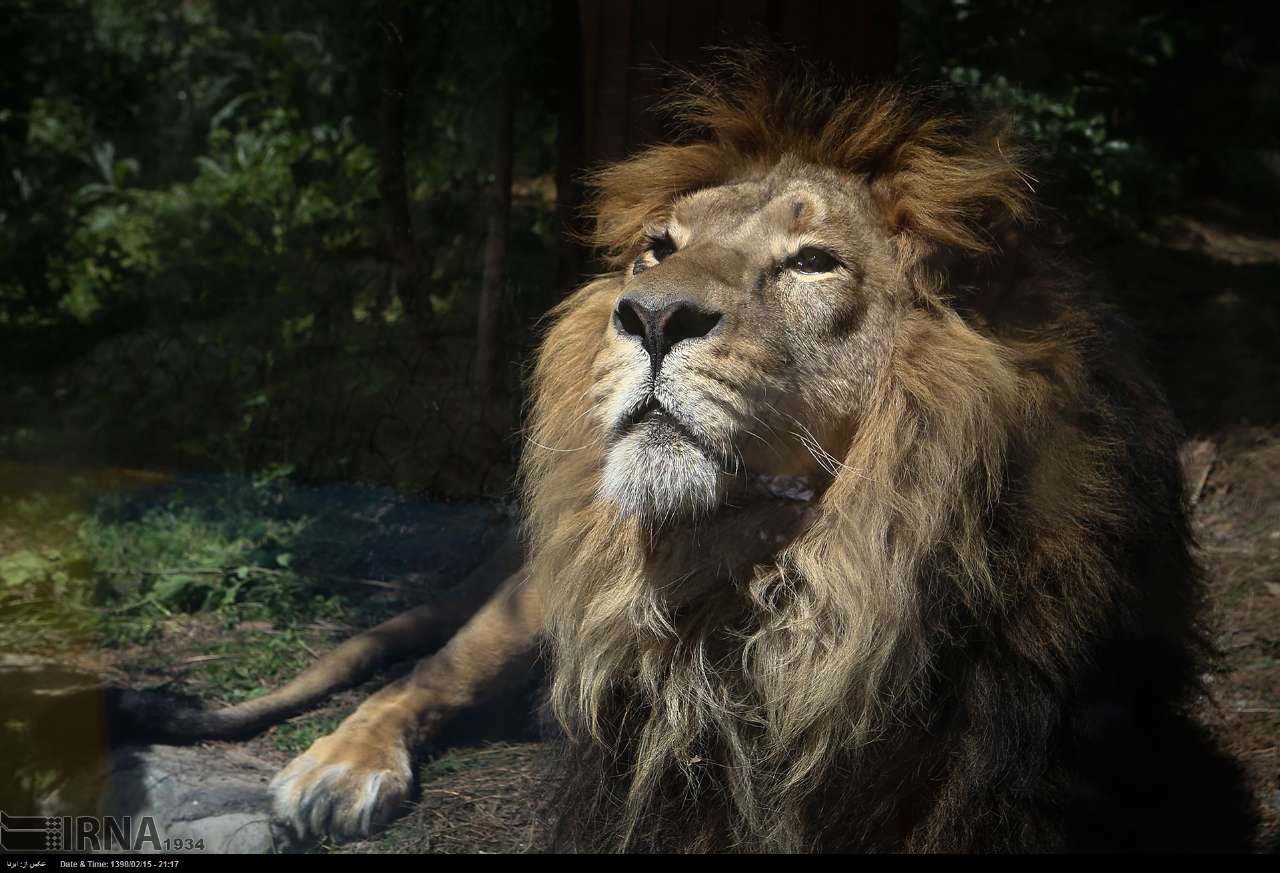
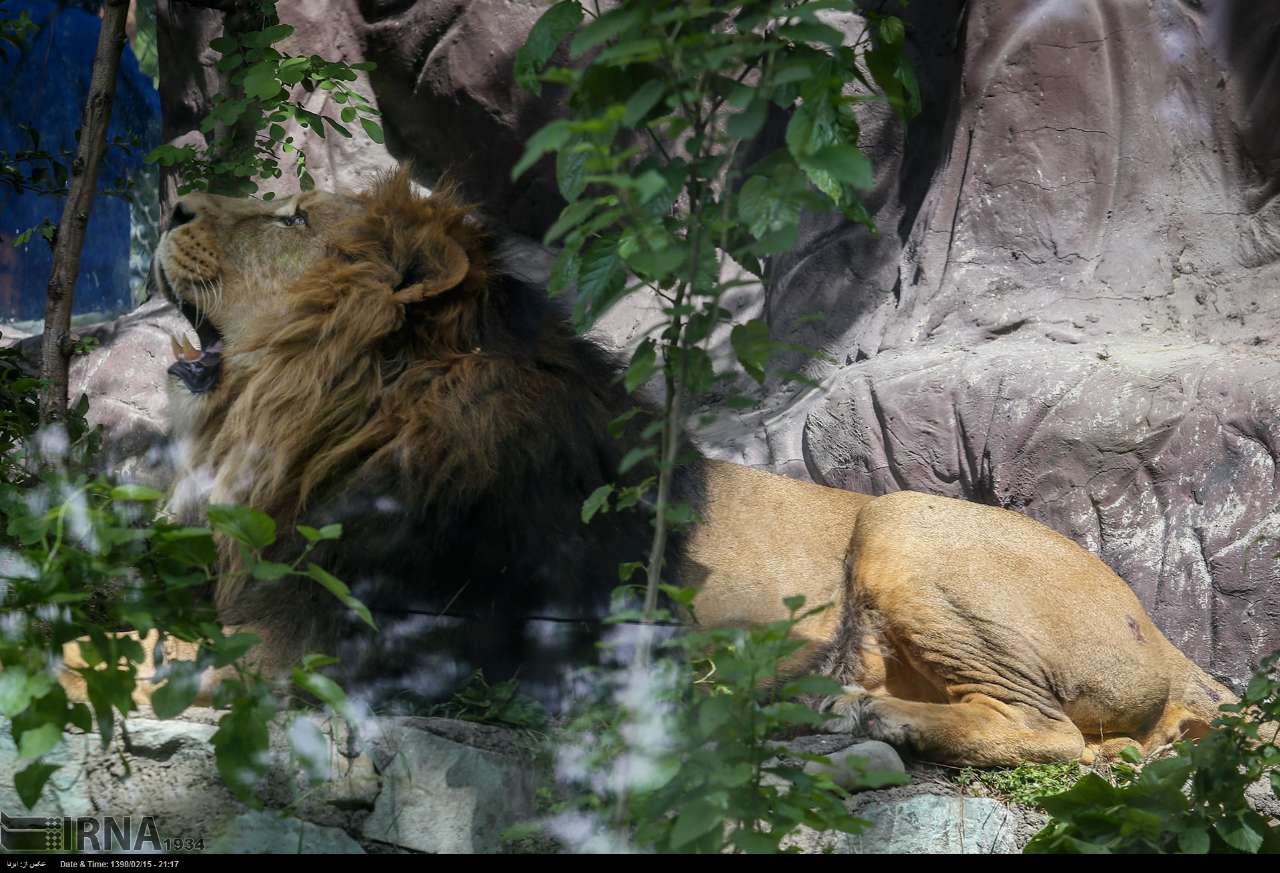
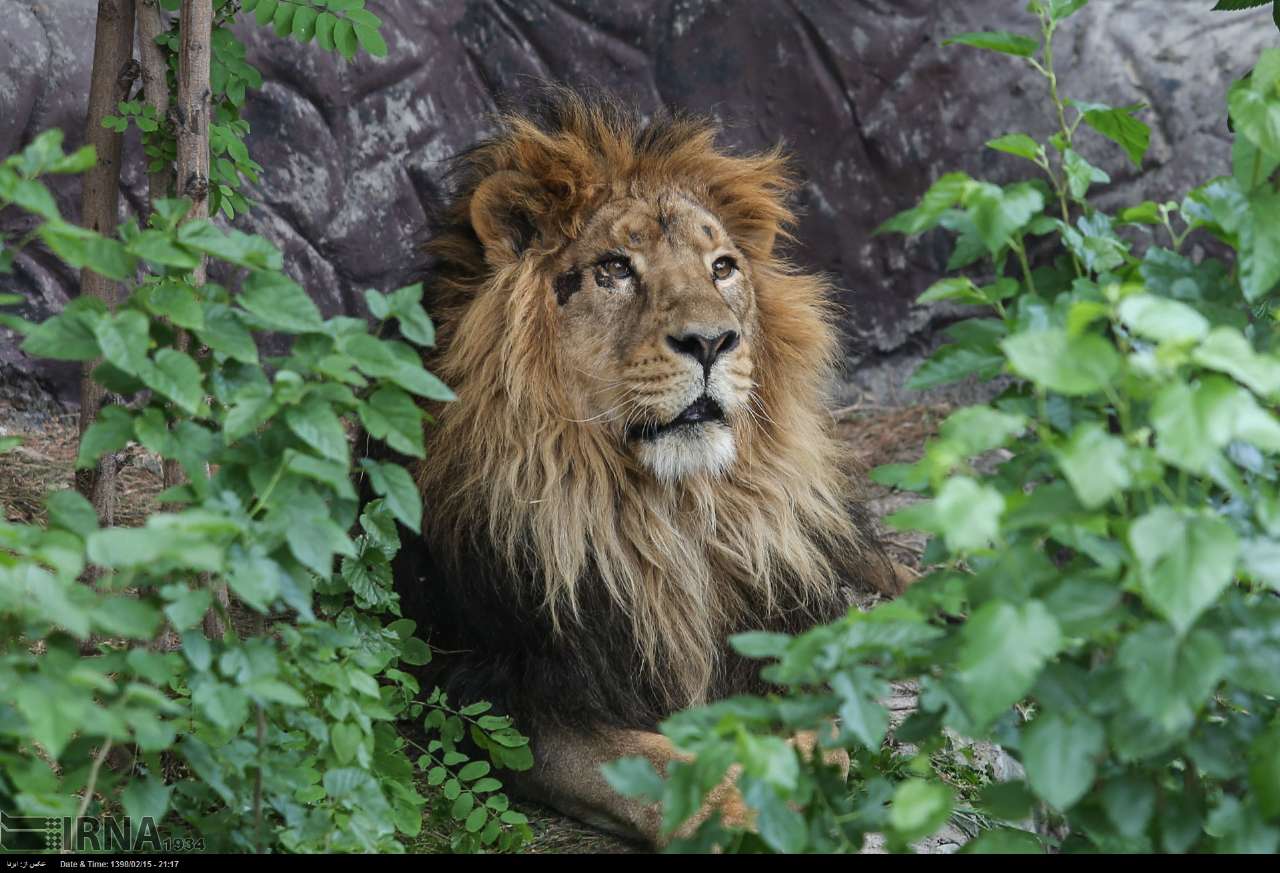
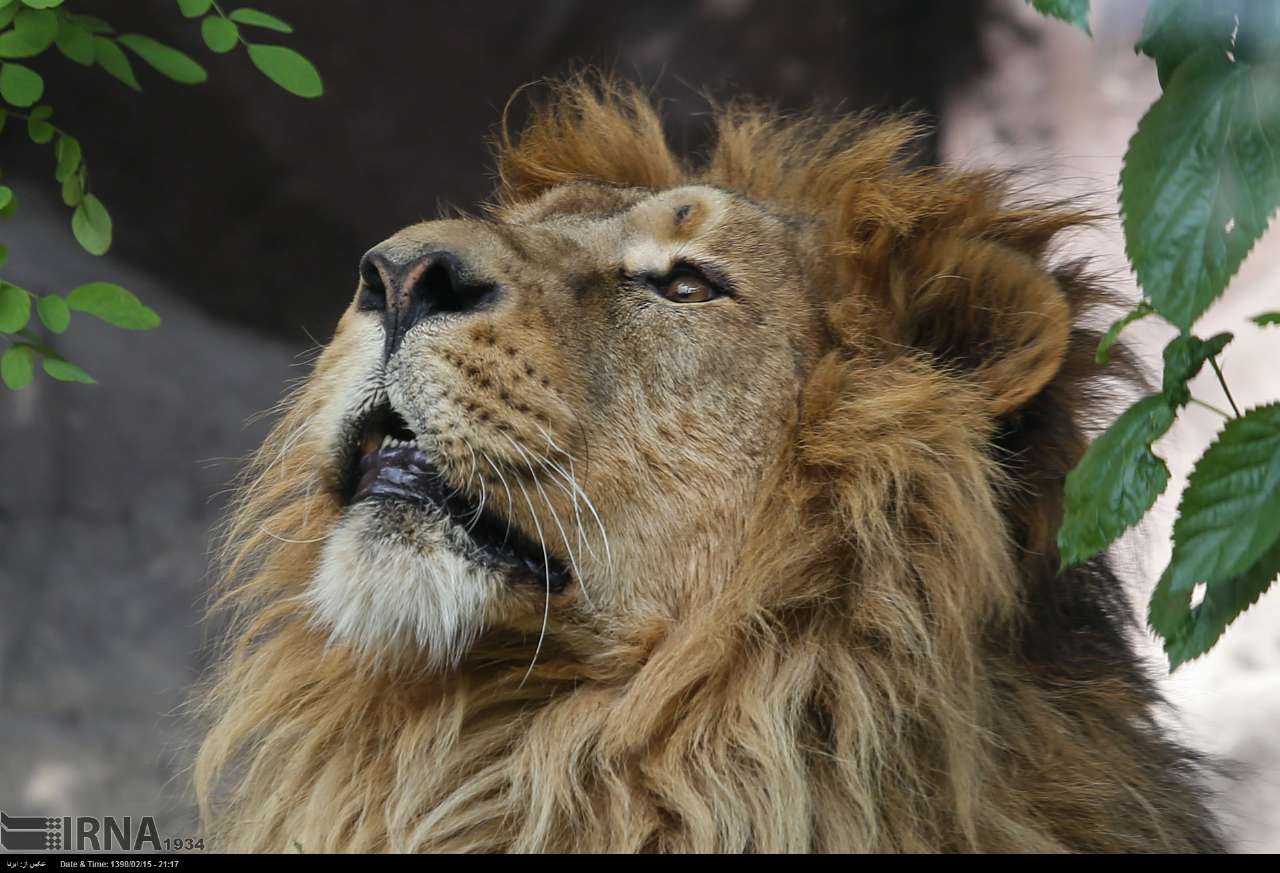
Persian Lion Returns to Iran after 80 Years

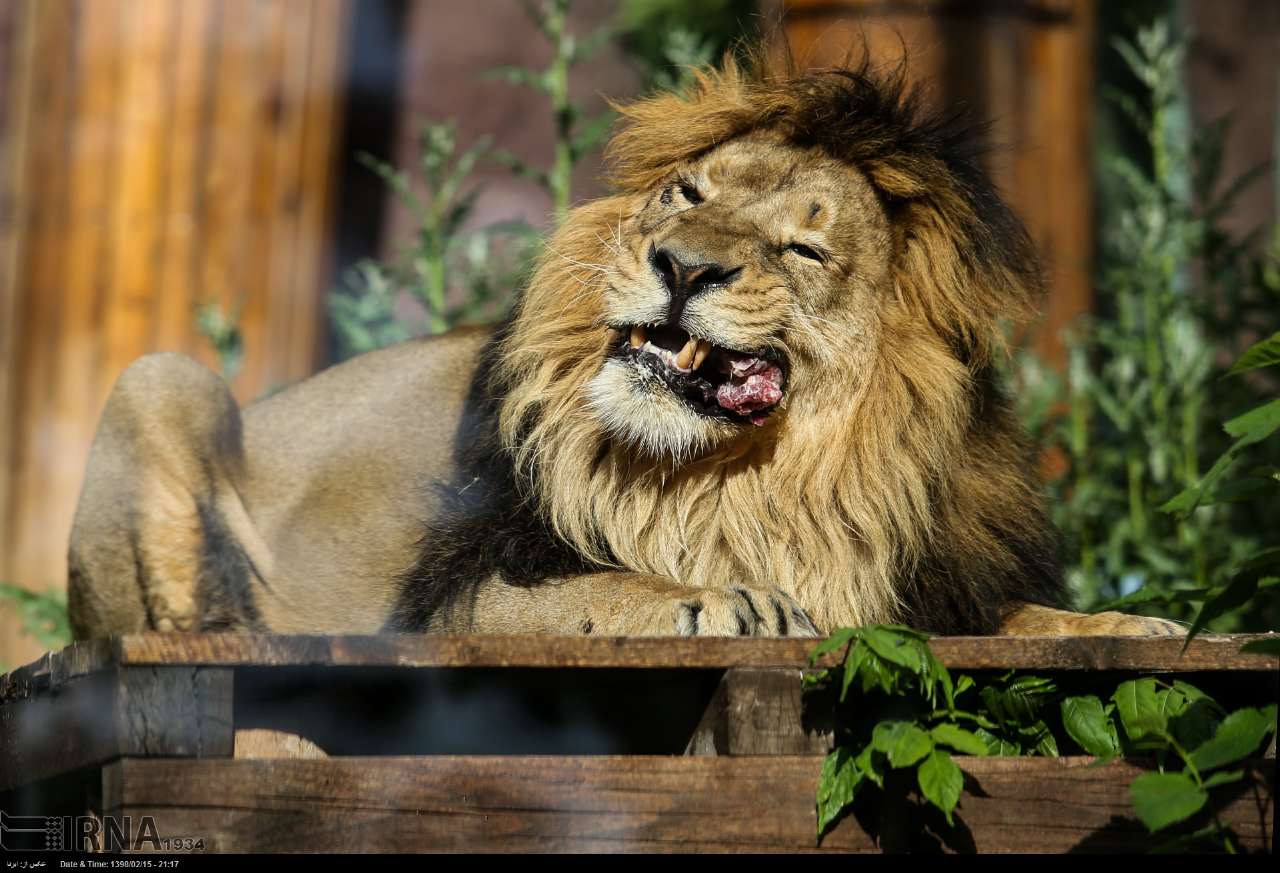
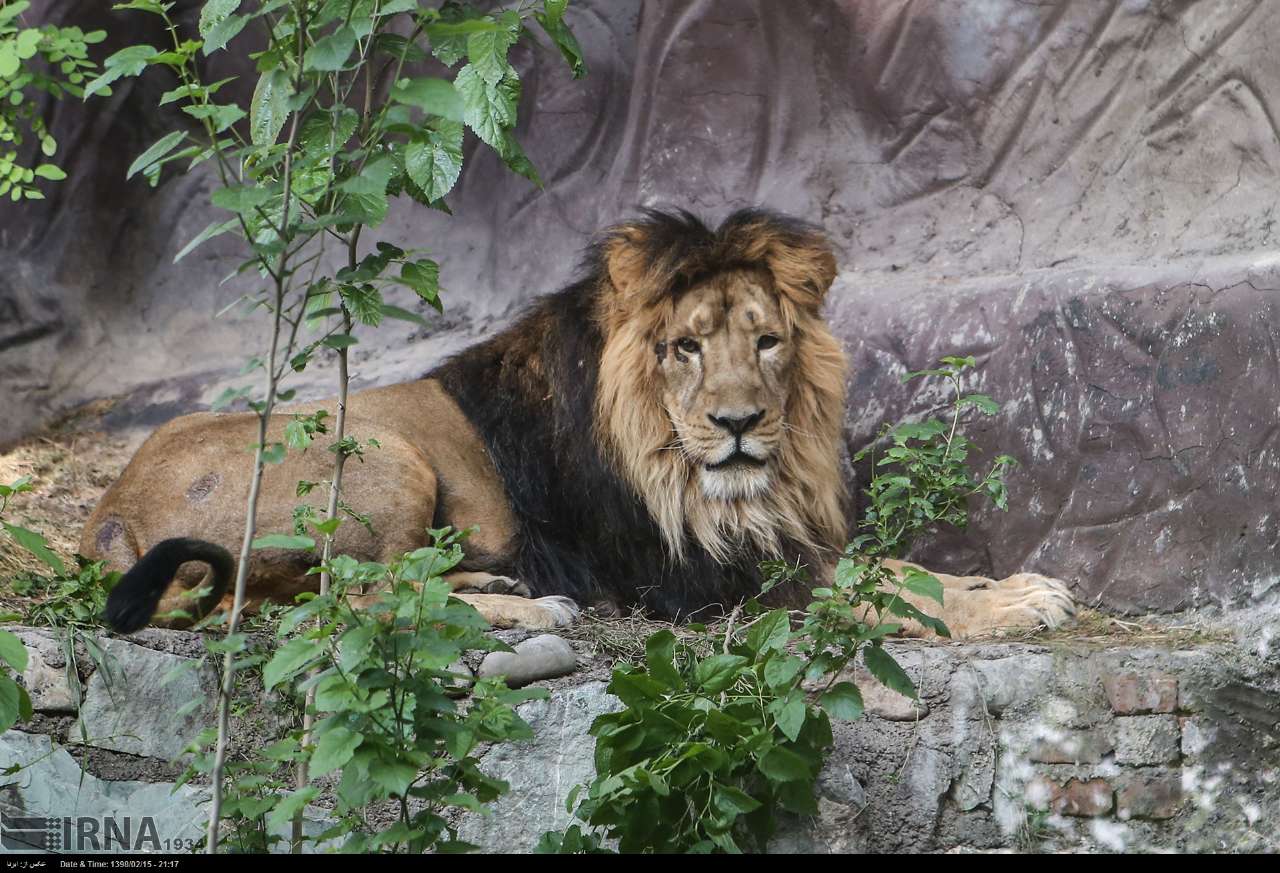
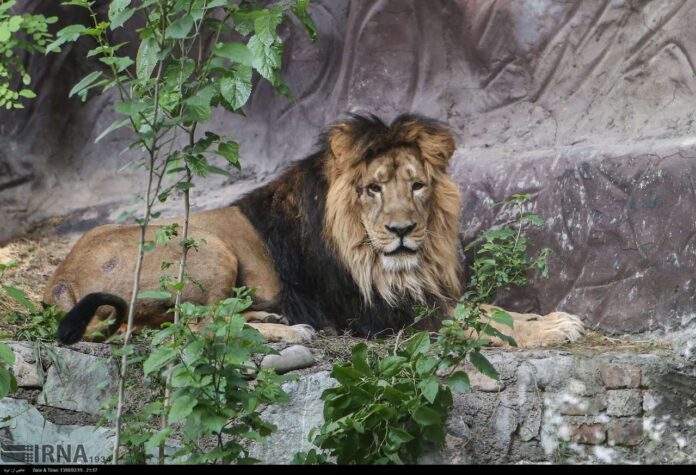
Under a new project, a Persian Lion has been sent from Britain’s Bristol Zoo to save the rare cat by reproducing it in the country.

Born in Britain six years ago on Christmas day, the male lion named Kamran, a son of Kamal, arrived in Tehran’s Imam Khomeini Airport on Wednesday night, and was sent to the Tehran Zoo.
A Persian lioness will also arrive soon from Ireland to help re-introduce the world’s last ranging population of Persian lion to their original habitat.
Seyyed Mohammad Reza Parhizkar, the head of Tehran Zoo, says “Our main goal is to try to re-introduce this species firstly to help the generation of this animal and, secondly, to make people acquainted with our country’s wildlife.”

On the return of these lions to Iran, Parhizkar said due to the membership of the Tehran Zoo in the Union of European Zoos (EAZA) these lions are returned under the program of proliferation and maintenance of endangered species.

Officials say under this plan, they will strengthen new measures for conservation and recovery of Persian lion with the help of disease management, and other works to ensure a stable lion population in the Islamic Republic.

Persian lion has now gone extinct in Iran and there are no confirmed modern records of lion presence in the country. Some say the lions that still live in India are the same lions that once were living in Iran.

History reveals that the Persian lion went extinct as a result of the selfishness of foreign occupiers. They used to hunt the Persian lion for fun. The mistakes of the previous Iranian rulers must not be ignored either.

In the past, Persian Lions were living in south Iran. They were somewhat smaller than their African descendants, with an obvious belly fold, and shorter mane. Current weather and other physical conditions in Iran seem nice to host these lions.

Iran’s Cooperation Warded Off Disintegration of Iraq: DM

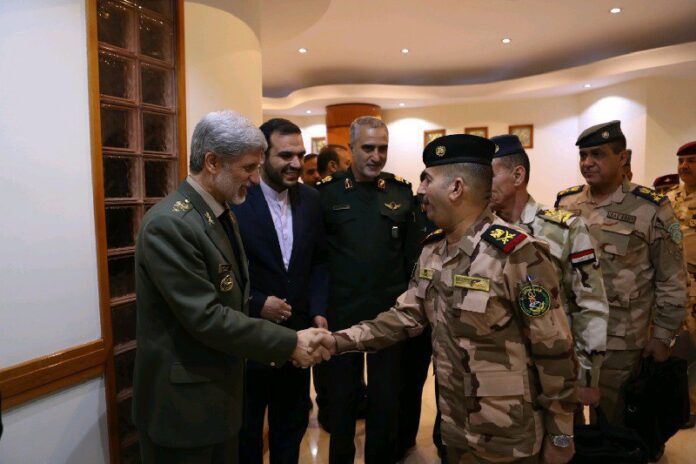
Brigadier General Amir Hatami made the remarks in a Thursday meeting with commanders of the Iraqi Navy, Air Force and air defence units.

He also touched upon the current political-security situation in the Middle East region and across the world, calling for closer collaboration between Tehran and Baghdad.

“The threats and opportunities facing the two countries make it all the more necessary for their military and state officials to hold further consultations in order to secure the interests of both nations and boost economic growth and development of the two countries and ensure stability and security in the region,” said the top general.

He said a heavy price has been paid to ensure stability and security in the region.

“The blood of faithful, dedicated and patriotic Iranian and Iraqi youth guarantees the stability and security of both countries,” said the top general.

Elsewhere in his remarks, he touched upon Washington’s putting Iran’s Islamic Revolution Guards Corps (IRGC) on the list of terrorist groups.

“Calling the IRGC a terror group by the US was in revenge for the IRGC’s actions against terrorism in Iraq and Syria. With this move, they intended to prevent the trend of political-security stabilization in Iraq and Syria, and care should be taken in that regard,” he noted.

He said Iran-Iraq defence cooperation will ensure balance, peace, stability and security in the region.

“The two countries are determined to boost mutual relations,” he said.

In the meeting, Iraqi military top brass expressed content over their visit to Iran, stressing the need to further reinforce bilateral defence cooperation based on the principle of good neighbourliness as well as political, security, religious and social bonds between the two countries in conformity with the interests of both nations.


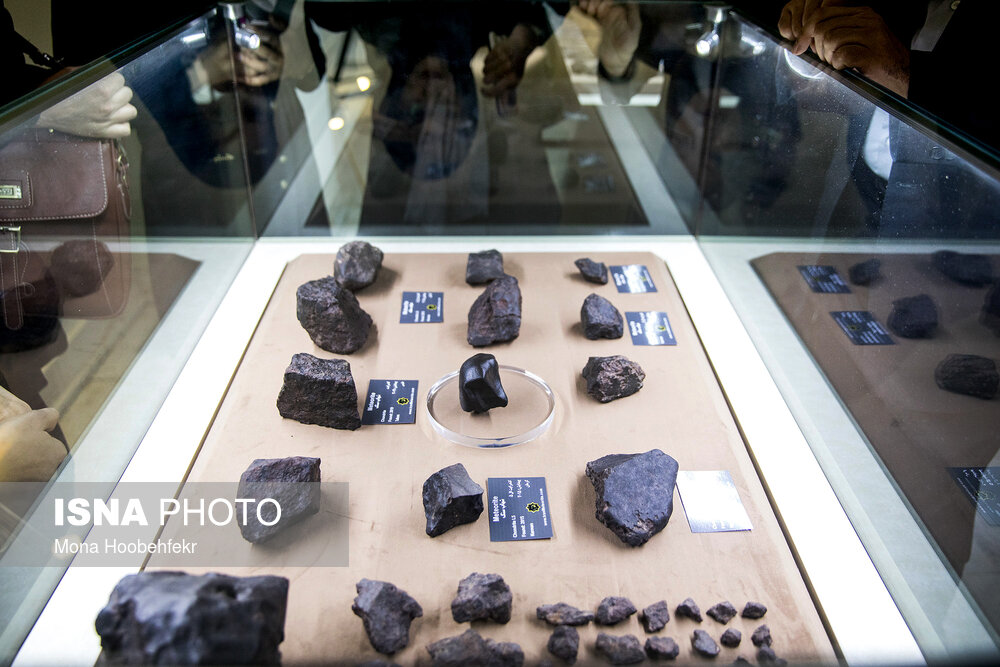
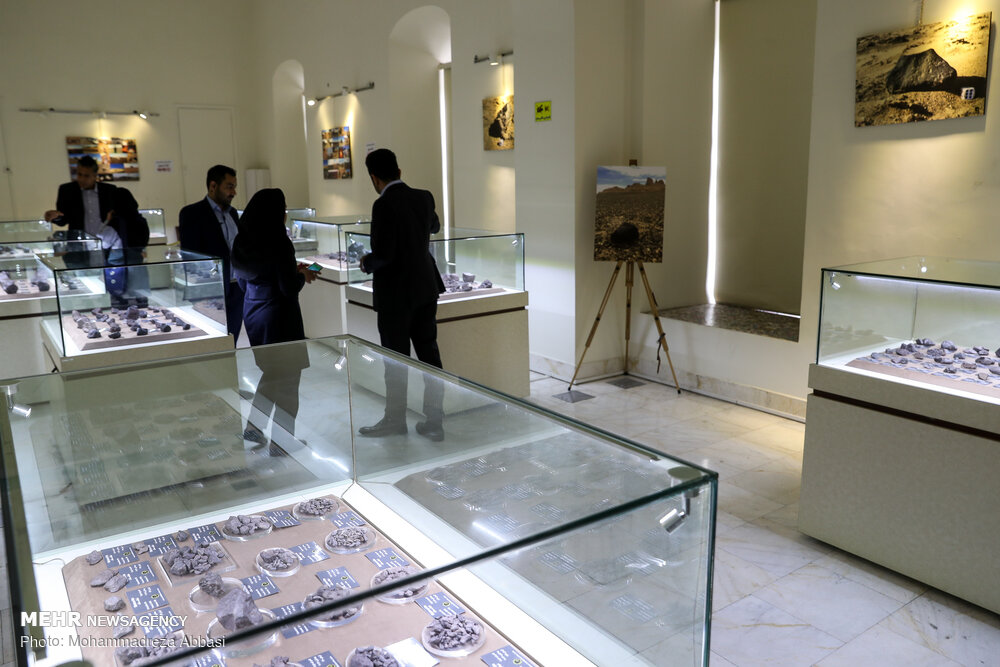
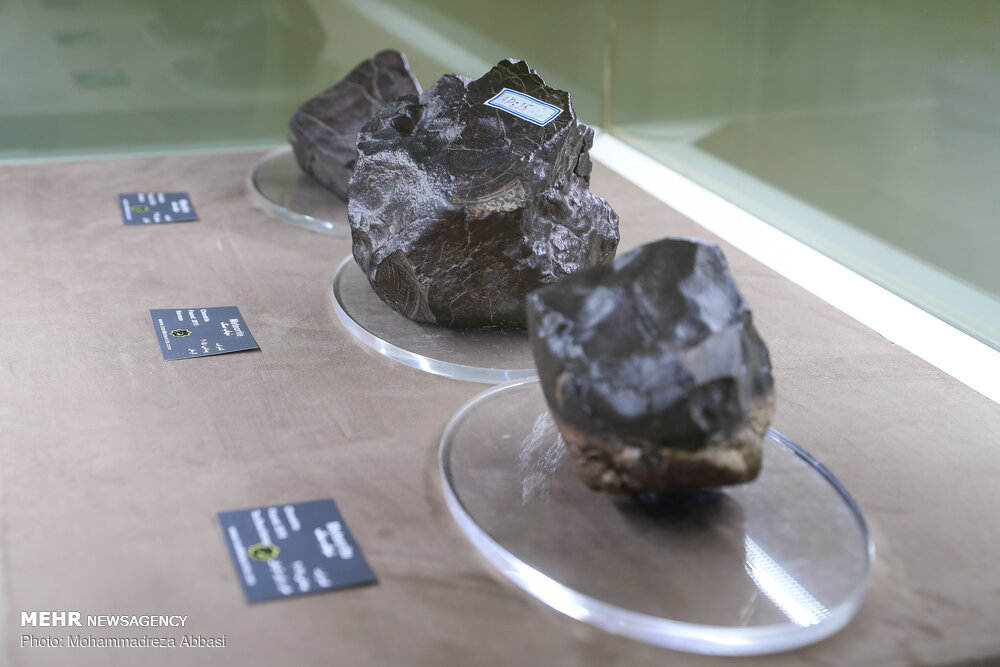
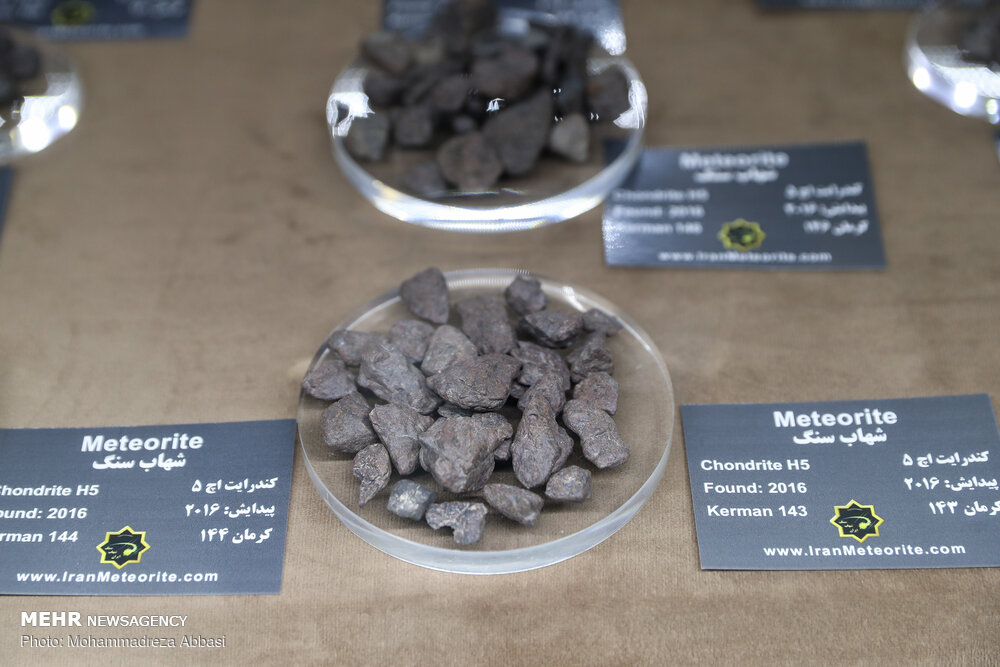
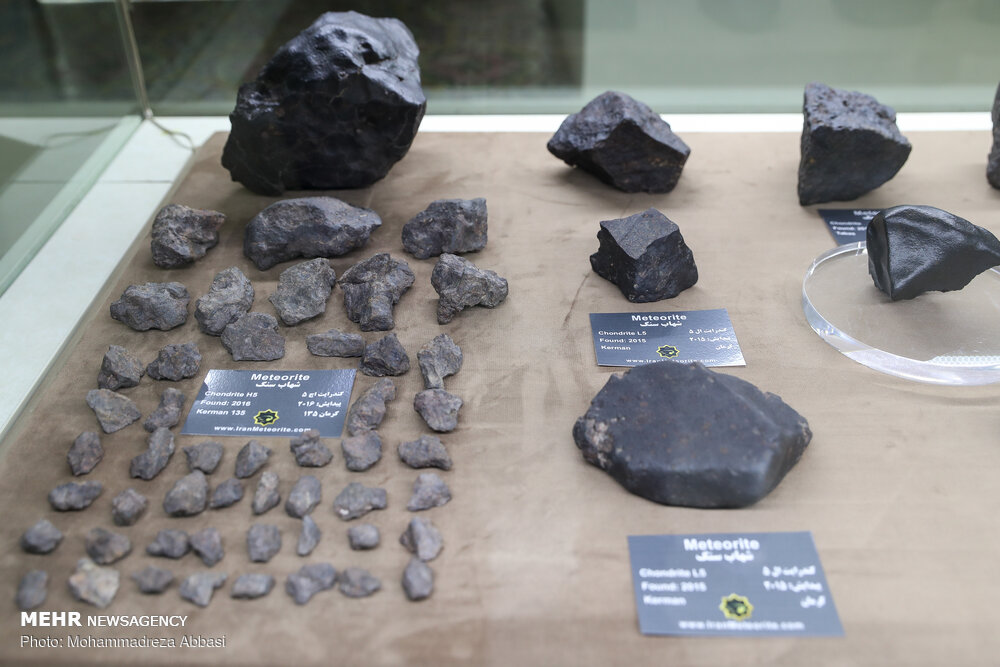
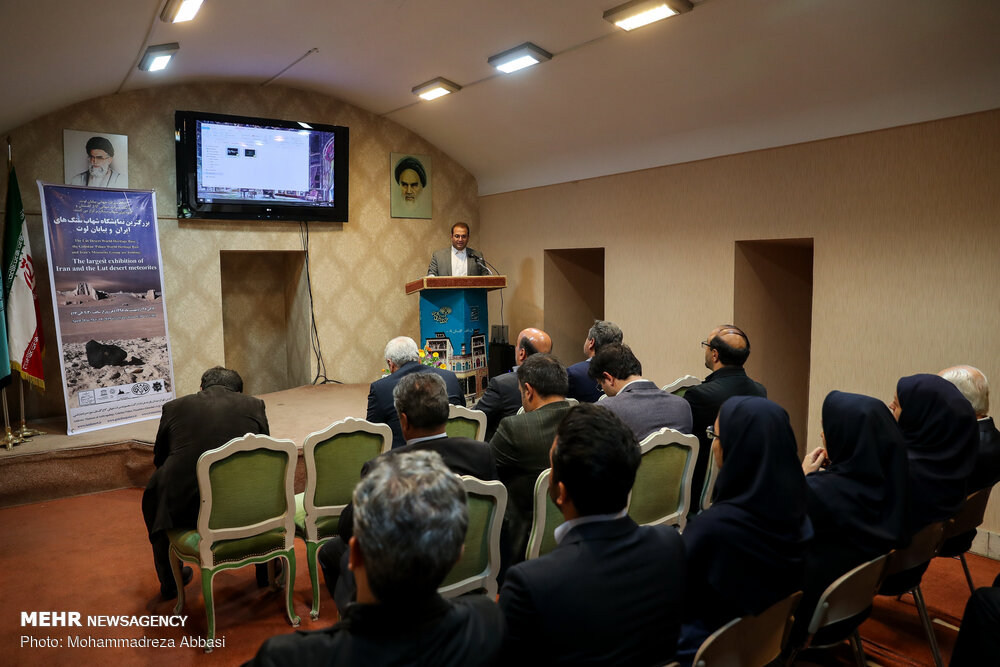
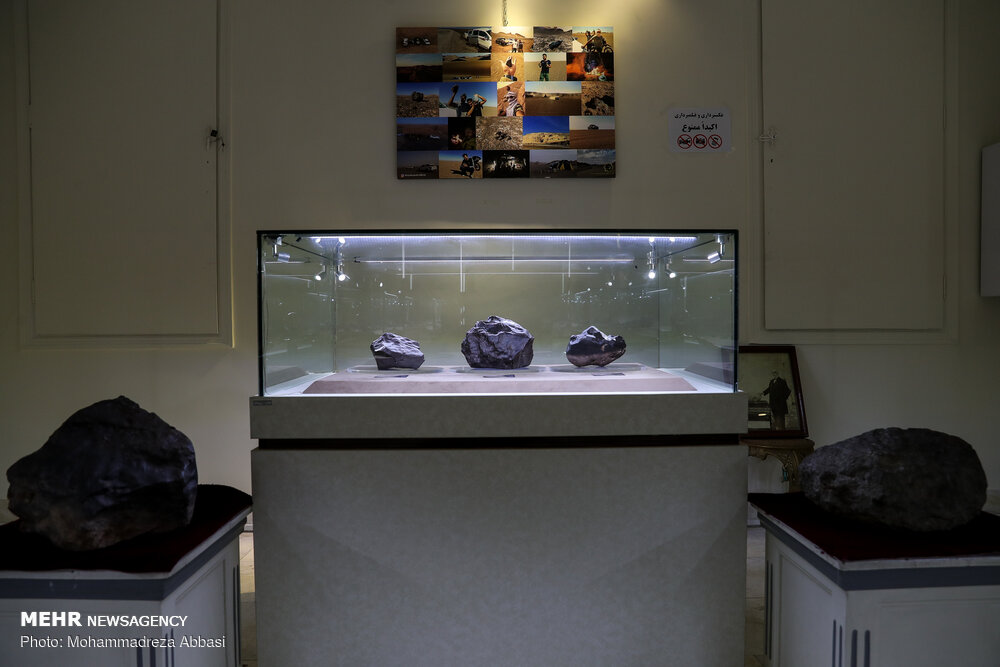
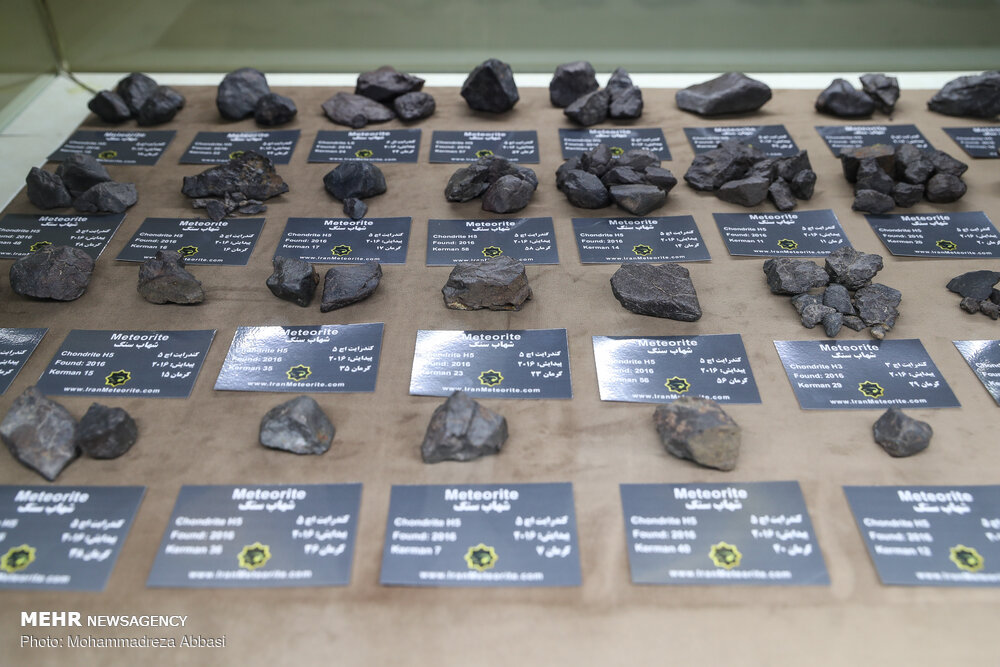
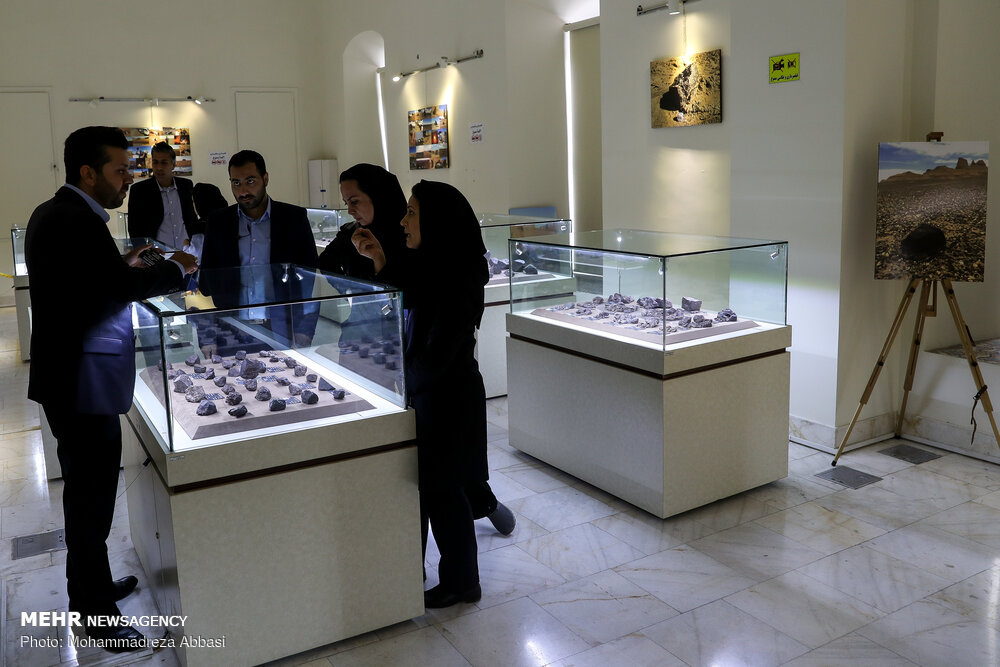
Iran’s First Meteorite Exhibition Opens in Golestan Palace

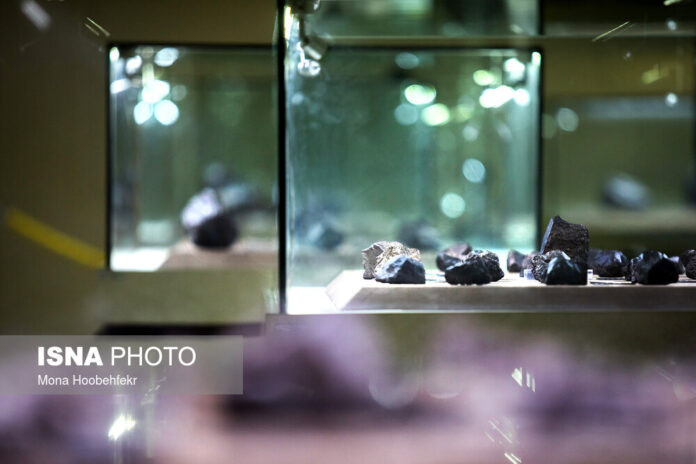
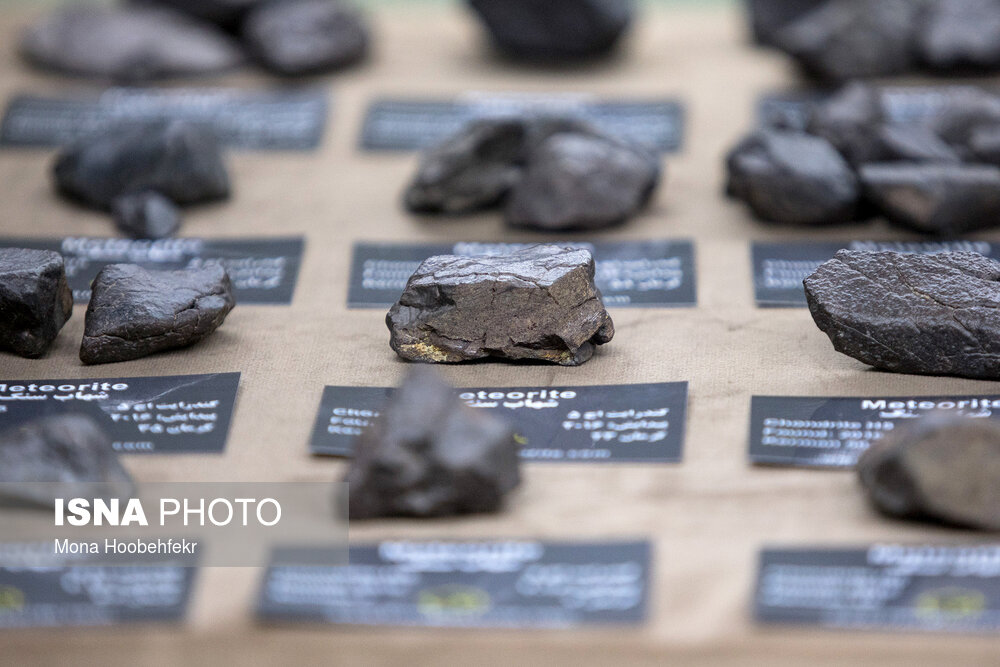
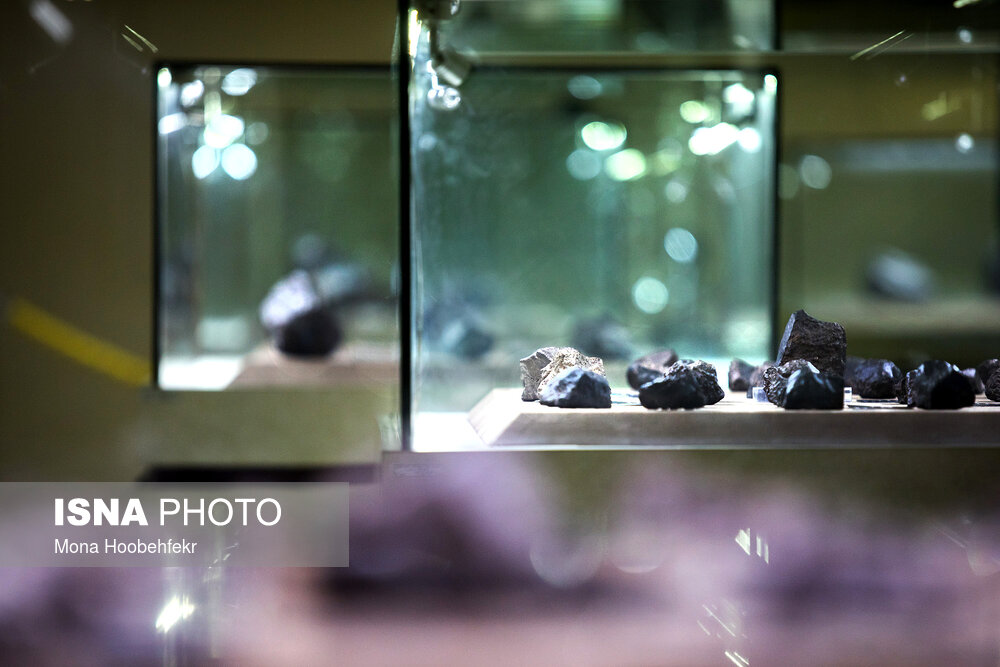
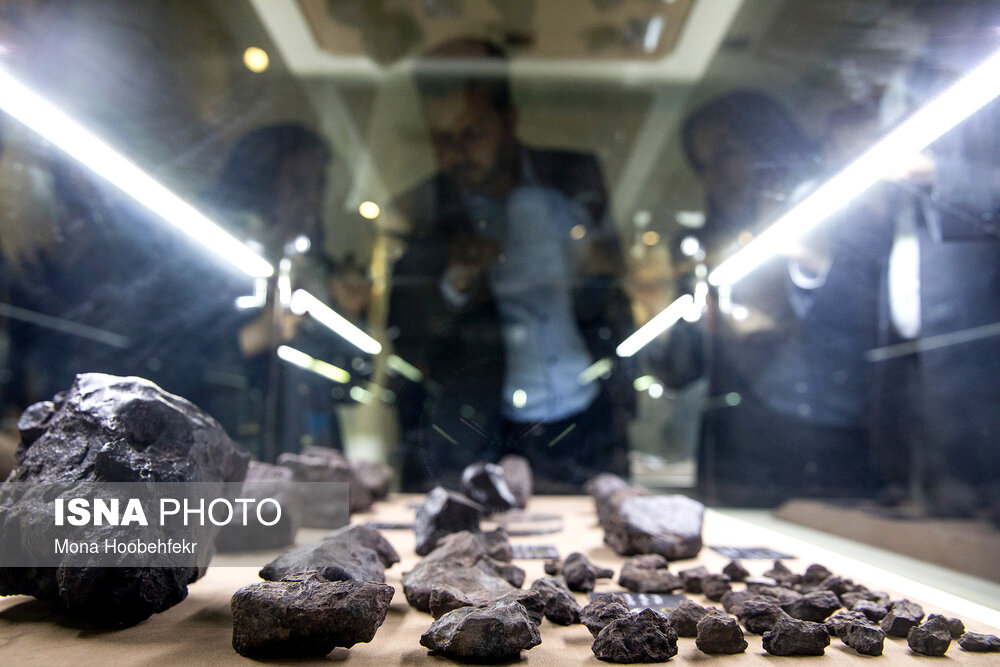
The exhibition is organised by UNESCO’s Lut Desert World Heritage Centre in collaboration with Hojjat Kamali who is a record holder in discovery of meteorites and the only Iranian collector of meteorites.

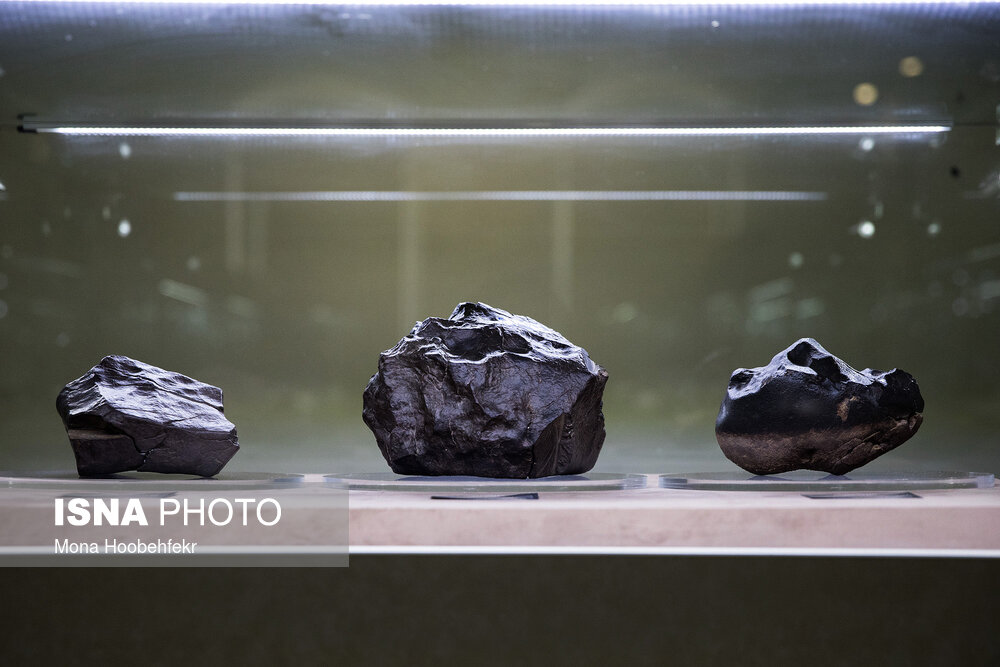
In this exhibition, the meteorite of Varamin, Iran’s largest meteorite, and one of the world’s seven Mesosiderites, has been put on show. The meteorite fell 138 years ago near Eshtehard, west of Tehran.

The Shahsevan nomads were tenting around the meteor shower, and they witnessed the incident three hours before the sunset. They sent the meteorite to the court of Naser al-Din Shah and the king donated pieces of it to his close friends.

Later on, Henry Ward, an American and social activist, noticed the existence of this meteorite and travelled to Iran to complete his collection and eventually took a piece of this meteorite. This was how the meteorite pieces were distributed in more than 10 major natural science museums of the world, and its name was repeatedly published in the world’s largest meteorite books.

This meteorite has a mass of about 54 kg and now its main part is kept at the Golestan Palace. Other pieces are kept at the American Museum of Natural History in New York, and museums in Washington, Philadelphia, Vienna and the United Kingdom, as well as the universities of Harvard, Oslo, Strasbourg, Arizona, the Vatican, Tehran Geophysics Institute, and other museums of natural sciences.

The exhibition is organised by Hojjat Kamali, who has collected more than 1,200 pieces of unique meteorites from around the country. In 2016, he registered over 200 pieces of meteorite in the International Meteoritical Bulletin, upgrading Iran’s rank from 122 to 2. And the overall ranking of Iran among 136 countries reached 9.

The exhibition was opened on April 28 and will be open to visitors until May 18, 2019 at the Golestan Palace in Tehran’s Arg Square.


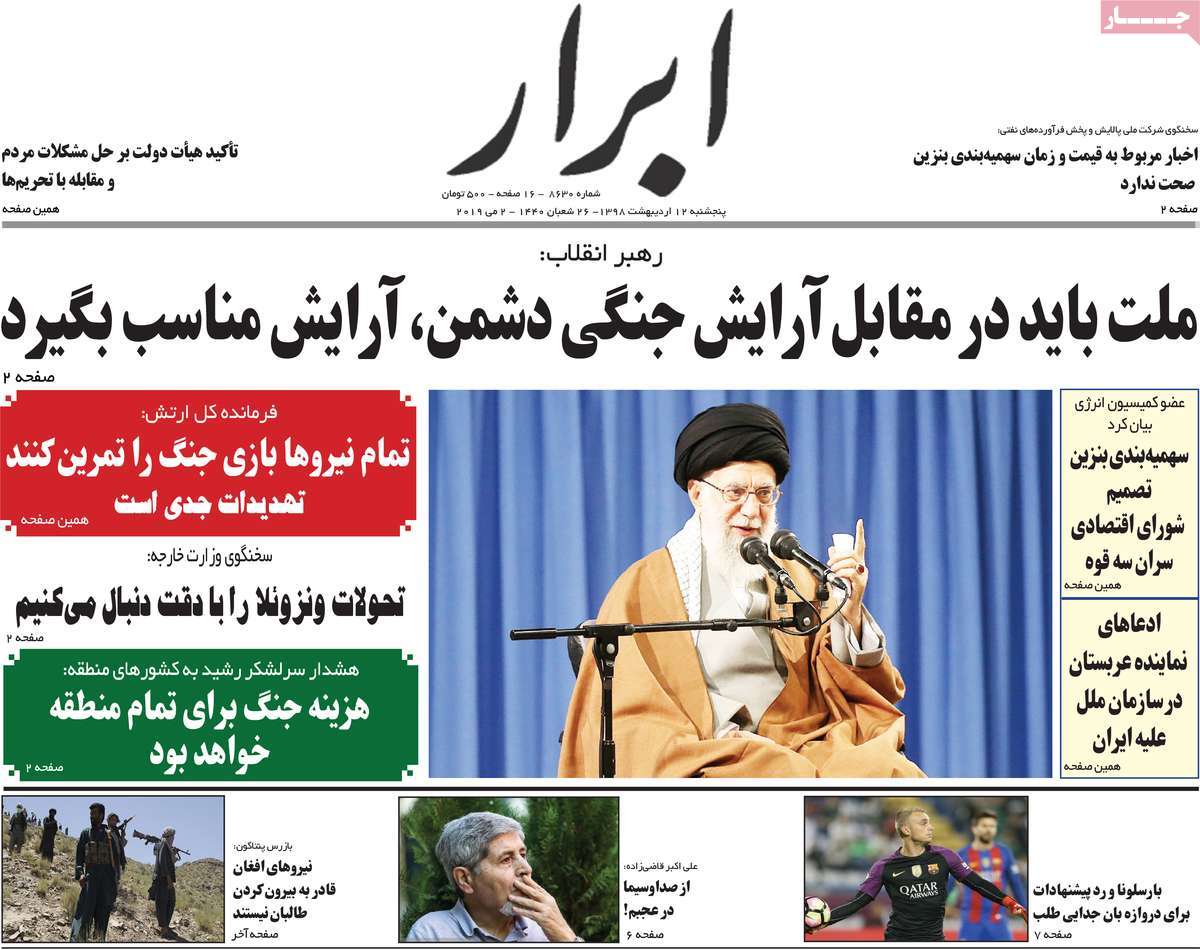
A Look at Iranian Newspaper Front Pages on May 2

A Look at Iranian Newspaper Front Pages on November 19

The top story in all papers today was the remarks made by Ayatollah Seyyed Ali Khamenei, the Leader of Iran’s Islamic Revolution, about the need for the country to be on a war footing as the enemy seems to be in battle array as well.

Comments by President Hassan Rouhani, Foreign Minister Mohammad Javad Zarif, and Deputy Foreign Minister Seyyed Abbas Araqchi about the US sanctions and Iran’s efforts to bypass them also received great coverage.

The Tuesday coup in Venezuela, which the government of Nicolas Maduro says was thwarted, remained a top story today.

The above issues, as well as many more, are highlighted in the following headlines and top stories:


Abrar:

1- Iran Must Be on Appropriate Footing to Confront Enemy’s War Footing

2- Army Chief: All Forces Must Practice War, Threats Are Serious

3- Iran Says Closely Watching Venezuela Developments

4- Saudi Envoy’s Claims at UN against Iran

5- Entire Region to Pay Costs of War: IRGC General


A Look at Iranian Newspaper Front Pages on May 2


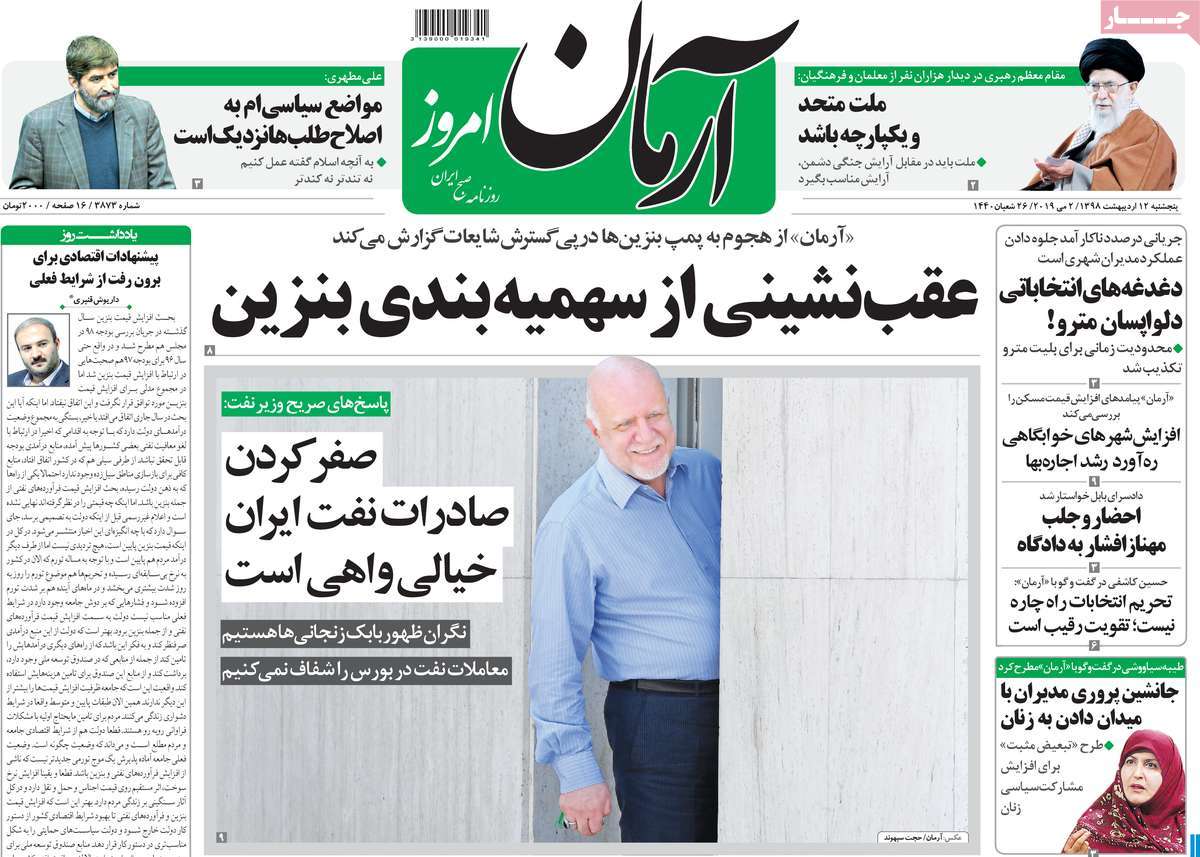
Arman-e Emrooz:

1- Iran Leader Urges Nation to Be United

2- Cutting Iran’s Oil Exports Down to Zero ‘Pious Dream’

A Look at Iranian Newspaper Front Pages on May 2


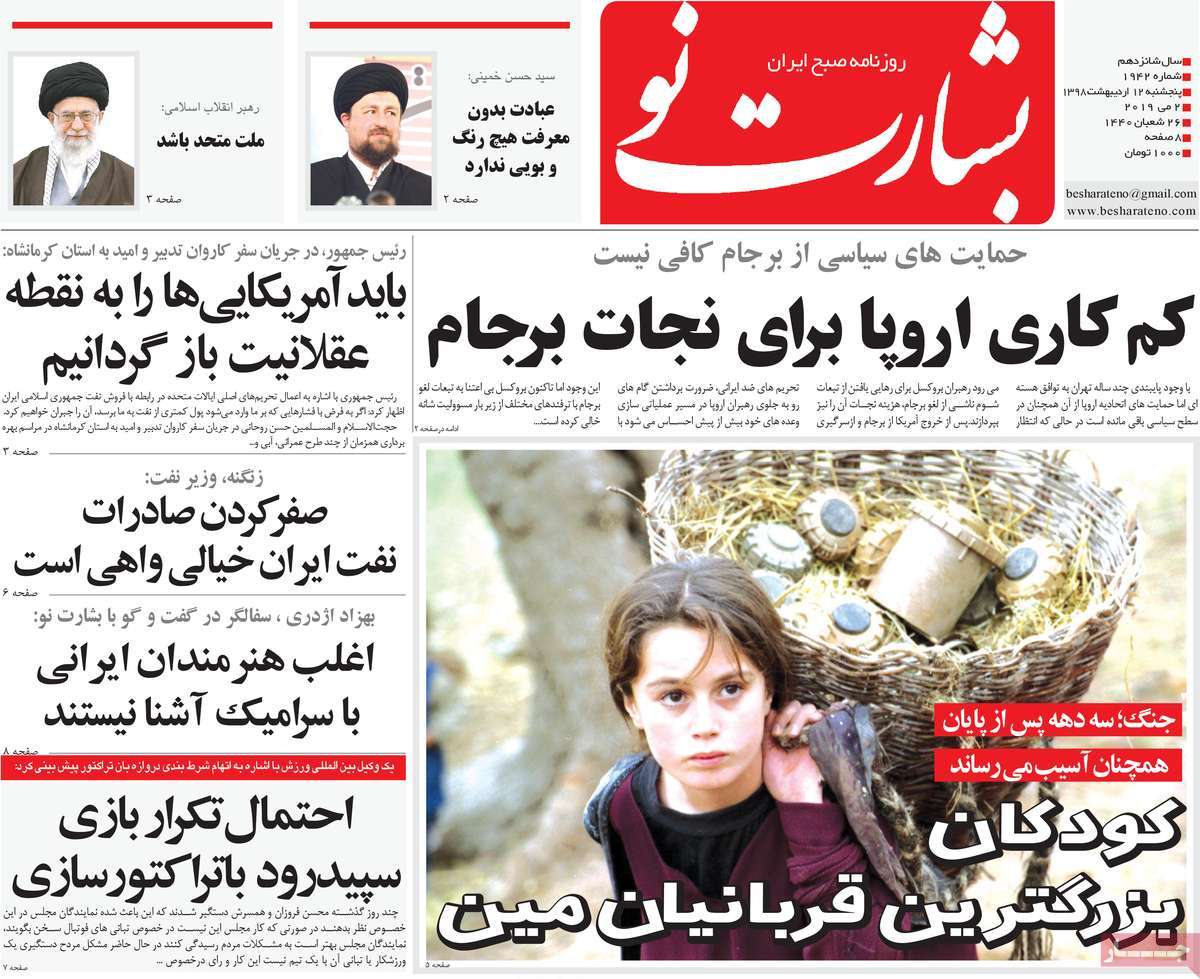
Besharat-e Now:

1- Europe Not Doing Enough to Save JCPOA; Political Support Not Sufficient

2- Oil Minister: It’s Pious Dream to Think Iran’s Oil Exports Will Be Stopped

A Look at Iranian Newspaper Front Pages on May 2


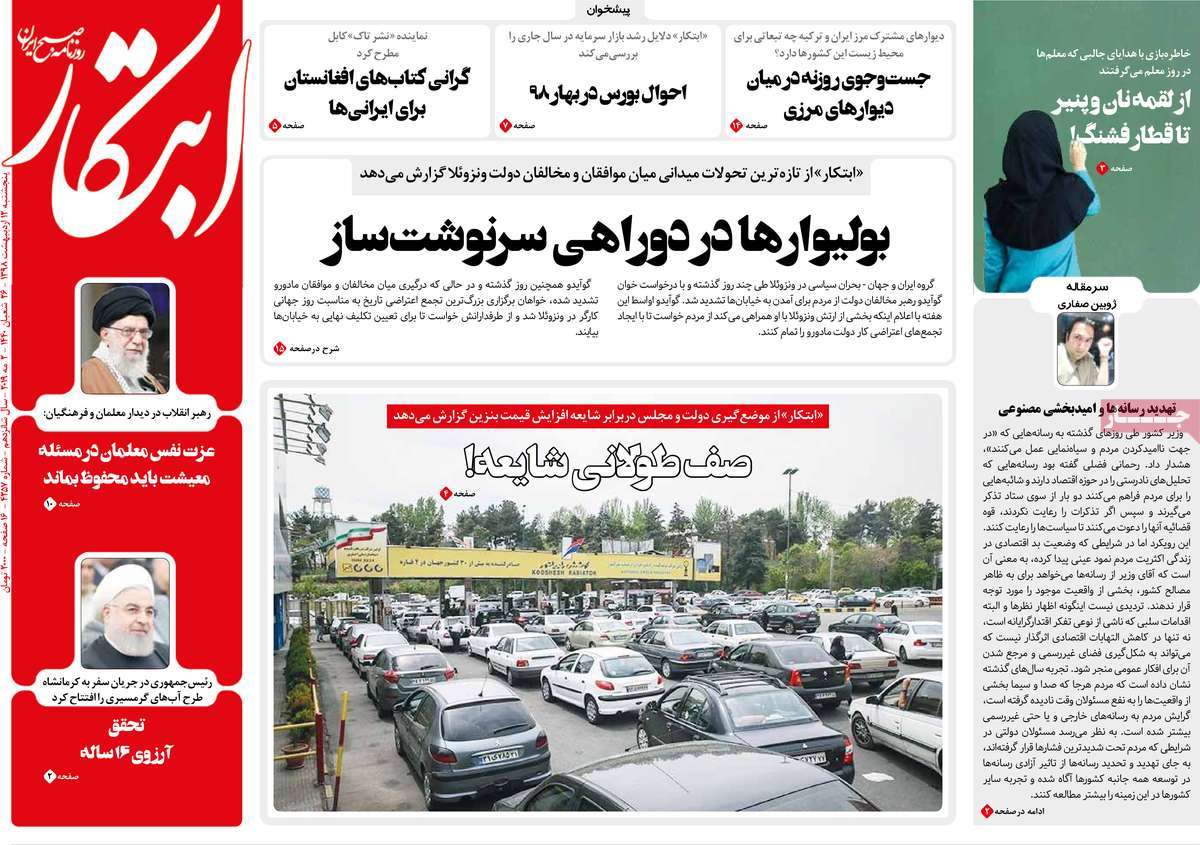
Ebtekar:

1- Rouhani Inaugurates Major Water Projects in Kermanshah after 16 Years

2- Bolivarians in Decisive Dilemma: A Review of Latest Developments in Venezuela

3- Impacts of Iran-Turkey Border Walls on Environment

A Look at Iranian Newspaper Front Pages on May 2


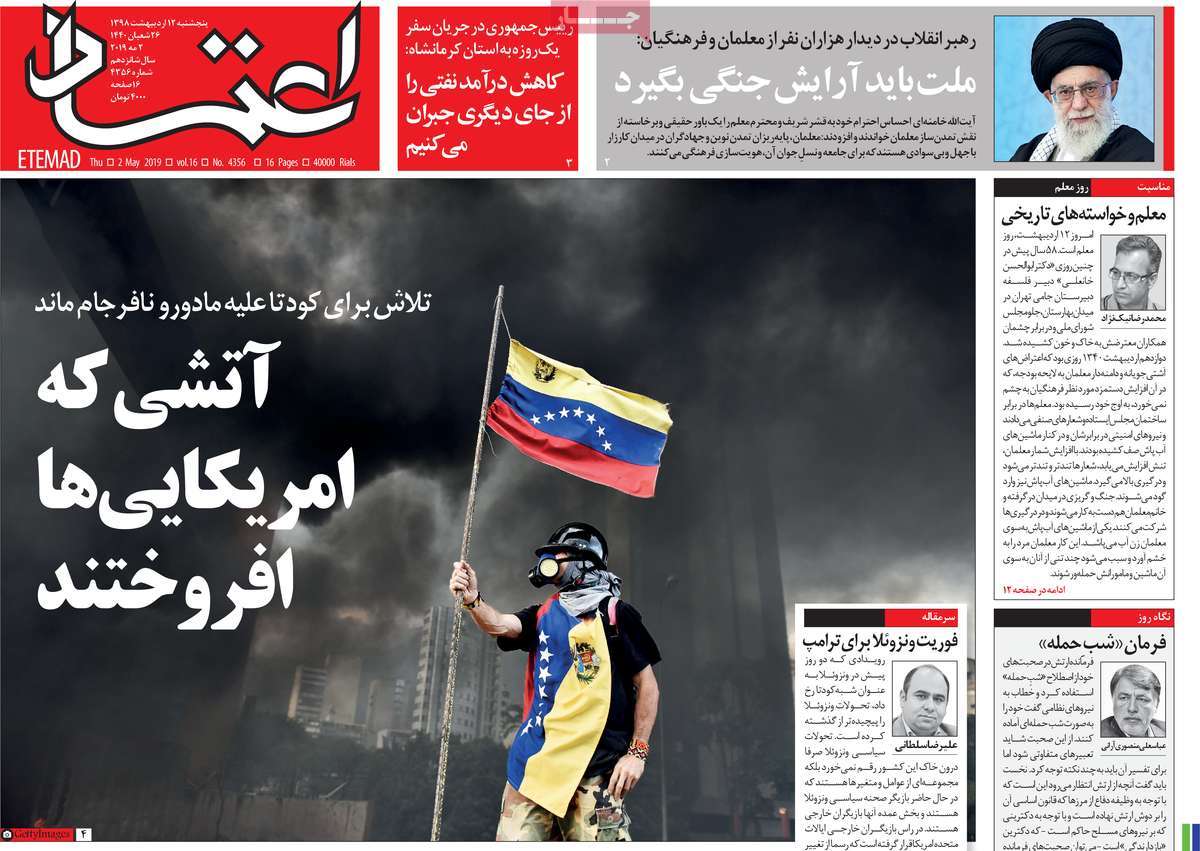
Etemad:

1- Iran President Vows to Compensate for Reduced Oil Revenues from Other Sources

2- Nation Must Be on War Footing: Leader

3- The Flames Fanned by Americans: Coup against Maduro Failed

4- Venezuela’s Emergency for Trump [Editorial]

A Look at Iranian Newspaper Front Pages on May 2


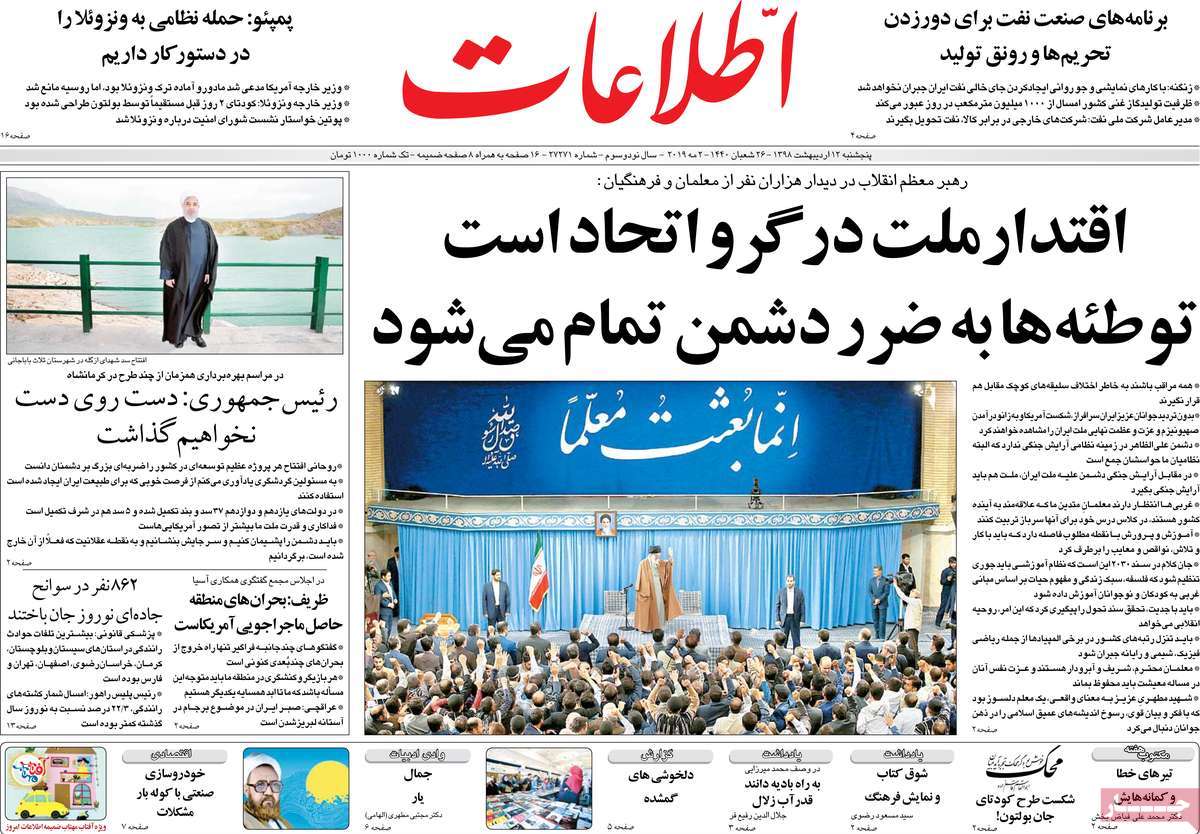
Ettela’at:

1- Oil Industry’s Plans to Bypass Sanctions, Boost Production

2- Pompeo: Military Attack on Venezuela among Options

3- Rouhani: We Won’t Remain Idle

4- Iran Leader: Nation’s Power Hinges on Unity; Enemy’s Plots to Be Thwarted

A Look at Iranian Newspaper Front Pages on May 2


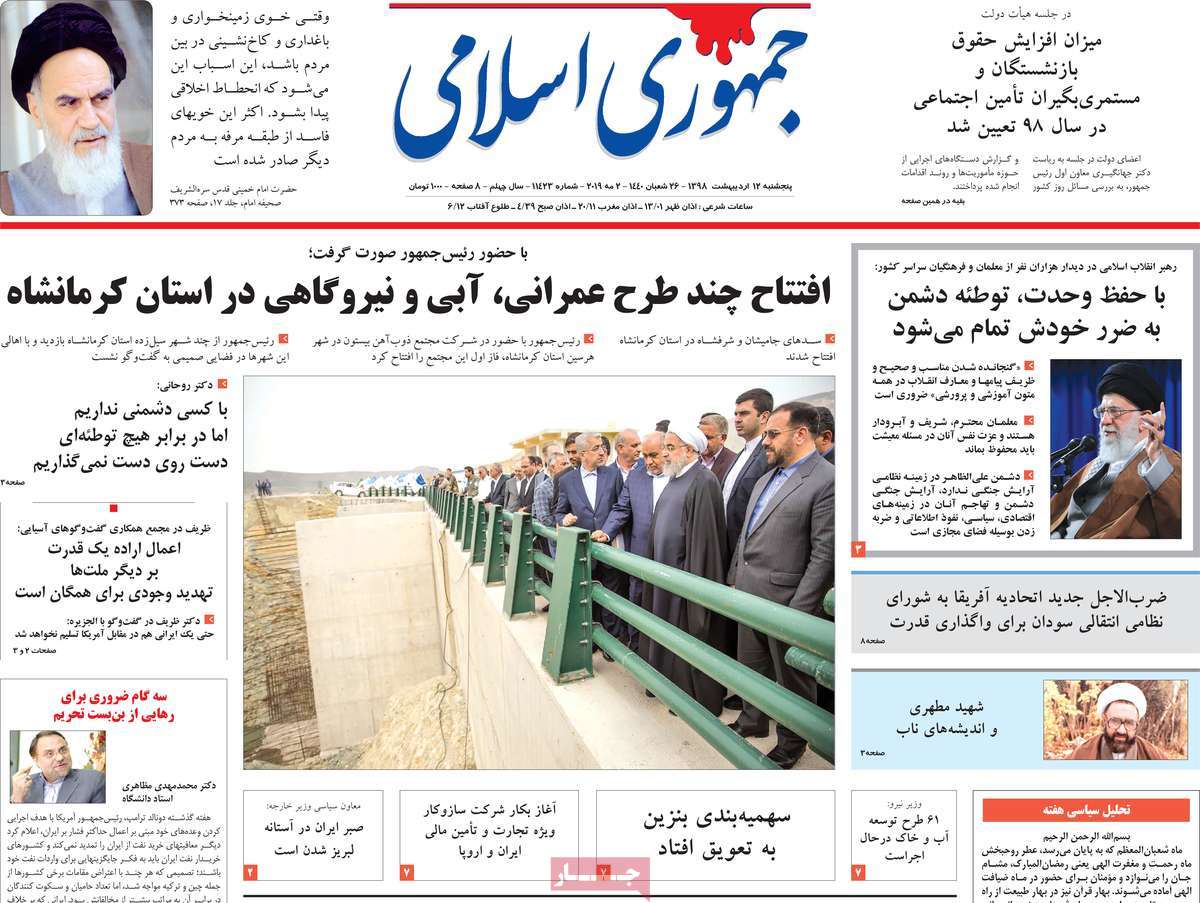
Jomhouri Eslami:

1- Rouhani: We’re Not Anyone’s Enemy, but Won’t Stand Idle in Face of Foreign Plots

2- Zarif: One Power’s Imposition of Its Will on Others Threat for Everyone

A Look at Iranian Newspaper Front Pages on May 2


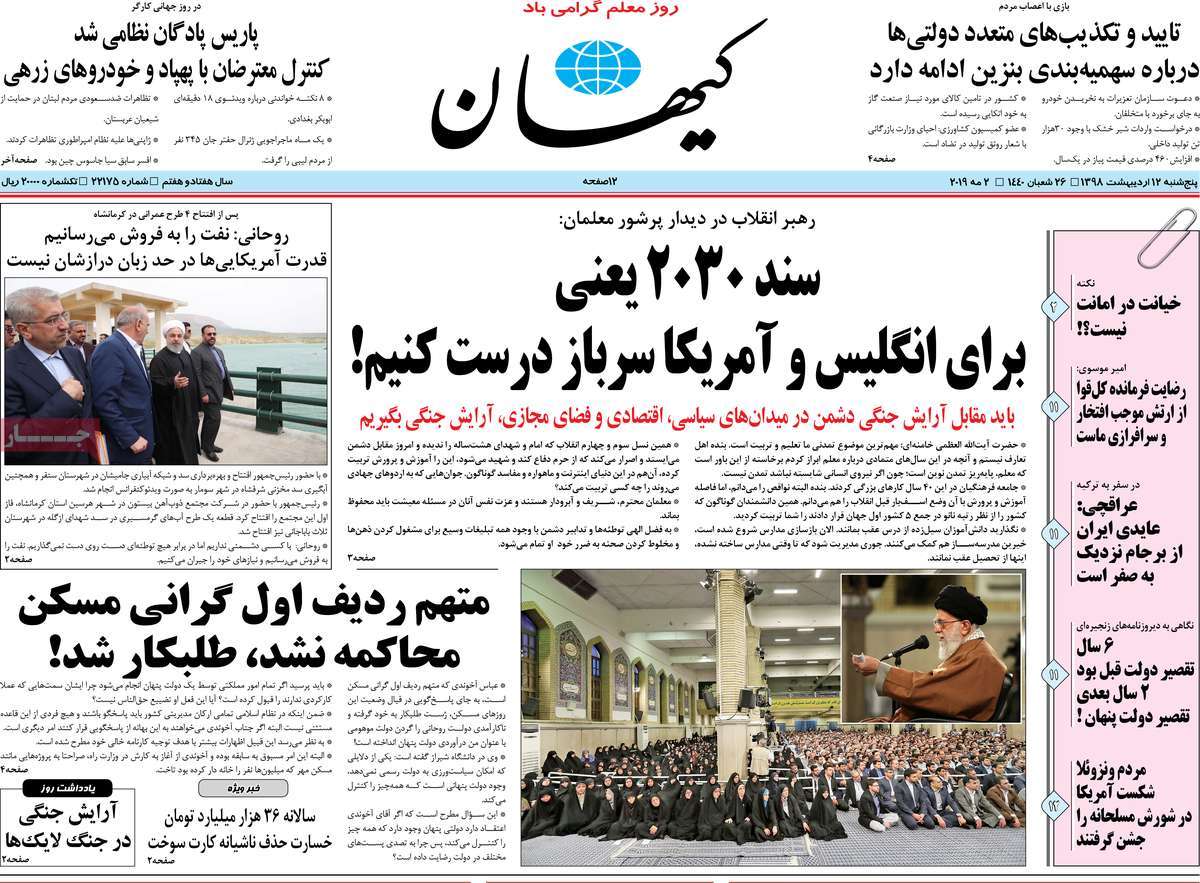
Kayhan:

1- Education 2030 Agenda Means We Train Soldiers for US, UK: Leader

2- Paris Turns into Barracks on Int’l Labour Day

3- Rouhani: We’ll Sell Our Oil; Americans Not as Powerful as Their Words Imply

4- Araqchi: Iran Earned Almost ‘Nothing’ from JCPOA

A Look at Iranian Newspaper Front Pages on May 2


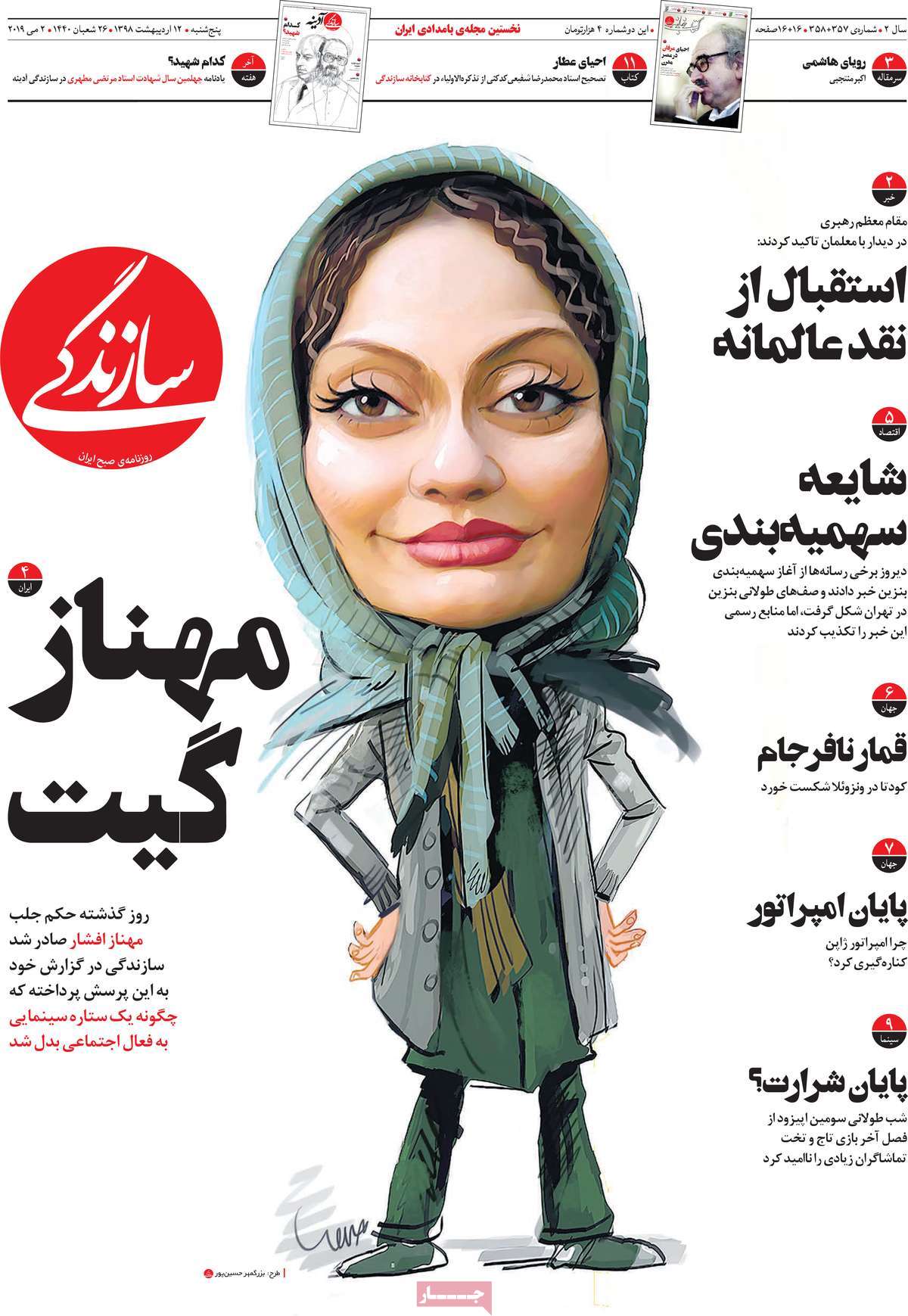
Sazandegi:

1- Iran Leader Says Wise Criticism Always Welcomed

2- Unsuccessful Bet: Coup in Venezuela Thwarted

3- End of Emperor: Why Japan Emperor Resigned?

A Look at Iranian Newspaper Front Pages on May 2


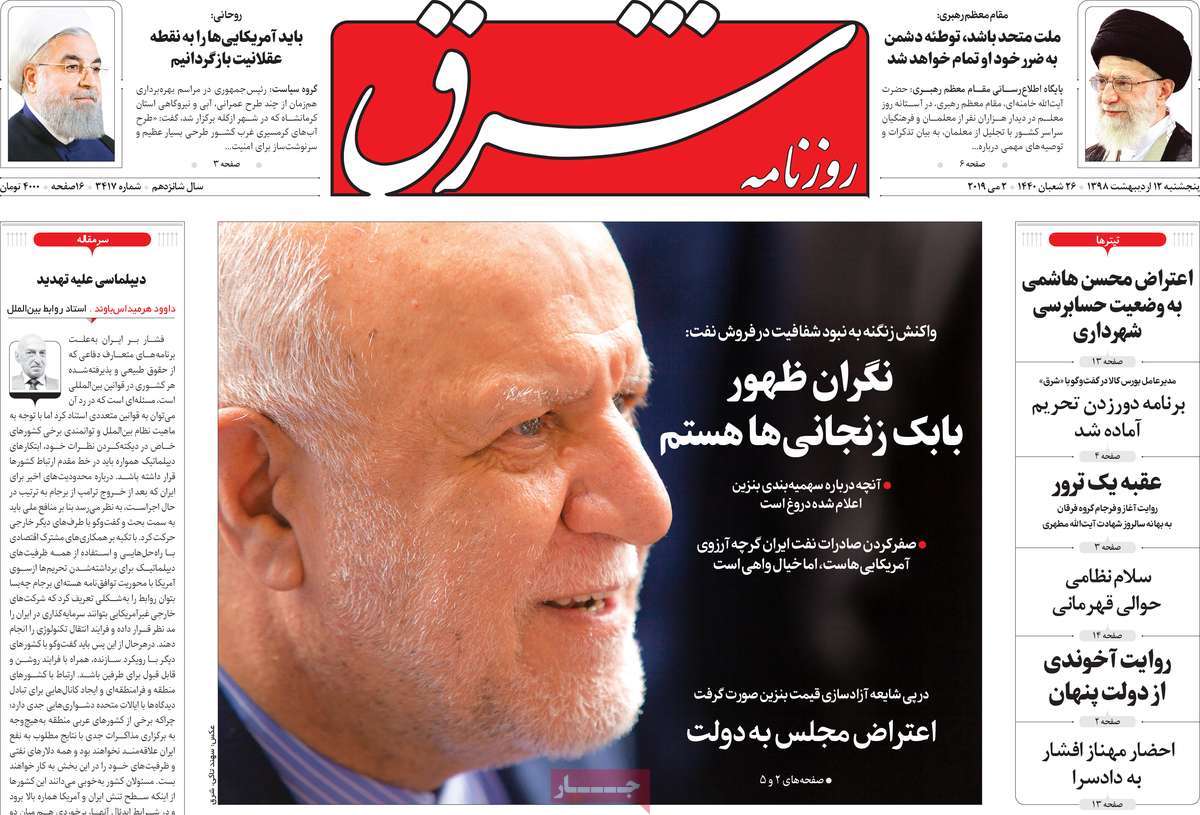
Shargh:

1- Iran Leader: Enemies Will Fail If Nation Remains United

2- Rouhani: We Should Return Americans to Point of Rationality

3- Iran Finalizes Plan to Bypass US Sanctions

A Look at Iranian Newspaper Front Pages on May 2

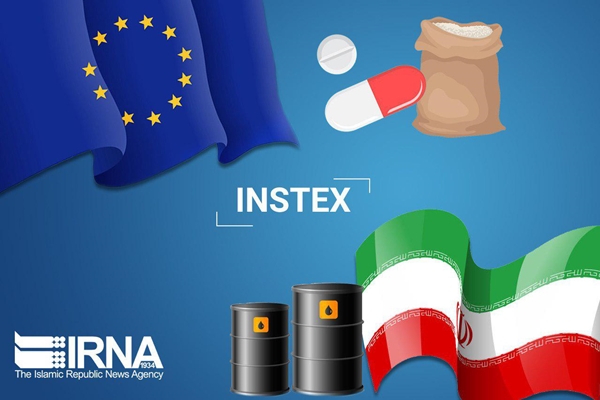
Iran’s SATMA, EU’s INSTEX to Do First Transaction Soon

The CEO of SATMA, Ali Asghar Nouri, announced that after the establishment and registration of SATMA, and according to the meetings held with the European countries and the European company INSTEX, the first financial transfers between Iran and Europe will be carried out in coordination with both sides and banks in Iran and Europe.

“In the talks with the European side, Iran announced it is prepared to work on the mechanism and receive payments, emphasising the importance of speeding up the financial channel’s implementation process.”

Coordination meetings are held with Iranian banks and a series of meetings will be held next week to introduce mechanisms to Iranian exporters and importers, underlined Nouri.

The central bank and other banks are continuing their efforts to accelerate the process.

Director of the Instrument in Support of Trade Exchanges (INSTEX) Per Fischer on Monday voiced the company’s readiness for undertaking first transaction with Iran at the earliest.

In a meeting with the British commercial companies and officials in London, he presented an explanation on the function of the system and addressed concerns of the British companies in doing business with Iran.

Iran’s Ambassador to London who attended the meeting wrote in his Twitter account that Fischer announced that despite challenges, INSTEX is seriously seeking to conduct first transactions with its Iranian counterpart SATMA.

Earlier, Germany, France and the UK set up the payment channel with Iran to help continue trade and circumvent US sanctions.

Washington has cautioned EU nations against such moves. After repeated delays in launching the system Iran is criticising the European party for being pressured by the US.

Iran Says Will Never Sit for New Round of Talks under Pressure

Addressing a Turkish think tank in Ankara, the Iranian diplomat described the US policy towards Iran as ridiculous and said the Americans should know that Iran will never sit for talks under pressure.

“The Americans seek a better deal through exerting pressure on Iran to sit for a new round of talks. They quit a treaty to make another one and this is ridiculous,” he said.

According to Araqchi, the US is desperately trying to push Iran into quitting the JCPOA. “They first withdrew from the nuclear deal and then re-imposed their sanctions on the Islamic Republic. Now, they have decided not to re-issue waivers for main importers of Iran’s oil to drive down Iran’s oil exports to zero.”

Possible Death of JCPOA

Araqchi warned that the Joint Comprehensive Plan of Action (JCPOA) may come to an end as early as possible due to the US approach towards the deal.

“The JCPOA is not an economic deal but a security one connected to regional and global security,” he noted.

He went on to say that the JCPOA was ratified by the United Nations Security Council in Resolution 2231. “Violating the nuclear deal means violating the UNSC resolution. The US has not only pulled out of the deal but also pressurized other members of the UNSC into following its footsteps,” he said.

According to Araqchi, Iran has been sanctioned because of its full commitment to the United Nations’ resolution.

US Lies about JCPOA’s Goals

The Iranian diplomat added that unlike the American officials’ claim, Iran’s commitments under the nuclear deal are permanent.

“We started the JCPOA negotiation in a good faith. The final achievement of our marathon negotiations was the JCPA. It was globally welcomed. But all of a sudden, a man pushed his way into the White House and said the nuclear deal was the worst deal in the US history,” he said.

Araqchi said Iran has given a one-year time to the remaining signatories of the nuclear deal to adopt appropriate mechanism to keep the nuclear deal alive and added the Islamic Republic of Iran can’t wait forever.

“We will make a due decision against the US sanctions. The global failure to keep the JCPOA alive will have dire consequences.”

Ruining Only Diplomatic Achievement of Region

The Iranian deputy foreign minister called the US regional policy wrong and said the policy could have various negative consequences.

“By withdrawing from the Iran nuclear deal, the US is seeking to ruin the region’s only diplomatic achievement. This will have dire regional repercussions. The regional people will lose their confidence in diplomacy. This will contribute to resistance movements in the region. People now have come to this conclusion that talks with the west leads nowhere.”

The Iranian diplomat slammed the US for its destructive policy towards the region and said Iran is after peace and security.

“Interestingly enough, some regional states are contributing to the US efforts to hamper Iran’s oil flow. But the Islamic Republic of Iran will not allow any state to make up for its oil exports,” he said.

IRGC Blacklisting, A Dangerous Move

Araqchi described as “dangerous” the US decision to blacklist Iran’s Islamic Revolution Guards Corps (IRGC) as a terrorist organization and said the US should be held accountable for any consequences of the move.

Iran Warns OPEC May Collapse If Members Use Oil as Weapon

“As I have already said, the US wishes to cut Iran’s oil exports to zero but this is a pious hope. Any independent market expert knows that a surplus of capacities declared by certain countries is exaggeration and overstatement,” Zangeneh told the opening of the 24th International Oil, Gas, Refining and Petrochemical Exhibition in Tehran on Wednesday.

He said that Iran held no grudge against any countries in the region but noted that two regional states overstate their production capacities to reassure the market that Iran’s output restraint would result in no supply cuts.

Oil prices have hit their highest since November in recent days after the US said all waivers for those importing Iranian oil would end this week.

Washington says it is working with Saudi Arabia and the United Arab Emirates to ensure oil markets are “adequately supplied,” but traders worry about tight supplies.

Following its withdrawal from the Iran nuclear deal in 2017 and reimposition of unilateral sanctions against Tehran last year, the United States gave waivers to eight major buyers of Iranian crude, which allowed them to import Iran’s crude without facing sanctions. Washington announced last week that the waivers would end after May 1.

Elsewhere in his remarks, Zangeneh pointed to the volatility of the oil market and criticized certain countries for using oil as a weapon, saying the fragility of the oil market would not be compensated by issuing statements and denying shortage in the market.

“Iran has never used oil as a political weapon. Any country using oil as a political tool should accept its repercussions as well,” the Iranian oil minister said.

Those countries using oil as a weapon against two OPEC founding members are turning unity in the organization into division and are causing the death and collapse of OPEC, the responsibility of which falls upon them, Zangeneh said.

Apart from Iran, the US has targeted crisis-hit Venezuela, once a top-three OPEC producer, with sanctions over the recent political turmoil in the Latin American country.

Saudi Arabia has said it would replace losses in Iran and Venezuela.

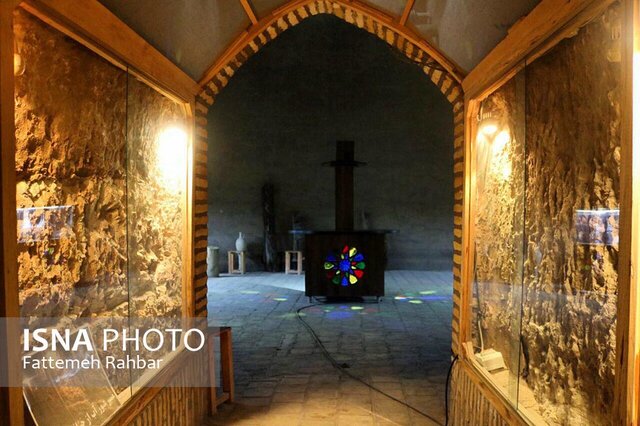
Amir Chakhmaq Cistern of Yazd; A Museum Underground

Amir Chakhmaq water cistern is one of the endowments of “Setti Fatemeh Khatoon”, wife of Amir Chakhmaq Shami who was one of governors of Shah Rukh, a son of Timur (Tamerlane). It was built at the time of the establishment of the Amir Chakhmaq Complex.

Like the complex, it was built for the welfare of the people behind the gate of the city of Yazd.

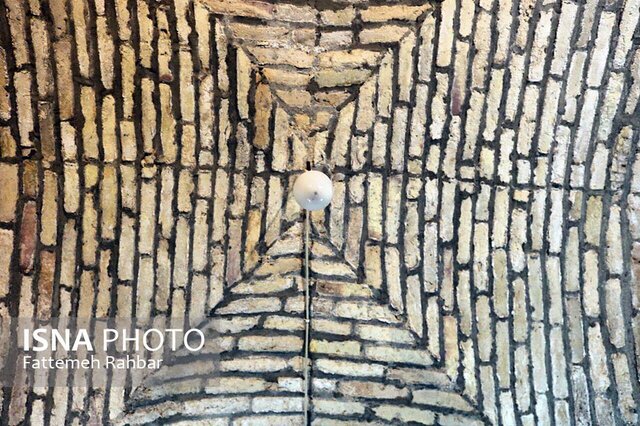
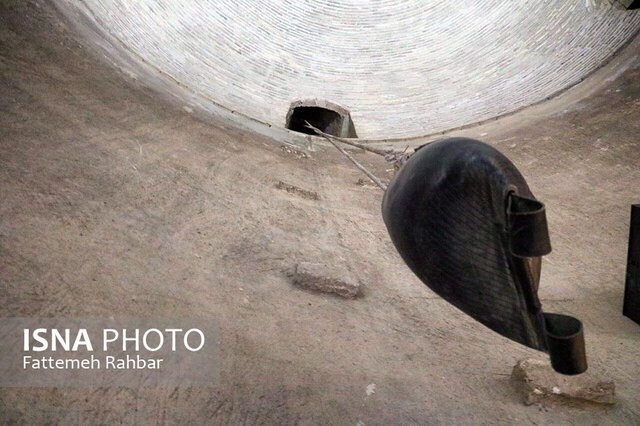
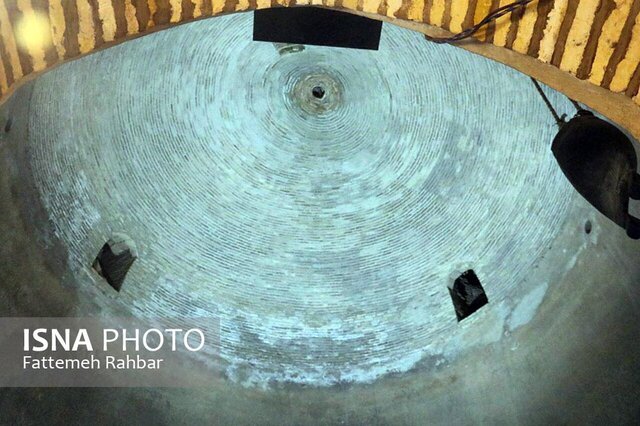
This cistern, which is located on the left side of the entrance to the Amir Chakhmaq Complex, was created before the construction of the complex as a water reservoir facility. But after the construction, with the creation of a dome and 49 steps, it was turned into a cistern.

To prevent the water from entering the square, it was built along with the cellar, and unlike all existing water storage facilities, its faucet is not located in front of the entrance.

Three wind catchers are also embedded in the cellar, which are designed to circulate air and eventually water into the cellar.

The floor of this reservoir, like most water cisterns in Yazd and the country, is used to prevent water escaping. It means that it is covered with a layer of lead and nourished by the Qanats of Kheyrabad and Fahraj.

To keep the cellar’s water stable, some lime, coal and clay has been added to the water.

And finally, to remove the algae, they put a few fish in the water to eat them. When a dead fish was seen on the surface, they stopped the use of water till the cause of the death is found.

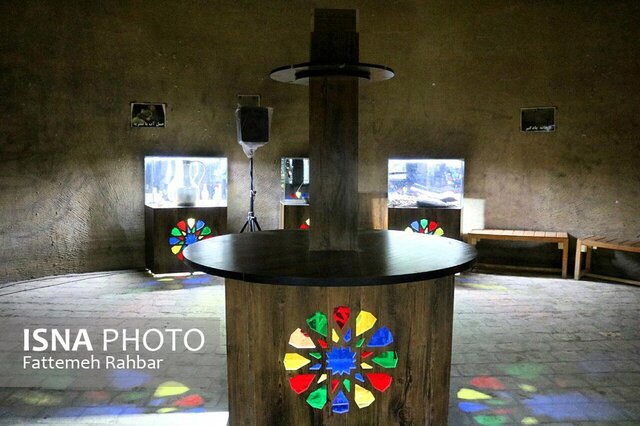
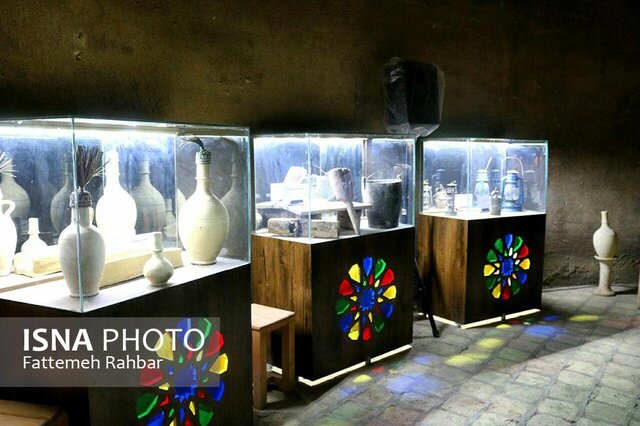
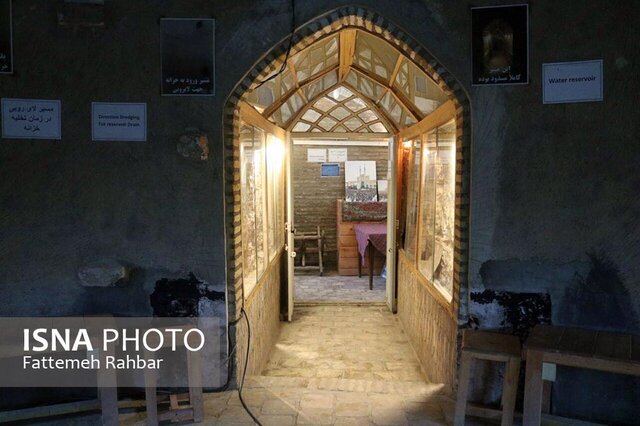
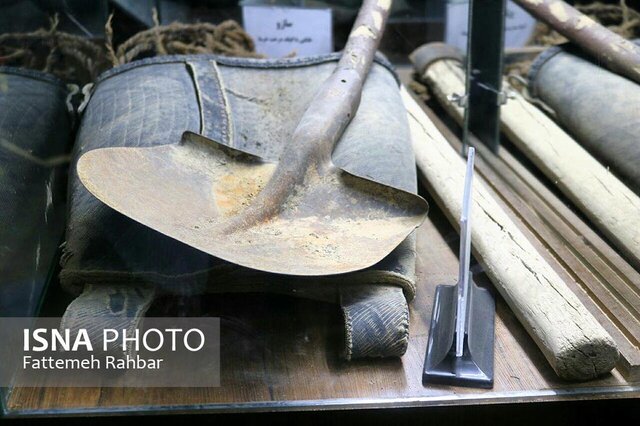
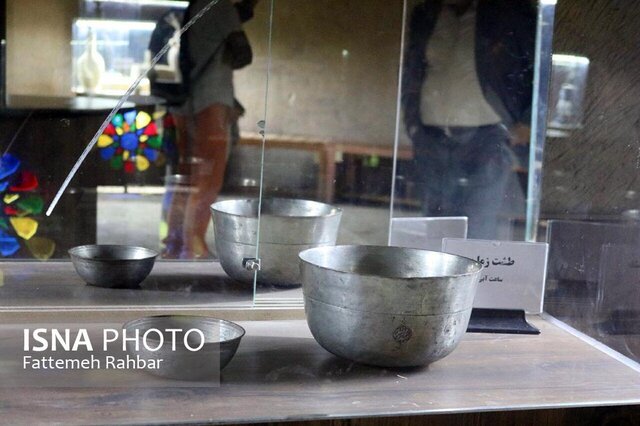
This water reservoir has now turned into a museum of water-related tools, and tourists get acquainted with this sophisticated and clever system.

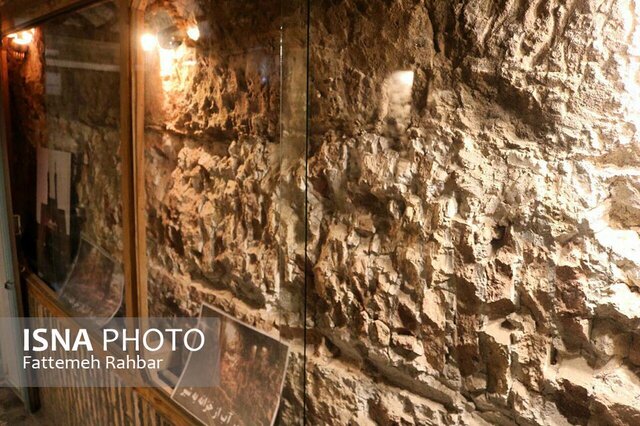
Here are photos of the cistern retrieved from ISNA: