Friday, April 24, 2026
Home Blog Page 3174

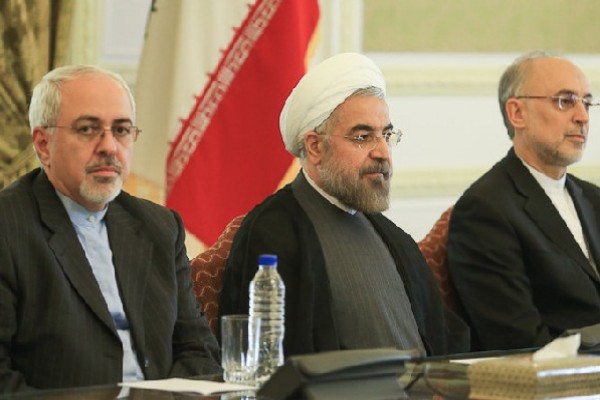
US Ban against Zarif Not to Influence His Mission: Iran

Iran Appoints Female Ambassador to Denmark

What follows is the full text of the statement:

In the Name of God, the Compassionate, the Merciful

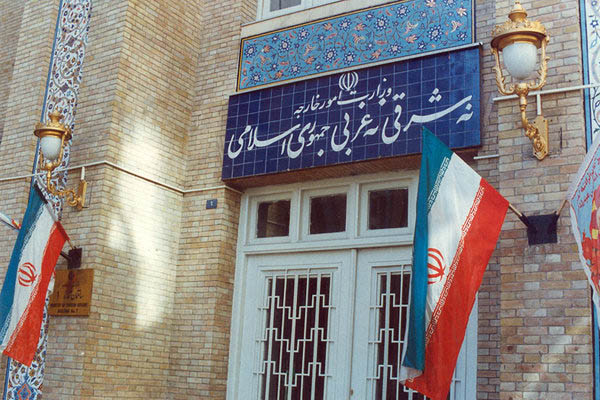
The Ministry of Foreign Affairs of the Islamic Republic of Iran condemns the US administration’s move to impose sanction on Foreign Minister Mohammad Javad Zarif, director of Iran’s diplomacy, and sees the measure as a clear sign of the US administration’s frustration. The new US sanction reveals its administration’s fear and weakness vis-à-vis the Islamic Republic of Iran’s smart diplomacy which is based upon logic.

The Ministry of Foreign Affairs emphasizes that the recent sanction on the Minister of Foreign Affairs will have no impact on the efforts and activities of the Ministry of Foreign Affairs, or by the Minister of Foreign Affairs himself, as the person in charge of the country’s foreign policy, to prove the rightfulness of the Iranian nation, protect the national interests, and fight against the US administration’s economic terrorism, and the Foreign Minister will carry on with his mission and responsibility with maximum power and faith.

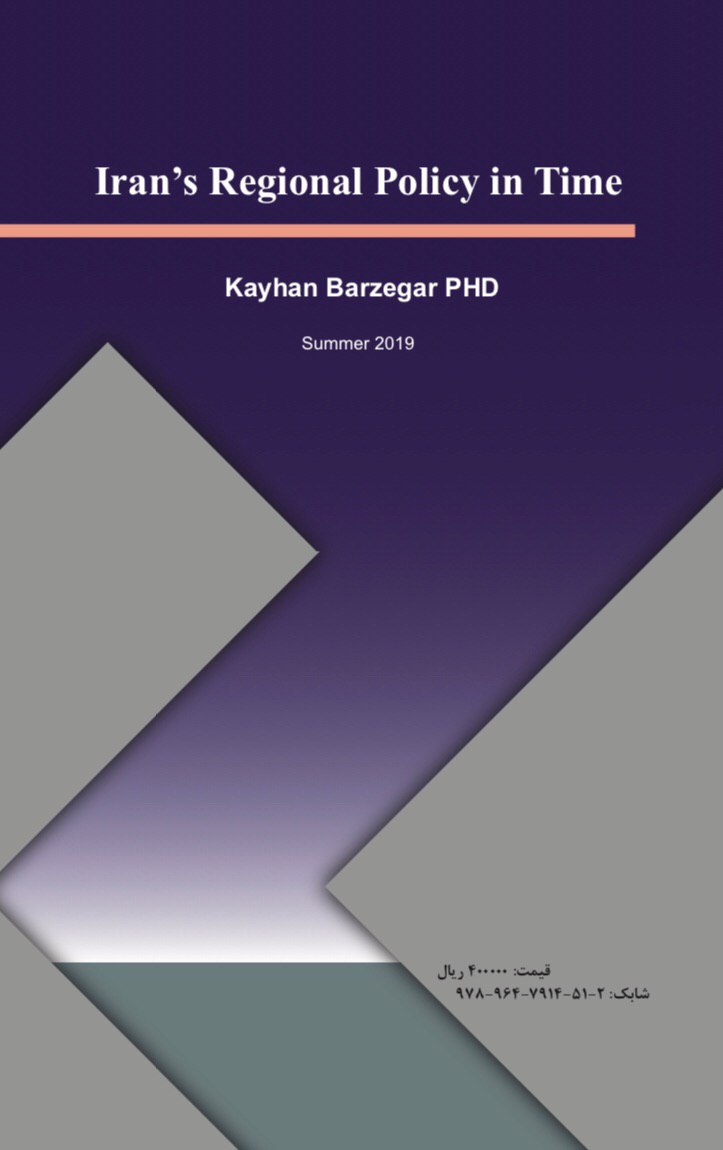
Iran’s Regional Policy in Time

The book’s main argument is that the most significant principle of Iran’s regional policy in recent decades has been to tackle the existing security threats, as well as establishing stability for integrating Iran’s economy with the neighbourhood region, thereby guaranteeing the survival of the “state” of Iran and paving the way for strengthening the country’s national power.

In the introduction of the book, the author writes that: Now in the spring of 2019 that our country is under severe economic sanctions and political pressures from the Trump administration, Iranian statesmen have reached the decision that resisting against the US policy is necessary for encountering a “greater security threat” for the “state” of Iran, that is the threat of internal destabilization and the nation’s polarization.

Therefore, Iran reaches this conclusion that it must enhance the level of its national power and in this regard there is a strong relation between the strengthening of Iran’s power and its regional activities in terms of deterring the threats and creating economic opportunities.

The book studies the course of Iran’s regional policy in the time of Iran’s moderate president Hassan Rouhani, since 2013. In this era, the two main subjects of Iran’s foreign policy has been the conduct of the nuclear deal with world powers, known as the JCPOA, and Iran’s regional policy.

With Trump’s withdrawal from the JCPOA, and European countries incapability or unwillingness to meet their commitments under the deal so far, the positive mood of establishing increased relations with Western countries is gradually fading away in Iran. The West’s policy on challenging Iran’s regional activities and limiting its missile program has further focused Iran’s policy on the necessity of strengthening its deterrent power (hard and soft) and benefiting from economic opportunities in the region. Iran concludes that the main goal of the West and its regional allies is to weaken Iran’s national power from inside. This dynamic itself increased a kind of disappointment and distrust towards improved relations with the West in Iran’s public, subsequently changing Iranians ‘view of the significance of the country’s national security issues and strengthening deterrent power.

Such situation is unique in Iran’s contemporary history that national security issues and the country’s regional conducts are greatly affecting Iran’s domestic politics. Prior to this, it was more domestic dynamics that shaped Iran’s foreign policy orientations. For instance, the tendency to increased international interactions and economic progress through lifting international sanctions changed the country’s domestic discourse, providing the grounds for the moderate government of Hassan Rouhani to come to office.

Iran’s Regional Policy in TimeYet, with the change in Western policy, Iran’s foreign policy priority focused further on regional connectivity and benefiting from its geopolitical advantages, essentially counting on itself.

Evidences show that this understanding would not change Iran’s core regional policy in the course of the time and only leads the country to redefine its national security strategies to adjust its status in the changing regional balance of power. In this regard, the author of the book focuses on the two main elements of “applied history” and “dynamic geography” to demonstrate the significance of this “consistency” in Iran’s regional policy in context of the time.

In current situation, Iran realizes that the most effective regional policy would be to define a few macro principles in its foreign policy conducts and then based on the local geopolitical characteristics regularize its individual relations with neighboring state in a by-lateral or trilateral approach.

Published by The Center for Middle East Strategic Studies’ Publication, 389 pages, Summer 2019.

A Look at Iranian Newspaper Front Pages on August 1

A Look at Iranian Newspaper Front Pages on November 19

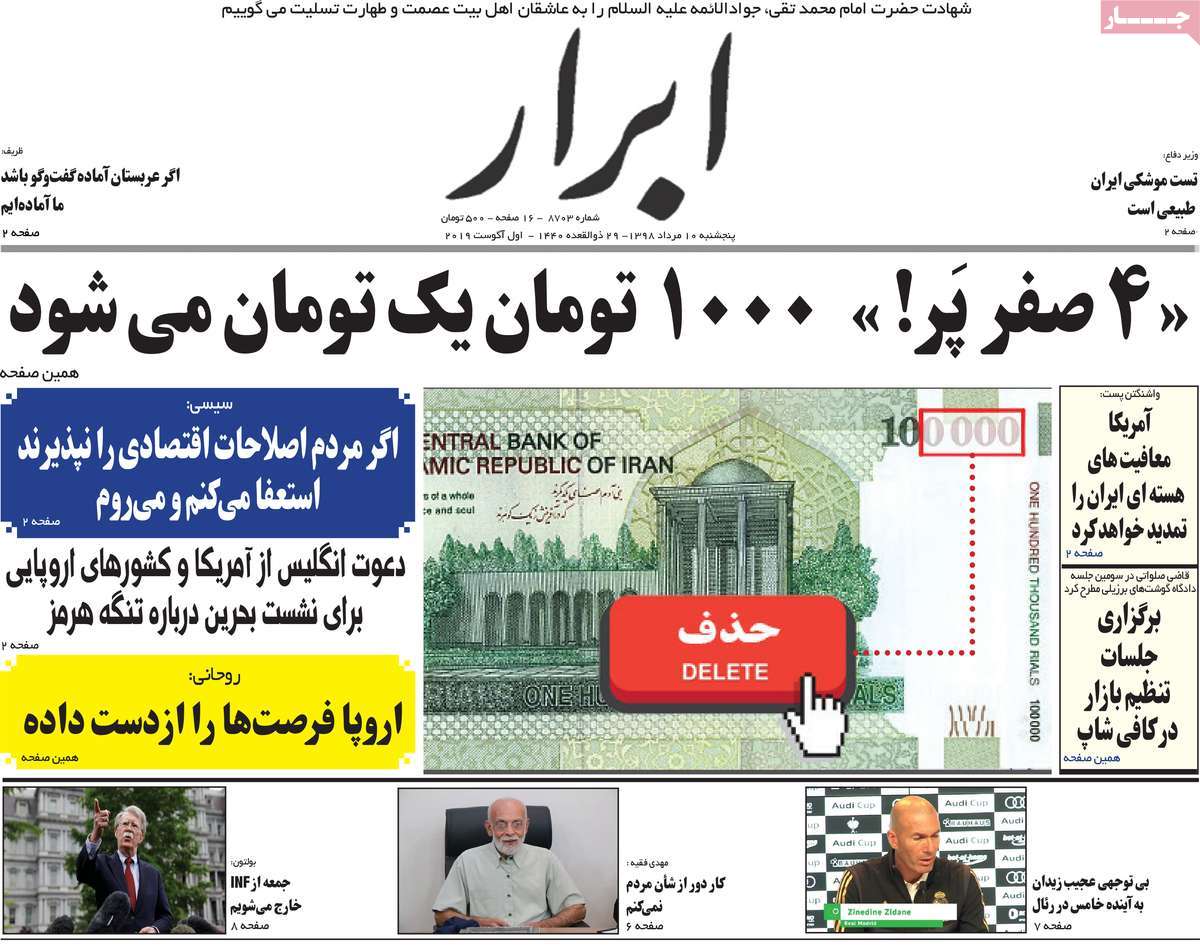
Abrar:

1- DM: Iran’s Missile Tests Normal

2- Zarif: We’re Ready for Talks If Saudis Are

3- Washington Post: US to Extend Waivers for Nuclear Cooperation with Iran

4- UK Invites US, Europeans to Bahrain Summit on Strait of Hormuz

5- Rouhani: Europe Has Missed Opportunities

A Look at Iranian Newspaper Front Pages on August 1


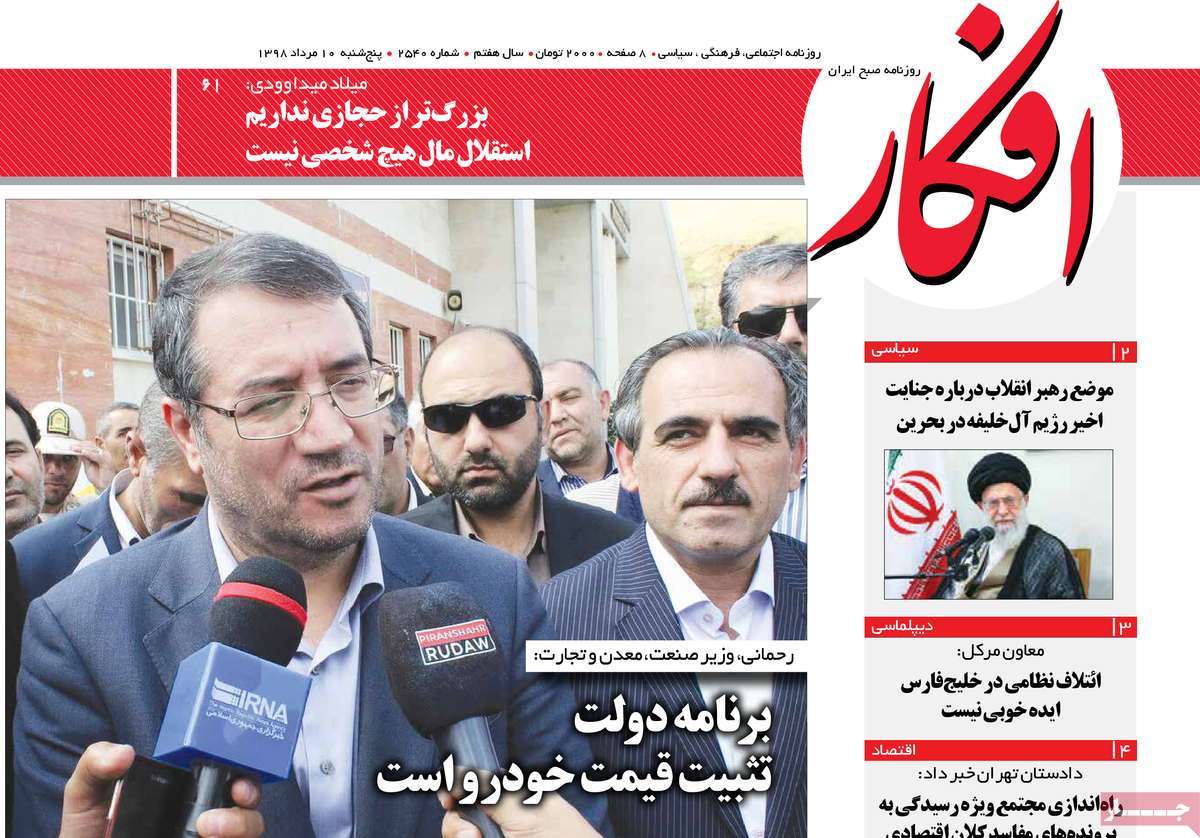
Afkar:

1- Iran Leader Raps Al Khalifa Regime’s Recent Crime in Bahrain

2- Merkel’s Deputy: Military Coalition in PG Not Good Idea

A Look at Iranian Newspaper Front Pages on August 1


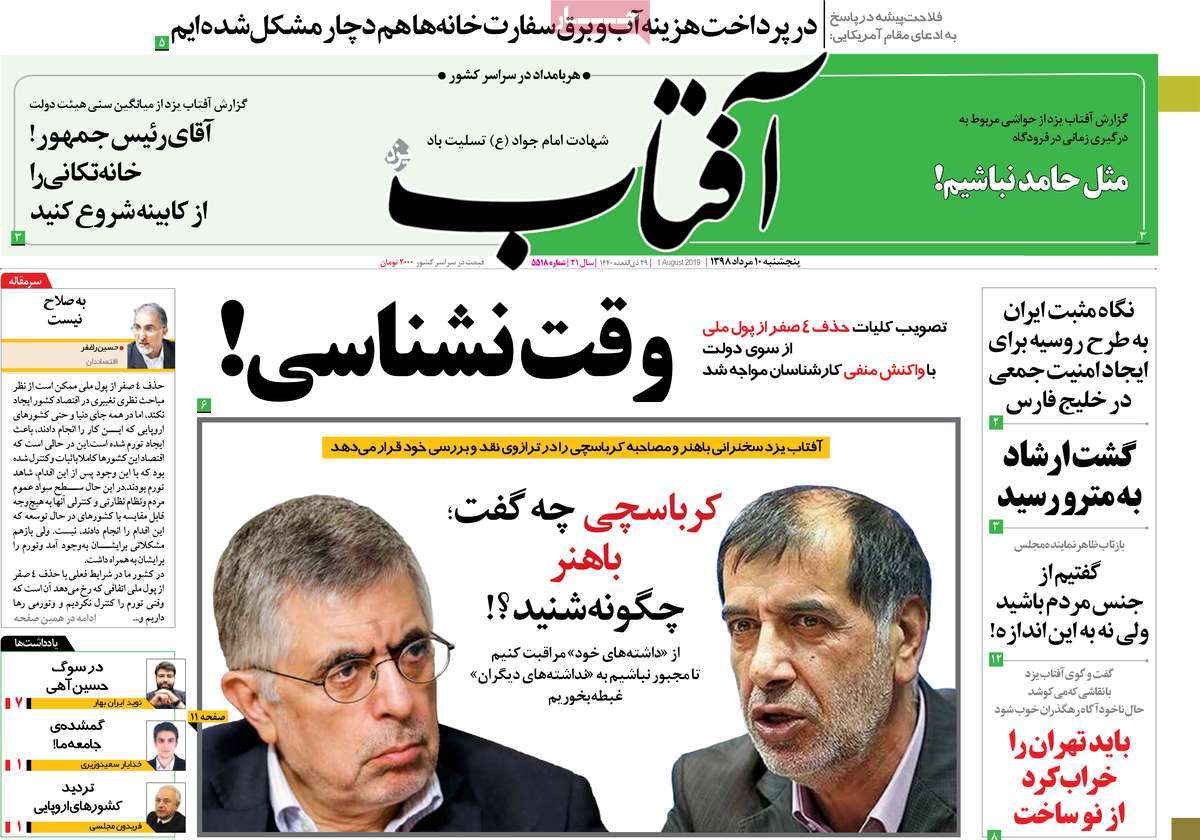
Aftab-e Yazd:

1- Iran’s Positive View of Russia Plan to Create Collective Security in PG

2- Iran Has Problems Even in Paying Utility Bills of Its Embassies: MP

A Look at Iranian Newspaper Front Pages on August 1


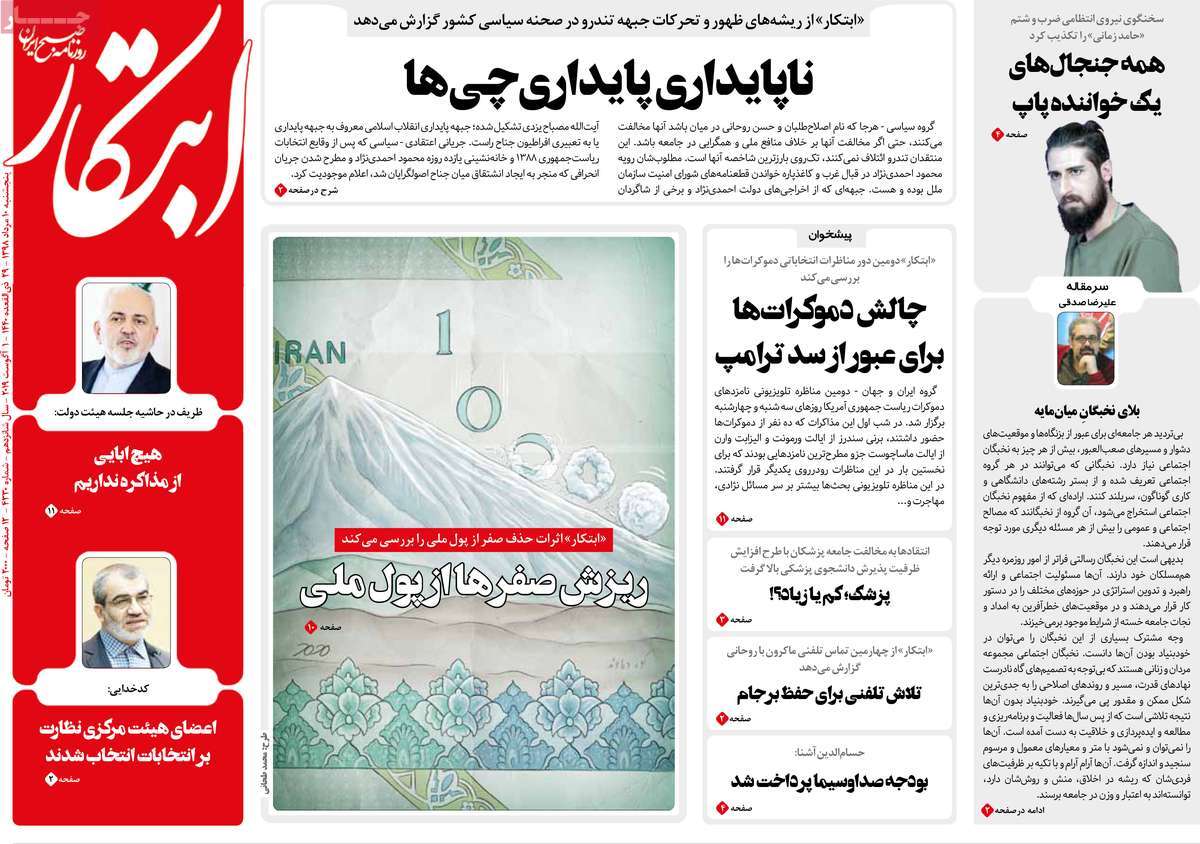
Ebtekar:

1- Democrats’ Challenge for Overcoming Trump: A Review of Second Dem Debate

2- Phone Efforts to Save JCPOA: A Report on Fourth Macron-Rouhani Phone Call

3- Zarif: We’re Not Afraid of Negotiation

A Look at Iranian Newspaper Front Pages on August 1


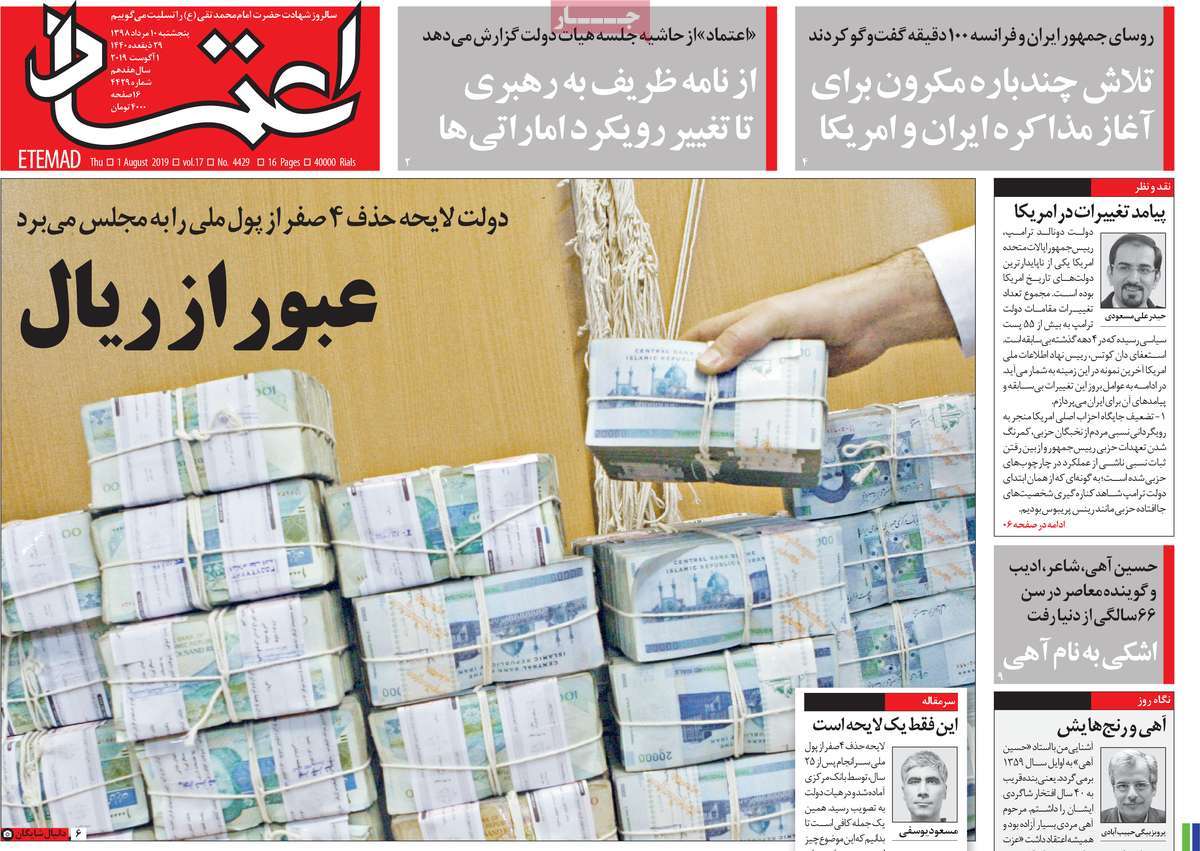
Etemad:

1- Macron’s Efforts to Initiate Iran-US Talks: Iranian, French Presidents Hold 100-Minute Conversation

A Look at Iranian Newspaper Front Pages on August 1


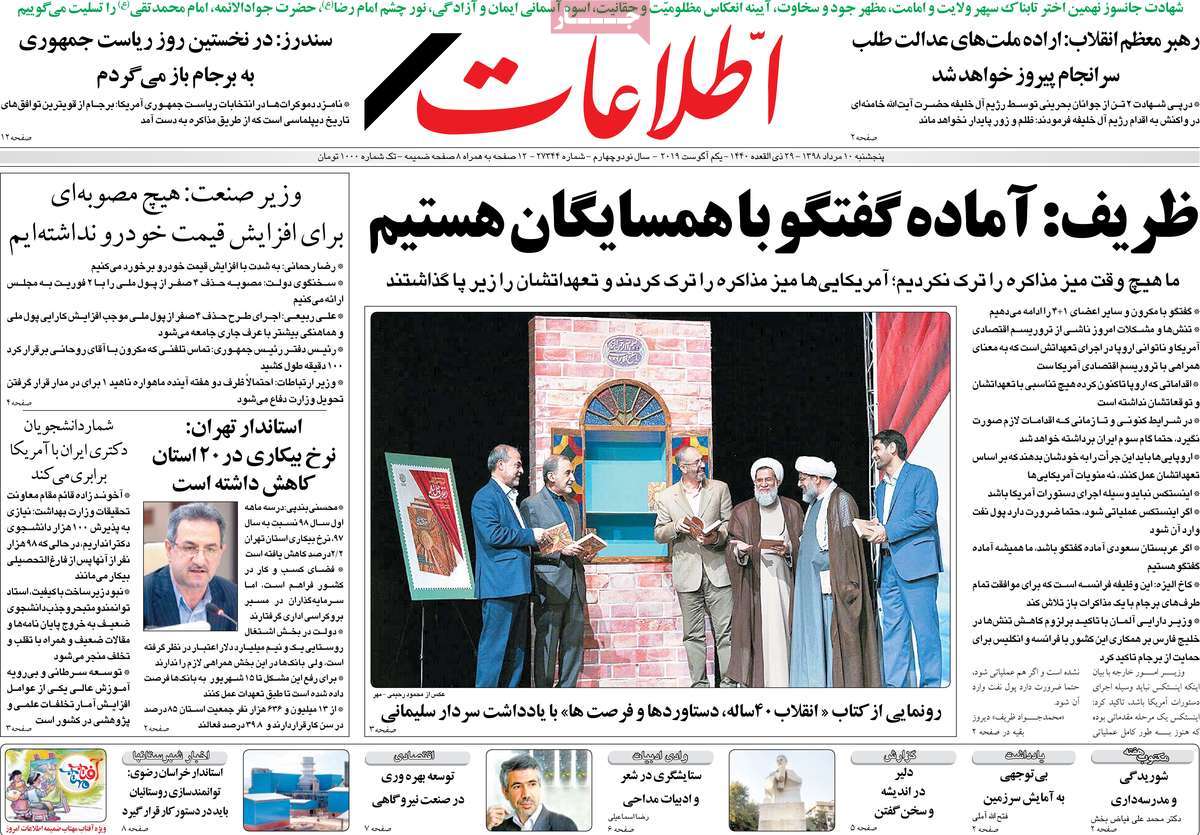
Ettela’at:

1- Iran Leader: Justice-Seeking Nations Will Ultimately Win

2- Sanders: I’ll Return to JCPOA on First Day of Presidency

3- Zarif: We’re Ready for Talks with Neighbours

A Look at Iranian Newspaper Front Pages on August 1


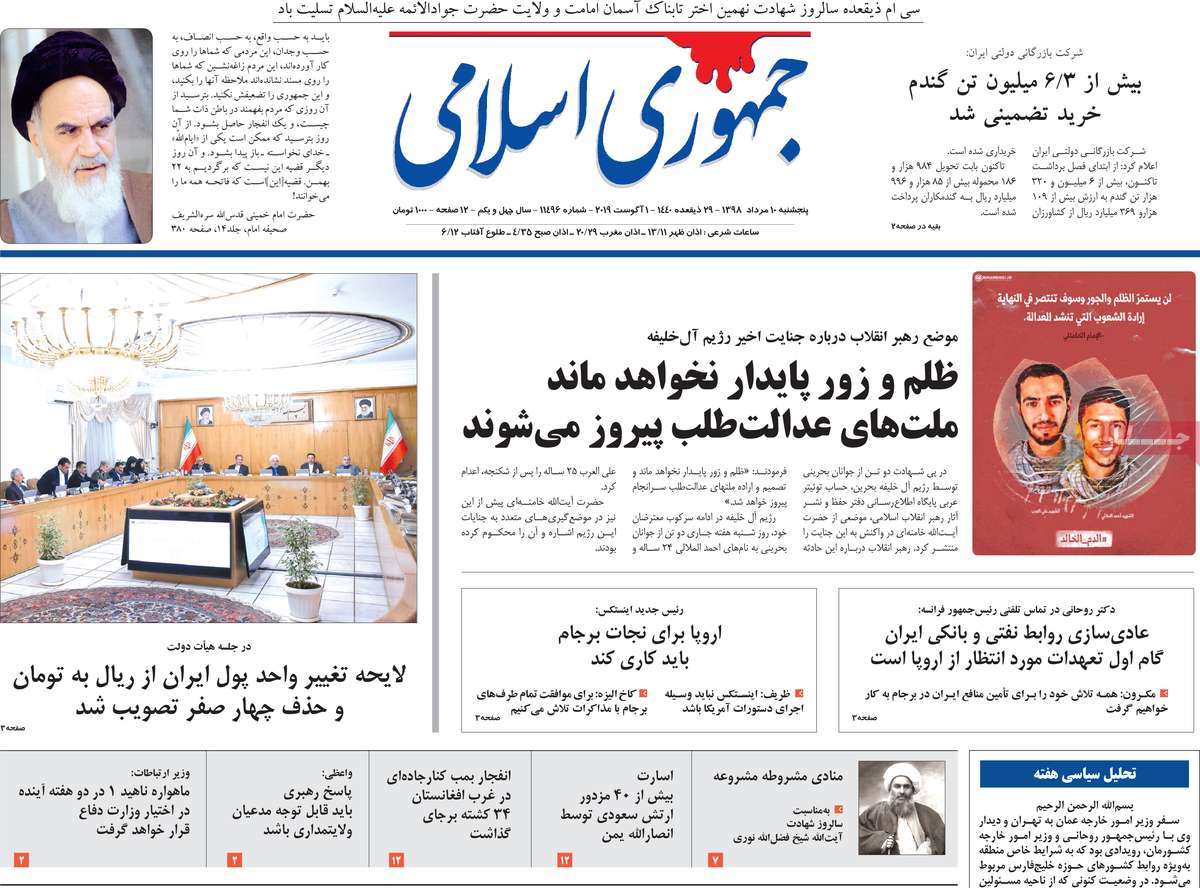
Jomhouri Eslami:

1- Rouhani: Normalization of Oil, Banking Ties First Expectation from Europe

2- Iran Leader on Bahrain Crackdown: Tyranny Won’t Last Long; Justice-Seeking Nations Will Win

A Look at Iranian Newspaper Front Pages on August 1


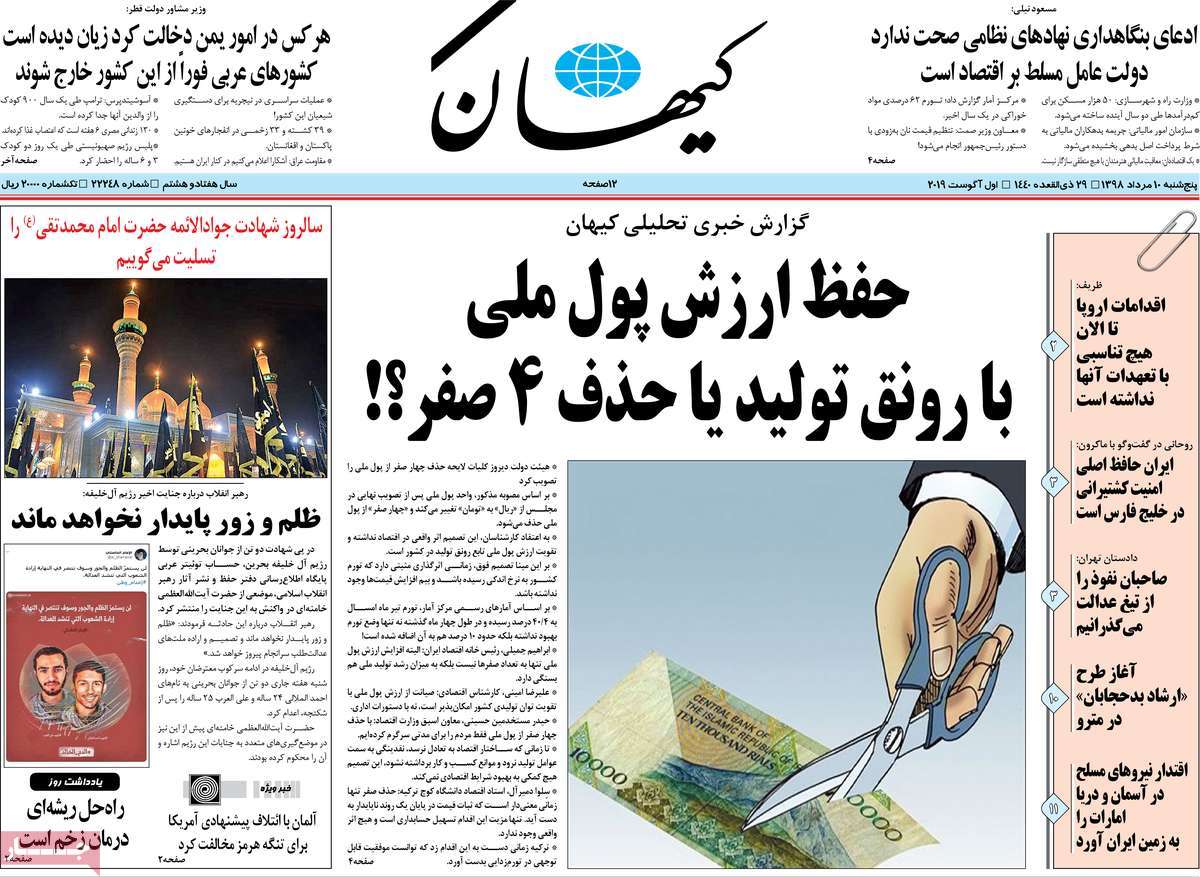
Kayhan:

1- Zarif: Europe’s Measures Not Proportionate to Their Commitments

2- Rouhani: Iran Main Protector of Shipping Security in PG

3- Power of Armed Forces in Air, Sea Took UAE to Iran’s Ground

4- Germany Opposes US-Proposed Coalition for Hormuz Strait

A Look at Iranian Newspaper Front Pages on August 1


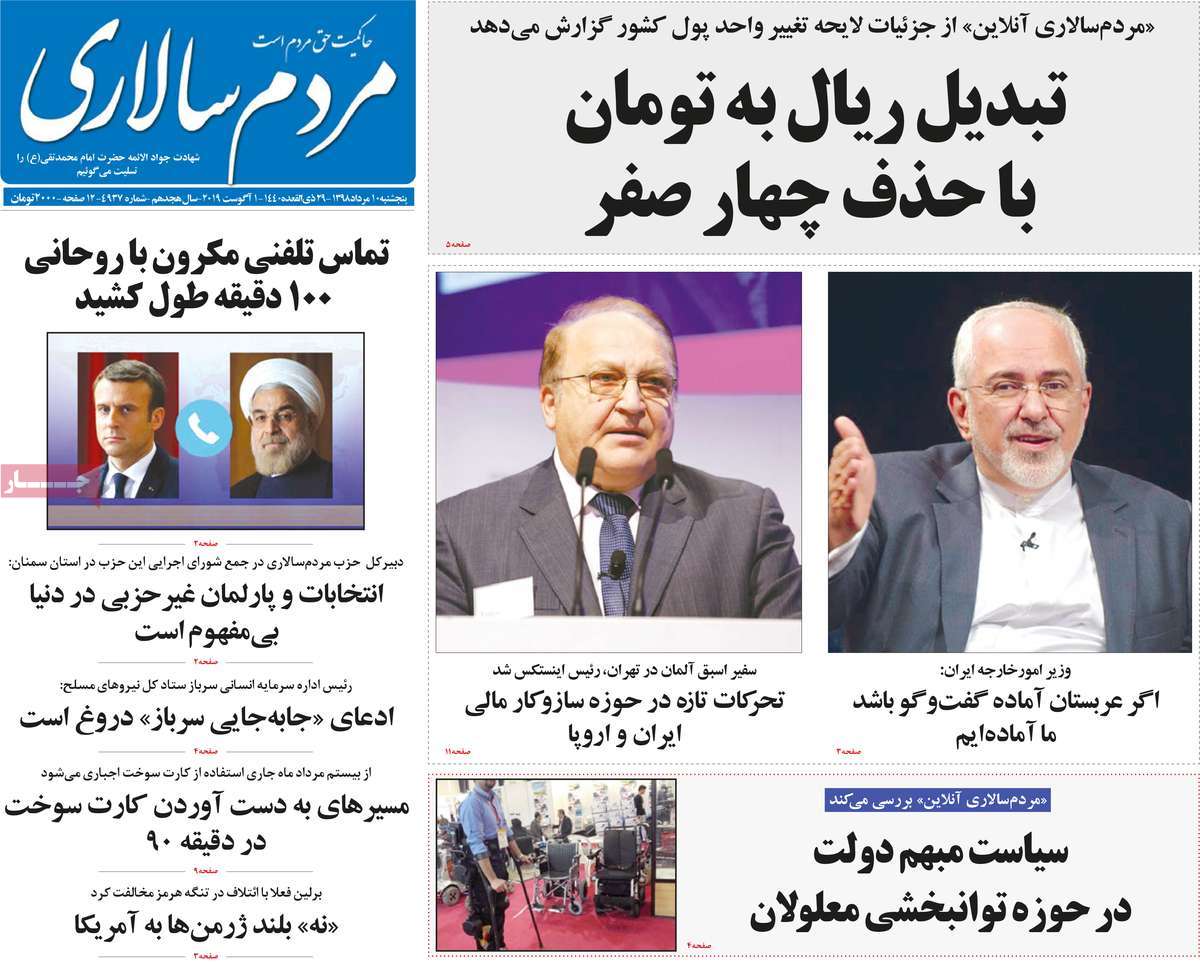
Mardom Salari:

1- Iran FM: Iran Ready If Saudis Prepared for Talks

2- German Ex-Envoy Appointed Head of INSTEX

* New Developments in Iran-EU Financial Mechanisms

A Look at Iranian Newspaper Front Pages on August 1

How to Buy, Sell or Exchange Stellar Lumens (XLM) at CoinSwitch

Impact of Biometric Technology on Cryptocurrency

Choose between a hardware and a software wallet based on your needs from CoinSwitch’s list of recommended wallets. Choose a software wallet for on-the-go applications and if you are not ready to invest in a wallet. However, if you are considering a long-term investment, use a hardware wallet. Hackers cannot get into Hardware wallets easily and they are generally safe from malware attacks. As long as you have a private, secure network, you can even consider a mobile or desktop wallet.

Locate your Lumen wallet address. It is a string of numbers and letters starting from G.

How to buy Lumens on CoinSwitch

Use your MasterCard or Visa Credit Card to first purchase Bitcoin. Since CoinSwitch does not allow you to purchase Lumens directly, you will need to do this step. You can also purchase Ethereum, Ripple, Binance Coin or Litecoin first.

Next step is to enter your corresponding wallet address and start the transaction.

Credit card details get verified pretty quickly on CoinSwitch, unlike other exchanges that make you wait for days.

Once you do that, your transaction will begin. It shouldn’t take more than 15 minutes.

Now that you have BTC, you will have to perform a BTC to XLM exchange by following these three steps.

STEP 1: Check out the exchange rate on the homepage. The best exchange rate is displayed by default. Click on ‘View All Offers’ to see all the rates.

STEP 2: Choose the best rate or preferred rate and enter your Lumen wallet address. You can even scan the address QR code instead of typing it in.

STEP 3: Transaction is performed and you will receive your Lumens.

The entire process does not require you to sign up for an account or log in to CoinSwitch. This is perfect for users who prefer anonymity and privacy.

How to sell Lumens on CoinSwitch

You will need to sign up for an account or log in to CoinSwitch for this. You will have a Sell tab in your account which will allow you to sell your Lumens for USD or EUR.

You can check the best rate by keeping a tab on the exchange rates. Currently, 1500 XLM will fetch you 125.091392 USD Coin.

How to exchange Stellar Lumens on CoinSwitch

Let’s say you want to perform a XLM to BTC exchange.

  1. Lookup the best exchange rate on the homepage and pick the best offer.
  2. Enter your BTC wallet address
  3. You will receive an Address and a Memo. You can scan the QR code to get the address but the memo has to be entered manually.
  4. You will have to deposit Stellar Lumens to the address for the transaction to start.
  5. Once the order page reflects that the Lumens have been deposited, your transaction will begin. It should not take more than 10-15 minutes. It could take longer depending on the blockchain.
  6. Once you are able to convert the Lumens to BTC successfully, you will receive a transaction hash.

Again, no account is required to do this and you maintain your privacy easily.

What Does Israel Want in Iraq?

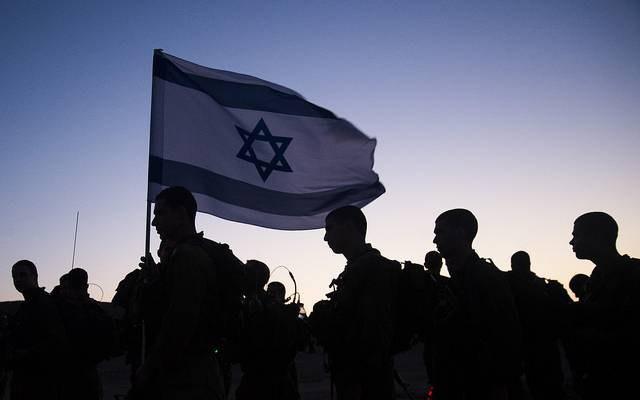
Israeli Soldiers

The following in an article by Abdolrahman Fathollahi, written exclusively for the Iran Front Page website:

Only 10 days after an Israeli attack on the Hashd al-Shaabi’s base in Amerli in the Saladin province of Iraq, media reports indicate that Tel Aviv has once again launched an attack, this time on “Abu Muntazir al-Mohammadawi” base, formerly known as Camp Ashraf, located in Diyali province north of Baghdad. However, Hashd al-Shaabi commander, Talib al-Mousawi, has dismissed the reports of such an attack, drawing a link between the attempts to prompt speculation about the issue and the Hashd al-Shaabi’s move to detonate and dismantle the remaining weapons of war inside Camp Ashraf. Moreover, news reports show that an investigation committee formed to probe into the Amerli incident has concluded that there has been no attack. On the other hand, it seems that a visit by Maryam Rajavi, leader of the MKO terrorist group, and the launch of the recent attack was not a coincidence. Above all, the MKO’s perfect familiarity with the region after 30 years of presence there could have been taken advantage of by Israel for carrying out the attack.

Furthermore, according to the estimates provided by a number of Iraqi security and intelligence officials, the July 19 attack has involved the launch of three “Harop” loitering munitions from F-16 fighter jets. Since Israel is the only actor in the Middle East in possession of such weapons, it seems that Tel Aviv has perpetrated the strike against that base in Amerli of Saladin province.

In addition, what has become apparent is that the actual developments taking place in the Middle East, particularly at the Strait of Hormuz and the Persian Gulf, have resulted in an escalation of tensions. The path initiated by Trump’s withdrawal from the JCPOA and the re-imposition of sanctions was also affected by a security approach later; meanwhile, the deployment and presence of warships from the European and Southeast Asian countries could add to the security atmosphere in the region.

In the wake of these developments, one of the focal centers of the White House’s attempts to mount pressures on Tehran will be definitely Iraq, a country and actor with which Iran has established the highest degree of economic, political, diplomatic, military and security cooperation. The two nations have also strong cultural and religious commonalities.

Specifically mindful of this fact, Washington is seeking to turn Iraq into its trump card in the pressure campaign.

While the US has imposed economic sanctions and has also put its forces in Iraq at a high level of alert –citing concerns about some military and security developments in the wake of a possible skirmish with the military forces allegedly affiliated with Iran, Hashd al-Shaabi in particular– the ground has been prepared for Israel to look for a role in Iraq in order to exert an influence over Iraq’s ties with Syria and over the ongoing developments in the war-hit country on the one hand and, on the other, to overshadow Tehran-Baghdad relations in the current delicate situation.

In this regard, the news reports that Israeli intelligence agents had patrolled and scouted around downtown Baghdad with American military forces in 2018 and early 2019 certainly reveal that Tel Aviv had been seeking a metamorphosis of Iraq in relation to the regional developments for the pivotal purpose of improving the West Asia’s view of Israel, amid the period of heightened tensions between Tehran and Washington in the wake of Trump’s withdrawal from the JCPOA.

Israelis’ reasoning is that Iraq is the main bridge linking Iran to Syria, and then to Lebanon, Palestine and the occupied territories, so they believe that if Iraq’s role and position in such axis diminishes for any reason, it will definitely affect Tehran’s connection with those regions, and will therefore decrease Iran’s activities and role-playing along the border of Israel. All these facts have now made Iraq into a country with special significance for Israelis, especially after a series of anti-Israeli armed forces rose to power, like Hashd al-Shaabi which, after the defeat of ISIS, has turned into an influential actor in Iraq’s security, intelligence, military and even political-diplomatic interaction with Syria, Lebanon and Iran in the course of strengthening the anti-Israeli axis in the Middle East.

Israel’s concerns about the role of such Iraqi forces reached the highest degree in October 2018, when reports came out that a number of short-range ballistic missiles had been transferred from Iran to Iraq and to its western border regions near Jordan. As a result, it was already predictable that Israel’s focus on Iran’s presence and activities in Iraq on various pretexts would pave the way for the Israelis to launch attacks on Iranian-sponsored forces in Iraq.

Besides, Israel is pursuing a step-by-step plan for Iraq apart from those attacks. Tel Aviv is trying to force Iraq into a situation that would encourage it to seek normalization of ties with Israel, like a number of Persian Gulf littoral Arab states. Some cases of the Israeli ploy include a recent visit to Israel by Nobel Peace Prize 2019 laureate, Nadia Murad, and by Lamiya Aji Bashar, winner of 2016 Sakharov Prize, with a 15-strong delegation. Nadia Murad had already visited Israel back in July 2017. The other clues include the comments by Iraq’s Ambassador to Washington Fareed Yasseen a few weeks ago on the possibility of normalization of Iraq’s relations with Israel, as well as the last year’s trips to Israel by three Iraqi delegations comprised of Sunni and Shi’ite figures.

For the second step, Tel Aviv is trying to change the policies of Baghdad towards the ongoing developments in Syria, the military and security cooperation between Baghdad and Damascus along the common border, and above all towards the broad interaction between Iran and Iraq in all areas, in an attempt to exclude Iraq from the anti-Israeli axis in the region.

Nonetheless, the Iraqi political leaders, including Sayyid Ammar al-Hakim, Prime Minster Adil Abdul-Mahdi, Head of the Badr Organization Hadi Al-Amiri, national security adviser Falih Al-Fayyadh, President Barham Salih, and many others emphasize the necessity for Iraq to stay away from any foreign or regional tension, and even stress the need for Iraq’s role in reducing the tensions.

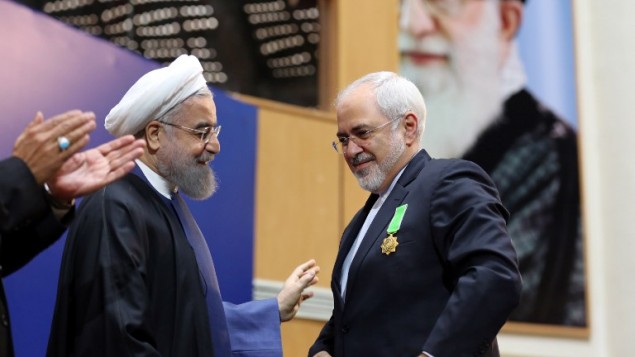
Iran President Raps US Ban on Zarif as ‘Childish Behaviour’

Addressing a ceremony on Thursday, Rouhani said the Americans say they would like to hold talks with Tehran on the one hand, but impose sanctions on the country’s top diplomat on the other.

“They say every day that they are ready for unconditional talks with Iran, but they impose sanctions on its foreign minister,” said Rouhani, dismissing this approach as “childish behaviour”.

“Such a move shows the enemies have become so desperate that they have no time to think,” the president added.

“If they want to hold talk, is there any other path than the Foreign Ministry? He (Zarif) is the head of the foreign policy apparatus,” said President Rouhani.

He said the US is scared of the Iranian foreign minister’s logic.

“All pillars of the White House begin to shake in the face of Zarif’s interviews,” he added.

Iranian First Vice President Es’haq Jahangiri also criticized Washington’s move in a post on his Twitter account.

“Even Zarif’s wise enemies are aware of his almost unrivalled knowledge, skills and ability in negotiations and creating opportunities to ward off conflict and war,” Jahangiri tweeted.

“The imposition of sanctions on Zarif is yet another reason which shows their hypocrisy and lies when calling for negotiations,” he added.

Iran Mocks US Sanctions against FM Zarif

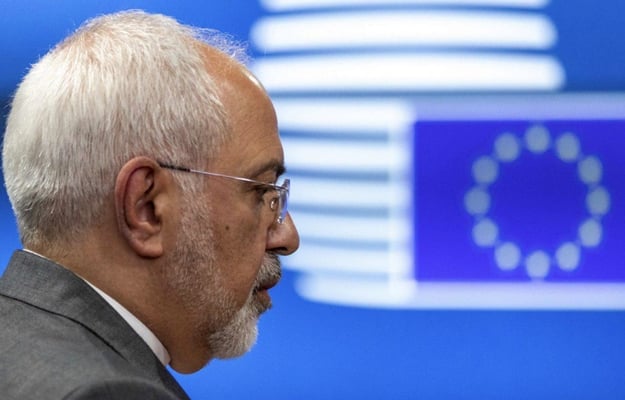
Iranian Foreign Minister Javad Zarif arrives for a meeting of the foreign ministers from Britain, France and Germany and EU foreign policy chief Federica Mogherini, at the Europa building in Brussels, May 15, 2018 / Photo by AP

The US Treasury Department on Wednesday imposed sanctions on Zarif, arguing that he is “Iran’s primary spokesperson around the world.”

In a tweet, Zarif mocked the reason for his designation, and said, “The US’ reason for designating me is that I am Iran’s ‘primary spokesperson around the world’. Is the truth really that painful?”

“It has no effect on me or my family, as I have no property or interests outside of Iran. Thank you for considering me such a huge threat to your agenda,” he added.

“Since reason for designating me is my words, would ‘US persons’ need OFAC license to ‘engage’ with me by reading my writings or listening to interviews?” he said in another tweet.

Iranian Foreign Ministry Spokesman Seyyed Abbas Mousavi also reacted to the sanctions against Zarif, and said, “The Americans have a strong fear of the logic of Dr. Zarif and his negotiating skills.”

“The peak of stupidity and inconsistency of America’s leaders is at a point where they don’t recognize Dr. Zarif as being influential in Iran’s policy but with the ultimate ignorance they sanction him!” Mousavi wrote.

He made the remarks in reaction to contradictory comments by a US official who had said, “The Trump administration is not closing the door to potential nuclear talks with Iran by sanctioning Foreign Minister Mohammad Javad Zarif, who it does not consider a significant decision maker.”

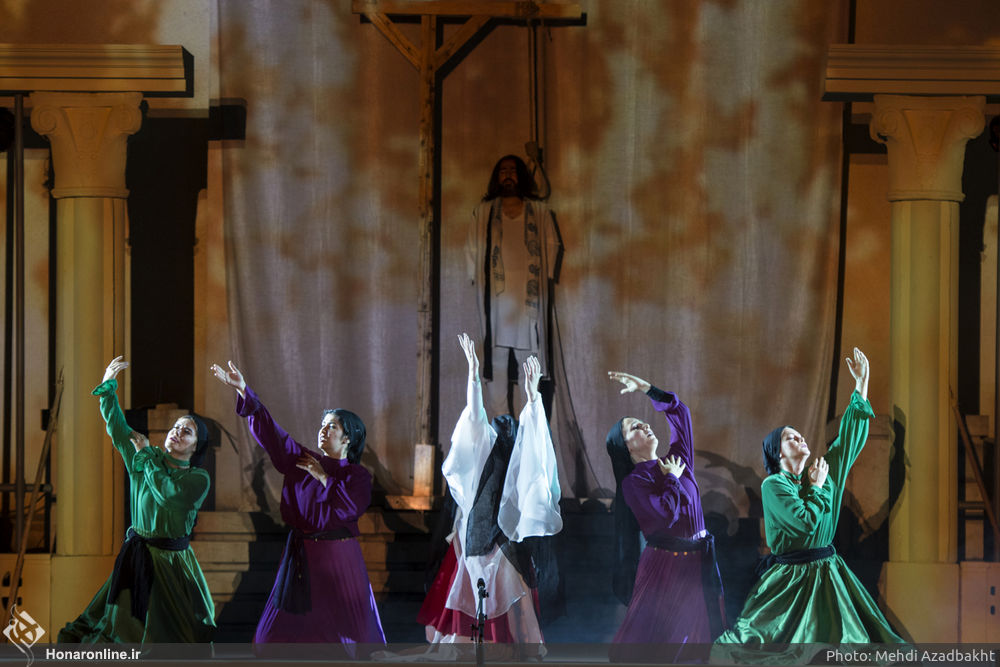
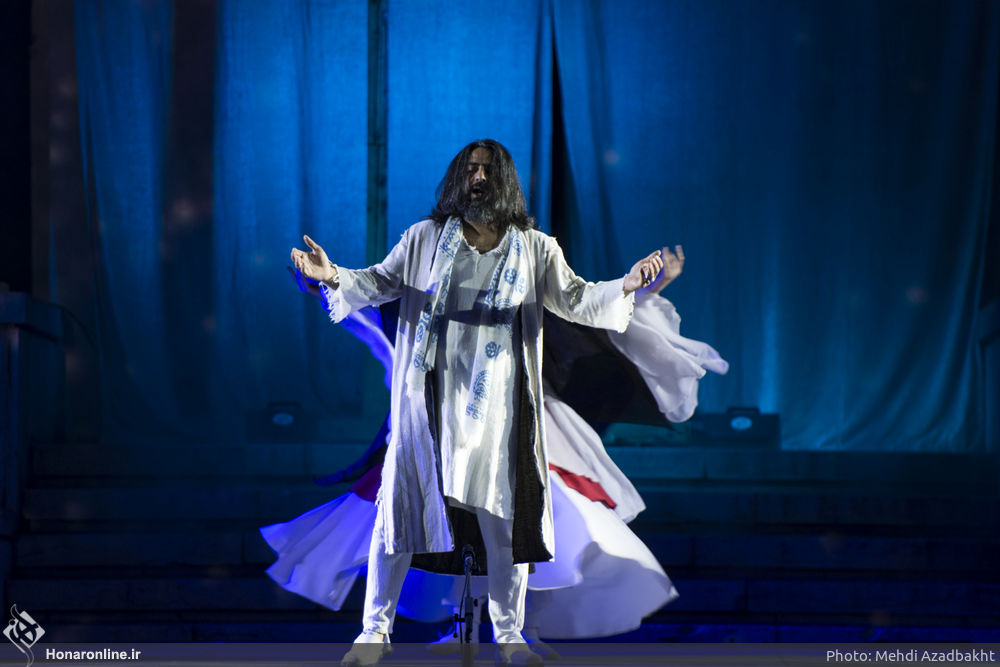
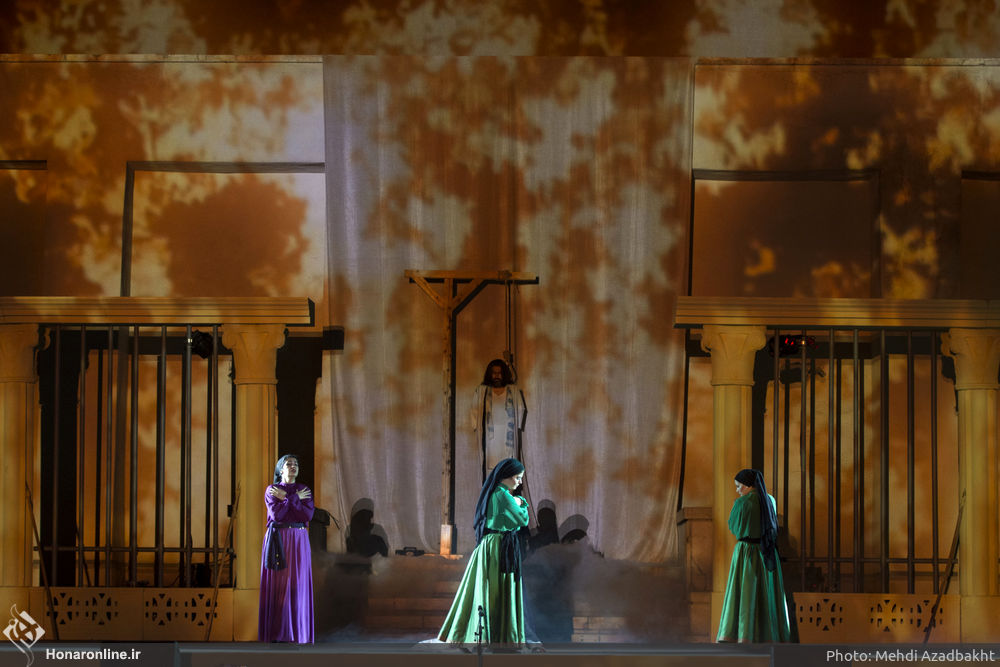
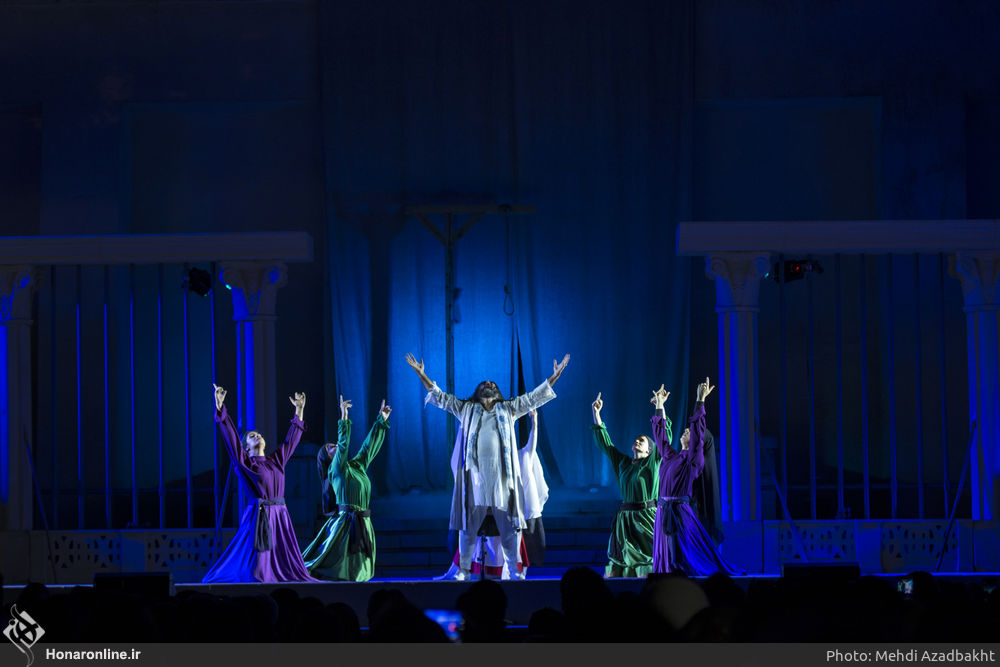
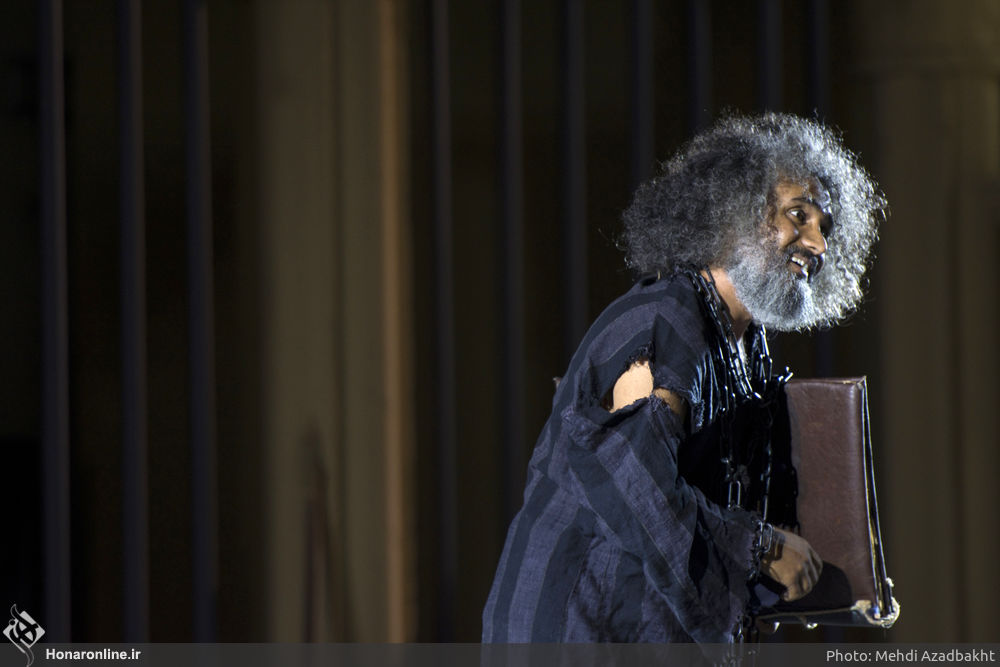
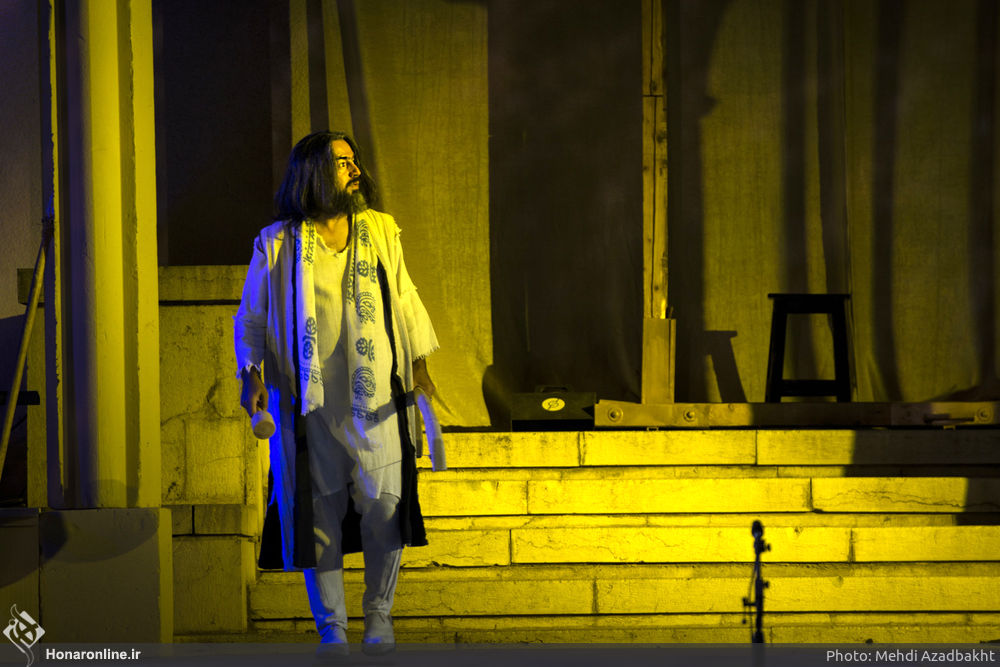
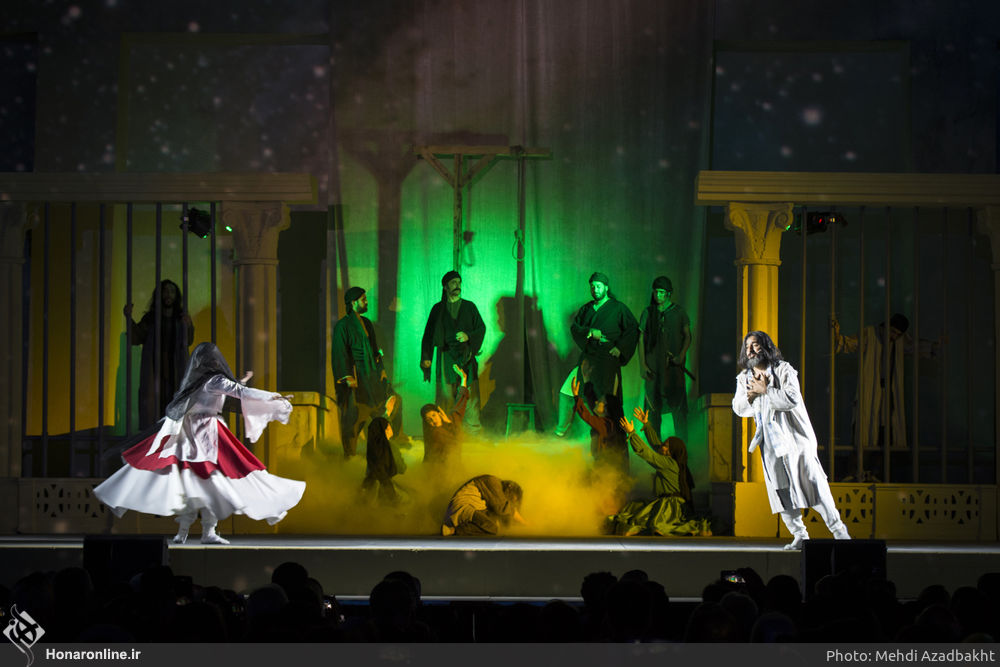
Tehran Hosting Opera on Life of Mystic Executed for His Beliefs

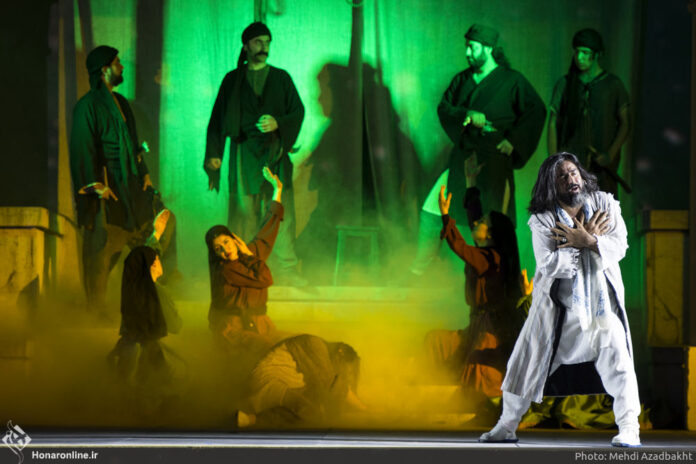
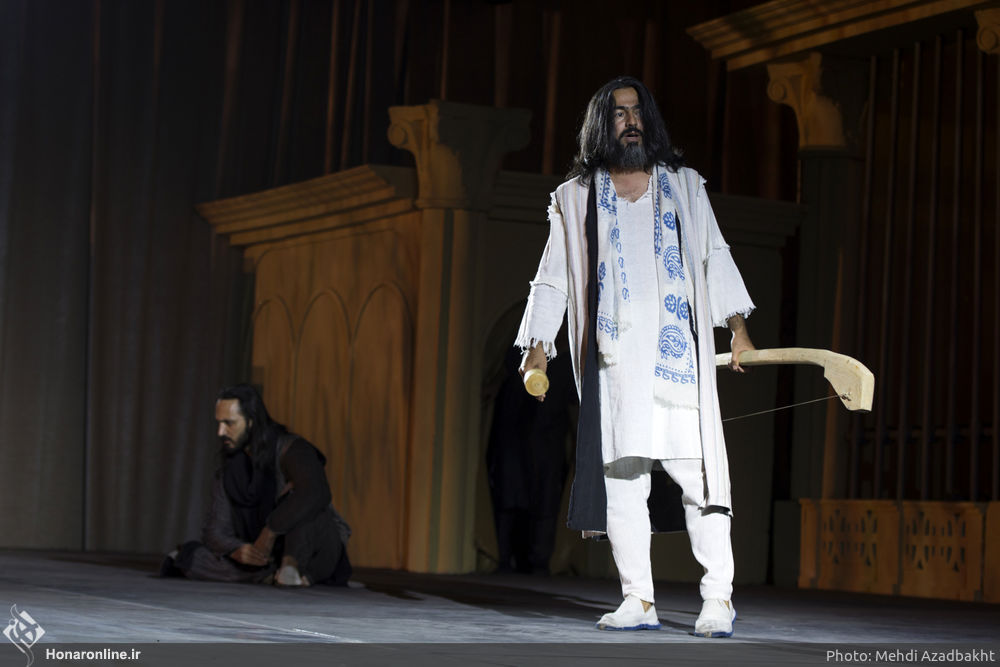
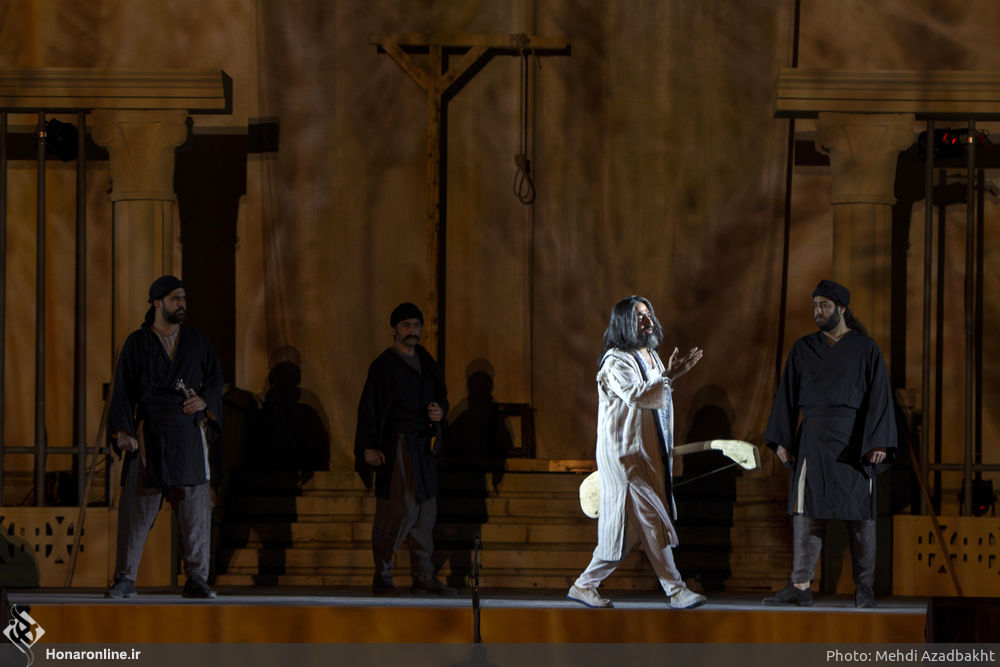
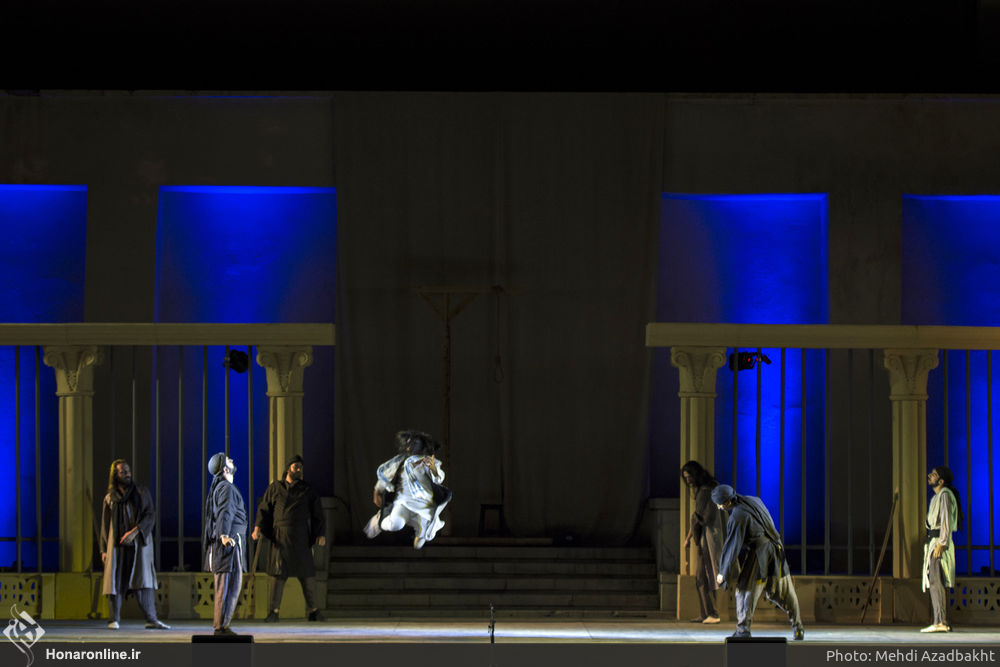
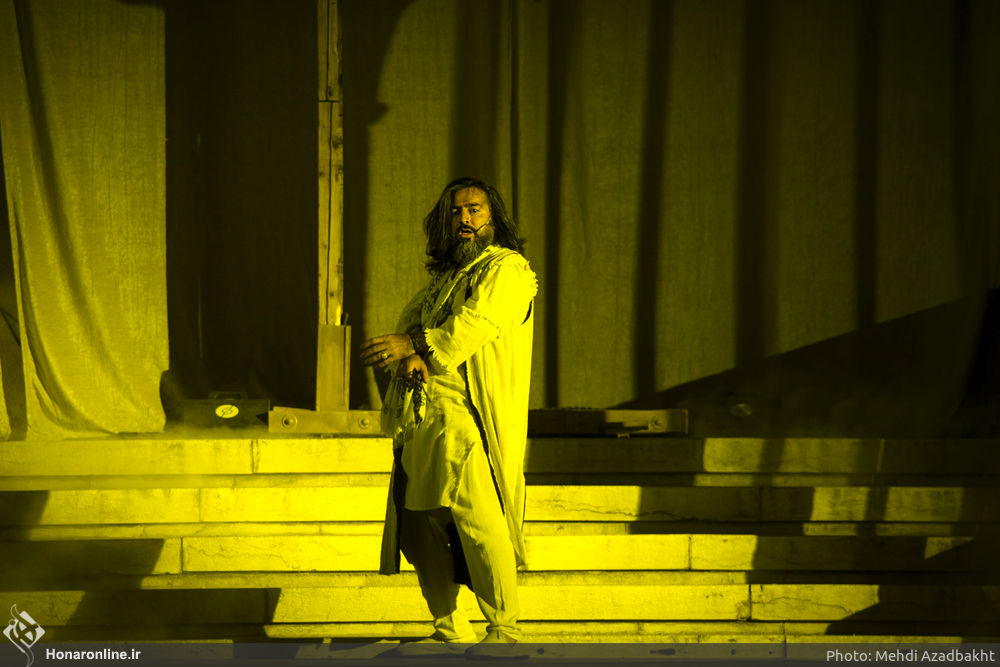
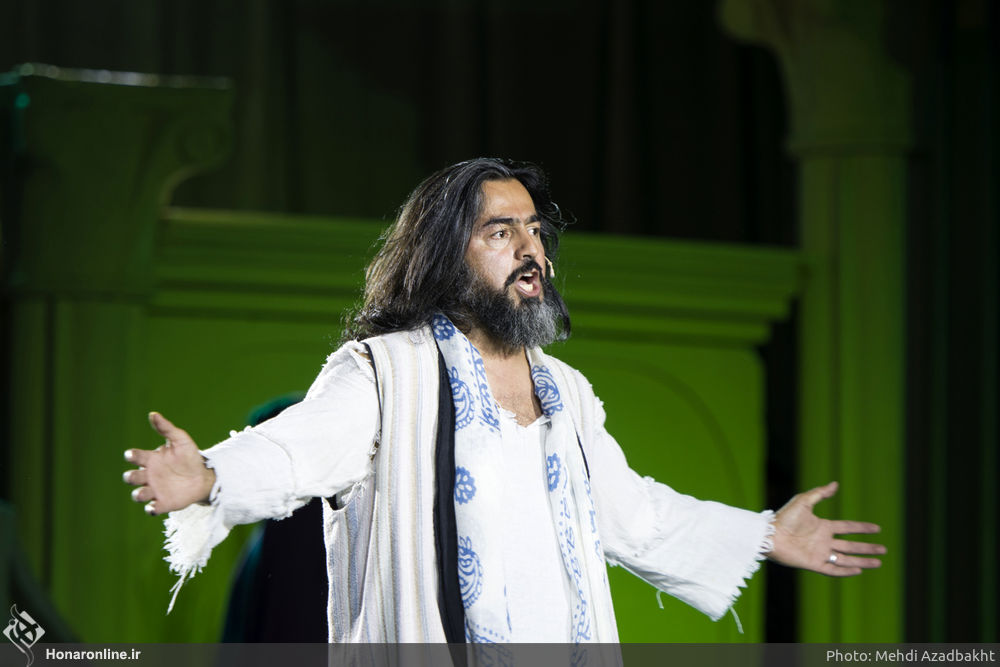
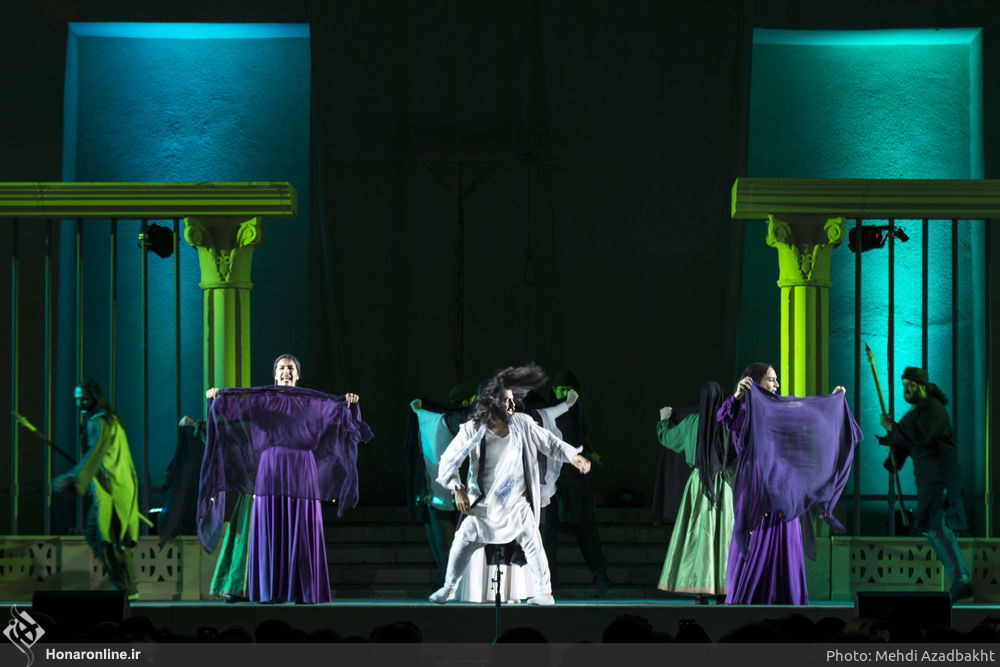
The opera narrates the story of Mansur al-Hallaj (858-922 CE), a Persian mystic, poet and teacher of Sufism. Hallaj is known for his saying “I am the Truth” which many saw as a claim to divinity, while others interpreted it as an instance of mystical annihilation of the ego which allows God to speak through the individual.

Fearing Hallaj’s thoughts and ideas and the growing number of his followers, then Caliph of Baghdad Al-Muqtadir executed him after an extended period of incarceration on religious and political charges.

Parvaz Homay, 39, is the founder of Mastan Ensemble (also known as Mastan & Homay). He specializes in Persian classical music.

Homay and his ensemble have performed the Opera of Hallaj in Tehran as well as Tabriz, Rasht and Shiraz over the past year. He says this year the concert is being conducted for 30 consecutive nights in a more professional way.

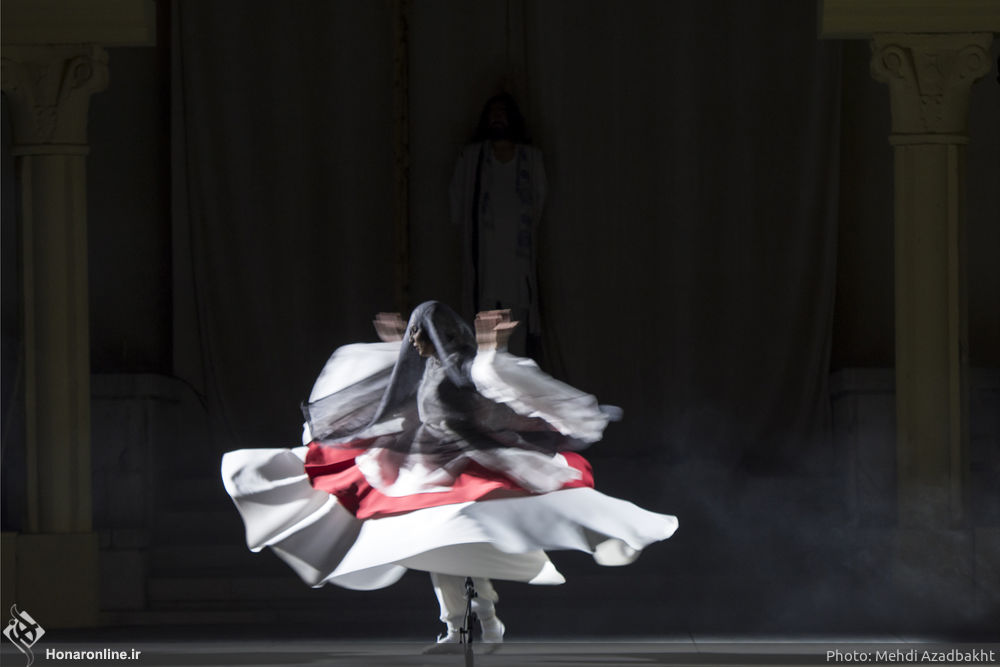
“This year, major changes have been made in our performance and the theatrical moves. We have used, for the first time, some cutting-edge 3D mapping systems as well as audience platforms,” he said.

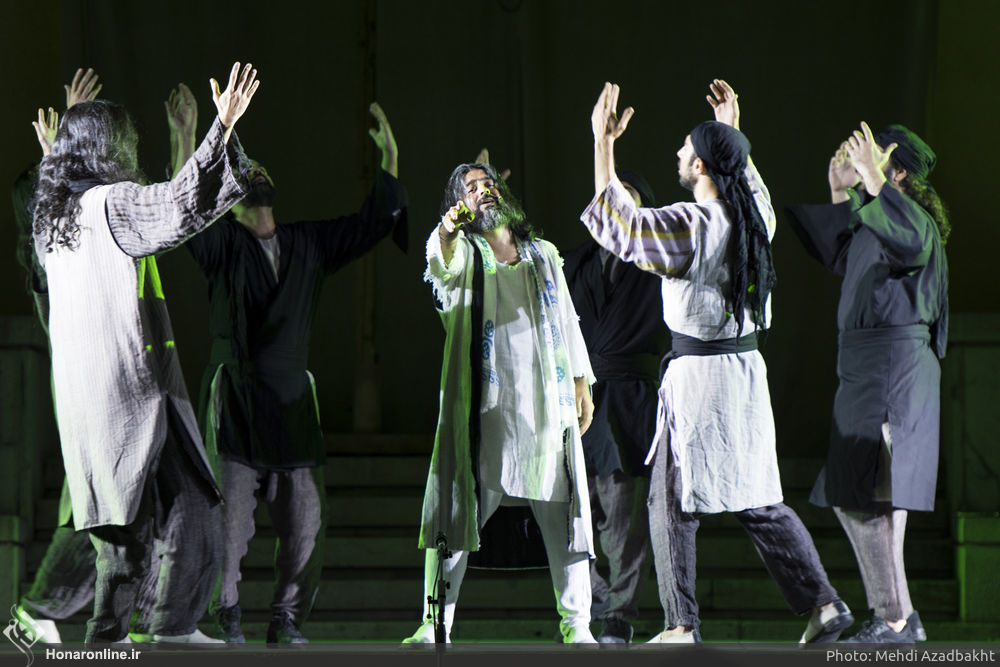
The singer underlined that the performance will remain on stage with two musicians, one background vocalist and 15 actors and actresses.

Homay also touched on the opera’s story and said the project was inspired by the sorrowful fate of Hallaj.

“His fate reveals a significant part of Iran’s social, historical and cultural period. I attach importance to this special historical period and believe it is more important compared with our contemporary era,” he said.

Homay says he was sure that the opera will be performed repeatedly due to the warm reception by the audience.

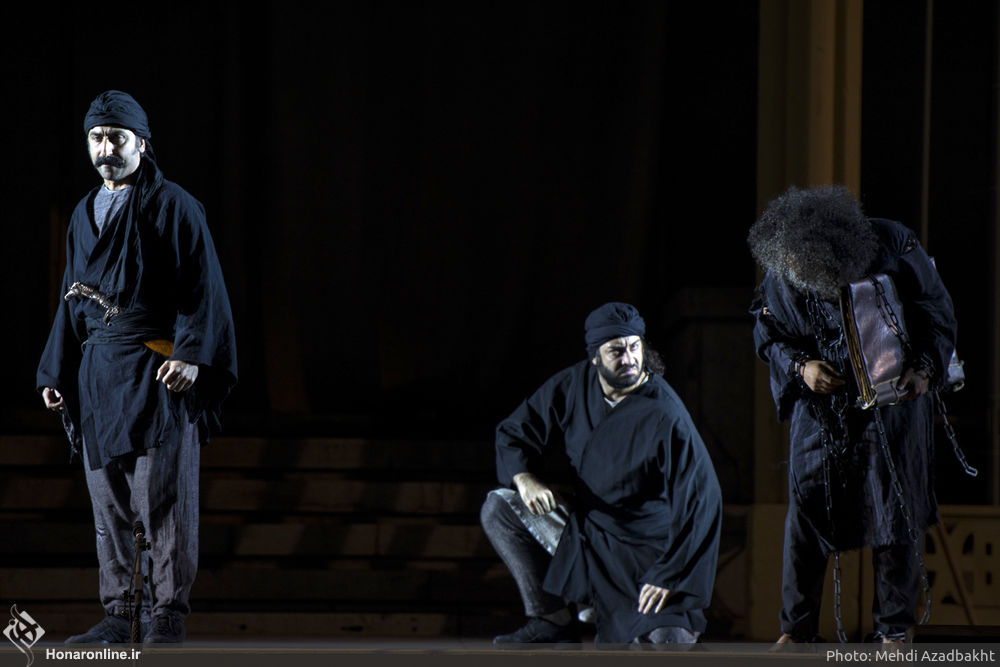
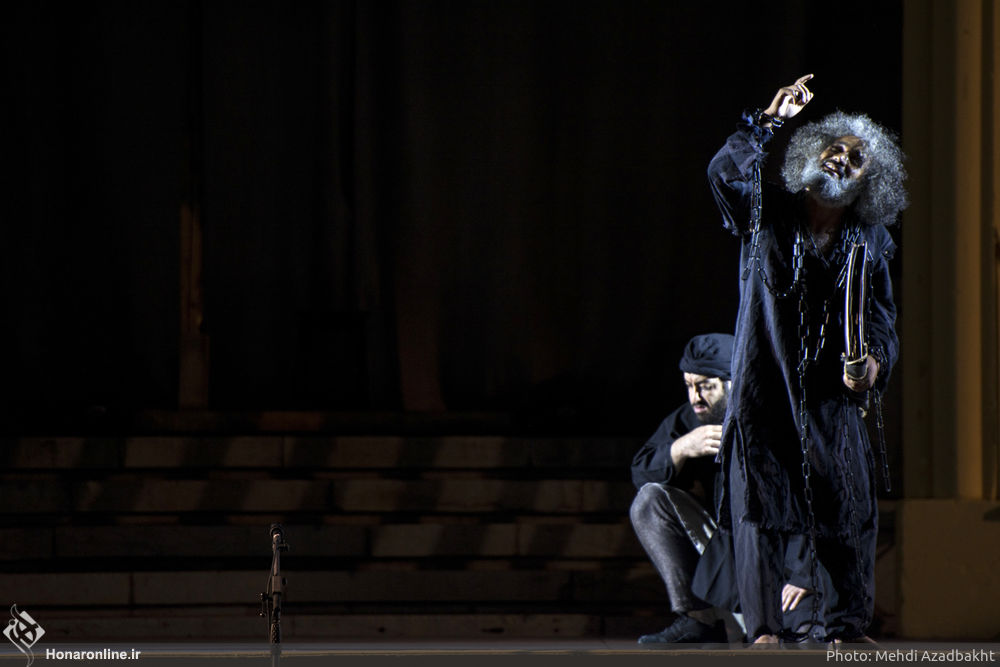
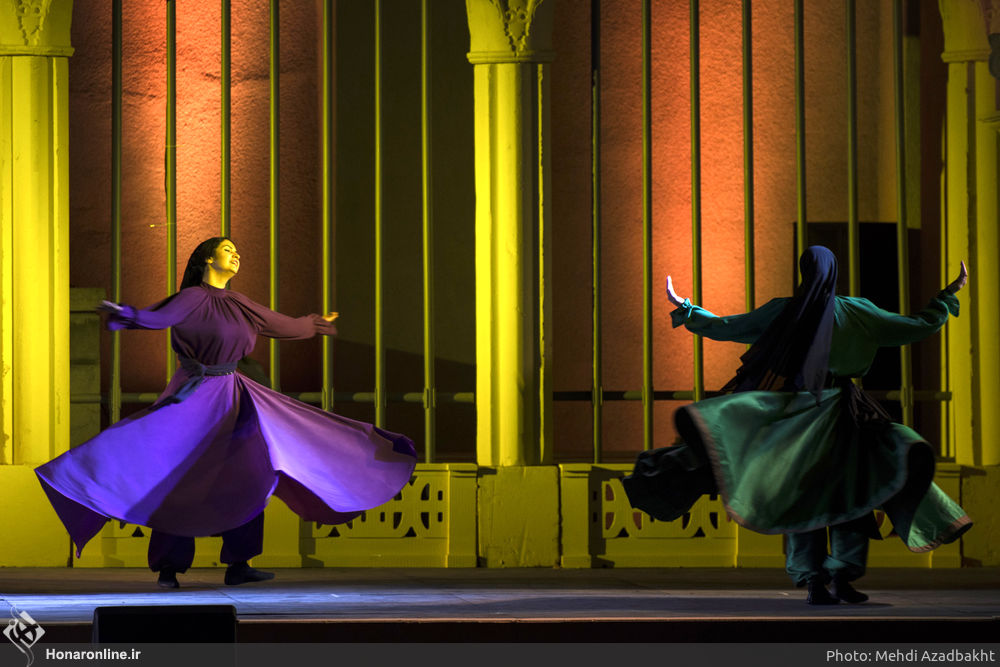
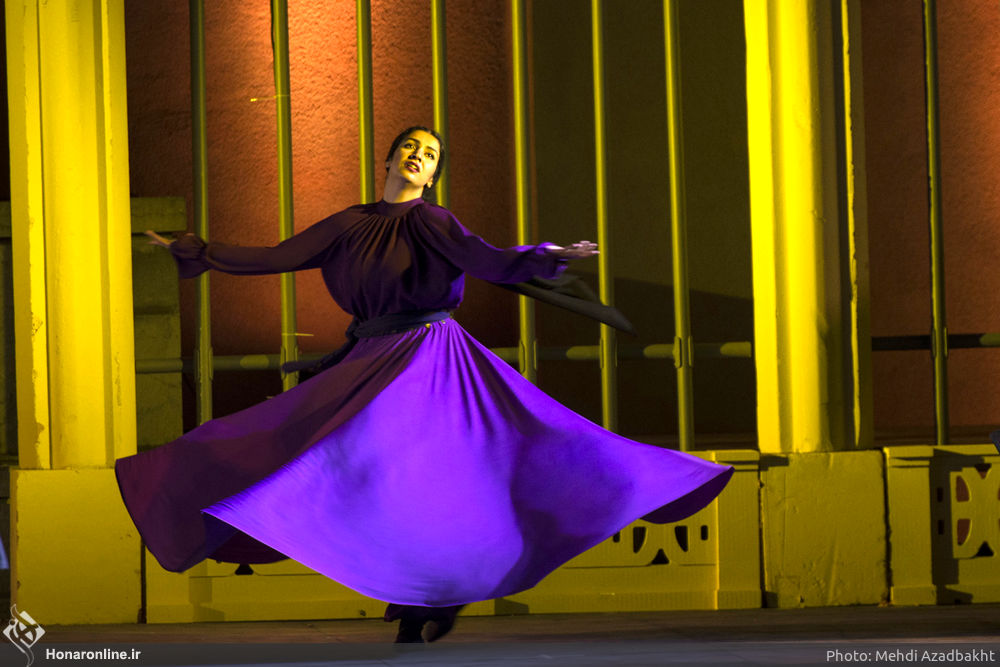
Below, you can see a collection of photos of the first night of the performance retrieved from Honar Online:

‘Kill 3,000 Americans and Escape Punishment by Buying US Arms’

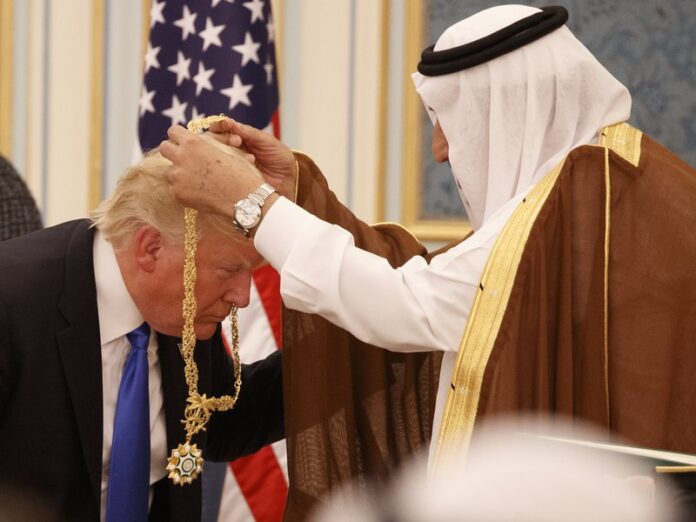
“Kill 3,000+ Americans but remain a US client and you can have nuclear weapons—even get help in acquiring them,” Zarif tweeted on Wednesday, apparently referring to the role played by Saudi Arabia – a top importer of US weapons – in attacks on US nationals including the 9/11 terrorist attacks.

“But refuse to bow to the B Team ‘s whims, you can’t even possess peaceful nuclear energy,” the Iranian foreign minister said.

“It apparently matters not that ‘Iran is killing ISIS’ while US’ clients arm it.”

The B-Team is the term coined by Zarif in reference to an anti-Iran coalition of US president’s national security advisor John Bolton, Israeli Prime Minister Benjamin Netanyahu, Saudi Crown Prince Mohammed bin Salman, and the UAE de facto ruler Mohammed bin Zayed Al Nahyan.

Zarif’s comments came in reaction to Bolton’s Tuesday address to the Young America’s Foundation, in which he once again repeated his anti-Iran claims.

“We withdrew last year from the Joint Comprehensive Plan of Action, the JCPOA, last year because it failed utterly from preventing the mullahs from developing nuclear weapons,” Bolton said.

“Any nation that chants death to America and death to Israel will not be allowed to have nuclear weapons,” he added.

His comments come amid reports that the US is helping Saudi Arabia pursue its nuclear ambitions, unlike its opposition to Iran’s possession of peaceful nuclear energy.

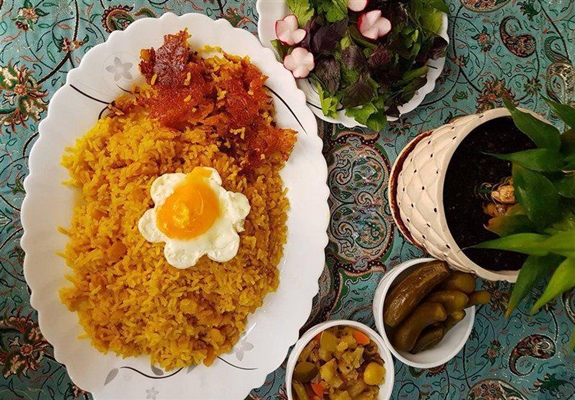
Dampokhtak; Persian Turmeric Rice with Split Fava Bean

Split fava beans, rice, onions and turmeric are used to prepare Dampokhtak.

Ingredients:

Dried split fava beans: 2 cups

Rice: 400 grams

Chopped onions: 1 big size

Turmeric: 1 tbsp

Butter or oil: As much as needed

Salt, pepper: As much as needed

Directions:

To cook Dampokhtak, first wash the rice and soak it for about half an hour. In the meantime, put the pan on the heat and pour some oil into it and sauté the split fava beans beans with some turmeric.

Then, add 3 cups of water and wait for the beans to cook slightly. After some minutes add the soaked rice and some butter to it. Let it boil and then brew it.

Sauté the chopped onions in a little oil and add a little salt to the onions. Now, serve the dish along with hot fried onions.
This dish can be served with fried eggs, pickles, yogurt or Shirazi salad.