Friday, April 24, 2026
Home Blog Page 3173

First Homegrown Allograft Produced in Iran

It is for the first time that an Iranian firm has produced allograft. The materials are retrieved by engineering the tissues donated from brain-dead patients, and are used to treat people suffering from brain diseases, giving them a new life.

Four different types of medical equipment are produced by the knowledge-based firm including  cardiovascular products like heart valves, bone tissue products like bone powder, membrane products like skin and soft tissue produces like tendon.

Production of allograft tissue is a strategic industry due to its critical use during natural disasters like quakes and wars.

In addition to a number of their organs, the brain-dead people can also donate some of their tissues which can save lives of others.

The Iranian knowledge-based firm has developed new engineering mechanism to transplant the tissue to save more lives.

Nearly 950,000 people have already used the products of the firm. So far, no report has been released of any medical problem like infection. The produced tissues have been operating well in the bodies of the patients and most of the transplantations have been of bone tissues.

For a brief review of Iran’s achievements in various fields of science and technology, check the book “Science and Technology in Iran: A Brief Review – 2019

The firm has also published about 100 scholar articles in the prestigious international magazines. It has managed to establish itself as an Iranian firm active in developing, launching and promoting the industry by only relying on its researchers’ hard efforts.

The production manager of the firm says at present, a larger number of clients from various countries have called for the technology. ‘Most of our products are used domestically and the quality of our products is much higher than those smuggled into the country.”

The firm meets most of the domestic needs in this area, saving the country millions of dollars.

Ban on Zarif Shows Confusion in US Foreign Policy: Spokesman

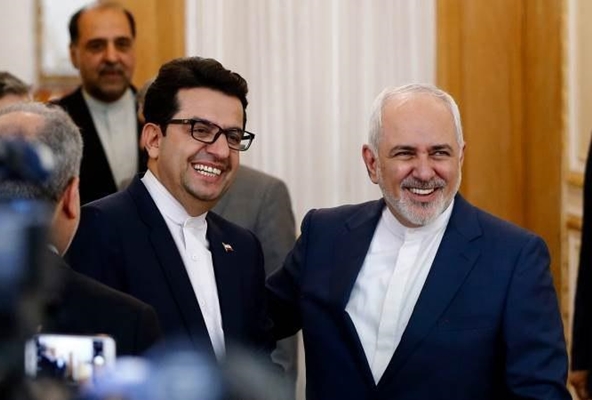
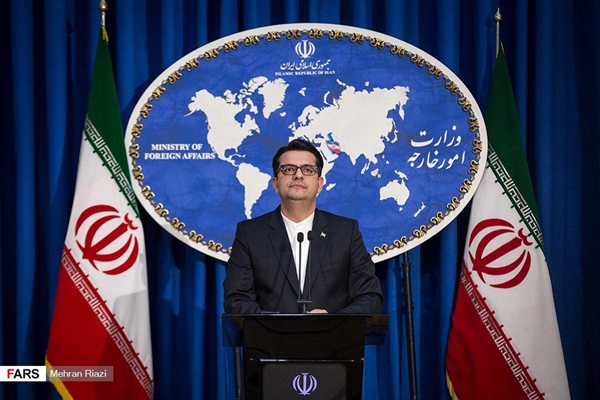
File photo of Iranian Foreign Minister Mohammad Javad Zarif (right) and Foreign Ministry spokesman Seyyed Abbas Mousavi (second from right) / Photo by Abedin Taherkenareh, EPA

Seyyed Abbas Mousavi made the comment in a memo on the United States’ sanctions on Iranian Foreign Minister Mohammad Javad Zarif. The full text of the piece follows.

The imposition of injudicious and unwise sanctions on Zarif not only amounts to an unfair attack by the US on a prominent and internationally recognized diplomat, but is also a shot fired at the heart of diplomacy. The move is a sign of confusion and desperation in the United States’ foreign policy arena and shows the pillars of power in the White House are on shaky ground.

Those who claim to be advocates of dialogue and those who, from dawn to dusk, and even in their nighttime tweets, speak of unconditional talks with Iran should be reminded that they have lost eligibility for negotiations by violating the most important and obvious conditions for talks, i.e., respecting the other party and removing rivals.

The bitter sarcasm and major paradox of this saga is that a country which claims to be the leader of some sort of western civilization and which regards itself as the greatest source of inspiration and promoter of values such as democracy, liberalism and human rights does not care about any other way and mechanism than use of force, threat and war.

The United States is the greatest imposer of sanctions in history. From the Americans’ standpoint, sanctions are a complement and prelude to war.

This country has paid special attention to “sanctions” as a tool, especially since World War II, and slapped bans, under different pretexts, on dozens of countries, hundreds of companies and organizations, and thousands of people.

So, sanctions gradually turned into the most important tool to exert pressure and force against independent countries that opposed the US. Today, sanctions are the most important tool in the United States’ toolbox of foreign policy. In the twentieth century, this toolbox lacks main tools of foreign policy, i.e., diplomacy, dialogue, interaction and understanding, more than ever before.

However, the current US administration is ahead of its rivals when it comes to resorting to sanctions, and is seen as the government which uses the tool of sanctions more frequently than any other government in the world. By looking at the dark record of the current US administration, one realizes the reality that basically American statesmen are strangers to political rationality, diplomacy and understanding, and that the foreign policy of this country boils down to two words: threats and sanctions.

Looking at the main key works in the language of American officials, especially Secretary of State Mike Pompeo, National Security Advisor John Bolton and President Donald Trump will suffice to realize the true extent of these individuals’ grudge, malice and animosity toward human values such as dialogue, understanding, mutual respect, non-interference and peaceful coexistence.

Zarif Sanctioned after Turning Down Trump’s Invitation: Report

Trump Says US Might Raise Legal Vaping Age to 21

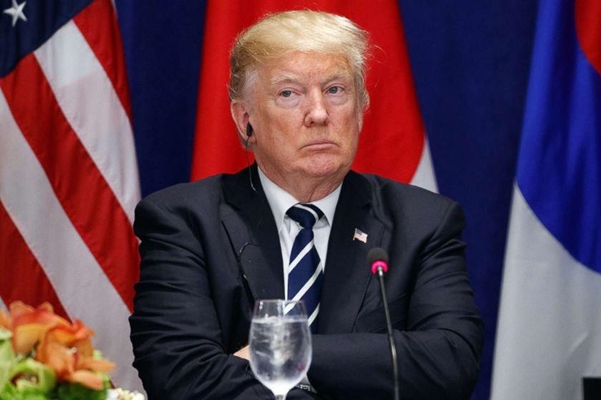
Zarif has received an unexpected invitation to meet President Donald Trump in the Oval Office last month during his visit to New York, a report by the New Yorker said.

The American magazine has quoted US and Iranian sources and a well-informed diplomat as saying that the diplomatic overture was made by Senator Rand Paul, the Kentucky Republican, during a meeting with Zarif in New York on July 15th.

With President Trump’s blessing, Paul had been working on the idea for several weeks, in consultation with the White House and the State Department, the report said.

An intermediary had reached out to the Iranians on Paul’s behalf three weeks before Zarif was due in New York for meetings at the United Nations. On July 14th, the day before leaving for New York, Paul had a discussion about Iran with the President, while playing a round at the Trump golf course in Sterling, Virginia.

On July 15th, Paul and his senior adviser, Doug Stafford, met Zarif at the elegant residence of Iran’s UN ambassador, on Fifth Avenue, a block from the Metropolitan Museum.

In his decades as a diplomat, Zarif, who studied under Condoleezza Rice’s PhD adviser, at the University of Denver, has built a modest rolodex with the private numbers of members of the House and Senate, the report claimed.

“I always see people from Congress,” Zarif told the New Yorker and a small group of journalists later that week, without naming names. But this was his first meeting with Paul, who is on the Senate Foreign Relations Committee.

The two men initially talked about long-standing issues, notably Tehran’s nuclear program, and also recent flare-ups in the Persian Gulf, according to the sources.

Paul’s mission was to break through the messy layers of conflict and launch a direct diplomatic channel, at the highest level. The overture was a miniature version of Trump’s tactic in circumventing traditional diplomacy by dealing directly with the North Korean leadership.

During an hour-long conversation, Zarif offered Paul ideas about how to end the nuclear impasse and address Trump’s concerns. He later outlined some of them to a group of journalists in the US and subsequently in more detail to New Yorker.

“As a diplomat, I have to always think about alternatives,” he told New Yorker. Among them was the idea that the Iranian Parliament could codify, in law, a fatwa issued by Iran’s Leader, originally in 2003 and again in 2010, that forbids the production or use of nuclear weapons.

“We consider the use of such weapons as haraam [forbidden] and believe that it is everyone’s duty to make efforts to secure humanity against this great disaster,” Ayatollah Ali Khamenei said, in 2010.

But, if Trump wanted more, he would also have to offer more, Zarif suggested. Another possibility was moving forward one of the later steps of the nuclear deal brokered between Iran and the world’s six major powers in 2015—the accord that Trump abandoned in May, 2018.

Zarif said that Iran could bring forward ratification of the so-called Additional Protocol, which is currently due to be implemented by 2023—potentially this year. The protocol, which has already been signed and ratified by a hundred and forty-six nations, allows more intrusive international inspections—on both declared and undeclared nuclear sites in member states—in perpetuity.

In exchange, Zarif suggested, Trump could go to Congress to lift sanctions on Iran, as originally provided under the 2015 nuclear deal but not ratified in legislation. Both sides would then feel more secure in the commitments sought in the original deal.

Paul proposed that the Iranian diplomat lay out the same ideas to Trump in person. The President, Paul said, had authorized him to extend an invitation to meet in the Oval Office as early as that week, the US, Iranian, and diplomatic sources told New Yorker.

On Wednesday, a senior Administration official told reporters, in a teleconference briefing, “President Trump has been very open that he is ready to speak to the senior leadership in Tehran and that he has certainly not prevented any of our friends or allies from communicating with them as well.”

“The President has placed no restrictions on elected officials having conversations with foreign counterparts,” the official said.

During its first two years, the Trump Administration reached out to Iran about possible meetings at least eight times, including twice when Trump and the Iranian President, Hassan Rouhani, were both at the UN General Assembly, European and Iranian diplomats told the New Yorker.

Zarif told Paul that the decision to meet Trump in the Oval Office was not his to make; he would have to consult with Tehran. He expressed concern that any meeting might end up as little more than a photo op, without substance, the sources told the New Yorker.

After his meeting with Paul, Zarif relayed the overture to Iran’s leaders. They did not approve a meeting—at this time. Rouhani is due to attend the UN General Assembly next month.


Global Power Shifting in Favour of Iran, Russia, China: Zarif

The Iranian foreign minister made the comments in two successive tweets on Friday, hours after the US officially withdrew from the Intermediate-Range Nuclear Forces (INF) Treaty with Russia — a landmark Cold War-era arms control agreement signed between the two sides in 1987.

This came shortly after the US imposed a new set of sanctions against Russia over its alleged role in the poisoning of an ex-spy in the United Kingdom in 2018.

On Thursday, US President Donald Trump also announced plans to impose an additional 10% tariff on $300 billion worth of Chinese imports starting next month as part of an ongoing trade conflict with China.

Washington has likewise abandoned a multilateral deal on Iran’s nuclear program and unleashed harsh economic sanctions against the Islamic Republic.

Zarif said in one of the tweets on Friday that the “US should stop isolating itself & adapt to new global realities. International commerce & power are shifting: neither economic terrorism against China & Iran nor exiting INF Treaty with Russia will reverse that,” Zarif tweeted on Friday.

In a follow-up tweet, the top diplomat criticized the US for its anachronistic practice of attempting to contain what it perceives as “Great Powers” — now through sanctions.

Along with the tweet, Zarif provided a screen shot of a Daily Telegraph news item dating back to April 19 about US Secretary of State Mike Pompeo’s appeal to the NATO military alliance for unity against what he called “great power” challenges from Russia, China and Iran.

Pompeo was using the classic concept of great-power competition — which refers to a specific pattern of relations between rival powers in the 19th and early 20th centuries.

“It appears that @SecPompeo’s paranoia about “Great Powers” is becoming a true phobia,” Zarif said. “Wake up: The era of “Great Powers” is long past.”

Iran’s non-aggression pact initiative making progress

In his first tweet, Zarif also pointed to the Iranian initiative for a non-aggression pact among Persian Gulf countries in an attempt to end tensions in the strategic region.

The Iranian foreign minister hailed the progress in that proposal, which he said has led to the isolation of a hawkish group of politicians and regional leaders trying to pressure and isolate Iran by undermining the 2015 nuclear deal with Iran and instigating regional tensions.

“As Iran’s regional dialog & non-aggression pact advance, #B_Team shrinks,” referring to the hawkish group comprising of US National Security Adviser John Bolton, Israeli Prime Minister Benjamin Netanyahu, Saudi Crown Prince Mohammed bin Salman and Abu Dhabi Crown Prince Mohammed bin Zayed Al Nahyan.

Zarif expressed Iran’s readiness for a non-aggression pact during a visit to Iraq in late May, amid heightened tensions between Tehran and Washington.

He said back then that Tehran sought the best of relations with the Persian Gulf littoral countries and would welcome any proposals for dialog and de-escalation toward that end.

Tehran to Enforce Phase 3 of Reducing JCPOA Commitments: FM

Iranian People to Survive Latest of US Cruelties: Zarif

Mohammad Javad Zarif said Tehran will enforce phase three of reducing its obligations under the current circumstances.

Speaking in an exclusive interview with ICANA, he then touched upon a request by some signatories to the Iran nuclear deal known as the Joint Comprehensive Plan of Action (JCPOA) that Iran cancel the implementation of the third phase of reducing its JCPOA commitments, saying only Iran has the right to decide on whether or not to go ahead with reducing its obligations.

“If foreign parties to the JCPOA fail to fulfil their commitments, Iran will definitely take the [third] step as a follow-up to its previous moves,” he noted.

He then further said Iran’s move is a response to other signatories’ failure to keep their side of the bargain.

“We announced that Iran would not fully abide by its obligations under the JCPOA if other parties to the agreement fail to fully comply with their obligations,” he said.

“Of course, all of our moves have been in conformity with the JCPOA,” Zarif added.

He then referred to the United States’ illegal withdrawal from the JCPOA.

“All members of the Joint Commission on the JCPOA have reached the consensus that it is the US that has cause all tensions,” said the top Iranian diplomat.

“Iran’s demands have been clear from the beginning, and Iran has not demanded anything beyond the [provisions of] the JCPOA,” he said.

Iran Condemns New US Sanctions against Russia

Iran Says What IAEA Wants to Access “Not A Site”

“The Americans’ insanity in extreme use of economic terrorism and unlawful and unilateral punishments against countries that do not think and behave like them is a failed trick,” Mousavi said.

He said such sanctions have lost their efficiency and will definitely have no result for that country.

US President Donald Trump imposed new sanctions against Russia over the poisoning of a former Russian spy and his daughter in the UK in March 2018.

US banks are now banned from providing loans to Russia, and Washington will also be opposing any loan extension to Moscow by international institutions.

Sergei Skripal and his daughter Yulia were poisoned with the Russian nerve agent Novichok in Salisbury, though they have now recovered.

Russia denies any role in the attack.

Iranian Diplomat, UN Official Discuss Syria Peace in Nur-Sultan

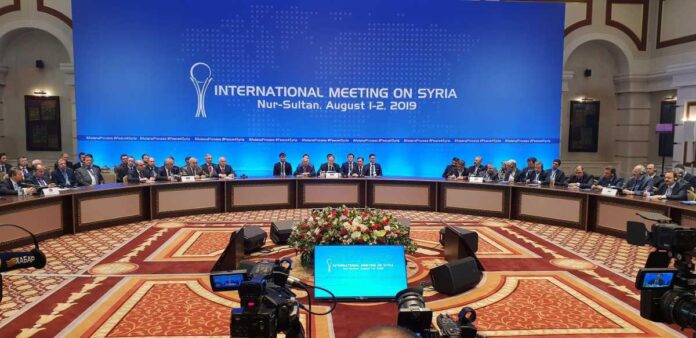
The Thursday meeting was held on the sidelines of the 13th meeting of Astana process in the Kazakh capital of Nur-Sultan.

During the meeting, Khaji highlighted the efforts made during the past months within the framework of the Astana Process to form Syria’s Constitutional Committee, and underlined the need for supporting the process until the achievement of desired results.

He also stressed the efforts made within the framework of the working group tasked with exchanging the detainees and abductees
He also highlighted the success of the fourth round of exchanges that took place in Syria on Wednesday, stressing the necessity for the return of the displaced to their country.

Earlier, Khaji held talks with the heads of the Lebanese and Iraqi teams, who had for the first time taken part in the Astana process negotiations as observers.

Pointing to the fact that Lebanon and Iraq are neighbours of Syria and are affected by the Syrian crisis, particularly in terms of security and displaced persons, Khaji said, “The Islamic Republic of Iran has been calling for Lebanon and Iraq’s membership in the Astana process since the beginning of the process.”

Heads of the Iraqi and Lebanese delegations also applauded the Islamic Republic of Iran’s role in assisting their nations in the fight against terrorism as well as its efforts to help the displaced return home and to pave the way for Iraq and Lebanon to get involved in the Astana process.

Iranian Scientist Builds Quantum Microphone

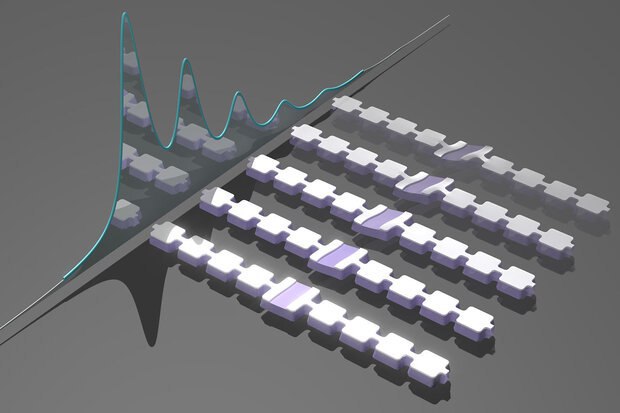
Amir Safavi Nayini, an assistant professor at Stanford University along with a team of researchers at the university, has devised a quantum microphone that can detect the smallest sound or vibration packets called phonons or phonetic energy quantum. The achievement provides the background for more efficient quantum computers.

Previously it was impossible to track phonons because traditional microphones were not sensitive enough to detect them.

When a sound wave hits a membrane, the microphone detects it. But phonons are very small and cannot be tracked alone.

Instead of relying on acoustic wave measurements, scientists have devised a device that measures the energy of phonons directly using very small resonators that act as a mirror for sound.

For a brief review of Iran’s achievements in various fields of science and technology, check the book “Science and Technology in Iran: A Brief Review – 2019

A resonator is a device or system that displays a resonance or resonance reaction. It can capture photons and detect the vibrations they emit.

The device is described in an article in the “Nature” journal. It is a step towards the invention of a new kind of quantum computer.

The traceability of tiny particles enables devices to encrypt information using acoustic energy. This way, large amounts of information can be stored in small machines.

A phonon quantum computer is much more compact and efficient than a quantum computer that uses photons or light particles because phonons can be manipulated more easily than photons. More information can also be stored in less space.

“Photons are now being used for encryption,” says Safavi. “We want to use phonons that have more advantages. Our device is an important step in creating a mechanical quantum computer,” he noted.

Newly-Developed Belt Can Resolve Digestive Issues

Mustafa Jafari, the director of the knowledge-based company, has told Mehr News Agency, “For the first time, we have designed a belt that resolves gastrointestinal problems, including constipation.”

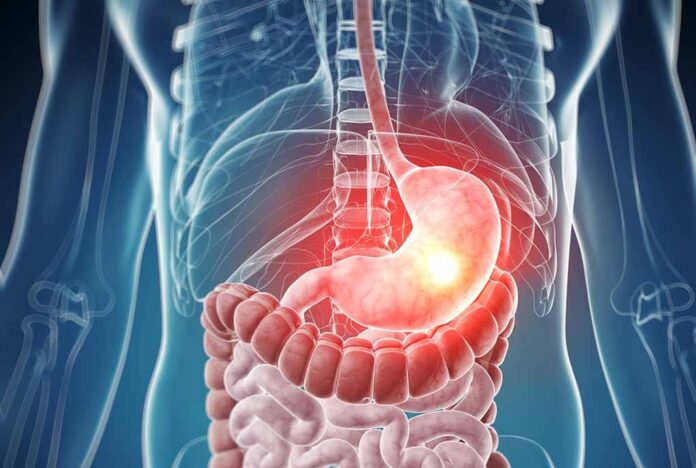
This product, based on the stimulation of the large intestine, causes sticky substances to slip, and that can resolve the digestive problem of the individual. Through this intestine movement, digestive problems will be resolved in 20 sessions.

Newly-Developed Belt Can Resolve Digestive Issues
Probiotic Products Key to Preventing Digestive Disorders

In fact, the digestive tract belt is used to restore intestinal function. The removal of constipation, abdominal bloating, palpitations, abdominal pain, etc. are some of the problems that can be resolved with this belt.

Since many people with diabetes have bowel indolence and are suffering from this disorder, these individuals, as well as people with obesity, can use the belt.

Experiments conducted under the supervision of eight gastroenterologists show that up to 95% of digestive problems are resolved.

For a brief review of Iran’s achievements in various fields of science and technology, check the book “Science and Technology in Iran: A Brief Review – 2019

This belt has no similar models inside or outside the country, and has been patented. The digestive tract belt is a combination of modern and traditional medicine and can be a substitute for medications.

Elderly, children, non-active employees, workers, people with disabilities, hospitalised patients, people with diabetes, hypothyroidism, Parkinson’s disease, MS, and the consumers of constipation drugs can use this belt.

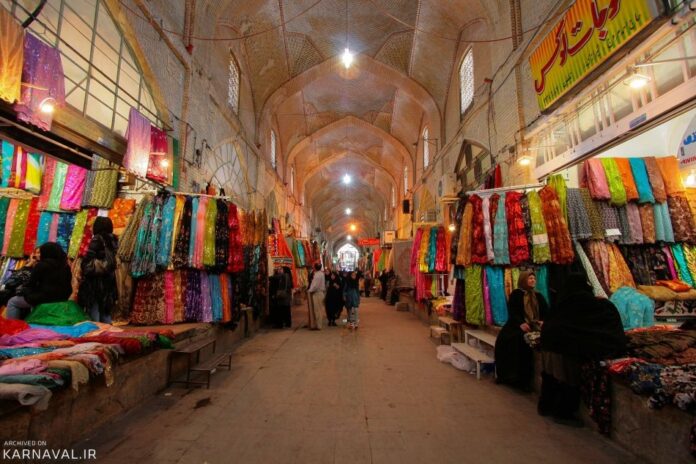
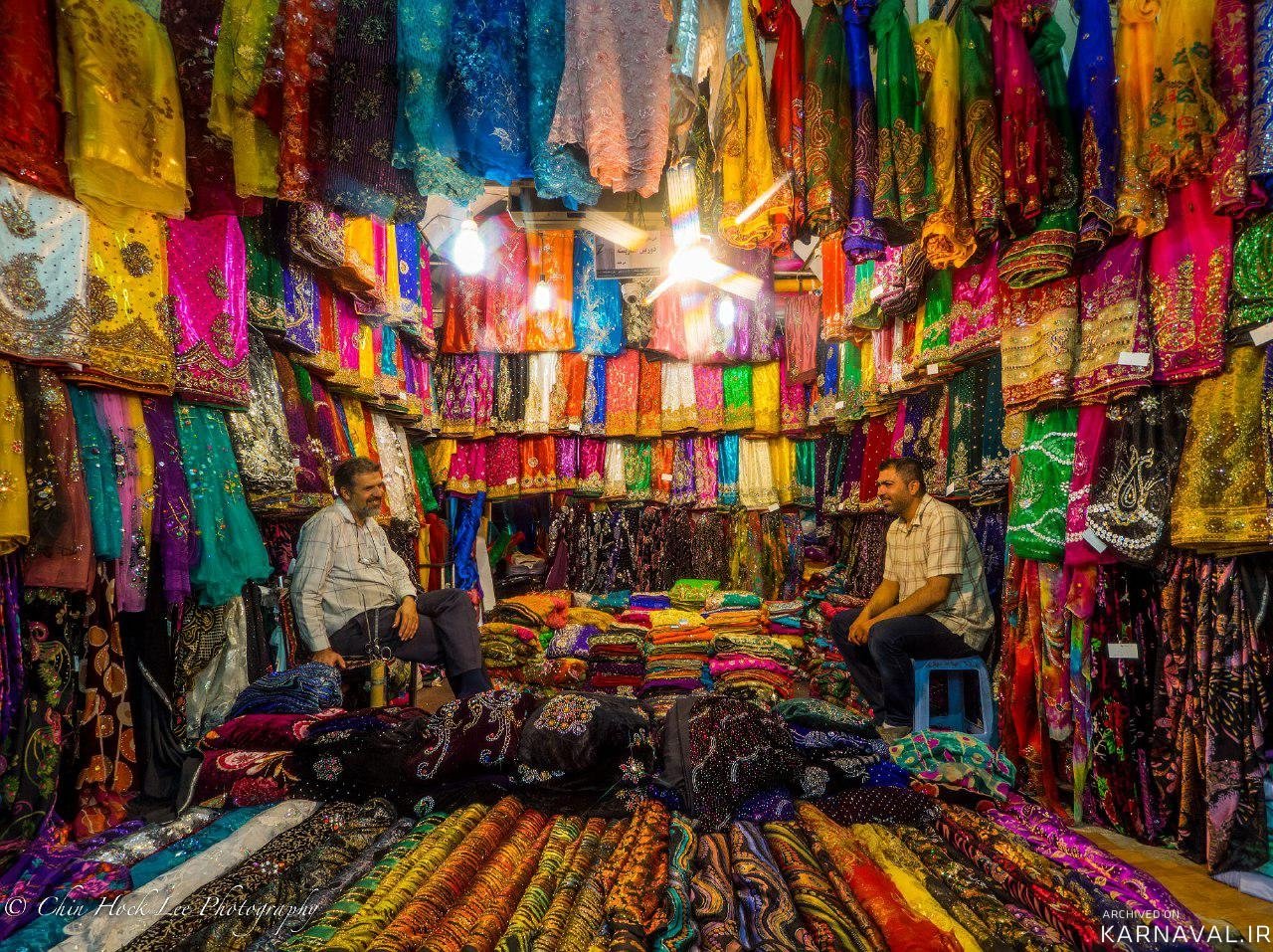
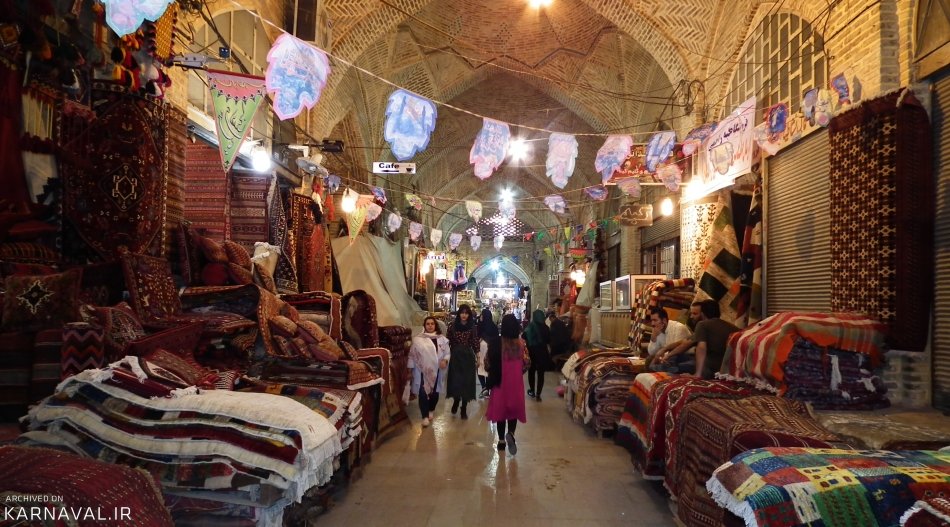
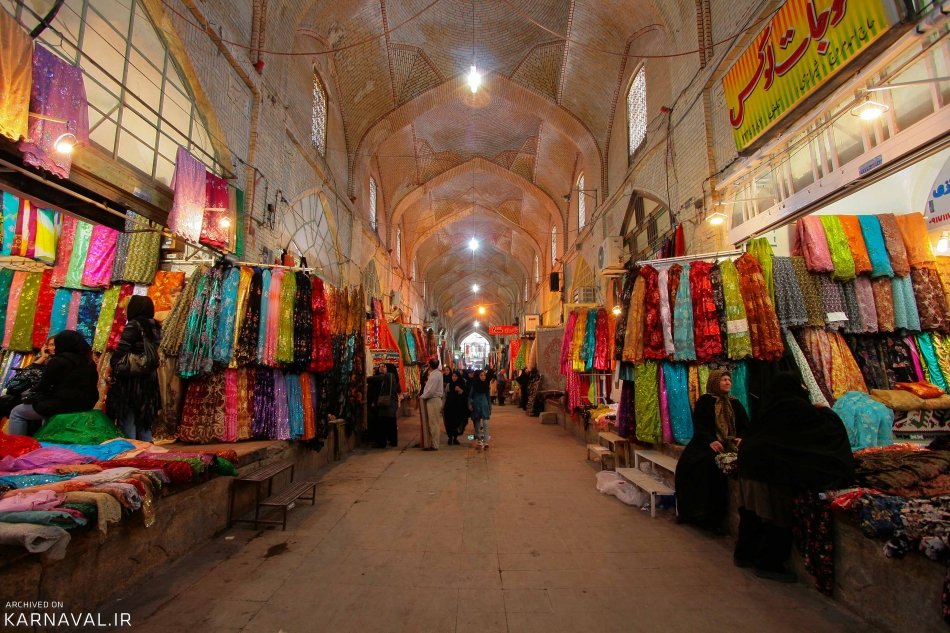
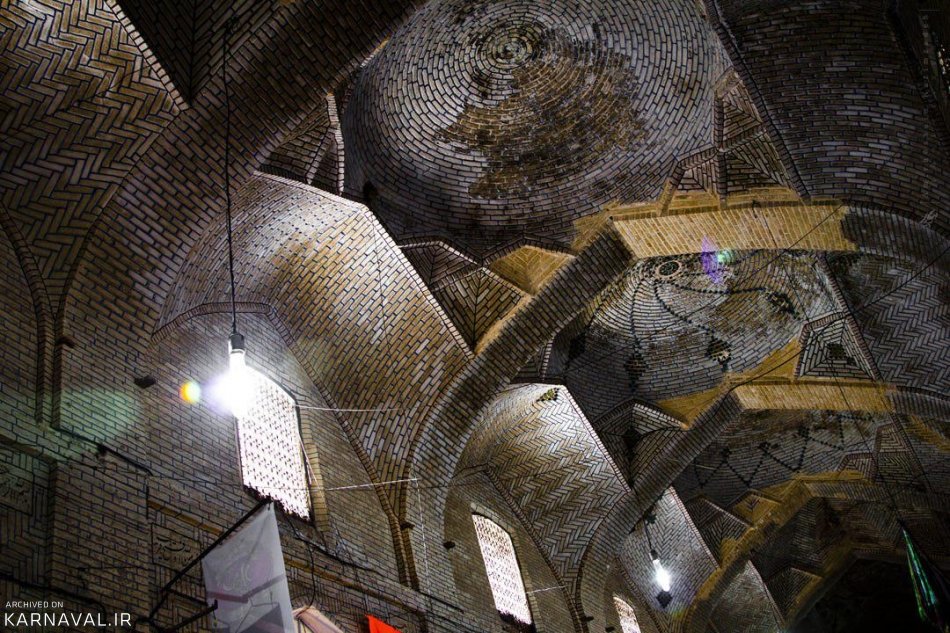
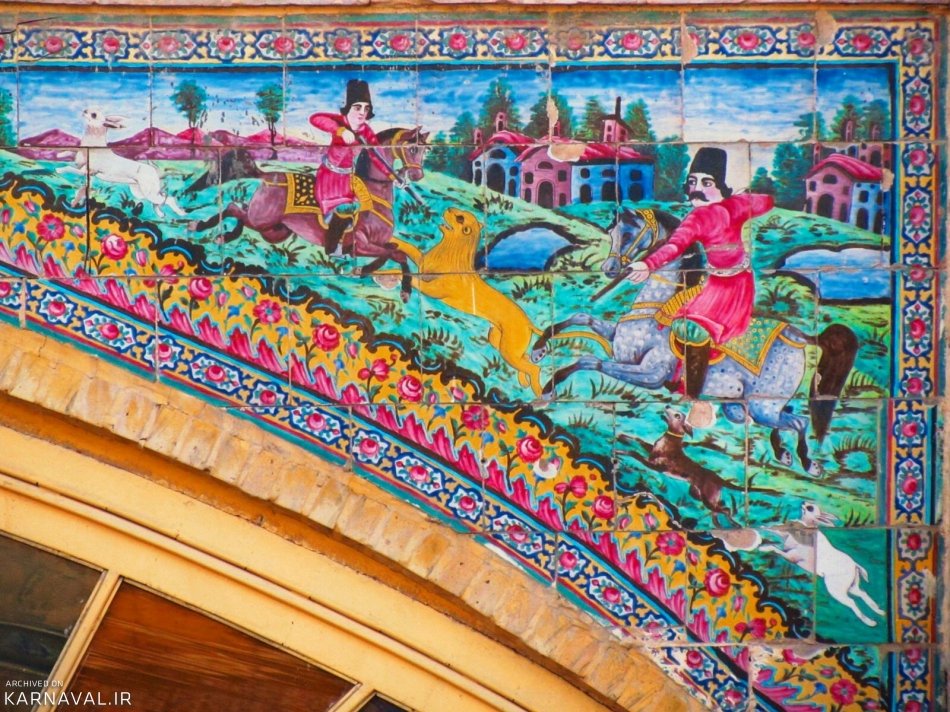
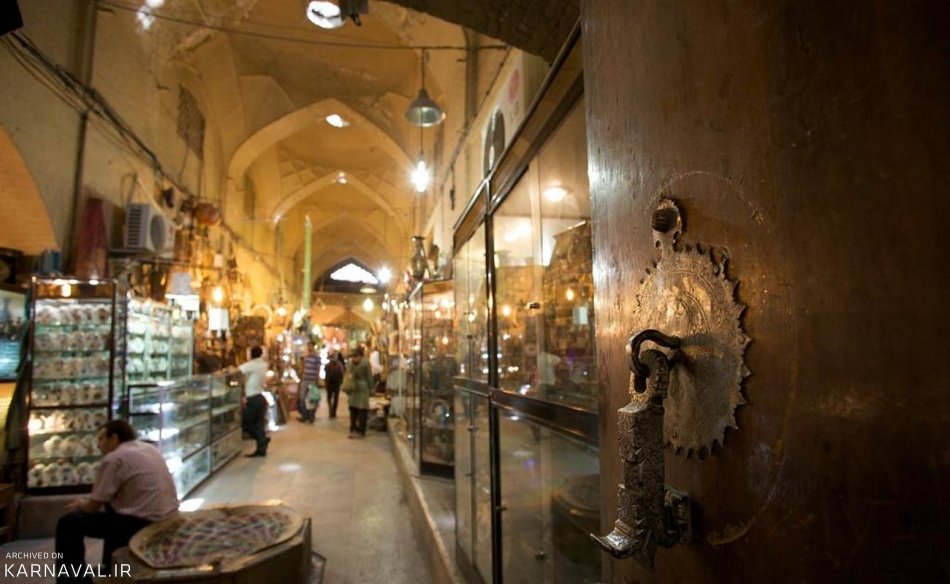
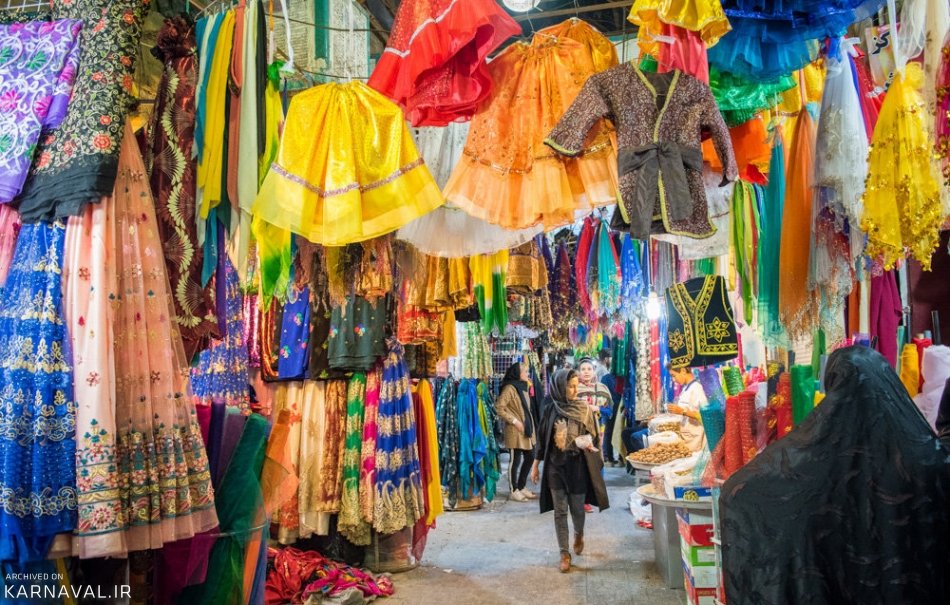
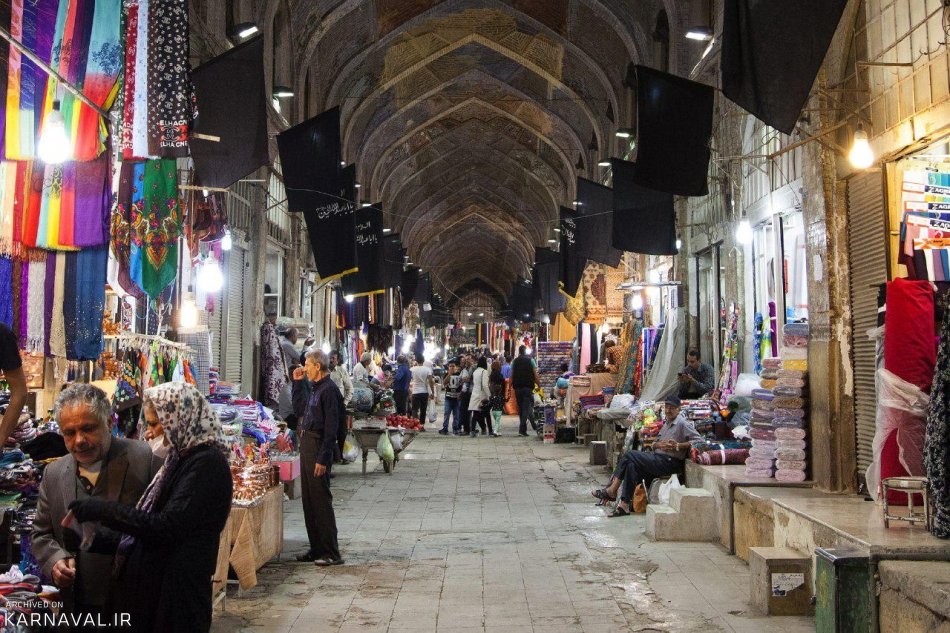
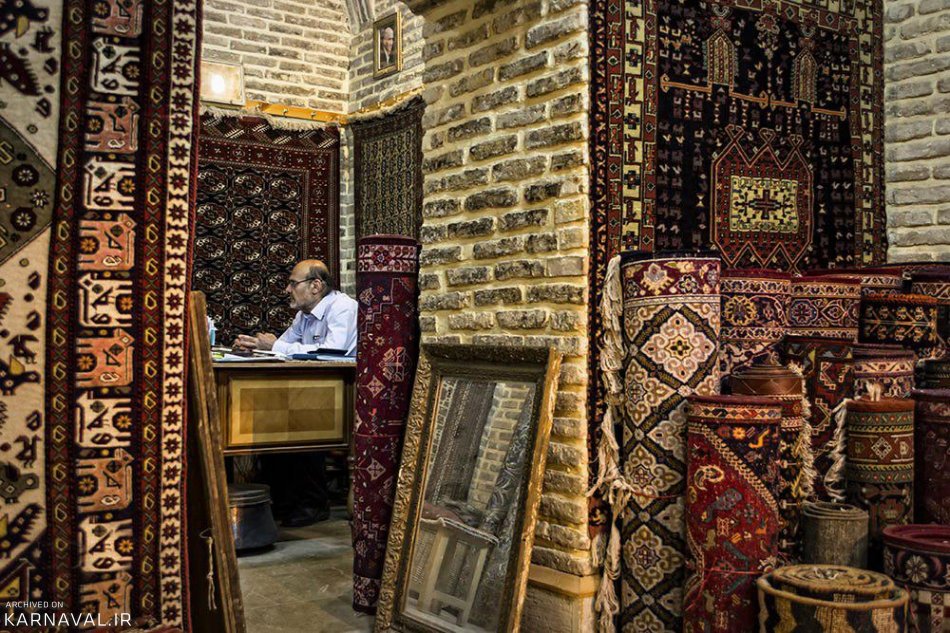
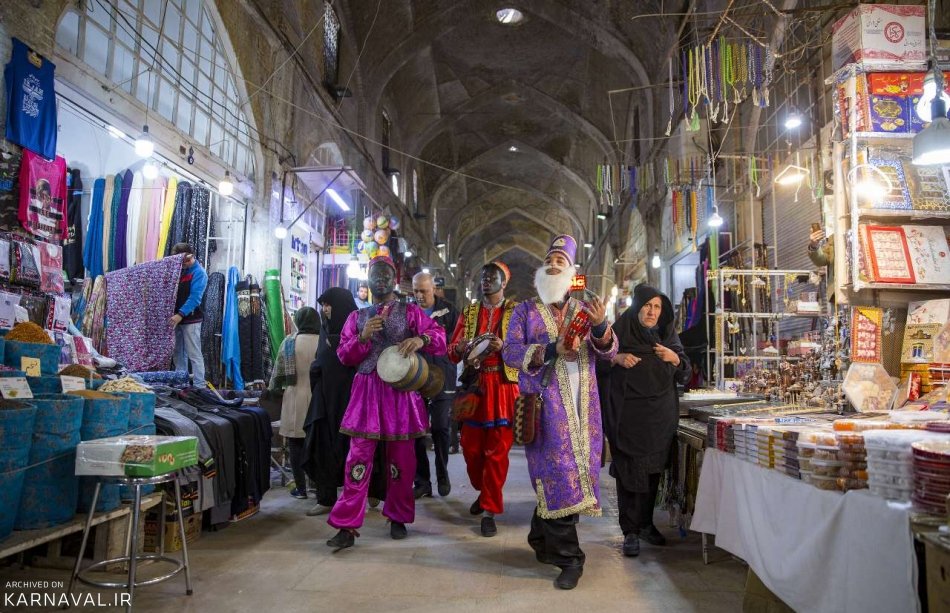
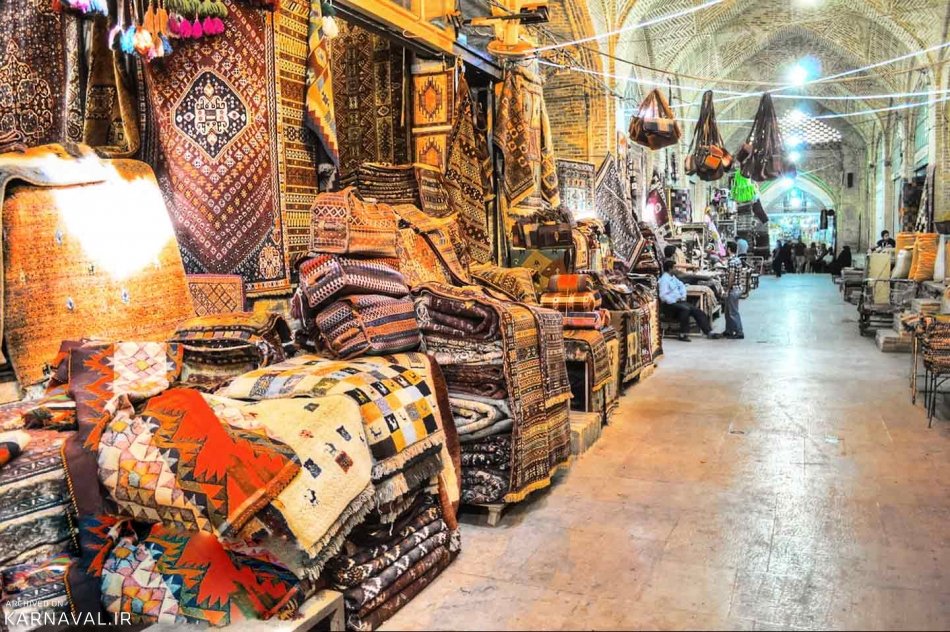
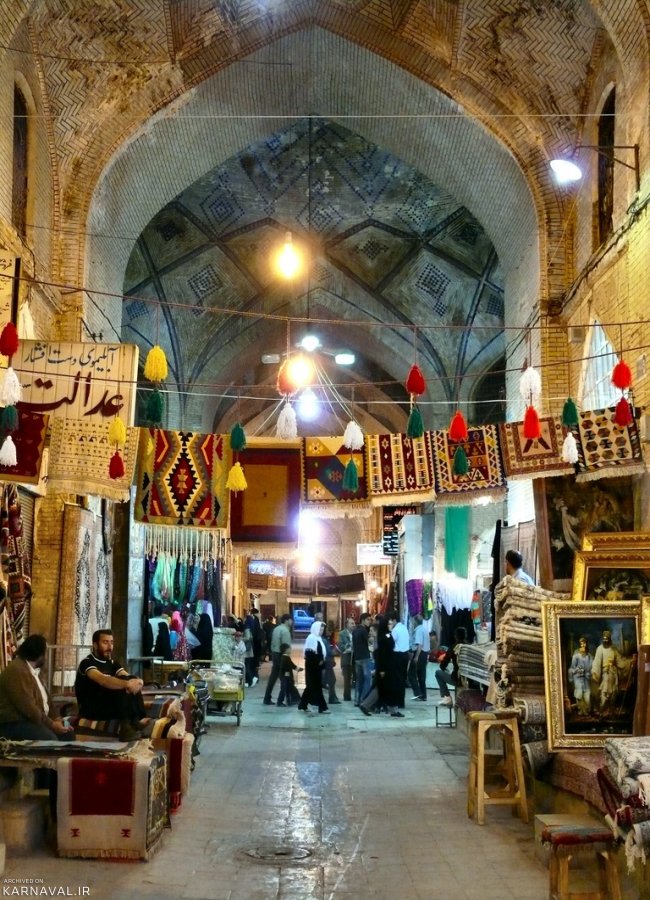
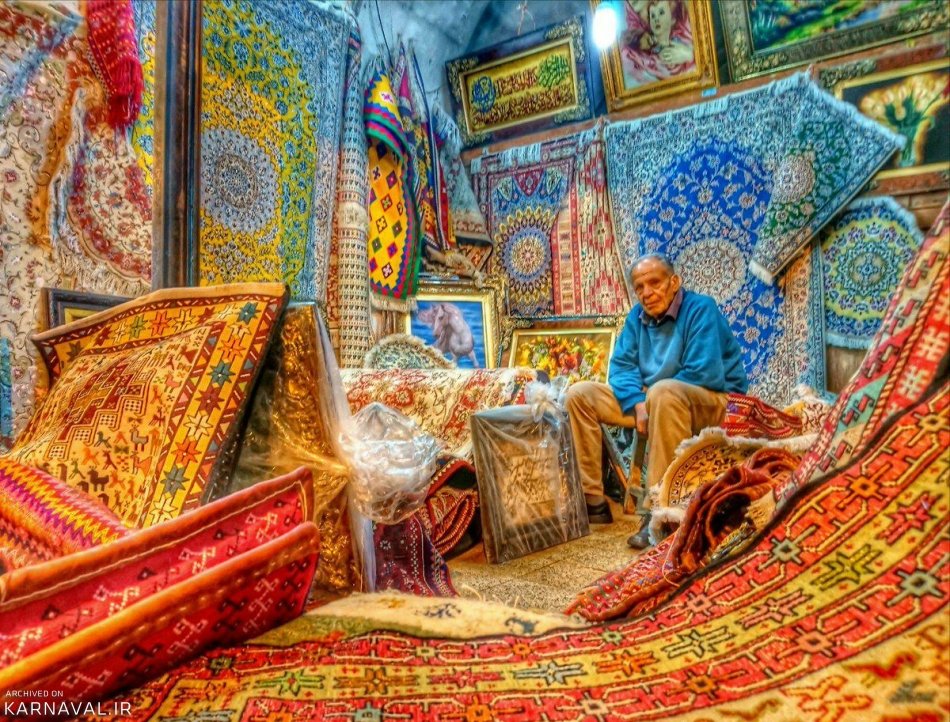
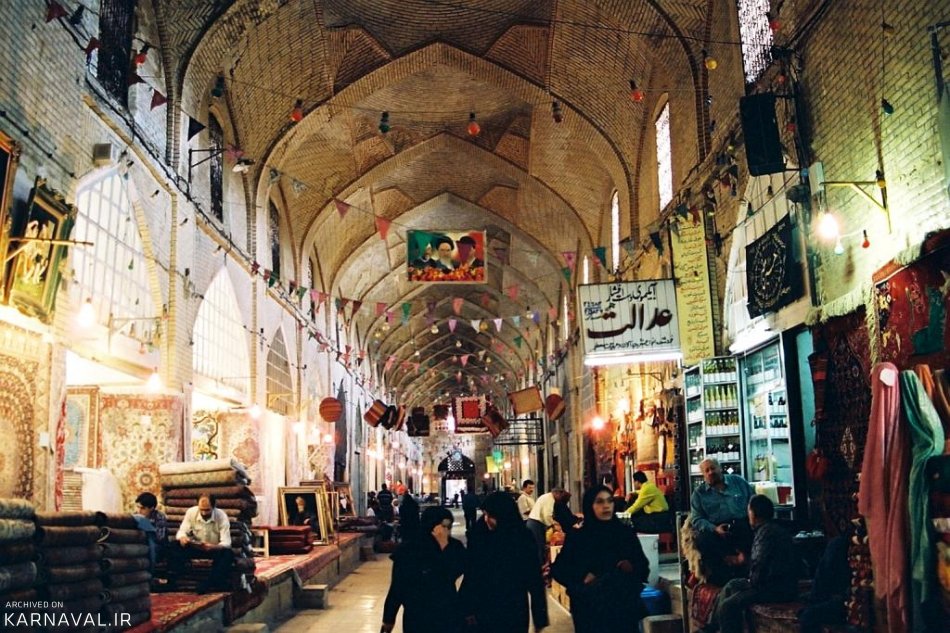
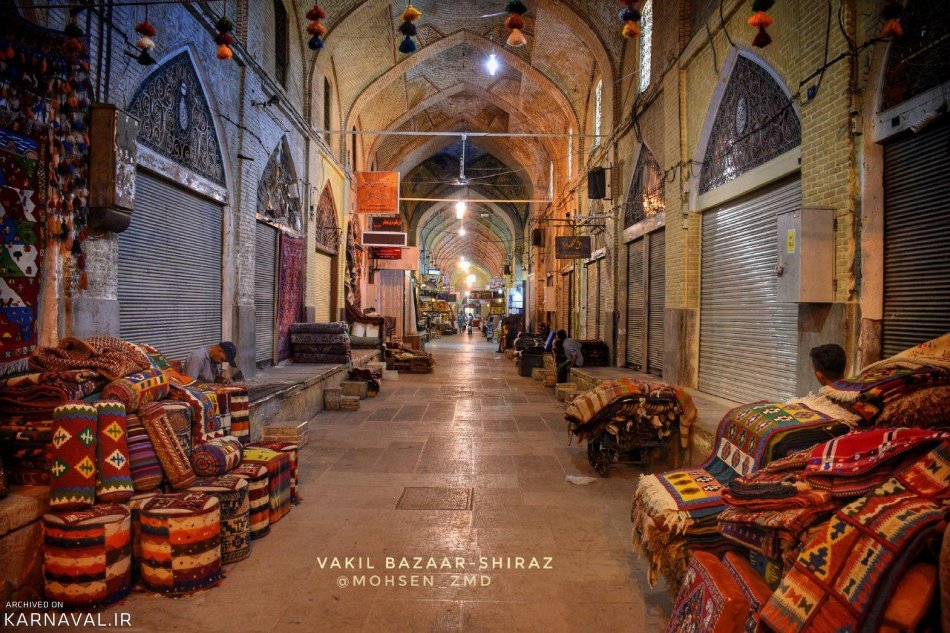
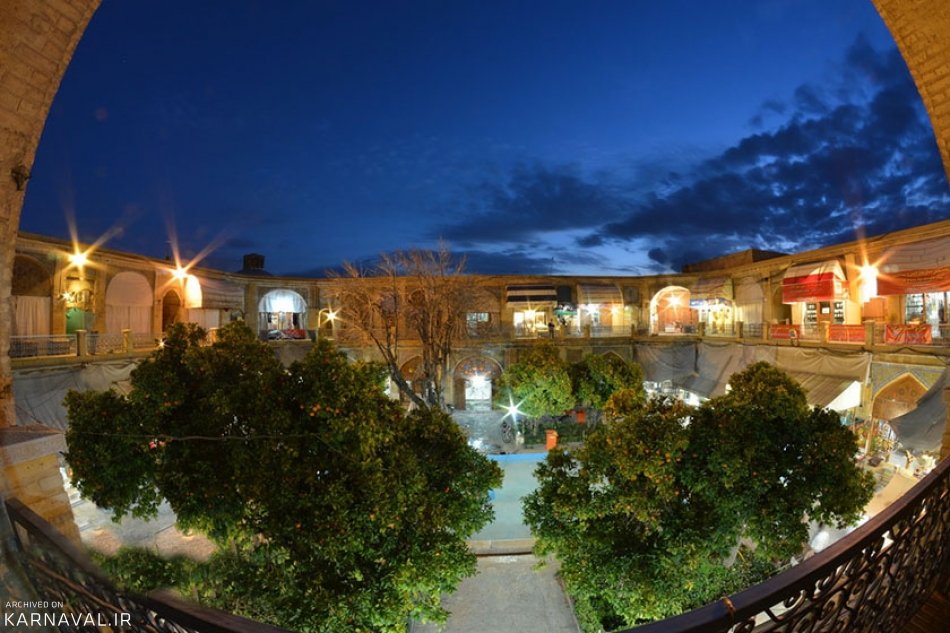
Iran’s Beauties in Photos: Vakil Bazaar of Shiraz

Iran’s Beauties in Photos: Vakil Bazaar of Shiraz

Bazaar of Vakil was registered in the Iranian National Heritage List in 1972. Besides a mosque, a bath and a reservoir – which are major tourist attractions themselves – the market is part of Vakil complex.

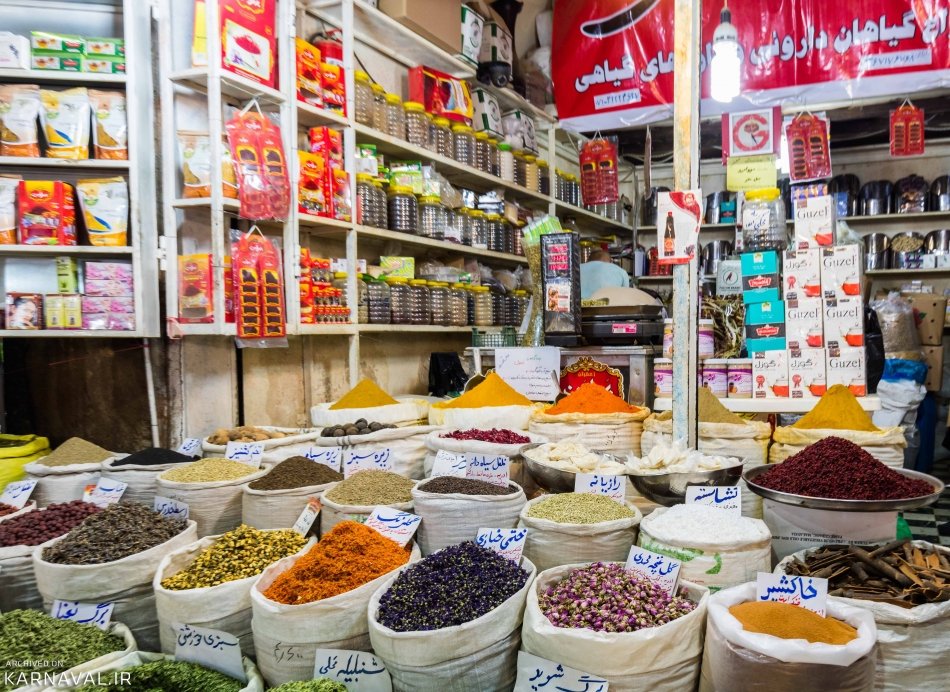
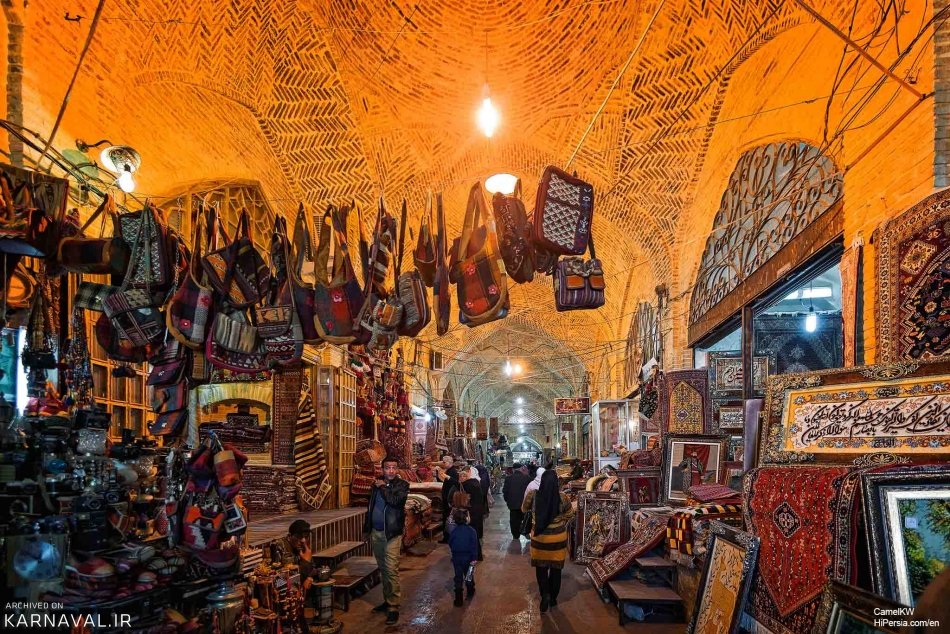
The bazaar is vibrant like all traditional markets: you’ll find a mix of old and modern shops with various goods there.

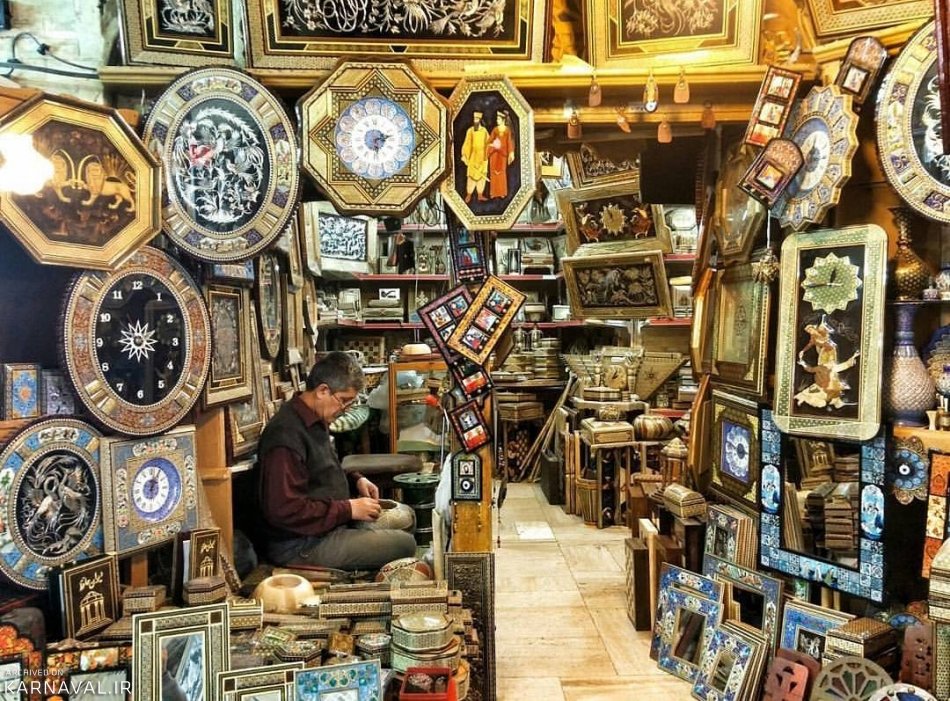
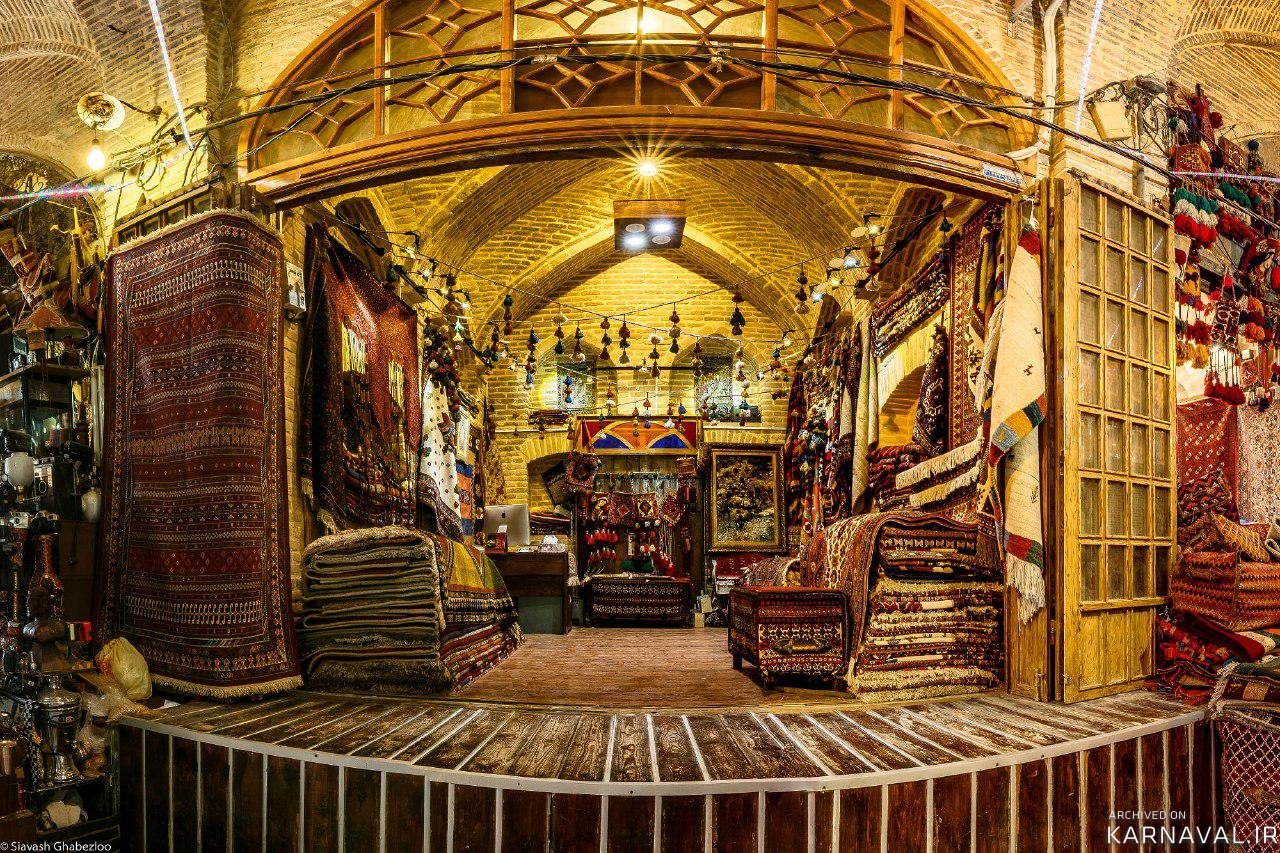
In the market’s square (Chahar-souq) you can taste high quality traditional sweets such as cookies, Masghati of Shiraz, Halva-ye-Masghati of Lar, rice bread of Fassa and Yukha bread. There you’ll also find best Gabbehs- the famous handmade carpet of Iranian nomads. The various, well-known inlaid and woodcarving works of Shiraz are other items sold in the bazaar of Vakil alongside leather, traditional ornaments, copper and silver items, spices, antiques, Shirazi local costumes and traditional hats.

Some believe that Karim Khan came up with the idea of building this market after having visited the traditional market of Lar, which is a legacy of King Abbas the Great. He built a place to do everything related to business: trade, purchase and sale of domestic and foreign goods, barter, issuance or receipt of remittances, currency exchange, etc.

Karim Khan indeed made the economic heart of Shiraz that was a different business sphere: it even included an office where people could deposit their valuables and take them back.

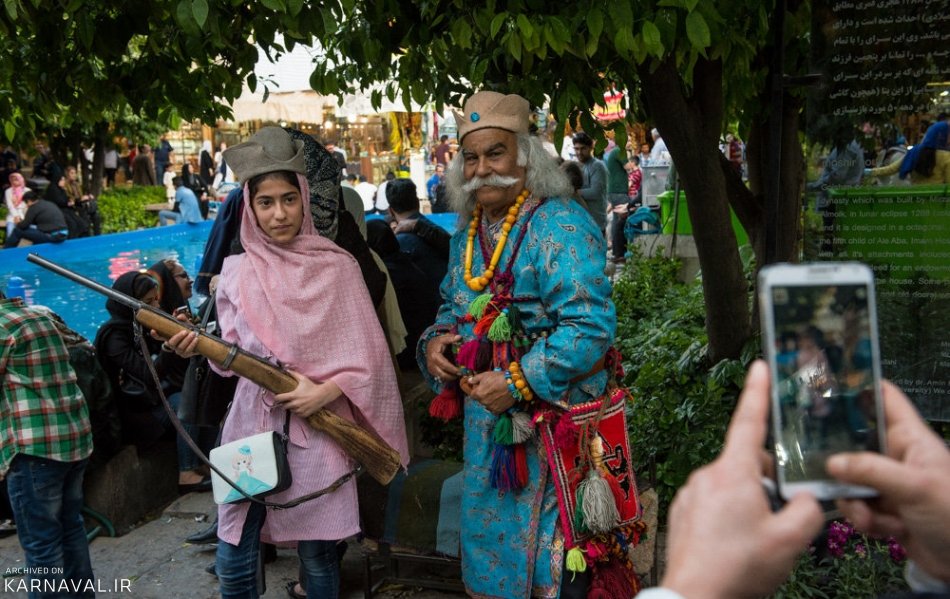
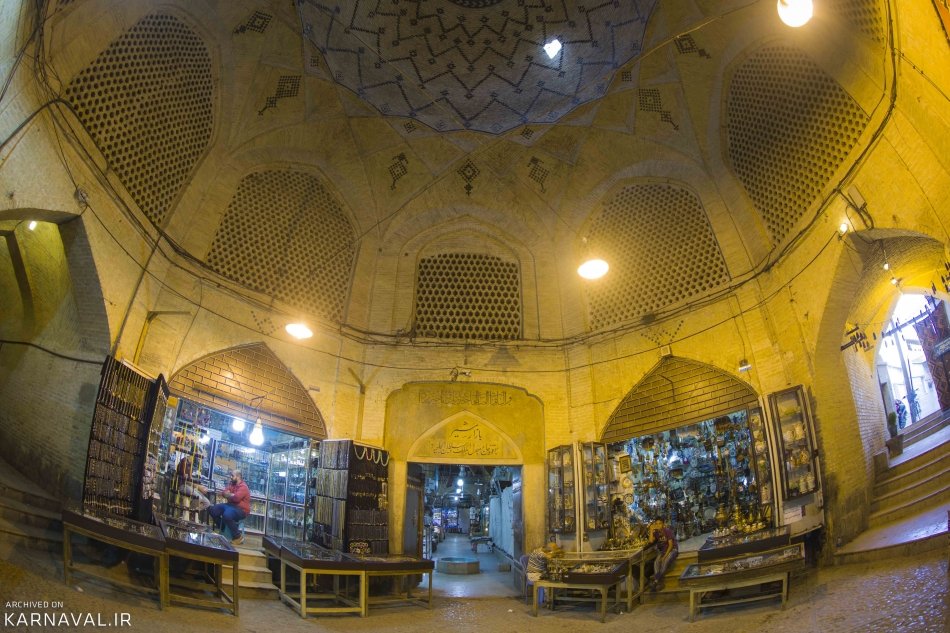
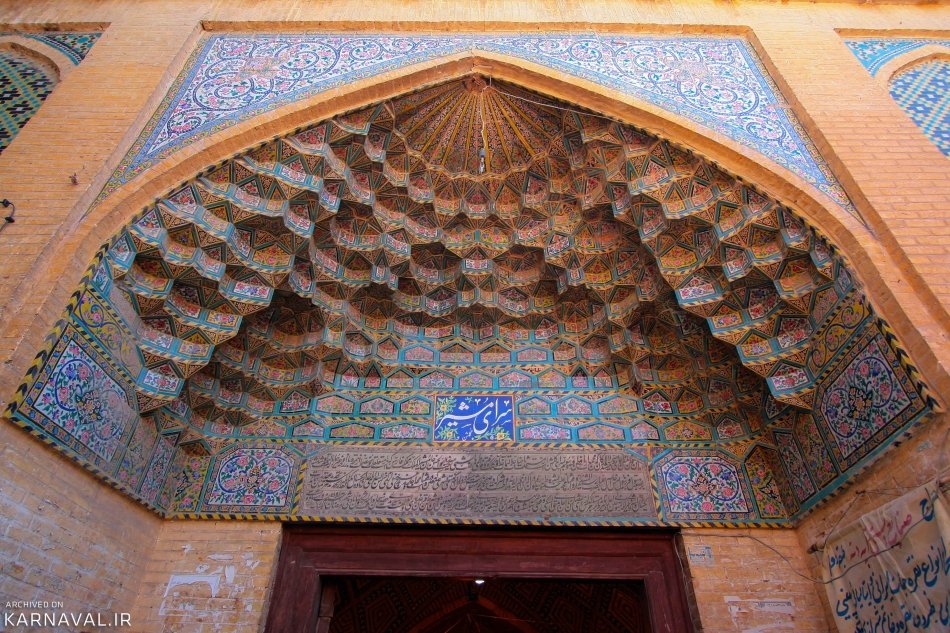
There’s a hall in the southern part of bazaar, which is called Sara-ye-Moshir or Sara-ye-Golshan. The hall is often mistakenly considered a part of Vakil market while it’s a different building made by order of Mirza Abolhassan Khan Moshir-ol-Molk, the minister of Fars in Qajar era. The market of Sara-ye-Moshir is also listed as a national heritage of Iran. An attraction of this market is a man with local costumes of Fars, always subject of the visitor’s photos.