Thursday, December 25, 2025
Home Blog Page 3161

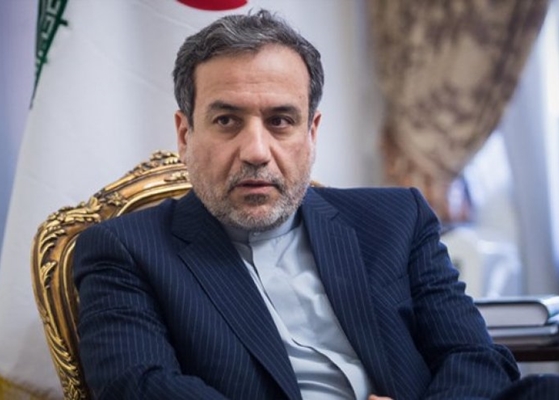
US ‘Maximum Pressure’ Results in Iran’s ‘Maximum Resistance’: Araqchi

Mark Dubowitz’s Delight over Coronavirus in Iran ‘Shameful’: Araqchi

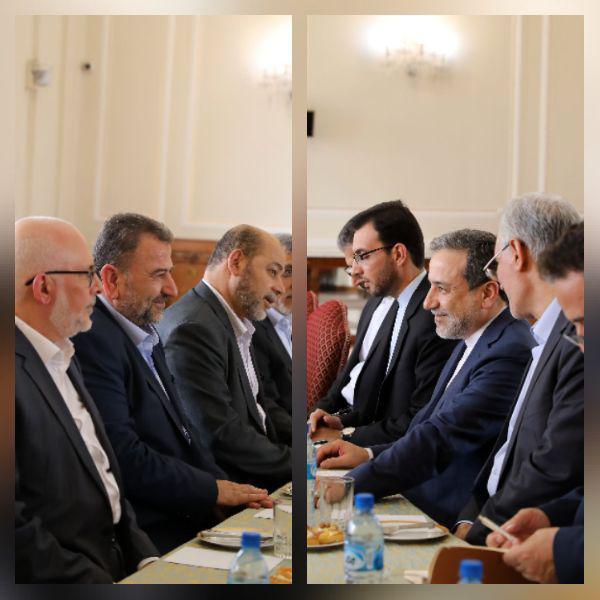
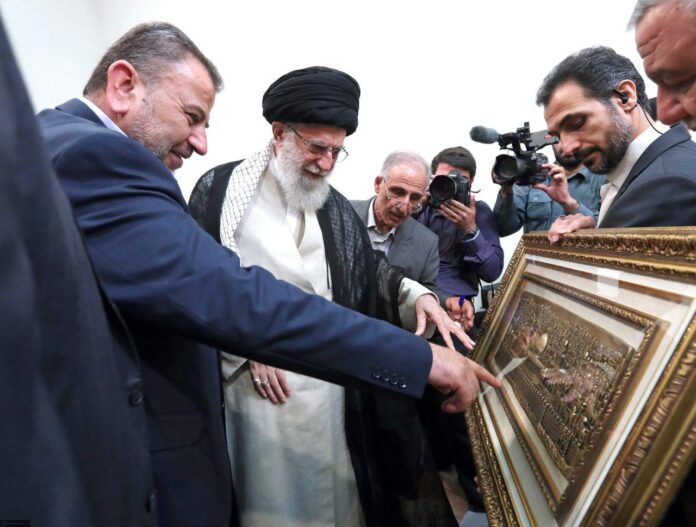
Araqchi made the remarks in a meeting with Saleh al-Arouri, the deputy chairman of the political bureau of the Palestinian Islamic Resistance Movement (Hamas), and his entourage in Tehran.

“This policy is another miscalculation by the US which has resulted in the Iranian people’s ‘maximum resistance’ policy.”

“The US will definitely achieve nothing through this policy,” Araqchi added.

Elsewhere in his remarks, he stressed that supporting Palestine is an inseparable part of the Islamic Revolution, and Iran will continue to back Palestine and counter the illegitimate goals pursued by the US and the Zionist regime in the region.

“The American ‘Deal of the Century’ initiative, which has been proposed with the aim of ending the issue of Palestine, stems from the miscalculation of the US and the Zionist regime, and is doomed to failure because of the integrated resistance of the Palestinian people and the axis of resistance,” Araqchi noted.

US ‘Maximum Pressure’ Results in Iran’s ‘Maximum Resistance’: AraqchiHe also highlighted the need for forming a coalition of Muslim states to take a united stance in opposition to the initiative and in support of the liberation of Palestine.

In turn, the Hamas official appreciated Iran’s stances in support of Palestine, and underlined the movement’s solidarity with the Islamic Republic against the hostile acts of the US and the Zionist regime.

Presenting a report on the latest developments of Palestine, Al-Arouri pointed to the so-called ‘Deal of the Century’ and it pursues three major issues: the fate of the Holy Quds, the Palestinian refugees, and the siege of Gaza Strip.

The Hamas official said the Zionist-American initiative is aimed at providing maximum benefits for the occupying regime and creating new regional arrangements focused on the regime.

Al-Arouri also underlined the necessity of countering the dangerous initiative, and called for the Islamic countries’ joint effort to liberate Palestine and return refugees.

JCPOA Joint Commission to Convene in Vienna on July 28

Iran’s Visa Issuance Rules Designed to Speed up Travel Procedure: Spokesman

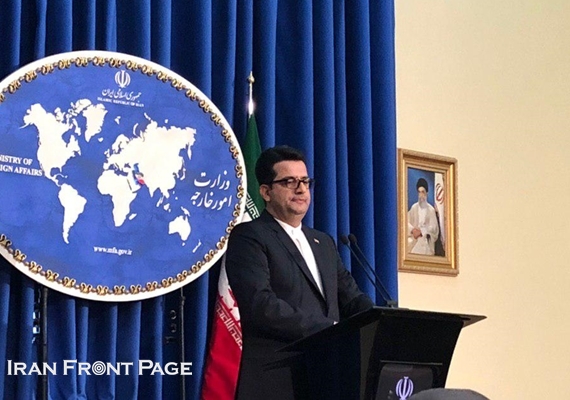
In a statement on Monday, Seyyed Abbas Mousavi provided a description of the next meeting of the JCPOA Joint Commission.

“Following the previous meeting of the JCPOA Joint Commission on June 28, the Islamic Republic of Iran’s new policy of halting the implementation of certain commitments yielded obvious and practical results, and the European sides requested that such new conditions are discussed in a Joint Commission meeting at the level of deputies before the meeting of foreign ministers,” he said.

“On the other hand, and in the meantime, the Islamic Republic of Iran has also announced a series of new cases of non-implementation of the JCPOA commitments by the other parties in regard to the efficacy of the removal of sanctions, in a letter signed by Dr. Zarif to Ms. Mogherini and the other JCPOA members,” Mousavi added.

“As a result, the JCPOA parties believe that it would be appropriate for the deputies and the political directors to discuss these issues as well before the meeting of foreign ministers. Accordingly, it was agreed to convene an extraordinary meeting of the JCPOA Joint Commission in Vienna on July 28,” he noted.

“After all, this meeting will be no substitute for the next meeting of the foreign ministers, and is rather scheduled to provide an opportunity for putting forward the subjects and making better arrangements for the ministerial meeting,” the spokesman concluded.

The previous meeting of the Joint Commission of the JCPOA was held at the level of deputy-ministerial and political directors in Vienna on June 28.

The Joint Commission is responsible for overseeing the implementation of the 2015 Iran nuclear deal.

Iran Sends Condolences after IAEA Chief Dies

Amano-1

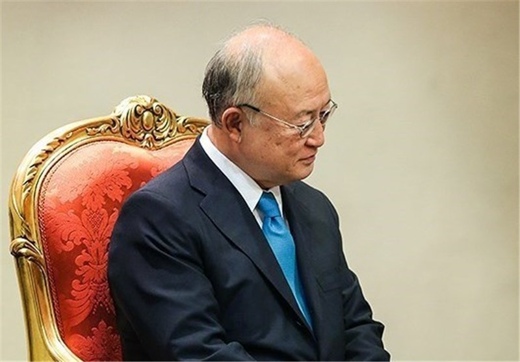
In a statement on Monday, the Foreign Ministry voiced sadness over the death of Yukiya Amano, who has died at age 72.

“The Ministry of Foreign Affairs of the Islamic Republic of Iran expresses deep sadness over the passing away of Mr. Yukiya Amano, the late director general of the International Atomic Energy Agency, lauds his professional activities, and extends sympathy with the Japanese government and nation, and with his family and colleagues. By pursuing the subjects and issues about disarmament professionally and impartially during his tenure in the IAEA, Mr. Amano played a prominent and influential role in helping the promotion of international peace and security,” said the statement.

Amano, the Japanese diplomat who led the UN nuclear agency for a decade, died on July 18. But his family had only informed the IAEA late on Sunday, “with the specific request not to disclose it until the family funeral had taken place on 22 July in a quiet atmosphere”.

Amano had wide experience in disarmament, non-proliferation diplomacy and nuclear energy.

Amano was expected to announce his decision to step down due to an illness that had visibly weakened him over the past year. His third term had originally been due to expire in November 2021.

‘Iran Seizure of UK Tanker Right Move to Show Off Regional Leverage’

Barzegar has shared his thoughts in an editorial published by Shargh newspaper, the full text of which follows.

The seizure of a British-flagged oil tanker by naval forces of Iran’s Islamic Revolution Guards Corps (IRGC) is indicative of Iran’s steely resolve to take reciprocal action and tackle the hostile moves by those involved in the current economic war against Iran. In the meantime, there is a focus on the status of Iran’s regional power in the Strait of Hormuz and the Persian Gulf. Although the move (Iran’s legal seizure of the UK-flagged vessel) has fuelled tensions in relations between Iran and Britain and the West and given Western countries a new pretext to ratchet up their political-economic pressure on our country, I believe the move was necessary in order to ward off a”broader national security” threat.

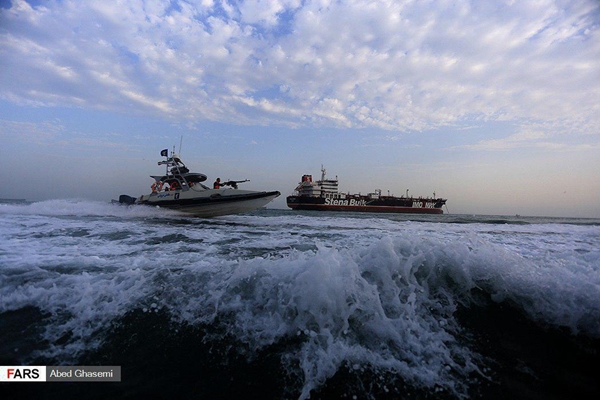
In an announcement, the IRGC’s Navy said it had seized a British [-flagged] oil tanker called Stena Impero for failing to observe international maritime laws and regulations at the request of the Ports and Maritime Organization of Hormozgan Province. Recently, the British government seized an oil tanker carrying Iranian oil upon orders from its local government in Gibraltar under the pretext that it was carrying oil to Syria. From Iran’s standpoint, this move by the UK was a hostile move and direct involvement in the current economic war against Iran.

British authorities, who are seeking a solution to manage the Brexit crisis, deem it necessary to have close relations with the Trump administration in order to stabilize their occupational and partisan status. As the Tony Blair administration got on board with the United States in the war on Iraq in 2003 hoping the move would ensure Britain’s national interests, now UK officials have, contrary to the major tendency in Europe, stepped into a sort of non-essential adventurism against Iran. Indubitably, a lack of proper response to such a move can embolden other countries which are under the West’s pressure to take similar action and get involved in the current economic war against our country and challenge the status of Iran’s regional power.

Earlier, the violation of the Iranian airspace by a modern US drone near the Strait of Hormuz begged the question what Iran’s potential future reaction would be if such hostile moves continued by other governments. At that time, Iran’s prompt and clear message was that encroachment upon the country’s territory amounted to Iran’s national security red line, and Iran would definitely respond to the United States’ retaliatory move. This made Trump change his mind and dissuaded him from taking any military action against Iran due to reasons associated with the US domestic politics and the fact that his involvement in a costly and unpredictable war could jeopardize his re-election as US president in the upcoming vote.

However, the important point in these developments was that the anti-Iran coalition also referred to as the B-Team by Iran’s Foreign Minister Mohammad Javad Zarif, and the regional Arab regimes in particular, opened their eyes to the reality that the United States gives priority to its own interests while making calculations for its military moves against Iran, and that Washington is not taking any hasty actions against Iran for their sake. Such a development created a kind of confusion and a feeling of despair in Arab regimes, especially the United Arab Emirates (UAE), vis-à-vis Trump’s policies. Another reality is that the continuation and facilitating of the United States’ “maximum pressure” policy can, in the first place, seriously jeopardize the interests of this extremely vulnerable Arab country.

Now, Iran’s firm action, which has clear messages for the region and the West, begs the question whether regional Arab regimes are becoming more dependent on the US and the West for their security, or, on the contrary, are realistic and well aware of the dangerous consequences of an increase in regional confrontations and, hence, are trying to avoid any escalation of tension with our country. In my estimation, regional countries are more likely to go for the second scenario. Reaction by other important countries such as Russia, China, India and Turkey is clear, too. They are against any increase in the West’s influence in the region. Furthermore, they are sensitive about international energy security. Therefore, they will only be observers as usual and have a critical look at the West’s approach toward Iran.

In my previous editorial for Shargh newspaper, I mentioned that our country equates the disruption of its economic security with a direct threat to its national security, and definitely will adopt reciprocal measures, given its geopolitical advantage in the Strait of Hormuz, to show off the status of its regional power. Of course, to fully block the Strait of Hormuz has never been seriously considered as an option in our country’s strategic calculations. The reason is that such a move could prompt international reaction and sensitivity toward Iran’s role in jeopardizing global energy security, which, accordingly, could turn into a national security crisis for our country.

Moreover, our country itself is dependent on oil exports through the Strait of Hormuz, especially via export hubs and ports in the Persian Gulf region, and claims it is the main guarantor of security in the Strait of Hormuz. Accordingly, Iran’s reaction will be “calculated control over the Strait of Hormuz.” In other words, Iran will only take reciprocal action against those hostile states that are directly involved in weakening Iran’s economic security by preventing the export of petroleum, which is the country’s main source of forex income.

Using the deterrence lever in the Strait of Hormuz has a long, historical record in Iran’s defence strategy and has always been highlighted as an unchangeable strategic principle both before and after the triumph of the 1979 Islamic Revolution of Iran. Accordingly, Iran has, in recent years, extensively increased its symmetrical and asymmetrical defence power in the region and even, in some cases, came close to, but just stopped short of getting involved in direct confrontation with American troops in the region in line with its rights and responsibility. Now, Iran’s reciprocal move in seizing the British [-flagged] vessel might prompt tensions in the short run, but is a proper move as far as strategic calculations are concerned and should continue until the other side released the seized Iranian oil tanker.

A Look at Iranian Newspaper Front Pages on July 22

A Look at Iranian Newspaper Front Pages on November 19

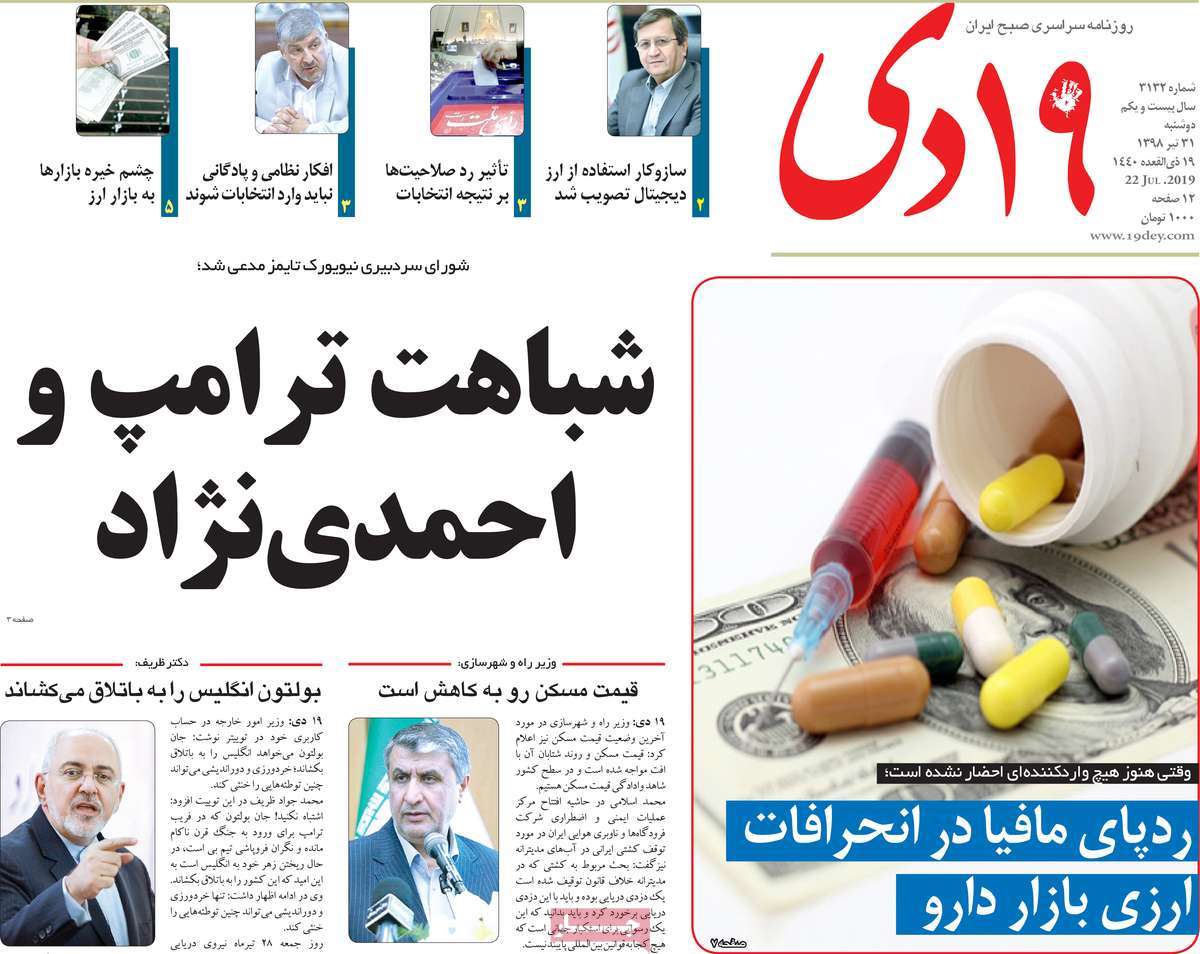
19 Dey:

1- New York Times Editorial Board: Trump Similar to Ahmadinejad

2- Zarif: Bolton Taking UK to Quagmire

A Look at Iranian Newspaper Front Pages on July 22


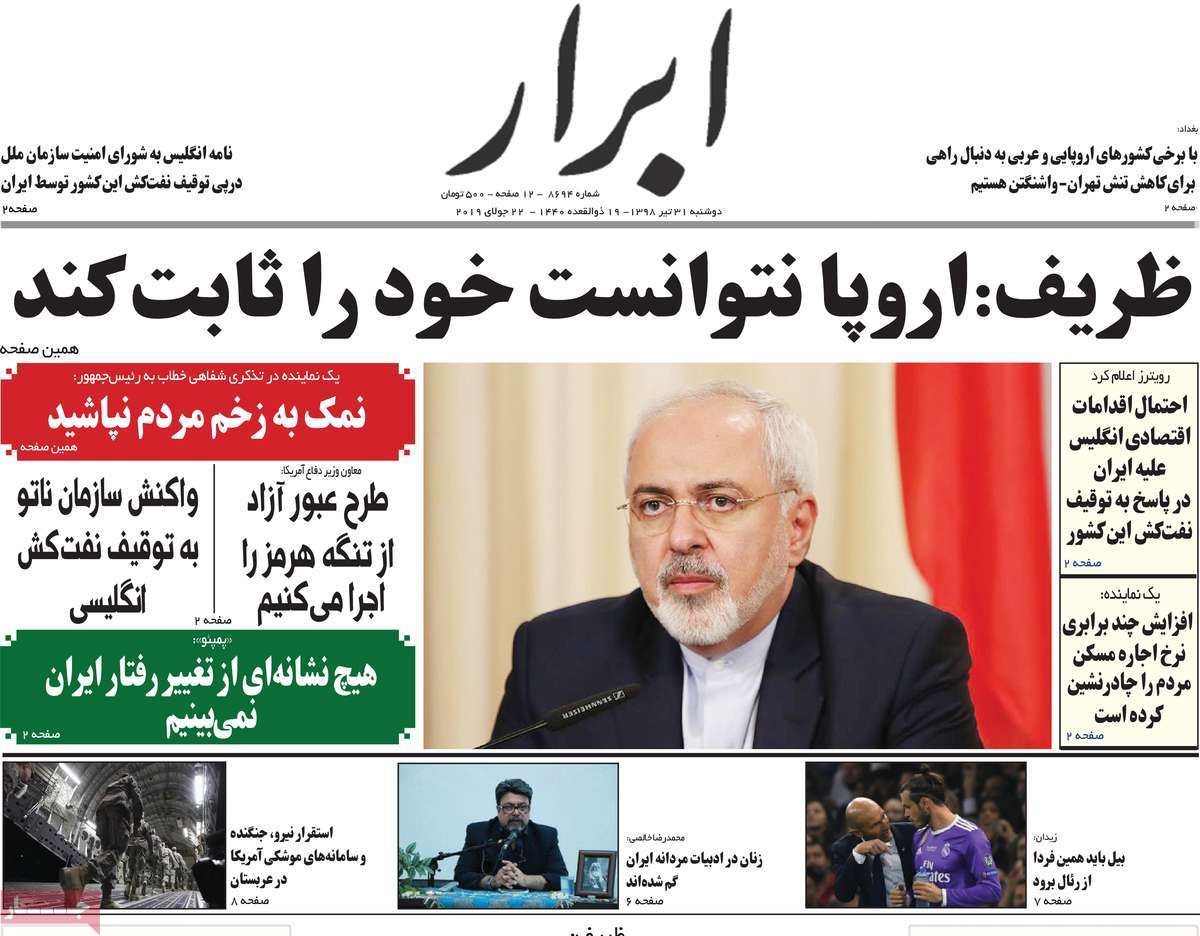
Abrar:

1- Baghdad: We’re Looking for Ways to Ease Tehran-Washington Tension in Cooperation with Some EU, Arab States

A Look at Iranian Newspaper Front Pages on July 22


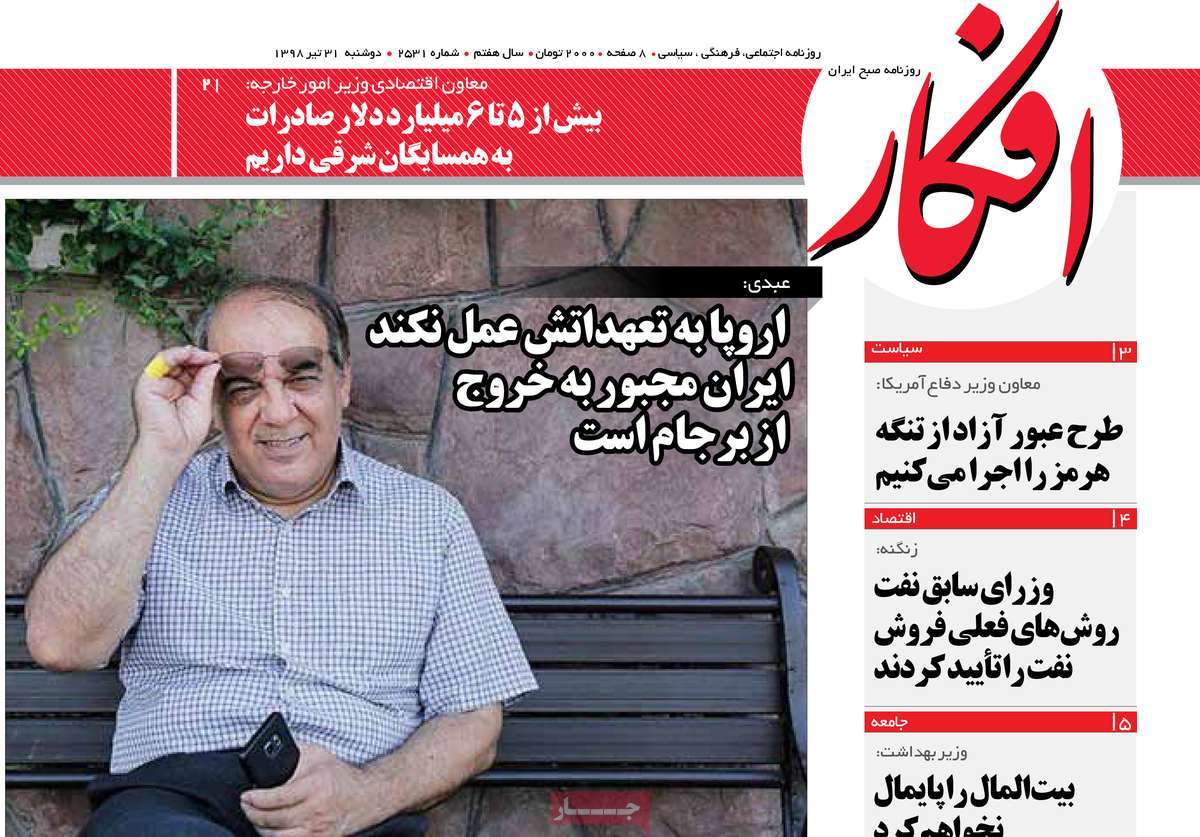
Afkar:

1- US Defence Undersecretary: We’ll Implement Plan of Free Passage of Hormuz Strait

2- Oil Minister: My Precedents Confirmed Current Plans for Oil Sale

A Look at Iranian Newspaper Front Pages on July 22


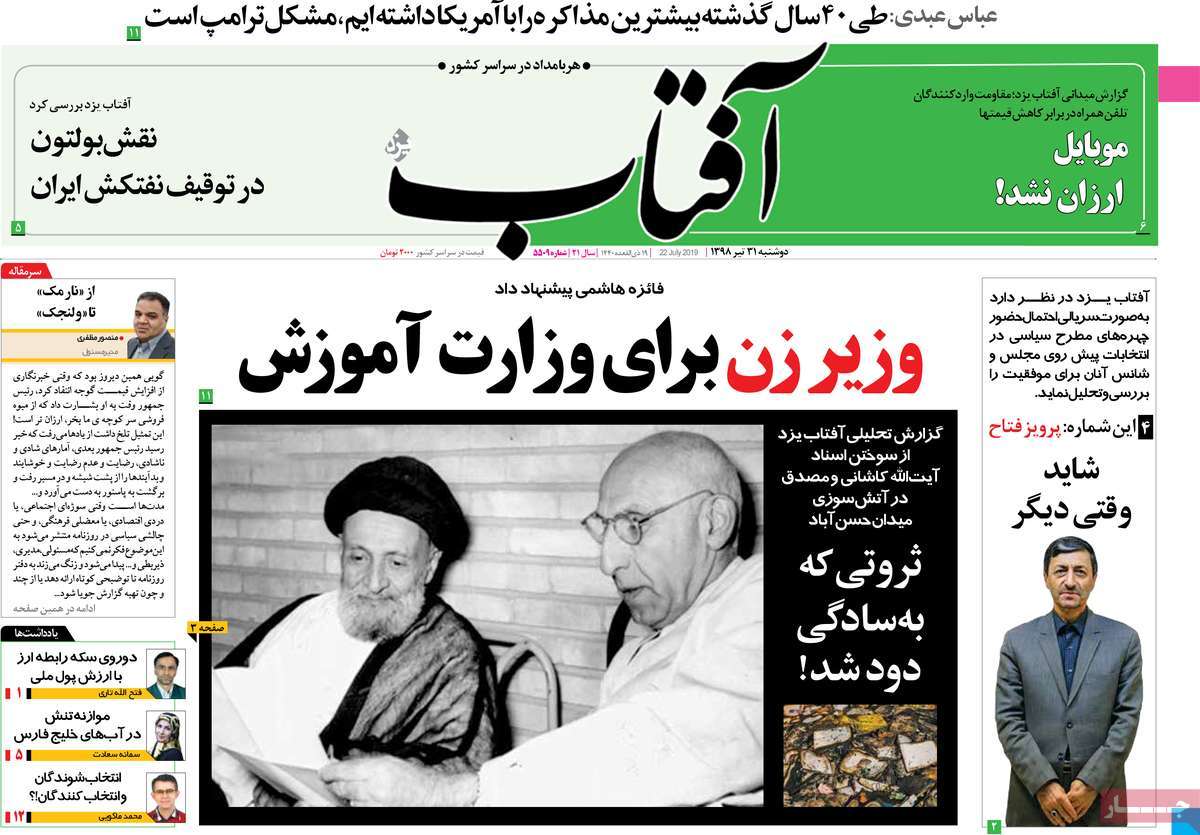
Aftab-e Yazd:

1- Reformist Analyst: We’ve Had Longest Talks with US in Past 40 Years; Trump Is the Problem

2- Bolton’s Role in Seizing Iranian Tanker

A Look at Iranian Newspaper Front Pages on July 22


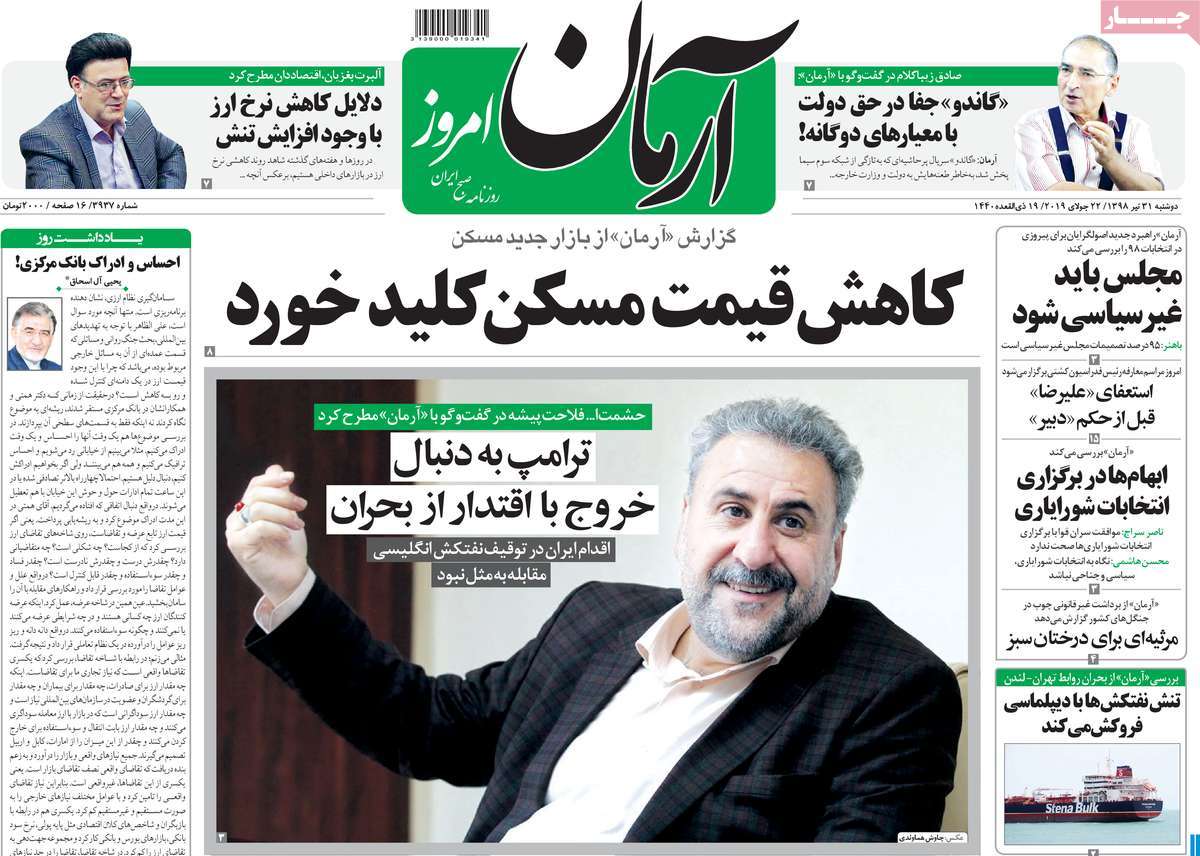
Arman-e Emrooz:

1- Trump Seeks to Get Out of Crisis Strongly: Iran MP

* Iran’s Seizure of UK Tanker Not Retaliation

2- Tension of Oil Tankers to Be Eased with Diplomacy; A Review of Tehran-London Ties

A Look at Iranian Newspaper Front Pages on July 22


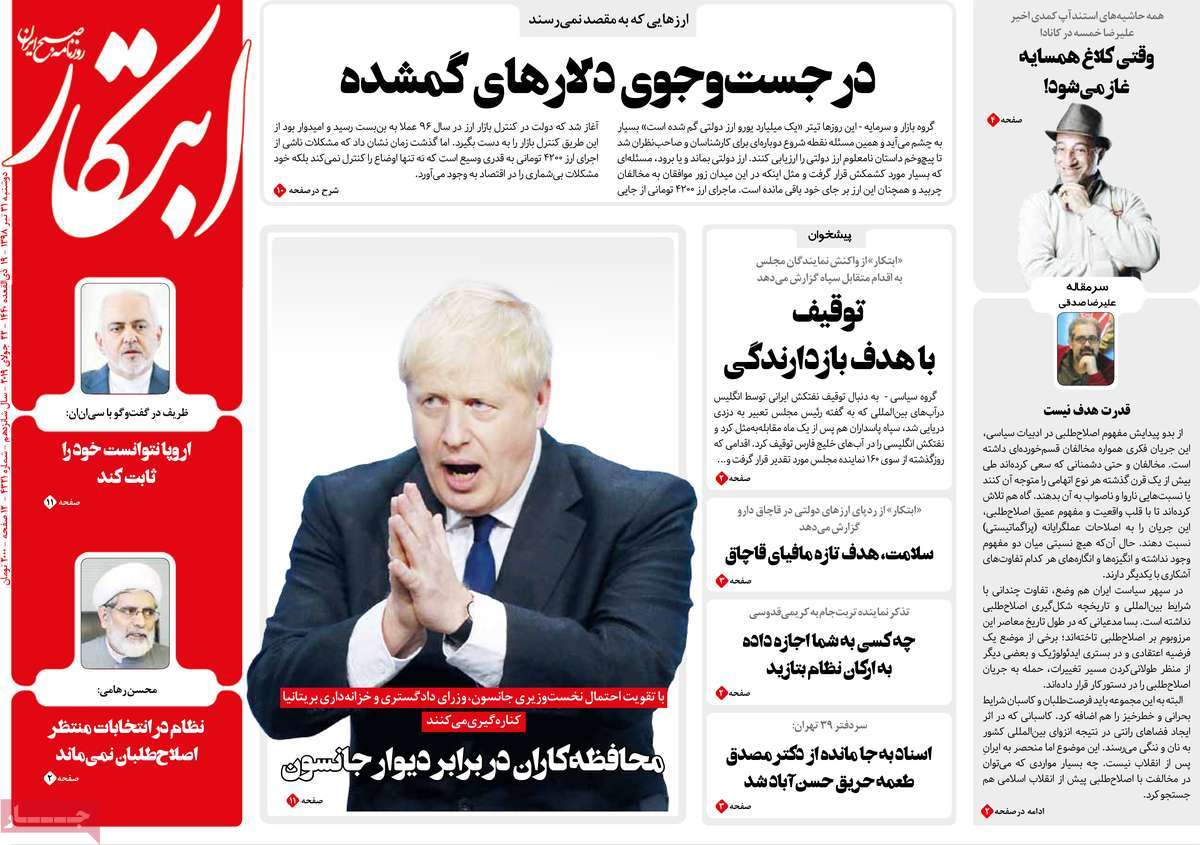
Ebtekar:

1- Conservatives against Wall of Johnson

2- Zarif to CNN: Europe Failed to Prove Itself

A Look at Iranian Newspaper Front Pages on July 22


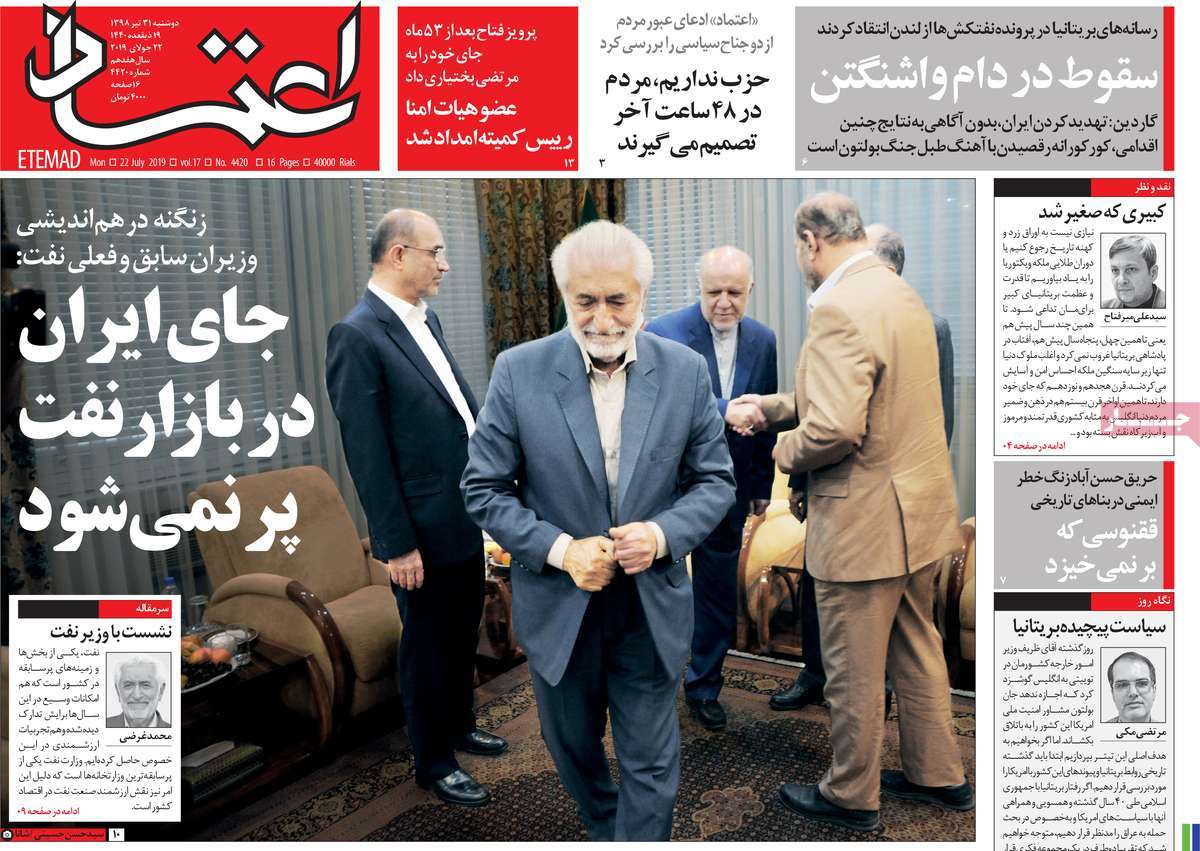
Etemad:

1- Oil Minister: Iran’s Place Not to Be Taken in Oil Market

2- UK Media Criticize London for Being Trapped by Washington in Oil Tankers Case

A Look at Iranian Newspaper Front Pages on July 22


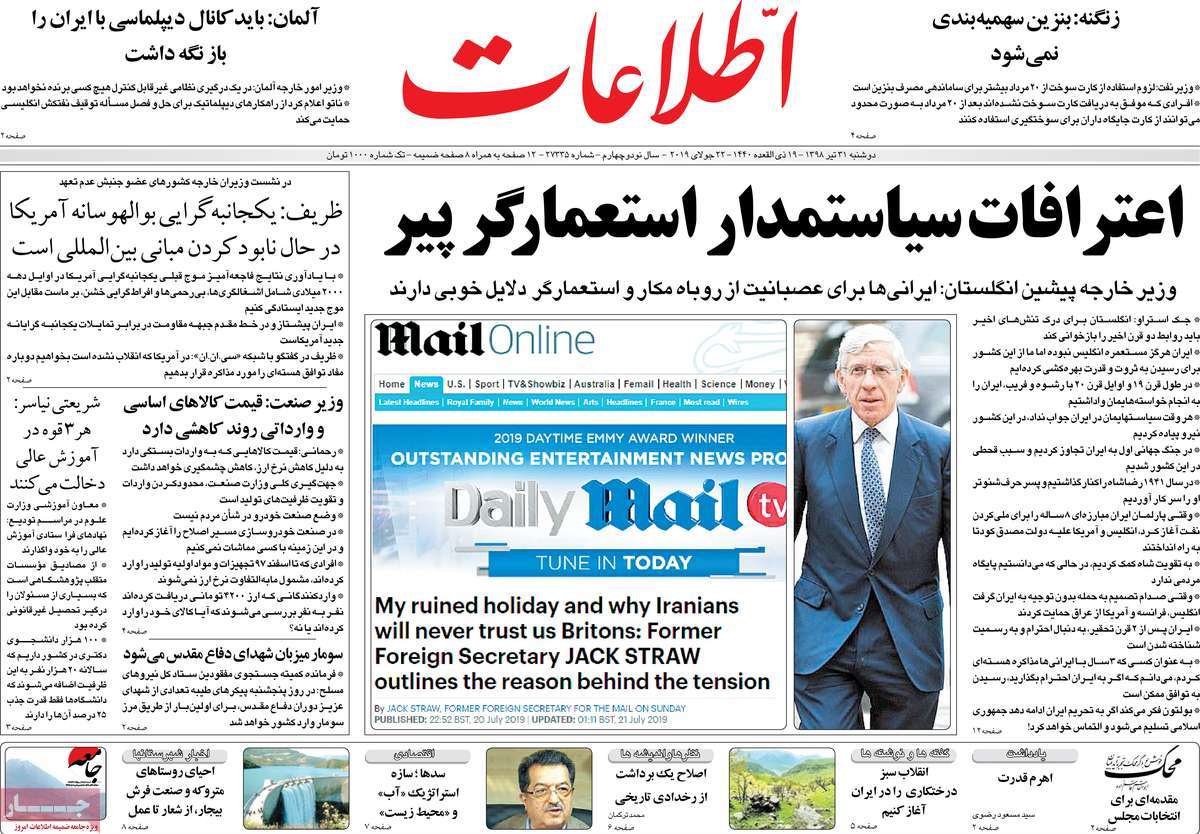
Ettela’at:

1- UK Politician’s Confessions

* Straw: Iranians Have Good Reasons to Be Mad at Old, Colonialist Fox

2- Germany: Diplomatic Channel with Iran Must Be Kept Open

3- Zarif: US’ Arbitrary Unilateralism Destroying Int’l Principles

A Look at Iranian Newspaper Front Pages on July 22


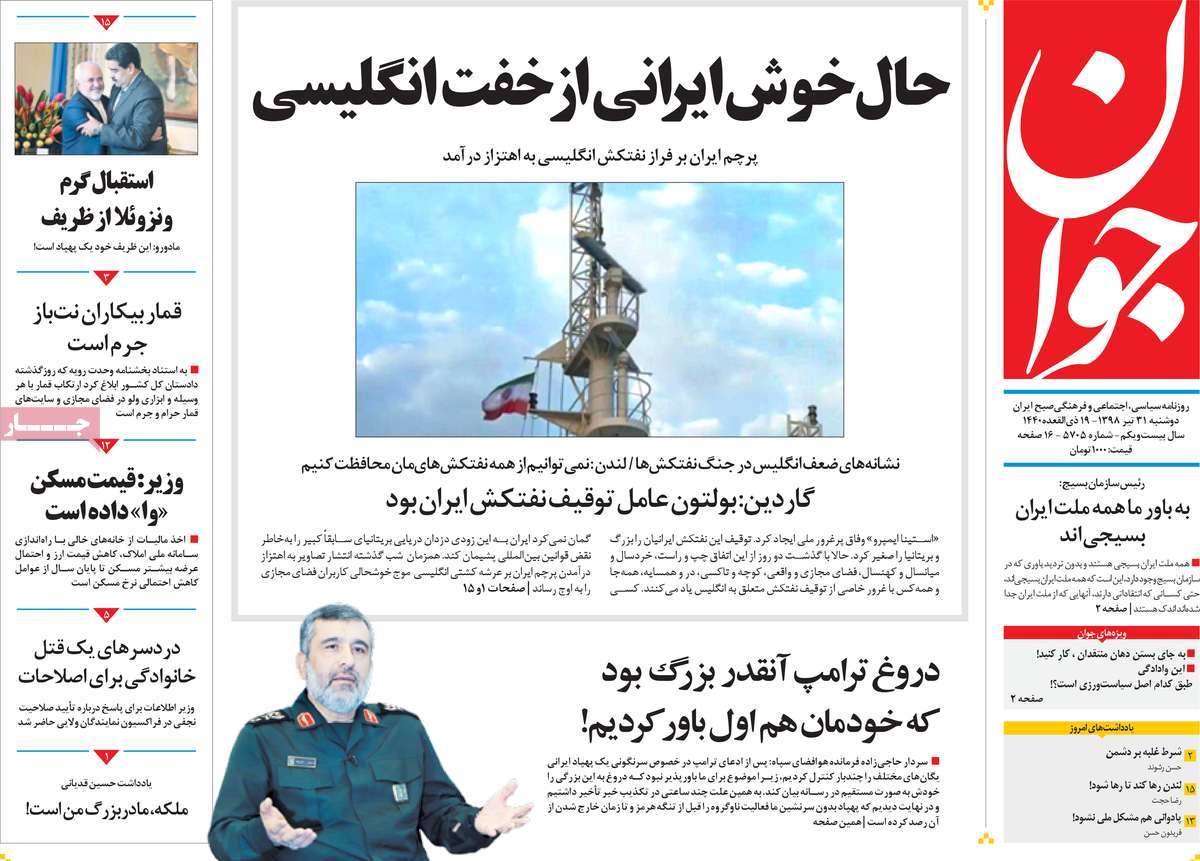
Javan:

1- Iranians Satisfied with UK Humiliation

* Iranian Flag Hoisted over UK Oil Tanker

2- Guardian: Bolton behind Seizure of Iranian Tanker

3- Venezuela Warmly Welcomes Zarif

* Maduro: Zarif Is a Drone per se!

A Look at Iranian Newspaper Front Pages on July 22


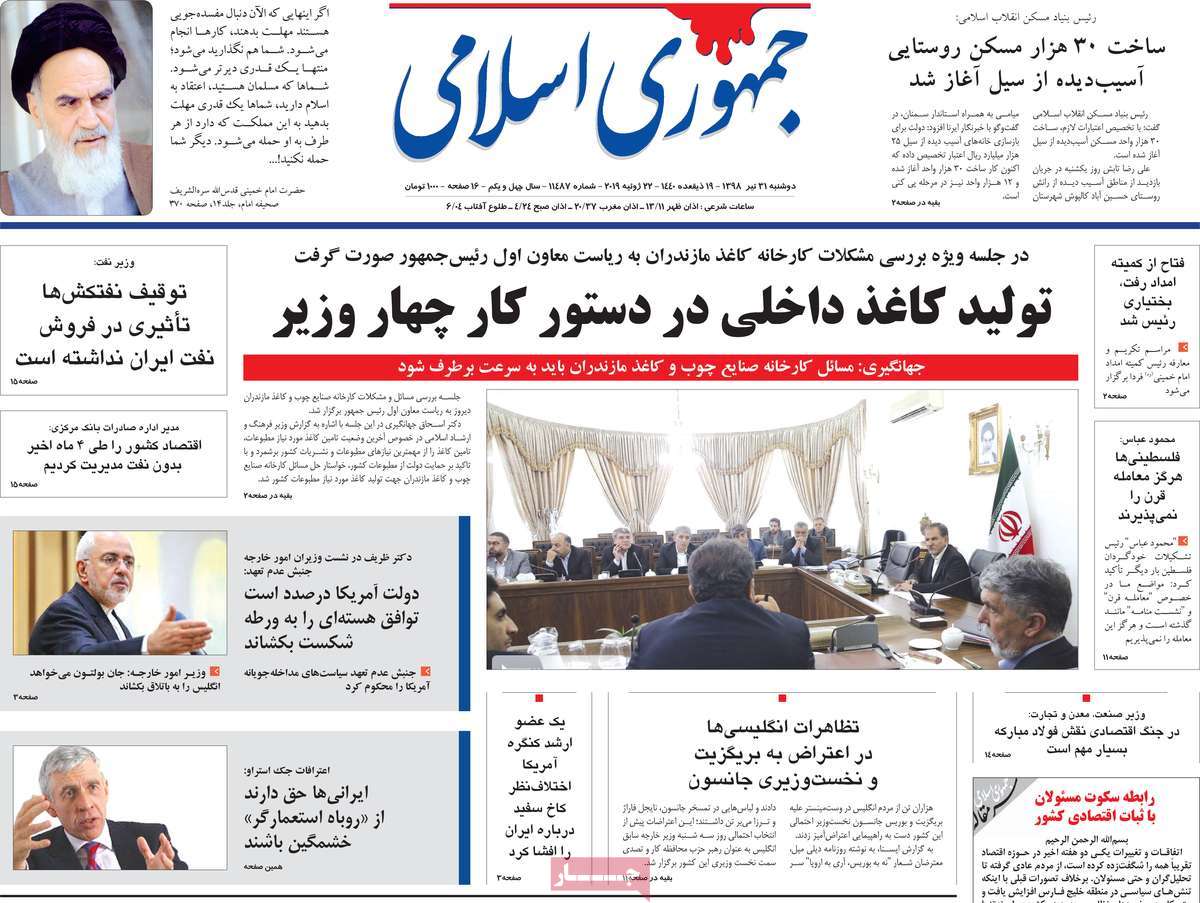
Jomhouri Eslami:

1- Four Ministries Planning to Produce Domestic Paper

2- Zarif Tells NAM: US Trying to Kill Iran Nuclear Deal

3- Oil Minister: Tanker Seizures Had No Influence on Iran Oil Sales

A Look at Iranian Newspaper Front Pages on July 22


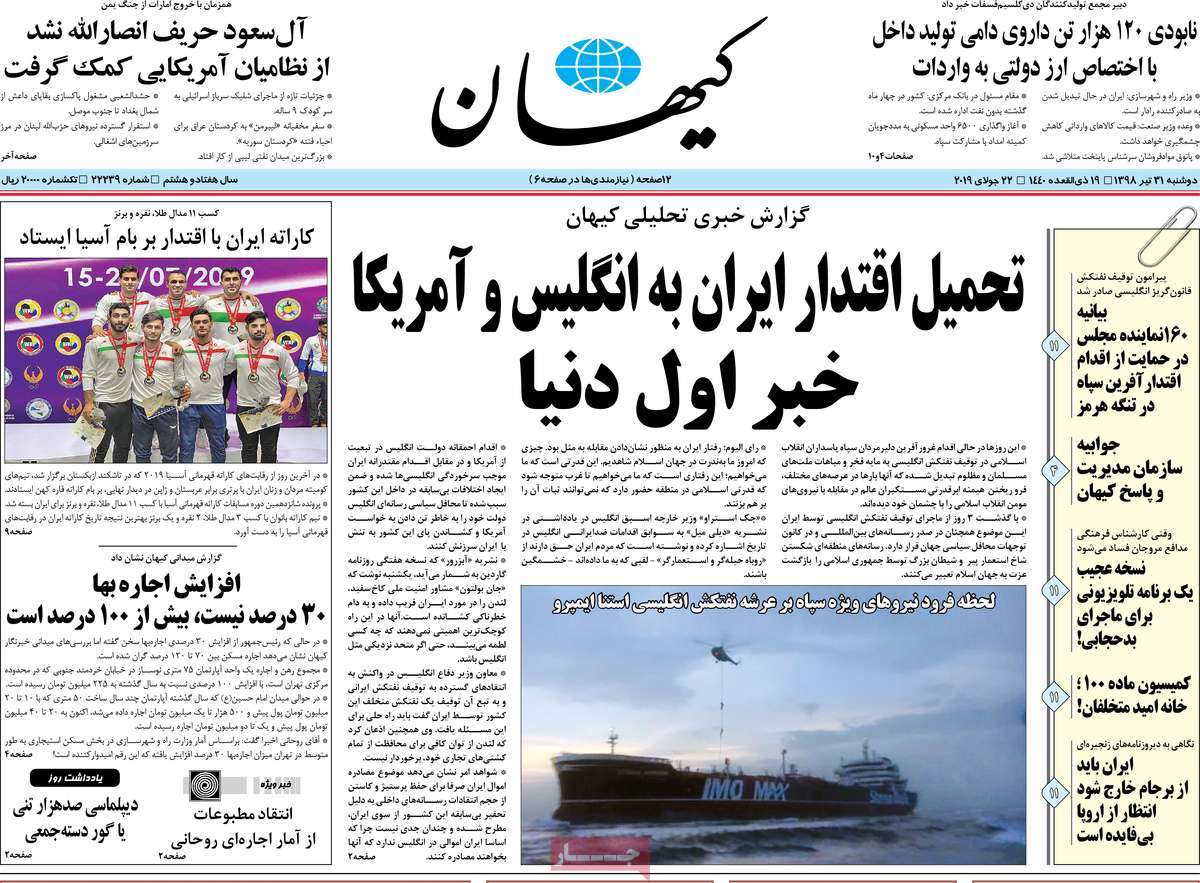
Kayhan:

1- Iran’s Imposition of Its Power on UK, US Makes Headlines across the World

2- Iran’s Karate Team Claims Asian Title with 11 Medals

3- 160 MPs Support IRGC’s Move in Strait of Hormuz as Source of Honour

A Look at Iranian Newspaper Front Pages on July 22


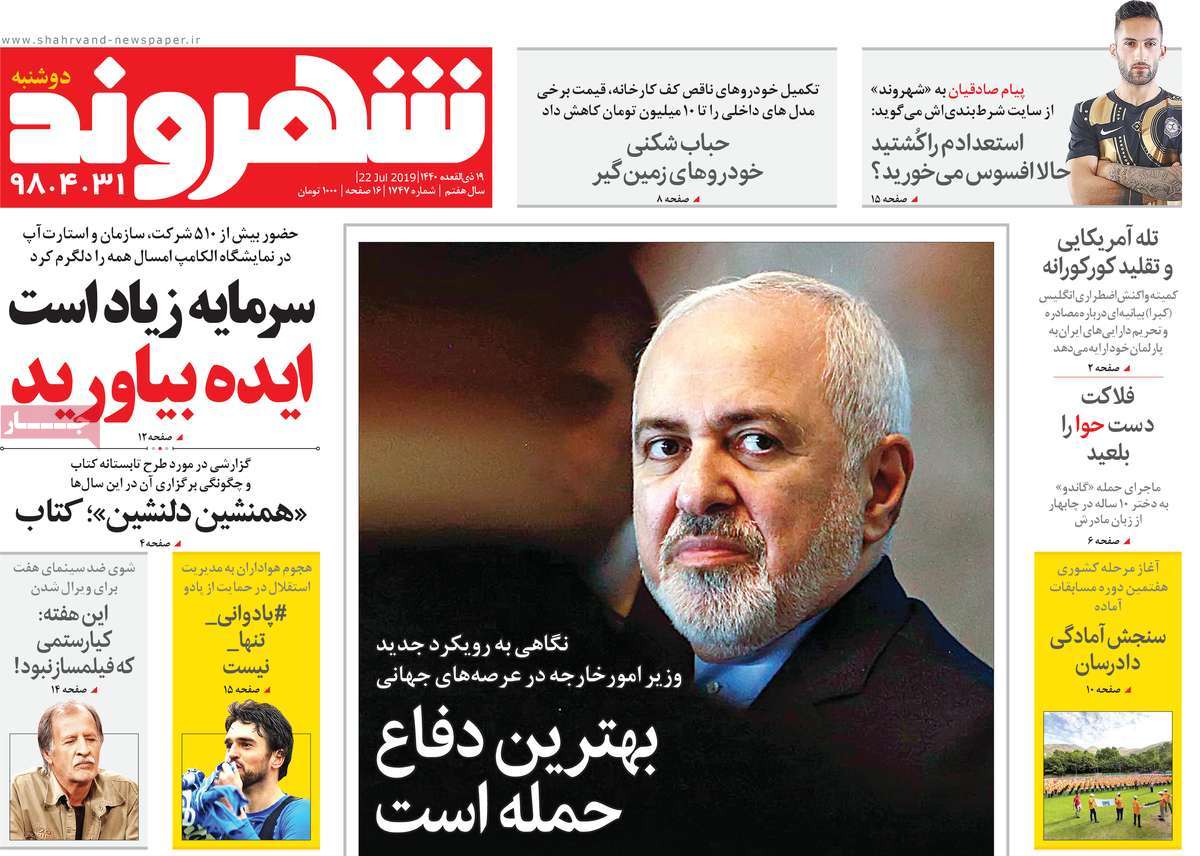
Shahrvand:

1- Attack Is the Best Defence: A Look at Zarif’s New Approach in His Int’l Appearances

A Look at Iranian Newspaper Front Pages on July 22


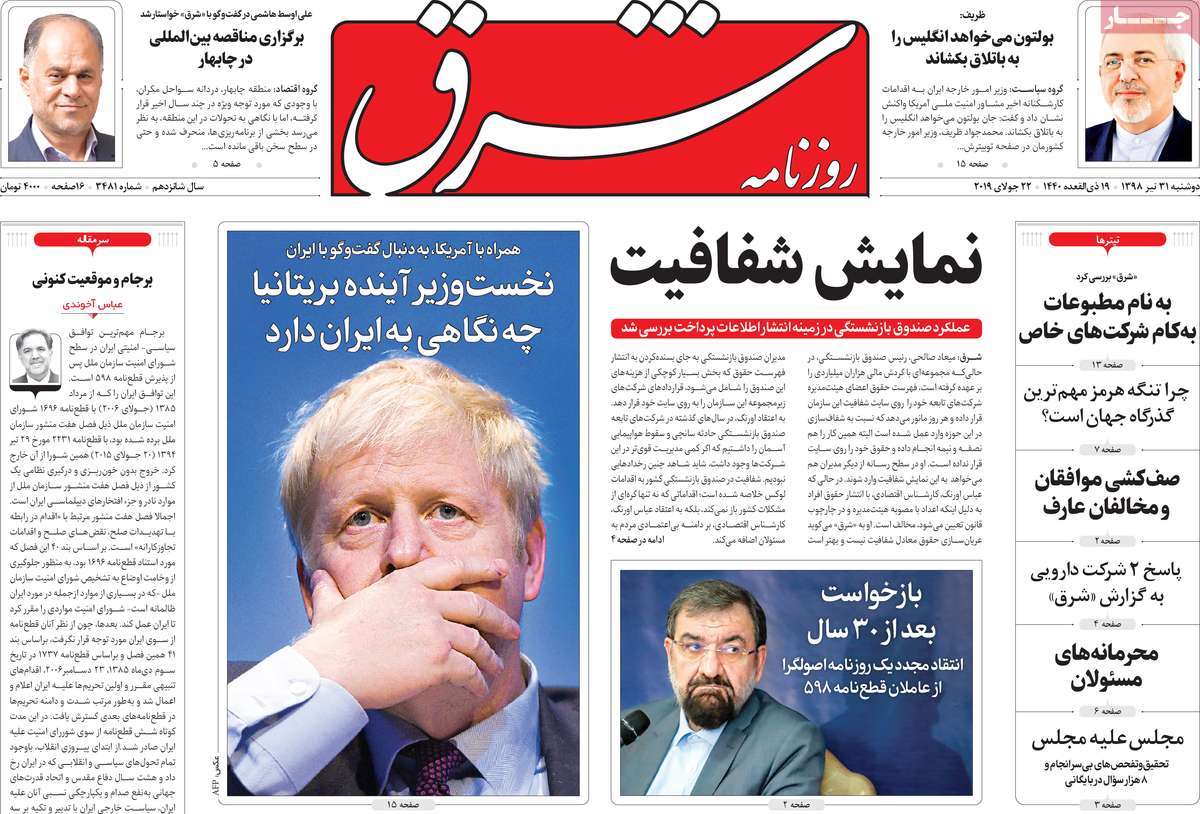
Shargh:

1- The Way UK’s New PM Looks at Iran

2- Why Strait of Hormuz Is World’s Most Important Waterway?

A Look at Iranian Newspaper Front Pages on July 22

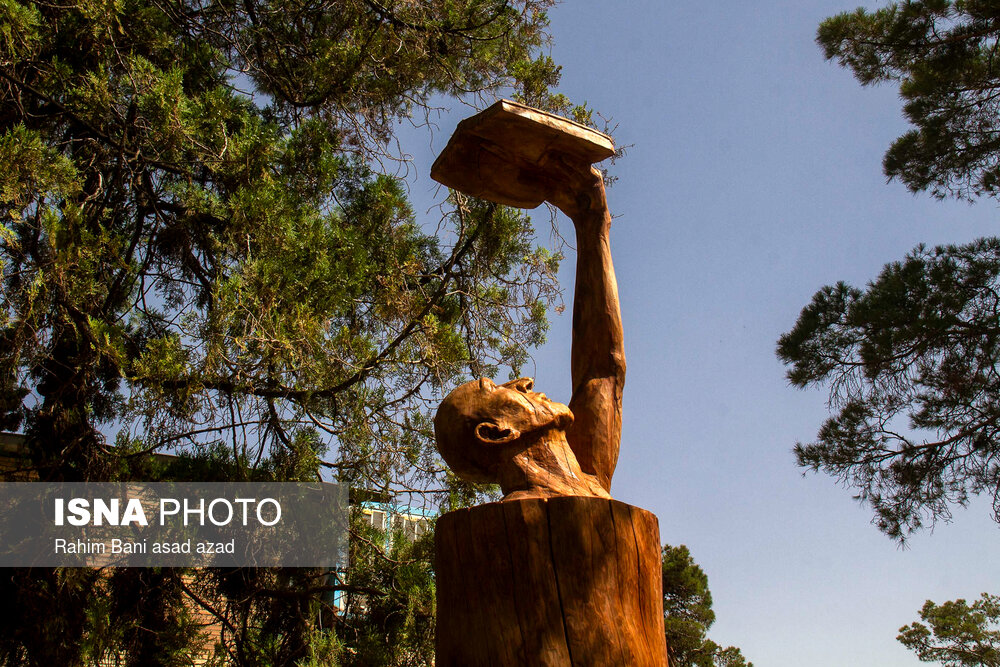
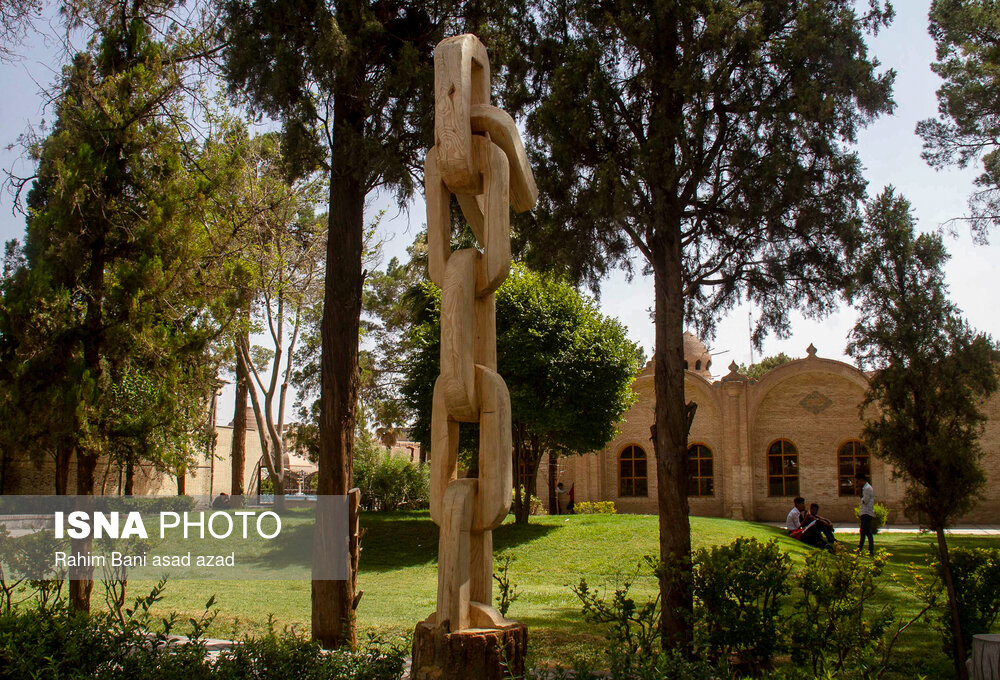
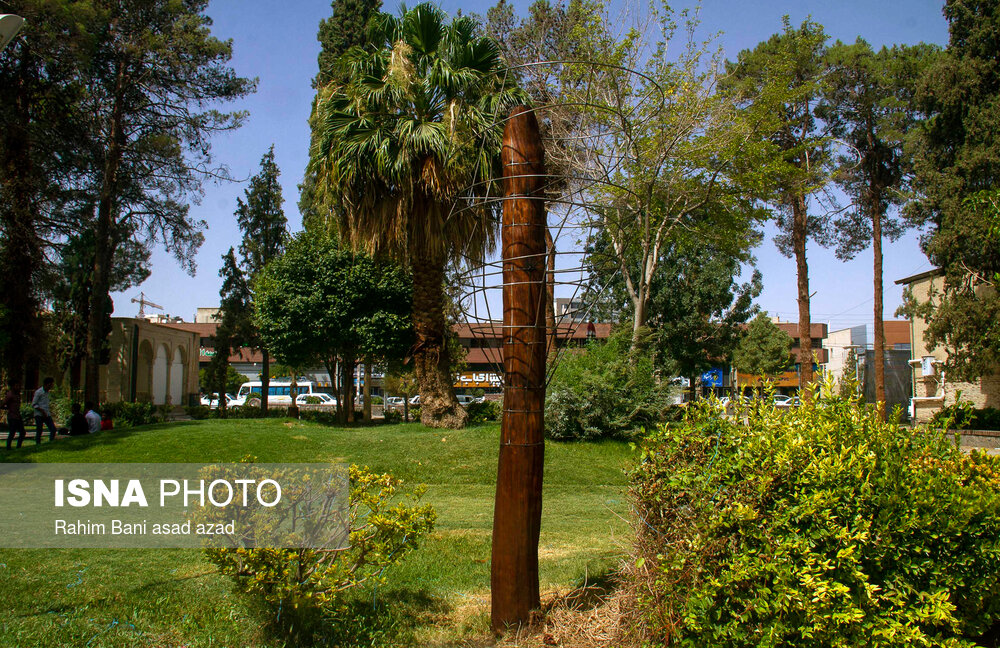
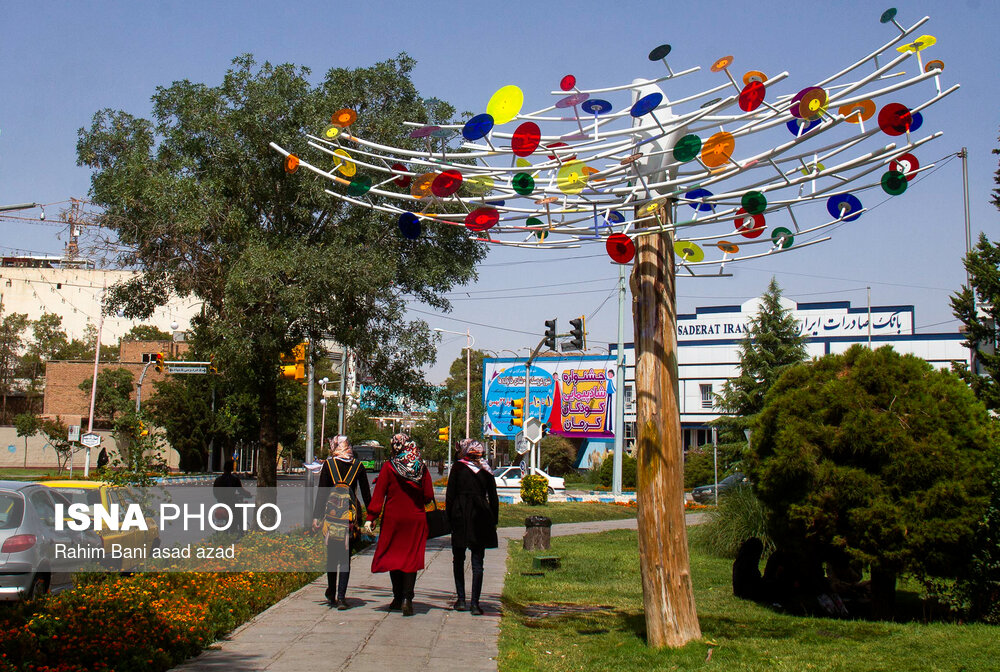
Art Event in Kerman Keeps Memory of Dried Trees Alive

Art Event in Kerman Keeps Memory of Dried Trees Alive
Tehran’s Dead Trees Turned into Magnificent Artworks

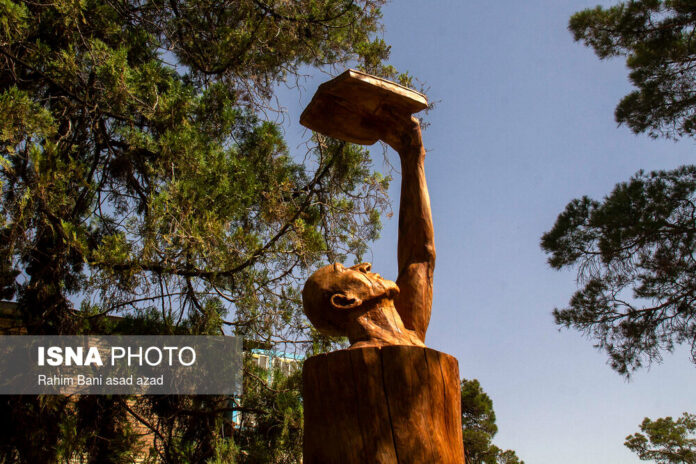
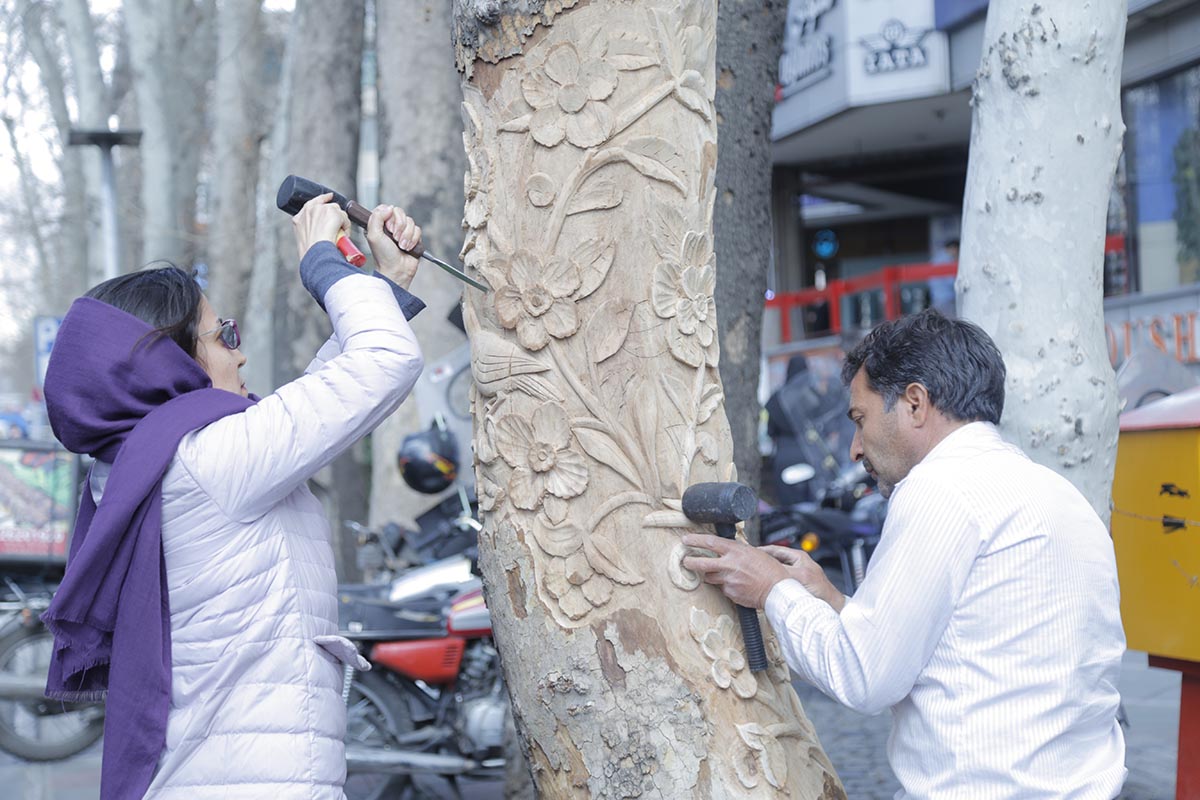
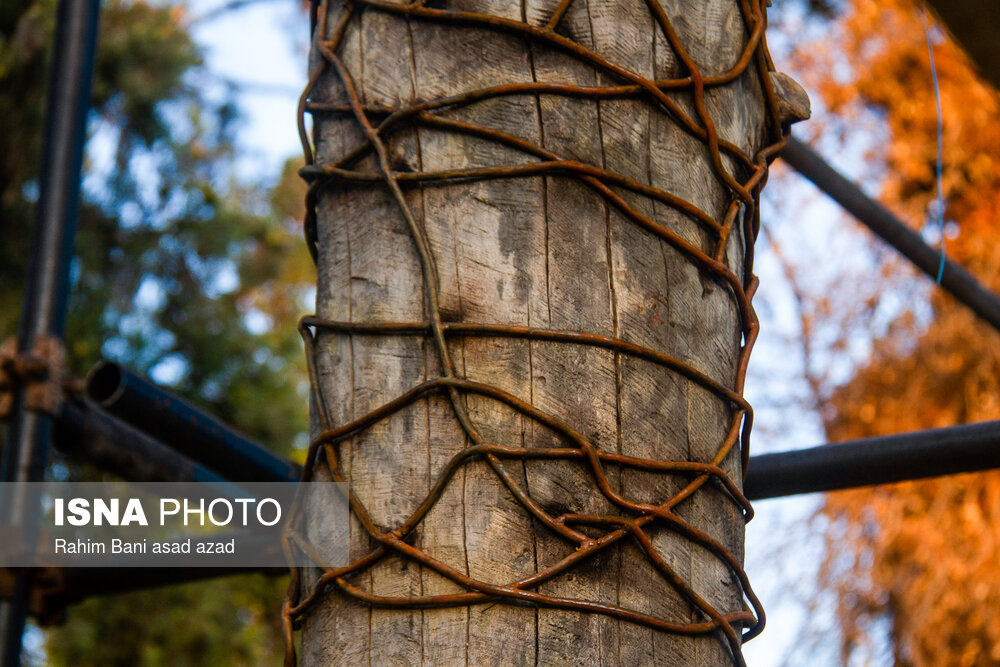
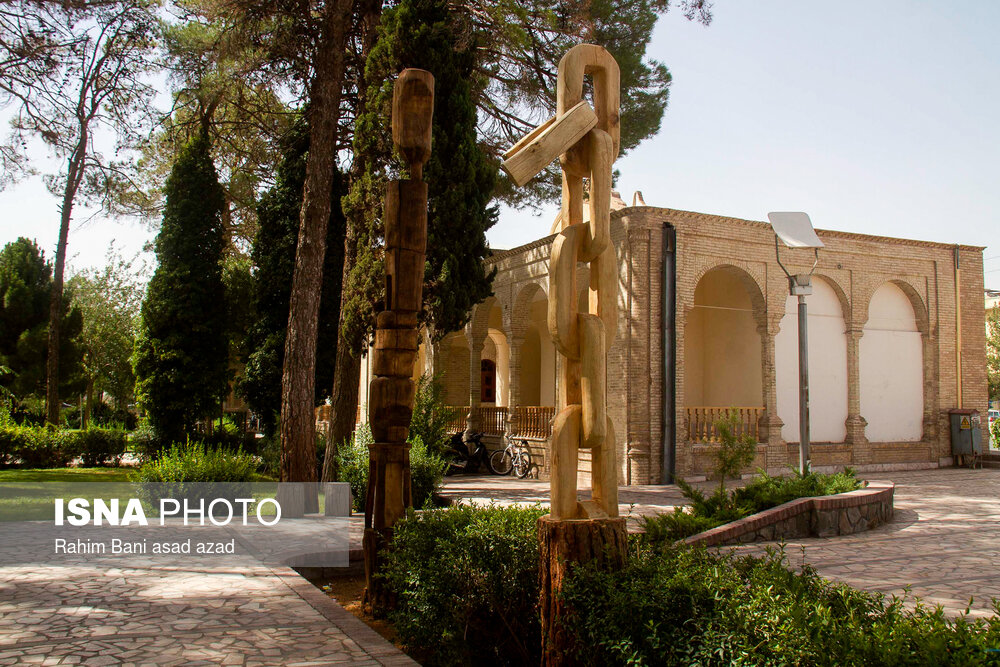
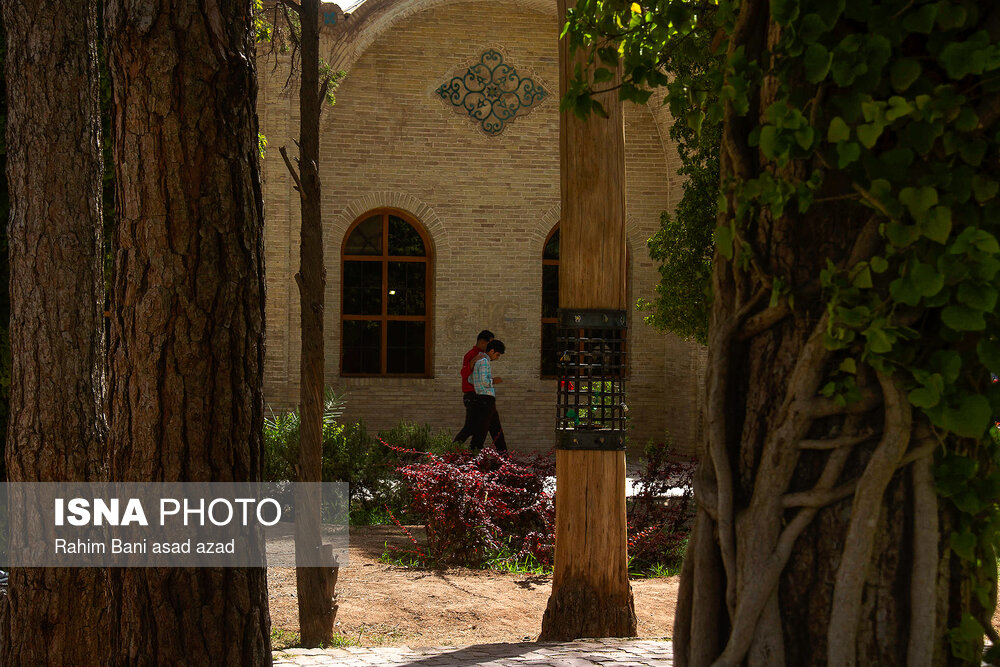
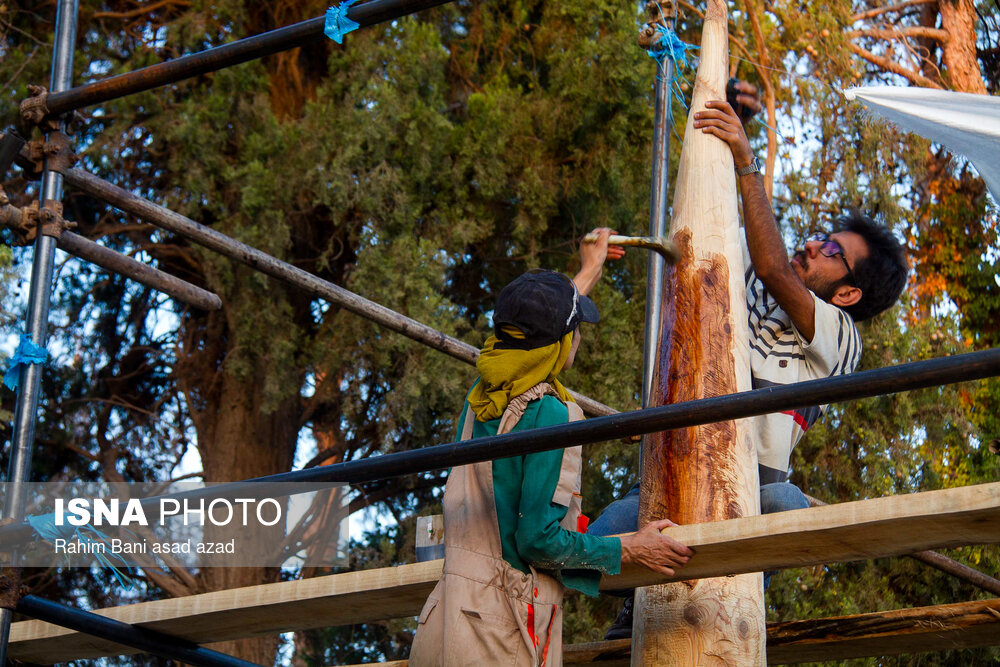
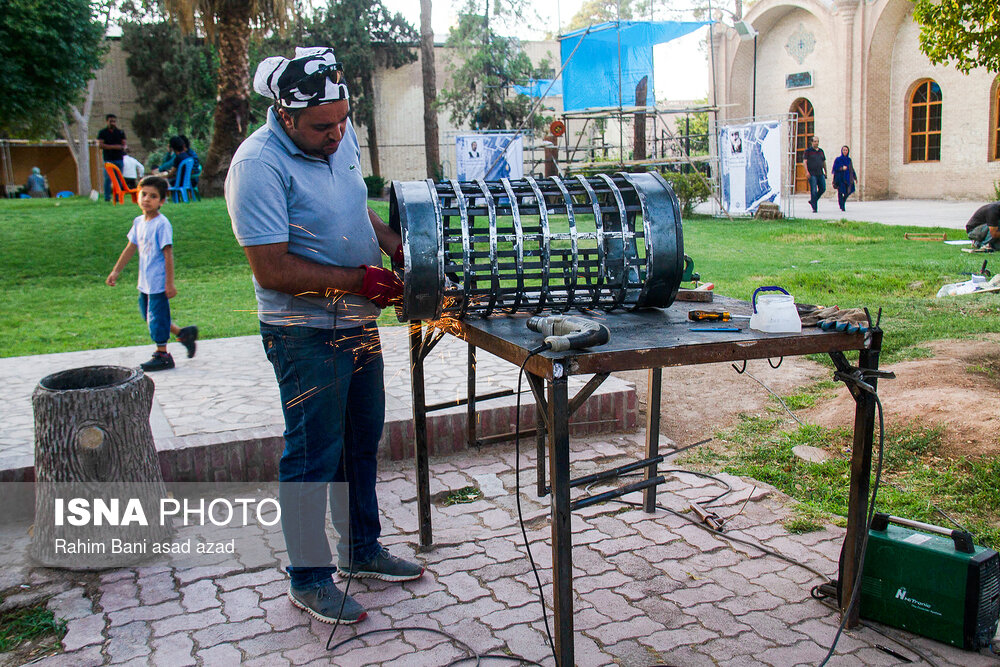
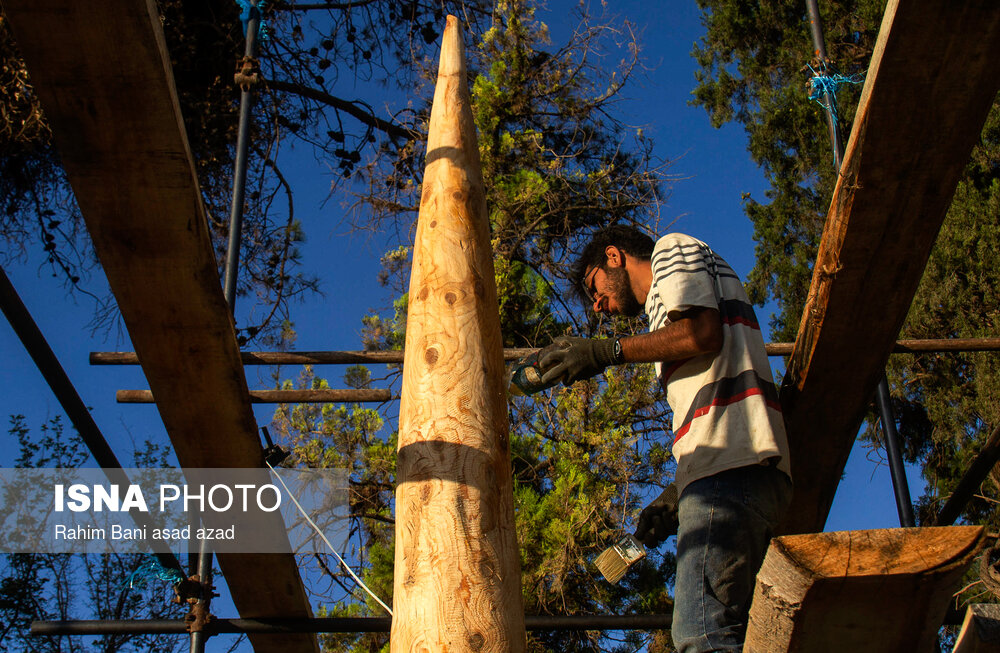
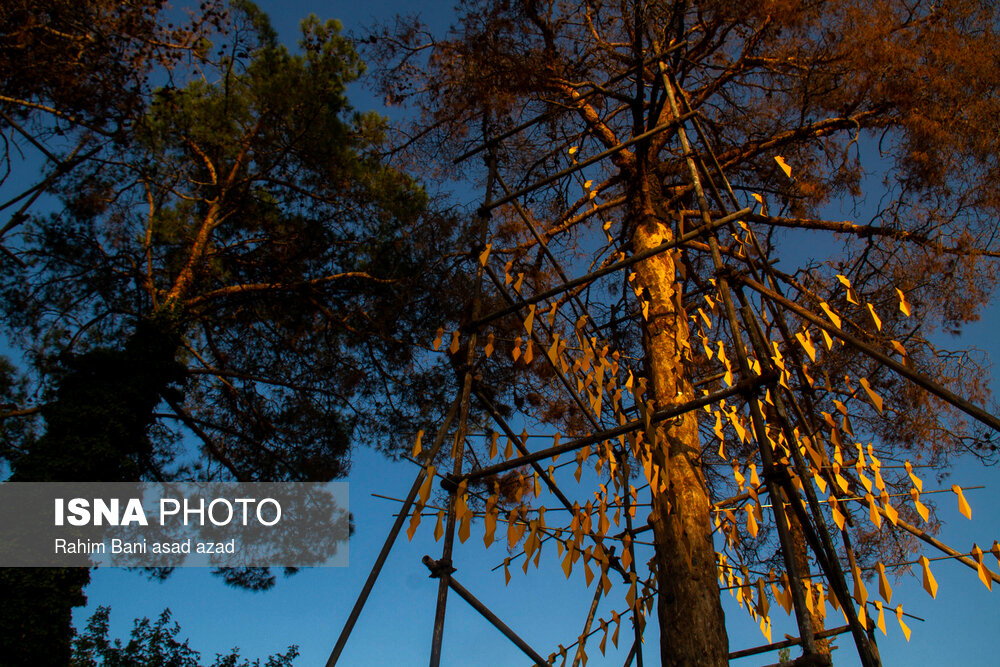
Kerman municipality has organized the event in order to make use of dried trees for beautifying the city with the help of sculpture artists all over the country who create artworks from the trees’ wood.

“These dried up trees of the city have the memory of years of vitality; the citizens can remember the trees’ lively past by looking at the wooden artworks,” said the symposium’s executive secretory.

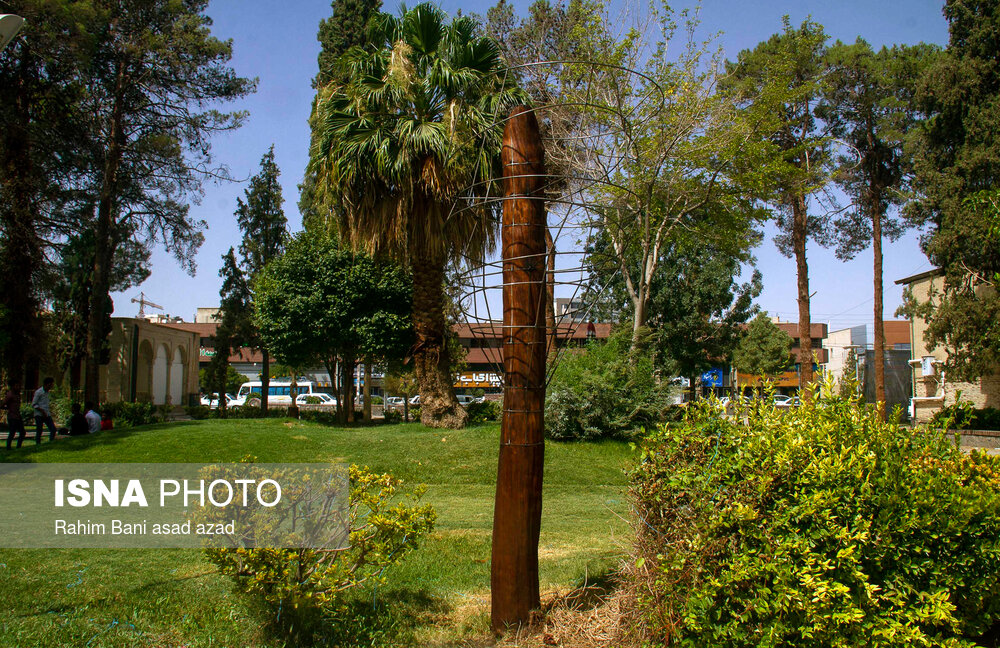
What follows are ISNA’s photos of the event:

Inexpensive Surgery Can Turn Iran into Organ Transplant Hub

Dr Ali Jafarian, a faculty member at Tehran University of Medical Sciences, says from a scientific point of view, Iran’s transplanting sections are working very well.

“Last year, 800 liver transplants were carried out in Iran, which is close to the United Kingdom with approximately equal numbers, and such number of liver transplants was only conducted in three centres in Iran.”

“Of course, because of the sanctions, we are faced with challenges in this area. For example, for two weeks we did not have a dialysis device that would make life difficult for patients.”

He also noted that fortunately, currently there is no problem in providing these patients with medicines across the country because most of the needed drugs are produced domestically.

“With the launch of liver transplantation centres in Kerman, Isfahan, Shiraz, Tabriz, Mashhad and Tehran, the country’s need for liver transplantation has also been met,” underlined Dr Jafari.

According to the Ministry of Health’s permission to the organ transplant centres in the country, foreign patients can do this transplant in Iran after Iranian embassies abroad approve their documents.

“We perform the least expensive organ transplant in the world, and therefore, foreign patients tend to undergo this transplant in Iran. Moreover, the foreign patients trust our medical services and doctors.”

Panama Confirms UAE Ship Seized by Iran Was Smuggling Fuel

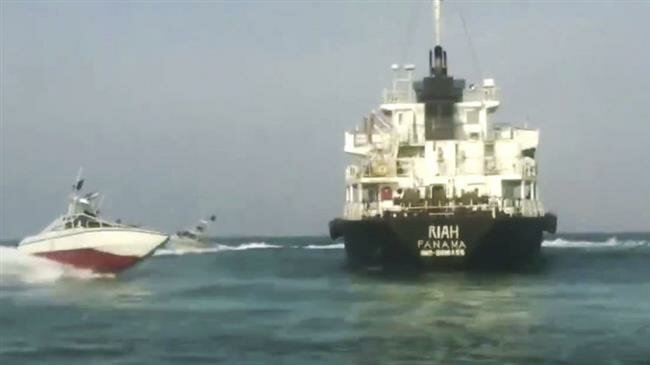
The Panamanian Maritime Administration (AMP) on Sunday censured the use of ships chartered by Panama for illegal acts, days after Iran’s Islamic Revolution Guards Corps (IRGC) detained the oil tanker MT Riah when it was smuggling one million liters of Iranian fuel in the northern part of the Strait of Hormuz.

“We categorically condemn the use of vessels with a Panamanian flag for illicit acts that threaten the safety of human life,” the AMP underscored in a statement.

The statement further said that “those who clearly violate the laws, conventions and international agreements will be sanctioned and will run the risk that the ship is canceled from the Registry.”

Panamanian Ship Registry on Friday officially started withdrawing the registration of MT Riah after an investigation determined the tanker had “deliberately violated international regulations,” the AMP said.

According to specialized international sites, the vessel changed its name four times between 2009 and 2019. The vessel’s Dubai-based owner Prime Tankers LLC says it has sold the vessel to Mouj Al-Bahar, another Emirati company.

The latest development follows the British seizure of an Iranian oil tanker claiming that it was carrying crude to Syria in violation of the European Union’s unilateral sanctions against the Arab country.

The Grace 1 supertanker, carrying 2.1 million barrels of oil, was seized on July 4 as it transited through international waters off Gibraltar, which is located on Spain’s southern tip.

Later that day, Iran’s Foreign Ministry summoned Britain’s ambassador in Tehran, Rob Macaire, to express its strong protest at the move. The envoy was told that the British Royal Marines’ move was tantamount to “maritime piracy.”

Reports say the seizure took place at the request of the United States, which has been bent on driving Iranian oil exports to “zero” as part of its sanctions against the Islamic Republic.

Leader of the Islamic Revolution Ayatollah Seyyed Ali Khamenei denounced Britain’s illegal seizure of the oil tanker, warning that the act of “piracy” will not go unanswered.

On July 19, the IRGC Navy captured British oil tanker Stena Impero for violating international maritime laws when crossing the high-traffic Strait of Hormuz.

Russian Deputy Foreign Minister Sergey Ryabkov said Mondaythat Iran’s arguments for its seizure of the UK-flagged oil tanker were more convincing than those of London.

“Iran’s arguments are much more right than those of Gibraltar and London who are indulging in piracy,” Ryabkov said.

Iranian officials says the vessel had switched off its GPS locator, in contravention of international regulations, and was sailing into the strategic waterway in a wrong traffic pattern.

The taker was transferred to the port of Iran’s southern city of Bandar Abbas for maritime casualty investigation.

The Britain has sought a diplomatic solution to the incident and UK Prime Minister Theresa May is to hold a meeting of the emergencies committee on Monday to discuss the issue.

Saudi Arabia, which had itself been holding an Iranian oil tanker for almost 11 weeks, called Iran’s measure to seize Stena Impero “completely unacceptable”.

Saudi Arabia announced in early May that its coast guard had rescued a distressed Iranian oil tanker with 26 on board off the Red Sea port of Jeddah, after it faced “engine failure and the loss of control.”

According to Iranian officials, the incident had occurred on April 30 while Happiness I was on its way to the Suez Canal, and that water had leaked into the tanker’s engine room.

The Saudis were refusing to let the vessel leave and were, at the same time, demanding that Iran pay $200,000 a day for maintaining the vessel in the port city of Jeddah, some $10 million in total.

The oil tanker, however, was released on Saturday after a series of negotiations.

Nasrallah to Pray at Al-Aqsa Mosque One Day: Iran Leader

He made the remarks in a Monday meeting with Saleh al-Arouri, the Deputy Chairman of the political office of the Palestinian Islamic Resistance Movement (Hamas) and his entourage.

“Mr Sayyed Hassan Nasrallah says he will, Inshallah, pray at Al-Aqsa Mosque one day. To us, this is a totally feasible and achievable hope,” the Leader said.

“On the issue of Palestine, the Islamic Republic observes no ceremonies with any country in the world,” the Leader said.

“We have always clearly declared our viewpoint on Palestine. Even on the international arena, countries that are our friends— with whom we do not see eye to eye on this issue—know that to the Islamic Republic, the Palestinian cause is absolutely serious,” he added.
“One of the important reasons behind the animosity against the Islamic Republic is the Palestinian cause; but such enmities and pressures will not make Iran give up on its stances regarding Palestine; because supporting Palestine is an ideological and religious matter,” Ayatollah Khamenei said.

He also noted that “if the World of Islam unitedly resisted on the issue of Palestine, it would have been in better conditions.”

“Certain states— that are US cohorts—like the Saudis’ distancing themselves from the Palestinian cause was a foolish act; because if they supported Palestine, they could have gained concessions against the US,” he added.

Nasrallah to Pray at Al-Aqsa Mosque One Day: Iran Leader

Iran Arrests 17 Professional Spies Trained by CIA (+Video)

According to the Intelligence Ministry’s director-general for counterintelligence, all the operatives are Iranian nationals working as spies on behalf of the CIA throughout the past Iranian calendar year (March 2018 to March 2019).

The suspects were operating in key organizations and institutions mainly in the private sector, the official said on Monday.

“The spies identified were employed in sensitive and vital private sector centres in the economic, nuclear, infrastructural, military and cyber areas… where they collected classified information,” the official said in a statement.

Some of those arrested have received death sentences, and some of them prison terms.

According to the unnamed official, the CIA had recruited the Iranian spies by mainly contacting them over the Internet.

Other tactics used by the US intelligence included issuing or renewing US visas, hiring Iranian specialists, providing necessary equipment and access to certain participants in scientific events abroad, sending emails and messaging through social.

The Intelligence Ministry has also aired a documentary film of the agents it has arrested. The film shows interviews with some of the operatives, and shows how the CIA sent equipment to the agents.