Friday, December 26, 2025
Home Blog Page 3148

Iran Says US Maximum Pressure Strategy Doomed to Fail

Signs of US Decline Clearer Than Ever: Iran Official

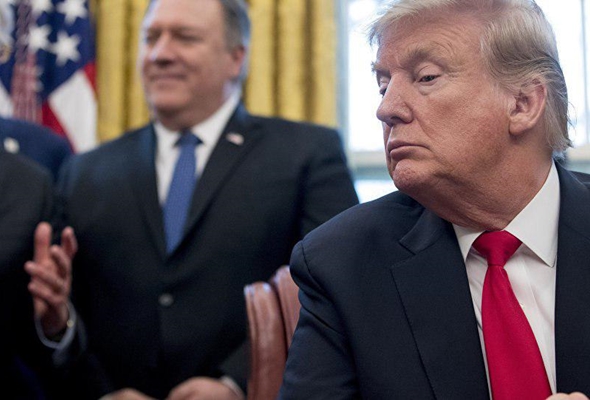
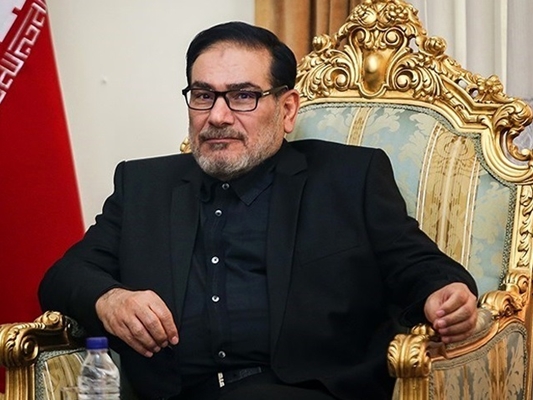
By adopting maximum pressure strategy on Iran, US President Donald Trump tried to humiliate his domestic rivals and the international community to prove that he is a different person, said Rear Admiral Ali Shamkhani.

Shamkhani further noted that the US president tried to say that he can gain the most at the lowest cost by pursuing his own innovative methods.

The maximum pressure strategy was designed to undermine the basic foundations of the Islamic Republic of Iran including its leadership, the people, the IRGC and the foreign ministry, and the sanctions were used as the least costly measure to hit the Iranian authority, he added.

“The confrontational reaction of the people and the increasing stabilisation of the country’s economic conditions, besides the increase of effective regional and international movements, as well as the decisive positions of the leader of Islamic Revolution frustrated Trump from the start, and unprecedentedly increased pressures on him from his rivals and the international community,” underlined Shamkhani.

Shamkhani went on to add that sanctioning the Iranian foreign minister, after rejecting Trump’s invitation for a face-to-face debate, indicated that the strategy of “maximum pressure” has failed and its architectures have no choice but to change their approach and fulfil their obligations and respect the legal rights of the Islamic Republic of Iran.

“Active and effective diplomacy of the Islamic Republic of Iran cannot be sanctioned, and Trump or any of his allies cannot impede the reflection of Iran’s expressive voice in the world,” he concluded.

The Trump administration recently sanctioned Zarif as part of its “maximum pressure” campaign on Tehran.

The move, which went into effect on Wednesday, is one of the weirdest moves by Donald Trump since he withdrew the US from the Iran nuclear deal last year. US Treasury Secretary Steve Mnuchin said last month that Trump ordered him to sanction the Iranian diplomat.
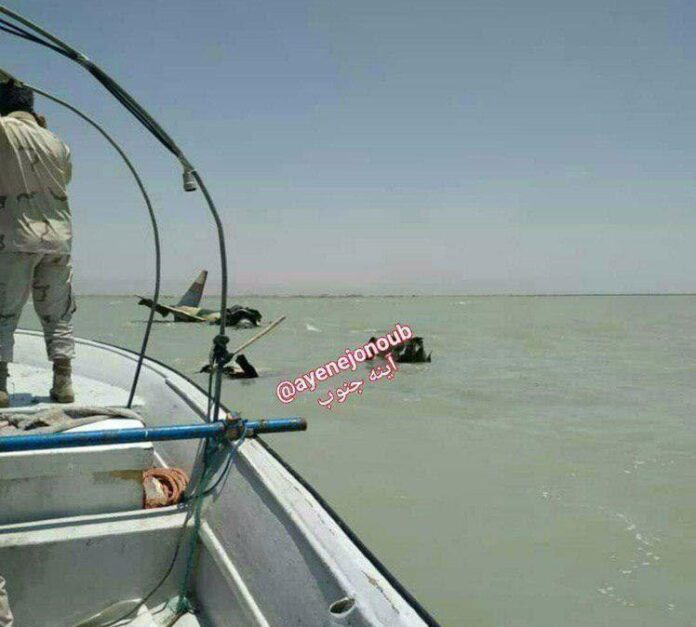
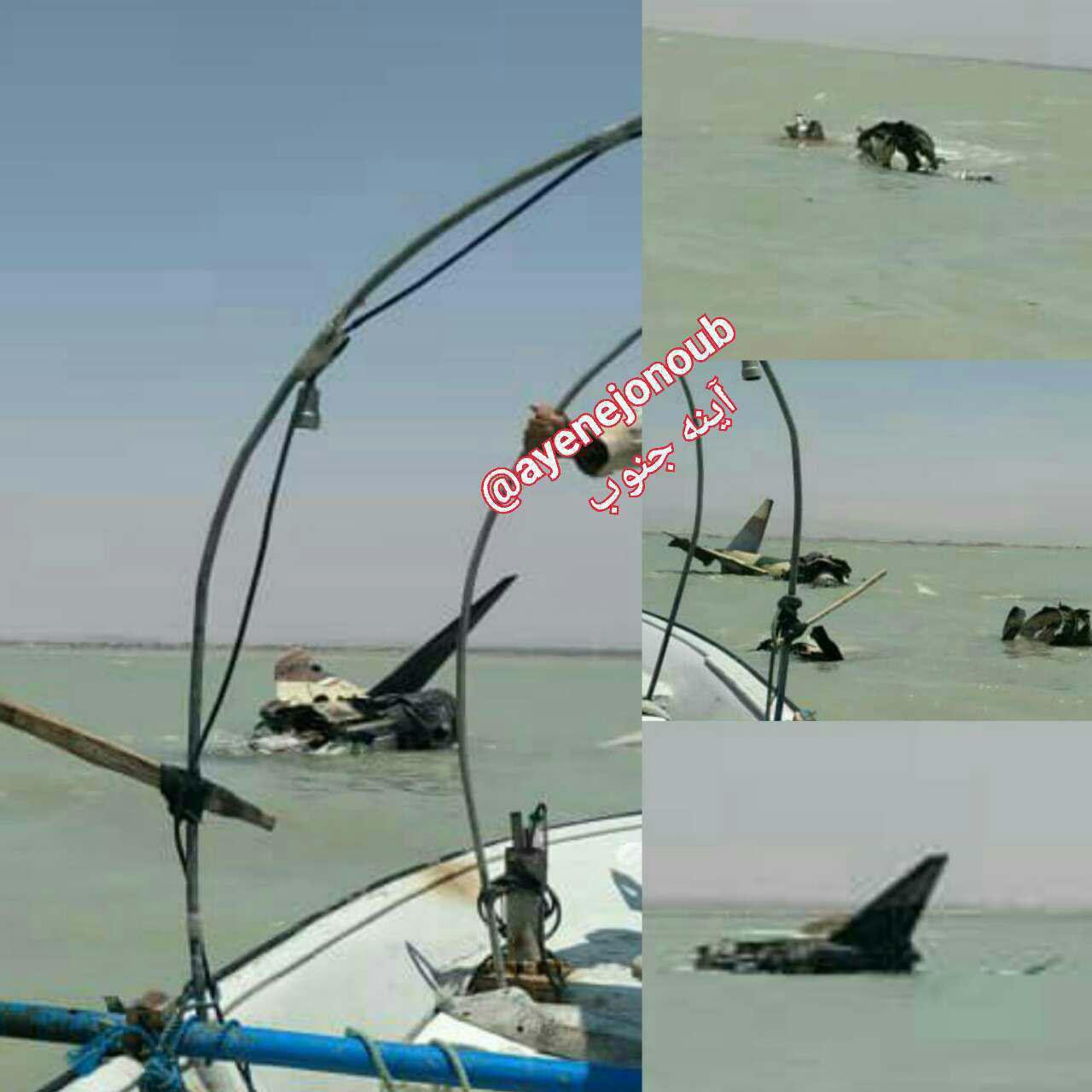
Iranian Jet Fighter Crashes Off Persian Gulf Coast

The crash took place on Sunday morning, according to Rafieipour, the governor of Tangestan.

The pilot and the co-pilot have both survived the incident, which the official says was caused by a technical problem.

Iranian Jet Fighter Crashes Off Persian Gulf Coast

US Blocks Road to Diplomacy by Blacklisting Zarif: Iran

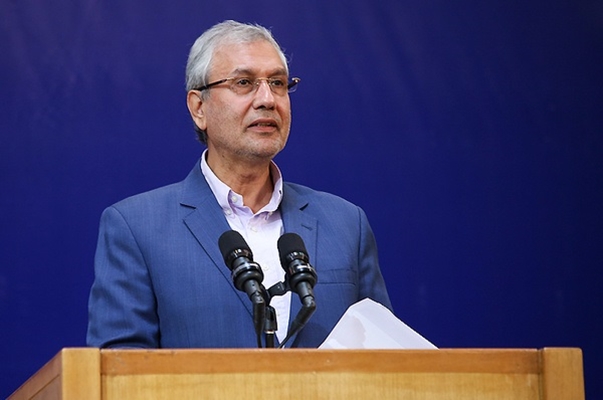
Government Spokesman Ali Rabiei said on Sunday the US should know that from the viewpoint of the Iranian government, Foreign Minister Zarif is in charge of the country’s foreign policy and public diplomacy and any diplomatic effort should be made through his channel.

He further mentioned that the Americans have deprived themselves of dialogue and diplomacy by imposing sanctions on Zarif.

Rabiei called the US designation of Zarif an awkward aggression against the whole Iranian nation. He said the US move is childish and comes out of personal attitudes from inside the US government.

“This move is so ill at ease that united all the society regarding Zarif’s case. Washington is not yet freed from coup addiction, and the American governing body is accustomed to it. This is an unprecedented move in the history of diplomacy. It is ridiculous to call for negotiation, but then boycott the country’s foreign minister.”

Rabiei also confirmed a report by the New Yorker which claimed US Senator Rand Paul had conveyed US President Donald Trump’s invitation for Zarif to meet Trump at the White House.

“At a meeting with a senator, they invite him to come to negotiating table and immediately blacklist him,” Rabiei said.

The US treasury last week announced sanctions on the Iranian top diplomat, which freeze Javad Zarif’s assets, if any, in the US and limit his international travels.

IRGC Seizes Foreign Vessel in Persian Gulf for Smuggling Fuel

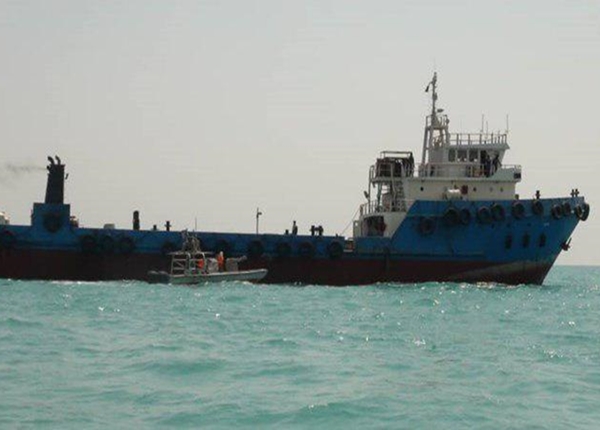
The vessel was seized by IRGC patrol boats at 21:30 on Wednesday night near the Persian Gulf island of Farsi, said the commander of the Second Region of the IRGC Navy.

Brigadier General Ramezan Zirahi said the vessel had loaded the fuel from other ships, and was smuggling it to Arab states of the Persian Gulf.

Following the seizure of the ship, 700,000 litres of fuel were confiscated and seven foreign crew members arrested, he added.

The IRGC had earlier in July seized a foreign tanker smuggling one million litres of Iranian fuel near the Strait of Hormuz in the Persian Gulf.

The tanker MT Riah was a UAE-owned Panama-flagged vessel seized in the south of the Iranian Larak Island on July 14.

IRGC naval forces, which were patrolling the waters on an anti-smuggling mission, acted against the vessel in a “surprise” operation upon ascertaining the nature of its cargo and securing the required legal approval from Iranian authorities.

The ship had loaded the fuel from Iranian dhows and was about to hand it over to other foreign vessels in farther waters. The vessel, which had 12 foreign crewmembers aboard at the time of the seizure, is capable of carrying two million liters of fuel.

Iranian, Qatari Coast Guards to Hold Talks amid PG Tensions

The Iranian side is presided at the meeting by Commander of Iran’s Border Police Brigadier General Qassem Rezaei, and the Qatari delegation will be headed by General Director of Coast and Border Security Abdul Aziz Ali Al Mohannadi.

In addition to reviewing past achievements, the parties will discuss new approaches to maritime and border cooperation.

Joint meetings of the Iranian Coast Guard with its southern neighbours are aimed at developing and strengthening mutual relations, indicating the political will of all parties to create a positive atmosphere of cooperation.

Earlier, Iranian and Emirati officials also agreed to bolster bilateral maritime security cooperation during a meeting in Tehran.

It was the first such talks since 2003 which came amid heightened tensions in the Persian Gulf region.

It was the sixth joint meeting addressing littoral security cooperation between the countries, and took place in line with bilateral coordination between the two sides aimed at maintaining and advancing the countries’ maritime border cooperation.

Two Iranian Women Break Taboo against Female Singing

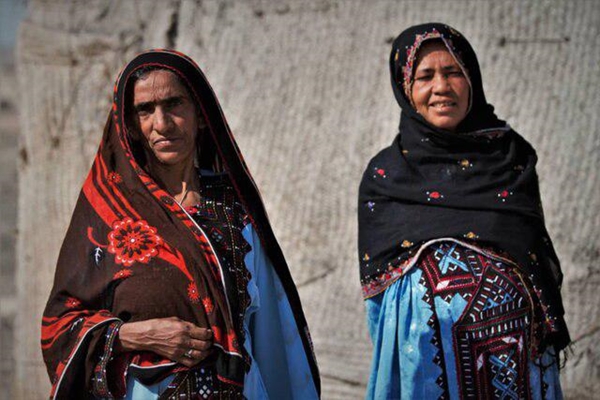
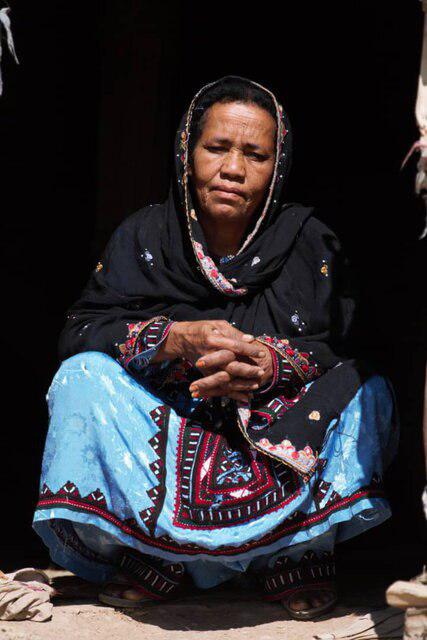
Photo of Zobeideh (left) and Shamshuk (right), retrieved from Baluchestan documentary series directed by Ali Maghazei

Despite various physical and spiritual pains and their lack of access to the basic facilities of daily life, the two women have done their best to promote folklore music of the province by holding concerts in Iran and the rest of the world, not just for women but also for men. They have already held various concerts in a number of countries including Italy, France and Switzerland.

Two Iranian Women Break Taboo against Female Singing
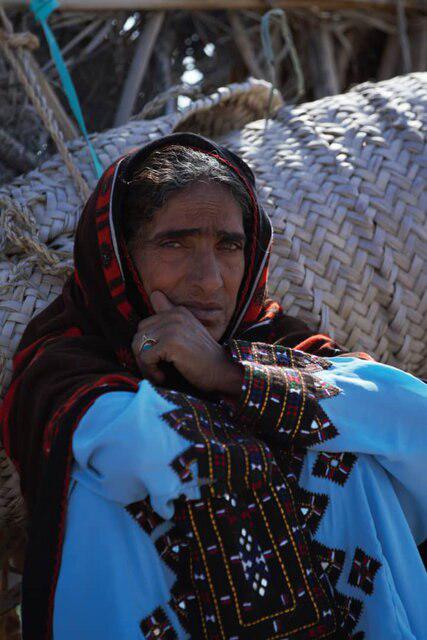
Photo of Zobeideh, taken by Sassan Kaveh

Zobeideh Azadi lives in a village near Nikshahr town. She suffers from kidney stones. She has lost most of her teeth and can’t eat food easily. She is 53, the mother of one boy and three daughters.

It’s been about 20 years that she is working with Mousa Baluch, a local player. She has learned singing by herself. She became familiar with Mousa about 20 years ago when the latter was playing Doneli (a traditional musical instrument similar to flute) during her wedding ceremony. Since then, they have been cooperating with each other. So far, they have held various concerts in a number of countries to promote the local music of Sistan and Baluchestan. Their concerts have been warmly welcomed so far.

Zobeideh cannot speak Persian eloquently. She says women in her province are not allowed to sing even in female-only ceremonies. “Our local culture bans women from singing. This is indeed the males who ban us. But my father, brothers and even husband didn’t ban me. After marriage, I began to sing because my husband didn’t seek to restrict me.”

She recalls some of her performances in other countries and takes their photos with herself to substantiate his words on concerts and give complete responses to anyone asking about her career as a singer.

Sometimes, Zobeideh and Shamshuk – another artist woman from the same region – hold joint projects. Shamshuk cannot travel abroad because she doesn’t have a passport. So, Zobeideh takes her place in foreign tours and sings in concerts held in foreign countries.

Two Iranian Women Break Taboo against Female Singing
Photo of Shamshi Behrouz, or Shamshuk, who lives in a village near the Iranian port city of Chabahar

Shamshi Behruz known as Shamshuk lives in a remote village near Chabahar. Like Zobeideh, Shamshuk doesn’t know how old she is. Based on her ID card, she is 60 years old. She lives in Bahoukalat village which is widely known for its mugger crocodiles – locally called Gando.

Shamshuk became familiar with Baluch music when she was a kid. She has already held various concerts in Pakistan (a neighbor of Iran’s Sistan and Baluchestan). She knows the ups and downs of Baluch folklore music. She has already begun to teach the music to her daughter Madineh to preserve it.

Mohammad Reza Darvishi, a leading Iranian researcher in folklore music has repeatedly tried to have official music centres to give Shamshuk an honourary degree but to no avail. Some years ago, Shamshuk held a concert during a music festival in Zahedan.

US Miscalculated by Blacklisting Iran’s Zarif

In the latest anti-Iranian move by President Trump, the United States of America imposed sanctions on Iranian Foreign Minister Mohammad Javad Zarif, who has held the post since 2013 and managed to hammer out the JCPOA deal after 12 years of diplomatic work on the nuclear case. Such an action may be unprecedented in the world, but it was predictable given Zarif’s great power to impress, his media power in the world, and his importance in the administrative framework of the Islamic Republic.

The sanction was imposed while Washington has been constantly talking about direct negotiations and dialogue with Tehran without preconditions these days. There is also speculation that the proposal for a meeting between Iran’s foreign minister and the US president has been put forward in the meeting between Zarif and Rand Paul, a Republican senator close to Trump.

Contrary to popular belief that imposing sanction on Zarif was opposite to this trend and to the proclaimed US policy of dialogue with Iran, I believe, as cited by a number of American officials and diplomats in Washington, that their biggest problem with Zarif is that they think the foreign minister of Iran lacks the power and authority to hold effectual negotiations. US Secretary of State Mike Pompeo maintains that Zarif cannot make a decision about the US talks and its details, saying “Zarif is a key enabler of Ayatollah Khamenei’s policies throughout the region and around the world.”

I believe that the United States has sent Iran the clear message with this measure that although it is open to talks, Iran must be represented by a figure at the negotiating table that would have the necessary authority, otherwise a real dialogue will not be shaped.

However, this is what the politicians in Washington claim and have in mind, and definitely not the whole truth, as President Rouhani holds a different view. A few hours after the imposition of sanctions on Zarif, the president made it crystal clear in an address in Tabriz that “the path to diplomacy goes through the Foreign Ministry, and the head of the ministry is Foreign Minister Zarif.”

Moreover, the Islamic Republic has emphasized several times that it will mull over talks with the US only if the whole sanctions after the US withdrawal from the JCPOA are lifted and the activities described by Zarif as “economic terrorism” come to an end. Nonetheless, and despite the explicit policies of Tehran, the Americans speak about a change of Iran’s top negotiator by imposing sanction on Iran’s foreign minister, which seems more like a joke.

In Iran, Zarif still holds great power and importance in the top administrative ranks, and even a few days ago, Iran’s Leader praised him at a public speech. On the other hand, Zarif enjoys great popularity among Iranian public opinion, to the extent that a number of political factions see him as the presidential candidate for the 2021 election. Considering those factors, Iran sees no reason to replace such a smart and reliable negotiator.”

Iranian Official Confers on Closer Ties with Turkish President

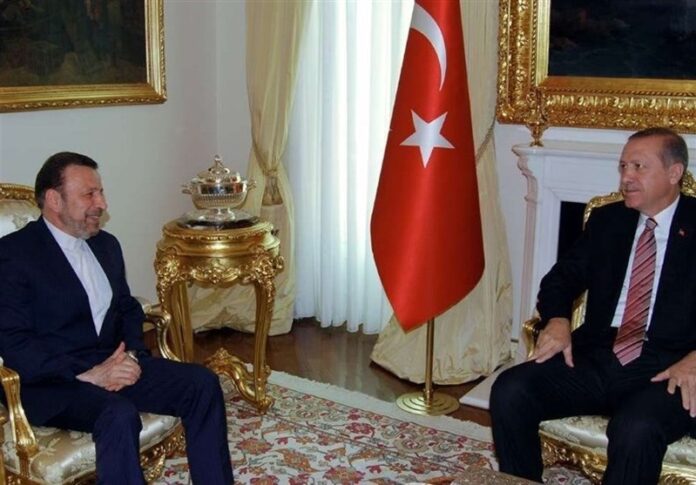
In the meeting, held in Turkey on Friday evening, Vaezi conveyed Iranian President Hassan Rouhani’s greetings to the Turkish nation and government and said Tehran welcomes closer cooperation with Ankara in all areas.

Erdogan and Vaezi also underscored efforts to increase the volume of Iran-Turkey bilateral transactions based on the annual trade target set by the two presidents.

The latest developments in the region as well as bilateral and multilateral cooperation aimed at enhancing regional stability, security and development were among other topics discussed at the meeting.

Tehran and Ankara have ramped up efforts in recent years to boost bilateral trade, setting a $30-billion annual trade target and signing several agreements to enhance cooperation in various areas.

Turkey is one of Iran’s major trading partners in the region which has come under pressure from Washington to stop working with Tehran under a fresh wave of US anti-Iran sanctions.

Turkey has emphasized that the US demands to stop purchasing oil and gas from Iran would go unheeded by Ankara.

Tehran to Host Laser, Photonics Exhibition

The 3rd International Laser and Photonics Exhibition of Iran is slated to be held on November 9-11, 2019, bringing together well-known domestic and international firms.

The annual event aims to introduce the production, commercial and service potential of different, industrial, medical and research centres and to set the stage for the development and promotion of the laser technology and business opportunities in this domain.

Tehran to Host Laser, Photonics ExhibitionParticipants can display their potential in the fields of laser and photonics, optics, optics production technology, measurement and assessment, laser systems in production engineering, optical measurement systems, imaging, optic data and communications, biophotonics, medicine, medical engineering and energy security.

For a brief review of Iran’s achievements in various fields of science and technology, check the book “Science and Technology in Iran: A Brief Review – 2019

The exhibition will feature scientific and training workshops.

Entrepreneurs and all those interested may visit www.iranphotonics.com for further information and booking pavilions at the exhibit.

Nine Countries Willing to Buy Iranian Gasoline: Official

In comments on Saturday, chairman of the Energy Commission of Tehran’s Chamber of Commerce said nine of the 15 neighbouring states around Iran are willing to purchase Iranian gasoline because of its superior quality and competitive price.

The official noted that the trade between Iran and the gasoline customers is conducted in the form of barter deals or with local currencies.

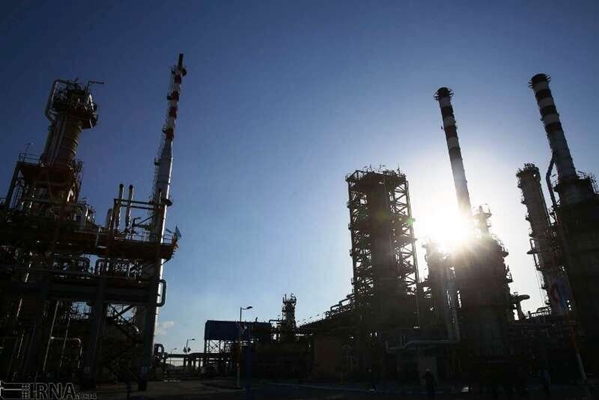
In a report on Saturday, Tasnim said 10,000 tonnes of high-quality gasoline produced by the National Iranian Oil Refining and Distribution Company (NIORDC) has been offered for sale in the international ring of the Iran Energy Exchange (IRENEX).

The Iranian gasoline has been put up for sale at a base price of $581 a tonne.

The minimum amount of petroleum available for international buyers is 100 tonnes, and the shipments would be delivered at the terminal of the Persian Gulf Star Refinery near Iran’s southern port city of Bandar Abbas.