Saturday, December 27, 2025
Home Blog Page 3138

Things of Attraction at Cortland: The Crown City

Things of Attraction at Cortland: The Crown City

Traveling includes tourism, tradition and culture, research travel and meeting new people and knowing their language. Travelazzi is for the people who love exploring new places. It has a collection of events in the form of media and also helps the new travelers. A travel blogger is a person who writes about his experience and memories of different places he visits. Travelazzi travel blog is a website that looks like a crowded field which is increasing day by day. It is the best way to remember your trip.

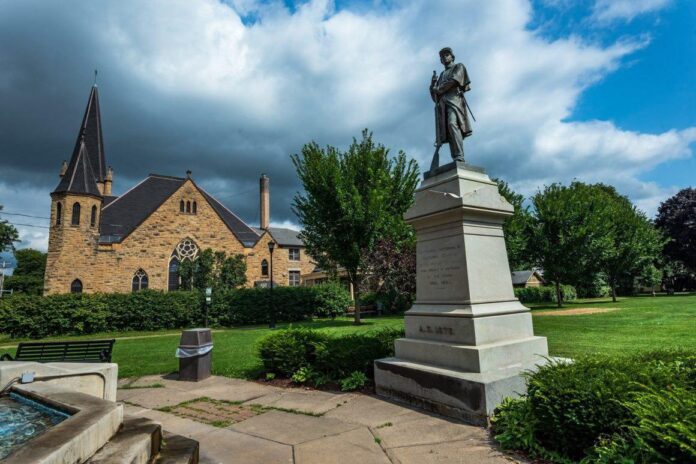
Cortland is the crown city of New York because it is on the plain that is formed by overlapping of seven valleys. It is situated very high from the sea-level therefore it crowns the states. It is a historical landmark and has many stories related to it.

Cortland’s nearby attractions:
  • Visit the Homeville museum: People who visit here are eager to know about the collections and the stories behind it. It is a crowded place and the busiest days of museum are Tuesday, Thursday and Sunday. 2 to 3 hours is enough for this place.
  • A trip to Yaman Park: The look of the park is imperial. If you are a peace loving person and want to relax then this is the best place for you. There is a small pond and a swimming beach so if you want you can take a dip. It can be a fun place for the whole family as there are grills, a boat ramp, a skateboard etc.
  • Musical park: This place is the music spot of the country. It is the Hall of fame of New York. Foods and drinks are also available here at affordable prices. It is the place for the lovers of music.
  • Repertory theatre: Many people do love theater and appreciate the dedication of the artists. Cortland’s Repertory theatre is the perfect place of entertainment for individuals, couples or the whole family.
  • Global heart healing centre: It is the best place for heart, mental and physical health. Different services available here are massage, Counseling, Heart related and Chiropractic care.
  • A bite at Pita Gourmet: The décor of this restaurant is elegant. It provides lunch and dinner only. Different cuisine is available at this restaurant like Greek, Lebanese, Middle Eastern etc. It has been awarded an elegance certificate in the past.
  • Hike to Heiberg Memorial Forest: It is situated at Truxton hills and is owned by State University for experimentation and outdoor classes. If you are going to do loop trail then be careful because there are unmarked trails, unplowed roads and a fire lane of 20 miles.
  • Miniature golf course: It is a place for fun as you can play the game whether you have the ability or not. The staff is very friendly and this course is available at an affordable price. This area is rarely crowded so you can enjoy the game without being disturbed.
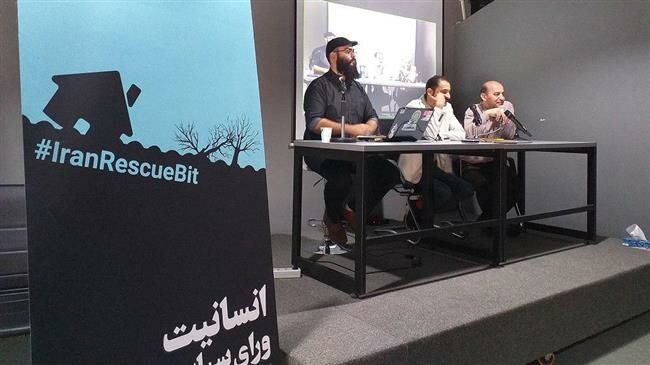
‘Iran Rescue Bit’ Raises Crypto-Aid for Flood-Hit People

The campaign is hoped to provide an alternative route after US sanctions prevented the Iranian Red Crescent Society (IRCS) from obtaining any foreign financial aid to assist victims of the flooding that started in early March and carried through April.

A statement released by the local cryptocurrency community on Tuesday said it had decided to launch the campaign because the international bank accounts of the IRCS have been blocked due to the US sanctions.

“The choking US economic sanctions, put in place in several tranches after President Donald Trump in May 2018 unilaterally withdrew from Iran’s nuclear deal with world powers, have cut off the flow of international aid to Iranian flood victims,” the statement said.

“This is while humanitarian causes are deemed non-sanctionable under international law.”

At least 76 people were killed after the heaviest rains recorded in the country in 70 years more than two-thirds of the country in 28 provinces. Surging rivers burst their banks, sending an avalanche of floodwaters into villages and towns which drove hundreds of thousands of people from their homes.

The flooding caused an estimated $2.5 billion in damage to roads, bridges, homes and farmland, Interior Minister Abdolreza Rahmani Fazli has said. It affected 4,400 villages, damaged 14,000 kilometers of roads and destroyed more than 700 bridges.

While US Secretary of State Mike Pompeo said at the time that Washington was ready to help via the Red Cross and Red Crescent, the IRCS said no foreign cash help had been given to the society.

According to the statement of Iran’s local cryptocurrency society, “the volume of financial and non-financial international aid to Iran’s flood victims has been insignificant compared to responses witnessed to natural catastrophes in other countries”.

That means Iran has had to rely on its own resources to cope with the disaster, and so it does. Since its onset, the tribulation has triggered a deluge of humanitarian aid flowing in from every corner of the vast country.

However, the volume of damage is so high that people living in affected areas still face a number of small and major challenges months after the floods first hit.

Members of Iran’s local cryptocurrency and blockchain ecosystem are convinced that they can still bring international donors on board.

“The unique decentralized nature of cryptocurrencies means they cannot be controlled or supervised by any central authority,” they said in their statement.

“This will allow people from all over the world to donate to Iranian flood victims anonymously and quickly in spite of sanctions and other challenges.”

Making their case at a news conference held at the prestigious Sharif University in Tehran, they launched IranRescueBit on Tuesday.

“To help Iranian flood victims through our campaign, participants will first need to visit our website at this address: www.iranrescuebit.com,” the statement said.

“Participants who decide to send financial aid will be able to choose their preferred international cryptocurrency (Bitcoin, Ethereum and Litecoin at the moment) and send any chosen amount to a digital wallet address verified by the campaign,” it added.

According to the campaign, donors can remain completely anonymous, opting not disclose their identity or even nationality, while no government or non-government entity will be able to identify them.

At specified intervals, attracted funds will be exchanged into Iran’s national currency, the rial, using credible local online exchanges. They will then be transferred to the local bank account of the IRCS transparently.

Participants can view the total donated amount live on the website at any given time, the campaign said.

Iran Says Israel Can’t Ensure Its Own Security, Let Alone Persian Gulf’s

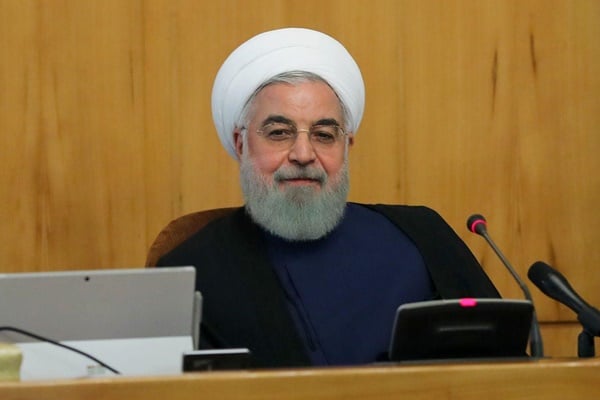
Rouhani made the remarks in reaction to Israel’s claim that it’s joining a US-led maritime mission in the Persian Gulf with the aim of ensuring the safety of navigation in the strategic body of water.

He described such claims as “absurd”, saying that if Israelis are capable enough [of ensuring the security of anywhere], they had better maintain their own security wherever they are!

“Wherever they were present, they brought insecurity, carnage, and terror,” he said, describing the Zionists and the usurper regime of Israel as the main force behind terrorism, war, and killing in the region.

“No one should fall for such words and claims, as it is clear to everyone where they will end up,” he added.

Rouhani said there is no need for foreign forces in order to ensure the security and stability of Persian Gulf.

“Through unity, solidarity, and dialogue, regional countries can provide their own security, and there is no doubt that the claims and measures of the US will have no result for them,” he noted.

“Regional countries have remained neighbours and brothers throughout the history, and will remain so,” Rouhani said, adding that division and separation among regional states will serve the enemies’ interests.

He said all the claims made about a new coalition in the Persian Gulf and the Sea of Oman are for show and unfeasible, and even if realized, they won’t help the region’s security.

“All the moves made by big powers, especially the US, in this region, are aimed at dividing Muslim states and regional countries, and looting their treasuries,” he said, reiterating that Persian Gulf littoral states can ensure the region’s security if they remain together.

Earlier, Iran’s Islamic Revolution Guards Corps (IRGC) had warned that any Israeli presence in the Persian Gulf may result in a war in the region, and the responsibility for the consequences of such illegal presence lies with the US and the UK.

“The United States and the United Kingdom must assume responsibility for the Zionist regime’s illegal presence in the Persian Gulf waters,” IRGC Navy Commander Rear Admiral Alireza Tangsiri told the Lebanese TV channel Al Mayadeen on Sunday.

“Any presence of the Zionist regime in the Persian Gulf waters is illegal, as it may result in war and confrontation in the region,” the top commander warned.

The comments came after Israel said it will join a US maritime coalition in the Persian Gulf, which the US says is aimed at boosting the security of navigation in the body of water.

The United States has been trying to persuade its allies to form an international coalition with the declared aim of providing “security” for merchant shipping in the Strait of Hormuz — through which about a fifth of all oil consumed globally pass —and other strategic Middle Eastern shipping lanes.

Jordan Following US Dictates on Iran to Get Brownie Points

Jordan King Abdullah II (right) and US Secretary of State Mike Pompeo (left)

The Arab countries are trying to reduce tensions in the region and have entered the phase of direct talks with Iran, and even a country like the United Arab Emirates that had adopted the policy of hostility has shifted its attitude and has entered the course of interaction. Meanwhile, Jordan is still sticking to another path and refuses to exercise interaction with Iran, although it is believed to be deeply upset at the US and Israel.

Jordan is a small country with very tough economic conditions that tries to overcome its economic crises with financial assistance from the United States, Israel, and Saudi Arabia. However, its policy has met with little success so far. Jordan’s economy is suffering from two major problems, inflation and fuel — the two factors that have always put pressure on the Jordanian governments, have triggered occasional social or economic protests against the governments, and have brought them down. Economy is the Jordanian government’s Achilles’ heel. This has encouraged different countries, particularly the US, to pressurize Jordan’s government to fulfill their own interests.

Amman has so far stood idly by in the face of the US pressures, to the extent that US Secretary of State Mike Pompeo, National Security Advisor John Bolton, and Trump’s son-in-law Jared Kushner, who is in charge of the so-called “deal of the century” case, visit Amman, humiliate Jordanians, give orders, and force Jordan to follow their dictates. The Jordanian officials maintain that those three American officials are very tough and stern, and that they have no choice but to obey their orders, because disobedience will cause a lot of problems given the country’s fragile economy.

Jordan is dissatisfied with the deal of century and is well aware that the initiative will damage its interests and may even pose a serious threat to its territorial integrity, but is supporting the plan reluctantly. Jordan attended the Manama meeting on the deal of century only under pressure from the United States and approved the half-baked and peculiar American and Israeli plans.

Such passiveness and submission has made Jordan side with the US over Iran’s case. Informed sources reveal that Jordan has turned into a center for anti-Iranian activities, in a way that the hostile and anti-Revolutionary groups such as the Muhajedhin-e Khalq Organization (MKO) and PJAK are there, but the Jordanian government is not preventing any of those hostile measures. Since the very first day after the overthrow of deposed Iraqi dictator Saddam Hussein, many remaining members of Iraq’s Ba’ath Party fled to Jordan and are still active there. During the fall of Mosul, Jordan had become a think tank for the Ba’athist masterminds of ISIS. Even amid the Syrian crisis, Jordan was an operations room for the American and Saudi measures against Bashar al-Assad’s government. Several big hostile terrorist operations against Syria and Assad’s government have been orchestrated from inside Jordan, nearly all of which ended in failure. Even at present, the Ba’athists are in contact with the MKO members through Jordan, but the Amman government has given a muted response to such connections. Moreover, the MKO members make contacts with Israelis via Jordan’s soil, while the intelligence agency of Jordan prepares the ground for those contacts in some cases.

There are also reports that Jordan, under the US pressure, plans to create a think tank against Iran. One of the measures that Jordan has taken under this policy has been its attempt to reach out to Iraq with the purpose of keeping Iraq away from Iran. Americans have urged Jordan to satisfy Iraq’s economic demands as much as possible to help it reduce economic dependence on Iran. The US has put heavy pressures on both Amman and Baghdad to achieve that objective. In such a hostile approach, Israelis play a role, too.

Under pressure from the US, Jordan even rejects an envoy from Iran and refuses to do anything for normalization of ties with Tehran. Amman has adopted such an approach while Iran has not taken any measure against Jordan and has never taken a retaliatory action for the big venue Jordan has provided for the anti-Iranian elements.

Amman needs to realize that keeping up the hostile policies against Iran, even if adopted reluctantly, will be ultimately detrimental to itself.

With blind obedience, Amman is simply following orders from Bolton, Pompeo and Kushner, and has turned a blind eye to the fact that unquestioning obedience to American orders could finally backfire against Jordan itself. The public opinion and history have not still forgotten the Black Friday in Jordan, in which the Americans had a direct role and were acting against Amman, while they pretended to be a friend of the Jordanian government.

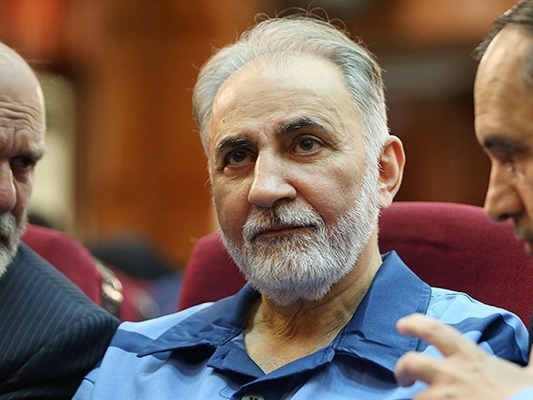
Iranian Politician Pardoned by Wife’s Family, Escapes Death Penalty

The pardon was announced by the brother of Mitra Ostad, the second wife of Najafi who was murdered at her home in Tehran on May 28. The Police found Ostad’s body with several gunshots in her chest.

Back on July 30, Najafi was sentenced to death for the crime, after the court arrived at the definite conclusion that a deliberate murder had happened and “issued a Qisas [retaliation in kind] verdict”, meaning capital punishment for Najafi.

The former Tehran mayor was also sentenced to two years in prison for illegally carrying a weapon.

Based on Iran’s Islamic penal law, if a person has intentionally murdered or maimed another person, the victim (or victim’s family) is entitled to retribution (an “eye for an eye” in the case of personal injury or a life for a life in the case of murder).

However, the victim (victim’s family) can forgive the perpetrator and have the punishment not carried out. If so, the perpetrator must pay blood money (diyya) to compensate for the injury/death.

Ostad’s brother, however, says they have chosen not to receive any money from Najafi in return for the forgiveness.

Najafi had resigned from the post of Tehran’s mayor in April 2018, citing failing health for leaving the office.

A graduate of the Massachusetts Institute of Technology (MIT), 67-year-old Najafi was elected mayor of Tehran in August 2017.

Affiliated with the reformist political faction, he used to serve as the minister of education and the minister of science in various administrations.

He also took the helm at Iran’s Cultural Heritage, Handicrafts and Tourism Organization (ICHTO) during President Hassan Rouhani’s first term, but resigned after six months.

Cities to Consider When Choosing Your University

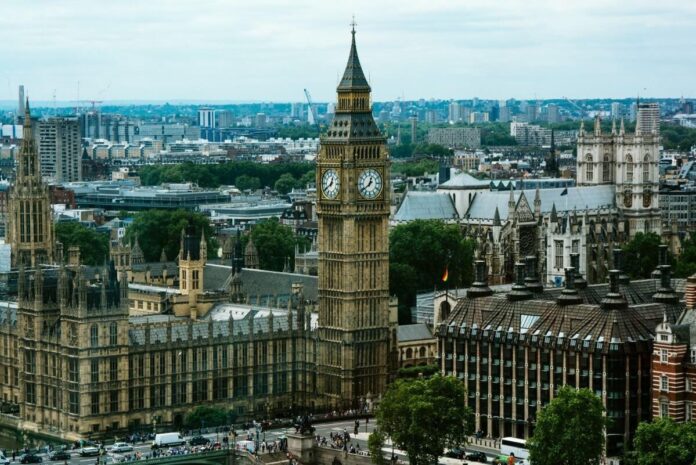
While the UK isn’t as vast or wide as America or Australia, there are still many exciting and beautiful cities to choose from. Carefully considering which city you think will suit you best is an important aspect of your university experience.

Below is a list of the top cities in the UK you should consider when choosing your university. Combining a mixture of nightlife, student property availability, average prices and general daily life; these cities are some of the best you will come across. Perhaps consider the city you want to move too then decide on the university within that city. Remember, choose a city you love and can see yourself living in for three or more years.

Bristol

Home to over 50,000 students and four universities; Bristol is a top university city. The University of Bristol is one of the biggest out of the four since it caters for almost 22,000 students across the city and offers more than 200 undergraduate degrees. Located in the South West of England, Bristol has lots to do and provides a range of student accommodation for a variety of prices. Bristol has the 9th largest metropolitan economy in the UK and is home to countless restaurants, shops, and cultural institutions. Students love the town for many reasons; from the Bristol Cathedral to the zoo and even the iconic Clifton suspension bridge. In Bristol, you can spend your days off eating a picnic at the harbour or drink the night away in the city’s lively nightlife area.

Liverpool

Offering an unforgettable university experience, Liverpool is a North West city nestled between North Wales and the Lake District. This means it is right in the centre of all the action. Liverpool has a growing student population and offers everyone a great night out. Not only this, but there are a lot of new developments in student accommodation across the city as it is being regenerated. Property companies like RW Invest have had a significant impact on the student developments in Liverpool with many of their properties being modern, and perfect for the contemporary student.

Public transport is easily accessible throughout the city, and the cost of living is a great price too. The best thing about Liverpool is the nightlife mixed with the friendly people you will meet. Most students who move to Liverpool for university end up staying after their degree to pursue their career up North.

Brighton

Taking this list down to the South of England, Brighton is a seaside town known for its pier and various exciting attractions across the city. Students enjoy living in Brighton as there is so much to do, and during the summer it gets good weather. Life by the sea as a student couldn’t get any better than when you’re sitting on a bench in Brighton. It is said to be one of the liveable cities in the UK. When deadline time arrives, you’re sure to find countless students revising for their exams on the seafront. Despite being a little more expensive than other choices on this list, it’s a bright and beautiful city to consider being a student in. A student city would be nothing without pubs and bars, so luckily, Brighton has more than enough to cater for the thousands of students living there.

Birmingham

Birmingham is typically known for its endless plethora of shopping outlets and shops, which is why students would love this Midlands city. At university, you will love a good sale deal, what better way to spend your loan? The Bullring allows students to shop till they drop, especially with their multiple student events throughout the year. Not only this, the city is home to 4 top universities that rank highly for their student satisfaction. Birmingham offers a range of culture, music and art for any aspiring student. As a university student, you would be able to visit the world-class museums or shop in the much-loved vintage markets in Digbeth. Plus, the nightlife is always booming in Birmingham. From the clubs on Broad Street to the bars in the Arcadian, it makes for a great night out.

Victory Belongs to Yemen: Ayatollah Khamenei

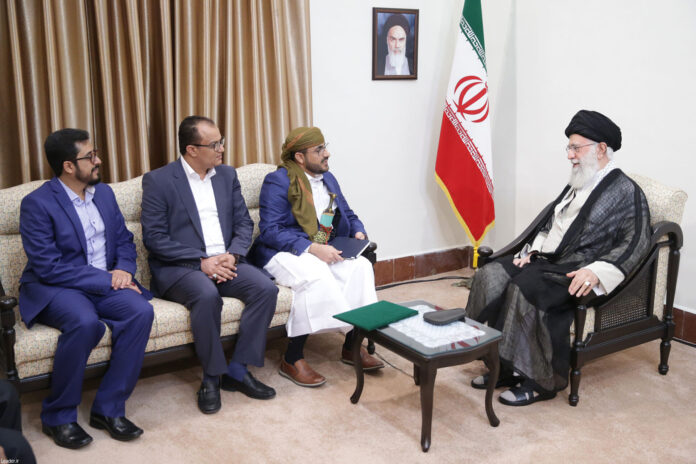
A delegation representing Yemen’s Ansarullah Movement met with Ayatollah Khamenei in Tehran on Tuesday evening and submitted a letter from leader of the movement, Abdul-Malik Badreddin al-Houthi.

In the meeting, Ayatollah Khamenei praised the Yemeni nation’s resistance, vigilance and high morale in the face of a barbaric and broad aggression, stressing that faith in God Almighty will definitely result in victory, which is why the Yemeni nation will undoubtedly emerge victorious in the war.

The Leader also hailed Yemen’s rich history and strong resistance to aggression over the past five years, saying the Yemeni nation has a bright future, will form a strong government, and will achieve progress under that government.

The Saudis, Emiratis, and their sponsors who have committed terrible crimes in Yemen will definitely get nowhere, Ayatollah Khamenei underlined, saying, “They (Saudi-led coalition) seek to disintegrate Yemen, while such plot must be vigorously opposed; and an integrated and united Yemen with territorial integrity must be supported.”

“Preserving integrity of Yemen, considering the religious beliefs and ethnic diversity of the country, requires Yemeni-Yemeni talks,” Ayatollah Khamenei added.

The Leader further took a swipe at the Saudi-led coalition for its heinous crimes against Yemeni people, even on the Muslim festive occasion of Eid Al-Adha, saying what happens in Yemen is reflective of the modern world’s realities and the true face of the self-proclaimed advocates of human rights.

Ayatollah Khamenei then reiterated that the Islamic Republic of Iran’s stances against the US and the West are not based on fanaticism, but are adopted on the basis of the facts and the performance of the US and Western officials who commit the most heinous crimes under a civil guise.

Denouncing the West’s muted response to the crimes against Yemen and Palestine, the Leader underscored that resistance and faith in God is the sole way to counter the criminal powers.

Ayatollah Khamenei also pointed to the sanctions and pressures that Iran has been facing since the victory of the Islamic Revolution, particularly the sanctions on the defense equipment during eight years of Iraqi imposed war in the 1980s, stressing that the Iranian nation has gained major achievements in the defense industry despite forty years of sanctions.

The Leader finally expressed support for the Yemeni nation’s resistance and fortitude.


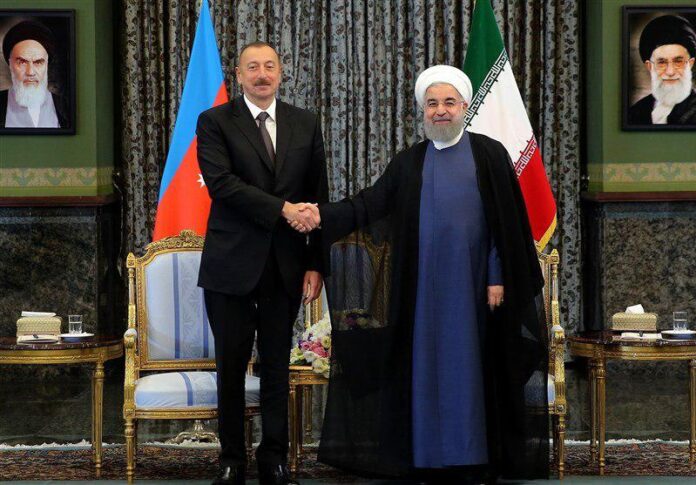
Iranian, Azeri Presidents Hold Phone Talks after Sochi Summit Postponed

The meeting was due to be held in the Russian Black Sea resort city of Sochi on Wednesday.

“Technical reasons” has been cited as the reason for the change in the plan, and the meeting is to be held at an appropriate time.

The Iranian president’s account of Rouhani-Aliyev phone call do not cite anything related to the meeting, and just report that the two sides have discussed expansion of bilateral relations between Tehran and Baku in all spheres.

In the phone call, President Rouhani hailed “friendly, brotherly and developing” relations between Iran and the Republic of Azerbaijan, highlighting the efforts of the two countries’ authorities for further development of relations.

“Fortunately, the progress of relations and cooperation between the two countries is developing and positive,” Rouhani said.

He also described visits by Iranian and Azerbaijani authorities and ministers as effective in deepening relations between the two countries and expressed hope that the process of implementing previous agreements would increase.

“The Republic of Azerbaijan has always been a friendly and brotherly country for Iran and this friendship between the two nations will further deepen,” he said.

Rouhani also offered congratulations to the Azerbaijani government and nation on Eid al-Adha.

Aliyev, in turn, felicitated the Iranian government and nation on Eid al-Adha, saying, “Close Iran-Azerbaijan relations are the result of both sides’ efforts and relations.”

He added, “There is no doubt that relations between the two countries and nations will be better than before and developing.”

Iranian Herbal Medicine Effective in Treating Parkinson’s Disease

According to Public Relations Department of Iran’s Vice-Presidency for Science and Technology, Parkinson’s disease is one of the most common public health problems worldwide. The chronic disease is characterised by the gradual death of dopamine-producing neurons at the base of the brain resulting in a dopamine imbalance in the brain. Symptoms include disorders such as muscle stiffness, tremor, sluggishness and severe physical loss.

A drug called Levodopa is one of the main drugs used to treat Parkinson’s symptoms.

There are many chemical and herbal medicines produced in various countries containing this substance, but in Iran the medicine could not be produced locally until researchers at Tehran University of Medical Sciences managed to produce it using a natural herb.

Research into the medicine’s production began with a project sponsored by the Vice Presidency’s Fund for Researchers and Technologists.

Samira Rahmani, a researcher of this project, says “this study extracted and standardised Levodopa from a plant native to India. It contains up to 15% natural Levodopa, is used in traditional medicine and is mainly used to relieve Parkinson’s symptoms.”

“Extraction and formulation were performed for drug production and we were able to localise the medicinal plant for this disease for the first time in Iran. Levodopa is converted to dopamine by the enzyme in the body, and it has also positive effects on Parkinson’s symptoms,” she added.

“The search for new, economical synthetic methods and the use of plant resources to produce pharmaceutical raw materials needed by the pharmaceutical industry (especially Levodopa) is one of the priorities in the country and if one obtains technical knowledge of producing self-sufficient facilities in the country, the way will be paved for its production.”

“Given the increasing trend of Parkinson’s disease among the elderly, access to herbal medicines containing Levodopa with less side effects and effective improvement of the disease is of particular importance,” she added.

“On the other hand, screening of selected plants of the Leguminosae family to introduce the valuable herbal resources containing Levodopa for the production of pharmaceutical raw materials creates new opportunities for the pharmaceutical industry,” she concluded.

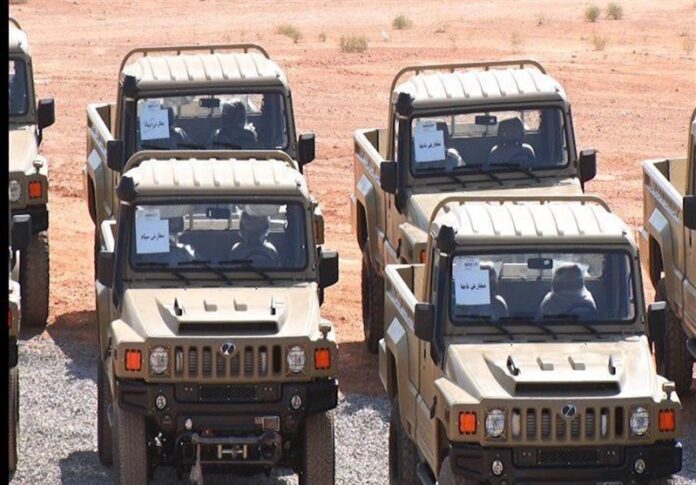
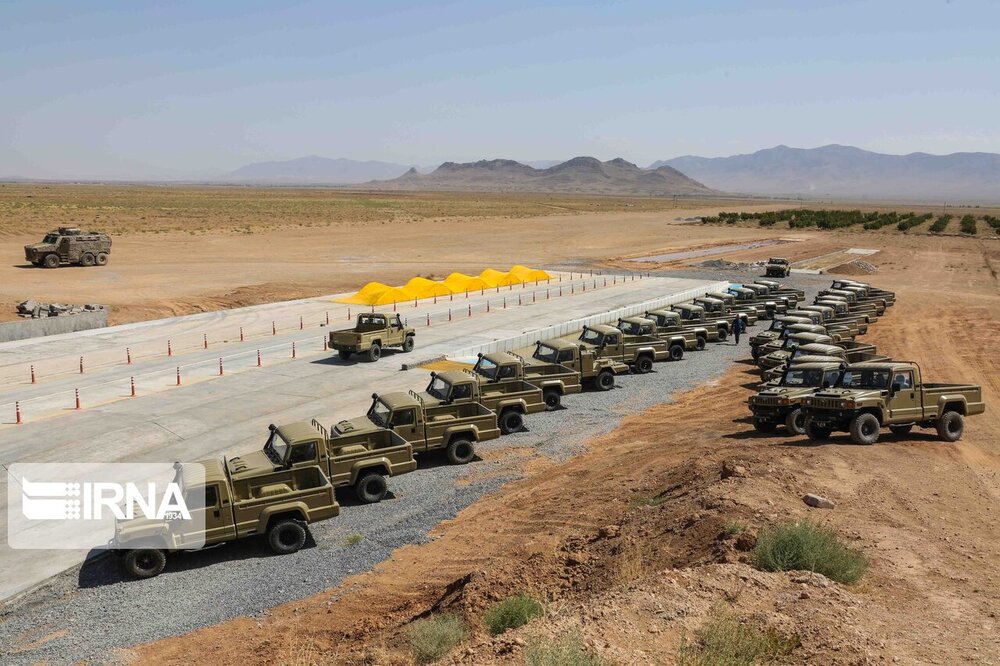
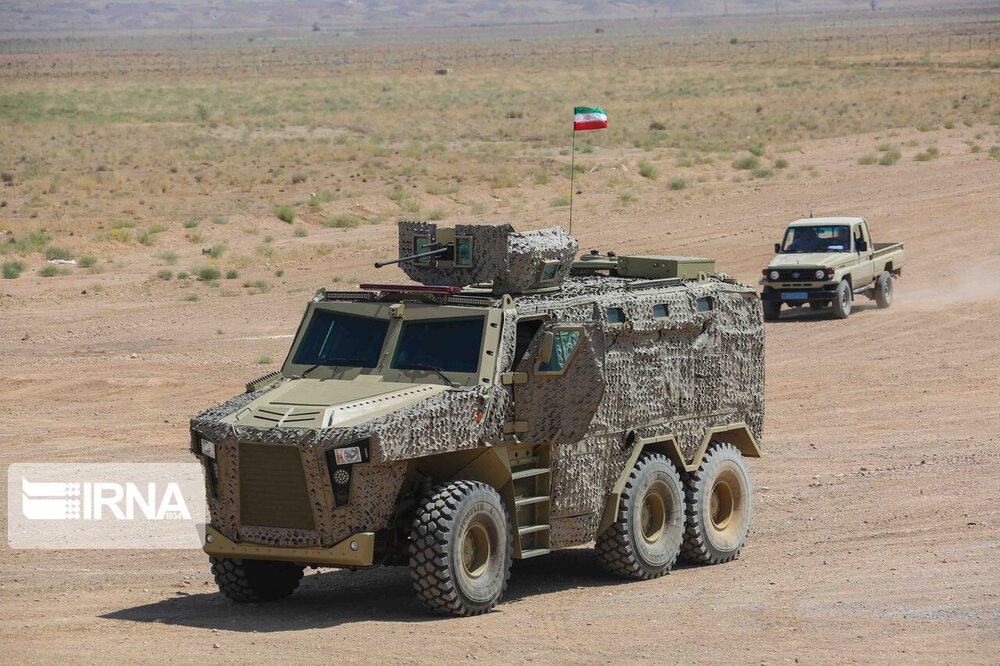
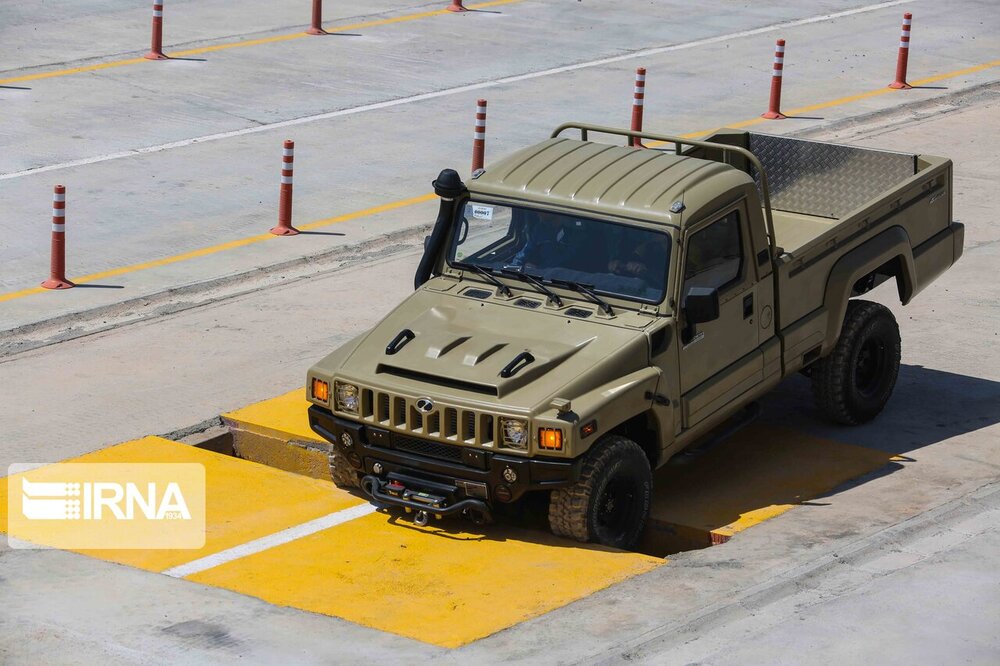
New Homegrown Armoured, Tactical Vehicles Unveiled in Iran

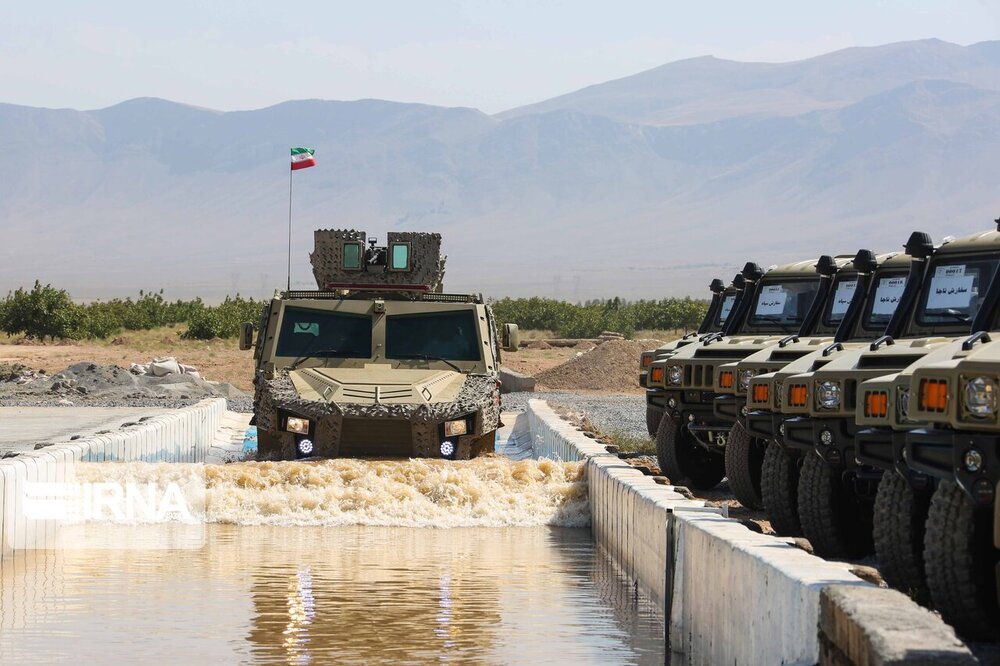
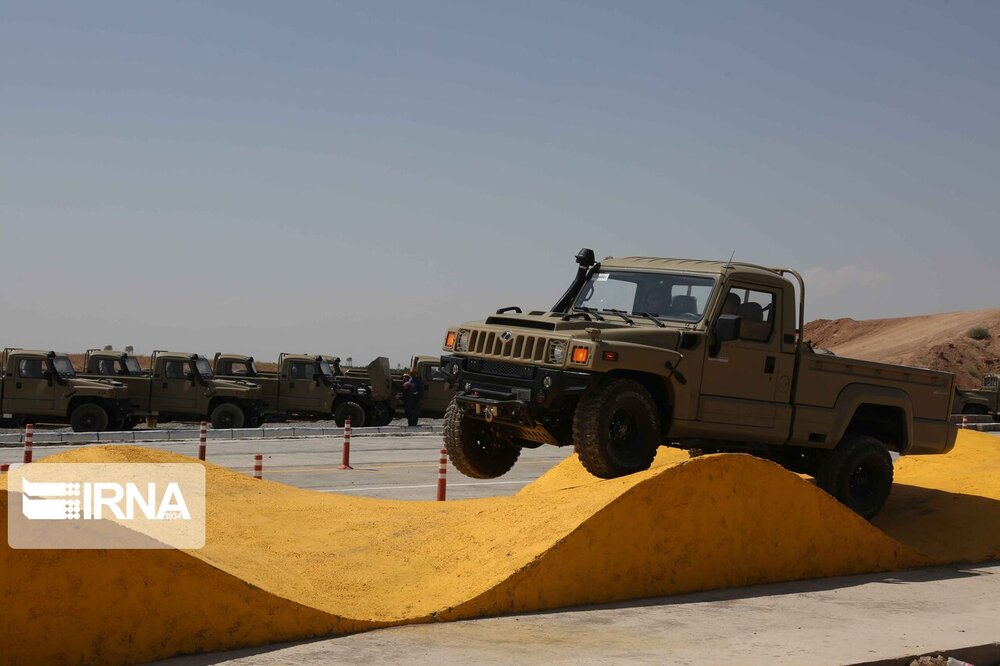
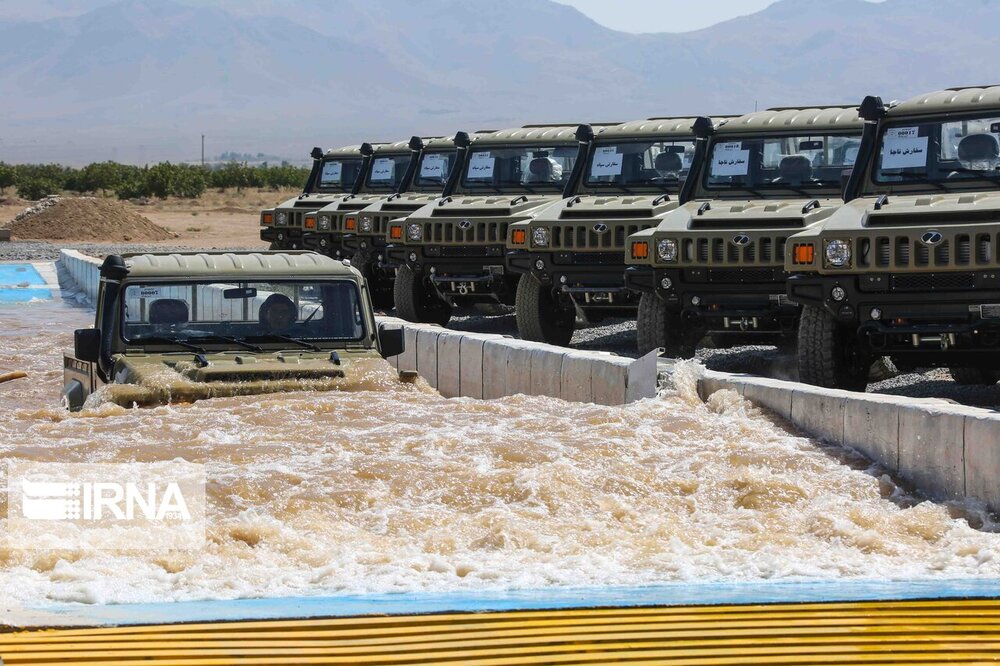
From uneven terrains to man-made roadblocks are part of the tests these Iran-made hudge tactical cars have to go through to be introduced into service in Iran’s military.

Iran’s defence ministry says the vehicles are produced from A to Z by experts at the ministry.

“The defence ministry spares no effort to bolster the military might of the Islamic Republic by relying on the expertise of its engineers,” said Brigadier General Amir Hatami, the Iranian defence minister.

“We felt the need to strengthen our mobility on land and therefore produced advanced military vehicles that can ensure the safety of our personnel during their missions.”

“This armoured vehicle is named Raad. The driver of this car is absolutely safe in case of an explosion, as its producers say it is mine-resistant and ambush-protected,” he said, elaborating on one of the vehicles produced.

Aras-2 is another tactical vehicle built by the defence ministry. The high mobility personnel carrier is capable of passing through water canals with the depth of 1.5 metres, as well as vertical obstacles as high as half a metre.

The defence minister says the ministry can act as an auxiliary arm to Iran’s automotive industry in the supply of auto parts that are in the list of the US sanctions.

“Given our human and scientific resources at the defence ministry, we are ready to support other sectors such as the automotive industry with our technology, which spares us the need to rely on foreign supply,” noted the Iranian defence minister.

Iran has been under forty years of arms embargo imposed by the United States.
The sanctions have made the country able to build up its defence industry by relying on domestic knowhow.

Tehran says it has become self sufficient in production of the majority of its defence arsenal, from drones to missiles and now tactical vehicles.

Reports say in the next few weeks, the Iranian military will introduce its upgraded version of Bavar-373 air defence system.

According to the Russian aviation sources, this upgraded air defence system will not only replace the Russian-supplied S-300, but also surpass the latter.

According to the data presented, the Iranian Bavar-373 radars can detect air targets at distances of up to 300 kilometers, and, in addition to aircraft, the radar is able to detect cruise and ballistic missiles, as well as small drones.

The Iranian military previously acquired the Russian S-300 in 2015, but the country’s engineers had already begun working on a new air defence system to improve their capabilities.