Thursday, December 25, 2025
Home Blog Page 3118

Iran: The Land of Curious Villages

A tourist visiting the Makhunik village, also known as the Land of Lilliputian

Each of these Iranian villages has its own specific features, making them almost unique and even peculiar. Some of the strangest ones are listed below.

Makhunik 

The village is located in the vicinity of the town of Sarbisheh in South Khorasan province, eastern Iran. Locals used to be generally short, barely growing taller than 140 centimetres. So, the village has been known as the “Land of Lilliputian.” Of course, villagers’ height has rather increased over the past years.

Makhunik, Village of Liliputians in Iran


Ista 

Iran: The Land of Curious VillagesIt is another unusual village which lies on the outskirts of the town of Taleqan in Alborz province. In this mysterious village, locals live in the past. There are no cars and no traces of wedding, mourning and birthday ceremonies. Villagers even do not have identity certificates and do not receive state services. They disapprove of many modern activities as they believe such activities are similar to those done by disbelievers. Villagers do not have access to electricity and natural gas, either. Another strange point about them is that they do not allow women to come to their village.

Darkesh 

It lies 30 kilometres southwest of the town of Ashkhaneh in North Khorasan province. What is interesting about this village is that botanists have, so far, identified more than 380 types of plant species there, around 80 of which are very rare to find. So, we may call it a natural pharmacy.

Darkesh village, Iran

Zargar 

It lies some 50 kilometres east of the city of Qazvin and 100 kilometres west of Tehran. The village is known for the fact that the locals’ mother tongue is Romani. Villagers call their language “Zargari,” too. There are various accounts regarding the origin of their language.
Zargar village, IranThe origin of their language is more like a myth. These villagers themselves do not know to which part of the world they originally belong, what has brought them to Iran or how they have ended up being Shiite farmers speaking a different language in the heart of Farsi-speaking Iran.

The villagers have the looks of both Aryans and the Vikings. They are Shiite Muslims who either work on farms or breed livestock.

Chaharborj 

This village is located 35 kilometres west of the city of Esfarayen in North Khorasan province, north-east of Iran. It has a population of around 1,000 people more than 90% of whom are visually challenged. It seems that blindness has been prevalent in the village over the past 30 years, so much so that some locals have left the village. Experts believe the reason behind the illness is genetic changes and marriage between family members.

Even more interesting is that animals such as cows, sheep and cats are born blind in this village, too. The reason for this remains in a shroud of mystery. Of course, it is said that blindness among local infants has been contained since 2012.

Iran: The Land of Curious Villages

Sirch Village

Iran: The Land of Curious VillagesThe Lut Desert makes up a major part of Kerman province. However, the province boasts beautiful areas lush with trees, too. Sirch lies 60 kilometres east of Kerman. What is interesting is that the nature there is in direct contrast to the desert: it has cool weather; even there is a ski piste! The village also boasts a beautiful river, a high mountain, warm-water spas and a historical 2,000-year-old cypress tree.

Abe-Ask

It is a scenic village in the town of Amol in Mazandaran province. The reason why this village has been put on the list of strange villages is that interesting customs and rituals are practiced there. As a case in point, there is a rite called “The Lady King.” On a day in a year, one of the women in the village is chosen as the king, who assigns village girls to be on alert as guards in different parts of the village. The guards keep coming to the king and present him reports on the situation and current affairs of the village.

There should be no man in the village on that day. The girls may also cheer and dance and play local games on the king’s orders.

In another ritual called “Varf Chal,” villagers carry pieces of frozen snow remaining from winter, take them down the mountain on their shoulders, and put them in a ten-metre-deep, one-meter-wide pit as they believe the snow could provide fresh water for animals and thirsty passers-by after melting in summer.

Iran: The Land of Curious Villages


Shahrabad 

Children of Shahrabad village, IranThe village is located in Bahman town near the city of Abarkooh in Yazd province. It has a population of about 240 people, around 40 of whom are twins. Most of them are identical twins. The twins at school draw everybody’s attention. Sometimes the striking similarity between the schoolchildren becomes problematic for teachers.


How Your Team Can Benefit from Escape Room Team Building

Do you have what it takes to get out alive?

An escape room is a live­‐action team game where players work together to discover clues and solve puzzles in one or more rooms in order to unlock the exit door before the timer runs out.

Read on to learn how escape room team building can benefit your team.

Escape Rooms Make You Focus on a Common Goal

One of the best things about escape activities for a group (whether a sports team or a department at a big company) is that everyone is focused on one task. An Escape Room makes people work together on a common goal of escaping in time!

At work or on a sports team, a group of people may also share a common goal. But not everyone is always committed to the goal. Or sometimes people don’t believe in the goal or have trust in the other teammates.

Getting your team to take part in fun escape rooms is a great way to help your team figure out how to work together to achieve the desired end result.

Likely, they will take what they learn in the escape room and apply it to the team at work or on the field.

If anything, team building activities like escape rooms remind your group that they are in fact on the same team and do share a common goal.

Discover Team Members Strengths and Weaknesses

Team building with escape rooms allows you to also to do some team learning. During a timed escape room game, you will see each team member’s strengths and weaknesses in action.

Even though everyone knows that it’s actually not life and death, the stakes feel high in an escape room where you only have 60 minutes to solve a number of small puzzles and escape from the room.

As a manager, you will be able to see how your team deals with conflict and how methodical they are in solving the puzzles. Escape rooms are a great way to analyze conflict resolution, leadership, problem-solving and teamwork skills.

You will be able to pinpoint which member will need extra coaching or mentoring. You’ll be able to assess where team members struggle and develop a plan for improvement.

And, the individual members of the team will also benefit from learning each other’s strengths and weaknesses. They’ll take this valuable knowledge back to work with them. Then, when a problem arises at work, they will remember the strengths they saw and know who they can turn to for help.

Improve Communication Skills

Good communication skills are vital to a successful team. This won’t come as a surprise to anyone. But what’s less commonly known is that it is possible to sharpen communication skills.

Team building activities such as escape rooms allow group members to improve the way they communicate. Even people who consider themselves to be good communicators may find that they need to explain things differently so others can understand.

The intensity of an escape room mimics the intense environment at work or during sports games. Yet, in an escape room, the stakes are low. This makes it the perfect environment to practice building those communication skills without too much riding on the results.

Get to Know Each Other

Whenever groups take part in an escape room, they are often surprised about what they learn about each other.

At the office, the daily setting can crush creativity and thinking outside the box. By working together in an escape room, the group has to take risks and try different things.

You may be impressed with one team member’s mental math skills or in-depth knowledge or morse code. Or you may be surprised that the quiet person on the team comes up with the solution to a riddle that helps you escape.

Again, this is valuable information to take with you back to the office.

A Chance to Be Outside the Usual Setting

One of the biggest reasons why team building activities are so successful is that they change the day-to-day routine. And if you take your team to an escape room, you are changing the physical environment as well.

Just an hour away from work can break down the mental barriers that some employees might have. A fun time at an escape room will reduce the mindset of the daily grind of being stuck at work.

When a team has fun together, it boosts the morale and team spirit. And not just for the day of the event! Your time in an escape room is sure to be a great story employees talk about all the time.

Step Away from Traditional Roles

Escape rooms are aptly named. Not only do you have to escape the room, but you also get to escape from your usual roles (both at work and socially).

An escape room provides the chance for your team to break out of the typical role they play.

A job title doesn’t matter in a locked room full of brain-teasing riddles. It’s a great way to peel away a layer and get to know the unique characteristics of your team.

Build Team Trust

Team building activities are also trust-building activities. In an escape room, your teammates are counting on you to do your best to crack the codes in the room.

And you are also putting your trust in them.

Learn to Win (Or Lose) Together

Sports teams learn this quickly. But it may be harder for a work team to learn to win or lose as a team.

When a department scores a big win, some team members may be eager to take the credit. Or during a loss, some may be quick to point fingers at who is to blame.

While individual ownership is sometimes important, more often than not, a group effort is needed.

Escape Room Team Building Is Fun

Last but not least, an escape room is a lot of fun for employees. The pressure of work and the projects and deadlines slip away and everyone gets to just have a fun and enjoyable outing.

A team that has fun together will bond. An escape room is one of the top ways to improve team bonding.

Final Thoughts

We hope this list of benefits of escape room team building encourages you to bring your team to your local escape room.

Keep coming back for the latest news and views from Iran and around the world.


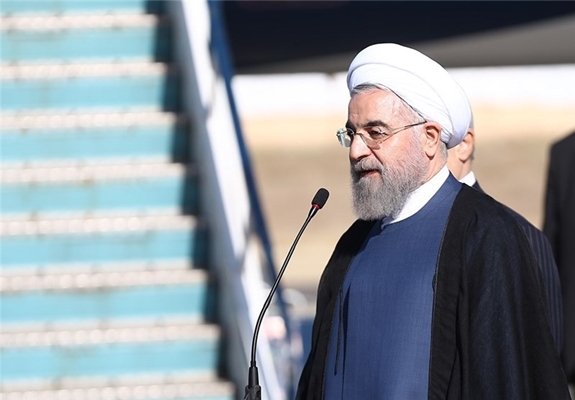
Iran Will Always Reject Offer of Bilateral Talks with US: Rouhani

Hassan Rouhani - President of the Islamic Republic of Iran
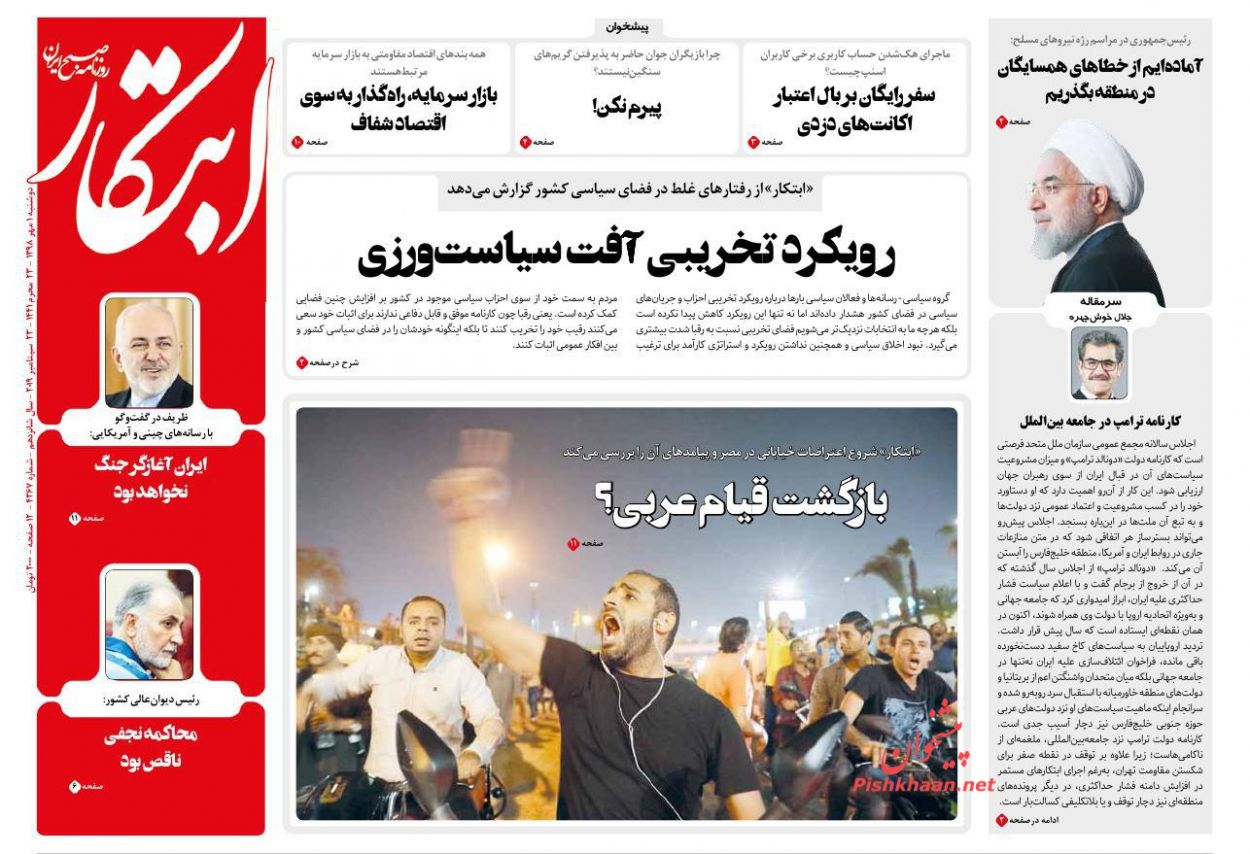
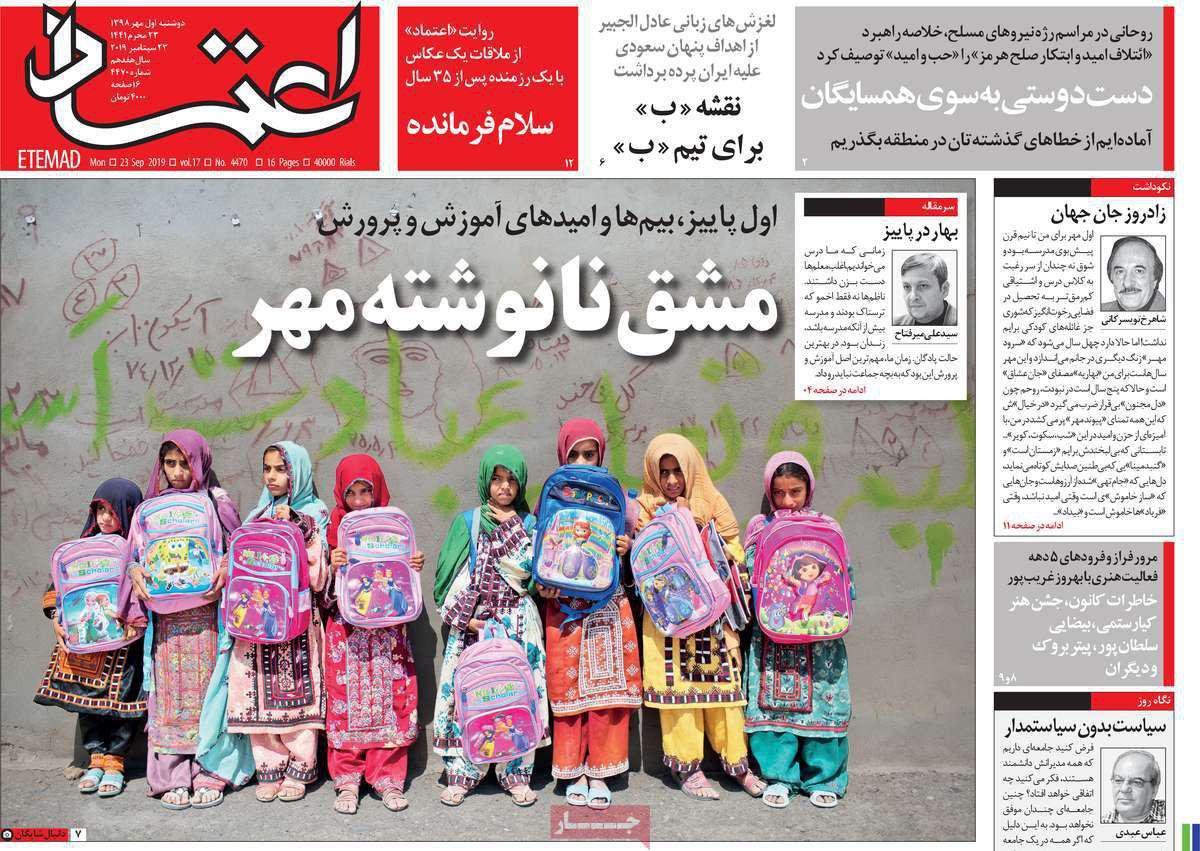
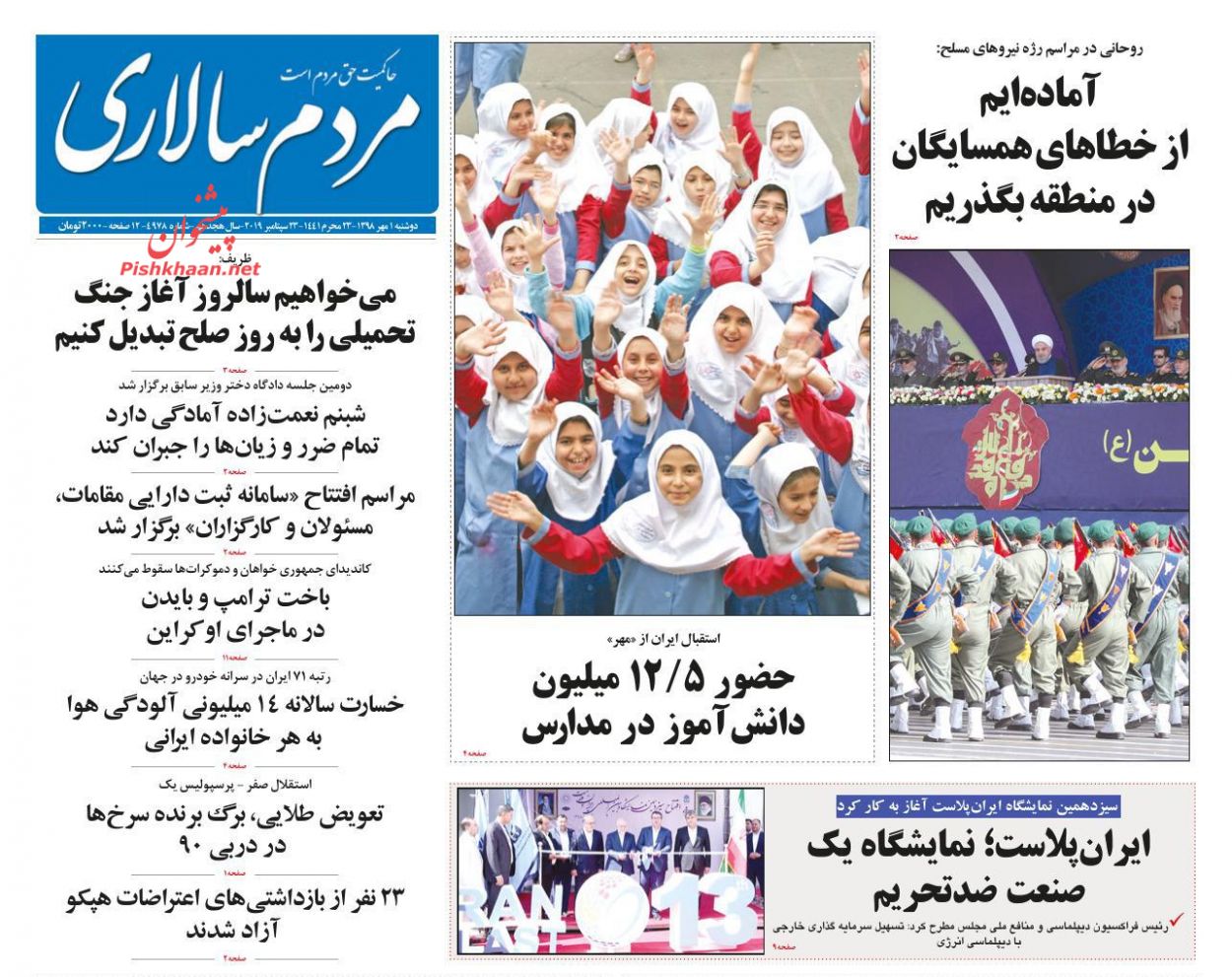
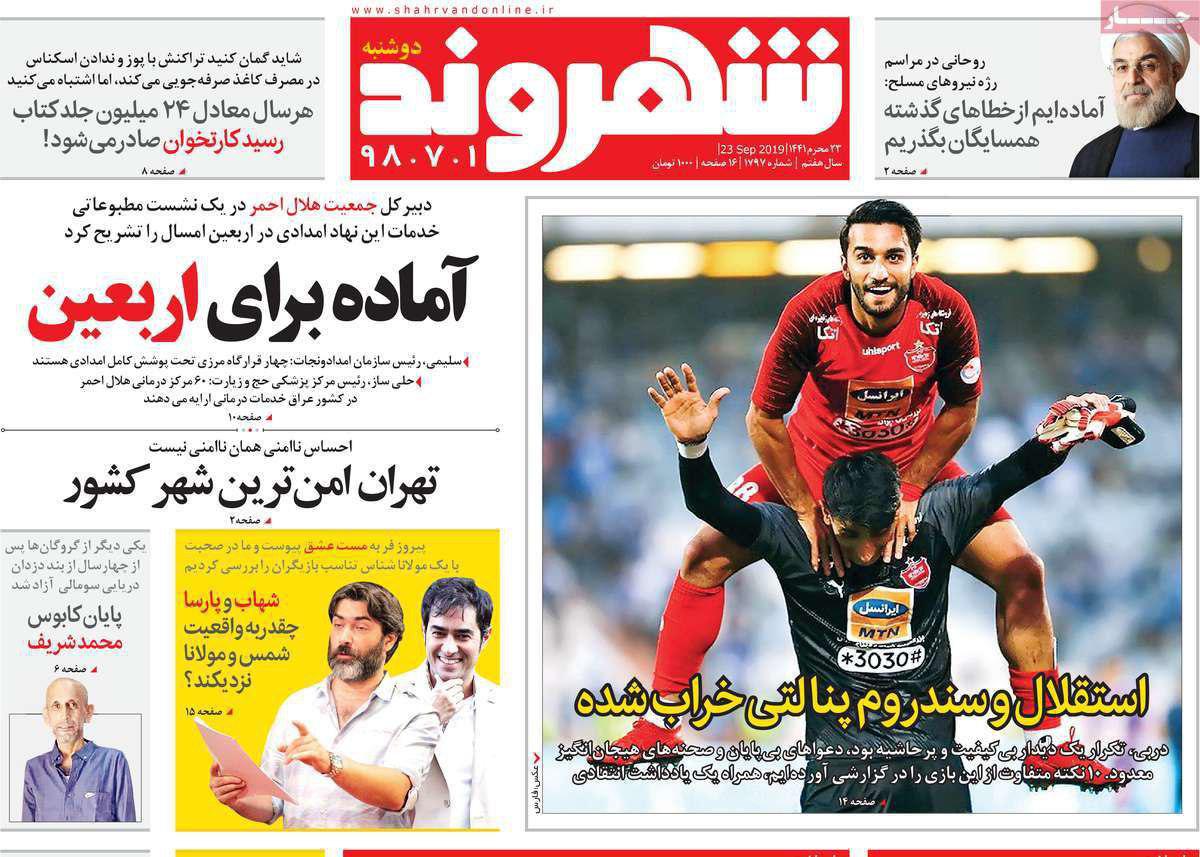
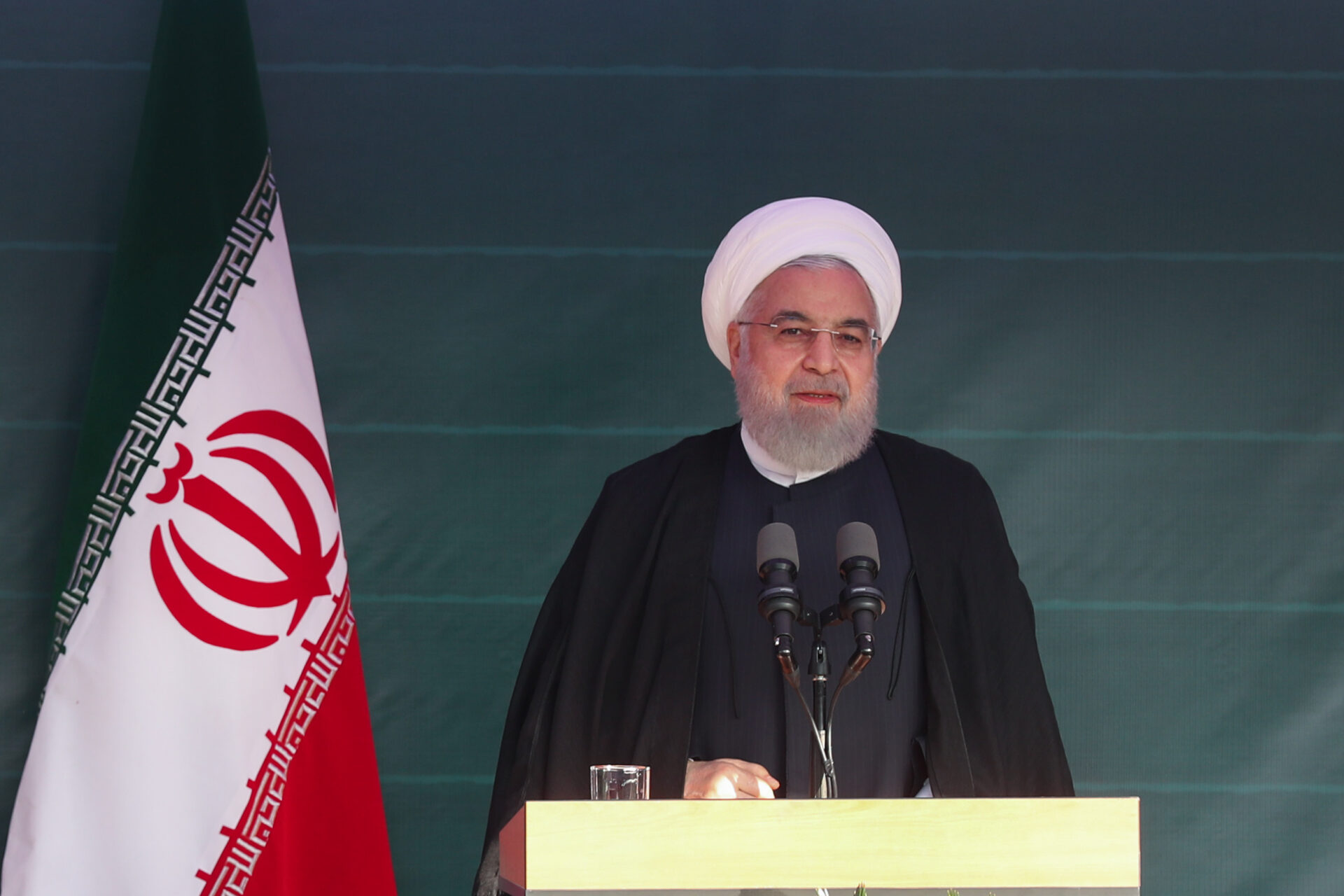
Iranian President Hassan Rouhani addresses a parliamentary session on September 3, 2019 / Photo by president.ir

Rouhani also said if Washington seeks to enter into P5+1 negotiations with Iran like before, it should first lift all sanctions.

The president made the comments on Tuesday during a parliament session to approve new ministers for Education Ministry and Cultural Heritage, Handicrafts and Tourism Ministry.

His comments come as his spokesman Ali Rabiei had earlier suggested President Rouhani could still meet US counterpart Donald Trump if it served Iran’s interests.

Rouhani earlier played down the likelihood of a meeting, saying the Americans first needed to lift all sanctions against Iran.

However, the government spokesman hinted on Monday that such a meeting could still happen if it suited Iran’s interests.

“The president (Rouhani) still holds the same position that because of national interests, if he’s sure that meeting someone will help our people, he will not hold back,” Rabiei said.

In his Tuesday remarks, Rouhani further referred to the European countries’ failure to fulfill their commitments as per the 2015 nuclear deal, warning that Iran will start the 3rd phase of JCPOA commitment reduction on Thursday if the EU fails to act.

He also added that If Europe fulfils an important part of its obligations, Iran may reconsider reducing commitments.

He underlined that if the EU buys Iran’s oil and Tehran receives the revenues, the situation will be different.

Earlier in his phone conversation with French President Emmanuel Macron, who has been leading efforts to de-escalate tensions between Tehran and Washington, Rouhani stressed that unfortunately after this unilateral move by the US, European countries did not take concrete measures to implement their commitments, adding that the contents of JCPOA are unchangeable and all parties must be committed to its contents.

Tehran has already resumed parts of nuclear activities that were curbed under the deal. Iran wants the European parties to the deal to save the accord by shielding it from US sanctions.

Iran, France Conclude Intensive Talks on Macron’s JCPOA Offer

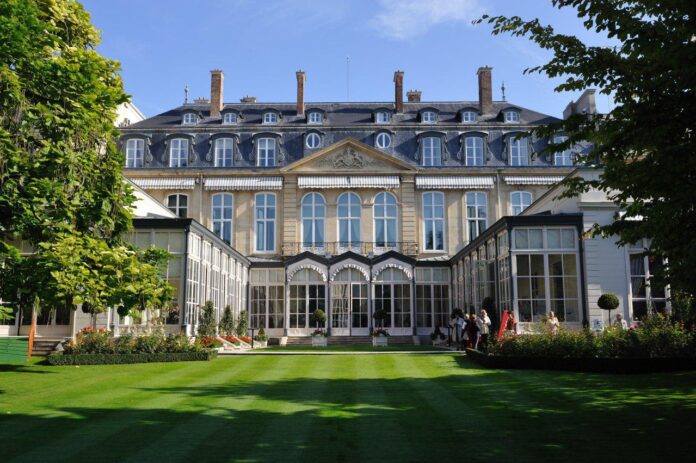
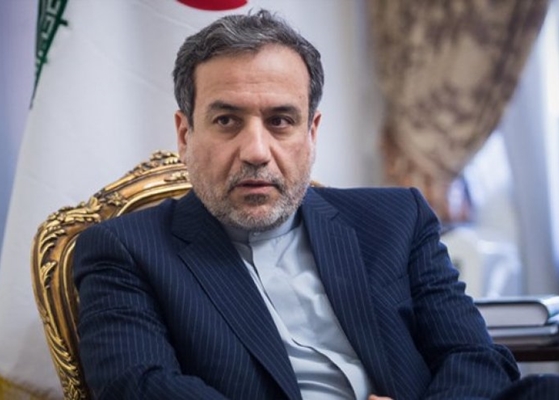
A senior political-economic delegation led by Iranian Deputy Foreign Minister for Political Affairs Seyyed Abbas Araqchi visited Paris on Monday to discuss details of a French proposal to convince Iran not to take the next step in reducing commitments under the JCPOA.

The intensive meetings that lasted for ten hours involved deputies of governor of the Central Bank of Iran, the Iranian Oil Ministry authorities, and Iran’s ambassador to Paris.

In the talks, held at the level of senior experts, the two sides discussed details of the possible scenarios in relation to an initiative developed by the Iranian and French presidents.

The Monday’s negotiations in Paris have reportedly revolved around the ways to fulfill Iran’s interests under the JCPOA.

The Iranian and French teams also agreed to keep on intensive negotiations on the possible scenarios, to enhance consultations with the other relevant parties, and to proceed with constant talks at different levels.

Tehran has rowed back on its nuclear commitments twice in compliance with articles 26 and 36 of the 2015 deal, after the US scrapped the agreement in May 2018 and the European parties (UK, France, and Germany) failed to ensure Iran’s economic interests.

Iran maintains that all the measures are reversible, provided that the other parties fulfill their commitments.

In recent weeks, France has stepped up efforts to persuade Iran to avoid taking the third step. Iranian President Hassan Rouhani and his French counterpart Emmanuel Macron have held several telephone conversations to reach a new initiative.

An Iranian lawmaker said on Sunday that Paris has put forward a $15 billion credit line for oil purchases from Iran. He also dismissed the notion that the sum of money would be supplied to Iran as a donation or a loan.

Russian Academics Meet Zarif in Moscow

Zarif had a meeting with a group of experts on Iranian studies, professors of Persian language, and Russian intellectuals in Moscow on Monday evening.

In the gathering, Zarif delivered a speech on the course of the international developments and the roots of the regional problems.

He also answered questions from the audience about Iran’s views on security of the region, the aspects and future prospect of relations between Tehran and Moscow, the tensions with the US, and Washington’s economic terrorism against the Iranian nation.

Zarif arrived in Russia on Sunday night and held talks with his Russian counterpart Sergei Lavrov on Monday.

Russian Academics Meet Zarif in Moscow

Iran Finally Decides to Take 3rd Step on JCPOA

In an interview with Mizan on Monday, Behrouz Kamalvandi said the third step in reducing Iran’s commitments under the JCPOA “will be definitely taken”.

The beginning of the new step will be announced within the next few days, he noted.

On Sunday, Iranian Foreign Minister Mohammad Javad Zarif said Tehran will start the third phase of reducing its JCPOA commitments if Europe fails to fulfill its side of the bargain until September 5.

“Our negotiations with Europe are underway, but measures have also been taken on the third step of reducing JCPOA commitments, and we are in final stages of decision-making,” Zarif told reporters in Tehran.

Tehran has rowed back on its nuclear commitments twice in compliance with articles 26 and 36 of the 2015 deal.

As a first step Iran increased its enriched uranium stockpile to beyond the 300 kilograms set by the JCPOA.

In the second step, Tehran began enriching uranium to purity rates beyond the JCPOA-limit of 3.76 percent.

Zarif: Iran-Russia Ties Beneficial for Region, World

Speaking at a joint press conference with his Russian counterpart on Monday, Zarif said, “The cooperation between Tehran and Moscow is inclusive, and will definitely benefit the two nations, the region, and the world.”

Zarif also highlighted the role that the Iran-Russia Joint Economic Commission has played in the expansion of relations between the two states, saying he is accompanied by Iran’s Energy Minister Reza Ardakanian, who would meet his Russian counterpart to discuss the ways to promote mutual cooperation.

“Our relations with Russia stand at an acceptable level, although the Americans have put obstacles in the way of them (Russians), Chinese and the other countries,” the Iranian foreign minister added.

Pointing to the efforts to save the 2015 nuclear deal, Zarif said Tehran will definitely take the third step in reducing its JCPOA commitments should the European parties to the deal fail to honor their commitments before a looming deadline.

Zarif also noted that a group of Iranian diplomats were in Paris to weigh up the three EU parties’ commitment to the JCPOA.

The top Iranian diplomat finally reiterated that Iran is ready to fully implement the JCPOA as soon as the UK, France, and Germany carry out the deal completely.

Tehran has already reduced its commitments under the 2015 nuclear agreement in two stages however saying that all the measures are reversible.

The 2015 deal between Iran and six world powers, reached when Trump’s predecessor Barack Obama was in office, was aimed to curb Iran’s disputed uranium enrichment program in exchange for the lifting of many international sanctions on Tehran.

Iran’s Views Converging with Those of France: Spokesman

“In the past few weeks, there have been serious negotiations” between Iranian President Hassan Rouhani and his French counterpart Emmanuel Macron, as well as talks with other European nations, said Rabiei in a press conference on Monday.

“Fortunately, in many areas, our views have come closer together,” he added.

The comments come as an Iranian delegation, headed by Deputy Foreign Ministry for Political Affairs Seyyed Abbas Araqchi, is currently in Paris to discuss Macron’s offer to save the JCPOA.

A team of experts from the Central Bank of Iran and the Oil Ministry is accompanying Araqchi in order to discuss ways to secure Iran’s oil exports and its ability to collect the revenues, which are a prerequisite for Iran to stop reducing its commitments under the 2015 accord.

Iran has given Europe until Thursday to meet its demands. Otherwise, the country will go ahead with the third phase of reducing its commitments under a deal, from which the US withdrew last year.

Iran’s ‘Strong Step’ Imminent

Rabiei also warned that the country will “take a strong step” away from the JCPOA if Europe cannot offer the country new terms by the Thursday deadline.

He described Iran’s strategy as “commitment for commitment”.

“Iran’s oil should be bought and its money should be accessible to return to Iran,” Rabiei said. “This is the agenda of our talks.”

In his Monday comments, Rabiei also suggested President Rouhani could still meet US counterpart Donald Trump if it served Iran’s interests.

Rouhani earlier played down the likelihood of a meeting, saying the Americans first needed to lift all sanctions against Iran.

However, the government spokesman hinted on Monday that such a meeting could still happen if it suited Iran’s interests.

“The president (Rouhani) still holds the same position that because of national interests, if he’s sure that meeting someone will help our people, he will not hold back,” Rabiei said.

“In my opinion, the US president’s goal for meeting Iran’s president is one thing and ours is another. The US president’s goal is more for domestic reasons, while we aim to return to what is our right and has been neglected.”

The situation has calmed down somewhat since, with Macron expressing hopes during a G7 summit in late August of organising a meeting between Rouhani and Trump.

Nevertheless, Rabiei has cautioned that “there is no reason for the president to meet an agitator and an economic terrorist in the current situation.”

Iran Strongly Condemns Israeli Aggression against Lebanon

“The occupying regime’s move to shell parts of southern Lebanon is a continuation of its last week’s acts of aggression against the Dahieh suburb of Beirut, a blatant breach of the sovereignty and territorial integrity of an independent member state of the UN, and an act against global peace and security,” Mousavi said in a Monday statement.

“With the meaningful silence of the international community and the unflinching support of the United States, the bankrupt regime of Israel is trying to undermine the proud resistance of the Lebanese people, who are seeking to maintain their territorial integrity and independence against the Zionists’ acts of aggression and excessive demands today with a strong army, government, and president,” he added.

Mousavi finally called on the international community, particularly the United Nations, not to keep silent towards the occupying regime’s repeated aggression, which is disrupting the stability and security of the region and the whole world, and strive to prevent such acts of aggression.

Israeli forces on Sunday fired several shells at the border village of Maroun al-Ras in south Lebanon. Al Manar TV’s footage showed large plumes of smoke rising from the countryside near the border with the occupied territories. The TV channel reported Israeli warplanes were also conducting overflights above the village.

A statement by Lebanese army said that Israel fired 40 rockets into south Lebanon during the Sunday border escalation.

Al-Manar also reported that Israeli military was using phosphorus munitions to attack southern Lebanon in response to Lebanese Resistance Movement Hezbollah’s attack.

Hezbollah said yesterday it had targeted an Israeli military vehicle near the border with the occupied Palestinian lands, killing and injuring all forces on board.

The operation was carried out by two fighter groups on Sunday, who targeted two Israeli vehicles. One of the vehicles escaped the Lebanese fighters’ fire, but the other one was totally destroyed leaving all those on board killed or injured.

Hezbollah fighters “destroyed a military vehicle on the road to the Avivim barracks (in northern Israel), killing and wounding those inside,” the resistance group said in a statement.

Iran Says ‘Technical Failure’ Caused Explosion in Satellite Launch Pad

Speaking to IRIB News Agency on Monday, Rabiei said no satellite had been transferred to the site to be installed on the launch pad.

He also noted that the explosion, which left no fatalities, happened during the test phase and at the time when the launch platform was being prepared.

US President Donald Trump posted a satellite image on Friday that allegedly showed a launching pad in Iran’s Semnan province littered with debris from what was said to be Iran’s Safir (Ambassador) space launch vehicle.

“The United States of America was not involved in the catastrophic accident during final launch preparations for the Safir SLV Launch at Semnan Launch Site One in Iran,” Trump said. “I wish Iran best wishes and good luck in determining what happened at Site One.”

In his Monday remarks, Rabiei said similar explosions are common even in industrial countries, and Iran cannot understand why Trump was so excited about such an incident in Iran.

The spokesman said all Iranian experts agree that the incident was caused by a technical mistake, despite the media fuss that claimed it was caused by an espionage or sabotage operation.

Shortly after Trump’s tweet, Iran refuted the claim by arranging a tour of the Nahid 1 satellite, which is due to be launched into orbit on board the Safir soon.

Iranian Minister of Information and Communications Technology Mohammad Javad Azari Jahromi took the reporters on Saturday morning to a space research centre, where the domestically-made satellite was showcased undamaged.

Earlier in the day, Jahromi posted a picture of himself along with the telecommunication satellite, saying, “Me & Nahid 1 right now. Good Morning Donald Trump!”

Iran is expected to launch three satellites into orbit by the end of the year despite US warnings against the country’s aerospace program.

The satellites include Nahid 1, which has Iran’s first foldable solar panels, as well as Zafar and Pars 1 sensing satellites.