Saturday, January 17, 2026
Home Blog Page 3083

Iran Condemns Trump’s Excessive Use of US Power

Photo by Getty Images

He made the remarks in an address to the first edition of the International Conference on Unilateralism and International Law at the Allameh Tabataba’i University of Tehran.

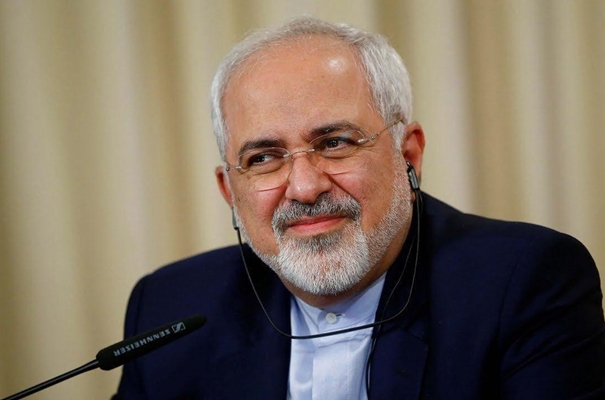
In his Monday speech, Zarif deplored the incumbent US administration’s policy of excessive use of its power, noting, “Sanction is not different from war and economic terrorism, but the independent nations’ response is strengthening the relations and arrangements among themselves, which is fortunately being bolstered, particularly in the field of economic interaction.”

Foreign Minister Zarif explicated the current situation in the world affected by unilateralism and its adverse consequences.

“In our era, multilateralism is no more an option, but has turned into a necessity,” he added.

Highlighting the international community’s definite need for multilateralism, the Iranian foreign minister said, “Due to the excessive use of power and its reluctance to interact with the other actors, unilateralism has no chance of survival in the long term.”

Iran FM Visits Iranian Innovation Factory

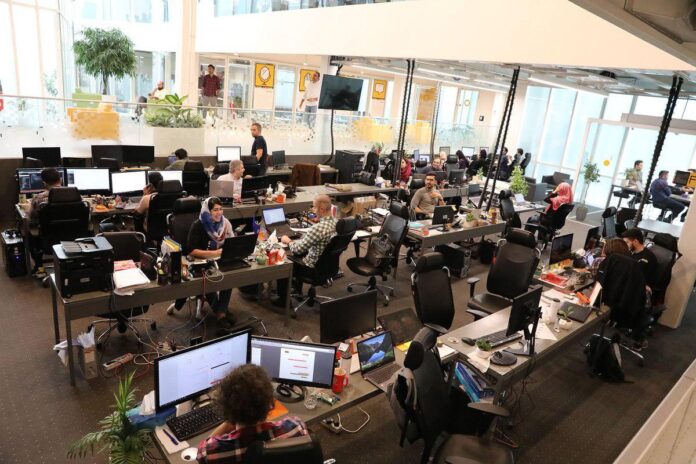
The Azadi Innovation Factory has been set up to facilitate the entrepreneurial teams’ access to the necessary infrastructure and facilities, to create synergy among the start-ups, and to encourage innovation and creativity in a dynamic atmosphere.

During a visit to the factory on Monday, Foreign Minister Zarif met the Iranian researchers and activists in the knowledge-based sectors, saying, “Under the 12th (Iranian) Administration, the Ministry of Foreign Affairs has set two super priorities: the regional issues, and the subject of resistance economy and economic diplomacy.”

On the links between those two priorities, the minister said, “The best destination for the Islamic Republic of Iran’s exports is the region.”

The Iranian knowledge-based companies and their scientific products are among the country’s relative advantages when it comes to exports, he noted.

For a brief review of Iran’s achievements in various fields of science and technology, check the book “Science and Technology in Iran: A Brief Review – 2019

“I was so glad today to see a lot of young people in here who are capable of achieving great success in the international markets, and I hope the administration could remove the obstacles that the cruel American sanctions have put in the way of these young people.”

“Nonetheless, what I realized after seeing these capable youths is that they will remove the obstacles by themselves, because the world would feel that lack of such capabilities would be a loss,” Zarif noted.

Hailing the modern and scientific methods available at the Azadi Innovation Factory, Foreign Minister Zarif wished the participants success.

$123m Worth of Machine-Made Rugs Exported from Kashan

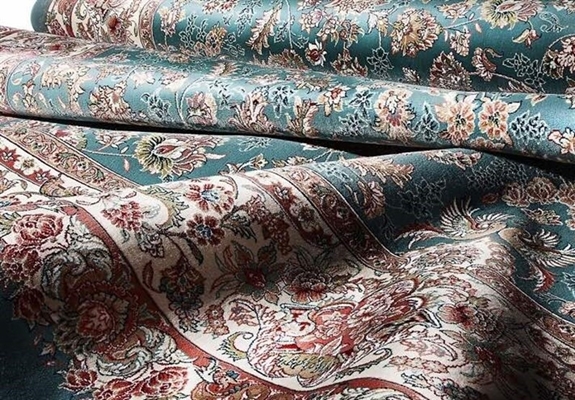
Head of Industry, Mine and Trade Department of Kashan said “we exported more than $227 million worth of goods from Kashan with machine-woven carpets accounting for $123 million.”

Majid Barazandeh also pointed to the $128 million worth of exports from Kashan in the first six months of the current Iranian year saying that about 25 percent of the city’s exports included carpets.

Carpet and related industries play an important role in the production boom in Kashan, he said, adding that despite all the problems for carpet production, it is expected that rug exports will increase this year compared to last year.

The National Carpet and Related Industries Exhibition is to be held in December this year in Kashan.

“Holding such exhibitions introduces the industrial capacities of Kashan to other businessmen and can play an important role in boosting the economic growth of the city,” continued Barazandeh.

Statistics show that machine-made carpet accounts for half of the total export value of Iran’s textile industries.

Iranian machine-made carpet is considered as the most expensive textile product in the world in terms of design, quality and colour.

Zarif Says Ready to Visit Saudi If Conditions Prepared

US Known It Can’t Trigger Snapback Mechanism: Zarif

Speaking to Yemen’s Al-Masirah TV on Monday, Zarif said “once appropriate conditions are prepared, I’m ready to visit Riyadh to settle the differences.”
He said Iran has regular contacts with Pakistani Prime Minister Imran Khan, who recently visited Iran as a mediator, on the issue of Yemen.
“Tehran welcomes any initiative to ease tensions in the region, and will cooperate to end the Yemen war,” he noted.
Zarif said the Islamic Republic will always stand by the Yemeni nation, and believes the cessation of war will first help the Yemeni civilians.
In a meeting with Imran Khan in Tehran on October 13, Leader of Iran’s Islamic Revolution Ayatollah Seyyed Ali Khamenei suggested that the country has no reason for hostility against Saudi Arabia, but regretted that such countries are acting against Iran under the will of the United States.
Ayatollah Khamenei expressed regret over the destructive role of certain countries in the region and their war on Yemen.
“We have no motive for being hostile to these countries, but they are under the will of the United States …in acting against Iran,” the Leader said.
“Ending the war in Yemen will have a positive impact on the region,” he added.

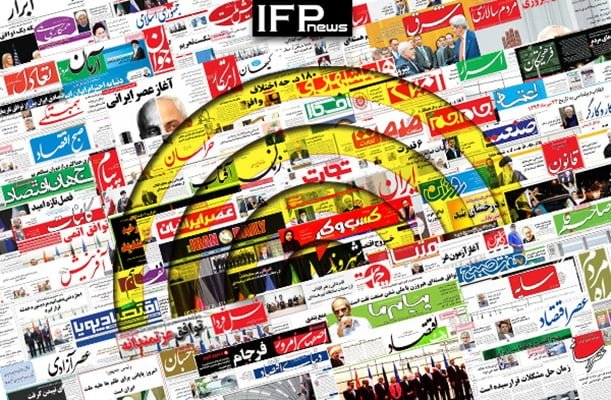
A Look at Iranian Newspaper Front Pages on October 21

A Look at Iranian Newspaper Front Pages on November 19

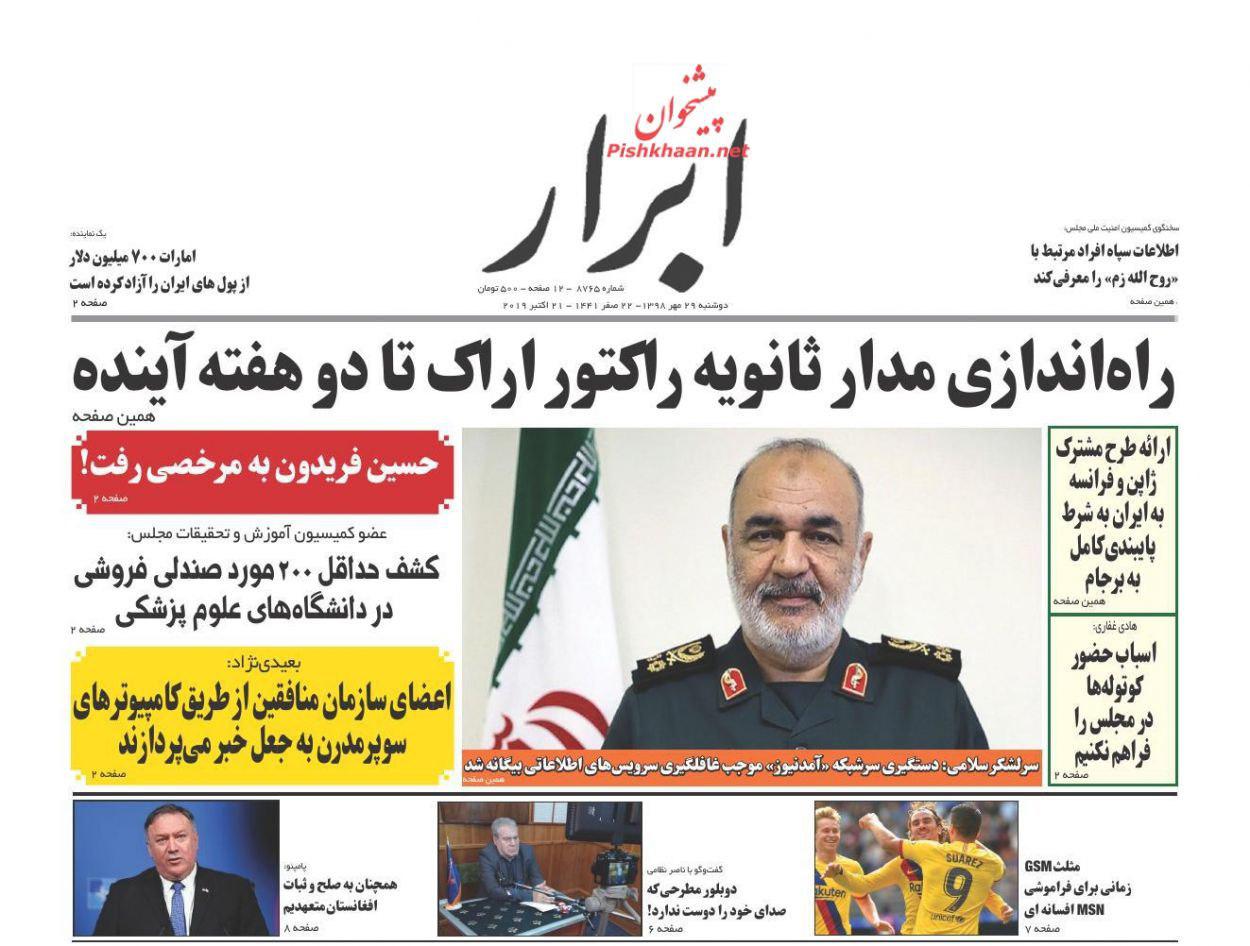
Abrar:

1- Arak Reactor’s Secondary Circuit to Go Operational in Two Weeks

2- Iran Envoy to UK: MKO Members Using Super-Modern Computers to Fabricate Fake News

A Look at Iranian Newspaper Front Pages on October 21


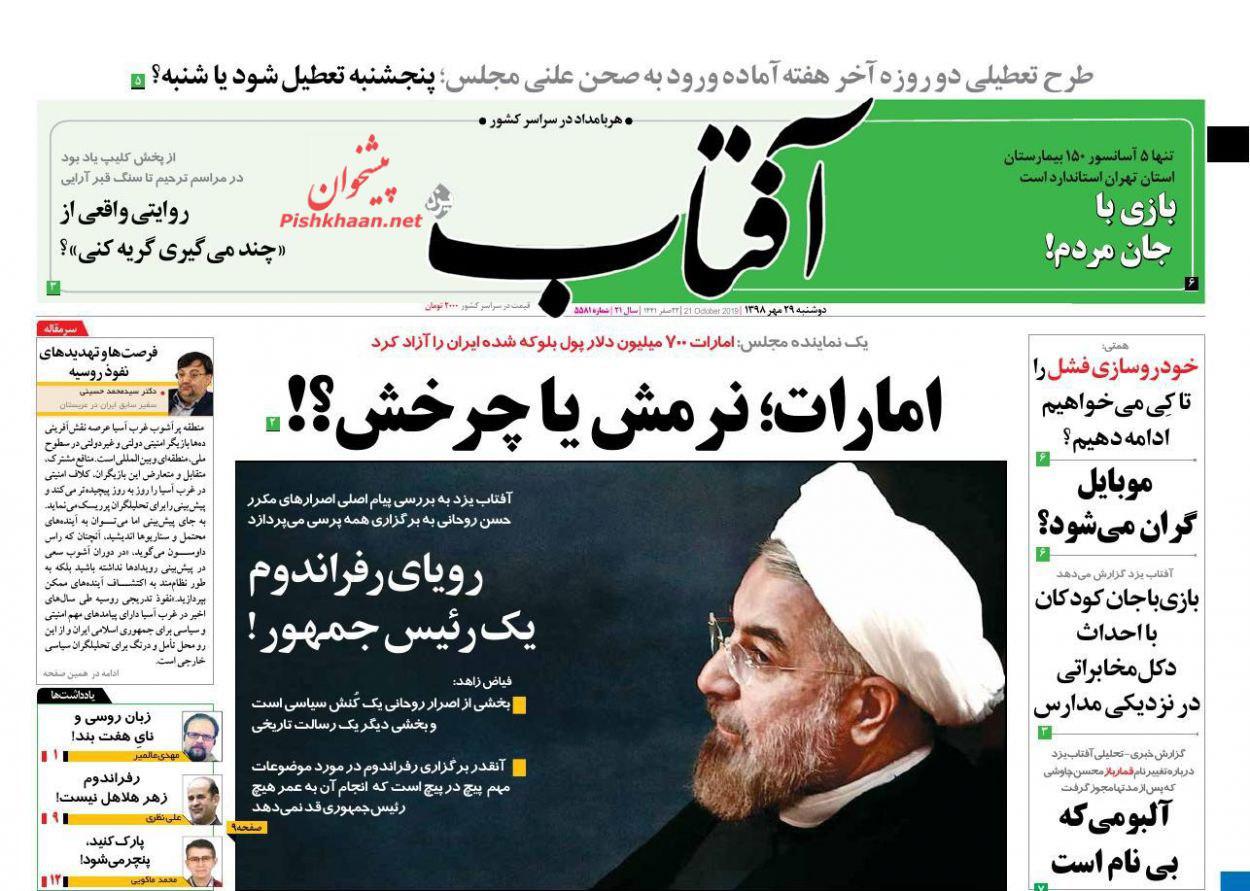
Aftab-e Yazd:

1- A President’s Dream of Referendum

2- Opportunities and Threats of Russia Infiltration [Editorial]

A Look at Iranian Newspaper Front Pages on October 21


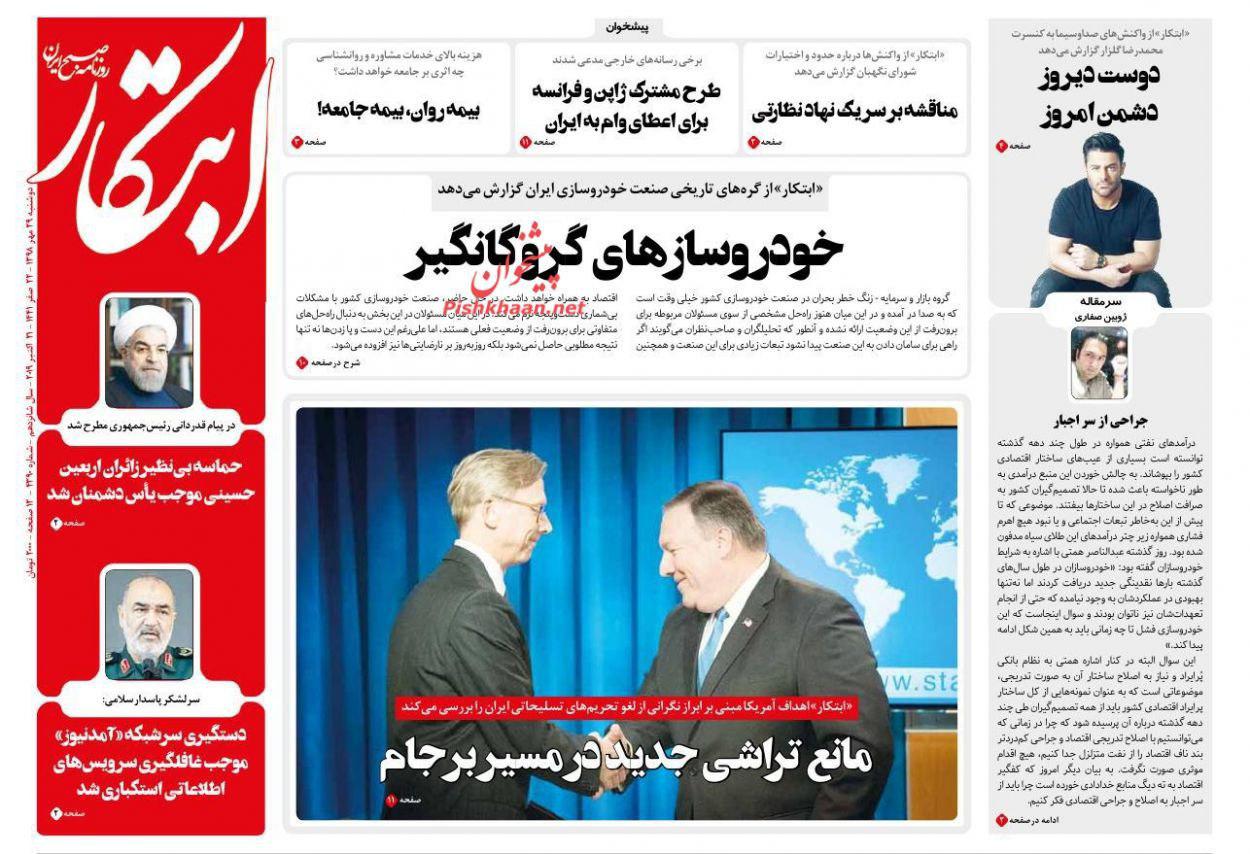
Ebtekar:

1- New Troubles Created in Path of JCPOA

* Why US Concerned about Lifting of Iran Weapons Sanctions

2- IRGC Chief: Arrest of Zam Shocked Foreign Intelligence Services

3- Japan, France Planning to Give Iran Loan

A Look at Iranian Newspaper Front Pages on October 21


Ettela’at:

1- Rouhani: Arba’een Strongest Medium to Introduce Culture of Imam Hussein

2- Qatar: Certain Arab States’ Differences with Iran Resolvable

A Look at Iranian Newspaper Front Pages on October 21


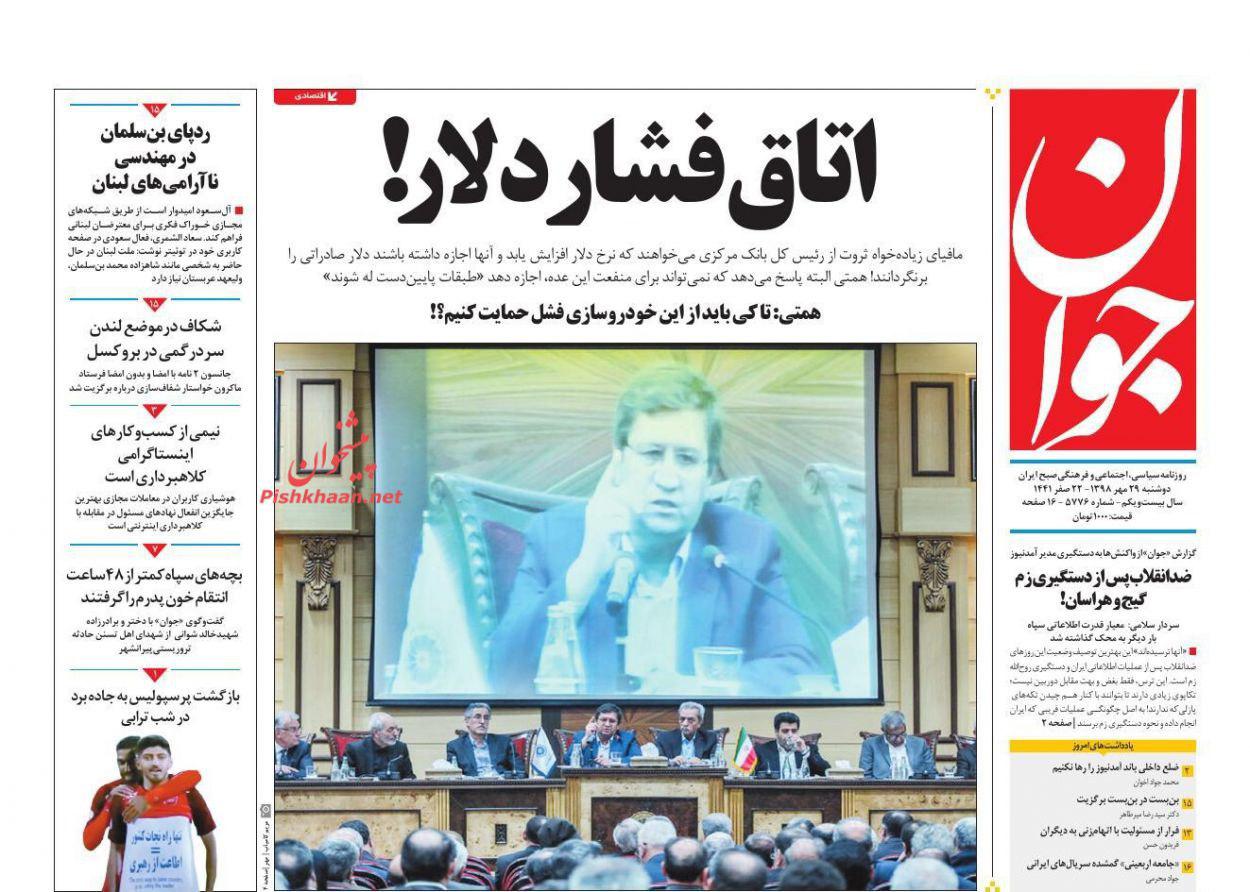
Javan:

1- Fingerprint of Bin Salman in Managing Lebanon Unrest

2- After Zam’s Arrest, Counterrevolutionaries Are Confused, Intimidated!

3- Gap in London’s Stance, Confusion in Brussels

A Look at Iranian Newspaper Front Pages on October 21


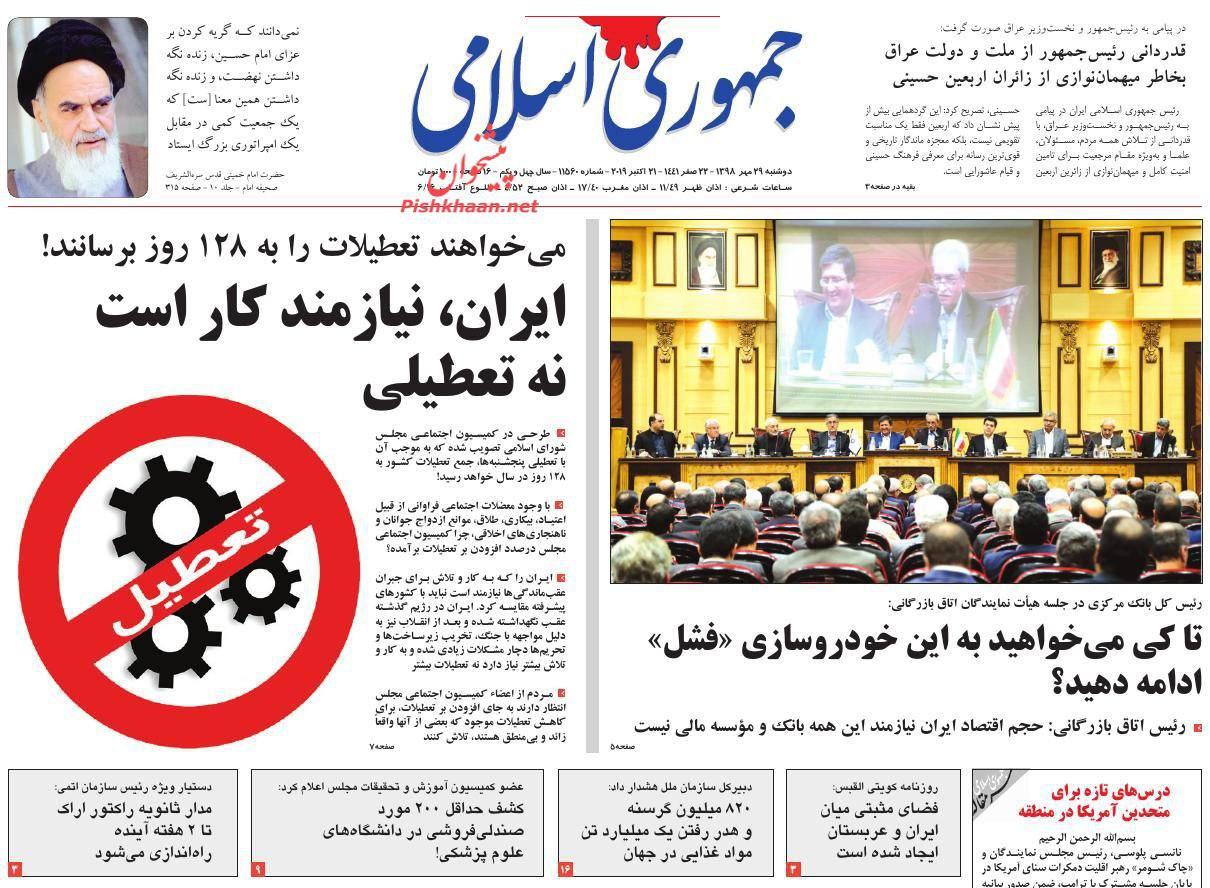
Jomhouri Eslami:

1- President Praises Iraqi Nation, Gov’t for Hospitality during Arba’een

A Look at Iranian Newspaper Front Pages on October 21


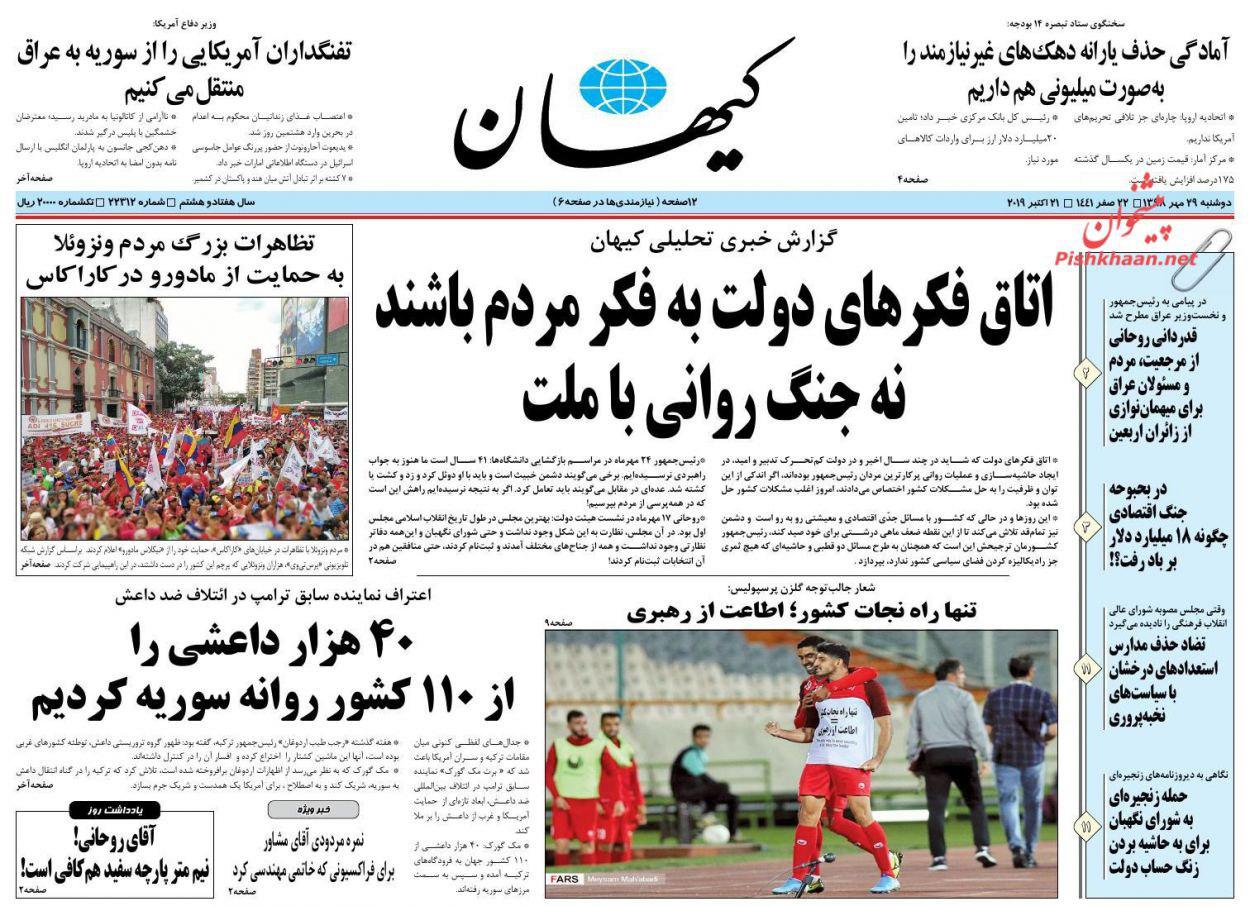
Kayhan:

1- US Defence Secretary: US Marines to Be Transferred from Syria to Iraq

2- Trump’s Former Envoy in Anti-ISIS Coalition: We Dispatched 40,000 ISIS Elements from 110 Countries to Syria

A Look at Iranian Newspaper Front Pages on October 21


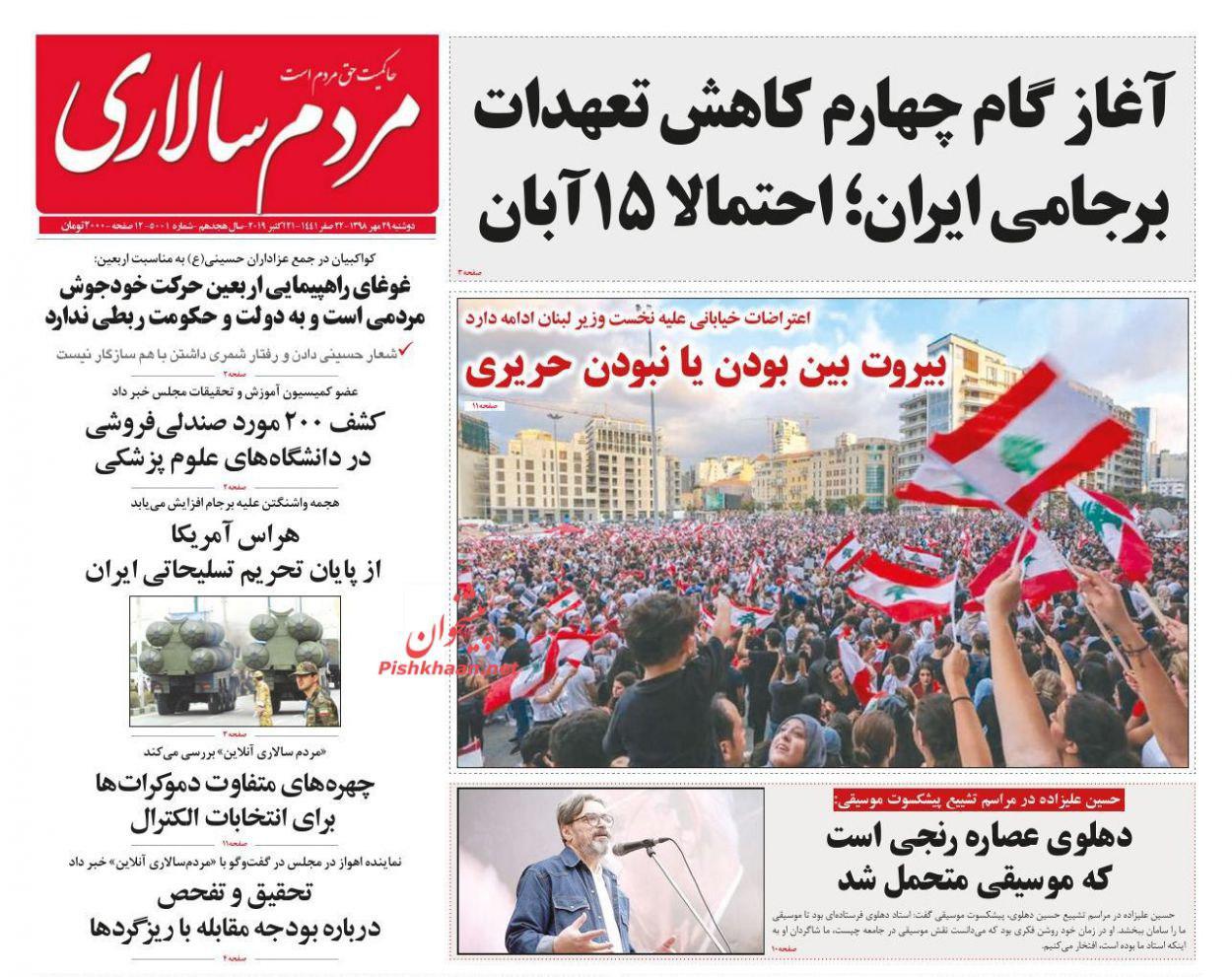
Mardom Salari:

1- Fourth Step of Reducing Commitments to Start in Coming Weeks

2- Beirut Doubtful about Staying or Ousting Hariri

3- US Afraid of End of Ban on Iran’s Arms Imports

A Look at Iranian Newspaper Front Pages on October 21


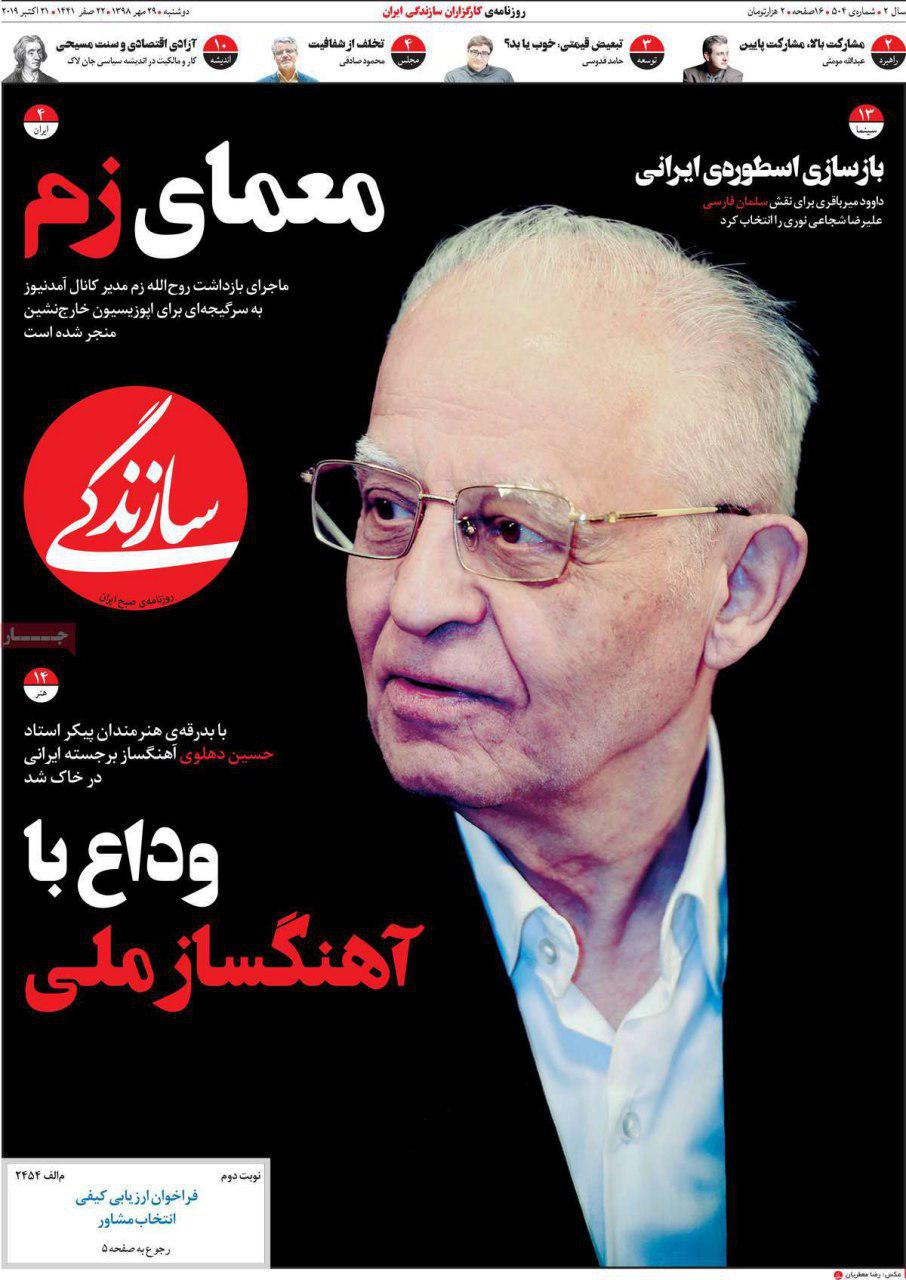
Sazandegi:

1- Mystery of Zam: Exiled Opposition Groups Confused by Arrest of Amad News Admin

A Look at Iranian Newspaper Front Pages on October 21


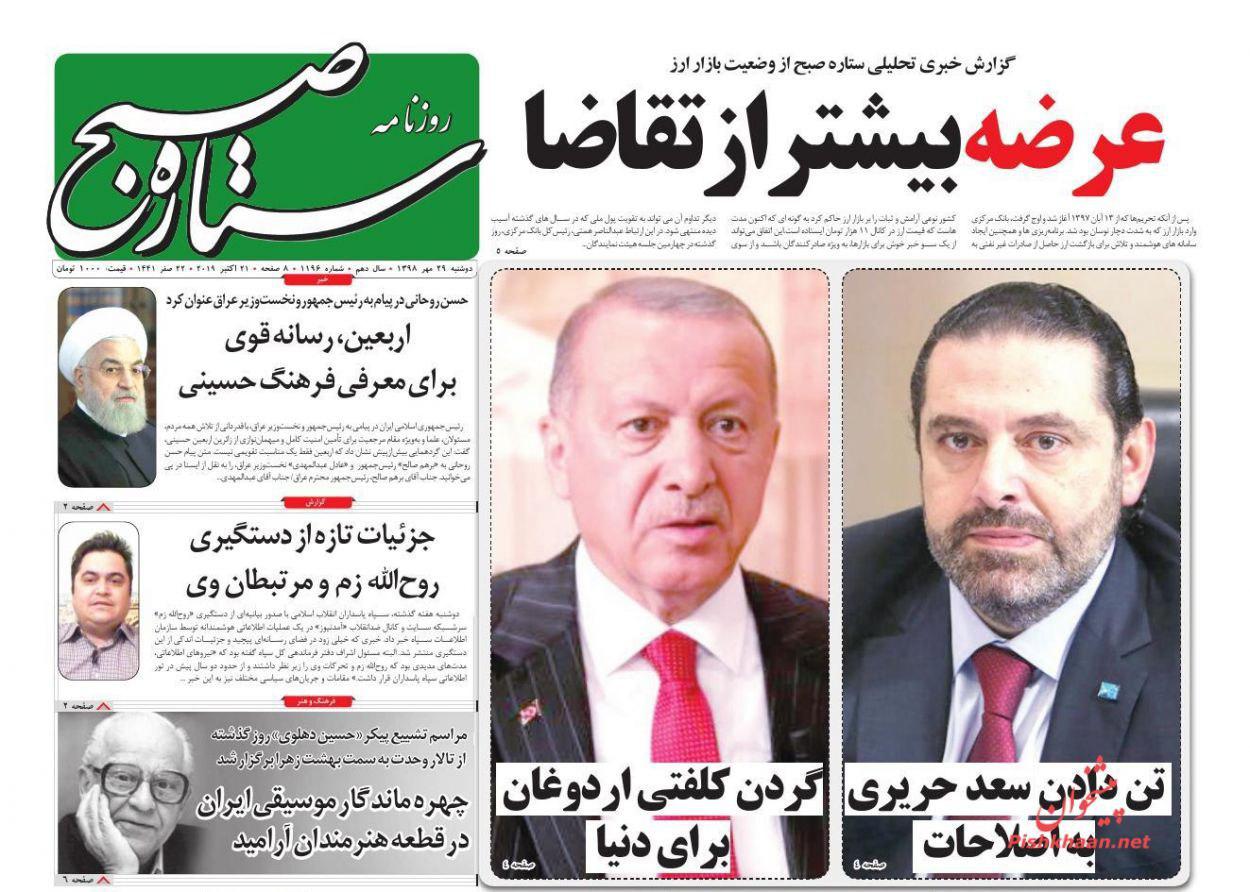
Setareh Sobh:

1- Hariri Accepts to Make Reforms

2- Erdogan Bullying the World

A Look at Iranian Newspaper Front Pages on October 21


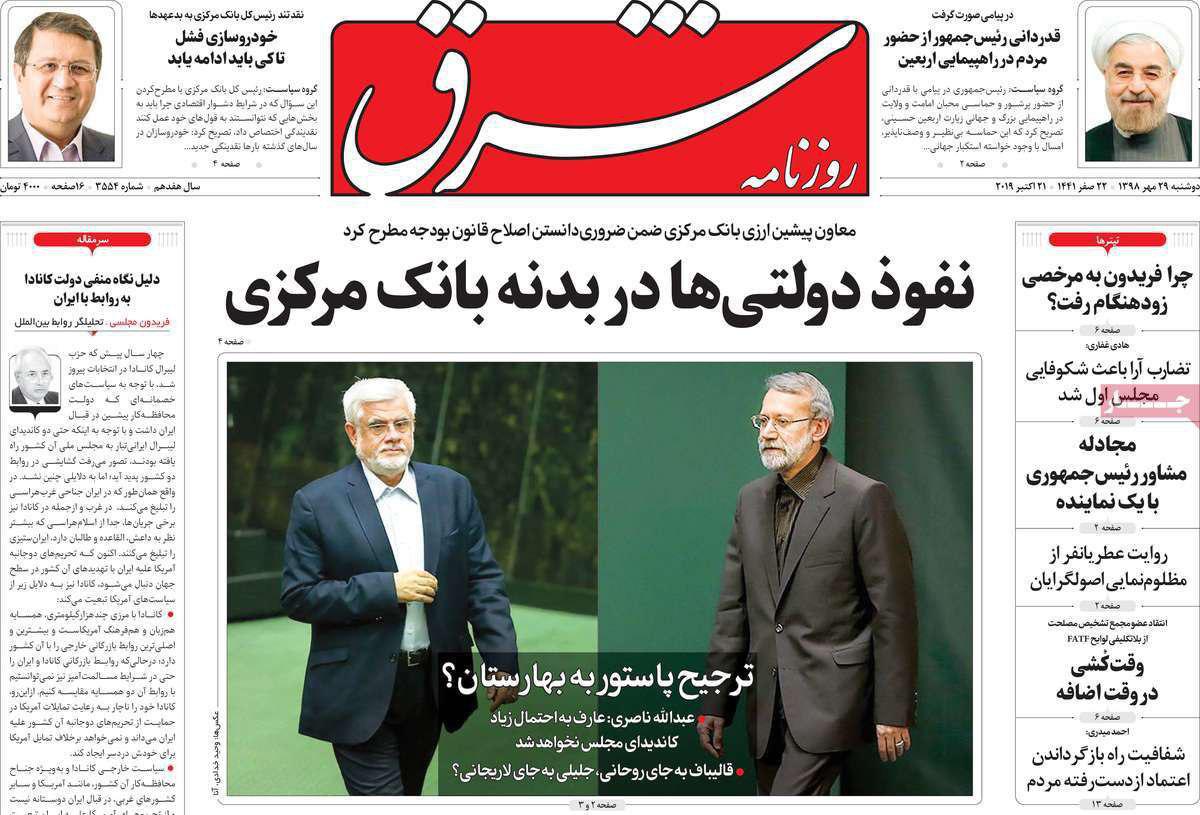
Shargh:

1- Why Canada Government Has Negative View of Ties with Iran [Editorial]

A Look at Iranian Newspaper Front Pages on October 21

Magnitude 5.6 Quake Hits Southern Iran; No Casualties Reported

5.4-Magnitude Earthquake Strikes West of Tehran

According to the Seismological Centre of the Institute of Geophysics of Tehran University, the temblor hit an area near the city of Kookherd in Bastak County, Hormozgan, at 14:28 pm. (local time) on Monday.

The epicentre, with a depth of 10 km, was determined to be at 27.05 degrees of north latitude and 54.97 degrees of east longitude.

Two aftershocks, one 3.5 and the other 4-magnitude on the Richter scale, also struck the adjacent city of Ruydar.

Iran is one of the most seismically active countries in the world, being crossed by several major fault lines that cover at least 90% of the country. As a result, earthquakes in Iran occur often and are destructive.

On November 12, 2017, the western province of Kermanshah was hit by a major 7.3-magnitude quake that killed 620 people.

The deadliest quake in Iran’s modern history happened in June 1990. It destroyed the northern cities of Rudbar, Manjil, and Lushan, along with hundreds of villages, killing an estimated 37,000 people.

Bam in the country’s southeastern province of Kerman witnessed a strong quake in December 2003 which killed 31,000 people.

Iranian Firm Combines Art with Science to Make Gorgeous Windows

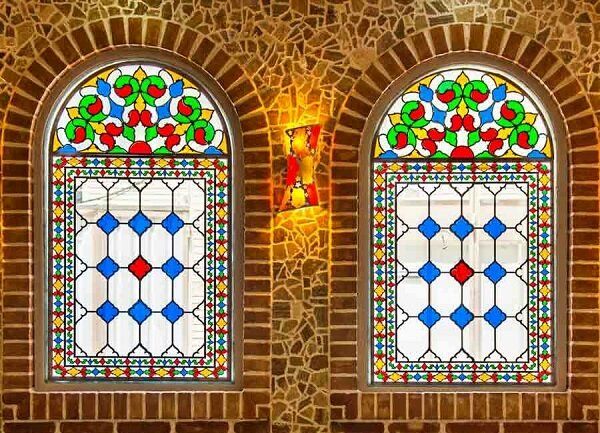
The company designs and produces different types of artistic doors and windows dubbed Artwin in a unique way with low cost and high quality.

The CEO of the company says Artwin is a new generation of Iranian art that is integrated with the building industry.

According to Bahram Dabbaghi, these products are made in the form of double-glazed windows with a thickness of one to seven centimetres.

These products use traditional Iranian elements in modern buildings, Honar Online reports.

“This product is a good alternative to the use of hand-made windows in new structures that can be implemented in numerous designs based on the client’s taste,” continued Dabbaghi.

Iranian Firm Combines Art with Science to Make Gorgeous Windows
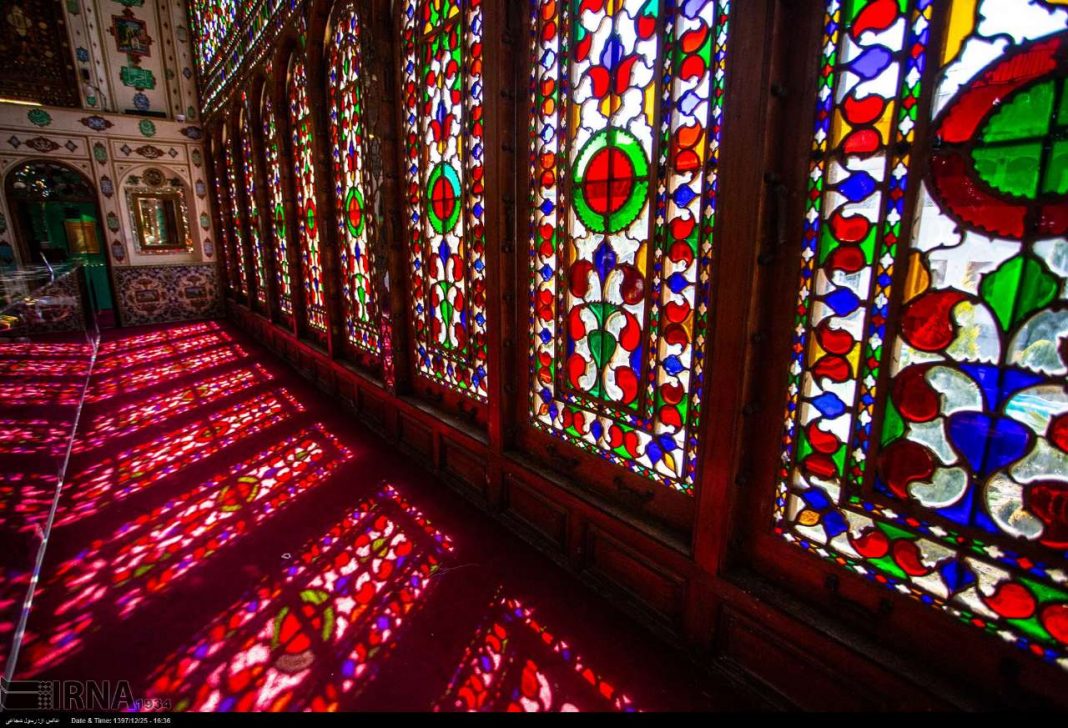
Persian Architecture in Photos: Historical House of Moshir-ol-Molk

Referring to the outstanding features of these products, he said Artwin can be installed in a variety of metal, wooden, and UPVC frameworks.

“Artistic double-glazed windows are noise-proof, and resistant against temperature, humidity and harmful rays of sunlight. They can also be simply cleaned, while their maintenance and repair is much easier compared to hand-made ones.”

Artwin can transform the white light into the light spectrum, added Dabbaghi.

He said that this product is used in interior and exterior design of buildings, noting that in many public and private places of Isfahan this product has been installed.

The CEO of the knowledge-based company also highlighted that the product’s difference from similar ones is that it is cost-effective, and there are plenty of different designs available.

Sash windows are still a popular part of the Iranian-Islamic architecture. “Orsi” sash windows slide vertically and usually open onto the courtyard. Girih [knot in Persian] wood designs are created with pieces of cut wood and stained glass in various geometric shapes, aligned repeatedly alongside one another.

A prime example of this art in Iran is the Chehel Sotoun edifice in Isfahan. A number of historic houses in kashan, and Yazd also display the art.

Such doors and windows were widely used in the hot, arid climate of central Iran to adjust and soften the penetrating light.

This wood art can be seen in religious venues, such as Imam Reza’s holy shrine in Mashhad, northeastern Iran.

Iran Sends US List of Names for Possible Prisoner Swap

Addressing a press conference in Tehran on Monday, Mousavi said “some twenty people” are imprisoned over the “baseless” accusations of bypassing the US’ unilateral sanctions on Iran, and the country is pursuing their release.

He announced that the country has sent a list of names it is demanding in a prisoner swap with the United States and other Western nations.

The spokesman said the detainees have been jailed on delusional and illegal charges, and must be released.

Earlier, Foreign Minister Mohammad Javad Zarif had noted that he hopes to hear “good news soon” about the release of Iranian scientist professor Masoud Soleimani, jailed in the US.

US federal authorities arrested Soleimani last year charges that he had violated trade sanctions by trying to have biological material brought to Iran.

The US recently “deported” an Iranian woman prisoner charged with circumvention of Washington’s sanctions against Tehran in what seemed to be part a new prisoner exchange deal between Iran and the US.

Negar Ghodskani, 40, was indicted in 2015 in Minnesota and arrested in June 2017 in Australia at the US’ request on charge of violating the American sanctions against the Islamic Republic of Iran.

The “deportation” coincided with the visit of Iranian President Hassan Rouhani to New York, where he attended the 74th annual meeting of the United Nations General Assembly, and that raised the possibility the release of Ghodskani has been part of a prison swap deal between Iran and the US, similar to the 2016 exchange of prisoners.

President Hassan Rouhani also raised the issue of a prisoner swap with the US during his press conference in New York in September, saying that Iran expected the US to reciprocate release of Lebanese-American “spy” Nizar Zakka in June, but Americans just appreciated the move.

Iran Says 100% of Its Nuclear Industry Indigenized

“One-hundred percent of Iran’s nuclear industry activities have been indigenized and today, we are self-sufficient in designing and manufacturing various kinds of centrifuges,” Ali Asghar Zare’an, special assistant to the AEOI head, Ali Akbar Salehi, made the remarks in an address to the opening ceremony of an exhibition of Iran’s nuclear industry achievements in the city of Kerman on Sunday.

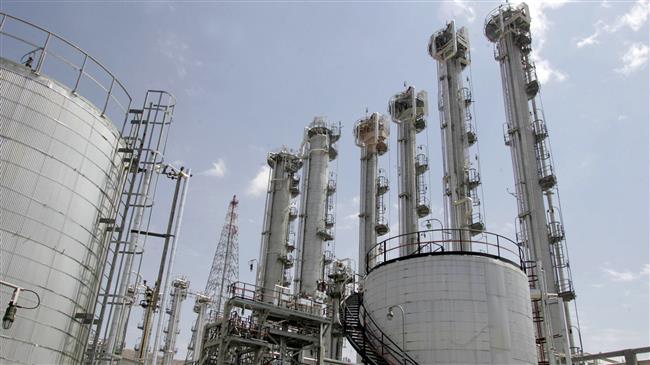
Saying that the secondary circuit of the Arak heavy water reactor, which is being redesigned, will come on-stream within the next two weeks and its cold tests will be completed by March 2021, the official added that the Arak reactor will become fully operational within the next two years.

“Once other courtiers were not willing to give us a single centrifuge or see a centrifuge spinning, but now, thousands of centrifuges are running at Natanz and Fordow facilities,” Zare’an said.

He noted that an issue that is even more important than centrifuges is Iran’s ability to produce yellowcake, the strategic raw material, which all countries can buy, but no one would sell it to the Islamic Republic.

“We are now producing the raw material of yellowcake domestically and this move has greatly increased our bargaining power at the international level,” the AEOI official said.

During Iran’s nuclear talks with the P5+1 group of countries, they sought to change the way that the Arak reactor was used, he said, adding, “Along with the Arak reactor, heavy water production [activities] are also going on and we are producing 20 tonnes of heavy water per annum and exporting it to a number of countries.”

“Those who claimed that Iran was bluffing are now purchasing our heavy water and we are able to produce up to 25 tonnes of heavy water based on our needs,” Zare’an pointed out.

Earlier this month, the AEOI head said the secondary part of the Arak heavy water reactor will become operational within the next three weeks.

“We will make the secondary part of the Arak Heavy Water Reactor Facility operational as early as the next three weeks; the reactor consists of primary and secondary sections whereby an overwhelming part of [nuclear] processes is done in the latter,” Salehi told reporters.

Iran’s President Hassan Rouhani said in July that the Arak heavy water nuclear reactor — which was agreed to be redesigned under a 2015 nuclear deal — will resume its previous activities after July 7 if the other signatories to the deal fail to uphold their end of the bargain.

“As of July 7, the Arak reactor would be restored to its former condition, which they (other parties) used to claim was ‘dangerous’ and could produce plutonium” if the other deal partners fail to fully act on their commitments under the accord, Rouhani said.

The agreement was initially reached between the P5+1 group of countries — the United States, Britain, France, Russia, and China plus Germany — and Iran in Vienna in July 2015. It is officially known as the Joint Comprehensive Plan of Action (JCPOA).

Under the JCPOA, Iran agreed to redesign the 40-megawatt research reactor, which is located in the central Iranian Markazi Province, to cut its potential output of plutonium.

However, US President Donald Trump unilaterally withdrew the US from the deal in May 2018 and unleashed the “toughest ever” sanctions against the Islamic Republic in defiance of global criticism in a bid to strangle the Iranian oil trade.

In response to the White House, Tehran has so far rowed back on its nuclear commitments three times in compliance with Articles 26 and 36 of the JCPOA but stressed that its retaliatory measures will be reversible as soon as Europe finds practical ways to shield the mutual trade from the US sanctions.

Iran, France Clinch Cooperation Deal on Geological Sciences

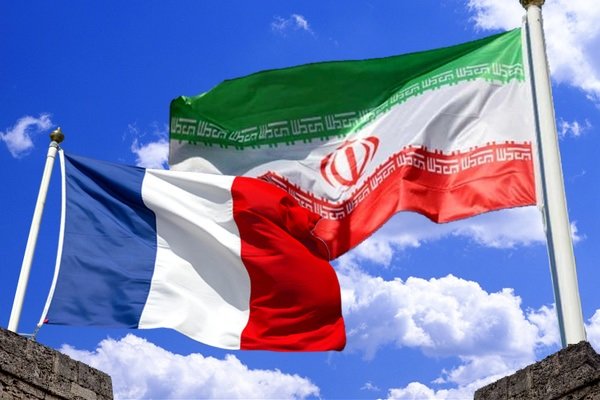
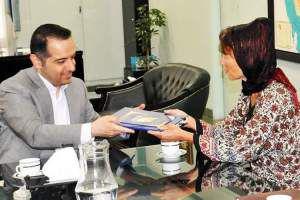
Despite international sanctions, the two sides agreed to work together on geodetic studies and geological sciences.

Prior to signing the agreement, Head of Iran’s National Cartographic Centre Masoud Shafiei expressed pleasure over the enhancement of years-long cooperation between the centre and France, saying the two sides have been working together for more than 30 years now.

He said the necessary arrangements have been made with the Iranian Ministry of Foreign Affairs.

He noted Iran welcomes French experts and technicians.

Iran, France Clinch Cooperation Deal on Geological SciencesProfessor Andrea Walpersdorf representing the chancellor of the French university Lise Dumasy described as important and significant her trip to Iran and cooperation with the Iranian side.

She said the agreement will also play a key role in the exchange of expert manpower between Iran and France.

The conclusion of the agreement was prompted by several factors, including both sides’ interest in upgrading international collaboration, the significance of long-term cooperation given that Iran is a quake-prone country, the necessity of promoting training and research in that connection as well as an interest in boosting cooperation in the domains of seismology, geology and related fields.