Monday, December 22, 2025
Home Blog Page 3052

Iranian Band Performing Mourning Pieces on Karbala Tragedy in Poland

The group began its performance on October 19 which included traditional musical performances and Taziyeh or passion play.

Warsaw University, Lublin Municipality, Asia and Pacific Museum, Praga Cultural Centre of Warsaw and Dominican Church in Lublin will host the programs.

The event is being held in collaboration with the Iranian embassy in Poland.

The band staged its first performance at the Dominican Church in Lublin to promote the culture of Ashura.

Taziyeh is a the commemoration of the martyrdom of the third Imam of the Shiite Muslims, Hossein ibn Ali (AS) and his companions in the desert of Karbala.

Following you can find the photos of the performance retrieved from ISNA:

Iran Making Economic Progress despite US Sanctions: Official

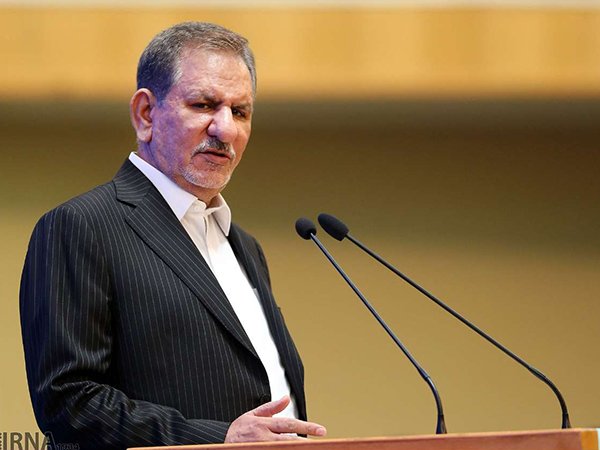
Speaking at a meeting of administrative officials on Tuesday, Vaezi said Iran continues to make headway towards development and progress.

In spite of its adverse effects on Iran’s economy, the unprecedented economic war imposed by the US government has failed to stop the Islamic Republic’s growing economic trend, he added.

“Thanks to the administration’s broad planning, the country has turned into a manufacturing workshop and the trend in development continues,” Vaezi underlined.

He also noted that the administration has managed to run the country despite the sanctions on the oil sales and a reduction of foreign incomes, saying the administration would have celebrated much more achievements if the US had not imposed the unprecedented sanctions after withdrawing from the 2015 nuclear deal.

In comments on Monday, First Vice President Es’haq Jahangiri said despite all sanctions and cruel pressures against Iran, the volume of exports during the first half of the current year has risen by 22 percent compared to the corresponding period last year.

Iran’s Foreign Minister Goes to Baku for NAM Meeting

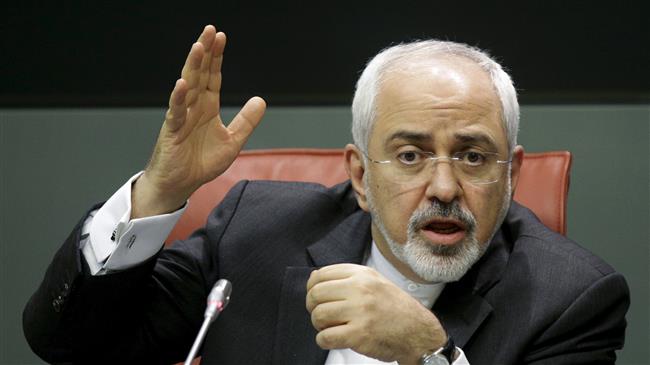
Foreign Minister Zarif left Tehran for Azerbaijan’s capital of Baku on Tuesday evening to attend a meeting of foreign ministers of the Non-Aligned Movement Member States.

The meeting is due to be held on Wednesday and Thursday, in advance of the 18th Summit of the Non-Aligned Movement.

Iranian President Hassan Rouhani will be partaking in the 18th NAM Summit, slated for Friday in the capital of the Republic of Azerbaijan.

Iran, Oman Weigh Plans to Promote Cooperation in Tourism Industry

On the second day of his visit to Oman, Iranian Minister of Cultural Heritage, Handicrafts, and Tourism Ali-Asghar Mounesan held a meeting with Oman’s Minister of Tourism Ahmed bin Nasser Al Mahrizi on Tuesday.
Highlighting Iran’s positive attitude towards Oman, Mounesan said closer cooperation in the tourism sector would expand the bilateral ties between the two Muslim nations in the other fields as well.

Around 8 million foreign tourists visit Iran each year, the Iranian minister added, saying part of those travelers could be dispatched to Oman.

Mounesan also highlighted the suitable conditions and numerous tourist attractions in Iran, noting that the Omani people could enjoy the Islamic Republic’s medical facilities, health services, advanced hospitals and highly skilled physicians.

The minister then praised Oman’s efforts to ease visa restrictions for the Iranian travelers, adding that Iran was ready to share its experience in the archeology and repair of historic monuments with Oman.

For his part, Al Mahrizi expressed hope that the Tourism Ministries of the two countries could make great strides in granting visas and providing services for the tourists.

He also noted that Oman has demanded a rise in the number of direct flights to Iran, saying his country was also prepared to launch a shipping route to Iran’s southern port city of Bandar Abbas to transfer tourists on cruise ships.

The Omani minister also hailed a 42 percent rise in the number of Iranian and Omani tourists visiting each other’s countries in 2017 and 2018, saying more Iranian travelers are expected to visit Oman in future.

Iran Congratulates Bolivia on Holding Presidential Election

Iran’s Visa Issuance Rules Designed to Speed up Travel Procedure: Spokesman

In a statement on Tuesday, Spokesperson for the Ministry of Foreign Affairs of the Islamic Republic of Iran Seyyed Abbas Mousavi congratulated the government and nation of the friendly state, Bolivia, on holding a democratic and inclusive presidential election that led to re-election of President Evo Morales.
The spokesman also wished Bolivia welfare and growing prosperity.

Bolivia’s electoral authority announced Monday night that President Morales was set to win the presidential election by avoiding a runoff in his re-election bid.

Morales, who has been in power for nearly 14 years, topped the eight other candidates in Sunday’s presidential election.

Iran FM, Chinese Special Envoy Discuss Regional Issues

In the Tuesday meeting, the two sides discussed matters related to bilateral relations and important regional issues.

Referring to President Hassan Rouhani’s “Hormuz Peace Endeavour”, the Iranian foreign minister said the Islamic Republic welcomes China’s effective role in contributing to regional peace and stability.

Zarif also noted that Tehran considers relations with China as strategic.

The Chinese envoy, in turn, emphasised the strategic nature of the two countries’ relations, asserting that Beijing attaches great importance to peace and stability in the Middle East and wishes to continue its consultations with the Islamic Republic of Iran.

The Hormuz Initiative is one of Iran’s eight UN-submitted initiatives that seek to create a safe and secure world within the framework of reconciliation and effective and productive engagement with the region and the world. The plan first put forward by the president on September 22.

The Hormuz Peace Endeavour (HOPE) seems to be in line with Iran’s earlier foreign policy initiatives, a kind of intra-regional collective cooperation, endogenous security without buying security from abroad.

A Look at Iranian Newspaper Front Pages on October 22

A Look at Iranian Newspaper Front Pages on November 19

Abrar:
1- Zarif: I’m Ready to Visit Riyadh If …
2- Head of US Delegation to Manama Summit: We’ll Continue Pressure against Tehran

A Look at Iranian Newspaper Front Pages on October 22


Afkar:
1- Zarif: US Addicted to Sanctions
2- MP: Fourth Phase of Reducing Nuclear Commitments on Iran’s Agenda

A Look at Iranian Newspaper Front Pages on October 22


Donya-ye Eqtesad:
1- New York Times: Erdogan Seeking Nuclear Bomb

A Look at Iranian Newspaper Front Pages on October 22


Ebtekar:
1- Zarif Gives Green Light for Saudi Visit
2- FATF’s Harsh Tone against Iran Shows Heavy Political Pressure: MP
3- Iran Ready to Start Fourth Phase of Reducing Commitments: Spokesman

A Look at Iranian Newspaper Front Pages on October 22


Etemad:
1- Iraq, Lebanon Have Defied Iran Sanctions: Ex-Envoy
2- Gov’t Spokesman: Rouhani’s Brother Someone Like Everyone

A Look at Iranian Newspaper Front Pages on October 22


Ettela’at:
1- Ratification of FATF Bills within Framework of National Interests
2- Iran to Launch Special Police Force for Children

A Look at Iranian Newspaper Front Pages on October 22


Iran:
1- Netanyahu Fails to Form Cabinet
2- Iran’s Strong Point Is Avoiding Radical Nationalism: Analyst

A Look at Iranian Newspaper Front Pages on October 22


Javan:
1- US’ Eyes on Syria’s Oil
* Graham: Trump Says Oilfields Matter to Him in Syria
2- Make Sure US Children Not Hungry at Schools!
* Sanders to US Rulers: Let Everyone Go to University
3- US Diplomatic Invasion of Afghanistan

A Look at Iranian Newspaper Front Pages on October 22


Jomhouri Eslami:
1- Government Stresses Need for Ratifying FATF Bills
2- US Troops in Northern Syria Escorted with Stones

A Look at Iranian Newspaper Front Pages on October 22


Kayhan:
1- Zarif’s Response to Claims about Interaction; US’ Signature No Longer Guarantee
2- Lebanon Developments: Westerners Taking Advantage as Hezbollah Thinking of Expediency

A Look at Iranian Newspaper Front Pages on October 22


Sazandegi:
1- Turkish Bomb: Ankara Planning to Develop Nuclear Bomb

A Look at Iranian Newspaper Front Pages on October 22


Setareh Sobh:
1- FATF under Politicians’ Scrutiny
2- Zarif: FATF’s Decision against Iran Politically-Motivated
3- Iranian Authorities Don’t Seem Determined to Resolve FATF Issue: Spokesman

A Look at Iranian Newspaper Front Pages on October 22


Shargh:
1- VP: Iranian Exporters at Front of Economic War
2- Boycotting Elections Will Get Us Nowhere: Reformist Figure

A Look at Iranian Newspaper Front Pages on October 22

‘I’ll Talk’ Campaign Launched in Iran to Help Fight Depression

Depression

Psychiatrists say depression is the most prevalent mental disorder, and that conditions caused by depression will pave the way for the contractions of other diseases, too. Hence, the mental health group which took the initiative launched their campaign with the theme of “depression.”

The Iranian Psychiatric Association has launched the campaign which was unveiled by the website Iran Mental Health. Now, the #I’ll_Talk campaign is underway in cyberspace and on social media as a first step to draw attention to one of the most common mental problems, i.e., depression.

‘I’ll Talk’ Campaign Launched in Iran to Help Fight DepressionRenowned Iranian actress Fatemeh Motamed-Arya has also been chosen as the ambassador of this campaign.

“Let’s get to know the symptoms of depression and join the ‘I’ll talk’ campaign to get more familiar with this disease,” she said in a video.

Depression is a disease which has, for so long, worried Iranian officials, including former Health Minister Hassan Qazizadeh Hashemi. Two years ago, he had expressed concern over the prevalence of depression among Iranians and said its occurrence had registered a two-fold rise in 26 years.

“In terms of the burden of diseases, depression stands in the fourth spot, and forecasts show it will stand in the second spot in 2030,” he had said.

The “We’ll Talk” campaign manager says no new surveys have been conducted on the prevalence of depression in Iran.

“Generally speaking, what can be said is that one out of eight Iranians suffers from depression,” says Maryam Tabatabaee, a faculty member at Tehran University of Medical Sciences.

Many of those visiting the Instagram page and website which has launched the campaign ask who they should they talk to.

“We recommend they talk to their close relatives and friends they trust and tell them about the issue. Talking is the first step toward treatment and improvement. When one talks, he or she feels they are being understood and guided,” she says.

Maryam Rasoolian, the president of the Iranian Psychiatric Association, says the campaign is aimed at giving people awareness about depression, anxiety, suicide, etc.

“Biological surveys show talking has a healing effect as we can turn feelings into words through talking,” she says.

Campaign organizers says the initiative has been welcomed by people who will also be asked “to share their experiences with us regarding depression and its treatment.”

Herbals More Popular than Chemical Medicines

At the same time, the use of herbs and herbal remedies is getting more and more popular worldwide due to their many benefits and high efficacy.

These days, the use of herbs in various fields has become a high value added industry. Medicinal herbs are extracted in various ways and are used as valuable materials in various industries such as pharmaceuticals, natural supplements, cosmetics, food industry and so on.

The herb industry and paying attention to it is important in several ways:

Maintaining Health & Therapeutic Effects

Medications and chemical supplements can have unintended side effects next to their effective therapeutic properties. For example, some antidepressants are addictive or cause side effects such as fatigue and drowsiness during the day. However, antidepressant herbal medications and supplements, while effective because of their herbal ingredients, cause no harm to human health if used correctly.

At present, about 30% of all medicines produced in the world are herbal or herbal components, making these products more rapidly spreading than chemical drugs.

According to World Health Organisation statistics, more than 80 percent of the world’s population use herbs and herbal medicine to maintain their health or cure diseases. Medicines and natural supplements are produced in a variety of forms; including products for the treatment and prevention of diabetes, digestive disorders or even nutrients for the health of the body, etc.

People in different parts of the world have different motivations for using herbal products. Some are consuming natural products due to the healthiness of plant products and the dangers of chemicals, some because of the cheaper prices of these products, some people around the world because of their culture and traditions and others because of their valuable effects.

Economic Importance

Economically, the vegetable and natural products industry has a high turnover and is also growing. According to UNIDO, in 1990, the industry had a turnover of $1.2 billion, and in 20 years, it has reached $100 billion.

The World Bank forecasts that it will reach $ 5,000 billion by 2050, reflecting the high growth in consumption of these products.

Entrepreneurship

According to various reports, there are three job opportunities per hectare of medicinal plants. Reports also indicate that about 100 million people in China are busy in the field of medicinal herbs.

Herbals More Popular than Chemical Medicines

Ancient Clay Stamps Unearthed in Northeast Iran

The discovery was made on a historical hill called Rivi in northeastern North Khorasan province when Iranian and German archaeologists were examining the site.

“These stamps were found next to jars in a big hall,” says Mohammad-Javad Jafari, the head of the team of archaeologists working at the site.

“These stamps bear different geometric shapes as well as patterns of plants, animals and humans whose examination can offer very important information on the economy, culture, art and social phenomena of historical societies,” he says.

The archaeologist says these stamps indicate the existence of extensive economic relations between the local community and other peoples at the time, which made it all the more necessary for them to store goods.

He says people at the time apparently stored commodities in the jars and marked them with these stamps as signature before tying the jars together with a rope.

“Each and every one of the patterns imprinted on the seals is a very specific mark which can help study the economic network of the time and get to know the social strata,” he says.

The chief of German archaeologists working alongside their Iranian peers at the site also says the discovery of the stamps and jars during the seventh round of international excavations in a large clay building shows a network of warehouses and extensive economic transactions existed between locals and residents of other nearby settlements.

She says a large hall discovered at the site was used as a warehouse where big jars of food were kept.

According to the German archaeologist, stamps are used nowadays to seal some important documents and mail packages, but they have their roots in ancient times when stamps were used to mark commodities.

Ancient Rivi Site

The historical Rivi site dates back some 3,500 years. It was registered on Iran’s list of national heritage sites in 1967 and is regarded as one of the most significant historical sites in northeast of the country. The site is home to archaeological relics from different historical eras.

The most important historical eras where the site was inhabited by people are the Achaemenid, Parthian and Sassanid eras.

The following photos, retrieved from Mizan News Agency, show the Rivi archaeological site: