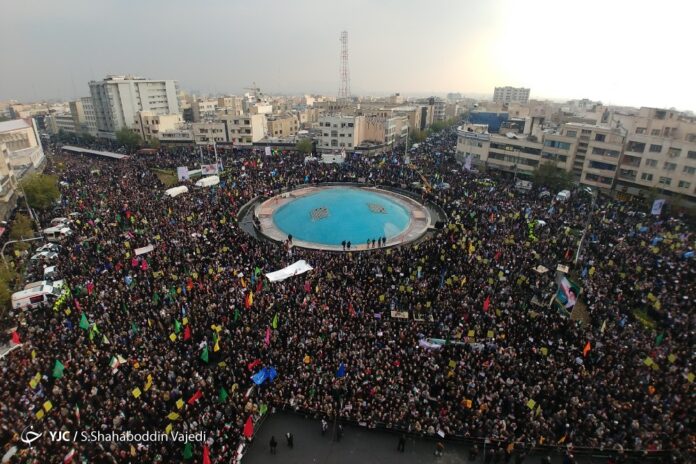
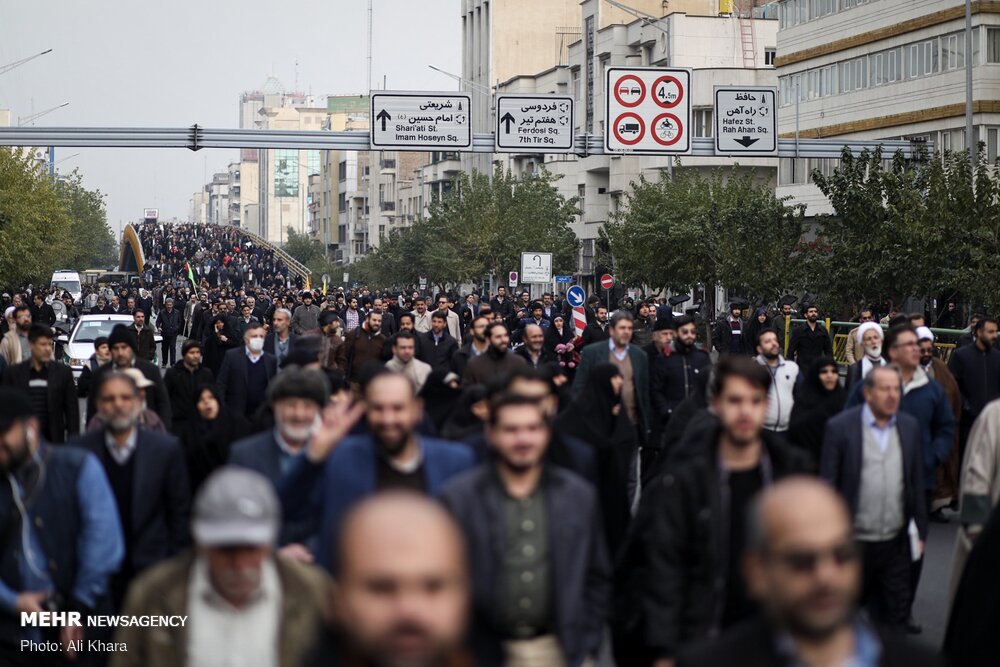
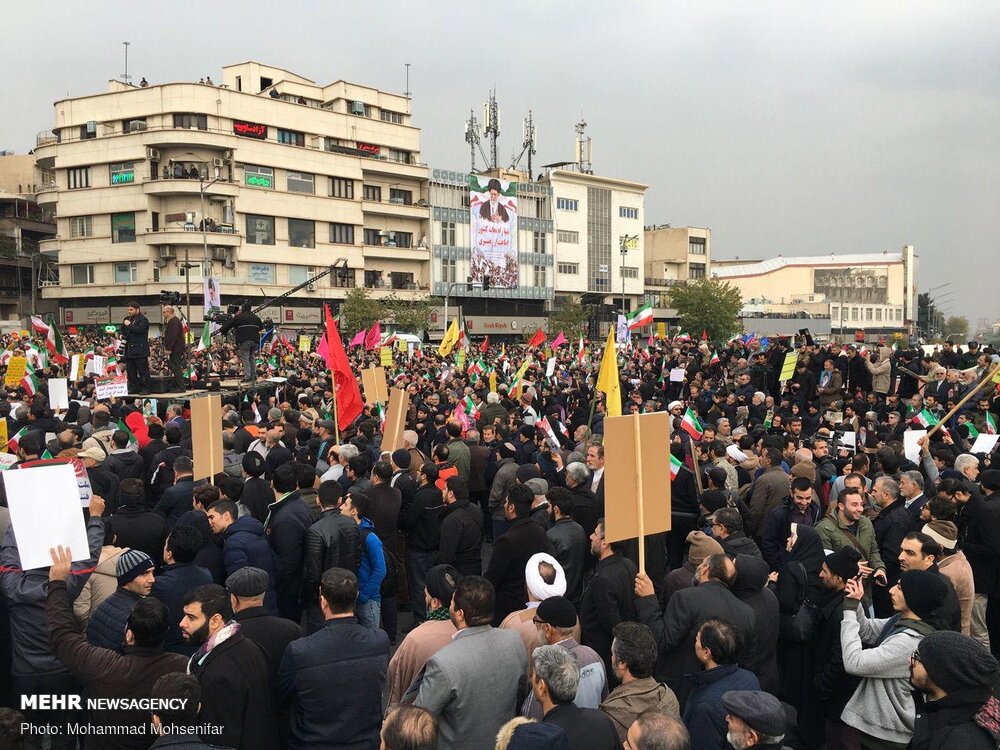
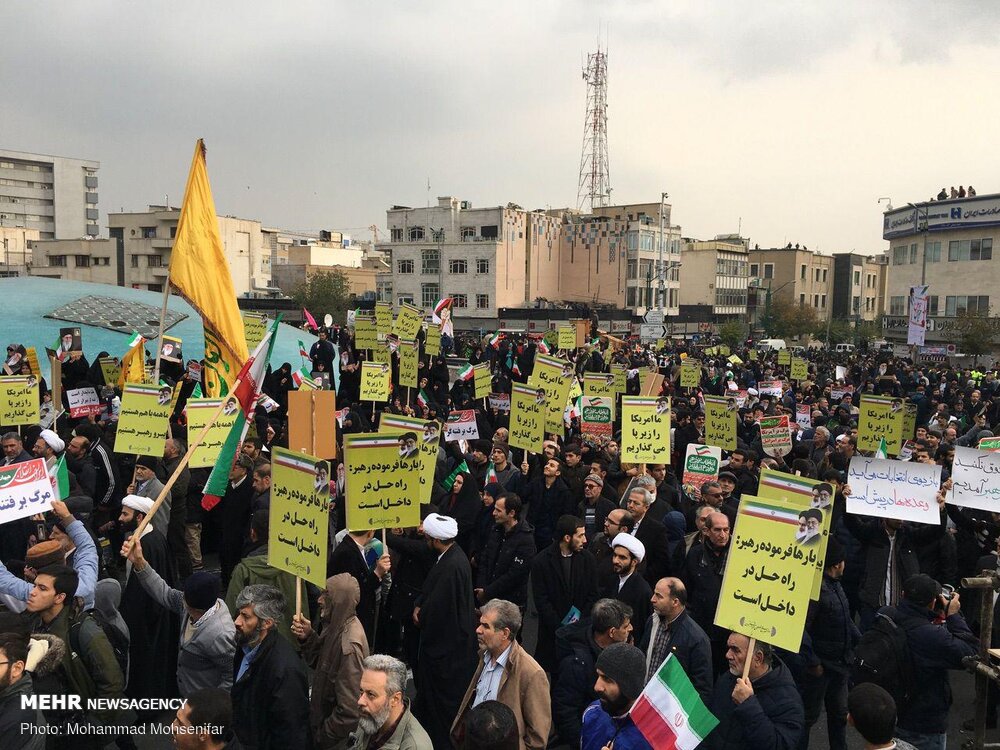
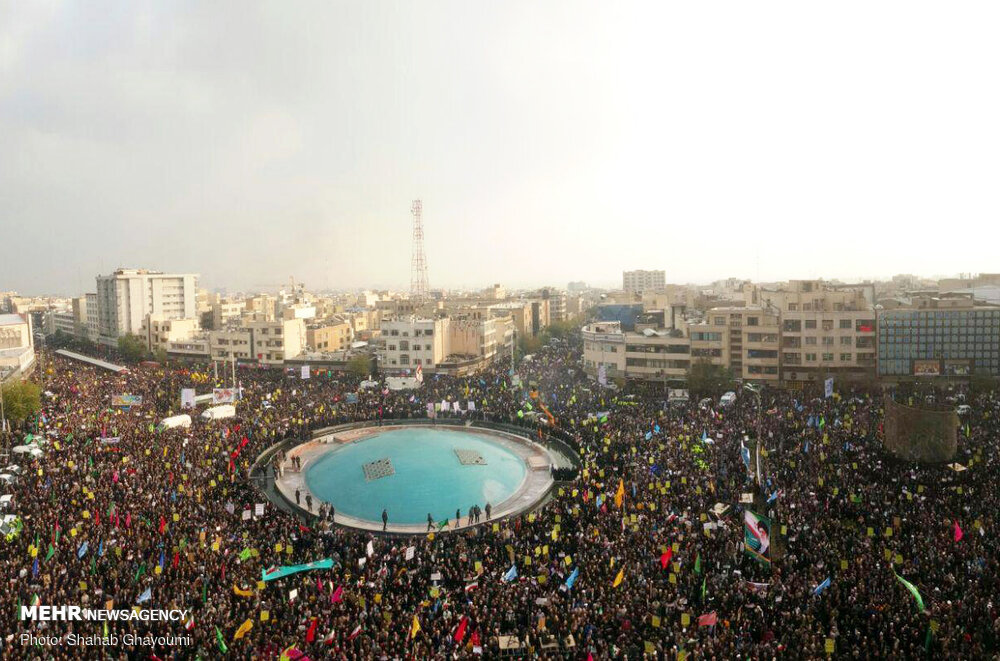
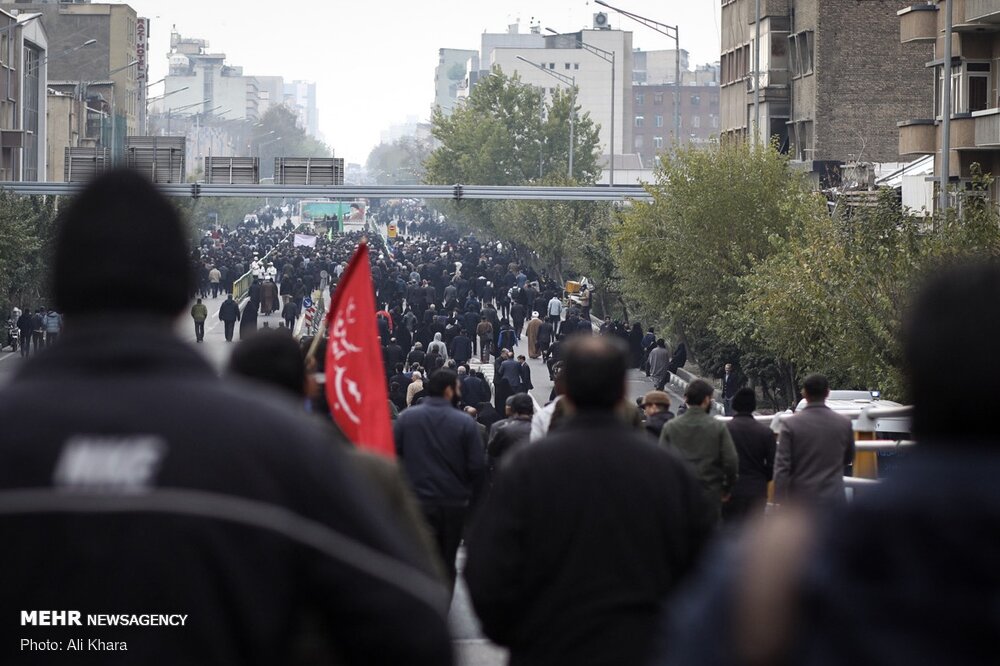
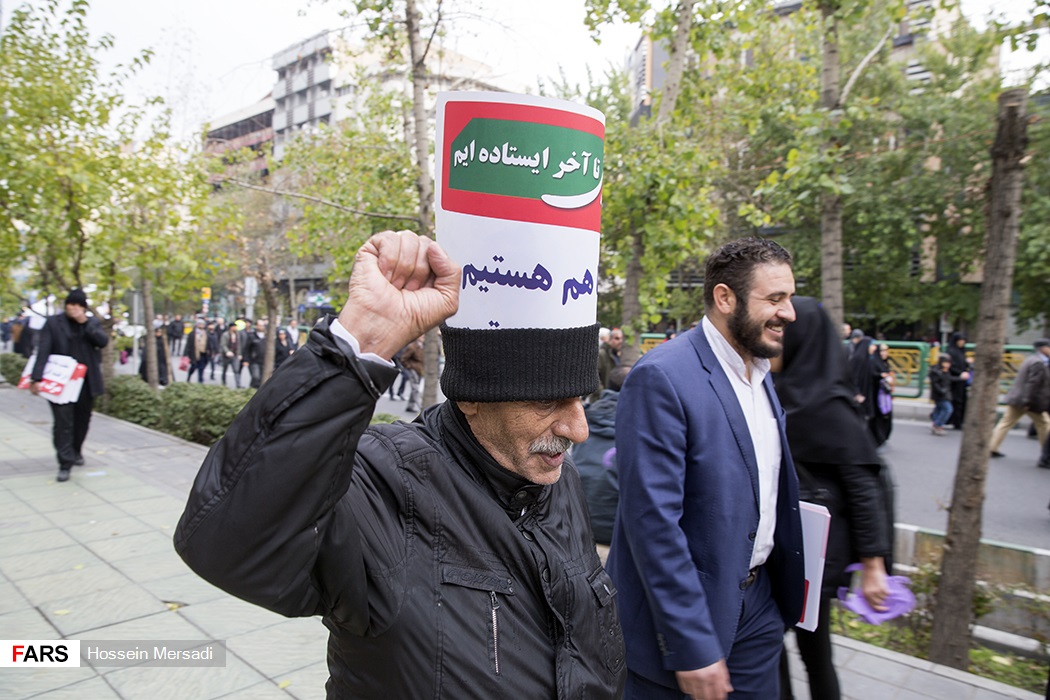
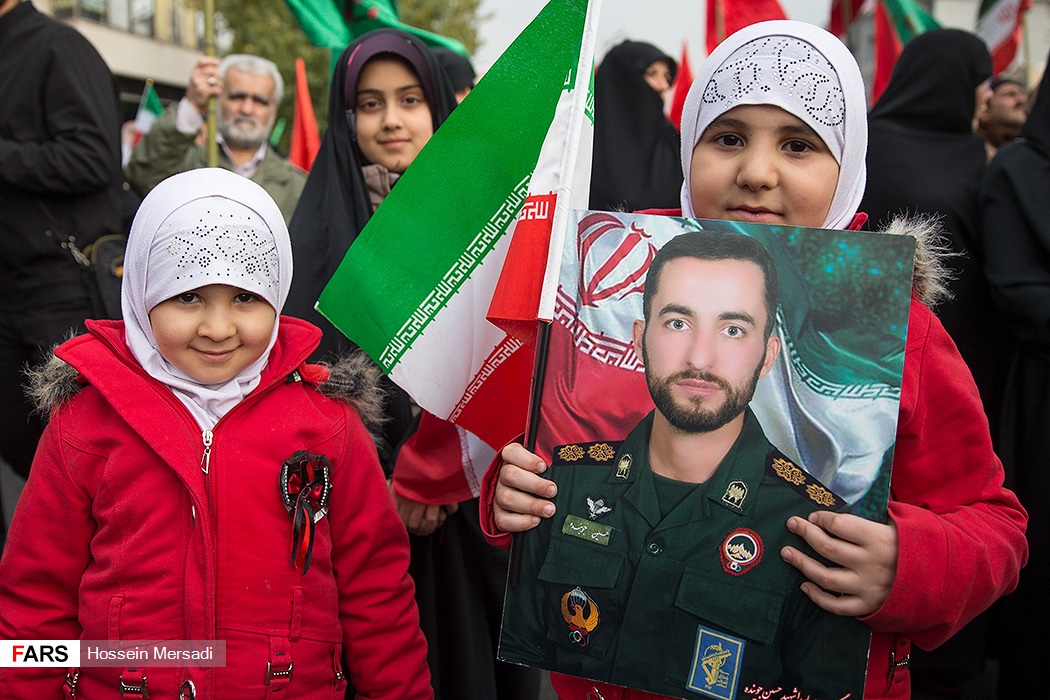
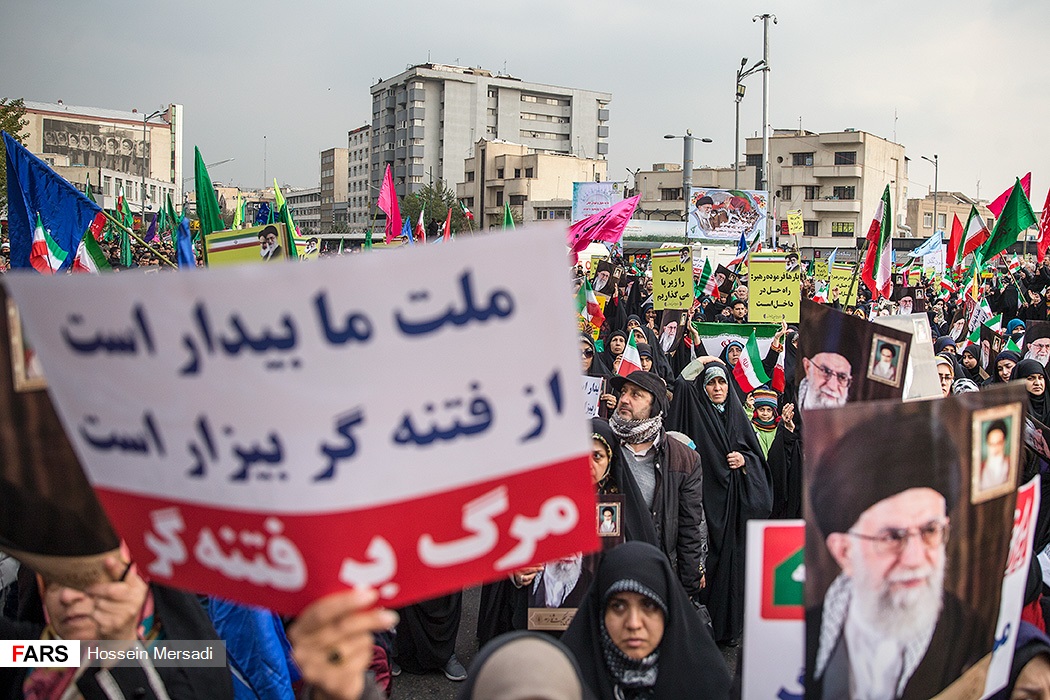
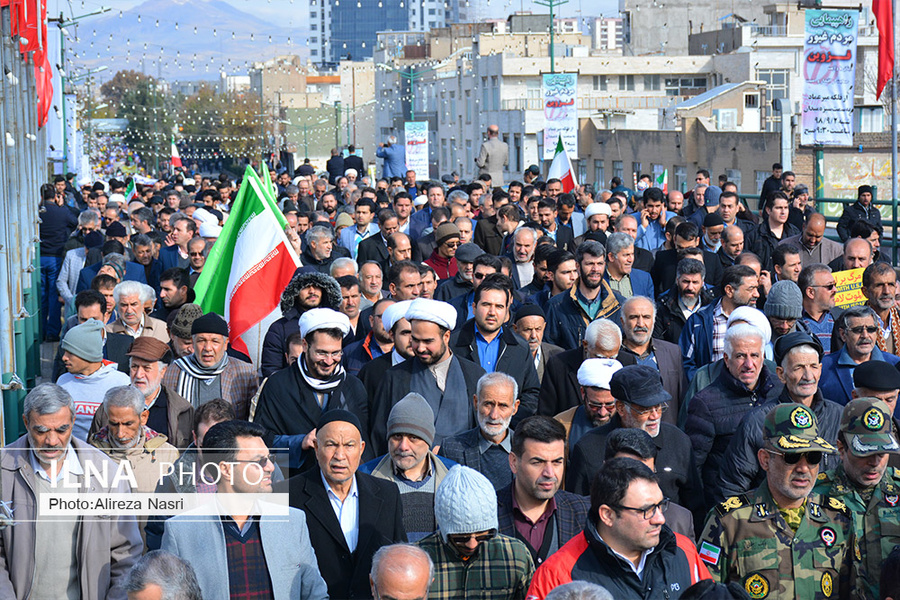
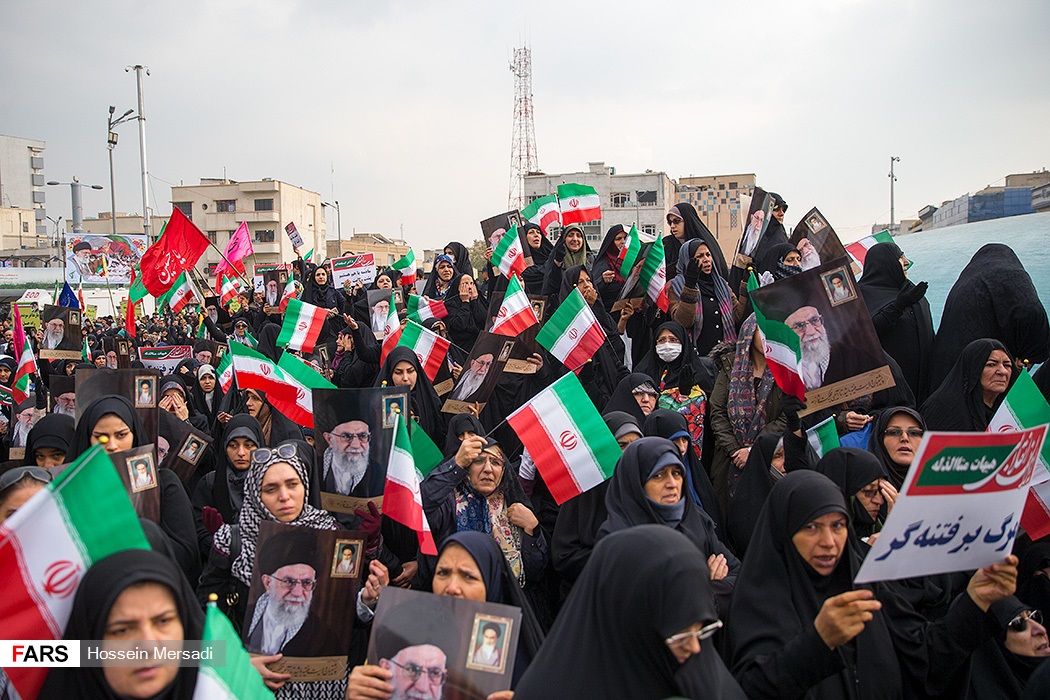
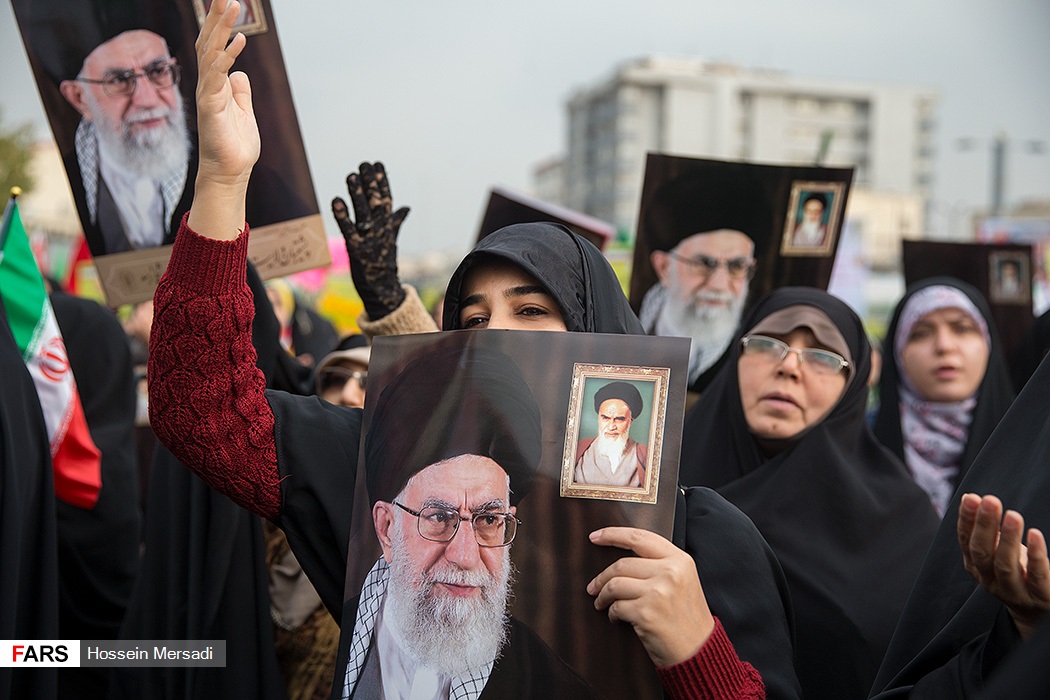
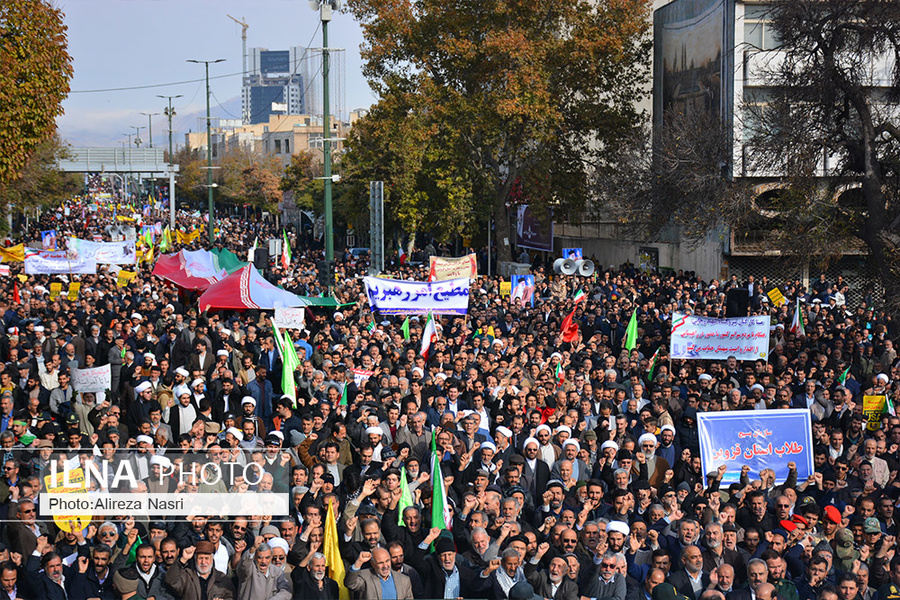
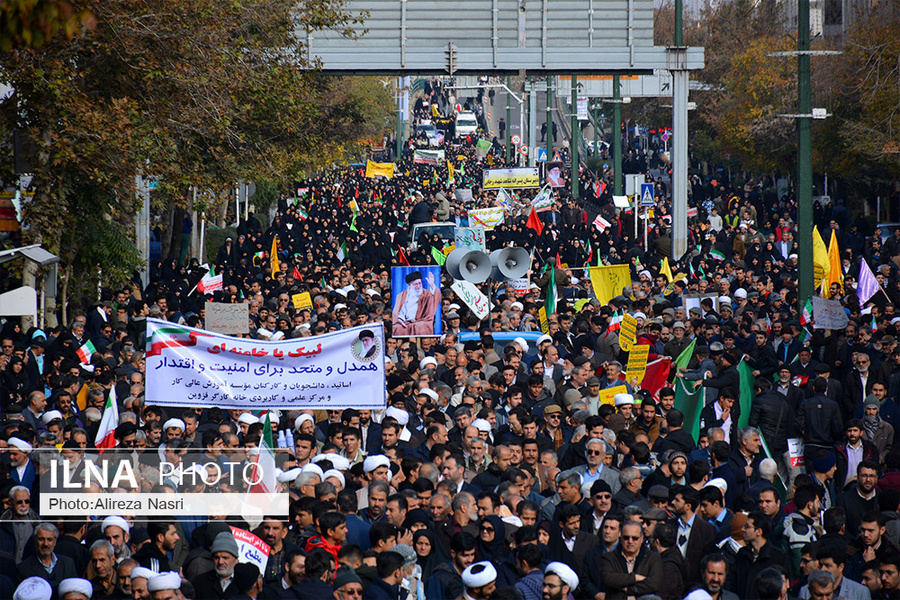
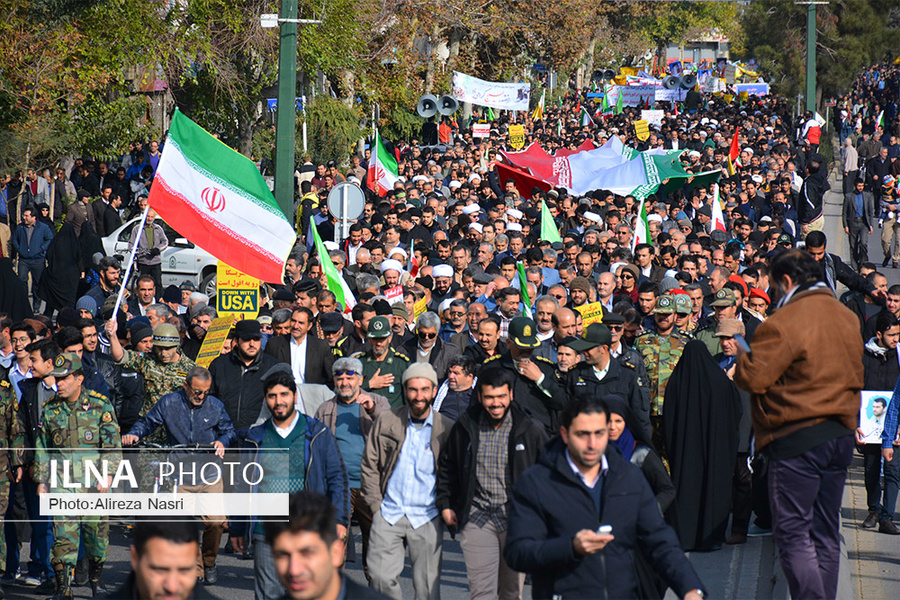
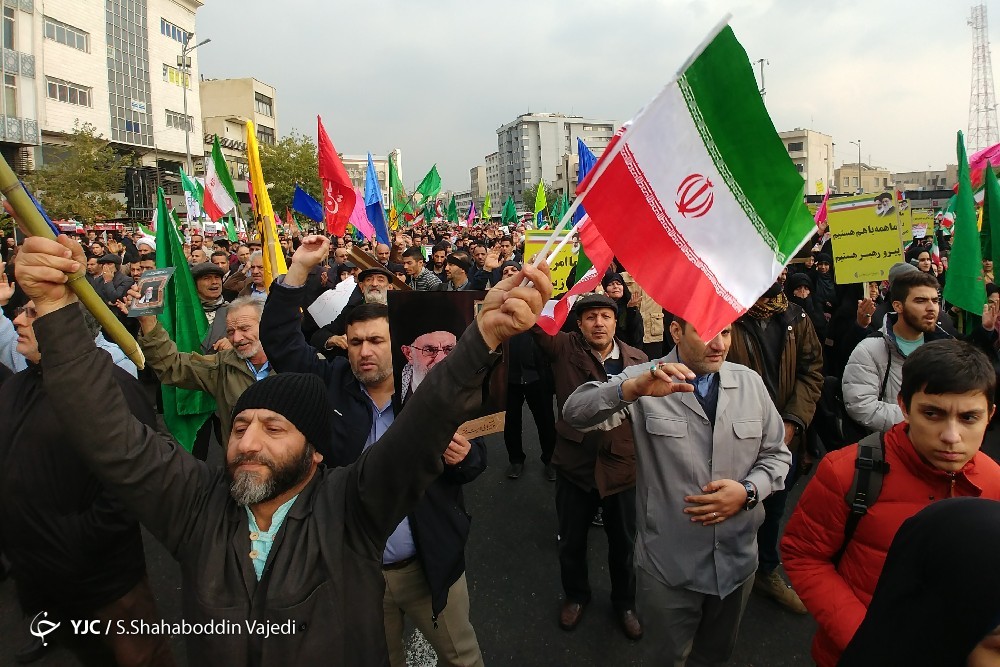
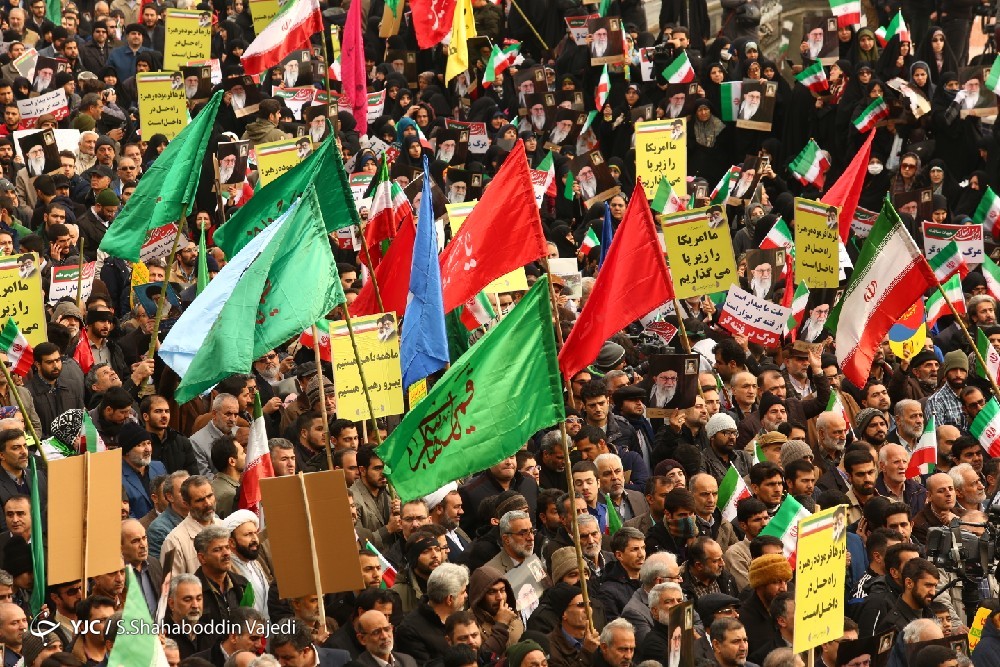
The protesters amassed at Tehran’s Enqelab (Revolution) Square to attend the massive rally called “Supporters of the Leadership.
The participants held up placards and shouted slogans in support of Leader of the Islamic Revolution Ayatollah Seyyed Ali Khamenei, and expressed outrage at anarchist measures meant to inflict damage on public property during the riots.
The Revolution Square has been named so in honour of the country’s 1979 Islamic Revolution, and has ever since served as a rallying point on numerous similar occasions. People started moving towards the venue from the four predefined routes across the city.
What follows are photos of the protests retrieved from various sources:
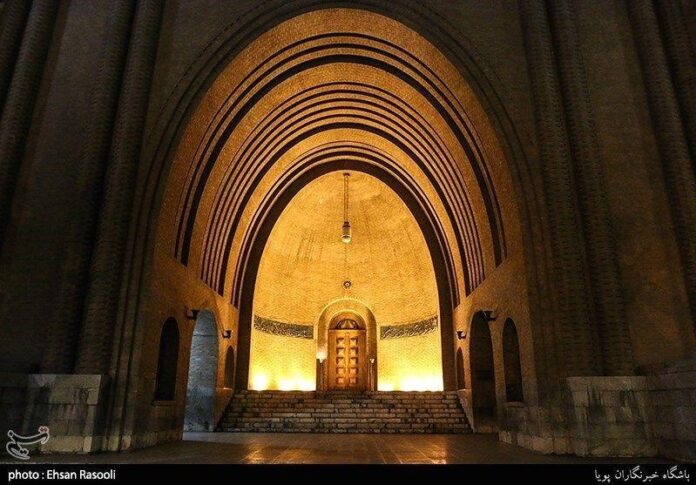
“The Ancient Persia Section of the museum and Italy have long been cooperating with each other. Italy drew up a plan to reinforce the Section in the 1980s and the plan has been published in two volumes,” said Director of the museum Jebrail Nokandeh in an interview with IRNA.
“Japan and Italy are among the countries which are going to work together to rebuild the Ancient Persia Section of the museum,” he added.
He said Tehran and Rome have had close cooperation in the cultural heritage domain for 60 years.
“Six decades of cooperation is a key part of the thousands-year history of the world’s archaeology which has focused its attention on revealing unknown things embedded in the civilization of a territory known as the archaeologists’ paradise,” he noted.
He said the National Museum of Iran has bilateral cooperation with several countries and has held museum exhibitions with different countries.
The National Museum of Iran is the largest, oldest and most important museum in the country. The museum boasts most archaeological findings from the Paleolithic era to the Islamic era displayed in two sections named “Ancient Persia” and “Islamic Era.”
Known as the world’s major festival of documentary films, IDFA 2019 got underway in the Netherlands on November 20.
A documentary directed by Iranian filmmaker Mehrdad Oskouei, entitled “Sunless Shadows”, premiered in the opening of the festival, appearing as a great success for Iran’s motion picture industry.
After being screened for an audience of 1,300 media activists and critics at the opening of the festival, the Iranian film came under the spotlight and its director received high praise.
Sunless Shadows was rapidly put on the list of the top 10 movies after film journals and media mentioned the Iranian documentary and experts published criticisms of the film.
Tickets for the Iranian movie, screened in different sections of the festival, have sold out.
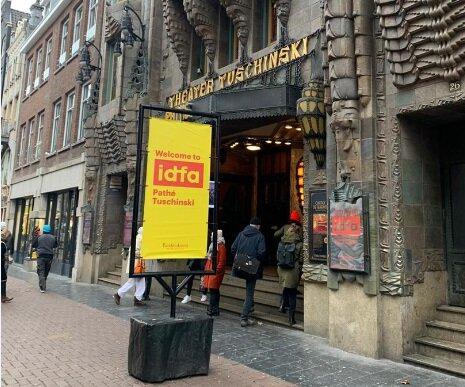
The Iranian documentary was screened for the public at Amsterdam’s “Pathe De Munt” movie theater on Sunday. The audience in the 560-seat theater warmly applauded the movie and attended a question-and-answer session with the director.
Several members of the audience who watched ‘Sunless Shadows’ were concerned about the fate of the girls who were serving their sentence in a juvenile detention center in the documentary, considering that one of the girls was announced to have committed suicide at the end of the film.
In comments at the conclusion of a Sunday screening of the movie, Oskouei said all of the girls appearing in the movie have been released from the juvenile detention center, three of them have gone to university, and none of the mothers have been executed for aiding and abetting the murder of the girls’ fathers or their husbands.
The other questions and comments in the session related to the mechanism of narration and storytelling in the ‘Sunless Shadows’.
“The guys appearing in the movie had such deep internal layers that in certain parts of the film, I realized that the film crew must leave the location, so that the guys could express their views more comfortably in front of the camera,” the director explained.
“Moreover, I became a transmitter of video messages between them and their mothers in the other prisons,” Oskouei added.
The next screening of Sunless Shadows will take place in Amsterdam’s Eye Cinema on Monday.
The documentary tells the story of a group of adolescent girls who serve their sentence at a juvenile detention center for the crime of murdering their father, their husband or another male family member.
Mehrdad Oskouei has built a remarkable relationship with the inmates by observing their frank conversations and playful interactions.
Occasionally, the director leaves the girls alone with the camera, allowing it to become a tool for them to address both their victims in the afterlife and their accomplices.
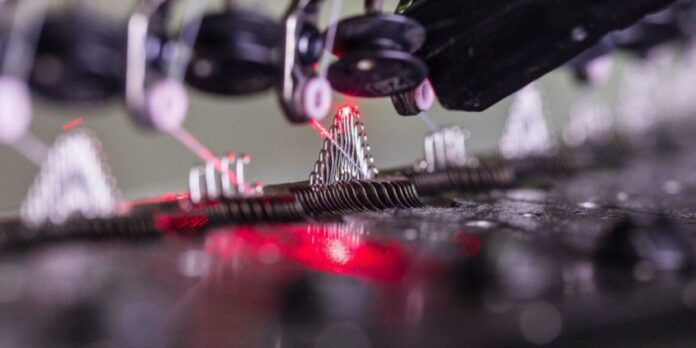
The laser needle controller technology, developed by Araz company also known by its trade brand Joula, can boost efficiency with the installment of some equipment on textile machinery.
The company has defined and implemented many projects in line with overhauling the textile industry in Iran. One of the projects the company has successfully implemented is the technology to spot broken needles in machinery with laser. Joula is the second company in the world to have developed the technology. Earlier, only a leading German firm had managed to develop the knowhow.
The CEO of Joula, Meysam Javaheripour, says laser has been used to develop the technology in Iran given the existing facilities in the country and the expertise of domestic experts. This textile technology minimizes the degree of waste and damage in machinery.
“Since we are the second company in the world to have developed this technology, this knowhow has great potential to be exported,” said the CEO.
“We took part in ITMA in Spain, which is the largest international textile exhibition, and made some requests to countries with powerful textile industries such as India, Turkey, Bangladesh, China, South Africa and South America,” he added.
“We have also taken steps towards mass-production and exporting our product,” said the managing director.
He also touched upon other products developed by the company.
“One of our other products is an apparatus [which can be] installed on all textile machinery and reads the machinery’s sensors. We used “The Internet of Things” technology in this device, which can be used to monitor, control and manage [processes] online. It can even be used to make reports on a weekly or monthly basis. Given that today, having information is among the principles of management, this device saves all required information from any machinery and presents it later. And because it displays the condition of the machinery online, it is possible to find out about the status of the machinery through one’s mobile phone or personal computer,” he said.
According to him, The Internet of Things is a new space and regarded as a major technology, “so, this product has high potential for export.”
“We displayed this product as a prototype at the Spain exhibit, and it was warmly welcomed,” he added.
He said the company is currently working to develop another product, “which will amount to a revolution in the textile industry if successful results are obtained because we will be the first to have developed the product.”
“Our experts have been working on this project for a year now,” he said.
“This product can be used to carry out visual processing of fabric. This product shows faults in fabric during the weaving process. If the fault is minor, the device seeks permission from the user, who, if necessary, can stop the process,” he said.
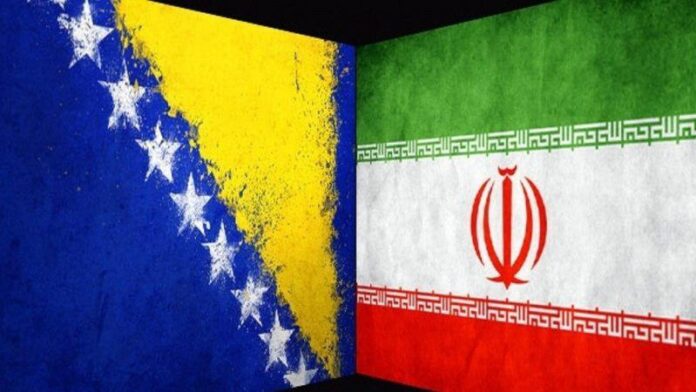
In a message to Chairman of the Presidency of Bosnia and Herzegovina Zeljko Komsic on Monday, President Rouhani warmly congratulated the European country’s government and people on the Statehood Day.
“The history of relations between the two countries indicates the two sides’ determination and resolve in the path to the promotion of cooperation in all fields. I hope that we would witness the continuation of such trend and its further enhancement in the future as well,” the Iranian president added.
President Rouhani finally wished welfare and success for the government and nation of Bosnia and Herzegovina.
Statehood Day is a holiday celebrated on November 25 in Bosnia and Herzegovina to mark the declaration of a resolution by the State Anti-Fascist Council for the National Liberation of Bosnia and Herzegovina back in 1943.
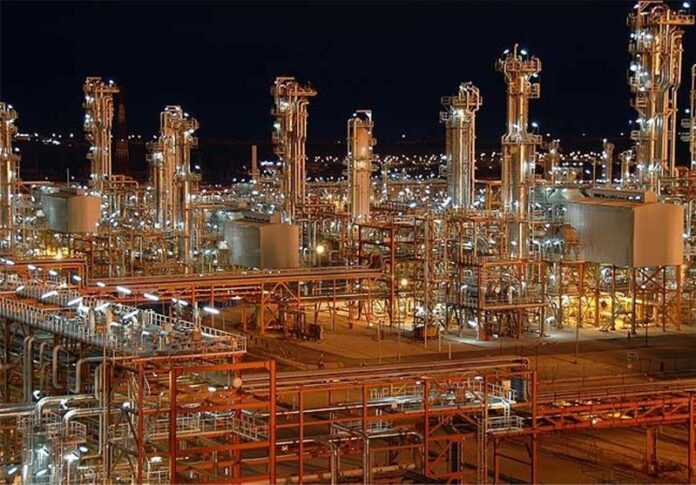
Ali Shamkhani, the Secretary of Iran’s Supreme National Security Council (SNSC), said Sunday the enemies had masterminded the plot to launch an attack on the Asalouyeh energy facilities in southern Iran amid the recent violent riots.
The enemy, he said, was apparently seeking to retaliate an attack that Yemen’s Ansarullah forces had launched against the Saudi Aramco oil installation in September.
Shamkhani said the plot has been foiled.
The Iranian Administration’s Spokesman Ali Rabiee had already disclosed reports of hostile plots to stage organized attacks on the Asalouyeh oil pipelines, sensitive telecommunication centres in Shiraz, and a number of military bases.
In September, the Houthis carried out a devastating attack on two Saudi oil facilities.
Despite continued Saudi airstrikes on Yemen, observers believe the raid, which was the latest of increasingly sophisticated retaliatory Yemeni attacks against Saudi Arabia, played a role in shifting Riyadh’s approach towards Yemen.
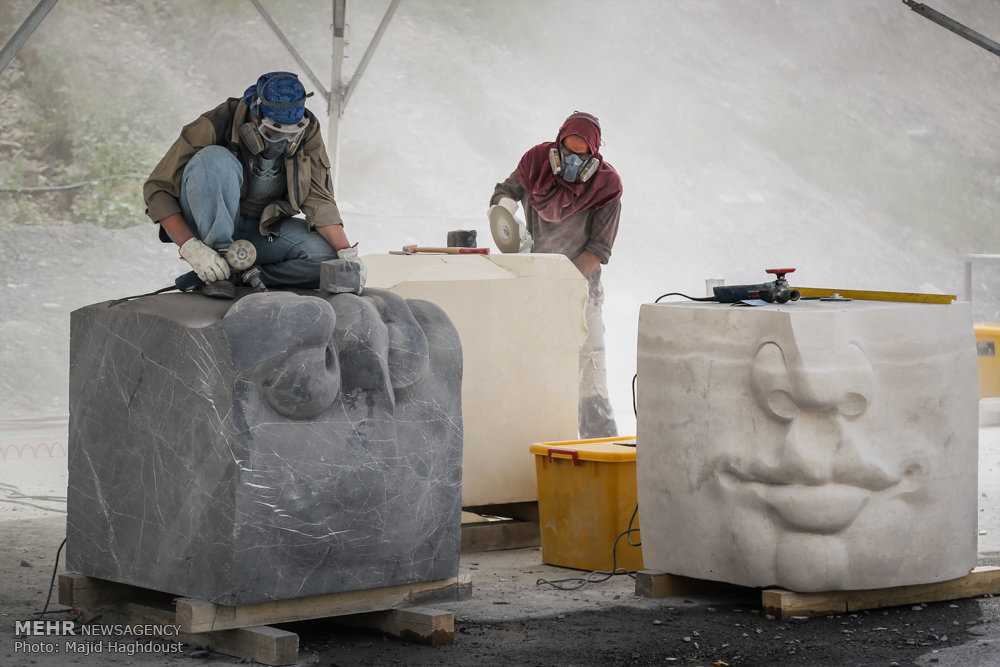
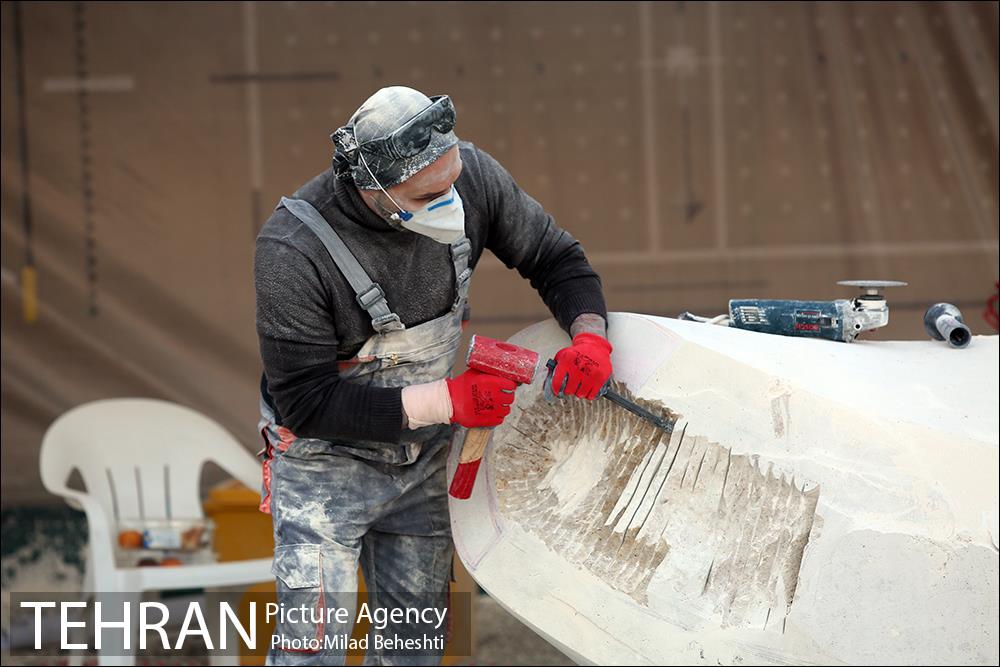
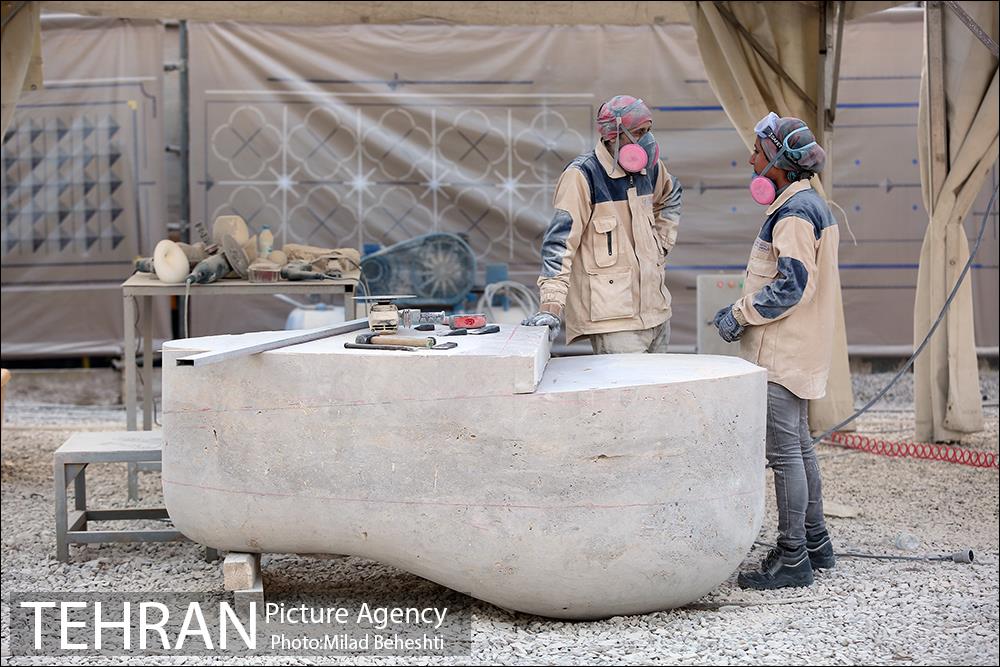
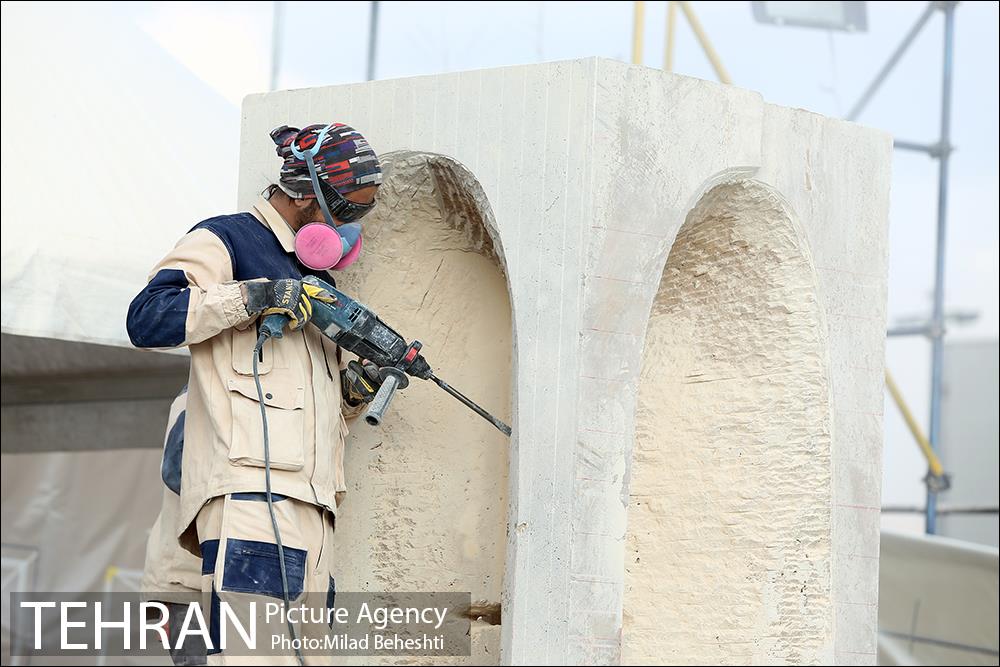
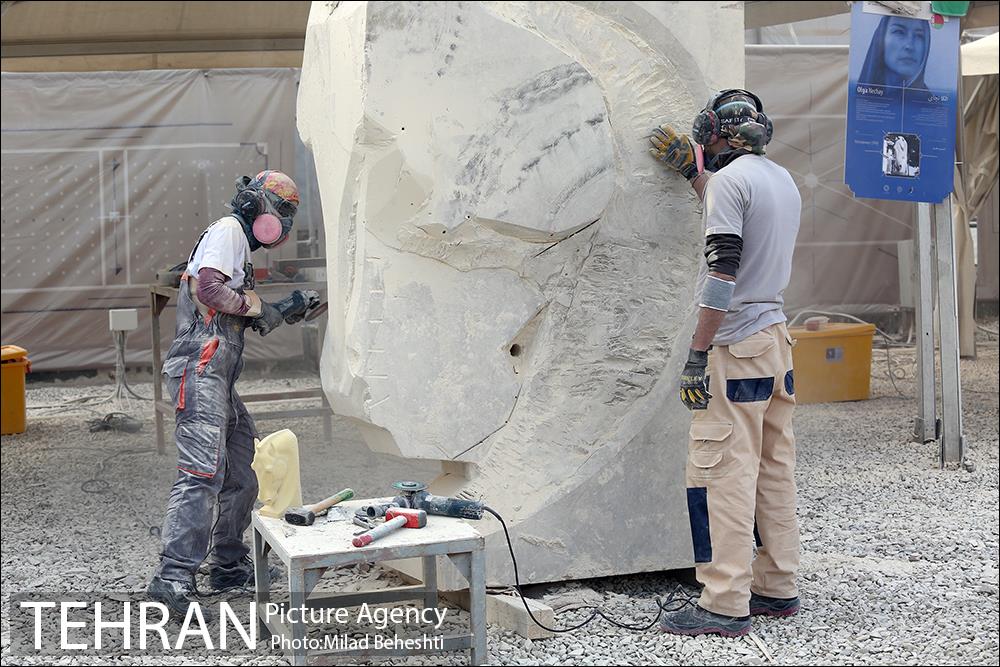
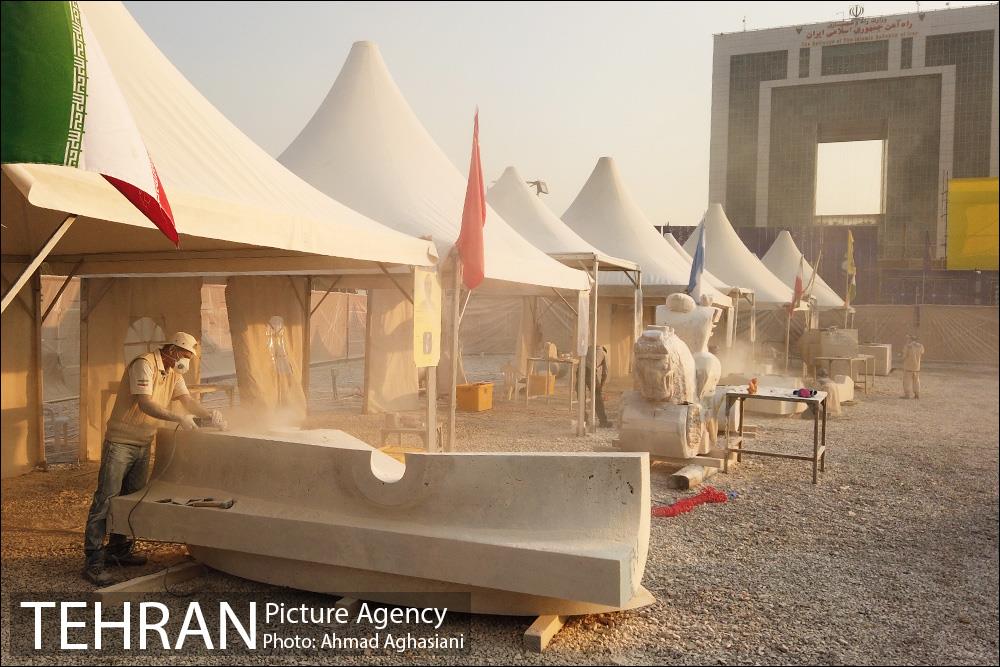
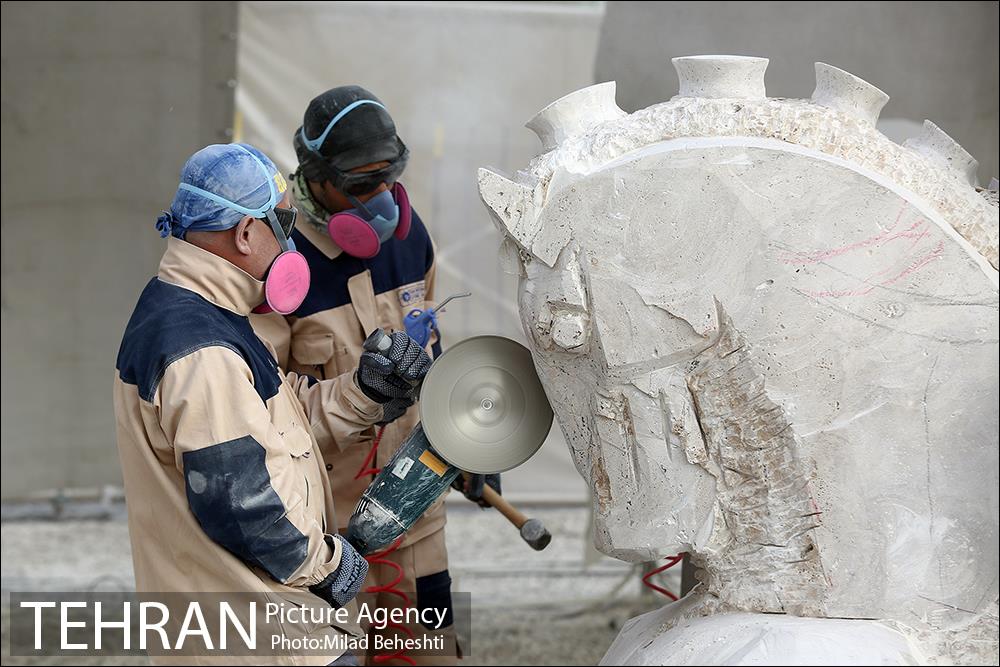
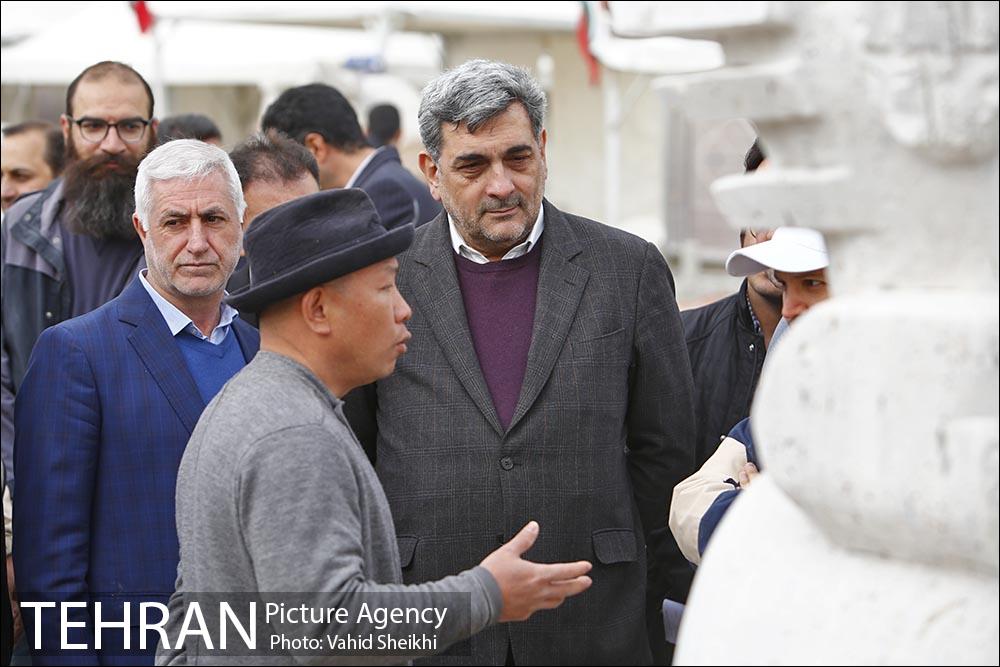
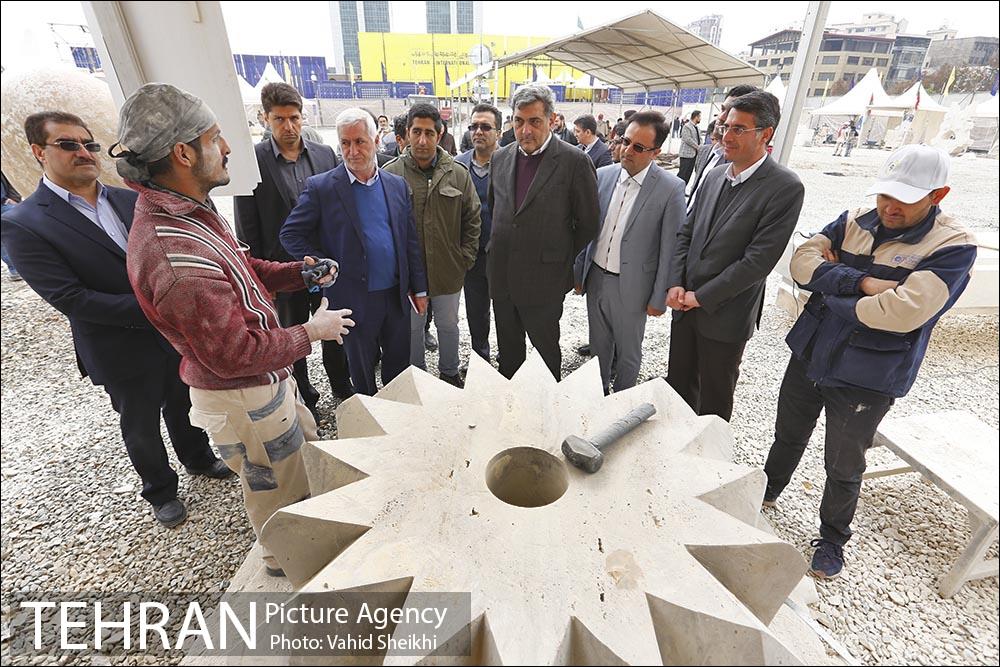
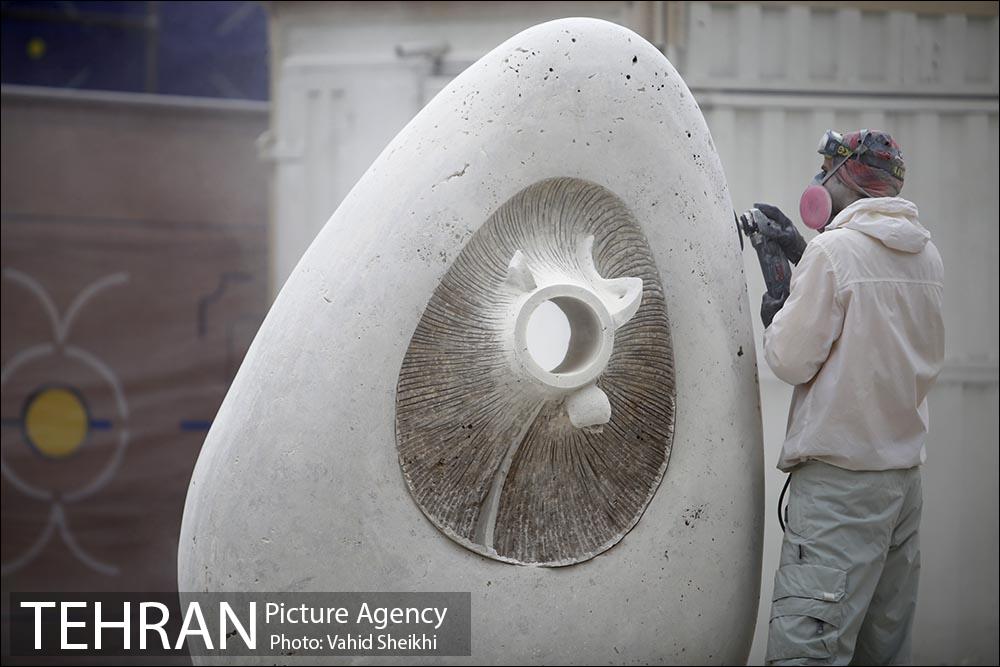
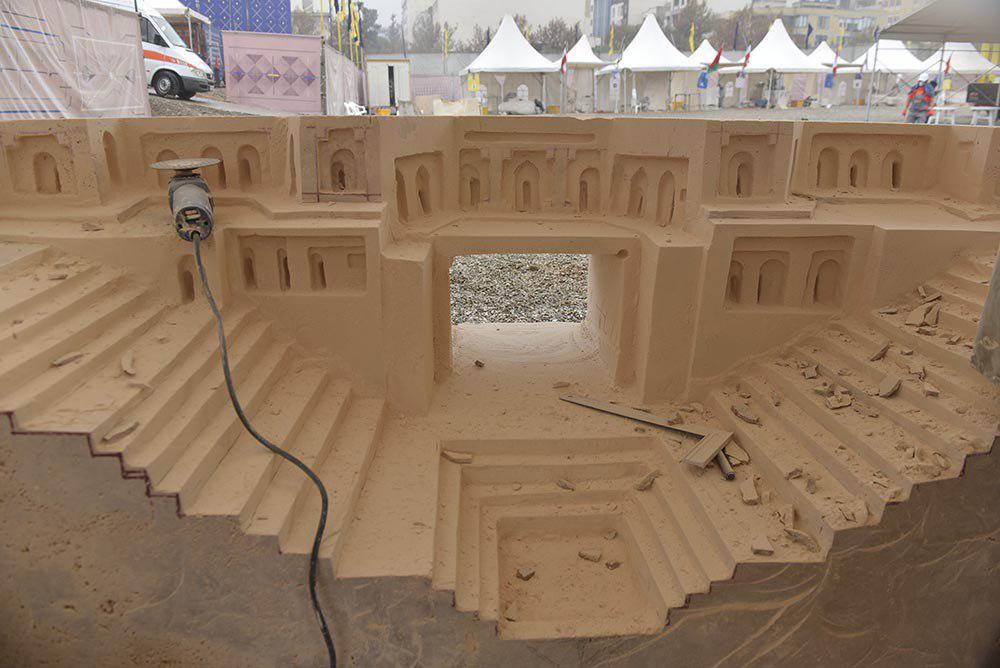
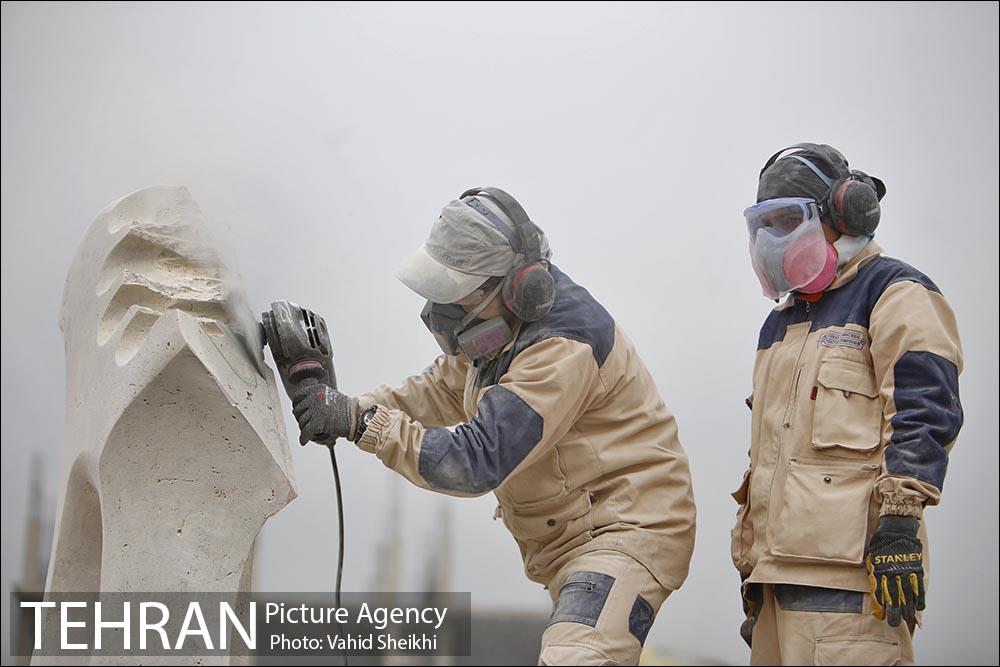
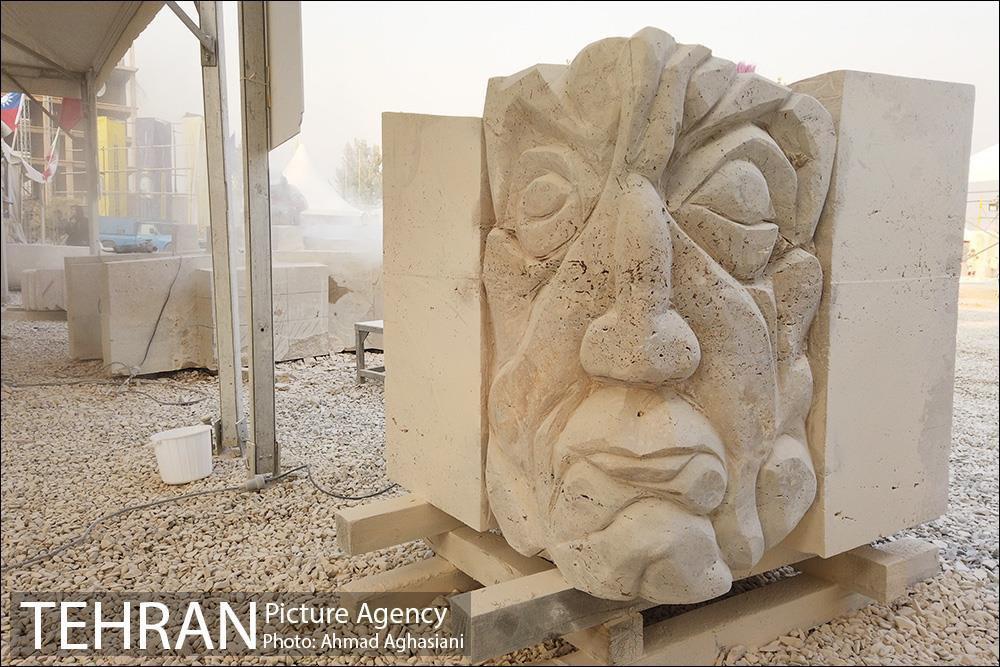
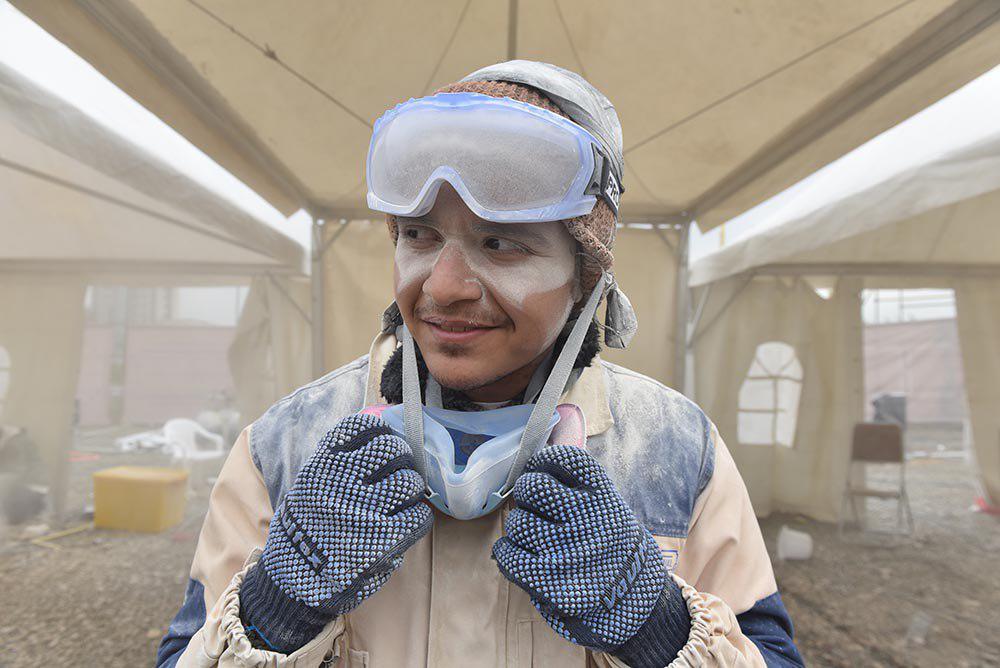
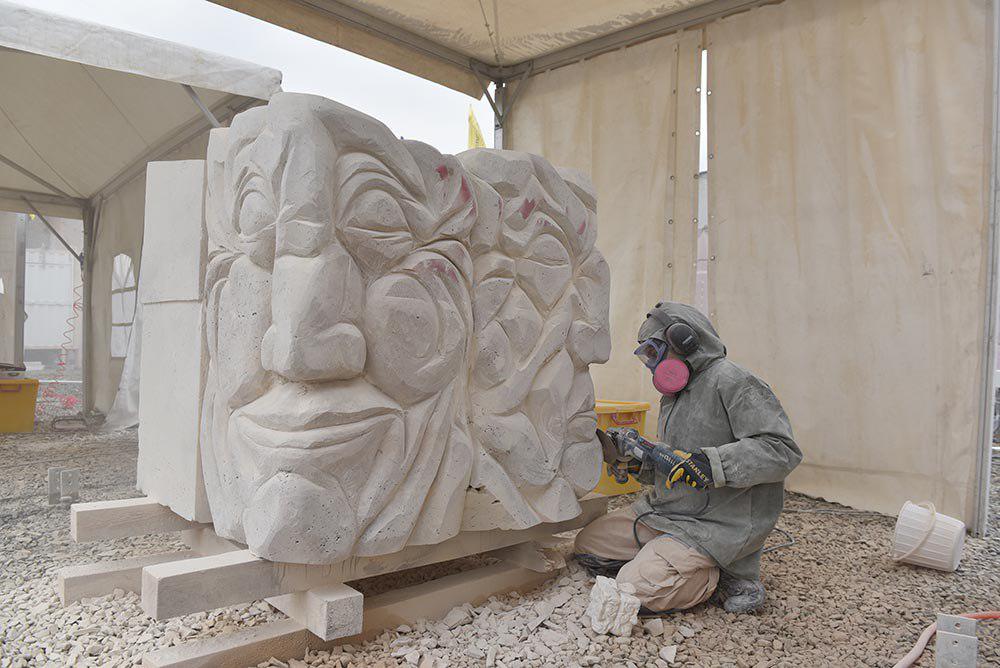
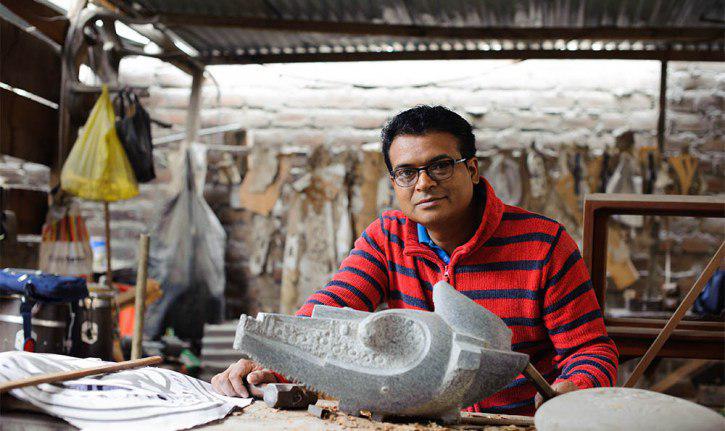
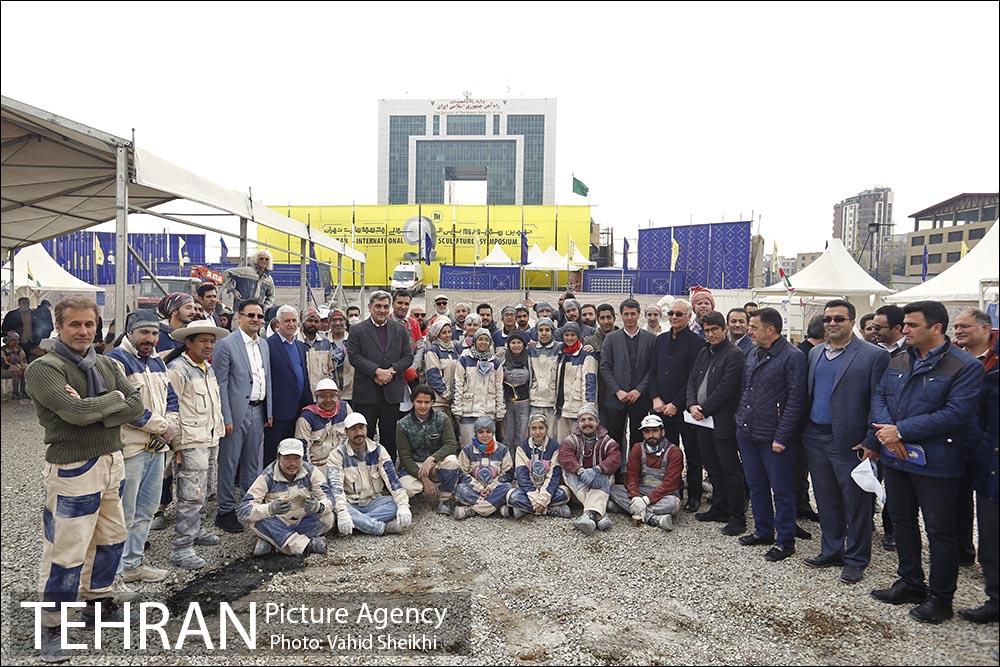
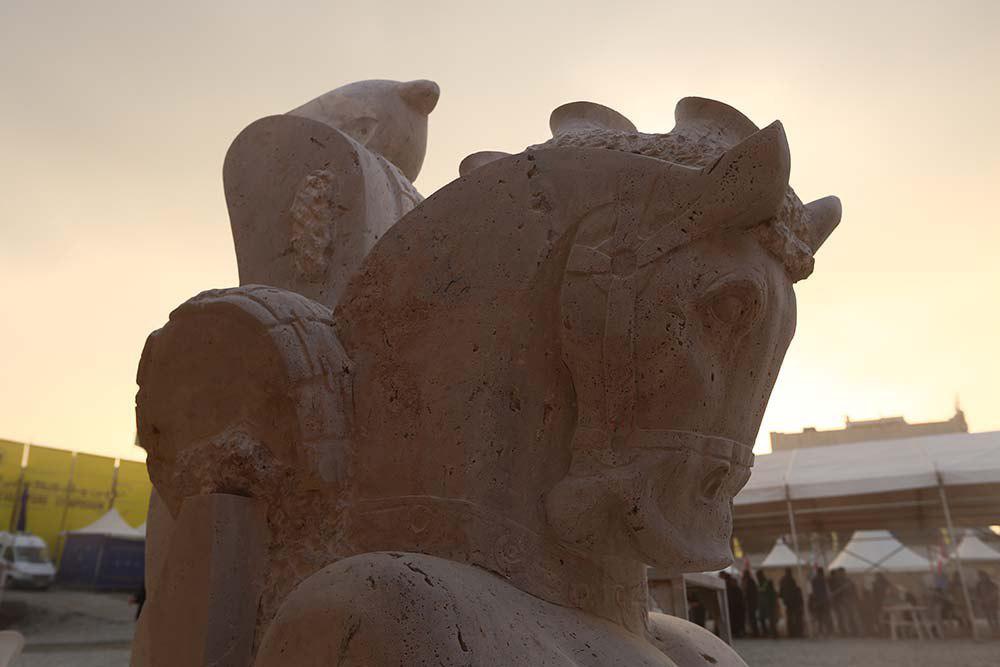
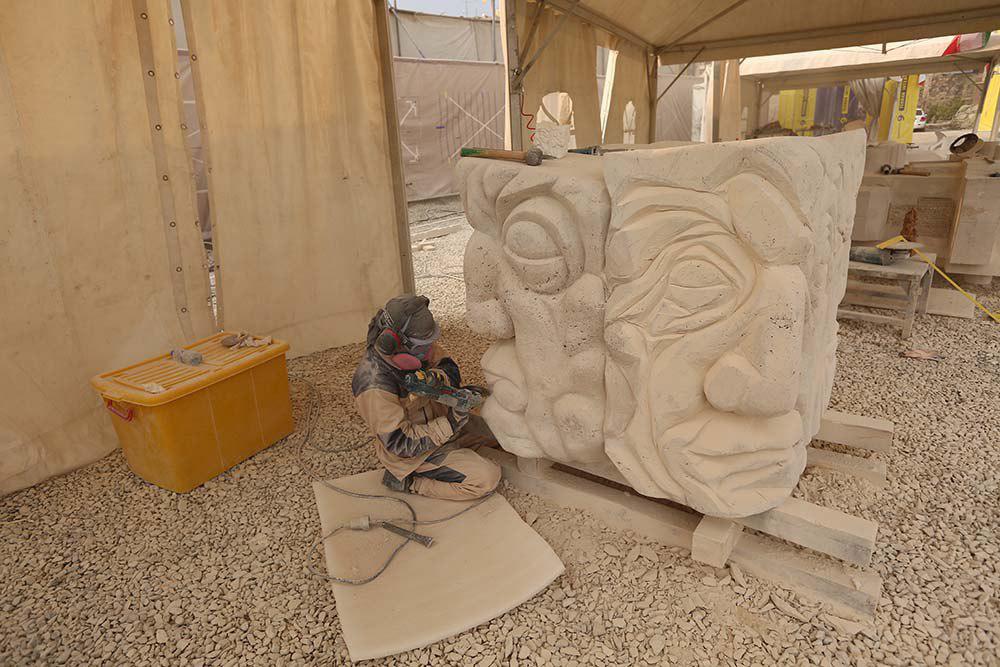
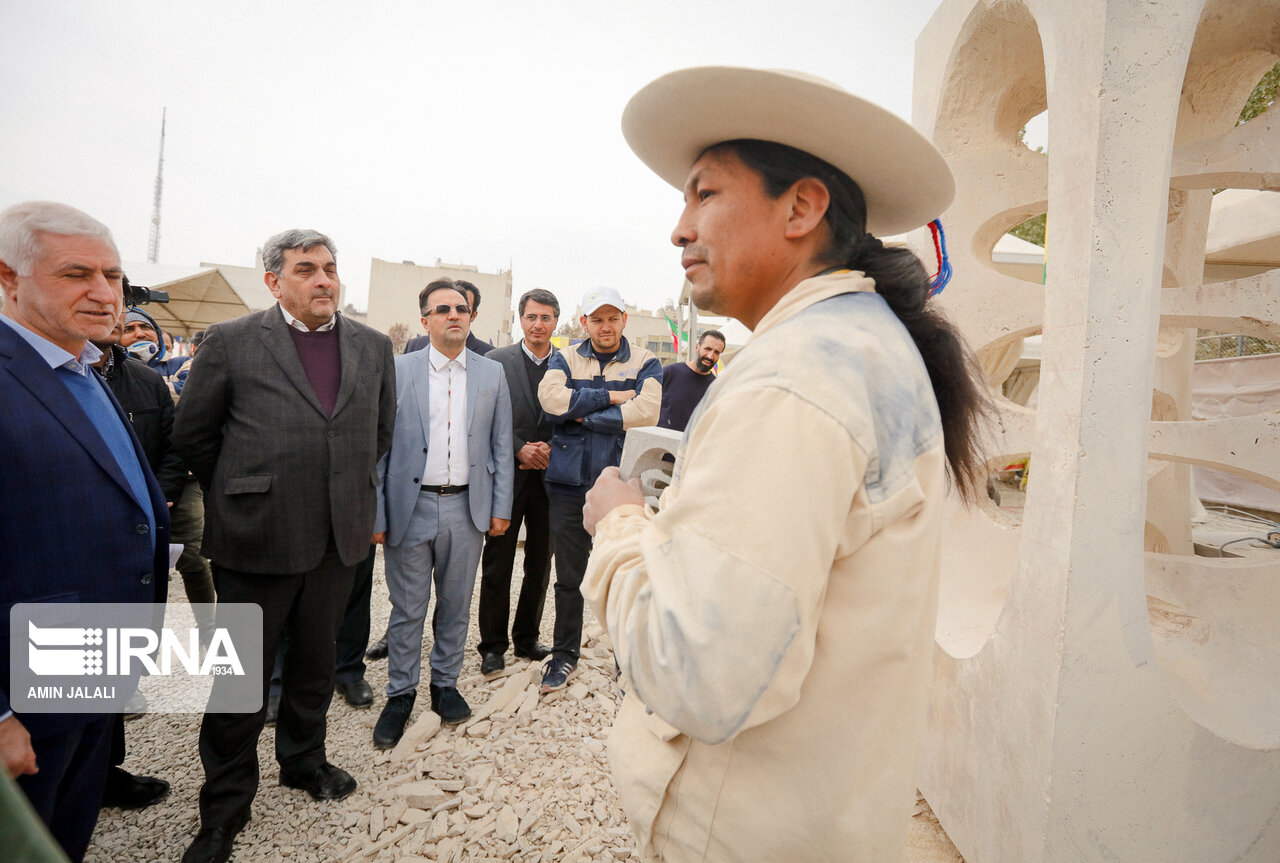
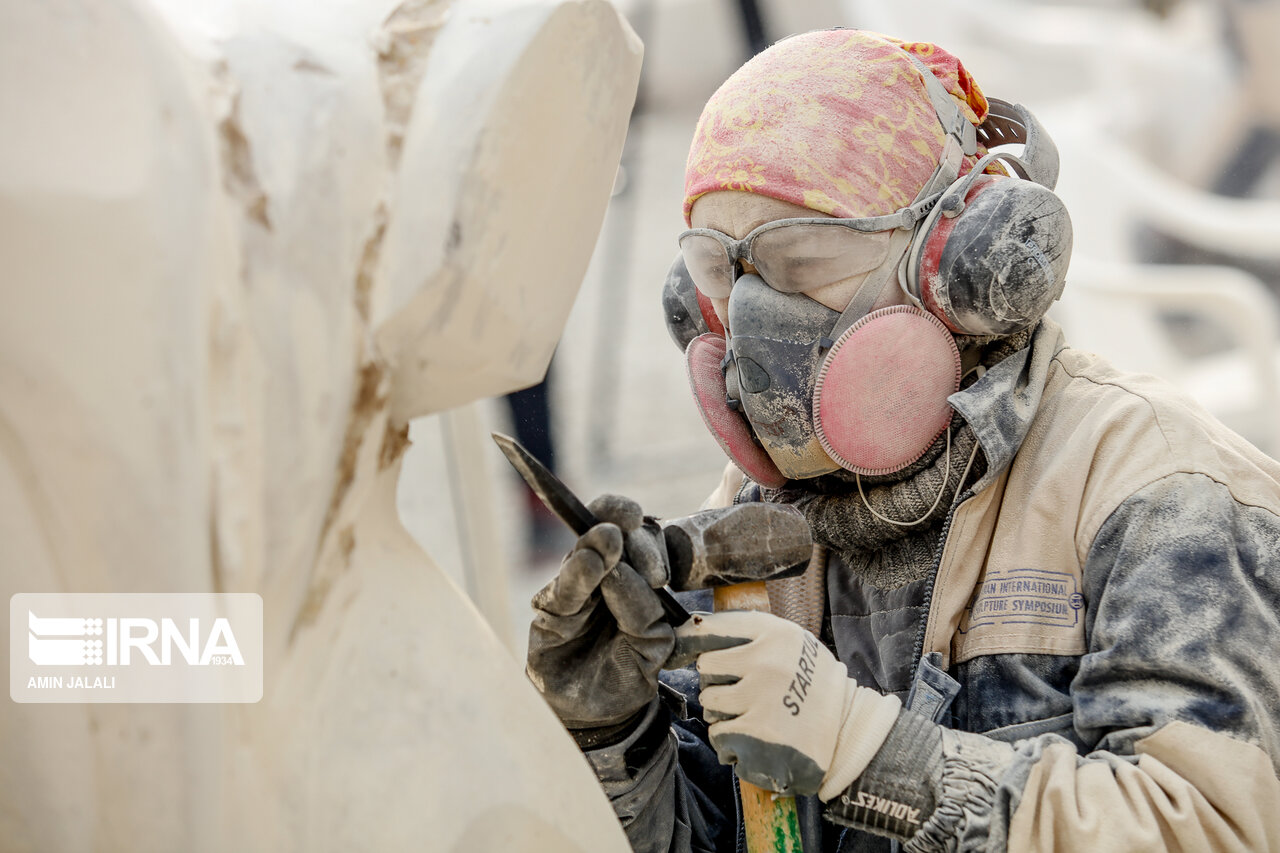
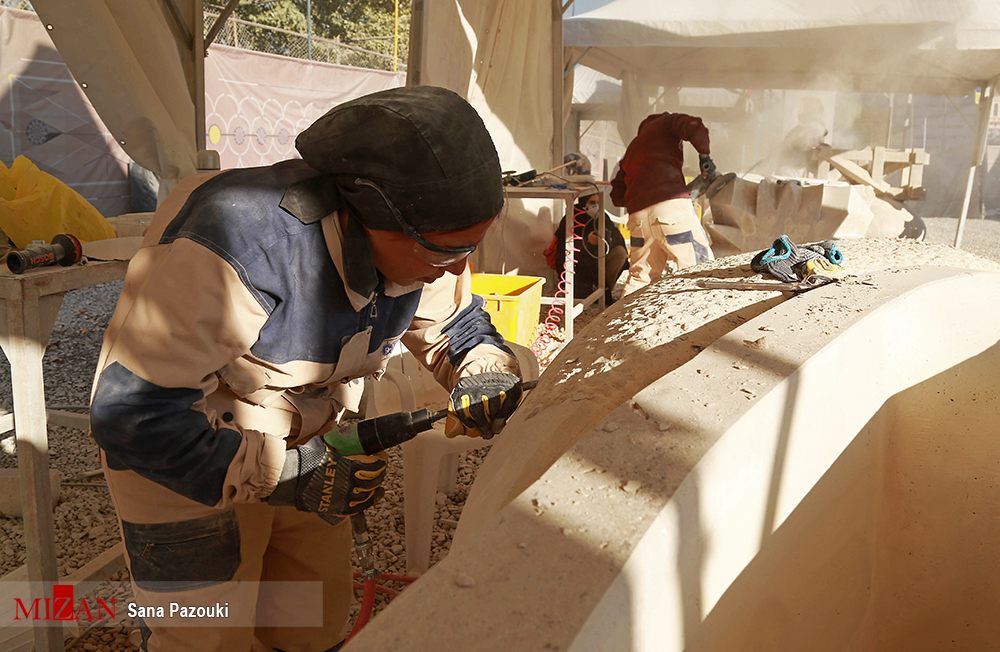
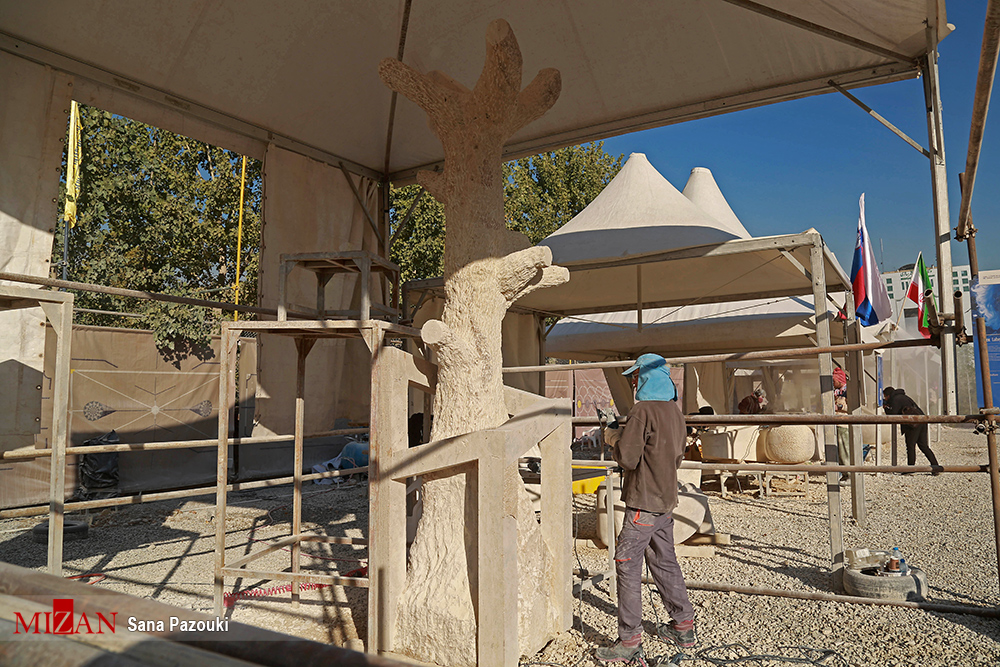
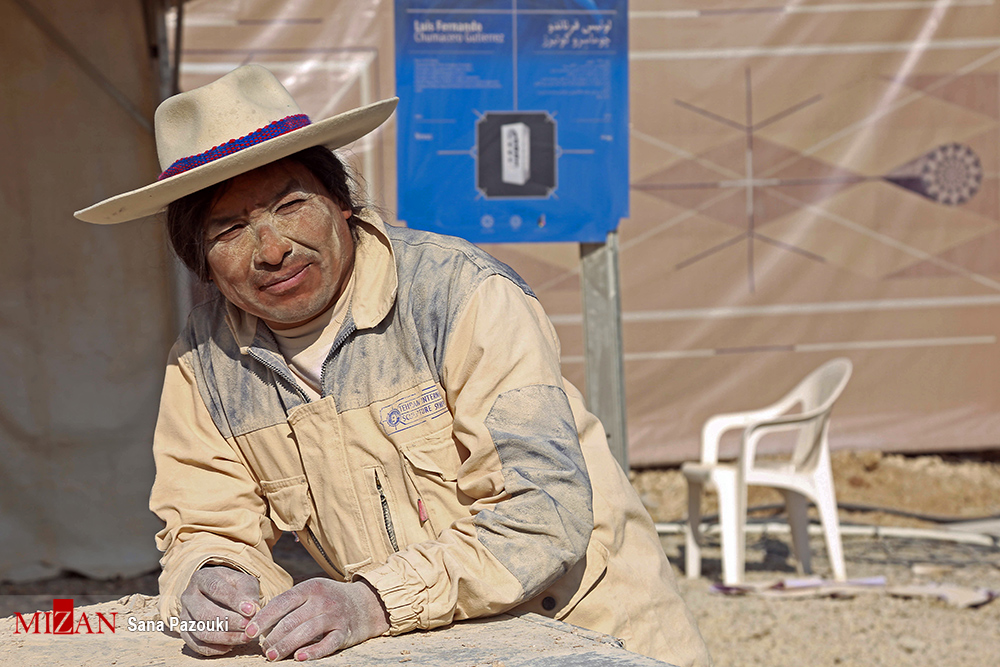
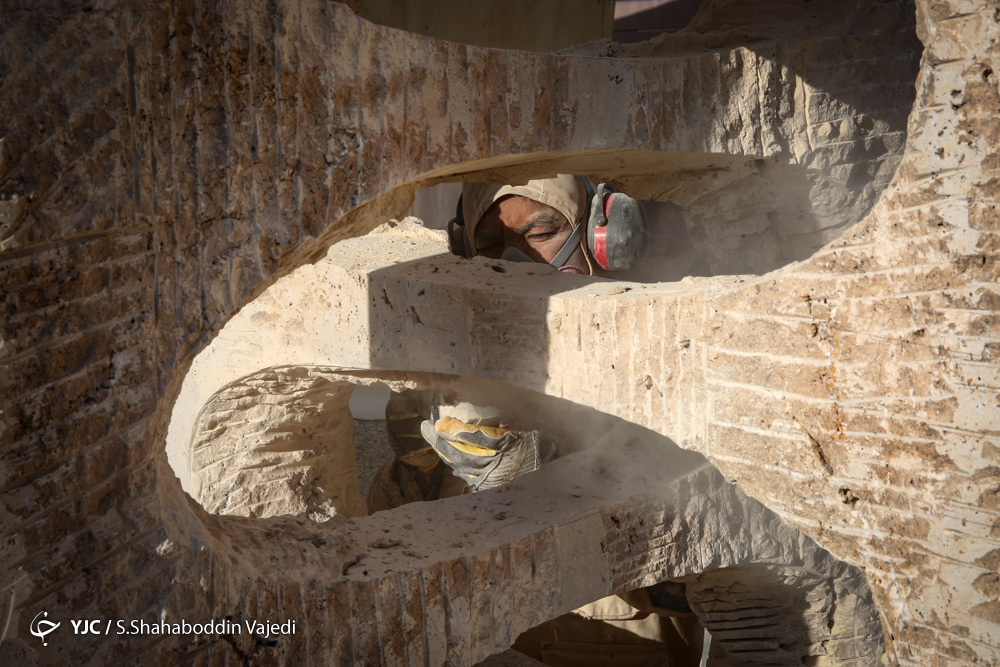
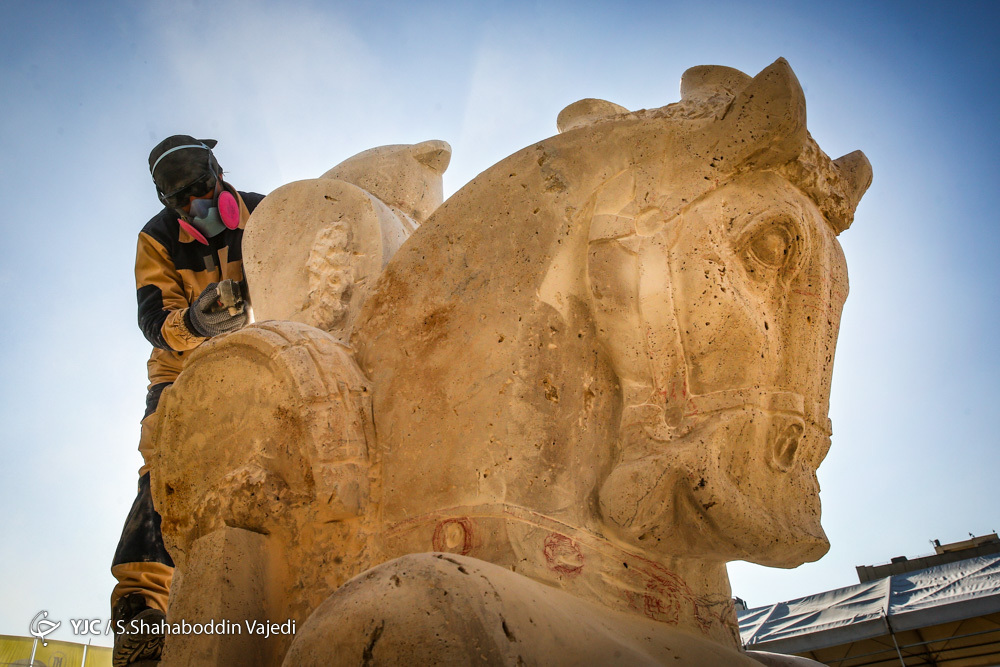
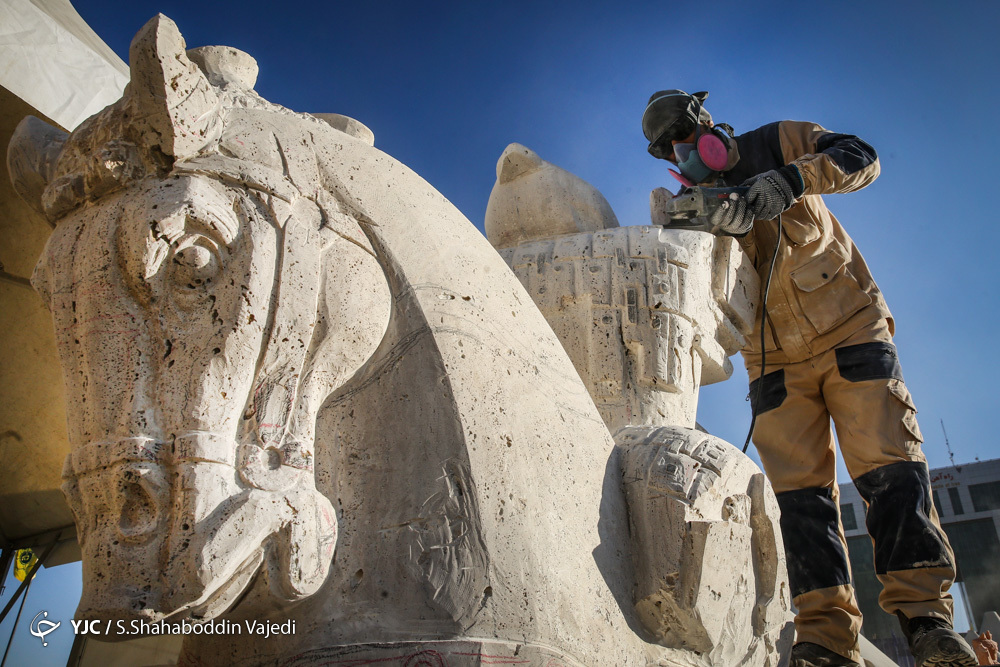
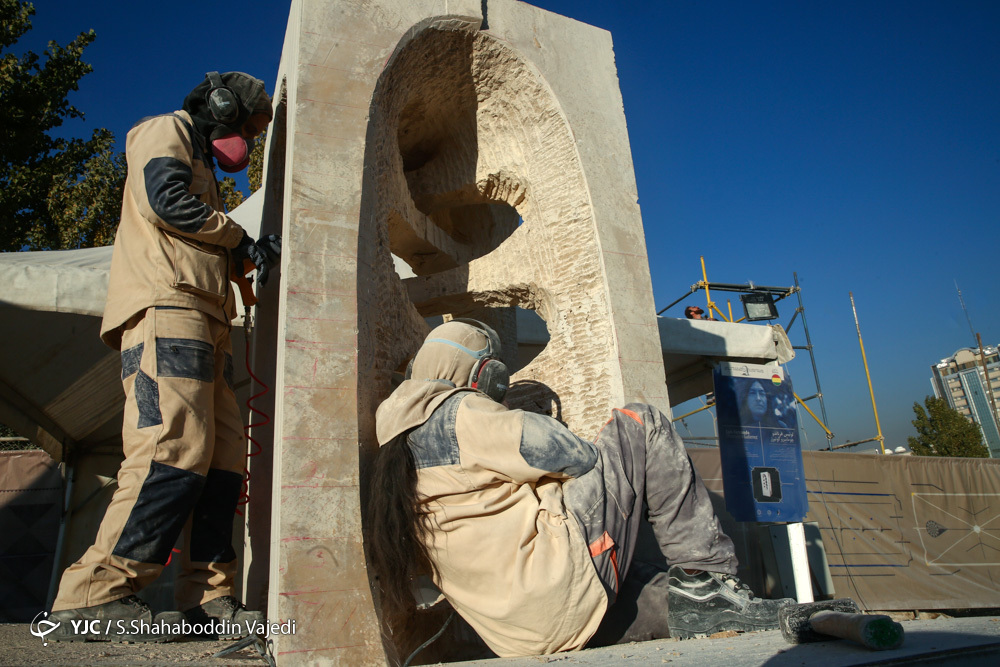
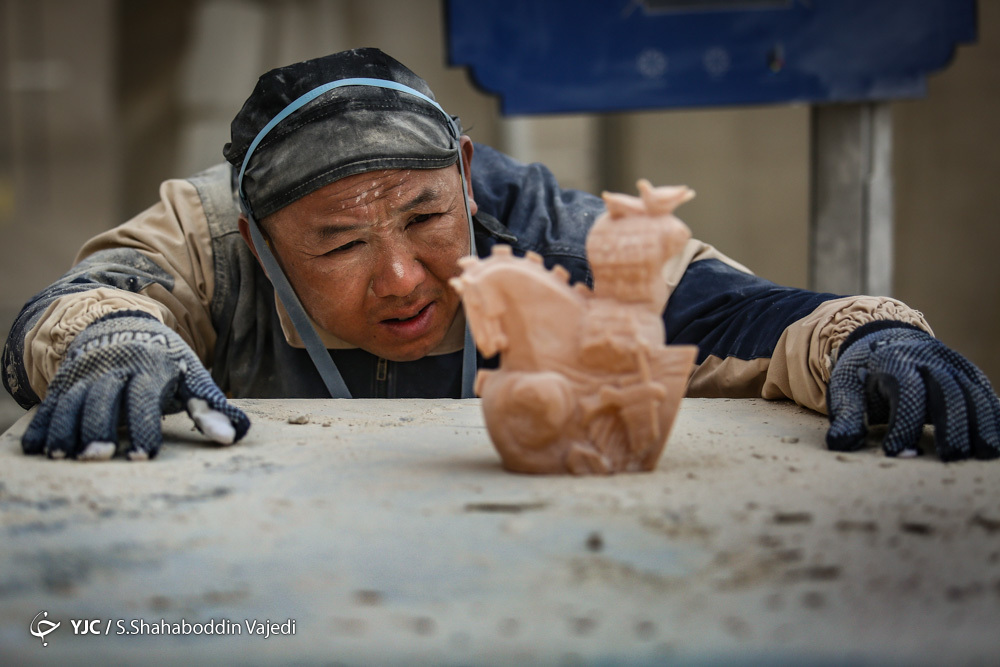
It is one of the well-known international sculpture events both in Iran and abroad. Five Iranian male artists, eight foreign male sculptors as well as two female artists from Argentina and Belarus are taking part in the main section of the symposium. Six male along with four female sculptors are also attending the student sections. In the assistants’ section, eight women and seven men are busy with their works of art.
One of the authorities with the event says there are a large variety of artworks from different sculptors on display at the event.
A Slovenian artist attending the event described the symposium as very professional and high-level.
An Indian sculptor at the event said a positive feature of the symposium is the variety and differences between the artworks of Iranian sculptors.
Other artists taking part at the event also praised the symposium and described it as a good opportunity for sculptors.
The event which opened on November 2, 2019 will run until November 25.
What follows are photos of the international sculpture symposium retrieved from various sources:
1- Kuwait Ready to Host Yemen Talks
2- French DM: We’ll Continue Negotiation with Iran
3- Re-imposition of Sanctions on Fordow Great Blow to JCPOA
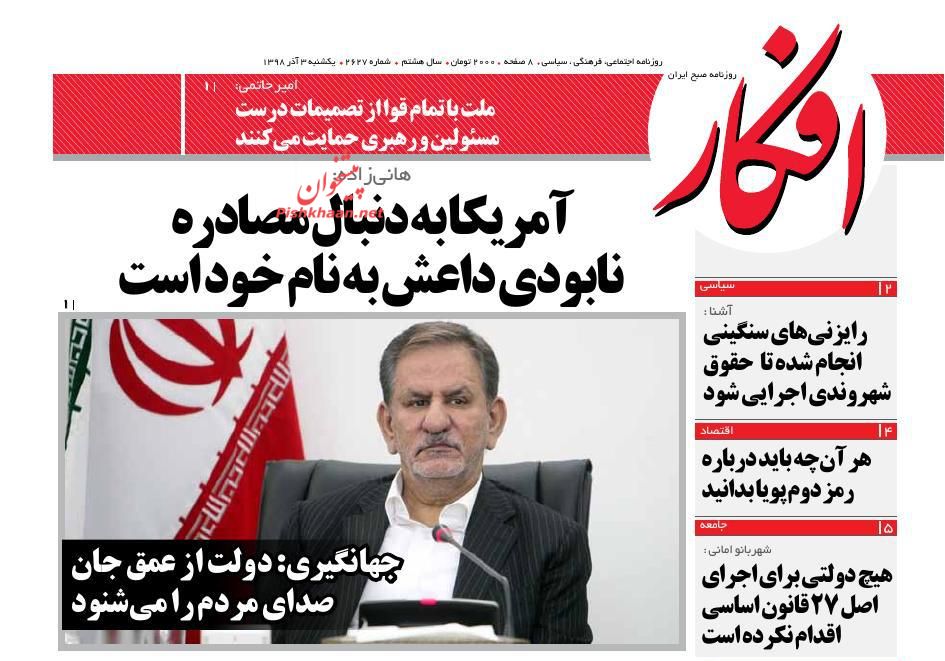
Afkar:
1- Analyst: US Trying to Steal Victory over ISIS
2- DM: Nation to Strongly Support Leadership’s Decisions
Aftab-e Yazd:
1- Prosecutor General Visits Tehran Grand Prison, Urges Riot Detainees to Be Honest
2- Confusion: What Stance Should Reformists Take Towards Rouhani
Ebtekar:
1- Day of Fate for Iraqi PM Abdul-Mahdi
2- First VP: Government Heard People’s Protest, Voice from Its Heart
Etemad:
1- We Hear People’s Voice: First VP
2- Mousavian: Hormuz Peace Initiative Yardstick to Test Saudi Intention
Ettela’at:
1- Iranian People to Condemn Riots at Tehran’s Enqelab Square
2- 107 Congresspeople Sign Petition against Pompeo’s Support for Israeli Settlements
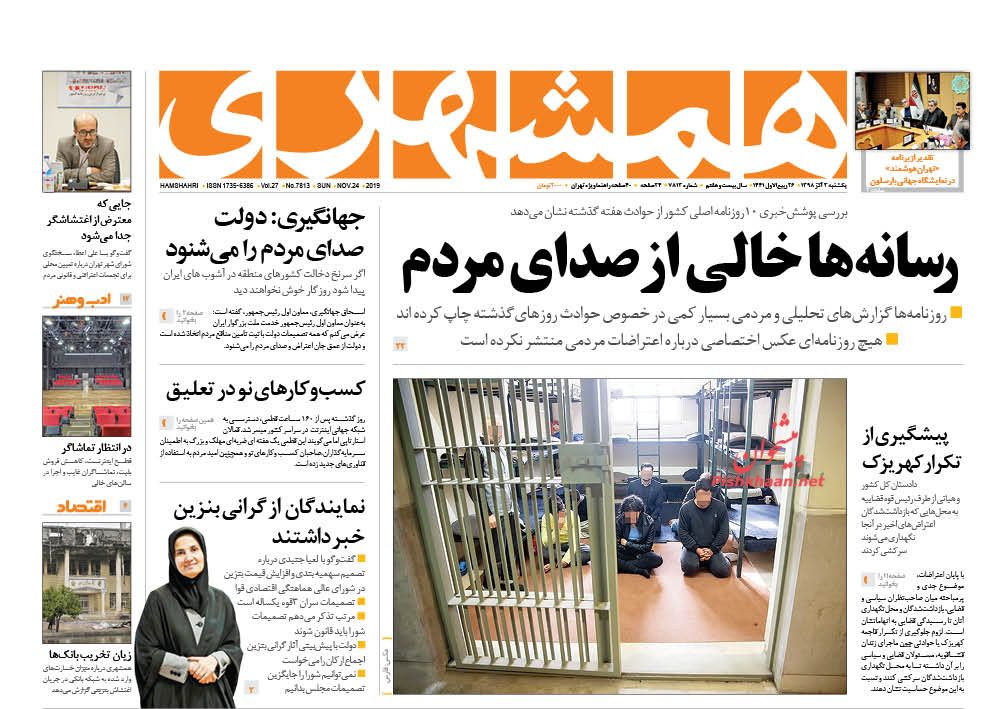
Hamshahri:
1- Media Outlets Void of People’s Voice
* Very Small Number of Reports Released by Iranian Papers on Protests
* No Newspaper Published a Single Exclusive Photo of Popular Protests
Iran:
1- Iranian Economy Following Gas Price Hike
2- US Angry about Development of Technology in Iran: MPs on ICT Minister Ban
Jame Jam:
1- Iran Passes Difficult Test of Gas Price Hike: Review of Bodies’ Reactions to Recent Events
2- It’s Time to Nationalize ‘Net’ Industry
Javan:
1- Those Who Had Minor Roles on Riots to Be Released with Judiciary Chief’s Order
2- Imports No Longer Under Pressure of Sanctions
3- Democrats Share Trump’s Stance in Support of Iran Riots
Jomhouri Eslami:
1- China FM: US Biggest Source of Instability in World
2- People Continue Demonstrations in Condemnation of Recent Riots
3- Prosecutor General: Detainees to Be Screened in 48 Hours; Innocent Ones Will Be Released
Kayhan:
1- People of Tehran to Rise Tomorrow against Enemies Who Wanted to Take Iran’s Security, Paralyze Its Economy
2- Zionists Tell Guardian They Kill People for Pleasure
3- 71,000 Yemeni Patients Die Because of Saudi Siege
Mardom Salari:
1- US Project to Isolate Iran Fails
* Foreign Policy Reports Iran-Saudi Hostility Has Decreased
2- Trump’s Plan to Send Pompeo to Kansas
* US Secretary of State May Withdraw from His Position
3- Washington’s Internet Paradox against Iran
* Tehran Condemns US Sanctions on ICT Minister
4- Rouhani’s VP for Legal Affairs: We Insist on Creating Safe Zone for Protests
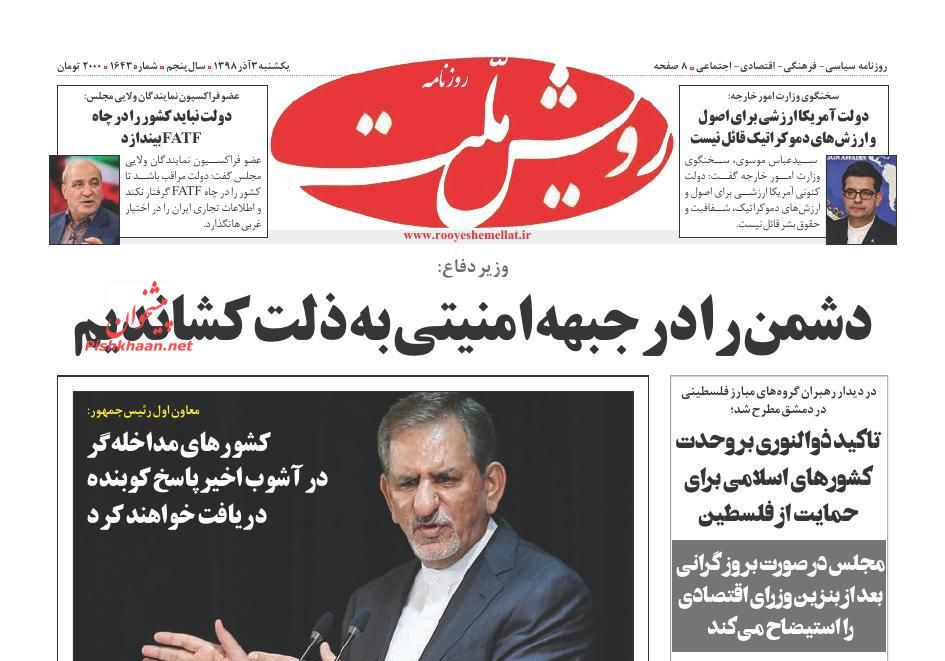
Rooyesh-e Mellat:
1- DM: We’ve Humiliated Enemies in Security Front
Setareh Sobh:
1- Government Poised to Decrease People’s Expenses
2- Gradual Return to Access to Internet
3- Iran Has Suffered Heavy Losses Due to Internet Shutdown
Shargh:
1- Countries that Interfered in Recent Riot to Receive Crushing Response: First VP
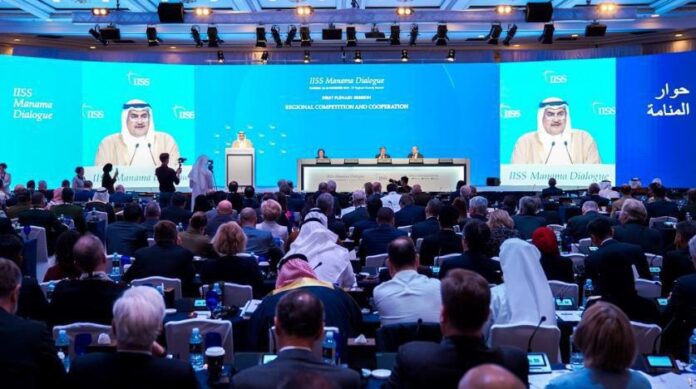
In a statement on Sunday, Mousavi denounced the baseless and worthless remarks and the bogus allegations made against Iran by certain participants in the IISS (International Institute for Strategic Studies) Manama Dialogue in Bahrain, and dismissed the accusations against Tehran.
“The countries who themselves spawn and promote terrorism and extremism, who have interfered in the internal affairs of others by trampling on the principles of good neighbourliness, and who have undermined regional security by attracting the alien forces, could not attribute the self-created problems to the Islamic Republic of Iran by putting the blame on others,” he added.
“The historical memory of public opinion in the region and the world will not forget the Saudi-led military aggression against Yemen, the slaughter of tens of thousands of innocent women and children, and destruction of all the infrastructure in that country (Yemen) and resorting to colonialist behaviour in an effort to overthrow the legitimate governments and to establish client regimes,” the Iranian spokesman said.
Mousavi finally called on the countries which have raised allegations against Iran at the IISS Manama Dialogue to cast aside illusion, accept the realities, and exercise dialogue and collective cooperation to ensure regional stability, security and progress.
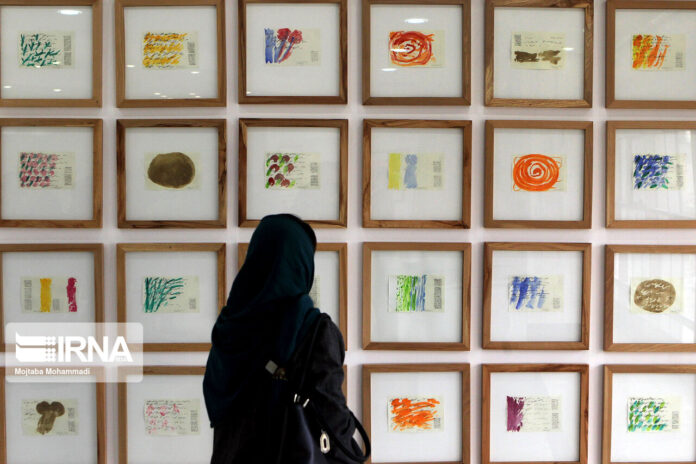
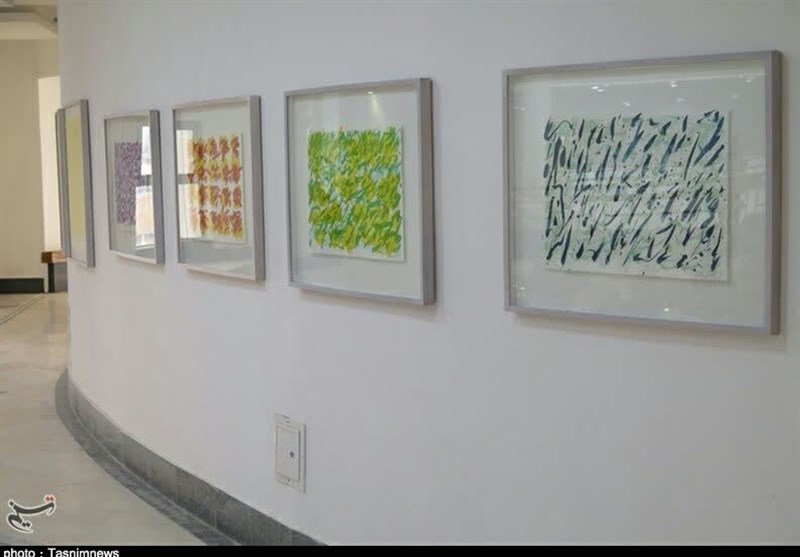
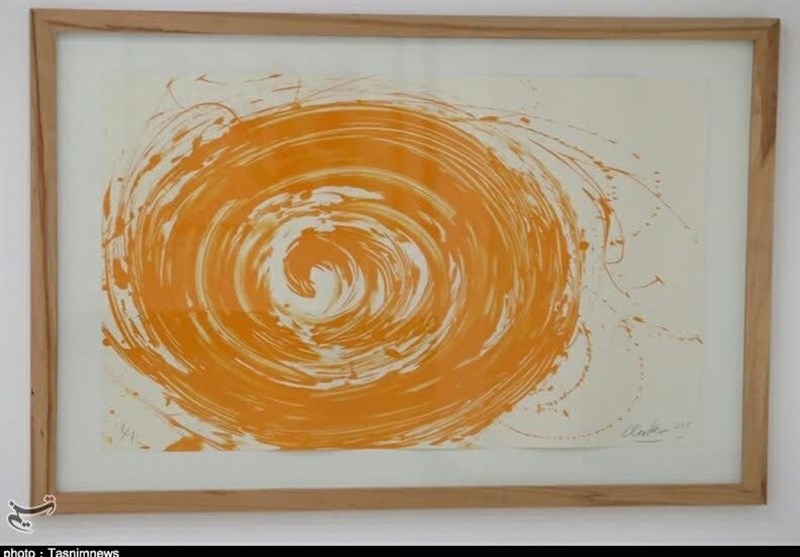
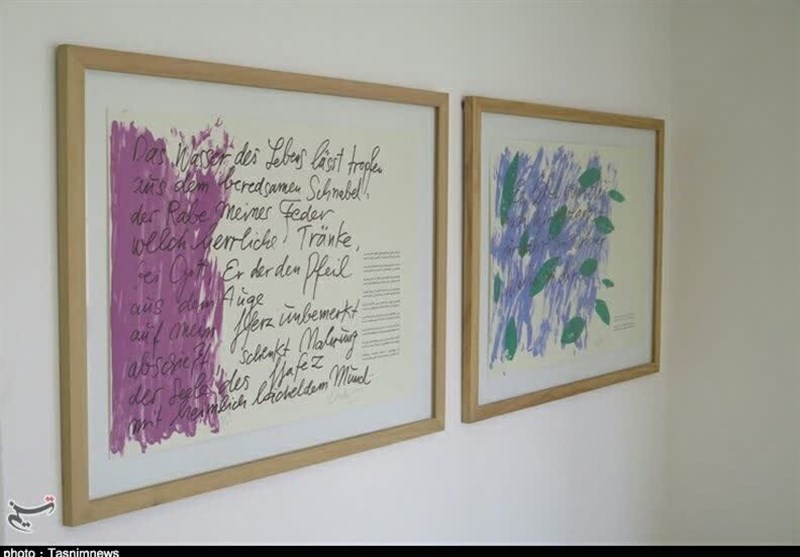
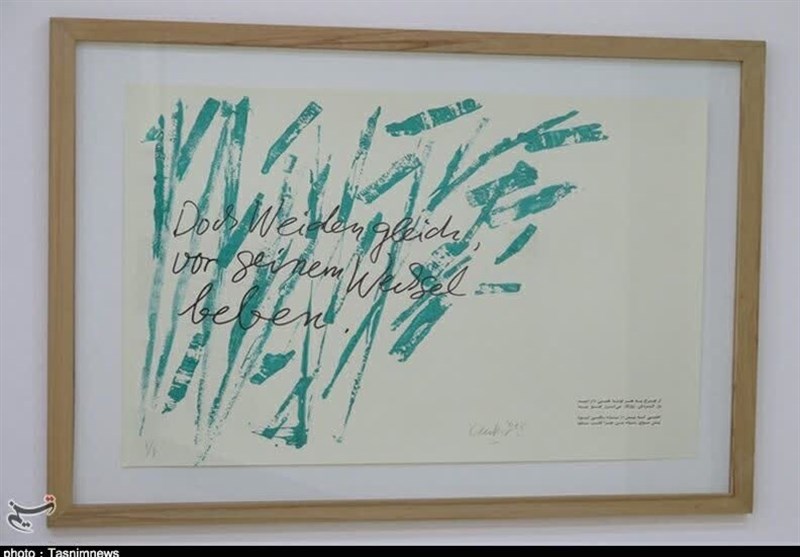
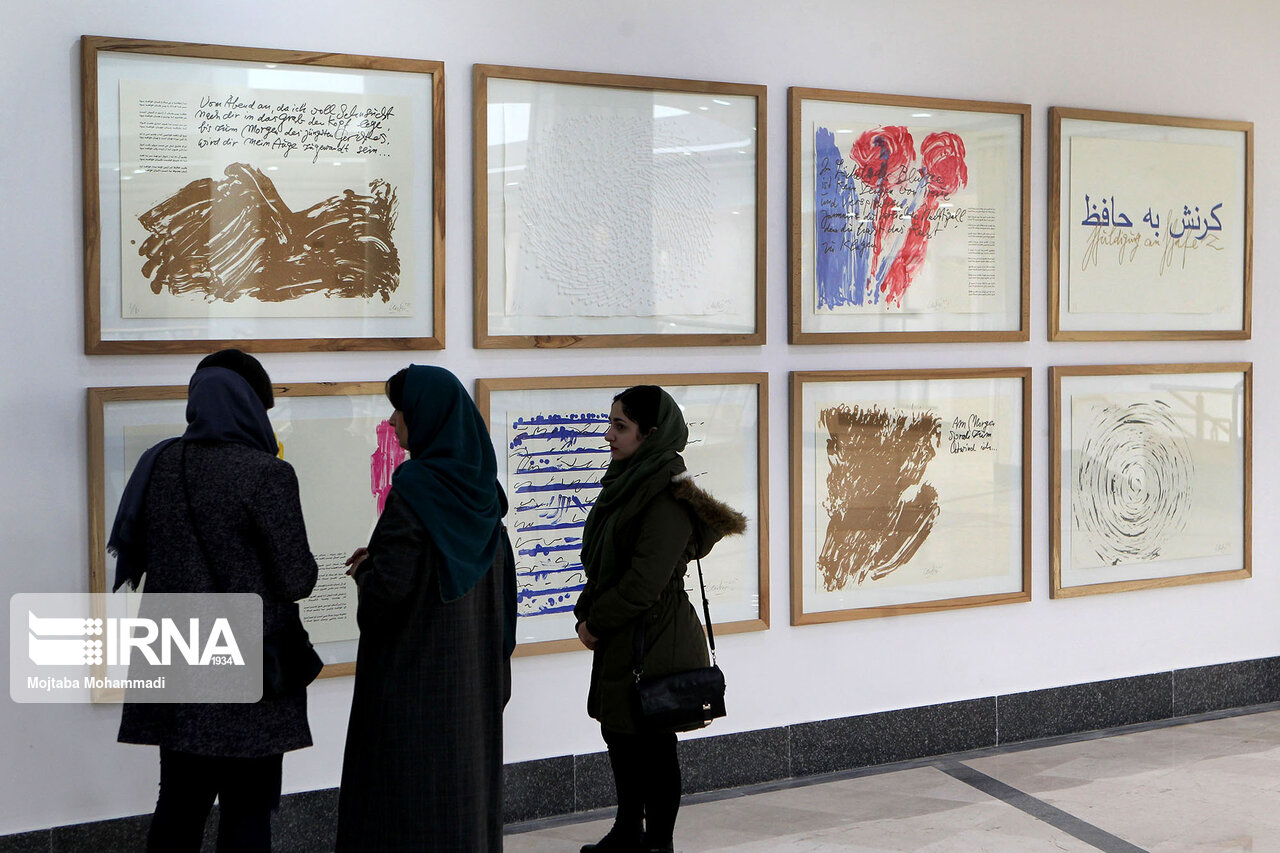
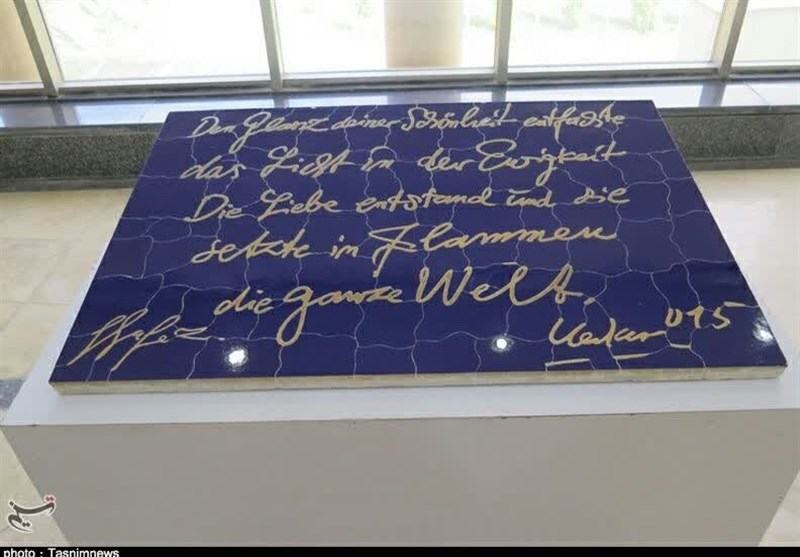
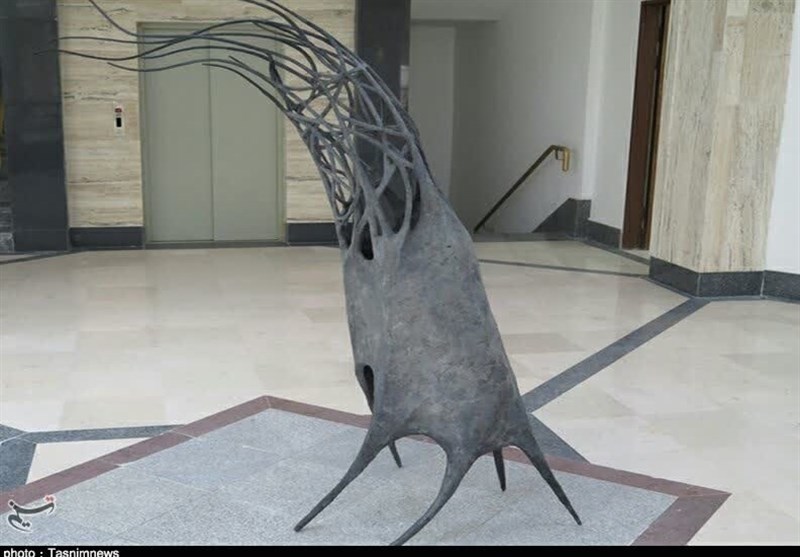
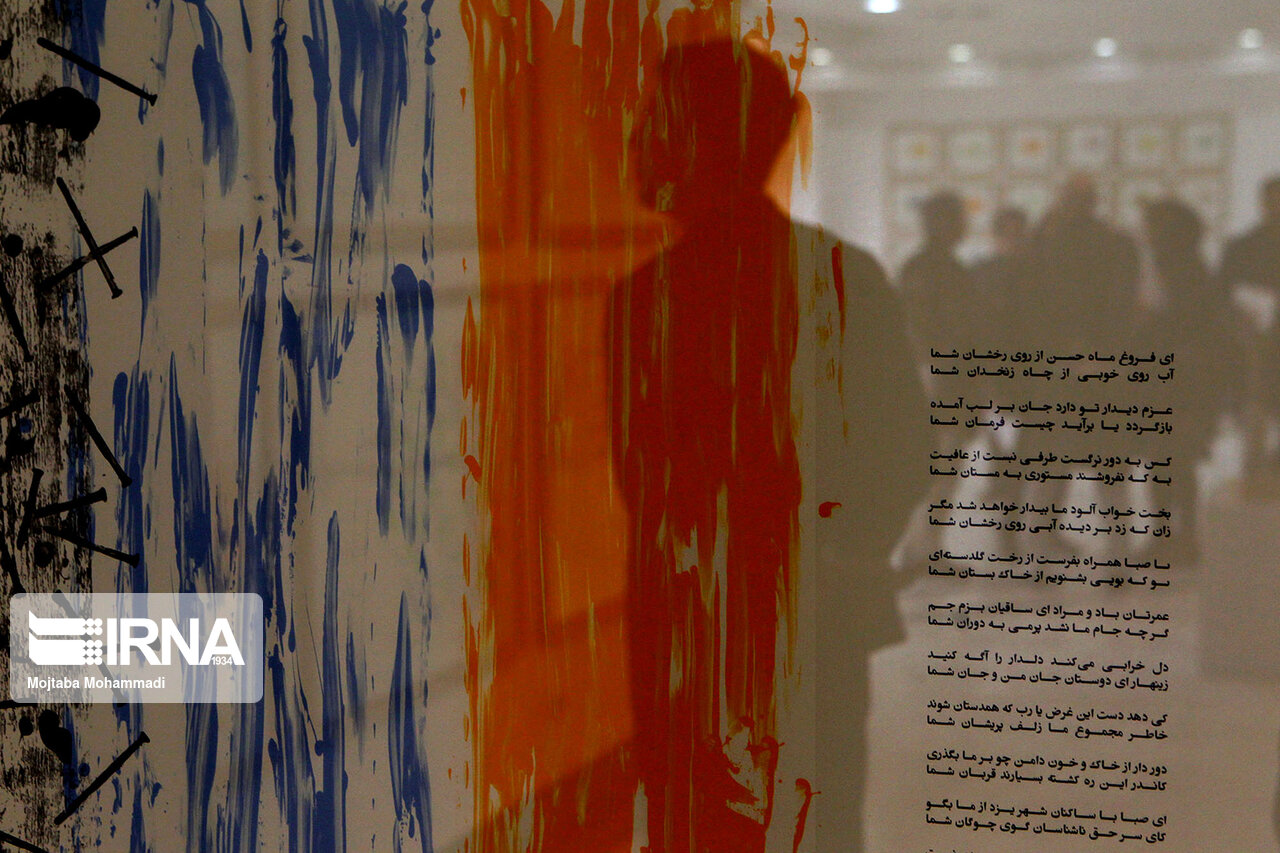
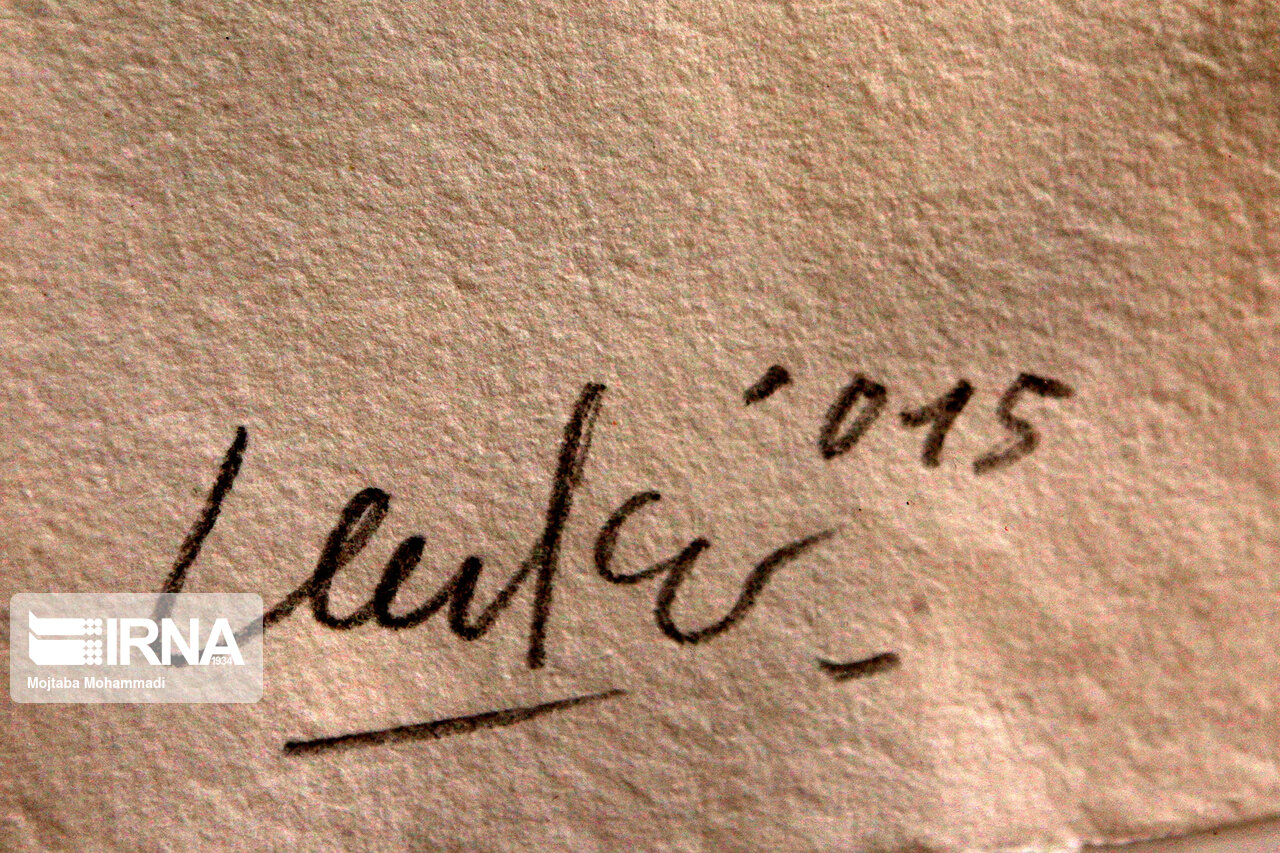
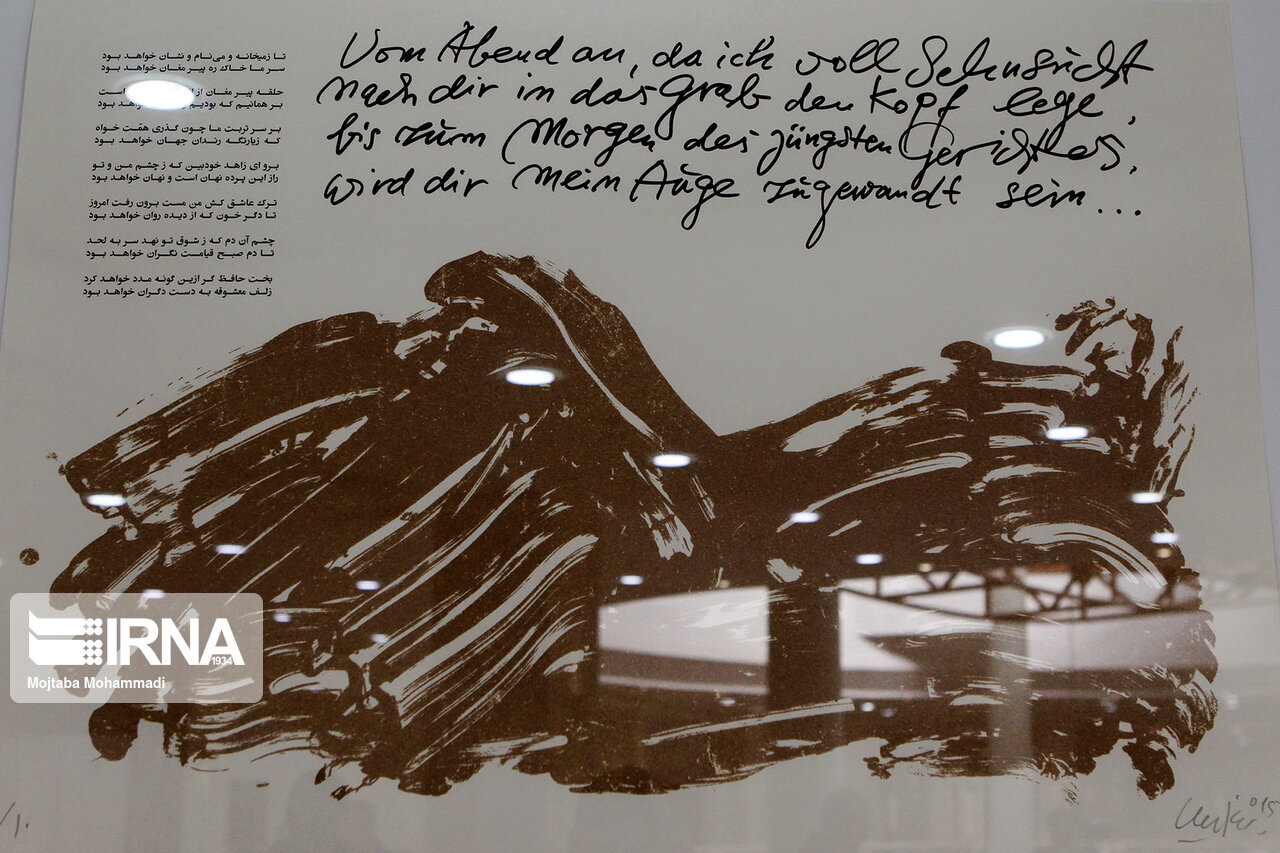
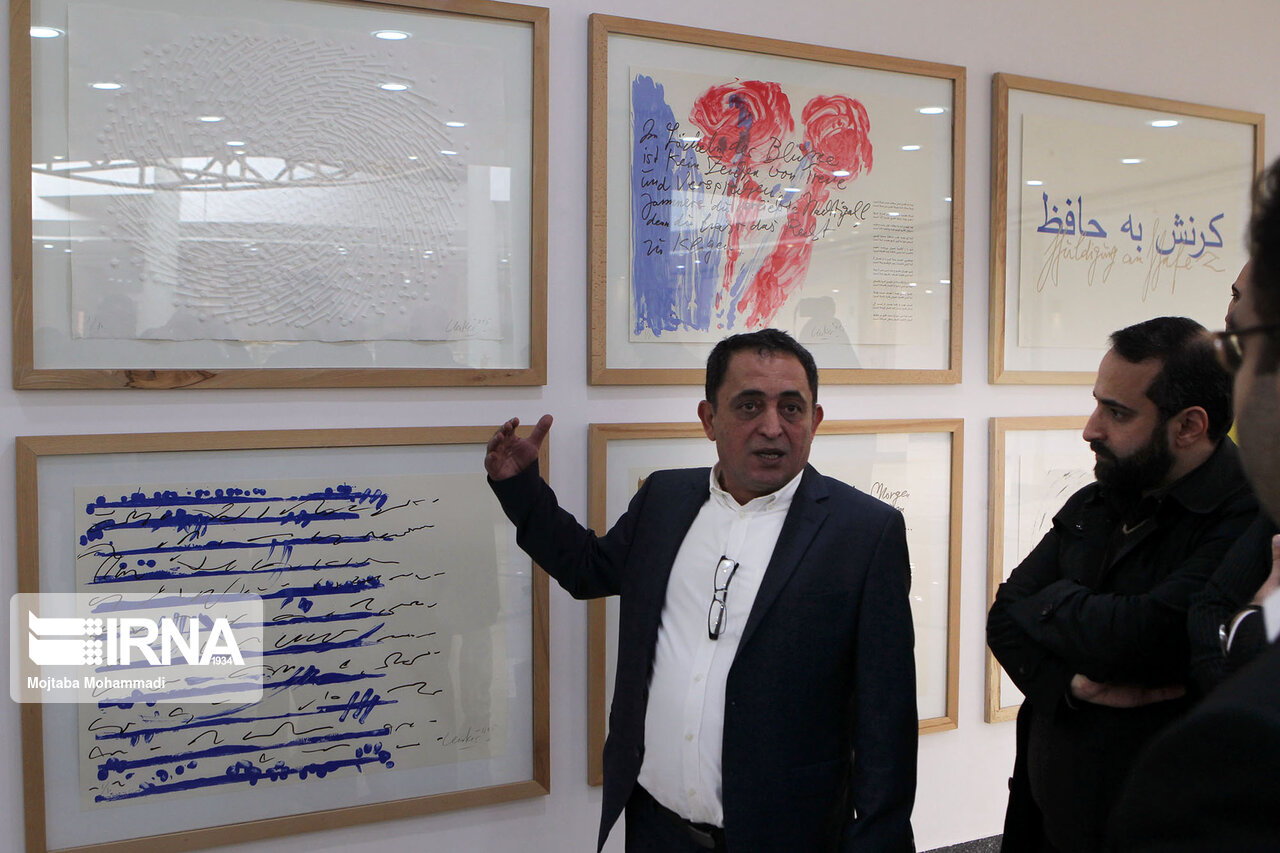
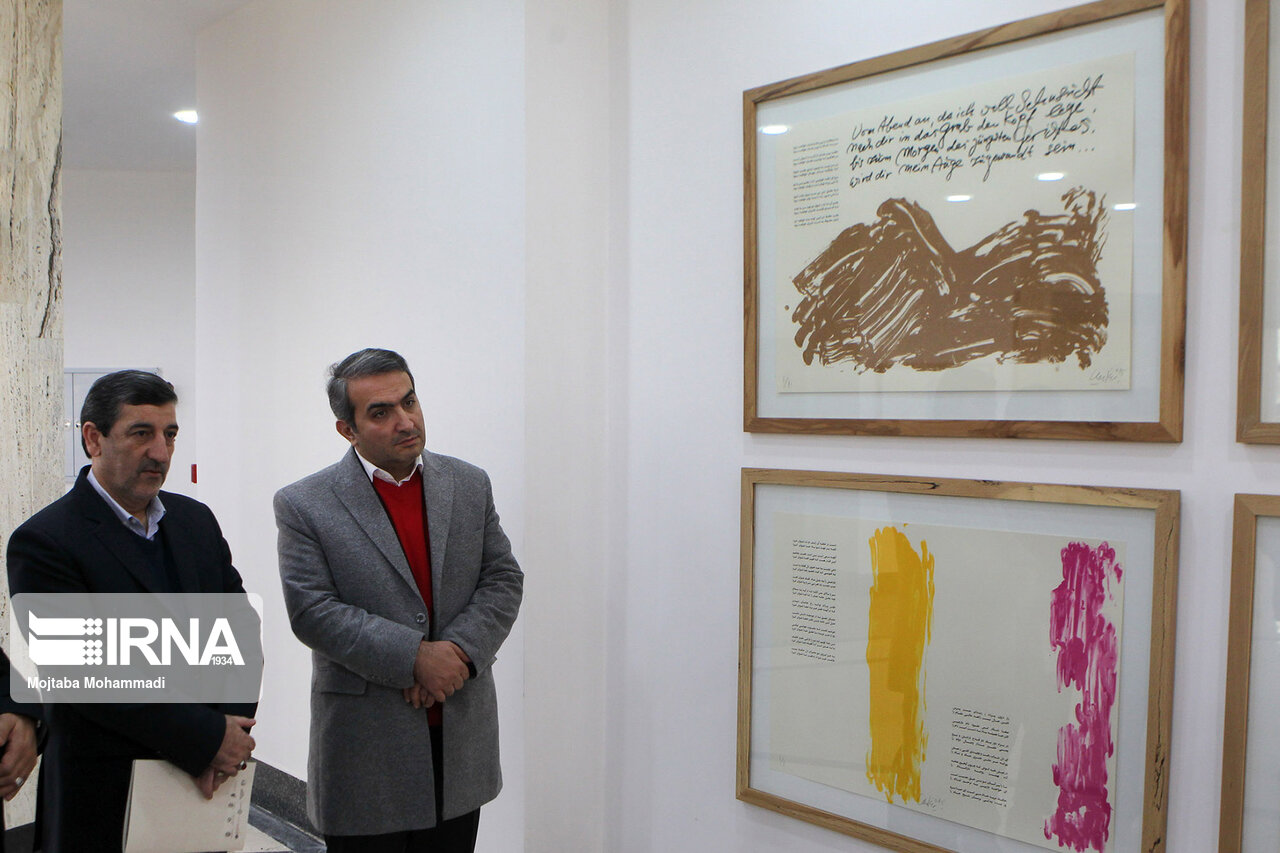
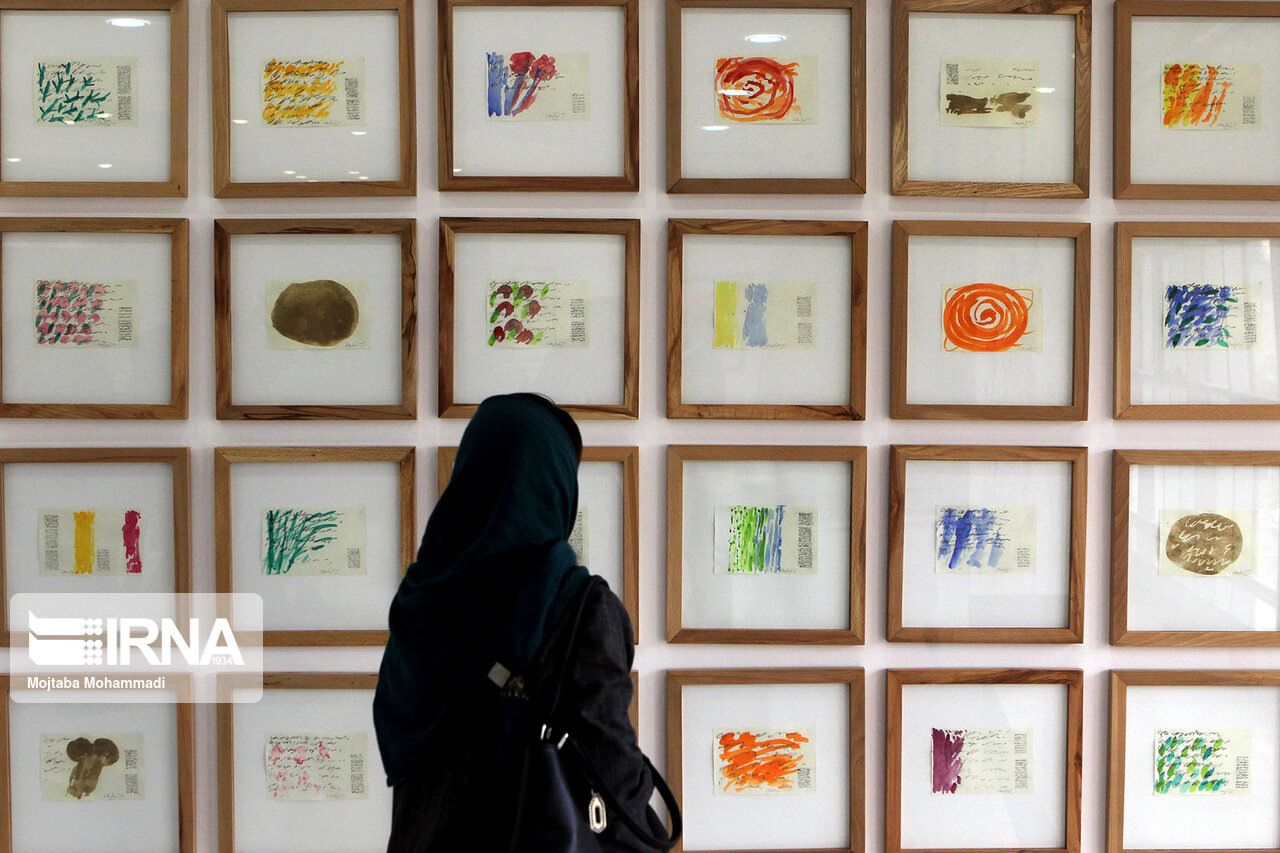
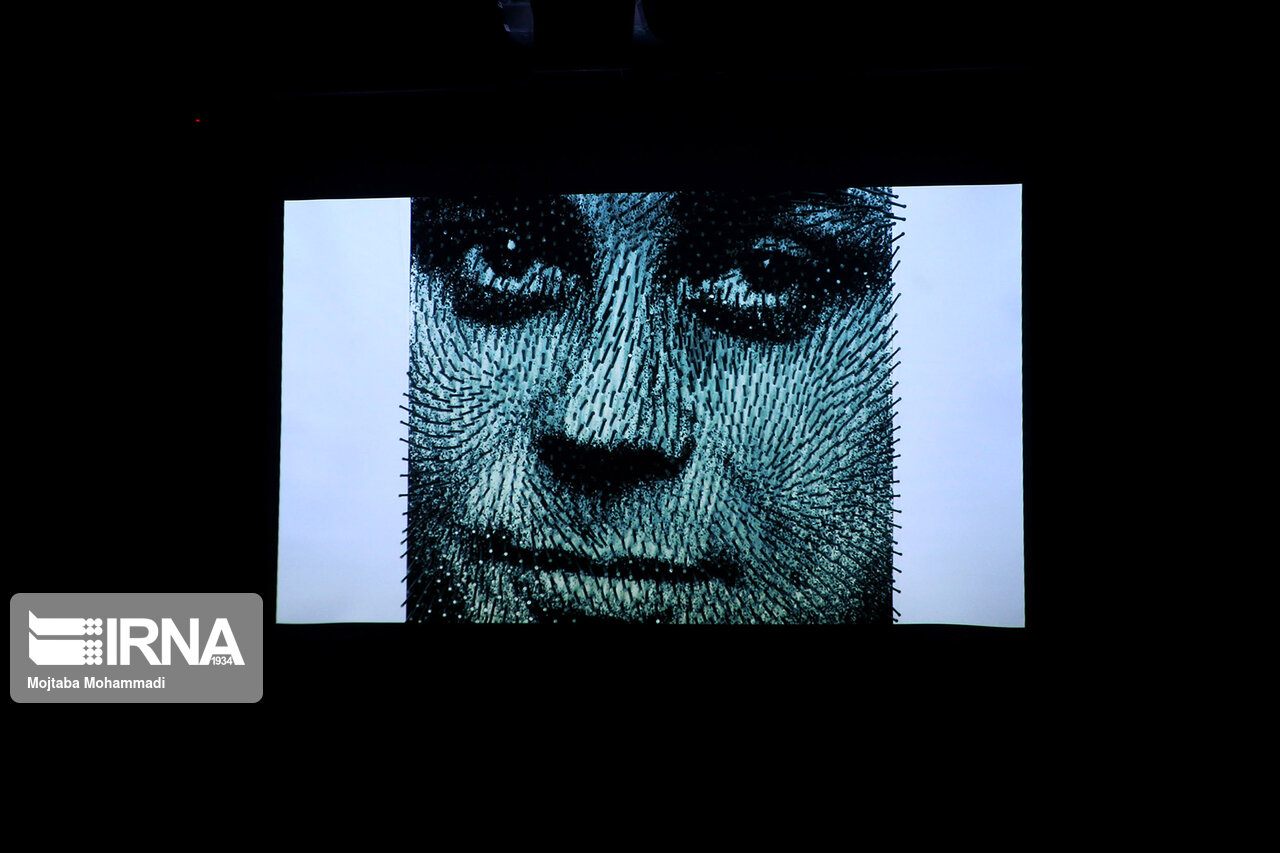
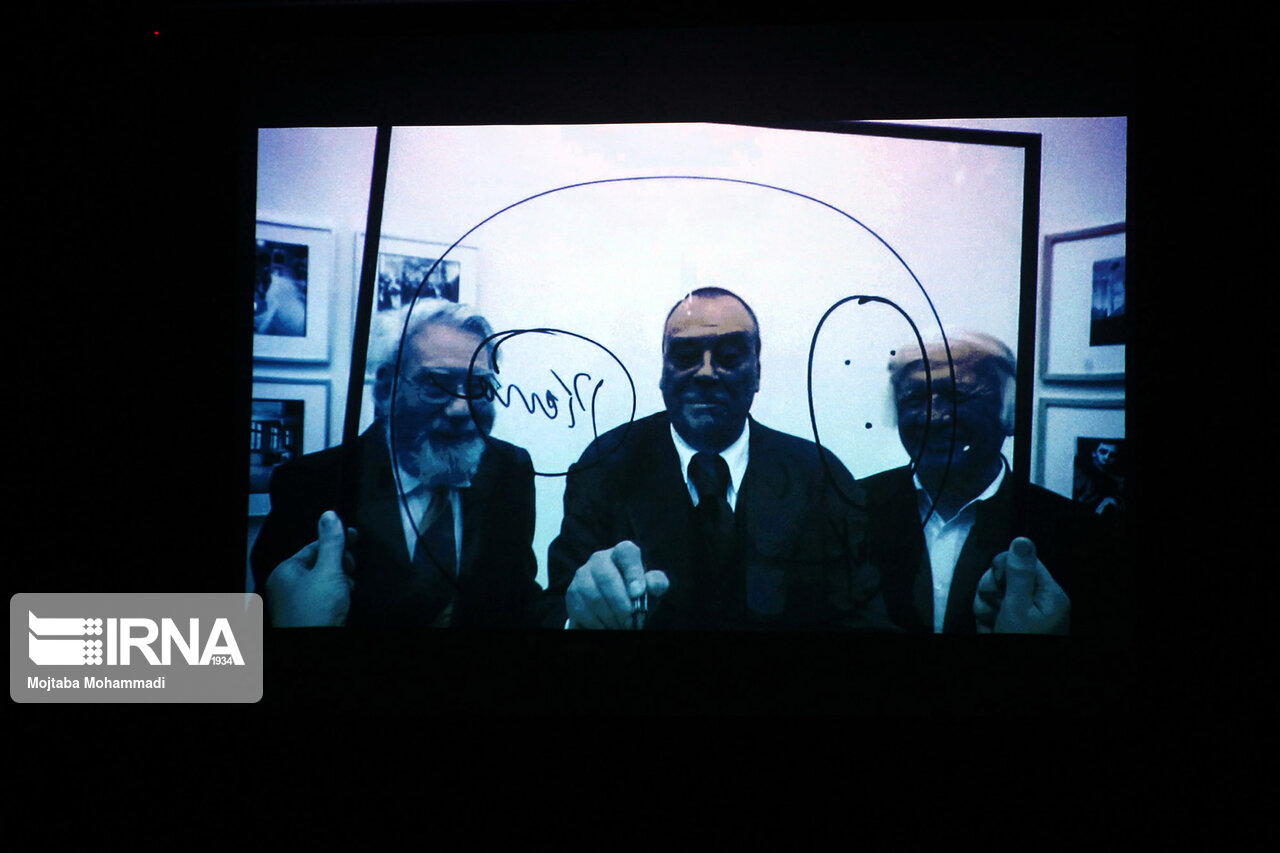
The renowned German sculptor and painter has created his works of art by drawing inspiration from the ghazals -lyric poems with a fixed number of verses and a repeated rhyme- written by universally acclaimed Iranian poet Hafez.
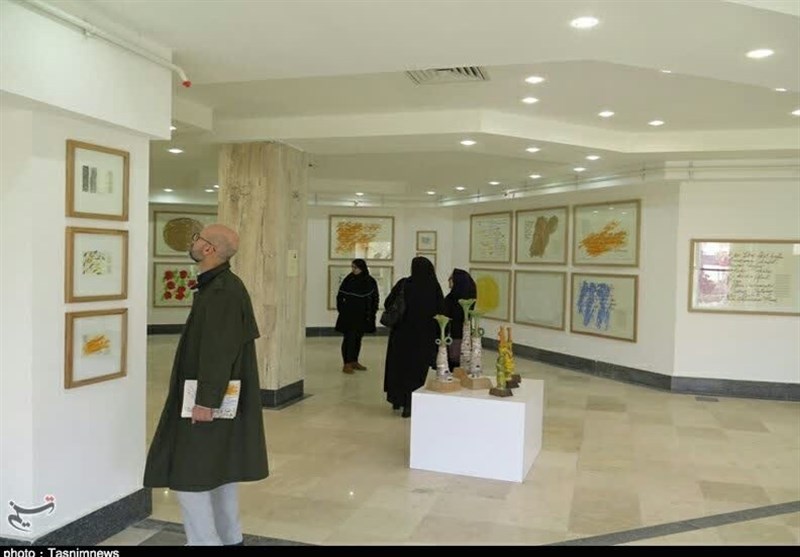
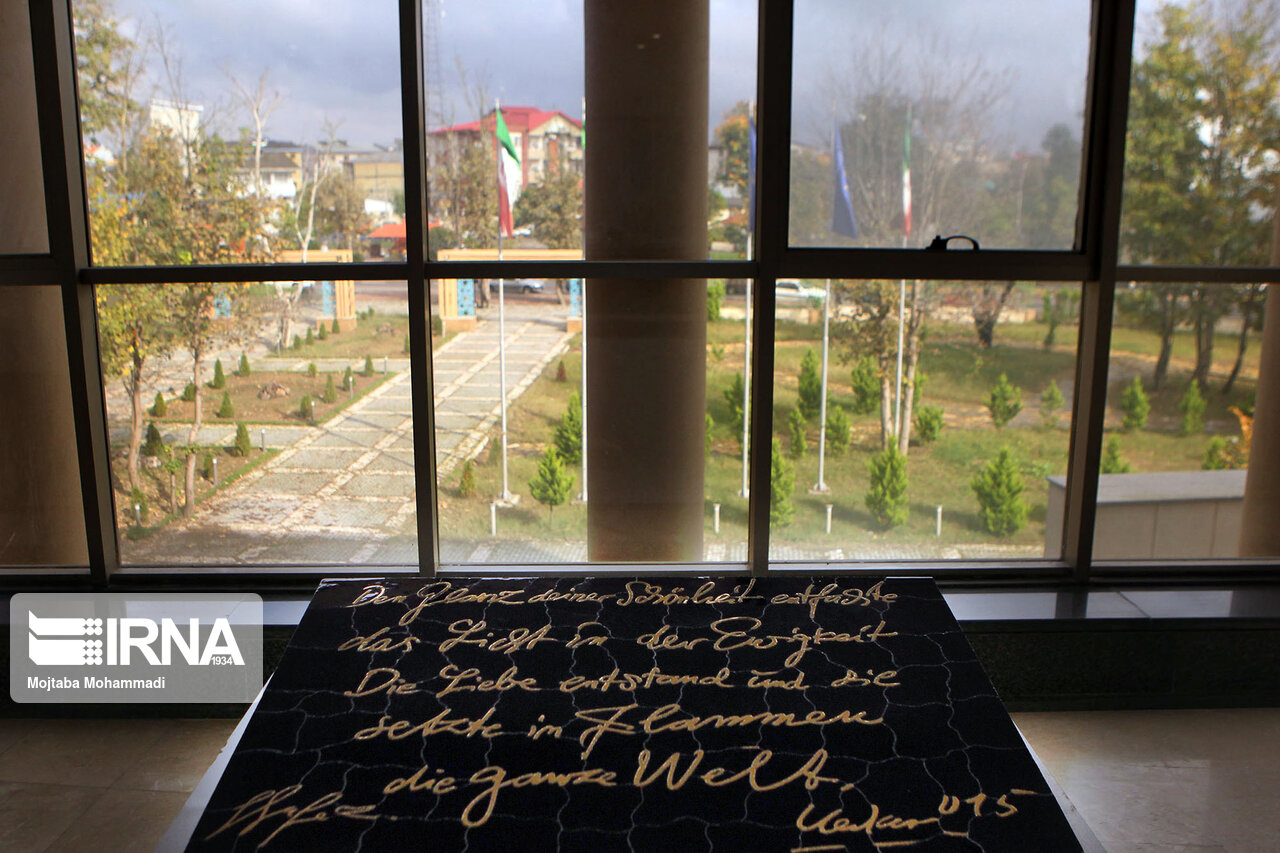
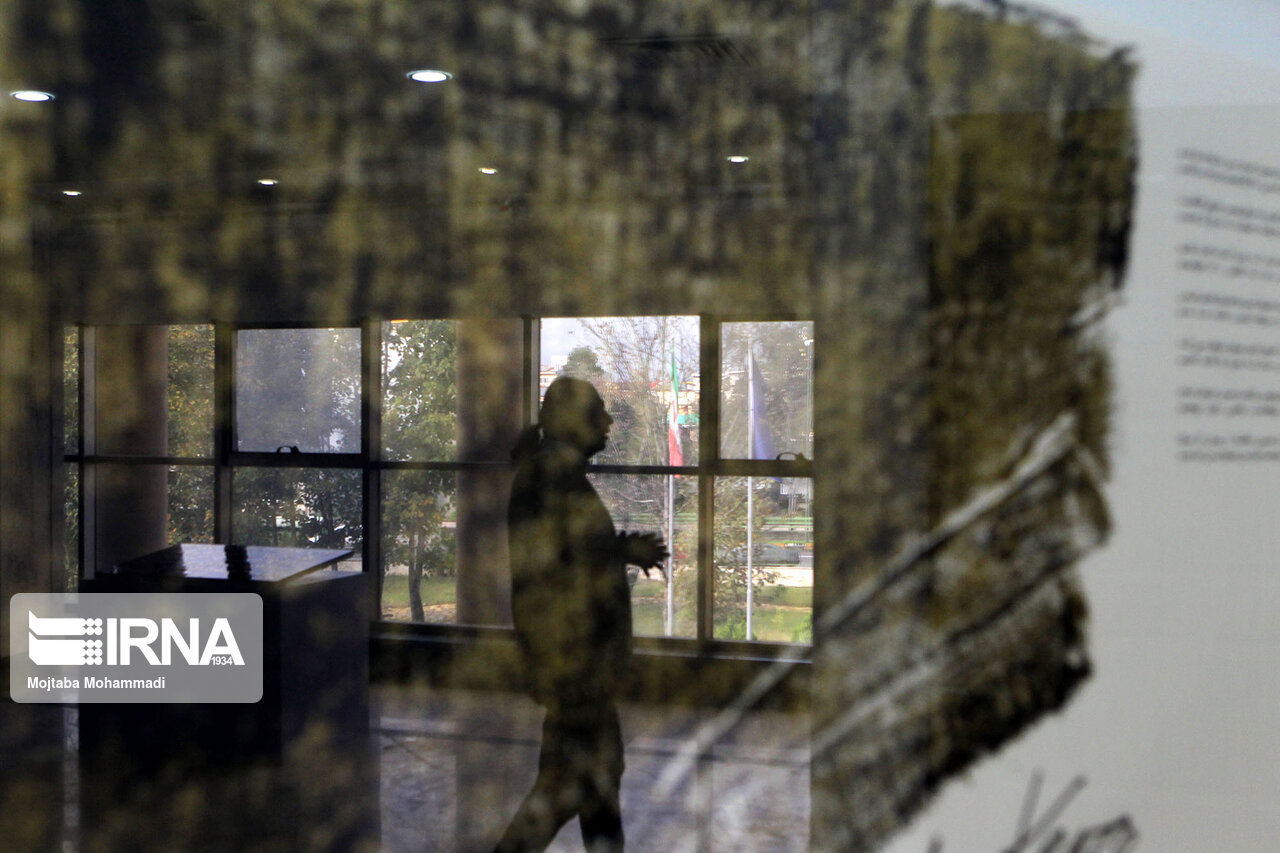
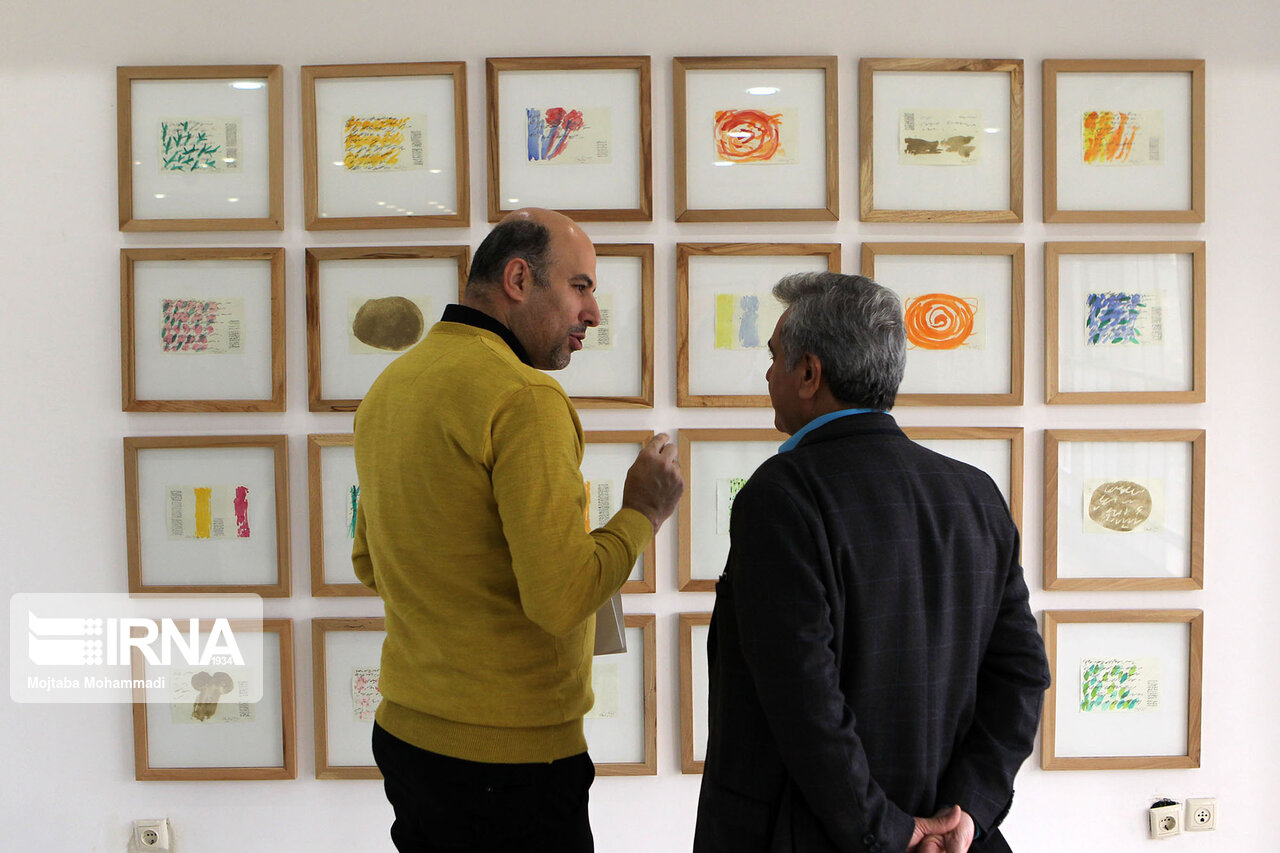
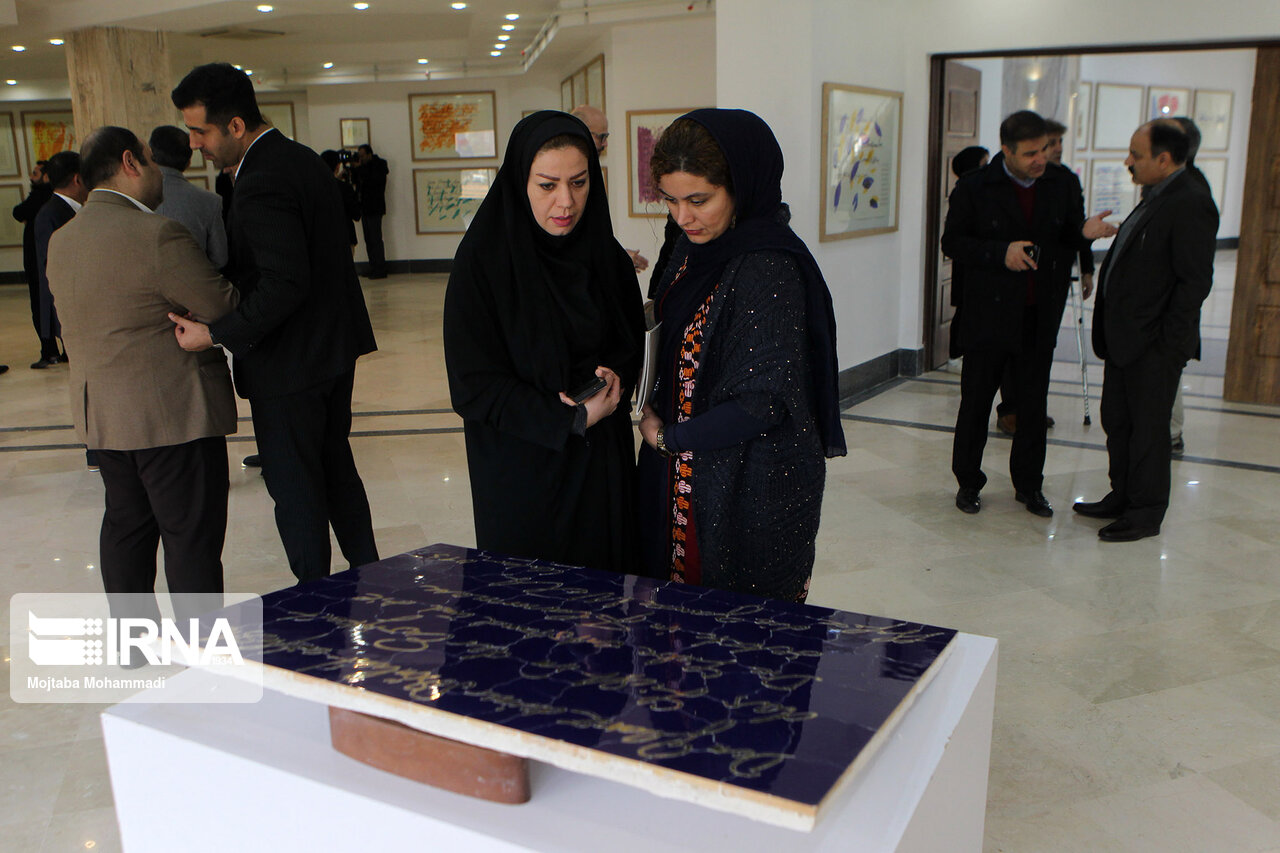
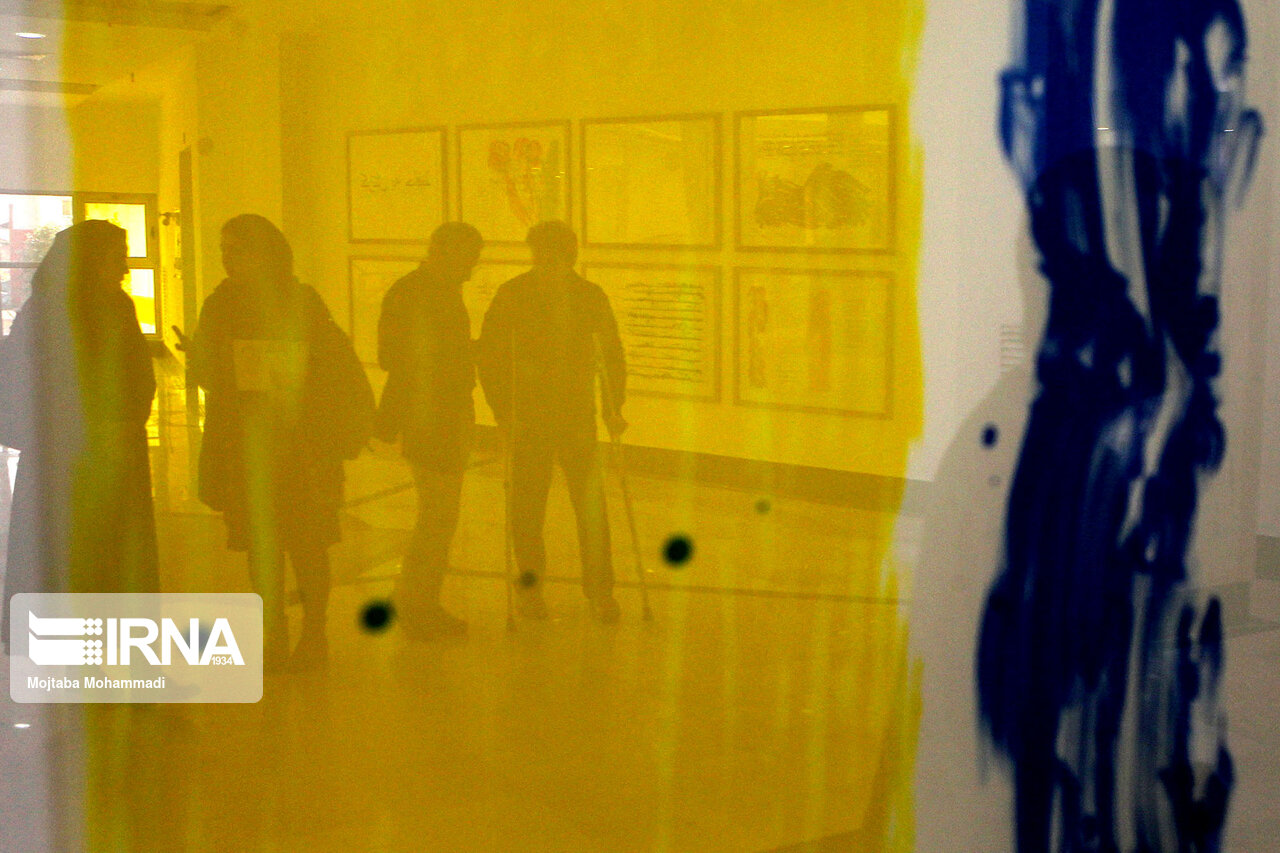
The Homage to Hafez exhibition, which has been already staged in various parts of the world, has opened in the Central Hall of Rasht on November 21 and will run for a month.
Speaking to reporters on the sidelines of opening of the exhibition, the curator of Tehran’s Museum of Contemporary Art said Guenther Uecker has paid visits to the cultural and religious sites of Iran.
“After visiting those sites, he (Uecker) said that if the global art is presumed to be a ring, the Persian art will be its gemstone, and such description provided by a world-renowned artist is so attractive to an Iranian,” Ehsan Aqaee said.
Aqaee also noted that every single work of the German artist costs thousands of euros.
“Guenther Uecker has been charmed by the ghazals of Hafez, and some of those ghazals have been so deeply imprinted on his mind that impressed him and made him create more than 40 works of art on the basis of ghazals od Hafez,” the Iranian official added.
An exhibition of works of Guenther Uecker inspired by the ghazals of Hafez was staged in Iran for the first time in the city of Shiraz back in 2016, Aqaee added, noting, “This exhibition was also unveiled in Germany; thereafter, the sale of Divan of Hafez soared in Germany, and arrangements were made to hold a world tour and an exhibition of works of art from Guenther Uecker all over the globe.”
The exhibition in Rasht displays 42 works of art created by Uecker, including 31 reticular printed works, six sand-printed paintings on a special cardboard and white patina color, as well as five items created with raised printing method on handmade calendar tablets.
The exhibition was earlier held in the Iranian cities of Tehran, Mashhad, Isfahan and Shiraz.
The following are photos of the Homage to Hafez exhibition in Rasht, released by IRNA and Tasnim: