Wednesday, January 14, 2026
Home Blog Page 3045

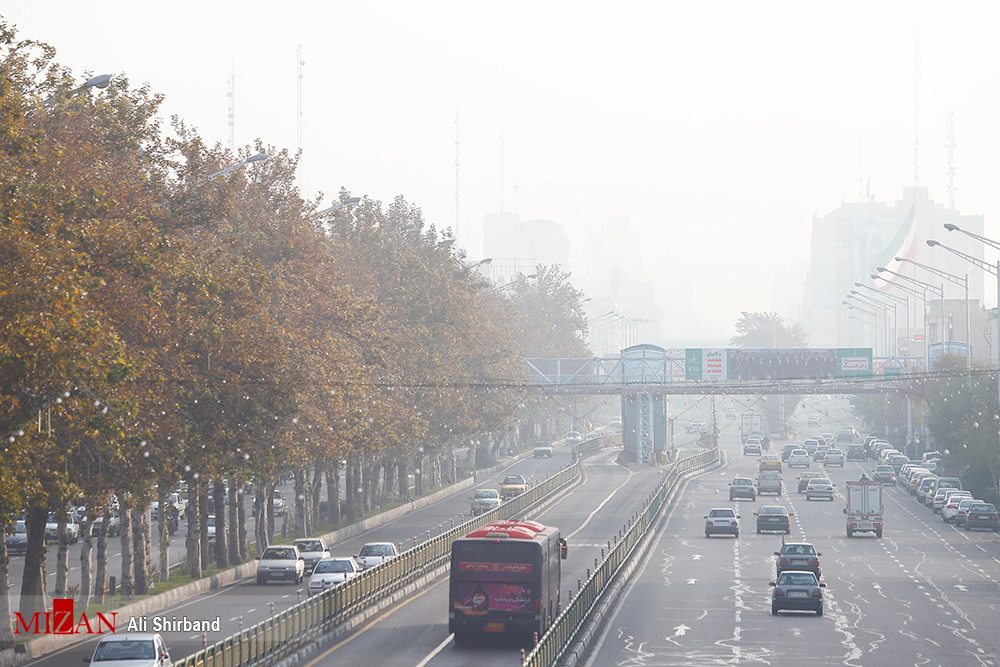
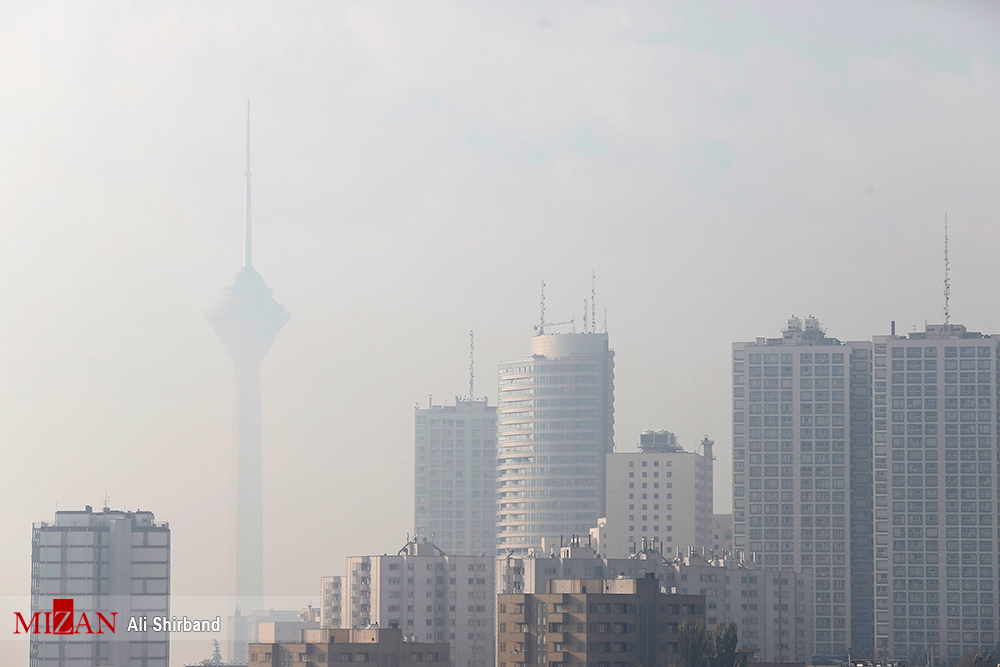
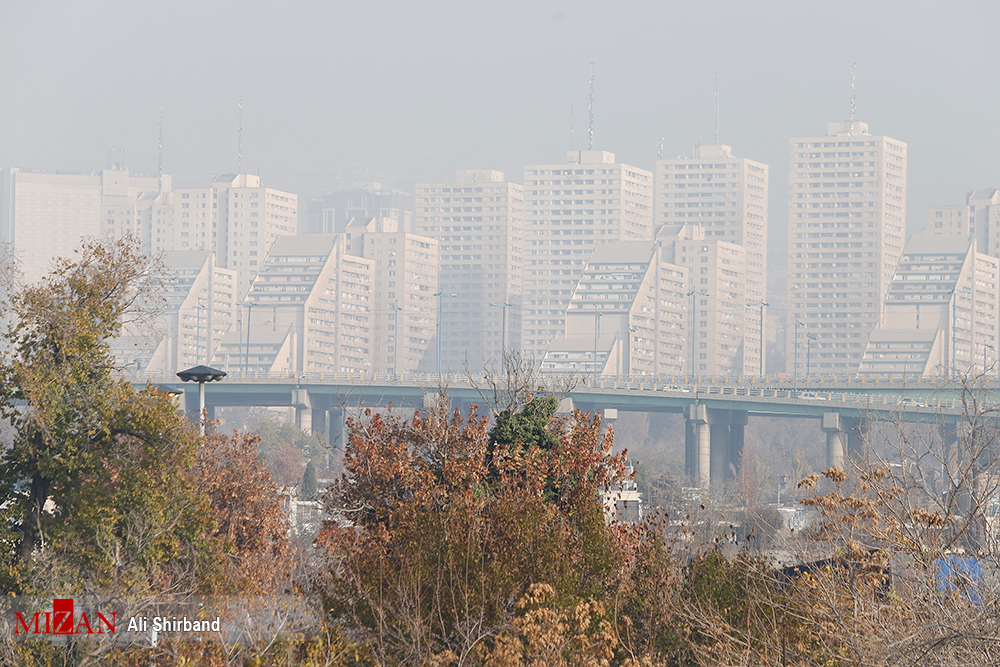
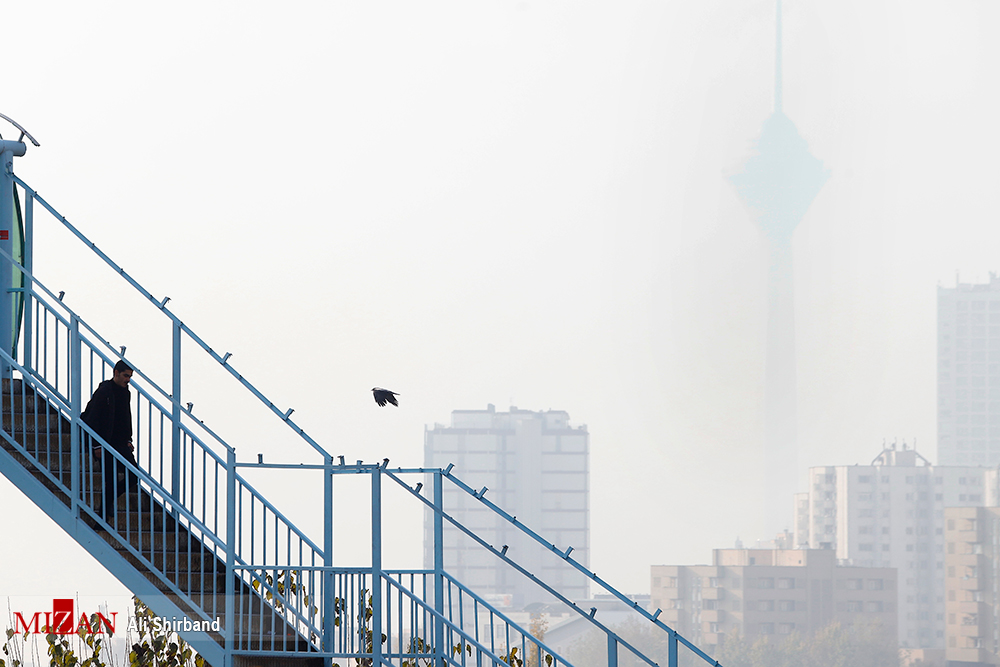
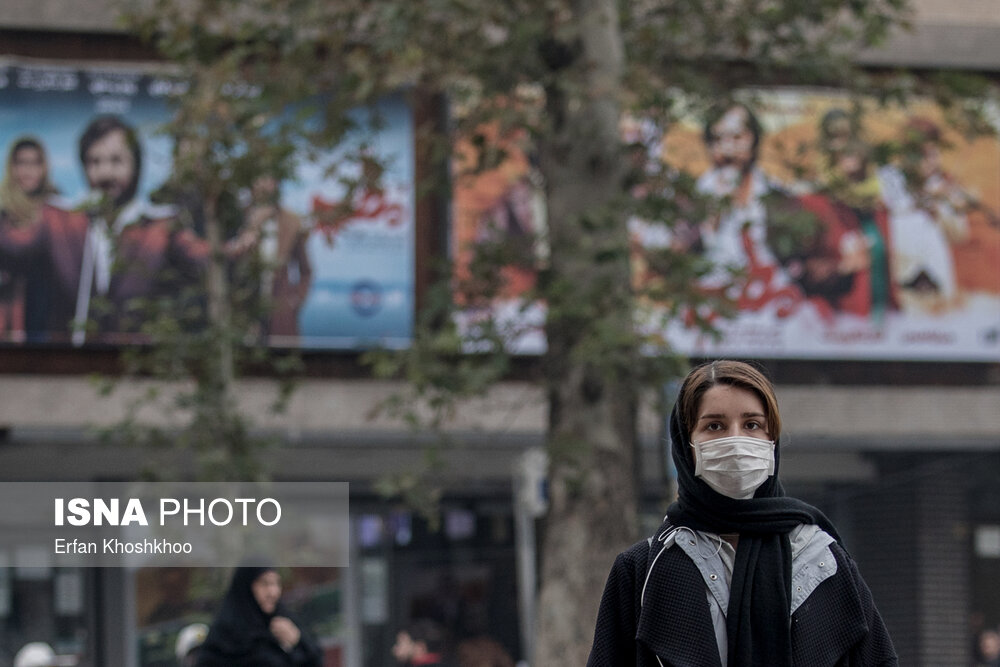
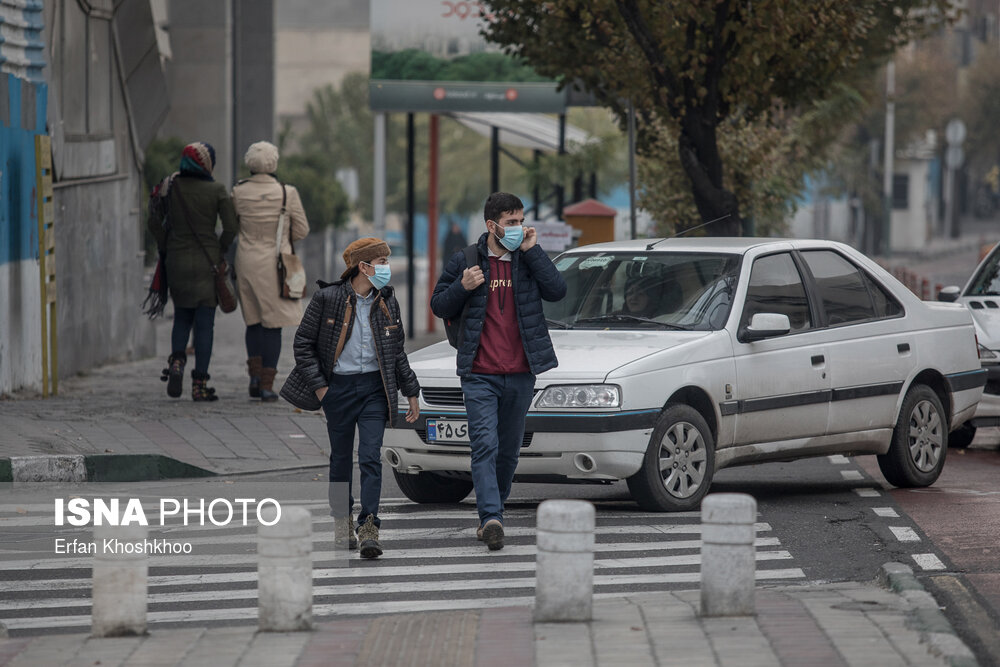
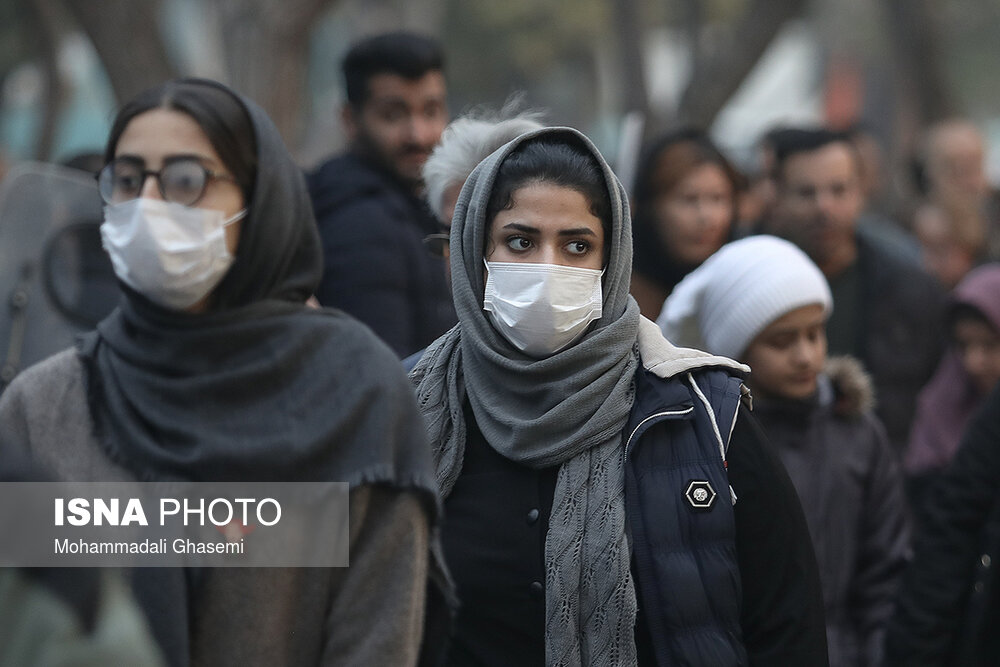
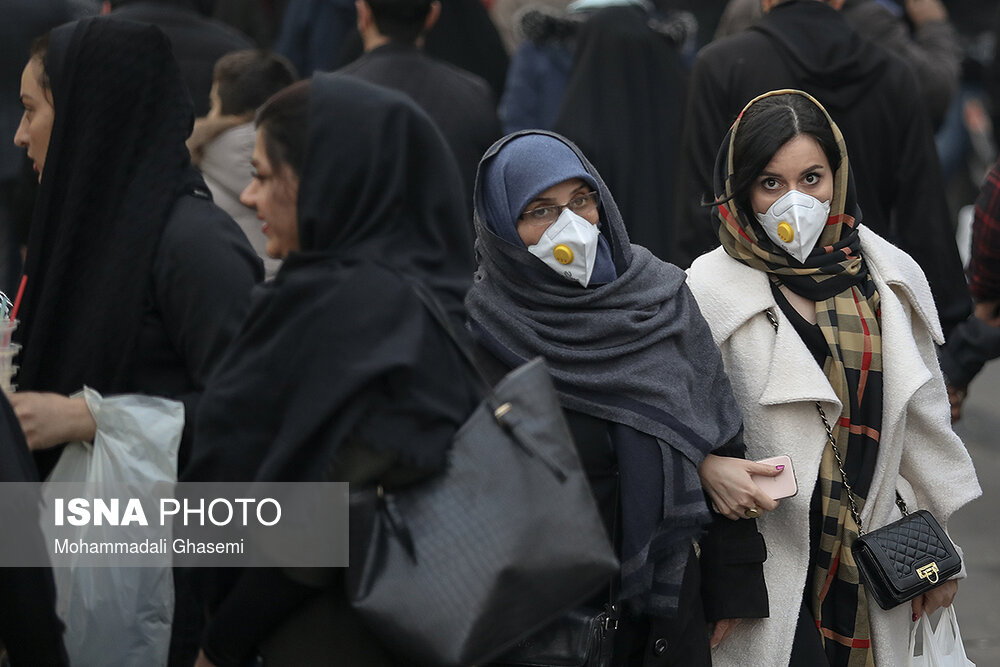
Air Pollution Shuts Down Schools, Universities in Tehran

Air Pollution Shuts Down Schools, Universities in Tehran (5)

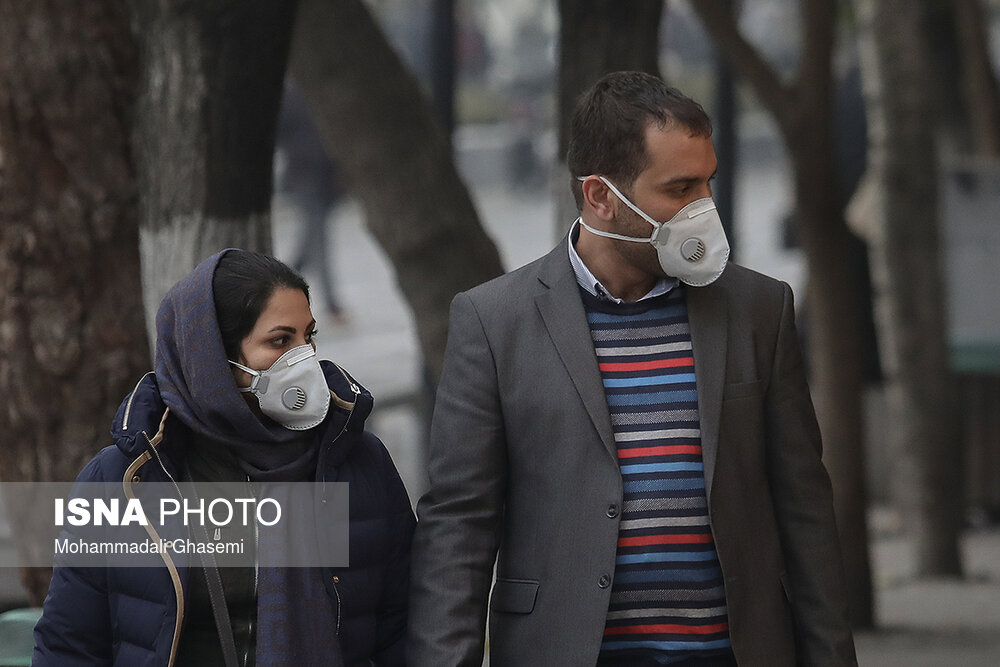
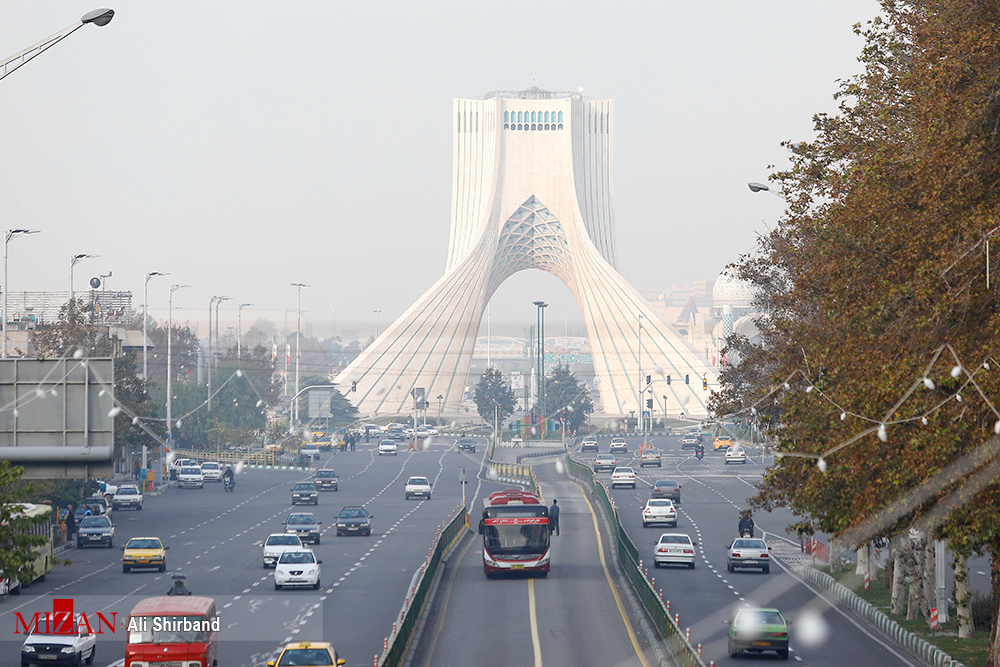
According to the latest data, the air pollution index in Tehran has approached the hazardous level of 150.

A hazardous level is an alert in which everyone may experience ill effects and are advised to stay indoors.

The decision was made a day earlier by the Air Pollution Exigency Committee, according to Tehran Province Deputy Governor Mohammad Taqizadeh.

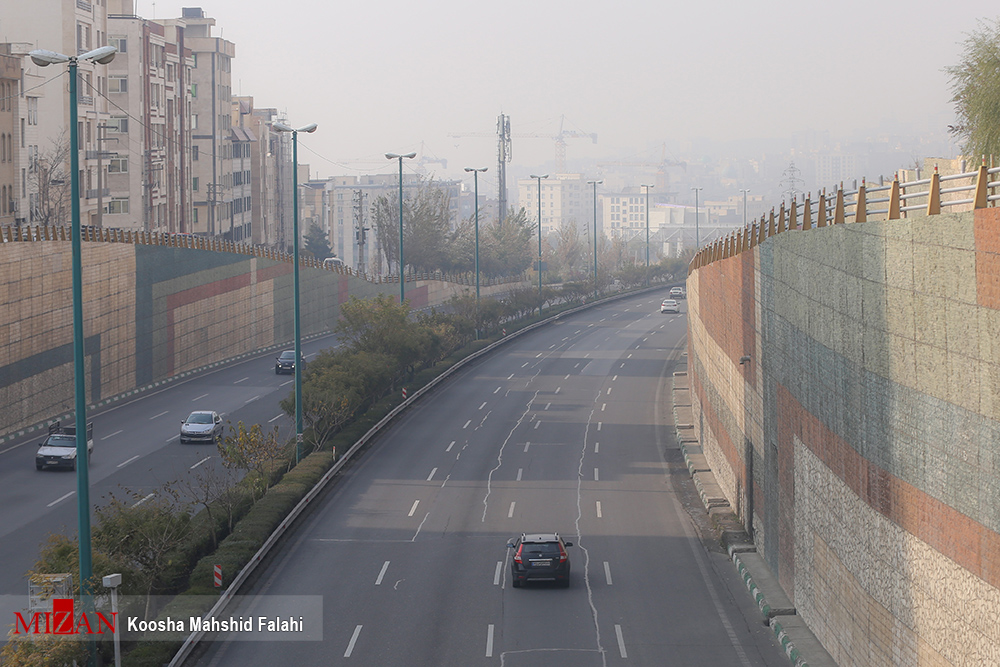
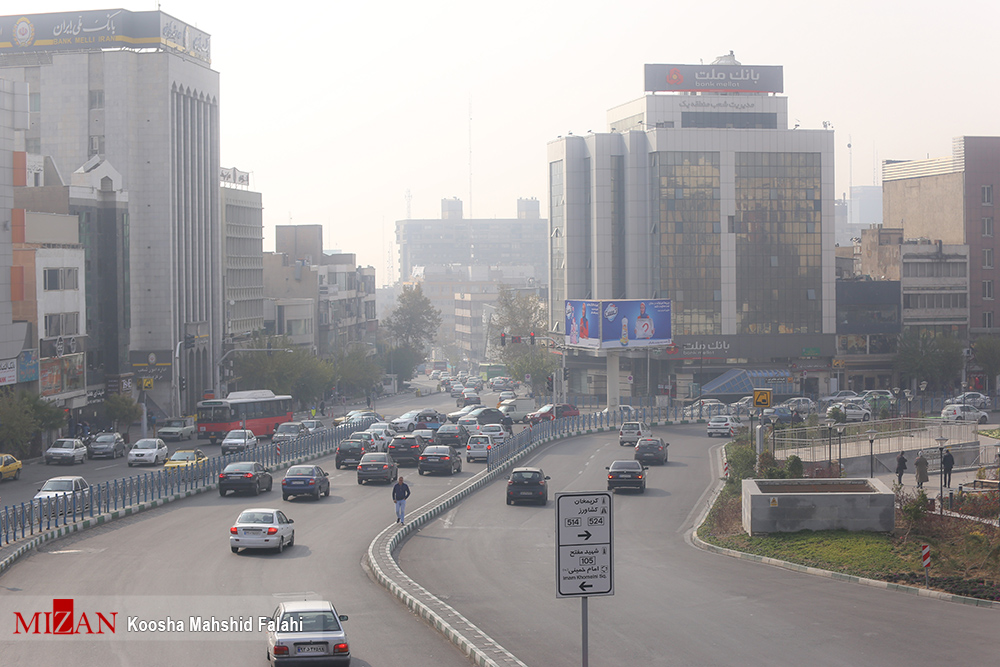
The odd-even traffic scheme will be applied all across the capital and that the ban on the movement of trucks as well as the activity of sand mines and concrete industries would remain in place, the official said.

The ban is also extended on holding outdoor sports matches until further notice. As a result, the football match between Tehran giants Persepolis FC and Nassaji of Mazandaran, which was due to be held Saturday afternoon, has been called off.

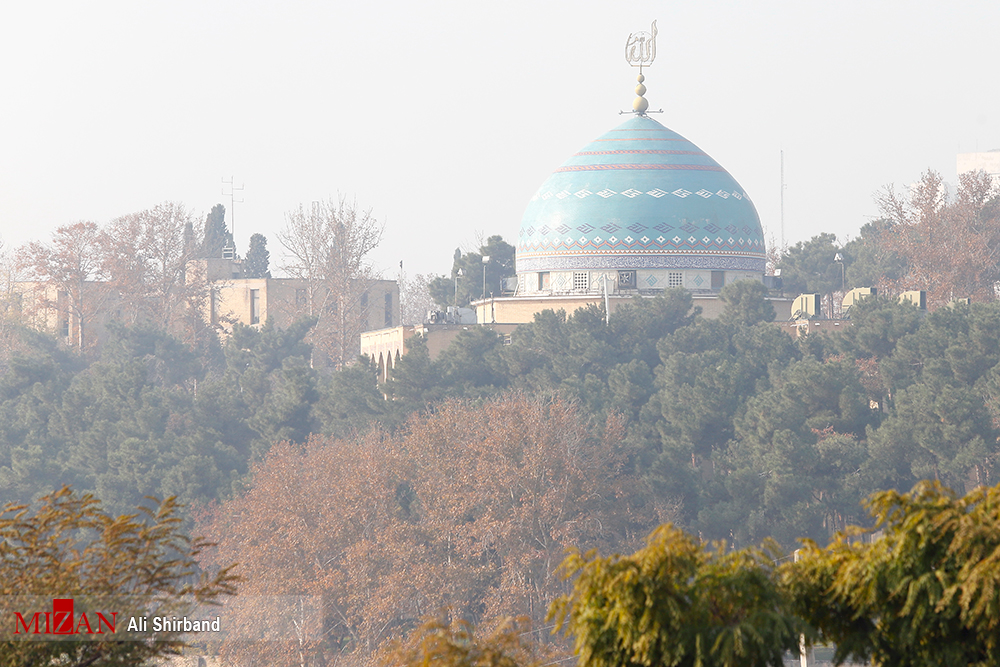
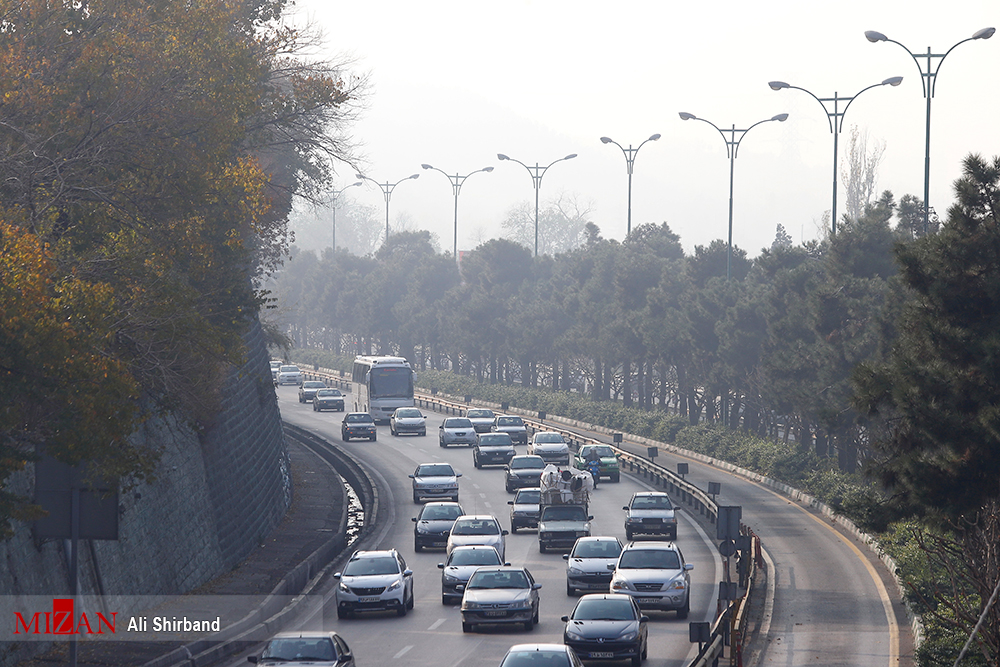
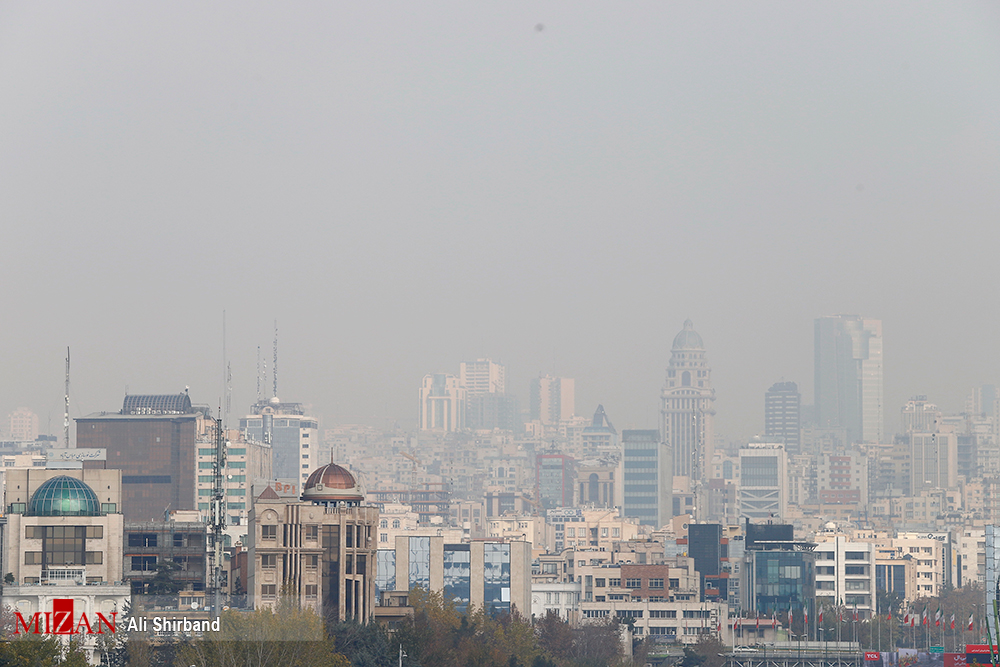
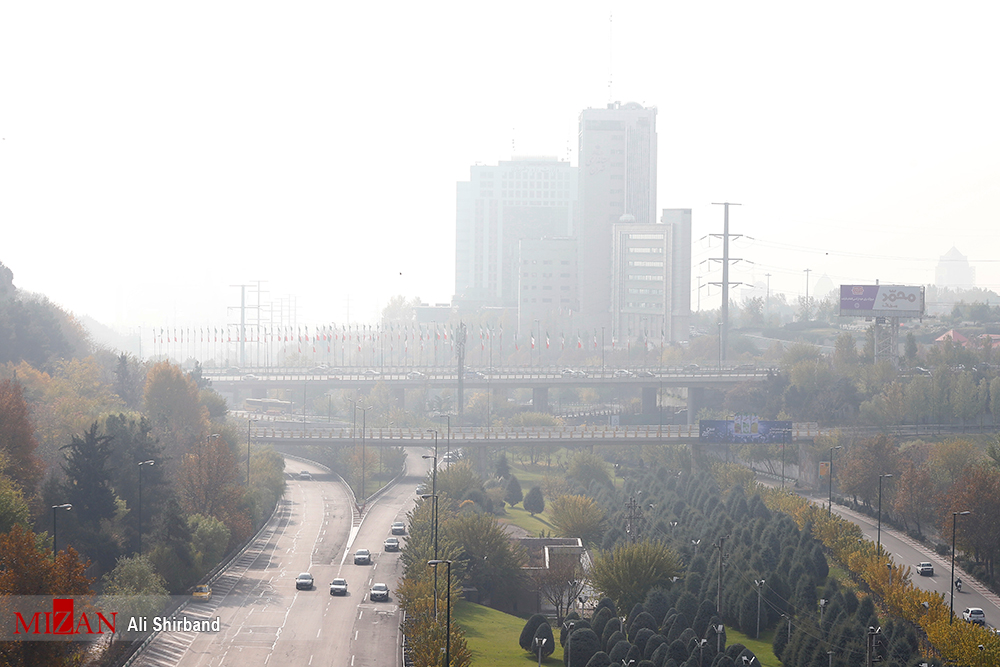
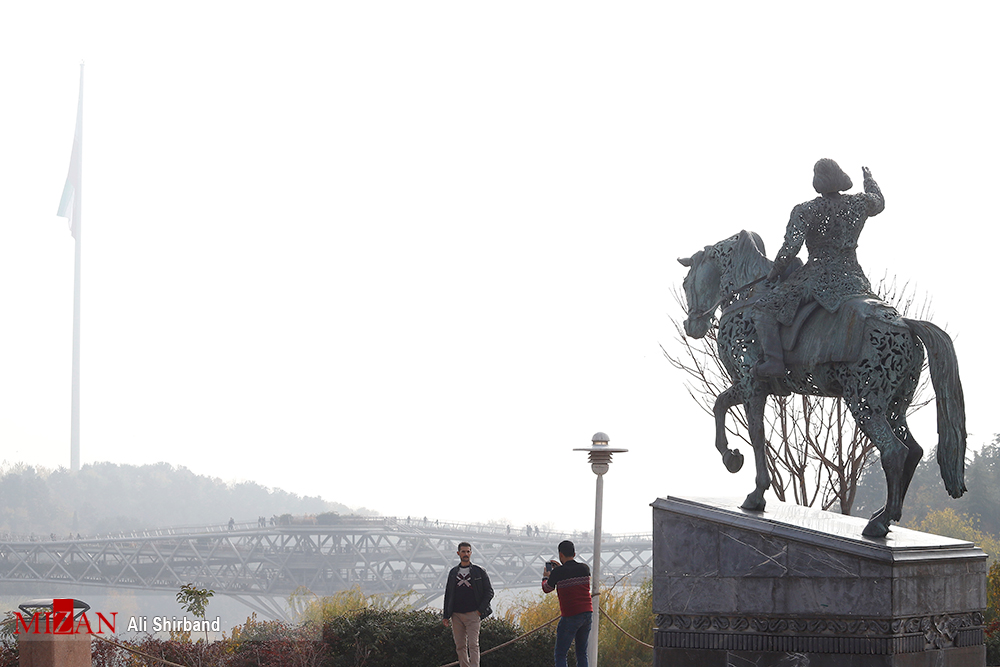
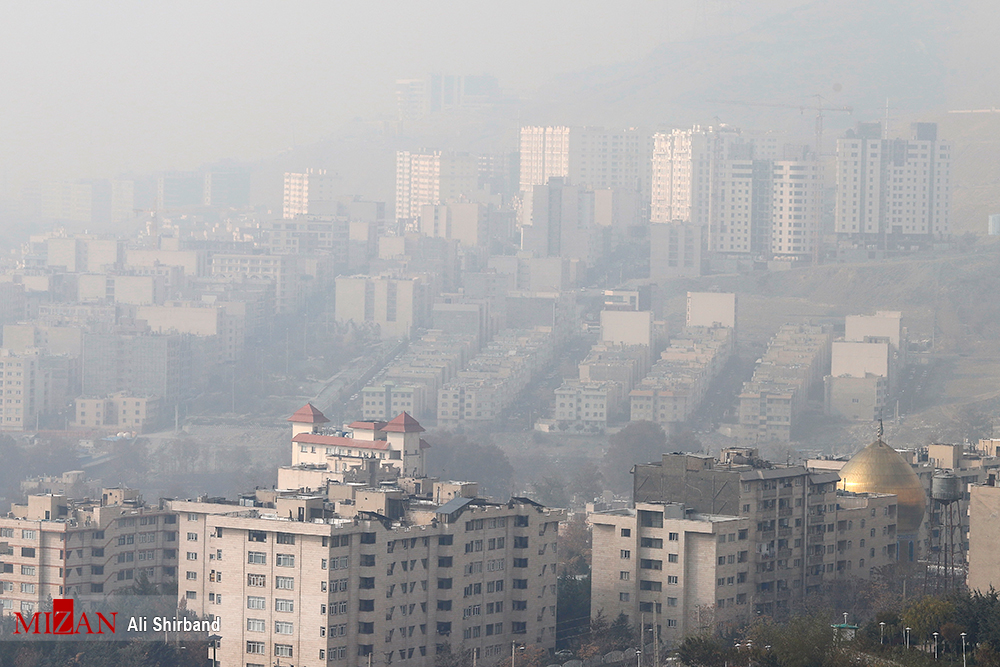
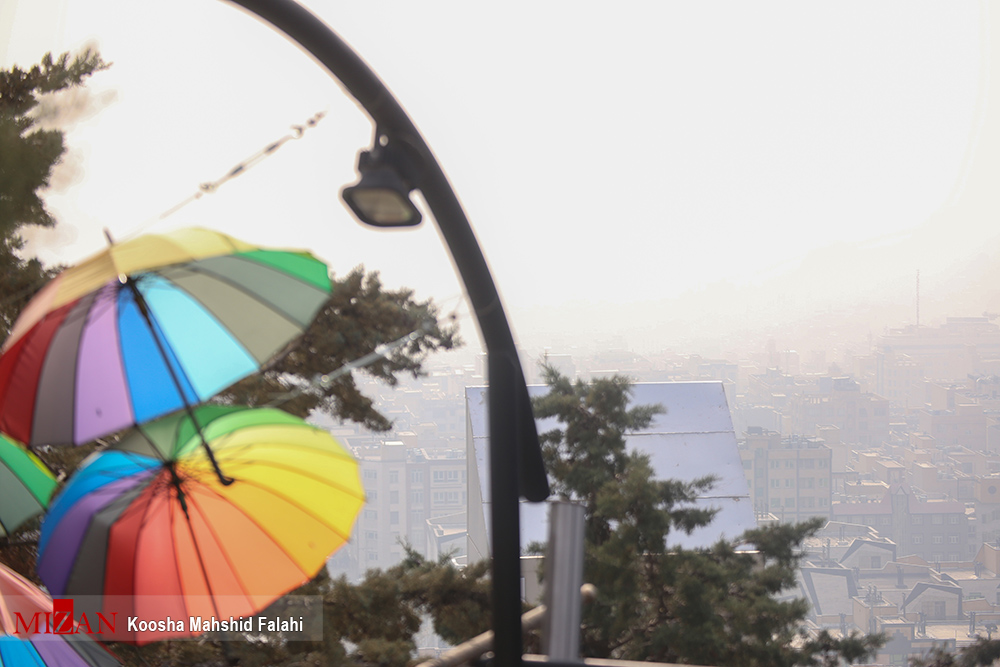
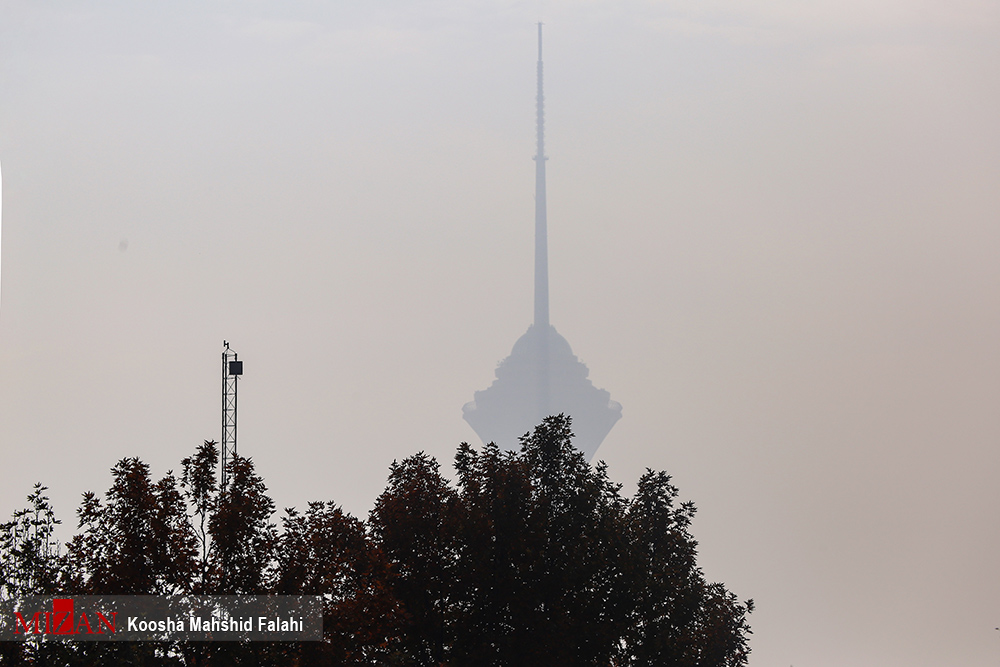
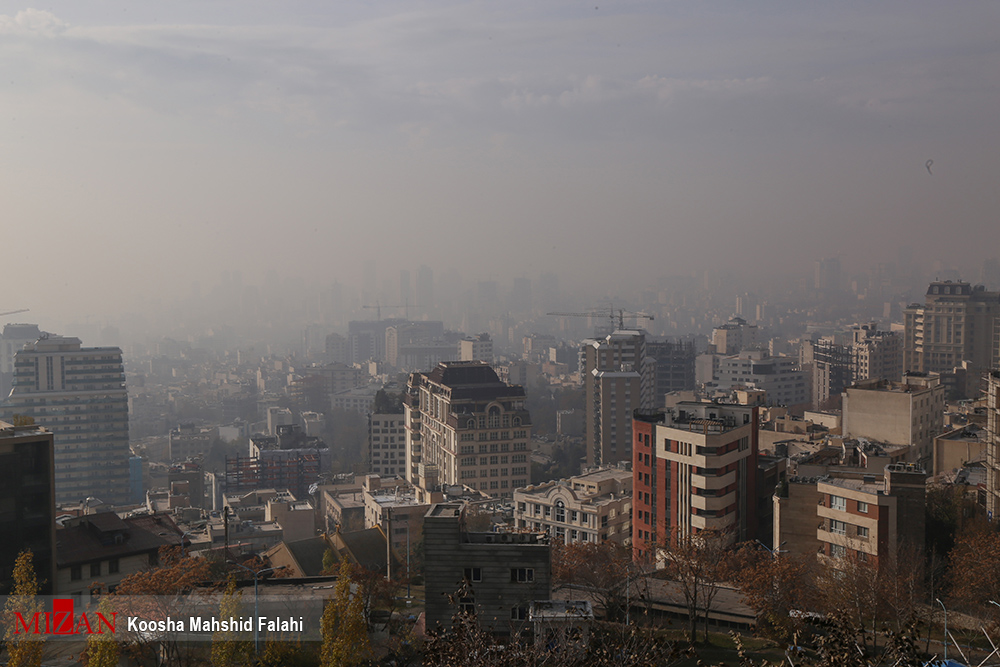
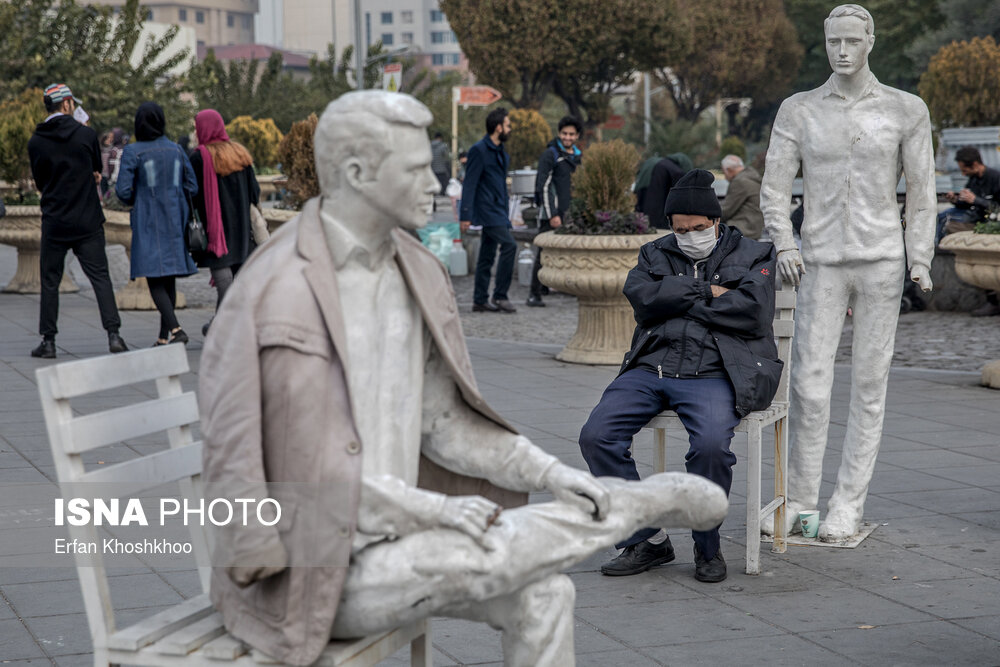
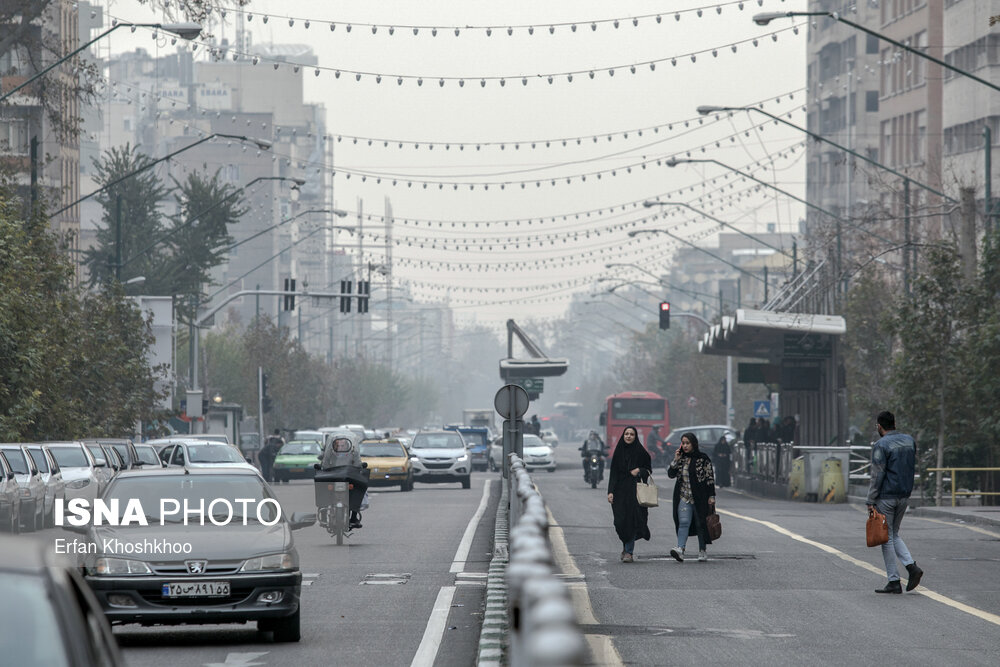
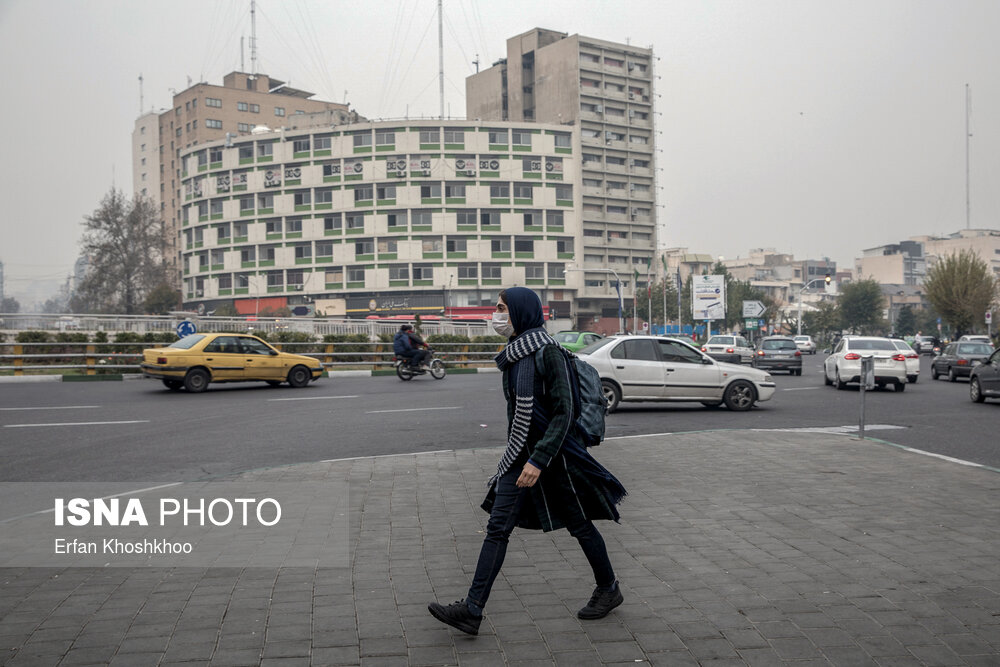
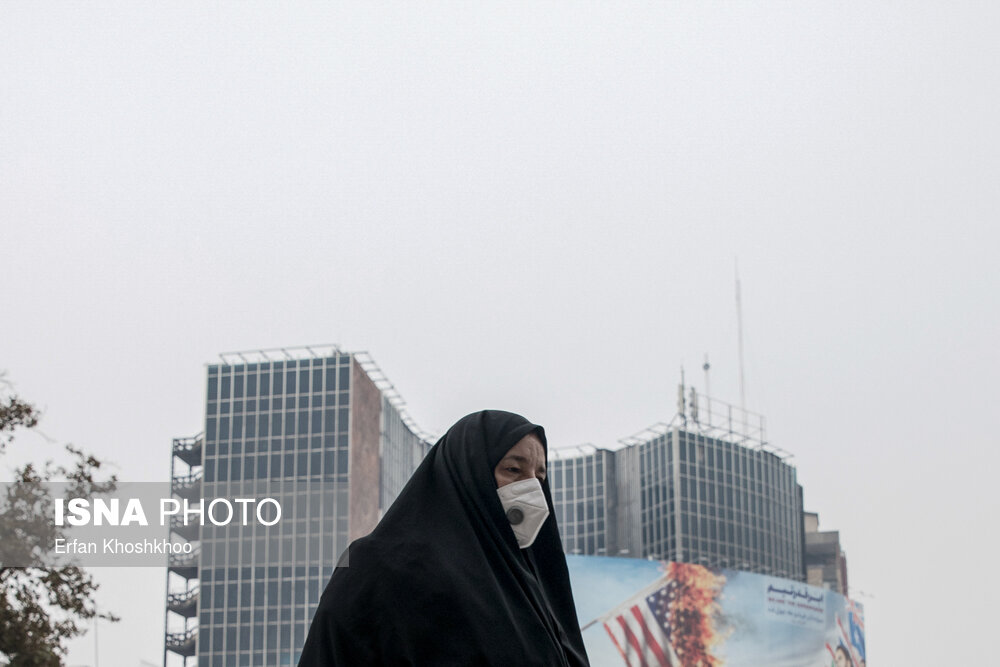
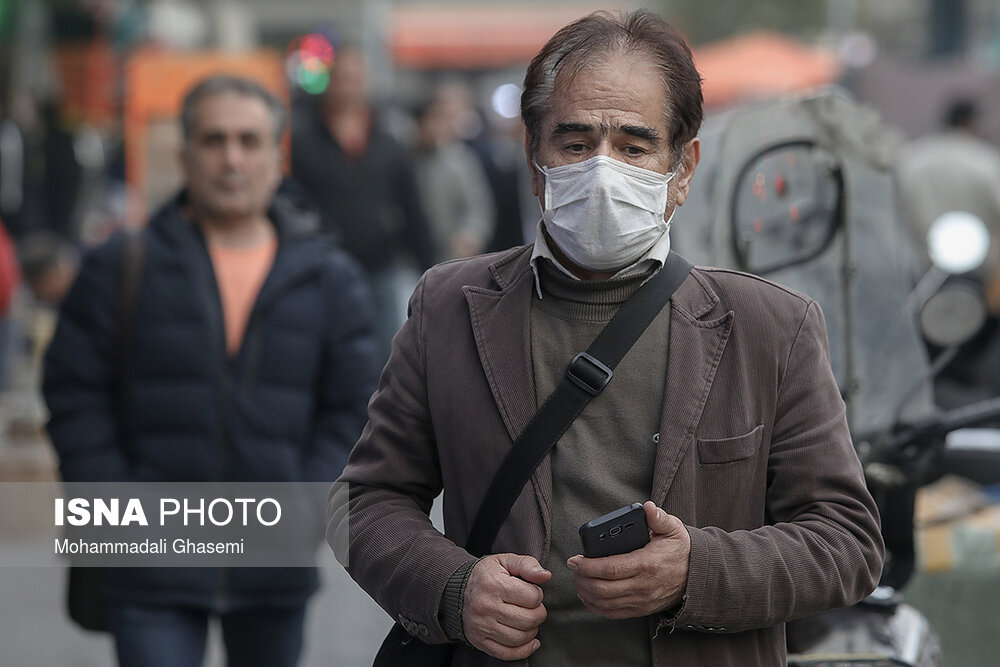
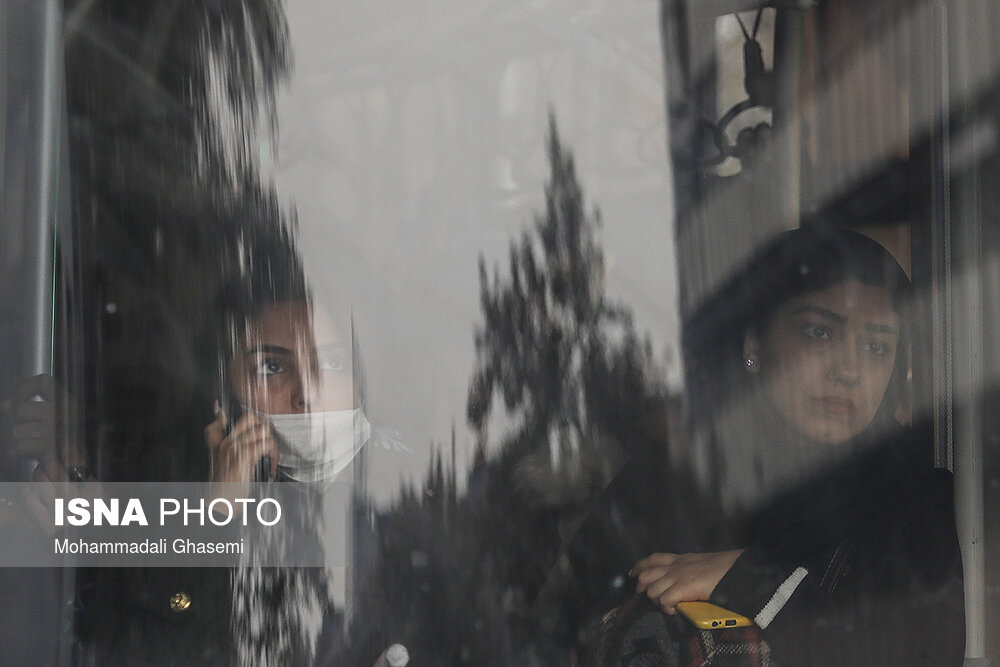
Over the past few days, Tehran has been blanketed by heavy smug, with the air pollution reaching the level considered unsafe for all groups of people.

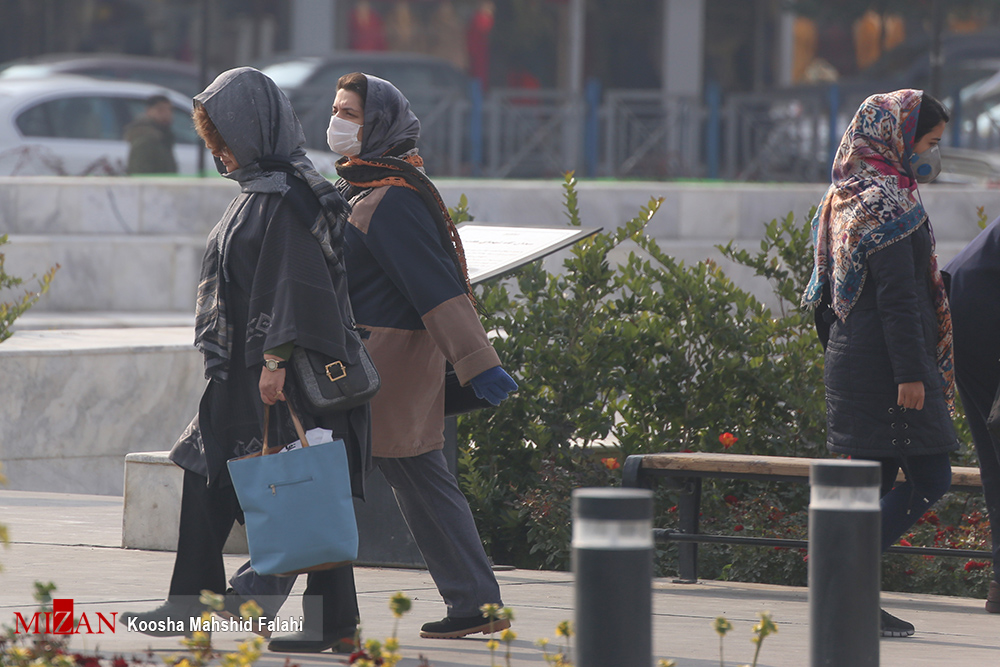
Authorities have urged citizens, especially children, pregnant women and the elderly, to stay indoors.

Each winter, Tehran, a metropolitan city surrounded by mountains, suffers some of the worst air pollution in the world through thermal inversion — a phenomenon that traps hazardous air over the city.

Other industrial Iranian cities also experience similar periodic heavy air pollution.
Iraqi PM Vows to Resign after Top Cleric’s Call

Iraqi PM Vows to Resign after Top Cleric’s Call

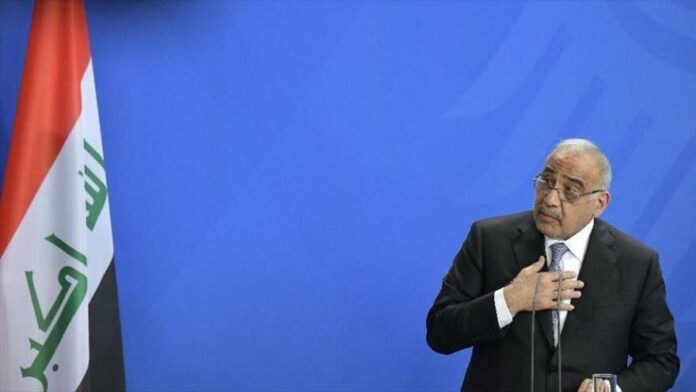
“I will submit to parliament an official memorandum resigning from the current prime ministry so that the parliament can review its choices,” Abdul Mahdi said Friday.

Earlier in the day, Ayatollah al-Sistani said that parliament, which elected the year-old government of Abdul Mahdi, should “reconsider its options”.

“We call upon the House of Representatives from which this current government emerged to reconsider its options in that regard,” Ayatollah al-Sistani said in his weekly sermon delivered in the holy city of Najaf via a representative.

Abdul Mahdi said he “listened with great concern” to the top cleric’s sermon and made his decision in response to his call and in order to “facilitate and hasten its fulfillment as soon as possible”.

The developments came a day after more than 50 people were killed by security forces in one of the bloodiest days of violence since the anti-government protests erupted in early October.

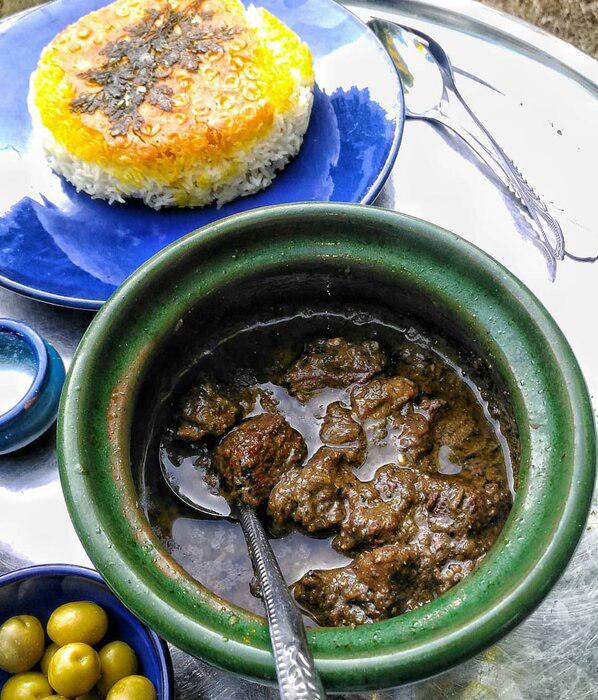
Gamaj Kebab Luxury Food of Northern Iran

Gamaj Kebab Luxury Food of Northern Iran (2)

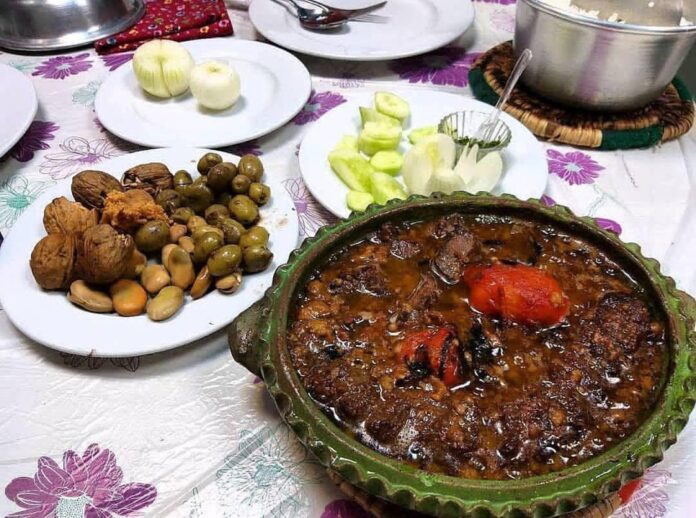
The food is named after a local clay cauldron known as Gamaj in the local vernacular.

Gamaj kebab is usually cooked with red meat, but white meat such as chicken and turkey can also be used. Interesting enough, when this food is made with chicken, it is known as the Tala-Kooleh-Ghoorabe stew in the local language. This stew is not only very delicious, but also very useful for the body thanks to the nutritious herbs used in it.

Gamaj Kebab Luxury Food of Northern Iran (1)Ingredients:

Walnut kernel: 300gr

Onions: An average-sized onion

Pomegranate paste: 2 spoonfuls

Pomegranate juice: 2 spoonfuls

Stew herbs: 400gr (the local Choochaq herb, or chives, parsley and coriander instead)

Liquid oil: As much as necessary

Meat: 600gr

Tomato paste: 2 spoonfuls

Salt, black pepper and turmeric: As much as necessary

Recipe:

First, shred the onion and sauté it until it gets soft and transparent.

After the onion gets soft, add some turmeric and keep sautéing the mixture until you get a consistent mix of onion and turmeric. Then chop the meat and add it to the ingredients. After you sauté the meat, add tomato paste along with pomegranate paste and pomegranate juice. Then sauté them all together until the tomato paste and pomegranate paste get fried a little. Then chop the herbs and add them to the ingredients together with ground walnut. Sauté all the ingredients for a few more minutes until you get a consistent mixture. Then add a few glasses of boiling water and allow the stew to be cooked through on low heat. If you use the Gamaj cauldron, the food will become tastier.

In the last 30 minutes when the food is being cooked, taste it, and add some salt and black pepper if needed. This stew is served with little stock (water), so do not serve it until it loses quite some water and only oil is left behind. Finally, you may serve the stew with rice.

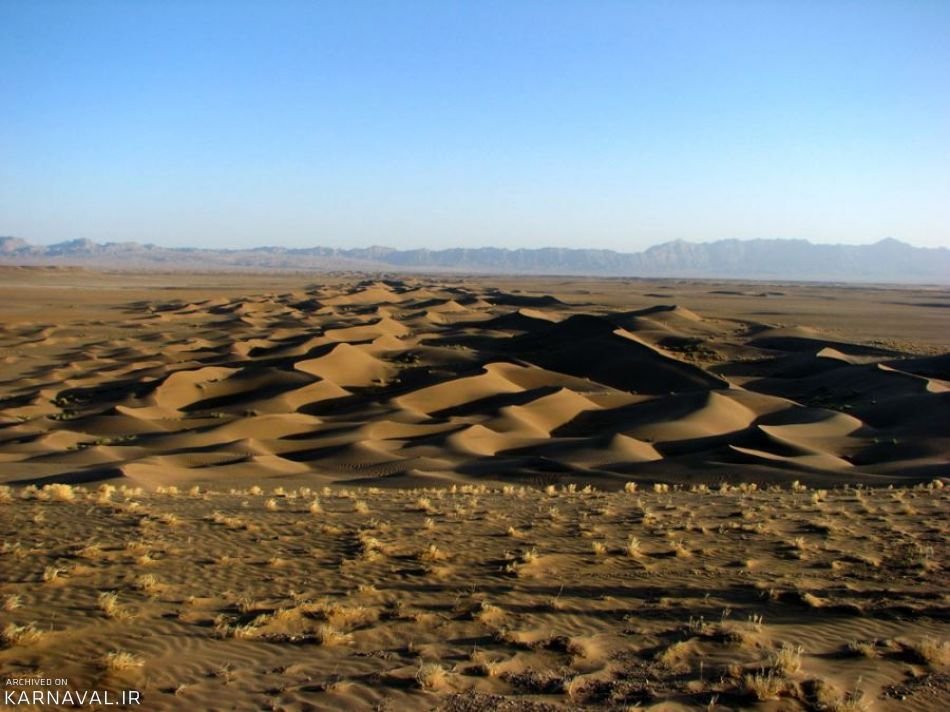
Mesr Desert; A Gem in Central Iran

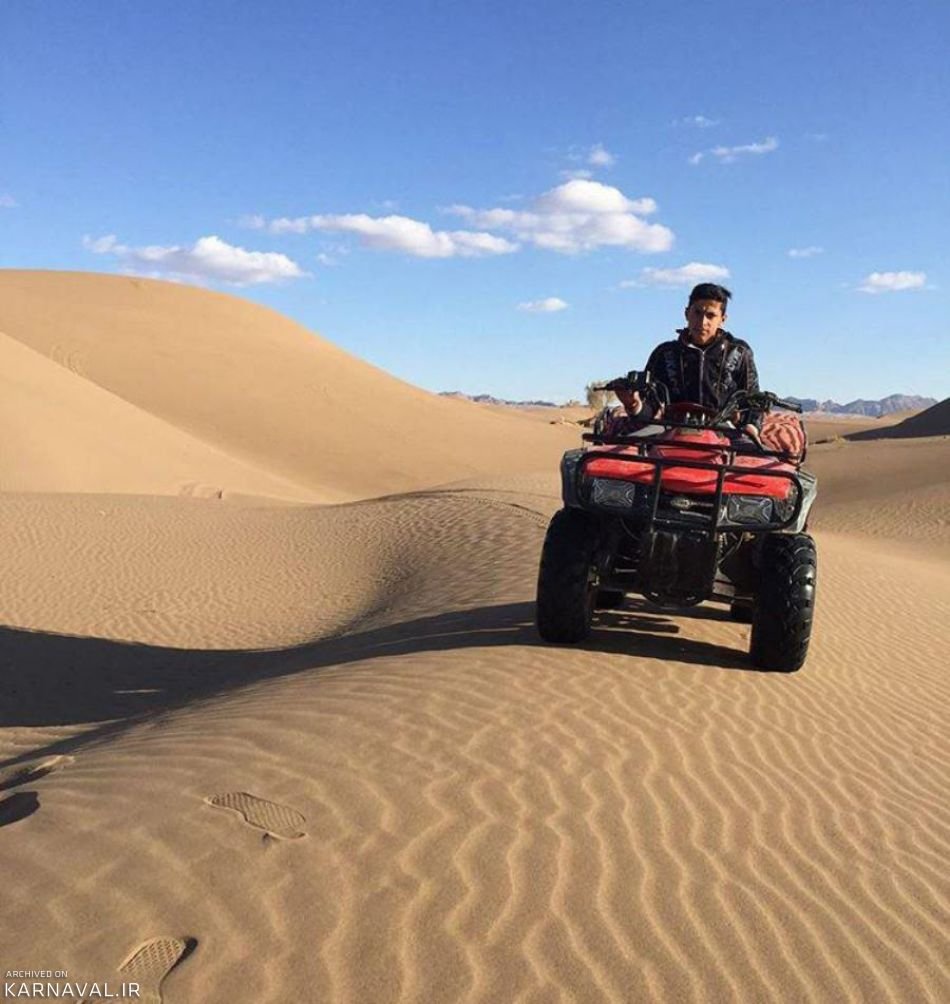
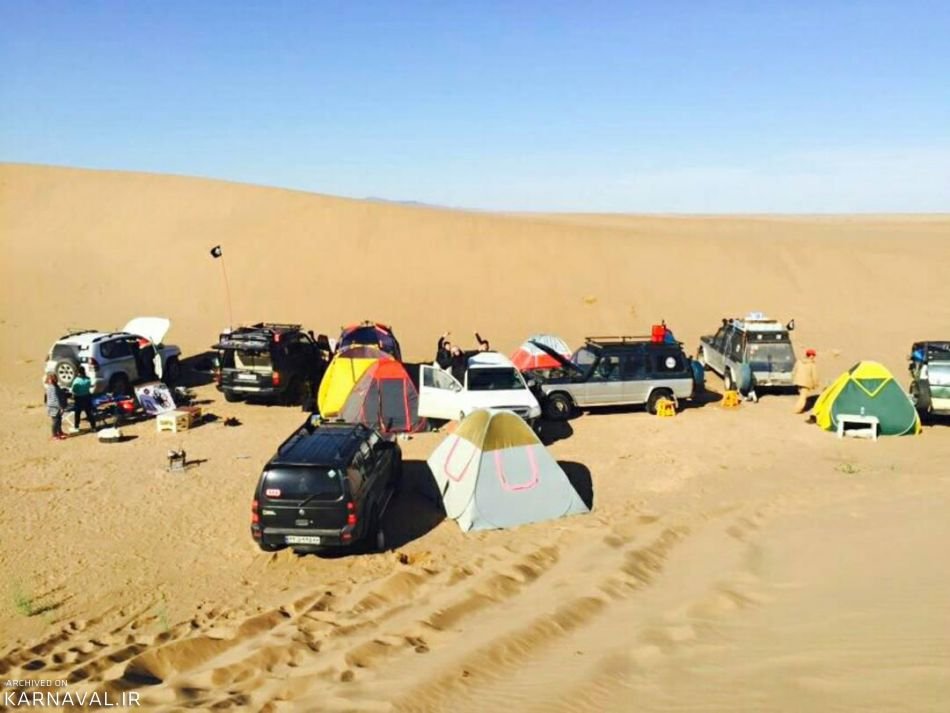
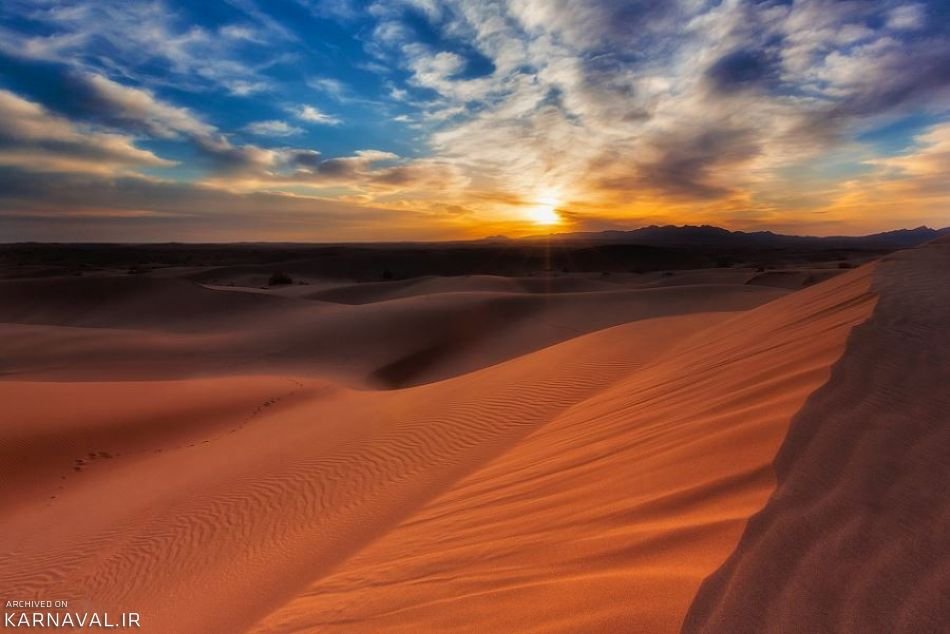
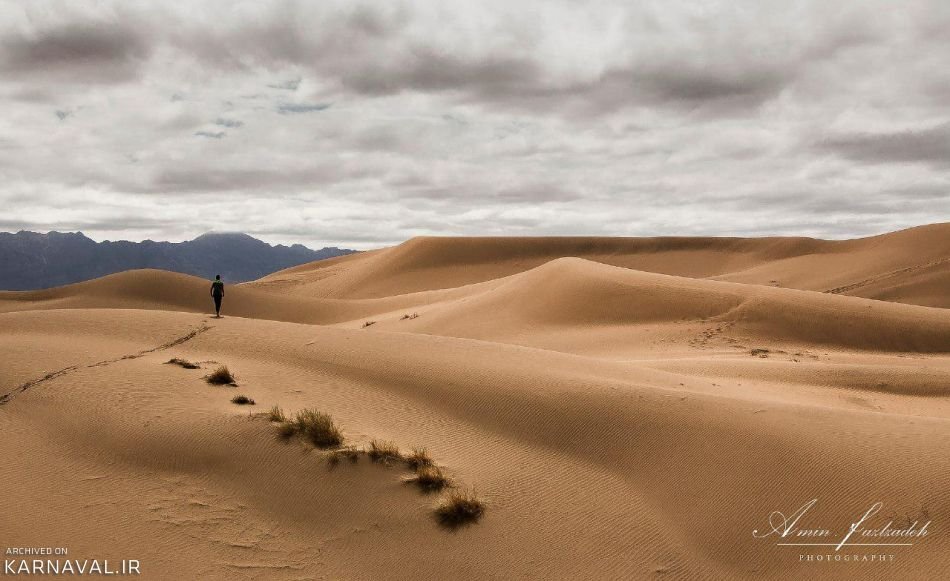
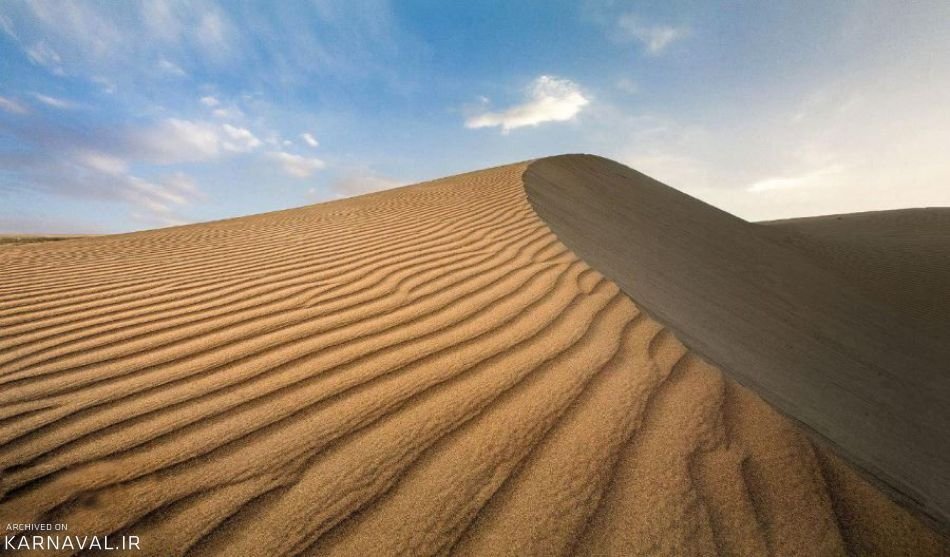
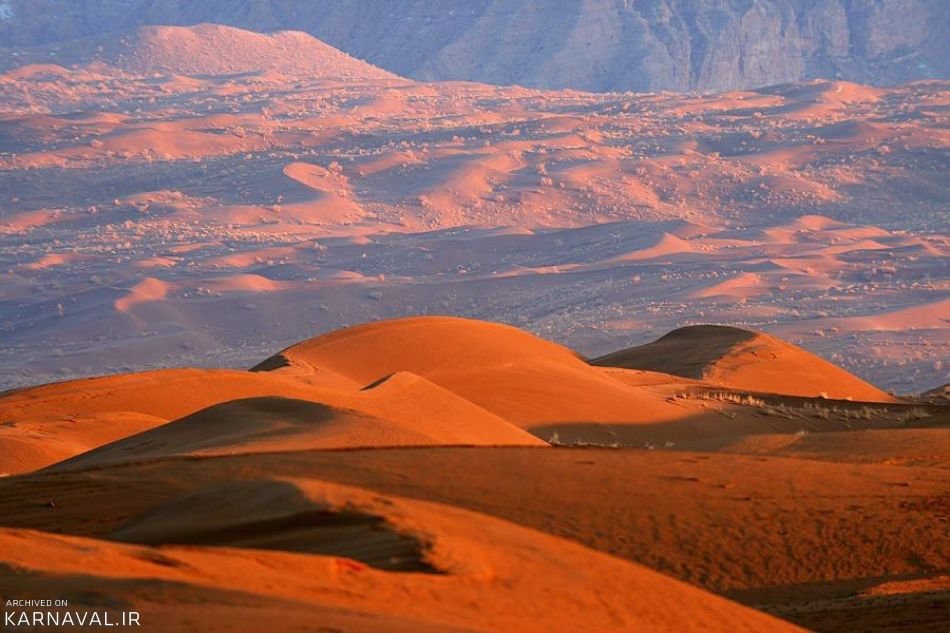
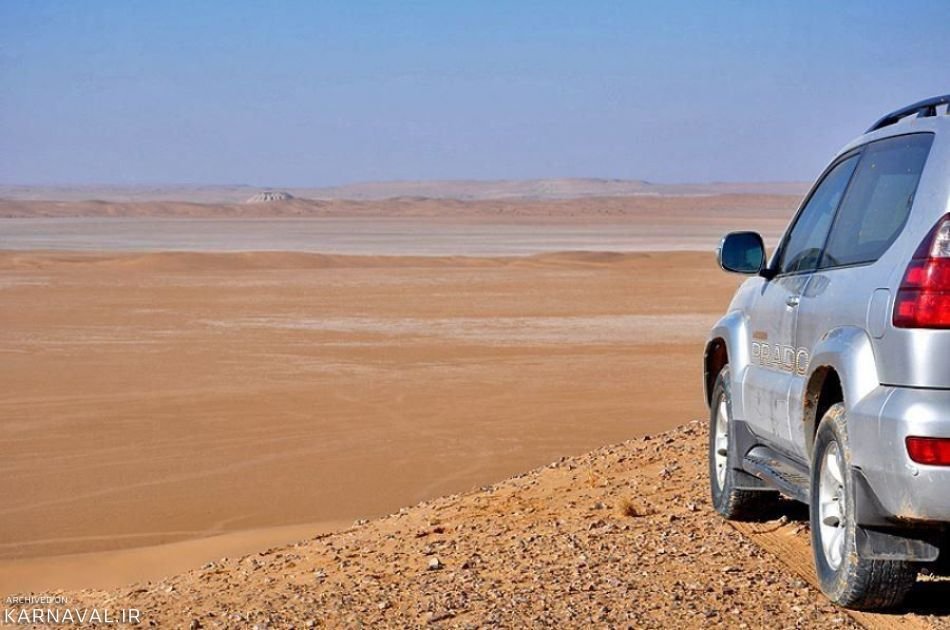
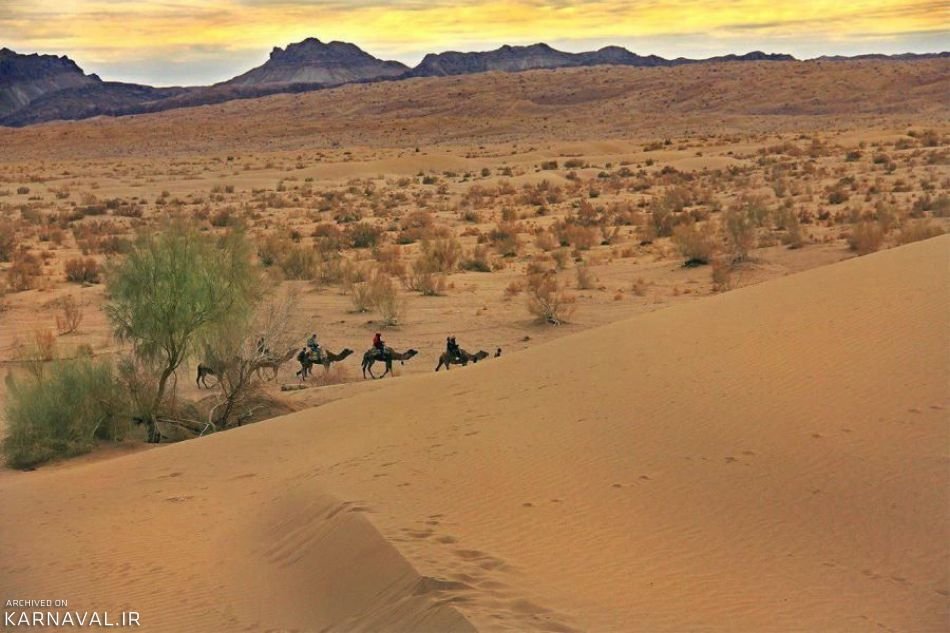
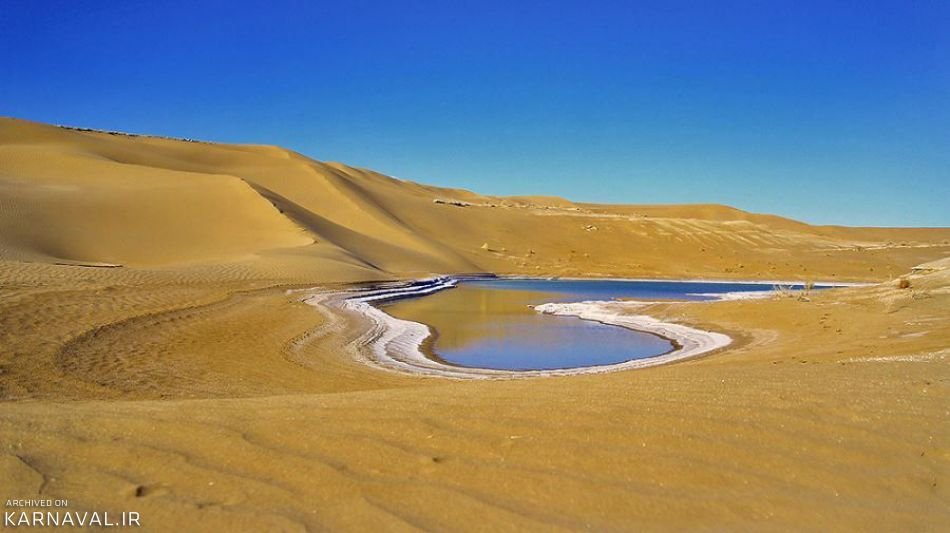
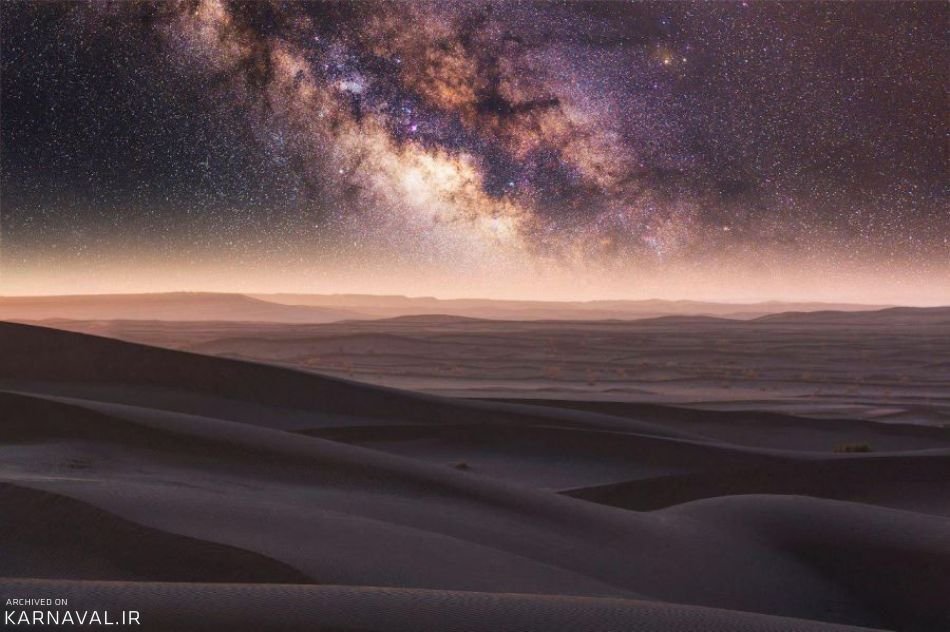
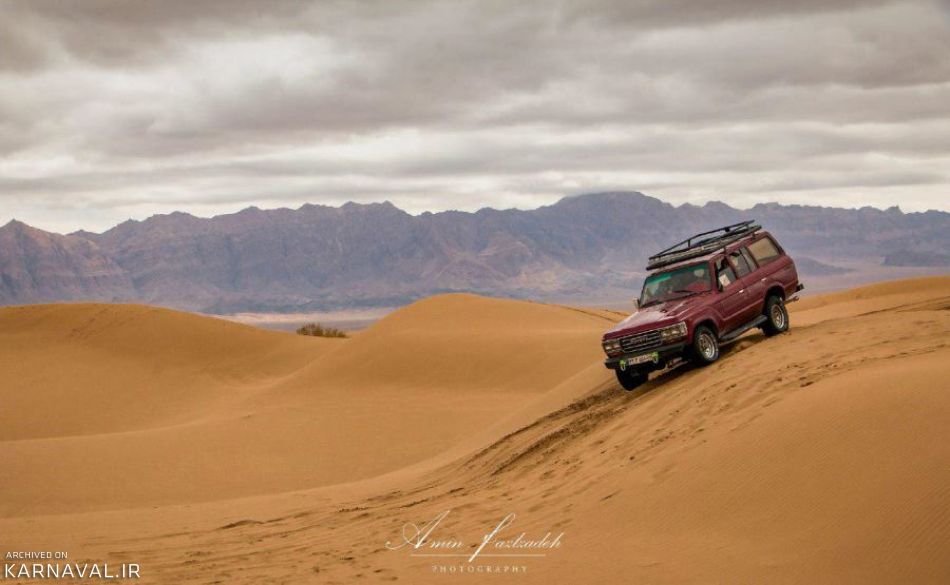
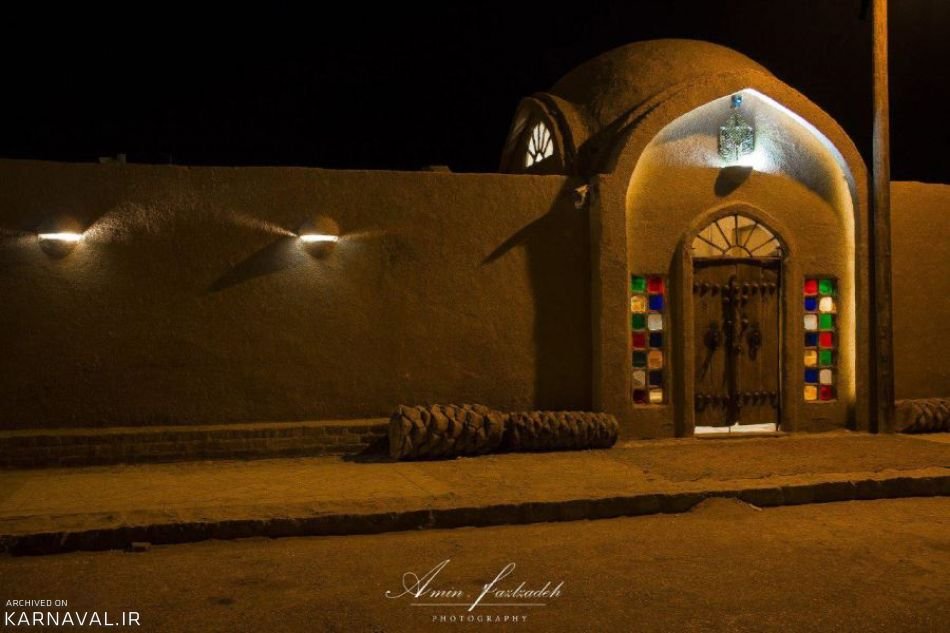
The desert has good recreational facilities including safari, motorbikes and camels that give you a different experience. The desert is located 55 kilometres from the city of Khor of Isfahan province next to a village bearing the same name. The village along with its desert has a warm and dry climate.

In the summer, the climate is warm and during the cold seasons the weather is moderate. The desert is hot and sunny during the day, but it gets cold at night with the fall of temperatures.

Alongside the Mesr village, there are many other small villages in the desert; to name Amirabad, Farahzad and Garmeh.

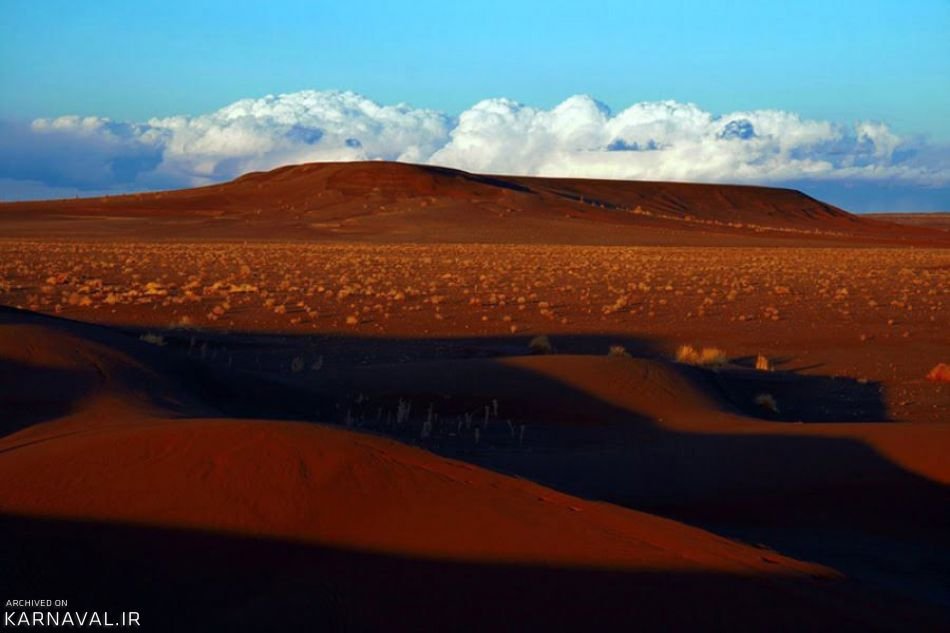
The beautiful palm trees, bushes and sand hills have created spectacular scenery in these villages. But Garmeh is different. The presence of Dr Fish springs with therapeutic fish has attracted more tourists to this desert village.

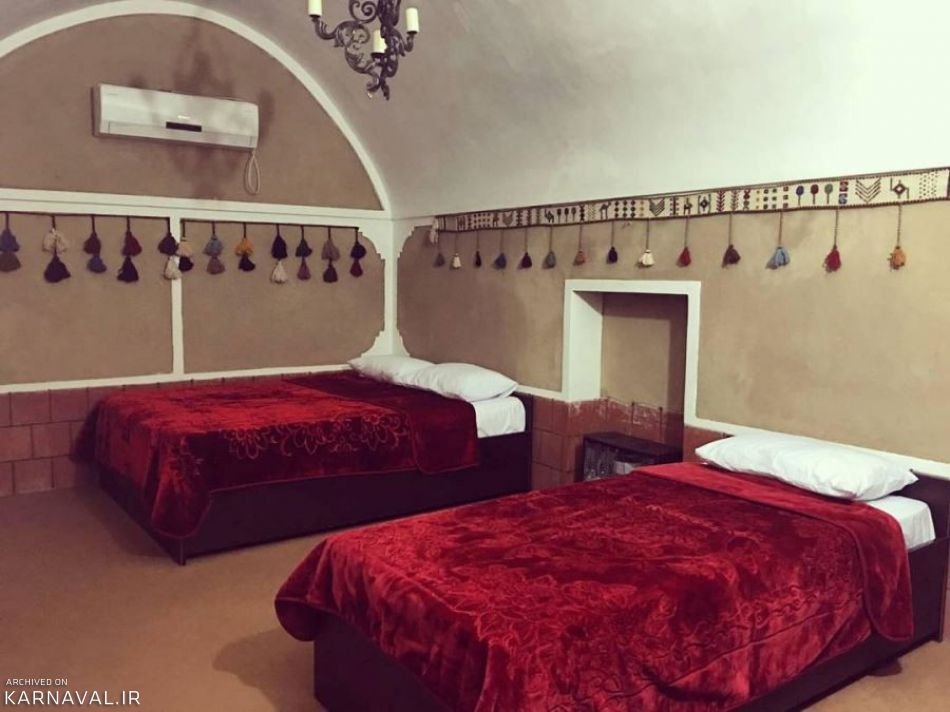
There is also an interesting palm tree field called Burned Palm Field; which came into being during winter 40 years ago. While travelling to Mesr desert, you can stay at Maziar Al Davoud House there. Maziar Al Davood is an architect who, along with his French wife, has renovated his ancestral home and converted it into a residence.

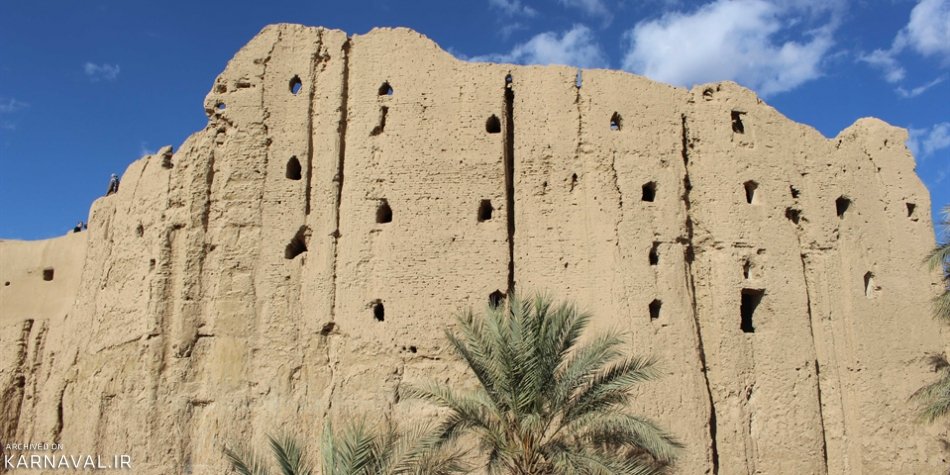
Beyazeh is a 110-kilometre village in the countryside that attract many desert tourists due to its ancient citadel, aqueducts, the Old Jame Mosque, and the dense palm trees. Beyazeh Castle is located in this village. It is a Sassanid-era structure that has been used for centuries for housing and defense and has become a base for the followers of Hassan-i Sabbāh in the Ismaili state.

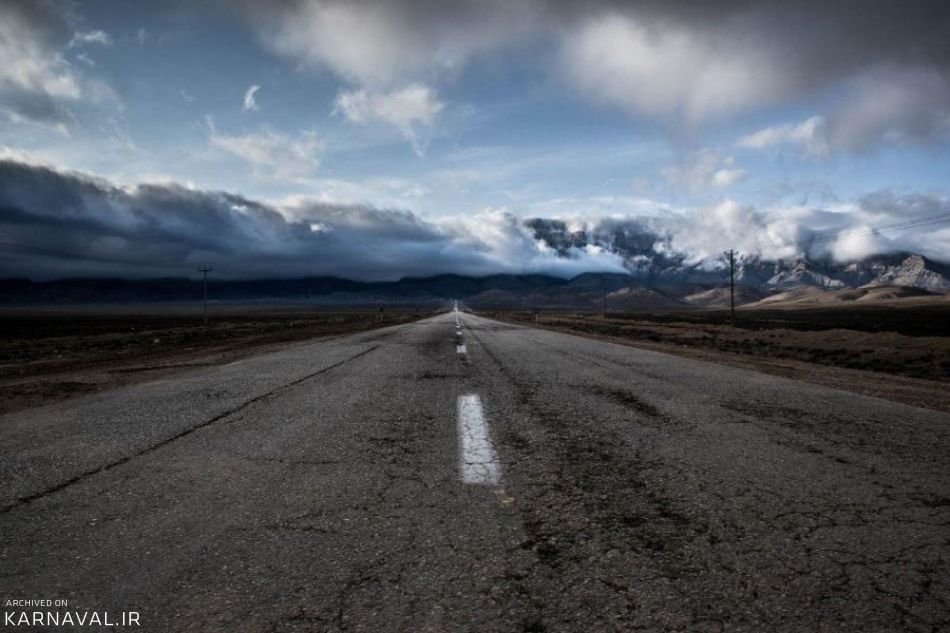
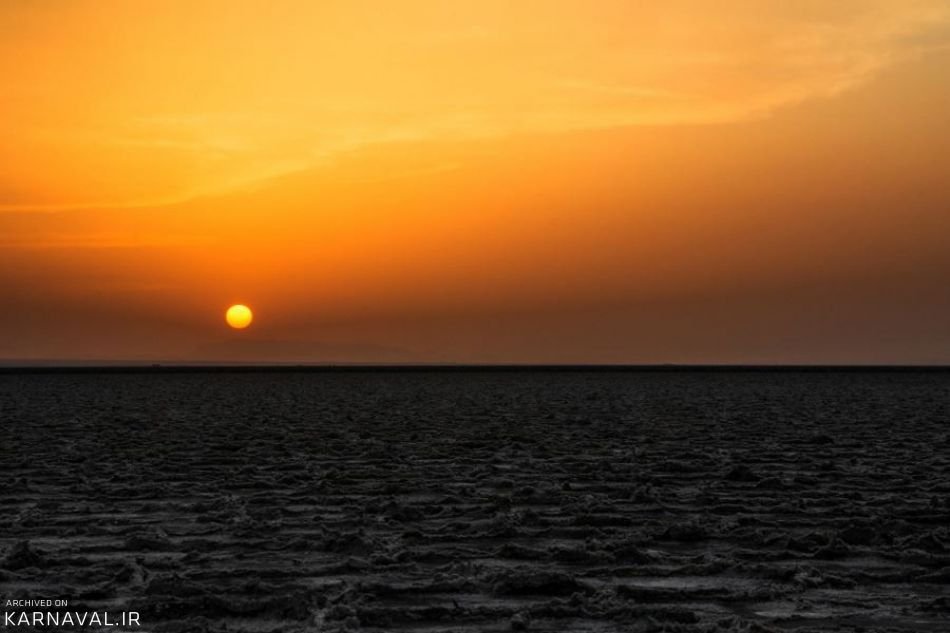
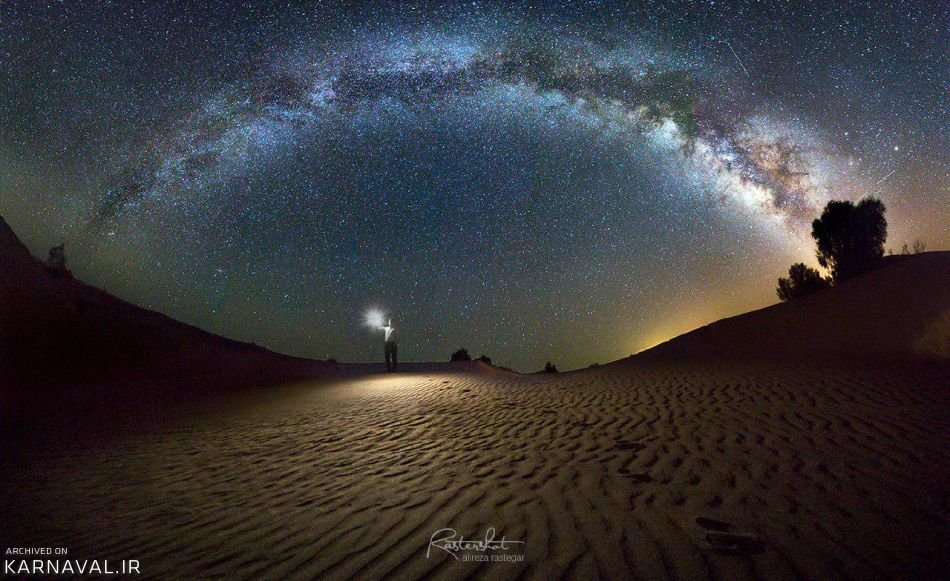
Following you can find photos of Mesr desert retrieved from different sources:

Linux-Based Tablet Developed for Visually-Impaired People

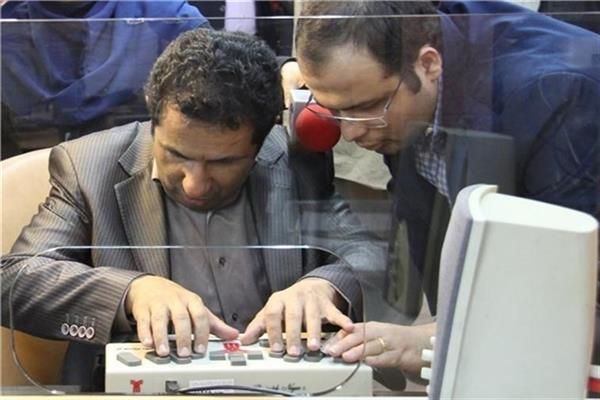
The CEO of the company says “Barjasteh Negar” (literally raised-graph) is a smart tablet for the blind that comes with a braille keyboard and the output will be Persian audio and braille script.

He pointed out that the mobile smart tablet has a Linux operating system and allows blind people to read texts in audio and braille without the need for a computer connection.
“The blind can type in both Farsi and English, listen to music and audio files, and connect to their mobile phone. This device can be used by students, pupils and employees.”

He went on to say that the device is manufactured in 7 countries. In Asia, South Korea and Iran are the only countries that have acquired the know-how.

The device made by South Korea is not capable of typing Farsi language, so it is unique in terms of covering the Persian language.

Linux-Based Tablet Developed for Visually-Impaired PeopleThe device also allows the blind to receive banking services such as opening a bank account, cash depositing and withdrawal.

The hardware includes Braille keyboard and a monitor and software includes Persian text reader.

According to the CEO of this knowledge-based company, the system provides audio and braille for all visually impaired people in the bank’s branches.

“Using this equipment, the blind person completes the information requested on the form. This information is then sent to the bank’s printer.”

He said banking services for the visually impaired were made available for the first time by the company and at present, 163 branches of 22 banks are equipped with the system.

For a brief review of Iran’s achievements in various fields of science and technology, check the book “Science and Technology in Iran: A Brief Review – 2019

According to the tech activist, with the production of this equipment, jobs have been created for 13 people, including two visually-impaired ones.

Iran, OPCW Discuss Closer Cooperation

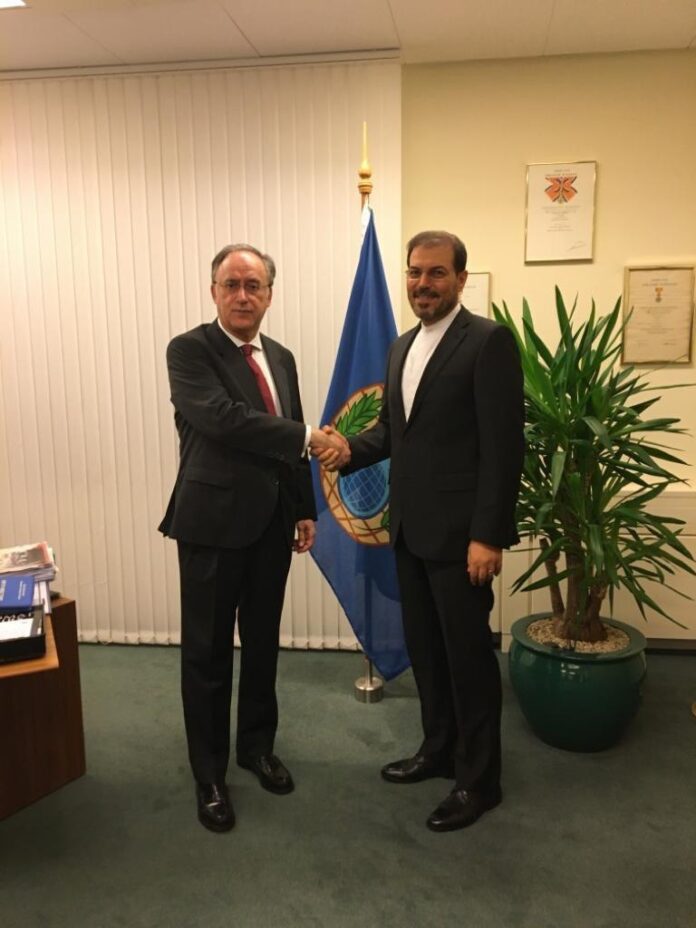
Dehqani and Arias sat for talks on Thursday on the sidelines of the 24th Conference of the States Parties (CSP) of the Chemical Weapons Convention (CWC) in The Hague.

In the meeting, the two officials explored avenues for the promotion of cooperation between the OPCW and the Islamic Republic of Iran.

Moreover, the Iranian deputy foreign minister stressed the need for non-discriminatory implementation of all provisions of the Chemical Weapons Convention, called on the CWC State Parties to honor commitments to the transfer of chemical material and equipment for peaceful purposes, and urged the removal of obstacles to trade between the State Parties as well as non-imposition of economic sanctions on the State Parties.
Dehqani also highlighted the impacts of the US government’s move to resort to economic terrorism against Iran on the supply of medicines and equipment for the veterans hurt by chemical weapons and on the supply of raw materials for the production of certain medicines in Iran, saying it contravenes the commitments made by the US and by the other CWC State Parties which follow the US under pressure.

The Iranian diplomat further called on the OPCW Secretary-General to use his good offices to remind those State Parties about their commitments.

Dehqani finally emphasized the need for observing the rule of consensus in decision-making in the organizations concerned with the prevention of weapons of mass destruction proliferation, and highlighted the Secretary-General’s strategic role in strengthening consensus within the OPCW.

Iraq Apologizes to Iran for Mob Attack on Najaf Consulate

In a Thursday telephone conversation with Foreign Minister of the Islamic Republic of Iran Mohammad Javad Zarif, Iraqi Foreign Minister Mohamed Ali Alhakim offered his apologies for a Wednesday attack on the Iranian consulate in Najaf.

Alhakim also reaffirmed his government’s commitment to protecting the diplomatic missions and the Iranian diplomats in Iraq.

On Wednesday night, a group of rioters swarmed Iran’s consulate in Najaf.

The incident prompted a curfew in Najaf and the closure of government offices on Thursday.

The masked assailants had also attacked Iranian consulates in the Iraqi cities of Karbala and Basra a few weeks ago.

Diplomat Refutes Negotiation on Iran’s Missile Program

Mark Dubowitz’s Delight over Coronavirus in Iran ‘Shameful’: Araqchi

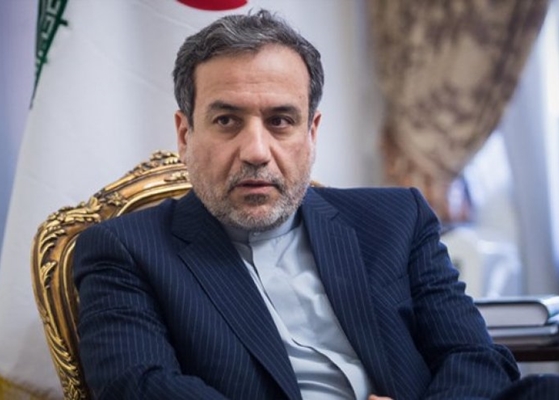
In comments on Thursday, Iranian Deputy Foreign Minister for Political Affairs Seyyed Abbas Araqchi said Iran will not negotiate its missile program with the foreigners by any means.

Rejecting plans for renegotiating the Joint Comprehensive Plan of Action, he said one of the lessons Iran has learnt from the JCPOA was that the nuclear deal and commitment to it have apparently resulted in the imposition of new sanctions against Tehran.

There is still an opportunity to save the nuclear deal, provided that the other parties honor their commitments, Araqchi added.

“The other lesson that we learnt (from the JCPOA) is that resistance works better than willingness for cooperation,” he noted, warning that if the sanctions on Iran continue, Tehran may have to change its approach as well.

“Europe must make more sacrifices (to save the JCPOA). Everything has a price… Europe has proved that it is either unable or unwilling to resist the US domination of (its) financial system,” he added.

The deputy minister also noted that it is natural for people of a country to be dissatisfied with the policies of a government, saying such anti-government protests occur in Paris every Saturday.

Araqchi emphasized that nobody would agree on violence or torching the public buildings amid the protests.

Iranian Official: ISIL Desecrating Karbala, Najaf in Guise of Iraqis

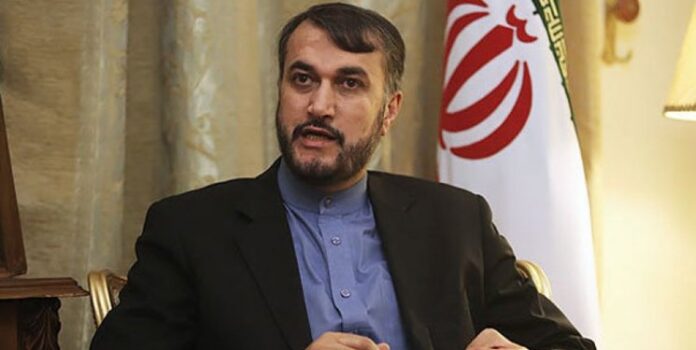
In a post on his Twitter account, Hossein Amir Abdollahian, a special aide to the speaker of Iranian Parliament on international affairs, decried the most recent attack on the Iranian consulate in Iraq’s holy city of Najaf.

“The trio of the US, Israel and Saudi Arabia have now targeted Iraq’s democracy, sovereignty and independence,” he deplored.

“The Daesh (ISIL) has entered the field under the guise of Iraqi people and with the full support of the American and Saudi embassies in Baghdad and seeks to desecrate Karbala and Najaf,” Amir Abdollahian warned.

The Iranian official finally noted that the plot hatched by the enemies of Iraq will undoubtedly backfire.

His tweet came after rioters swarmed Iran’s consulate in Najaf late Wednesday.

Masked assailants had also attacked Iranian consulates in the Iraqi cities of Karbala and Basra a few weeks ago.

The incident prompted a curfew in Najaf and the closure of government offices on Thursday.

Iran Eyes Growing Ties with Mauritania

US Push to Use Mechanisms in Iran Nuclear Deal Ludicrous: Rouhani

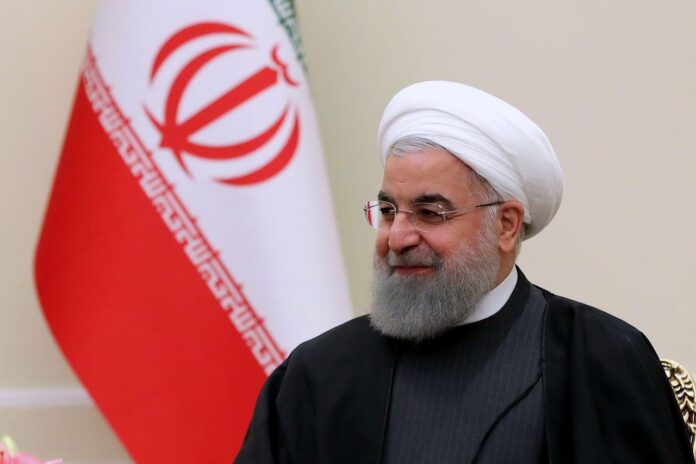
In a Thursday message to President of the Islamic Republic of Mauritania Mohamed Ould Ghazouani, President Rouhani congratulated the Mauritanian government and people on Independence Day.

He also expressed hope that the cooperation and relations between Tehran and Nouakchott would continue to grow in various fields to serve the interests of the two nations at the highest level in light of determination and efforts by the officials of the two Muslim countries.

President Rouhani also wished the Mauritanian president and people health, prosperity and success.

Mauritania celebrates the anniversary of its independence from France on November 28.