Tuesday, December 23, 2025
Home Blog Page 3004

Tapestries of Iranian Artist on Show in Tehran

The gallery has put on show multiple texture patterns with different materials and fibres and a range of conceptual ideas that encompass geometric and abstract works.

Shahrzad Gharavi is a modern Iranian artist who has been able to combine the native experiences of the country with modern knowledge in her professional work in a bid to show a combination of local ideas with an international approach.

Born in Abadan in 1952, she studied graphic design at the Faculty of Decorative Arts at Tehran University of Art, but then moved to Belgium and spent two years freelancing at St Lucas University in Brussels in the field of tapestry and silk printing.

In the years later, Gharavi’s professional activity continued by holding numerous individual and group exhibitions in domestic and international galleries.

The artist, who is active in a variety of artistic fields, has just put on show a collection of her tapestries that she has created since 1976.

Tapestry may be the simplest definition of textile and fibre art in which the artist uses a variety of tools and materials to express her ideas.

Tapestry might be limited to stereotypical materials at first glance, but Gharavi has added new textures to this art by adding unusual materials such as metal filaments.

Following you can find photos of the exhibition of her tapestry works retrieved from Honar Online:

Iranian Couple Hold Exhibition to Show Women Woes, Achievements

An Iranian artist couple have run an exhibition called "Leili and Shirin" to put on show in two different ways some works about the society’s view of the women

The paintings by Mahsa Najafi and Sadeq Farhadian are displayed at this event but with two different styles. The exhibition features 20 works by Najafi and 30 works by Farhadian.

“My wife and I each worked on our own collections, and planned to hold two different solo exhibitions,” Farhadian told Honar Online.

We didn’t think of a joint exhibit during the work, but when we got closer to the final stage, we decided to hold one joint exhibition as there were many similarities and commonalities, he said.
“The subject matter of both portraitures are women, but there are two completely opposite views. Each of us had in mind a community of women whose lives and positions were quite different. My works have a sadness that engages the audience, but Mahsa’s works are like a glimpse of hope in this atmosphere.”

Farhadian added that in his work, he dealt with one of the lower classes of society, and the dark atmosphere reflects their pain and sorrow. Whereas Mahsa’s collection of works is elitist and deals with a group of women who, despite all the hardships they endured, they have finally gained a certain status and credibility.

“In my view, what matters is the issue of choice and the social impact that separates the two. I worked on Plexiglas and fielded them with sand,” he said about his technique.

“My hometown is located in desert, and I use desert materials in my works. My work is layered and can finally be recognised as painting.”

However, Mahsa Najafi first draws the subjects she chooses on cardboard with pencil or charcoal and then modifies and prints the portraits of the people she wishes to use with Photoshop filters.

Then, according to the scheme originally drawn, the portraits will be cropped to make the final image look like a lace fabric. This lace paper rests on the scheme so that the design be completely in line with the photo cuts.

What follows are Honar Online’s photos of the exhibition:

How Will Last-Mile Distribution Change Logistics?

Many e-commerce has been on the receiving end for failing to honor speedy last-mile distribution to consumers. Amazon was one time in a very uncomfortable position of having to accept that they grossly over-promised consumers on the same day deliveries in Chicago (South Side).

Study shows that 64% of consumers are not willing to part with any extra pay for two-day shipping. Many are quickly leaning to same-day delivery. For you to keep pace, many companies are now implementing advanced last-mile distribution plus warehouse strategies which are designed to streamline logistics for an increasingly complex delivery environment.

There is potential that exists in this space for innovative 3PL/BCO companies whose background in moving goods and warehousing presents them with an exceptional advantage.

Locally Sourced Logistics

In the densely populated areas, many retailers are opting for small local warehousing – even in those expensive real estate markets in the country. Instead of traditional warehouses surrounding ex-urban areas, the new hyper-local focus places last-mile logistics directly in the spotlight. Those smaller hubs mean better delivery speeds. Still, also they present challenges when it comes to moving and managing stock between hubs as well as getting the inventory into the fulfillment flow efficiently.

Where many B2B logistics professionals have focused traditionally on moving large amounts of freight between major retail hubs and ports, the majority want to use their logistical expertise to help in local delivery. Reputable trucking companies like Schneider National are acquiring smaller last-mile experts to expand their reach into this niche market.

Changes to the supply chain and the improved focus on local warehousing will transform the role of interstate shippers as well where increased LTL between smaller local hubs will feed the regional movement, enabling smoother running of the business to consumer delivery.

Small Trucks, Big Problems

The last-mile distribution is complicated. Large retail stores are designed with bays that handle an LTL rig, but most cul-de-sacs are not. It means that shippers are today becoming reliant on a network of smaller delivery vehicles, which equals many smaller loads.

Even under the best conditions, packing a fleet of delivery of vehicles to maximize efficiency is a major challenge for distribution services. Smaller vehicles present a unique challenge when it comes to delivering large items, such as refrigerators, which, according to recent studies, shows that they are growing in e-commerce popularity. Some last-mile professionals are already retrofitting specialty vehicles designed to take on large parcels using a straight truck lift gate and increased safety and visibility equipment.

Giants like UPS carriers seem not to keep up with the new demands; there’s untold possible waiting to be unlocked here.

New transportation concepts – Mobility and Uber Freight

Robots, cargo-bikes, drones and new freight platforms allow new approaches to delivering goods. The new freight platforms are, e.g. Saloodo and Uber Freight on which shipping requests can be inserted and matched with a private Saloodo or professional Uber Freight carrier. The next step is in realizing new transportation concepts is an autonomous transport operation of, e.g. robots and drones.

For instance, drones can operate autonomously from a micro hub and deliver goods within a small radius in a couple of minutes. Storage capacities can be subcontracted to these micro hubs and, e.g. transformed to a consignment warehouse. Especially shipment warehouses are suitable for vacant commercial spaces as they usually build upon an agreement for a specific customer.

Menar-Jonban; A Wonder of Persian Architecture in Isfahan

Menar-Jonban means “vibrating minaret” in Persian. It is the title of a historical building with two minarets which are about nine metres wide and seventeen metres high. The remarkable fact about the monument is that you can vibrate one minaret by shaking the other!

A mystic called Amou Abdullah “Karladani”- of Karladan- is buried in Menar-jonban. Karladan is a well-known village in the ancient region of Marbin which includes today’s Isfahan.

The date written above Amou Abdullah’s tombstone shows that the monument has been built on 716 AH; during the reign of Sultan Muhammad Khodabandeh, also known as Oljeitu, the Muslim Ilkhanid ruler.

What follows are IRNA’s photos of Menar-Jonban:

Uzbekistan Hosts Exclusive Exhibition of Iranian Products

The exhibition that involves 37 major Iranian companies will run until Friday.

The exhibition, held in an area of 700 square meters, includes separate pavilions displaying different categories of products.

The event has been organized under the auspices of the Islamic Republic of Iran’s Embassy in Tashkent.

The opening of the exhibition, held a day in advance of a joint economic meeting between Iran and Uzbekistan, was attended by Iranian Deputy Minister of Industry, Mine and Trade and Chairman of the Trade Promotion Organization of Iran Hamid Zadboom, Uzbekistan’s deputy Minister of Investments and Foreign Trade, and CEO of Iran International Exhibitions Company Bahman Hosseinzadeh.

The necessary arrangements have been made for the Uzbek business people and merchants to attend the exhibition after coordination with the Chamber of Commerce and Industry of Uzbekistan.

The 13th meeting of Iran-Uzbekistan Joint Commission of Economic Cooperation, due to be held in Tashkent on December 12 and 13, will be co-chaired by Iran’s Minister of Industry, Mine and Trade and the Deputy Prime Minister of Uzbekistan.

According to Hamid Zadboom, the joint commission is going to draft a document on mutual cooperation in various fields, such as investment and trade, tourism, and banking industry.

He also noted that the plans to hold the exhibition of Iranian products in Tashkent has been devised during a November visit to Uzbekistan by Iranian First Vice-President Eshaq Jahangiri for taking part in a meeting of prime ministers of the Shanghai Cooperation Organization (SCO) Member States.

Iran has already agreed on plans to purchase wheat and basic commodities from Uzbekistan, Zadboom added, unveiling plans for an increase in the volume of trade exchanges between the two countries and promoting cooperation in various fields, such as banking, investment in the insurance and customs sectors, as well as the energy, oil and gas industries.

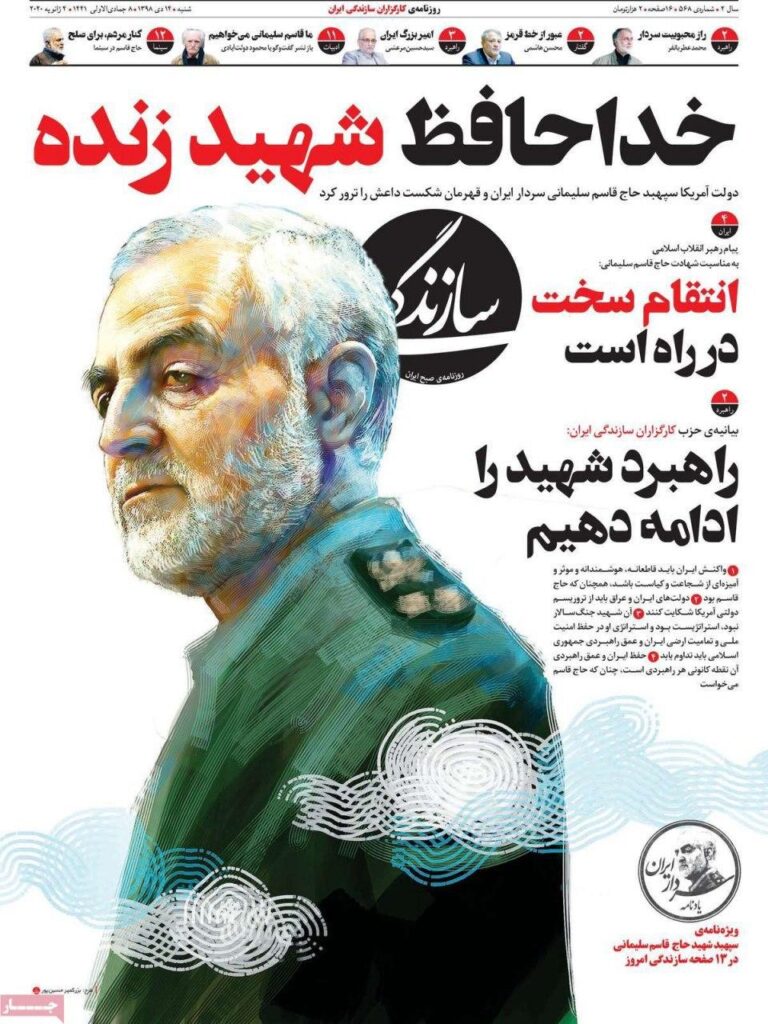
A Look at Iranian Newspaper Front Pages on December 11

Newspaper Headlines

Abrar:
1- Saudi King: We Should Seriously Address Iran Nuclear, Missile Programs
2- Iraqi Protesters Hold Massive Rally in Tahrir Square

A Look at Iranian Newspaper Front Pages on December 11


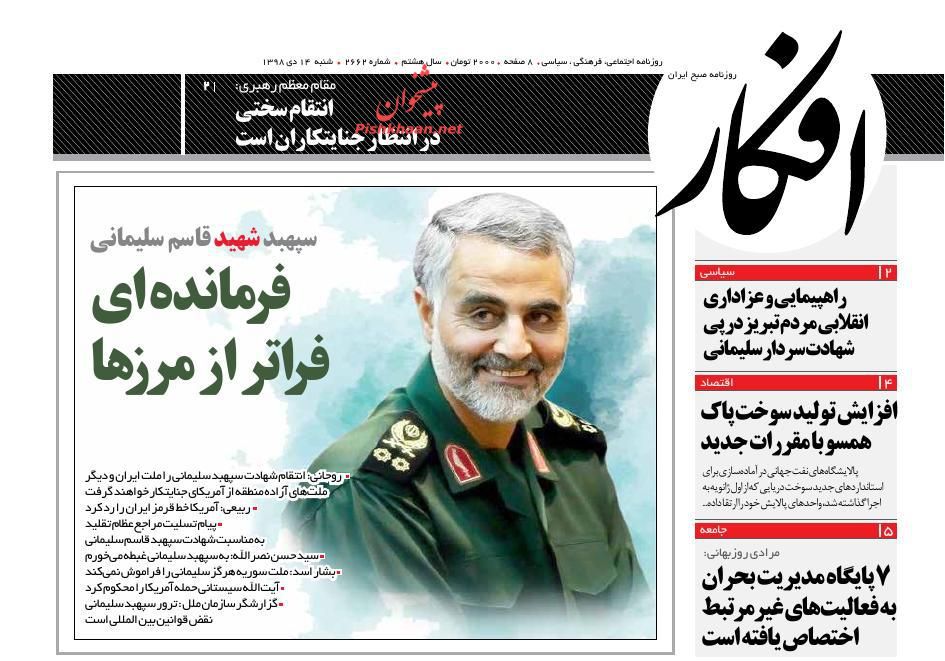
Afkar:
1- Don’t Travel to France for Now: Iran Foreign Ministry

A Look at Iranian Newspaper Front Pages on December 11


Aftab-e Yazd:
1- Iraq Bans Import of 17 Agri-Products from Iran

A Look at Iranian Newspaper Front Pages on December 11


Arman-e Melli:
1- Tsunami Predicted for Caspian Sea
2- Expediency Council Urged to Make Decision on CFT, Palermo Convention

A Look at Iranian Newspaper Front Pages on December 11


Ebtekar:
1- Rouhani to Governors: Pay Visits to Families of Those Hurt in Recent Unrest
2- Washington Post Publishes Documents that Reveal Failure of US’ 18-Year War on Afghanistan

A Look at Iranian Newspaper Front Pages on December 11


Iran:
1- Exchange of Inmates without Any Direct Talks
2- Bill on Trump Impeachment Unveiled: Trump Accused of Abusing Power
3- National Information Network Not to Replace Global Internet: Official

A Look at Iranian Newspaper Front Pages on December 11


Javan:
1- US Plotting Ba’athist-ISIS Attack on Iraq

A Look at Iranian Newspaper Front Pages on December 11


Jomhouri Eslami:
1- Iran’s Non-Oil Exports Hit $27 Billion
2- JCPOA Parties Must Take United Stance: Borrell
3- MP Vows to Impeach Interior Minister over November Unrest
4- China Opposed to US Sanctions on Iran

A Look at Iranian Newspaper Front Pages on December 11


Kayhan:
1- Israel Won’t Win Any War: Senior Israeli Commander
2- All US Presidents Lied: US Failed in Afghan War Despite Spending $1 Trillion

A Look at Iranian Newspaper Front Pages on December 11


Mardom Salari:
1- Exchange of Inmates with US without Negotiation
* How Iran Exchanged Its Scientist with US Spy
2- Russia, Ukraine Reach Deal on War

A Look at Iranian Newspaper Front Pages on December 11

Iranian Researcher Develops Transdermal Patch

Iranian Researcher Develops Transdermal Patch

Iranian researcher Hamed Baqeri, a faculty member at Tarbiat Modares University, has developed an advanced transdermal patch that does not need to be replaced.

The medicated adhesive patch is placed on the skin for the healing of chronic ulceration in patients with diabetes or serious burns.

“These wound patches are biodegradable, made of polylactic acid (PLA) and polyethylene glycol (PEG), and highly flexible. With the ability to deliver various types of medication, the patches allow for the treatment and healing of severe ulcers such as the burns, bedsores and diabetes ulcers,” Baqeri explained.

Flexibility and biodegradation in a definite time span are the crucial factors in developing a wound patch, he noted, adding that PLA-PEG copolymer is perfectly suitable for the job.

The chemical composition of the material also allows for the application of different types of medicine on the transdermal patch, he added.

The Iranian researcher has obtained a patent for the transdermal patch.

Tehran, Baghdad, Damascus Discuss Syria Peace in Nur-Sultan

Iranian Foreign Minister’s Senior Assistant in Special Political Affairs Ali-Asghar Khaji and his accompanying delegation, who have travelled to Nur-Sultan for the 14th meeting of the Astana Process, held separate meetings with delegations from Syria and Iraq on Wednesday, December 11, as part of the bilateral, trilateral and quadrilateral talks with the participating teams.

Moreover, on Wednesday morning, the committee on exchange of the detainees and abductees held its second meeting in Astana to ascertain the fate of the missing people and ensure the delivery of the bodies. The parties in the session emphasized the necessity for stronger action on the issue considering the significance of the humanitarian aspect of the matter.

Also in the bilateral meetings with the Syria and Iraqi delegations, the parties discussed the latest developments in Syria, the concerns about the return of ISIL, the necessity of fighting against terrorists, the latest situation in the east of the Euphrates and in Idlib, as well as Syria’s Constitutional Committee.

During the new round of the Astana Process talks, the second round of meetings of delegations from the three guarantor states was also held to draft the final statement of the 14th Astana Process conference. Thereafter, delegations from the three guarantor states of the Astana Process and United Nations Secretary-General’s Special Envoy for Syria Geir O. Pedersen held a quadrilateral meeting.

Ultimately, the closing meeting of the conference was held with the participation of all delegations, including from the Islamic Republic of Iran, the Russian Federation and the Republic of Turkey as the guarantor states, the three observer states –Iraq, Lebanon, and Jordan- as well as from the Syrian government, the opposition, and the United Nations.

In the closing meeting, which involved a speech from a senior Kazakh official, the final statement of the conference was read out. Afterwards, the heads of delegations from the guarantor states attended press conferences with the reporters attending the conference to explicate the stances of their respective countries.

Iran Rejects ‘Hackneyed’ Allegations in PGCC Summit’s Communique

Iran Says What IAEA Wants to Access “Not A Site”

In remarks on Wednesday, Iranian Foreign Ministry Spokesman Seyyed Abbas Mousavi dismissed the final statement issued at the end of the 40th summit of the Persian Gulf Cooperation Council (PGCC) and certain anti-Iran allegations made at the summit in Riyadh.

“The repetition of groundless allegations in that statement results from the political pressures from a few members of the Council, which have made every effort during the past couple of decades to prevent the promotion of multilateral cooperation,” the Iranian spokesperson said.
“With their short-sightedness throughout these years, not only have they (certain PGCC members) allowed for the plunder of the neighbouring countries’ wealth, but they have paved the way for further interference from the aliens in this sensitive region,” Mousavi deplored.
“A few number of the Council’s members are willing to ruin the opportunities for cooperation, provided by our country for the purpose of creating security and stability in the region, by keeping up their unwise policies,” the Iranian official noted, urging other regional countries to stand against those policies.

Highlighting the Islamic Republic of Iran’s responsible behaviour throughout the past years, Mousavi said, “Proposing a Non-Aggression Pact, the Regional Dialogue Forum, and ultimately the Hormuz Peace Endeavour are among the efforts by our country for the materialization of regional cooperation.”

The spokesperson then called on a few countries supporting the continuation of unwise policies in the region to explain to the region’s public opinion what measures they have taken to reduce the regional tensions other than creating and strengthening terrorist and Takfiri groups in Iraq, Syria, and Yemen, or letting aliens in the Persian Gulf.

“The countries whose irresponsible meddling in other countries has led to the massacre of innocent citizens, from women and children to the elderly, and has resulted in the spread of insecurity and terrorism in the region, are attempting to evade the consequences of and the international punishment for the blatant violation of the international law and their war crimes by pinning the blame on the others,” Mousavi underlined.
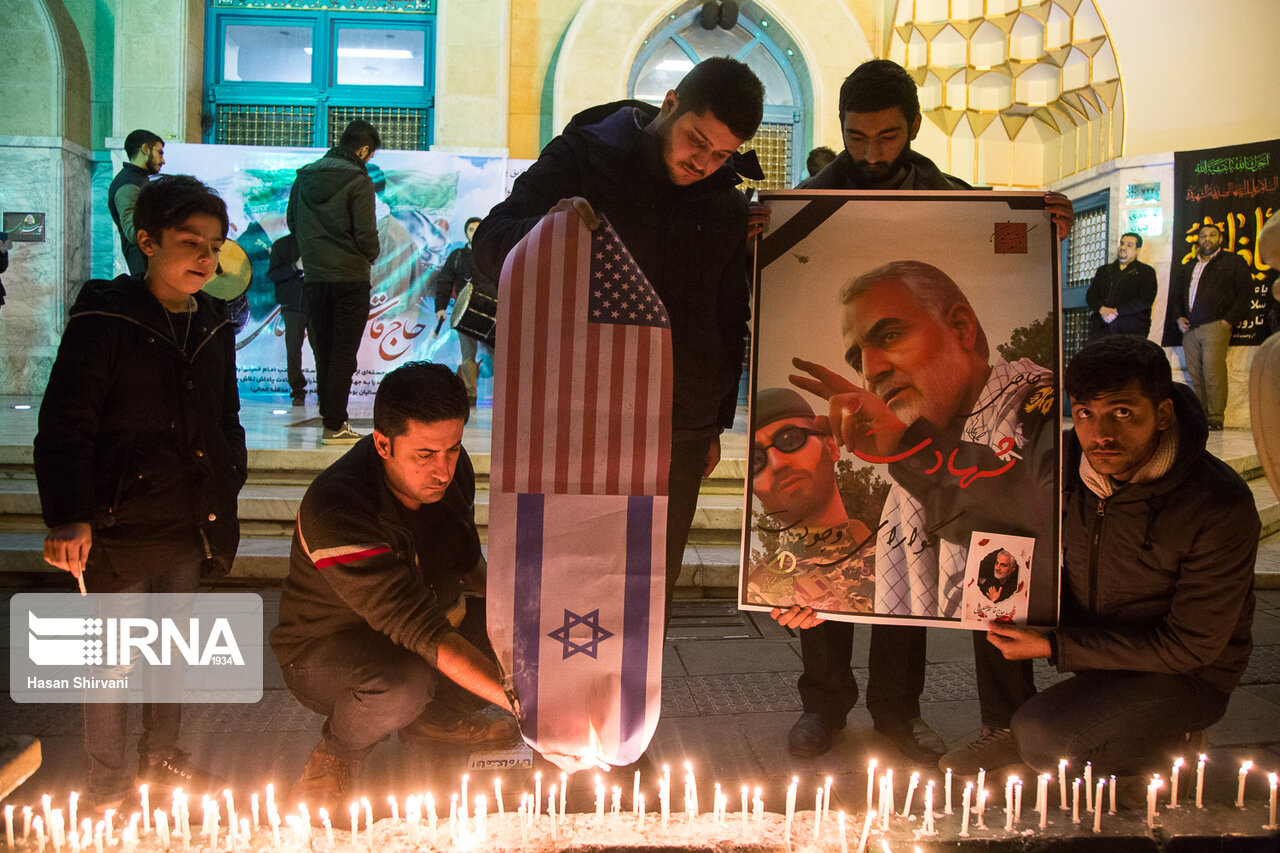
The spokesperson further underlined that the three islands of the Greater Tunb, Lesser Tunb and Abu Musa are indispensable and eternal parts of the Islamic Republic of Iran’s territories, adding, “Our country regards any claim on those islands as interference in its internal affairs and its territorial boundaries, and strongly condemns it.”

“All activities by the Islamic Republic of Iran on the (three) islands have been in line with the country’s inalienable rights and in compliance with its sovereignty and territorial integrity,” he stated.
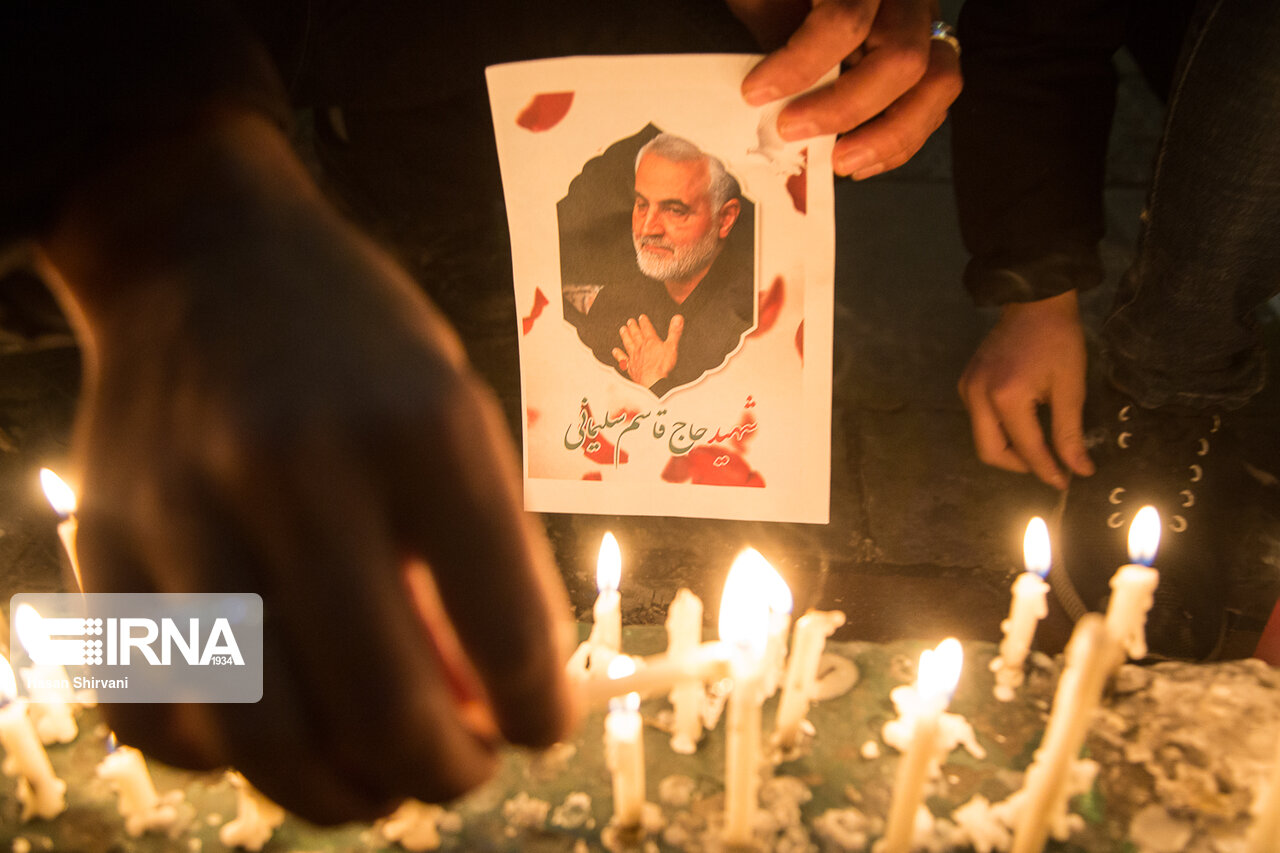
“The repetition of such meddlesome stances in any form is categorically rejected, and has not had and will not have any impact on the legal and historical realities on the ground.”

Slamming the PGCC’s reaction to a reduction of Iran’s JCPOA commitments as a “historical irony”, the spokesman said, “The countries that invested all of their efforts and capital in the failure of the JCPOA are now opposing Iran’s legitimate measures.”

The Foreign Ministry spokesperson also strongly condemned the PGCC statement’s brazen support for the US economic terrorism against the great Iranian nation, saying such support runs counter to the policy of good-neighbourliness.

“Many of the bogus and repetitious claims in that (PGCC) statement do not merit a response,” Mousavi noted, expressing hope that those PGCC members would shift their policies and opt for cooperation instead of making such provocative remarks which only result in the continuation of the current destructive trend and which steer the region towards a vague future.

Iran Eyes Enhanced Ties with Bosnia & Herzegovina

Iran Eyes Enhanced Ties with Bosnia & Herzegovina
Zoran Tegeltija’s appointment as chairman of the BiH Council of Ministers was confirmed on December 5 in the country’s House of Representatives.

In a message on Tuesday, Es’haq Jahangiri expressed the hope that, given the excellent relations between the two countries and their diverse capacities, Tehran and Sarajevo will see greater development and mobility in bilateral, political, economic and cultural ties.

Back in November, the Presidency of Bosnia and Herzegovina, at an extraordinary session in Sarajevo, decided to appoint Zoran Tegeltija as chairman of the Council of Ministers of Bosnia and Herzegovina.

Tegeltija’s appointment as chairman of the BiH Council of Ministers was confirmed on December 5 in the country’s House of Representatives.