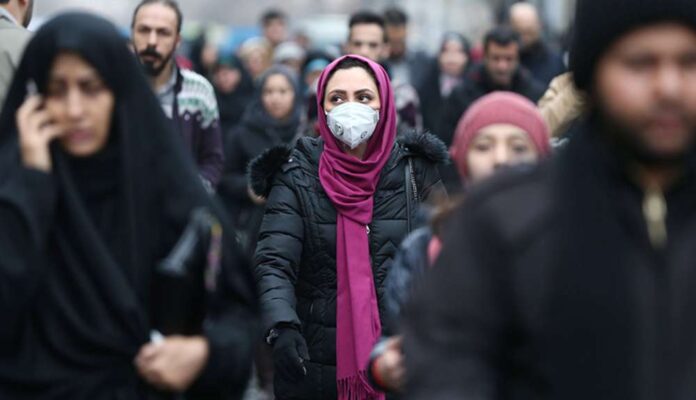
Speaking at a televised interview on Tuesday, secretary of the Coronavirus Fight National Headquarters of Iran said one coronavirus case can be responsible for 406 infections in a span of one month if the health tips are ignored.
Hamidreza Jamshidi noted that if the coronavirus patient observes 50 percent of the hygienic standards and stays at least 1.5 metres away from the other people, the number of infected cases will decrease to 15, and if that single positive case follows 75 percent of the health measures, he or she will pass the disease to only one other person.
“No doctor is better than the individuals themselves. We ask people to observe the health issues, as one of the best things to do is to stay home,” he added.
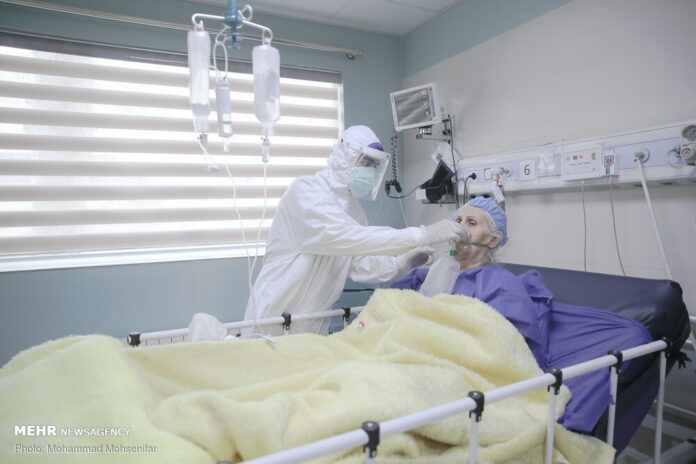
Iran’s Health Ministry announced on Tuesday that the COVID-19 death toll in the country has risen to 1,934 after 122 cases died over the past 24 hours.
Iran’s health ministry spokesman Kianoush Jahanpour said on Tuesday 1,762 new cases of coronavirus infection were confirmed in the country in the past 24 hours.
That brings to 24,811 the total number of people infected with the disease in Iran, he added.
“8,913 infected patients have recovered and been discharged from hospital,” he added.
He said 41 million Iranian people have so far been screened for the virus as part of a national mobilization plan.
The IRGC spokesman has noted members of Basij as well as the Islamic Revolution Guards Corps (IRGC) are working closely with other institutions and medical staff in the fight against the epidemic.
Brigadier General Ramezan Sharif said the Basij and IRGC are working well with the national commission set up to tackle the outbreak.
“The national campaign against the coronavirus is an example of popular rapport and determination to uproot the disease,” he said.
The top general noted a major part of concerns over the epidemic have been removed thanks to the national campaign against the virus.
He underlined IRGC hospitals keep offering services to patients.
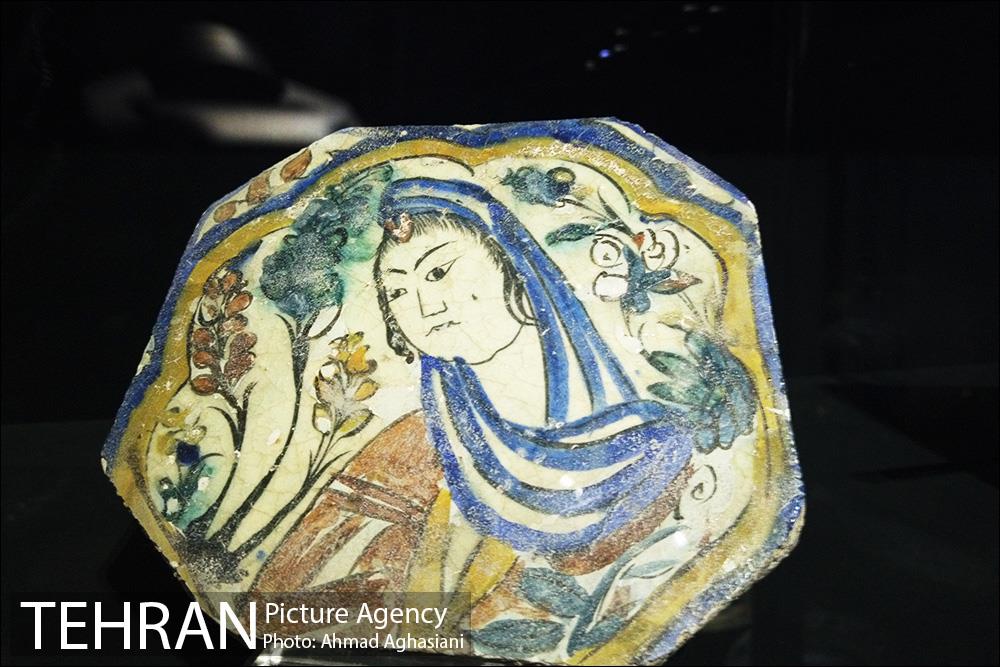
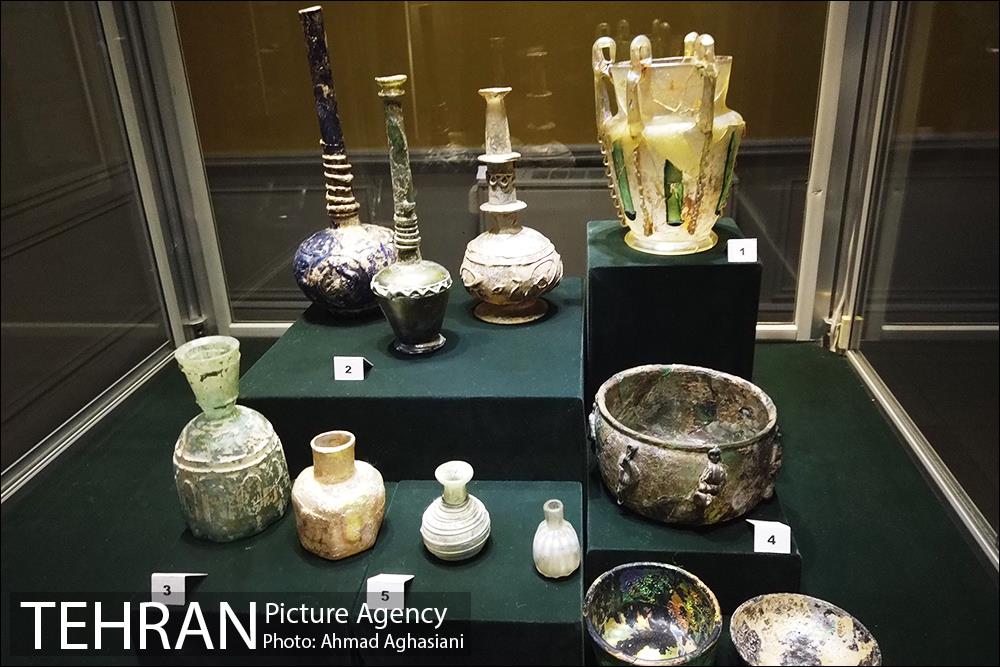
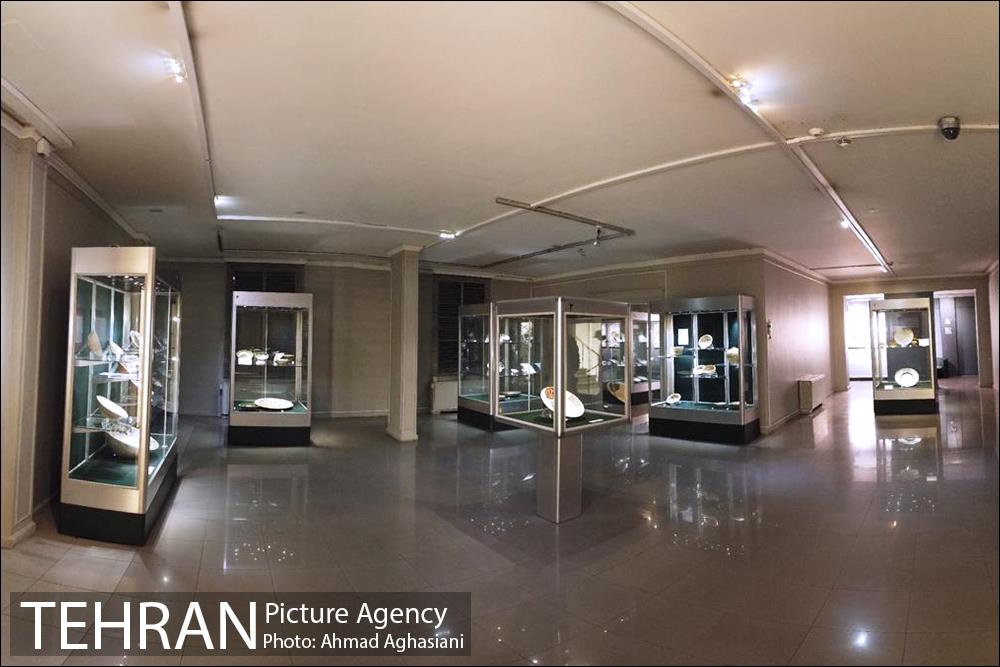
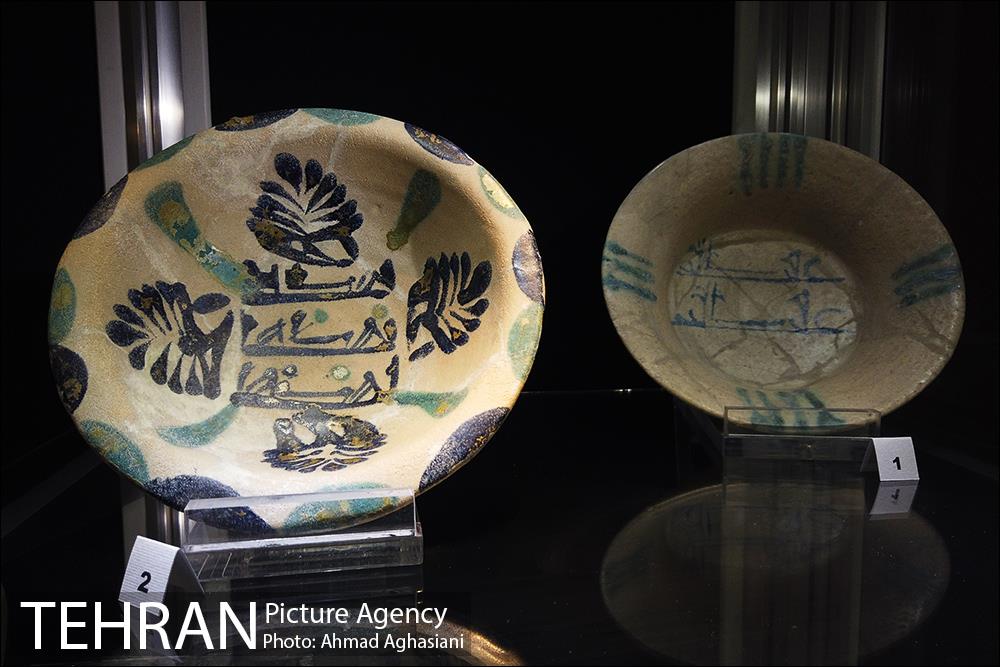
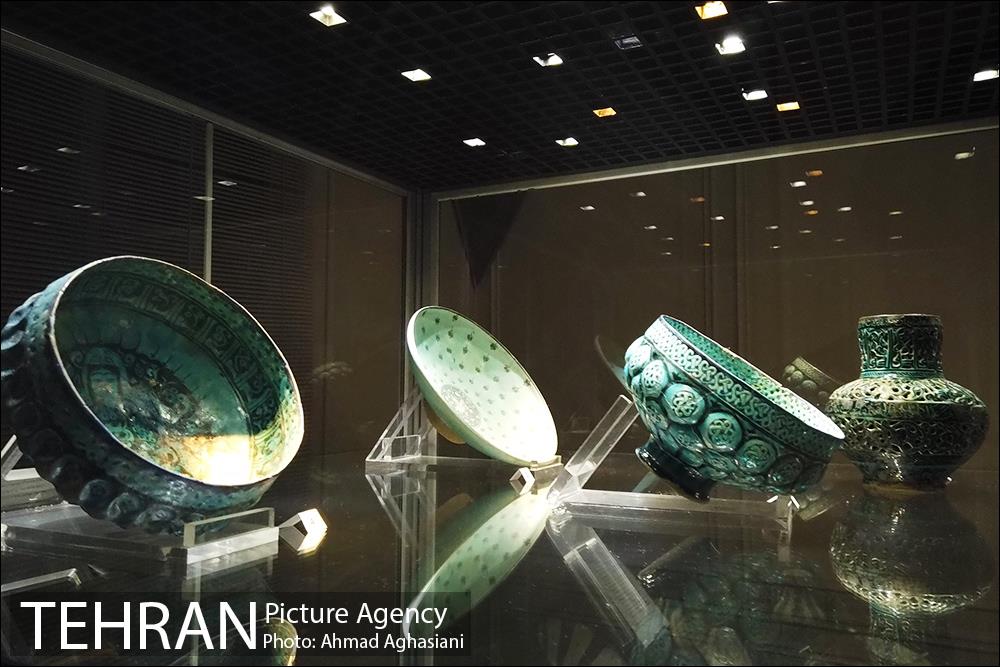
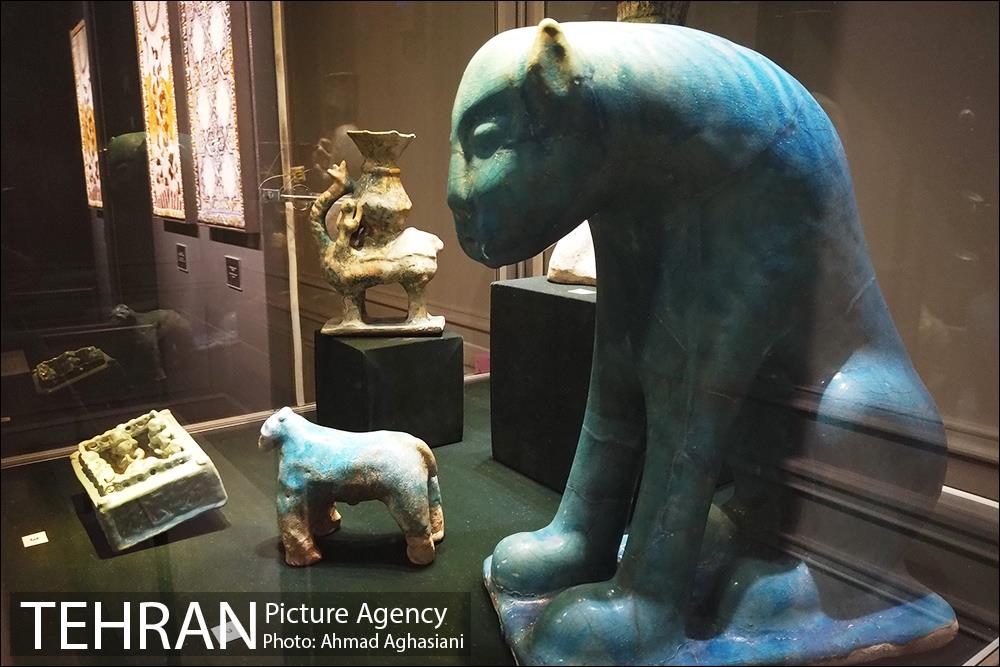
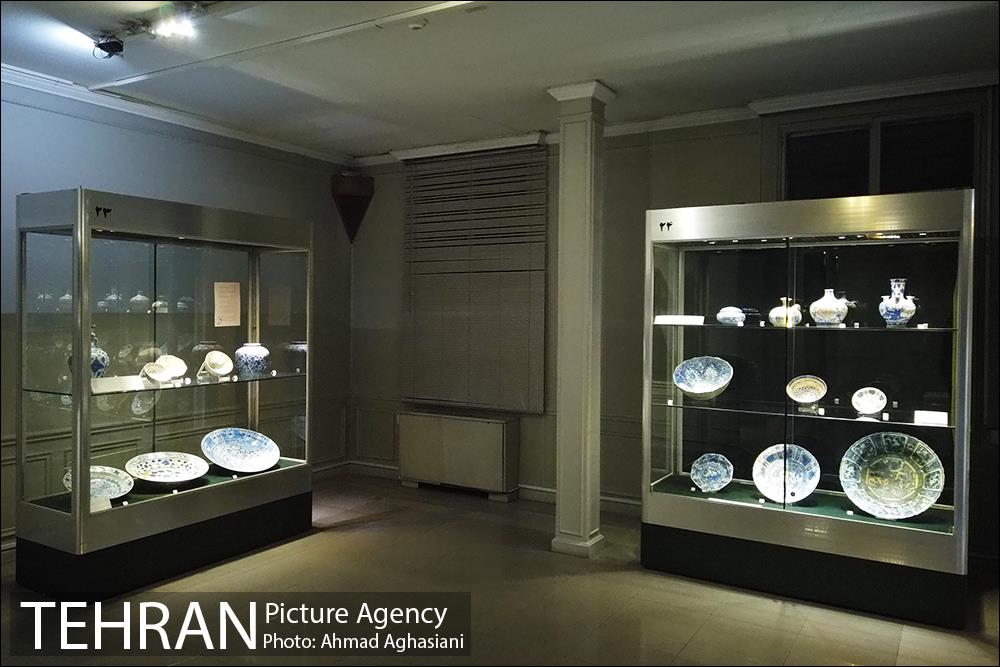
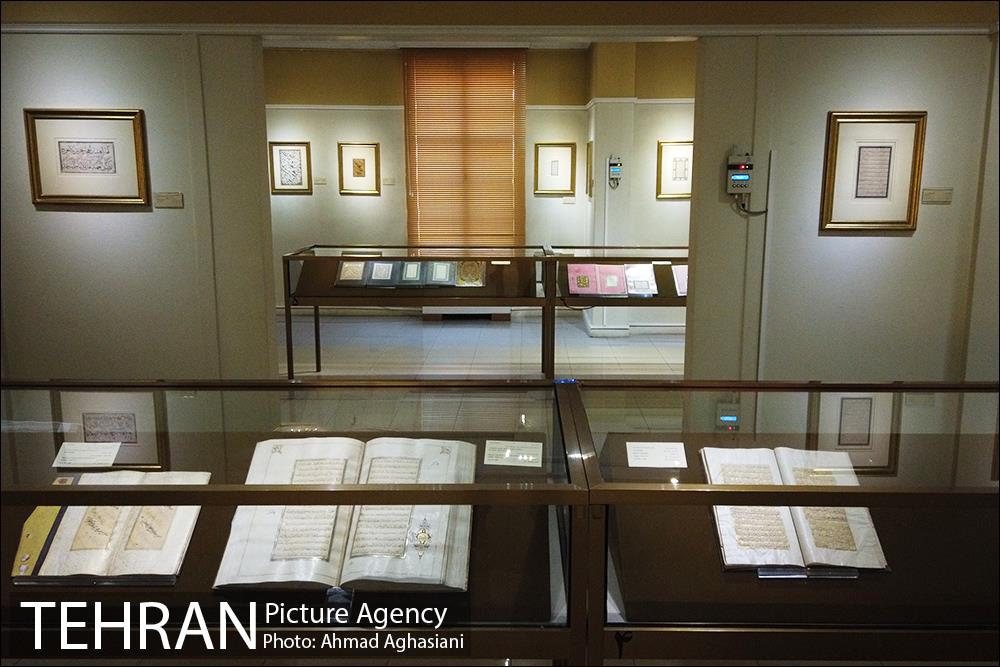
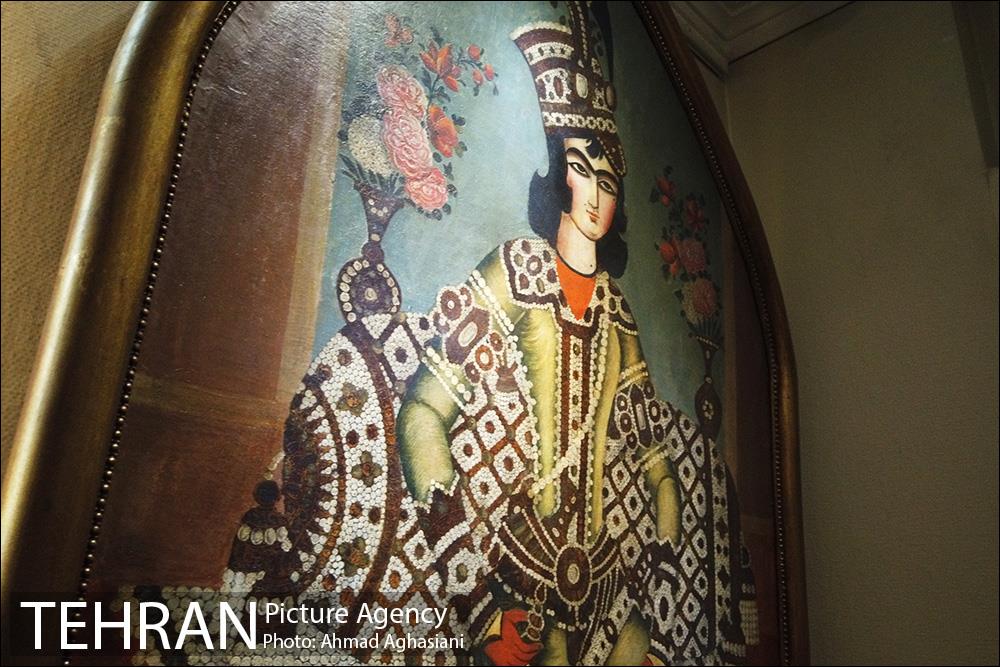
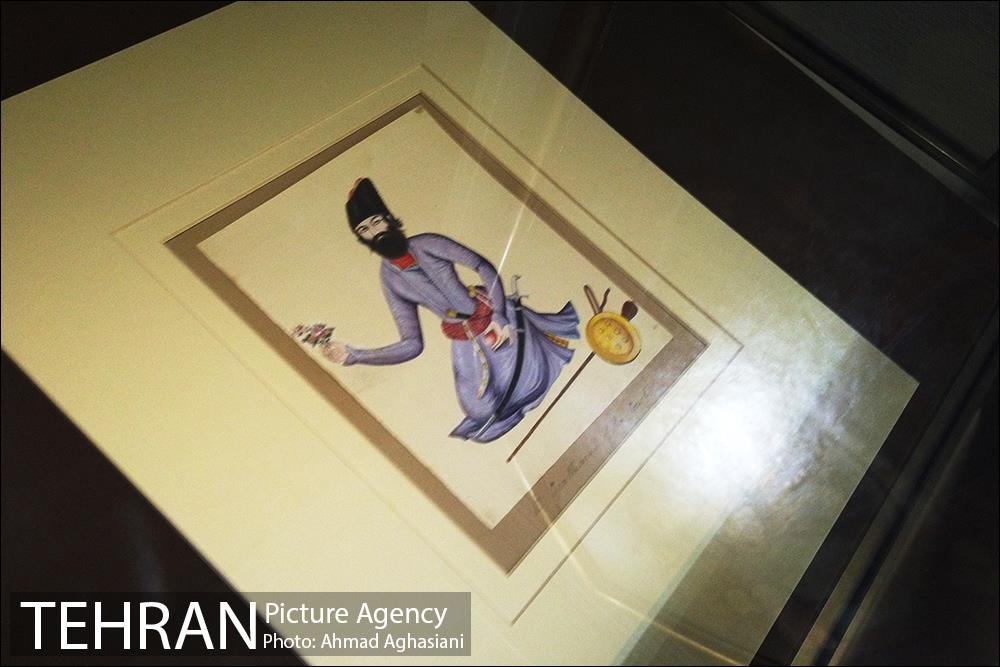
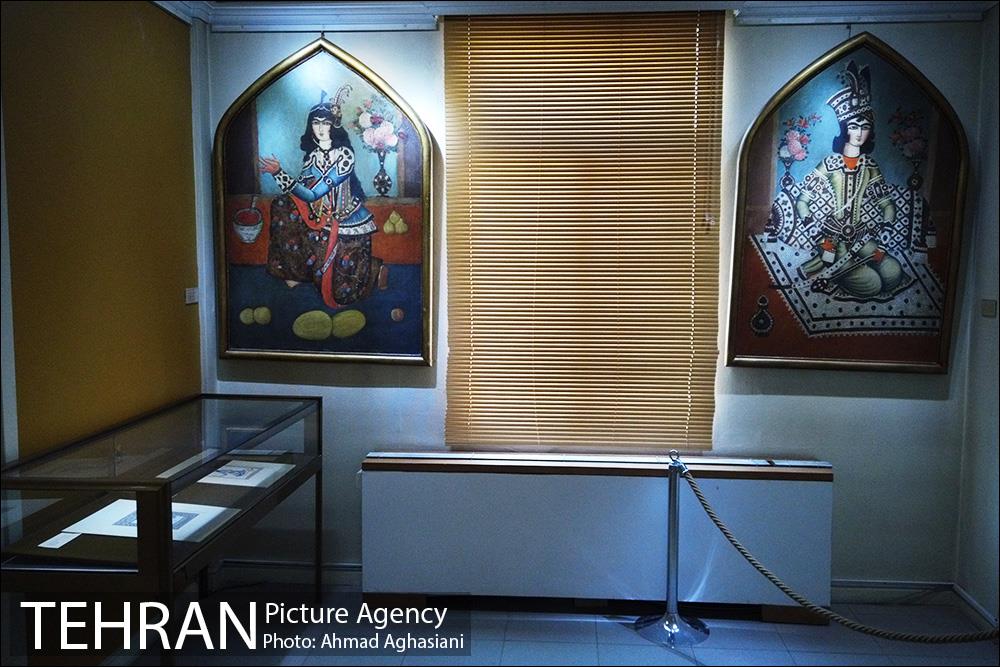
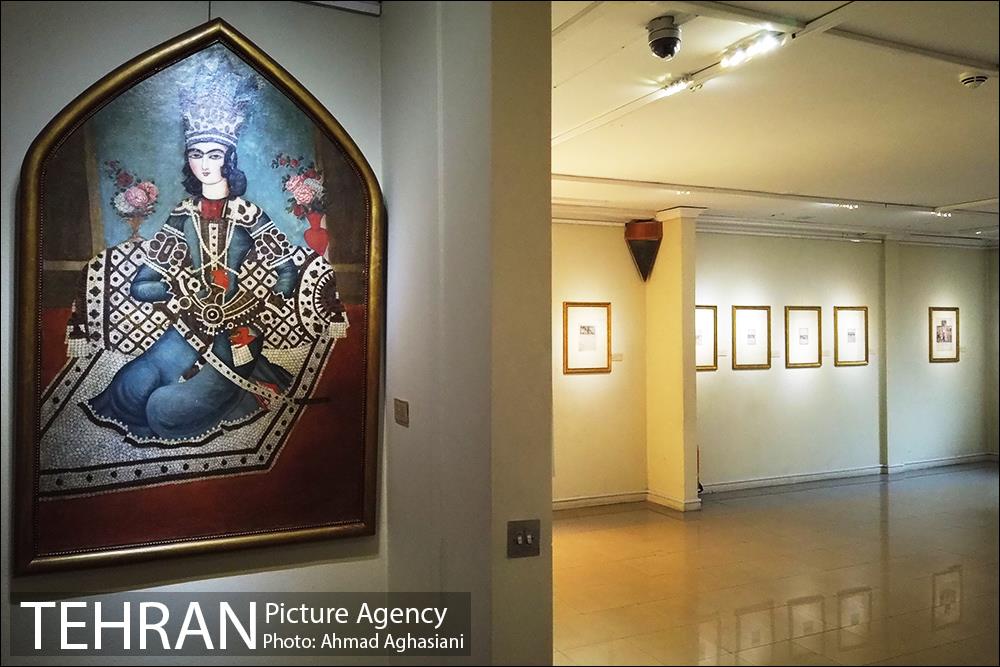
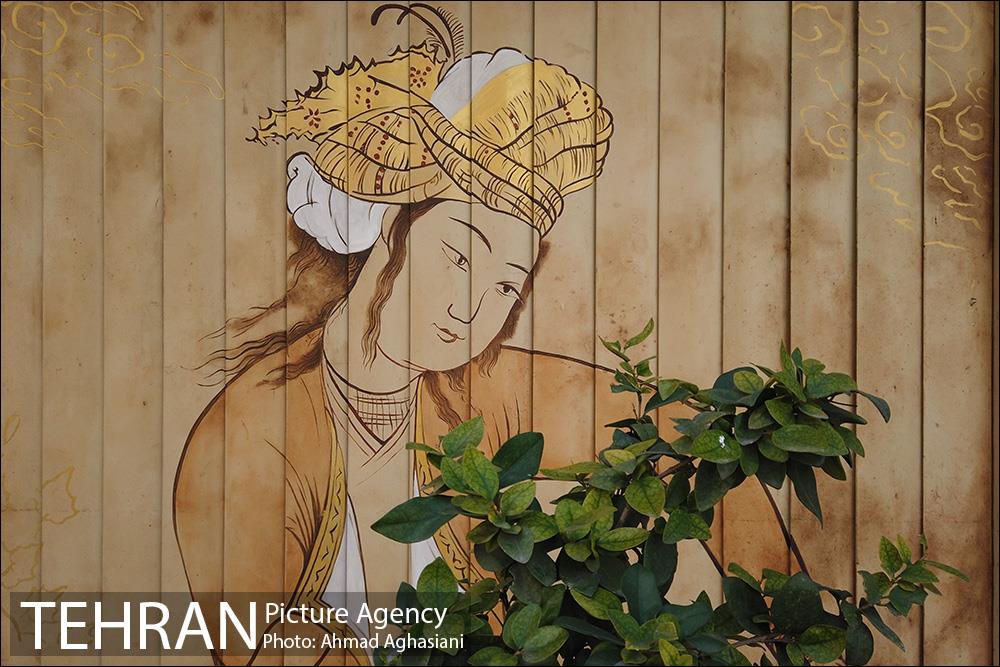
The Museum is the small version of the Museum of Ancient Iran. Its spectacular collections date from the second millennium BCE to the early 20th century and the Qajar period.
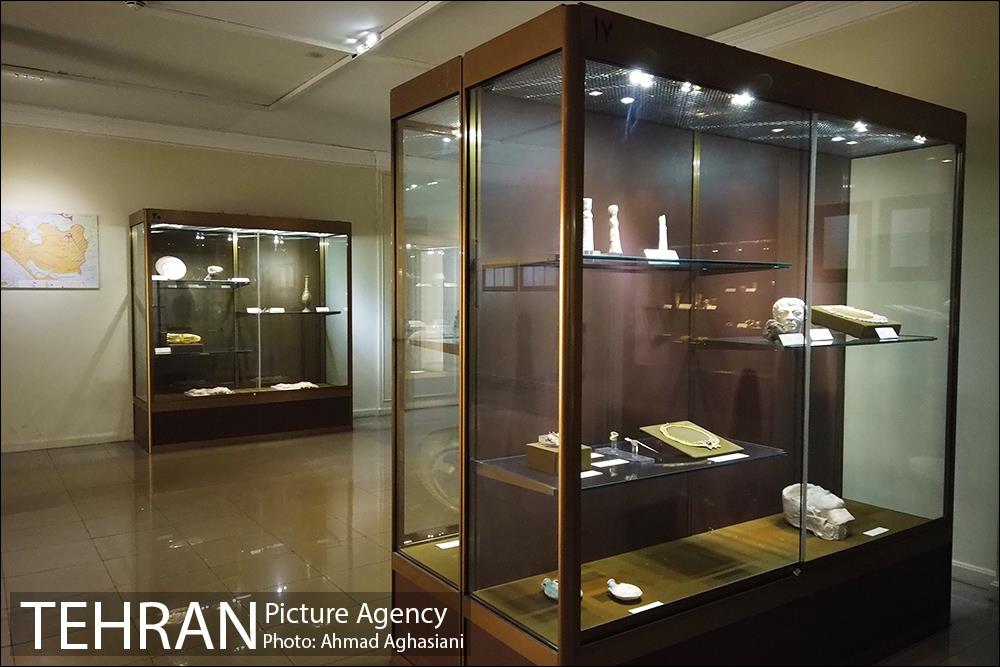
The museum accommodates about 50,000 objects, but only 700 works can be displayed in the museum’s halls, and other works are exposed every now and then in the temporary exhibitions section.
Reza Abbasi Museum was officially opened in September 1977 by Farah Pahlavi, the then Queen of Iran, but it was closed in November 1978. It was reopened a year later in 1979, with some changes in its internal decorations and further expansion of its exhibition space. It was closed again in 1984 due to some internal difficulties and reopened a year later. It was finally opened for the fifth time, after its renovation in 2000.
The Reza Abbasi Museum is a three-storey building and is visited from the upper floors to the lower ones.
It has a variety of halls: Pre-Islamic Hall (Third Floor), Islamic Arts Hall 1 and 2 (Second Floor), Painting Hall (First Floor), Calligraphy Hall (First Floor) and Temporary Exhibition Hall (Ground Floor).
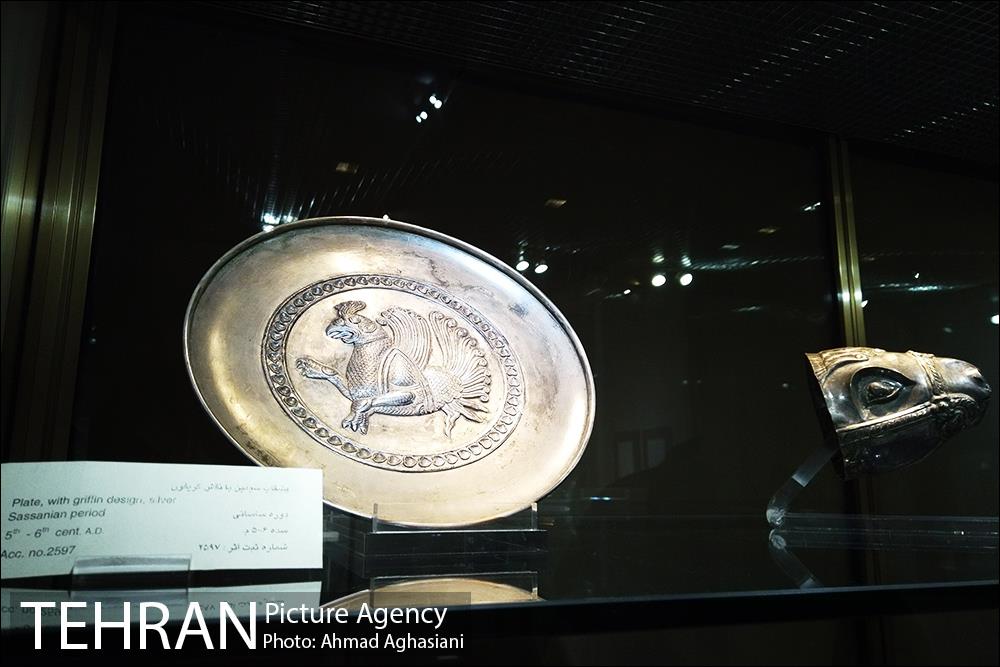
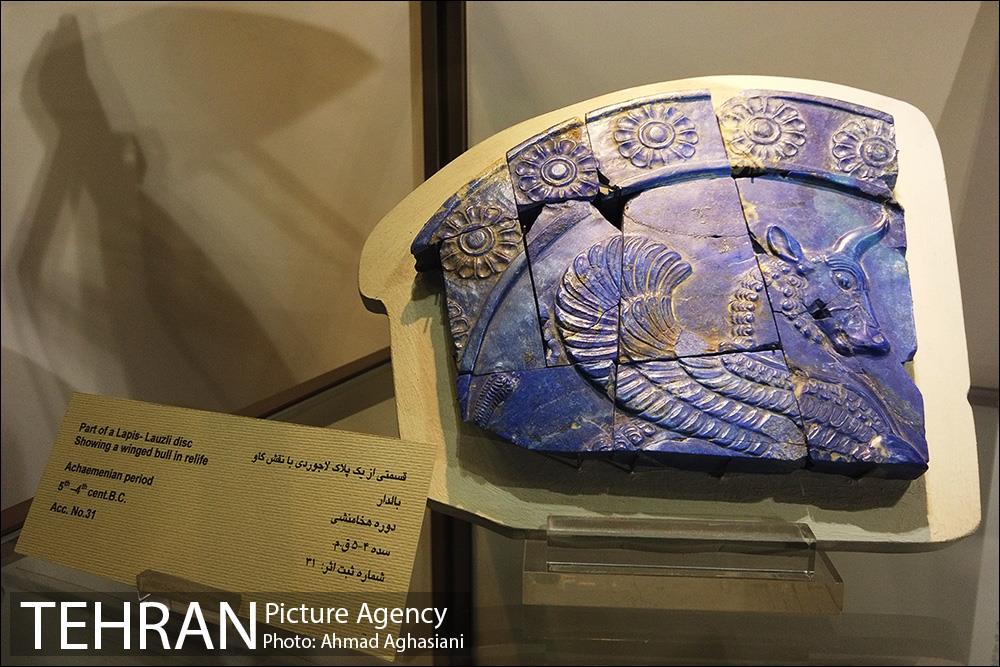
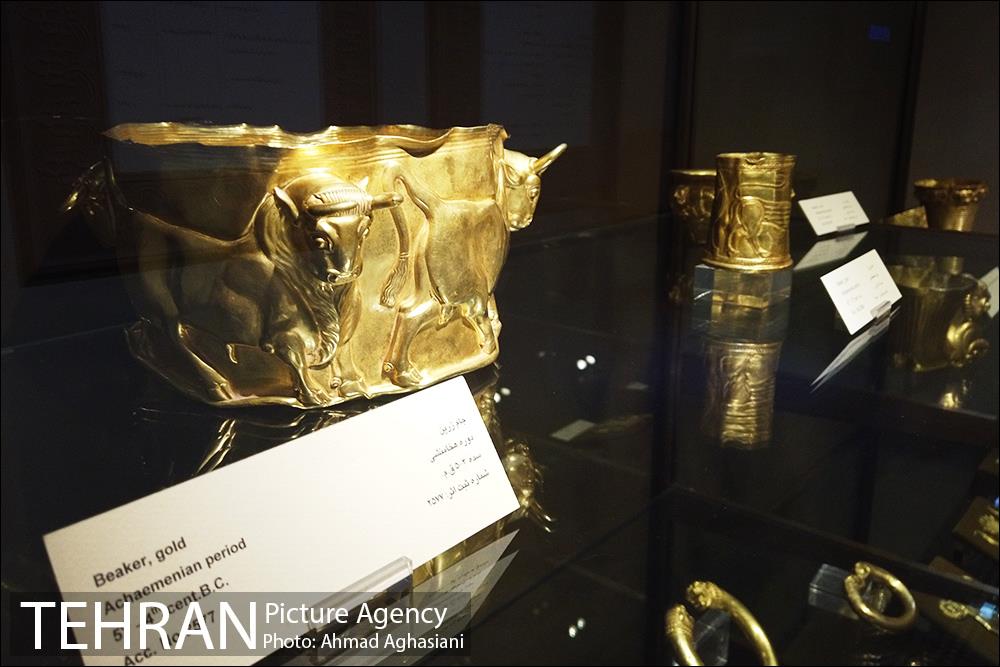
Pre-Islamic Hall: Iranian works and prehistoric items show the gradual expansion of techniques and the adaptation of material to the needs of everyday life. In addition, works from the Achaemenid, Parthian, and Sassanid periods are presented.
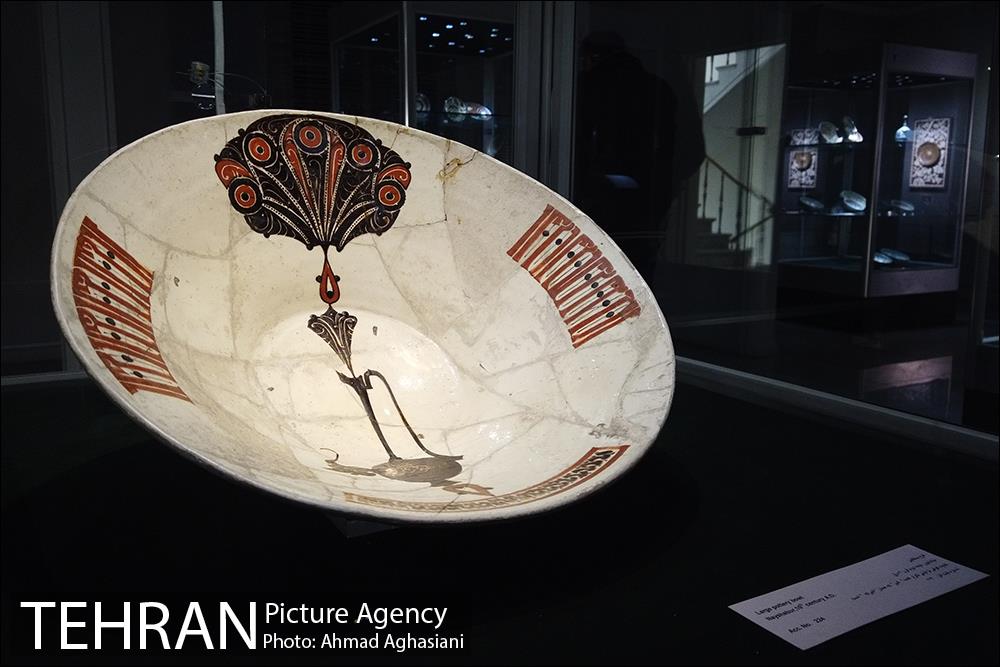
Islamic Arts Halls: Pottery, metal objects, architectural elements, jewelry and textiles from the Seljuk, Timurid and Safavid periods are presented in these two halls.
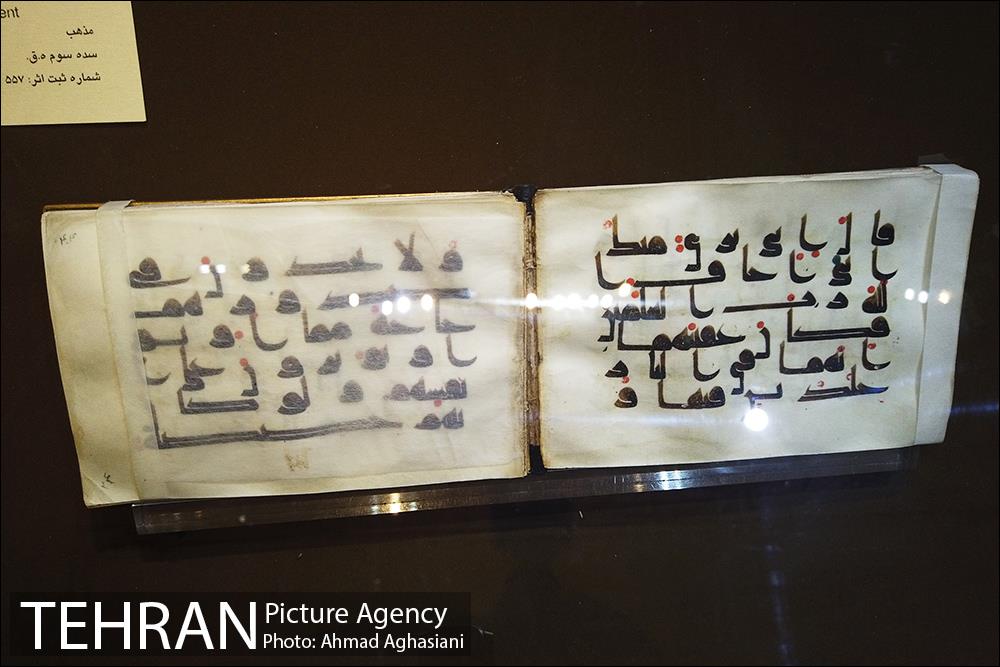
Calligraphy Hall: Calligraphy, one of the highest achievements of the Islamic era, is exhibited in this hall.
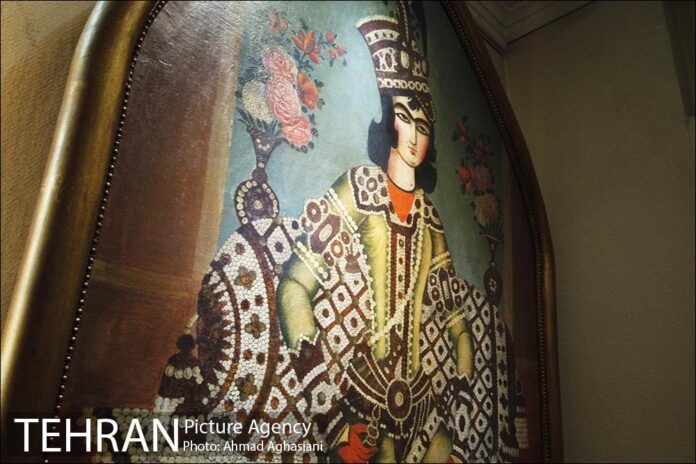
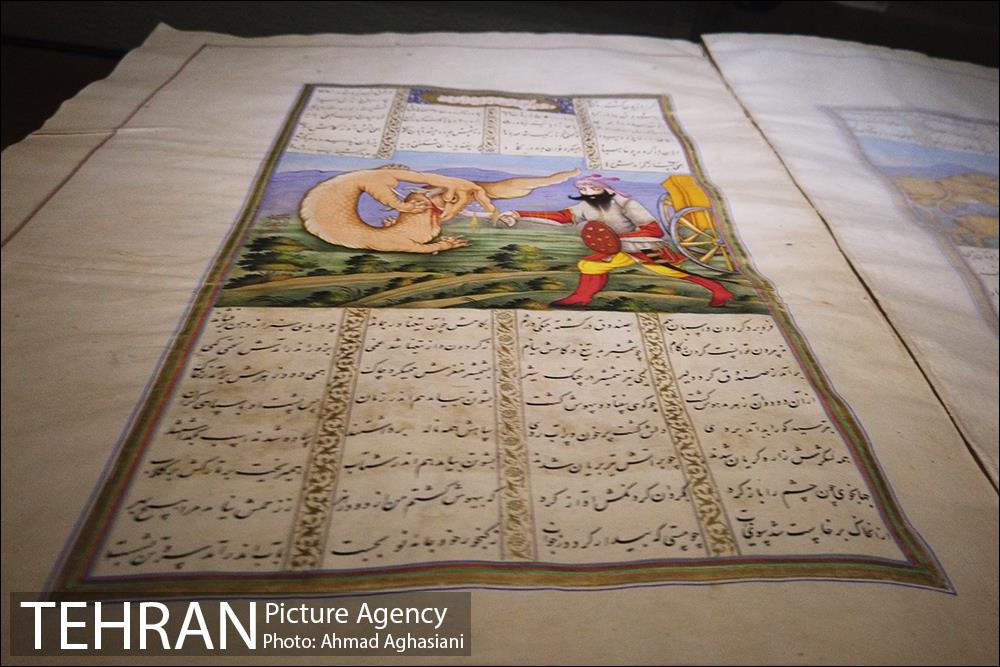
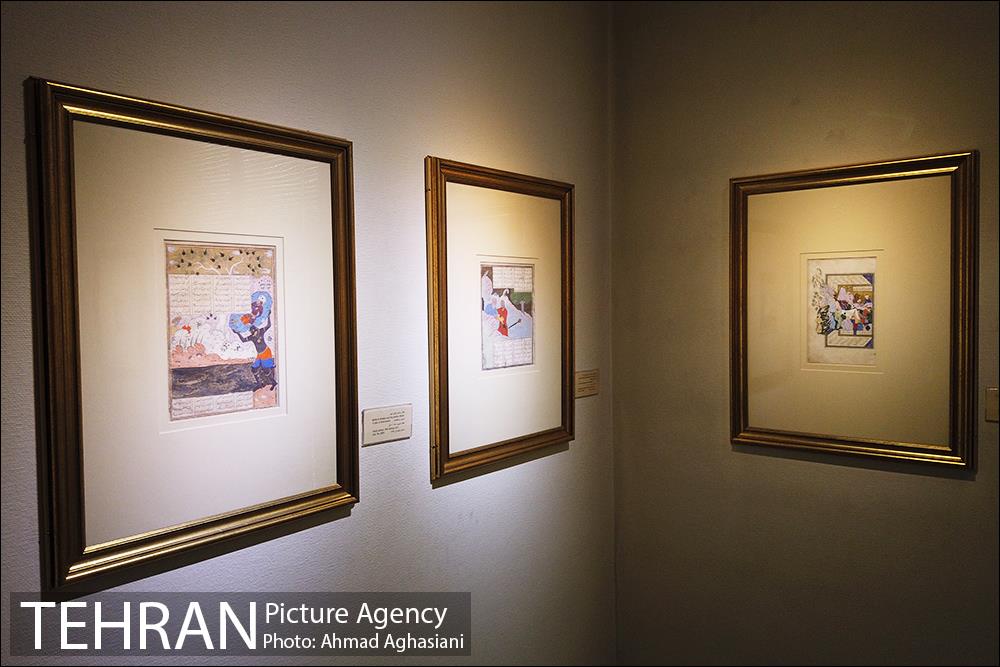
Painting Hall: A detailed trove of Islamic painting traditions has been exhibited in this hall; the oldest of which is a page from the mid-eighth-century AH version of Firdausi’s Shahnameh. This hall covers the stages of development of this art until the 14th century AH. In this collection you see the pictures of Shiraz, Tabriz and Herat schools. The hall is also home to some of Sadeq Hedayat’s personal belongings, but these items are in the museum’s storage area and cannot be visited.
Library: The library is another part of the Reza Abbasi Museum, located on the third floor and houses some 6,000 books; a relatively rich collection of Iranian history and culture.
Maintenance Section: The Museum’s maintenance section, with two laboratories and workshops, is dedicated to the restoration of paintings, metal objects and manuscripts, and is one of the most advanced restoration workshops in the country. Therefore, the workshop not only deals with the restoration of objects in the Reza Abbasi Museum, but also works on restoration of works from other museums in the country.
Publications Section: The Museum’s publications section has already published various reference books on Iranian art and history. It also focuses on the evolution of this art until the 14th century.
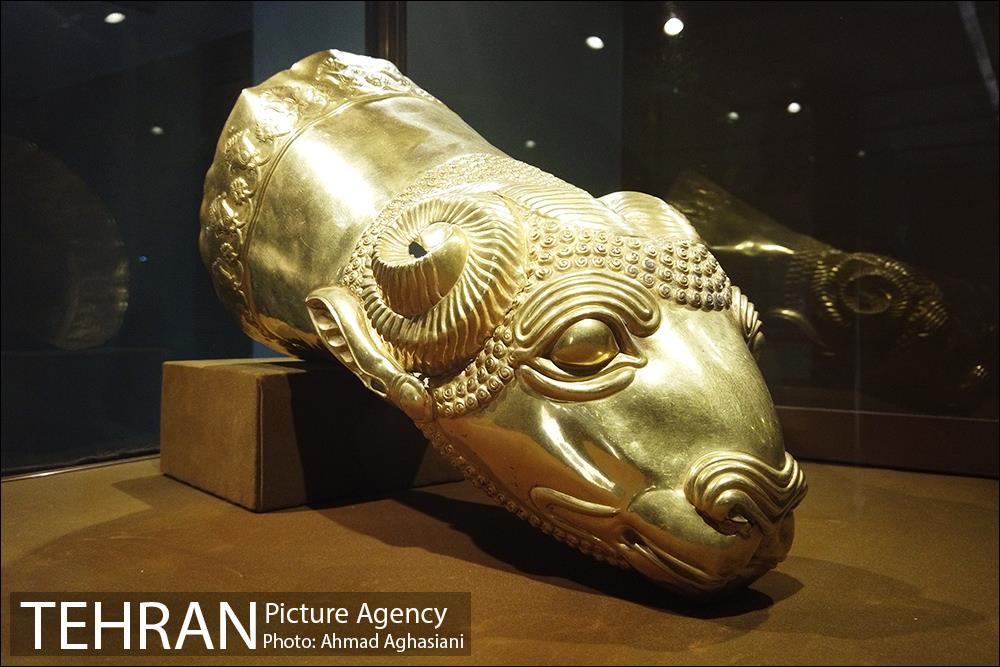
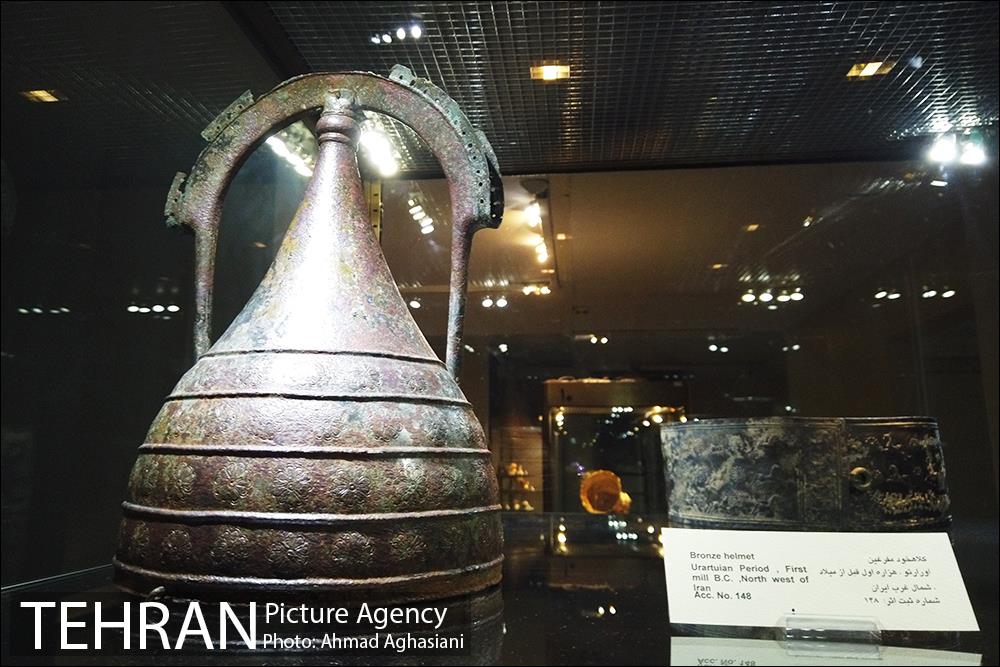
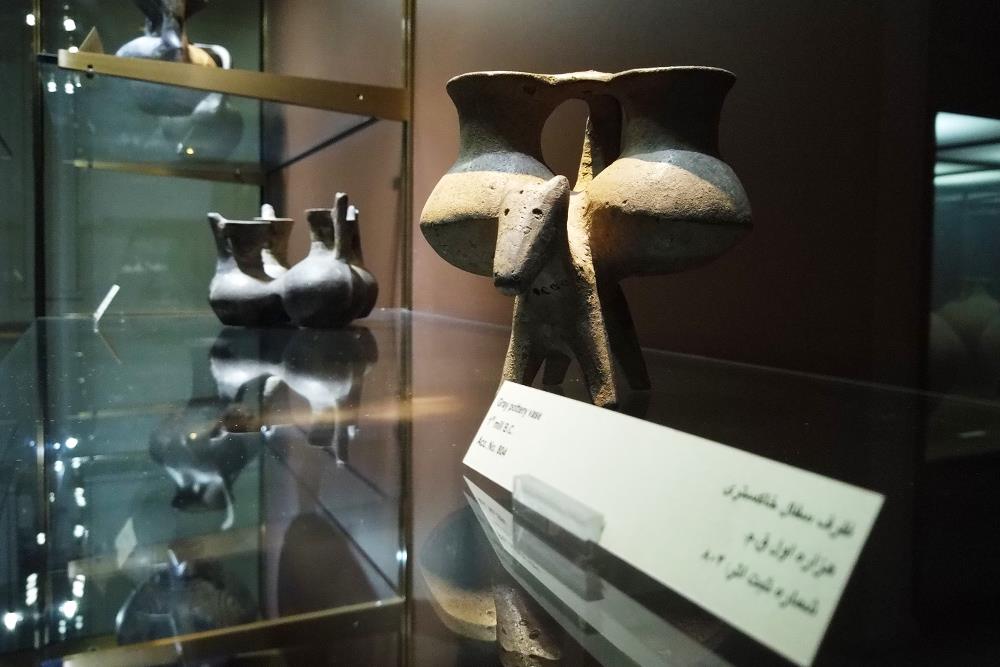
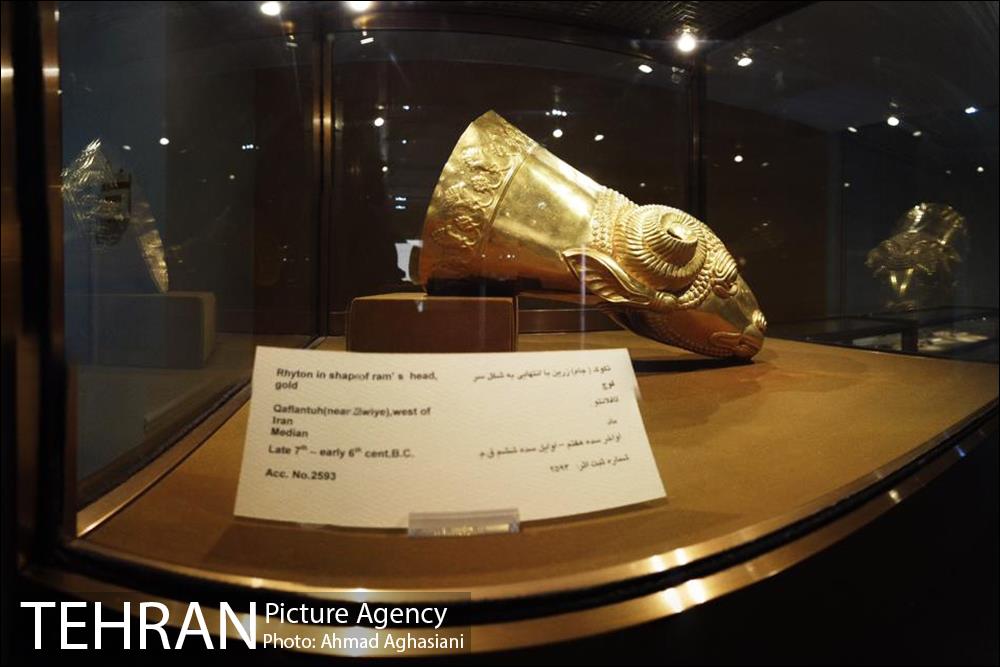
Here you can see photos of the museum retrieved from Tehran Picture Agency:
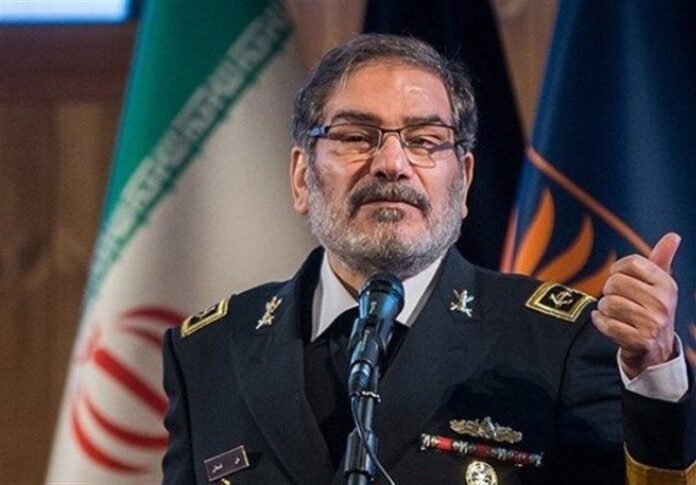
Vice Admiral Ali Shamkhani said Tuesday Washington is even happy over the virus outbreak in China.
“It is only US statesmen who regard the coronavirus as an opportunity to perpetuate their animosity toward Iran, like the American treasury secretary’s joy over the coronavirus epidemic in China and its positive economic results for the United States, or the idea of launching a military strike on Iran proposed by delusional Pompeo” said Shamkhani in a tweet.
“Honestly, which ill and criminal mind has given rise to the coronavirus,” added Shamkhani, the secretary of Iran’s Supreme National Security Council.
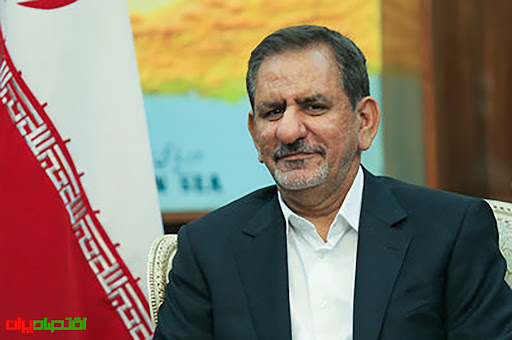
Es’haq Jahangiri said the corona pandemic is a global and complex issue which has even gripped major countries which claim to be able to tackle any issue.
He said Iran is the only country which is fighting the disease despite tough banking and oil sanctions imposed on it.
“Despite all pressure, we will try to meet our needs in the medical and health sector,” the veep noted.
Elsewhere in his remarks, Jahangiri said the only authority which makes final decisions on fighting the coronavirus is the National Coronavirus Management Committee.
“The only source for news in this regard is the president or the health minister, and other news sources should not be trusted,” he said.
He also urged people to remain in their homes in order to help contain the spread of the virus.
Saeid Namaki said of those screened, as many as 547,000 had symptoms of coronavirus infection.
“Of that figure, 74,000 people have been sent to health and medical centres, and 8,000 have been taken to hospital for treatment,” he said.
“3,000 of them were diagnosed with requirements to be hospitalized or treated,” the minister added.
He said the results of tests conducted so far suggest there will be a growing trend of coronavirus infection in the country from now on, but “it does not mean that the situation in the country has gotten worse.”
“Rather, we are seeing better conditions compared to the previous days because, proportionately, the number of deaths has decreased compared to the number of infections,” he said.
He underlined that prompt diagnosis of the disease in individuals will decrease the rate of infection.
“We try to put suspicious cases under quarantine,” the minister noted.
“Given that the pace of detecting patients is speeding up, the rate of infection will keep increasing slightly; so, we keep recommending people stay in their homes,” he said.
In a post on its Twitter account on Monday, the Ministry of Foreign Affairs of the Islamic Republic of Iran rejected the baseless comments from Ortagus who has described as part of the “conspiracy theories” the remarks made by Leader of Iran’s Revolution Ayatollah Seyyed Ali Khamenei about Washington’s possible role in creating COVID-19.
“If the accusations made by the world against the US government over the coronavirus are ‘conspiracy theories invented by Iran’, then you don’t need to go anywhere far; just answer part of the questions published in the ‘Global Research’,” said the tweet.
It came after Ortagus refuted Ayatollah Khamenei’s remarks about the US’ role in the creation of COVID-19 which she referred to as the “Wuhan Virus”.
The American spokeswoman has said that the “conspiracy theories about the Wuhan Virus” by the Leader of Iran’s Revolution are harmful, irresponsible, and 100 percent false.
On March 23 in a speech broadcast live to the Iranian nation, Ayatollah Khamenei turned down the US’ offer of help in dealing with the coronavirus epidemic in Iran, saying such disease may have been created by the US as part of its hostile plots against Iranians.
The Leader also emphasized that Iran could not trust the US because it could be giving medicines that spread the virus or cause it to remain in Iran.
Meanwhile, the Global Research has published an op-ed article on March 21, dismissing the groundless claims from some major US media and politicians that the novel coronavirus originates in China.
The article has asked ten questions for the United States about the virus’ origin.
* This IFP article was revised on May 31, 2020, in order to add a link to the Global Research article mentioned by the Iranian Foreign Ministry.
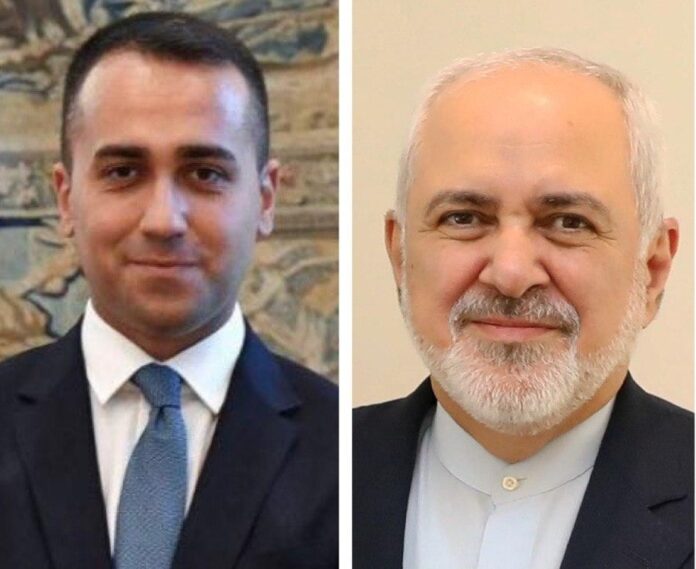
In the telephone conversation on Monday evening, the two foreign ministers talked about the outbreak of coronavirus in Iran and Italy, and expressed sympathy with each other’s nations over the deaths of Iranian and Italian citizens due to COVID-19 infection.
Foreign Minister Zarif also deplored the US’ insistence on continuing with the unilateral, illegal and inhumane sanctions against the Iranian nation, and stressed the need to halt and not implement the cruel sanctions against people of Iran.