Saturday, April 11, 2026
Home Blog Page 2908

‘Iranian Nation Biggest Victim of Gross Violations of Human Rights’

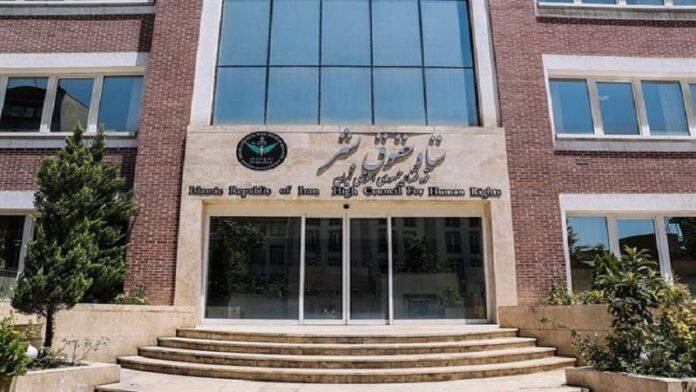
The council made the remarks in a statement marking International Day for the Right to the Truth concerning Gross Human Rights Violations and for the Dignity of Victims. The full text of the statement follows.

March 24, 2020 marked International Day for the Right to the Truth [concerning Gross Human Rights Violations and for the Dignity of Victims]. This day, which was named International Day for the Right to the Truth concerning Gross Human Rights Violations and for the Dignity of Victims upon an initiative by the High Council for Human Rights and with the adoption of a resolution by the UN General Assembly, highlights the importance of keeping alive the memory of victims of grave and systematic violations of human rights and honouring the memory of those who lost their lives while striving to promote and support human rights.

Over the past months and years, the Iranian nation has witnessed numerous cases of gross violations of basic human rights, namely the right to live and the right to health. A textbook example of that, which has persisted over the past years, is the United States’ unilateral and illegal sanctions, which have had a negative impact on the right to enjoy all human rights, and at the time when the coronavirus has turned into a global pandemic, these unilateral and secondary sanctions, especially in the domain of medicines, remain in force in the most severe form.

The United States’ unilateral sanctions have already claimed the lives of dozens of children suffering from epidermolysis bullosa (EB) because of medicines not being allowed to reach them. Moreover, the US government has, before, created hurdles on the way of dispatching humanitarian aid at times of human crises, including the flooding on March 17, 2019, and the earthquake on November 12, 2017 in Iran. That means the US government had deprived Iranians from all walks of life of having access to, and buying humanitarian supplies, thus setting a precedent which runs counter to principles of international law.

On the other hand, other countries, including some European countries, too, have not only enforced the United States’ illegal sanctions, but they themselves have also taken steps toward imposing sanctions against the Iranian nation, for example early last year. Like the United States, these countries, too, have blatantly violated basic human rights.

On top of the above-mentioned cases, which claimed the lives of a considerable number of innocent people in Iran, the targeted assassination of one of the commanders of the Islamic Republic of Iran’s military Lieutenant General Qassem Soleimani, which was confirmed by the president of the criminal US regime, was another example of blatant and systematic violation of the Iranian nation’s rights over the past years. The targeted assassination of General Soleimani was not only a breach of inalienable principles of international law, namely the right to live, and a violation of the inalienable principles of public international law, including a breach of the principle of not resorting to force, but also a grave violation of the Iranian nation’s right to have a brave commander and a national hero. The turnout of tens of millions of Iranians in the streets of small and big cities of Iran to pay homage to Lieutenant General Soleimani and take part in his funeral procession showed Iranian people from all walks of life were deeply attached to this national hero. He was also the greatest and most high-profile advocate of the rights of peoples in the region. His assassination via the US state terrorism amounted to flagrant violation of regional nations’ rights during the fight against ISIS and terrorism.

While commemorating March 24, which highlights the right to the truth, the Islamic Republic of Iran’s High Council for Human Rights once again reminds the whole world of the reality that unilateralism and gross and systematic breach of nations’ rights has turned into a routine trend by the US government. The above-said cases are some of the instances of this country’s crimes against the Iranian nation only, over the past year.

Accordingly, the Islamic Republic of Iran’s High Council for Human Rights takes it upon itself to keep alive the memory of victims, including the Iranian citizens who fell victim to the United States’ unfair sanctions, and the memory of those who lost their lives while striving to promote and advocate human rights, including Lieutenant General Qassem Soleimani, and emphasizes that other countries as well as international and regional organizations’ inaction and failure to show any reaction to cases of blatant and systematic violation of human rights poses a grave threat to the existence of fundamental principles of international law and will drag into the vortex of annihilation the logic behind those principles, i.e., the promotion of, and support for human rights.
 

Iran Welcomes UN Chief’s Call for Global Ceasefire, Truce in Yemen

US Will Fail to Extend Iran’s Arms Embargo: Spokesman

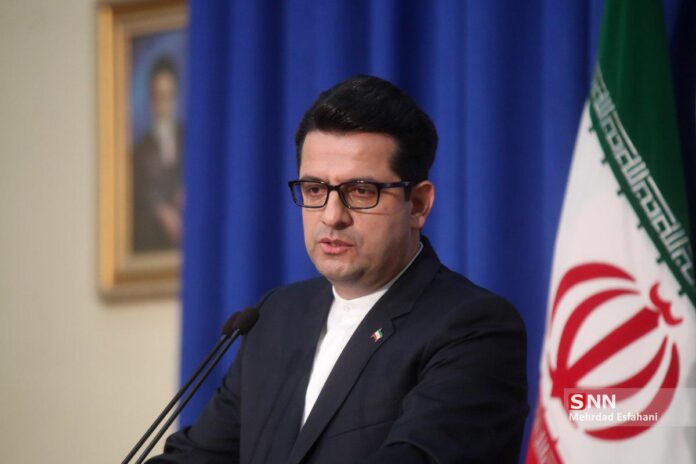
In a statement on Thursday, Foreign Ministry Spokesman Seyyed Abbas Mousavi pointed to the UN Secretary-General’s proposal for a halt to fighting across the world, including in Yemen, for greater preparedness against the consequences of spread of coronavirus, saying, “Yemen is on the brink of the worst humanitarian catastrophe as a result of a devastating war. The military aggression by the foreign forces and the cruel blockade on Yemen from the air, sea, and land over the past five years have blocked the ways for sending aid to the oppressed people of that country, and now, the spread of coronavirus coupled with the lack of the minimum facilities and the deterioration of the humanitarian conditions in that country have escalated concerns.”

“The Islamic Republic of Iran welcomes and supports the proposal made by the United Nations Secretary-General, stressing that, like the past, it welcomes any initiative leading to the interruption of war and the lifting of blockade on Yemen,” the spokesperson added.

Considering that the National Salvation Government of Yemen has welcomed the UN Secretary-General’s proposal for a ceasefire, if the initiative is coupled with practical measures from the (Saudi-led) coalition in this regard and with the removal of the blockade on that country, it could be an important action in preventing the death of thousands of innocent people and a fundamental step in opening a door to the establishment of peace and stability, the Foreign Ministry spokesman noted.

Social-Distancing Plan Goes into Effect in Iran to Counter Coronavirus

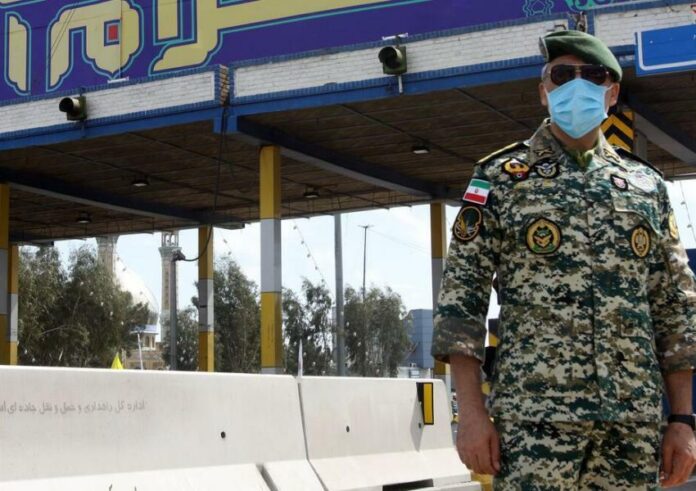
Under the initiative, only residents native to a city are allowed in. That means travel is forbidden.

Moreover, those who are on trips must return home as soon as possible. Also, those staying in their hometowns should not go on trips because they are not allowed to enter other cities.

The first two digits of people’s National Code, licence plate numbers, insurance policy number, etc., show whether they are residents of a specific city or not.

People who live in a city and work in another location are allowed to commute, but they must carry their IDs with them.

Coronavirus online test
If you are worried that you may have contracted the Coronavirus, take this test right now.

Based on the plan, if travellers go to cities other than their hometown, they are not allowed in. If they enter the city illegally, their cars will be impounded for a month and will have to pay a fine of Rls. 5 million.

Also under the initiative, universities, schools, parks and gyms will remain closed.
Restrictions on rail, air and land travel will remain in place.

Businesses providing people’s basic needs will remain open, and some businesses will remain closed as long as the social-distancing plan is in force.

Businesses which violate the law will be sealed for one month.

Under the plan, holding any ceremonies that would result in gatherings and increase the risk of spreading the disease is forbidden.

Based on the directive of the Presidential Office, government departments and institutions will do their jobs through telecommuting as much as possible, minimizing the physical presence of employees at their workplace.

Currently, around 2 million people working at schools and educational centres are on furlough, but health workers and medical staff as well as police and law enforcement forces are on duty.

Iran Hails UN Initiative of Enforcing Nationwide Ceasefire in Afghanistan

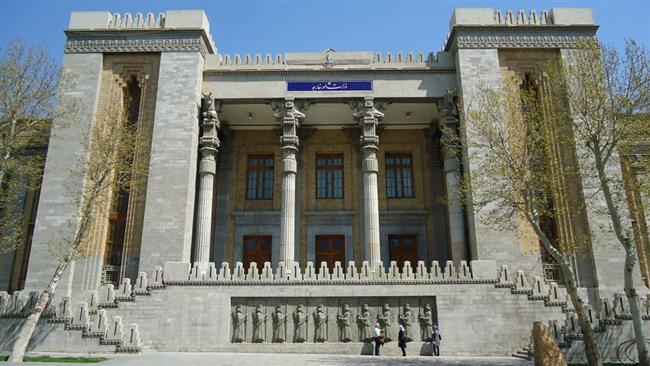
Iran's Foreign Ministry

The full text of the statement follows:
In the Name of God,
The Islamic Republic of Iran shares the idea proposed by His Excellency, Mr. Antonio Guterres, the secretary general of the United Nations, in declaring a global ceasefire in all wars and working to fight the coronavirus, which has mercilessly attacked all human beings, irrespective of their race, gender, age, ethnicity and religion.

Since the Islamic Republic of Iran is well familiar with the situation in Afghanistan as it is a neighbor of Afghanistan and has been hosting millions of Afghan immigrants over the past forty years, it fully supports the enforcement of the secretary general’s idea of establishing a nationwide ceasefire in Afghanistan. The Islamic Republic of Iran asks all armed groups in this country to open an new chapter in Afghanistan’s history by making a brave decision to agree to the nationwide ceasefire and create a safe environment to fight the coronavirus.

The Islamic Republic of Iran wants the UN secretary general to complement his good idea of establishing a ceasefire with a specific initiative to work out solid grounds for intra-Afghan talks and the settlement of political issues in Afghanistan.

The Islamic Republic of Iran announced its readiness to contribute to political programs which will be proposed by the UN after the enforcement of the nationwide ceasefire in order to resolve Afghan issues.

Levinson Left Iran for Unknown Destination Years Ago: Foreign Ministry

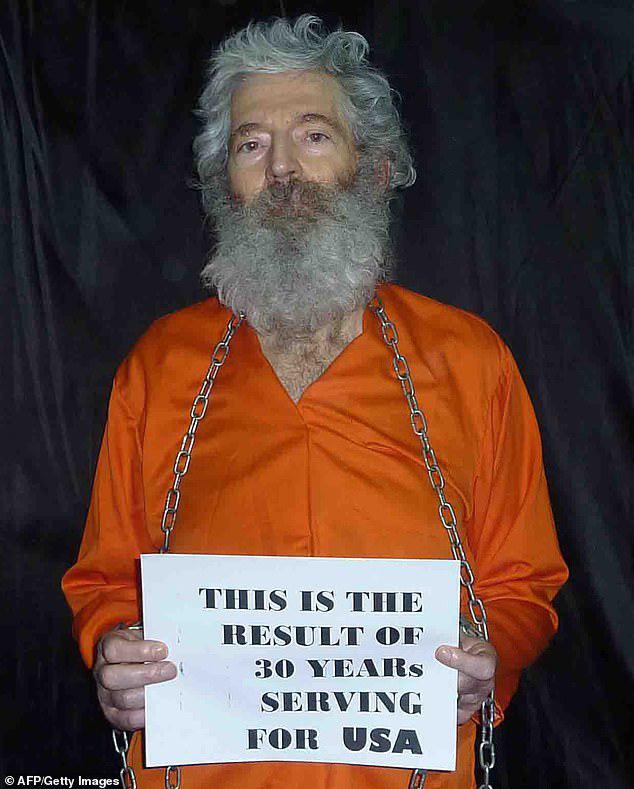
Robert Levinson Has No ‘Criminal Case’ in Iran Spokesman

In a statement on Thursday, Foreign Ministry Spokesman Seyyed Abbas Mousavi expressed sympathy with the family of Mr. Levinson, emphasizing, “According to authentic evidence, the person (Levinson) had left the Iranian soil for an unknown destination years ago, and the then US Secretary of State has also acknowledged this fact.”

“In recent years, the Islamic Republic of Iran has done its utmost to obtain evidence for the exact fate of Mr. Levinson after leaving Iran, but has not found any clue suggesting that he might be alive,” Mousavi added.

“If the US has become confident about his (Levinson’s) death, it can make this public without political exploitation and trying to abuse the feelings of Levinson’s family,” he added.

The remarks came after Levinson’s family claimed the former FBI agent has died in an Iranian prison before the outbreak of Coronavirus.

COVID-19 Pandemic: Iran Confirms 2,389 New Cases

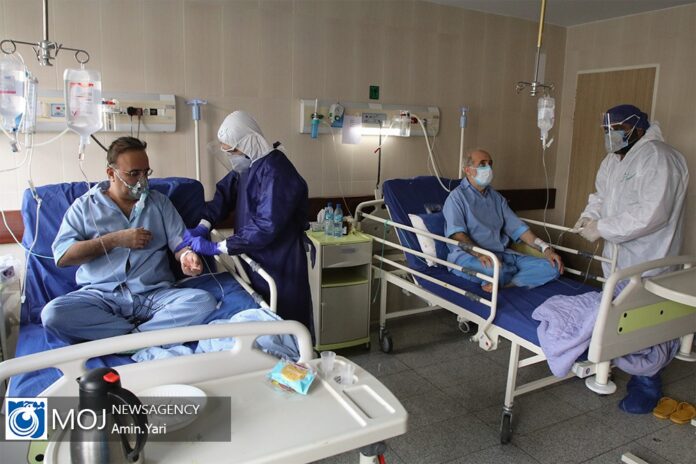
Iran’s health ministry spokesman Kianoush Jahanpour said on Thursday the new cases increase the total number of infections in the country to 29,406.

The death toll has also risen to 2,234, he added.

“10,457 infected patients have recovered and been discharged from hospital,” he added.
He said 50.8 million Iranian people have so far been screened for the virus as part of a national mobilization plan.

$5 Billion Set Aside for Businesses Affected by COVID-19: Iran President

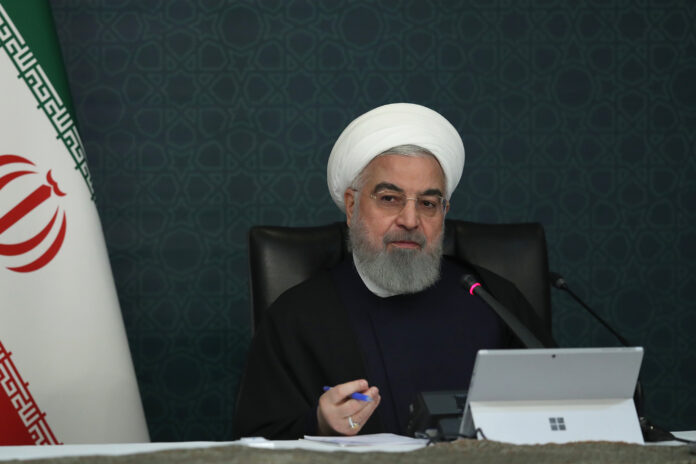
Rouhani said some Rls. 50 trillion will also be earmarked for the Unemployment Insurance Fund.

He said the government will offer low-interest loans to businesses which have suffered losses as a result of the coronavirus outbreak, provided that they have not fired their workers since the outbreak of the virus.

The president noted tens of thousands of beds at convalescent care facilities are now ready to offer services to patients. He added some 20 thousand hospital beds are also free and can be used for potential coronavirus patients needing inpatient treatment.

He reiterated the importance of the social-distancing plan which has just come into force across the nation to contain the spread of the disease.

President Rouhani said as the medical sector continues to offer services, measures have also been adopted to compensate the losses that businesses have suffered.

Artists from 68 Countries to Take Part in Iran’s Corona Cartoon Contest

The international competition is going to be held with the help of Shiraz University of Medical Sciences and other institutions such as Department of Visual Arts of Ministry of Culture and Islamic Guidance and Vice Presidency for Science and Technology.

Seyyed Masoud Shojaei Tabatabaei, the competition’s secretary, tells IRNA that more than 2,000 entries from 68 countries have been received till March 26.

“About 800 works have been uploaded to the online gallery on Iran Cartoon website, and to date it has been viewed more than 421,000 times,” he added.

The deadline for submitting entries to this international competition is March 30, 2020.
Interested parties can submit their works via [email protected].

Tejarat Bank Museum Tied to Spirit of Old Tehran

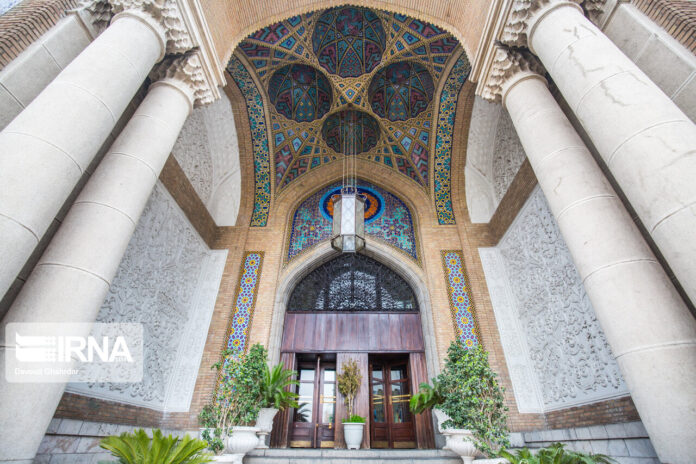
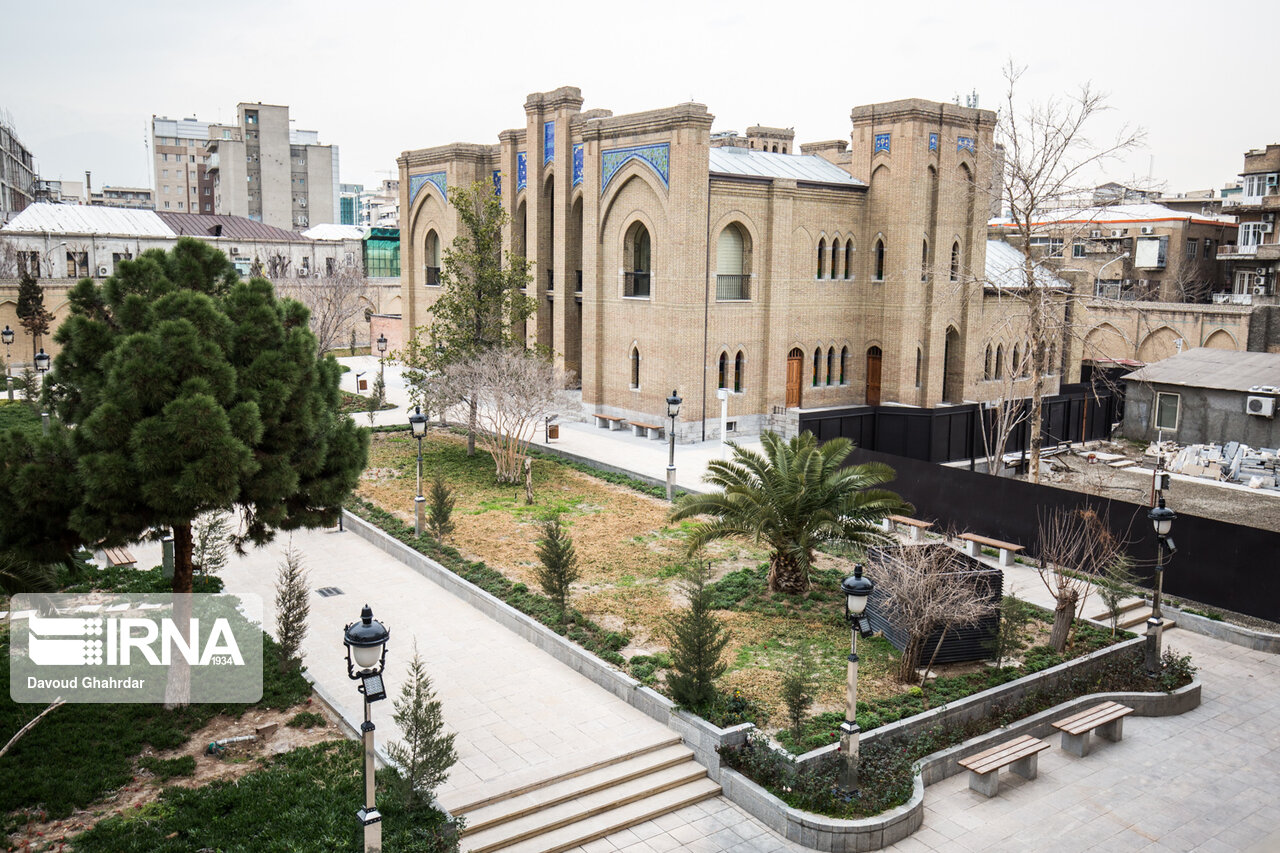
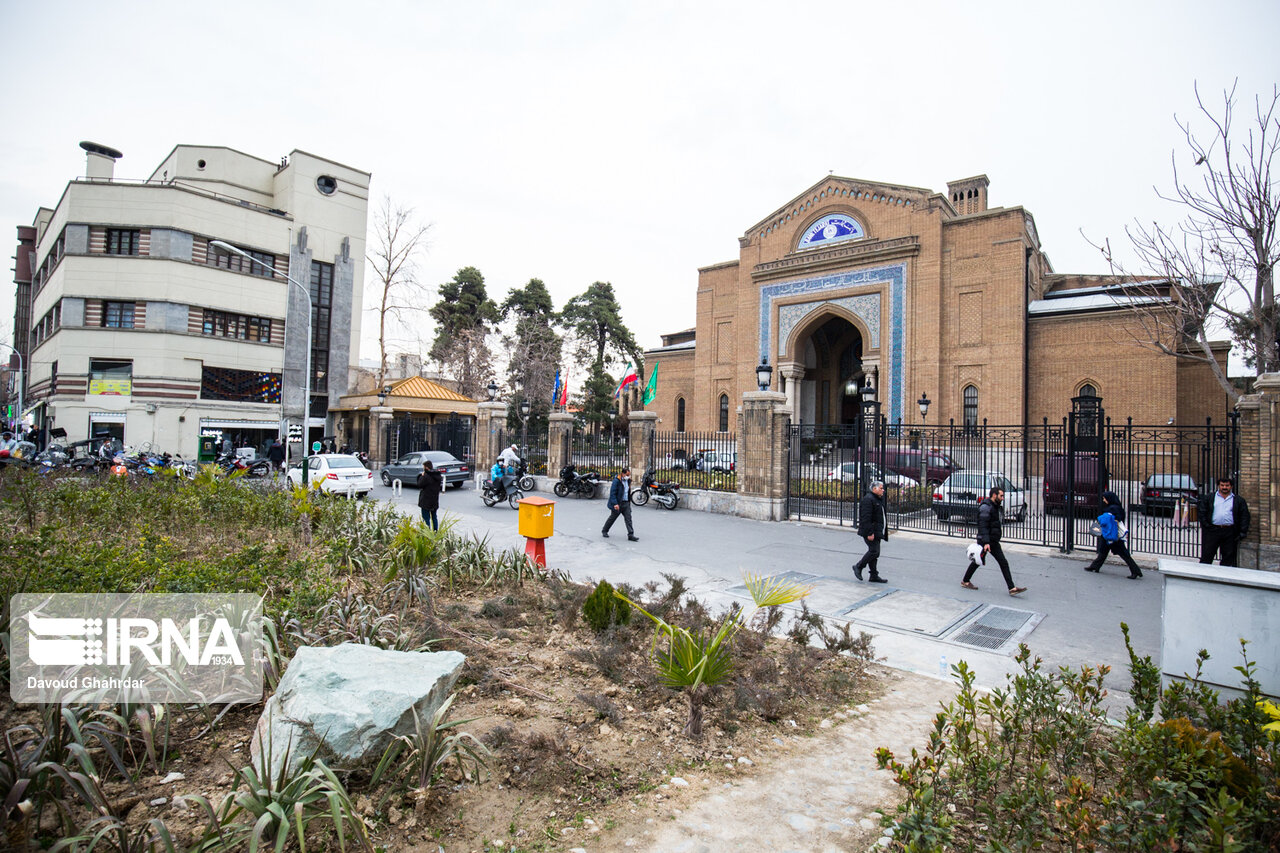
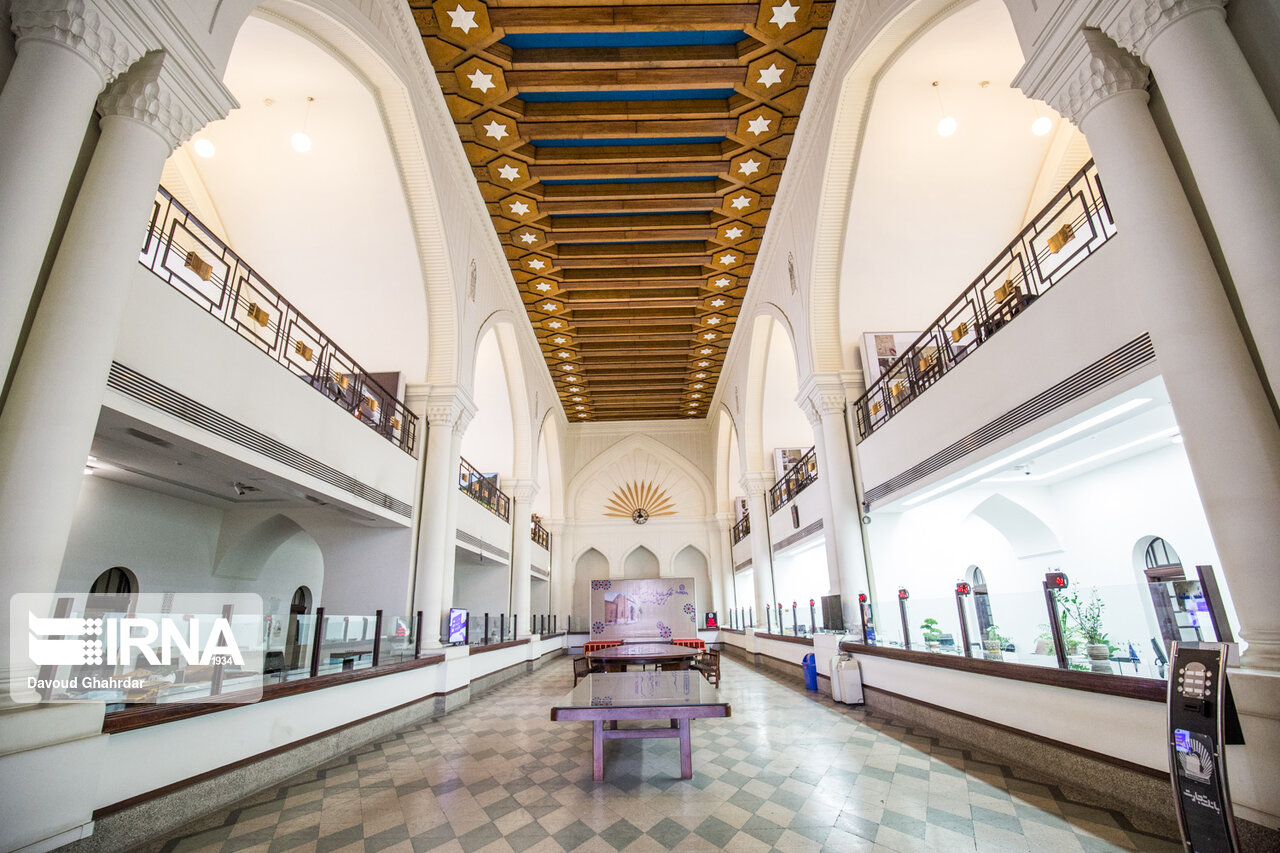
Located in the eastern side of Toopkhaneh (arsenal) Square –currently named Imam Khomeini Square- in Tehran, the Tejarat Bank museum gallery was constructed during the Qajar dynasty as the Shahi Bank, which was renamed Bazargani (commerce) Bank later.

The historic building is the only construction from the old Toopkhaneh Square that has remained intact after more than 130 years.

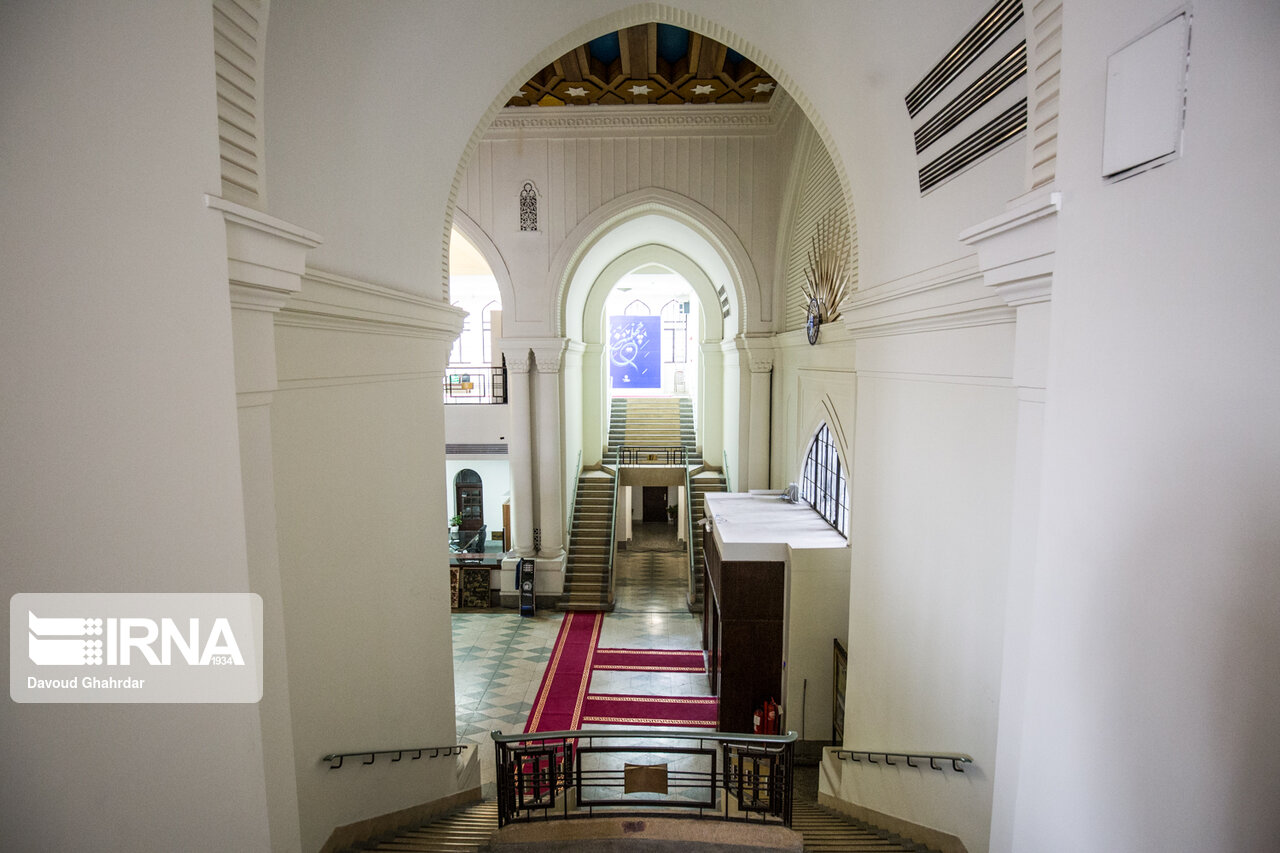
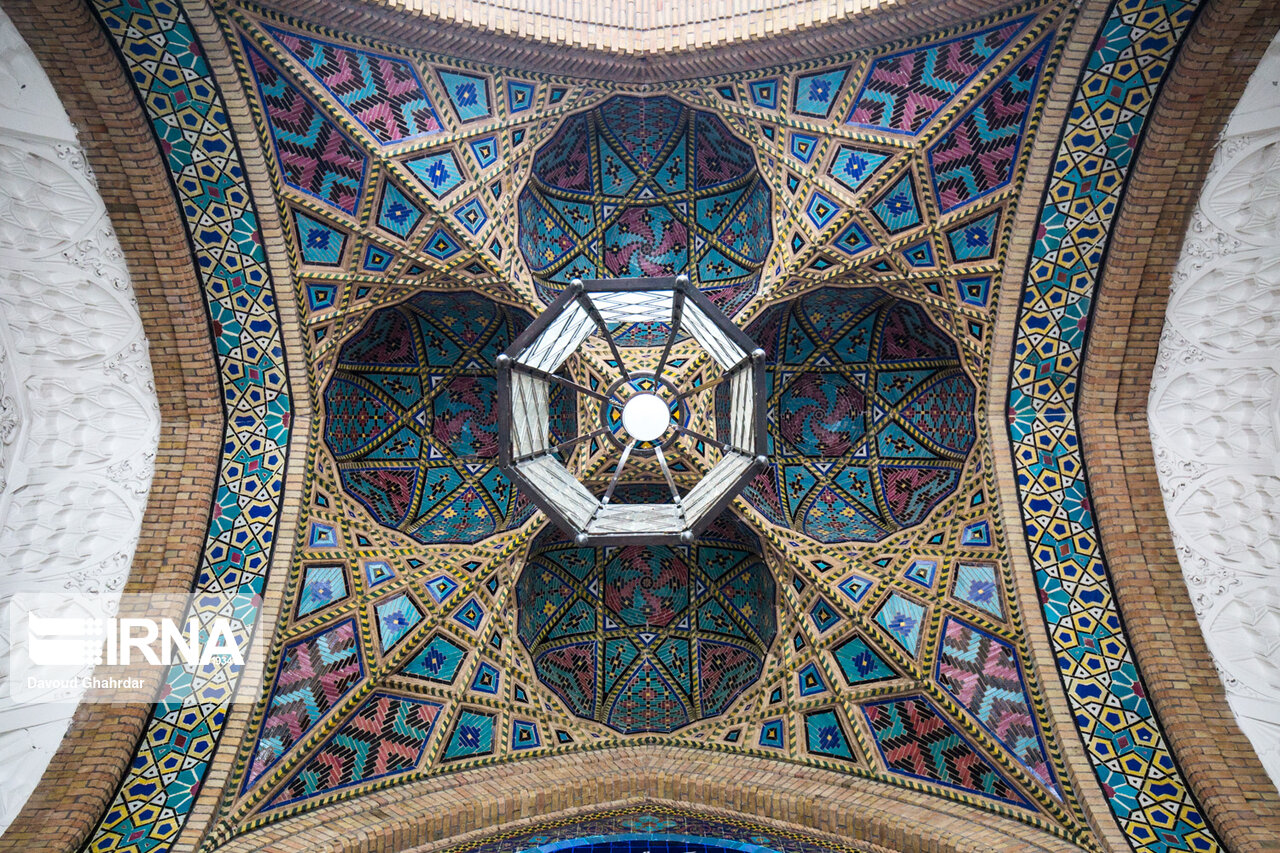
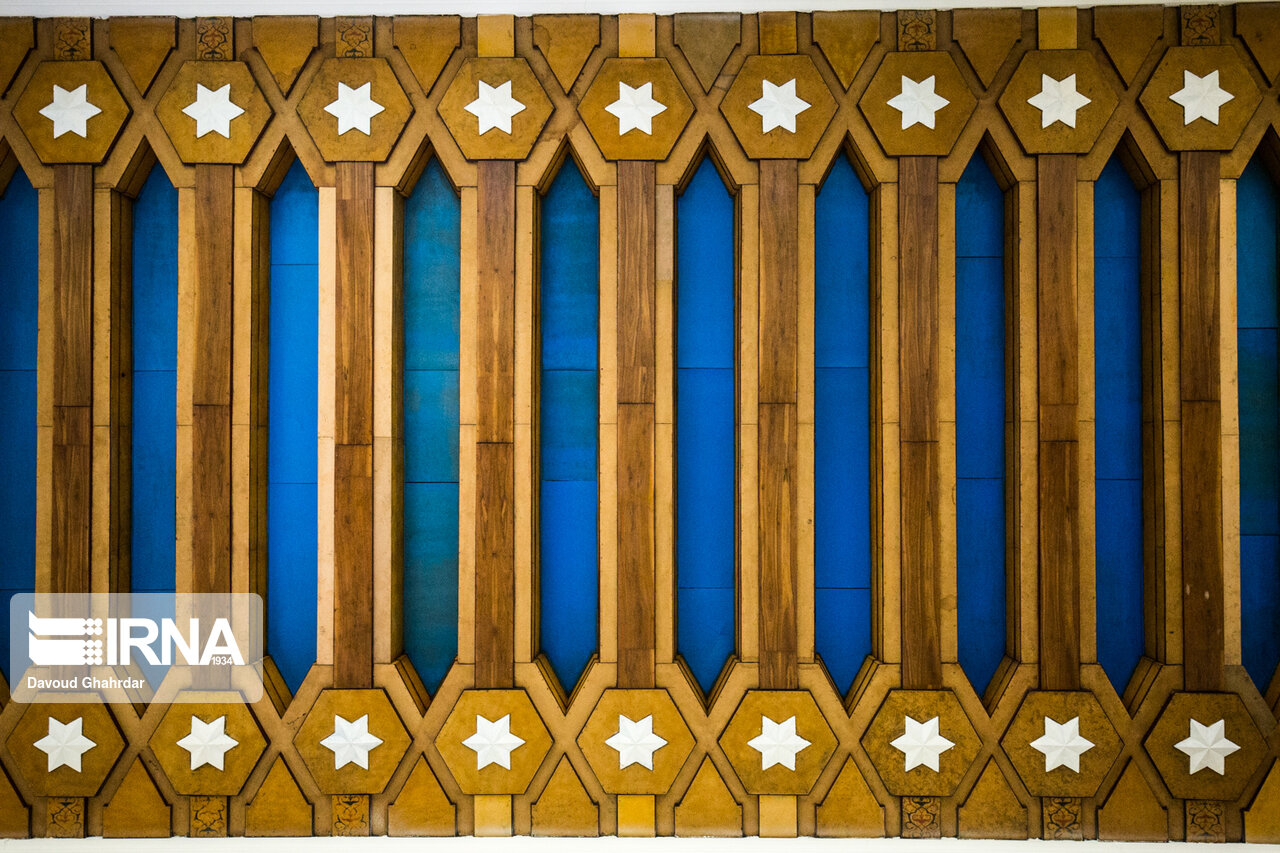
Designed by Markar Galstiants, an Iranian architectural engineer of Armenian descent, the bank building features unique designs that include fabulous decorative elements of Iranian architecture, such as bowls in a semi-dome at the portal of the building, ceramic tiles and exquisite plasterwork.

Tejarat Bank Museum Tied to Spirit of Old TehranThe building was inscribed on the list of Iran’s national sites on February 1, 2003.

Bank Shahanshahi (the Imperial Bank of Persia) bought the building on March 31, 1890. The new building of the bank was also constructed afterwards when the site was still under the ownership of Bank Shahanshahi.

On February 16, 2020, the Tajarat Bank of Iran opened its first museum gallery at the site of the building by unveiling 15 antique and repaired paintings in a ceremony attended by the ranking managers of the bank and top Iranian artists.

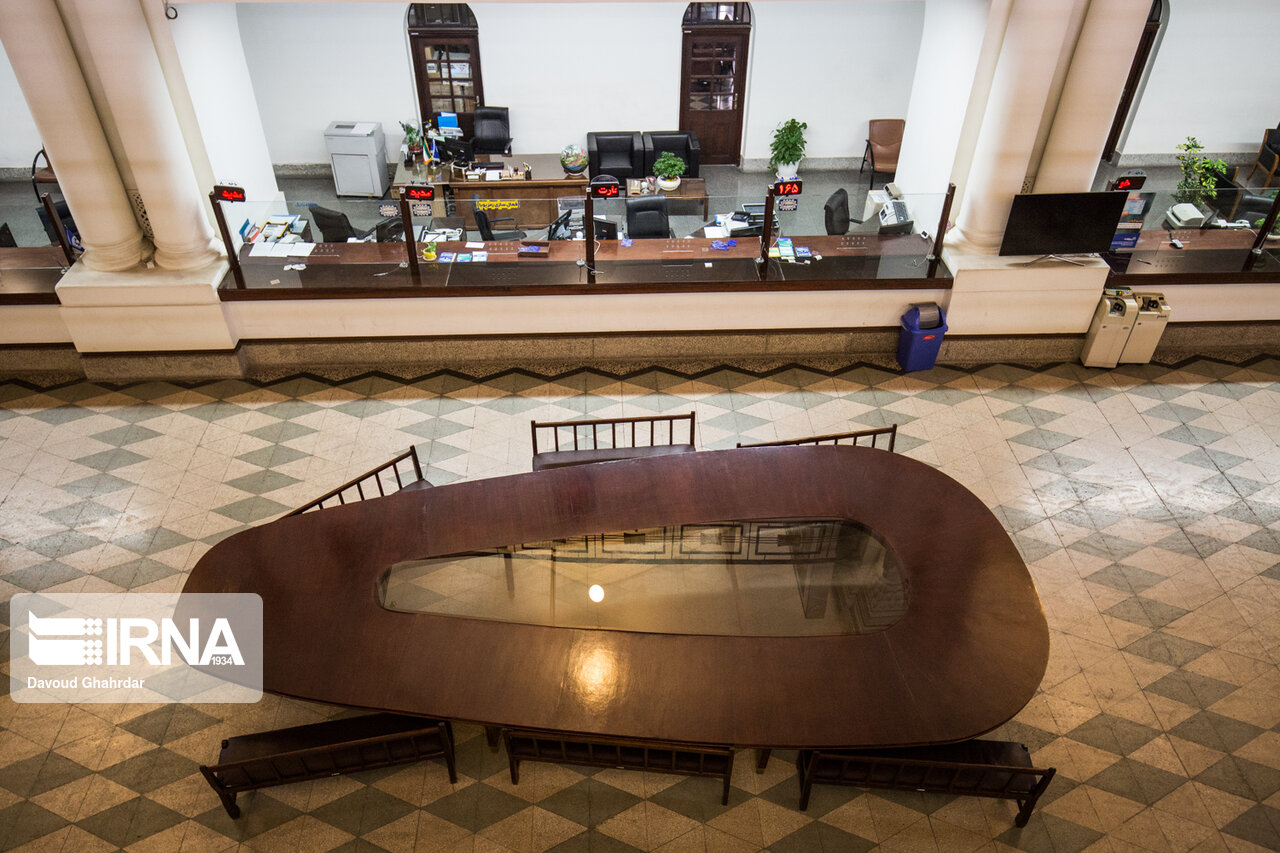
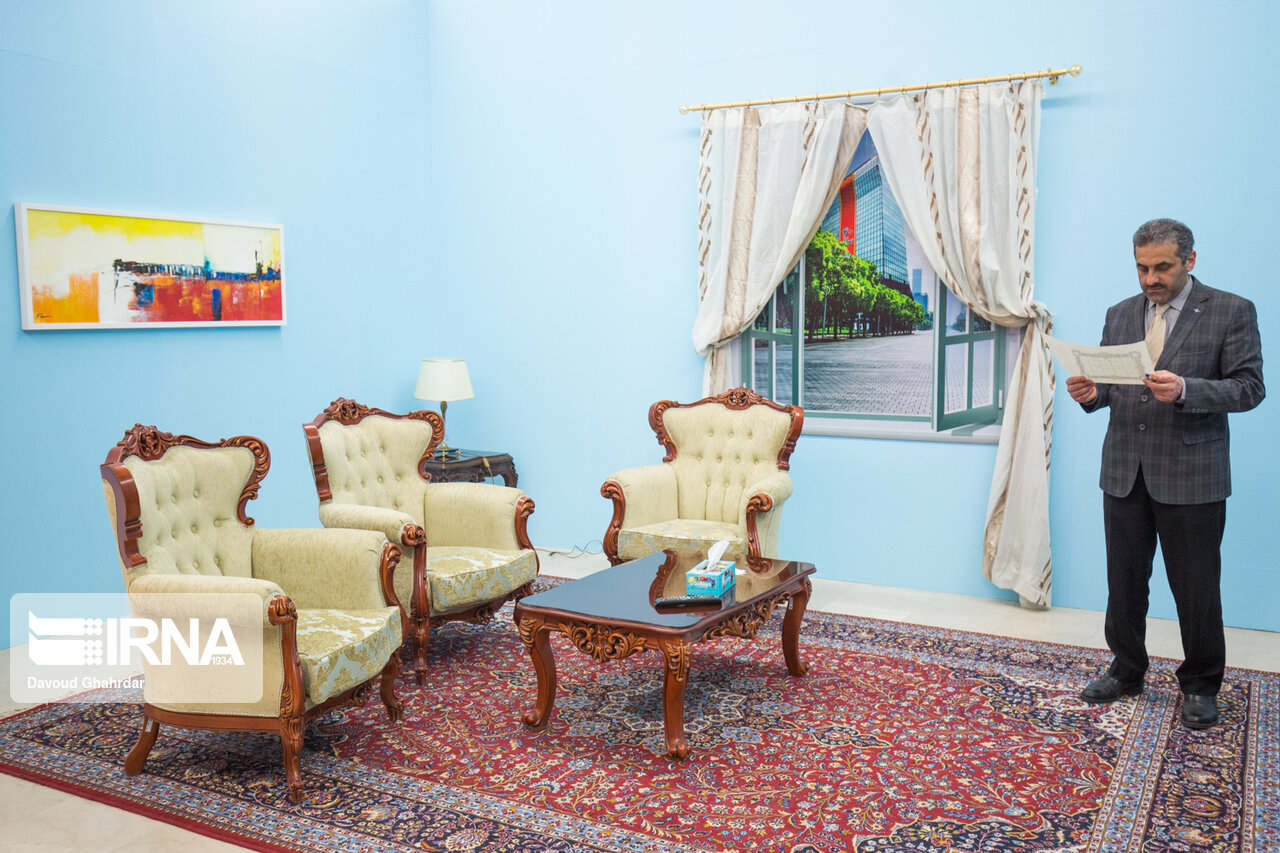
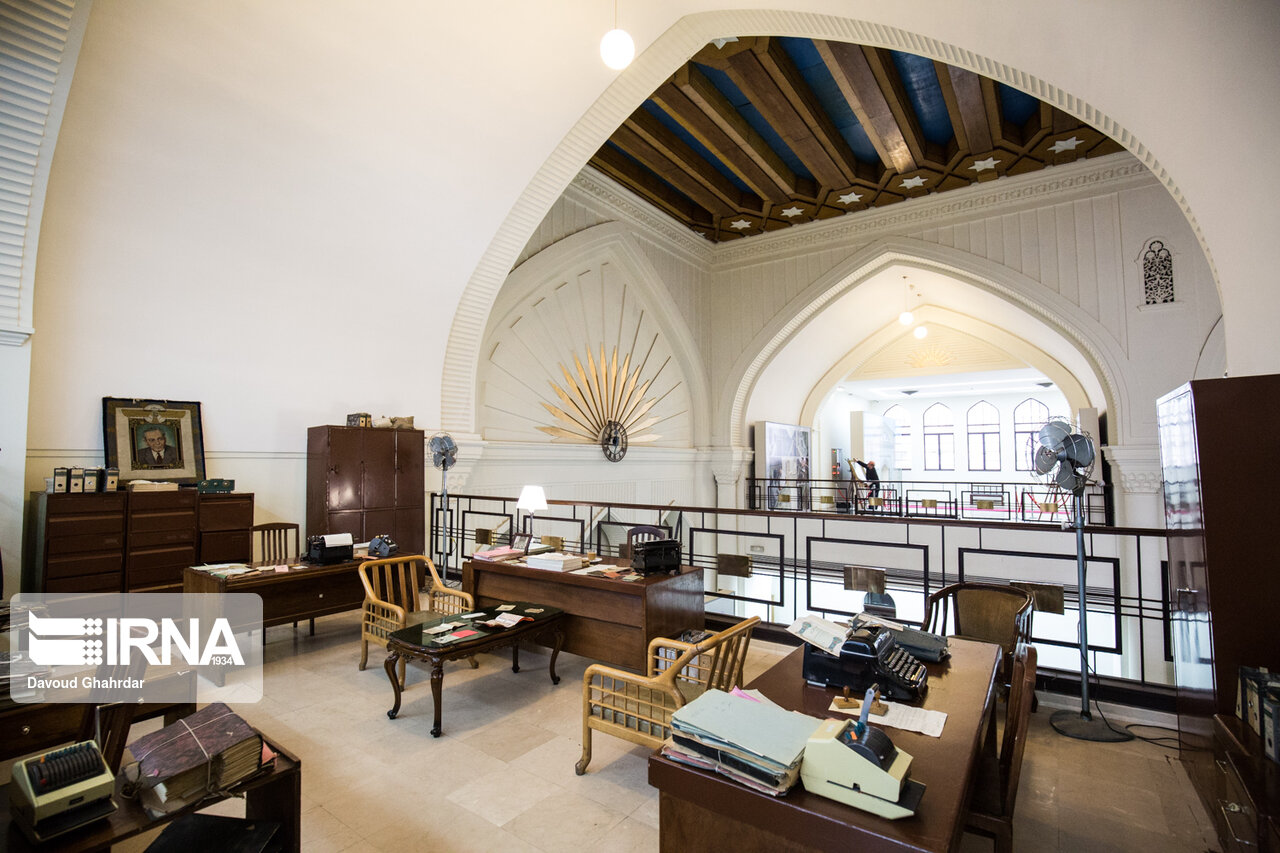
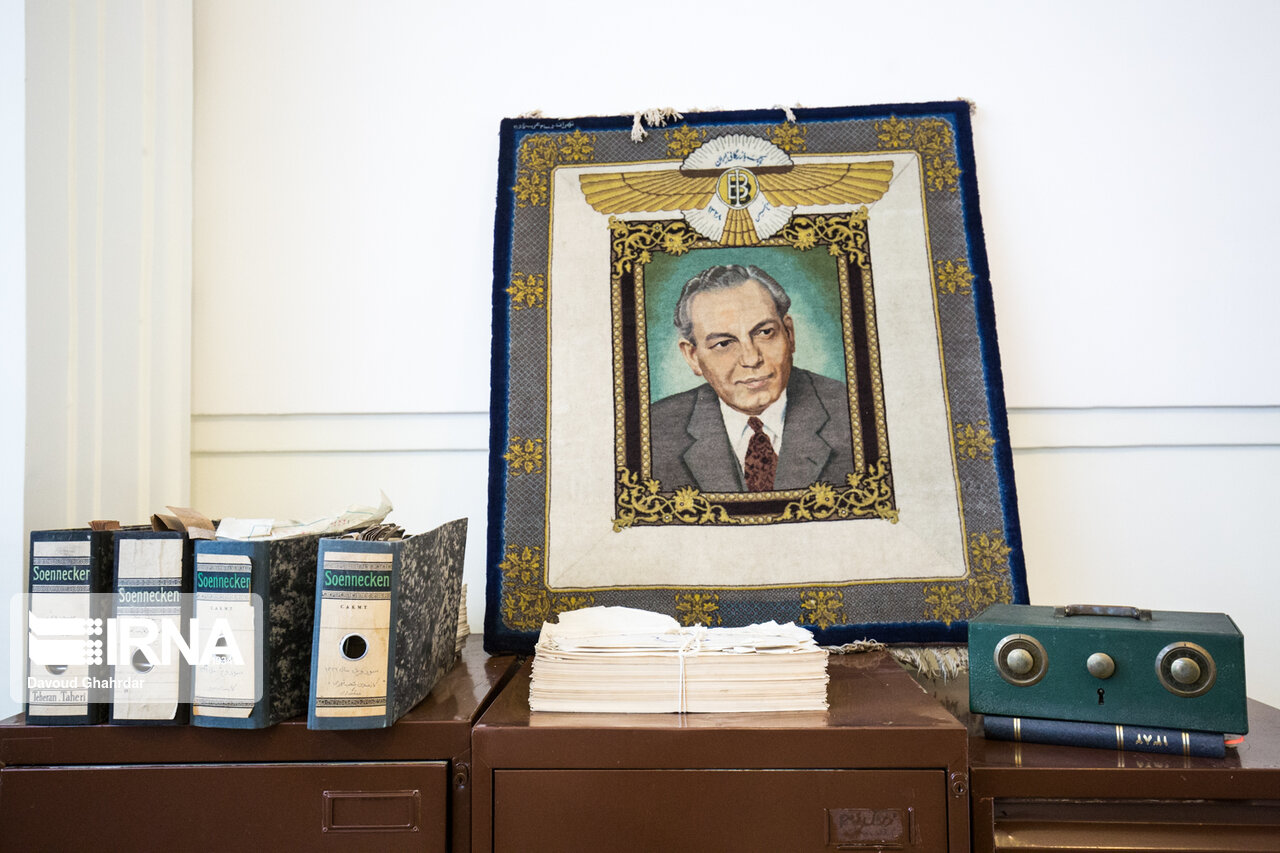
Tajarat Bank has constructed a symbolic branch office inside the main building of the art complex that displays the popular designs of offices in the 1960s and 1970s.

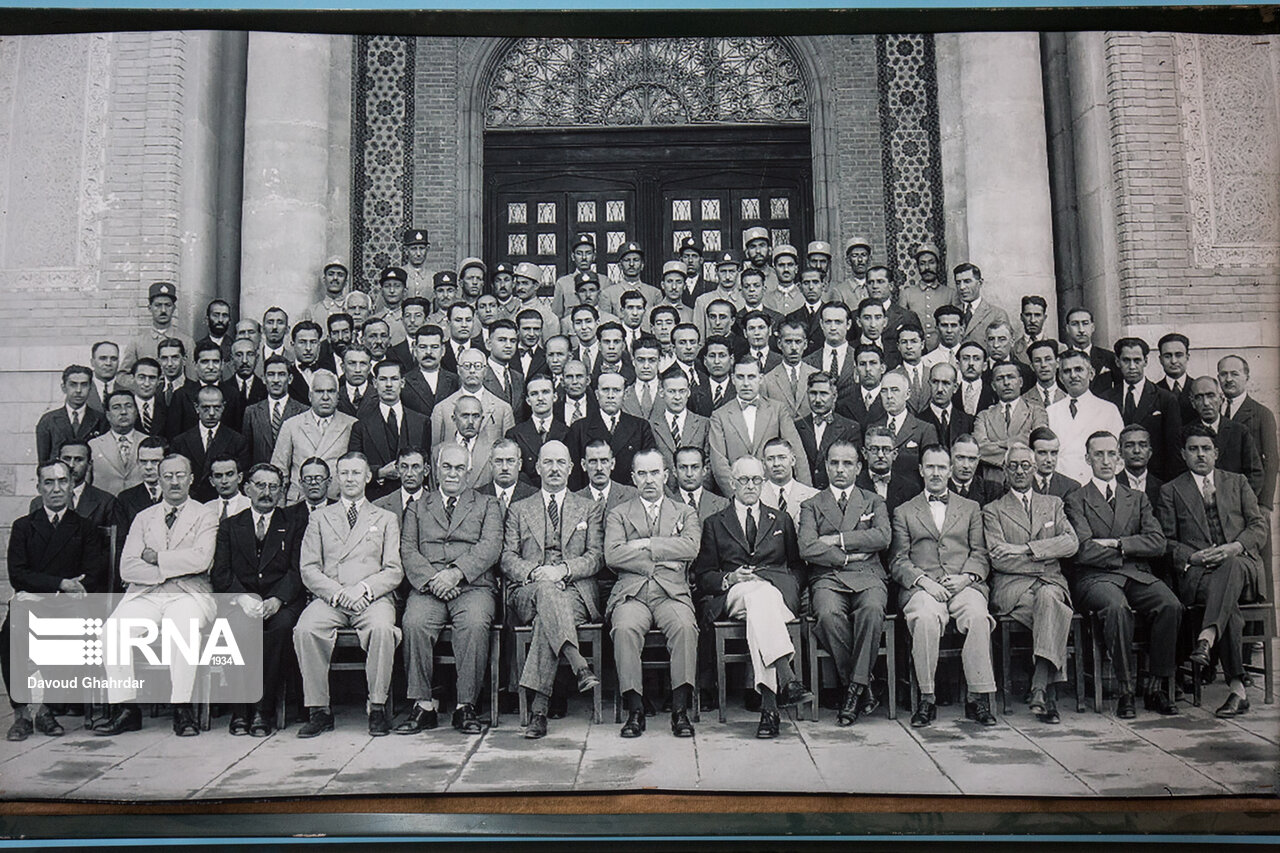
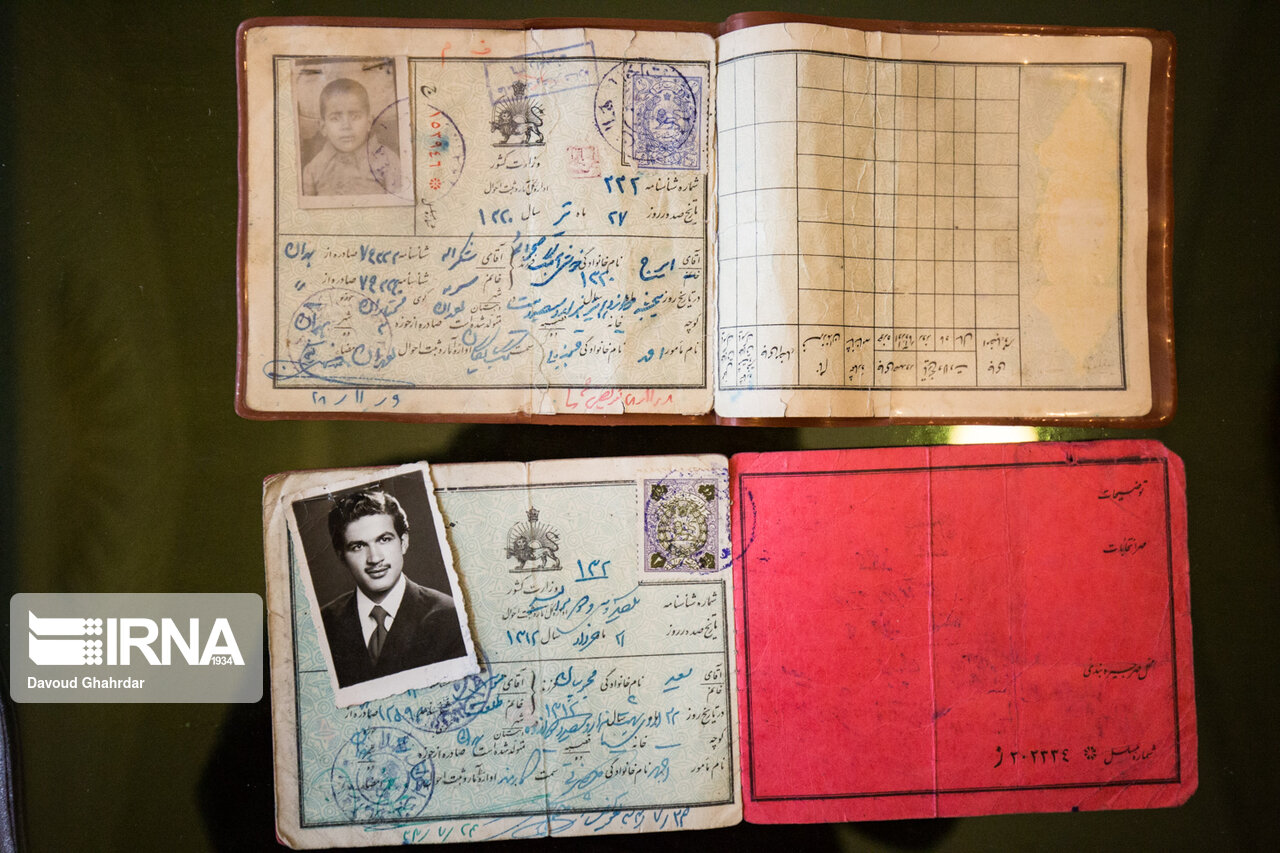
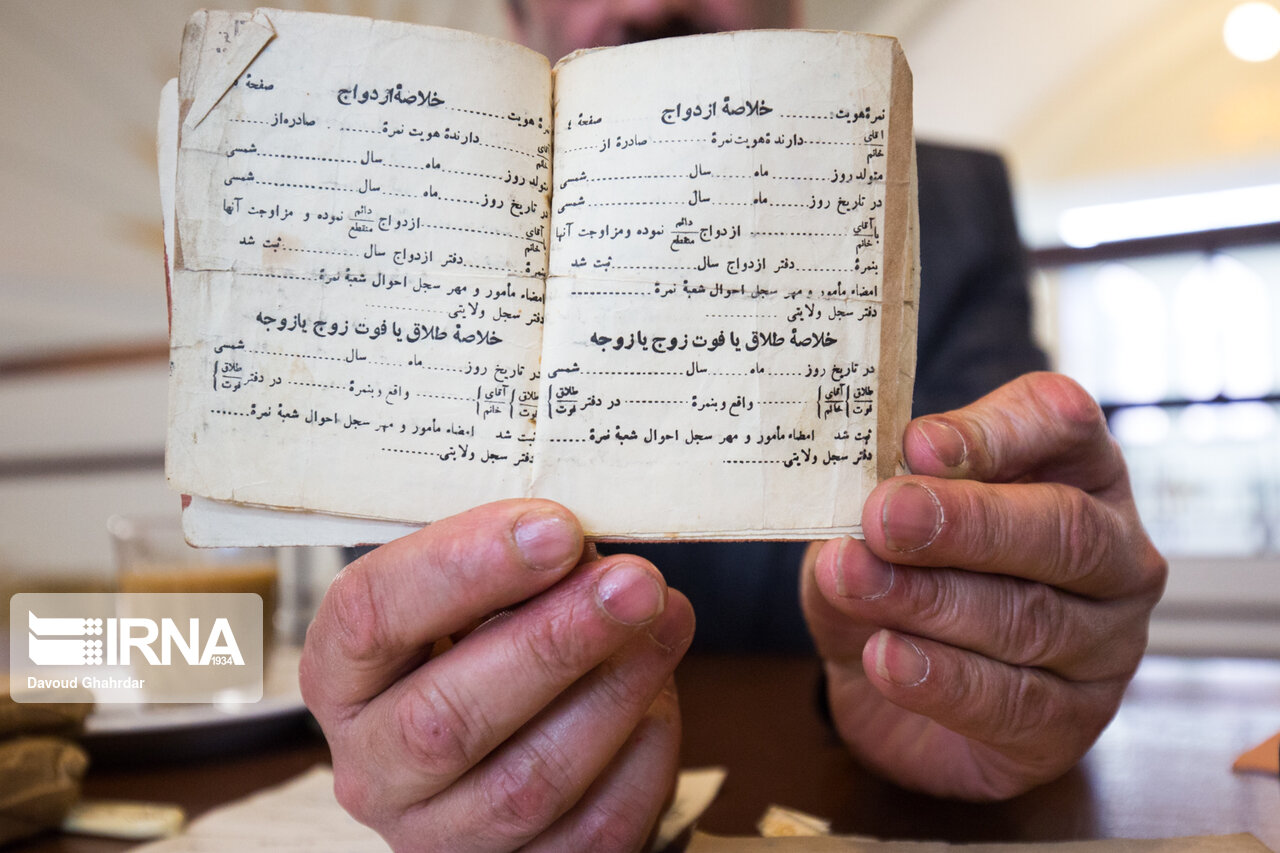
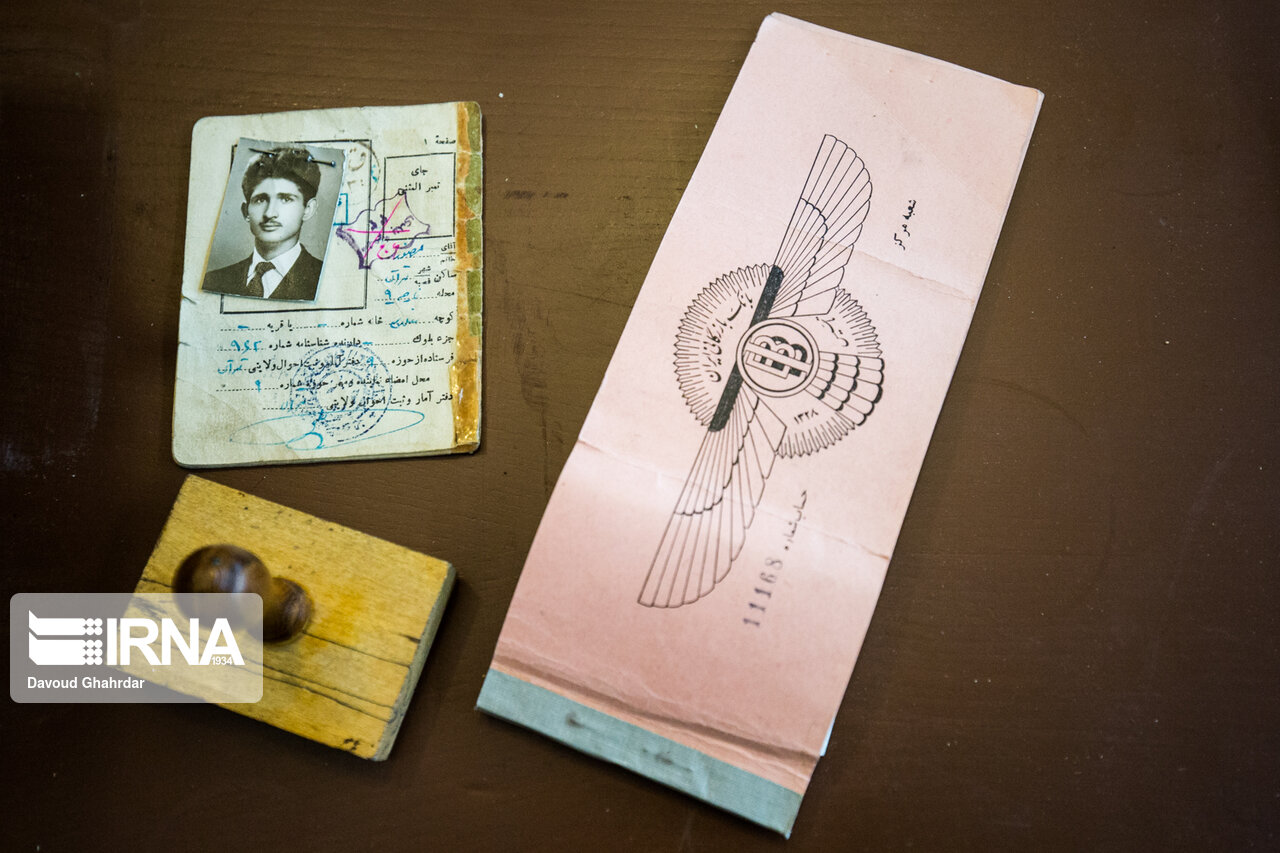
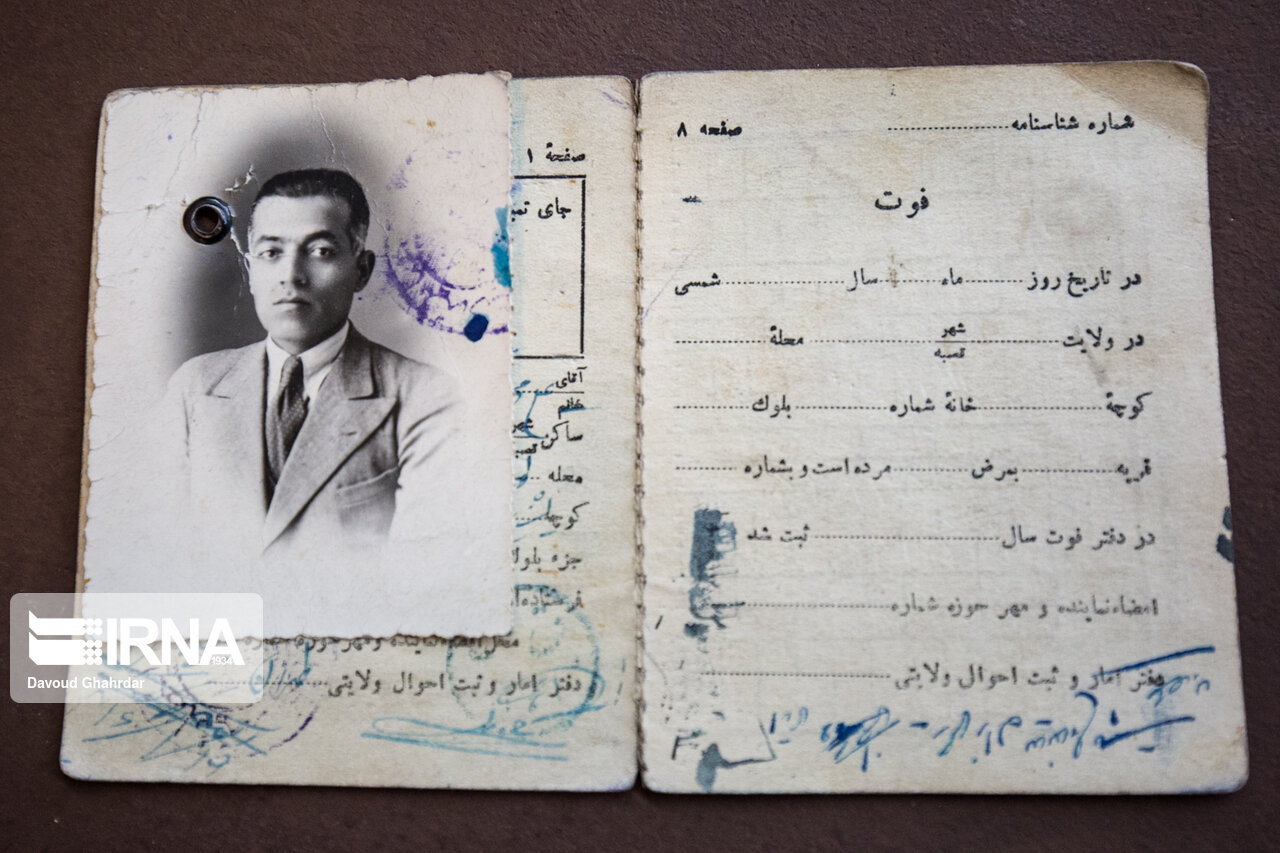
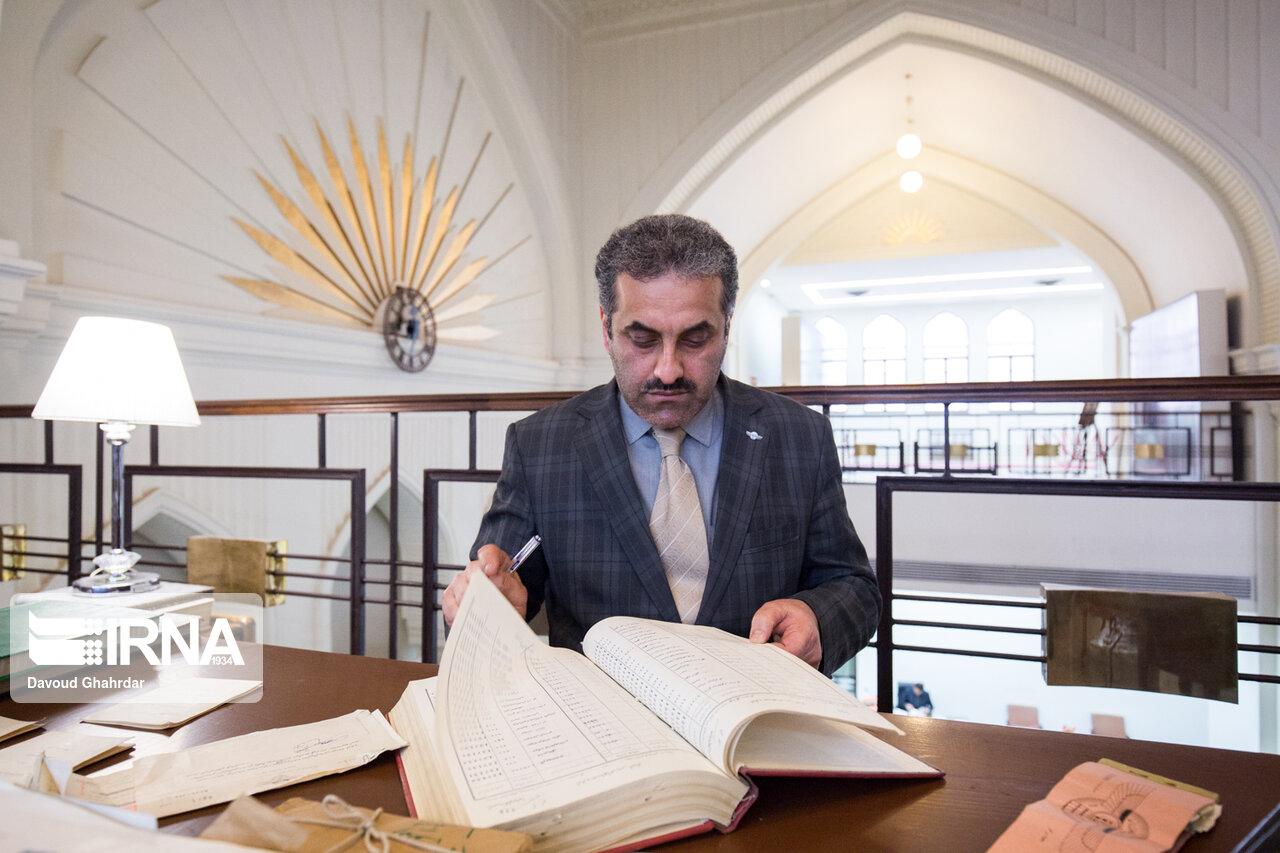
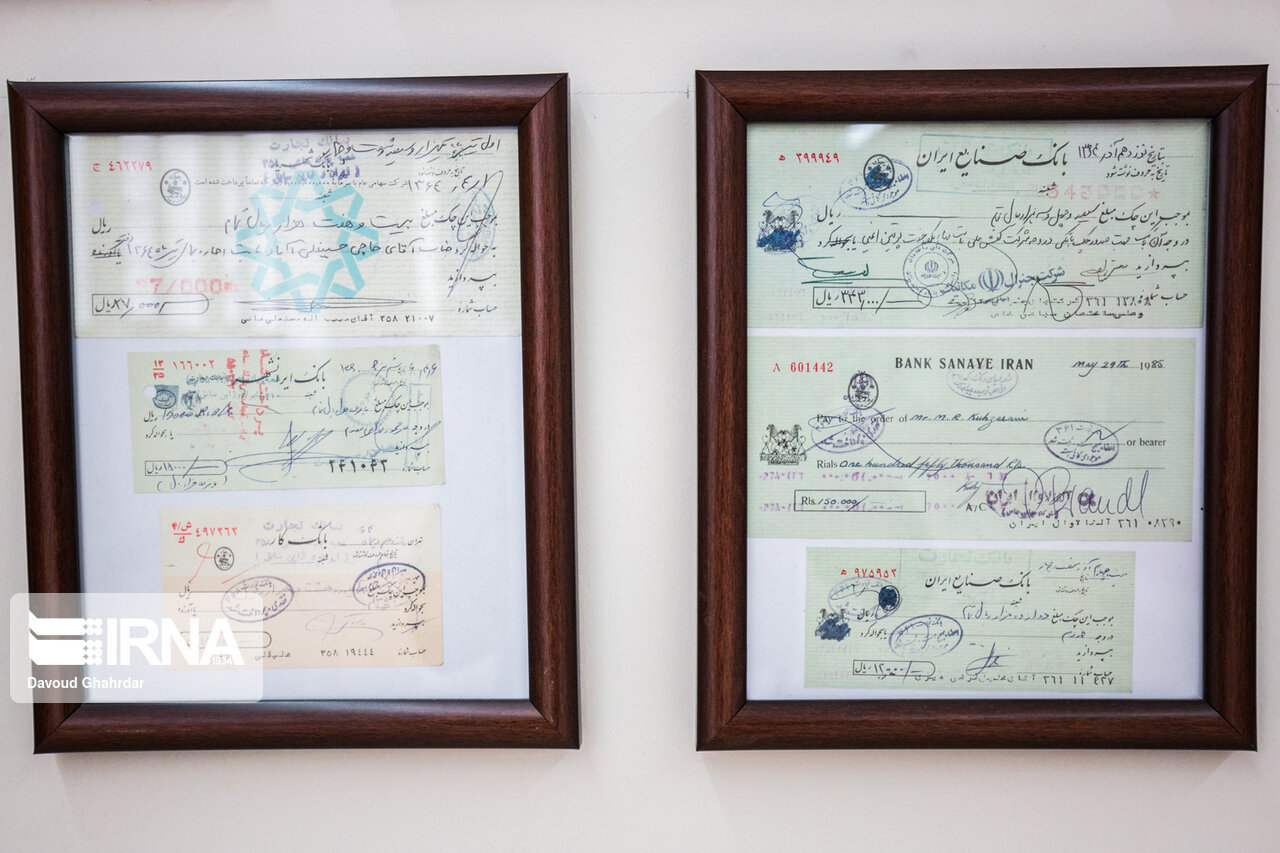
A number of the oldest documents of the banking industry in Iran have been also put on display at the Tejarat Bank museum, open to the public.

Following are a series of photos of the museum, taken by IRNA:

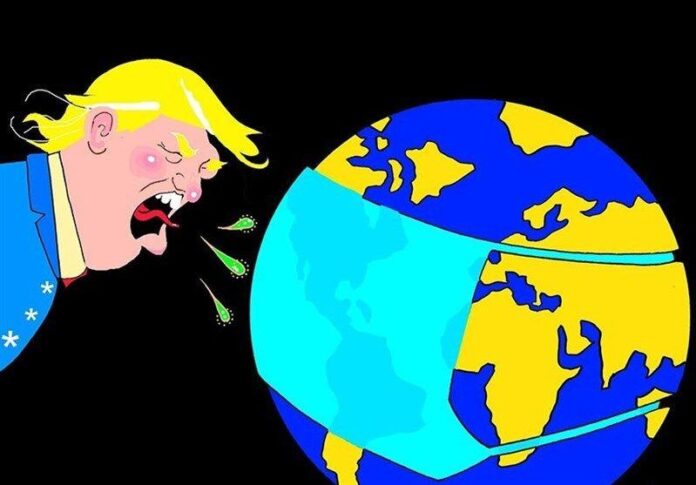
Will US Remove Iran Sanctions amid Coronavirus Outbreak?

With the outbreak of the coronavirus in Iran, the country’s foreign policy has focused on getting unfair sanctions on the Islamic Republic lifted. Iran rightly emphasizes the point that US sanctions on the country has created problems in terms of providing medications and medical supplies at a time when the nation is gripped by the coronavirus epidemic. US President Donald Trump’s decisions are the key contributor to the difficulties Iran is facing. On the other hand, Washington has proposed to help Iran fight the coronavirus outbreak without even mentioning the economic problems that it has created for the Islamic Republic. Under such circumstances, some countries dismiss the sanctions as a violation of human rights. Now, to what extent can Iran’s call for the lifting of US sanctions and Tehran’s accusing Washington of committing economic terrorism contribute to the lifting of sanctions? To discuss that further, Khabar Online has interviewed Mahdi Motaharnia, a university professor and international relations expert, who has weighed in on the matter and explained the different dimensions of the issue. The highlights of the interview follow.
 

What the United States is doing under the current circumstances is to make the public opinion believe that it is trying to help Iran weather the coronavirus crisis. Since the beginning of the outbreak, Washington has announced that it stands ready to help Iran, so that a climate for cooperation may emerge amid the coronavirus outbreak. In their foreign policy, US authorities argue that they have problems with Iranian officials, not its people. … Iran rejected Washington’s offer of help, calling for the lifting of all sanctions instead. … The Leader of Iran’s Islamic Revolution also expressed his total distrust in the US, and even dismissed the country as dangerous. So, on the political front, Iran cannot engage in any such type of interaction with the US.

Now, the US claims that lifting sanctions can jeopardize the world. Given the approaches adopted by both sides, there is no hope for efforts that would see unfair sanctions on Iran lifted. However, the US is saying that it will try to assist Iran through some channels which still exist.

In fact, the US will not give up its sanctions on Iran; rather, it will try to give an offer of help to Iran in a bid to create the impression for other countries that it was Tehran that rejected the offer of help.

The US is saying that it will give Iran medicines and money, but that it wants to monitor the trend of work itself. Iran’s rejection of Washington’s offer of help is a political issue, as is the US offer of help. All statesmen around the world have political objectives in mind, but what is important is how to pursue those goals. The United States explicitly bears animosity toward Iran, but at the same time announces that it has no problems with Iranian people and wants to help them overcome the coronavirus crisis. Iran would not accept such an offer of help from the US. The White House is trying to make the public opinion believe that it is pressuring Iranian officials, not people. If Iran allows the US to actually help it, then the world public opinion may move toward the direction that the US wants. On the other hand, If Iran remains defiant, the world public opinion will accuse it of being obdurate.

Iran has gone for something in between, i.e., trying to get the sanctions lifted. This comes as the US says is has left a door open for help. At the moment, there are also some other countries which call for the lifting of US sanctions at this juncture. They want to compete with Trump, and this rivalry is especially obvious among countries such as Russia, China and France. As a case in point, we are seeing that France releases an Iranian prisoner who the US wanted to be extradited, turning a deaf ear to Trump’s demand.

Europe wants to help get the sanctions lifted, but is much concerned about penalties. We know that they will face consequences if they work with Iranian companies. The US can impose fines on banks and disrupt relations between other countries and Iran. None of these countries are completely satisfied with the US. However, the US has what it takes to enforce its demands and will keep pressuring Iran as long as it wants to. At the same time, one cannot ignore the fact that European countries seek to cash in on the issue of the coronavirus pandemic. Their rivalry with the United States should also be taken into account. It will be too idealistic to say that Europeans are trying to preserve Iran’s interests. At the moment, we accept assistance from China, but what is really the difference between Beijing and Washington in this regard? The Chinese, too, take advantage of economic issues in order to further expand their influence on other countries, something which is not limited to the United States. So, we should not forget that any help by any country under the current circumstances is not only a humanitarian move; rather, it comes to serve their political objectives. From this perspective, there is not much difference between countries.