Monday, December 22, 2025
Home Blog Page 2881

Iranian Firm Improves Quality of Hand-Woven Carpets with Silver Nanoparticles

Microbes, bacteria, and microorganisms like ‘Corynebacterium xerosis’ are among the common factors causing disease, infection and unpleasant odor. While detergents and disinfectants are known as a routine remedy for these microorganisms, an Iranian company producing hand-woven carpets has found a neat solution: yard containing silver nanoparticles.

The carpets produced in the Iranian company have antibacterial properties and do not absorb any odor, such as from the human body sweat in the crowded places like mosques and living rooms.

In addition, the natural materials in the hand-woven carpet’s yarn contain a series of proteins that could produce clothes moth or carpet beetle. The carpets woven in the Iranian company are moth-resistant due to antibacterial properties.

The technology used in spinning the yarn of these carpets is so advanced that the nanoparticles never come off the thread. As a result, the silver nanoparticles will remain in the yarn forever in all conditions as the carpet is washed, folded, shaken, swept or brushed.

CEO of the Iranian company says the carpets are being exported to the United States and Spain, noting that the company’s products have received quality certification from the Iranian Nanotechnology Promotion Headquarters and the Health Ministry.
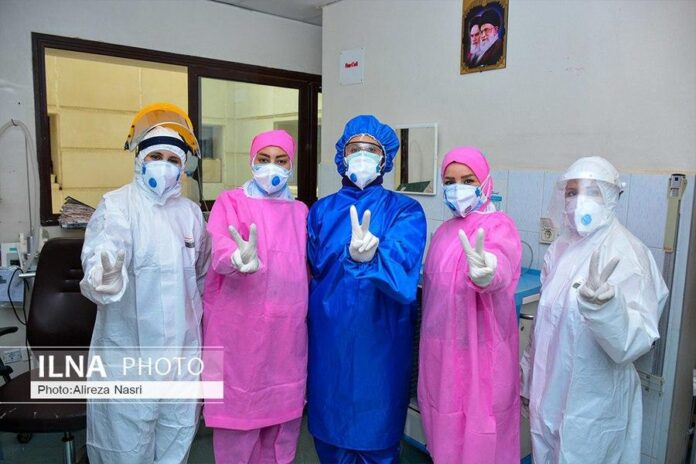
Iran Denies Refusing to Admit Foreign Suspected Cases of COVID-19

Iran Reports over 2,500 New Cases of COVID-19 Infection

Kianoush Jahanpour said all foreigners in Iran are screened just like Iranian nationals and if symptoms are seen in them, they will be introduced to treatment centres.
“However, our main policy is to identify suspected cases and advise them to stay at home,” he added.

Jahanpour pointed out that at present, the Islamic Republic is unable to accept and issue visas to patients from other countries.

“As many people are requesting to come to our country for treatment, we can realise that many of our neighbours’ statements about not having corona cases are incorrect. We hope these countries will reconsider the freedom of speech and let the patients talk about this disease in order to prevent the spread of COVID-19.”

Stressing that 184 countries are currently affected by the disease, Jahanpour noted immediately after the outbreak in the country, “we announced the issue and insisted that other countries should announce their statistics clearly.”

He further underlined that the necessary measures, such as screening and checking fever are also being taken at the entrance of the cities while other decisions will be taken at the National Headquarters to Fight against Coronavirus.

In response to a question about the time of getting infected with coronavirus and its effects on the body, Jahanpour added it cannot be said that the later the corona disease develops, the less would be its effects on the body.

“Although the experience showed HIV diminishes over time, we do not think there is any scientific evidence to think that the coronavirus will weaken within two weeks.”

Regarding the impact of heat on the virus, Iran’s health ministry spokesman said there is no scientific information in this regard.

“We haven’t seen a corona outbreak in the world before, and the upcoming heatwave season is the first season we can examine its effects on the virus.”

Responding to another question about the impact of the blood type on corona disease, he said the reports in this regard are generally preliminary ones that are published on a small scale.

Therefore, he added, it cannot be stated with certainty that the blood type is effective in being infected with corona disease.

Elsewhere in his remarks, Jahanpour said the claim that drugs and medical equipment are not sanctioned is a big lie.

“In addition to drugs and medical equipment some food items are sanctioned. As you can see, many of the countries that have imposed sanctions on Iran are now struggling with the coronavirus. We are now witnessing a severe shortage of sanitary items and hospital beds in these countries,” maintained Jahanpour.

Iran Apologises to MSF over Cancellation of Mission

Iran Apologises to MSF over Cancellation of Mission

Kianush Jahanpour said on Tuesday that “Doctors Without Borders (MSF) was considering setting up an inflatable 48-bed hospital in one of our health centres. However, today we have over 10,000 hospital beds and 10,000 post-hospital surplus beds, so, 48 beds are of no use for us.”

He offered Iran’s apologies over the cancellation of their mission and thanked the team for their sympathetic action.

An adviser to the health minister also wrote in a tweet that there were no infectious diseases or corona specialist in the MSF group dispatched to Iran.

“[They sent] an emergency physician and a small amount of consumables that we produce inside the country. They did not bring any specific medication that would help reduce the effects of the sanctions. With tens of field hospitals set up by our Armed Forces and many hospitals empty, the presence of the team and the launch of a 48-bed field hospital is not necessary,” reads Alireza Vahabzadeh’s tweet.

Earlier, Hamidreza Jamshidi, secretary of Iran’s National Headquarters to Fight Coronavirus, said there are currently enough hospital beds for patients infected with COVID-19.

“Any moment that that the need arises, we will make use of the capabilities of international humanitarian organizations such as Médecins Sans Frontières.”

“For now, we do not need to add makeshift hospitals. We may need it in three or 10 days but we have enough beds now,” he underlined.

On Sunday, the MSF sent a 48-bed inflatable hospital and an emergency team to Iran’s central city of Isfahan to help treat the patients. The inflatable hospital has been shipped by air from the MSF’s logistics hub in Bordeaux, France. Nine emergency and intensive care unit (ICU) doctors and logisticians were to run the unit.

Iran, Russia Discuss Coronavirus Outbreak

Iran, Russia Discuss Coronavirus Outbreak

During the Tuesday call, the two sides conferred on the current situation and the impact of the spread of the coronavirus in both countries and the world.

Zarif and Lavrov also talked about the Islamic Republic’s efforts to cope with the pandemic in the face of sanctions, ongoing political developments in Afghanistan and international efforts against the US unilateral bans against various countries.

For his part, Lavrov said Moscow wants the US to lift the sanctions that hinder Iran’s fight against the coronavirus epidemic as soon as possible.

Iran has the fourth highest official death toll from the coronavirus after Italy, China and Spain. The country is in the midst of the two-week Persian New Year holiday when the roads are filled with people visiting their families.

Despite the authorities’ appeals for people to stay home and the closure of shopping and leisure centres, many people have taken to the roads as usual this year.

Nearly 2,000 people have lost their lives due the outbreak of the deadly virus in Iran.

Iran Coronavirus Outbreak: Domestic Production of Medical Items Rising

Iran Coronavirus Outbreak: Domestic Production of Medical Items Rising

Deputy Minister of Industry, Mines and Trade Hossein Modarres Khiabani says the importing of medical items is a temporary move as domestic production of hygienic items is underway with full force.

“In parallel with a rise in domestic production, imports will decrease and gradually stop,” he noted.

He said some production units have been converted into workshops for the production of medical equipment.

“Three major garment production units have now allocated all their facilities to the production of face masks in Tehran,” he noted.

“If skilled workforce and enough equipment are used, their production capacity will definitely double,” said the official.

He said 30 small workshops producing masks and medical outfit are also up and running in Tehran.

The deputy minister further said mask production machinery has also been manufactured in the country, which, in turn, will increase factories’ production capacity.

He noted a fourth consignment of imported medical supplies has also arrived in the country.

He said the shipment weighs 70 tonnes and will soon be delivered to the Ministry of Health and Medical Education.

He also thanked the Customs Office for its good cooperation to rapidly clear imported medical items
“The goods are cleared at the customs in less than two hours,” he said.

Iran Reiterates Call for Immediate End of Saudi War on Yemen

What follows is the full text of the statement released on Tuesday, March 22, 2020:

In the Name of God;

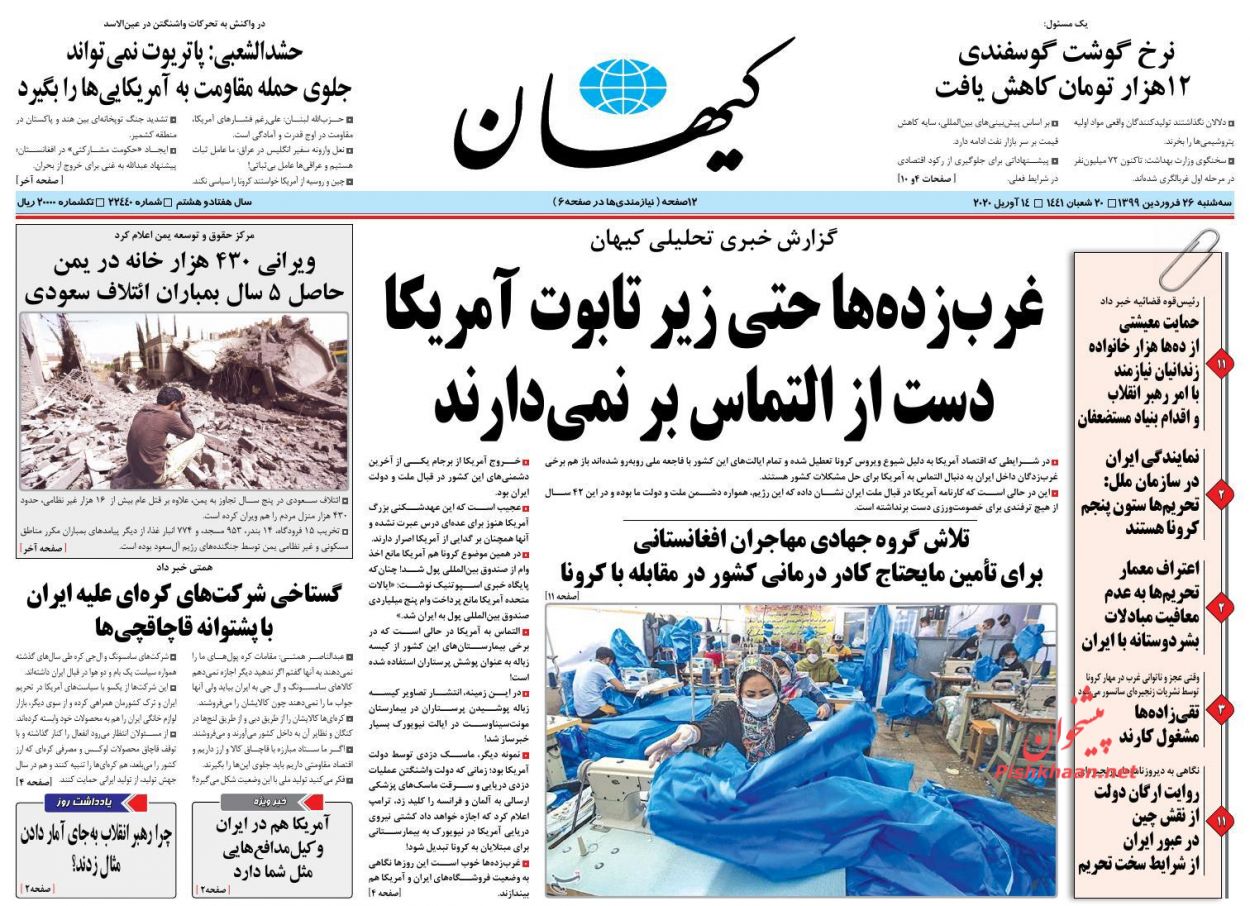
The Islamic Republic of Iran condemns the continuous military aggression from the so-called coalition forces against Yemen, stressing that such a ruinous and stupid war is entering its sixth year while it has resulted in nothing but the destruction and massacre of the innocent and oppressed people of Yemen, has turned Yemen into a ruined country by destroying its infrastructure, and has made the Yemeni people’s lives a daily agony.

The international organizations have confirmed that 80 percent of Yemen’s population – around 25 million women and children in Yemen – are in need of humanitarian aid. Such humanitarian tragedy is happening in the shadow of the international community’s silence and the continued violation of all international law and human rights by the aggressors.

The cruel and inhumane sanctions and the crimes committed against Yemen have made the catastrophic conditions of Yemeni people known as the worst human tragedy of the century in the world.

The military aggression against Yemen is going on while the US and a number of other countries have not only shut their eyes to the war crimes committed by the invaders, but are also accomplices in those crimes by keeping the arms sales and the intelligence and logistical supports, and must be held accountable.

In this regard, we have sadly witnessed recently that the US has not been satisfied with these measures, has unveiled its strategy in Yemen with a remarkable increase in its military presence in various parts of Yemen, and seeks to stabilize itself militarily in that country. This is while the US has proved that its presence in every country in the region has brought about noting but insecurity and the plunder of assets of those countries. However, the US will ultimately suffer another defeat in Yemen and will leave that country with humiliation.

The Islamic Republic of Iran has maintained since the onset of this war that the crisis in Yemen has no military solution, and, on this basis, had proposed its four-point plan in the early days of (Saudi) aggression (against Yemen), which entails immediate ceasefire, acceleration of delivering humanitarian assistance, lifting the cruel blockade, and the launch of talks among all Yemeni groups and formation of an inclusive national government.

Accordingly, the Islamic Republic of Iran supports Yemen’s territorial unity, and emphasizes that political solutions such as the Stockholm Agreement and its generalization to all other issues and regions in Yemen could keep the hopes alive for the achievement of peace and calm across that country.

One Coronavirus Case Can Infect 406 People in A Month: Official

Fresh Waves of Coronavirus Infection Could Hit Tehran: Official

Speaking at a televised interview on Tuesday, secretary of the Coronavirus Fight National Headquarters of Iran said one coronavirus case can be responsible for 406 infections in a span of one month if the health tips are ignored.

Hamidreza Jamshidi noted that if the coronavirus patient observes 50 percent of the hygienic standards and stays at least 1.5 metres away from the other people, the number of infected cases will decrease to 15, and if that single positive case follows 75 percent of the health measures, he or she will pass the disease to only one other person.

“No doctor is better than the individuals themselves. We ask people to observe the health issues, as one of the best things to do is to stay home,” he added.

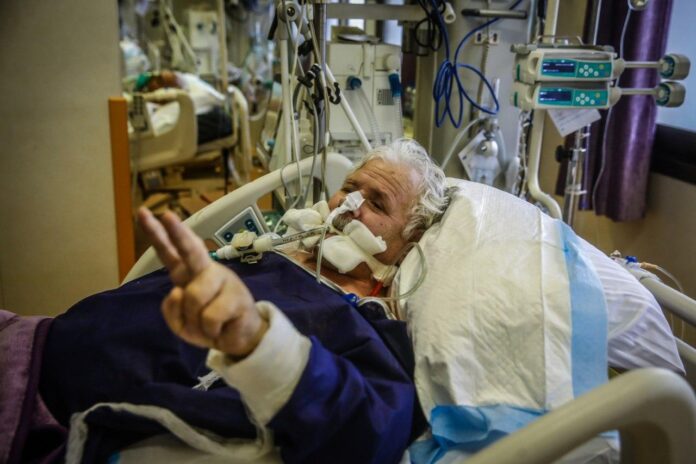
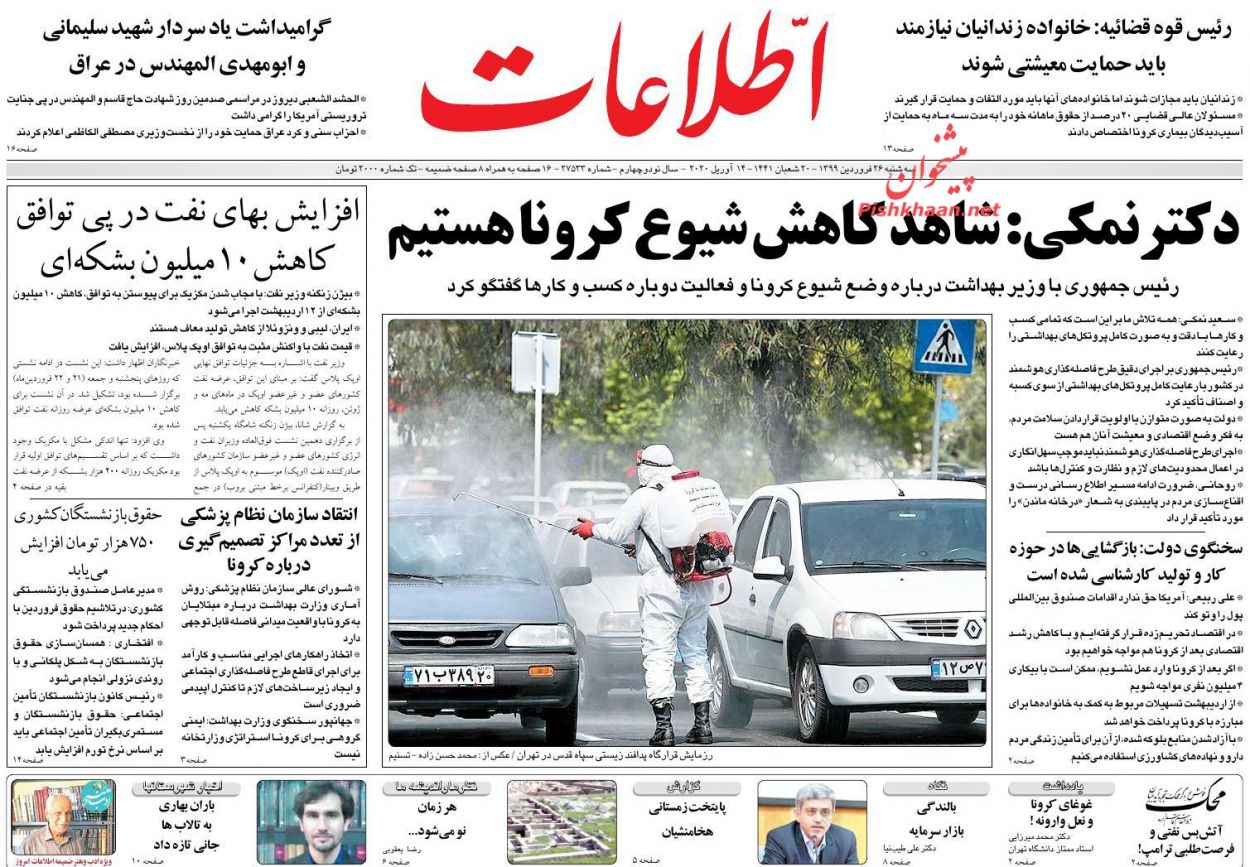
Iran’s Health Ministry announced on Tuesday that the COVID-19 death toll in the country has risen to 1,934 after 122 cases died over the past 24 hours.

Coronavirus Death Toll in Iran Rises to 1,934

COVID-19 in Iran

Iran’s health ministry spokesman Kianoush Jahanpour said on Tuesday 1,762 new cases of coronavirus infection were confirmed in the country in the past 24 hours.

That brings to 24,811 the total number of people infected with the disease in Iran, he added.

“8,913 infected patients have recovered and been discharged from hospital,” he added.
He said 41 million Iranian people have so far been screened for the virus as part of a national mobilization plan.

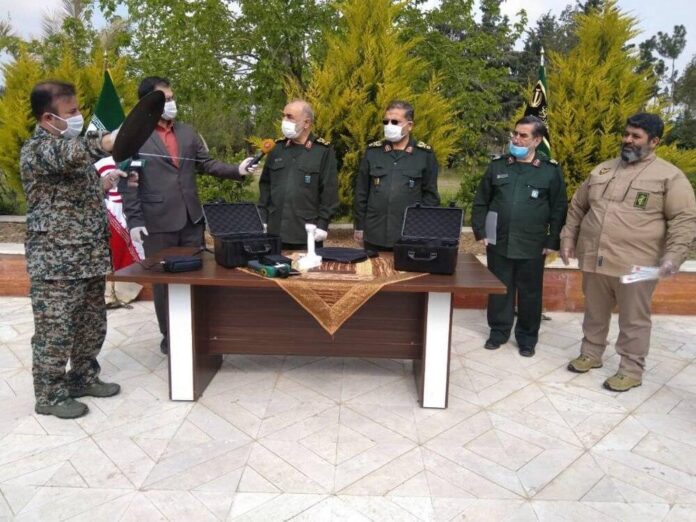
IRGC’s Basij Forces Playing Key Role in Fight against COVID-19: General

The IRGC spokesman has noted members of Basij as well as the Islamic Revolution Guards Corps (IRGC) are working closely with other institutions and medical staff in the fight against the epidemic.

Brigadier General Ramezan Sharif said the Basij and IRGC are working well with the national commission set up to tackle the outbreak.

“The national campaign against the coronavirus is an example of popular rapport and determination to uproot the disease,” he said.

The top general noted a major part of concerns over the epidemic have been removed thanks to the national campaign against the virus.

He underlined IRGC hospitals keep offering services to patients.

Reza Abbasi Museum; A Treasure of Ancient Iranian Works

Reza Abbasi Museum

The Museum is the small version of the Museum of Ancient Iran. Its spectacular collections date from the second millennium BCE to the early 20th century and the Qajar period.

The museum accommodates about 50,000 objects, but only 700 works can be displayed in the museum’s halls, and other works are exposed every now and then in the temporary exhibitions section.

Reza Abbasi Museum was officially opened in September 1977 by Farah Pahlavi, the then Queen of Iran, but it was closed in November 1978. It was reopened a year later in 1979, with some changes in its internal decorations and further expansion of its exhibition space. It was closed again in 1984 due to some internal difficulties and reopened a year later. It was finally opened for the fifth time, after its renovation in 2000.

Iran’s Treasury of National Jewels 4
Iran’s Treasury of National Jewels: Collection of Priceless Jewellery

The Reza Abbasi Museum is a three-storey building and is visited from the upper floors to the lower ones.

It has a variety of halls: Pre-Islamic Hall (Third Floor), Islamic Arts Hall 1 and 2 (Second Floor), Painting Hall (First Floor), Calligraphy Hall (First Floor) and Temporary Exhibition Hall (Ground Floor).

Pre-Islamic Hall: Iranian works and prehistoric items show the gradual expansion of techniques and the adaptation of material to the needs of everyday life. In addition, works from the Achaemenid, Parthian, and Sassanid periods are presented.

Islamic Arts Halls: Pottery, metal objects, architectural elements, jewelry and textiles from the Seljuk, Timurid and Safavid periods are presented in these two halls.

Calligraphy Hall: Calligraphy, one of the highest achievements of the Islamic era, is exhibited in this hall.

Painting Hall: A detailed trove of Islamic painting traditions has been exhibited in this hall; the oldest of which is a page from the mid-eighth-century AH version of Firdausi’s Shahnameh. This hall covers the stages of development of this art until the 14th century AH. In this collection you see the pictures of Shiraz, Tabriz and Herat schools. The hall is also home to some of Sadeq Hedayat’s personal belongings, but these items are in the museum’s storage area and cannot be visited.

Library: The library is another part of the Reza Abbasi Museum, located on the third floor and houses some 6,000 books; a relatively rich collection of Iranian history and culture.

Maintenance Section: The Museum’s maintenance section, with two laboratories and workshops, is dedicated to the restoration of paintings, metal objects and manuscripts, and is one of the most advanced restoration workshops in the country. Therefore, the workshop not only deals with the restoration of objects in the Reza Abbasi Museum, but also works on restoration of works from other museums in the country.

Publications Section: The Museum’s publications section has already published various reference books on Iranian art and history. It also focuses on the evolution of this art until the 14th century.

Here you can see photos of the museum retrieved from Tehran Picture Agency: