Wednesday, December 24, 2025
Home Blog Page 2877

In Pictures: How Iranians Cope with COVID-19 Quarantine

As the quarantine period gets longer, people try to build a new form of life at home. The photos and posts you see below have been taken by various individuals at home quarantine at the request of Iranian photographer Peyman Yazdani. These photos have been published by ISNA.

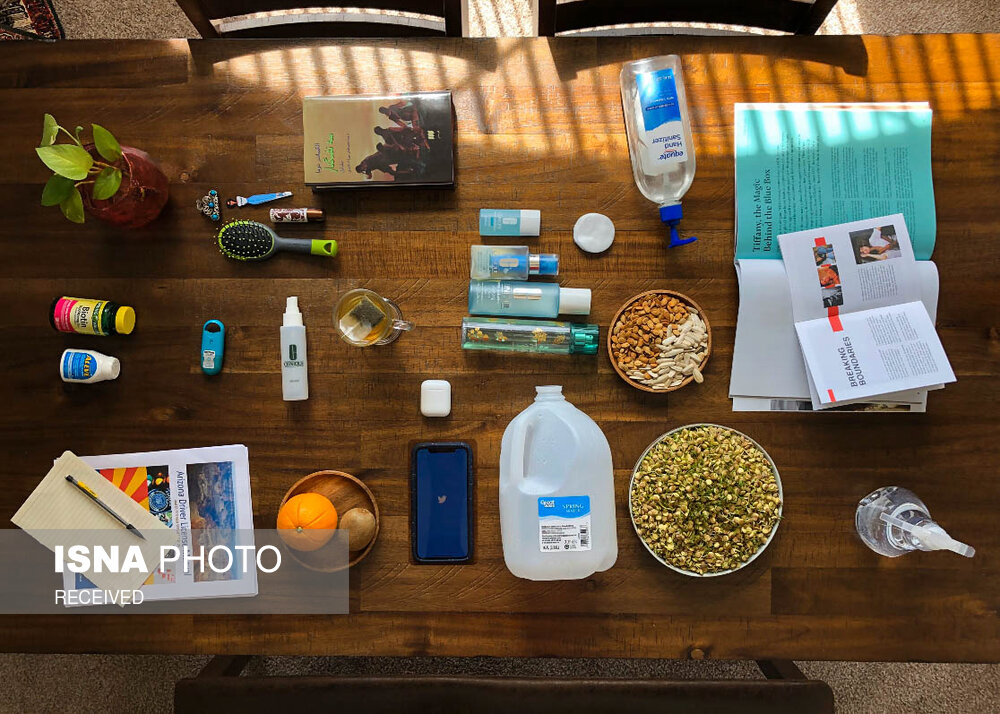
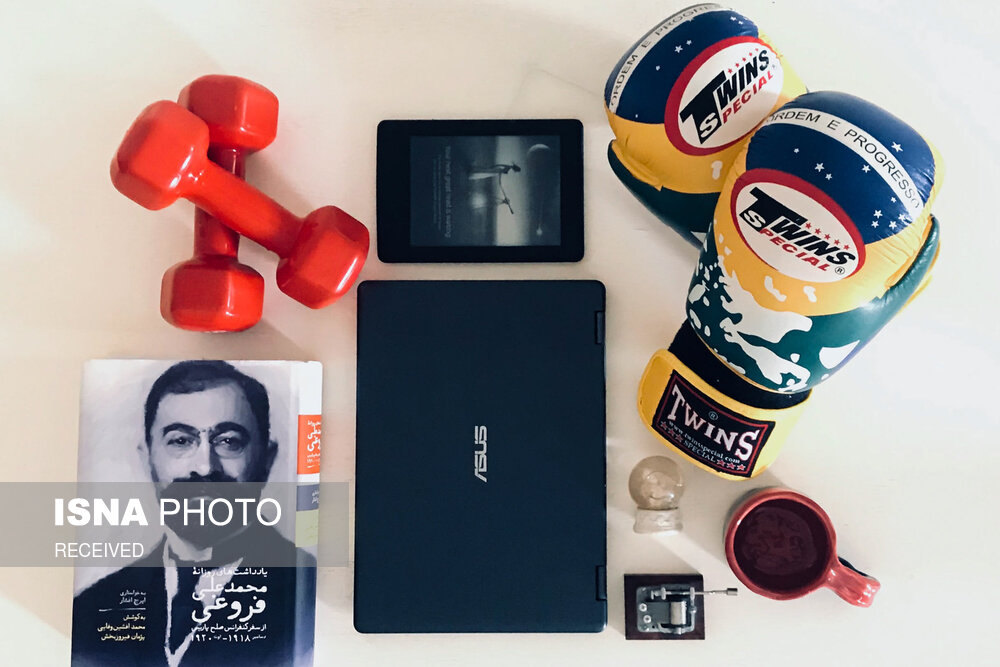
According to Yazdani, the designer of the project, due to the quarantine conditions, the photographs have been taken from people’s belongings by mobile phones. The least editing has been applied to the photos so that they tell their own stories.
 

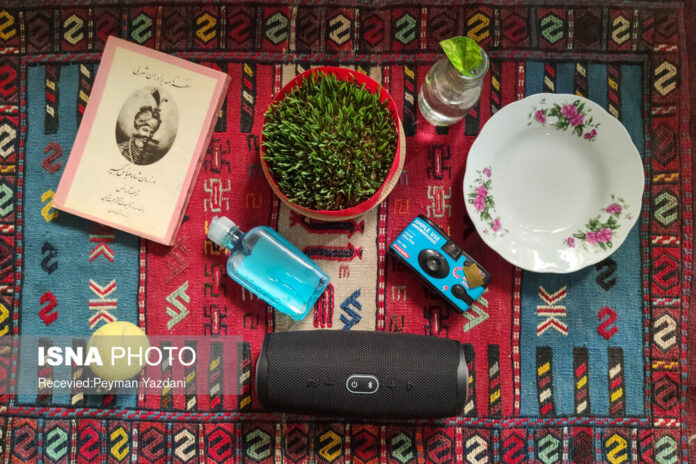
In Pictures: How Iranians Cope with COVID-19 QuarantineFatemeh, 26, USA: I was a journalist in Iran, but since I came here six months ago I have been working in a perfume shop. It’s the first Nowruz at my home. I never thought that the constant connection with different people, who were always my source of energy, would one day become my biggest fear. Nevertheless, I try to think of the good part. We found the Haft-Seen tableware and Sabzi Polo (Herb rice) with fish. So there is still hope, and life is going on.


In Pictures: How Iranians Cope with COVID-19 QuarantineMaryam, 30, Karaj: I spend quarantine days with my mom and dad at home. My life is almost out of order, but it is not too bad. I telework throughout the day and then spend time with my friends via video calls, exercise, read books, watch movies, and play online video games.
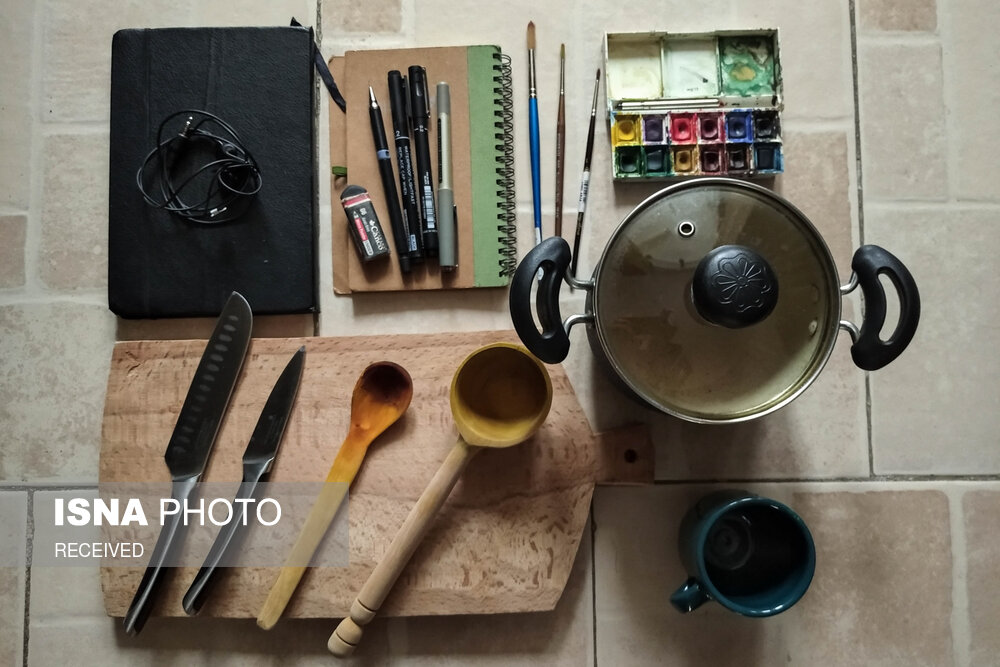


In Pictures: How Iranians Cope with COVID-19 QuarantineVaran, 31, Tehran: I’m a motion graphic designer. I’ve been teleworking for two weeks now. Staying at home has allowed me to make exciting snacks such as cakes and sweets and paint more.
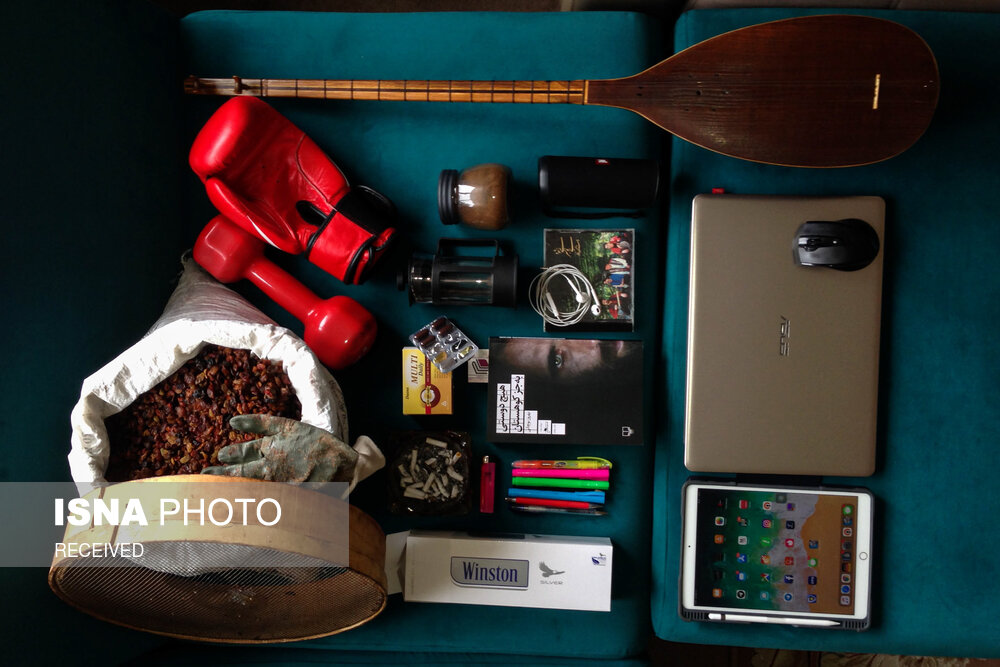


In Pictures: How Iranians Cope with COVID-19 QuarantineFarid, 31, Sanandaj: Except for eating and using the washroom, I don’t get out of my room to avoid dealing with mom’s repeated questions about VPN and opening her Telegram application. I play most of the music albums I’ve collected before and haven’t had the chance to listen. I sleep almost in the morning and when I get up at noon the first thing I do is to open the window and play a song by Shajarian with the volume turned up.
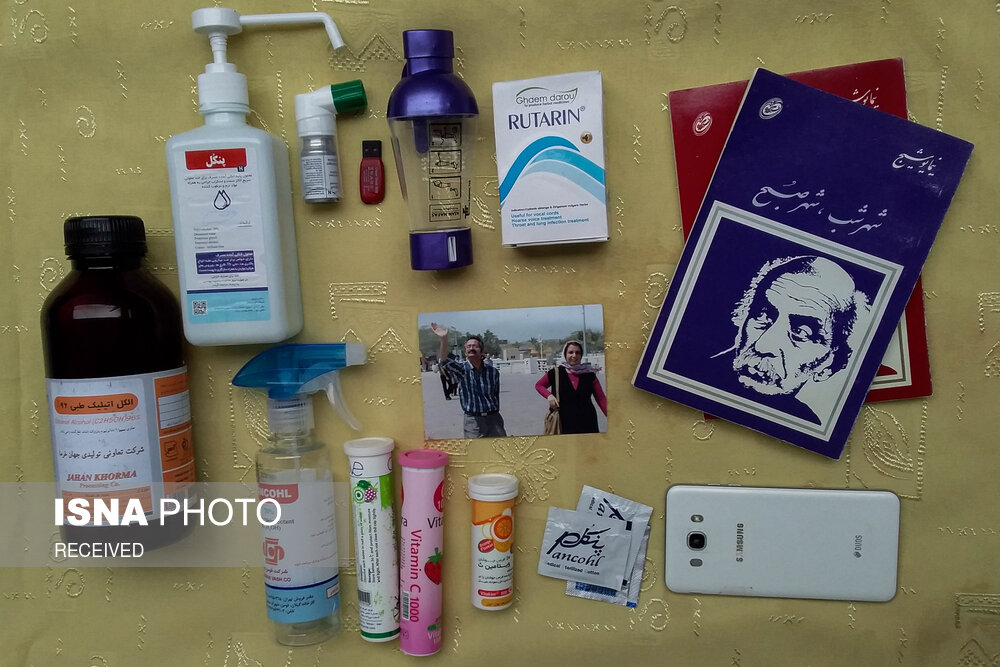


In Pictures: How Iranians Cope with COVID-19 QuarantineArash, 28, Rasht: I have a cafe in Rasht. It’s been a few weeks the cafe is closed down and we are at home. We’re busy with movies, books and mobile phones. Last week, my father died of corona disease, and since then we have spent days with boredom, grief and respiratory problems. All the time we are worried that another family member may also get infected.
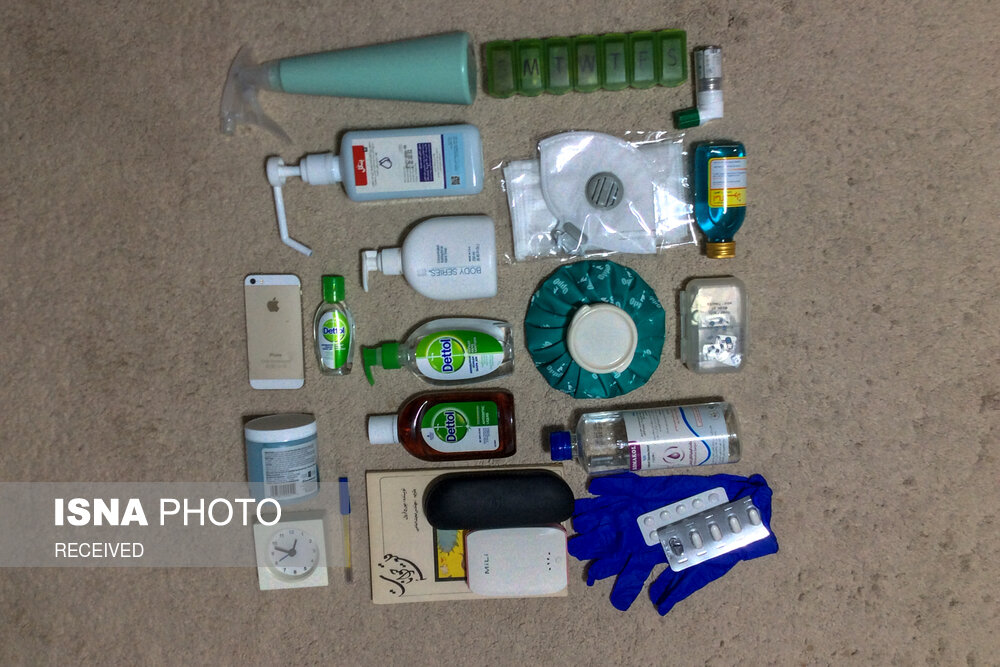


In Pictures: How Iranians Cope with COVID-19 QuarantineMonir, 43, Infected & in Home Quarantine, Dige Sara Village, Talesh: I was a presidential officer, but I resigned. During these days, my lungs became painful and breathing was very difficult. I was almost dying. I was admitted at hospital twice and then released. It is not easy for me to write because my hands are trembling. This situation became really weird. I thought if I write about these days, my writings would be mistaken for an imaginary story. But the reality is that I lived in this imaginary story for many days.
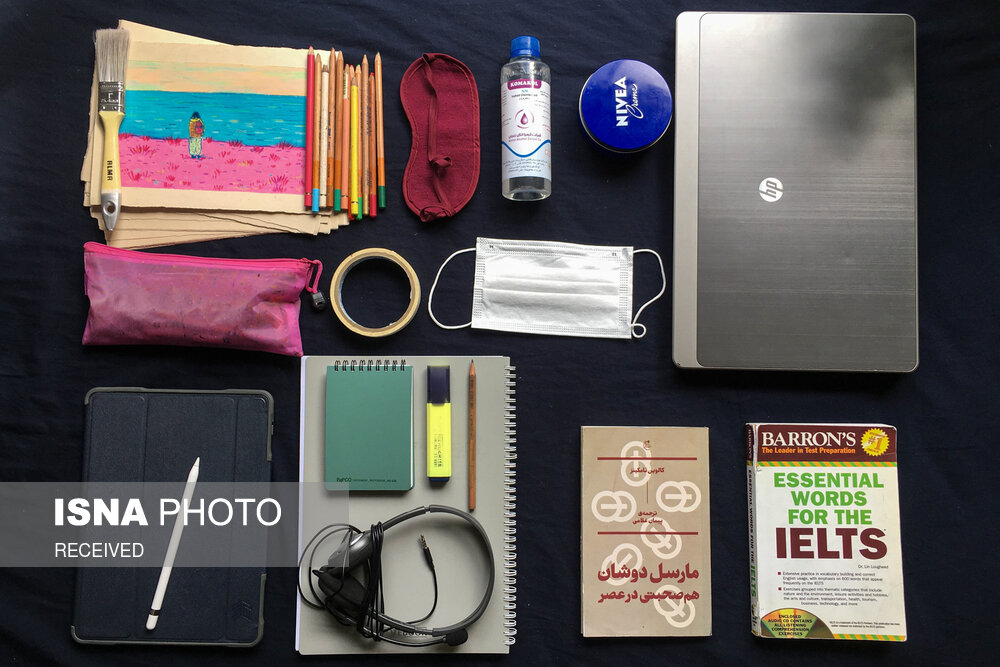


In Pictures: How Iranians Cope with COVID-19 QuarantineSepideh, 33, Hamadan: I’m a graphic designer. If I was told someday I would think about washing my hand with soap for twenty seconds before touching my stuff, I never believed that. I never imagined one day my only worry would be how to disinfect my stuff. In the early days of quarantine, I preferred not to touch my belongings. Sometimes I thought I’m crazy. I was wondering if others disinfect their belongings in the same way!
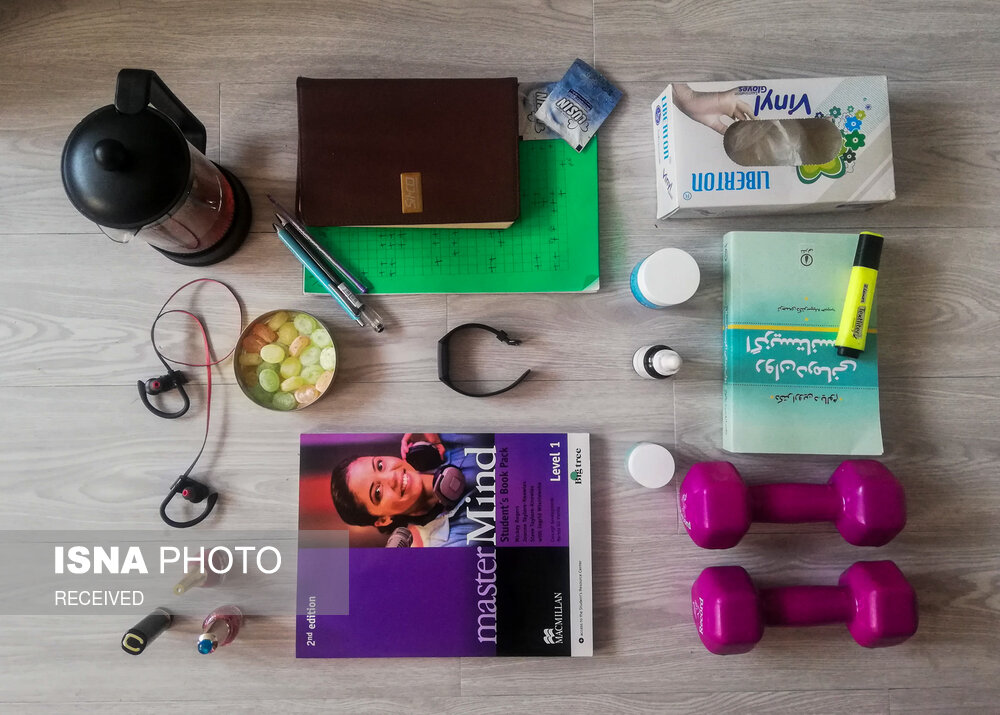


In Pictures: How Iranians Cope with COVID-19 QuarantineAzam, 35, Tehran: I’m a teacher. I’ve been checking out my students’ lessons online these days, which is a lot harder for me than teaching in classroom. As it is not allowed to wear nail polish at school, I did it every day at home and enjoyed! I did more exercise and read books.
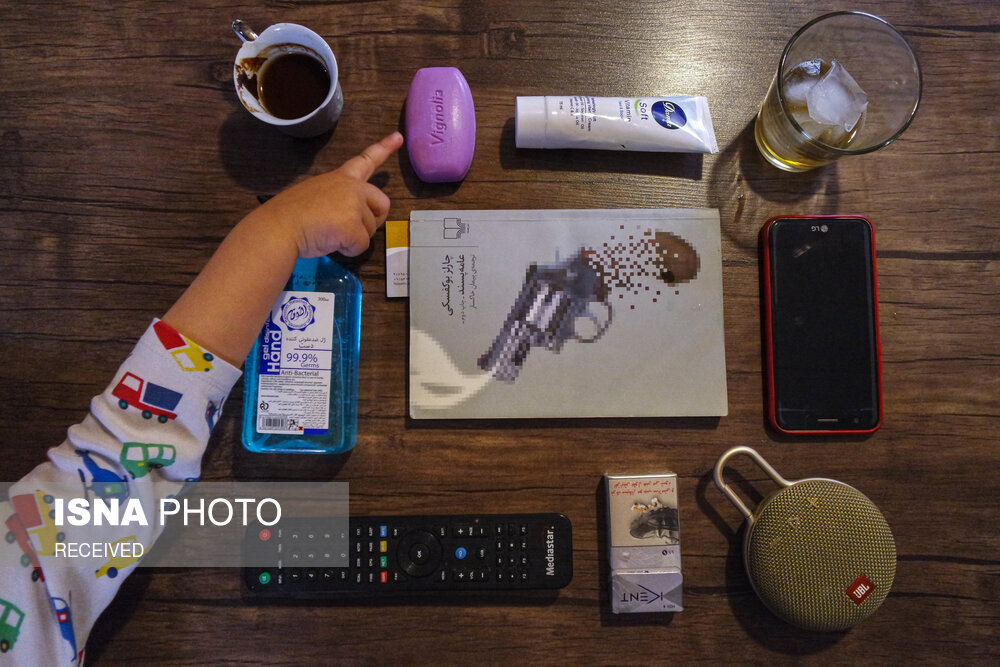


In Pictures: How Iranians Cope with COVID-19 QuarantineMaryam, 33, Tehran: In the morning, she asks “Mom, where are you?”. I go to get her out of bed. First of all, we check that “today is a vacation day again; we are not going to daycare because of the disease outbreak; Mom is not going to work; Dad is going, we are not going to the park, Armita is home too.” Bleacher and alcohol mixed with water will be sprayed four or five times a day. “Mommy what’s the smell?” And every time I explain the odor of the sickness that has forced us to stay home. During the two years and four months that she is also a member of the family, we have never been so close!
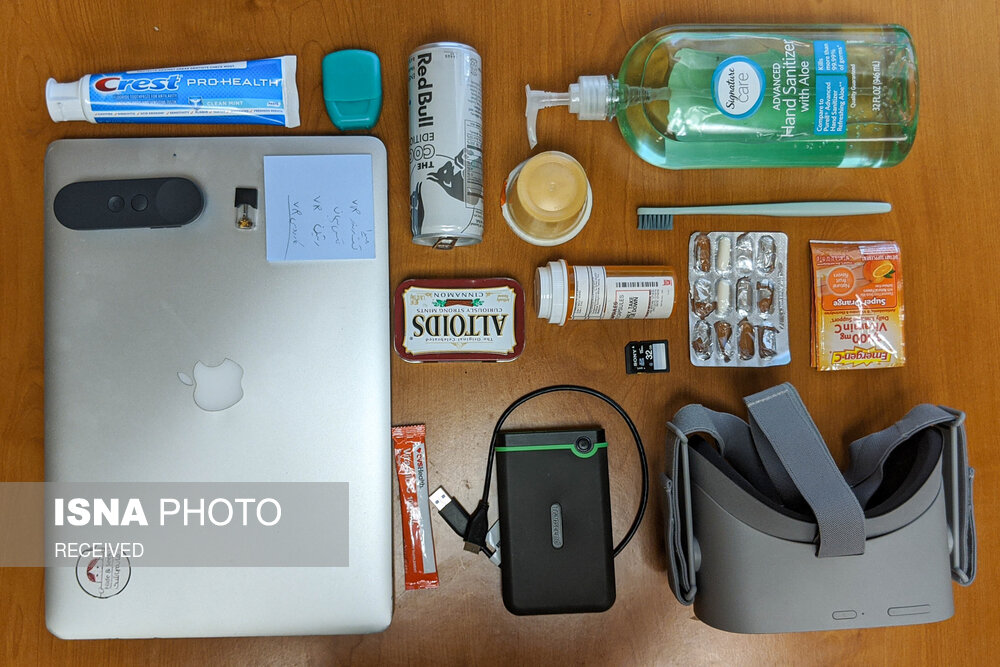


In Pictures: How Iranians Cope with COVID-19 QuarantineNima, 34, USA: I was locked up in my friend’s studio flat to finish a video project. I spend most of my time alone. I watch movies at night and write stories of fears about this clever virus. I eat vitamin C, as my father said, and take vitamin D as my Mom recommended.
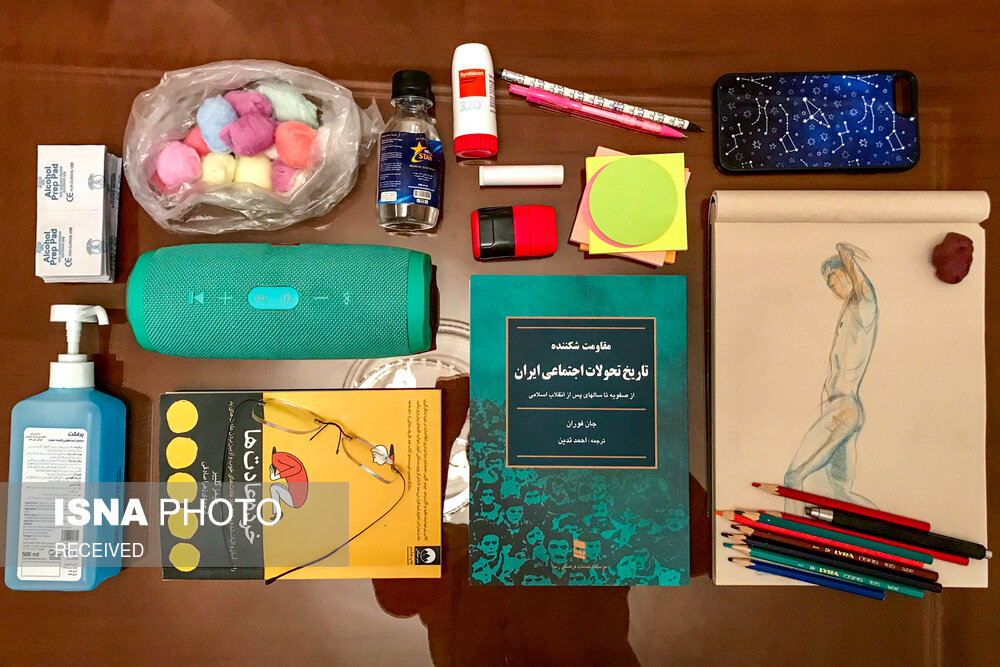


In Pictures: How Iranians Cope with COVID-19 Quarantine

Mahtab, 32, Tehran: I used to be an economic journalist, but now I’m staying home because of corona. Corona made me face my fears! My mom went to her mom’s house and my brother went to his friends’, and I stayed home and lived the biggest fear of my life: loneliness. At first I was scared at nights; I was turning on all the house lights. I was panting with the slightest sound and my heart rate was going up! Two weeks have passed since the first day, and I have embraced the biggest fear of my life.
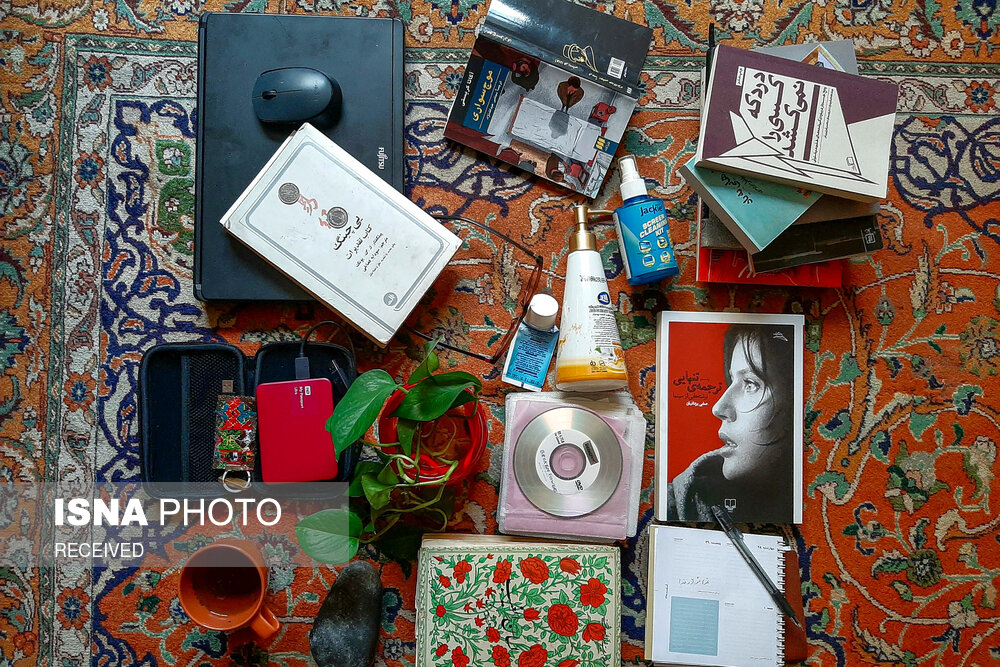


In Pictures: How Iranians Cope with COVID-19 QuarantineShermin, 43, Tehran: I’m a writer. A few times a day I do divination via Hafez for myself, the city, and the people I know and don’t know. I read books. I pick the first one and drop it, I pick the second one and drop it again and then start to write. I talk to the walls and the bird sitting in the yard. I listen to the crow sitting on the persimmon tree. And finally again divination via Hafez! I turn on the light and open the book I dropped in the morning. I put my head on the book and fall asleep.
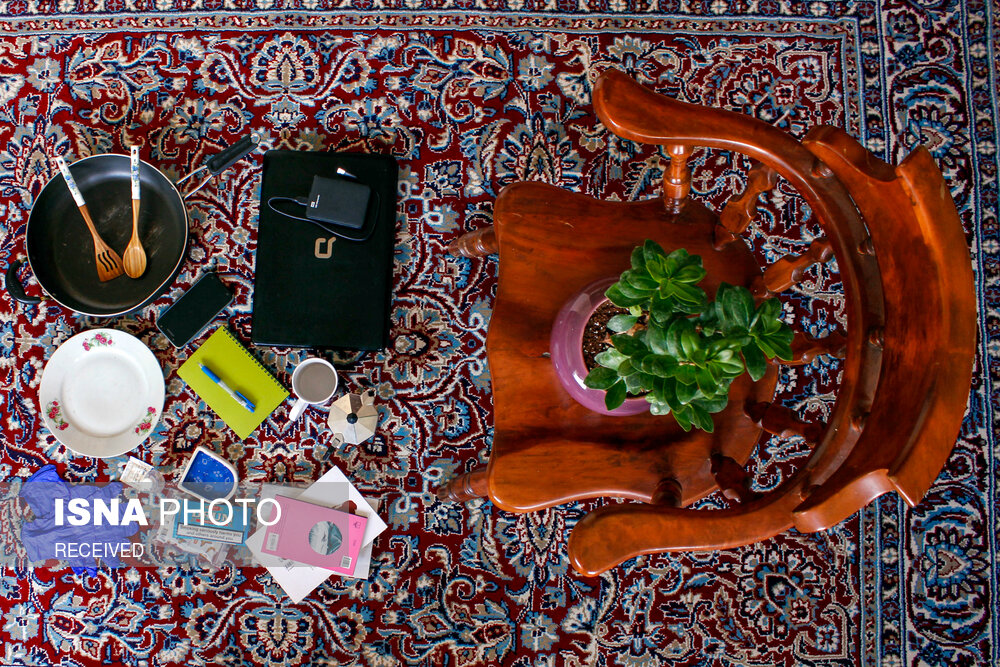


In Pictures: How Iranians Cope with COVID-19 Quarantine

Kourosh, 30, Tehran: I’m a writer and a filmmaker. These days I think of myself, the people around me and my life more than ever. I enjoy cooking, I take care of my flowers, I watch movies, I read some of hundreds of unread books. And of course in the healthiest and cleanest way in my life!
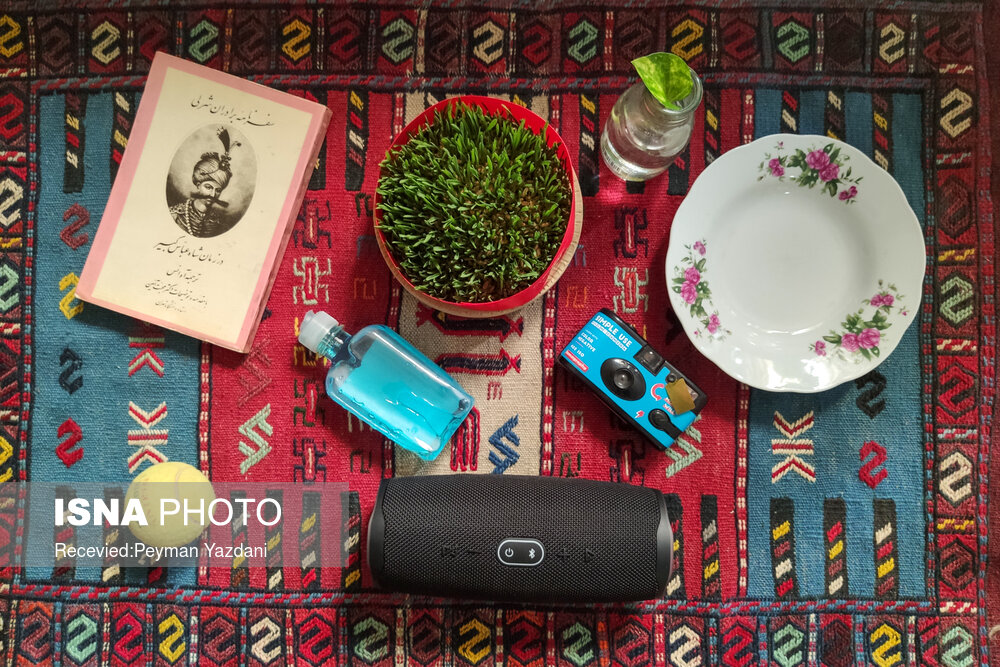


In Pictures: How Iranians Cope with COVID-19 QuarantinePeyman, Photographer, 30: Partial quarantine these days is accompanied by the cessation of several work projects. On the other hand, March and April always was the time to travel and do street photography. This time of year, I used to travel south or wander through the streets of Tehran. Then I started to think I have to spend these days anyhow. So I started exercising at home, thinking about my photography project more seriously, and trying to cook new foods I hadn’t tried. All in all, with all the hardships of staying home, these days are passing differently.

Joint Pains Link Iranian, Afghan People Together: Rouhani

During the video conference, Rouhani told the Afghan poet that what links Iranians and Afghans is their joint pains and treatments.

For his part the Afghan national told President Rouhani about the sacrifice of the Iranian medical staff, adding that history has shown these difficult days will pass by.

Earlier, some foreign media outlets claimed that the Islamic Republic does not admit Afghan nationals infected with coronavirus to hospitals.

Iranian officials strongly rejected the claims saying there is no difference between Iranians and Afghan nationals who are living in Iran.

Here is the video of the conversation between President Rouhani and the Afghan patient:

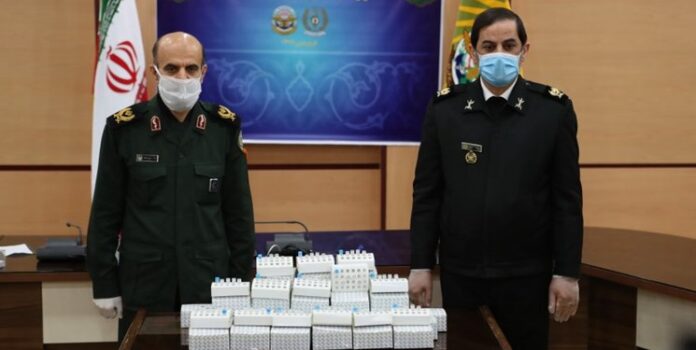
Iran Mass Produces Domestically-Made Coronavirus Test Kits

According to Iranian officials, this kit can diagnose the disease very accurately within three hours and can detect all common genomes in the world.

This kit was designed and manufactured by the Ministry of Defence specialists, and was unveiled Monday morning at the General Headquarters of the Armed Forces.

According to Brigadier General Mohammad Azizi Delshad, Head of the Industrial Research Office of the Armed Forces, an important aspect of mass production of these kits is the armed forces’ readiness for similar biological threats.

“The research sample of this kit was prepared before March and before the first case of COVID-19 disease was diagnosed in the country. Since then, it has gone through its research process and obtained the necessary licences and is now ready to be mass-produced and be available to medical centres,” added Azizi.

Coronavirus online test
If you are worried that you may have contracted the Coronavirus, take this test right now.

This kit is exactly like the ones used around the world and in some cases it has some privileges over them in terms of accuracy, noted Azizi.

The representative of Defence ministry Rear Admiral Amiri, who was attending the unveiling ceremony, said these diagnosis kits are 100% native and can be produced quickly. He said the ministry can export them to other countries if needed.

“These kits comply with protocols announced by the Ministry of Health.”

Number of COVID-19 Infections in Iran Exceeds 40,000

COVID-19 in Iran

The new cases increase the total number of infections to 41,495, and death toll to 2,757.

13,911 have also recovered, according to Health Ministry spokesman Kianoush Jahanpour.

He said 3,511 patients are in severe conditions.

The Iranian official also underlined that up to now over 63 million Iranians have been screened as part of a national mobilization plan.

Coronavirus online test
If you are worried that you may have contracted the Coronavirus, take this test right now.

COVID-19 May Be Result of Biological Terror: Iran’s Health Ministry

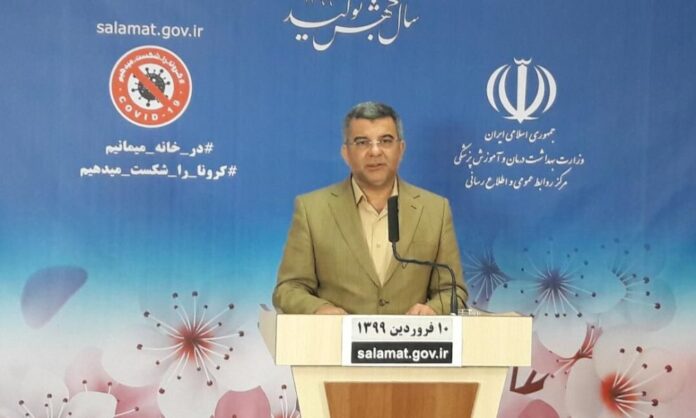
Speaking in an online meeting with correspondents on Sunday, Harirchi said serious investigations are underway in Iran by the National Headquarters to Fight against Coronavirus in this regard.

About the cruel US sanctions and their claims of help to the Iranian people, the Iranian health official said Americans are weeping crocodile tears. “We don’t expect them to help us. If they just remove the barriers, we can provide the resources we need with oil and non-oil exports.”

Social Distancing Better than Quarantine

Elsewhere in his remarks, Harirchi thanked people for following the health ministry’s recommendations.  However he criticised those who did not pay attention to warnings and appeared in gatherings amid the outbreak of the deadly disease in Iran. 

He referred to different levels of quarantine stating that there are four levels of quarantine which focus on isolation of patients with COVID-19. 

Harirchi said the term quarantine is used to refer to a lockdown of people who are suspected of having coronavirus disease or are in contact with an infected person.

The next step is to cut contacts via social distancing. It starts with the closure of schools and universities, and continues with the closure of gathering centres such as markets, places of worship and some unnecessary businesses, he added. 

“We are significantly satisfied with people’s behaviour,” underlined Harirchi.

He also went on to point out to the fourth level in which people were quarantined. In China, a lockdown was placed and it was not possible for people to leave home. 

“In some countries like France they restricted the activities of people, but I ask people to watch the BBC and Al Jazeera that show people’s complaints about the quarantine and shops closure.”

Treatment of Special, Urgent Diseases Must Continue

Regarding the condition of cancer patients he explained that chemotherapy continues uninterruptedly in public treatment centres, and the government advises people not to stop their treatments. “We do not let patients who cannot afford to go to the private sector face financial problems.”

Coronavirus online test
If you are worried that you may have contracted the Coronavirus, take this test right now.

Harirchi further stressed that people with underlying illnesses should refer to the emergency services on time.

Regarding the high costs received from patients for corona test at private labs, he maintained, “We used the test kits donated by the WHO and China in the early stages, but now we have plans to use domestic kits to test suspicious cases. We plan to increase the number of tests to 15,000 per day. We will get help from some private laboratories, and those that asked for excessive costs will be fined. The cost of the imported kits will be 8 Euros which will be paid by the government.”

Corona Vaccine

Most standard and recommended treatments for coronavirus are not corona-specific and have short-term effects, he said about corona-therapy and vaccines.

“Non-recommended treatments are either ineffective or harmful. The minimum time for production of a special drug for Corona is one year to 18 months. The best virus-specific medications have a 40 to 50-percent effect. Most of the news about the discovery of Corona medicine is commercial.”

Iran Providing Better Care than Europeans

“The western countries criticised us at the beginning that why we didn’t take up the opportunity. But the situation in Italy, France, America and Spain showed well that they had more opportunities, but every one saw their [poor] provision of care,” said Harirchi. 

We provide more care with fewer beds, he underlined. 

When Iran’s deputy health minister gets infected, foreigners say he can’t take care of himself how he wants to take care of others. A few weeks later, the British Secretary for Health was infected. One of the TV networks said the British Minister was also infected and it shows how much work he was doing! That is, of course, their nature, continued Harirchi. 

Increase of ICU Beds

With the actions taken, the ICU capacity has increased by more than 55% in the past six years, said Harirchi. “We now have nearly 9,000 ICU beds, and if we did not icrease the number, we would have problems today.  Now, we even have ICU in small cities. 

However, governments of Italy, Spain, France, Germany and the United Kingdom are questioned why they have reduced hospital beds and personnel. The United States has brought a military ship to New York to treat sick people on board.

“We were worried about ned for high capacity when the disease reached its peak, but in no province we did not use more than 40% to 50% of our capacity for corona patients.”

Reduction of Corona Prevalence in 13 Provinces

This Iranian health official also reiterated that the prevalence of corona has decreased in 13 provinces, but it should not be forgotten that there exist 20 million people in rural areas at present.

“We hope that after the Nowruz holidays, the private sector will be more likely to assist the public sector medical staff in treating patients with corona disease because part of the doctors’ offices have not been operating during the holidays,” he said.

According to official figures, there are now nearly 40,000 cases of infection in Iran. In the capital Tehran, the number of newly infected cases has increased. As a counter-measure, officials arranged on Saturday the closure of all shops except for pharmacies, supermarkets and some other necessary outlets. Police checks will also ensure that the remaining inhabitants of every province stay home. Four million people had previously left the capital Tehran because of the spring holiday.

The US cruel and illegal sanctions have weakened the Iranian economy in dealing with the crisis. Iran says the US government’s maximum pressure policy amid the deadly outbreak of the coronavirus is a hygienic terrorism.

Several Iranian officials have called on the international bodies and organisations during the past few days not to follow the policies of the United States and let Iran trade with them.

Iran Extends Foreign Nationals’ Visas to Help Contain Coronavirus Outbreak

“Based on a directive, visas and stay permits for foreign nationals have been extended as of February 20, 2020,” said Colonel Mohammad-Reza Tabaei, the head of the Immigration and Passport Office of the Iranian Police.

Individuals also do not need to go to immigration and passport centres in person to have their papers extended.

“During the time when this extension has been in effect since February 20, we have seen that some Afghan nationals have insisted that they have their visas and stay permits extended in person,” he added.

“Accordingly, based on an agreement reached with the General Department for Foreign Nationals and Immigrants’ Affairs of the Interior Ministry and foreign nationals’ custody offices, it was decided that this group of Afghan nationals go to relevant offices in person with required papers to have their visas renewed,” he said.

“This extension does not apply to foreign nationals whose visas and stay permits expired before February 20,” he added.

Labs’ Capacit‌y to Test People for COVID-19 Rising: Iran Official

US Lying that No Restrictions Put on Food, Drug Import: Iran

Es’haq Jahangiri said Monday there are 93 laboratories up and running across the nation for the diagnosis of the coronavirus.

“Now it is possible to carry out tests to detect more than 10,000 coronavirus cases daily,” he added.

The vice-president also hailed services rendered and measures adopted by the Pasteur Institute of Iran.

“The services offered by the Pasteur Institute of Iran will go down in Iran’s history,” he said.

The vice president further thanked restrictions imposed on pilgrimages to holy sites to contain the coronavirus outbreak.

“With the prudence and wisdom of the country’s religious scholars, the coronavirus was kept from spreading at holy sites,” he said.

He then touched upon restrictions imposed nationwide to stem the spread of COVID-19, saying stricter measures are in the offing should the need arise.

“The National Coronavirus Fight Headquarters will enforce stricter do’s and don’ts if need be,” he said.

The official underlined that people’s health is the government’s top priority.

He said people’s health cannot be compromised, and, hence, stricter rules will be introduced if required in order to further contain the spread of the coronavirus.

US Bans Geared to Tightening Noose on Iran amid Coronavirus Fight: Zarif

US Outlaws Must Be Stopped Before Disaster: Iran’s Zarif

In a post on his Instagram, Mohammad Javad Zarif said Washington is seeking to press ahead with its “maximum pressure” policy.

“’This is the most hideous face of a government which is addicted to sanctions, and which wants to give its failed ‘maximum pressure’ policy a shot in the arm by weakening Iran against the coronavirus,” said the top diplomat.

He said Iran is the only country which is unable to easily buy medical equipment and medications to treat coronavirus patients due to sanctions.

Zarif urged the world to defy the United States’ excessive demands and not allow “sanctions and abidance by sanctions to further perpetuate this war crime.”

The foreign minister said the coincidence of sanctions and the coronavirus outbreak has redoubled the sufferings of Iranians and “narrowed down options in crisis management.”

He said any attempt that would disrupt efforts to tackle the coronavirus pandemic around the world would amount to an “illegal and inhumane” move.

Zarif further added that Iran’s diplomacy apparatus staff members are working in tandem with other institutions and medical community to help tackle the epidemic.

Iran Producing Homegrown Ventilators amid COVID-19 Pandemic

Iran’s COVID-19 Fatalities Surpasses 8,500

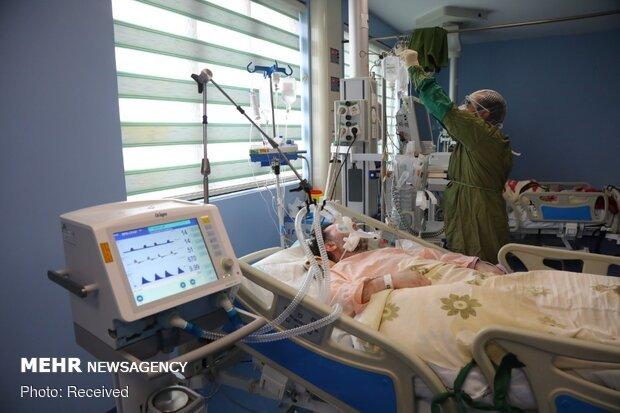
Vice-President for Science and Technology Sorena Sattari says the Iranian company is manufacturing 30 ventilators per day.

Iran used to purchase ventilators and anaesthetic machines from Belgian company Medec International BV in the past, which also offered after-sale services to Iran.

But the Iranian experts at local knowledge-based company ‘Ehya Darman Pishrafteh’ have managed to produce homegrown ICU ventilators and anaesthetic machines inside the country.

The Iranian-made devices are now being mass-produced. In a visit to the knowledge-based company, Sattari said the enterprise is manufacturing 30 ventilators each day and delivers them to the hospitals and medical centers across the country.

Moreover, arrangements have been made to allow for a several-fold increase in the production capacity at the Iranian company.

In a 2018 visit to the Iranian company, located in Toos industrial complex in the northeastern city of Mashhad, the vice-president for Science and Technology had expressed hope that the local enterprise would make great advances in the medical equipment industry and development of technology.

Following its success to supply the domestic needs, Ehya Darman Pishrafteh is now prepared to export its products to the other countries.

One of the biggest challenges faced by health workers around the world amid the coronavirus pandemic is trying to save patients whose lungs are assailed by the virus.

Many patients may need to be put on ventilators at one point or another during the pandemic.

Iran Approves IRR 1,000-Trillion Coronavirus Stimulus Package

Iranian Government Spokesman Ali Rabiei

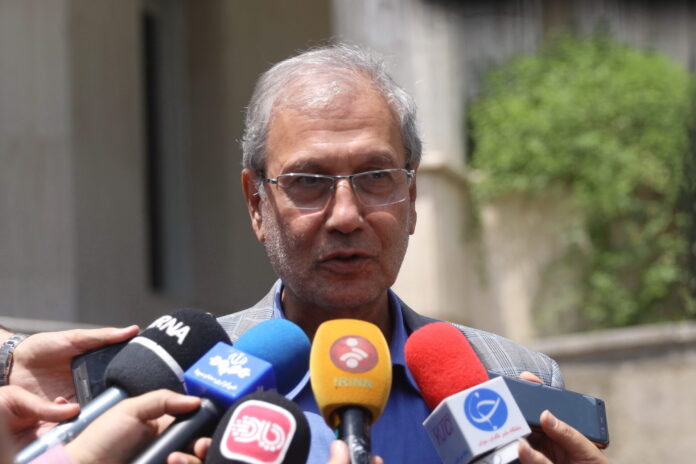
The spokesperson for the Iranian administration, Ali Rabiei, announced on Sunday that the Coronavirus Fight National Headquarters has decided in a meeting to allocate a sum of 1,000 trillion rials (100 trillion tomans) to a major economic package which had been already discussed in a cabinet session.

According to the spokesman, a sum of 8 trillion tomans in the form of livelihood packages will be allotted to the vulnerable social groups who have suffered damages or lost jobs in the wake of outbreak of COVID-19.

The administration has also decided to spend 75 trillion tomans to maintain jobs and protect the enterprises and businesses that have been harmed by the coronavirus, he added.

More than 12 trillion tomans will be also allocated to plans to upgrade the health system and support the people losing their jobs, Rabiei noted.

In order to help the people who have been out of work and to let them return to their jobs, the administration will provide the Unemployment Insurance Fund with a sum of 5 trillion tomans, which would be paid in several forms, he explained.

Earlier in March, President Hassan Rouhani had ordered the Ministry of Labour to allocate government handouts to the unemployed and those without a fixed income amid the outbreak of the novel coronavirus that has affected many economic sectors.

First Vice President Eshaq Jahangiri had also issued an order to provide special support for the female-householder families and mitigate the harmful effects of the novel coronavirus outbreak on them.