Friday, April 24, 2026
Home Blog Page 2743

Four Iranian Firms Attend Tokyo Nanotech Exhibition

The Nano Tech 2018 was held on February 14-16 in Japan’s capital of Tokyo, with over 600 firms and agencies from 21 countries in attendance.

According to a Farsi report by the website of Iran Nanotechnology Initiative Council, more than 50,000 visitors visited the trade fair this year.

The INIC is an affiliate of Iran’s Vice-Presidency for Science and Technology, tasked with promoting knowledge-based economy.

The knowledge-based economy is a system of consumption and production based on intellectual capital, in which a significant part of a company’s value may consist of intangible assets, mainly the value of its workers’ knowledge.

The incumbent administration has adopted plans to commercialize knowledge-based firm, as knowledge-based activities can make a significant contribution to Iran’s economic development by increasing added value among other things.

The main priorities are to promote the establishment of more knowledge-based firms and to encourage universities to focus largely on knowledge-based economy.

There are over 3,000 such companies in the country, which can benefit from governmental loans to finance their projects

Experts believe nanotechnology could worth a lot to the Iranian economy, as Iran currently ranks seventh globally in this field, according to the data released by Iran’s Vice-Presidency for Science and Technology.

The government plans to boost export of nanotechnology-related products and equipment to $1 billion by 2019.

For a brief review of Iran’s achievements in various fields of science and technology, check the book “Science and Technology in Iran: A Brief Review

Promoting knowledge-based companies is a main principle of Resistance Economy, a concept aimed at weaning the Iranian government from heavy dependence on oil revenues and boosting productivity and export

It was first proposed by the Leader of Islamic Revolution in 2011, amid the tightening of international sanctions on Iran, which were imposed over unproven allegations that its nuclear program has military purposes.

The sanctions were lifted under the 2015 nuclear deal, which removed international sanctions in return for confidence-building curbs on Iran’s nuclear work.
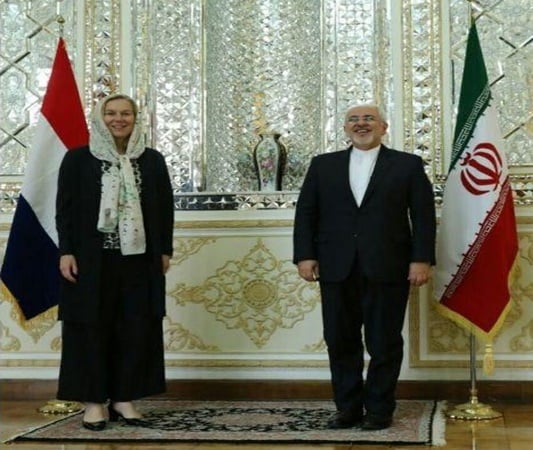
Iranian, Dutch FMs Discuss Bilateral, Int’l Issues in Tehran

During the Wednesday meeting, the two foreign ministers exchanged views on ways of boosting bilateral relations as well as regional and international issues.

Among the topics on the agenda of the talks was the expansion of mutual economic ties, especially in the field of oil and gas, as well as parliamentary and banking relations.

For her part, Kaag expressed her country’s willingness to forge closer cooperation with entrepreneurial Iranian companies.

She also stressed the Netherlands’ support for the full implementation of the JCPOA, saying Amsterdam remains committed to the enforcement of the deal.

The two sides also discussed the ongoing situation in the region, especially the developments in Yemen and Syria.

Kaag, who arrived in the Iranian capital on Tuesday night, had earlier met with Iranian President Hassan Rouhani.

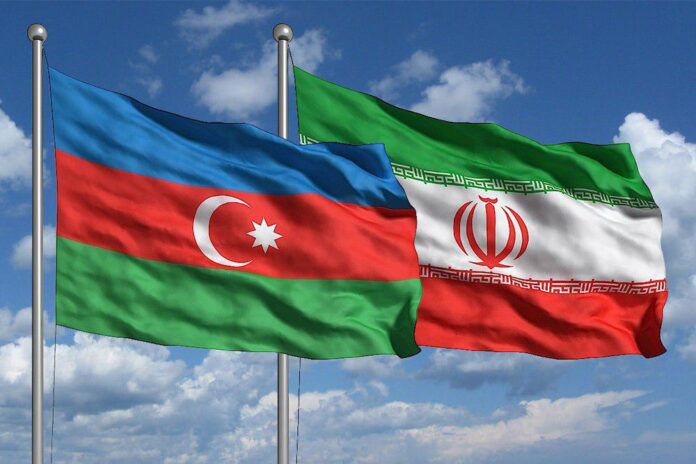
Iran, Azerbaijan to Jointly Produce Military Equipment

Officials Say Iran-Azerbaijan Border Should Remain Open amid Coronavirus Fight

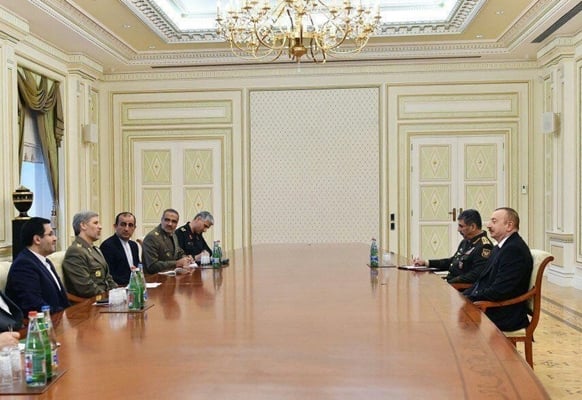
The agreement was reached in a meeting between Iranian Defence Minister Brigadier General Amir Hatami and Azeri Defence Industry Minister Yavar Jamalov.

During the Wednesday talks in Baku, the two sides exchanged views on mutual cooperation on the joint manufacture of military equipment, technical-military issues and using cutting-edge technologies, according to the Persian-language Fars News Agency.

The meeting was part of the itinerary of the Iranian defence chief, who has travelled to Baku heading a military delegation. He has already sat down with Azeri President Ilham Aliyev and his opposite number Zakir Hasanov.

After his meeting with Hasanov, Hatami described his meeting with Azeri officials in particular President Aliyev as ‘very good’, saying that both countries’ leaders attach special importance to high-level relations between Tehran and Baku.

The top Iranian general is scheduled to visit Azeri military and defence centres on Thursday.

Charity Market Held in Japan to Help Iran’s Quake-Hit People

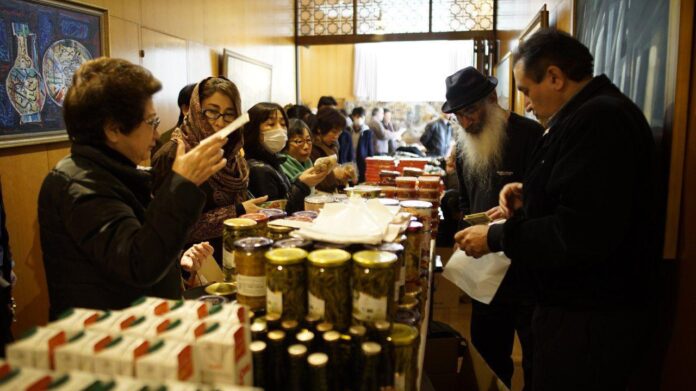
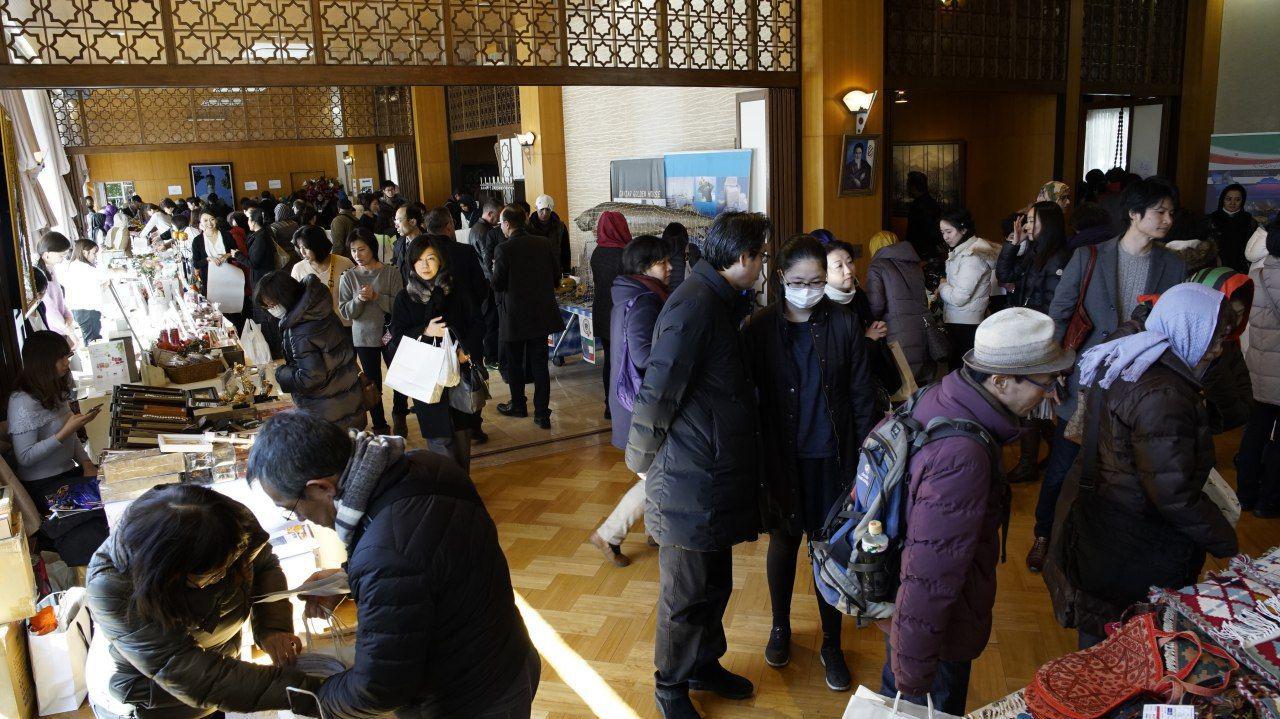
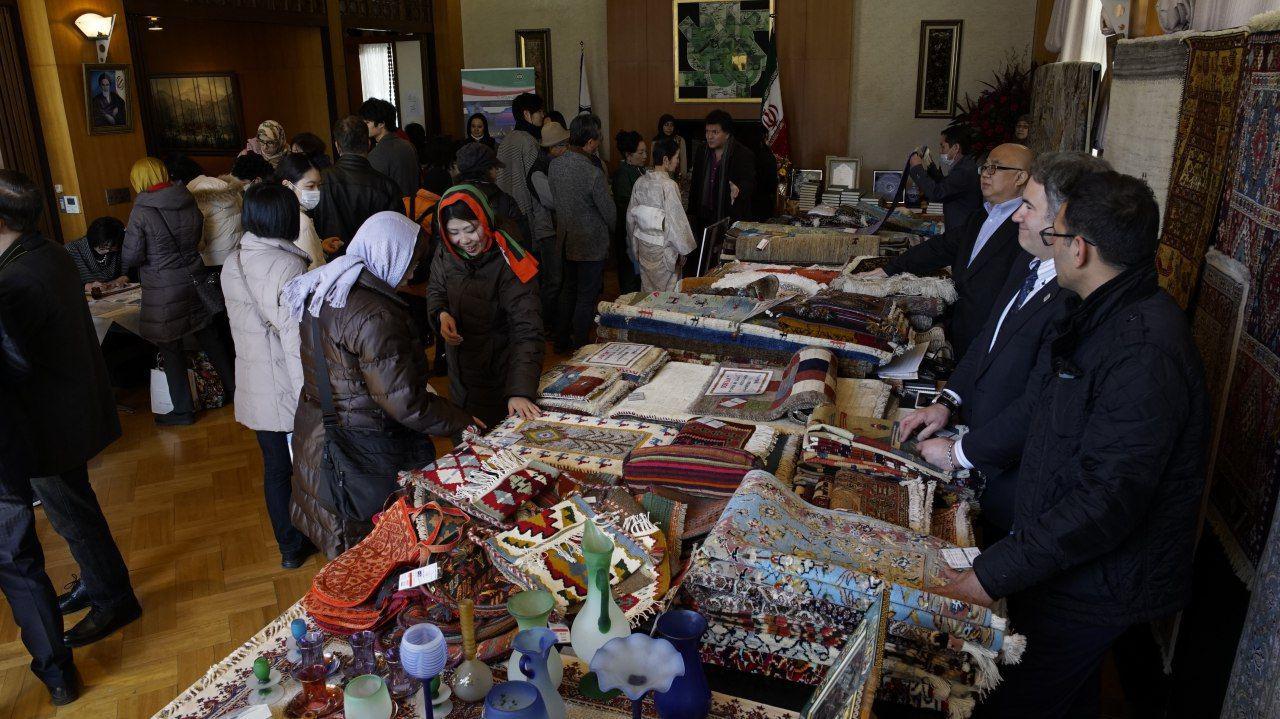
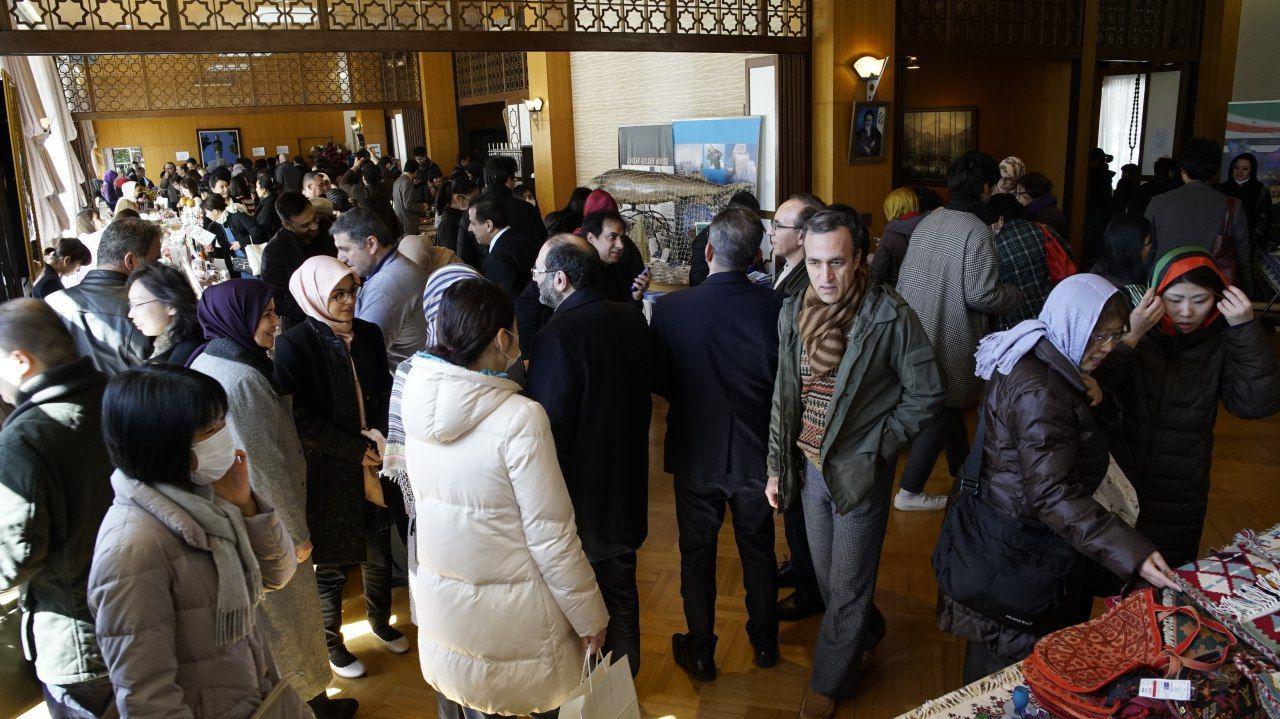
The fundraising market was held on Sunday February 19 with participation of some Iranians residing in Tokyo including the embassy staff, Al-Mustafa International University, Iranian Cultural attaché’s office, Persian Carpet Association, and a number of Iranian and Japanese businesspersons.

According to a Farsi report by IRIB, Iranian dishes, handicrafts, rugs and food products were put on the show and the Japanese welcomed the event.

The financial benefits of the market would be allocated to those stricken by the strong quake in western Iran.

In November 2017, a magnitude 7.3 earthquake struck western Iran, killing more than 600 and injuring thousands. Sarpol-e Zahab suffered half of the temblor’s casualties.

Iran, which sits on several geological fault lines, is prone to earthquakes and suffers a quake per day on average.

The following are IRIB news agency’s photos of the event:

Iran President Calls for Promotion of Ties with Spain

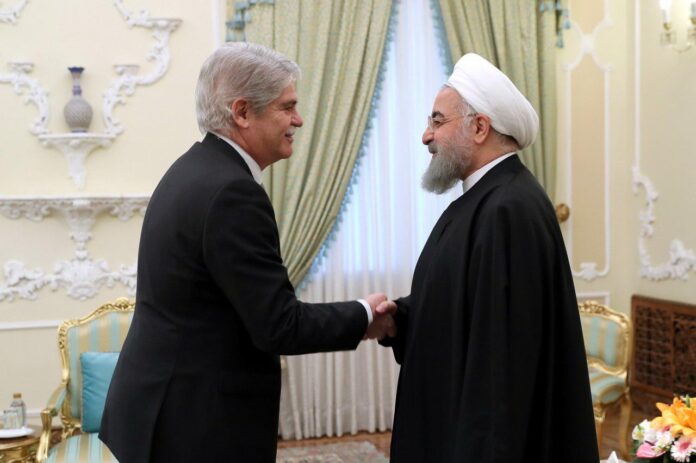
Iranian President Hassan Rouhani receiving Spanish Foreign Minister Alfonso Dastis in Tehran on February 21, 2018 / Photo retrieved from the president's official website

In a Wednesday meeting with visiting Spanish Foreign Minister Alfonso Dastis, Rouhani said strengthening of relations between Iran and Spain in the banking field provides the two sides with a firm basis on which they can further increase their economic relations.

The Iranian president noted that there has been an appropriate ground for enhancing cooperation between Iran and the European Union after the Iranian nuclear deal signed in 2015, a Farsi report by the president’s official website said.

He underlined that full implementation of the JCPOA is in the interest of the region and the whole world and facilitates enhancing relations between Iran and the EU.

“The deal came into fruition following hard efforts and marathon talks between Iran and the EU. So, all sides have to remain committed to the deal,” he added.

He categorically rejected any proposal to hold new round of talks on the JCPOA and noted the Islamic Republic of Iran will remain committed to the deal as far as the other sides are committed.

President Rouhani then cited restoring regional security, putting an end to Yemen’s war and waging war on terror as the main fields in which Iran and the EU can establish positive cooperation.

He also underlined that following their heavy defeats in Iraq and Syria, the terrorist groups have spread across the region.

Iranian president also warned against the arms race in the region, saying “all states should play their role in preventing the region from turning into an arsenal.”

For his part, the Spanish foreign minister praised Iran’s regional role and expressed hope that the strengthening of ties between Iran and Spain could lead to further stability and public prosperity for the region.

Dastis arrived in Tehran on Tuesday for a two-day visit to hold talks on bilateral and regional issues.

Bitcoin, Other Cryptocurrencies Not Recognized in Iran: Central Bank

Impact of Biometric Technology on Cryptocurrency

In a recent statement, the central bank rejected as baseless the reports on its role in the sales of and transactions in cryptocurrencies.

“The wild fluctuations of the digital currencies along with competitive business activities underway via network marketing and pyramid scheme have made the market of these currencies highly unreliable and risky,” the central bank was quoted as saying in a Farsi report by the Iran newspaper’s website.

The central bank also warned the Iranian citizens about the high risks of making investment in the volatile market of the digital currencies saying they “may lose their financial assets.”

The Central Bank of Iran says it is cooperating with other institutions to develop a new mechanism to control and prevent digital currencies in Iran.

Iran’s ICT Minister Mohammad-Javad Azari Jahromi also declared on Wednesday that Iran’s Post Bank is working on a locally-developed cryptocurrency, which needs to be tested by the ICT ministry.

For a brief review of Iran’s achievements in various fields of science and technology, check the book “Science and Technology in Iran: A Brief Review

Bitcoin is a cryptocurrency and worldwide payment system. It is the first decentralized digital currency. Its conception is peer-to-peer and transactions take place between users directly, without an intermediary.

These transactions are verified by network nodes through the use of cryptography and recorded in a public distributed ledger called a block-chain. Check bitcoin loophole website here.

Bitcoin and other cryptocurrencies are used because they offer low-cost money transfers, are a censorship-resistant alternative store of wealth, allow for investment in innovative early-stage startups, let the users make private transactions (for example to purchase cannabis or drugs online) and send non-cash remittances, among others.

Minister Blasts Rioters’ Deadly Attack on Police Forces in Tehran

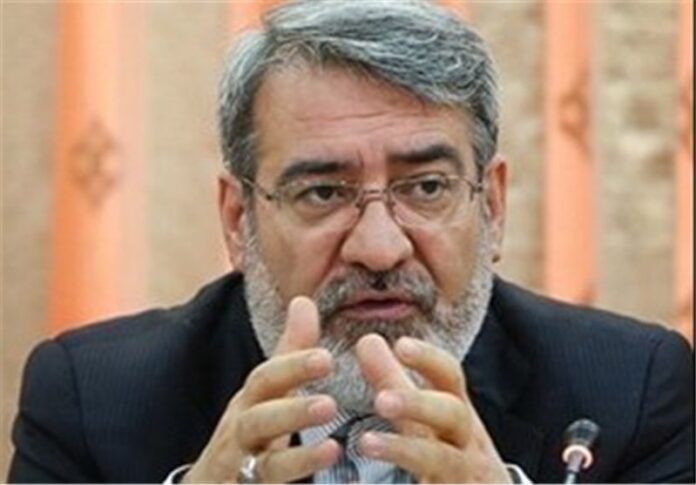
Speaking to reporters on the sidelines of a cabinet session in Tehran on Wednesday, Rahmani Fazli offered his condolences to the bereaved families of five security forces who were killed in an attack by the dervishes.

“All those disrupting the security would be treated decisively,” he said, adding that there would be no dialogue with the rioters.

The minister further said it is expected that the Judiciary bring to justice all those who broke the law.

Speaking at the cabinet meeting, Iranian President Hassan Rouhani also pointed to the incident and said no violent or insulting move against police forces would be tolerated.

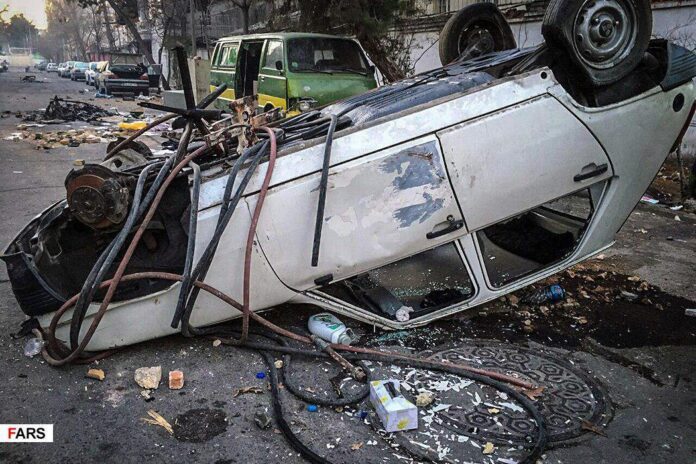
On Tuesday, Police Spokesman Brigadier General Saeed Montazer-al-Mahdi told the Tasnim News Agency that the Law Enforcement forces had arrested more than 300 members of the Gonabadi Dervishes, including the drivers of a bus and a car that plowed through a group of police forces.

In the attacks by the dervishes, three Law Enforcement forces and two members of the Basij (Mobilization) Force were killed.

Unfortunately, 30 police forces were also injured and many public and private properties were destroyed in the clashes, Montazer-al-Mahdi said.

The rioters had gathered in front of a police station in northern Tehran, demanding the release of some members of their community.

A video on social media showed a white bus plowing through a group of around 40 riot police officers in a narrow street.

Spain Reiterates Support for Iran Nuclear Deal, Urges Enhanced Ties

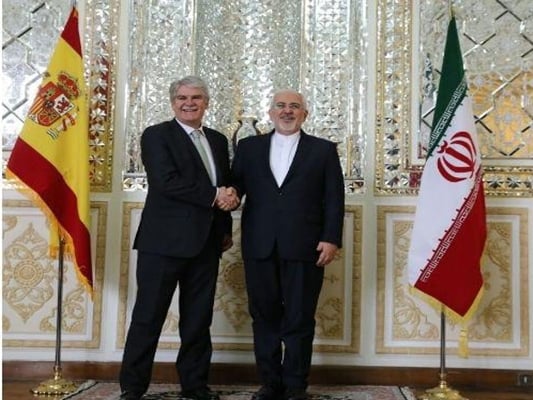
In a Wednesday meeting with Iranian Foreign Minister Mohammad Javad Zarif in Tehran, Dastis expressed his satisfaction with visiting Iran and added this is his first visit to the country.

“I hope I would make more visits to Iran in the future,” he noted.

Touching on the nuclear deal between Iran and six world powers, he added as a member of the European Union, Spain remains committed to the deal.

The Iranian foreign minister, for his part, referred to the longstanding relations between Tehran and Madrid, and called for expansion of relations between the two states in all fields.

The two top diplomats also called for expansion of cooperation between Iran and Spain in tourism, environment, energy, advanced technologies, transportation, and academic fields. They also exchanged views on regional developments.

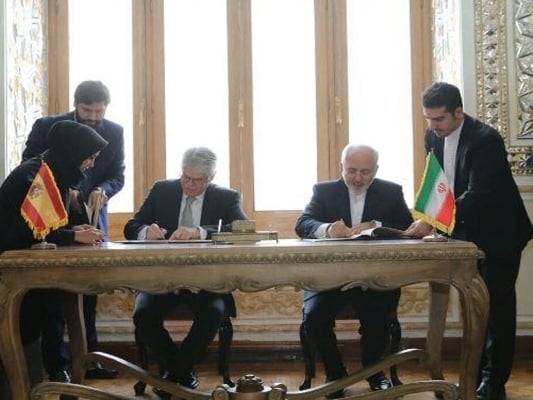
At the end of the meeting, Zarif and Dastis signed Memorandums of Understanding to expand bilateral ties and political consultations. The railway officials of Iran and Spain also inked an MoU on development of cooperation in rail transportation.

Spanish foreign minister arrived in Iran on Tuesday at the head of a high-ranking politico-economic delegation for a two-day visit. He has also held talks with Iranian President Hassan Rouhani on bilateral and regional issues.

Spain Reiterates Support for Iran Nuclear Deal, Urges Enhanced Ties

Azeri President Welcomes Closer Cooperation with Iran

Speaking in a Wednesday meeting with Iranian Defence Minister Brigadier General Amir Hatami, Aliyev said he is pleased to see bonds of friendship between the two countries being strengthened, adding that Tehran-Baku partnership could act as a model for the region.

Stressing the need for greater unity among regional states in the face of common threats, the Azeri president said interventions by outside powers and external support for terrorist outfits and separatist movements are biggest dangers to the region, IRIB news agency said in a Farsi report.

Aliyev hailed successful development of the friendly and brotherly relations between Azerbaijan and Iran in different areas, including military and military-technical fields.

Emphasizing regular high-level reciprocal visits, President Aliyev described the fact that the Azerbaijani and Iranian presidents have held nearly 10 meetings in recent years as a sign of high-level relations between the two countries.

He referred to his last visit to the Islamic Republic of Iran, saying he had fruitful discussions with the Leader and President of the country.

President Aliyev expressed his confidence that Hatami’s visit would create a good opportunity to discuss the current state and prospects of Azerbaijan-Iran cooperation in military and military-technical areas.

For his part, Hatami said his trip to Azerbaijan, which follows the formation of Iran-Azerbaijan Joint Defence Commission, shows the two governments are willing to work towards closer relations and compensate for the past shortcomings in the development of bilateral cooperation.

The joint commission the defence minister was referring to held its first meeting late October in Baku, in which senior defence officials from the two countries explored ways of boosting defence cooperation.

Hatami said the Iranian government is ready to transfer its anti-terror experience to Baku, responding to concerns that terrorist outfits who have been operating in Syria and Iraq so far could target other countries of the region as calm is returning to the two countries.

The Iranian general said Tehran urges creating regional mechanisms for settling West Asia problems, believing nations in the region can better decide how to solve their issues.

General Hatami arrived in Baku earlier in the day, heading a high-ranking delegation, and plans to hold talks with senior Azeri officials during his two-day stay.

Acts of Violence by Any Group Not Tolerated: Iran President

Hassan Rouhani said in a Cabinet meeting on Wednesday that violence against, and disrespect for police cannot be tolerated, whatsoever.

“While respecting all ideologies and beliefs and accepting diversity of ideas and cultures, we categorically condemn violent behaviour by any group,” President Rouhani underscored, reacting to the recent clash between police forces and a number of rioters affiliated with dervishes, during which three soldiers and two Basij forces were killed.

Rouhani said he will instruct relevant institutions to launch an investigation into the root causes of such incidents in a bid to boost national integrity and solidarity and boost unity and convergence.

Rouhani also expressed condolences to the families of those killed in recent violence in Tehran.

The security forces were killed by so-called dervishes who recently raided a police station in Tehran.

One of the Basij troops was killed in a car ramming and another lost his life in a knife attack. It came after three members of security forces were killed in a bus attack by the agitators.

The violence also left 30 policemen and a number of attackers injured. Police said more than 300 people were arrested in the violence that erupted during an illegal rally by dervishes in Tehran’s Pasdaran neighbourhood.

Reinforcements were immediately deployed to the area to maintain public order. Police said agitators also damaged public property and smashed the windows of nearby houses.