Monday, April 27, 2026
Home Blog Page 273

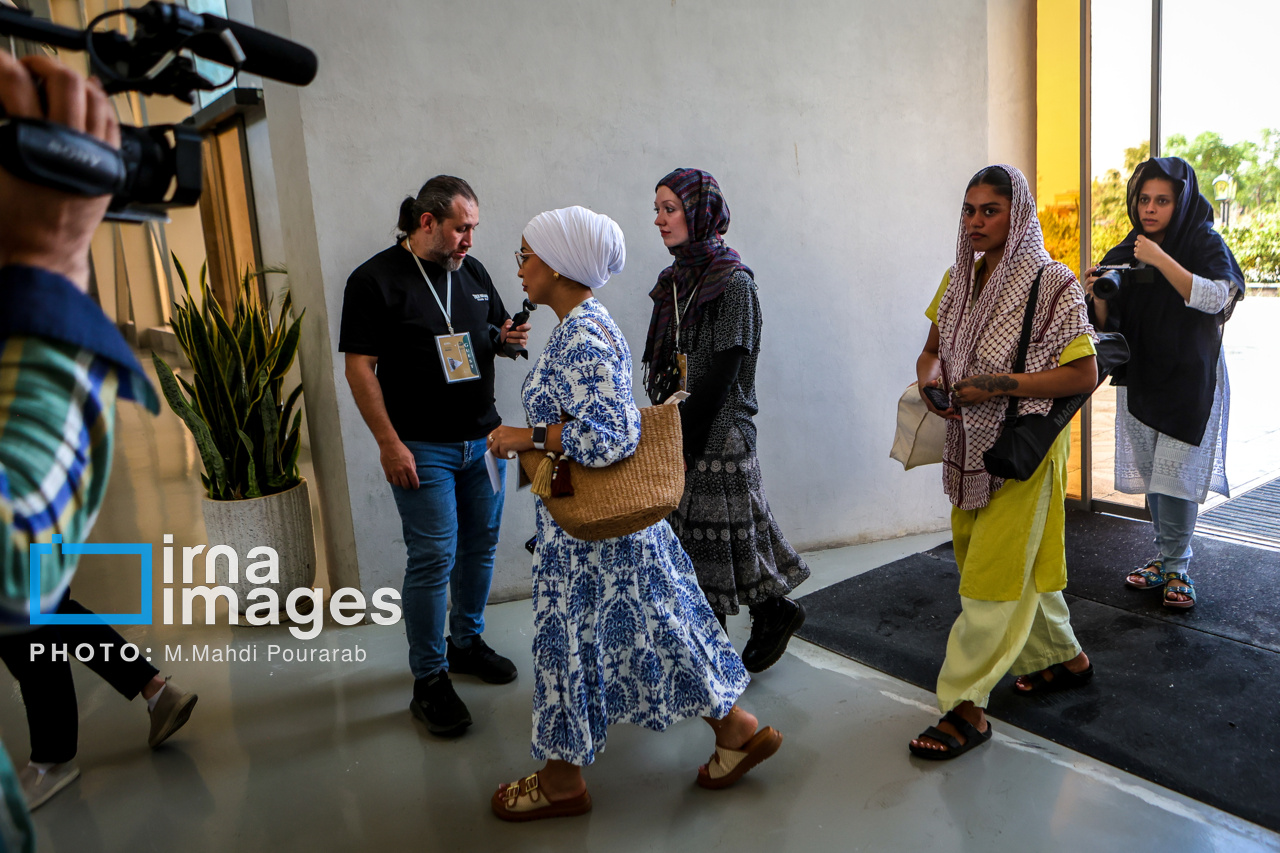
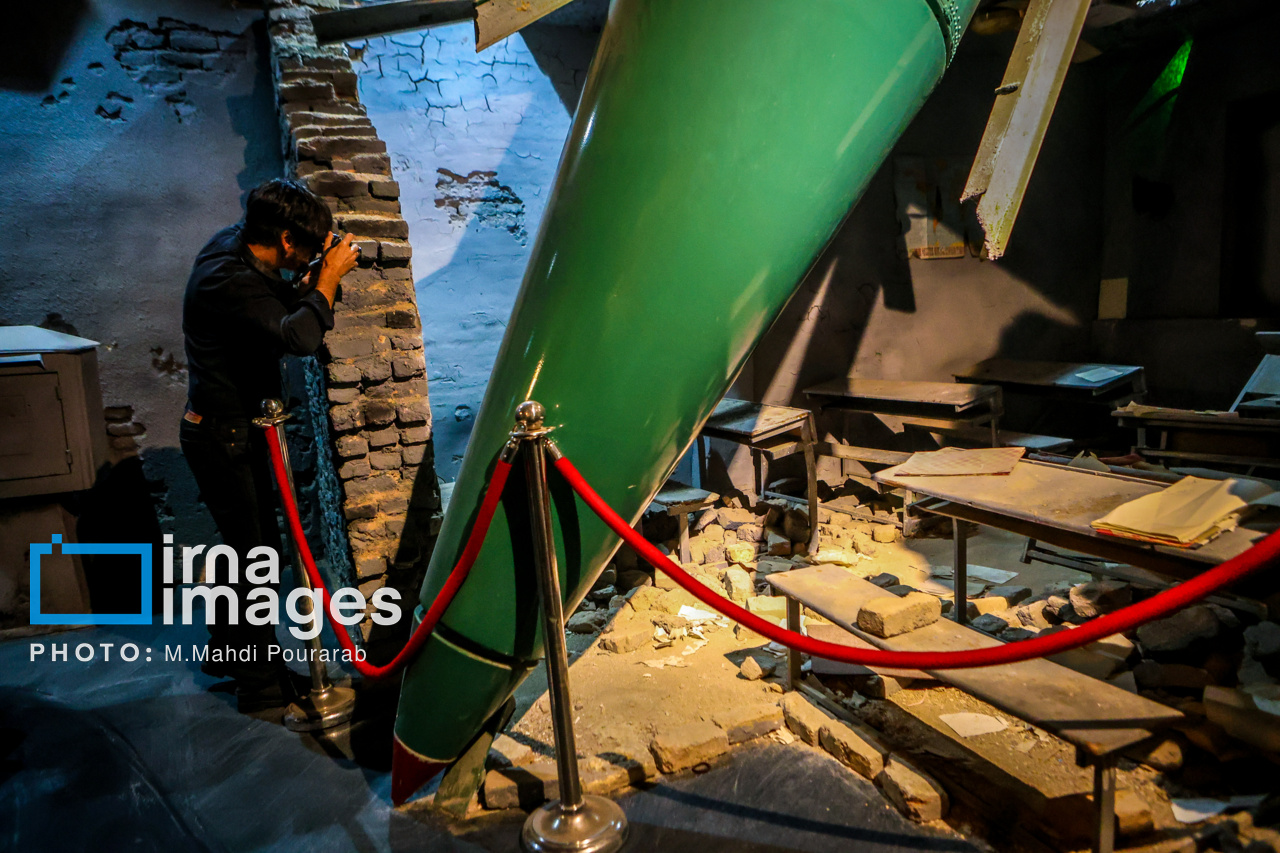
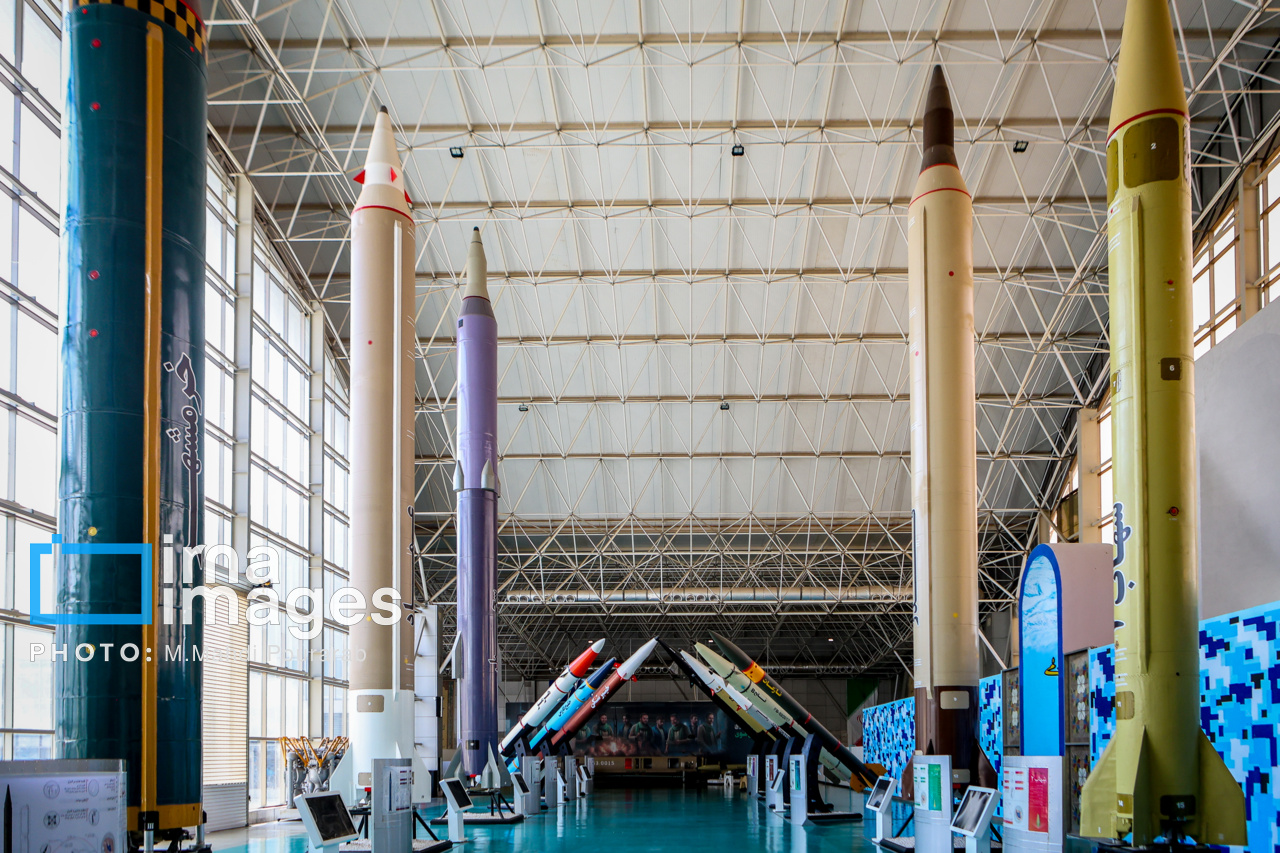
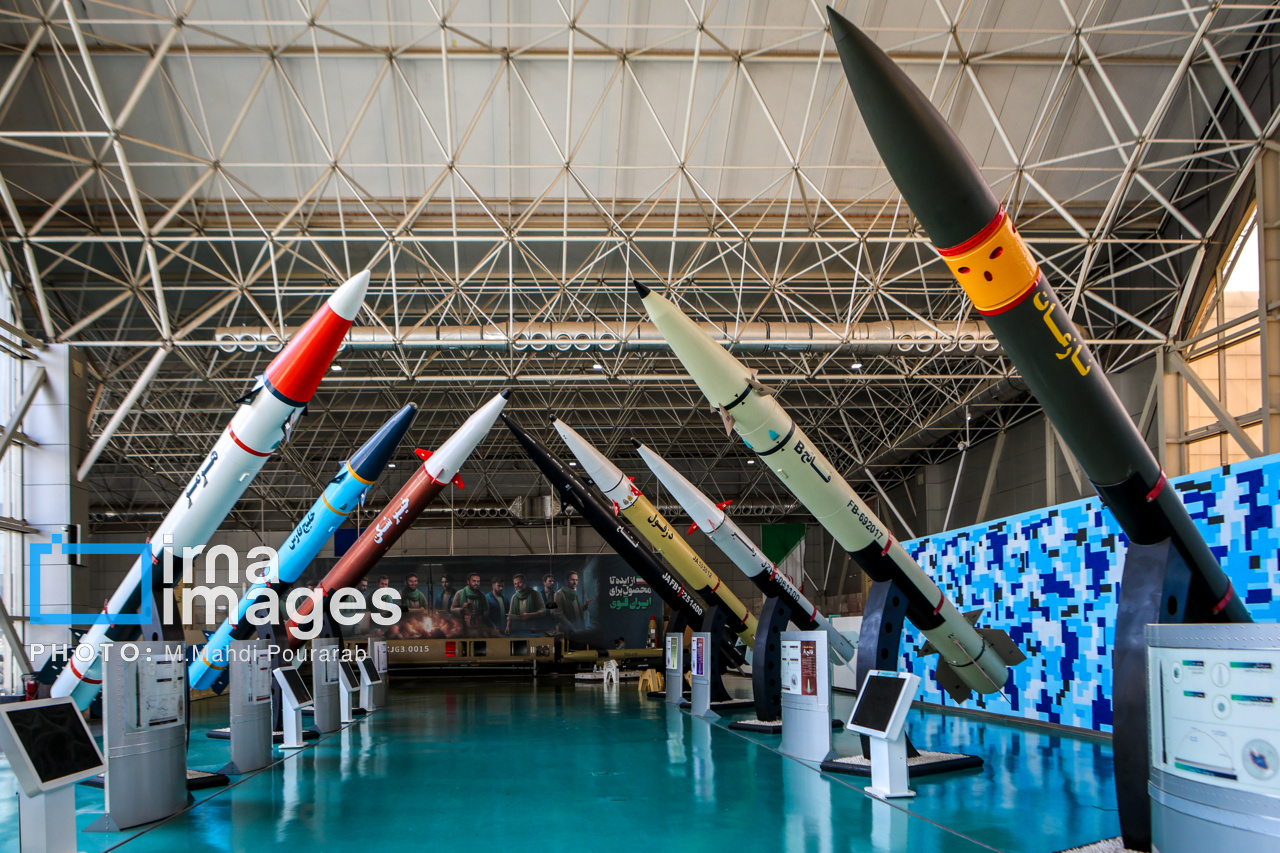
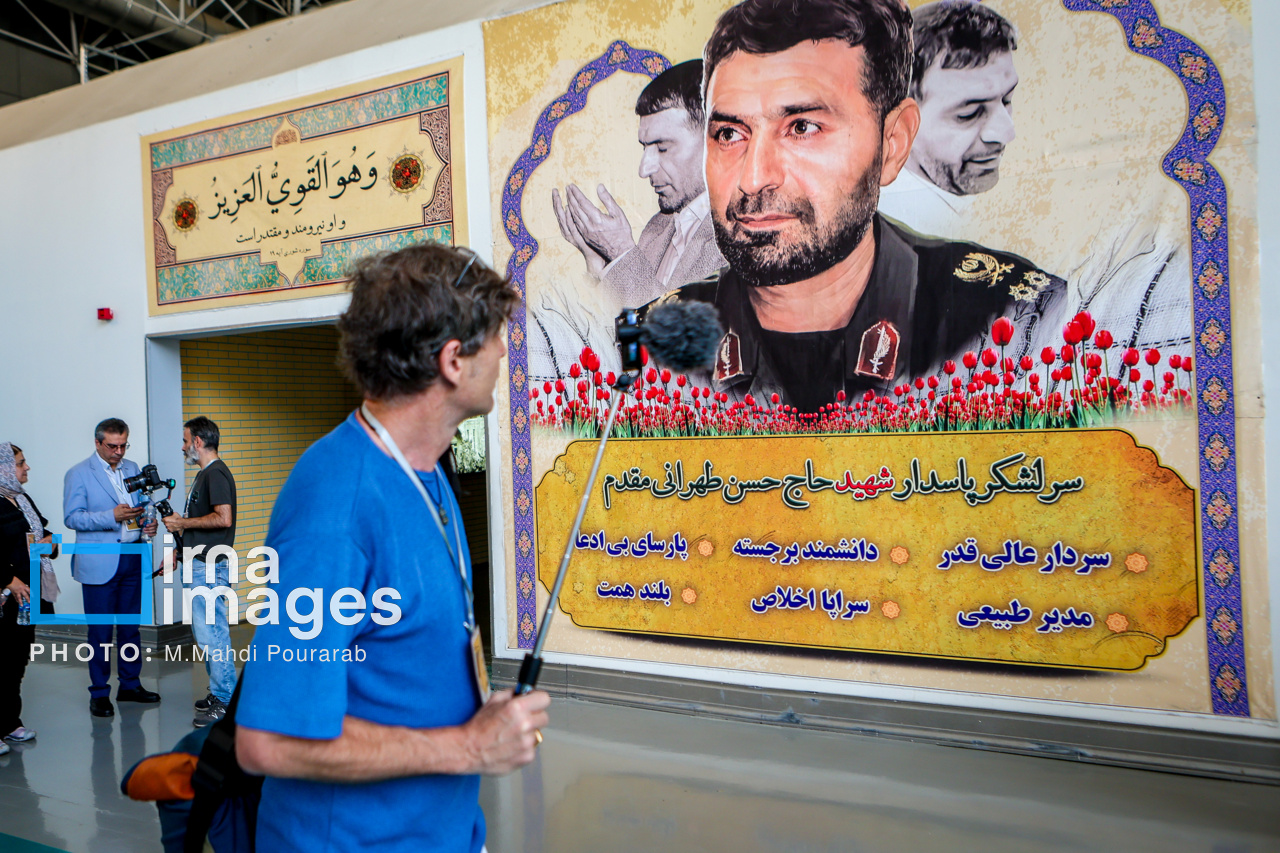
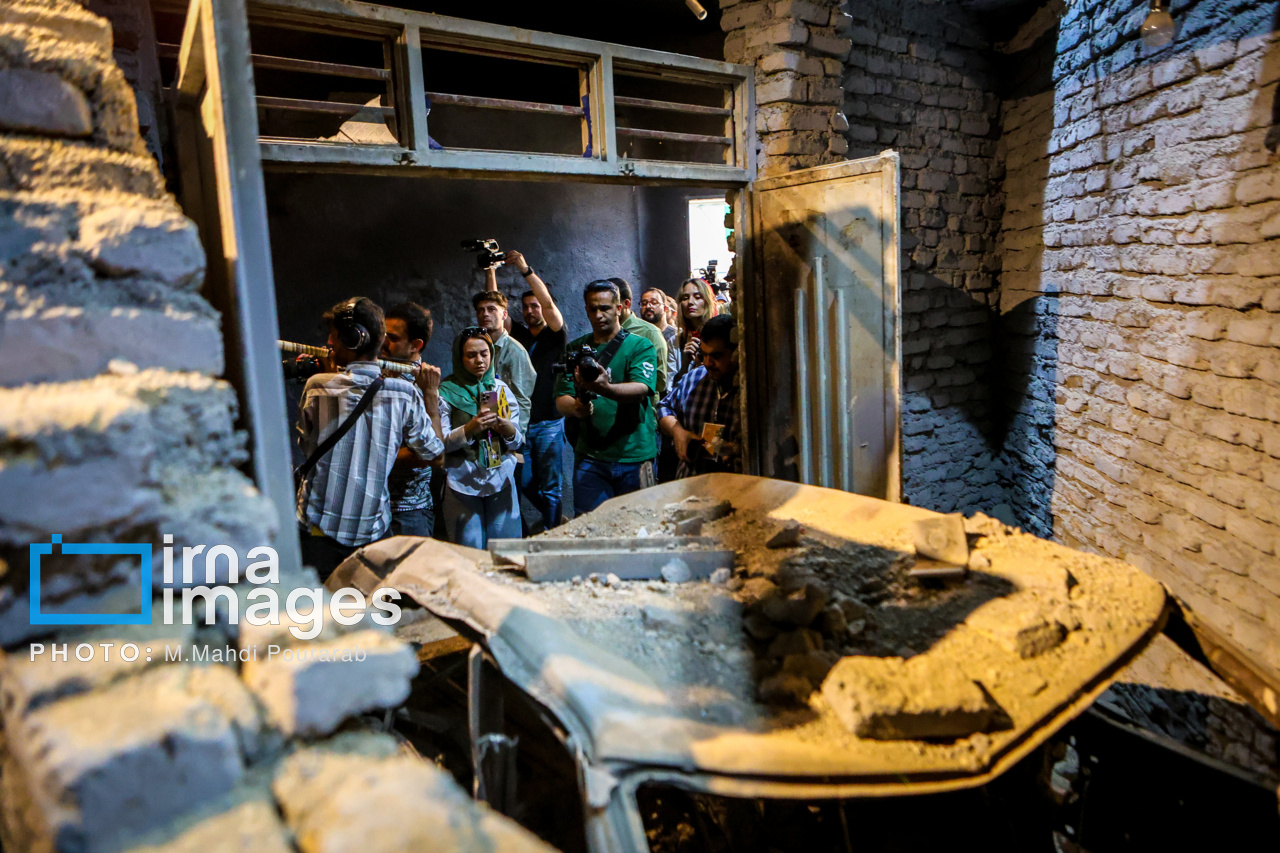
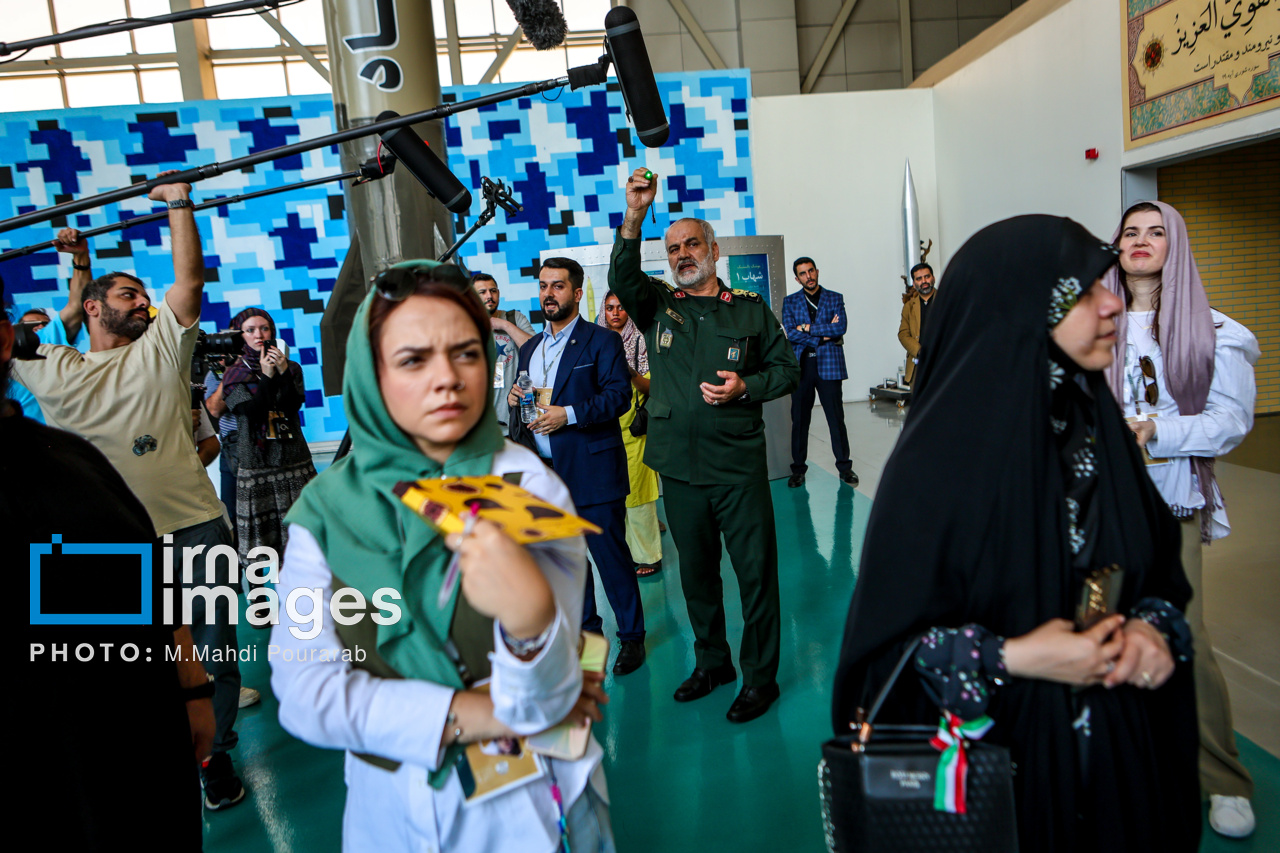
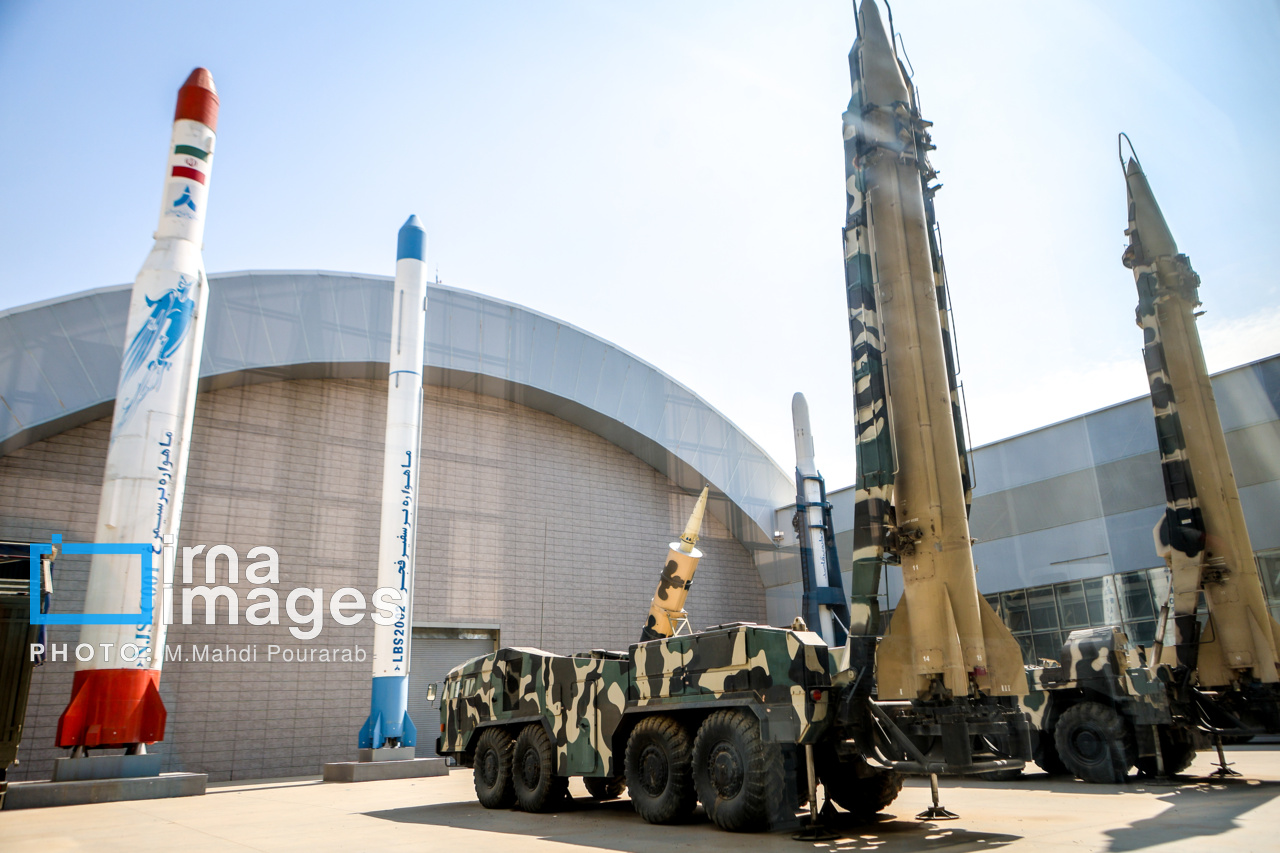
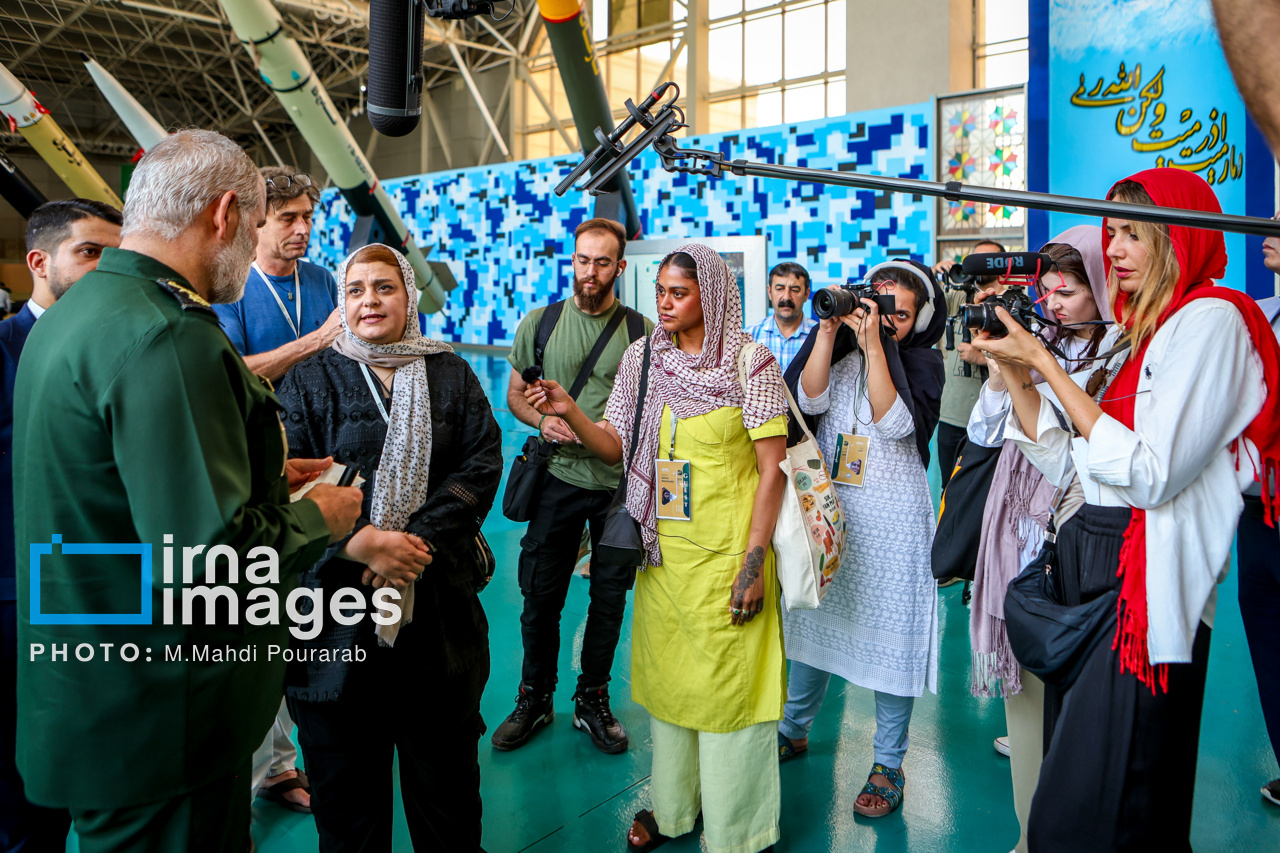
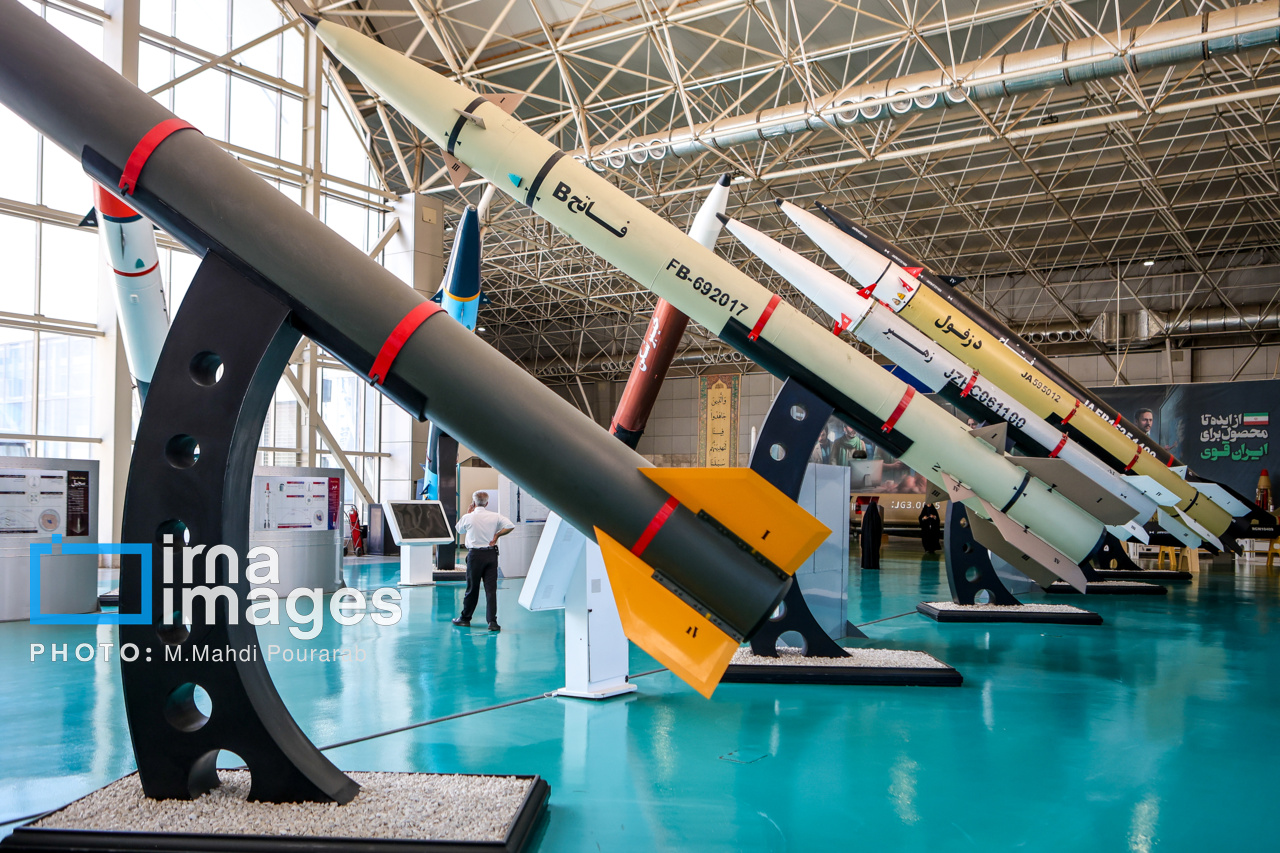
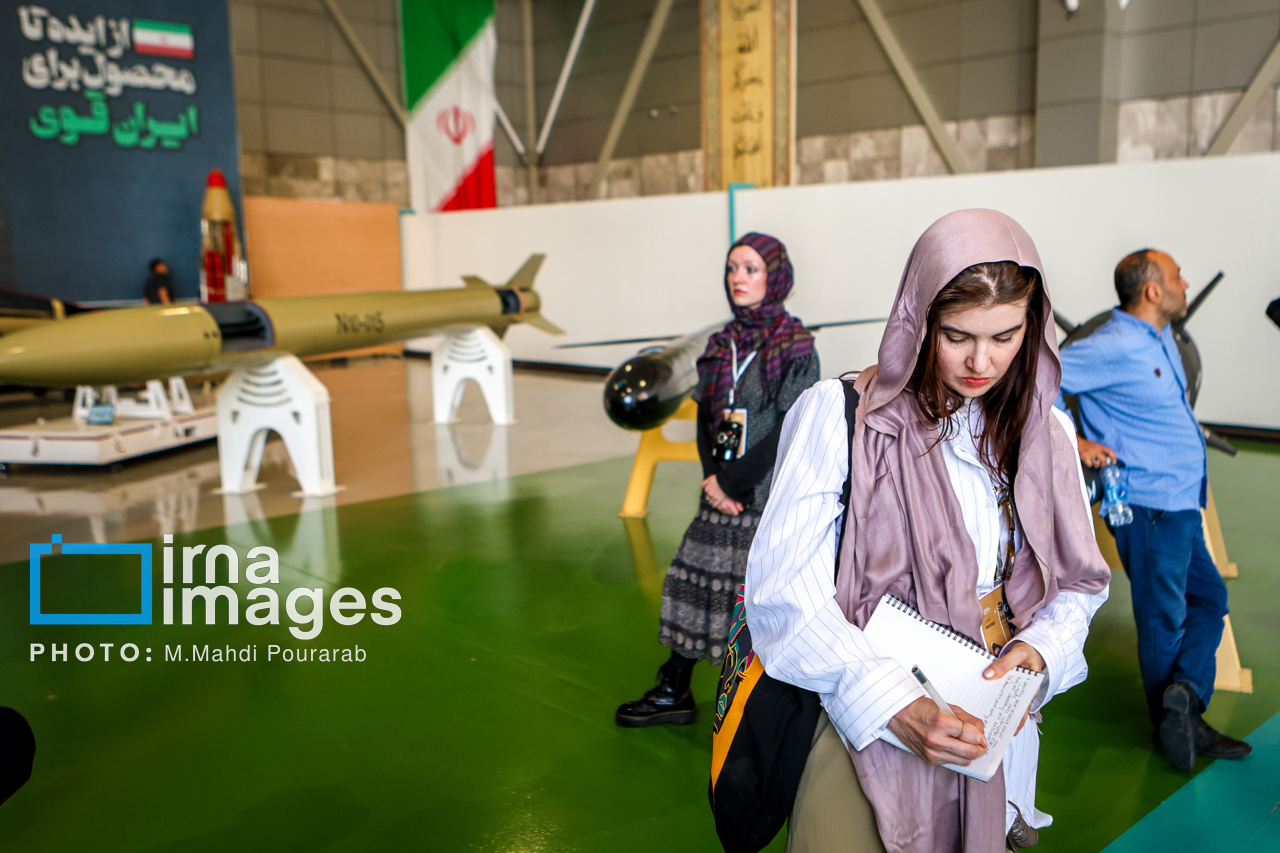
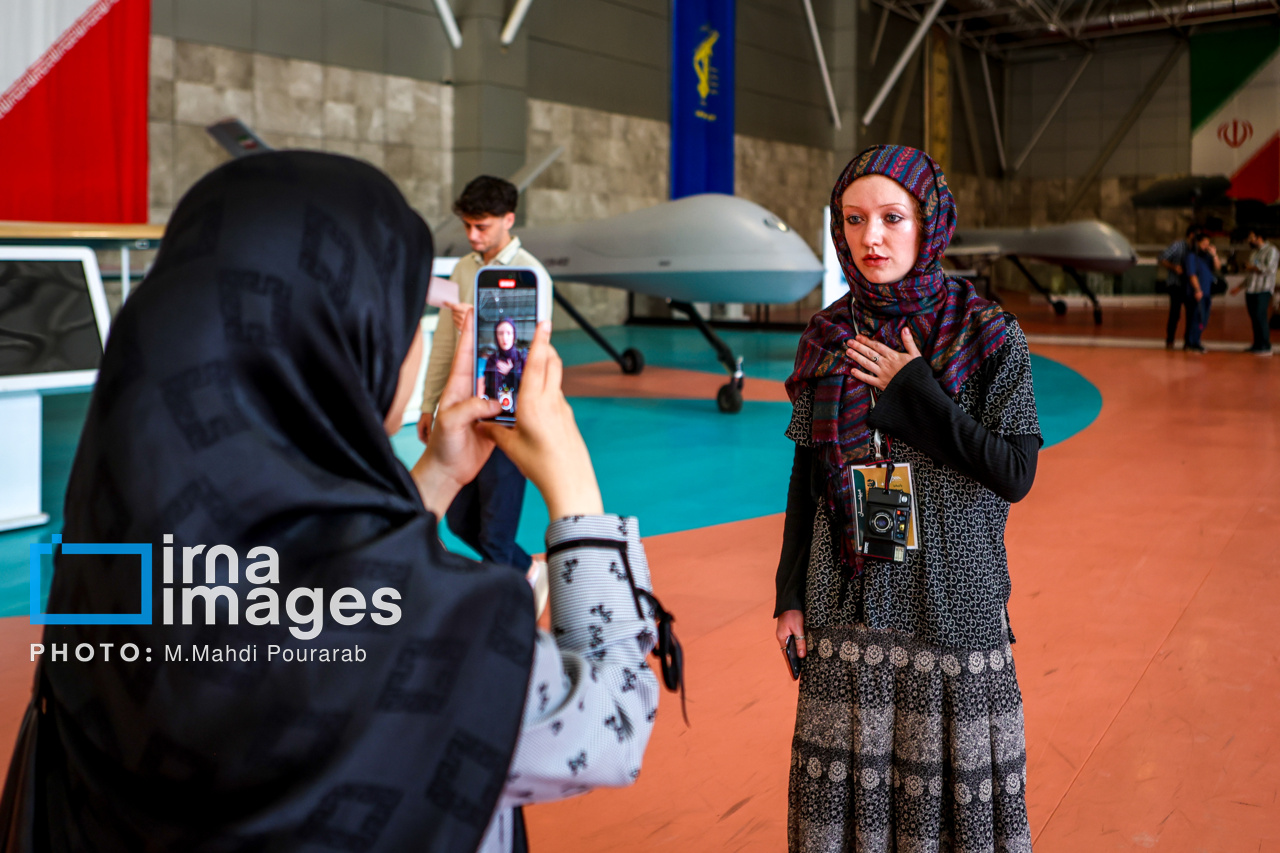
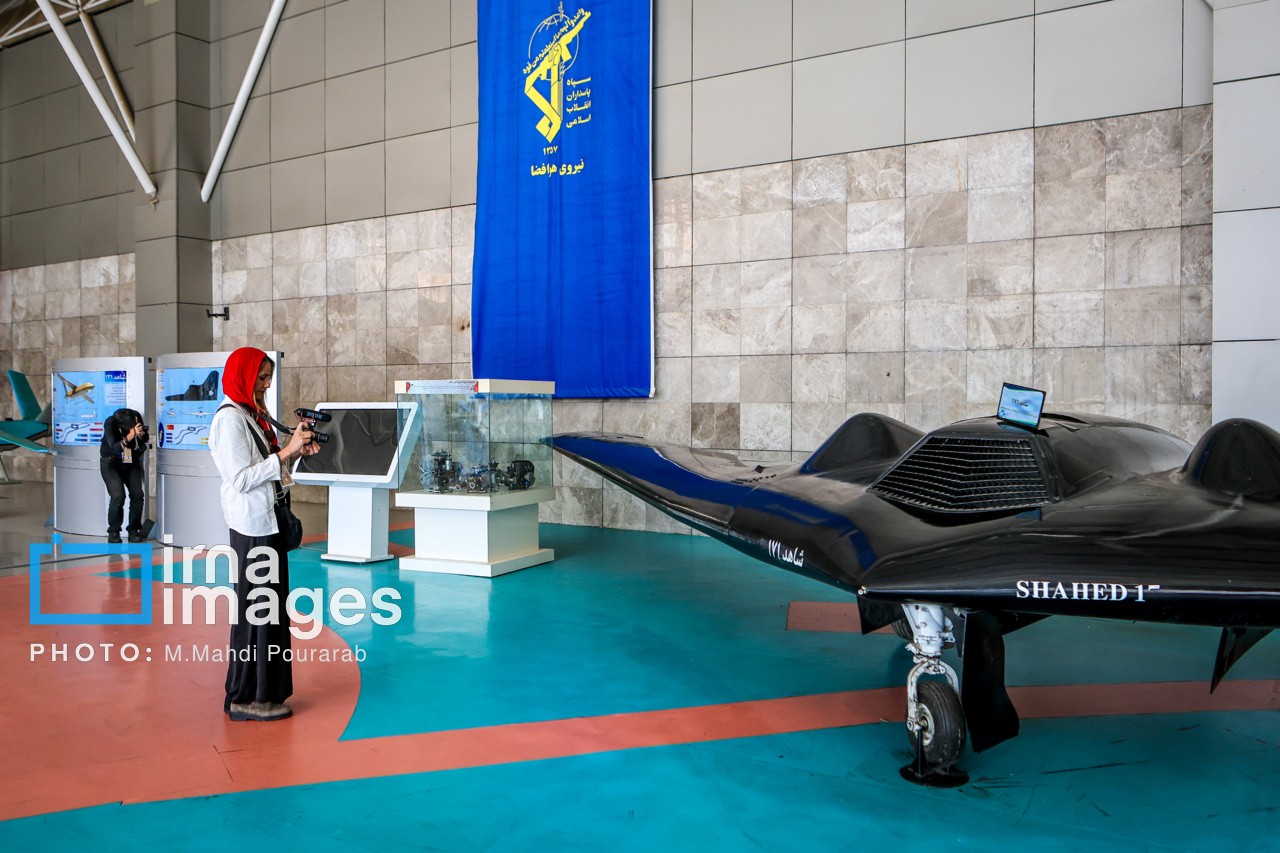
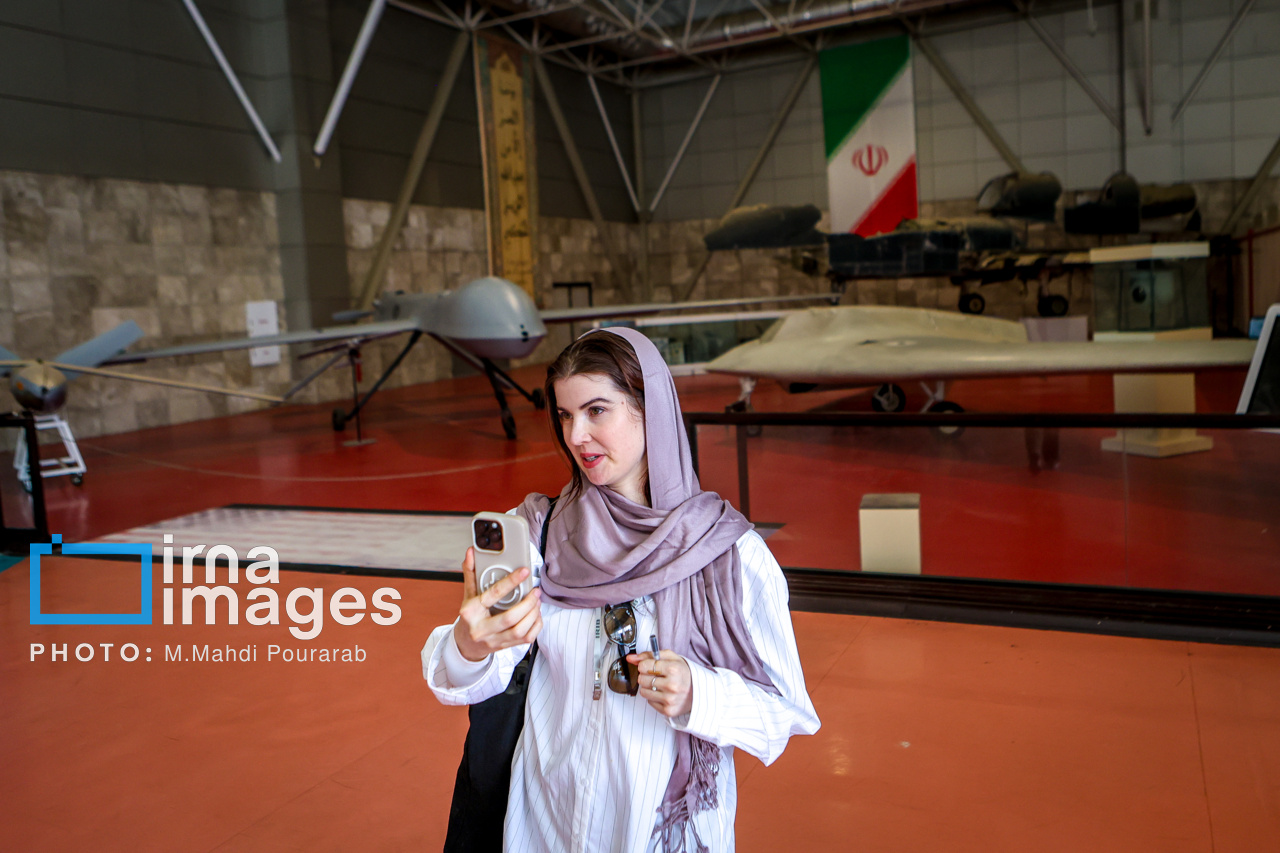
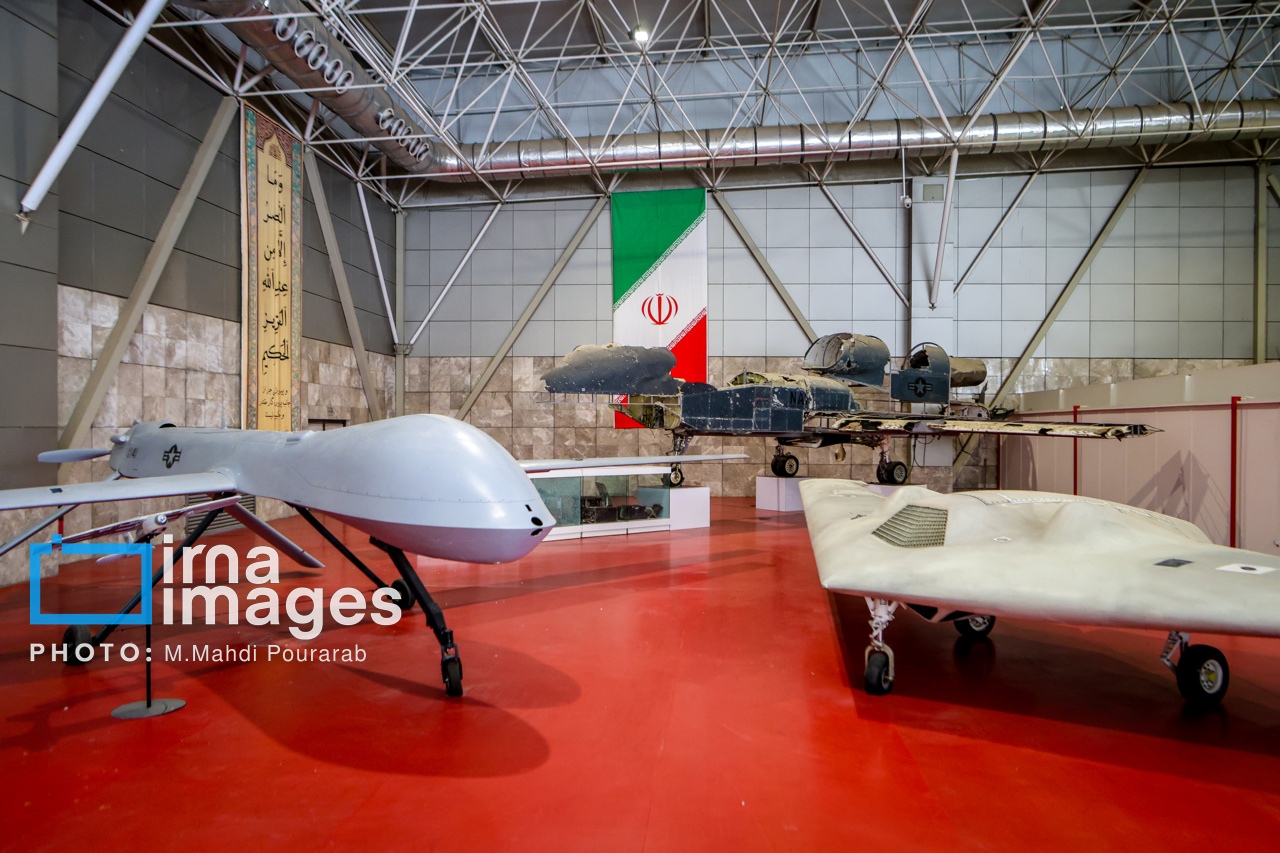
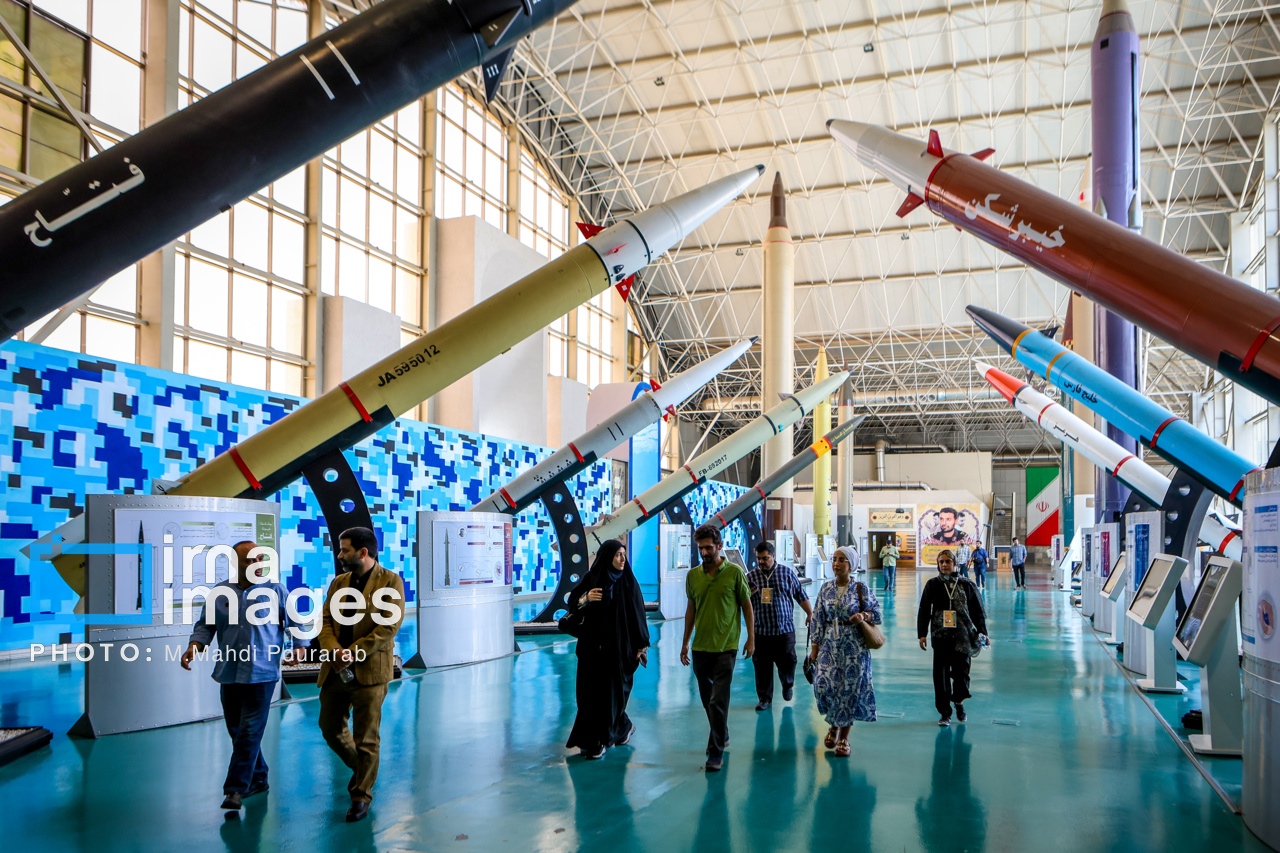
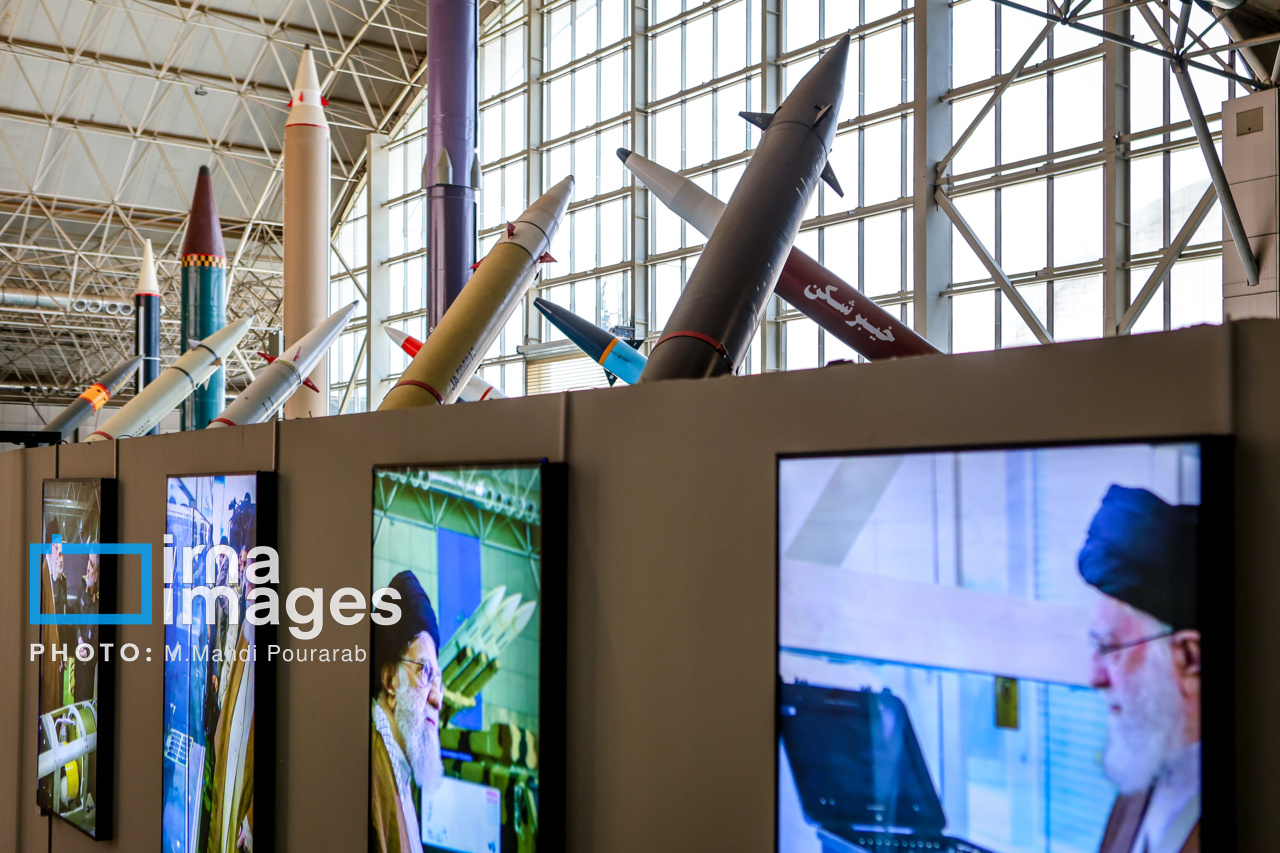
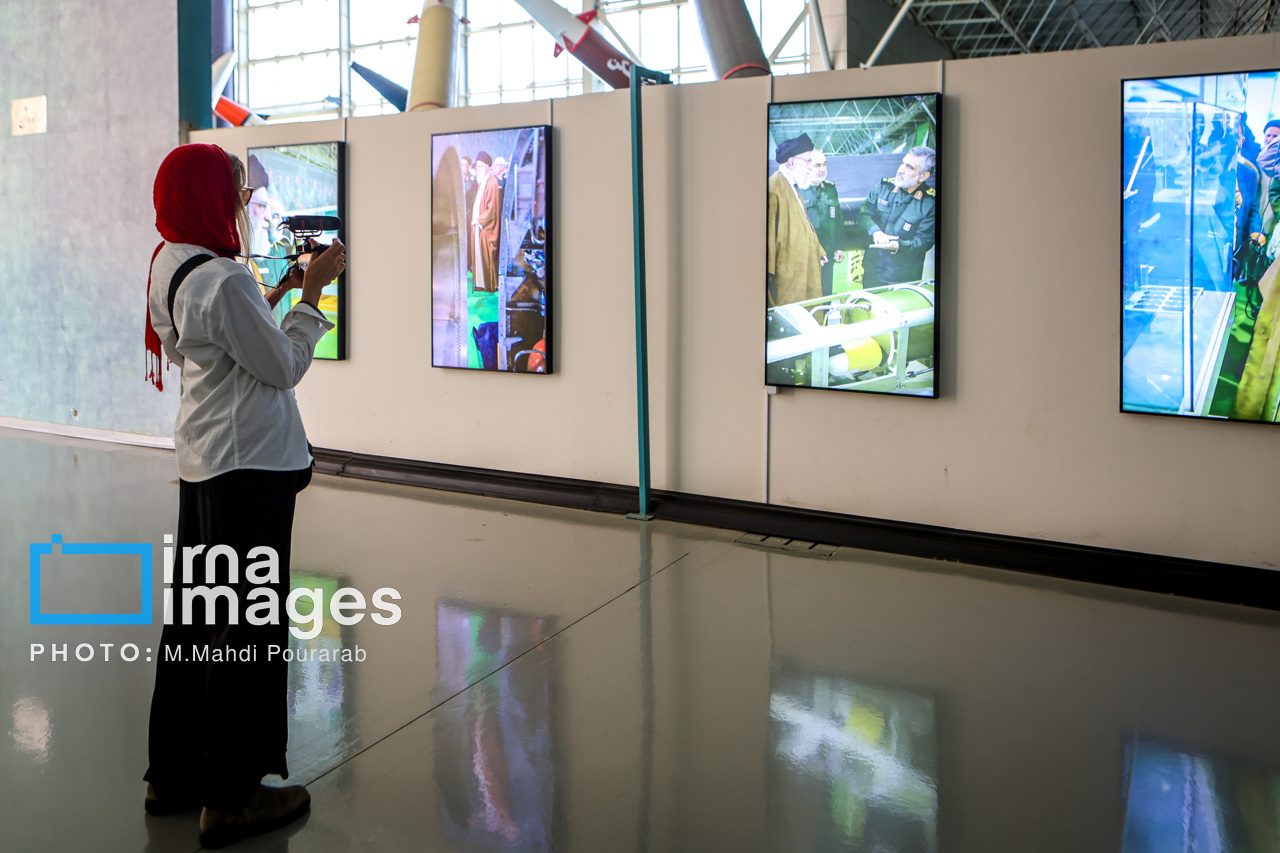
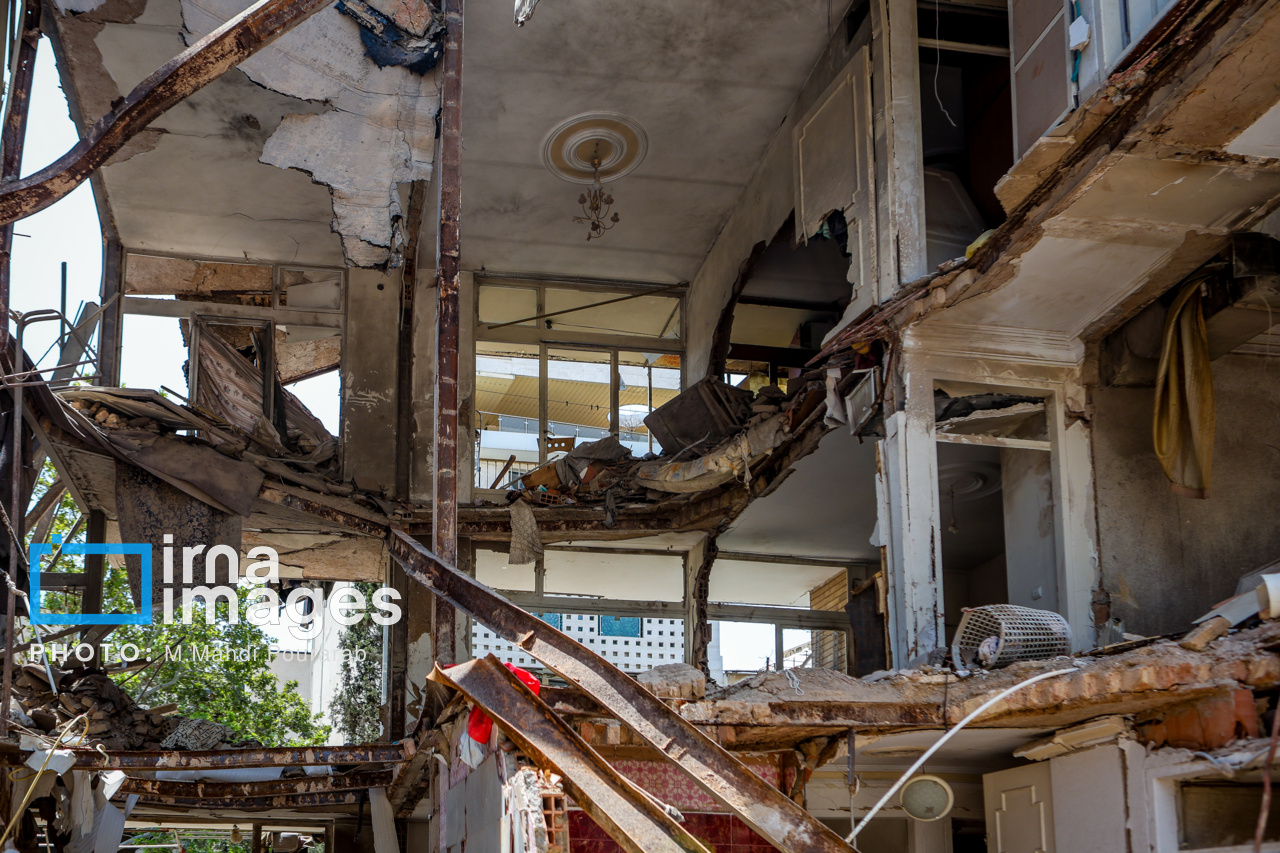
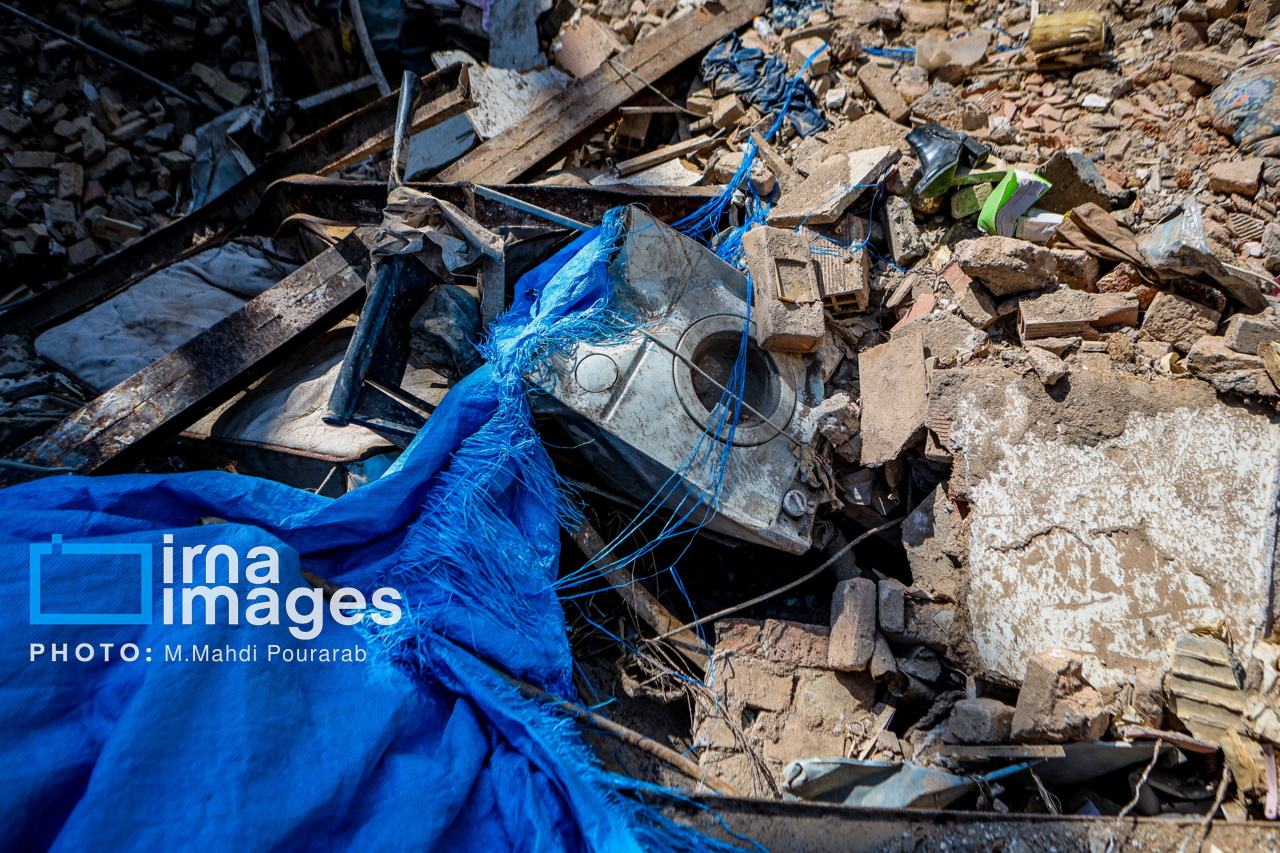
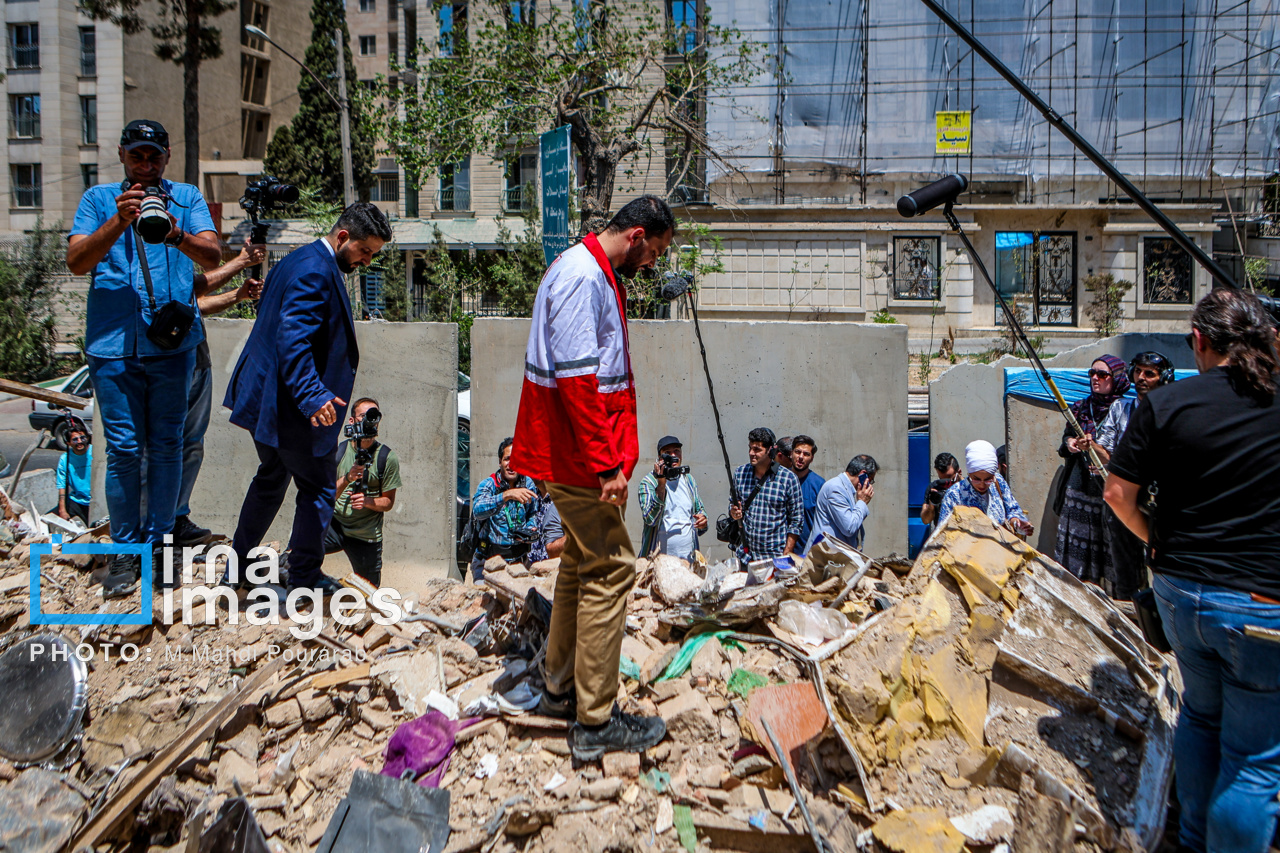
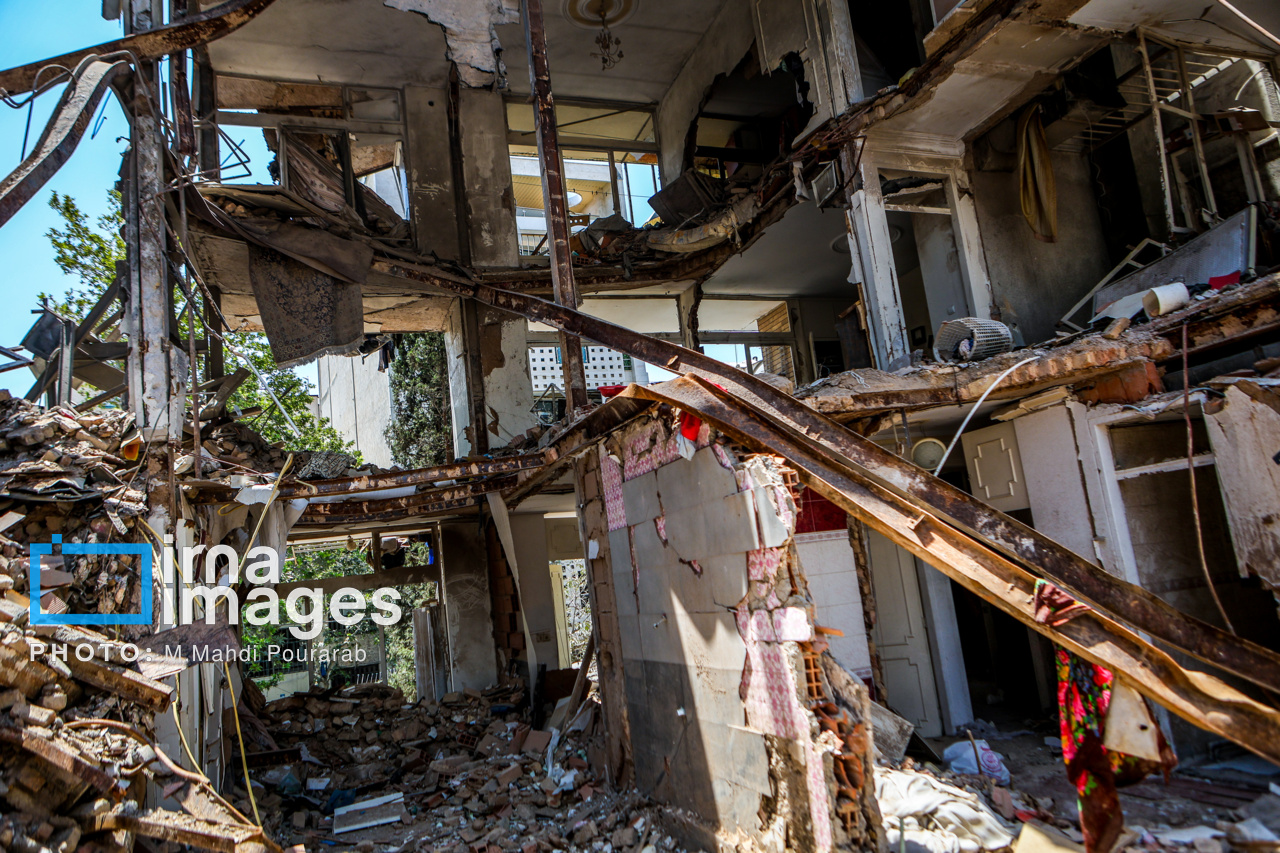
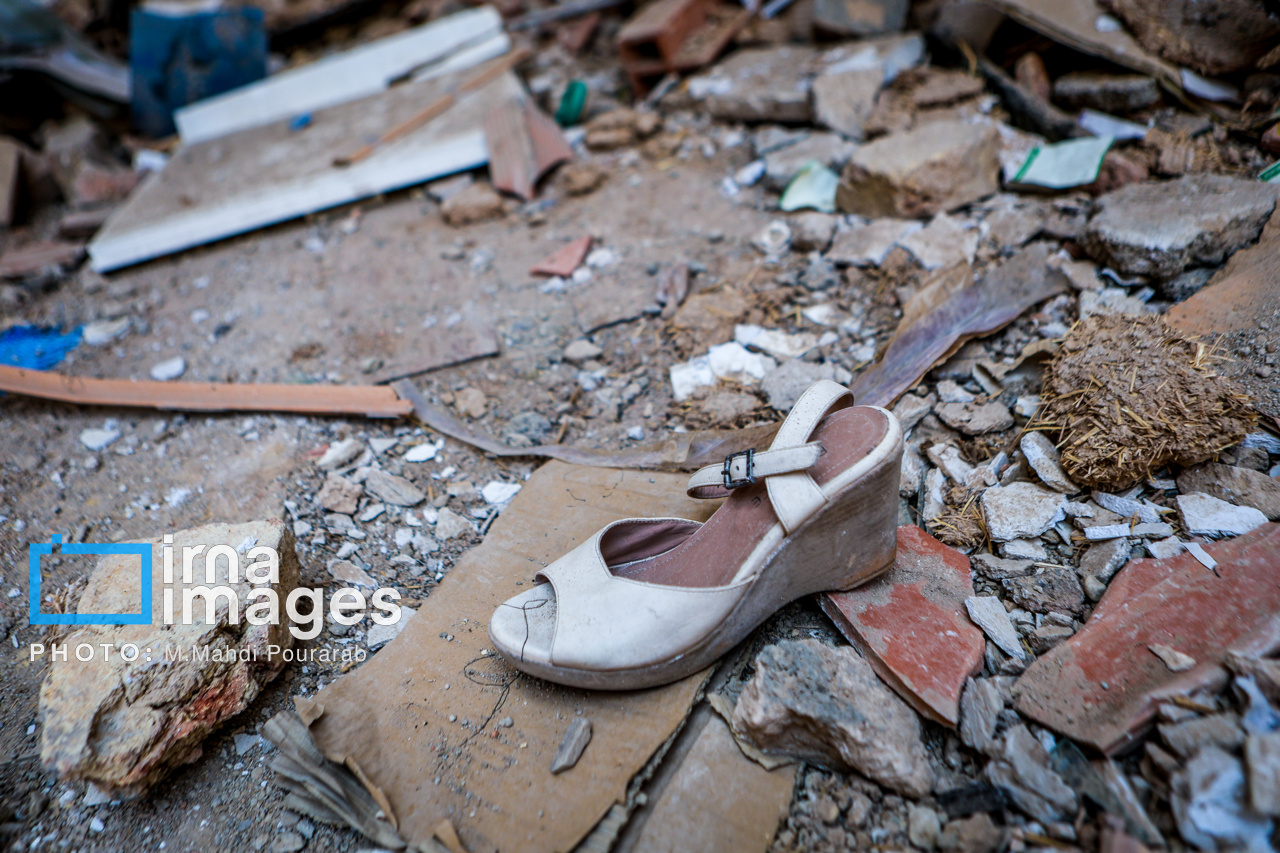
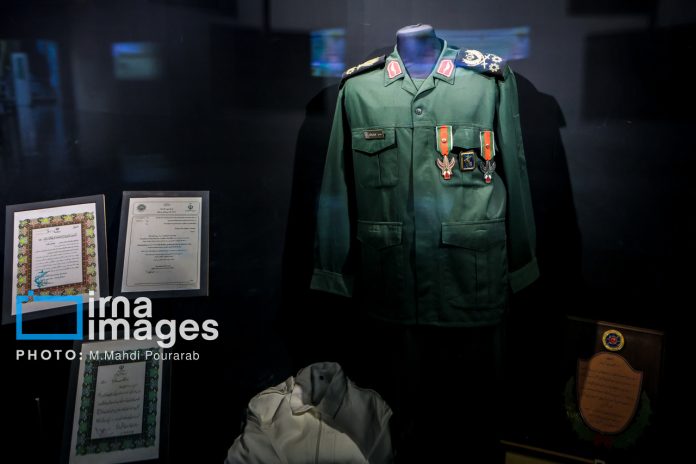
Foreign journalists visit IRGC Aerospace exhibition, Israeli strike sites in Tehran

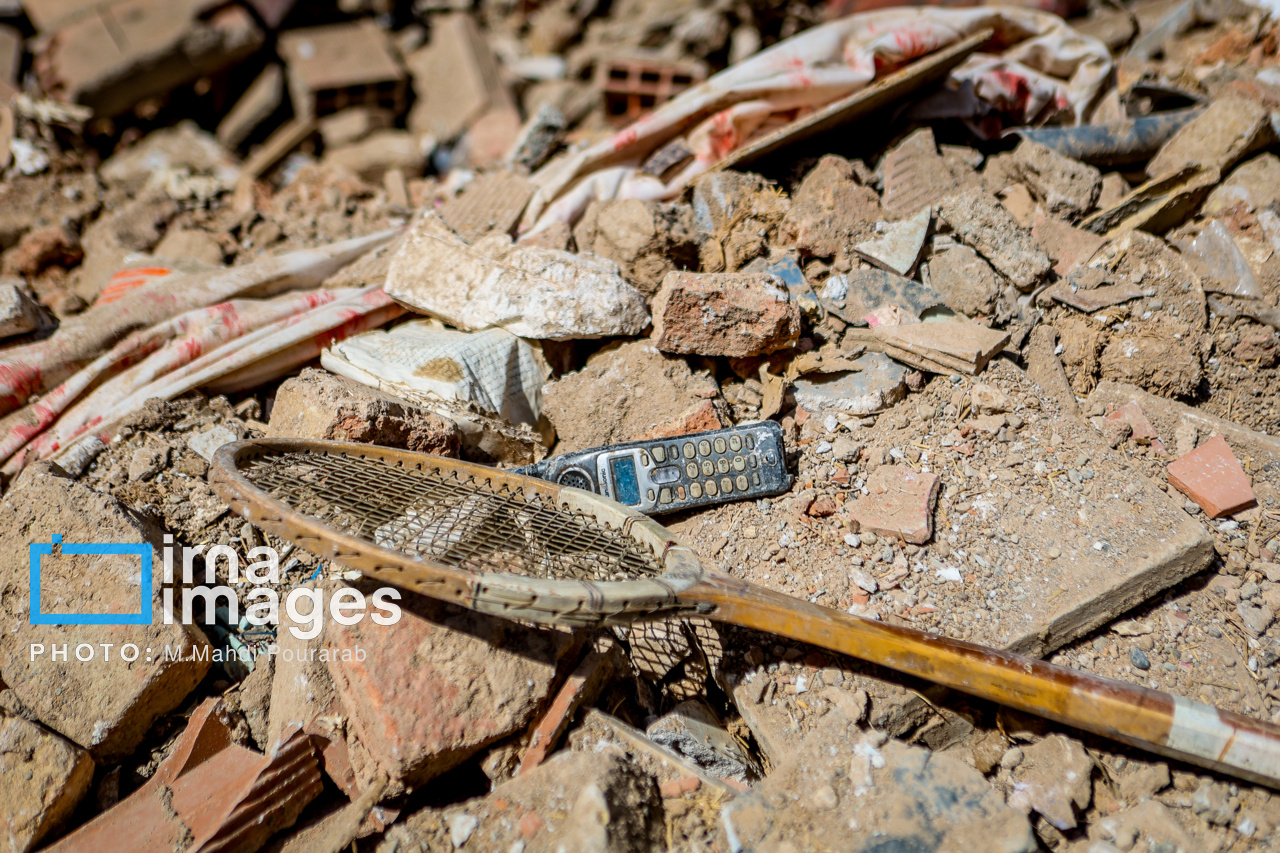
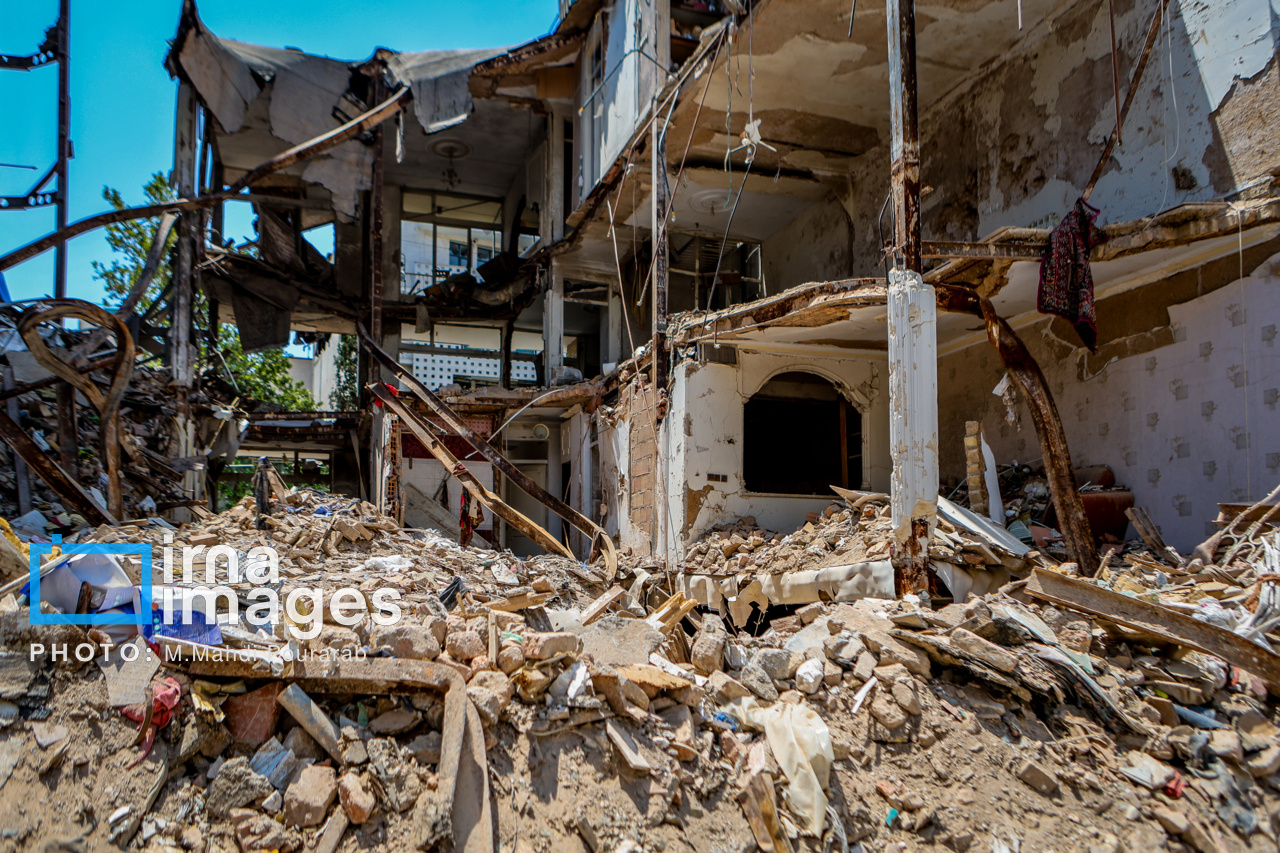
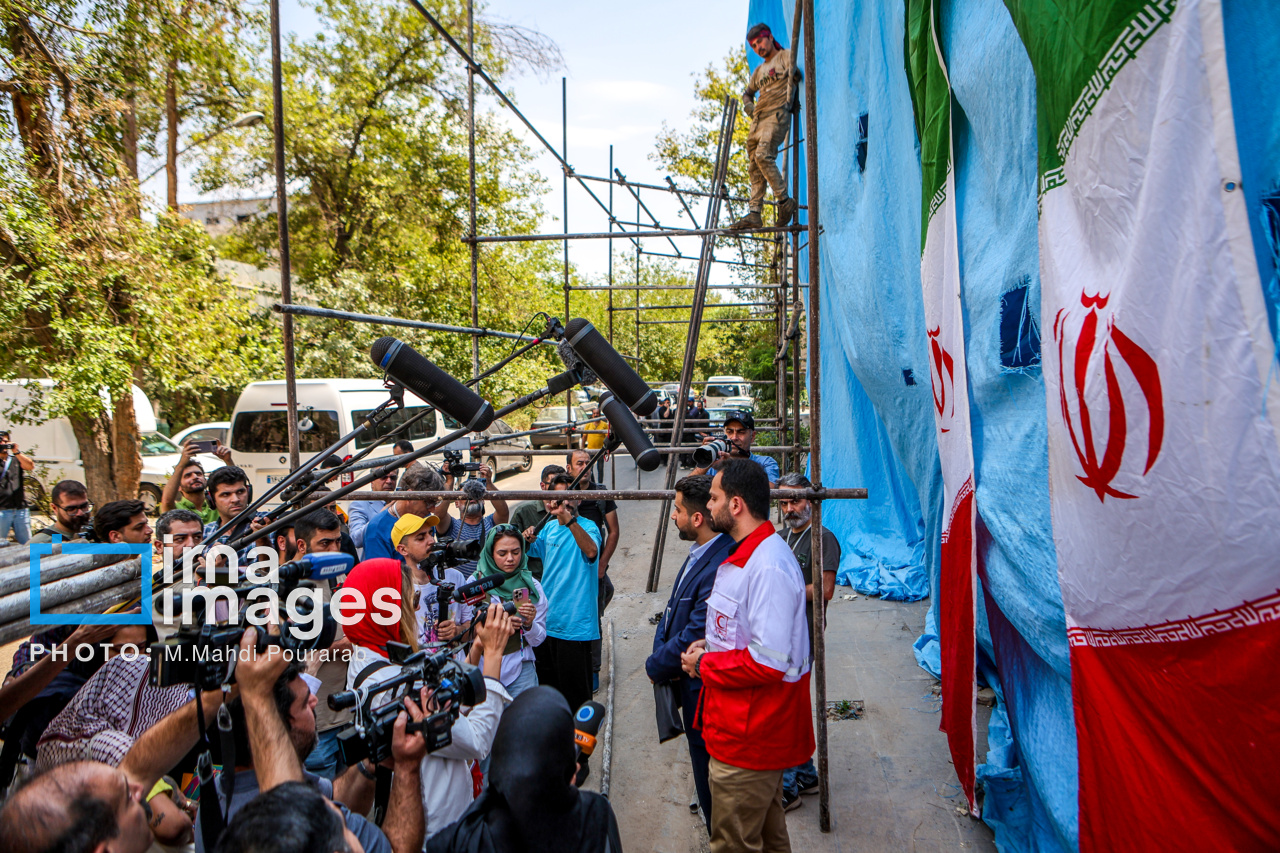
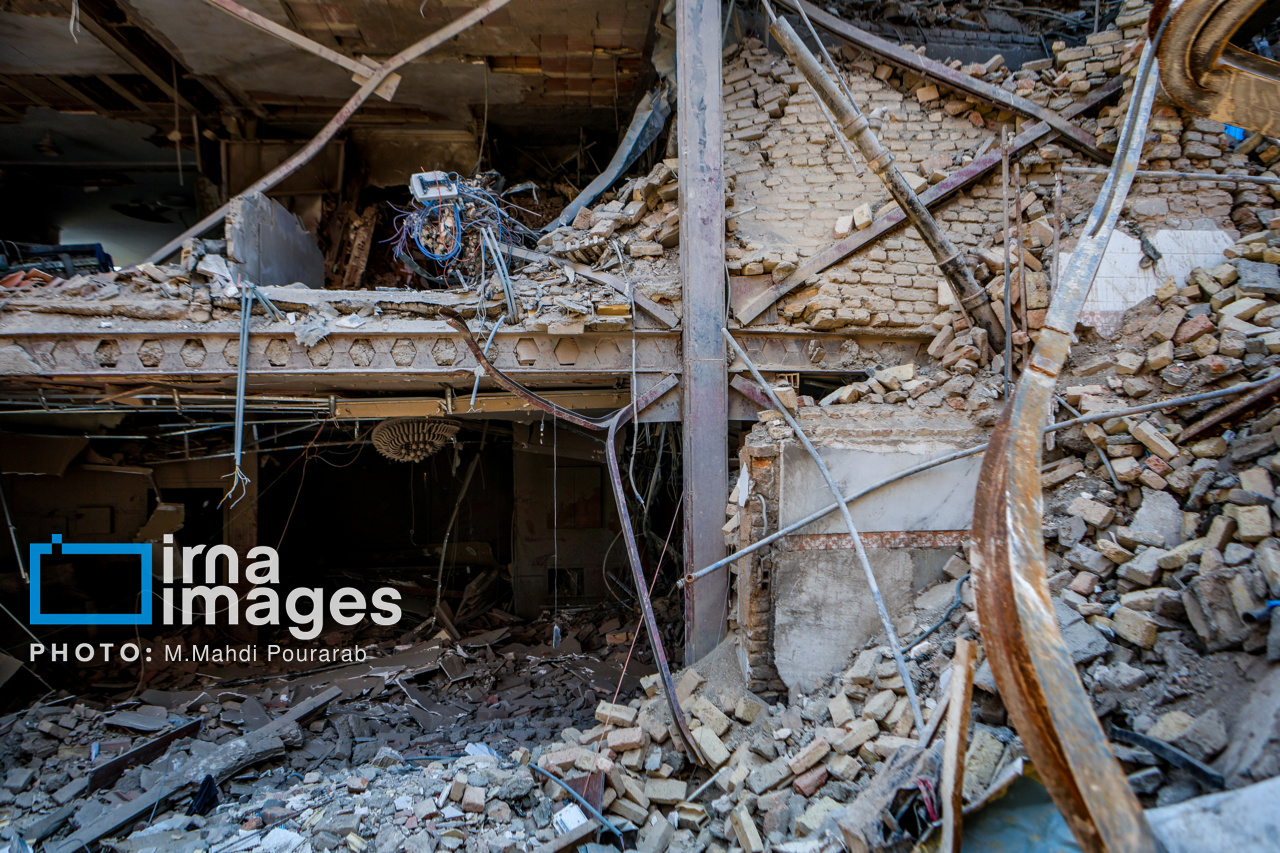
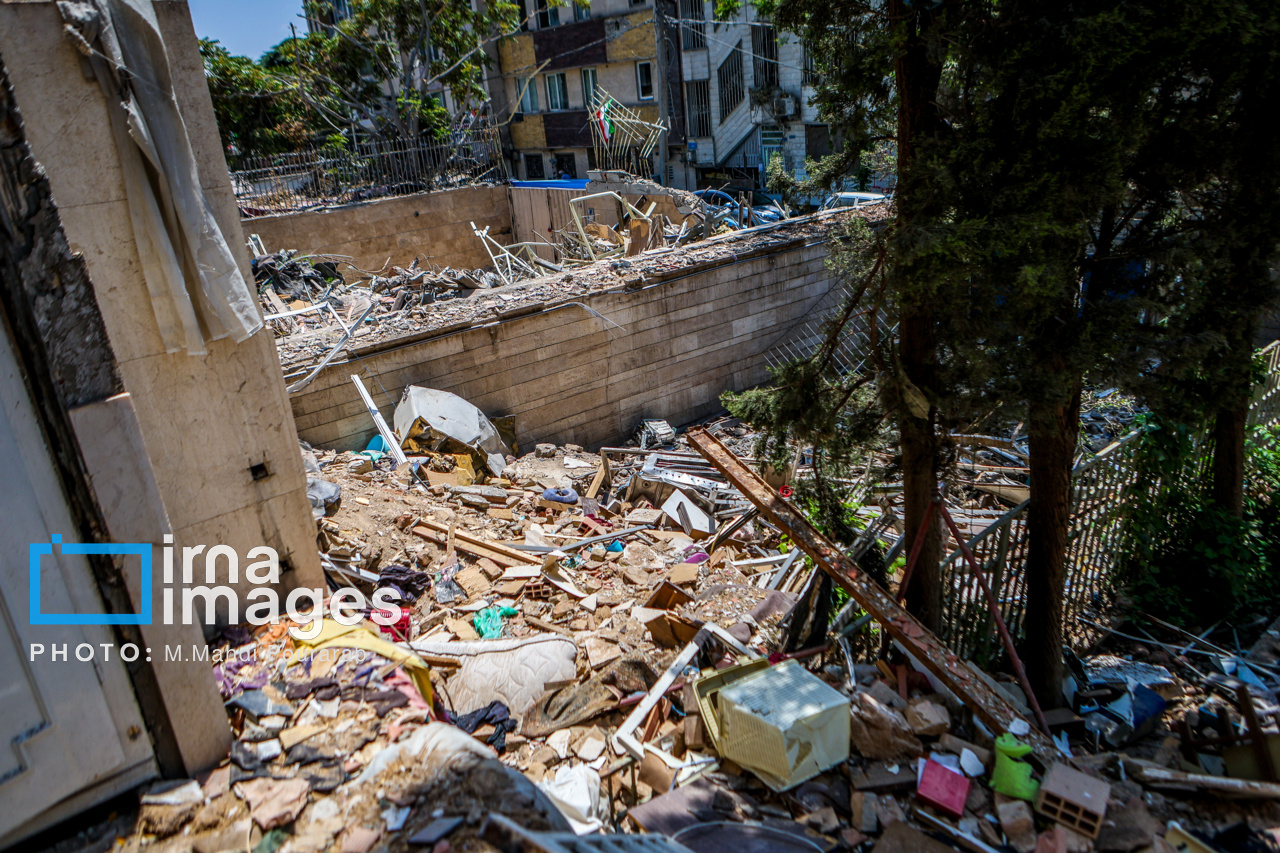
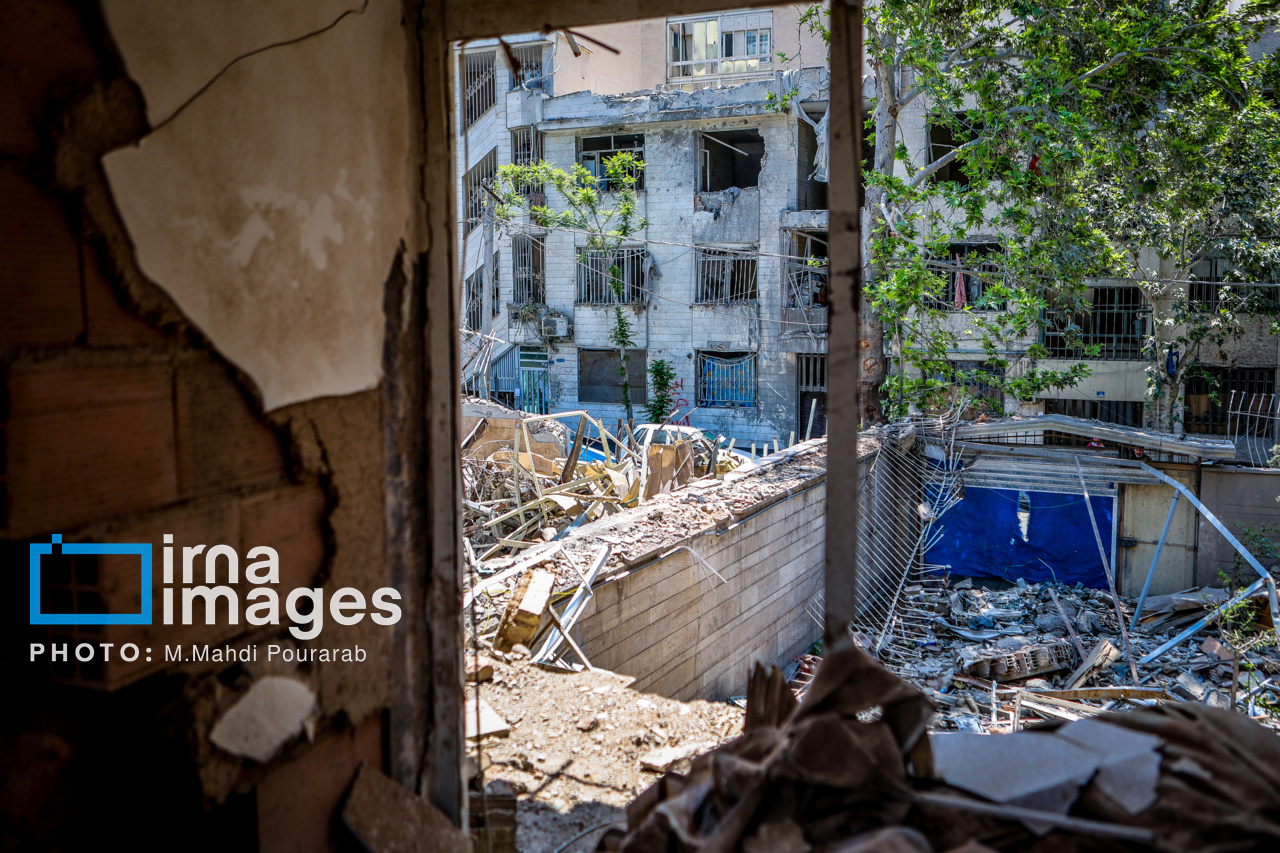
The media delegation toured the Islamic Revolution Guard Corps (IRGC) Aerospace Exhibition as well as locations recently targeted by the Zionist regime during its airstrikes on the capital.

The visit aimed to provide firsthand documentation of the aftermath and to highlight Iran’s narrative of resistance and solidarity.

More in pictures:

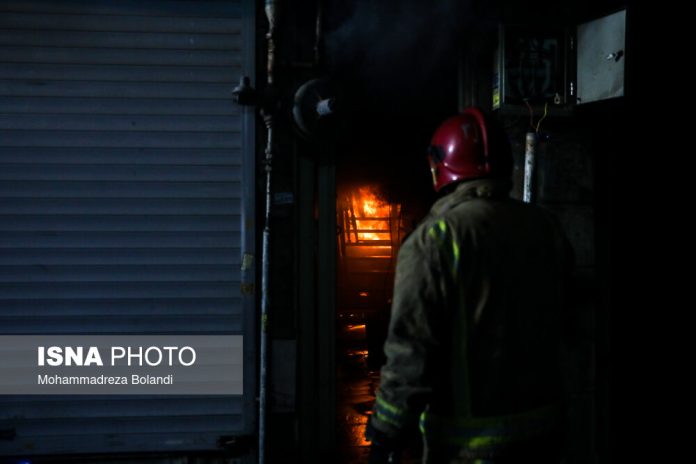
Tehran fire department: Recent gas blasts not linked to sabotage

Iran Firefighters

Following public concern on social media amid a spate of gas-related incidents after the recent 12-day conflict, Fire Chief Ghodratollah Mohammadi clarified that there is no evidence to suggest foul play in the recent explosions.

“Under normal conditions, we handle around 350 emergency and safety incidents daily in Tehran, including an average of 150 fires,” Mohammadi said.

“These are not abnormal figures and often go unnoticed due to their frequency.”

According to fire department data, Tehran recorded 24 gas explosions in 2023, rising to 34 in 2024. In the current year, seven cases have been reported so far — all contained by firefighting units.

Mohammadi attributed the blasts to technical neglect: aging gas hoses, use of substandard appliances, and failure to observe safety protocols.

“These are safety lapses, not sabotage,” he emphasized.

Iran’s intel. minister: Zionist regime must face internal offensive strategy

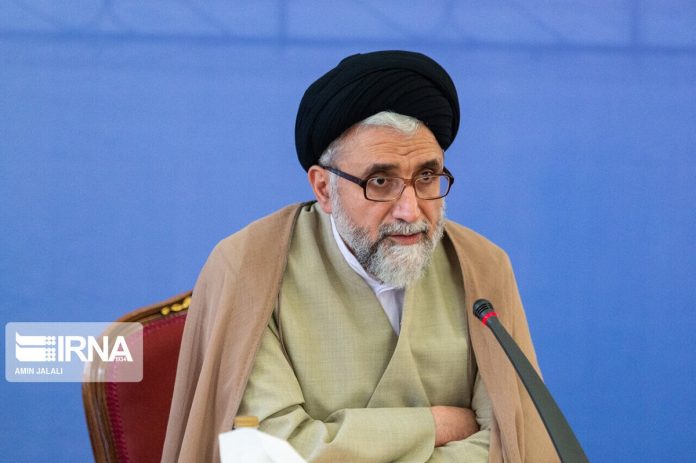
Iran Minister of Intelligence Esmaeil Khatib

Khatib emphasized that, just as Iran’s precision missile strikes forced the enemy to halt its aggression, the country’s intelligence and security apparatuses are actively working to neutralize hostile threats.

“In recent days, the Zionist regime has been compelled to conduct internal assessments and justify its vulnerabilities in the face of intelligence penetration,” Khatib said, suggesting that Iranian intelligence efforts have exposed critical weaknesses within Israel.

He stressed that, despite plots by adversaries aimed at the downfall of the Islamic Republic, Iran maintained complete internal security throughout the recent 12-day conflict.

Addressing concerns about the threat of drones and micro-UAVs, Khatib explained that such issues fall under military and air defense jurisdiction.

“Our armed forces and air defense systems are fully engaged in tackling these threats with appropriate countermeasures,” he said.

Interior minister: Iran cannot sustain current volume of Afghan migrants

Afghan Refugees in Iran

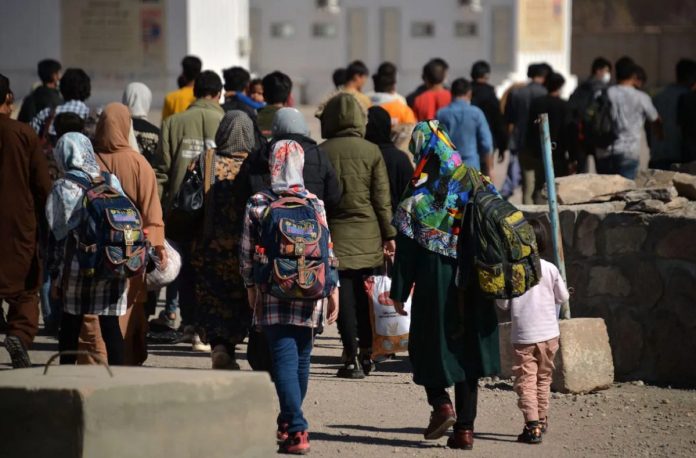
“We have long hosted the Afghan people, who have made significant contributions to our economy and society,” Momeni stated.

“However, the issue at hand concerns those who have entered the country illegally.”

According to Momeni, more than 70 percent of the Afghan nationals repatriated this year returned voluntarily.

“These returns were not forced. In the majority of cases, individuals registered themselves and willingly left,” he noted, adding that cooperation has been established with Afghanistan’s de facto authorities to manage the situation.

He rejected any accusation of xenophobia or anti-migrant policies, stressing that Iran respects the dignity and cultural ties of the Afghan people.

“While there have been isolated issues, the overall approach remains centered on maintaining respect and humane treatment,” he said.

The minister reiterated that the government is working on structured plans to address the challenges posed by the large-scale unauthorized entries, while ensuring that migrant rights are upheld.

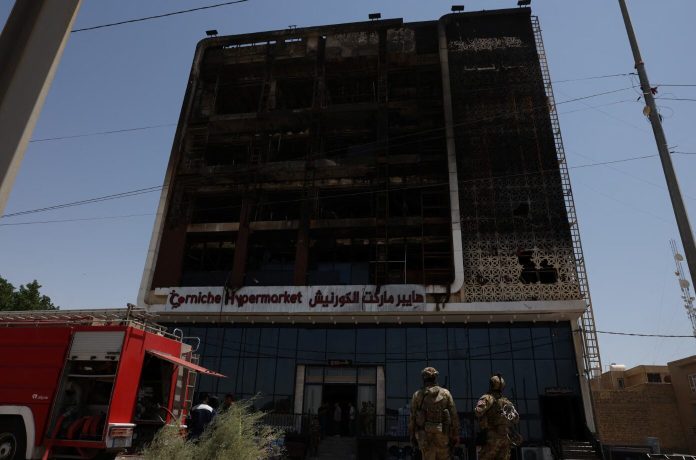
Over 60 dead, dozens rescued in huge fire at hypermarket in Iraq

The ministry said on Thursday that 14 charred bodies had been found in the mall fire in the Wasit governorate and that civil defence teams had rescued 45 people from inside the building.

Earlier, a city health official told Reuters news agency: “We have compiled a list of 59 victims whose identities have been confirmed, but one body was so badly burned that it has been extremely difficult to identify.”

Videos on social media showed flames engulfing a five-storey building in Kut overnight, where firefighters were trying to contain the fire.

The mall, which had opened only a week earlier, also contained a restaurant and supermarket. The state-run Iraqi News Agency reported that people remained missing.

Iraqi Prime Minister Mohammad Shia al-Sudani said in a statement that he had directed the interior minister to go to the site of the fire to investigate and take measures to prevent a recurrence.

The Wasit province governor, Mohammed al-Mayahi, stated that the fire broke out in both the hypermarket and a restaurant. Families were having dinner and shopping, he said. Firefighters rescued a number of people and put out the fire, the governor added.

Three days of mourning have been announced and an investigation has been launched. Investigation results will be released within 48 hours.

“A tragedy and a calamity have befallen us,” the governor continued.

“We have filed lawsuits against the owner of the building and the mall,” INA quoted the governor as saying.

Poor building standards have often contributed to tragic fires in Iraq. In July 2021, a blaze at a hospital in Nasiriyah that killed more than 60 people was determined to have been fuelled by highly flammable, low-cost type of “sandwich panel” cladding that is illegal in Iraq.

In 2023, more than 100 died in a fire at a wedding hall in the predominantly Christian area of Hamdaniya in Nineveh province after the ceiling panels above a pyrotechnic machine burst into flames.

ICC judges dismiss Israel’s request to withdraw Netanyahu, Gallant arrest warrants

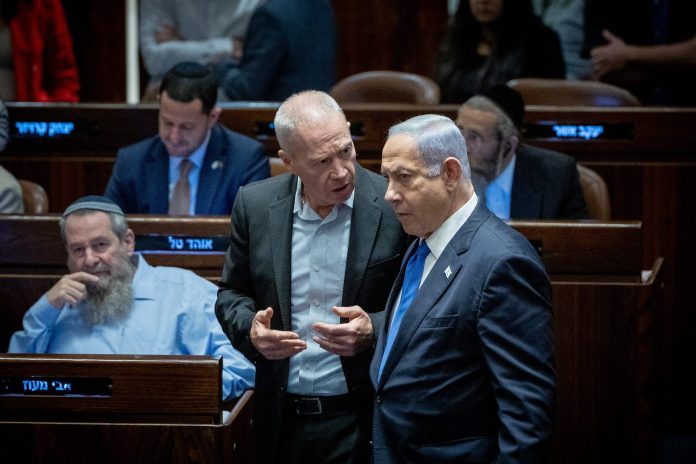
Netanyahu Gallant

Israel made the request while the ICC reviews its challenge over the court’s jurisdiction to weigh in on its war on Gaza.

The decision, dated 9 July 2025, was published on the ICC website on Wednesday.

The judges also rejected an Israeli request to suspend the court’s broader investigation into alleged crimes in the occupied Palestinian Territories.

Israel argued that the warrants should be withdrawn, citing a decision by appeals judges at the ICC in April that ordered a lower panel to reconsider Israel’s objections about the court’s jurisdiction in Gaza.

However, the judges rejected that reasoning, saying that Israel’s jurisdictional challenge was still pending and the warrants would remain in place until the court ruled on that issue specifically.

The ICC has come under intense pressure to drop its war crimes probe.

Earlier this month, a senior legal advisor to the US State Department issued a dramatic threat to the court’s oversight body, warning that “all options are on the table”.

“We will use all appropriate and effective diplomatic, political and legal instruments to block ICC overreach,” Reed Rubinstein, the US representative, warned.

The threat came just before the Trump administration announced it was imposing sanctions on Francesca Albanese, the UN’s special rapporteur for Palestine.

The sanctions follow Albanese’s scathing report on 30 June, in which she named over 60 companies, including major US technology firms like Google, Amazon and Microsoft, which she said were involved in “the transformation of Israel’s economy of occupation to an economy of genocide”.

Israel’s effort to stop the ICC has, to date, failed to bear fruit.

Middle East Eye revealed on Tuesday that a British-Israeli defence lawyer threatened in May to ”destroy” the British chief prosecutor of the ICC, Karim Khan, unless he withdrew the arrest warrants.

Iran must act swiftly to prevent snapback mechanism, says former diplomat

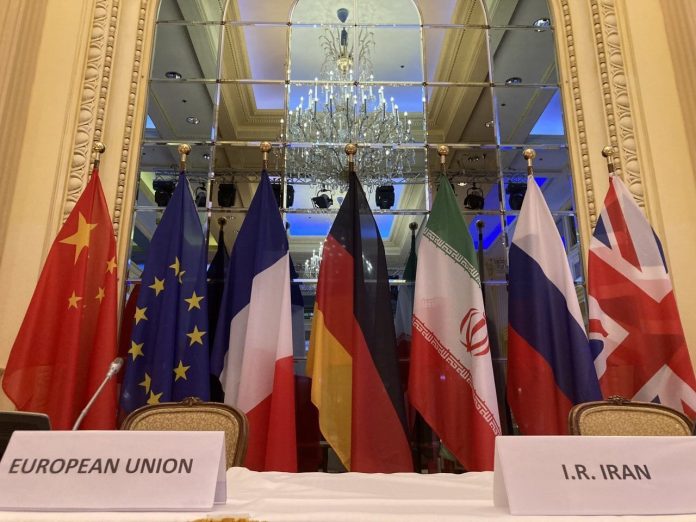
Nuclear Talks in Vienna

In an interview with Fararu, Abdolreza Faraji-Rad, Iran’s former envoy to Norway and Hungary, stressed that diplomacy must also involve Russia and China, which, despite lacking veto power under UN Security Council Resolution 2231, can still influence outcomes through active engagement.

Faraji-Rad dismissed US President Donald Trump’s recent claim that “there is no rush to negotiate,” describing it as political posturing.

He asserted that Trump is, in fact, pursuing direct talks via intermediaries like Steve Withekoff, hoping for a political win before elections.

He warned that if the snapback is triggered, Iran could exit the NPT and limit IAEA oversight, a move that would raise regional tensions and alarm European powers.

He argued that activating the mechanism is legally questionable, given that the US withdrew from the deal first.

Faraji-Rad concluded that Iran should not frame its diplomacy as a choice between the US and Europe. Instead, it should quietly pursue balanced talks with both sides to avoid isolation and increased international pressure.

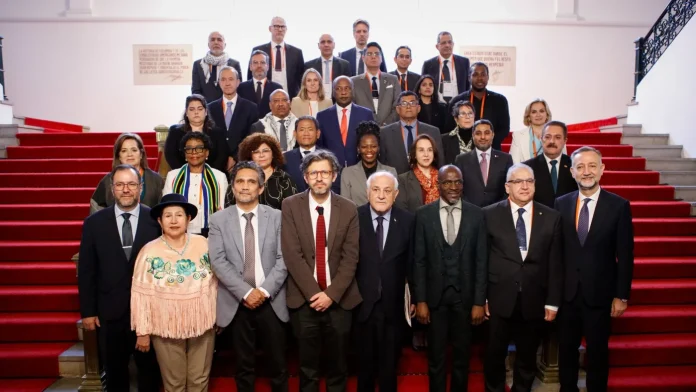
Several countries vow to take ‘concrete’ steps against Israel at Bogota summit

The announcement came as part of an “emergency summit” in the Colombian capital, co-hosted by the governments of Colombia and South Africa as co-chairs of The Hague Group, to coordinate diplomatic and legal action to counter what they describe as “a climate of impunity” enabled by Israel and its powerful allies.

The Hague Group is currently a bloc of eight states, launched on 31 January in the eponymous Dutch city, with the stated goal of holding Israel accountable under international law.

The conference brought together more than 30 states, including Algeria; Bolivia; Botswana; Brazil; Chile; China; Cuba; Djibouti; Honduras; Indonesia; Iraq; Ireland; Lebanon; Libya; Malaysia; Mexico; Namibia; Nicaragua; Norway; Oman; Pakistan; Palestine; Portugal; Spain; Qatar; Turkey; Slovenia; Saint Vincent and the Grenadines; Uruguay; and Venezuela.

“We came to Bogota to make history – and we did,” Colombian President Gustavo Petro said, adding, “Together, we have begun the work of ending the era of impunity. These measures show that we will no longer allow international law to be treated as optional, or Palestinian life as disposable.”

“In the deliberations at the Bogota conference, all 30 participating states unanimously agreed that the era of impunity must end – and that international law must be enforced without fear or favour through immediate domestic policies and legislation – along with a unified call for an immediate ceasefire,” the Hague Group announced in a statement.

To kickstart that process, the group said that 12 states from across the world – Bolivia; Colombia; Cuba; Indonesia; Iraq; Libya; Malaysia; Namibia; Nicaragua; Oman; Saint Vincent and the Grenadines; and South Africa – have committed to implementing the six measures immediately through their domestic legal and administrative systems.

The measures seek to “break the ties of complicity with Israel’s campaign of devastation in Palestine”, the group added.

A date has been set for 20 September 2025, coinciding with the 80th UN General Assembly, for additional states to join them in adopting the measures, the statement read.

“Consultations with capitals across the world are now ongoing.”

The six measures are as follows:

1. Prevent the provision or transfer of arms, munitions, military fuel, related military equipment, and dual-use items to Israel.

2. Prevent the transit, docking, and servicing of vessels at any port…. in all cases where there is a clear risk of the vessel being used to carry arms, munitions, military fuel, related military equipment, and dual-use items to Israel.

3. Prevent the carriage of arms, munitions, military fuel, related military equipment, and dual-use items to Israel on vessels bearing our flag… and ensure full accountability, including de-flagging, for non-compliance with this prohibition.

4. Commence an urgent review of all public contracts, to prevent public institutions and funds from supporting Israel’s illegal occupation of the Palestinian Territory and entrenching its unlawful presence.

5. Comply with obligations to ensure accountability for the most serious crimes under international law, through robust, impartial and independent investigations and prosecutions at national or international levels, to ensure justice for all victims and the prevention of future crimes.

6. Support universal jurisdiction mandates, as and where applicable in national legal frameworks and judiciaries, to ensure justice for victims of international crimes committed in the Occupied Palestinian Territory.

In her closing speech, Francesca Albanese, UN special rapporteur on the situation of human rights in the occupied Palestinian territory, said: “These aren’t just measures but are lifelines for a people who are under relentless assault and a world that has been paralysed for too long.”

“These 12 states have taken a momentous step forward,” Albanese added.

“The clock is now ticking for states, from Europe to the Arab world and beyond, to join them.”

The conference agreed to set a deadline for states’ final decisions by September 2025, in line with the 12-month timeframe mandated by UN General Assembly Resolution A/RES/ES-10/24, adopted on 18 September 2024.

That resolution called on all states to take effective action on Israel’s violations of international law, including accountability, sanctions, and cessation of support, within one year of adoption.

“What we have achieved here is a collective affirmation that no state is above the law,” said South African Minister of International Relations and Cooperation Ronald Lamola.

“The Hague Group was born to advance international law in an era of impunity. The measures adopted in Bogotá show that we are serious, and that coordinated state action is possible.”

Varsha Gandikota-Nellutla, the executive secretary of The Hague Group, announced: “This conference marks a turning point, not just for Palestine, but for the future of the international system.

“For decades, states, particularly in the Global South, have borne the cost of a broken international system. In Bogotá, they came together to reclaim it, not with words, but with actions,” Gandikota-Nellutla added.

Israel’s war on Gaza, increasingly condemned by experts and governments as a genocide, has killed more than 58,000 Palestinians and displaced almost the entire population since October 2023.

The onslaught has left the Palestinian enclave barely habitable and around two million on the brink of starvation.

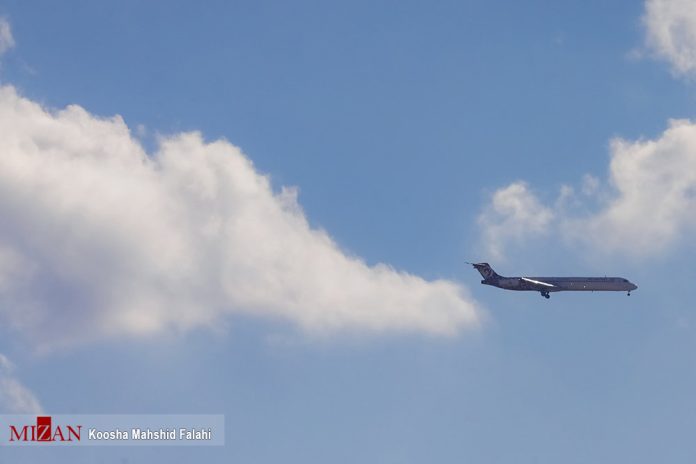
Iran’s airports resume 24-hour operations following conflict with Israel, except Mehrabad

Iran Airport

According to a CAO statement on Thursday, the decision follows a detailed security and safety review amid the current national situation.
While flight services have returned to regular schedules across the country, training and recreational flights remain suspended until further notice, it said.

The organization urged passengers to avoid going directly to airports and instead coordinate with airlines and purchase tickets in advance. It emphasized that this approach is part of a gradual return to normal flight operations.

The CAO noted that some unauthorized websites and online channels are exploiting the situation by selling counterfeit tickets at inflated prices.

Iran grounded all flights across the country after Israel struck airports among other civilian targets in its aggression last month.

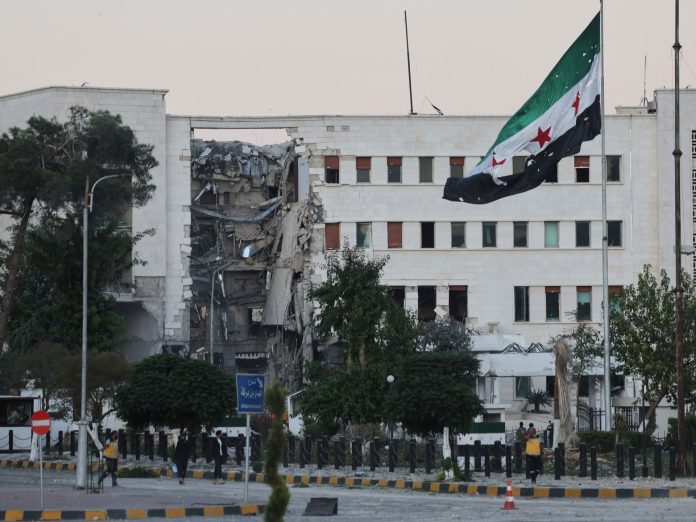
Syrian president vows to protect Druze, slams Israeli attacks on Damascus

The Syrian leader made the statements in a televised speech on Thursday, addressing days of fierce clashes between Druze armed groups, Bedouin tribes and government forces in the predominantly Druze city of Suwayda.

Israel, which sees the Druze as an ally, launched a series of powerful strikes near Syria’s presidential palace and on the military headquarters in the heart of Damascus on Wednesday, warning Syria it would escalate further if it did not withdraw from the south and halt attacks against the Druze community.

“We are keen on holding accountable those who transgressed and abused our Druze people, as they are under the protection and responsibility of the state,” Sharaa said in the speech, describing the minority as “a fundamental part of the fabric of this nation.”

“We affirm that protecting your rights and freedoms is among our top priorities,” he continued, adding, “We reject any attempt foreign or domestic to sow division within our ranks.”

Al-Sharaa stated that “responsibility” for security in the violence plagued would be handed to religious elders and some local factions “based on the supreme national interest”.

At least 169 people have been killed in the violence in southern Syria in recent days, local sources tell Al Jazeera, while UK-based war monitor, the Syrian Observatory for Human Rights, says that more than 360 people have been killed.

The remarks came after the Syrian government and Druze leader Sheikh Yousef Jarbou announced a new ceasefire in the city, and said the army had begun withdrawing from Suwayda. Dozens of Syrian military vehicles were seen leaving the city overnight.

One Druze leader, Sheikh Jarbou, stated that he agreed to the ceasefire deal and has spoke out against the Israeli strikes on Syria, telling Al Jazeera Arabic that “any attack on the Syrian state is an attack on the Druze community”.

But another influential Druze leader in the city, Sheikh Hikmat al-Hajari, noted he rejected the ceasefire and had promised to continue fighting until Suwayda was “entirely liberated”.

In his speech, al-Sharaa called for national unity, saying that “the building of a new Syria requires all of us to stand united behind our state, to commit to its principles, and to place the interest of the nation above any personal or limited interest.”

Addressing the Druze community, he stressed that the government rejected “any attempt to drag you into the hands of an external party”, in a pointed reference to Israel’s deadly intervention in the conflict.

“The Israeli entity, which has consistently targeted our stability and sowed discord since the fall of the former regime, now seeks once again to turn our sacred land into a theatre of endless chaos,” he continued.

“We are not among those who fear the war. We have spent our lives facing challenges and defending our people, but we have put the interests of the Syrians before chaos and destruction.”

He added that Israel’s extensive strikes, including those that killed three people and injured 34 in Damascus on Wednesday, could have pushed “matters to a large-scale escalation, if it were not for the intervention of US, Turkish and Arab mediators “which saved the region from an unknown fate”.

The US, which has softened its stance towards Syria and is attempting to re-engage and support the country’s reconstruction after more than a decade of conflict, has been eager to de-escalate the conflict, which State Department spokesperson Tammy Bruce called “a misunderstanding between new neighbours”. The US called on Syria on Wednesday to withdraw its troops from the southern border area in order to de-escalate tensions.

The escalation in Syria began with tit-for-tat kidnappings and attacks between Druze armed factions and local Sunni Bedouin tribes in Suwayda province.

Government forces that intervened to restore order clashed with the Druze, with reports of Syrian troops committing abuses, according to local monitors and analysts.

The actions committed by members of the security forces – acknowledged as “unlawful criminal acts” by the Syrian presidency – have given Israel a pretext to bombard Syria as it builds military bases in the demilitarised buffer zone with Syria seized by its forces.

Clashes previously broke out between government troops and Druze fighters in April and May, killing dozens. Local leaders and religious figures responded by signing agreements to contain the escalation, and better integrate Druze fighters into the new Syrian administration.
The Druze developed their own militias during the nearly 14-year ruinous war. Since al-Assad’s fall, Druze factions have been operating with a degree of autonomy in Suwayda and surrounding areas.
Israel has been attempting to expand its control in southern Syria since the fall of President Bashar al-Assad in December, and has repeatedly bombed the country this year.

Amid the fighting in Suwayda, Israel has demanded the Syrian troop withdraw to create a demilitarised zone in southern Syria, and have been moving ground forces deeper into the occupied Golan Heights, effectively expanding its illegal occupation.