Saturday, January 3, 2026
Home Blog Page 2635

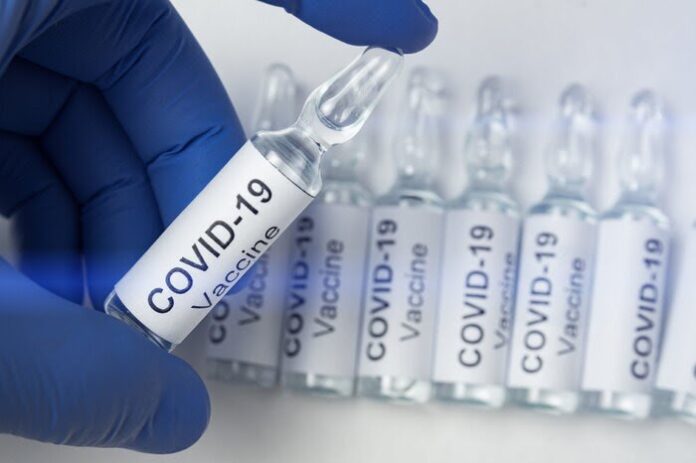
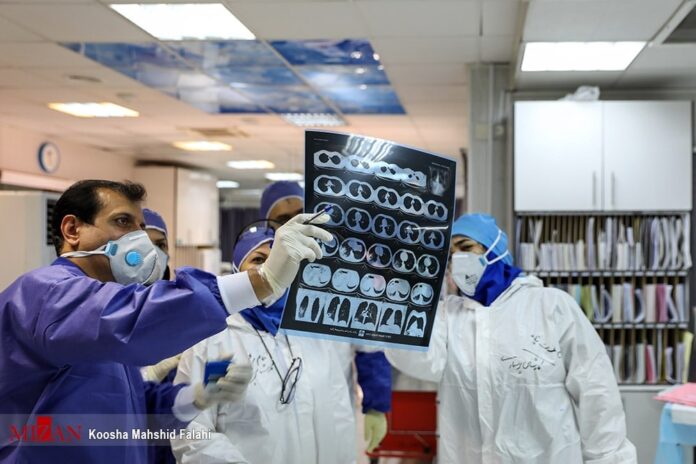
First Iranian Coronavirus Vaccine Enters Clinical Studies Phase

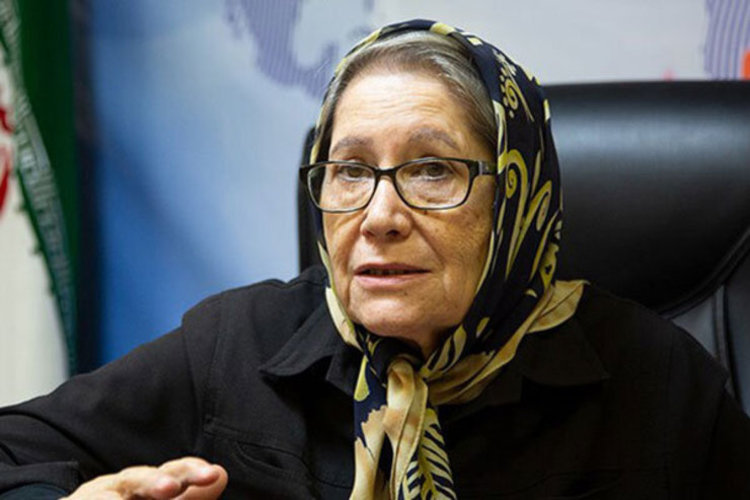
The health ministry announced that the ShafaPharmed pharmaeceutical company has developed the vaccine, identifying the main researcher as Minoo Mohraz.

First Iranian Coronavirus Vaccine Enters Clinical Studies PhaseThe researcher is an infectious disease specialist, a member of the Scientific Committee of the National Coronavirus Task Force, and a seasoned physician with a long record of contribution to research activities in the field of infectious diseases.

Years ago, Mohraz conducted a study on an Iranian-made drug for AIDS, which later came to be known as IMOD. The drug was used as a complementary medicine in treating HIV-positive patients.

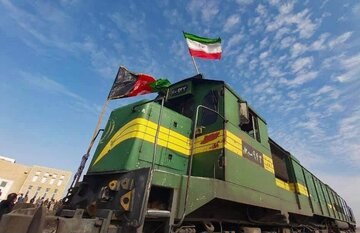
Iran’s First Consignment of Exports Arrives in Afghanistan via Rail

The shipment which contained 500 tonnes of cement was dispatched on a trial basis to detect possible problems and challenges on that route.

The railway will be officially inaugurated in the coming days by officials of both countries.

The construction of the railway got underway in 2007. The railway connects the city of Herat in Western Afghanistan to Iran’s rail network. When completed and inaugurated, the route is predicted to transport two million tonnes of goods and 200 thousand passengers annually.

The Khaf-Herat railway is significant not only in terms of transportation of commodities and passengers, but also because it links northern Afghanistan to Iran and the high seas and even European countries. Moreover, the railway will also facilitate the transportation of goods to East Asian nations via Afghanistan.

Iran Urges Int’l Community to Build Consensus against Coercive Measures

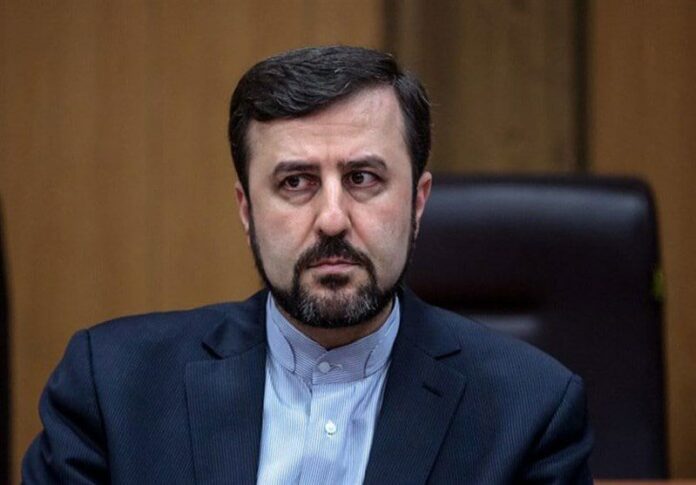
The top diplomat said among the specifications of the contemporary era is that a few countries, especially the US, tend to impose unilateral coercive measures against target countries to serve their foreign policy objectives.

He said such measures directly impacts on the right of sovereignty of affected countries as well as other nations.

“The Islamic Republic of Iran is among the countries subjected to such inhumane moves,” said Gahribabadi at the virtual Diplomatic Seminar “Unilateral Coercive Measures in the coronavirus Framework.” Organized by Iran, Cuba and Venezuela’s permanent representatives to Vienna and attended by more than 38 countries.

“This situation coupled with the rapid and unrestrained spread of coronavirus across the world has proven its adverse consequences on such countries with regards to some challenges,” he said.

“In fact, in this arena, no nation can tackle these challenges alone, and the only available tool to achieve that end is cooperation and solidarity, not intensifying inhuman coercive measures against other nations to achieve malevolent political goals,” he said.

Gharibabadi noted the unilateral anti-human coercive measures adopted by the US are the reason for restricting capabilities to maintain and boost potential for the prevention and control of the spread of COVID-19.

“These inhumane measures seriously affect the health and lives of Iranians and other nations,” the top diplomat noted.
“The Islamic Republic of Iran has tried its utmost and used all its power to prevent and control the further spread of this highly contagious virus. Still, the United States’ unilateral coercive measures, which have led to severe international banking restrictions on Iran, has highly circumscribed our ability to finance the imports of humanitarian items, including drugs and medical equipment,” he noted.

“At a time when the US government claims it has incorporated exemptions into its sanctions regime for importing humanitarian items, this claim is contrary to reality, and these exemptions have practically failed to make up for companies, banks and businessmen’s reluctance to accept risks for exports and funding humanitarian commodities,” he noted.

“Such measures have a negative impact on target countries’ ability to give adequate response to the ever-increasing health consequences of the coronavirus pandemic,” he said.

Elsewhere in his remarks, the top diplomat touched upon the assassination of eminent Iranian scientist Mohsen Fakhrizadeh, and addressing participants in the seminar, said, “At a time when Iran is under such inhuman sanctions by the US, a prominent Iranian scientist called Dr.

Mohsen Fakhrizadeh was assassinated, which runs counter to international law, including the principles of the UN Charter and fundamental human rights,” he said.

He praised efforts by the slain scientist, including his development of the first domestically-made kit for the coronavirus test.

“We categorically condemn this heinous terror act and call on countries and relevant international organizations to clearly and strongly condemn this terrorist act,” he noted.

He said it is time the international community denounced such criminal act and asked the US to immediately lift its illegal sanctions, so that target countries would be able to tackle this virus.

Iran Gov’t Obliged to Implement Law on Strategic Action to Lift Sanctions

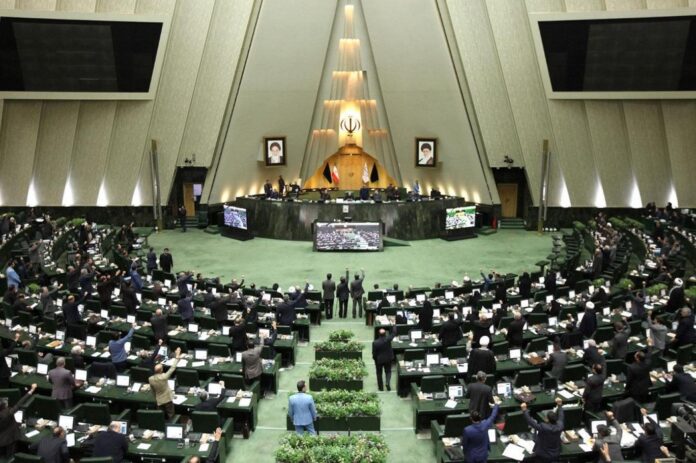
In a letter to President Hassan Rouhani, Parliament Speaker Mohammad-Baqer Qalibaf announced the law which would seek to have anti-Iran sanctions lifted and safeguard national interests.

“The letter obliges the government to implement the law,” said Ahmad Amirabadi, a member of the Parliament’s Presiding Board.

Earlier, the Guardian Council had approved the plan after corrections were made to it, and sent the legislation back to the Parliament.

Article one of the law instructs the Atomic Energy Organization of Iran (AEOI) to, immediately after the ratification of the act, produce 20%-enriched uranium for peaceful purposes and stockpile at least 120 kilogrammes of it annually, and fully and promptly meet domestic need for uranium enriched above 20-percent purity level for peaceful purposes.

Article two of the act also instructs the AEOI to increase, by at least 500 kilogrammes a month, the capacity for uranium enrichment and producing uranium enriched at purity levels suitable for each of peaceful purposes in the country, and to maintain and stockpile the enriched material.

Moreover, the law obliges the government to, two months after the legislation becomes binding in parliament, stop allowing inspections which go beyond the Safeguards Agreement, including the voluntary implementation of the Additional Protocol if the other signatories to the Iran nuclear deal fail to fully make good on their commitments toward Iran and banking relations are not normalized and obstacles to exports and Iran’s sale of oil products are not fully removed and forex proceeds from sales are not immediately and fully returned to the country.

It is stipulated in the law that anyone refusing to implement the law or blocking the implementation of the legislation will be subject to discretionary punishment under the Islamic Penal Code.

Iran Reports Lowest Number of Single-Day COVID-19 Fatalities Since Oct. 29

In her press briefing on Wednesday, Sima-Sadat Lari said the new deaths increase the overall death toll to 48,990.

Lari also reported 13,621 new cases of COVID-19 infection, raising the total number of cases to 989,572.

So far, she added, 688,054 patients have recovered from the disease or been discharged from the hospital.

Lari said 5,828 patients are also in critical conditions caused by more severe infection.

The spokeswoman noted that 6,212,694 COVID-19 tests have been taken across the country so far.

She said the high-risk “red” zones include Tehran, Qom, Mazandaran, East Azarbaijan, Isfahan, Yazd, Ardabil, Khorasan Razavi, Khuzestan, Hamadan, West Azarbaijan, Bushehr, Chaharmahal and Bakhtiari, Kohgiluyeh and Boyer-Ahmad, Alborz, Lorestan, Markazi, Ilam, South Khorasan, Kermanshah, North Khorasan, Semnan, Gilan, Zanjan, Qazvin, Kurdistan, and Kerman provinces.
The “orange” and “yellow” zones also include Golestan, Hormozgan, Fars, and Sistan-and-Baluchestan provinces, she added.

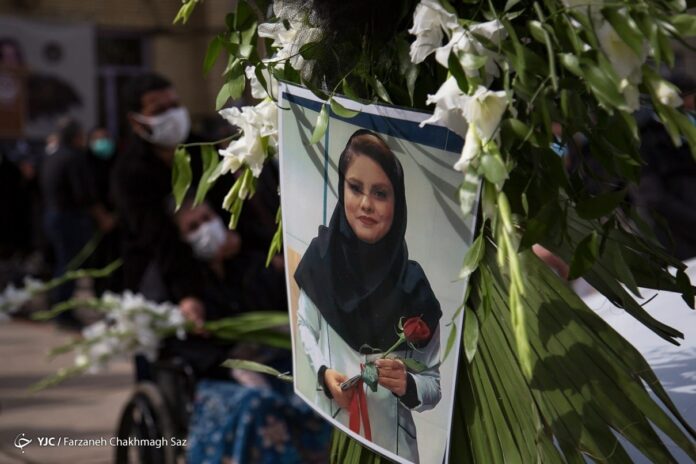
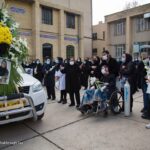
Medical Workers Say Goodbye to Colleague Killed by COVID-19

Photo by Farzaneh Chakhmaq Saz, YJC

Growth of Medical Tourism in Iran ‘Unprecedented’ in Recent Years

Iran is considered a medical tourism destination and 300,000 people travel to Iran every year for medical reasons. Medical tourism Iran is growing rapidly for many reasons like the diversity of medical and cosmetic services, convenience, low cost, quality of services, and experienced and famous doctors. Iran can attract an average of one million medical tourists annually.

Medical tourism in Iran

Medical tourism in Iran includes many sections. In this article, Saadattravel, as one of the best providers of medical and cosmetic services in Iran, introduces the most popular Iran medical tours that are held in the different cities of Iran for patients from around the world.

The most common and important type of health tourism in Iran is medical tourism. This type of therapeutic tourism is usually done to treat illness or surgery and deals directly with people’s lives and health, so it is very sensitive. Medical tourism is completely different from recreational tourism and in addition to facilities and costs, it also requires expertise and skills.

The presence of skilled and experienced doctors and surgeons, medical equipment, subspecialty hospitals, and medical science is necessary to prepare the medical infrastructure of a country to accept tourists who travel to a country for medical treatment. Medical tourism Iran belongs to thousands of years ago and this is known all over the world. Keep in mind that having all the necessary conditions is effective in attracting more medical tourists. But which medical and cosmetic services are done in Iran?

Popular medical tourism services in Iran

Rhinoplasty in Iran

Rhinoplasty in Iran is the most popular cosmetic surgery for both Iranian and foreign services. As the capital of rhinoplasty, more than 80,000 rhinoplasties are performed annually in Iran, which is seven times more than in the United States.

The high success rate of rhinoplasty in Iran is due to various factors such as the improvement of surgical techniques, competitive prices, and finally, skilled surgeons. The cost of rhinoplasty in Iran is usually lower than in other countries, while the level of satisfaction is higher.

Weight loss surgery in Iran

Many people from all over the world choose Iran for weight loss surgery. According to statistics, more than 7,000 weight loss surgeries, or obesity treatment surgeries, are performed annually in advanced weight loss clinics in Iran. People all over the world choose Iran for a variety of reasons, including the reasonable price of weight loss surgery, top surgeons, fast recovery, complete treatment packages, treatment visas, no need to be on the waiting list, and more.

Sleeve surgery is one of the most common weight loss options. Compared to European countries and neighboring countries of Iran, the cost of gastric surgery, which is one of the most common weight loss surgeries, is much more appropriate and affordable in Iran. All in all, if you are looking for successful and affordable weight loss surgery abroad, consider Iran as a special option.

dentistry in Iran

The history of dentistry in Iran belongs to more than 800 years ago. Since then, many advances have been made in the science of dentistry in Iran. It is a matter of pride that Iran’s dental services, if not the best, are among the highest in the world and that Iran’s dental clinics have the most modern and up-to-date equipment in the world.

Iran’s highly skilled dentists cover a wide range of dental services, including cosmetic and therapeutic services. It is also worth mentioning that cosmetic dentistry is very popular in Iran due to professional services, especially the very reasonable cost of dental services in Iran, especially the competitive price of implants.

Cosmetic dentistry includes any dental services that focus on improving the appearance of teeth and gums. Because the importance of satisfaction with the appearance of teeth is very high for men and women, and also plays an important role in self-confidence, the goal of cosmetic dentistry is to improve the beauty of teeth in various ways, including improving the color, size, shape, and location of teeth. And also improve the smile design.

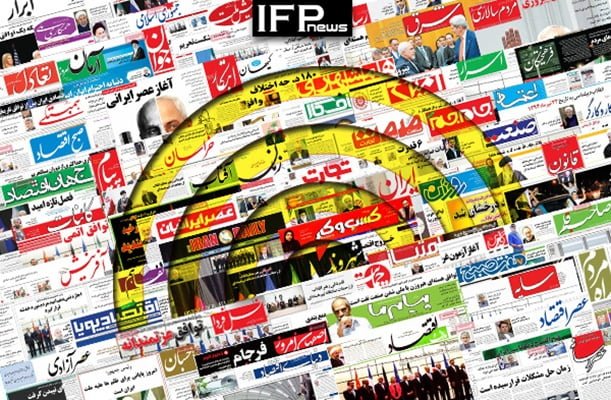
A Look at Iranian Newspaper Front Pages on December 2

Iranian Newspapers

Iranian Newspapers

Aftab-e Yazd Newspaper:

1- Revenge and Diplomacy Hand in Hand

* Newly-Released Photos Show Fakhrizadeh Was Member of Nuclear Negotiating Team, Wasn’t Opposed to Diplomacy Despite Certain Claims

2- Iran’s Economy Shouldn’t Be Disrupted When Someone Sneezes

A Look at Iranian Newspaper Front Pages on December 2


Arman-e Melli Newspaper:

1- Iran’s Economy Has Outraged Enemies: Rouhani

2- What Iran Needs Today Is National Consensus [Editorial]

A Look at Iranian Newspaper Front Pages on December 2


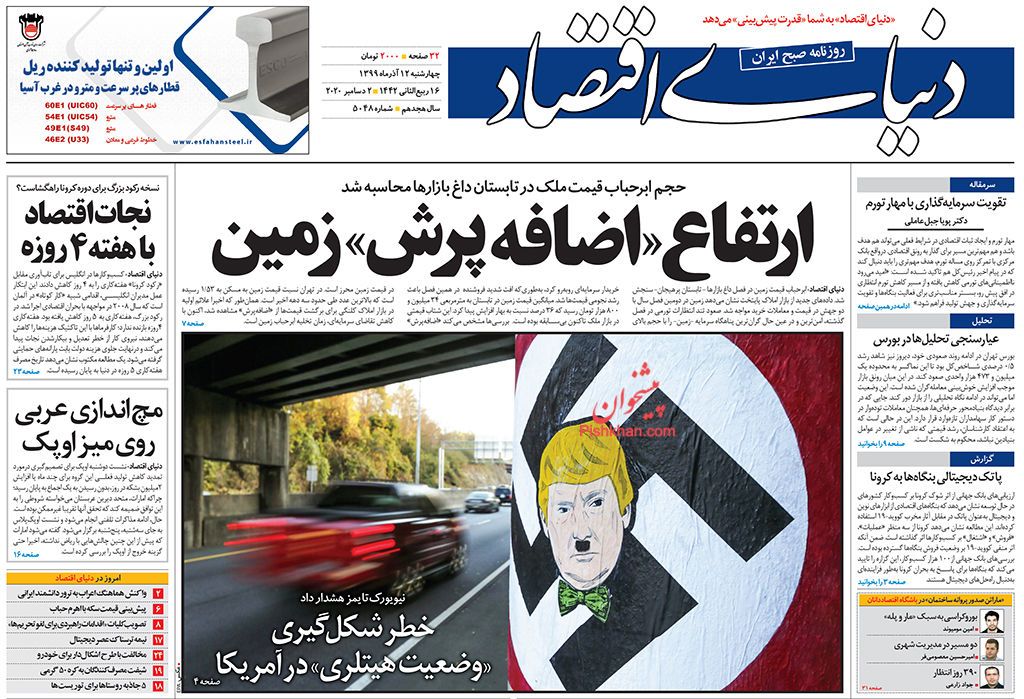
Donya-ye Eqtesad Newspaper:

1- US May End Up in ‘Hitler State’, NY Times Warns

2- Saving Economy by Reducing Working Days to 4 in Week

* Will ‘Big Recession’ Prescription Work in Pandemic?
A Look at Iranian Newspaper Front Pages on December 2


Etemad Newspaper:

1- One of the Hundreds of Untold Stories about JCPOA (Fakhrizadeh’s Order of Service)

2- A Street in Tehran to Be Named after Master Shajarian

3- Parliament against 2015 Nuclear Deal

4- $3 Billion Worth of Investment Taken Out of Iran

A Look at Iranian Newspaper Front Pages on December 2


Ettela’at Newspaper:

1- Qalibaf: Parliament Ended Iran’s One-Way Commitment to JCPOA

2- Gov’t Spokesman: Decision about Nuclear Program Beyond Only One Branch of Power

3- Zarif: US, Israel Provided IAEA with Fakhrizadeh’s Name

A Look at Iranian Newspaper Front Pages on December 2


Hamshahri Newspaper:

1- Iran’s Gold Coin, Forex Markets Shocked by Parliament’s Bill

2- Tehran Mayor Elected Co-President World Association of Major Metropolises: Chance for Tehran’s Dialogue with World Cities

A Look at Iranian Newspaper Front Pages on December 2


Iran Newspaper:

1- Order of Service Given to Fakhrizadeh When No One Knew Him

2- Parliament’s Unilateral Move on JCPOA Despite Government’s Opposition

3- Rouhani: If You Disrupt People’s Psychological Calm You’re Playing in Enemy’s Court

A Look at Iranian Newspaper Front Pages on December 2


Javan Newspaper:

1- Parliament Blocks Road of ‘One-Way JCPOA’

* Gov’t Doesn’t Like Strategic Action Plan to Lift Sanctions

2- Iranian Vaccine for Coronavirus to Be Produced Early Summer 2021

A Look at Iranian Newspaper Front Pages on December 2


Jomhouri Eslami Newspaper:

1- Gov’t Opposed to Parliament’s Nuclear Bill

2- Extension of Oil Output Cut Hinges on Non-OPEC Members’ Decision

3- Yemen War Kills 233,000 People: UN

A Look at Iranian Newspaper Front Pages on December 2


Kayhan Newspaper:

1- Parliament’s Bill Aimed at Lifting Sanctions: Why Does It Make You Angry?

2- Over 2,000 Physics Researchers: We’ll Continue Fakhrizadeh’s Path

3- They Speak Persian, but Act Hebrew!

4- Israel’s Assets in Iran: It’s Dangerous to Take Revenge from Terrorists

* A Look at Tuesday Contents of Chain Fake Newspapers

A Look at Iranian Newspaper Front Pages on December 2


Khorasan Newspaper:

1- Mobile Coronavirus Bombs: 73% of Those Infected in Tehran Didn’t Remain in Quarantine

2- Second Dead Whale in Kish Island’s Coast

A Look at Iranian Newspaper Front Pages on December 2


Mardom Salari Newspaper:

1- Parliament Gives One Month Time to JCPOA

2- Lavrov Elaborates on Russia’s Conditions for Working with Biden

A Look at Iranian Newspaper Front Pages on December 2


Shargh Newspaper:

1- Assassination Can’t Prevent Iran’s Nuclear Development: Borrell

2- The Parliament of Countering JCPOA

3- Immature Reactions to Organized Assassination

A Look at Iranian Newspaper Front Pages on December 2

Tehran No Longer a ‘Red Zone’; Many Businesses Can Reopen Saturday

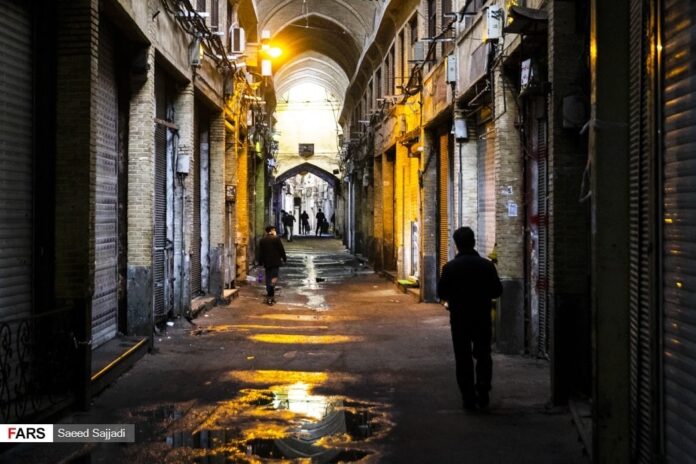
The two-week COVID-19 restrictions imposed in Tehran and dozens of other “red zones” across the country have reportedly decreased the number of fatalities caused by the virus, and the capital is now in the “orange zone”, according to officials.

As of Saturday, when the two-week period is over, almost all businesses (including shopping malls, restaurants, and the like) can reopen.

However, a travel ban from 9 pm to 4 am will be extended, the number of staff in government offices will remain restricted, and religious ceremonies will remain banned in Tehran and other orange zones across the state.

According to officials, these places will remain closed in Tehran (and other orange zones): Schools, universities, kindergartens and all educational institutes, swimming pools, theatres and cinemas, wedding and mourning halls, beauty salons, libraries, gyms, shrines, hookah bars, zoos and amusement parks.

While Tehran is no longer a red zone as per officials, nine provincial capitals are still in that zone and all businesses except for essential ones will remain shut down there. These cities include Mashhad, Rasht, Qazvin, Ardabil, Zahedan, Shiraz, Sari, Bojnourd, and Gorgan.

Belgian Foreign Minister Condemns Fakhrizadeh Assassination

In this phone call, the Belgian top diplomat condemned the terrorist assassination of Iranian scientist Mohsen Fakhrizadeh.

The two sides also exchanged views on bilateral consular issues.

Belgium arrested Iranian diplomat Asadollah Assadi in 2018, and has kept him detained so far, on charges of being linked to a bomb attack plot in the French capital of Paris.

There are speculations that Iran might be interested in securing the release of Assadi in return for the release of an Iranian-Swedish citizen, Ahmadreza Djalali, who has been sentenced to death in Iran on charge of espionage.