Tuesday, April 28, 2026
Home Blog Page 2633

Iran Opens Clinical Skills Training Centre with Homegrown Equipment

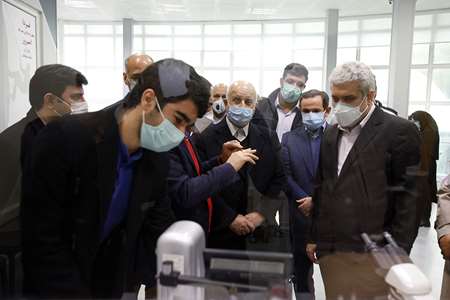
Sorena Sattari on Monday inaugurated the Advanced Clinical Skills Training Centre at Imam Khomeini hospital of Tehran.

The training centre, affiliated with Tehran University of Medical Sciences, is furnished with medical equipment that have been designed and manufactured by the Iranian knowledge-based companies.

The centre is equipped with a broad range of medical gear, including advanced surgical and clinical simulators and state-of-the-art equipment for specialized training courses for the medical students and other hospital personnel.   

The eye-catching equipment available in the training centre include Parsis surgical navigation system, Sina remote-controlled robotic surgery system, Sina robotic surgical simulator, laparoscopy simulator, spinal anesthesia simulator, eye surgery simulator, robot-assisted surgery tools, and a three-dimensional simulator for developing clinical skills.

In comments after opening the site, Sattari described the new centre as an outstanding example of connection between knowledge-based innovations and the medical sciences. 

The vice president said the domestic knowledge-based companies are capable of fulfilling the country’s technological needs for laboratory and medical equipment.

In separate comments on the sidelines of the event, Secretary of Iran’s Nanotechnology Innovation Council Saeed Sarkar said efforts are underway to set up 20 clinical skills training centres across the country under the auspices of the Vide Presidency for Science and Technology.

Iran’s Leader Permits Expediency Council to Procced with Work on FATF Bills

FATF’s Blacklisting of Iran; Threat or Opportunity?

Iranian Vice President for Legal Affair Laya Joneidi announced on Monday that Ayatollah Khamenei has agreed on the extension of work on reviewing the FATF bills.

In a recent letter to the Leader, the administration had put forward legal proposals to address a series of concerns of the Expediency Council’s members and has explicated Iran’s current action plan and a number of other developments, such as amendments to a series of recommendations made by the Financial Action Task Force, she added.

Ayatollah Khamenei has approved the administration’s proposal for the extension of period for working on the remaining bills relating to the FATF commitments, and referred the case to the Expediency Council, Joneidi noted.

In October 2018, the Iranian Parliament passed a bill proposed by the government on combating the financing of terrorism as part of the country’s implementation of international standards set by the FATF.

The combating the financing of terrorism (CFT) bill, one of the four put forward by the government to meet FATF demands, was passed by 143 votes to 120.

Out of the four bills required by the FATF, Iran has already approved two, but the other two bills have been stalled amid worries that they may expose the country to financial spying and new sanctions on Tehran.

Iranian Diplomat Acclaims Oman’s Balanced Approach during Muscat Visit

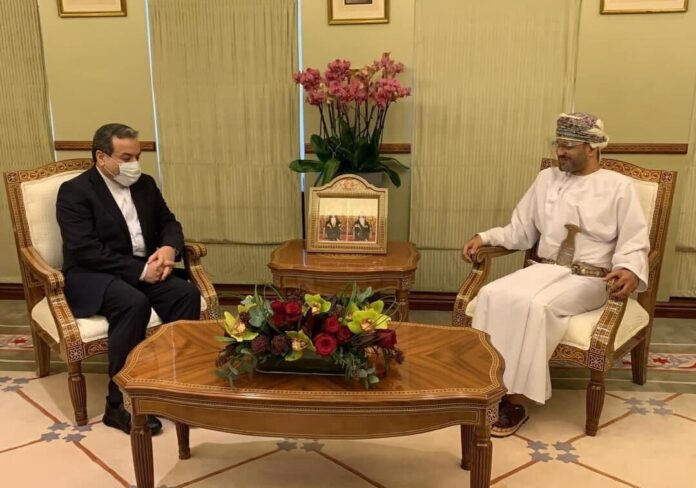
araqchi

Araqchi made the remarks during a visit to Muscat, where he arrived on Monday morning to participate in the 7th meeting of Iran-Oman Committee of Strategic Consultations.

The ranking Iranian diplomat also held a meeting with Minister of Foreign Affairs of Oman Sayyid Badr bin Hamad bin Hamood Al Busaidi on Monday.

In the gathering, Araqchi highlighted Oman’s significant place in Iran’s foreign policy, hailing the sultanate for its balanced role and stances on the regional and international developments.

The Iranian deputy minister also underlined the importance of constant interaction between the officials of the two countries, saying the decision to convene a session of the Strategic Consultations Committee at the current juncture is highly significant.

The top Omani diplomat, for his part, highlighted the capacities available in the bilateral relations between two Muslim countries, calling for closer cooperation with Iran, particularly in the economic and trade fields.

Busaidi also stressed the need for talks on the regional issues, and expressed hope that the ground would be prepared under the new international conditions for understanding among the regional countries.

The Iranian deputy foreign minister is visiting Oman after a three-day trip to Afghanistan.

France Can’t Preach Others on Human Rights after Honouring Egyptian Dictator: Iran

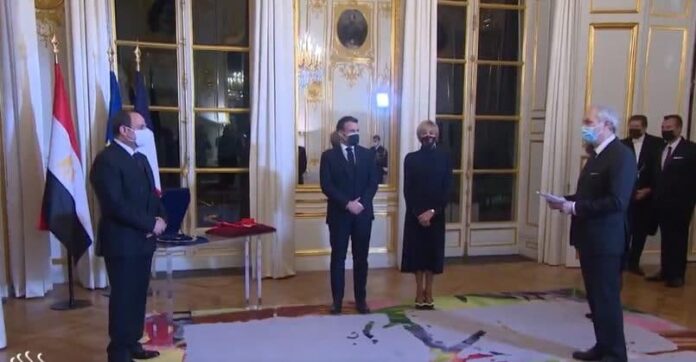
Egyptian President Abdel Fattah el-Sisi receives France's highest honour, the Grand Cross of the Legion of Honour (Légion d'honneur) in a ceremony in Paris attended by French President Emmanuel Macron

In comments on Sunday, Khatibzadeh said it is a “bitter irony” that “a country that secretly awards Légion d’honneur (the Legion of Honour) to a dictator who has launched a coup, has suppressed numerous people in demonstrations and has imprisoned them in dungeon or executed them, is shamelessly talking about democracy and human rights.”

The Iranian spokesman made the remarks in reaction to the French Foreign Ministry’s statement in criticism of Iran’s execution of Rouhollah Zam, the administrator of the Telegram channel Amad News.

“It’s a great shame that some European countries have turned into a safe haven for terrorists for years, from Munafeqin (Mujahedin-e Khalq Organization) grouplet to Al-Ahwaziya criminals,” he deplored.

“A number of the main elements of grouplets like Tondar, who masterminded and guided a bombing operation at the Sayyid al-Shuhada Hussainiya (mosque) in Shiraz in 2008 and had plans to carry out other major operations in other parts of Iran, but fortunately failed to do so with Iran’s intelligence dominance, had been granted citizenship by the very same European countries,” the spokesman noted.

“It is a great pity that great human values have in such way become a plaything in the hands of the governments that have turned everything, including human rights and freedom of expression, into an instrument for their short-sighted political objectives,” the Iranian diplomat deplored.

France, Germany, the European Union and several other countries issued statements in condemnation of Zam’s execution in Tehran. The Islamic Republic says his online work incited violence across the country during the 2017 protests over a hike in fuel prices.

In reaction to what Iran calls “interventionist” statements by European countries, the ambassadors of Germany and France were summoned to the Foreign Ministry on Sunday.

“The ambassador of Germany, in its capacity as the rotating president of the (European) Union and also in its national capacity, as well as the ambassador of France were summoned by the director general for European affairs at the Foreign Ministry this afternoon following the interventionist statements issued (by Germany and France),” Khatibzadeh said.

“At the meetings, the Foreign Ministry’s director general for European affairs notified the ambassadors of Iran’s strong and explicit protest against the statements of the European Union and the two European countries in support of the notorious terrorist element and the financial and spiritual support from certain European countries for terrorist elements and groups, who have clearly committed criminal security acts against the Iranian nation in cooperation with the Western and the Zionist regime’s espionage services and have explicitly confessed to them,” the spokesperson added.

“In these two meetings, the Foreign Ministry’s director general for European affairs asked the German and French ambassadors according to which standard are incendiary bomb-making training, plots for street clashes, cooperation with the foreign governments and intelligence services with the purpose of toppling the political structure of Iran, and aiding and abetting the armed criminal activities called journalism? Or under which definition does a journalist become monitored and protected by and cooperate with the internal security agency of France and in close contact with Mossad, begin to extensively collect sensitive national information, including the military information, and provide them to the intelligence services of certain countries?” he added.

“As an instance, although the French officials were mindful of the anti-Iran activities and moves of Rouhollah Zam, the French Foreign Ministry’s spokesperson had confirmed earlier that he (Zam) had enjoyed full freedom to carry out his moves,” Khatibzadeh added.

“The Iranian nation will also never forget the role of that group of European countries in equipping Saddam with chemical weapons, which led to the tragic martyrdom of people of Sardasht and Halabja, as well as the martyrdom and injury of a large number of the IRGC and Army forces in the front lines during the imposed war. Still, many victims of chemical attacks during the imposed war are suffering from the pain and miseries across Iran caused by contamination from the chemical substances used in Saddam’s military weapons,” he said.

“In the meetings, the Foreign Ministry’s director general for European affairs added that from the viewpoint of the great Iranian nation, the European countries are accomplices in the shameful measures of such elements, as they have unfortunately sheltered the terrorist and criminal elements that have the Iranian nation’s blood on their hands, have turned a blind eye to their criminal acts, and, above all, try to sanctify terrorism. The fact that the European Union, Germany and France advocate for the criminal elements instead of apologizing to the Iranian nation and to the families of martyrs of terrorist and criminal operations and admitting to their role in those measures is strongly condemned. Thus, their hypocritical comments have no value in the eyes of the Iranian nation and government,” the spokesperson concluded.

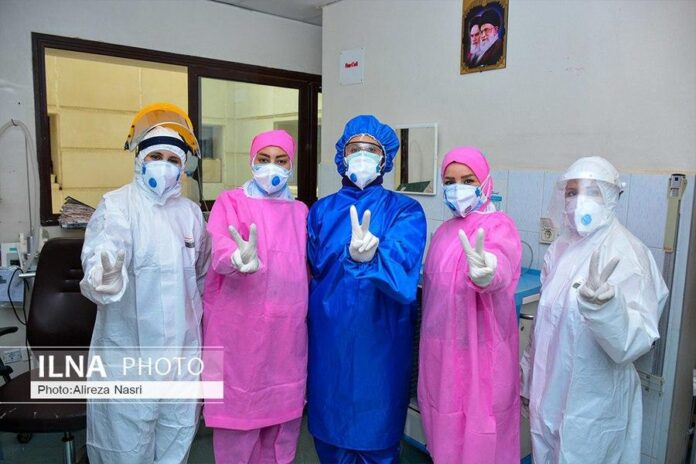
Cab Driver Wins Reputation after Refusing to Charge COVID-19 Nurse

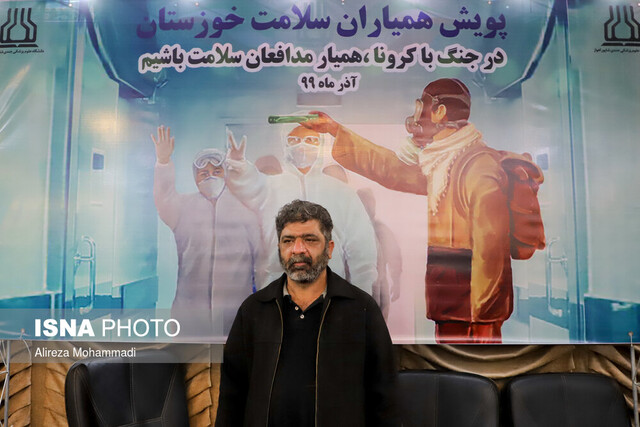
Cab Driver Wins Reputation after Refusing to Charge COVID-19 Nurse

After driving his passenger to the destination (a hospital in the southern Iranian city of Ahvaz), Behnam Makvandi called the cab hailing service centre and asked them to return the taxi fare to the account of the passenger, who had paid it online.

“The passenger was a nurse working at the coronavirus ward, and I don’t charge nurses who work there,” said the driver.

The recorded conversation between the driver and the operator at the online cab hailing service went viral on social media and drew public attention.

Makvandi has now become a high-profile figure on social media since his recorded voice went viral.

Even the chief of staff of the president hailed Makvandi, too.

In an interview with the Hamshahri newspaper, he said he had tried different jobs before he became a taxi driver.

“I hold a high school diploma and I used to work with heavy vehicles. Due to the conditions and incidents that happened, I wasn’t able to continue that job. Then I established a restaurant, which caught fire. Now, I’m working for an online cab hailing service,” he said.

He says he has not charged nurses working at coronavirus wards in hospitals since the disease broke out.

“I see what I’m doing as a duty,” he noted.

He said people should thank those nurses, not him.

Makvandi added he would like to work as a “health ambassador” to give people more awareness of the COVID-19 pandemic and urge them to observe health protocols more strictly.

Iran’s Araqchi Wraps Up Three-Day Visit to Afghanistan

Heading a delegation, Araqchi arrived in Afghanistan on Friday night, December 11, 2020, for a three-day trip including talks with the Afghan authorities on the issues of mutual interest. The ranking Iranian diplomat left Kabul on Sunday evening.

During his stay in Kabul, the Iranian deputy foreign minister held meetings with Chairman of Afghanistan’s High Council for National Reconciliation Abdullah Abdullah, Afghan Minister of Foreign Affairs Mohammad Hanif Atmar, National Security Adviser of Afghanistan Hamdullah Mohib, former president of Afghanistan Hamid Karzai, and Afghanistan’s Deputy Foreign Minister for Political Affairs Meerwais Nab.

The Iranian and Afghan officials discussed various issues in the meetings, including bilateral relations, the peace process in Afghanistan, regional and international issues and problems, and the common concerns of Iran and Afghanistan such as terrorism, narcotics and the troubles caused by the coronavirus outbreak.

In a meeting with his Afghan counterpart, the Iranian deputy foreign minister for political affairs condemned the terrorist rocket attacks that hit Kabul on Saturday morning, offered condolences over the deaths and injuries of a number of innocent civilians in the attacks, and expressed hope that establishment of peace would result in restoration of calm and security to Afghanistan.

The Iranian and Afghan deputy foreign ministers also discussed the last remaining sections of a comprehensive document on strategic cooperation between the two countries and pushed the deal closer to final stages.

After being finalized, the cooperation document will be signed by the presidents of the two states.

In other meetings with Afghan officials, Araqchi highlighted the commonalities and interrelationship between the two nations, stressing that the Islamic Republic of Iran regards peace and security in Afghanistan as its own peace and security.

The Iranian diplomat also touched on the preliminary progress achieved in the intra-Afghan talks, reaffirmed Iran’s policy of supporting negotiations attended by all Afghan political groups, including the Taliban, and expressed Tehran’s readiness to help build a consensus and contribute to the progress and success of the peace efforts.

The Iranian deputy foreign minister also expressed hope that those participating in the intra-Afghan talks would be able to maintain the achievements of Afghan people after 2001, particularly the Afghan Constitution and the political structure based on it, the right of Afghan people to self-determination through elections, and the rights of ethnic and religious minorities in Afghanistan, and would achieve a sustainable agreement for the settlement of disputes and establishment of peace.

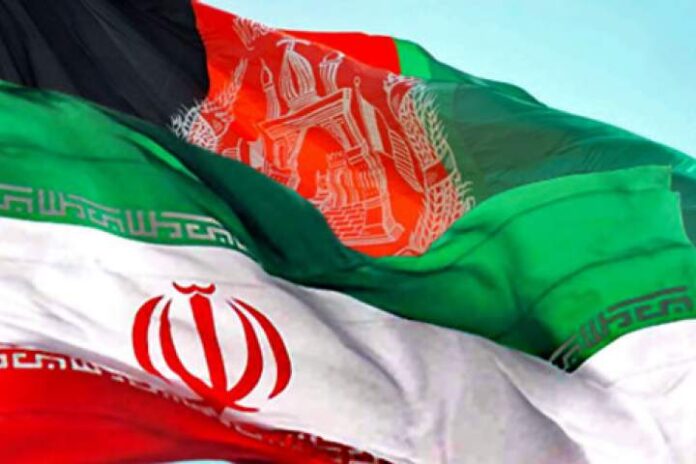
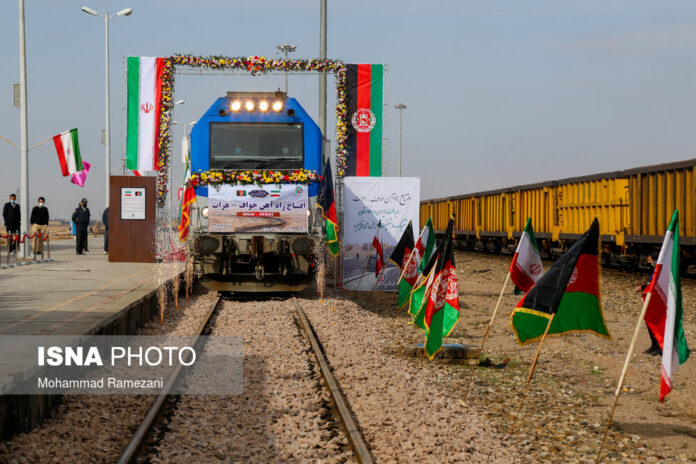
The Iranian and Afghan officials also hailed the launch of Khaf-Herat railway, which was inaugurated by the presidents of the two countries on December 10, as a historic and significant development that would facilitate and increase the bilateral trade and connect Afghanistan’s economy to the global markets.

Both sides stressed the need for investment in order to extend the rail route along the Silk Road with the purpose of boosting regional relations and expanding the rail network across Afghanistan as a prerequisite for the exploitation of natural resources as well as economic progress and boom in Afghanistan.

Araqchi also highlighted the technical capacities of the Islamic Republic of Iran Railways, and invited Afghanistan to take advantage of the Iranian capabilities to finish the construction of the fourth section of Khaf-Herat railway, which is to be completed by the Afghan government, and to implement other railway projects.

A Look at Iranian Newspaper Front Pages on December 13

Iranian Newspapers

Iranian Newspapers

Aftab-e Yazd Newspaper:

1- All Political Aspects of Iran-Afghanistan Railway

2- Iranian People’s Message to Erdogan

A Look at Iranian Newspaper Front Pages on December 13


Arman-e Melli Newspaper:

1- People of Tabriz Hold Anti-Turkey Rally

A Look at Iranian Newspaper Front Pages on December 13


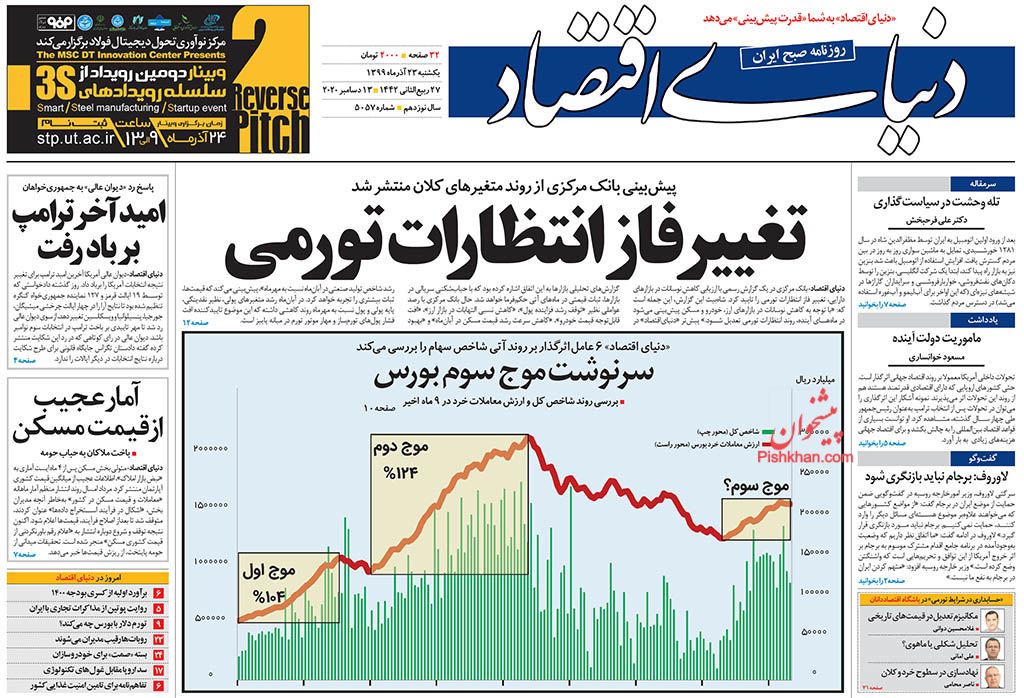
Donya-ye Eqtesad Newspaper:

1- Trump’s Last Hope Destroyed: Supreme Court Rejects GOP’s Request

A Look at Iranian Newspaper Front Pages on December 13


Ebtekar Newspaper:

1- Iran’s Red Lines Can’t Be Crossed with Some Poem

* Slip of the Tongue or Not Watching One’s Mouth?

2- Rouhani: Iran Never Denied Coronavirus Outbreak; Iran Out of Red Zone

3- Rouhollah Zam Executed: Last Station for Amad News Channel’s Admin

A Look at Iranian Newspaper Front Pages on December 13


Etemad Newspaper:

1- When One Loses All He Has with One Click

* Controversies over Betting and Gambling Websites

2- Iran’s Super-Issue and Its Relation to Human Rights

3- Biden Will Seek De-Escalation with Iran

4- Lavrov Praises Iran’s Implementation of Additional Protocol

A Look at Iranian Newspaper Front Pages on December 13


Ettela’at Newspaper:

1- Russia: JCPOA Shouldn’t Be Revised; US Is to Blame for Current Situation

A Look at Iranian Newspaper Front Pages on December 13


Iran Newspaper:

1- Iran-Afghanistan Railway to Boost Both Countries’ Economic Position

2- Lavrov: JCPOA Shouldn’t Be Revised

A Look at Iranian Newspaper Front Pages on December 13


Javan Newspaper:

1- Iranian Coronavirus Vaccine to Be Injected as of Late December

A Look at Iranian Newspaper Front Pages on December 13


Jomhouri Eslami Newspaper:

1- Continued Protests against Erdogan

2- Rouhani: It’s Dangerous to Make Coronavirus Seem Normal

A Look at Iranian Newspaper Front Pages on December 13


Kayhan Newspaper:

1- Iran Must Expect Several Years of Severe Inflation If Rouhani’s Budget Bill Not Rejected

2- Mr Erdogan! Read Aloud Rest of the Poem as Well!

3- Rouhani: Coronavirus on Decline in Most Provinces

* People Asked to Stay Home on Yalda Night

A Look at Iranian Newspaper Front Pages on December 13


Khorasan Newspaper:

1- 500 Years of Azerbaijanis’ Sacrifices for Iran’s Integrity

2- Turkey Backs Off from Its Delusional Position

A Look at Iranian Newspaper Front Pages on December 13


Mardom Salari Newspaper:

1- Domestic and Foreign Barriers to Purchase of COVID-19 Vaccine

2- People of Tabriz Hold Rally against Erdogan’s Impudence

3- What Happened to Compensation for Iranian Victims of Mina Tragedy?

A Look at Iranian Newspaper Front Pages on December 13


Shahrvand Newspaper:

1- In Pursuit of ‘Godfather’ of Betting Websites

A Look at Iranian Newspaper Front Pages on December 13


Shargh Newspaper:

1- Low Turnout in Iran Elections to Pose Security Threat: Analyst

2- Rouhani: We Kept Relying on Science Instead of Idealism Since Beginning of Pandemic

A Look at Iranian Newspaper Front Pages on December 13

Daily Rise in Iran’s COVID-19 Infections Down to Lowest Since Oct. 30

Some 157,000 Recover from COVID-19 in Iran

In a press briefing on Sunday, Sima-Sadat Lari said the virus has also killed 247 patients since Saturday noon, increasing the overall death toll to 52,196.

She said so far 812,270 patients have recovered from the disease or been discharged from the hospital.

Lari went on to say that 5,723 patients are also in critical conditions caused by more severe infection.

The spokeswoman noted that 6,704,247 COVID-19 tests have been taken across the country so far.

She said currently 12 cities are in the “red zone”, 288 in the “orange zone”, and 148 in the “yellow zone” in terms of coronavirus outbreak.

The “red zones” include Zarrindasht in Fars province, Baft in Kerman province, Gomishan in Golestan province, Astara, Bandar Anzali, Rudsar and Talesh in Gilan province, and Amol, Behshahr, Ramsar, Galugah, and Neka in Mazandaran province.

Tehran, Kabul Move to Finalize Comprehensive Document

Speaking on the sidelines of a visit to Kabul, Araqchi said the strategic cooperation document includes five sections, four of which have been finalized, and only the section on security affairs remains to be agreed upon.

Highlighting the significance of close consultations between Tehran and Kabul, the deputy foreign minister said, “Iran and Afghanistan are two neighboring states with common interests and concerns.”

He also reaffirmed the Iranian government and nation’s support for Afghanistan, saying such assistance indicates that peace and stability in Afghanistan and Iran are interrelated.

The strategic fact is that the welfare and development of Afghan people is directly related to the progress of Iranian people, he added.

All Afghan people acknowledge that foreign states have been the root cause of the problems that have plagued their country over the past 40 years, Araqchi added, saying Iran has not been involved in any of the harms that Afghanistan has suffered throughout these years.

Describing consultations on Iran-Afghanistan comprehensive cooperation document as the main purpose of his trip to Kabul, the Iranian diplomat expressed hope that it would be the final round of negotiations as good progress has been made in finalizing the long-awaited agreement.

“The strategic comprehensive document provides the prospect of long-term relations between Iran and Afghanistan, defines the principles of the ties, and plays a major role in strengthening the bilateral relations,” Araqchi stated.

Asked about the stances on the Afghan peace talks in Qatar, the Iranian deputy foreign minister said, “The Afghan peace talks in Doha are negotiations among the Afghans themselves. No country should interfere in its details, and, ideally, the venue of the negotiations should be inside Afghanistan. However, only Afghans would make decisions about it.”

Araqchi has visited top Afghan authorities in the visit to Kabul, including Chairman of High Council for National Reconciliation Abdullah Abdullah and former president of Afghanistan Hamid Karzai.

Iran-Afghanistan Railway to Boost Mutual Trade: Minister

Mohammd Eslami said the railway will facilitate trade between the two sides.
“Afghanistan has considerable economic and social relations with the Islamic Republic of Iran. Afghanistan also has intact mineral resources, and if they are explored, mineral cargo can be transported via the Khaf-Herat railway,” he said.

The minister said the railway will also reduce transportation costs, break the monopoly on the transportation of goods, increase regional transport safety and decrease fuel consumption compared to road transport.

“The Khaf-Herat railway has connected Afghanistan to Iran’s rail network as well as international corridors,” he added.

“When [fully] operational, the railway will be linked to Uzbekistan and Tajikistan, serving as a watershed in transport cooperation and the revival of the historical Silk Road,” he said.