Tuesday, December 30, 2025
Home Blog Page 2555

Iran Confirms Exchange of Message with US on Prisoner Swap

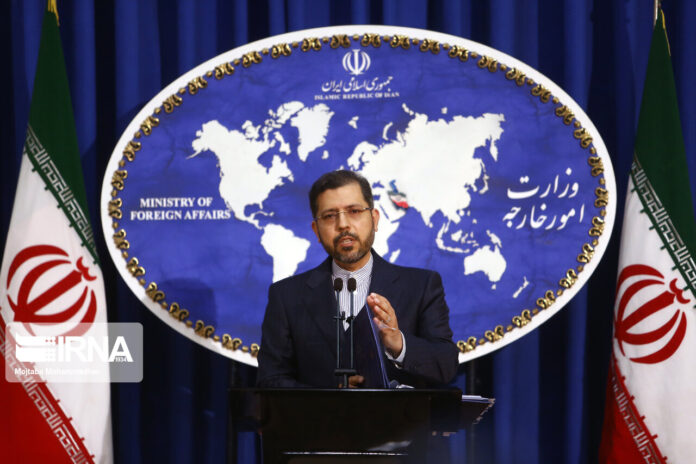
“The Swiss Embassy in Iran as well as some foreign ministers have given Tehran messages suggesting the American side is interested in resolving this humanitarian issue,” Saeed Khatibzadeh said, referring to the issue of prisoners.

“We have also sent them, through the same channels, our message indicating a proposal put forward by Iranian Foreign Minister Mohammad Javad Zarif during his trip to the United Nations two years ago still holds,” the spokesman noted in his weekly press briefing on Monday.

“The proposal suggests all Iranian inmates [being held in the United States] be freed in return for American prisoners behind bars in Iran,” he said.

He expressed concern over the situation of Iranian inmates kept in US jails, and said the condition of the Iranians imprisoned in the United States has always been one of the priorities of the Islamic Republic of Iran.

“Many of our prisoners are in deplorable conditions and specifically subject to unfair treatment in the United States,” he noted.

He underlined many Iranian nationals are incarcerated in the United States for no good reason.

“They put handcuffs and shackles on an Iranian professor on pointless pretexts and keep him in solitary confinement. They condemn another Iranian prisoner on pointless pretexts. That inmate serves his time, and they defiantly keep him behind bars until his jail term ends,” he explained.

“There are many other examples like this. Naturally, the government of the Islamic Republic of Iran cannot [sit idly by and] see such blatant injustice takes place, especially with regards to Iranian nationals,” he said.

Khatibzadeh said the unfair treatment of Iranian prisoners by the US government is the legacy of the administration of former US President Donald Trump.

“This is the wicked heritage left behind for the current US administration by the previous one. We still can’t see the incumbent US administration distancing itself from this wicked heritage,” he added.


Iran, South Korea Reach Deal on Transfer of Iranian Assets

Iran, South Korea Reach Deal on Transfer of Iranian Assets

The two sides reached the deal in a Monday meeting held upon the request of the South Korean embassy.

During the meeting, the two sides agreed on the transfer of Iranian assets to its desired destinations, and the Central Bank informed Seoul of the amount of money it wants to be transferred and the destination banks.

The South Korean ambassador said his country is prepared to take all the measures required for enabling Iran to use all its assets in South Kore.

“There is no limit and restriction in that regard,” the diplomat said.
Hemmati, in turn, welcomed the change in Seoul’s approach, and said, “Although Iran welcomes the change in other countries’ approach and the expansion of collaborations, the Central Bank will continue its legal procedures to demand compensation from South Korean banks which refused to cooperate with Iran in the past few years.”

“The South Korean side needs to make a lot of efforts to erase this negative record,” he added.

Since 2019 when then US President Donald Trump ended the US sanctions waivers for South Korea to buy Iran’s oil, Tehran and Seoul have been at loggerheads over the latter’s blocking of some seven billion dollars of Iran’s cash assets.

Korea was one of the main purchasers of Iran’s oil after the nuclear agreement. It also turned into the largest buyer of Iran’s oil derivatives and gas at the same time. However, after souring the ties, they lost access to Iran’s oil and also the country’s large market for their products.

Earlier, the South Korean Deputy Foreign Minister visited Iran and held talks with the country’s top officials. His visit raised hopes that after the end of Trump’s era Tehran and Seoul could mend ties again.

Iran, IAEA Issue Joint Statement after Reaching ‘Temporary Understanding’

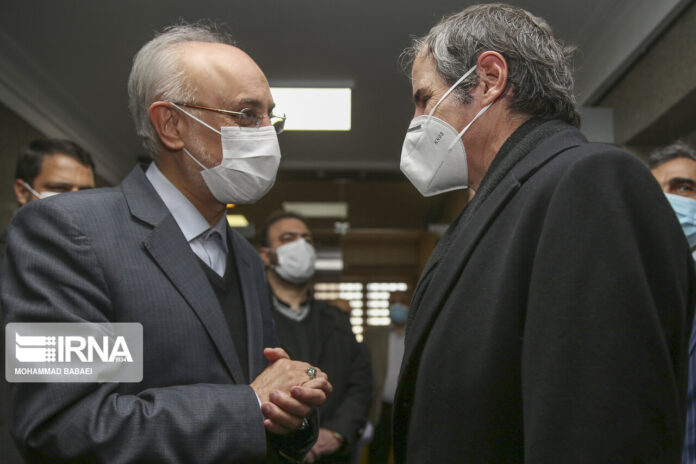
Ali Akbar Salehi- Rafael Grossi

According to the joint statement released on Sunday night after bilateral talks between IAEA Director-General Rafael Grossi and the AEOI Chief Ali Akbar Salehi in Tehran, the two sides recalled and reaffirmed the spirit of cooperation and enhanced mutual trust that led to the Joint Statement in Tehran on 26 August 2020, and the importance of continuing that cooperation and trust.

“The AEOI informed the IAEA that in order to comply with the act passed by the Parliament of the Islamic Republic of Iran called ‘Strategic Action to Cease Actions and Protect the interest of Iranian Nation’ Iran will stop the implementation of the voluntary measures as envisaged in the JCPOA, as of 23 February 2021,” the statement said.

“In view of the above and in order for the Agency to continue its verification and monitoring activities, the AEOI and the IAEA agreed:

1. That Iran continues to implement fully and without limitation its Comprehensive Safeguards Agreement with the IAEA as before.

2. To a temporary bilateral technical understanding, compatible with the Law, whereby the IAEA will continue with its necessary verification and monitoring activities for up to 3 months (as per technical annex).

3. To keep the technical understanding under regular review to ensure it continues to achieve its purposes,” it added.

In a later statement, the AEOI shed more light on the second part of the agreement regarding the IAEA’s ‘necessary verification and monitoring activities’ in the three-month period.

“As explained in the technical annex, the ‘continuation of necessary verification and monitoring activities’ means Iran will record the data of some of its activities and monitoring equipment, and keep them for three months,” the AEOI said.

“In this period of time, the IAEA will not have any access to the data recorded by Iran, and they will be exclusively kept in Iran. If the sanctions are fully removed in three months, Iran will share the data with the IAEA; otherwise, it will erase them forever,” it added.

The AEOI statement says the technical annex, which includes a list of Iranian nuclear facilities, will remain confidential due to security considerations and the need for keeping secret the exact location of Iran’s key facilities.

Iran-Turkey Cooperation Imperative in Countering Regional Threats: Rouhani

Speaking in a Sunday phone conversation with his Turkish counterpart Recep Tayyip Erdoğan, President Rouhani hailed as “good and developing” the relations between Iran and Turkey, as two important and influential countries in the region.

He stressed the need to strengthen Tehran-Ankara cooperation and relations in addressing common threats as well as to resolve regional issues.

President Rouhani expressed his support for Turkey against US sanctions, and stressed, “The only way to counter the United States’ unilateral and illegal actions is unity and empathy of the countries under its sanctions.”

Emphasising the need to increase trade and economic relations between the two countries by amending the preferential trade agreement, the Iranian president stated that the implementation of the agreements of the sixth meeting of the Iran-Turkey High Cooperation Council is important.

He also expressed Iran’s readiness to host the 28th meeting of the Joint Commission in the near future.

Referring to the illegal behaviour of the previous US administration, Rouhani said, “The lifting of sanctions by the United States is a legal and reasonable demand from Iran, which we have emphasised several times, and Iran will return to its obligations at the same time as the lifting of the sanction.”

“Iran’s strategy, as has been repeatedly stated, will be action against action,” added the President.

He stated that Iran has always been in favour of dialogue and the use of peaceful methods for resolving disputes in Syria, and called for the continuation of the dialogue process between the leaders of Iran, Turkey and Russia (Guarantors of the Astana Process).

He also stressed the efforts to resolve Syria’s issues, including paving the way for the return of Syrian refugees to their country and drafting a constitution.

Referring to the Nagorno-Karabakh crisis between Azerbaijan Republic and Armenia and the ceasefire between the two countries, Rouhani said Iran adopts the approach of supporting the settlement of disputes through dialogue and negotiation.

Welcoming the regional cooperation initiative with the participation of Iran, Russia, Turkey, Azerbaijan and Armenia, the President said, “This plan can have significant benefits for all parties and Iran is ready to cooperate in specialised fields with countries in the region.”

In turn, the Turkish President stressed the importance of developing bilateral relations, holding a meeting of the two countries’ joint commission, developing trade relations, especially by using preferential trade and cooperation capacities, and effective dialogue to strengthen peace and security in the region.

Erdoğan also emphasised the use of diplomatic solutions and dialogue as well as using the positive international environment to resolve problems and lift unfair US sanctions.

Iran’s Zarif, IAEA Chief Discuss Nuclear Cooperation in Tehran

Collaborations between Iran and the IAEA, the Agency’s efforts to settle the two sides’ issues, and the cooperation between Tehran and the UN nuclear watchdog within the framework of the Safeguards Agreement were among the most pressing issues discussed by the Iranian Foreign Minister and the IAEA director general.

New Historical Rock Carvings Found in Western Iran

The Department announced the carvings were found during the course of a project to register the historical monuments of a provincial town.

“These carvings include images of humans, animals and plants as well as scenes of hunting and horse riding,” the department said.

The provincial cultural heritage authority added these shapes possibly date back to the first millennium BCE.

The ancient carvings were first discovered by a researcher who is a faculty member of Lorestan University.

The file of the discovery has been sent to the Ministry of Cultural Heritage, Tourism and Handicrafts to go through the legal procedure for registration.

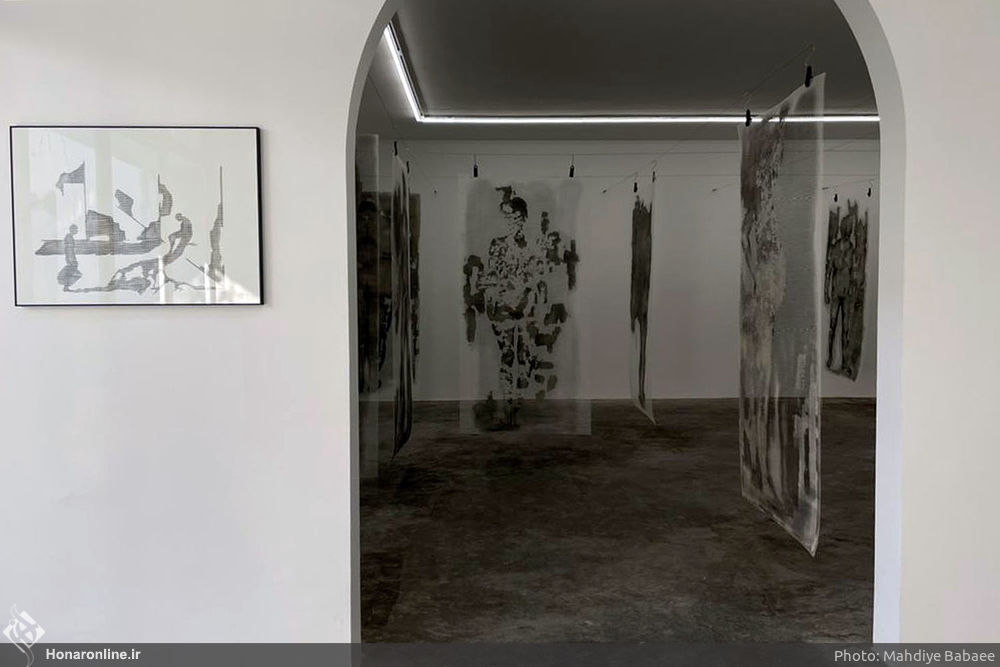
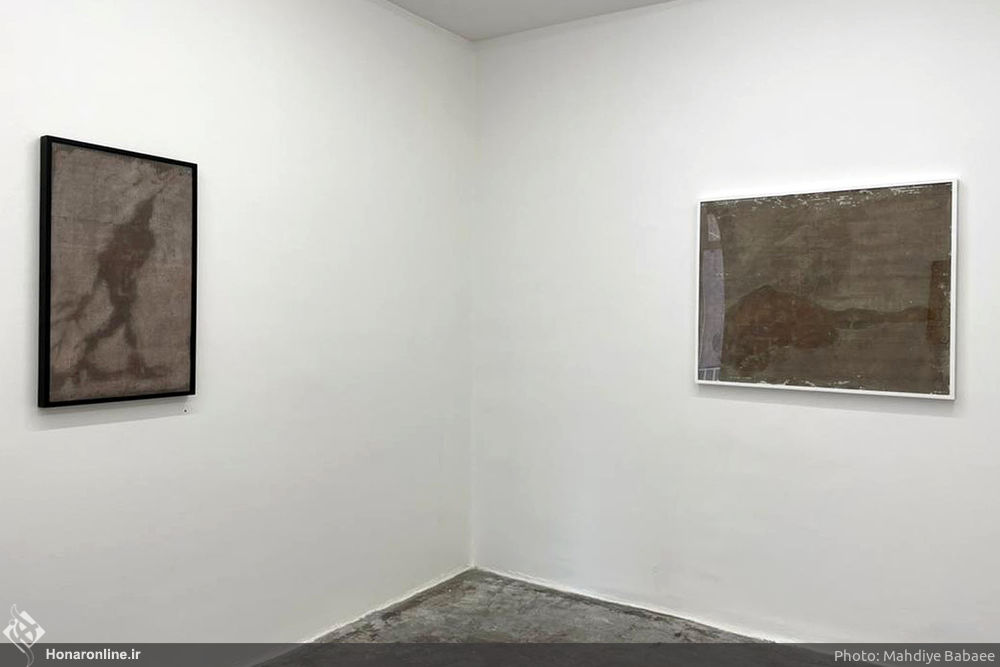
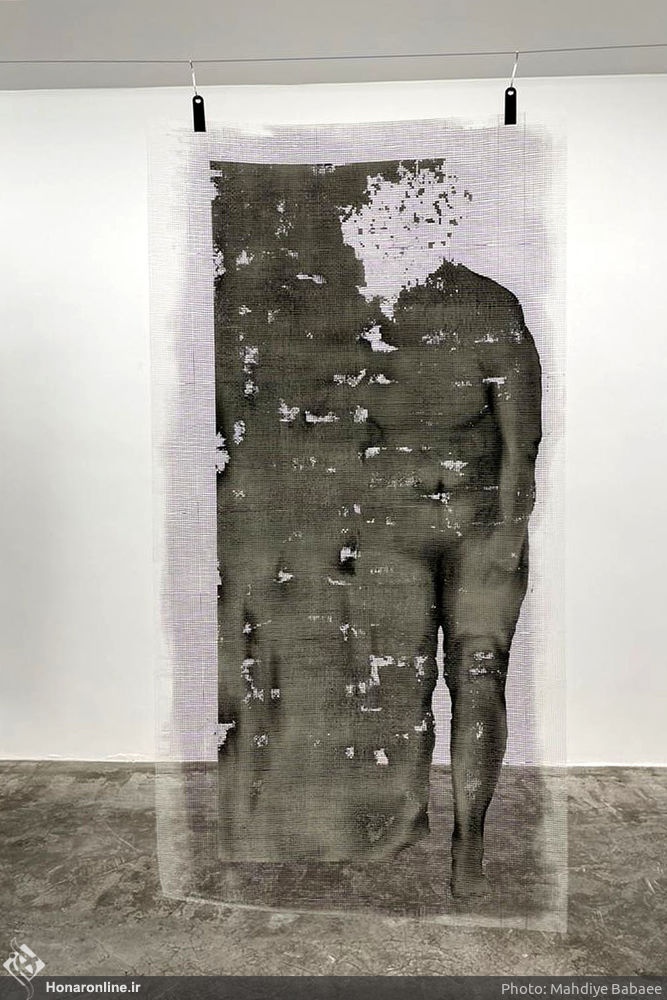
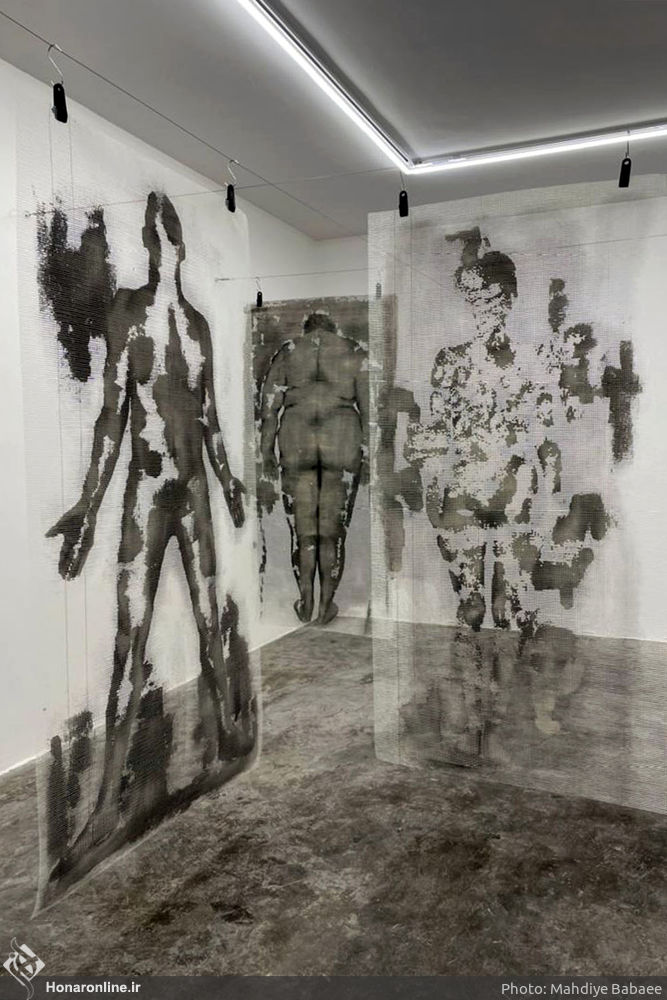
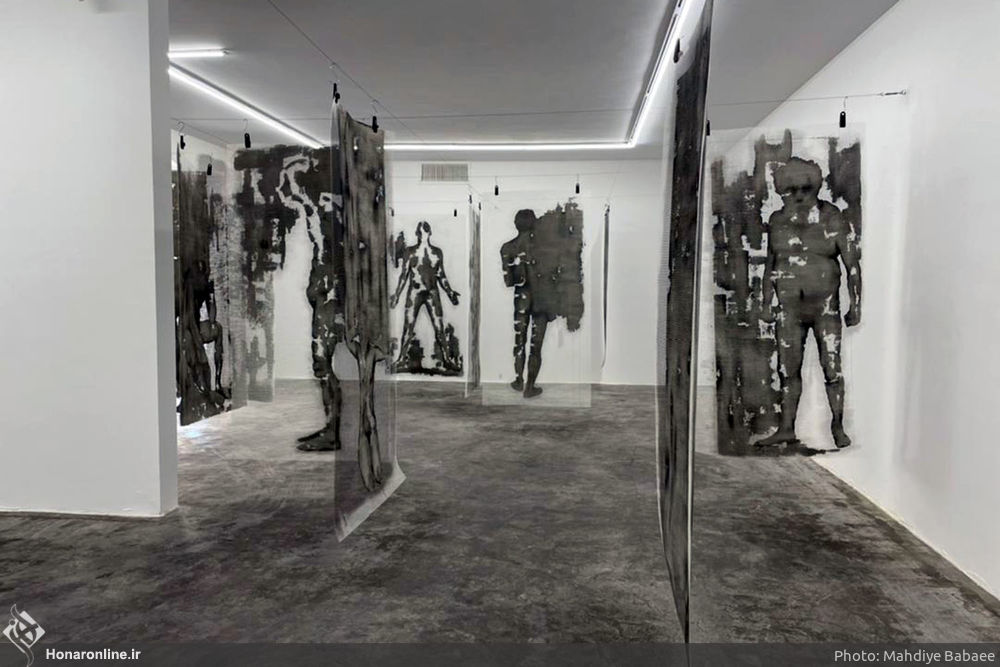
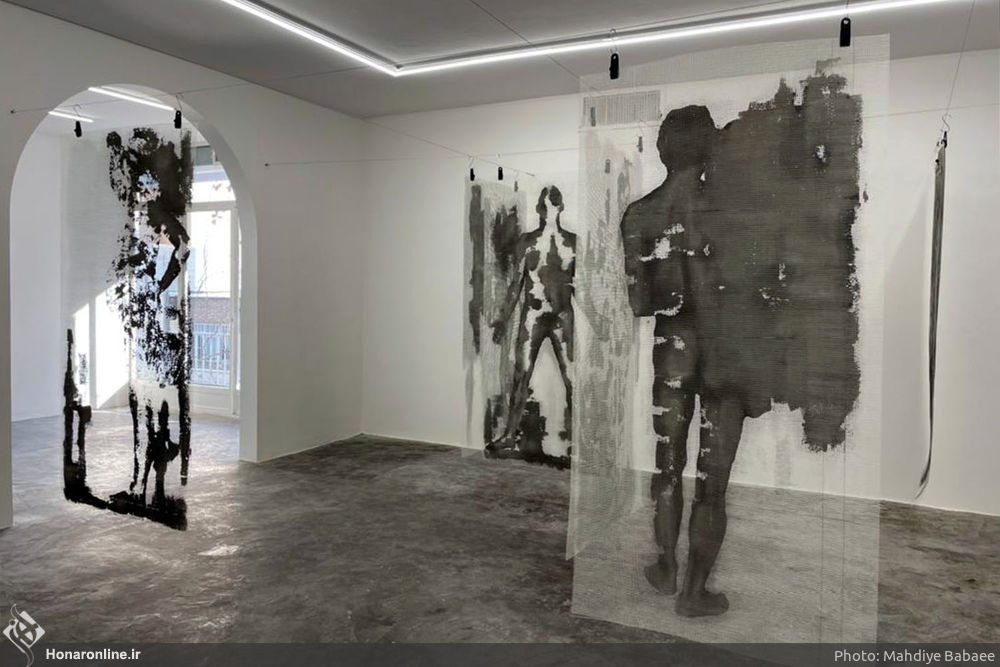
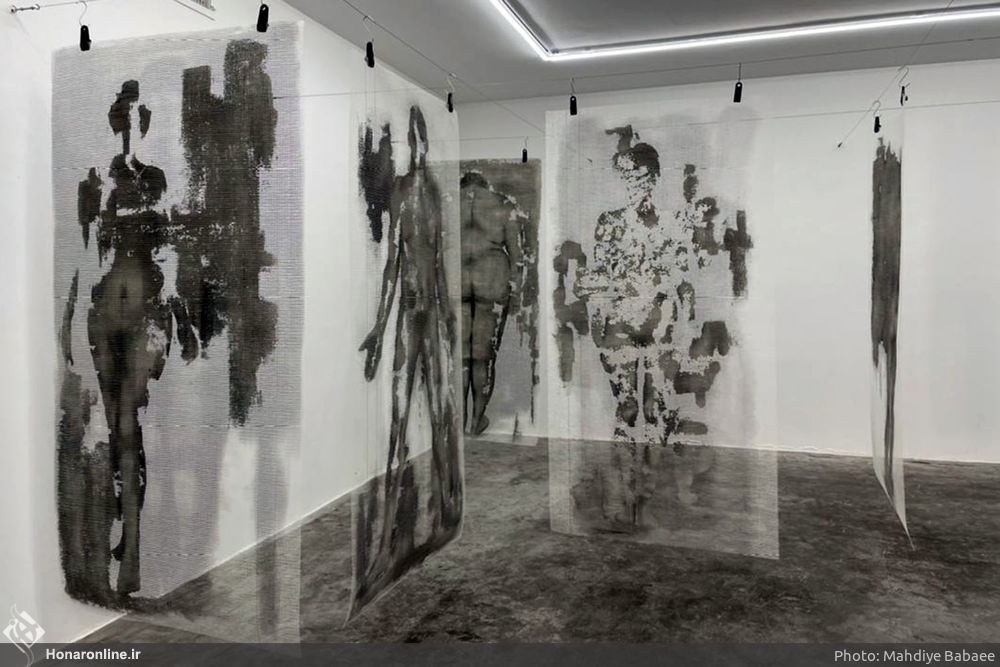
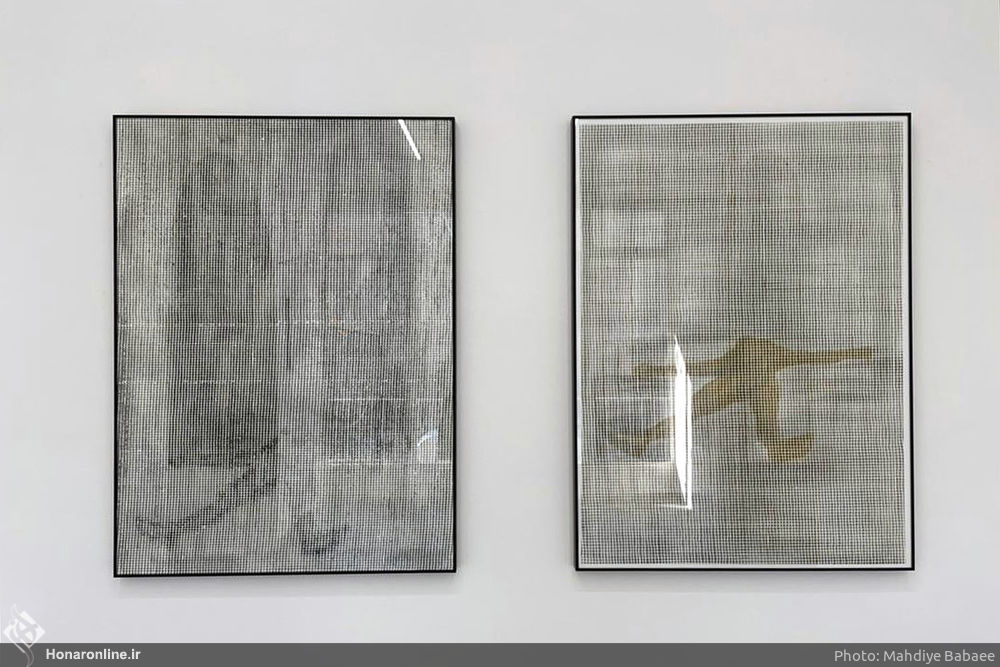
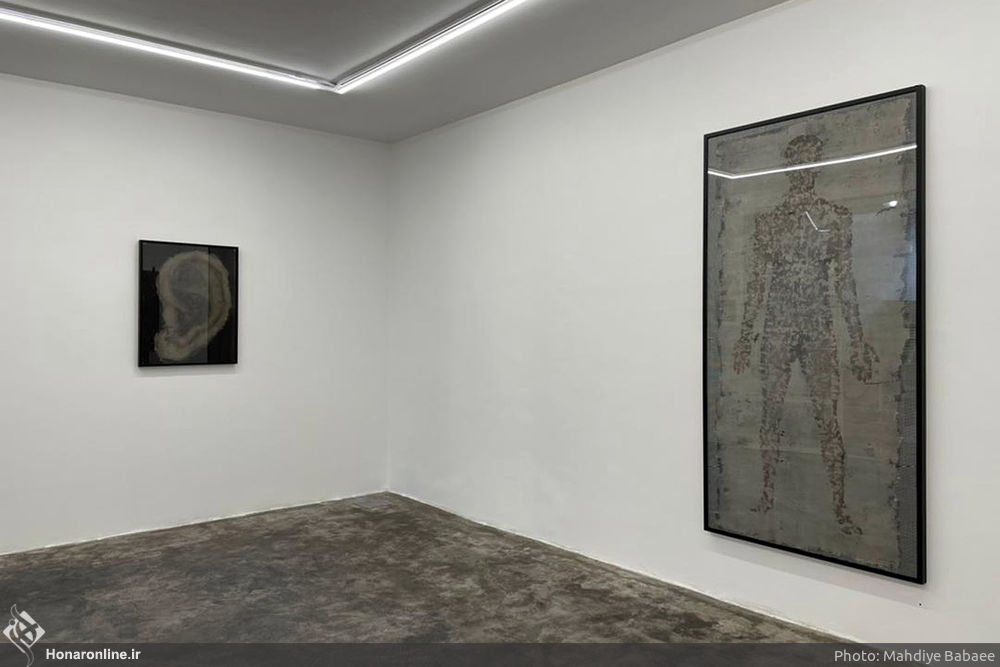
‘Hanging Roots’ Exhibition Displays Trend of Human Decline

His works themed have been inspired by the roots of trees which have surfaced from deep inside the ground due to much rain, and portray human bodies.

His works offer a review of the trend of decline and its aesthetic aspects, a trend ranging from two-dimensional designs to a 3D atmosphere.

The human bodies depicted in Vaziri’s works are like layers isolated form a collapsing old wall as they belong to nowhere: a moment they are seen, and another moment they tend to vanish.

Vaziri’s individual exhibition underway at a Tehran art gallery runs until February 23, 2021.

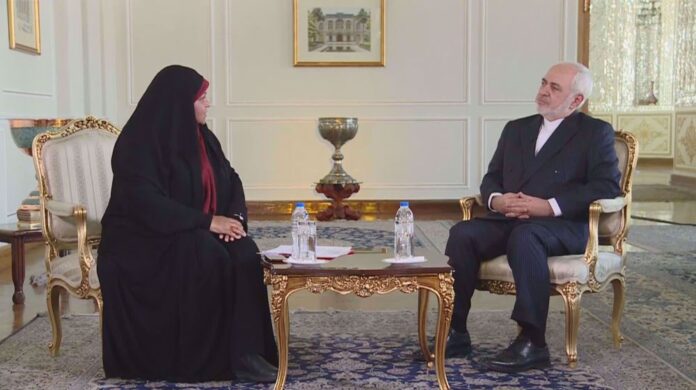
Iran Won’t Join Any Negotiations Unless US Sanctions Lifted: Zarif

The senior diplomat made the remarks to Press TV’s Marzieh Hashemi on Sunday.

He also said US President Joe Biden has spurned predecessor Donald Trump’s Iran policy in words, but has so far pursued the same course of action in practice.

“Nothing has changed. Biden claims that Trump’s policy of maximum pressure was maximum failure… But for all practical purposes, they are pursuing the same policy,” he said.

The Trump administration unilaterally abandoned the nuclear deal, formally called the Joint Comprehensive Plan of Action (JCPOA) in May 2018, and unleashed what his team called a “maximum pressure campaign” with the stated objective of forcing Iran to negotiate “a better agreement.”

The Islamic Republic refused to bow down to pressure and threats and responded to Trump’s maximum pressure policy with “maximum resistance.”

President Biden has expressed a willingness to bring the US back to the nuclear accord. However, his administration is demanding to see changes from Tehran before Washington would consider lifting the sanctions, as demanded by Iran.

The Islamic Republic insists that as the party that has abandoned its international obligations, the US should take the first step by removing the unlawful bans in a verifiable manner.

Doubling down on Iran’s firm position in that regard, Zarif reiterated that Washington would not be able to return to the JCPOA unless it removed the sanctions.

“All the sanctions must be removed; the United States must gain reentry to JCPOA. It’s not automatic; it’s not a revolving door,” Zarif said, adding the concept of snapback was not at all incorporated in the text of the JCPOA; rather it was “an American distortion.”

‘Pressure never works with Iran, only respect’

“The US is addicted to sanctions, bullying, and pressure. But it doesn’t work for a country with millennia of history. We have had a global empire that lasted longer than the United States’ history,” Zarif told Press TV.

“Therefore, with Iran pressure does not work, and ‘maximum pressure,’ in their own words, has led to ‘maximum failure,’” he said.

The Americans, he said, have to “open their eyes, make a sober assessment of the past, not only with Trump, and realize that with this country only respect works.”

Zarif said that the United States has not gained any leverage against Iran through its unlawful sanctions, adding that on the contrary the restrictive measures have only helped Iran diversify its economy away from oil.

“Trump left the [nuclear] agreement hoping that Iran’s government would crumble. Now, he’s gone, and we’re still here,” he said. “I think that’s a good lesson. Seven consecutive US presidents are gone. Every one of them wanted to get us out. All of them are out. We’re still here.”

‘Iran not violating JCPOA, only implementing remedial measures’

The top diplomat reminded that Paragraph 36 of the JCPOA enables Iran to take “remedial action” against failure by other sides to implement their obligations.

The Islamic Republic, he added, was not violating the agreement, it was simply implementing the remedial steps that it is entitled to in line with the pact.

He referred to a parliamentary lawthat obliges the Iranian government to take the latest step in its retaliation, namely the planned suspension of the International Atomic Energy Agency (IAEA)’s short-notice visits of the country’s nuclear program. The law, he said, was not a “warning to the world,” but a “domestic” interaction between the government and the legislative body that holds the government responsible.

Following the US withdrawal from the JCPOA, Iran waited for an entire year for the European signatories to hold up their end of their bargain and secure Iranian business interests, guaranteed by the deal, in the face of US sanctions. However, as the Europeans failed to deliver under US pressure, Tehran began to scale back its commitments in several phases in retaliation.

Zarif dismissed any assertion on the part of the US or its European allies in the JCPOA that “we signed a number of instructions” as per the international agreement.

“It’s not just signing, it’s the impact,” Zarif said, noting how the US allies failed to implement even a single one of their obligations following Washington’s unilateral withdrawal from the agreement.

“European companies listen to Washington more than they listen to them (European governments),” he noted. “I believe they do have the ability to change the behavior of their companies,” he added, regretting the submissive nature of Europe’s behavior towards Washington.

Leader of the Islamic Revolution Ayatollah Seyyed Ali Khamenei has asserted that Iran would only return to its commitments in the nuclear deal once the illegal sanctions are removed.

Iran is obliged by law to continue its retaliatory nuclear steps if the US refused to lift the sanctions, Zarif said, adding that the country’s stockpile of enriched uranium would still increase.

He reminded that when Trump withdrew from the JCPOA, Iran was in possession of no more than 300 kilograms of enriched uranium, but by the time Biden took office, the Islamic Republic had 3,800 kilograms of the material, and in June the reserves would probably rise to some 5,000 kilograms.

“These are yardsticks for President Biden,” the top diplomat said.

Iran, he reiterated, was not threatening anyone, and was only exercising its right to reprisal under the nuclear agreement.

‘Snapback a US-made term’

Referring to other political maneuvering under Trump, which saw his administration trying to activate a so-called snapback mechanism to return all UN sanctions against Iran, Zarif said the snapback is a US-made term that does not actually exist within the JCPOA.

The US came up with the term to control the public opinion concerning Iran, he added.

Acting US Ambassador Richard Mills told the UN Security Council on Thursday that the United States was withdrawing a Trump administration assertion that all UN sanctions had been reimposed on Iran in September.

However, the move was largely symbolic as the Islamic Republic, along with the European signatories and the UN secretary general, had already dismissed the Trump administration’s claim as unfounded.

They argued at the time that the US was in no position to invoke a provision in the 2015 Security Council resolution endorsing the JCPOA that allowed the return of sanctions because it was no longer a party to the deal.

JCPOA scope never to expand

Elsewhere in his remarks, Zarif said that those alleging that the JCPOA has to encompass more subject matters than it already has should be sure that it will “absolutely not.”

The US and some of its regional allies have demanded that Iran’s missile program and regional influence be included in the nuclear talks. Tehran has roundly rejected any such prospect, saying it will not renegotiate “a done deal” and that its defensive activities and regional might are not open to any negotiation.

‘IAEA has obligation for confidentiality’

Separately, Zarif critiqued the occasional leaking of Iran-related information from the IAEA’s depository.

The information has to retain its confidential aspect, he added, when asked how the leakage of secret data might have compromised Iran’s interests.

Zarif said he would raise the issue of  confidentiality with the IAEA chief during their meeting later on Sunday. “Anything between us and the IAEA should remain confidential,” he noted, recalling how Iran’s peaceful nuclear sites had been attacked and its nuclear scientists assassinated.

The Islamic Republic has on several occasions submitted its verbal and written protests to the UN nuclear watchdog about Iran’s confidential information getting leaked to the media.

Iran’s nuclear chief, Ali Akbar Salehi Salehi, again raised the issue on Saturday ahead of a visit to Tehran by IAEA Director General Rafael Grossi.

Grossi, who is currently in Tehran, made the visit after Iran on February 21 informed the UN watchdog of its decision to suspend voluntary implementation of the Additional Protocol to the nuclear Non-Proliferation Treaty (NPT) Safeguards Agreement in line with the new law passed by the Parliament.

‘Iran has nothing to hide’ 

“Mr. Grossi, the director-general of the IAEA, requested to come here so that we could have a smooth transition,” Zarif said. “We have nothing to hide. Iran does not seek to develop nuclear weapons. The decision is based on sound geopolitical facts and religious and moral grounds… and that decision stands without any ifs or buts,” he noted.

The Leader has forbidden either production or possession of nuclear weapons by the Islamic Republic on religious grounds.

‘Concerns about Iran program nonsense’

Separately, Zarif noted that the Israeli regime possesses the Dimona nuclear facility, which he called the sole “nuclear bomb factory” in the Middle East, yet a recent report by The Guardian about secret expansion of the facility was not met by even an “expression of concern” on the part of the US or its European allies.

Therefore, while the Israeli regime is allowed to go ahead with such non-conventional activities, any talk about concerns about Iran’s peaceful nuclear energy program is “nonsense,” Zarif said.

“It’s hypocrisy,” he said. “Because if they were concerned about non-proliferation, Israel is not a member of the NPT; it’s proliferator number one.”

US Likely to Change Stance on Iran, Lift Sanctions: Analyst

In an interview with the Khabar Online news website, Yousef Molaee touched upon a wide range of issues, including the developments surrounding the 2015 Iran nuclear deal, officially known as the Joint Comprehensive Plan of Action (JCPOA), the position of the new US administration vis-à-vis Iran and Washington’s violation of the JCPOA.

In part of his comments, the analyst highlighted the US unilateral and illegal withdrawal from the JCPOA.

“The US had immunity because of its power, and as we saw, it faced no problem by pulling out of this international agreement as well as other accords,” he said.

“Even if it were stipulated in JCPOA provisions that the violation of these provisions by Iran and the 5+1 group would lead to the filing of a lawsuit with the International Court of Justice in The Hague, the US might not accept it and we would practically be unable to do anything,” he said.

“But now and before the fresh round of talks start, we can do something to increase our bargaining power in international negotiations,” he explained.

He said Iran needs to increase its power to gain more concessions.
The expert noted that Iran does not have enough bargaining power to utilize the provisions of the JCPOA the way it wants.

Meanwhile, he weighed in on whether Iran can bank on China’s support during the new trend of talks.

“China is with Iran as long as it gains some benefit,” he noted.
He underlined China will never sacrifice its own interests for the sake of having relationship with Iran.

The analyst also touched upon US President Joe Biden’s position on Iran.
“Biden hasn’t said he will lift sanctions, but he has only stressed that the US will return to nuclear talks with Iran,” he noted.

He explained that the US and its allies seek to formulate a new JCPOA which would incorporate Iran’s missile activities as well.

“The European countries have emphasized that missile issues should be part of talks with Iran. … However, our country’s officials have announced that they will sit down for talks only if the negotiations are about nuclear issues,” he added.

He concluded by saying that Tehran will hold talks with Washington on the lifting of sanctions.