Friday, January 16, 2026
Home Blog Page 2546

Daily Rise in Iran’s COVID-19 Fatalities at Four-Month High

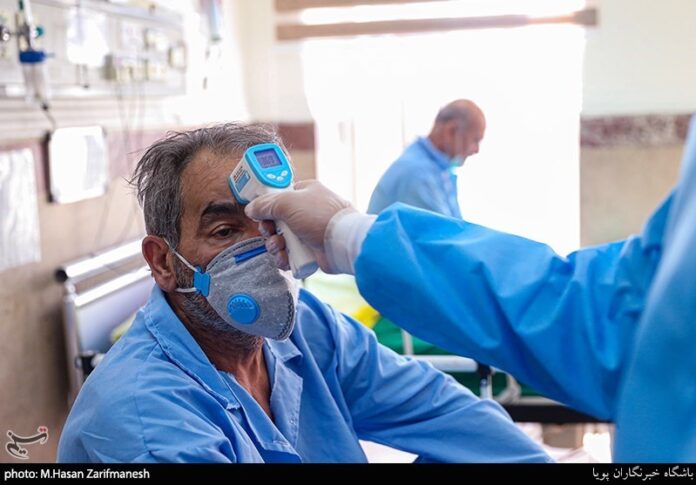
In a press briefing on Sunday, Sima-Sadat Lari reported 21,063 new cases of COVID-19 infection, raising the total number of cases to 2,070,141.

So far, Lari added, 1,710,974 patients have recovered from the disease or been discharged from the hospital.

Lari said 4,392 patients are also in critical conditions caused by more severe infection.

The spokeswoman noted that 13,673,466 COVID-19 tests have been taken across the country so far.

She said currently 257 cities are in the “red” zone, 129 cities are in the “orange” zone, 51 are in the “yellow” zone, and only 11 cities are in the “blue” zone in terms of coronavirus outbreak.

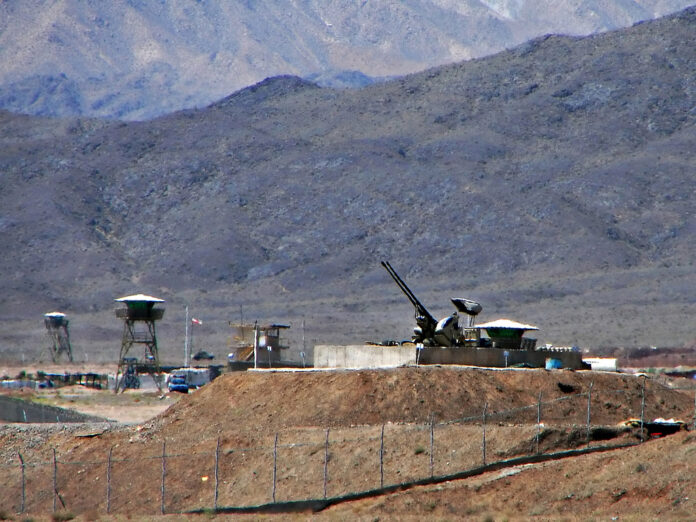
Iran Reports ‘Electrical Incident’ at Natanz Nuclear Facility

'Accident' at Natanz Nuclear Facility Leaves No Casualties: Iran

According to the AEOI spokesman Behrouz Kamalvandi, “the incident caused no casualties or contamination. 

“Electricity was affected at the Natanz facility,” he said, adding that the cause of the incident is being investigated.

The incident comes a day after Tehran launched new advanced uranium enrichment centrifuges at the site.

The Natanz facility, which is located in the desert in the central province of Isfahan, is the centrepiece of Iran’s uranium enrichment programme and monitored by inspectors of the International Atomic Energy Agency, the UN nuclear watchdog.

A spokesman for the IAEA told Reuters by email, “We are aware of the media reports. We have no comment at this stage.”
In July last year, a fire broke out at the Natanz facility, which the government said was an Israeli attempt to sabotage Iran’s nuclear programme. In 2010, the Stuxnet computer virus, widely believed to have been developed by the United States and Israel, was discovered after it was used to attack Natanz.
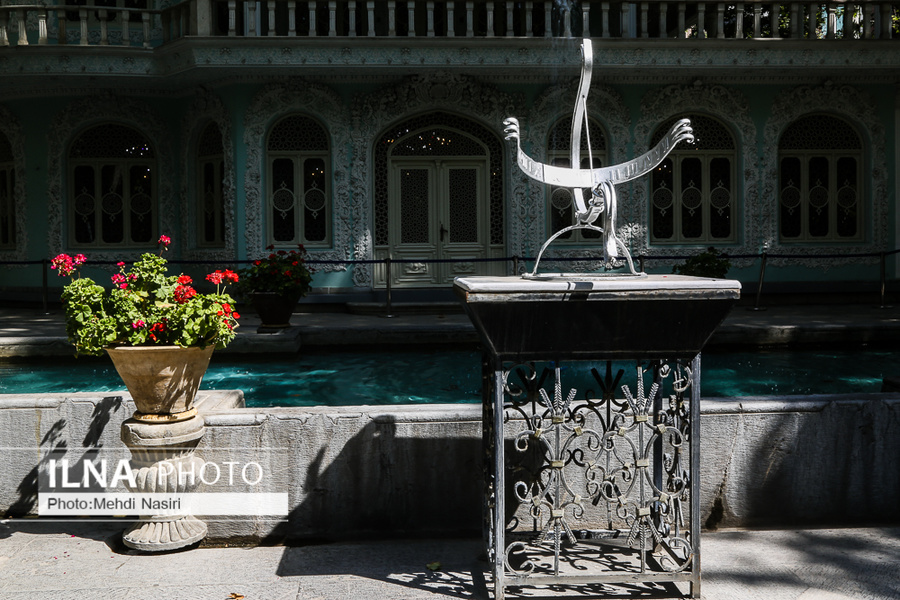
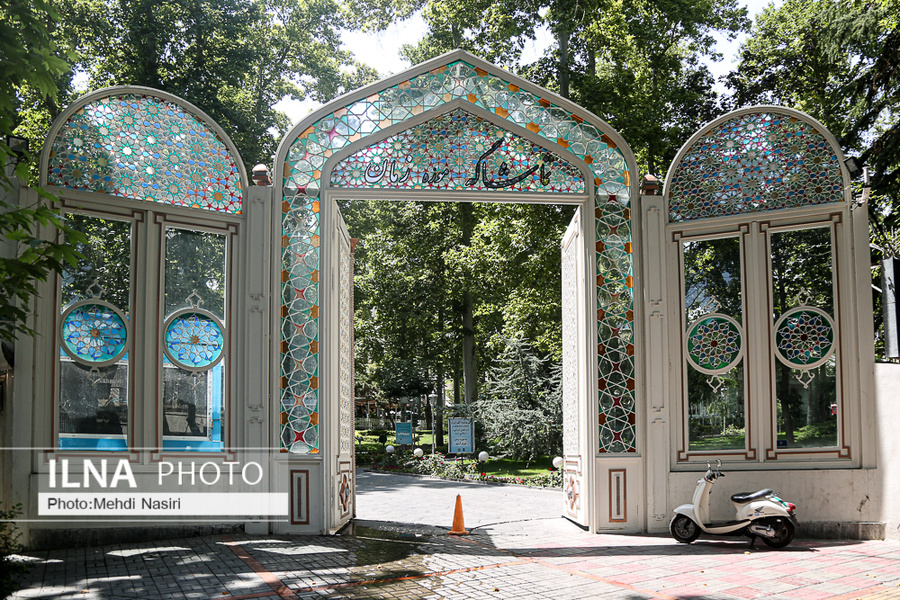
Travel through Time via Tehran Time Museum

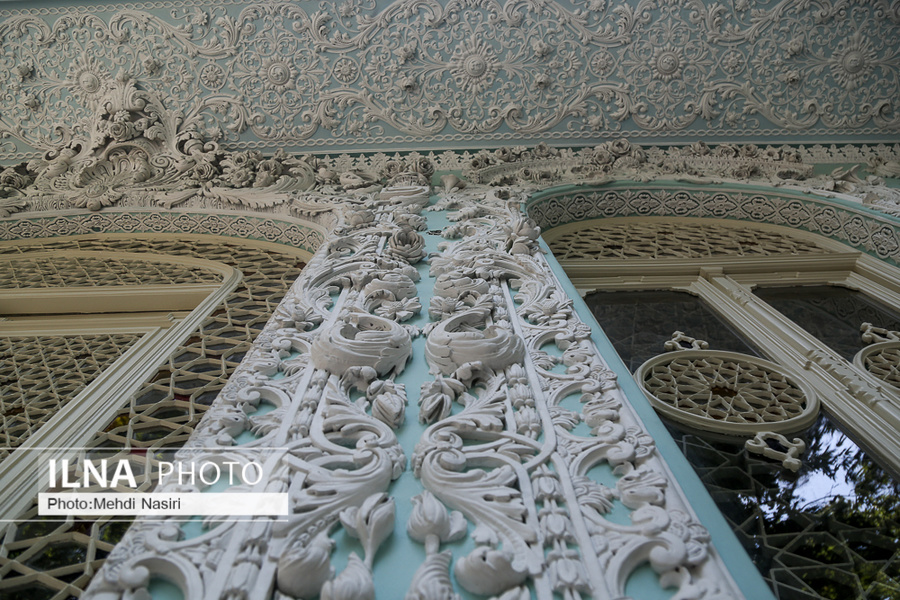
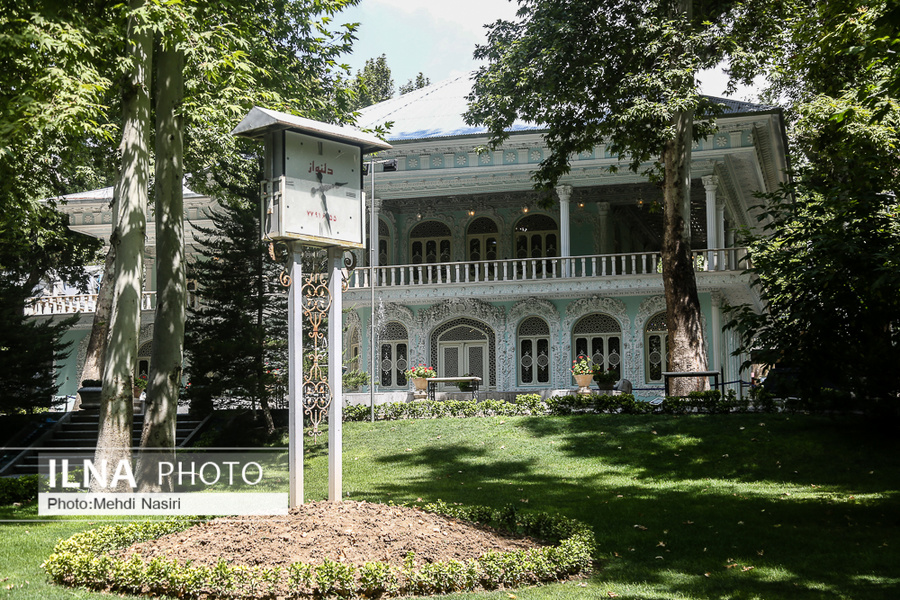
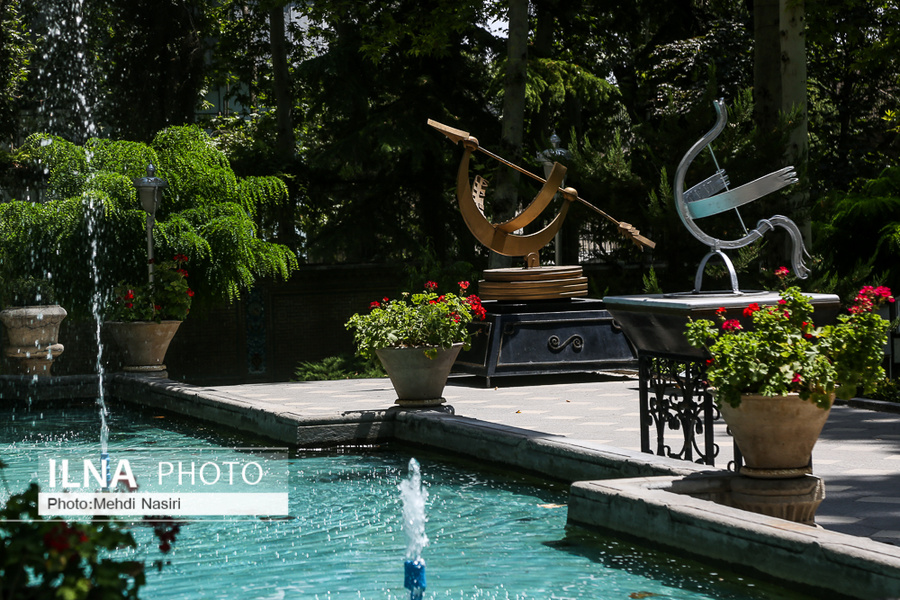
The Time Museum is Iran’s first museum showcasing items used to show time.

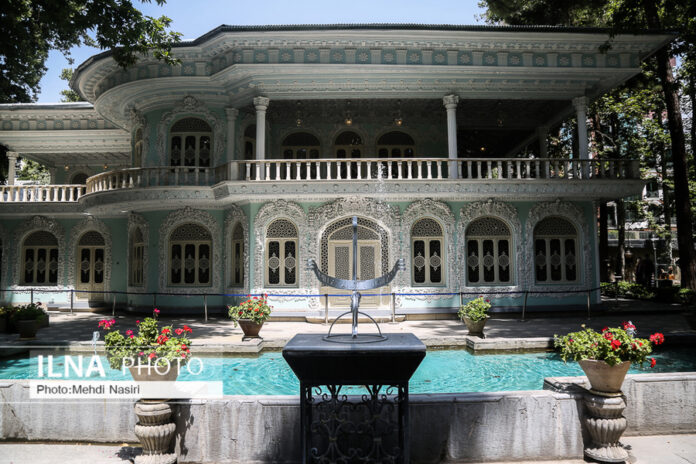
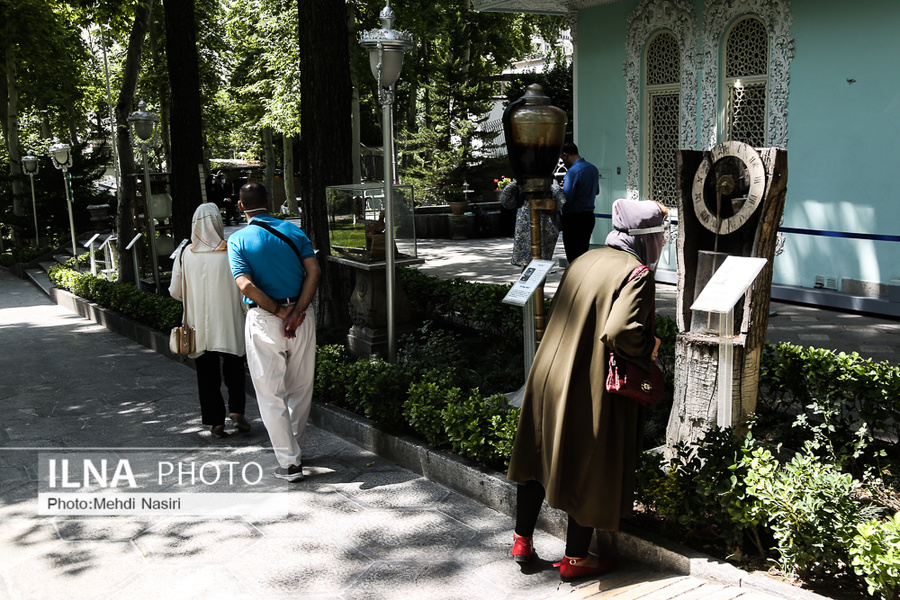
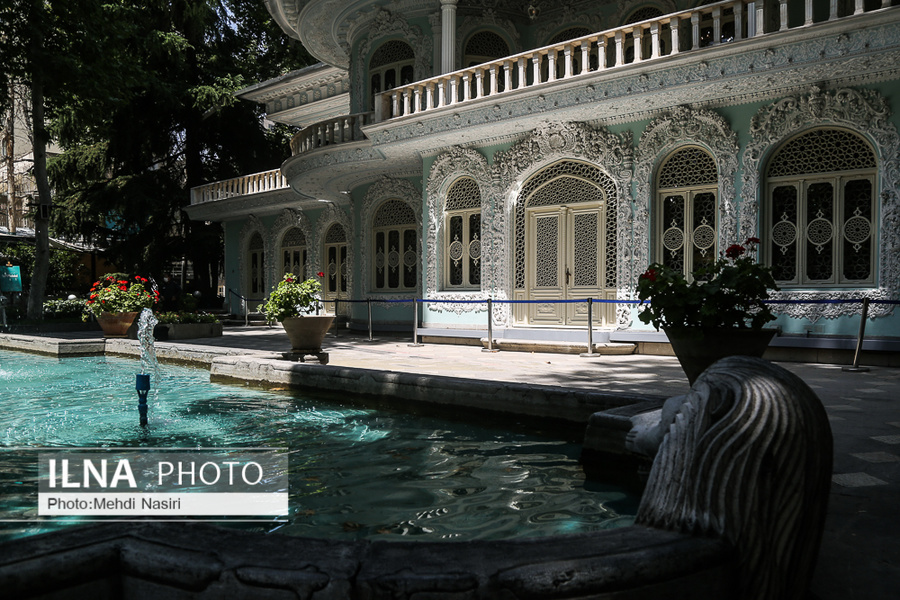
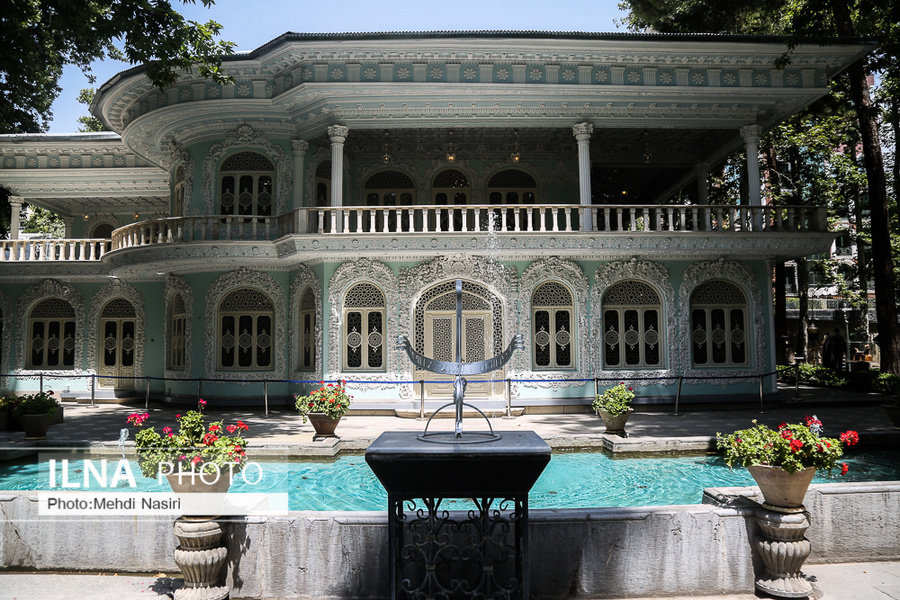
Different types of sundials, hourglasses, water clocks and fuel-powered clocks are on display at the museum’s yard.

Travel through Time via Tehran Time Museum
Iran’s Time Museum

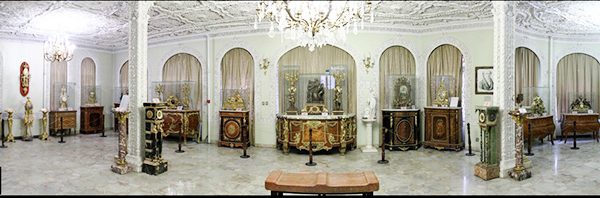
Mechanical clocks, table clocks, pocket watches and wristwatches are on display inside the building.

Part of the museum is also dedicated to documents on the Jalali calendar and its background in Iran.

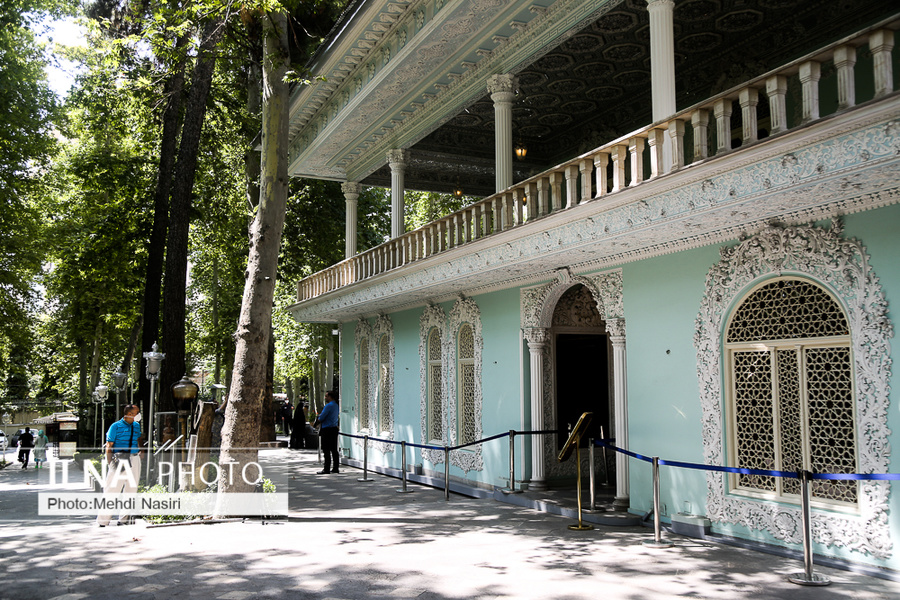
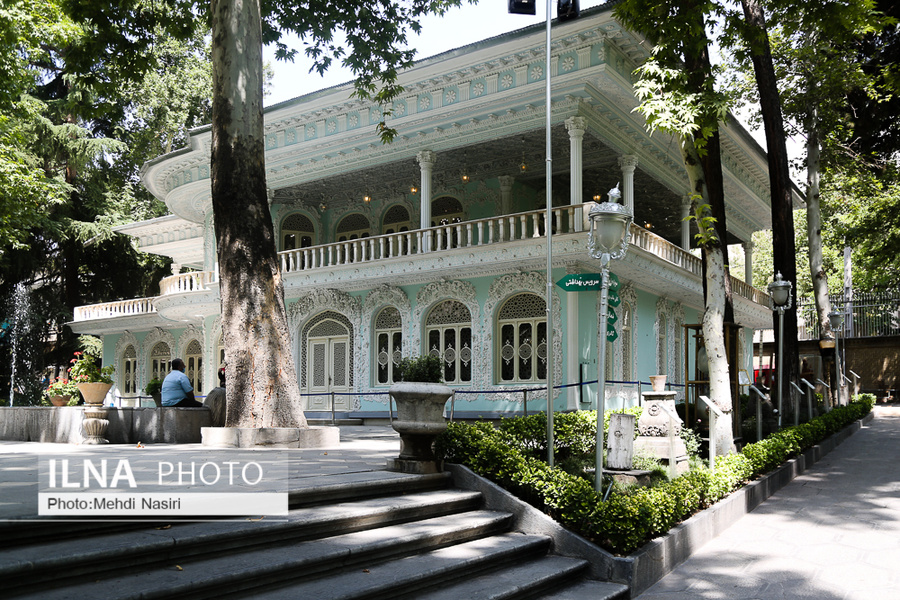
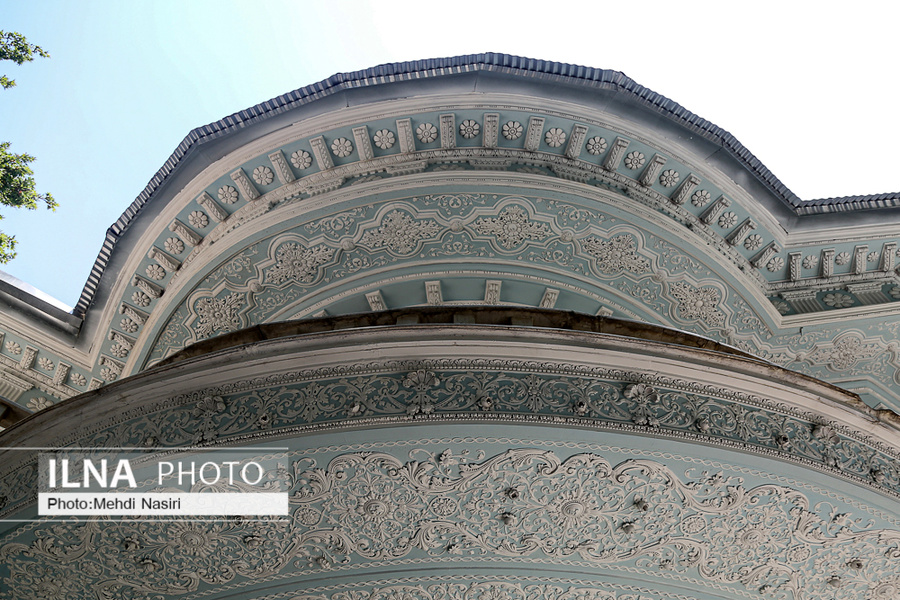
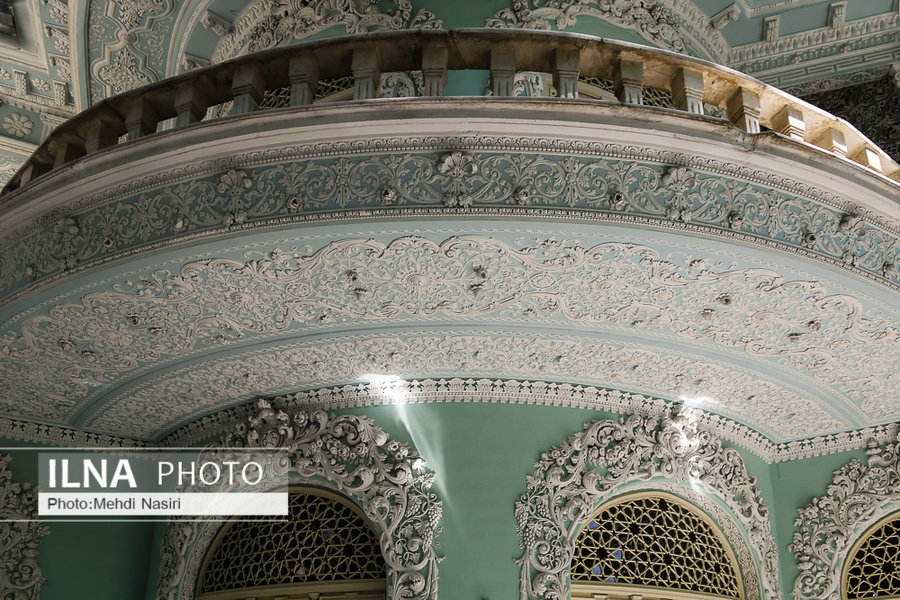
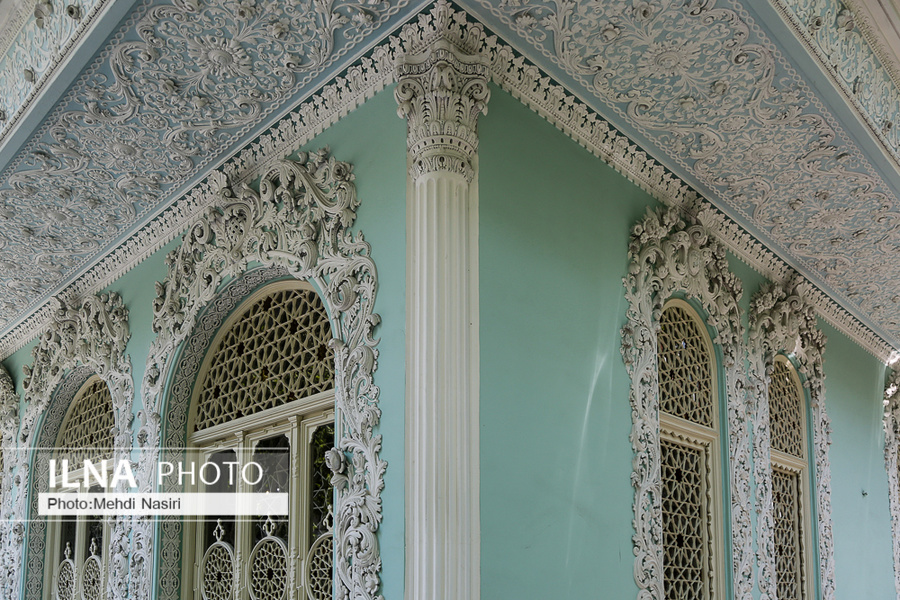
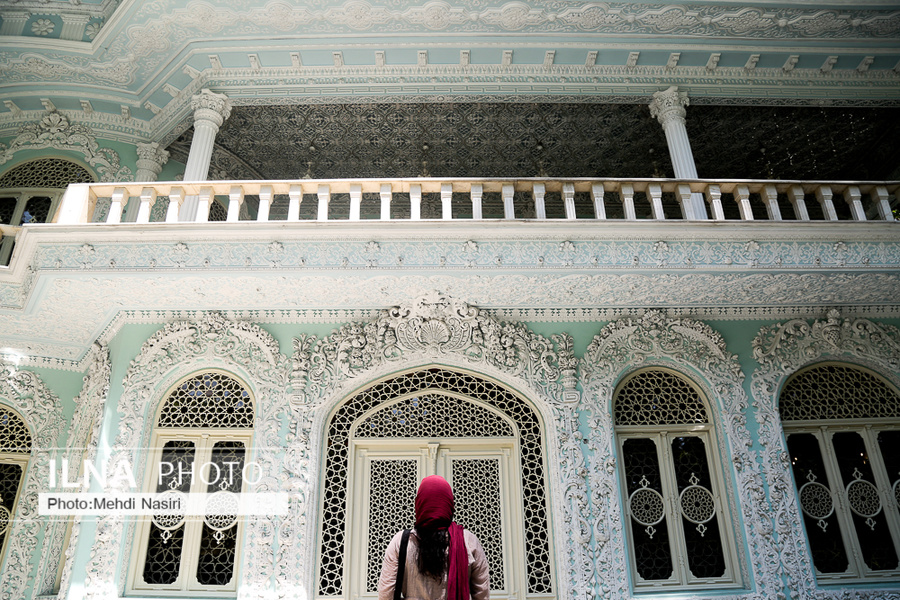
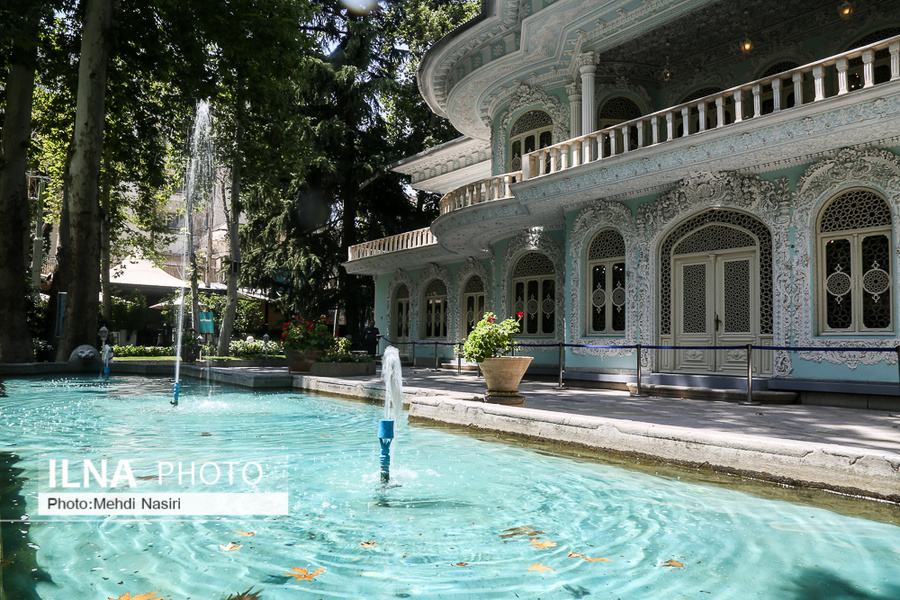
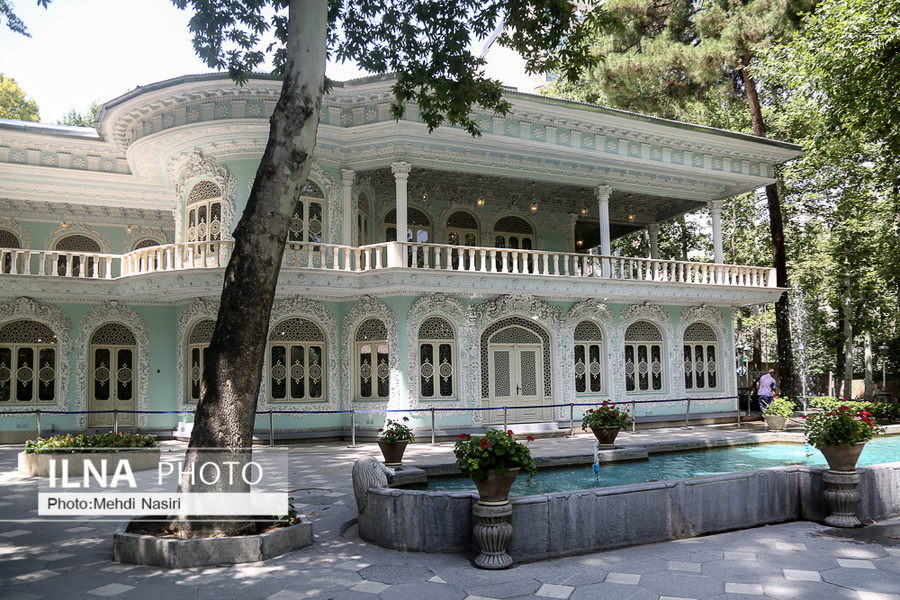
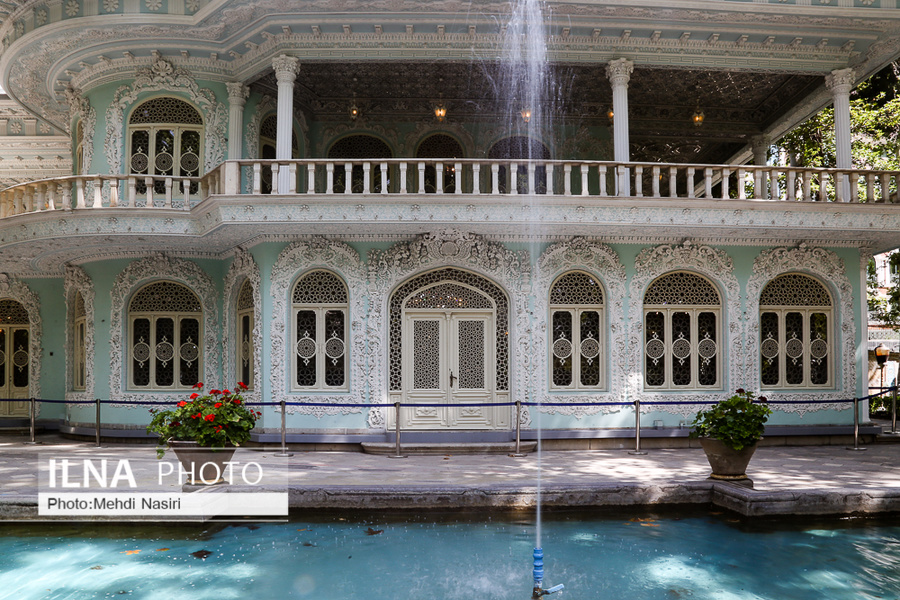
The museum’s building is an old, two-storey structure dating back some 80 years.

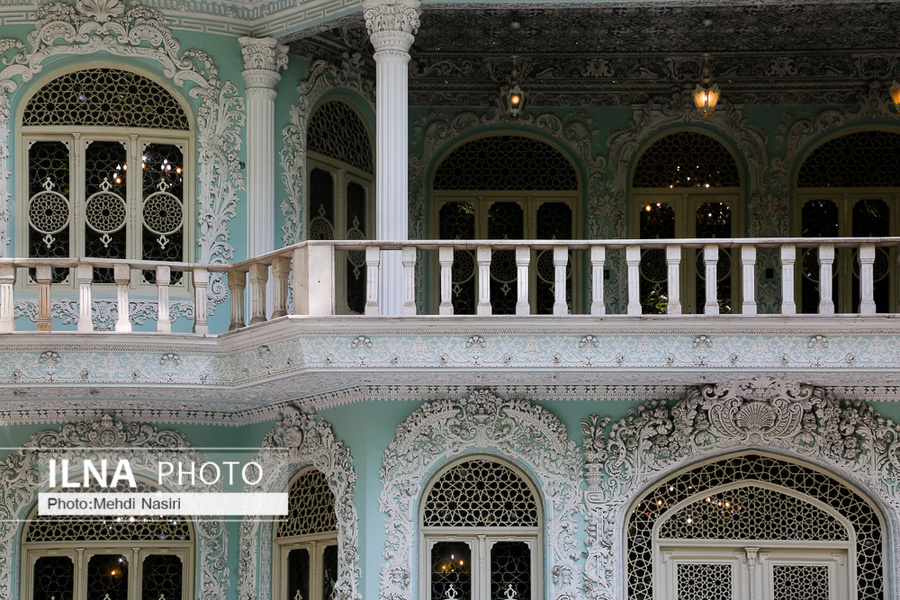
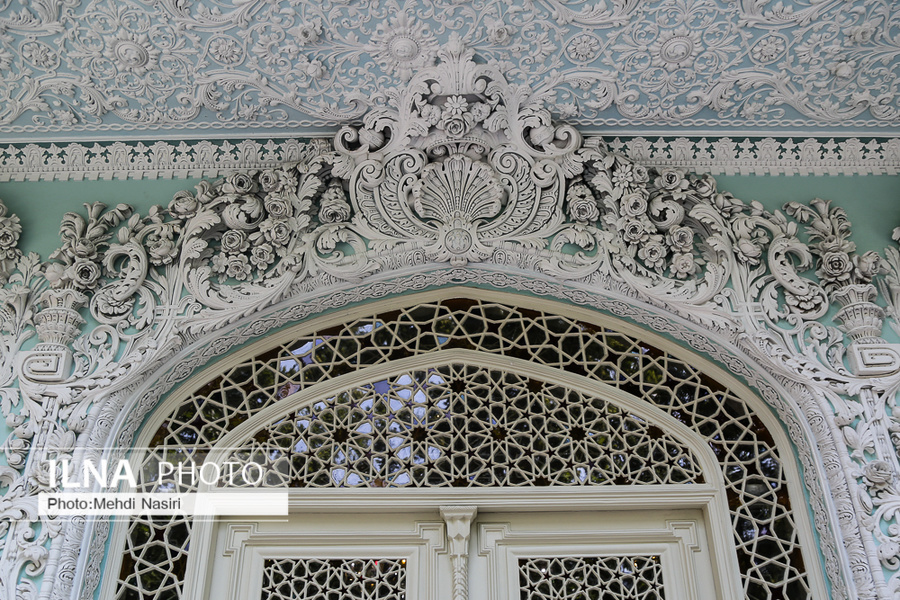
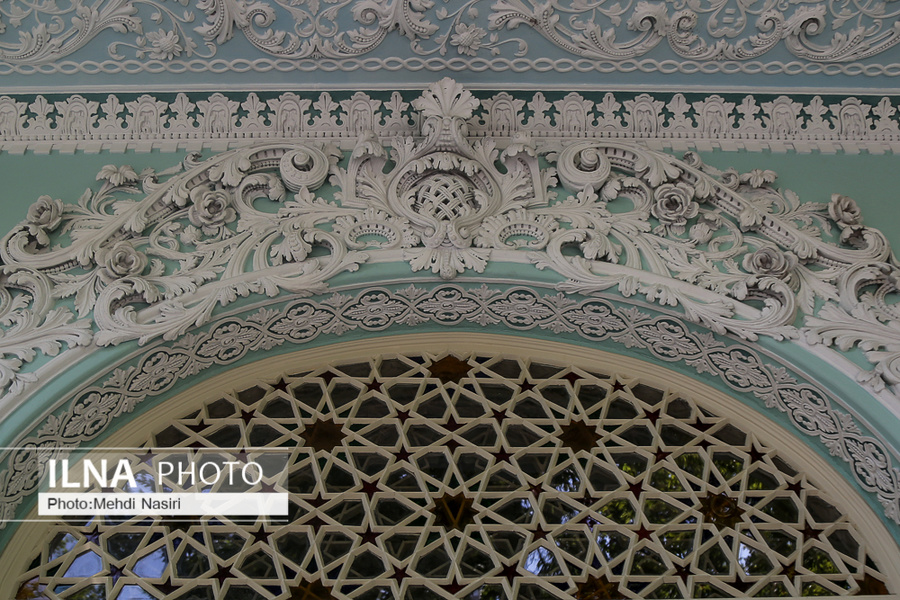
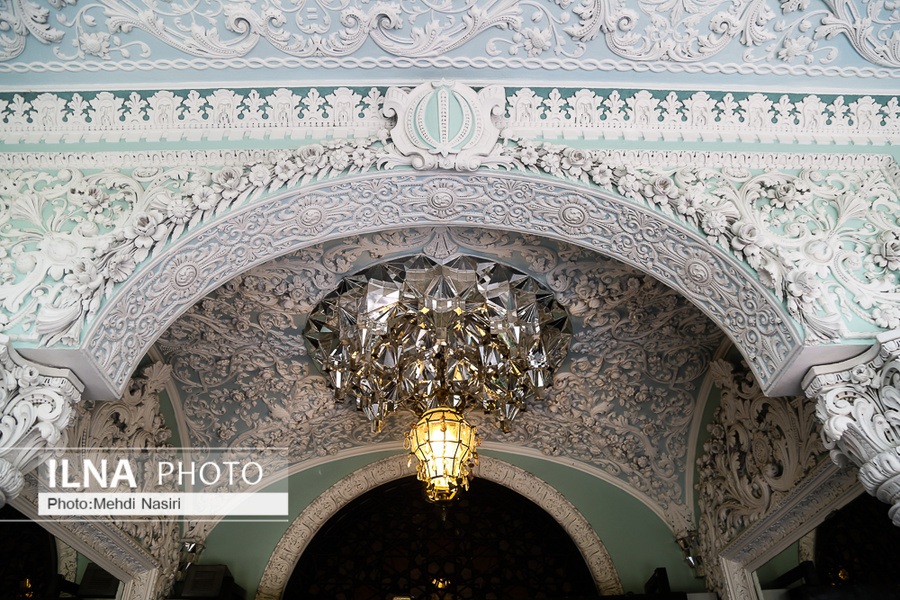
The plasterwork in the building, however, are modelled after new styles of architecture.

The façade of the building, including lintels and their periphery, boasts an amalgamation of traditional and European decorations.

The following are images of the museum courtesy of ILNA.

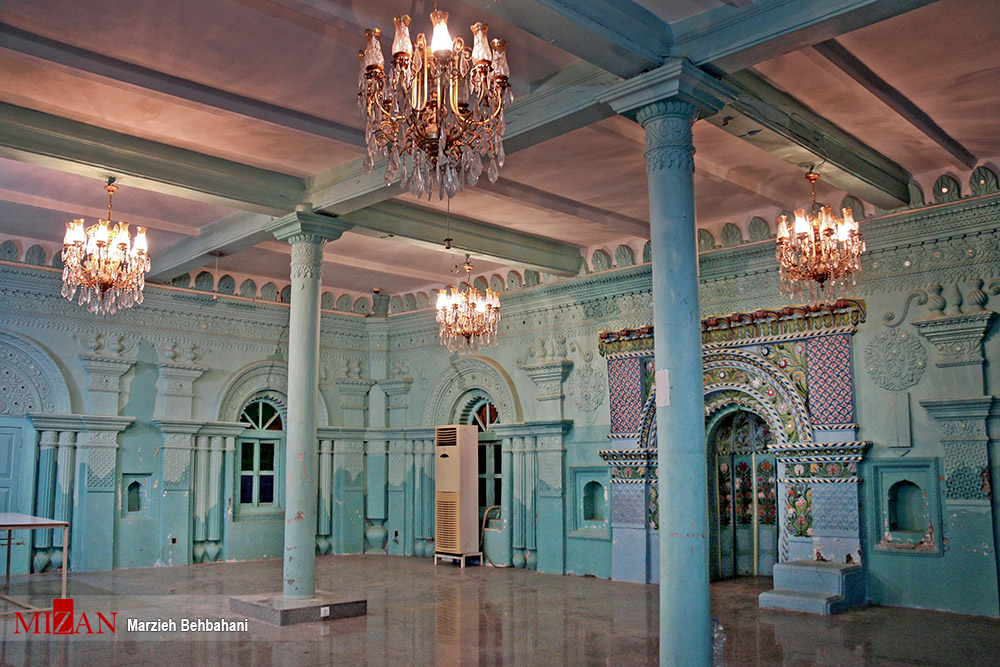
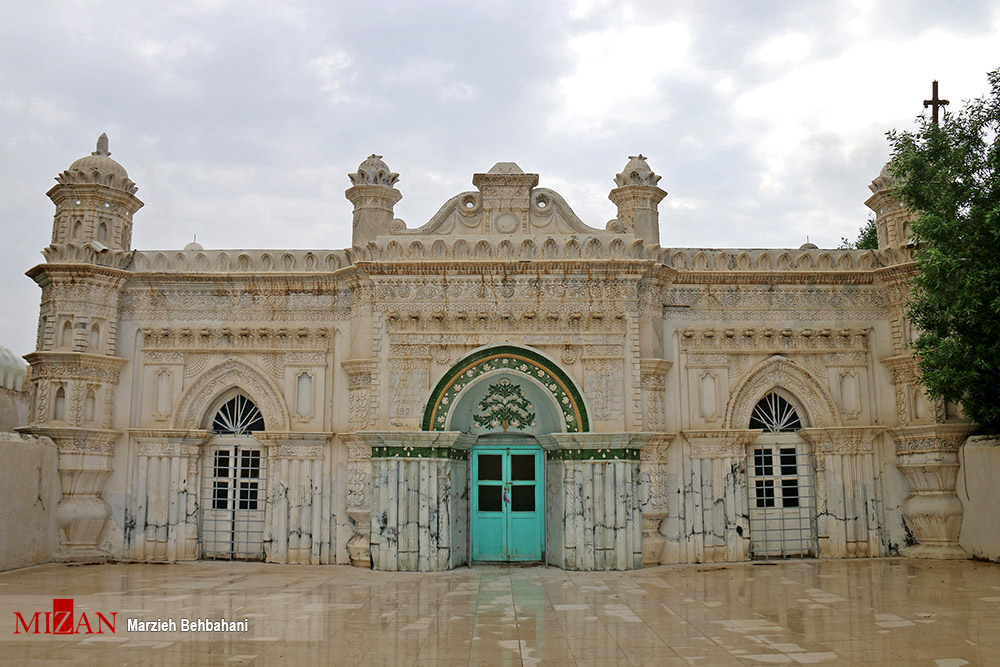
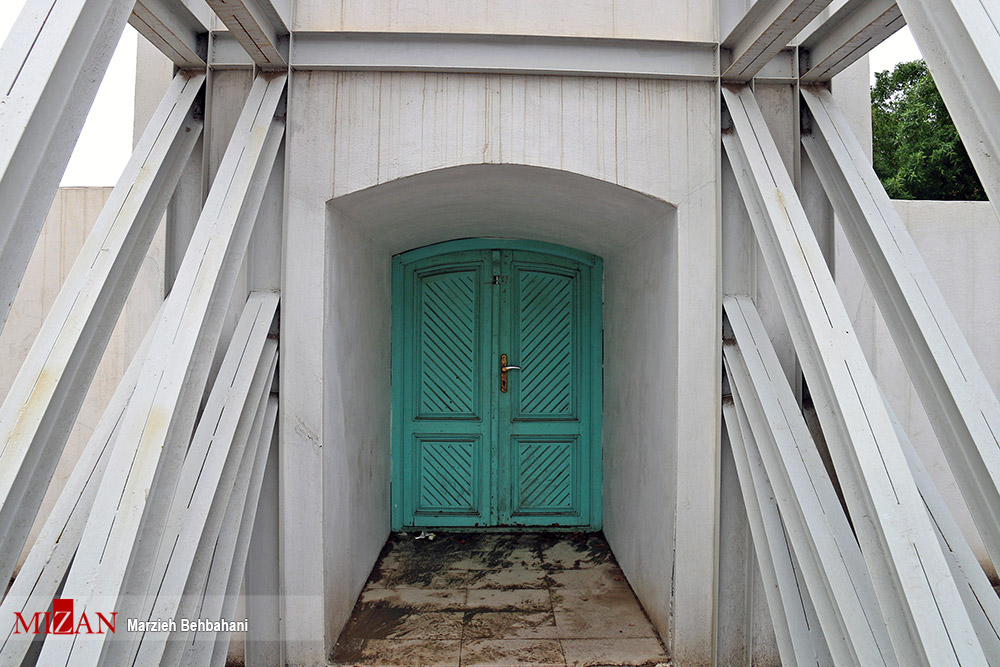
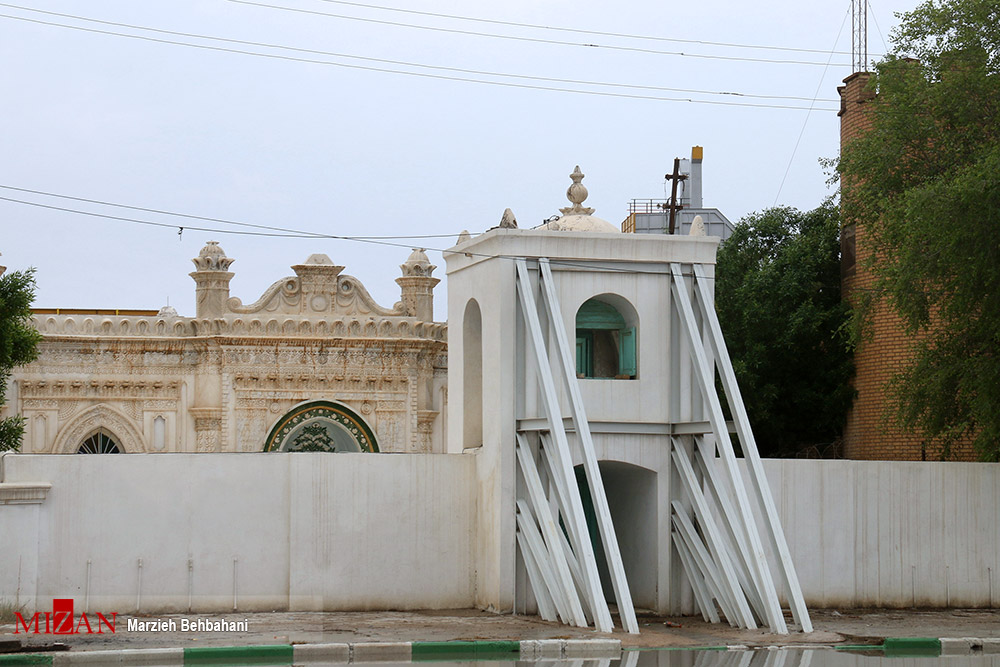
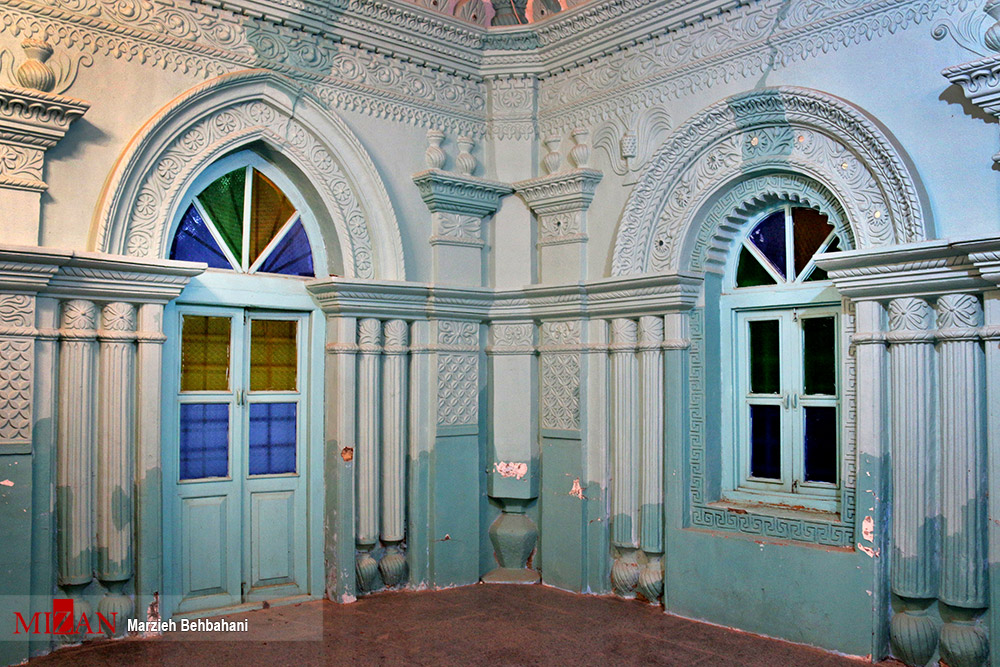
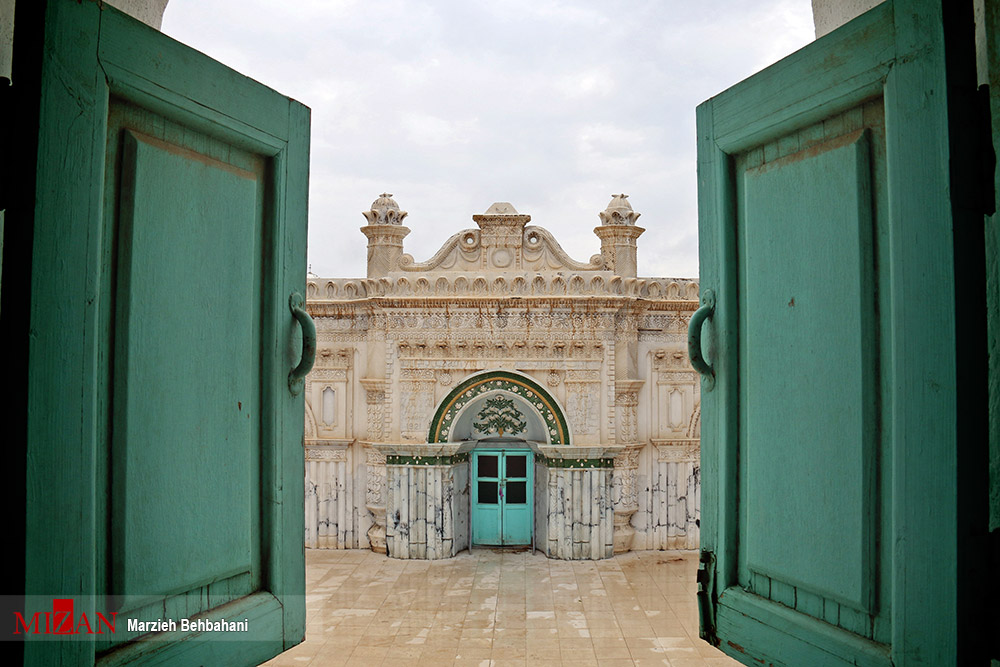
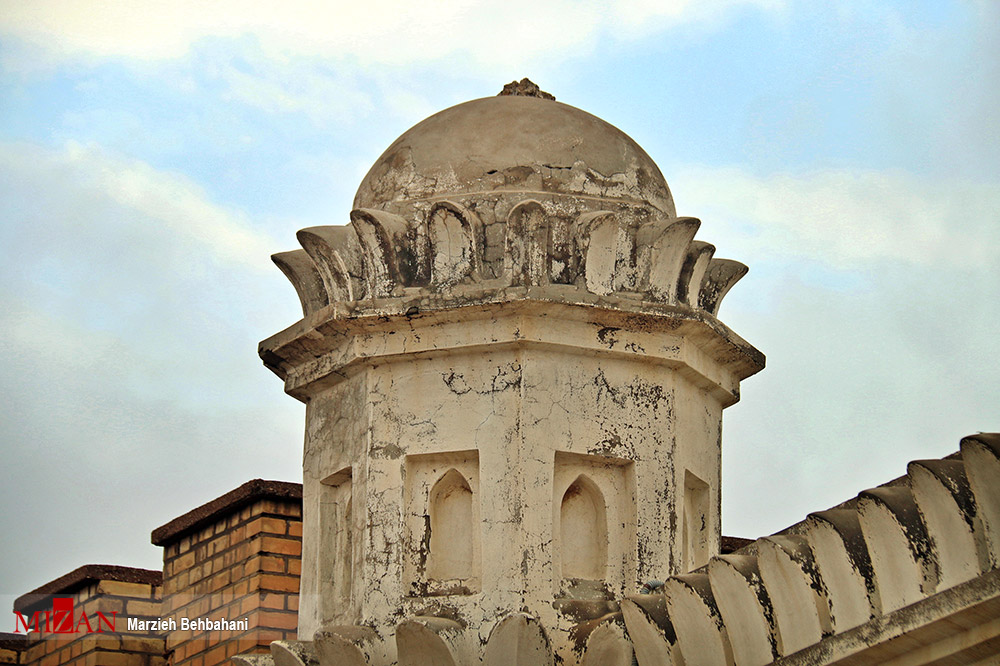
Rangooniha Mosque: An Awe-Inspiring Monument in Southern Iran

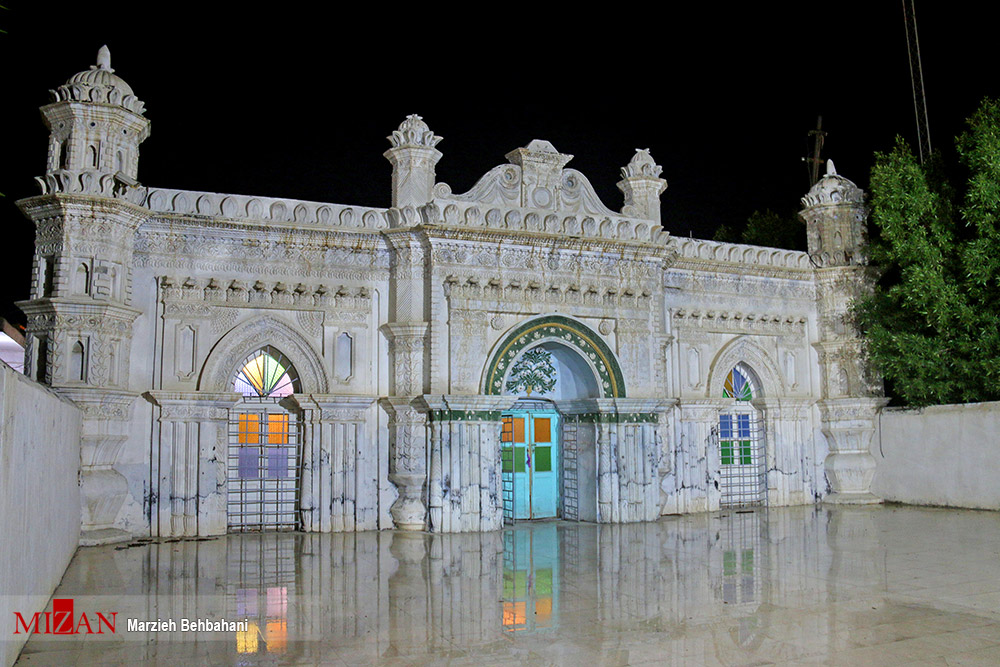
Located in the southern city of Abadan, the mosque is a symbol of friendship between Shiites and Sunnis.

In each historical era, Mosques in Iran were constructed in one of these four architectural styles: Khorasani, Razi, Azeri and Isfahani.

So, although Iranian mosques have similarities in their forms during each era, the Rangooniha Mosque is strikingly different from other ones.

The construction of the mosque began in 1912 using the architecture popular on the Indian subcontinent. The mosque was completed in 1920.

The mosque was built for Indian and Bangladeshi personnel and workers who had come to Iran to work in refineries in southern Iran.

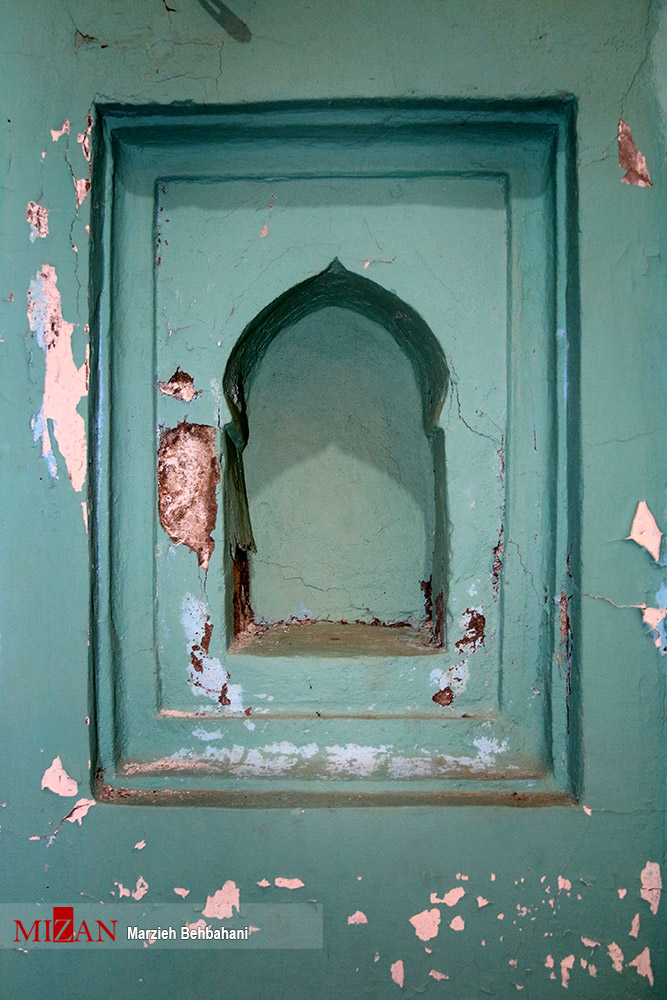
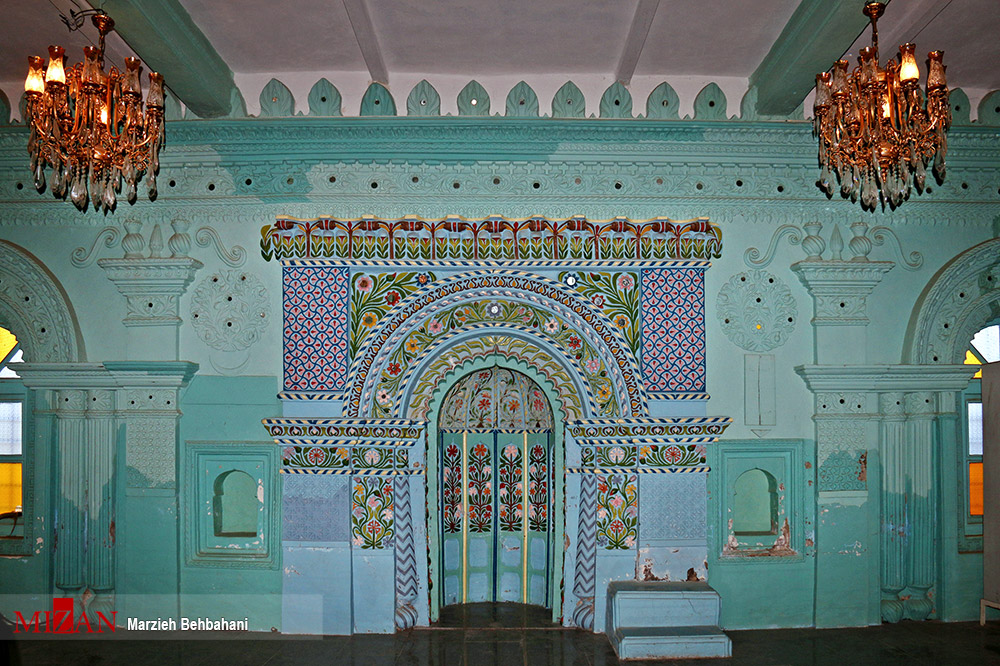
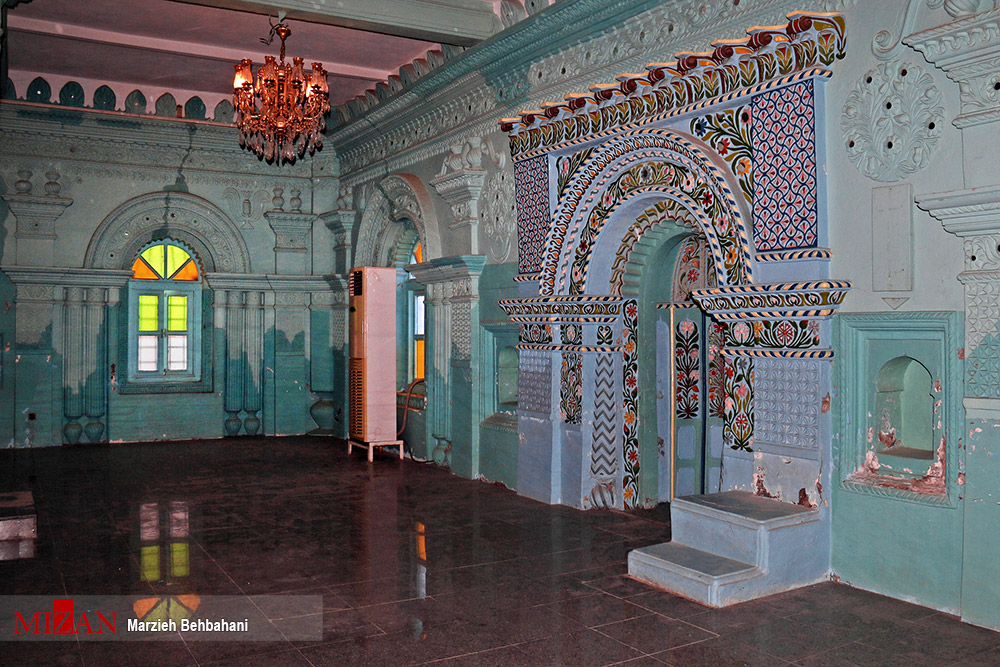
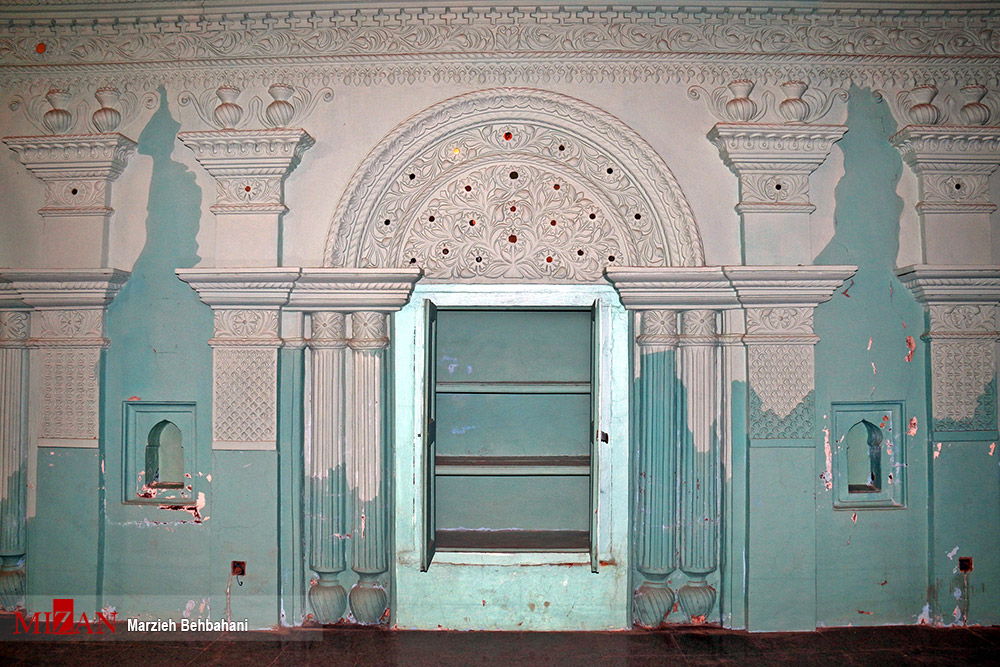
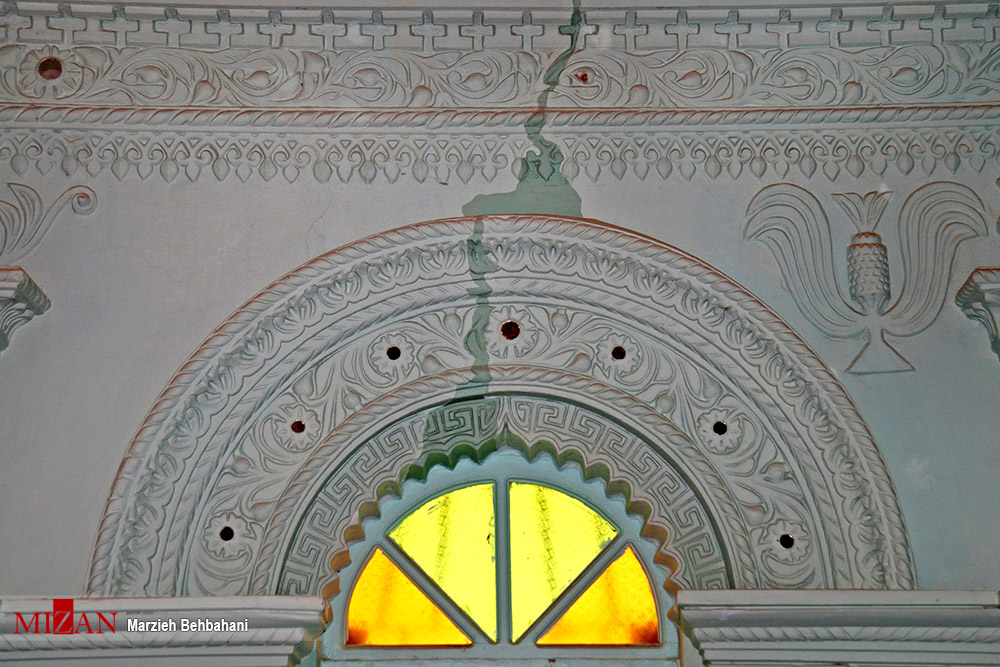
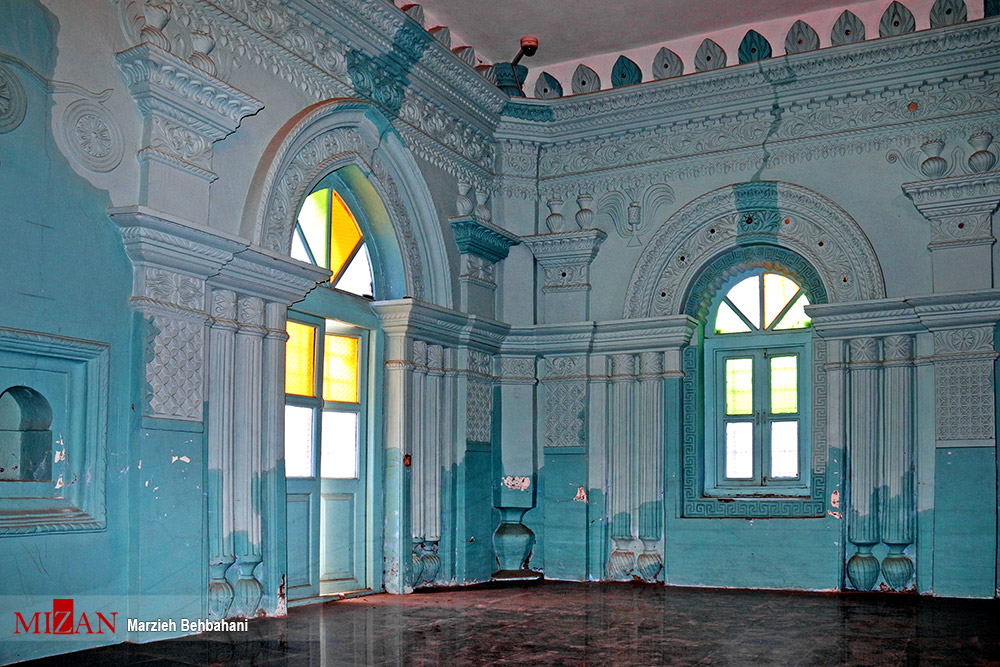
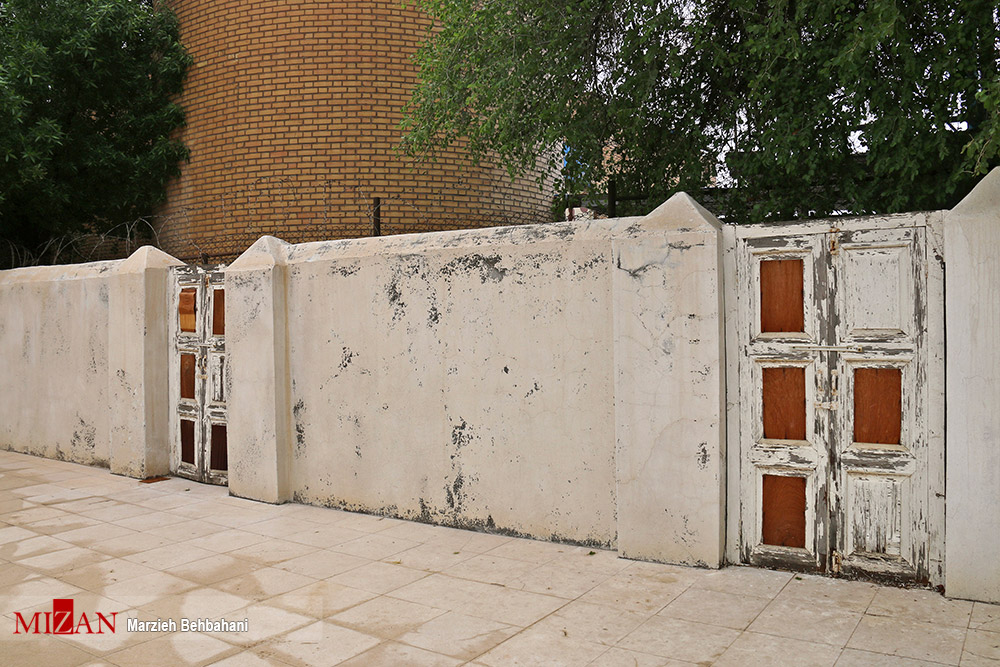
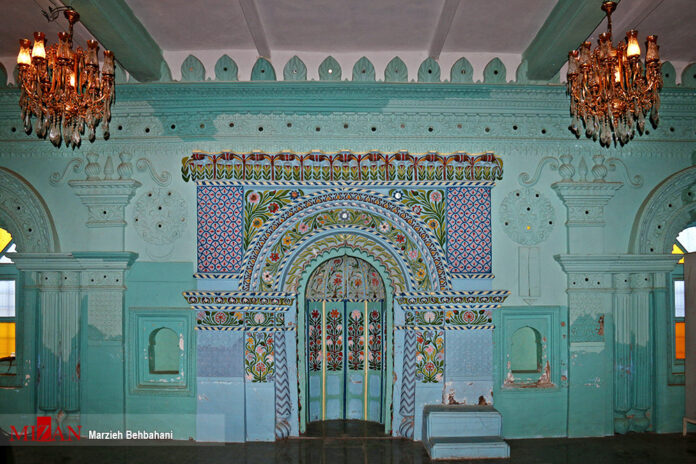
The interior of the mosque is pained green, and the exterior is ornamented with cement and embossed decorations.

The altar of the mosque is one of the beautiful parts of the structure and has been decorated with arabesque and geometric patterns.

After being restored and refurbished, the Rangooniha Mosque reopened as a hand-written and historical monuments museum in 2009.

Old books and manuscripts dating back to the Qajar and Pahlavi eras have been displayed in part of the mosque.

They include financial and business letters as well as different types of promissory notes and bills of exchange.

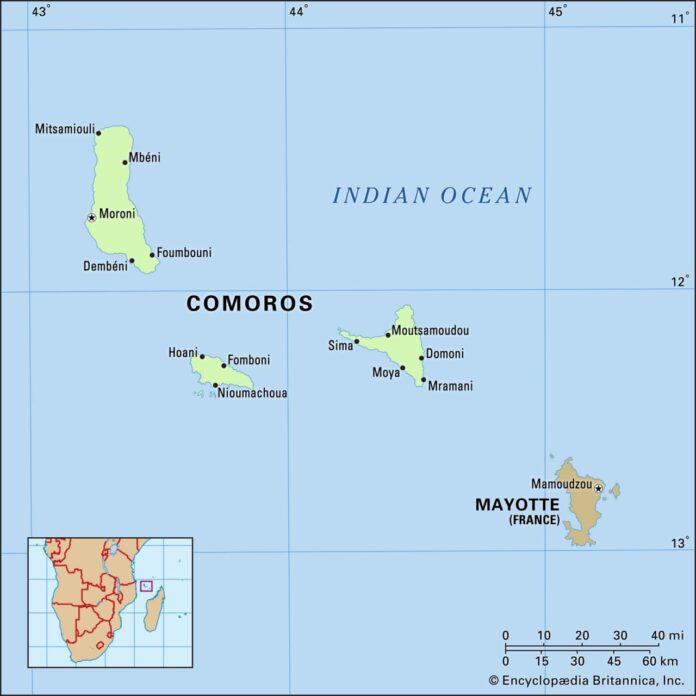
Seven Iranian Fishermen Released from Comoros

According to Khatibzadeh, the Iranian fishermen were released thanks to the efforts and measures of the Ministry of Foreign Affairs of the Islamic Republic of Iran, and returned home on Thursday, April 8, 2021.

In his Saturday statement, the Iranian spokesman also thanked and appreciated the Comoran nation and government for their humanitarian measures and assistance in this regard.

Unwarranted Concerns over Nuclear Program ‘Headache’ for Iran: Rouhani

Addressing a ceremony where over 130 Iranian nuclear achievements were unveiled, President Hassan Rouhani said all of Iran’s nuclear activities are peaceful and geared to non-military objectives.

“Our goals have been clear since the outset, and we have used nuclear technology in different sectors in the country, including industry, medicine and power generation,” he said.

He added one of the glorious results of the 2015 nuclear accord, officially known as the Joint Comprehensive Plan of Action (JCPOA) was that it fully legalized nuclear technology in Iran and restored Iranians’ right.

President Rouhani added his administration takes pride in having further developed nuclear technology on all fronts during its tenure.
Elsewhere in his remarks, the president underlined Iran’s compliance with the Nuclear Non-Proliferation Treaty (NPT).

“We have abided by the NPT. [But] what assistance and cooperation have you offered us? The International Atomic Energy Agency (IAEA), the US, Europe and major industrial countries are indebted to us in this regard and should pay this debt,” he said.

He also lashed out at Washington for having used nukes.

“We are still seeing the dangerous effects and consequences of the Untied States’ non-peaceful use of nuclear energy in Japan,” he added.

Iran Begins Feeding Gas into Dozens of New IR-5, IR-6 Centrifuges

Mass production of IR-5 and IR-6 centrifuges also began in a Saturday ceremony where 133 nuclear achievements were unveiled by Iranian President Hassan Rouhani, marking National Nuclear Technology Day.

The accomplishments also included projects to design, build and assemble centrifuges as well as several medical, industrial and uranium enrichment projects among others.

Iran’s National Quantum Technologies Centre and National Centre to Separate and Expand Applications of Stable Nuclides also came on stream as part of the nuclear accomplishments.

Rouhani Blames British Variant of COVID-19 for 4th Surge in Cases

President Hassan Rouhani said Iran had already gone through three waves of the disease, and every effort was made to ward off a fourth surge, but to no avail.

“Despite all attempts made, we are unfortunately facing a fourth peak in the disease in the country, and the key contributor to this situation has been the British strain of COVID-19 getting into Iran from Iraq through Khuzestan and Ilam borders,” he said.

The president said other factors which contributed to the fourth surge include people thronging stores and shopping malls in the run-up to New Year holidays in Iran, visiting relatives at New Year without observing health protocols, and going on trips during holidays without respecting coronavirus protocols and restrictions.

He added it will be very dangerous if infected patients break the quarantine they are in, and any such violation should be dealt with.

Habashi Stew: A Gourmet Iranian Food

The stew is a local food and served in parties.

It is made with both grape syrup and pomegranate paste, and has an interesting and different taste.

Ingredients:

Meat: 300gr

Lentils: Half a cupful

Fried onions: 3 spoons

Pomegranate paste: Half a cupful

Grape syrup: 3-4 spoons

Almond powder: 1.5 cupfuls

Dried plums: 5 or 6 ones

Prunes: 5 or 6 ones

Green sultanas: 50gr

Salt & pepper: As much as needed

Dried mint: 2 spoons

Garlic: 2 cloves

Butter: 50gr

Brewed saffron: 2 spoons

Stew spice: As much as needed

Habashi Stew: A Gourmet Iranian Food


Stew spice is one of the most commonly used spices in Iran. There is a clear-cut recipe to make stew spice, but locals in different provinces make some changes to the ingredients depending on their taste. Stew spice increases metabolism and helps remove excess fat from the body. In other words, stew spice is a fat-burning additive.

In the south, stew spice is usually made with 24 different items including red pepper, black pepper, fennel, caraway, green cardamom, turmeric, paprika, coriander seeds, ginger, curry powder, nutmeg, cloves, galangal, tarragon, thyme, hogweed, fenugreek, the Damask rose, mint, bay laurel, mustard, dried lime, mango powder.


Recipe for Habashi Stew:

1. Chop the meat and wash it well. Meanwhile, soak the lentils in water. Melt the butter in the dish in which you want to pour the stew, add the meat and fried onions and sauté them all together.

2. Remove the lentils from inside the water, add them to the meat and sauté them. When the water of the meat has evaporated, add the stew spice and mix them with the meat, fried onions and lentils. Take care that the spice is not left on the heat for so long as it will get burnt. So, you should immediately pour water into the casserole till it covers the materials. Now put the casserole lid back on and wait until the meat and lentils are cooked through. Now wash the prunes and dried plums and let them soak for 15 minutes.

3. After the food keeps boiling for three hours, add the pomegranate paste and grape syrup. Clean the sultanas and let them soak for 15 minutes. Afterwards, add almond powder, prunes, dried plums and sultanas to the stew. Now you may also add salt, pepper and saffron to make the stew more delicious.

4. Now that all ingredients are added to the stew, turn down the flame and put the casserole lid back on till the stew is cooked through.

5. Finally, cut the garlic into circular or whatever forms you desire and fry it. Then sauté the mint in oil or butter. Garnish the stew with fried garlic and onions before serving it.


Vienna Talks Constructive, but Rocky Road Ahead: Iran

“It was a busy week. Back-to-back consultations were going on between all sides,” said Deputy Foreign Minister for Political Affairs Abbas Araqchi.

“We have separate meetings with the three European countries as well as Russia and China, which helped move forward with the negotiations,” he told the state TV on Friday.

“I can say we are on track, but there is a rocky road ahead,” Araqchi noted.

“It is difficult. It needs work. The United States needs strong willpower to decide to lift its sanctions. We hope it will be fruitful,” he added.

The Iranian official highlighted that talks are being held amid the COVID-19 pandemic.

“These countries have come together for such an important discussion in Vienna at a time when the city is under full lockdown due to the coronavirus, and specific arrangements and health protocols are in place,” he said.

“This indicates the countries’ determination to revive the JCPOA,” he said.

He underlined members of the JCPOA Joint Commission had a positive spirit and were seriously determined to achieve a result during the talks.

“The climate of the negotiations is constructive and positive. We have moved forward somehow, but we cannot say for sure that talks will produce results,” Araqchi said.

“There are many problems in the way, but we have not lost our hope,” he said.

“It was decided that the negotiating teams return to their respective capitals and stay there for a few days for further consultations,” the top diplomat explained.

“We will probably resume talks next week,” he said.