Friday, January 16, 2026
Home Blog Page 2544

Iran FM Writes Letter to UN Chief over Natanz Act of Sabotage

What follows is the full text of the letter, which was released on April 12, 2021:


Excellency,

I am writing to inform you that in the early morning hours of 11 April 2021, a dangerous, reckless sabotage at the electricity distribution network of the Natanz Fuel Enrichment Plant caused a blackout and the disruption of the operations of this sensitive nuclear facility which has been under IAEA safeguards and extensive monitoring. The timely and professional containment measures adopted by the highly dedicated management and staff of the NFEP and Iranian Atomic Energy Organization averted what could have become a human and environmental catastrophe.

The deliberate targeting of a highly sensitive safeguarded nuclear facility—with the high risk of potential release of radioactive material—constitutes reckless criminal nuclear terrorism. Considering the possible indiscriminate human and environmental consequences of this international crime, those who planned, ordered, participated and carried out this cowardly act committed a grave war crime; one that must not go unpunished. Any power with knowledge of, or acquiescence in, this act must also be held accountable as an accomplice to this war crime.

While several officials of Israeli regime have since autumn of 2020 publicly and openly threatened to carry out such operations to prevent the restoration of the JCPOA, and many Israeli and western media outlets tacitly confirmed (and even boasted about) the complicity of Israeli war criminals in this latest terrorist act, Iran is refraining from any final judgement as to the culprit while a thorough investigation over the sabotage and its perpetrators is underway.

It must however be borne in mind that since the beginning of the negotiations of the Joint Comprehensive Plan of Action (JCPOA) in 2013, the Israeli regime has missed no opportunity to torpedo the negotiations and, following the conclusion of the Plan and its unanimous endorsement by the Security Council in resolution 2231 (2015), it has made every effort—shamelessly in a public way—to prevent its successful implementation and its restoration after the recent U.S. election.

Recalling the long record of the Israeli regime in sabotage operations against our peaceful nuclear activities—including the cowardly assassination of several Iranian nuclear and other scientists in the past years (A/65/622–S/2010/634, A/66/656–S/2012/27 and S/2020/1148) as well as the joint U.S.-Israeli cyber operation against Iran’s nuclear facilities through the use of a malicious computer worm known as Stuxnet—the international community must strongly condemn this act of nuclear terrorism and hold the culprits and their accomplices accountable for the act; one that threatens to further destabilize our already tense region.

The Islamic Republic of Iran reserves its right under international law to take all necessary measures to protect and defend its citizens, interests and installations against any terrorist or disruptive acts. During the past 42 years, pressure, economic warfare and terrorism—in most of its forms and manifestations—have all failed to dent our resolve, shake or disrupt our progress in science and technology, or compel us to submit to the whims of the arrogant forces and their stooges.

This most recent cowardly act of nuclear terrorism will only strengthen our determination to march forward and to replace all the damaged centrifuges with even more advanced and sophisticated machines. Even the most insane criminals will finally—and soon—realize that they must never threaten Iranians.

If the United States wants to avert the drastic consequences of foolish gambles by its terrorist stooges, it must cease forthwith to consider unlawful measures—whether economic terrorism perpetrated by Trump (and continued by the current U.S. administration) or the recent nuclear terrorism—as negotiating leverage and remove all sanctions imposed, re-imposed or relabeled since the adoption of the JCPOA. Iran will, after timely verification of the aforementioned, respond by stopping all remedial measures—which will now take a significant upward leap following this latest terrorist sabotage.

I should be grateful if you would have the present letter circulated as a document of the General Assembly and of the Security Council.

Please accept, Excellency, the assurances of my highest consideration.


Iranian Delegation in Vienna for Fresh Round of Talks

Bilateral and multilateral talks with the remaining parties to the 2015 nuclear deal, officially known as the Joint Comprehensive Plan of Action (JCPOA), are scheduled to start today, and continue in coming days.

In this round of talks, the Iranian delegation includes representatives of other relevant bodies including the Ministry of Petroleum and the Central Bank of Iran.

Natanz Attack, Its Impact on Vienna Talks Make Headlines in Iran

Abrar Newspaper:

1- IAEA: We’re in Touch with Iran on Natanz Incident

2- Germany Expresses Concern over Negative Impact of Natanz Incident on Vienna Talks

3- NY Times: Natanz Incident Sets Back Iran’s Nuclear Program for 9 Months

Natanz Attack, Its Impact on Vienna Talks Make Headlines in Iran


Afkar Newspaper:

1- Iran’s Foreign Ministry Spokesman Vows Revenge against Israel for Natanz Incident

Natanz Attack, Its Impact on Vienna Talks Make Headlines in Iran


Aftab-e Yazd Newspaper:

1- Iranian Diplomat: It’s Not in Iran’s Interest to Leave Negotiations

* We Should Make Use of Natanz Incident in Our Own Favour

Natanz Attack, Its Impact on Vienna Talks Make Headlines in Iran


Arman-e Melli Newspaper:

1- Europe Concerned about Natanz Attack

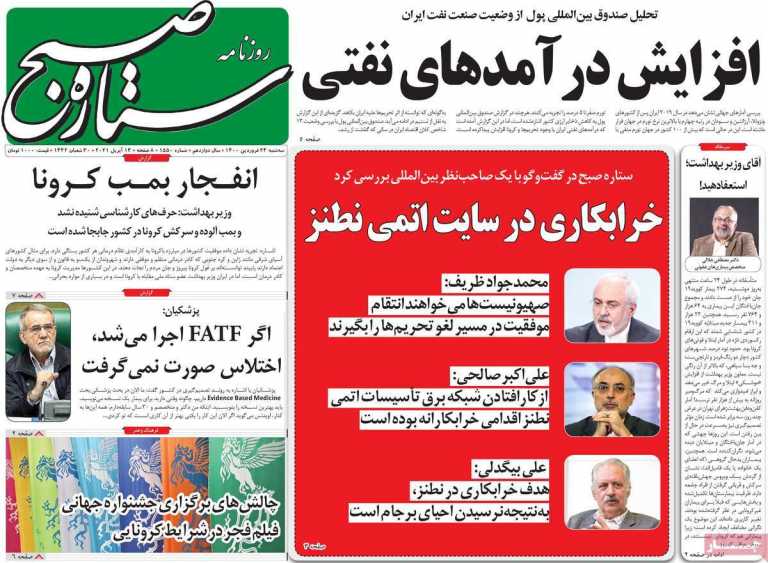
2- Zarif: Natanz Incident Was Nuclear Terrorism

3- Salehi: We’ll Build Advanced Halls in Heart of Mountain

Natanz Attack, Its Impact on Vienna Talks Make Headlines in Iran


Ebtekar Newspaper:

1- Zionists Resort to Nuclear Sabotage to Bring Vienna Talks to Failure

* Terrorism against Negotiation

2- Zarif on Natanz Incident: We’ll Take Revenge from Israel

3- Israel’s Passive Moves a Reaction to JCPOA Revival!

Natanz Attack, Its Impact on Vienna Talks Make Headlines in Iran


Etemad Newspaper:

1- Natanz Lights Turned On Again

2- Zarif: We’ll Take Revenge against Zionists for Natanz Incident

3- Salehi: Natanz Incident Has Nothing to Do with Nuclear Talks

4- Shadow of Infiltration on Iran’s National Security

* Domestic Reactions to Natanz Incident

Natanz Attack, Its Impact on Vienna Talks Make Headlines in Iran


Iran Newspaper:

1- Lavrov: There’s No Rational Alternative to JCPOA

2- Behind the Scenes of Nuclear Sabotage

* Fingers Pointed at Israel

* Analysts Believe Natanz Sabotage Aimed at Undermining Vienna Talks

3- Salehi: Natanz Incident Definitely Act of Sabotage

4- Zarif: Natanz Attack Reinforces Our Position in Vienna Talks

Natanz Attack, Its Impact on Vienna Talks Make Headlines in Iran


Jame Jam Newspaper:

1- West to Take Advantage of Zionists’ Sabotage in Vienna

Natanz Attack, Its Impact on Vienna Talks Make Headlines in Iran


Javan Newspaper:

1- Upgrading Natanz on Table of Vienna Talks

Natanz Attack, Its Impact on Vienna Talks Make Headlines in Iran


Jomhouri Eslami Newspaper:

1- Jahangiri: It’s Disastrous Those Responsible for Natanz Security Aren’t Accountable

Natanz Attack, Its Impact on Vienna Talks Make Headlines in Iran


Kayhan Newspaper:

1- Iran Must Respond to Natanz Sabotage by Leaving Vienna Talks, Punishing Israel

Natanz Attack, Its Impact on Vienna Talks Make Headlines in Iran


Sazandegi Newspaper:

1- Wolves of Tel Aviv

* Zarif: Israel Seeks to Prevent Removal of Iran Sanctions Through Sabotage in Natanz

Natanz Attack, Its Impact on Vienna Talks Make Headlines in Iran


Setareh Sobh Newspaper:

1- Analyst: Act of Sabotage in Natanz Aimed at Disrupting JCPOA Revival Talks

Natanz Attack, Its Impact on Vienna Talks Make Headlines in Iran


Shahrvand Newspaper:

1- Israel Taking Revenge from Iran’s Success in Path of Sanctions Removal

Natanz Attack, Its Impact on Vienna Talks Make Headlines in Iran


Shargh Newspaper:

1- Iran’s Former Envoy to UN: Israel Seeks to Bring Talks into Failure

Natanz Attack, Its Impact on Vienna Talks Make Headlines in Iran


Vatan-e Emrooz Newspaper:

1- Don’t Be Devil’s Advocate

* While Zionists Admit They’ve Coordinated Natanz Attack with US, Some Iranian Officials Are Trying to Exonerate US

Natanz Attack, Its Impact on Vienna Talks Make Headlines in Iran

Iran Urges South Korea to Immediately Release Its Frozen Assets

Iranian Delegation in Vienna for Fresh Round of Talks

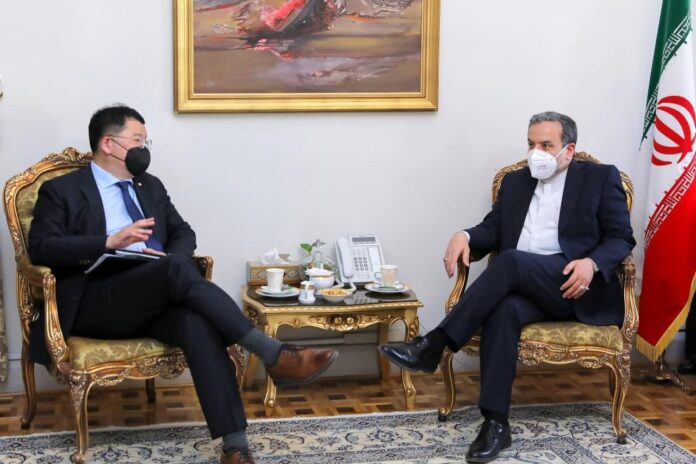
In the Monday meeting, Araqchi said the South Korean premier’s visit to Tehran was unprecedented in the history of Tehran-Seoul relations after the 1979 Islamic Revolution of Iran.

With the exchange of delegations at such a high level, Araqchi said, the people of both countries expect a major overhaul in bilateral relations.

“So, South Korea should take a practical step as soon as possible to resolve problems affecting relations between the two countries,” he added.

“The South Korean banks’ illegal freezing of Iranian financial resources has led to Iranian people losing trust in South Korea and resulted in the country losing its status before Iranians, which will not be easy [for South Korea] to make up for,” Araqchi noted.

The top South Korean official, in turn, said he was pleased to have travelled to Iran twice in the past three months as the South Korean deputy foreign minister.

He underlined that the settlement of problems and enhancement of relations are among the top priorities in mutual ties.

He acknowledged that South Korean companies had sustained extensive damage as a result of US sanctions against Iran.

He expressed hope that new conditions will be provided to make it possible to solve the existing problems.

In the meeting, Araqchi also touched upon the recent terrorist act against Iran’s Natanz nuclear facility.

“Such moves against nuclear installations which directly target people’s health and security are a glaring example of crime against humanity which should be condemned by all countries,” the Iranian official said.

Acts of Sabotage, Sanctions Not to Give US Leverage against Iran: Zarif

Javad Zarif

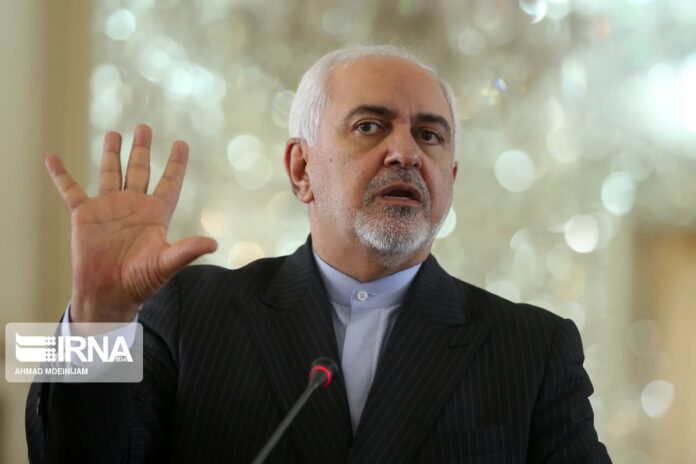
Mohammad Javad Zarif added such moves will only make the situation more difficult for Washington.

He then lambasted the recent approach and measures adopted by the European Union (EU).

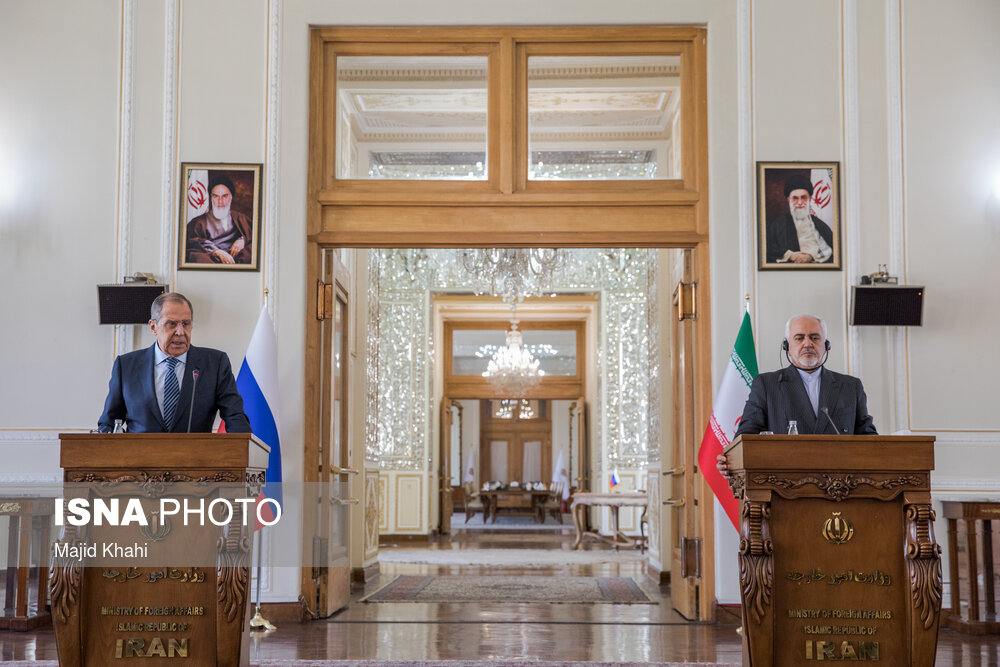
“In recent years, the EU has shown that it is gradually losing its relevance in international relations by failing to make good on its commitments under the 2015 Iran nuclear deal and submitting to US pressure,” said Zarif in a joint press conference with visiting Russian Foreign Minister Sergei Lavrov.

“Instead of condemning the United States’ terrorist threat against the food and drug security of 82 million Iranians, and instead of acting against the attack on [Natanz] enrichment site which is operating under the supervision of the Atomic Energy Agency (IAEA), the Europeans simply put those issue behind by just expressing a relaxed point of view and, at the same time, act against Iran’s military officials while giving in to US pressure,” the top Iranian diplomat said.

Acts of Sabotage, Sanctions Not to Give US Leverage against Iran: Zarif“The European Union not only follows the United States’ policies, but also follows in the footsteps of the most extremist groups inside the US and Israel, which is a disgrace to Europe,” he added.

Zarif dismissed as “destructive” the European Union putting several Iranian authorities under sanctions.

“We will deal with this move,” said Zarif.

He once again reiterated Iran’s position that the US should lift all sanctions against Iran before it can return to the Iran nuclear deal.

“The US must have realized after 42 years of testing Iranian people that threats and sanctions are not the way to deal with Iran,” he said.

“The US should give up the idea that it can gain concessions by making threats,” he added.

Iran Reserves Right to Act against Perpetrators of Terror Act in Natanz

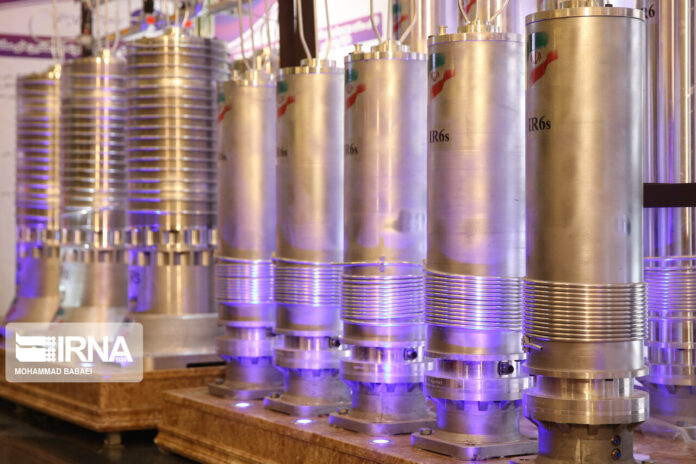
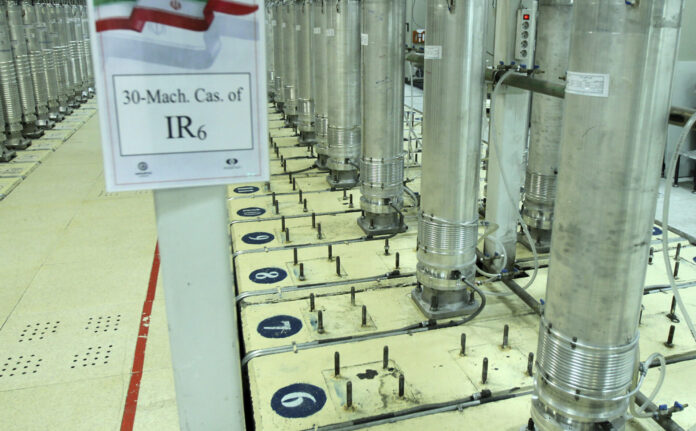
Centrifuge machines in the Natanz uranium enrichment facility in central Iran, in an image released on November 5, 2019. (Atomic Energy Organization of Iran via AP, File)

Ali Rabiei said on Tuesday the terrorist attack resulted in some damage and also indicates the failure of those who are against the progress of Iran’s nuclear industry.

“On Sunday, a terrorist attack and an act of sabotage happened in Natanz, which led to some damage,” he told reporters via video conferencing.

“The act against the enrichment facility in Natanz shows the failure of the enemies of Iran’s industrial and political progress seeking to stem the considerable development of the country on the one hand and [disrupt] fruitful talks aimed at lifting cruel sanctions on the other,” he added.

“The Islamic Republic of Iran condemns this cowardly act and emphasizes it is necessary that the international community and the International Atomic Energy Agency (IAEA) should deal with this nuclear terrorism,” he said.

“Moreover, in order to foil the objectives of this act of terror, the Islamic Republic of Iran will seriously press ahead with developing nuclear technology on the one hand, and try to have cruel sanctions lifted on the other,” he said.

He also pointed the finger at the Israeli regime for the act of sabotage.

“It is completely clear to us that this terrorist act has its roots in the anger of Zionist enemies over efforts by signatories to the Iran nuclear deal over the past weeks to fully revive the accord, and [this terrorist act] was aimed at preventing this constructive diplomatic process from moving forward,” he said.

Sharafkhaneh Port: A Unique Town in Northwestern Iran

The port is encompassed by Lake Urmia on one side and by green mountains on the other.

The Tal pier in the Sharafkhaneh port dates back 100 years to the Qajar era and has been registered on Iran’s List of National Heritage Sites.

The tier had meteorology and telegraph stations around 95 years ago.

The Tal pier’s strategic location prompted the Russians to build their barns in the city. This pier is still known for having large commodity storehouses.

In the past, the port enjoyed tourism facilities such as beach camps, yachting, five-star hotels, etc. Unfortunately, a kilometres-long stretch of the port city’s coastline has been replaced by a salt desert due to drought.

The Sharafkhaneh port is still in the limelight today as it lies on a busy route to Tabriz, Urmia and Turkey.

Iran, Russia to Sign Cooperation Document during Lavrov’s Trip to Tehran

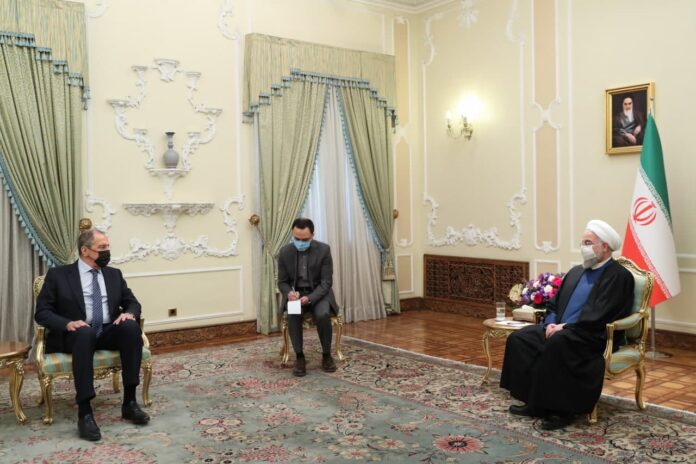
Kazem Jalali said a whole range of issues are discussed during the top Russian diplomat’s stay in Tehran.

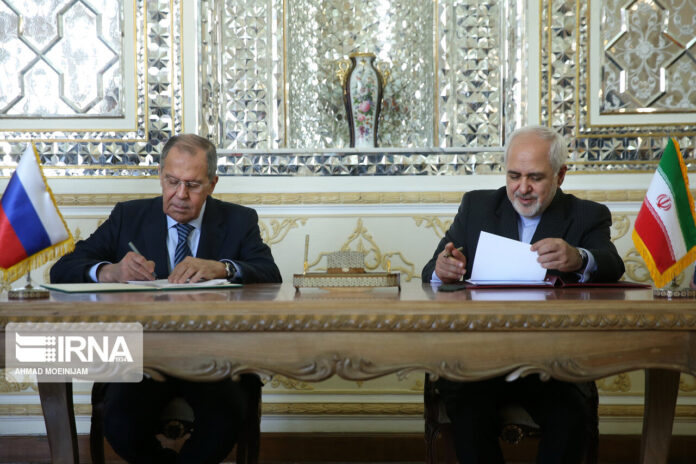
“In this trip, the two sides will hold talks on different issues, and two documents, namely a cultural agreement and an action plan on mutual cooperation, will be signed between the foreign ministries of the two countries,” said Jalali, who is Iran’s ambassador extraordinary and plenipotentiary to Russia.

Jalali noted that different bilateral, regional and international issues, including the 2015 nuclear deal, officially known as the Joint Comprehensive Plan of Action (JCPOA), Syria, Yemen and Afghanistan as well as economic issues will be discussed during Lavrov’s trip.

He underlined “very good messages” have been exchanged at the level of leaders of both countries.

Lavrov’s Trip Very Significant

He said Lavrov’s trip comes at a time when Iran’s Islamic Revolution Leader Ayatollah Seyyed Ali Khamenei wrote an important letter for Russian President Vladimir Putin, who, in turn, responded to the Leader.

Jalali added the letter contained very good points on mutual cooperation and can be a good starting point for fulfilling the demands of both Putin and Ayatollah Khamenei.

Iran, Russia Facing Common Challenges

The Iranian ambassador reiterated that both countries face challenges at the international level.

“At this very sensitive and very important juncture, the two sides can have a more divergent view to settle their common issues and problems,” he said.

Jalali also touched upon threats and challenges facing Russia.

“At the moment, Moscow is facing tension from the United States, the West and NATO, and its borders are somehow being threatened as well,” he said.

The Iranian ambassador added Russia is also under Western sanctions and some of it projects with Europe have been delayed and run into problems.

He said Iran, too, has faced numerous challenges from the US and the West for more than 40 years now.

Good Political, Security and Defense Cooperation

Iran’s ambassador to Russia underscored the two sides can forge closer cooperation on all fronts.

“Tehran and Moscow have good cooperation in political, security and defense areas, and cooperation in certain domains should be boosted,” he said.

Jalali said Iran-Russia cooperation in cultural and economic areas are not satisfactory and needs to be improved.

He said Lavrov’s trip could create and opportunity to further boost bilateral ties.

Formation of Iran-Russia-China Bloc

Elsewhere in his remarks, Jalali said the United States and other Western countries wouldn’t like nations to be independent.

“Given the type of the United States’ treatment of China and Russia, it is proposed that countries under sanctions form a bloc led by Iran, Russia and China,” he said.

He added now the time is ripe for the formation of such a bloc.

“This issue is very important from regional and international perspectives,” said Jalali.

Iran, Russia Enjoy Common Ground on Several Issues

Jalali said Iran and Russia have common ground on some regional issues such as fighting terrorism in Syria.

“We believe the Astana format aimed at settling the problems of Syria is important for both countries, and it is this very format which should solve issues related to Syria,” he said.

Jalali said Iran and Russia can also discuss the situation in Afghanistan, Yemen and the JCPOA.

Cultural, Economic Issues High on Agenda

Jalali added Iran and Russia should forge closer cooperation in economic and cultural domains.

“With regards to bilateral relations, Iran and Russia have a lot of issues to discuss the most important of which concerns cultural and economic issues. There are weaknesses in cultural and economic cooperation between the two countries.

“We have many problems in the economic domain part of which is related to the present time and should be resolved,” he explained.

Jalali added the two countries are also set to extend a Tehran-Moscow cooperation agreement which goes back more than two centuries and is renewed every five years.

Iran Condemns EU Sanctions, Vows to Consider Reciprocal Move

“The Islamic Republic of Iran strongly condemns this move and considers it invalid,” said Saeed Khatibzadeh on Monday.

“Such acts are committed by those who claim to be supporters of, and falsely preach [respect for] human rights with political motives, but they have not only remained silent in the face of violations of Iranian people’s rights due to the United States’ inhuman and illegal sanctions, but also approved of such violations,” he noted.

“Such acts are rejected and will further disgrace those who abuse lofty concepts such as human rights,” said the spokesman.“In reaction to this EU move, the Islamic Republic of Iran’s Ministry of Foreign Affairs suspends comprehensive talks with the European Union, including human rights discussion, and all cooperation thereof, especially in the domains of terrorism, narcotics and refugees,” Khatibzadeh noted.

“In reaction to the EU move, the Islamic Republic of Iran is considering [imposing] reciprocal sanctions, which will be announced in due time,” he said.

Tehran, Kabul Discuss Trend of Afghan Peace Talks

The talks were held in a phone conversation on April 12, 2021 was part of Iran’s consultations with Afghan authorities on the country’s peace process.

The two officials exchanged views on the current developments in Afghanistan, especially the trend of intra-Afghan peace talks as well as the Istanbul meeting.

The Iranian official also highlighted Tehran’s all-out support for efforts to realize peace and lasting stability in Afghanistan.

The previous day, Taherian had also discussed with Chairman of Afghanistan’s High Council for National Reconciliation Abdullah Abdullah the latest developments in Afghanistan and the current trend of peace talks in the country.