Tuesday, December 30, 2025
Home Blog Page 2541

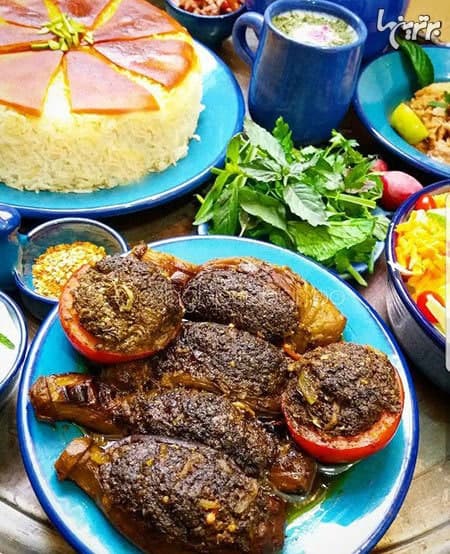
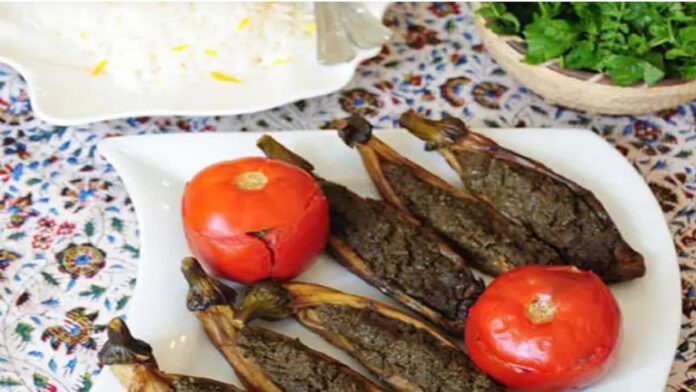
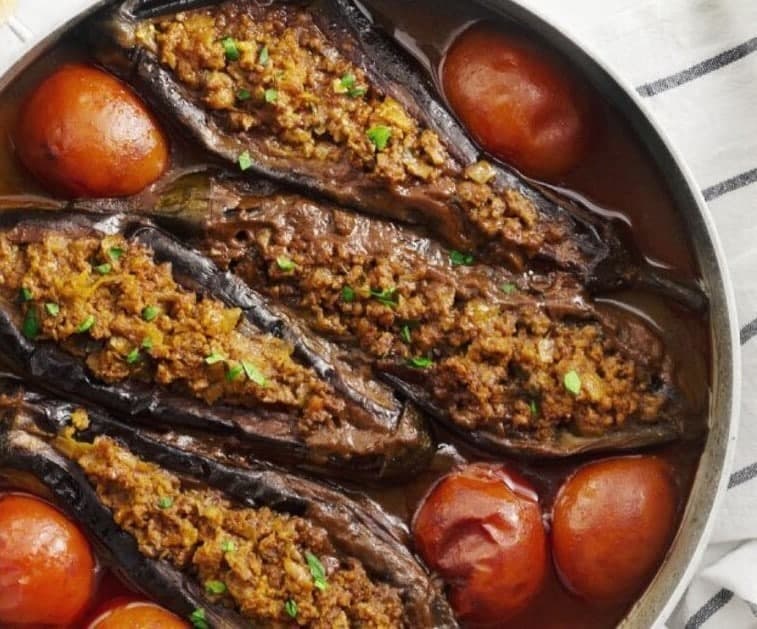
Godeh Aubergine: A Yummy Iranian Food

Ingredients:

Aubergines: 2 big ones

Tomatoes: 2 tomatoes

Onions: 1 onion

Garlic: 5 cloves

Walnuts: 1.5 cupfuls

Fresh chopped parsley: 6 spoonfuls

Pomegranate paste: a quarter of a cup

Tamarind: 2 spoonfuls

Salt and pepper: as much as needed
Godeh Aubergine: A Yummy Iranian FoodRecipe:

  1. Peel the aubergines and rub salt onto them. Then lay them in cold water for a few hours until the water turns a little black, meaning the hot taste of the aubergines has decreased.
  2. Change the water and repeat this action until the black-coloured, flatulence-causing materials of the aubergines dissolve in water and are disposed of with the water.
  3. Then wash the aubergines with cold water and make lengthwise cuts on them. The cuts should be shallow enough to keep the two sides of each aubergine from falling apart.
  4. Put some oil in a frying pan and fry the aubergines until they turn gold.
  5. take the top of tomatoes off and empty them with a spoon.
  6. Use a food processor to crush meat. Add some salt and pepper and put it aside.

Preparing ingredients to stuff aubergines and tomatoes:

  1. put the tamarind in half a glass of boiling water and wait for a few minutes until it goes soft. Then stir it with a spoon until it dissolves in water. Then strain it.Godeh Aubergine: A Yummy Iranian Food
  2. Chop the onions into very small pieces and sauté them in a frying pan in a little oil until they turn gold.
  3. Add mashed or grated garlic to the onions and sauté them together. Then add chopped parsley and sauté them on low heat until its water evaporates.
  4. Add salt, pepper, pomegranate paste and tamarind and mix them together. If the mixture is hard, add some boiling water to dilute it. Then remove it from the heat. Stuff the aubergines and tomatoes with the ingredients and put the top of the tomatoes back on.

Last, but not least

Put the tomato porridge in a casserole dish and lay the aubergines and tomatoes on it. Put the casserole on low heat and put the lid on. Wait until the aubergines and tomatoes are cooked through.
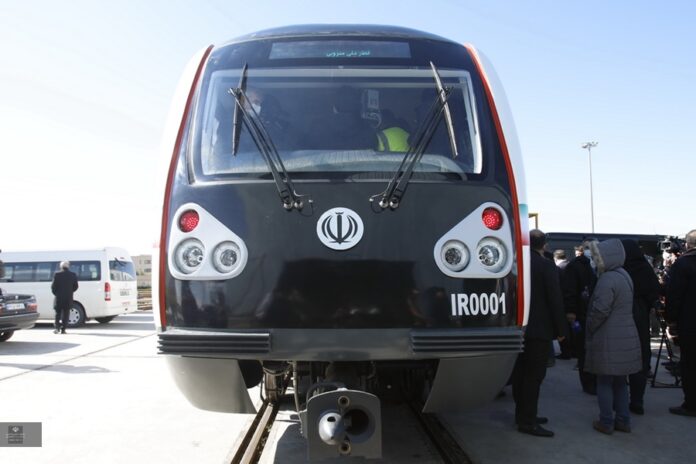
‘Major Part of Equipment for Iran Tube System Produced Domestically’

Vice President for Science and Technology Sorena Sattari says Iranian knowledge-based companies have what it takes to push urban transport system toward becoming smart.
“Transport services should be offered by innovative and technological individuals in the private sector. Accordingly, the government is duty-bound to provide the necessary infrastructure to facilitate knowledge-based and innovative businesses,” Sattari added.

He was speaking at a ceremony where Line 6 of the Tehran underground system was opened.

“Some 18 knowledge-based companies as well as hundreds of creative people had a role in producing 85% of the national train engine system domestically,” said Sattari in another ceremony to unveil the achievements pertaining to the National Underground Train Project.

He said the project to domestically develop an engine for underground trains is of significance and a source of honour because it shows local companies have managed to develop the capability inside the country.

The vice president noted the government stands ready to support and cooperate in that regard.

“In this connection, we have cooperation with municipalities of metropolises in strategic areas,” he said.

Iran Condemns ‘Act of Sabotage’ against Its Vessel in Mediterranean

“Incoming reports confirm the sabotage attack on this ship, which is a blatant violation of the international law and laws of the seas,’ he said.

“Different sectors have put on the agenda necessary measures to identify the perpetrators behind this act of sabotage, and the necessary actions are being seriously pursued in this regard,” he added.

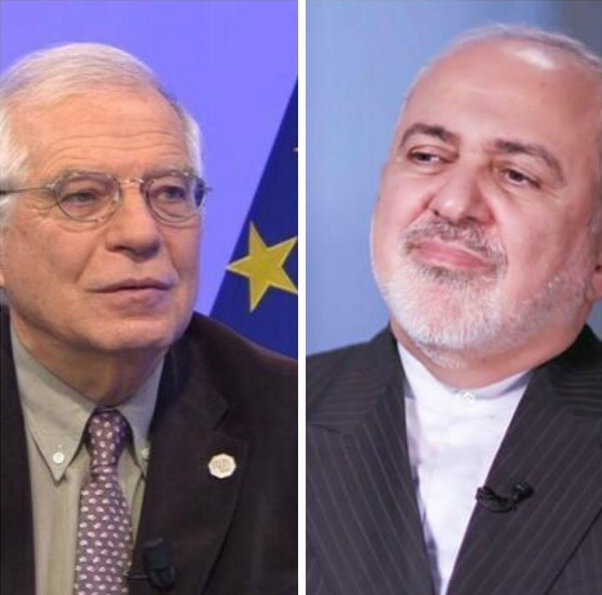
US Lifting of Sanctions First Step to Full Compliance with Commitments, Zarif Tells Borrell

In response to questions asked by reporters, Saeed Khatibzadeh said on Saturday, “In a bid to elaborate on the Islamic Republic of Iran’s positions on developments related to the JCPOA, the foreign minister of our country sent a letter on March 12, 2021 to Josep Borrell, the coordinator for the Joint JCPOA Commission.”

“Of course, Dr. Zarif has sent several letters to Mr. Borrell and, earlier, to Ms. Mogherini regarding the JCPOA, and this latest letter has been written and sent within the same framework,” he added.

“This letter explains the Islamic Republic of Iran’s attitude and contains no plans,” Khatibzadeh said.

As the spokesman explained, the letter makes it clear that the first step for the US to fully comply with its commitments is to correct its mistakes with regards to breaching the JCPOA and imposing sanctions on Iran.

Tehran Dialogue Forum 2021 Slated for March 16

Saeed Khatibzadeh said the event has been organized by the Institute for Political and International Studies of the Ministry of Foreign Affairs of the Islamic Republic of Iran.

“The Tehran Dialogue Forum will open at 10:30 am with a speech by Iranian Foreign Minister Mohammad Javad Zarif,” said the spokesman.

Due to the coronavirus pandemic, said Khatibzadeh, the event will be held online, bringing together delegates from Iran and other countries.

Khatibzadeh underlined the forum will be an opportunity for top political officials and heads of research institutes and think tanks in the region and across the world to exchange views on the situation in the region surrounding Iran, including the Persian Gulf, Central Asia and the Caucasus, namely developments in Afghanistan.

He said the participants will also discuss the security and political consequences of these developments for regional trends, try to reach a better understanding of the ongoing trends and work out ways of boosting regional cooperation in order to establish peace, security, stability and welfare for people in the region.

The delegates will also exchange view on the roles of regional and international players in bringing stability or instability as well as on the wide range of dynamic processes, namely political, security economic and social trends.

As announced by the spokesman, the event features speeches by senior political figures from the regional countries, including Iran, as well as a number of heads of domestic, regional and international research centres and think thanks, who will exchange views in three specialized panels.

The event will be broadcast live on Press TV and livestreamed on the website of the Iranian foreign ministry as well as relevant social media networks.

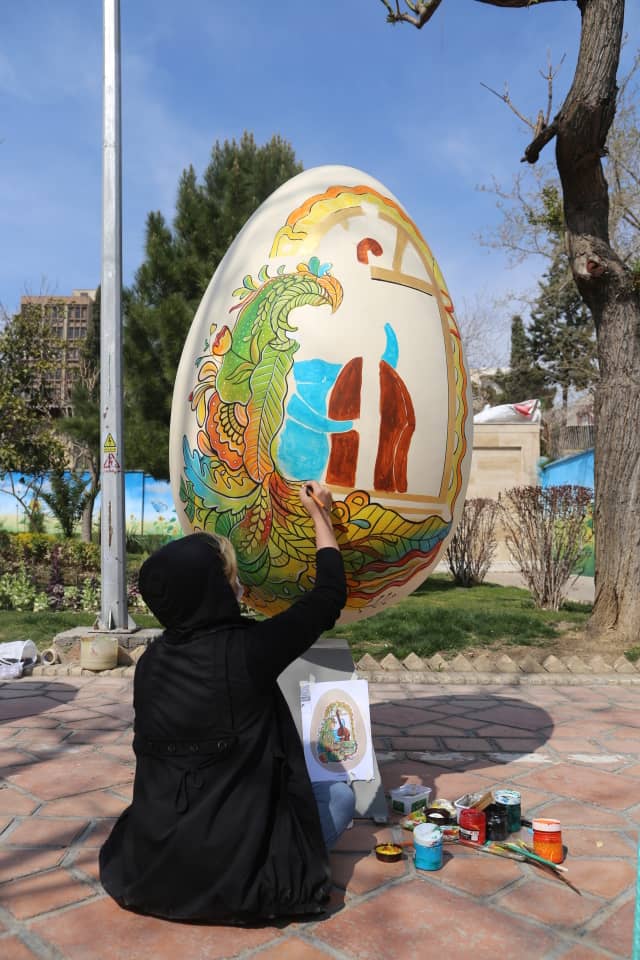
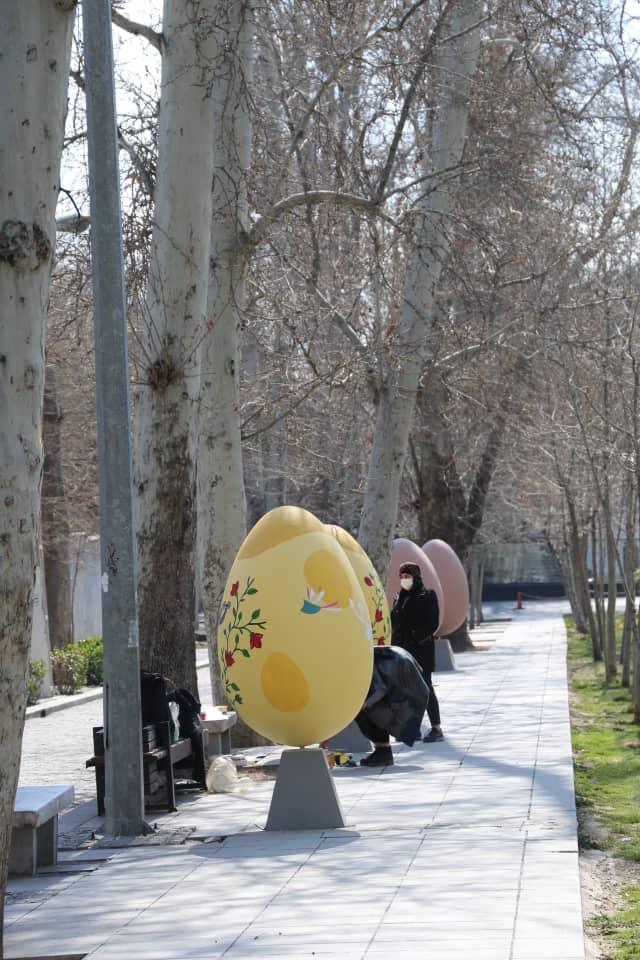
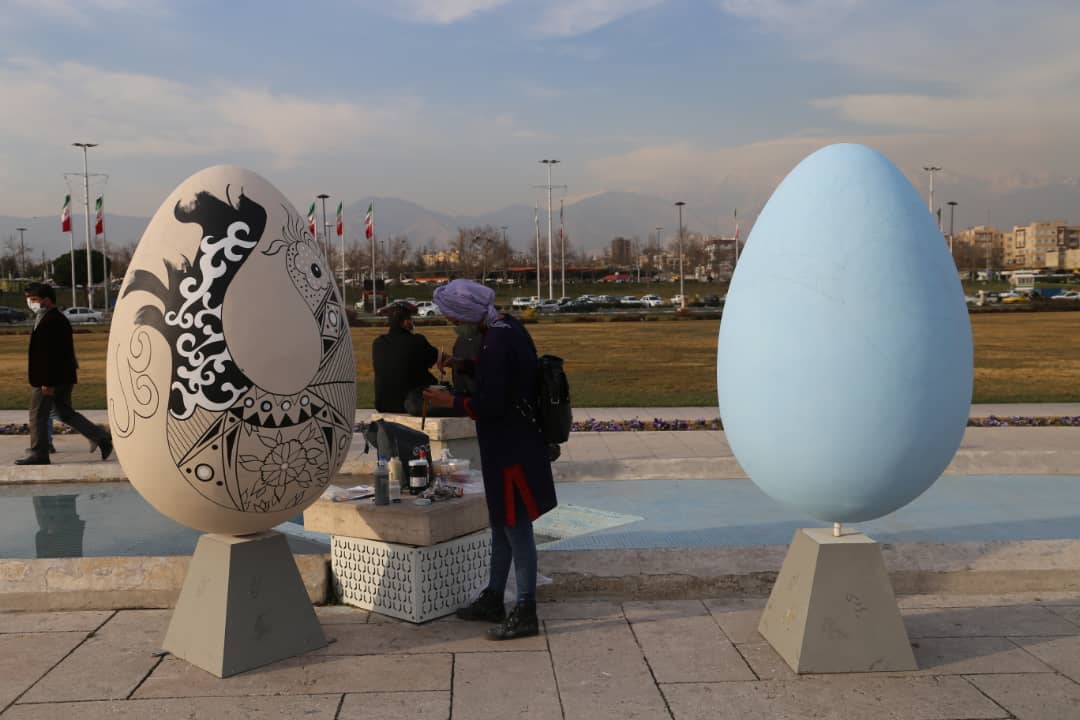
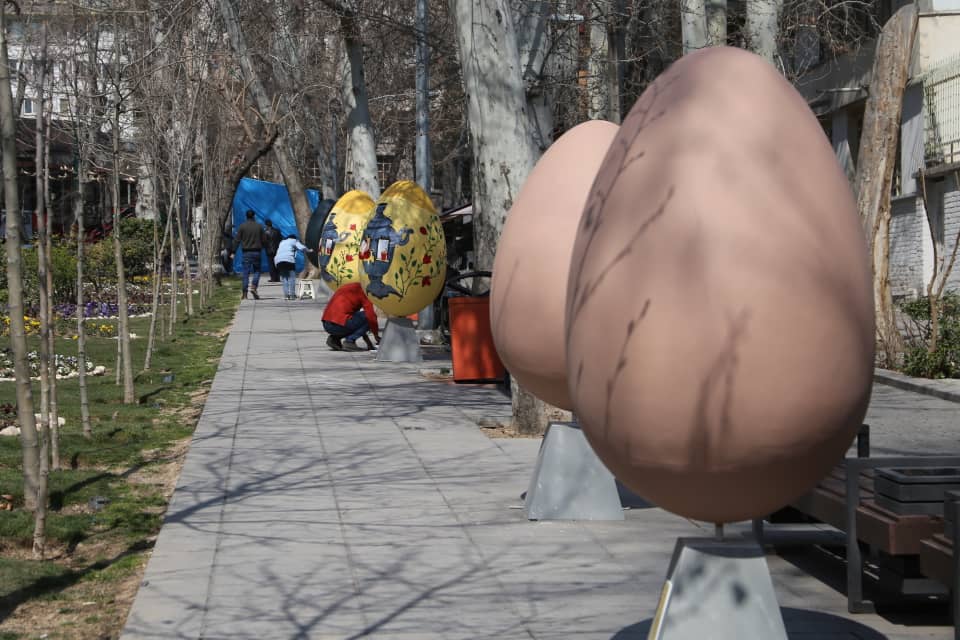
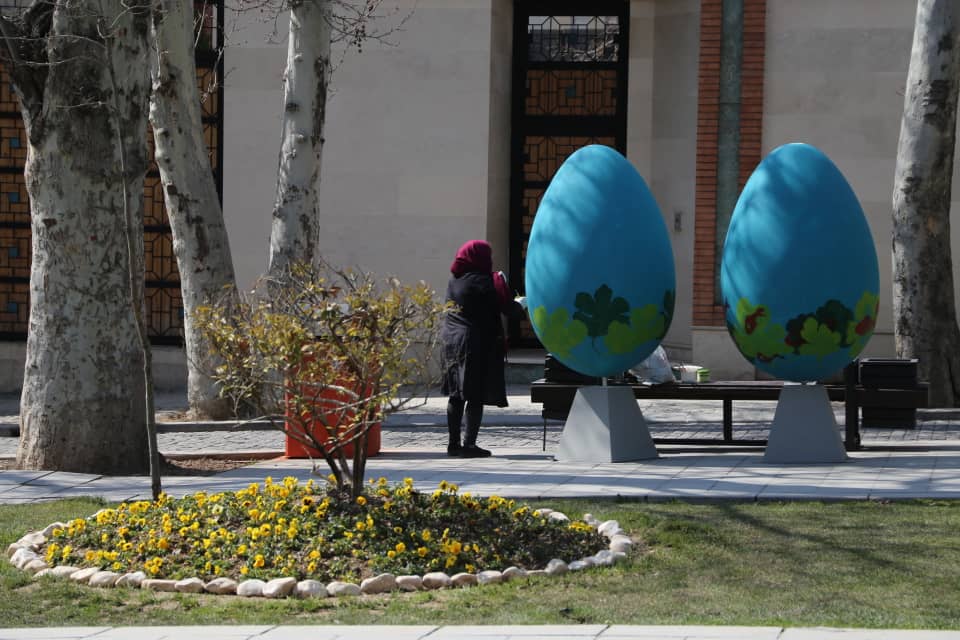
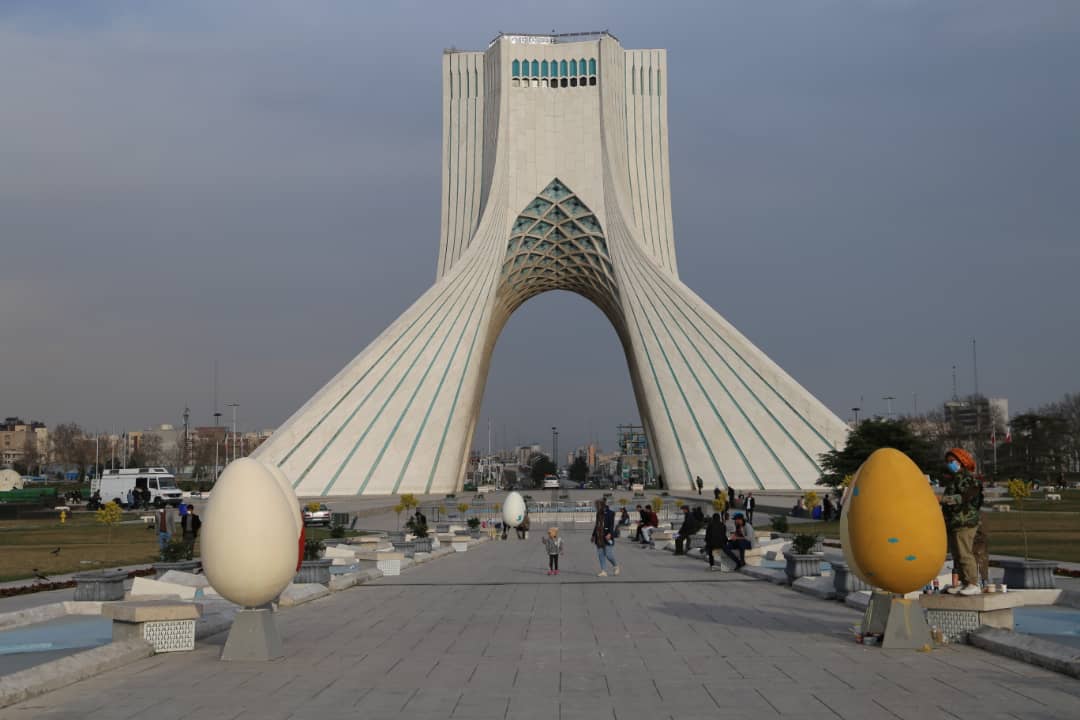
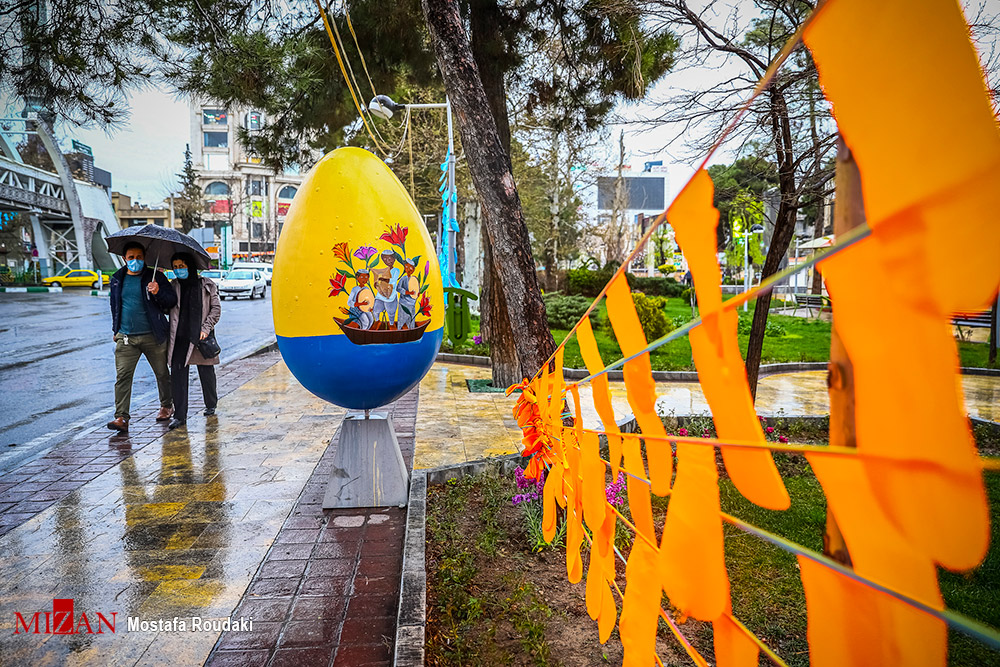
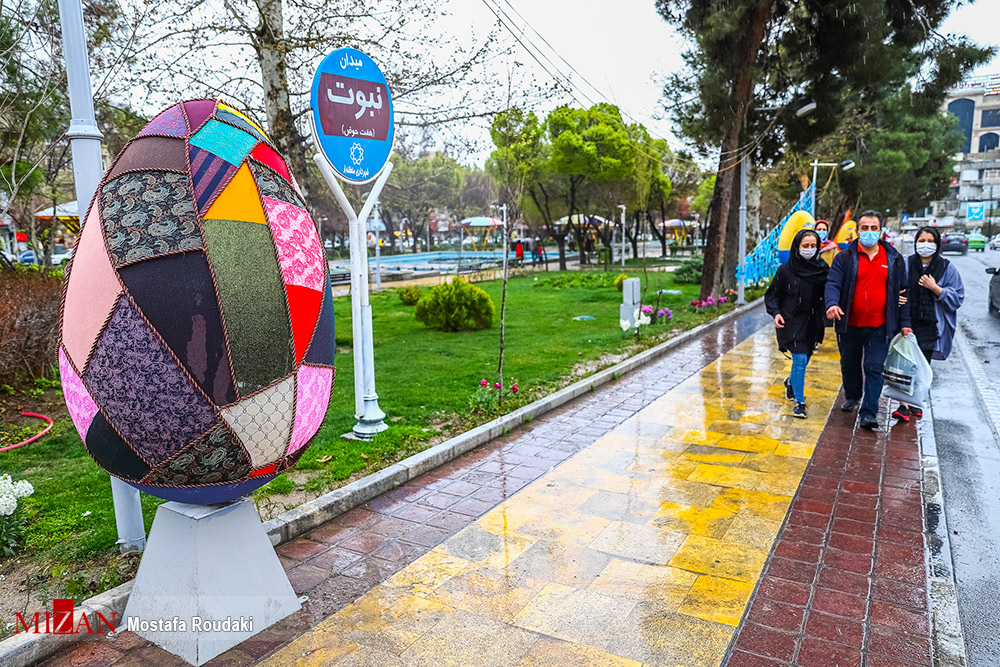
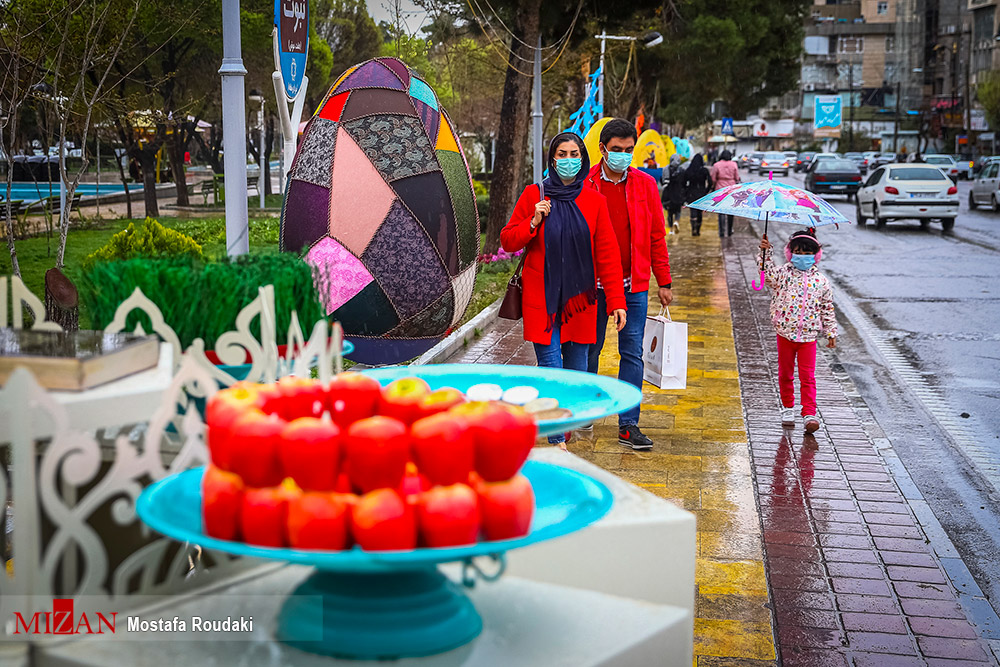
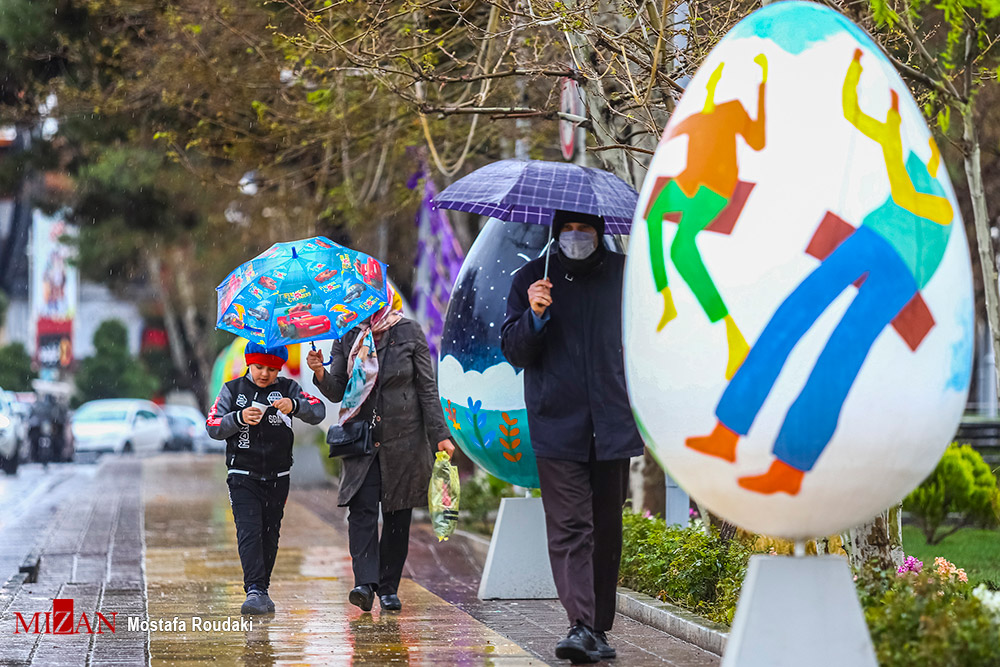
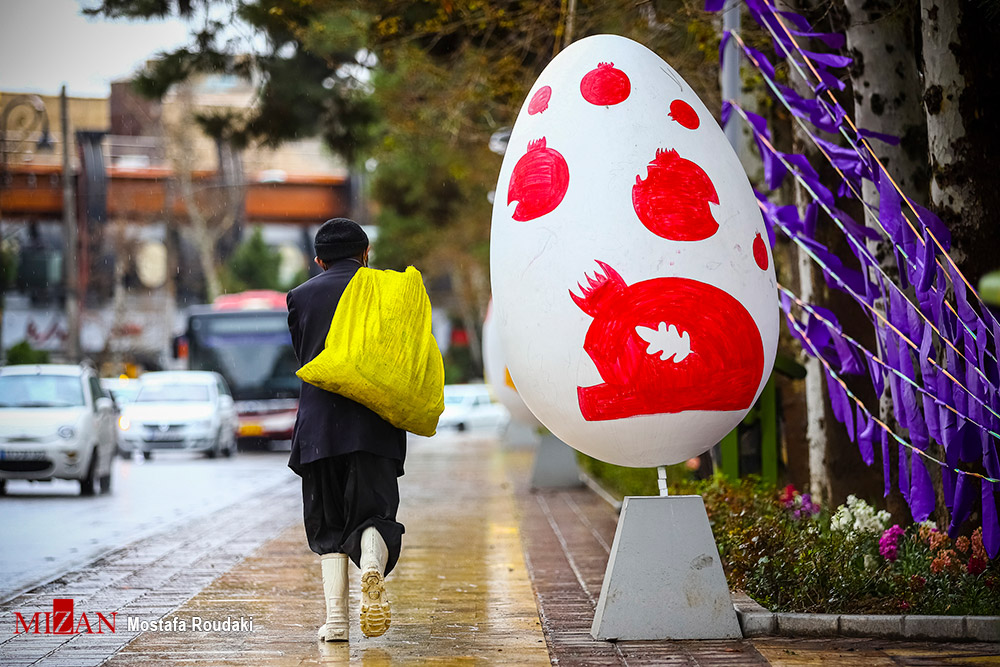
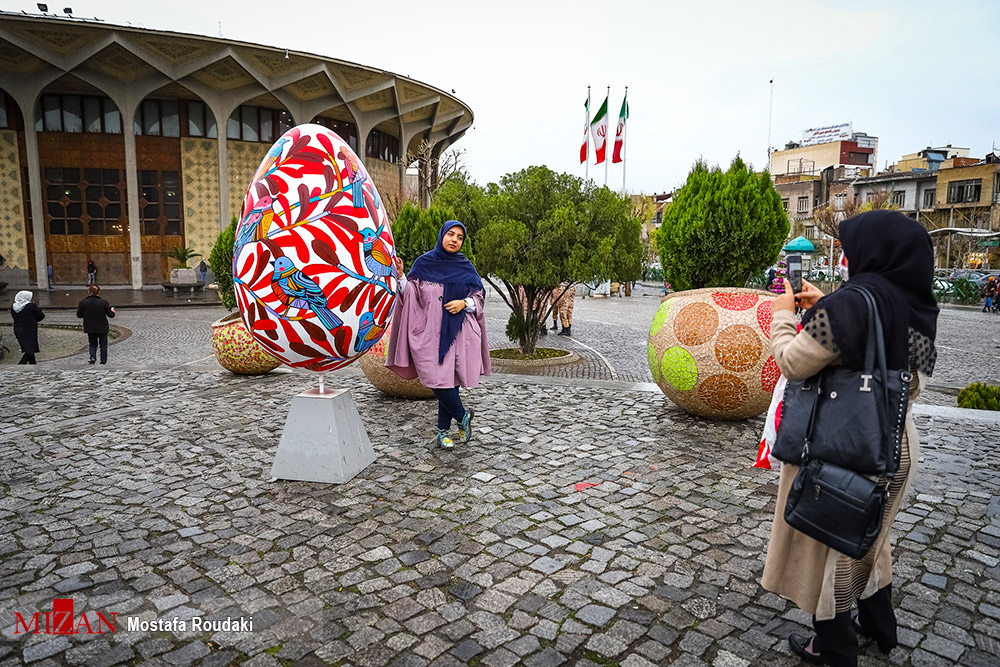
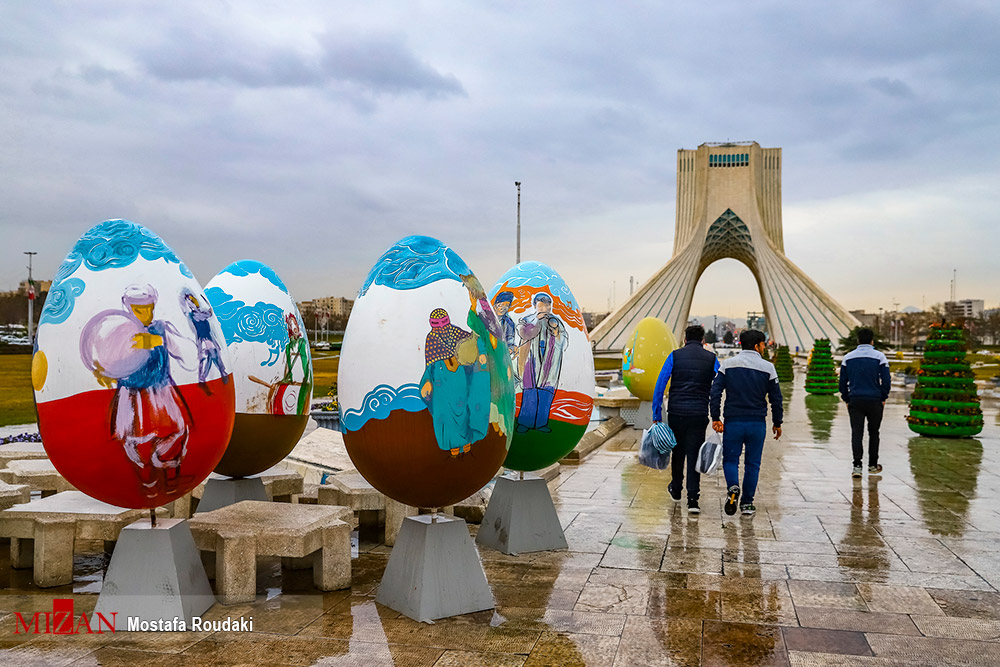
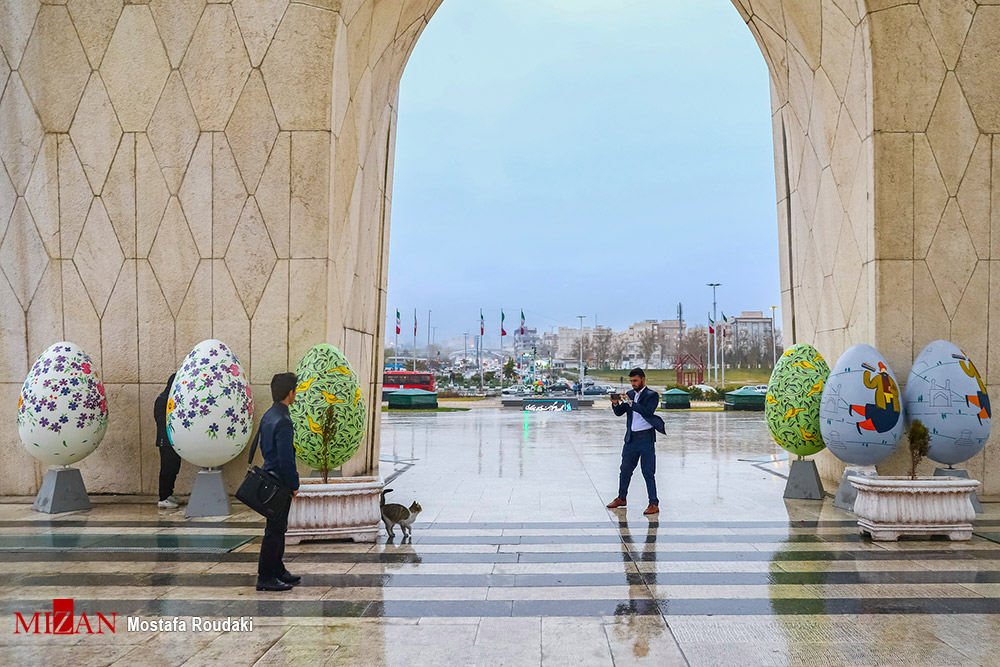
Tehran Hosting Urban Arts Festival ahead of Nowruz

It has been a few years that the Tehran Municipality arranges programs in cooperation with the city’s Beautification Organization just days before the New Year begins.

The programs include exhibitions and artistic settings in the city’s public places.

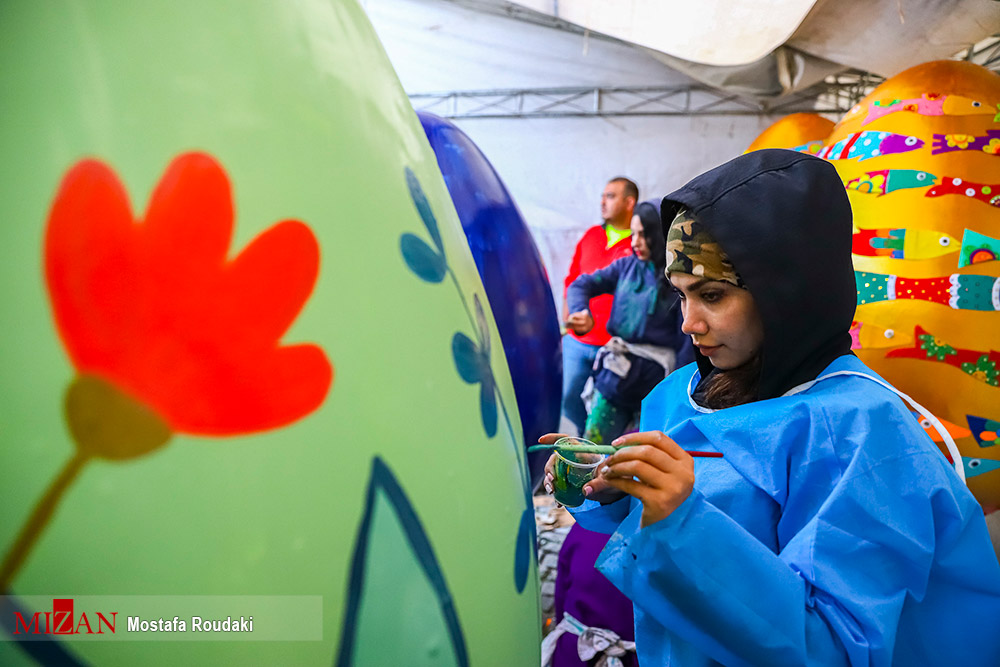
This year’s festival arranged in the form of a competition has been warmly welcomed by artists, who presented a large number of plans in different artistic domains.

After being selected by the judges, the best plans will be implemented across the city.

The festival is aimed at creating an interactive atmosphere with creative urban works of art as well as boosting interaction among citizens and artists and setting the stage for modern creative works of art.

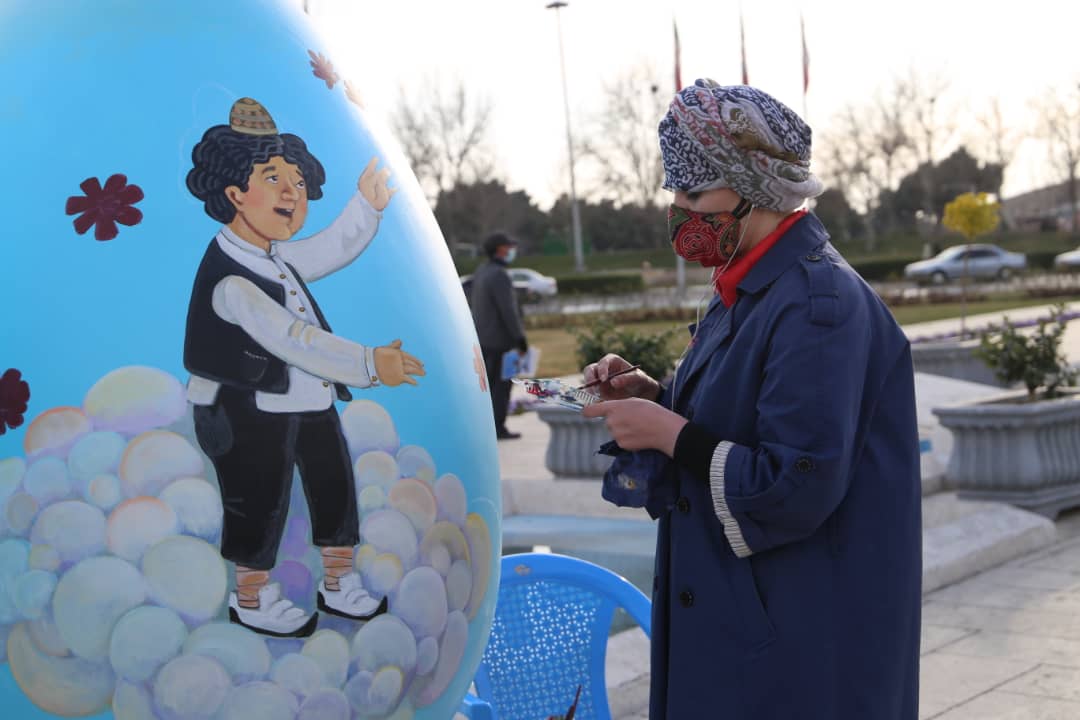
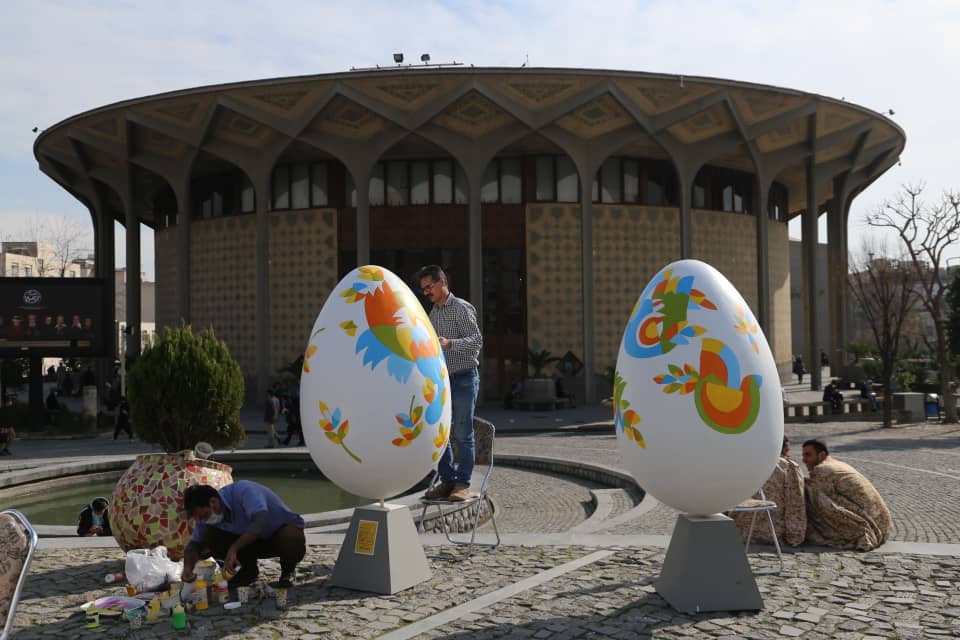
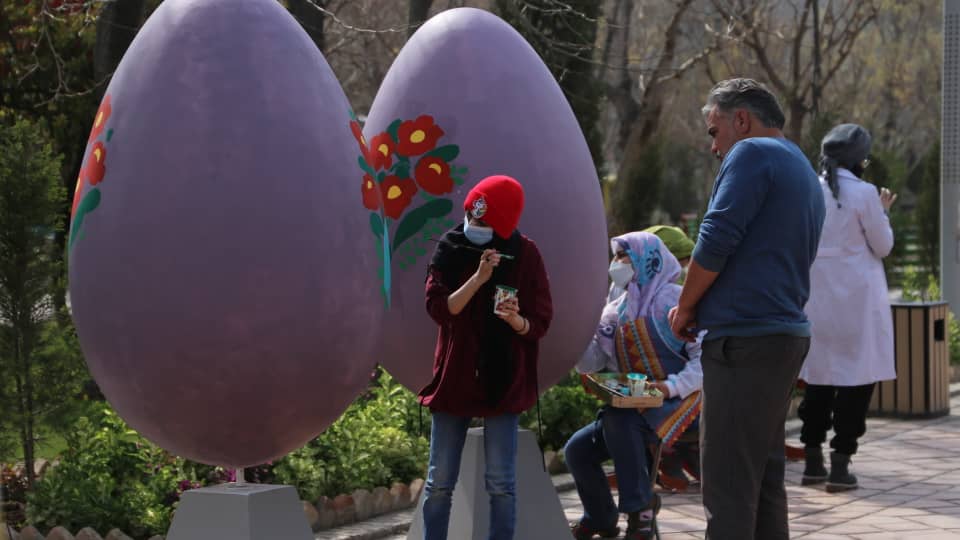
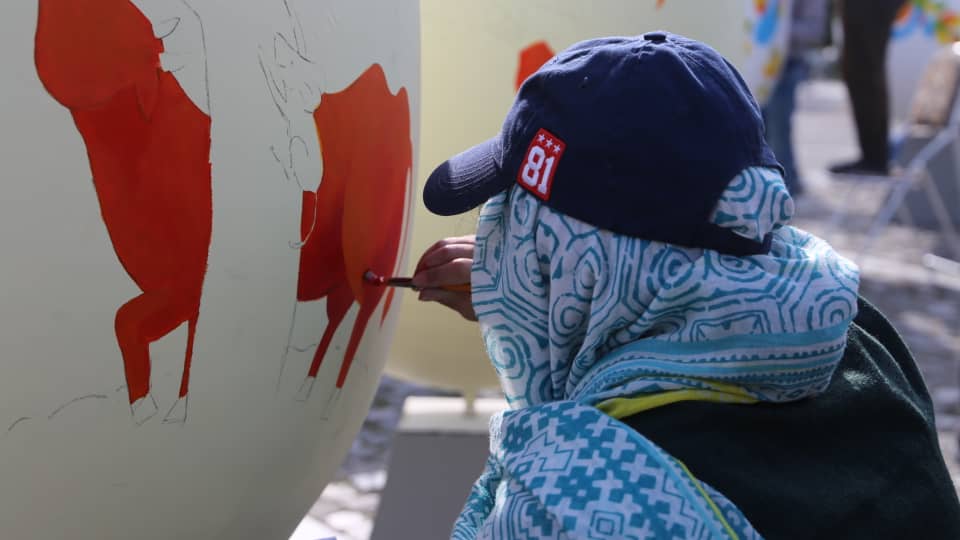
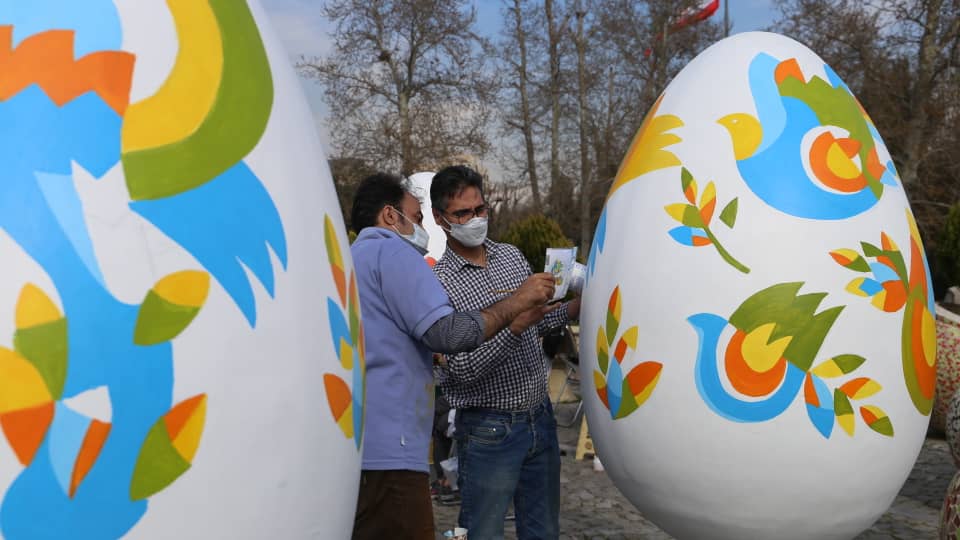
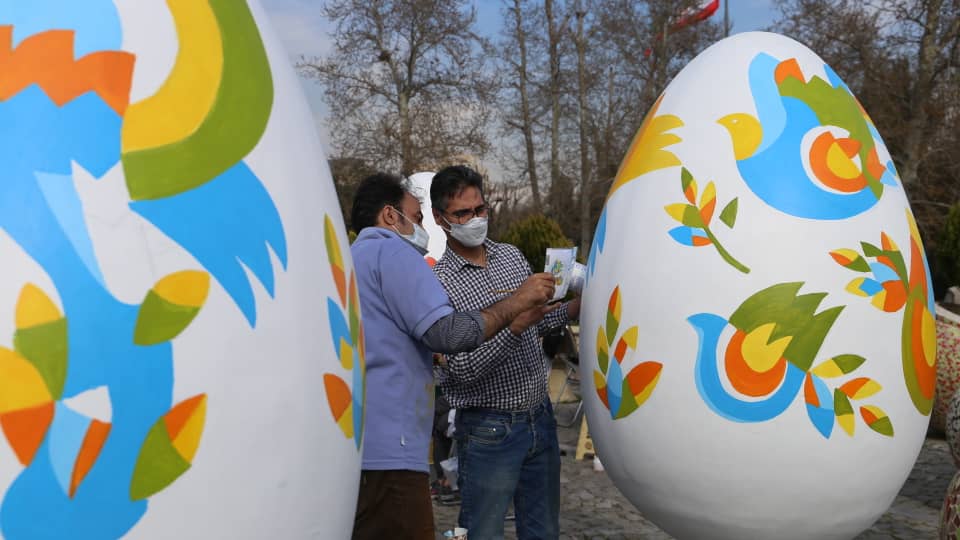
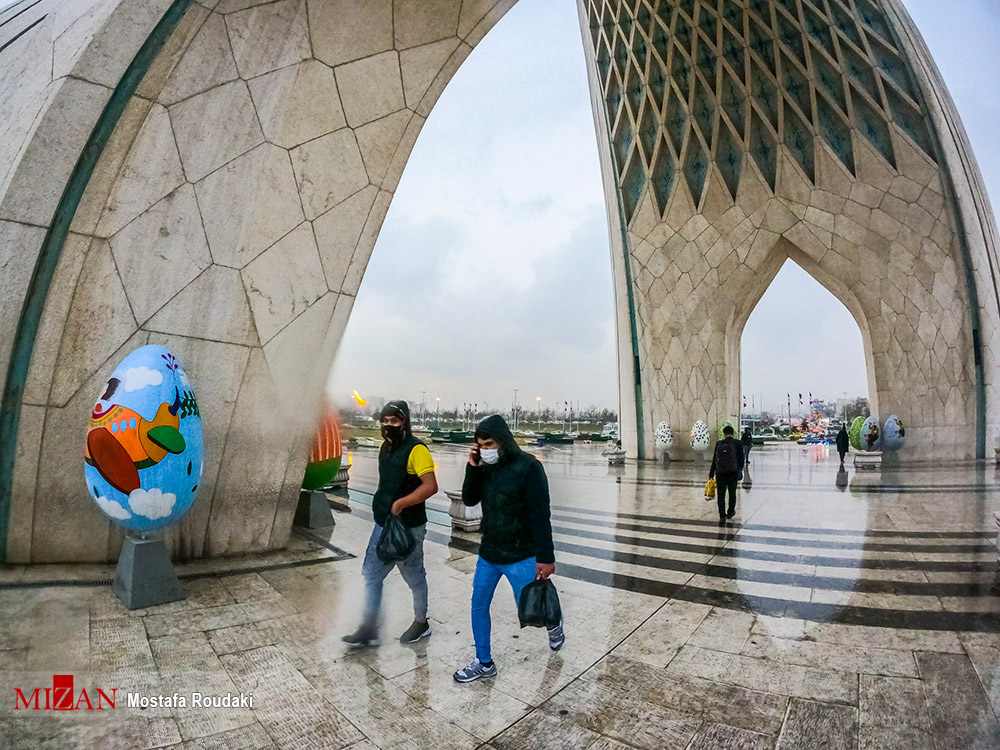
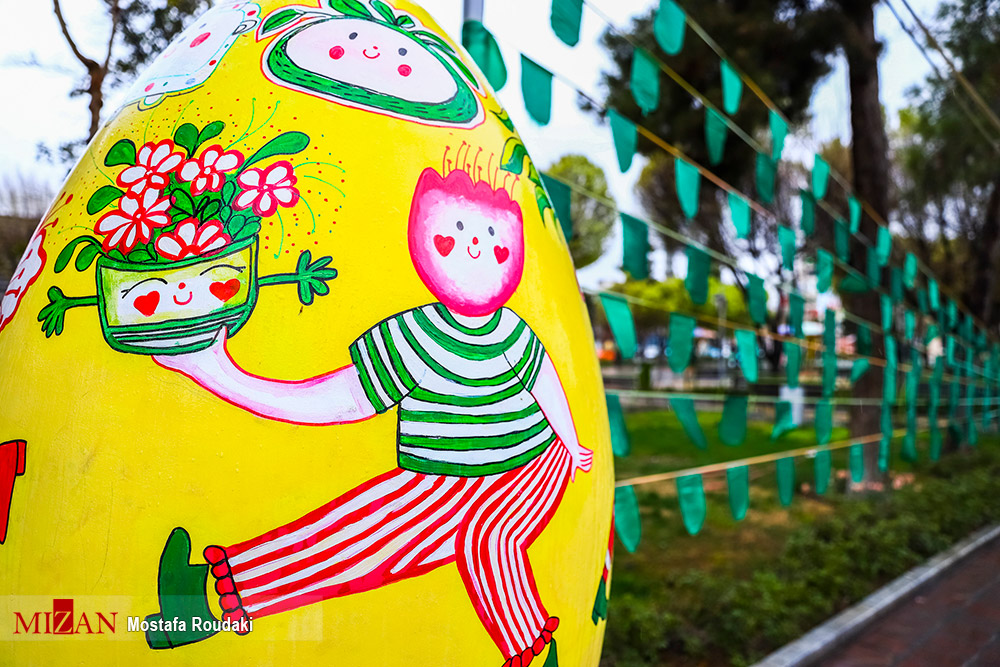
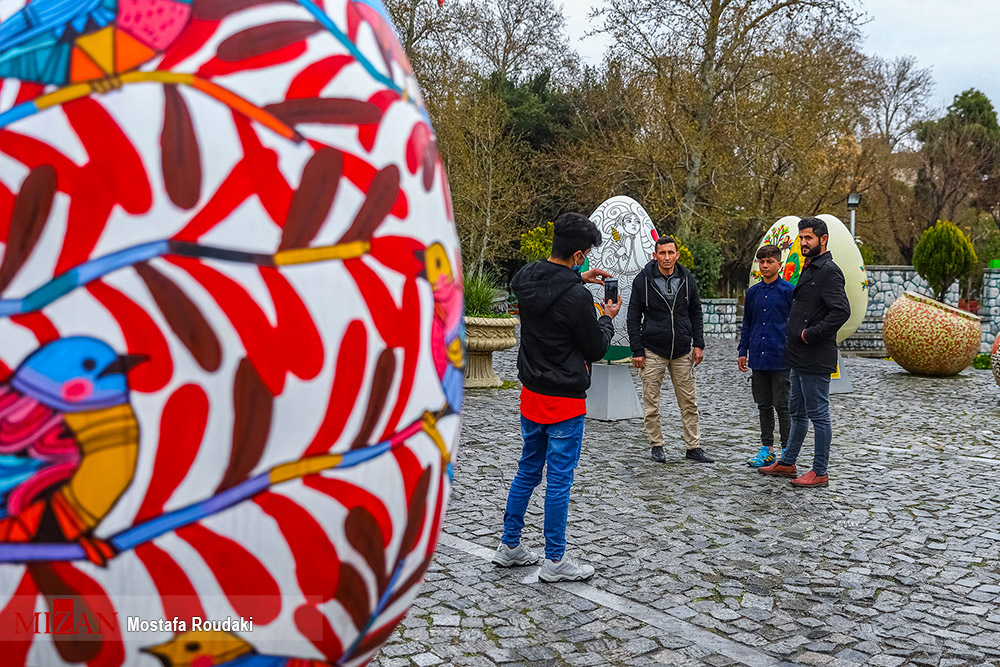
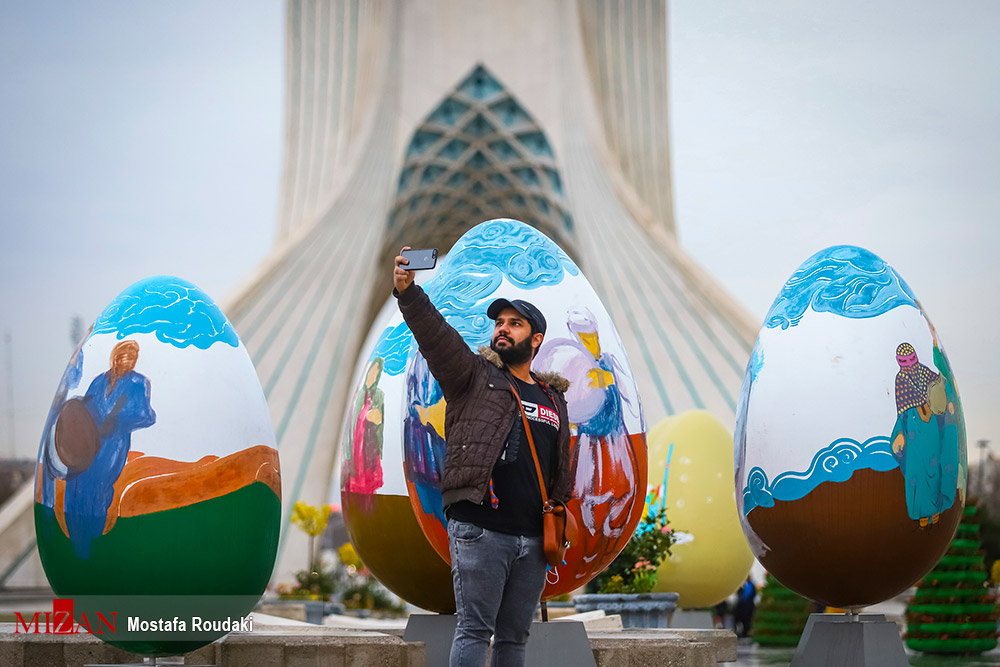
The festival has three sections: Nowruz Eggs, Artistic Settings, and Murals and Environmental Arts.

The event seeks to, given the national values, present historical stories, patterns of nature, artistic symbols and signs and the Iranian culture in the form of creative works of art in an urban atmosphere.

At the moment, the Nowruz Eggs section of the festival is underway in different parts of Tehran.

Israel Has No Right to Comment on Rights Situation in Iran: Diplomat

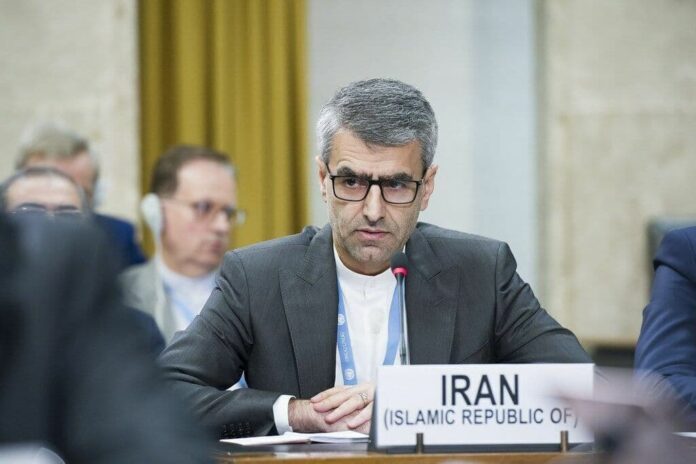
Esmail Baghaei Hamaneh made the remarks in response to the recent baseless accusations levelled against Tehran by Tel Aviv.

“The occupiers of Quds, morally speaking, have no right to make comments about the lofty concept of human rights in Iran,” he said at the 46th meeting of the UN Human Rights Council where a number of members pressed baseless charges against Iran.

“The Israeli regime can best be described under Resolution 3379 dated November 10, 1975 of the UN General Assembly” as a racist regime, he added.

“It is regrettable that some governments focus on undermining the rule of law in developing countries by targeting their judicial systems under the pretext of defending human rights,” the Iranian diplomat added.

He underscored no country or group of countries should reserve the right to dictate their priorities and the ideals of their systems to others.

He called on the UN Human Rights Council to distance itself from politicization, double standards, stigmatizing others and clichés.

“It is regrettable that some governments such as Canada, Australia, Britain, Denmark, the United States, Germany, France, Switzerland, the Netherlands, Belgium, Austria and Sweden reserve the right to point the finger at others as if they were role models when it comes to human rights and pretend that no one is aware of their contradictory performance both inside the country and outside,” he said.

Baghaei added these countries stand accused of exporting weapons to aggressor countries which grossly violate human rights in the world and enforcing unilateral policies against developing nations.

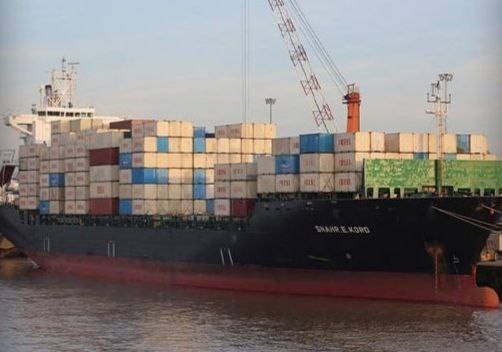
Iranian Cargo Ship Hit by ‘Terrorist Attack’ in Mediterranean: IRISL

A spokesman for the Islamic Republic of Iran Shipping Lines said the vessel was attacked on Wednesday.

He said the explosive object caused a small fire in the ship, which was immediately contained by crew members, and no one was injured.

According to the spokesman, Iran considers the attack an act of terrorism and will legally pursue it to find the perpetrators.

He also noted that the Europe-bound vessel will continue its trip once it is repaired.

Iranian Cargo Ship Hit by 'Terrorist Attack' in Mediterranean: IRISL

Iran Says Its Cooperation with Russia Now Beyond Limits of Bilateral Ties

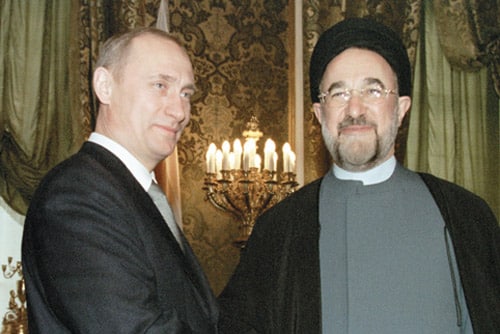
Iranian President Mohammad Khatami visited Russia in March 2001, and signed the treaty on the basis for mutual relations and the principles of cooperation between the Islamic Republic of Iran and the Russian Federation with President Vladimir Putin.

That came in a statement released by the Iranian Ministry of Foreign Affairs on Friday, marking the 20th anniversary of the 2001 treaty on the basis for mutual relations and the principles of cooperation between the Islamic Republic of Iran and the Russian Federation.

“The 20th anniversary of “treaty on the basis for mutual relations and the principles of cooperation between the Islamic Republic of Iran and the Russian Federation” has coincided with an exchange of message between the leaders of the Islamic Republic of Iran and the Russian Federation,” the statement said.

It said the Islamic Republic of Iran views the Russian Federation as a powerful neighbour and its friend based on “mutual respect and cooperation”, and is interested in further expansion of its relations with this country in all fields.

“Thanks to the resolve of Iranian and Russian leaders and top officials, the two countries’ collaborations aimed at serving common interests have gone beyond the limits of bilateral relations, and have now entered the level of helping ensure the regional and international security, and are stronger than ever,” the statement noted.

It also noted that Iran and Russia are in full solidarity against “anti-human and unilateral sanctions”, “Western interference in the affairs of other countries”, “preventing third parties from playing a role in their relations”, and the necessity of “respecting the international law”.

Russo-Iranian links were placed on a firmer legal basis when Iranian President Mohammad Khatami visited Russia in March 2001, and signed the treaty on the basis for mutual relations and the principles of cooperation between the Islamic Republic of Iran and the Russian Federation with President Vladimir Putin. This visit gave an impetus to what had been a flagging relationship.