Monday, December 29, 2025
Home Blog Page 2524

Iran, Russia Stress Respect for Syrian Constitution, National Dialogue

During the Tuesday meeting, the two sides discussed issues pertaining to the Middle East, especially developments in Syria and Yemen.

The two top officials touched upon the recent consultations with Syrian statesmen and UN Special Envoy for Syria Geir O. Pedersen over the importance of the issue of national dialogue in Syria within the framework of the Syrian Constitutional Committee, and underscored those consultations should continue.

The two officials also touched upon Syria’s presidential elections, saying holding the vote is a legal matter which takes place based on the current Syrian Constitution. They also said the Constitution should be respected.

Among other topics discussed were the latest situation of the Yemen crisis, the necessity of initiating national dialogue with the cooperation of the UN and support by international players.

Israeli-Owned Ship Attacked near UAE’s Fujairah Port

The ship is owned by the Israeli Ray Shipping company, the same company that owns the vessel that was hit by another attack in February.

Data available on MarineTraffic.com showed that the Hyperion, a vehicle carrier sailing under the flag of the Bahamas, was stopped off the coast of Fujairah.

Some Israeli and Arab media reports claim the ship has been hit by an “Iranian missile”. Iran has not reacted to the allegations so far.

The attack came a day after Tehran vowed to take revenge against Israel for an act of sabotage on its Natanz nuclear facility.

Iranian, Russian Foreign Ministers Discuss Regional Cooperation in Tehran

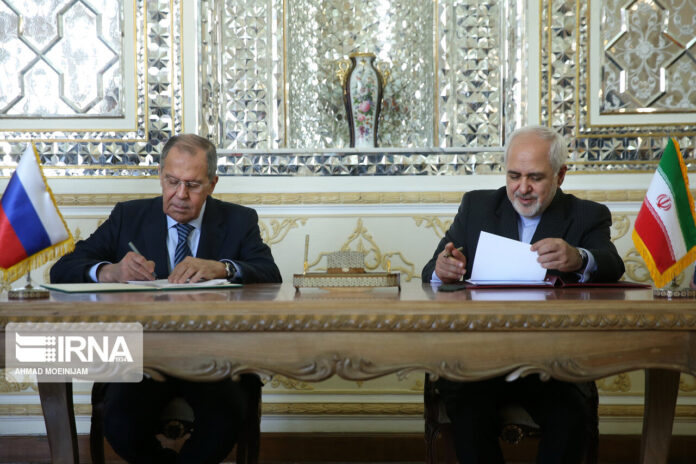
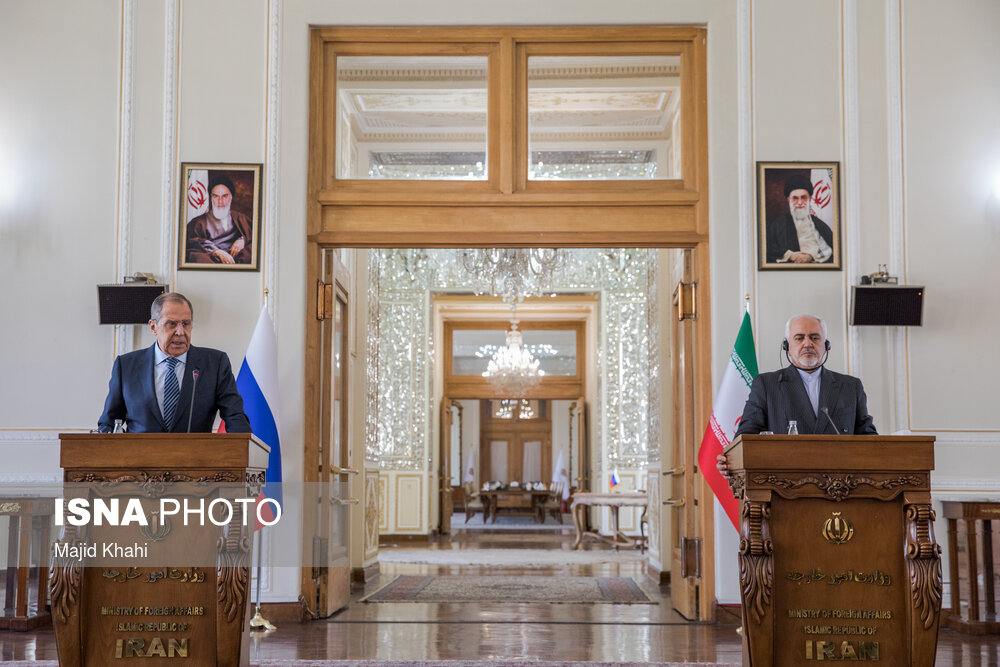
In the Tuesday meeting, the two top diplomats exchanged views on bilateral, regional and international cooperation in a range of areas as decided by leaders of both countries.

Zarif underlined that Tehran and Moscow enjoy strategic relations, adding Russia is an important neighbour for Iran and has political, cultural, economic, security and strategic ties with the Islamic Republic.

Zarif also expressed gratitude to Russia for providing Iran with coronavirus vaccines.

The Iranian foreign minister expressed hope that the two countries will reach agreement on the production of the Sputnik-V vaccine in Iran and pave the way for the Islamic Republic to purchase more doses of COVID-19 vaccines from Russia to meet its needs.

Also on the agenda of the talks was Tehran-Moscow cooperation on economic, cultural and nuclear fronts.

The top Iranian diplomat said the two countries are also working together to prevent and stop bloodshed and fight terrorism and extremism in the region.

“Our cooperation in the region will help promote peace and security, and we will move forward with this cooperation within the framework of the Astana talks and otherwise,” Zarif noted.

The two foreign ministers also exchanged views on security, cooperation and dialogue in the Persian Gulf region.

Iran’s foreign minister said Persian Gulf countries should be able to settle their issues within the framework of dialogue and independently from the 2015 nuclear deal, officially known as the Joint Comprehensive Plan of Action (JCPOA).

In the meeting, the two sides also discussed moves by Iran and Russia to coordinate efforts to boost the trend of peace and tranquility in Afghanistan and bring the country out of the current situation.

Zarif further praised Russia’s strong position on the act of sabotage which targeted Iran’s Natanz nuclear facility.

The Iranian top diplomat also urged the United States to lift all sanctions without stopping the implementation of its obligations under the JCPOA.

“Once Iran verifies the removal of sanctions, it will take the necessary action,” he added.

“However, the Americans should know that neither sanctions nor acts of sabotage will be a lever for them to force Iran into talks, and it will only make the situation more difficult for them,” he said.

The Russian foreign minister, in turn, hailed the political dialogue between the two countries as regular and full of substance.

Lavrov also urged Tehran and Moscow to forge closer cooperation within the framework of the Eurasian Economic Union.

As for the fight against the coronavirus, said the top Russian diplomat, every effort will be made to provide Iran with the Sputnik-V vaccine and to jointly produce the vaccine in Iran.

Lavrov then touched upon the current negotiations in Vienna, and said all parties should be urged to implement the JCPOA.

He said Russia has presented a collective initiative to provide collective security in the Persian Gulf, adding Moscow believes the differences which have piled up in the Persian Gulf region can only be resolved through overarching talks and mutual respect while taking into account the interests and concerns of all sides.

He noted that the Hormuz peace initiative already put forward by Iran is based on similar principles.

Inviting Israel to Persian Gulf ‘Dangerous’ Step, Rouhani Tells Lavrov

Inviting Israel to Persian Gulf ‘Dangerous’ Step, Rouhani Tells Lavrov

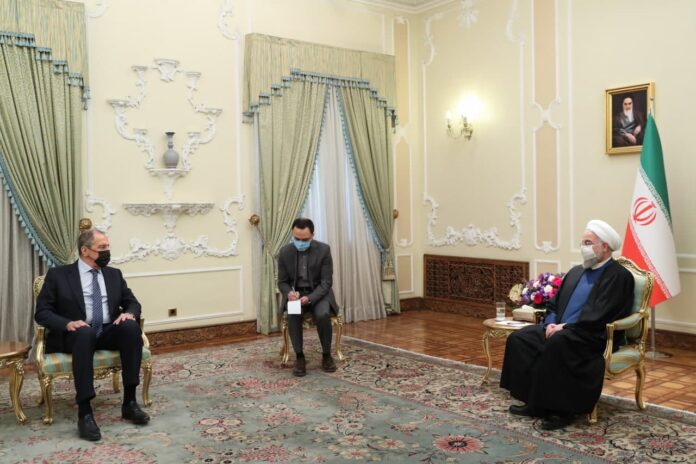
Speaking in a Tuesday meeting with Russian Foreign Minister Sergei Lavrov in Tehran, President Rouhani said, “Inviting the Zionist regime, as a destabilising and tension-provoking element, to enter the Persian Gulf region is a dangerous step.”

Appreciating Moscow’s position and support for the nuclear talks, the President stressed the need to continue efforts to maintain and restore the Joint Comprehensive Plan of Action (JCPOA) as a multilateral international agreement that has served as a model for resolving problems through negotiation and diplomacy.

“Today, the United States and the entire world have come to the conclusion that the policy of maximum pressure has failed and the only way for the United States to return to the deal is to lift sanctions,” he added.

Rouhani added, “The efforts of Iran and Russia in this regard show a common view on international issues, including the JCPOA, and today, in order to be able to revive and activate the deal, cooperation between the two countries will definitely be very effective.”

Rouhani said Iran wants all parties to the deal to implement their promises and words based on whatever was agreed in 2015. “We are neither willing to accept less than that, nor to achieve more.”

He further referred to the regional problems and crises, including the ongoing crisis in Yemen and Syria, and stressed the need for continued cooperation and exchange of views between Iran and Russia as two influential countries in the region to resolve regional crises and problems.

Rouhani pointed to Iran’s willingness to develop relations and regional cooperation, stressing the development of relations with the aim of establishing peace and stability in the region as a strategic action against the United States’ unilateralism and intervention in regional affairs.

Rouhani emphasised the need to maintain security, peace and stability in the region, adding that the security of the region should be maintained by its countries.

He also underlined the need to develop defence and military cooperation between Iran and Russia considering the end of the UN’s arms embargo against Iran in October last year.

Referring to the good cooperation between the two countries in the political and regional fields, the President stressed the need to strengthen economic relations, as well as accelerate the implementation and operationalisation of joint economic agreements and projects between the two countries in the fields of oil, energy and transportation.

He also stressed the development of cooperation between the two countries in the nuclear field in the construction of two power plants in Bushehr, as well as the fuel of power plants and isotopes, taking advantage of the capacity of private companies.

Rouhani referred to Russia’s achievements in the field of fighting COVID-19 and success in developing vaccines, and stressed the acceleration of sending shipments of vaccines to Iran and emphasised the need to accelerate the launch of a joint vaccine production line in Iran.

In turn, the Russian Foreign Minister said that the two countries are determined and have a strong will to develop and deepen relations.

“There are no restrictions to the development of Moscow-Tehran cooperation, including technical and defence cooperation,” he added.

“Iran and Russia share common and close goals in regional and international cooperation,” he said, referring to the recent nuclear talks in Vienna and the desire by the United States to return to the JCPOA.

“Moscow considers the unconditional, complete return of the United States to the JCPOA by implementing the UN Security Council Resolution 2231 as the only solution to the problem,” said Lavrov.

He said, “In our opinion, it is completely useless to ask Iran to accept new conditions within the framework of the deal or to act beyond its obligations in the framework of the deal.”

The Russian Foreign Minister stressed, “Any additional documents on various issues, including regional or military development, can be examined separately outside the framework of the nuclear deal in order to ensure the security of the region and the Persian Gulf with the presence of regional countries.”

Lavrov also stressed the development and deepening of relations between Tehran and Moscow, stressing that Russia is serious about implementing and operationalising agreements aimed at developing relations.

 

Iran to Start Enriching Uranium to Purity Level of 60% Tonight

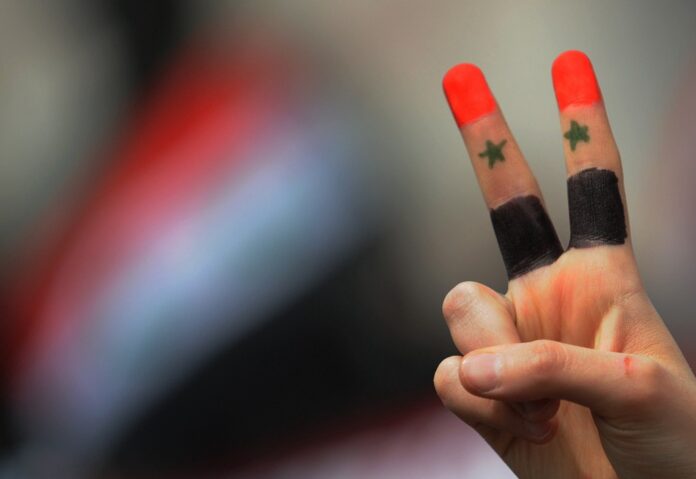
The Iranian official said on Tuesday the country has informed the International Atomic Energy Agency (IAEA) that it is starting uranium enrichment at 60% purity level.

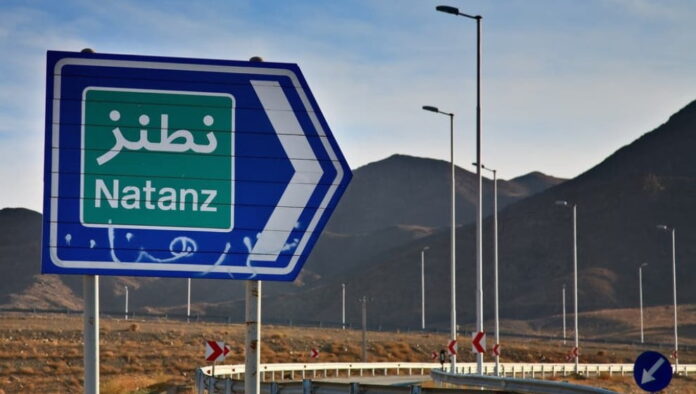
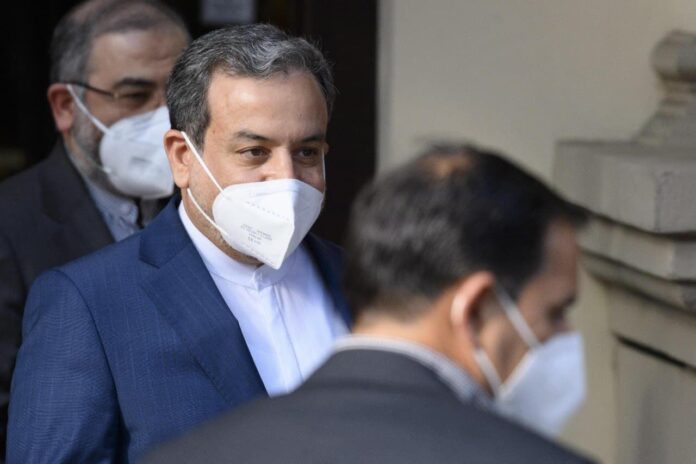
Araqchi, who is in Vienna for a fresh round of talks among members of the JCPOA Joint Commission, made the announcement two days after an act of sabotage damaged hundreds of Iranian centrifuges at Natanz nuclear facility.

Shortly after the attack, Iranian officials vowed to reciprocate the act of sabotage by increasing the country’s enrichment level and installing more advanced centrifuges instead of the old ones damaged.

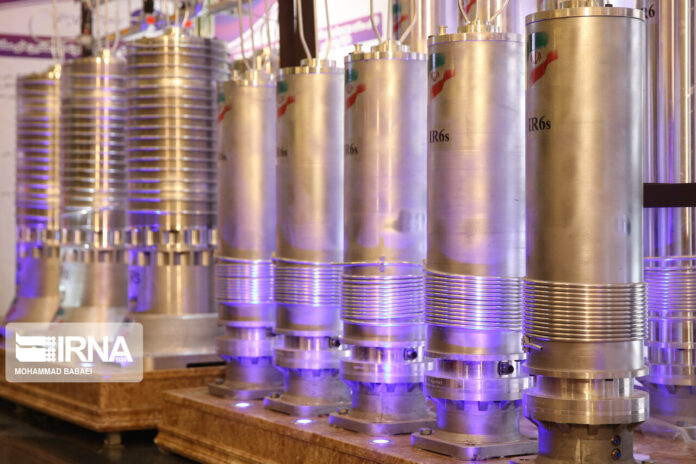
In his Tuesday remarks, Araqchi said 1,000 new centrifuges will be added to Natanz, in addition to replacing the damaged machines. Araqchi said the 1,000 additional machines will have 50% more capacity.

Iran had earlier said it is going to replace the mostly IR-1 machines damaged in the attack on Natanz with IR-6 centrifuges.

Meanwhile, Behrouz Kamalvandi, the spokesman for the Atomic Energy Organisation of Iran (AEOI), said the 60-percent uranium enrichment will begin tonight at Natanz facility.

He also announced that the enriched uranium will be used to produce Molybdenum, which is used in production of various radiopharmaceuticals.

Iran FM Writes Letter to UN Chief over Natanz Act of Sabotage

What follows is the full text of the letter, which was released on April 12, 2021:


Excellency,

I am writing to inform you that in the early morning hours of 11 April 2021, a dangerous, reckless sabotage at the electricity distribution network of the Natanz Fuel Enrichment Plant caused a blackout and the disruption of the operations of this sensitive nuclear facility which has been under IAEA safeguards and extensive monitoring. The timely and professional containment measures adopted by the highly dedicated management and staff of the NFEP and Iranian Atomic Energy Organization averted what could have become a human and environmental catastrophe.

The deliberate targeting of a highly sensitive safeguarded nuclear facility—with the high risk of potential release of radioactive material—constitutes reckless criminal nuclear terrorism. Considering the possible indiscriminate human and environmental consequences of this international crime, those who planned, ordered, participated and carried out this cowardly act committed a grave war crime; one that must not go unpunished. Any power with knowledge of, or acquiescence in, this act must also be held accountable as an accomplice to this war crime.

While several officials of Israeli regime have since autumn of 2020 publicly and openly threatened to carry out such operations to prevent the restoration of the JCPOA, and many Israeli and western media outlets tacitly confirmed (and even boasted about) the complicity of Israeli war criminals in this latest terrorist act, Iran is refraining from any final judgement as to the culprit while a thorough investigation over the sabotage and its perpetrators is underway.

It must however be borne in mind that since the beginning of the negotiations of the Joint Comprehensive Plan of Action (JCPOA) in 2013, the Israeli regime has missed no opportunity to torpedo the negotiations and, following the conclusion of the Plan and its unanimous endorsement by the Security Council in resolution 2231 (2015), it has made every effort—shamelessly in a public way—to prevent its successful implementation and its restoration after the recent U.S. election.

Recalling the long record of the Israeli regime in sabotage operations against our peaceful nuclear activities—including the cowardly assassination of several Iranian nuclear and other scientists in the past years (A/65/622–S/2010/634, A/66/656–S/2012/27 and S/2020/1148) as well as the joint U.S.-Israeli cyber operation against Iran’s nuclear facilities through the use of a malicious computer worm known as Stuxnet—the international community must strongly condemn this act of nuclear terrorism and hold the culprits and their accomplices accountable for the act; one that threatens to further destabilize our already tense region.

The Islamic Republic of Iran reserves its right under international law to take all necessary measures to protect and defend its citizens, interests and installations against any terrorist or disruptive acts. During the past 42 years, pressure, economic warfare and terrorism—in most of its forms and manifestations—have all failed to dent our resolve, shake or disrupt our progress in science and technology, or compel us to submit to the whims of the arrogant forces and their stooges.

This most recent cowardly act of nuclear terrorism will only strengthen our determination to march forward and to replace all the damaged centrifuges with even more advanced and sophisticated machines. Even the most insane criminals will finally—and soon—realize that they must never threaten Iranians.

If the United States wants to avert the drastic consequences of foolish gambles by its terrorist stooges, it must cease forthwith to consider unlawful measures—whether economic terrorism perpetrated by Trump (and continued by the current U.S. administration) or the recent nuclear terrorism—as negotiating leverage and remove all sanctions imposed, re-imposed or relabeled since the adoption of the JCPOA. Iran will, after timely verification of the aforementioned, respond by stopping all remedial measures—which will now take a significant upward leap following this latest terrorist sabotage.

I should be grateful if you would have the present letter circulated as a document of the General Assembly and of the Security Council.

Please accept, Excellency, the assurances of my highest consideration.


Iranian Delegation in Vienna for Fresh Round of Talks

Bilateral and multilateral talks with the remaining parties to the 2015 nuclear deal, officially known as the Joint Comprehensive Plan of Action (JCPOA), are scheduled to start today, and continue in coming days.

In this round of talks, the Iranian delegation includes representatives of other relevant bodies including the Ministry of Petroleum and the Central Bank of Iran.

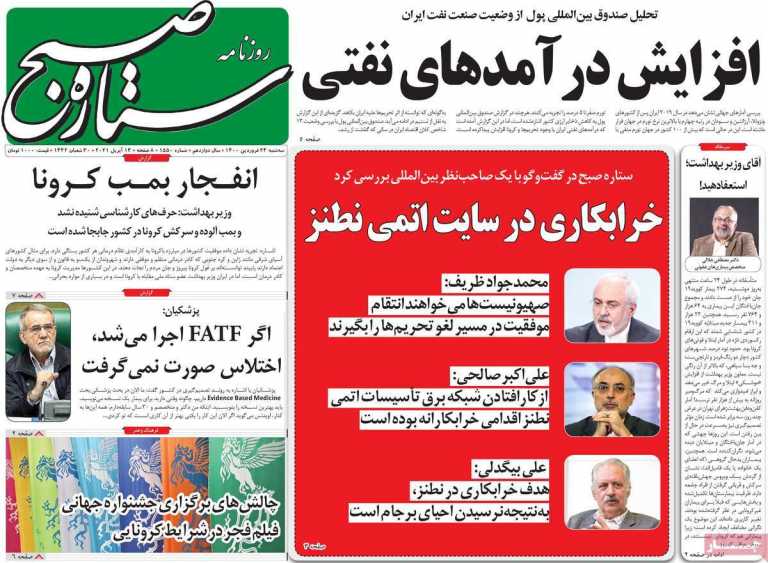
Natanz Attack, Its Impact on Vienna Talks Make Headlines in Iran

Abrar Newspaper:

1- IAEA: We’re in Touch with Iran on Natanz Incident

2- Germany Expresses Concern over Negative Impact of Natanz Incident on Vienna Talks

3- NY Times: Natanz Incident Sets Back Iran’s Nuclear Program for 9 Months

Natanz Attack, Its Impact on Vienna Talks Make Headlines in Iran


Afkar Newspaper:

1- Iran’s Foreign Ministry Spokesman Vows Revenge against Israel for Natanz Incident

Natanz Attack, Its Impact on Vienna Talks Make Headlines in Iran


Aftab-e Yazd Newspaper:

1- Iranian Diplomat: It’s Not in Iran’s Interest to Leave Negotiations

* We Should Make Use of Natanz Incident in Our Own Favour

Natanz Attack, Its Impact on Vienna Talks Make Headlines in Iran


Arman-e Melli Newspaper:

1- Europe Concerned about Natanz Attack

2- Zarif: Natanz Incident Was Nuclear Terrorism

3- Salehi: We’ll Build Advanced Halls in Heart of Mountain

Natanz Attack, Its Impact on Vienna Talks Make Headlines in Iran


Ebtekar Newspaper:

1- Zionists Resort to Nuclear Sabotage to Bring Vienna Talks to Failure

* Terrorism against Negotiation

2- Zarif on Natanz Incident: We’ll Take Revenge from Israel

3- Israel’s Passive Moves a Reaction to JCPOA Revival!

Natanz Attack, Its Impact on Vienna Talks Make Headlines in Iran


Etemad Newspaper:

1- Natanz Lights Turned On Again

2- Zarif: We’ll Take Revenge against Zionists for Natanz Incident

3- Salehi: Natanz Incident Has Nothing to Do with Nuclear Talks

4- Shadow of Infiltration on Iran’s National Security

* Domestic Reactions to Natanz Incident

Natanz Attack, Its Impact on Vienna Talks Make Headlines in Iran


Iran Newspaper:

1- Lavrov: There’s No Rational Alternative to JCPOA

2- Behind the Scenes of Nuclear Sabotage

* Fingers Pointed at Israel

* Analysts Believe Natanz Sabotage Aimed at Undermining Vienna Talks

3- Salehi: Natanz Incident Definitely Act of Sabotage

4- Zarif: Natanz Attack Reinforces Our Position in Vienna Talks

Natanz Attack, Its Impact on Vienna Talks Make Headlines in Iran


Jame Jam Newspaper:

1- West to Take Advantage of Zionists’ Sabotage in Vienna

Natanz Attack, Its Impact on Vienna Talks Make Headlines in Iran


Javan Newspaper:

1- Upgrading Natanz on Table of Vienna Talks

Natanz Attack, Its Impact on Vienna Talks Make Headlines in Iran


Jomhouri Eslami Newspaper:

1- Jahangiri: It’s Disastrous Those Responsible for Natanz Security Aren’t Accountable

Natanz Attack, Its Impact on Vienna Talks Make Headlines in Iran


Kayhan Newspaper:

1- Iran Must Respond to Natanz Sabotage by Leaving Vienna Talks, Punishing Israel

Natanz Attack, Its Impact on Vienna Talks Make Headlines in Iran


Sazandegi Newspaper:

1- Wolves of Tel Aviv

* Zarif: Israel Seeks to Prevent Removal of Iran Sanctions Through Sabotage in Natanz

Natanz Attack, Its Impact on Vienna Talks Make Headlines in Iran


Setareh Sobh Newspaper:

1- Analyst: Act of Sabotage in Natanz Aimed at Disrupting JCPOA Revival Talks

Natanz Attack, Its Impact on Vienna Talks Make Headlines in Iran


Shahrvand Newspaper:

1- Israel Taking Revenge from Iran’s Success in Path of Sanctions Removal

Natanz Attack, Its Impact on Vienna Talks Make Headlines in Iran


Shargh Newspaper:

1- Iran’s Former Envoy to UN: Israel Seeks to Bring Talks into Failure

Natanz Attack, Its Impact on Vienna Talks Make Headlines in Iran


Vatan-e Emrooz Newspaper:

1- Don’t Be Devil’s Advocate

* While Zionists Admit They’ve Coordinated Natanz Attack with US, Some Iranian Officials Are Trying to Exonerate US

Natanz Attack, Its Impact on Vienna Talks Make Headlines in Iran

Iran Urges South Korea to Immediately Release Its Frozen Assets

Iranian Delegation in Vienna for Fresh Round of Talks

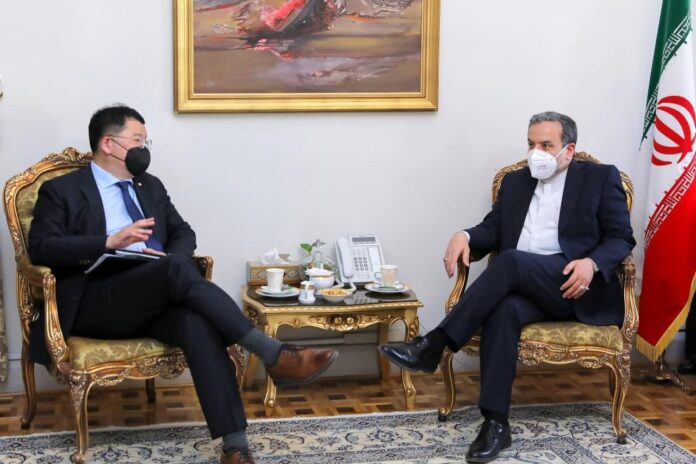
In the Monday meeting, Araqchi said the South Korean premier’s visit to Tehran was unprecedented in the history of Tehran-Seoul relations after the 1979 Islamic Revolution of Iran.

With the exchange of delegations at such a high level, Araqchi said, the people of both countries expect a major overhaul in bilateral relations.

“So, South Korea should take a practical step as soon as possible to resolve problems affecting relations between the two countries,” he added.

“The South Korean banks’ illegal freezing of Iranian financial resources has led to Iranian people losing trust in South Korea and resulted in the country losing its status before Iranians, which will not be easy [for South Korea] to make up for,” Araqchi noted.

The top South Korean official, in turn, said he was pleased to have travelled to Iran twice in the past three months as the South Korean deputy foreign minister.

He underlined that the settlement of problems and enhancement of relations are among the top priorities in mutual ties.

He acknowledged that South Korean companies had sustained extensive damage as a result of US sanctions against Iran.

He expressed hope that new conditions will be provided to make it possible to solve the existing problems.

In the meeting, Araqchi also touched upon the recent terrorist act against Iran’s Natanz nuclear facility.

“Such moves against nuclear installations which directly target people’s health and security are a glaring example of crime against humanity which should be condemned by all countries,” the Iranian official said.

Acts of Sabotage, Sanctions Not to Give US Leverage against Iran: Zarif

Javad Zarif

Mohammad Javad Zarif added such moves will only make the situation more difficult for Washington.

He then lambasted the recent approach and measures adopted by the European Union (EU).

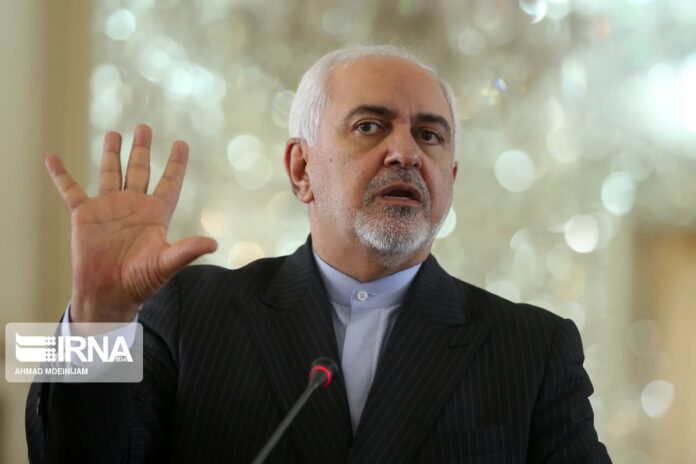
“In recent years, the EU has shown that it is gradually losing its relevance in international relations by failing to make good on its commitments under the 2015 Iran nuclear deal and submitting to US pressure,” said Zarif in a joint press conference with visiting Russian Foreign Minister Sergei Lavrov.

“Instead of condemning the United States’ terrorist threat against the food and drug security of 82 million Iranians, and instead of acting against the attack on [Natanz] enrichment site which is operating under the supervision of the Atomic Energy Agency (IAEA), the Europeans simply put those issue behind by just expressing a relaxed point of view and, at the same time, act against Iran’s military officials while giving in to US pressure,” the top Iranian diplomat said.

Acts of Sabotage, Sanctions Not to Give US Leverage against Iran: Zarif“The European Union not only follows the United States’ policies, but also follows in the footsteps of the most extremist groups inside the US and Israel, which is a disgrace to Europe,” he added.

Zarif dismissed as “destructive” the European Union putting several Iranian authorities under sanctions.

“We will deal with this move,” said Zarif.

He once again reiterated Iran’s position that the US should lift all sanctions against Iran before it can return to the Iran nuclear deal.

“The US must have realized after 42 years of testing Iranian people that threats and sanctions are not the way to deal with Iran,” he said.

“The US should give up the idea that it can gain concessions by making threats,” he added.