Tuesday, December 23, 2025
Home Blog Page 247

EU delays measures against Israel on Gaza war despite pressure to act 

Gaza War

The ministers were in Brussels to discuss an EU-Israel agreement brokered last week to increase the number of trucks and distribution of food entering Gaza as well as the opening of several other crossing points. They also examined an exhaustive list of 10 options, including the suspension of visa-free travel and the blocking of imports from the Jewish settlements, in response to Israel’s breach of the EU-Israel Association Agreement.

“Israel needs to take more concrete steps to improve the humanitarian situation on the ground,” Kallas told reporters, adding that Israel had already improved access and supplies of aid to Gaza.

“The EU will keep a close watch on how Israel implements this common understanding and the pledges.”

“The aim is not to punish Israel, the aim is to improve the situation in Gaza,” Kallas continued.

The bloc’s ambassadors will be tasked to update Israel’s compliance of the agreement every two weeks, Kallas said, and the EU would keep the 10 options “on the table” and “stand ready to act if Israel does not live up to its pledges”.

Last week, the Israeli military admitted a “technical error” following a strike that reportedly killed 10 people, including six children, near a Gaza water distribution point.

Some ministers expressed frustration at the lack of action against Israel.

Following Tuesday’s meeting, Slovenian foreign minister Tanja Fajon wrote on X that she regretted there hadn’t been “any consensus” during the meeting to follow up on the review of the EU-Israel Association Agreement.

She added that an “agreement in principle” on improving humanitarian aid “can’t be used as an excuse to inaction”.

“We all have a responsibility to protect civilians,” she added.

Prior to the meeting on Tuesday, some ministers had also sent clear signs that they wanted to take concrete measures against Israel.

Spain’s foreign affairs minister José Manuel Albares told reporters that in accordance with EU and international norms, his country would push for a suspension of the EU-Israel Association Agreement, an arms embargo to Israel and the ban of products from the Jewish settlements.

“This war needs to end, and the Israeli army needs to withdraw,” Albares added.

His French counterpart, Jean-Noël Barrot also said France would be ready to take sanctions targeted at “individuals and entities that are responsible for the extremist and violent colonisation” in the West Bank and to “stop any direct and indirect financial support to the colonisation”.

Iran’s Leader urges legal action over recent Israel-US aggression, praises national resolve

Speaking to top judicial officials on Wednesday, Ayatollah Khamenei stressed that “the collar of the criminal must not be released,” urging long-term legal follow-up even if it takes decades.

Highlighting a national display of strength, the Leader praised the Iranian people for their resolve in the 12-day conflict in June, stating that the confrontation was not merely military but a demonstration of national will and self-confidence.

“A nation that can stand face-to-face against the power of the US and its Zionist proxy in the region is demonstrating a very significant value,” he said.

Ayatollah Khamenei emphasized that Iran will not appear weak in any arena, be it diplomacy or military confrontation, declaring, “We have all the necessary tools: logic and power. Whenever we enter a field, we will do so with full hands.”

He also asserted that divine support has guaranteed Iran’s ultimate success. “Everyone should know that God has promised victory for the Iranian nation under the Islamic system and the guidance of the Qur’an,” he added.

Reflecting on recent regional tensions, the Leader stated that Iran’s adversaries miscalculated in their multi-month planning, but the outcome saw the public rallying behind the government and the Islamic system, contrary to what enemy strategists had anticipated.

He praised the unprecedented unity shown by Iranians across diverse political and religious spectrums during recent events. “People with different appearances, ideologies, and religious inclinations came together in support of Iran. This is a great national unity that must be preserved.”

Addressing internal dynamics, Ayatollah Khamenei advised caution in current circumstances. While calling for public enthusiasm and clarity to counter disinformation, he warned against counterproductive actions such as political infighting and impatience. “Public enthusiasm is essential, especially among the youth, but impatience is harmful,” he said.

The Leader stressed the need to distinguish between actions that are necessary and those that are harmful. “We must avoid amplifying partisan disputes and remain united in defense of Iran and its values,” he said.

EU demands US pay for Ukraine-bound arms

Western weapons flow to Ukraine's military

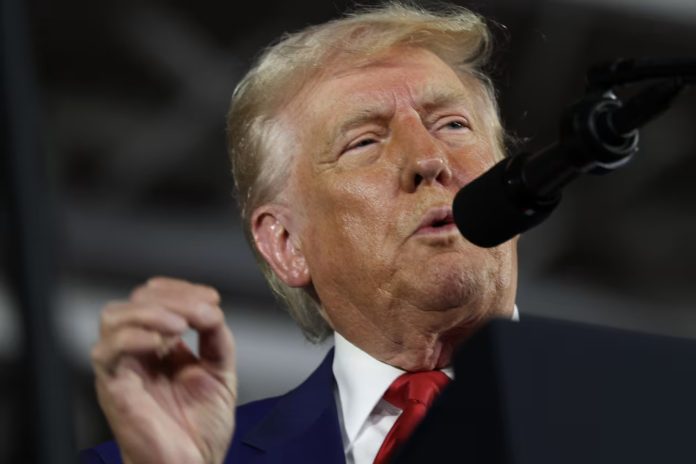
Trump announced on Monday that he will allow other NATO members to buy American-made Patriot missile defense systems and other weapons for Ukraine – but indicated that US taxpayers will no longer finance Kiev’s war effort.

“The United States will not be having any payment made. We’re not buying it, but we will manufacture it, and they’re going to be paying for it,” the US leader said during a meeting with NATO Secretary General Mark Rutte in the Oval Office, adding “this will be a business for us.”

Speaking to reporters on Tuesday, Kallas welcomed Trump’s announcement but noted that Brussels “would like to see the US share the burden.”

“If we pay for these weapons – it’s our support, it’s European support,” Kallas explained when asked to clarify what she meant by sharing the burden.

“We are doing as much as we can to help Ukraine, and therefore the call is that everybody would do the same. It’s, you know, if you promise to give the weapons but say that somebody else is going to pay – it’s not really given by you, is it?”

Moscow has repeatedly denounced Western arms supplies to Ukraine, saying they only serve to prolong the bloodshed and escalate the conflict without altering its course. Russia remains open to negotiations but has not received a response from Kiev on the timing of the next round.

Russian Foreign Minister Sergey Lavrov stated on Tuesday that EU and NATO leaders have put Trump under “improper pressure” to adopt a hardline stance. Deputy Foreign Minister Sergey Ryabkov stressed that “any attempts to make demands, let alone issue ultimatums, are unacceptable.”

Kremlin spokesman Dmitry Peskov also criticized Trump’s threat to impose “severe” secondary tariffs of up to 100% in 50 days, noting that such ultimatums are “perceived by the Ukrainian side not as a signal toward peace, but as a signal to continue the war.”

Chine reaffirms support for Iran’s territorial integrity, national sovereignty

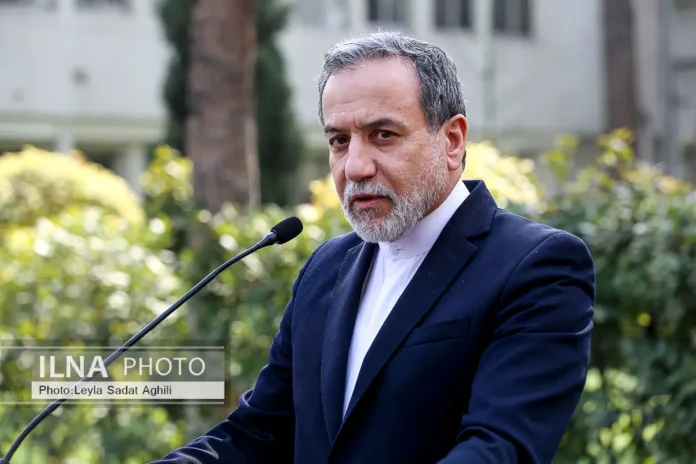
In a meeting with the Iranian Foreign Minister Seyyed Abbas Araghchi, on the sidelines of the 25th meeting of the Council of Foreign Ministers of the Shanghai Cooperation Organization (SCO), in Tianjin, the top Chinese diplomat stated that China’s principled position is opposition to coercive and unilateral policies, the use of force, and support for diplomacy and dialogue as the means for resolving disputes.

The Chinese foreign minister praised Iran’s goodwill, responsible, and wise approach in preventing further escalation and conflict in the region following the US-Israel aggression.

He also stressed the importance of continued bilateral and multilateral talks to prevent escalation in the region and announced China’s readiness to assist in this regard at international platforms, especially within the UN Security Council.

Iran’s Foreign Minister, Seyyed Abbas Araghchi, in turn thanked China for its principled, constructive, and influential positions in international forums, particularly at the United Nations Security Council, in condemning the aggression by the Zionist regime and US against Iran, especially the recent dangerous attacks on Iran’s peaceful nuclear facilities.

He said the aggression constitutes clear violations of the UN Charter and international law.

Recalling the deep-rooted ties between the ancient civilizations of Iran and China, Araghchi emphasized the serious commitment of the Islamic Republic of Iran to enhancing the comprehensive and friendly relations between the two countries within the framework of their Comprehensive Strategic Partnership.

Araghchi briefed his Chinese counterpart on the latest developments following the aggression and the cessation of hostilities, underscoring the responsibility of the Security Council and all states to uphold their duties in preserving regional and global peace and security.

Iran’s Gas company denies sabotage behind recent blasts, cites domestic causes

Firefighter

According to the head of the Passive Defense Department at NIGC, extensive field inspections and technical assessments have confirmed that all recent incidents were the result of internal factors. “There is no evidence pointing to deliberate sabotage or terrorist activity,” he stated.

Data released by the company indicate a rising trend in gas-related accidents across the country.

In the first half of 2024–25, over 2,196 gas incidents were recorded, with nearly 90% resulting in household explosions or fires.

The leading causes identified include worn or ruptured gas hoses (44%), various gas leaks (18%), the use of non-standard appliances (11%), and leakage from internal piping systems (5%).

Other contributing factors include faulty thermocouples, defective gas valves, and flammable materials placed near heaters.

The company urged citizens to adhere strictly to safety standards and called for improved oversight of gas installations to prevent further incidents.

At least 875 Palestinian killed near Gaza aid sites: UN

Thameen Al-Kheetan, spokesperson for the UN rights office, told reporters in Geneva on Tuesday that 674 deaths occurred near GHF distribution sites.

Another 201 people were killed along aid convoy routes operated by the UN and other agencies, according to the official.

“The data we have is based on our own information gathering through various reliable sources, including medical, human rights and humanitarian organisations,” Al-Kheetan added.

The UN has called the GHF’s aid model as “inherently unsafe” and in breach of impartial humanitarian principles.

The foundation, which began operations in late May following an 11-week Israeli blockade, uses private US mercenaries for delivery.

It by passes the UN-led aid system, which Israel claims has been infiltrated by Hamas – an accusation that is not supported by independently verified evidence.

Last week, CNN reported that the main US government agency that distributes foreign aid raised “critical concerns” about a GHF just days before the Donald Trump administration announced $30m in funding for the organisation.

The US Agency for International Development (USAID) in June wrote a 14-page confidential internal assessment criticising a request for funding submitted by the controversial GHF.

GHF was seeking $30m of its $100m operating costs from the State Department.

According to the assessment, which was obtained by CNN, at least nine elements normally required to obtain government funding were not included in the application, such as insufficient planning information ensuring Palestinians would actually receive aid.

One criticism was that the overall plan lacked “basic details” regarding a scheme to give out powdered baby formula in a Gaza area where clean drinking water is not available.

“I do not concur with moving forward with GHF given operational and reputational risks and lack of oversight,” a USAID official stated, concluding it would not be safe to move forward with the GHF organisation.

Israel bombs Syria’s Suwayda hours after ceasefire accord

The Syrian Ministry of Interior said in a statement on Tuesday that armed groups had resumed attacks on Syrian government forces with support from the Israeli Air Force.

Syria condemned Israel’s intervention as a violation of international law, while influential Druze Sheikh Hikmat al-Hajri announced in a statement that it was Syrian government troops who breached a truce announced earlier in the day.

The Israeli air attacks came after Hikmat al-Hajri urged local fighters to confront what he described as a barbaric attack from government forces.

Fighting between Bedouin tribes and local Druze fighters has reportedly killed more than 30 people and injured more than 100 since Sunday in Suwayda. Bedouin and Druze armed factions have a longstanding feud in Suwayda, with violence occasionally erupting.

United States envoy to Syria Tom Barrack stated that Washington was in contact with all sides “to navigate towards calm and integration”.

The latest developments come hours after Syrian Minister of Defence Murhaf Abu Qasra declared a truce in a post on social media, noting: “To all units operating within the city of Suwayda, we declare a complete ceasefire.”

Abu Qasra’s announcement came shortly after the ministry deployed government forces to halt the fighting between Bedouin tribes and local fighters. The recent fighting was the first outbreak of deadly violence in the area since fighting between members of the Druze community and security forces killed dozens of people in April and May.

Syria’s Druze population numbers about 700,000, with Suwayda being home to the sect’s largest community. The Druze religious sect is a minority group that originated as a 10th-century offshoot of a branch of Shia Islam.

In Syria, the Druze primarily reside in the southern Suwayda province and some suburbs of Damascus, mainly in Jaramana and Ashrafiyat Sahnaya to the south. Since the overthrow of longtime Syrian ruler Bashar al-Assad in December, concerns have been raised over the rights and safety of minorities under the new authorities, who have also struggled to re-establish security more broadly.

In April, hundreds of Alawite civilians were killed in apparent retribution after fighting broke out between government forces and armed groups loyal to al-Assad, who belongs to the Alawite religious sect.

Israel has launched hundreds of air raids on neighbouring Syria since December 2024, averaging one every three to four days.

Israeli air attacks kill 12 in eastern Lebanon despite ceasefire

Israeli F-35 warplanes

Eight other people were wounded on Tuesday in the Israeli air strikes that hit the Wadi Fara area in the northern Bekaa Valley, including a camp for displaced Syrians, Lebanon’s National News Agency said.

The Israeli military claimed its air strikes targeted training camps used by elite Hezbollah fighters and warehouses the group used to store weapons.

The air raids were the deadliest on the area since a United States-brokered ceasefire between Lebanon and Israel last November – a truce repeatedly violated by Israel, which has carried out near-daily strikes across parts of the country.

Under the November ceasefire deal, Hezbollah was to pull its fighters back north of the Litani River, about 30 kilometres (20 miles) from the Israeli border, leaving the Lebanese army and United Nations peacekeepers as the only armed parties in the region.

Israel was required to fully withdraw its troops from the country, but has kept them in five places it deems strategic.

The US has submitted a proposal to the Lebanese government aimed at securing Hezbollah’s disarmament within four months in exchange for Israel halting air strikes and withdrawing troops from the positions they still hold in south Lebanon.

US believes Russia will win: Politico

Russia Ukraine War

On Monday, Trump threatened to impose secondary US tariffs of up to 100% on Russia’s trading partners unless progress toward a peace agreement is made within 50 days. He also authorized new weapons deliveries to Ukraine, which are to be paid for by European NATO members. Moscow has warned that Trump’s declaration could be seen by Kiev as a signal to continue the war.

According to Politico, Trump decided to up the pressure on Moscow out of frustration with continued Russian strikes on Ukraine. The source noted that the US president believes that Moscow can secure military victory against Kiev thanks to its “bigger economy” and “bigger military.”

“The president’s view is Russia is going to win; it’s a matter of how long it takes,” the White House official told the outlet, noting Moscow’s progress on the battlefield.

In recent months, Russian forces have continued to gain ground, fully liberating the Lugansk People’s Republic, as well as the Kursk Region, which was invaded by Ukrainian forces last year.

Russia has rejected Trump’s latest ultimatum, while condemning attempts to pressure it. Deputy Foreign Minister Sergey Ryabkov asserted that this approach is “unacceptable” and demanded that Washington and NATO respect Russia’s interests and concerns.

Moscow has repeatedly stressed that it is open to conducting negotiations based on mutual respect with the aim of settling the Ukraine conflict diplomatically. However, Russian officials have also said they see no genuine effort on the part of Kiev or the West to pursue peace and repeatedly slammed calls by Western officials to inflict “strategic defeat” on Russia.

Russia has emphasized that it remains determined to achieve the goals of its military operation in Ukraine and, while it would prefer to do so through diplomacy, it is prepared to use military means if necessary.

West Bank witnessing largest displacement since 1967: UN

Israel Palestine West Bank

The United Nations said an Israeli military operation launched in the north of the occupied territory in January had displaced tens of thousands of people, raising concerns about possible “ethnic cleansing”.

The military operation “has been the longest since … the second Intifada”, in the early 2000s, stated Juliette Touma, spokeswoman for the UN agency for Palestinian refugees.

“It is impacting several refugee camps in the area, and it is causing the largest population displacement of the Palestinians in the West Bank since 1967,” she told reporters in Geneva via video from Jordan.

The UN rights office meanwhile warned that mass forced displacement by an occupation force could amount to “ethnic cleansing”.

Since Israel’s military launched its operation “Iron Wall” in the north of the West Bank in January, rights office spokesman Thameen Al-Kheetan said that “about 30,000 Palestinians remain forcibly displaced”.

Israeli security forces had during the same period issued demolition orders for about 1,400 homes in the northern West Bank, he added, describing the figures as “alarming”.

He pointed out that Israeli demolitions had displaced 2,907 Palestinians across the West Bank since October 2023.

Another 2,400 Palestinians — nearly half of them children — had been displaced as a result of Israeli settler actions, he added, lamenting that the combined result was the “emptying large parts of the West Bank of Palestinians”.

“Permanently displacing the civilian population within occupied territory amounts to unlawful transfer,” Kheetan continued, stressing that depending on the circumstances this could be “tantamount to ethnic cleansing” and could “amount to a crime against humanity”.

Kheetan added 757 attacks by Israeli settlers had been recorded in the West Bank during the first half of the year, a 13 percent increase on the same period in 2024.

The attacks injured 96 Palestinians in the occupied territory in June alone, he told reporters, stressing that this was the highest monthly injury toll of Palestinians from settler attacks, “in over two decades”.

Violence in the West Bank has surged since the October 2023 attack on the occupied territories by Palestinian group Hamas triggered war in the Gaza Strip.

Since then, at least 964 Palestinians have been killed in the occupied West Bank, including East Jerusalem, according to the UN.

During that same period, 53 Israelis have been killed in reported attacks by Palestinians or in armed clashes.