Friday, April 24, 2026
Home Blog Page 2408

Iran Censures Philippines Bombing

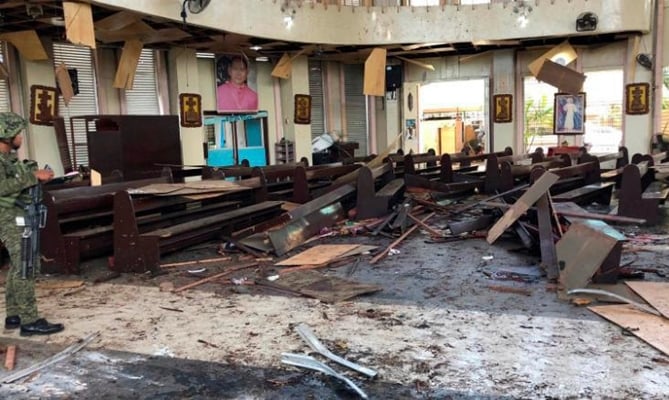
The bombing site inside a Roman Catholic cathedral in southern Philippines

The Iranian spokesperson also sympathised with the Philippine government, nation, and the families of the victims.

“Resorting to violent methods, whose real victims are innocent people, is rejected and hated,” Bahram Qassemi said in his Sunday statement.

Two blasts inside a cathedral in the militancy-hit southern Philippines have left at least 27 people dead and 77 others wounded early Sunday.

The first bomb went off near the cathedral in the city of Jolo in Sulu province. The second exploded outside the church as troops gathered at the scene.

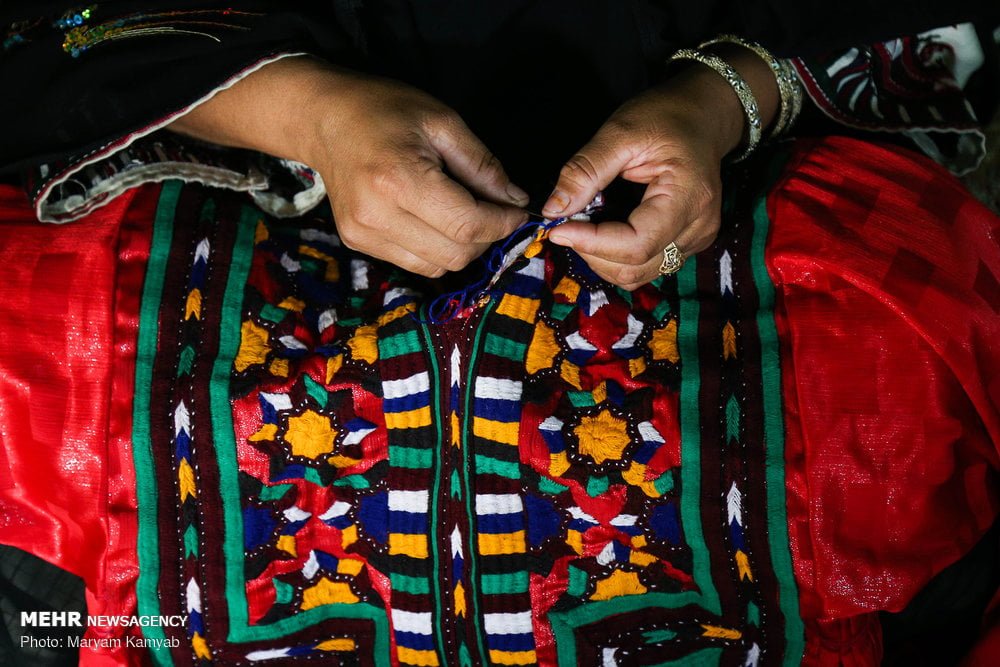
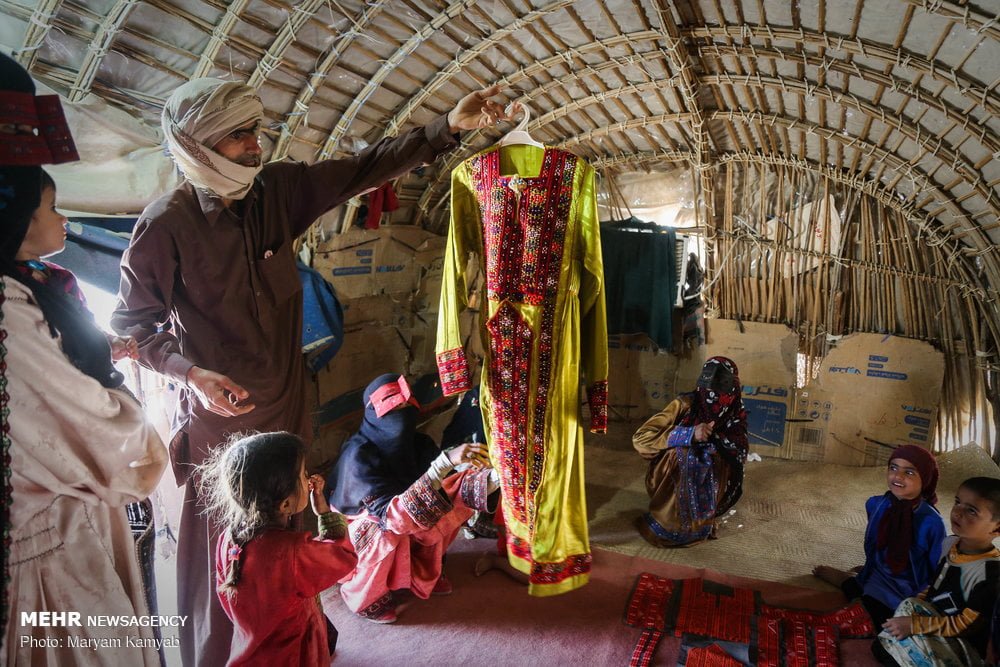
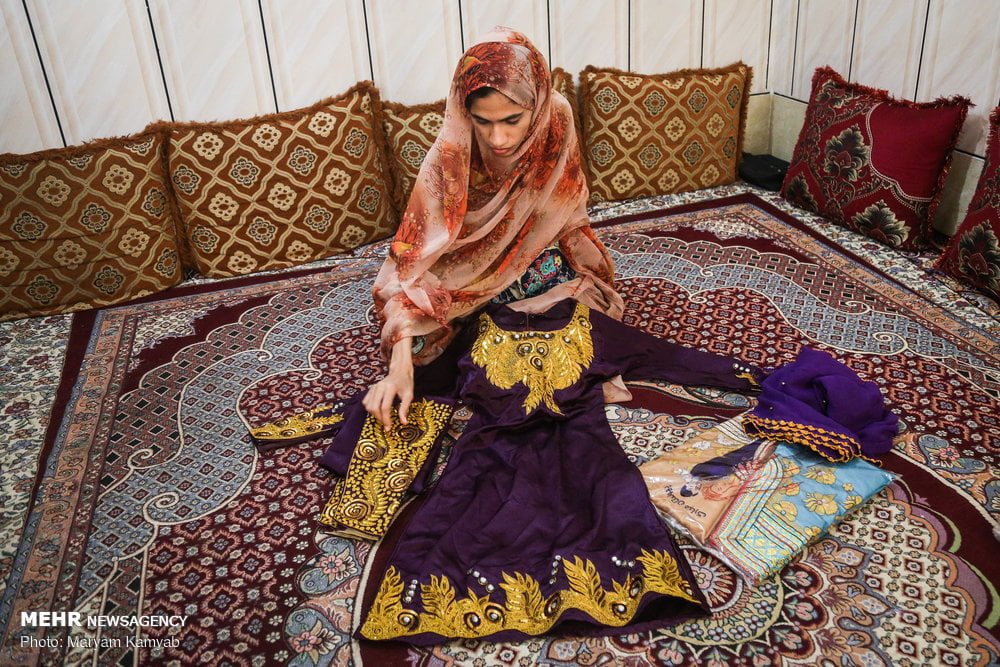
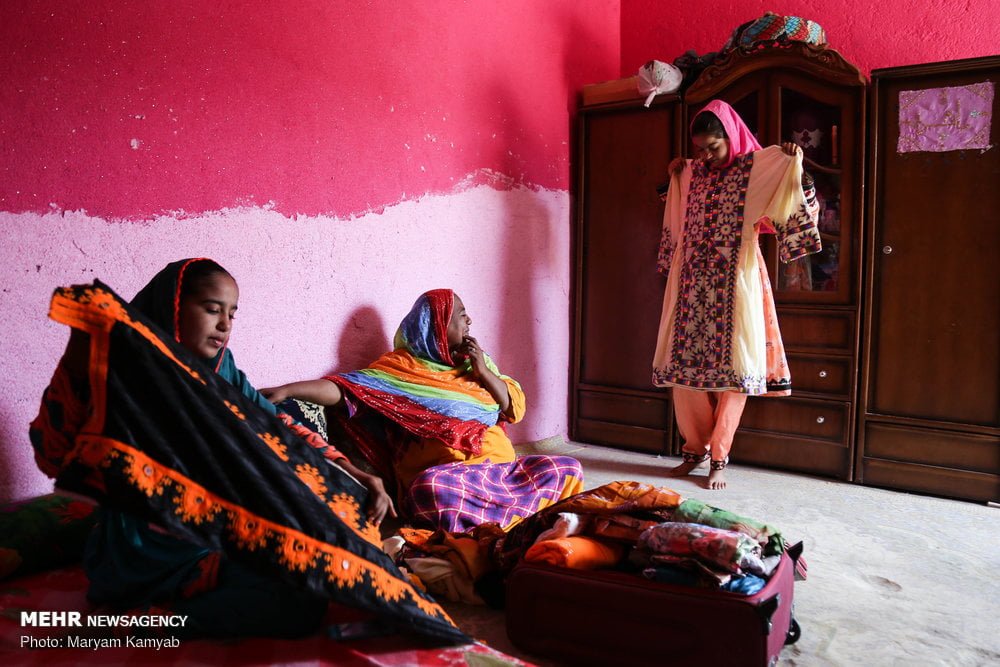
Iranian Handicrafts: Zaribafi; Local Art of Southern Iran

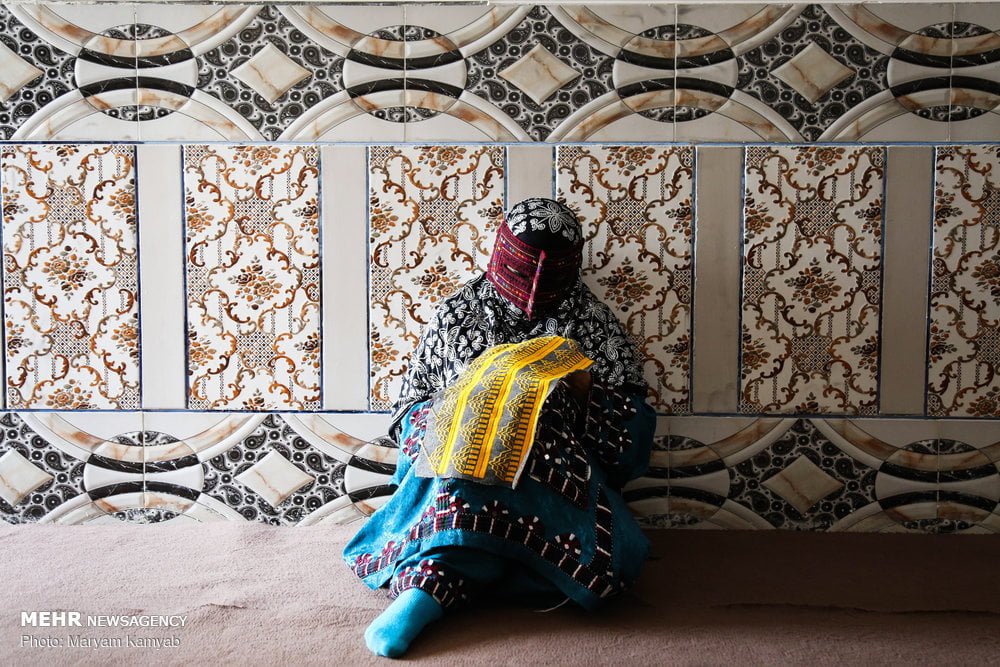
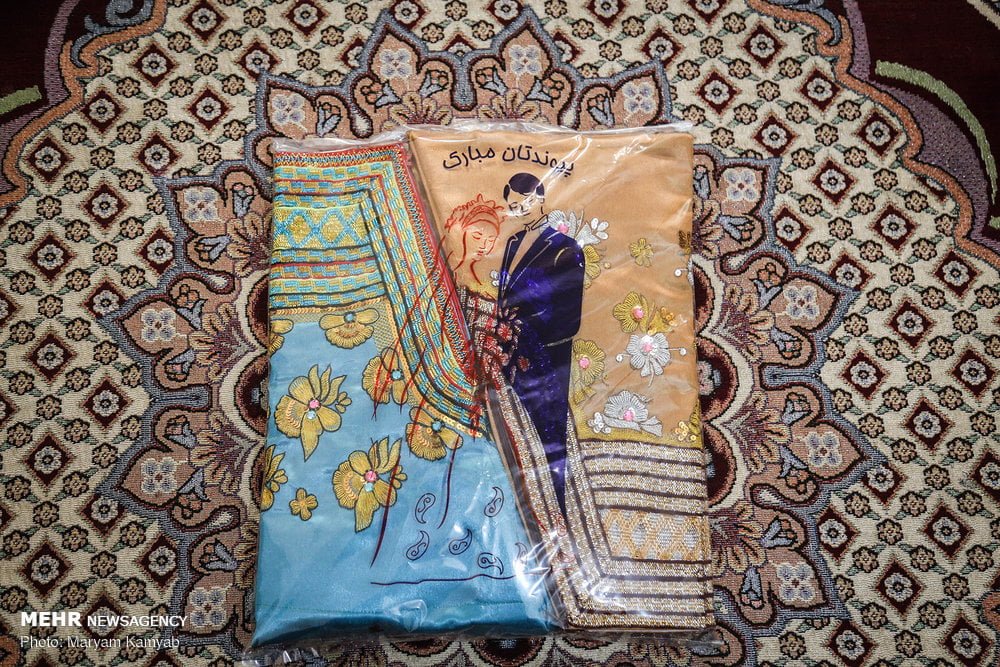
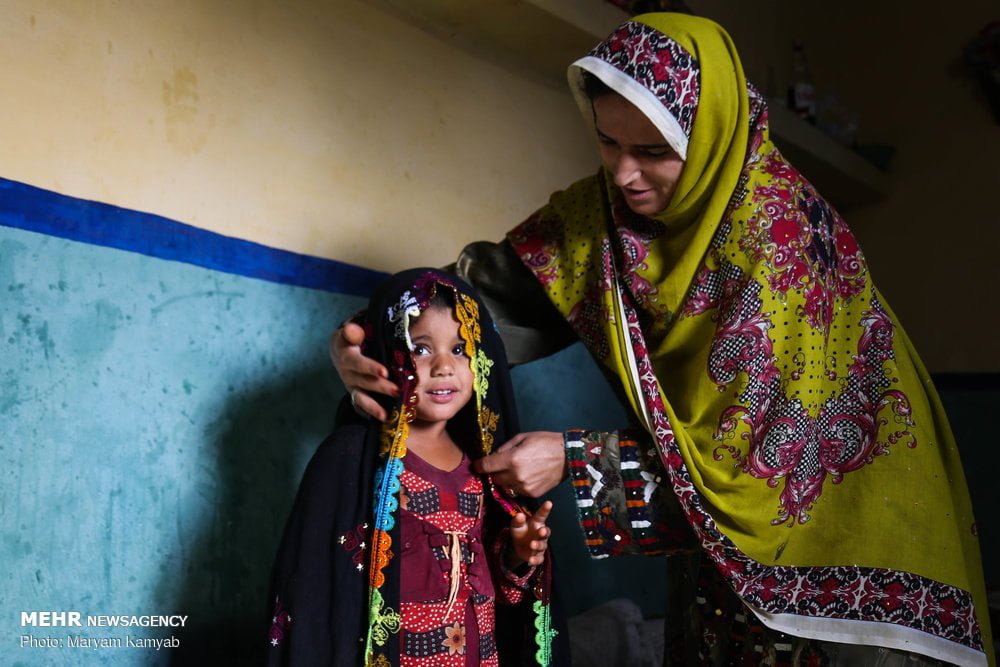
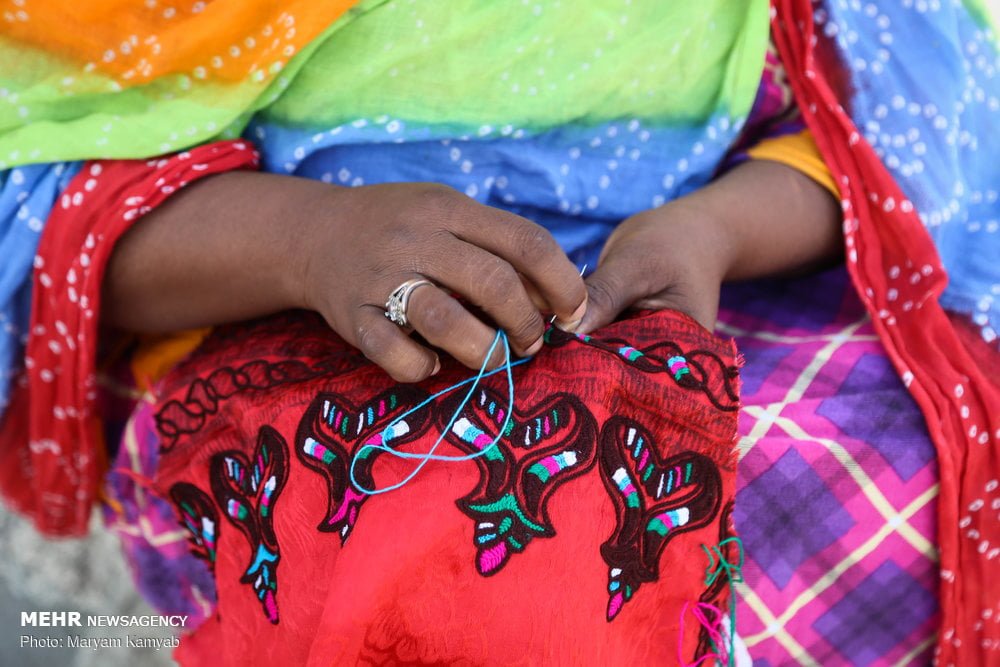
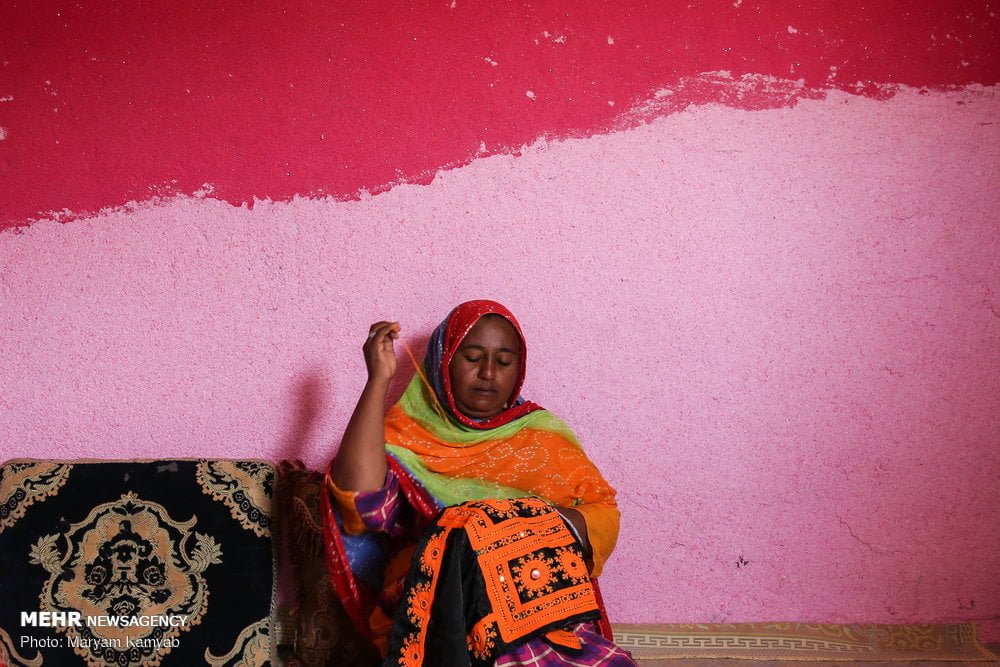
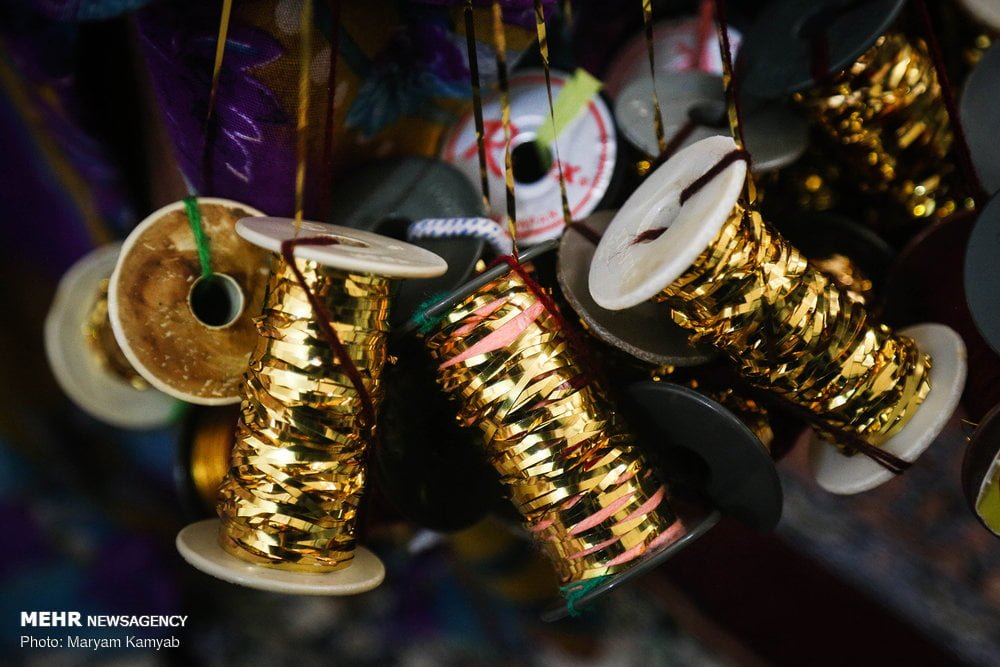
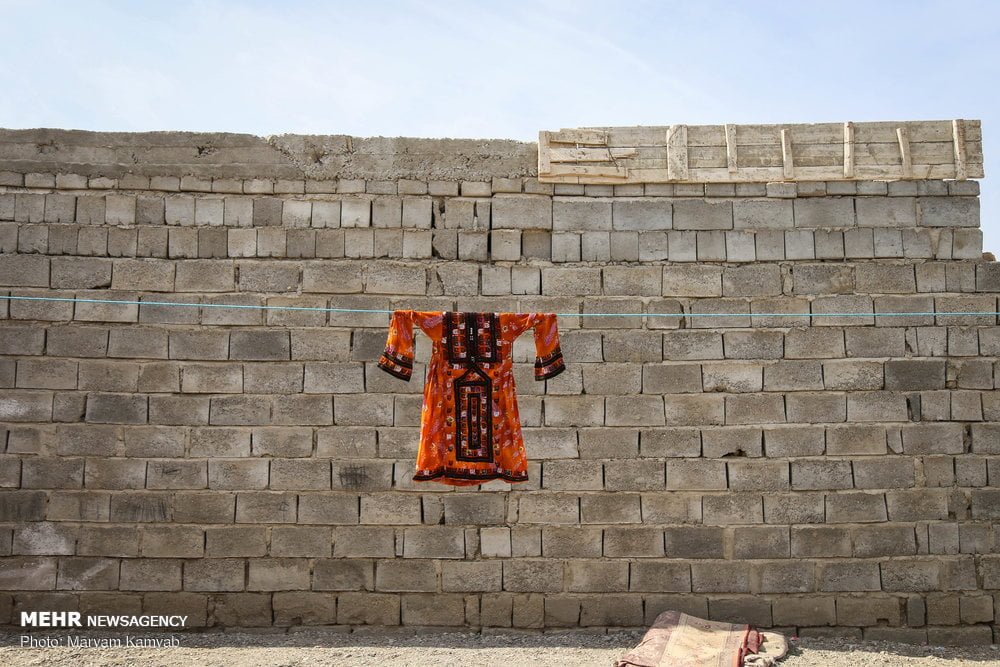
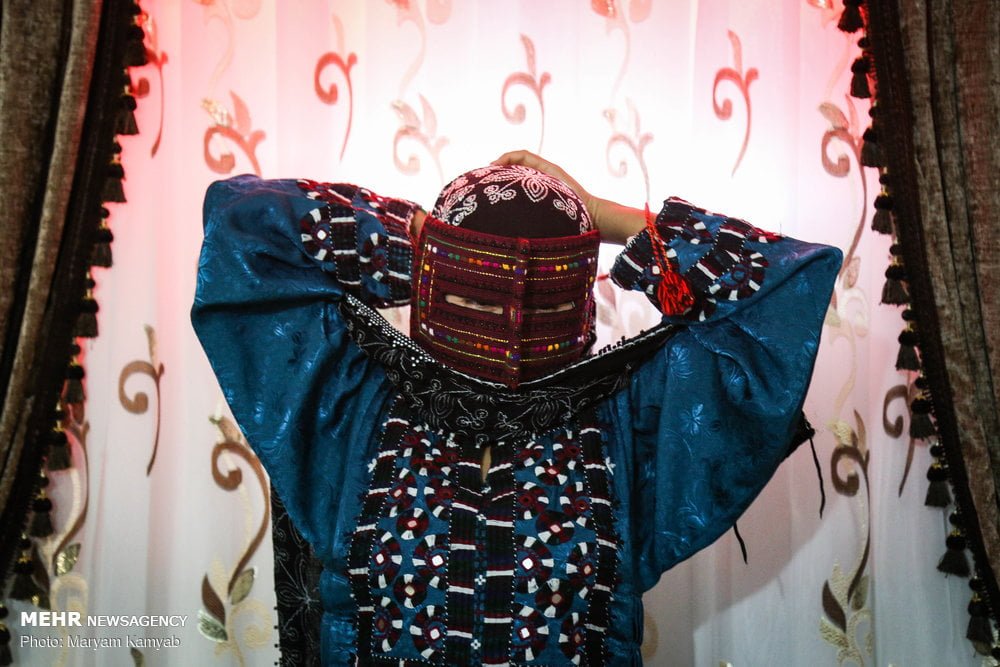
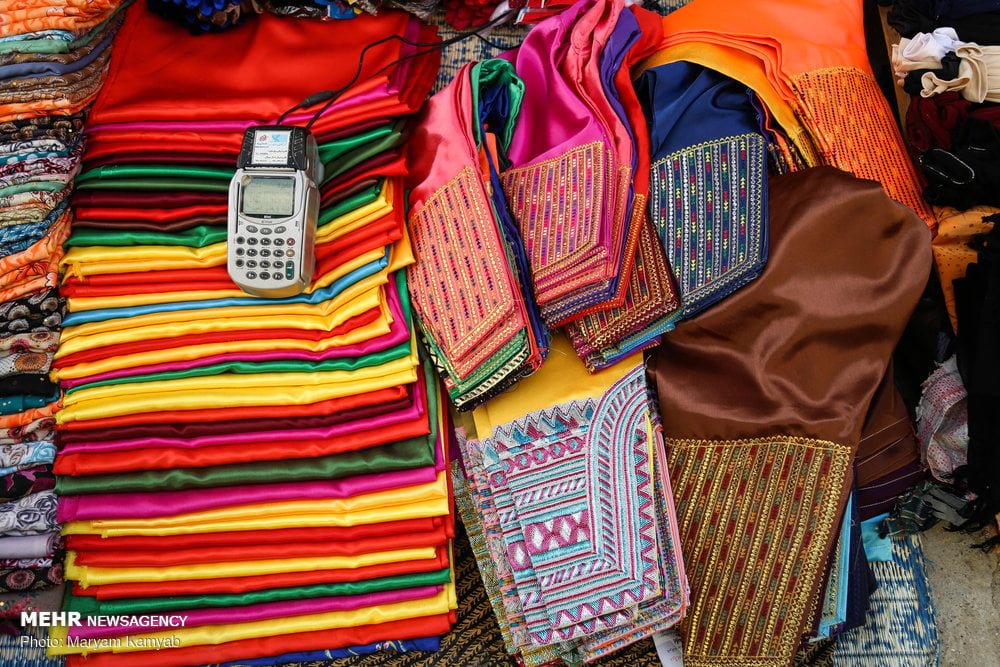
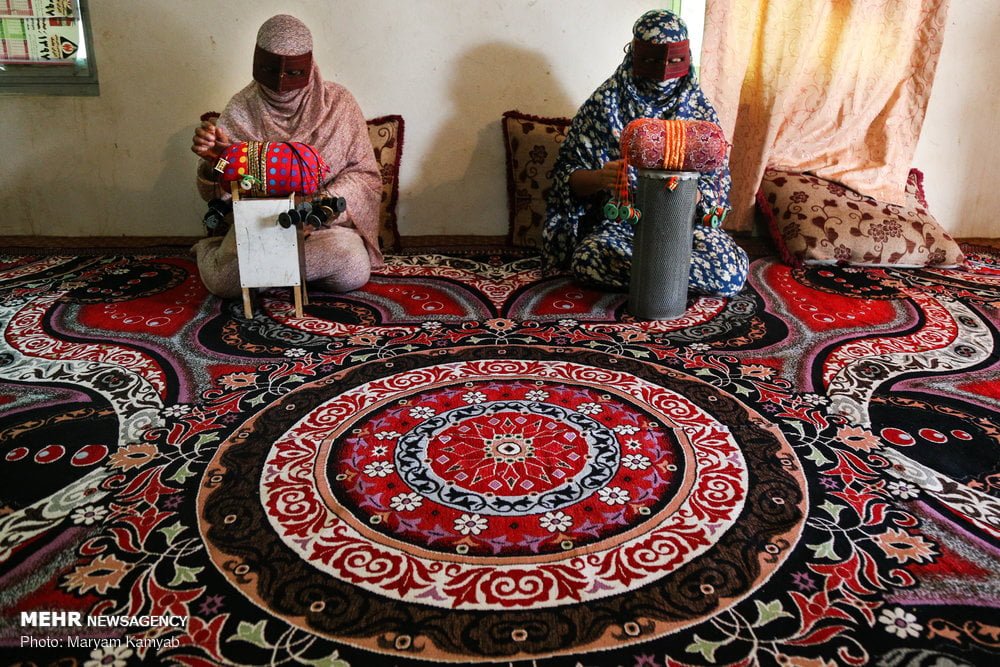
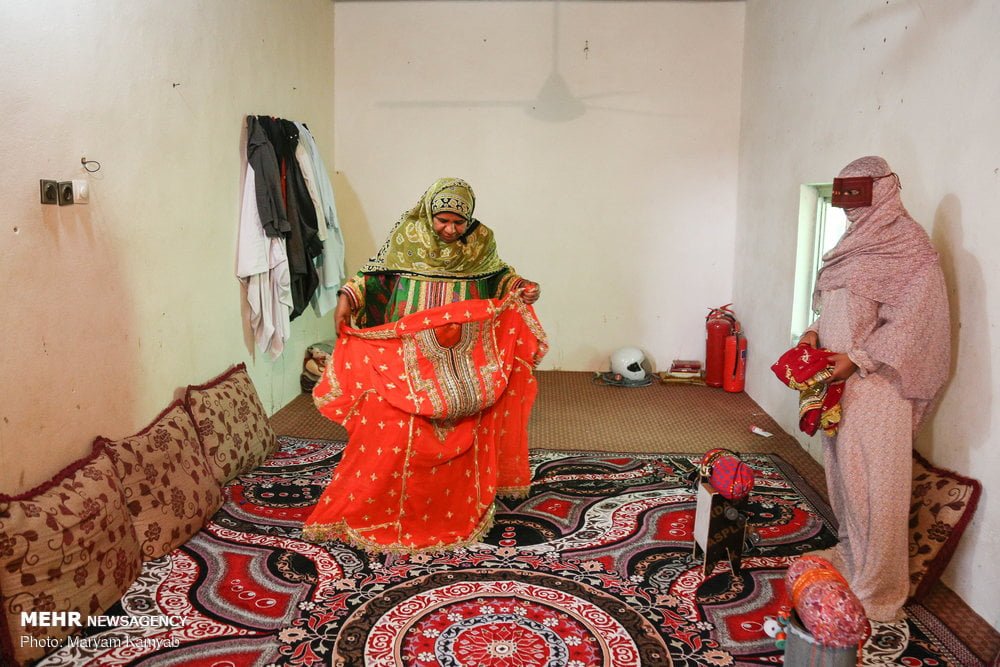
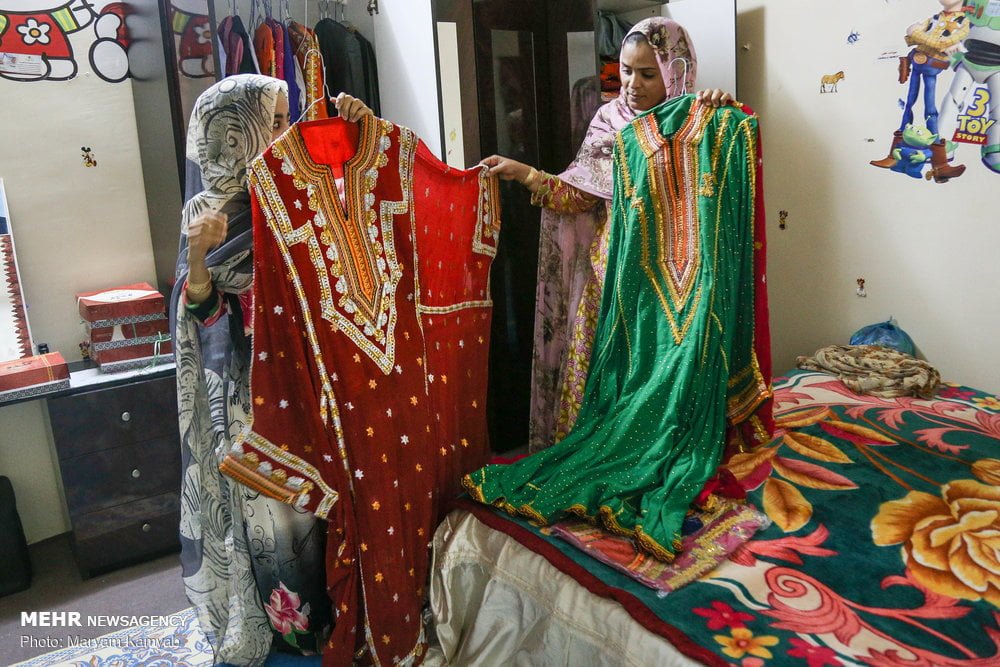
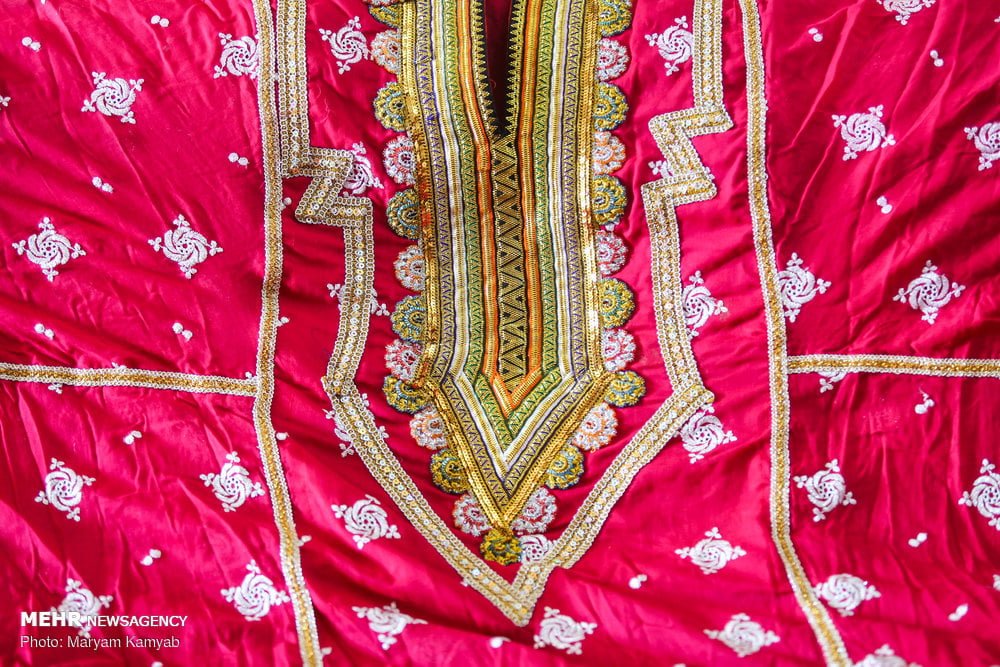
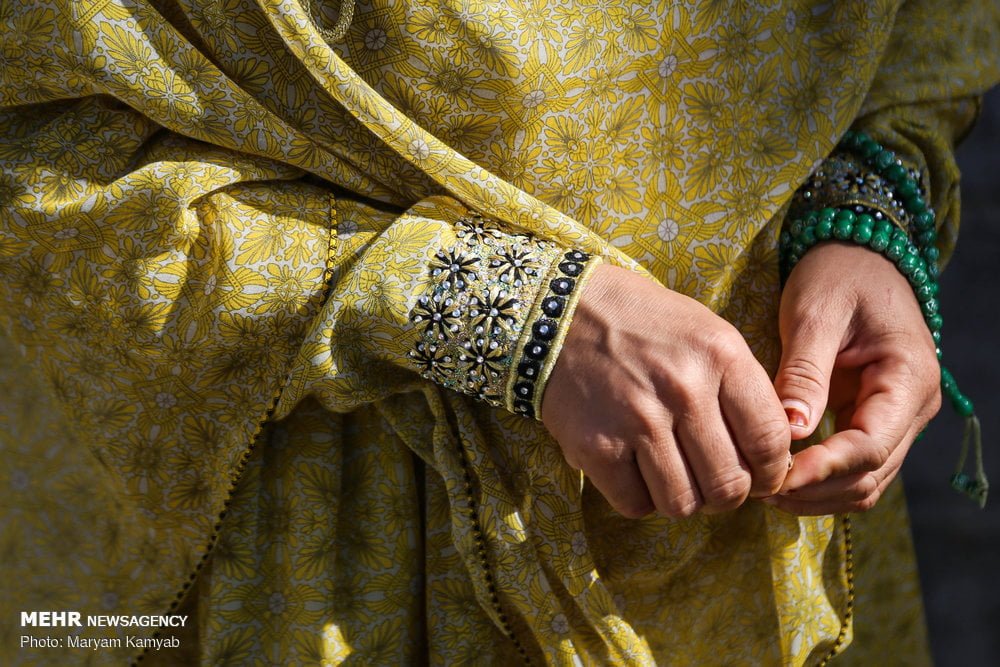
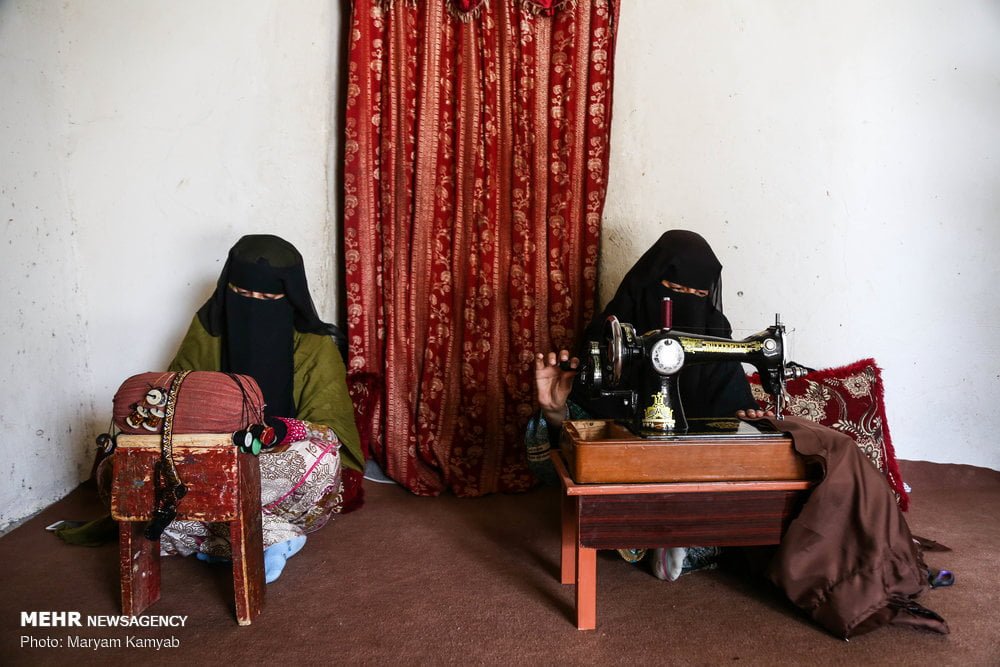
Local culture and costumes in Hormozgan province have created a good market for this Iranian handicraft. Local women who do Zaribafi earn a living by creating picturesque designs. After fishing and trade, Zaribafi is the most common art and most important profession in the provincial city of Jask.

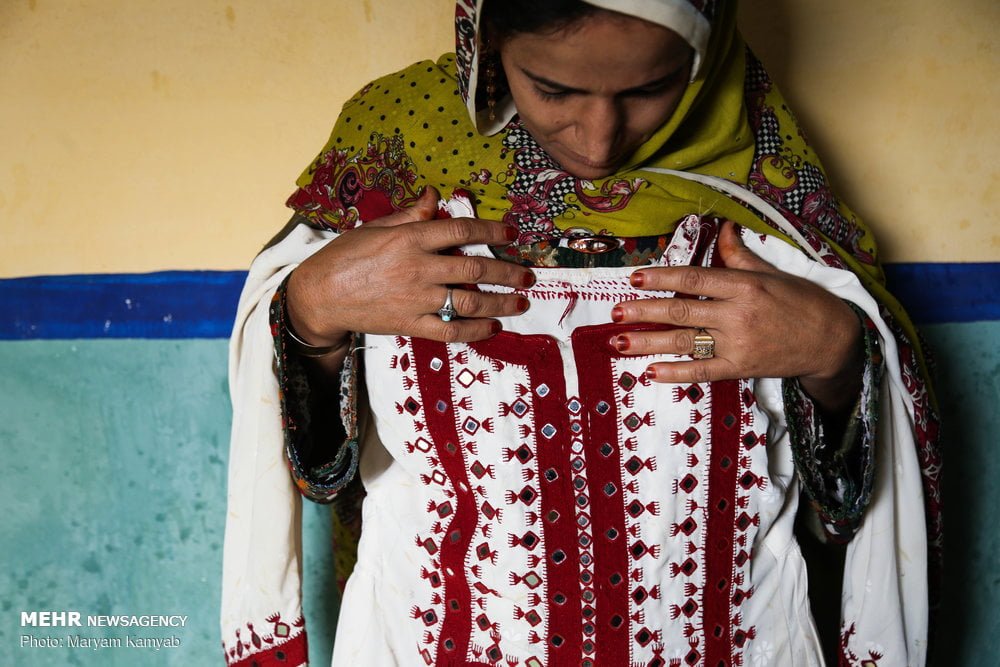
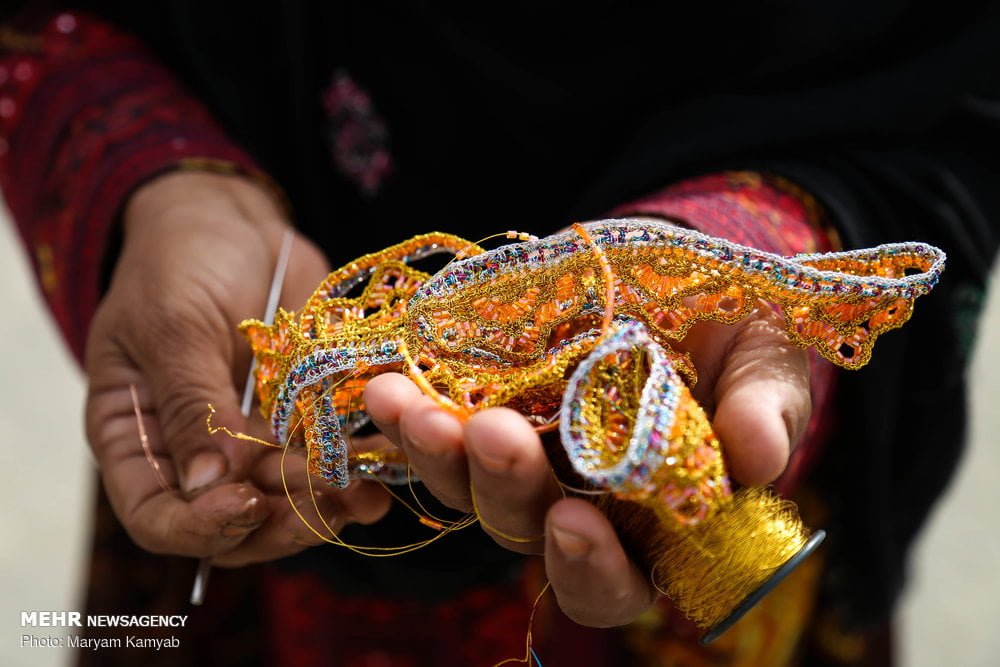
Zaribafi is a catch-all term which refers to all local handicrafts done by women in Jask. They also produce different types of local costumes.

This Iranian handicraft includes weaving work where specific and beautiful designs are created on different types of cloth used in making women’s clothing.

Below you see pictures of the Zaribafi art courtesy of Mehr News Agency.

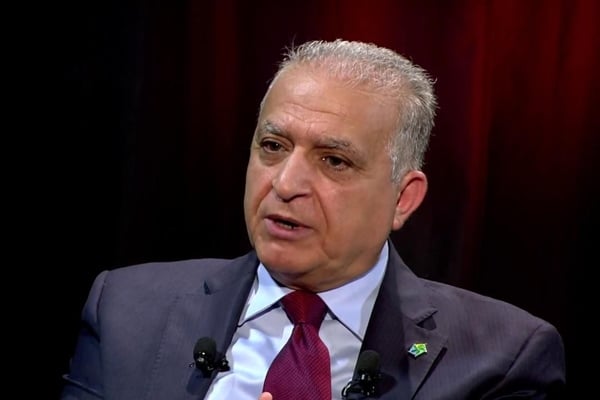
Baghdad Not to Join Anti-Iran Front: Iraqi FM

Mohammed Ali Al-Hakim said Baghdad will not accept such demands as it has a neutral approach and will not get involved in regional and global conflicts.

He also touched upon Washington’s pressures to disband the Popular Mobilisation Units, and said Iraq will reject such requests, no matter who has made them.

He said Popular Mobilisation Units is part of Iraq’s armed forces and Baghdad will not allow anyone to interfere in this issue.

Iraqi officials have, time and again, underlined that this country will not be part of the regime of US sanctions against Iran and will seek to further enhance its relations with Iran despite Washington’s bans.

According to Iraqi news sources, the US has been pressuring Baghdad to join US unilateral sanctions against Iran, but received a negative response by Iraqi authorities.

The White House has also demanded Iraq disband Popular Mobilisation Units.

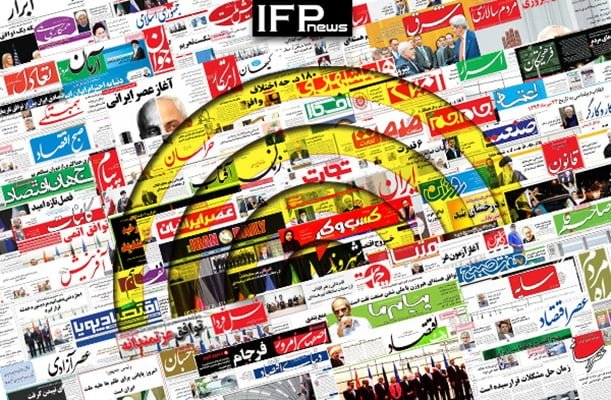
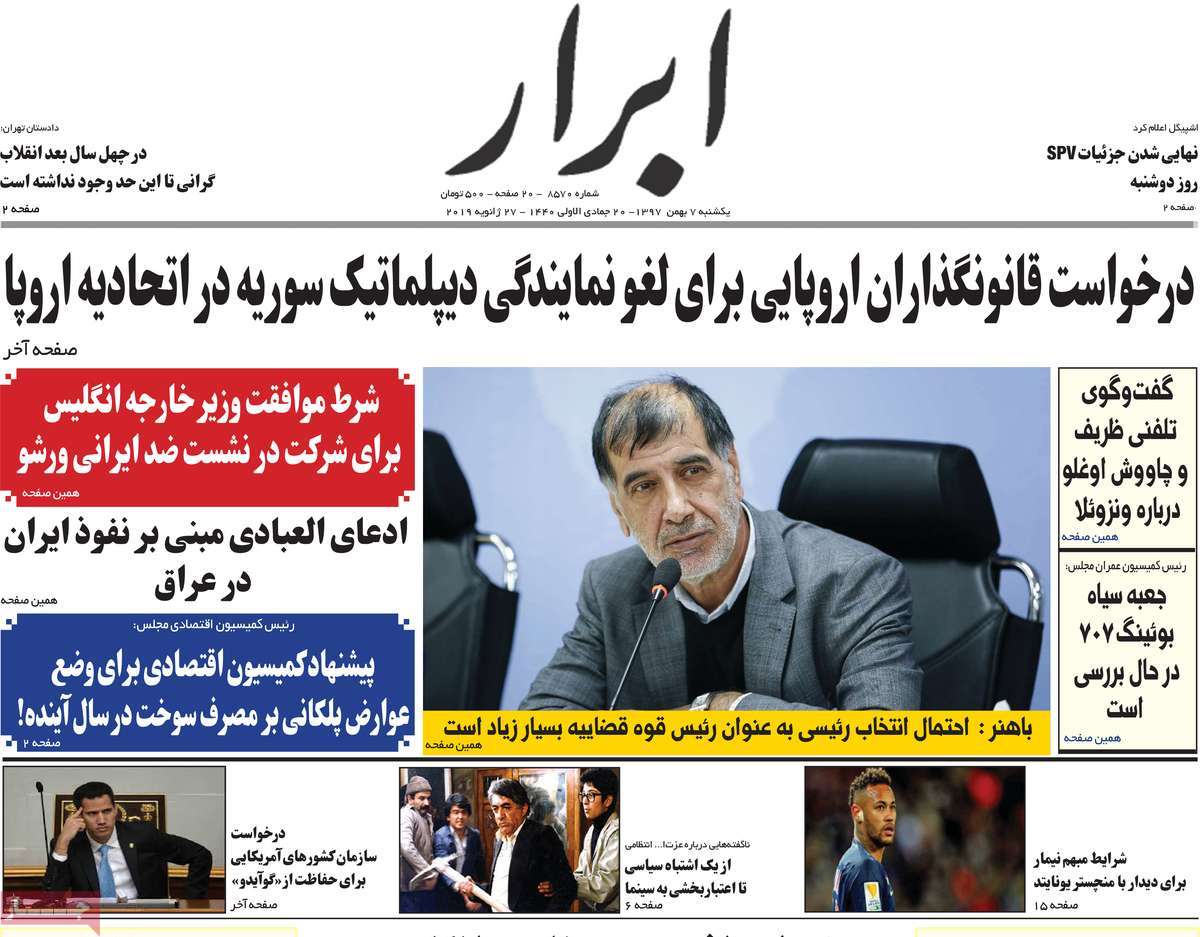
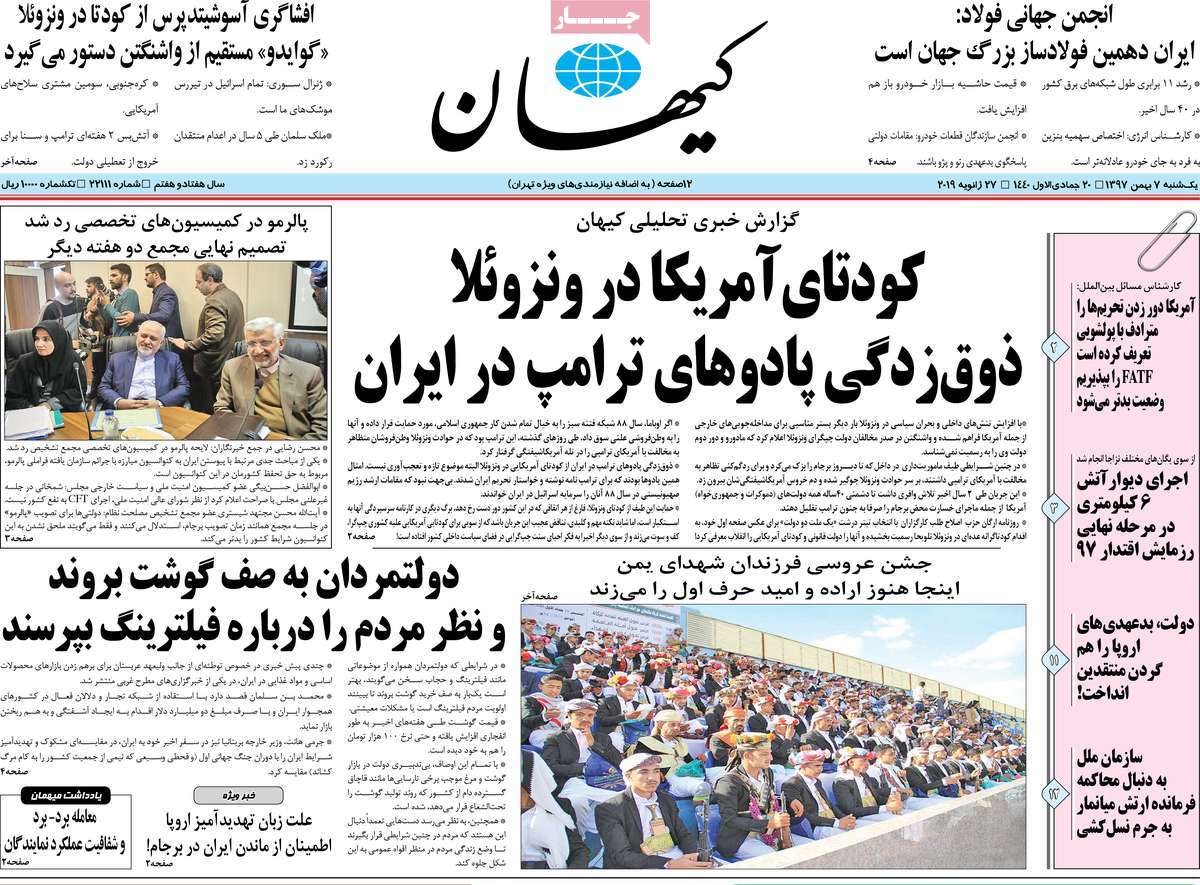
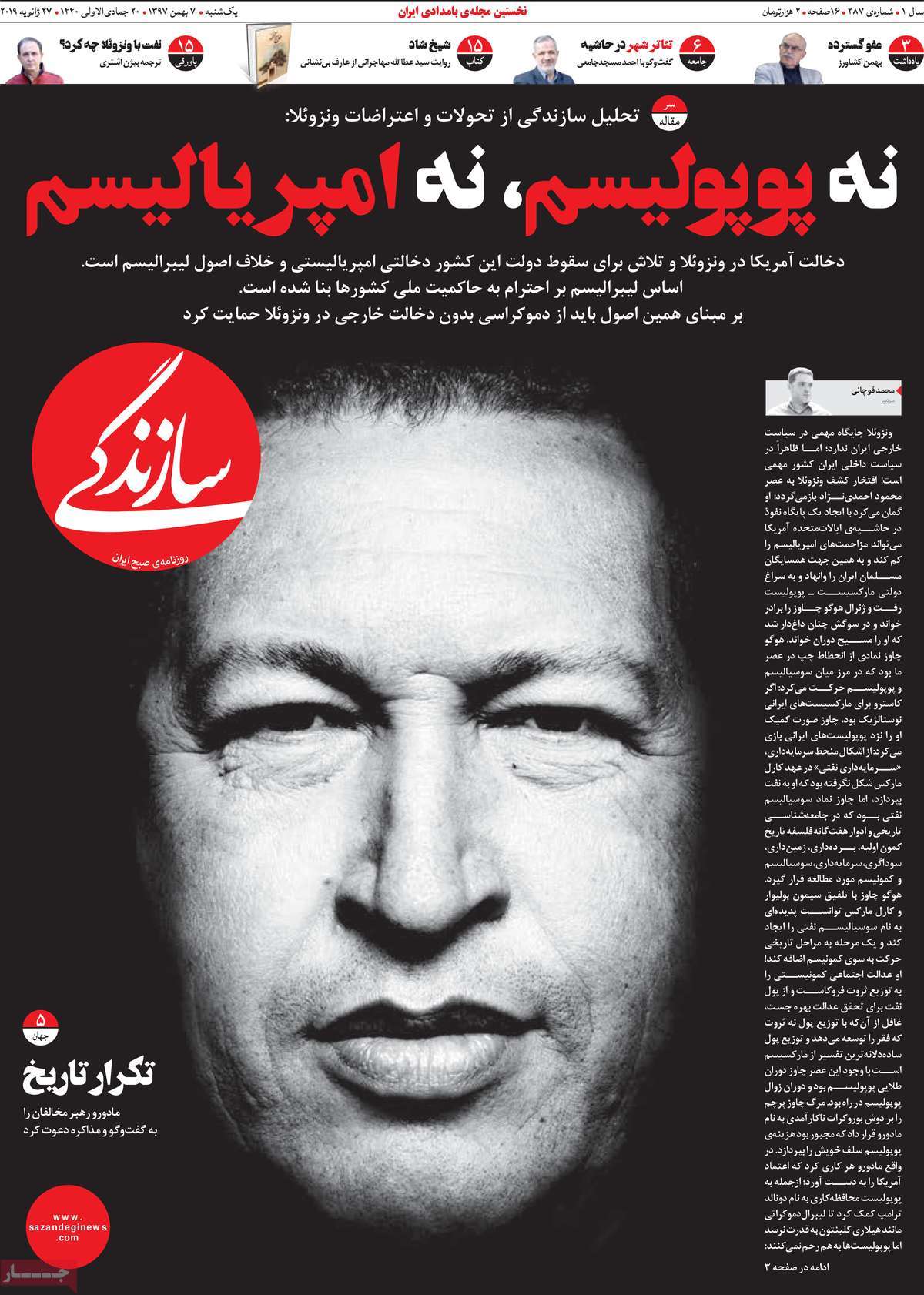
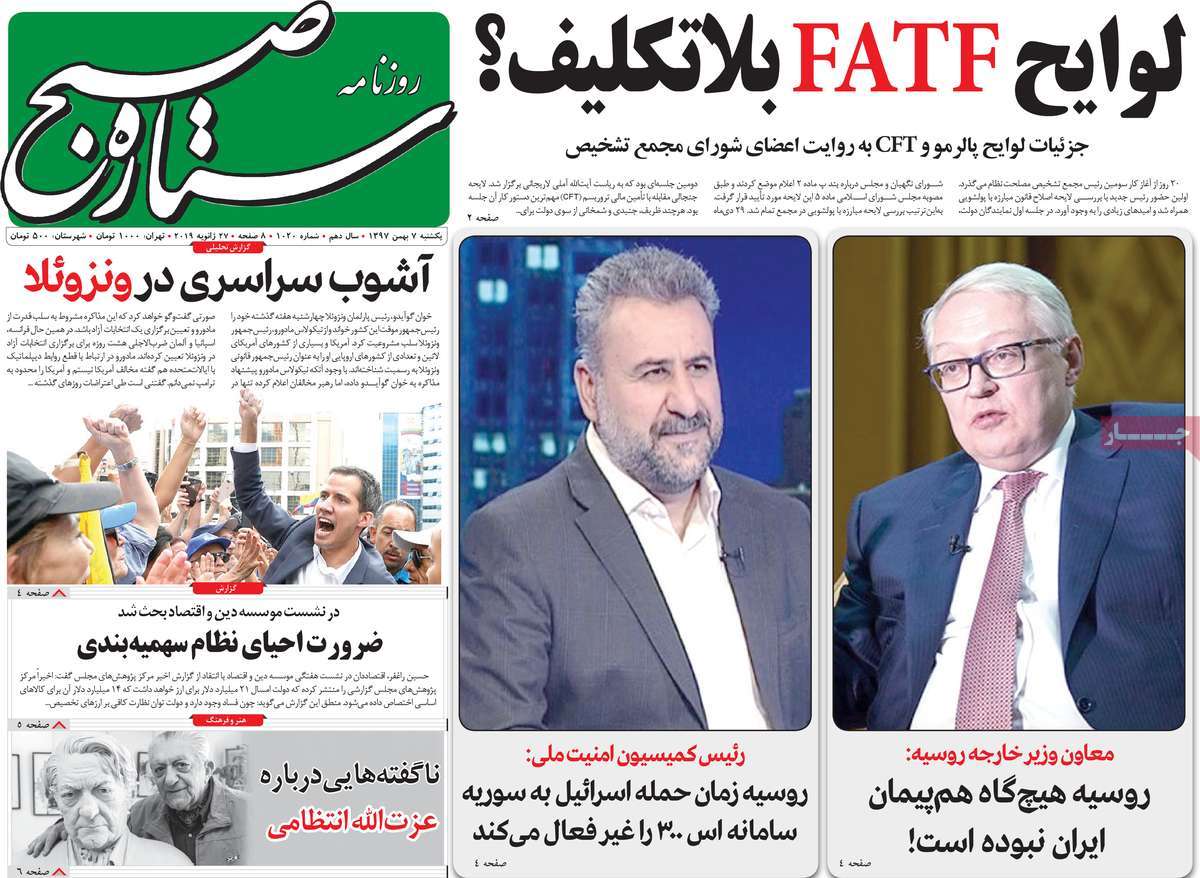
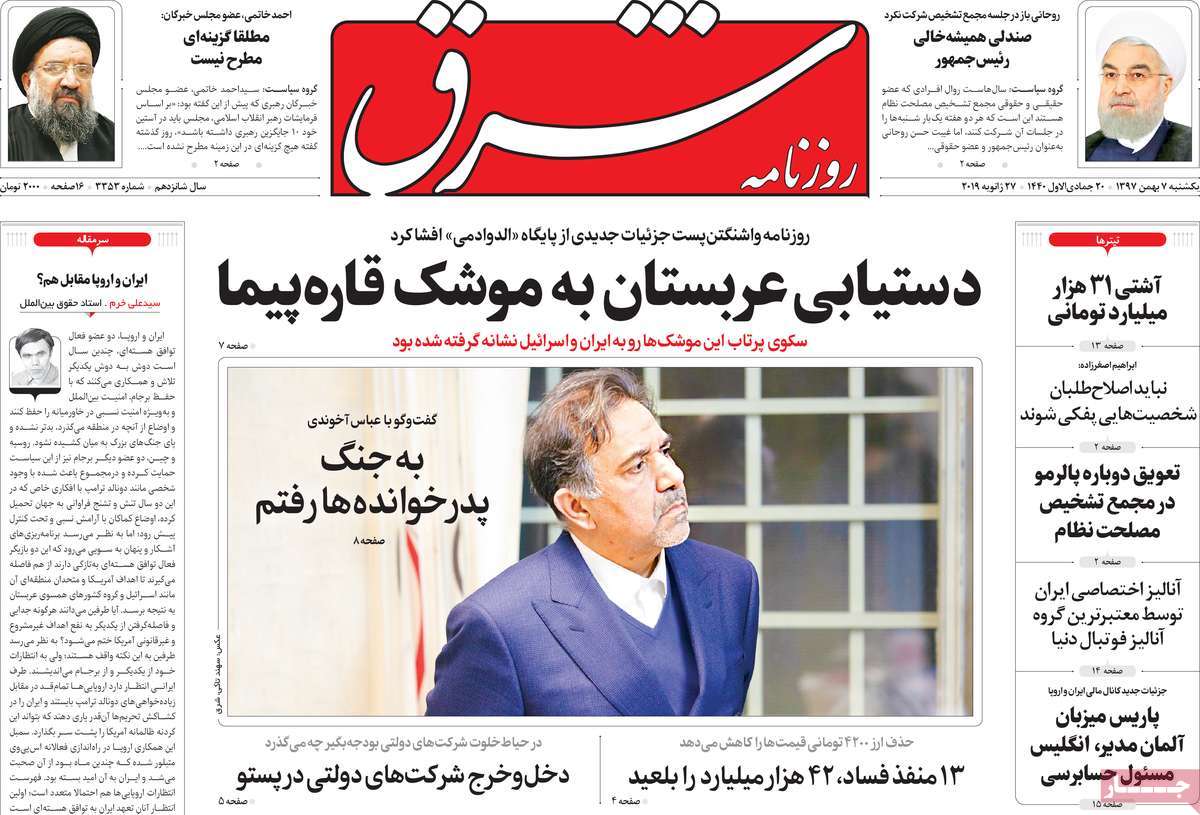
A Look at Iranian Newspaper Front Pages on January 27

A Look at Iranian Newspaper Front Pages on November 19

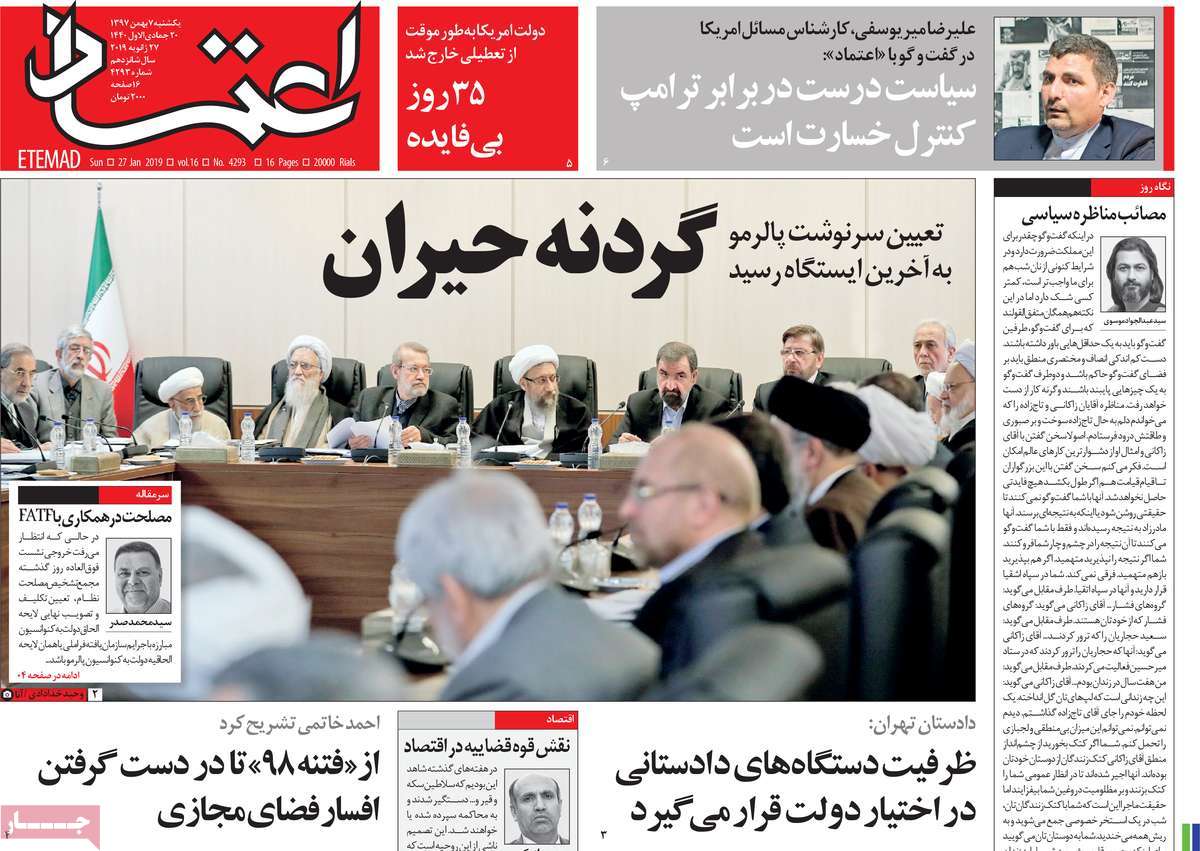
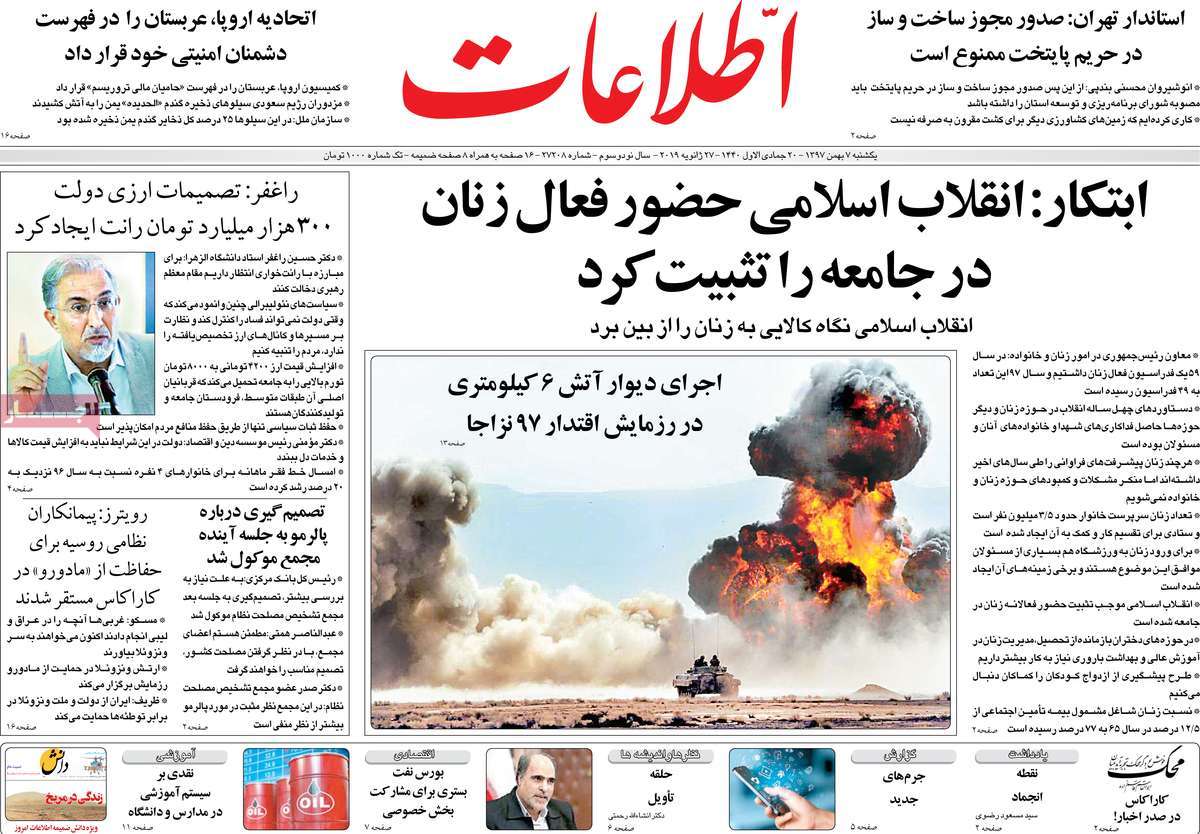
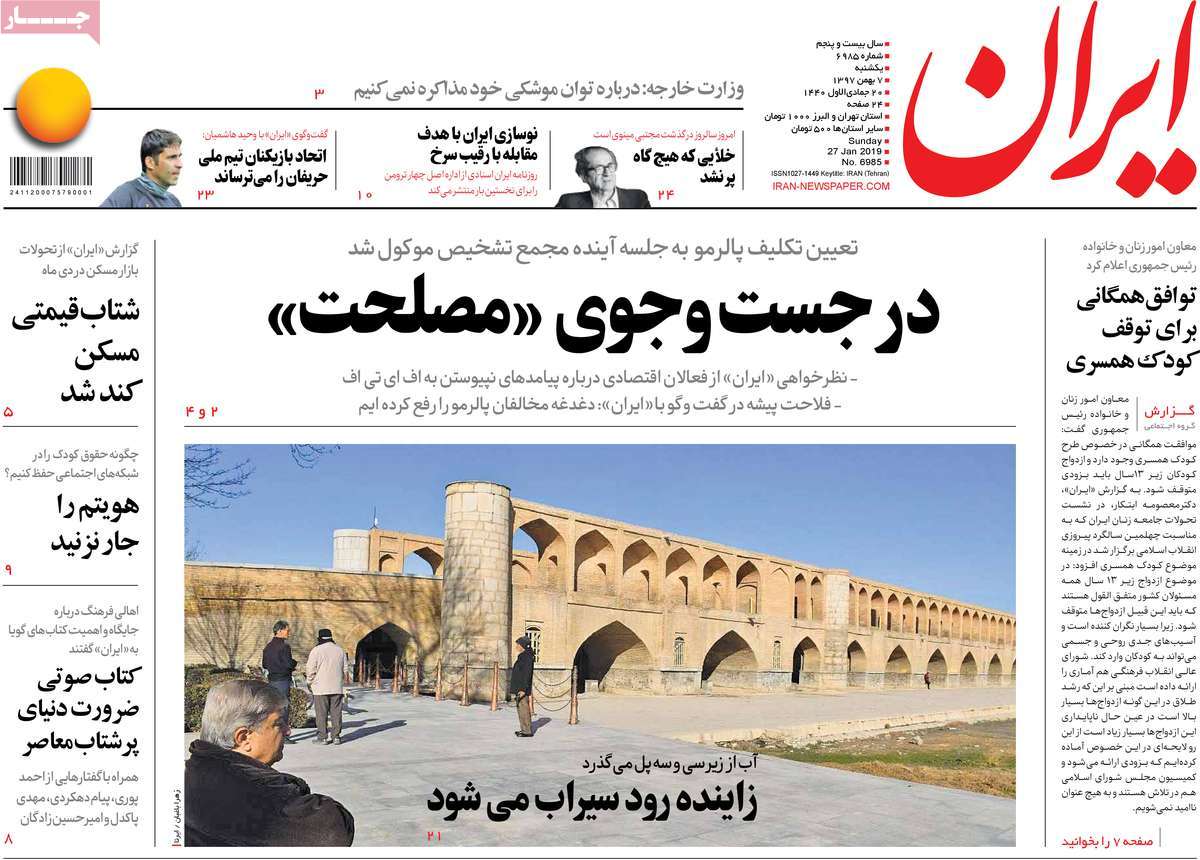
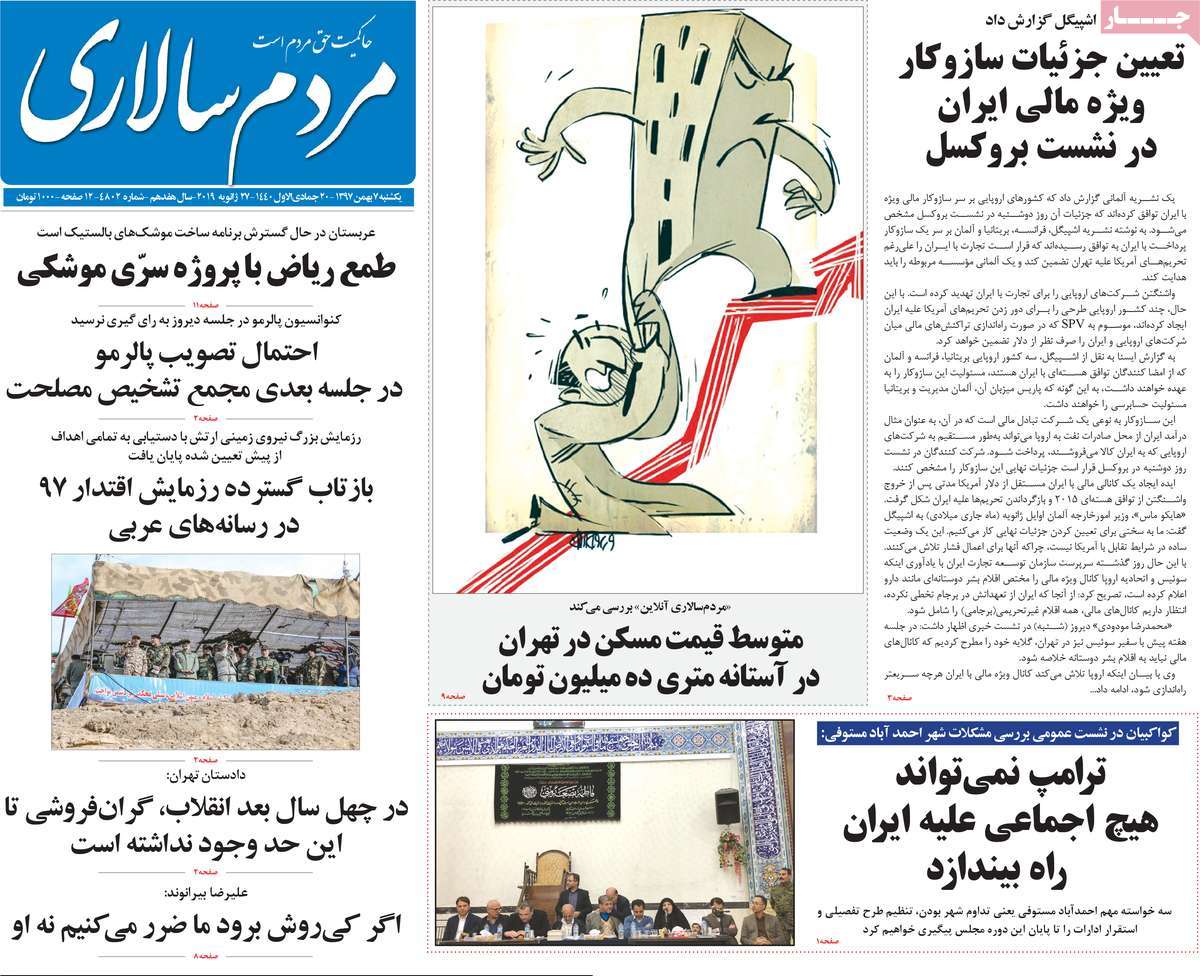
Many outlets highlighted reports that the Special Purpose Vehicle, the EU solution for protecting Iran’s economic interests under JCPOA, is being eventually finalised.

The failure of the Expediency Council in making its mind on a bill on Iran’s accession to Palermo conventions, one of four bills required for Iran to get out of FATF’s black list, was another hot topic among Iranian media.

The political developments in Venezuela are also a hot topic on Iranian media, as the Venezuelan President Nicholas Maduro is resisting pressure by domestic opponents and the US to step down.

The above issues, as well as many more, are highlighted in the following headlines and top stories:


Abrar:

1- EU Lawmakers Call for Closing Syria’s Diplomatic Office in EU

2- UK Foreign Secretary Sets Conditions for Attending Anti-Iran Warsaw Conference

3- Organisation of American States Calls for Protecting Guaido

4- Zarif and Çavuşoğlu Discuss Venezuela Developments

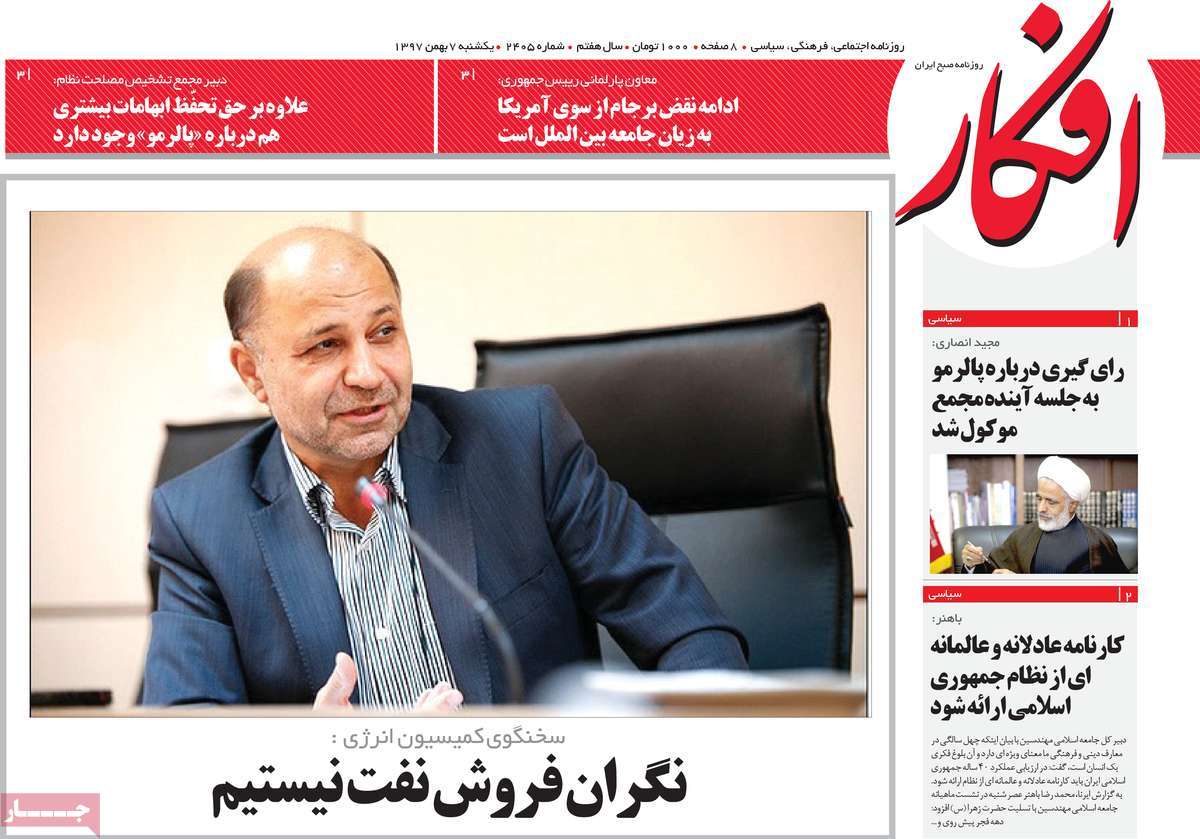
A Look at Iranian Newspaper Front Pages on January 27


Afkar:

1- Expediency Council to Decide on Palermo Convention in Next Meeting

2- We Are Not Worried Over Oil Sale: Parliament’s Energy Commission

3- ‘Continued US Violation of JCPOA Detrimental to Int’l Community’

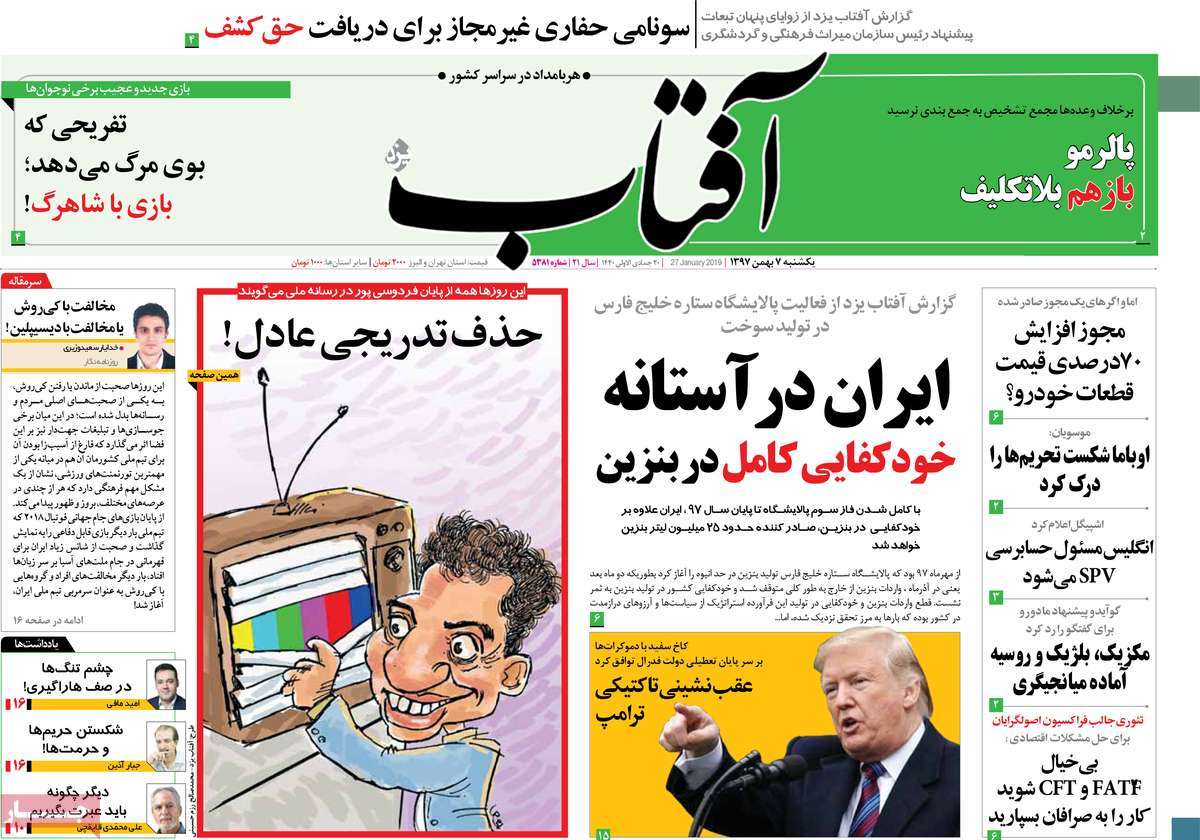
A Look at Iranian Newspaper Front Pages on January 27


Aftab-e Yazd:

1- Iran on Verge of Self-Sufficiency in Petroleum

2- UK Responsible for SPV Accounting: Der Spiegel

3- Expediency Council Unable to Make its Mind

  • Palermo Still in Limbo

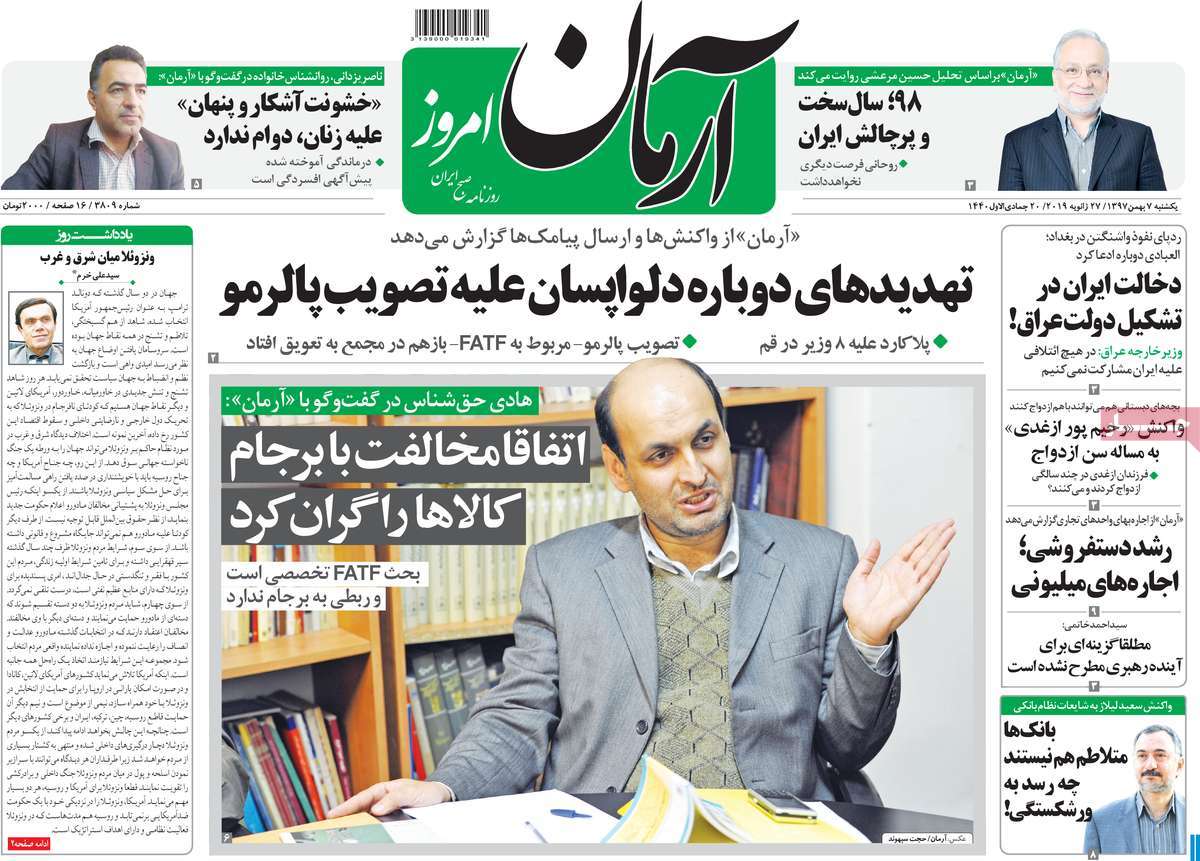
A Look at Iranian Newspaper Front Pages on January 27


Arman-e Emrouz:

1- Al-Abadi Claims Iran Intervenes in Formation of Iraq’s Government

  • We Won’t Join Any Coalition Against Iran: Iraqi FM
  • Tracks of Washington’s Influence in Baghdad

A Look at Iranian Newspaper Front Pages on January 27


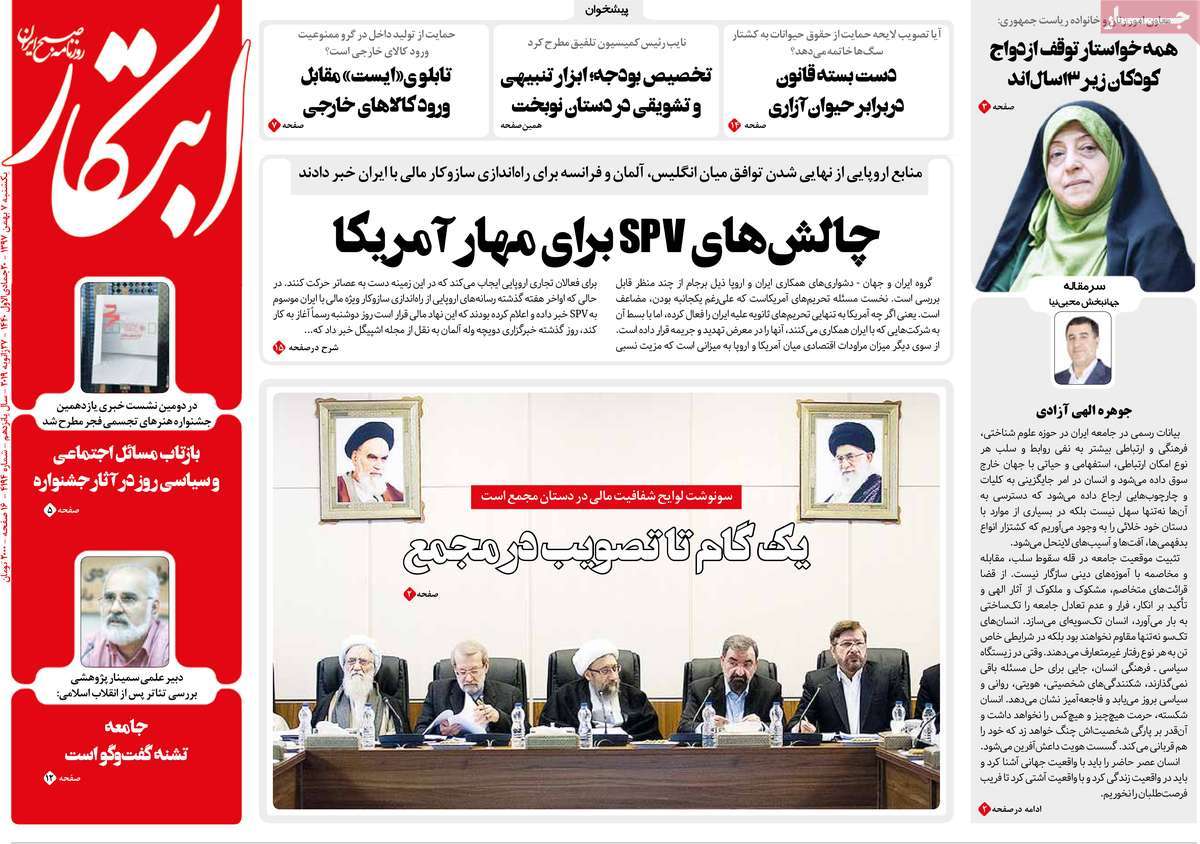
Ebtekar:

1- European Sources Report Finalisation of Agreement Among UK, Germany, France over SPV

A Look at Iranian Newspaper Front Pages on January 27


E’temad:

1- 35 Useless Days: US Government Shutdown Temporarily Ends

2- ‘Damage Control; Correct Policy on Trump’

A Look at Iranian Newspaper Front Pages on January 27


Ettela’at:

1- EU Puts Saudi Arabia on Its Security Adversaries List

2- Russian Military Contractors Deployed to Caracas to Protect Maduro: Reuters

A Look at Iranian Newspaper Front Pages on January 27


Iran:

1- We Won’t Negotiate on Our Missile Power: Iran Foreign Ministry

A Look at Iranian Newspaper Front Pages on January 27


Kayhan:

1- Guaido Take Orders Directly from Washington: AP

2- UN Seeks Prosecuting Myanmar Army Commander on Genocide Charges

A Look at Iranian Newspaper Front Pages on January 27


Mardomsalari:

1- Details of Iran Financial Mechanism Finalised in Brussel: Der Spiegel

2- ‘Riyadh Following Secret Missile Project’

A Look at Iranian Newspaper Front Pages on January 27


Sazandegi:

1- No Populism, No Imperialism: Analysis on Venezuela Developments

A Look at Iranian Newspaper Front Pages on January 27


 Setareh Sobh:

1- Russia Never Been Iran’s Ally: Deputy Russian FM

2- ‘Russia Deactivates S-300 During Israeli Attacks Against Syria’

3- Widespread Chaos in Venezuela

A Look at Iranian Newspaper Front Pages on January 27


Sharq:

1- Saudi Arabia Builds Inter-Continental Missile: Washington Post

2- Iran-EU Financial Mechanism Detailed: Paris Hosting, Germany Managing, UK Accounting

A Look at Iranian Newspaper Front Pages on January 27

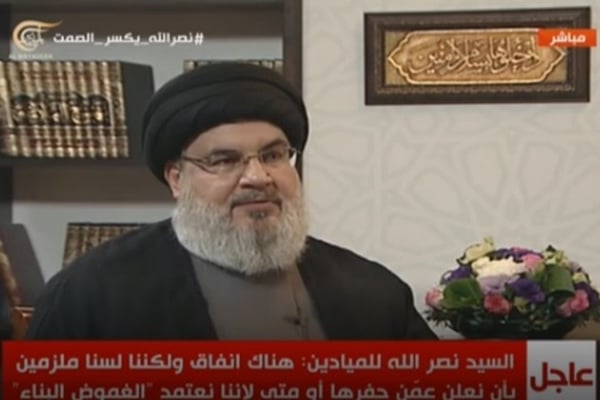
US to Withdraw from Syria to Fulfil Trump’s Electoral Pledges: Nasrallah

Secretary-General of Hezbollah Seyyed Hassan Nasrallah told the Beirut-based Al-Mayadeen TV in an interview on Saturday that the US announcement is rooted in Trump’s electoral speeches criticising the costly interventions of the US in Syria.

Nasrallah said Trump lamented that the US sent its youth to other regions to be killed and spent 7 trillion dollars in the Middle East to no avail.

Trump, unlike his predecessor Barack Obama, was sincere in his positions toward other countries, asking countries in Middle East, Europe and East Asia to pay for the US protection, he said.

US President Donald Trump said on December 19 that he will pull 2,000 US troops from Syria, in an abrupt announcement that caught US allies in the region by surprise.

Trump’s declaration that the American troops in Syria are “all coming back” following the defeat of ISIS in the country, prompted the resignation of Defence Secretary James Mattis.


Trump Could Have Withdrawn Sooner

Nasrallah said Trump first announced he would withdraw from Syria seven months ago, but he delayed the move after Mattis asked him to let the US make an achievement before its withdrawal.

“Then they went to Russia and told Russians we are ready to withdraw every single forces from Syria, if Iran and Hezbollah pull out from the country,” Nasrallah said.

The Russians transferred the request to Syria, but Hezbollah believed Trump would withdraw from Syria anyway, he added.

Iran said its presence in Syria is legitimate and Syria announced it will not use allies as bargaining chip in negotiations with adversaries, Nasrallah underlined.

The positions of Iran, Syria and Hezbollah made Trump disappointed with the plan, leading to his December 19 announcement that the US will get out of Syria soon, as they do not need to have a base in the country, he pointed out.

“Americans need no base in Syria to maintain military pressure on the country. They will do that through air and by planes,” noted Nasrallah.


Saudi Arabia, UAE Worried Over US Withdrawal

The Americans have announced they no longer want to be the police of the region and this has worried their allies in the region, underscored Nasrallah.

According to Nasrallah, the US withdrawal has created worries in Saudi Arabia and the UAE that Turkey, a rival in Syria could take over the opposition in the country.

“The wariness has led them to move toward rapprochement with Syria, demonstrated in an announcement by the UAE that it would reopen its embassy in Syria.”

Late December, the UAE announced it will reopen its embassy in Damascus seven years after withdrawing its chargé d’affaires from Syria, the Emirati government said Thursday.

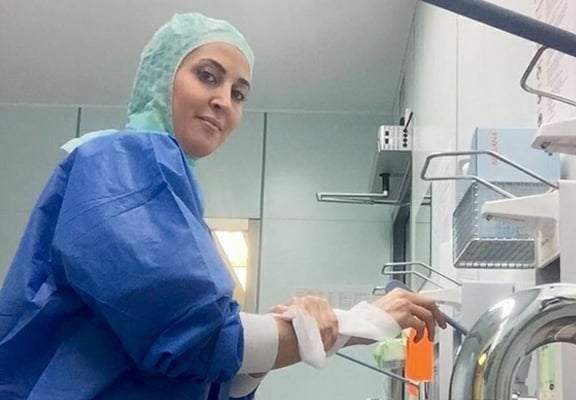
Iranian Female Neurosurgeon Performs over 500 Surgeries

28-year-old Soheila Saami is a student of professor Majid Samii who is a prominent internationally-recognised neurosurgeon.

Born in 1989, Soheila Saami is a graduate of from a University in UAE.

She finished her General Medicine program six years ago and currently works as a last-year resident of neurosurgery at Germany’s International Neuroscience Institute under the supervision of professor Samii.

Fars News Agency has conducted an interview with this young successful lady. Excerpts from the interview follow:

Q: How many surgeries have you performed so far?

A: The number of the surgeries I have performed alone exceeds 500, but I have done more than 3,000 operations as assistant surgeon.

Q: You live outside Iran, but you are wearing an Islamic headscarf in all your photos and surgeries. Why is that?

A: In my opinion, it is up to an individual to choose the kind of her or his clothing. I chose to wear hijab consciously. The way I dress is the same in Iran and Germany.

Q: Isn’t hijab a limitation for you?

A: Hijab has not been a limitation for me as far as performing surgeries are concerned. Of course, I’m not saying that you can do everything while wearing hijab, but, on the other hand, we cannot say one is unable to do social, sports or other activities while wearing hijab.

Q: Are you going to travel to Iran and practice medicine there?

A: I travel to Iran once or twice a year. I’m very interested to practice medicine in Iran, and if the conditions are provided, I will offer services in Iran. And if the situation for permanent presence in Iran is not provided, I will definitely practice medicine in Iran several months a year.

Q: As the last question, what’s your idea about professor Samii?

A: I believe professor Samii is a unique person. Everybody can watch videos of professor Samii at the age of 80 on social media and read the comments of prominent neurosurgeons about him. He has also written many books and articles all of which attest to the fact that professor Samii is the best.

Professor Samii was chosen as the founding president of the Congress of International Neurosurgeons (MASCIN) in 2003. He was also picked as the best surgeon of the year in 2018. All these bear testimonies to the fact that he is a distinguished and superb surgeon.

A Look at Iranian Newspaper Front Pages on January 26

A Look at Iranian Newspaper Front Pages on November 19

A hot topic for Iranian newspapers was a session of Iran’s Expediency Council, in which one of four bills required for Iran to get out of FATF’s black list is to be discussed.

Opponents of the FATF accession believe it will endanger Iran’s national security interests, while proponents argue Tehran’s refusal to approve the bills would endanger the country’s foreign trade.

Meanwhile, reports that the Special Purpose Vehicle, a European mechanism to protect Iran’s foreign trade after the US withdrawal from JCPOA, is likely to be launched Monday caught considerable attention among Iranian outlets.

The attempted coup in Venezuela has grabbed many headlines, with the principlist-minded outlets criticising the US-backed plot and pro-reform papers highlighting demands for change in the country.

The above issues, as well as many more, are highlighted in the following headlines and top stories:


Abrar:

1- It’s Impossible to Abandon Cooperation With US: German FM

2- US Imposes New Sanctions Against Iran

3- Emergency Security Order Issued in US to Counter “Iran’s Hacking Attacks”
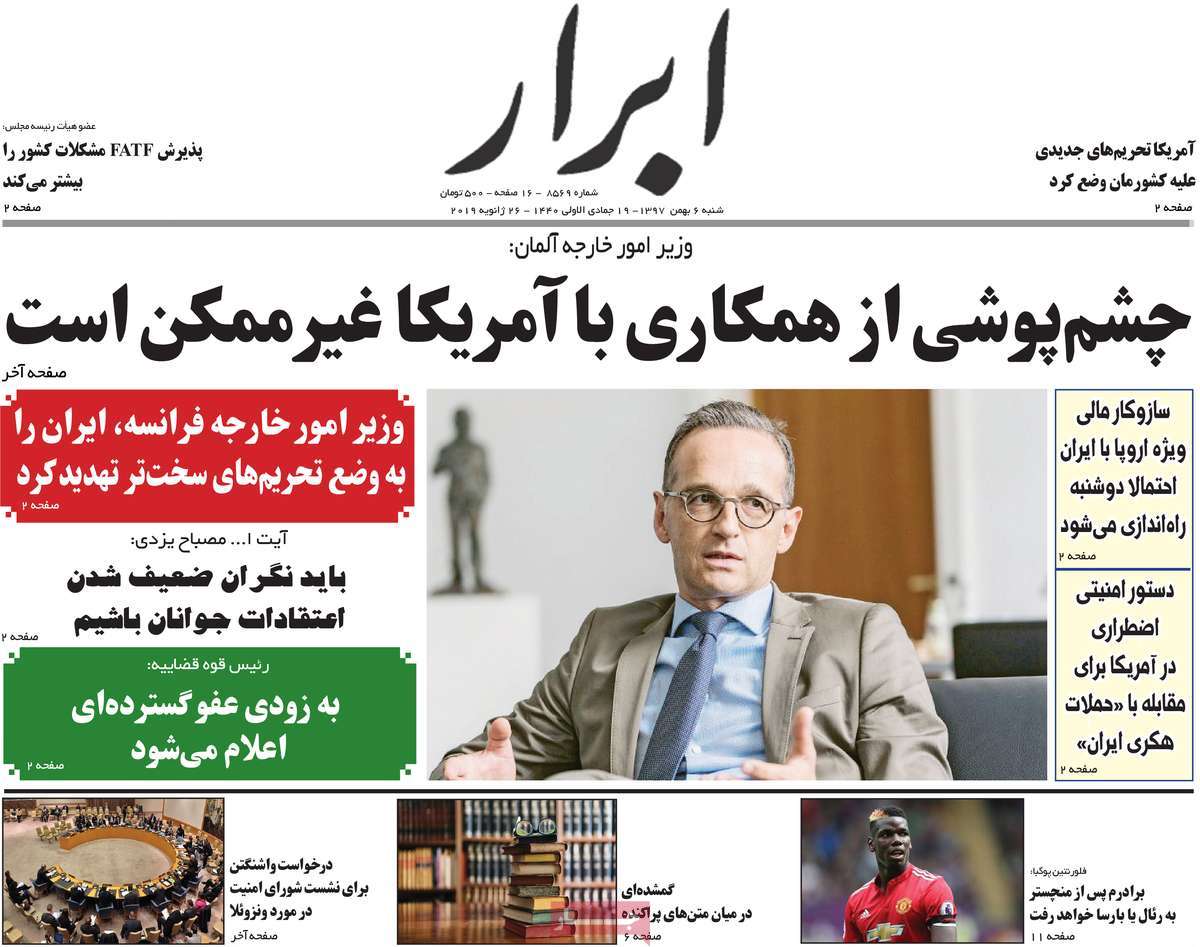
A Look at Iranian Newspaper Front Pages on January 26


Aftab-e Yazd:

1- Europe’s Special Financial Mechanism Likely to be Launched Monday

2- US State Department Says Focus of Poland Conference Changed

3- My Opponents Trump’s Tyros: Maduro
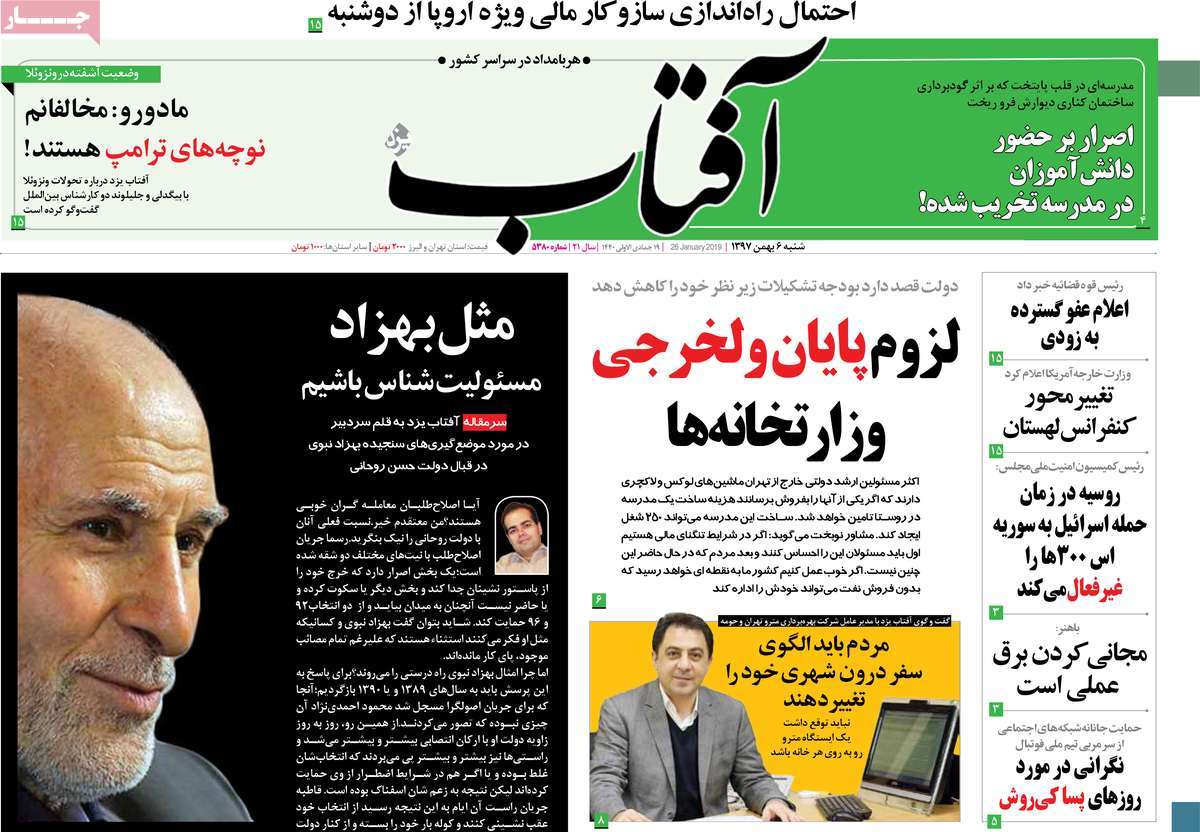
A Look at Iranian Newspaper Front Pages on January 26


Arman-e Emrouz:

1- Iran Jumps Over China Wall [Football Match]

2- Poverty Line to Increase 20% Each Month: Economists
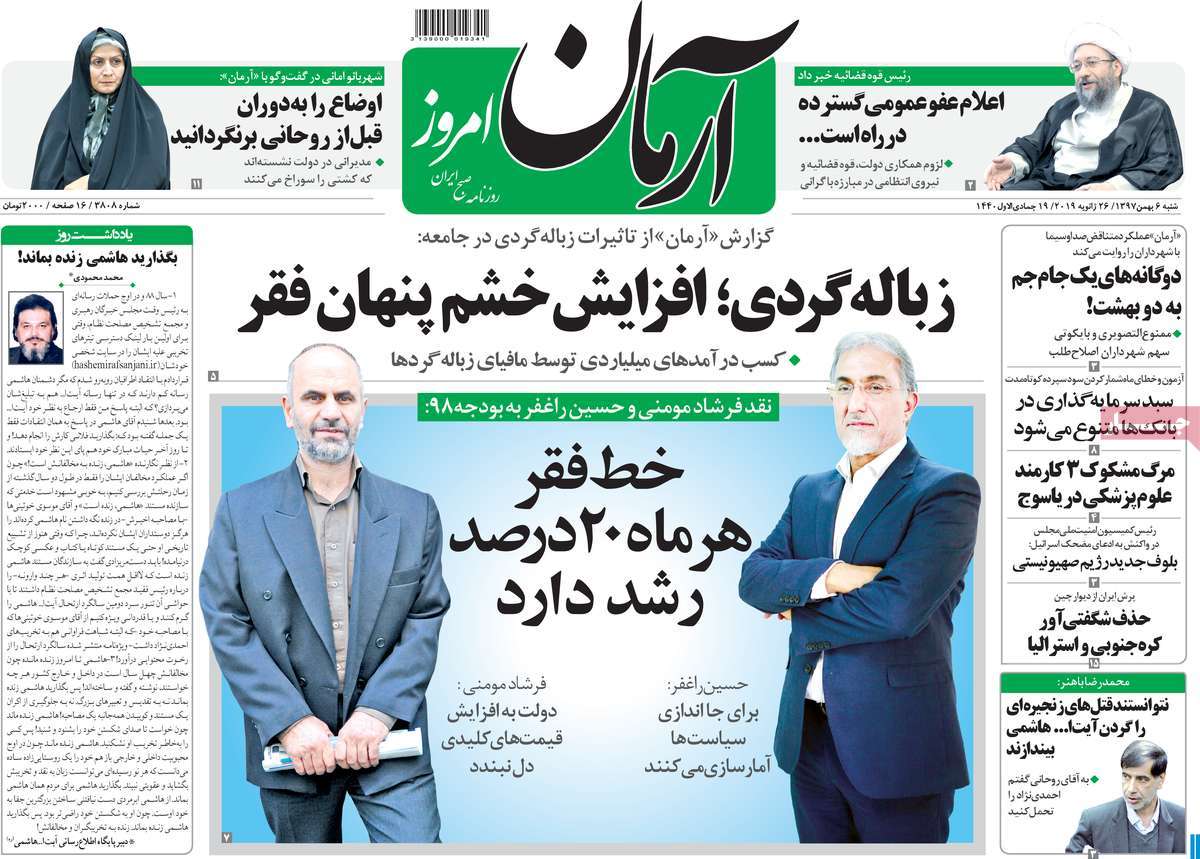
A Look at Iranian Newspaper Front Pages on January 26


Ebtekar:

1- Political Developments in Venezuela

2- Defeat of Government Defeat of Establishment: Principlist Politician
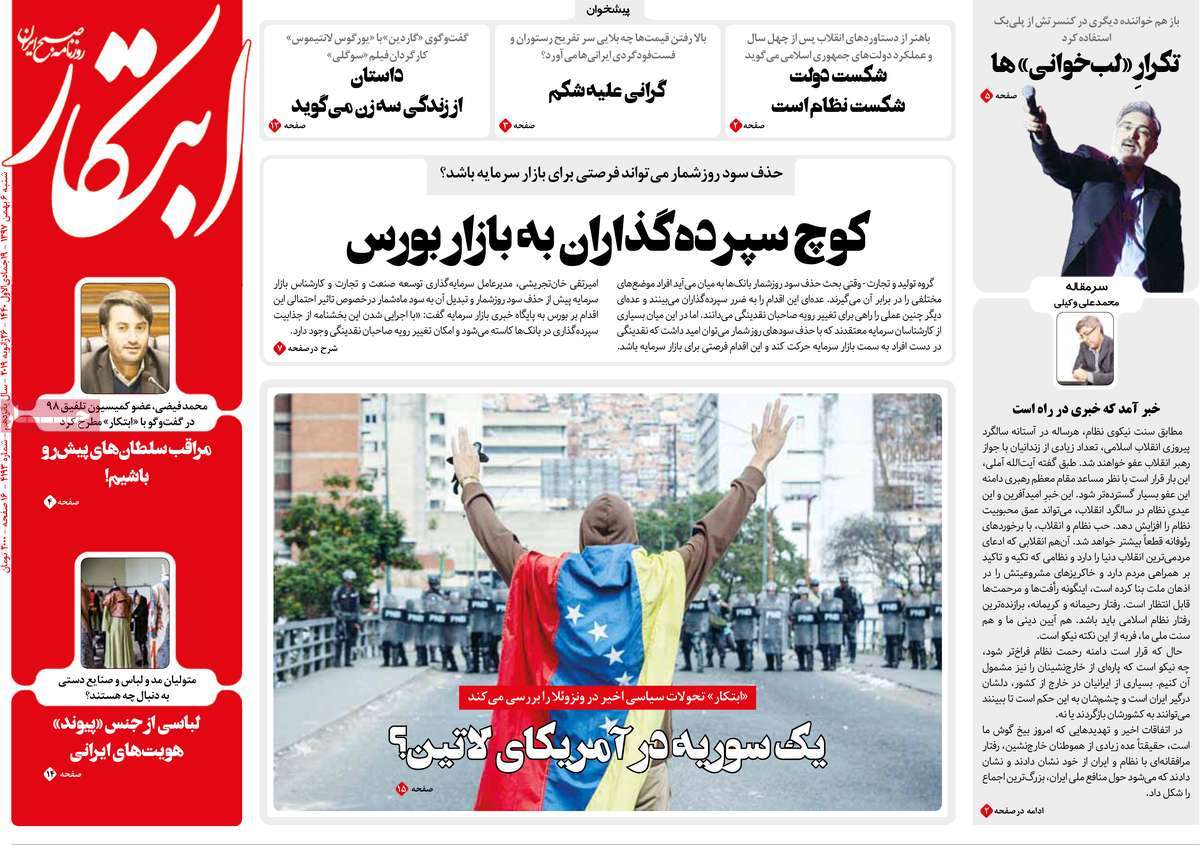
A Look at Iranian Newspaper Front Pages on January 26


Etemad:

1- SPV Still to be Launched “Soon”

2- Venezuela, Two Governments

  • Will CIA-Backed Military Coups in Latin America Return?
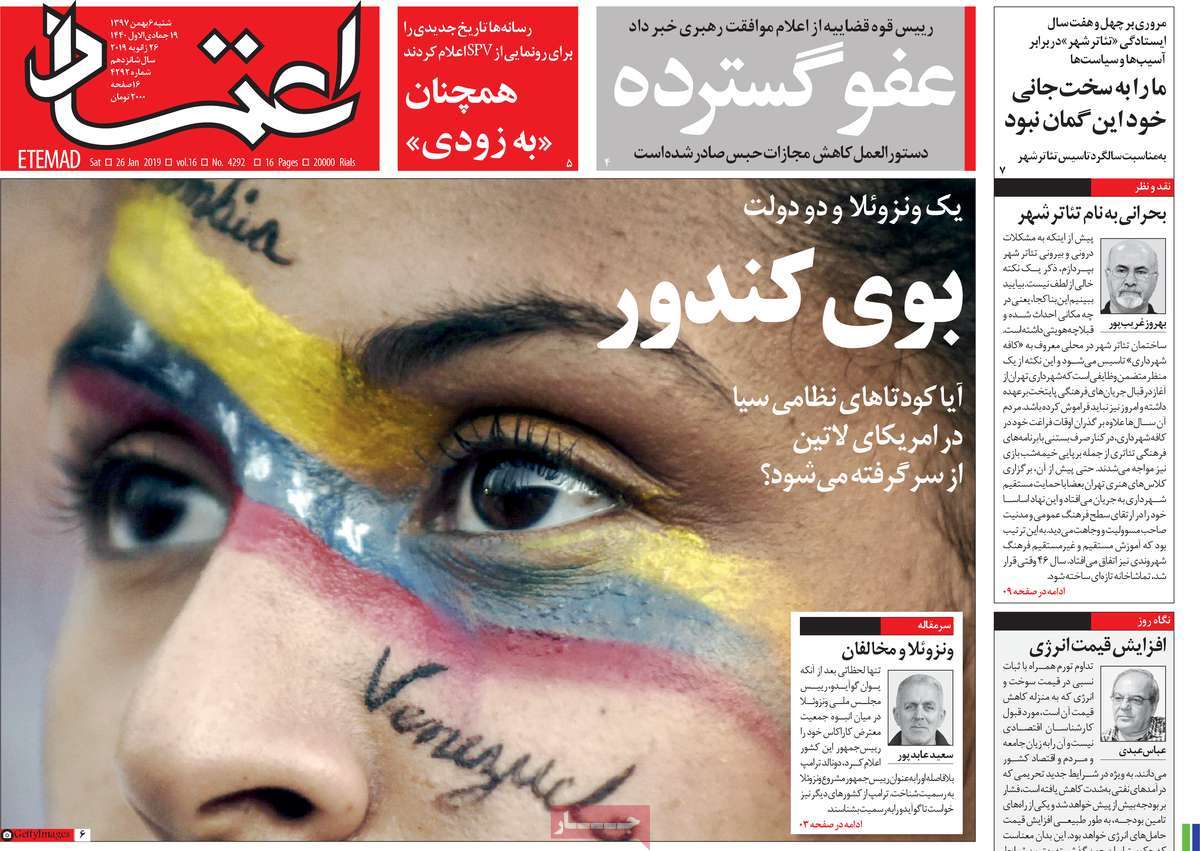
A Look at Iranian Newspaper Front Pages on January 26


 Iran:

1- Team Melli Defeats China 3-0 to Advance to AFC Asian Cup Semi-Finals

2- Iran Will Support Maduro’s Legal Government: Zarif
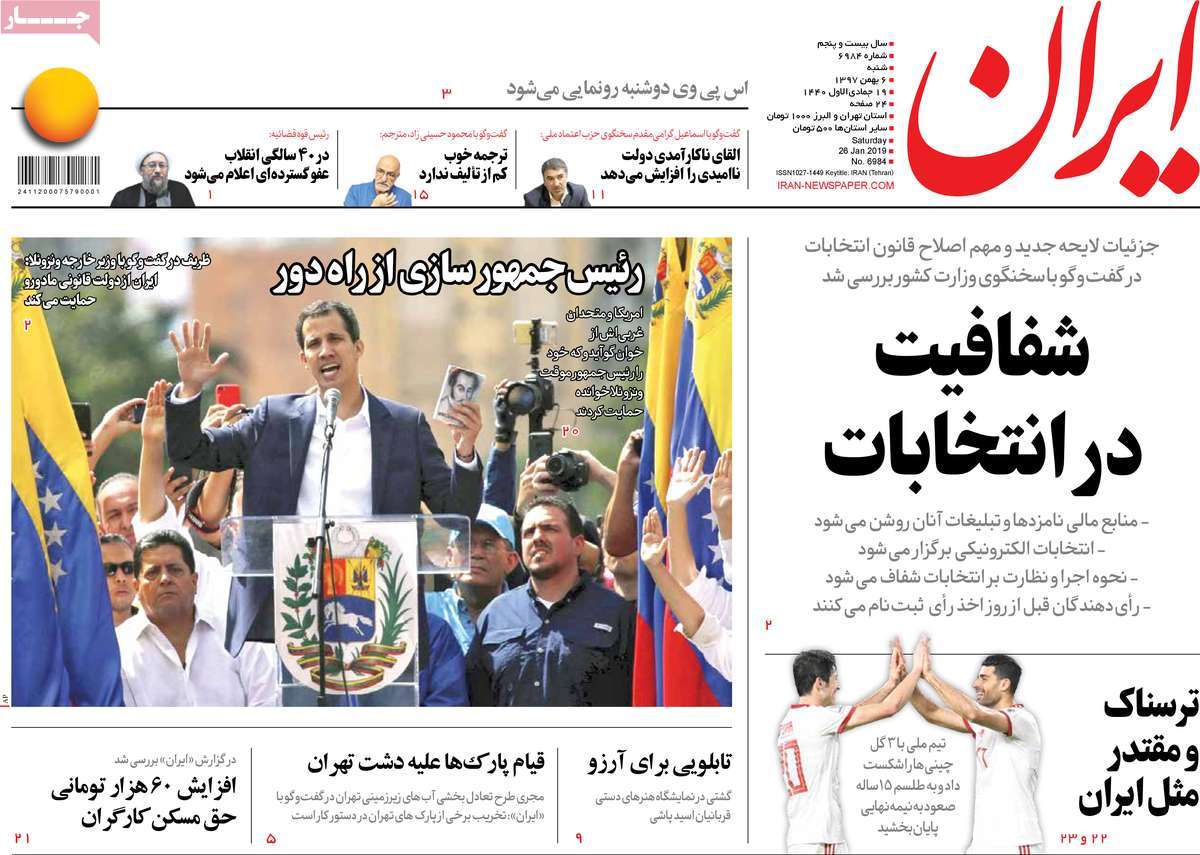
A Look at Iranian Newspaper Front Pages on January 26


Javan:

1- Iran’s Accession to Palermo Convention to be Decided While Its Benefit Not Guaranteed

2- It’s Not Possible to Advance Revolution’s Goals Without People: IRGC Commander

3- France Threatens to Impose Anti-Iran Sanctions While Vowing to Establish SPV

4- Washington Forced to Change Focus of Poland Conference
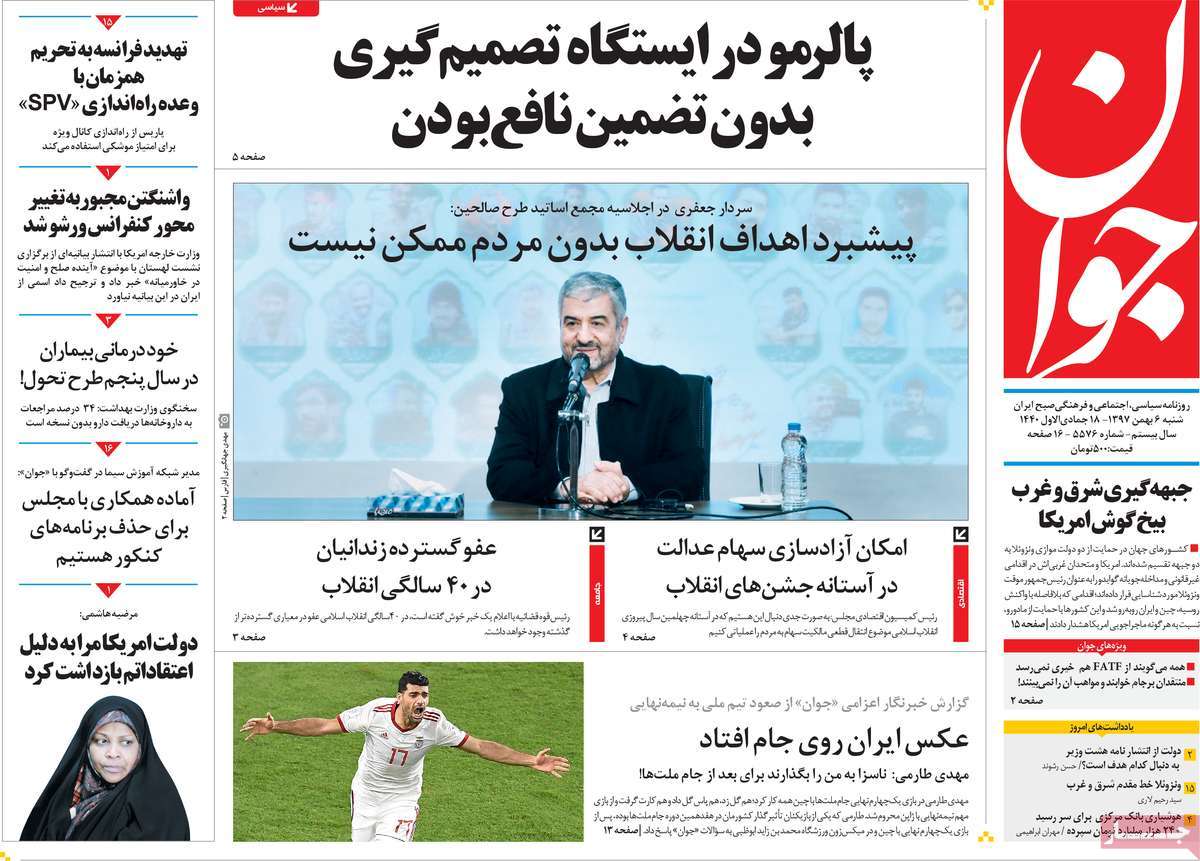
A Look at Iranian Newspaper Front Pages on January 26


Jomhouri-e-Eslami:

1- Europe’s Special Mechanism to be Launched This Week

2- US Trying to Topple Venezuela’s Legal Government
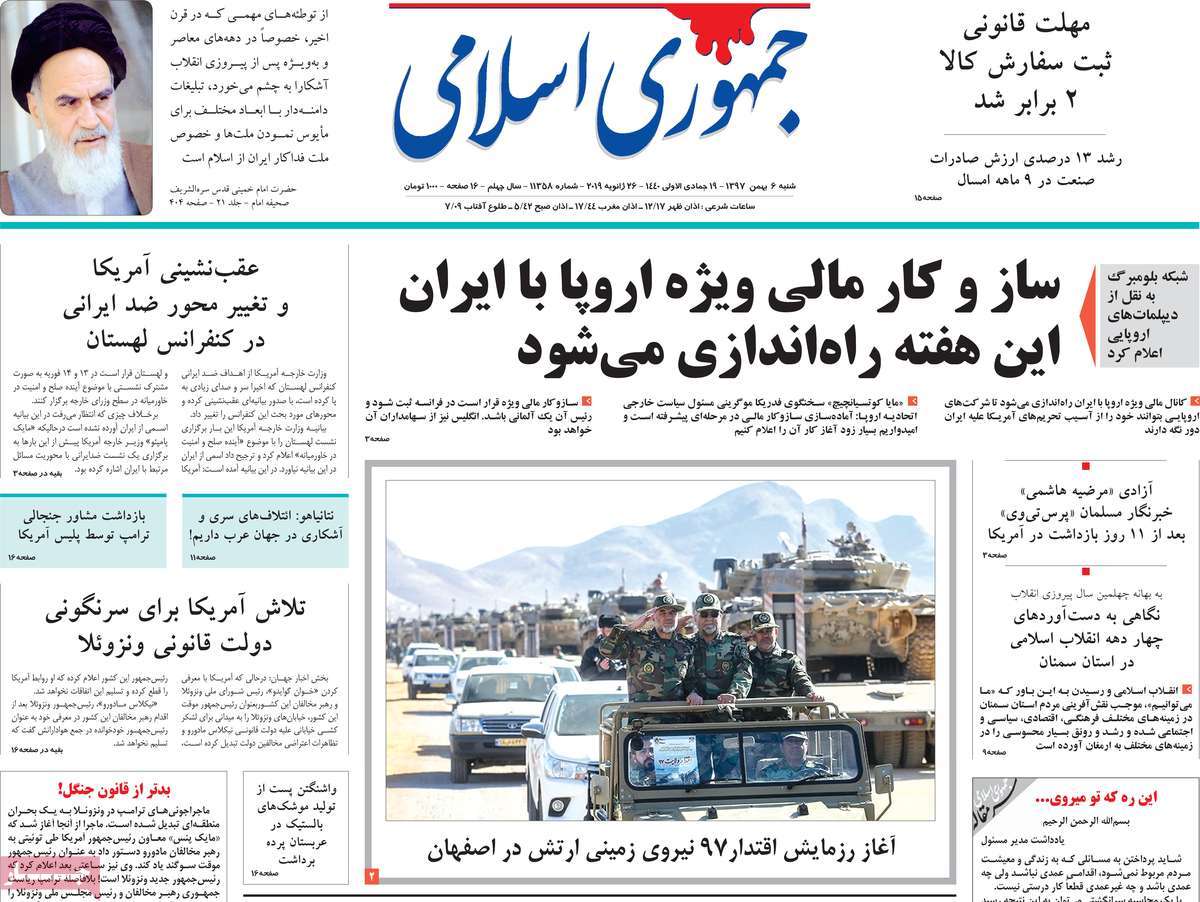
A Look at Iranian Newspaper Front Pages on January 26


Kayhan:

1- Inclusive Movement Shaped to Prevent FATF From Endangering Iran’s Security

2- Bloody US-Organised Coup in Venezuela

  • Army Stands Firm Behind Madoru

3- ‘Iran’s Self-Sufficiency in Wheat Production to Make Food Embargo on Iran Ineffective’
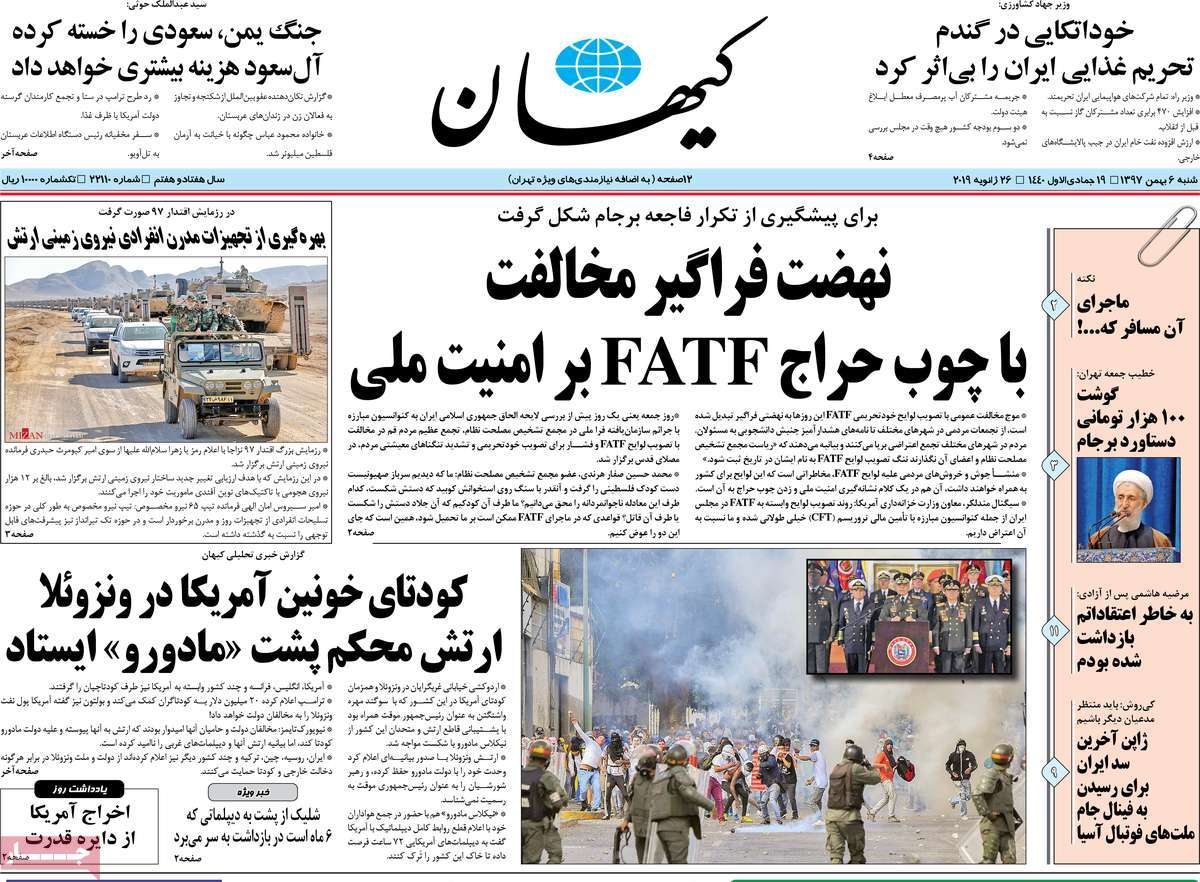
A Look at Iranian Newspaper Front Pages on January 26


Sazandegi:

1- Expediency Council to Discuss Palermo Bill on Saturday

2- A Nation, Two Governments: Venezuela Faces Revolution
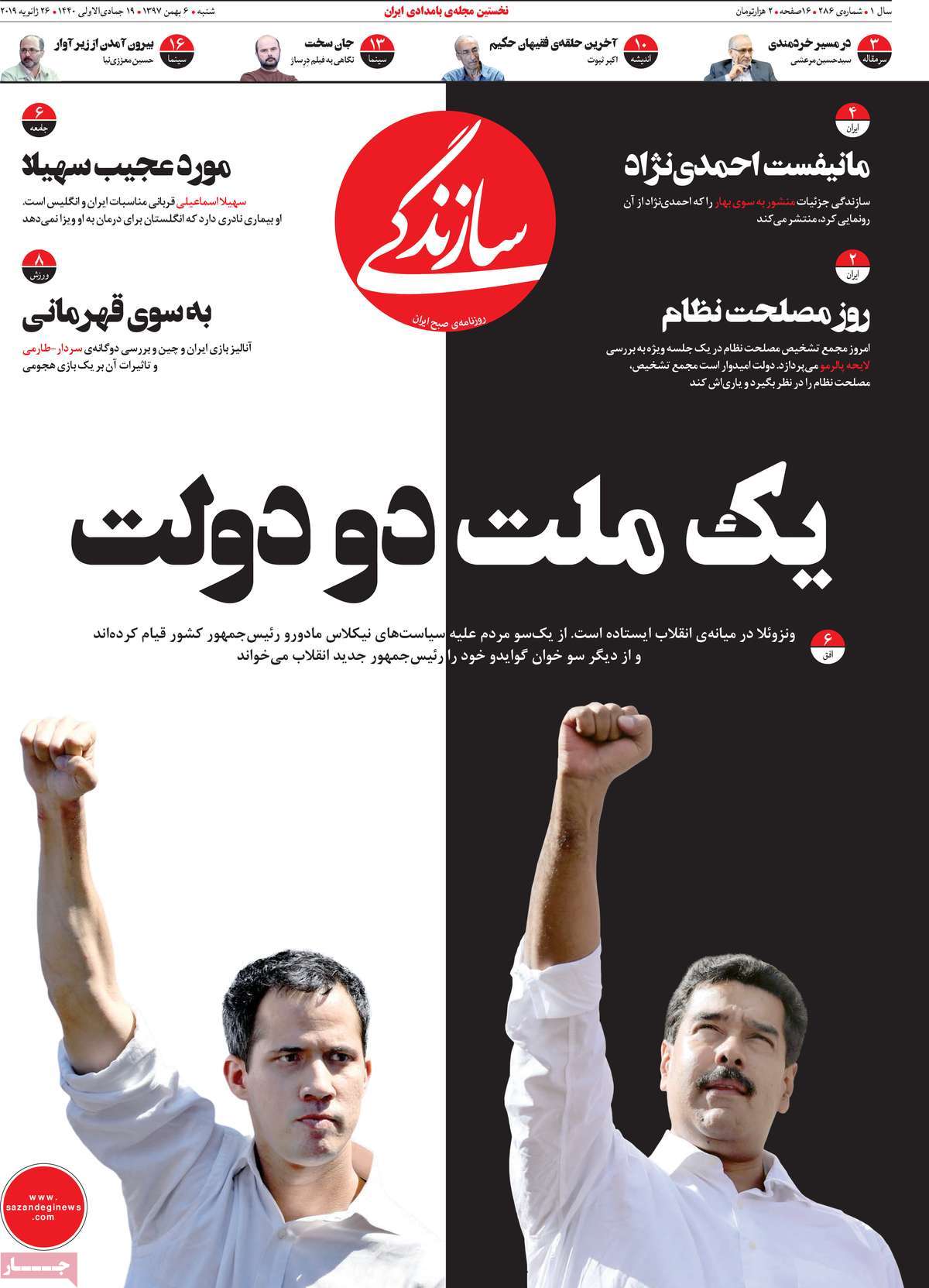
A Look at Iranian Newspaper Front Pages on January 26


 Shahrvand:

1- Iranian Election Might be Held Based on German Model: Guardian Council
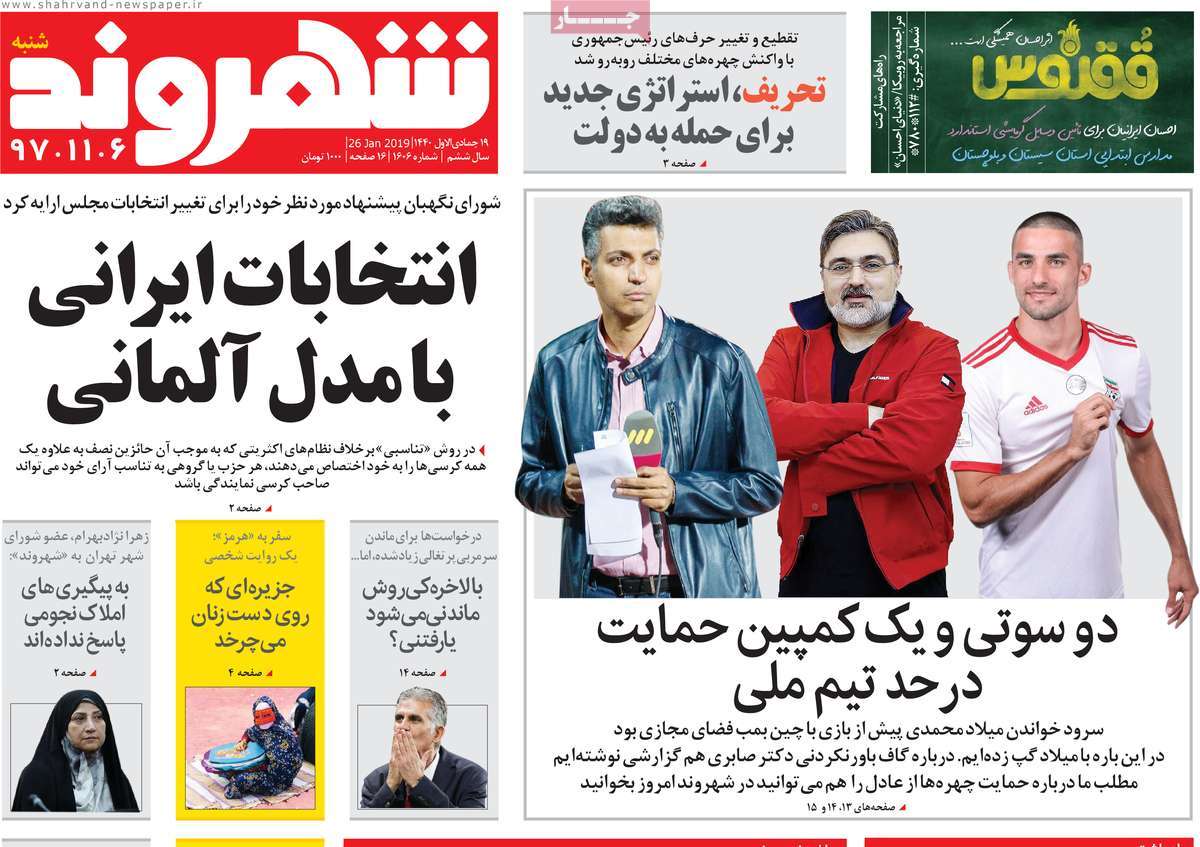
A Look at Iranian Newspaper Front Pages on January 26


Sharq:

1- ‘Iran Will Contact Trump’s Predecessor to Follow JCPOA Up’

2- Mass Amnesty on Eve of 40th Anniversary of Islamic Revolution: Judiciary Chief
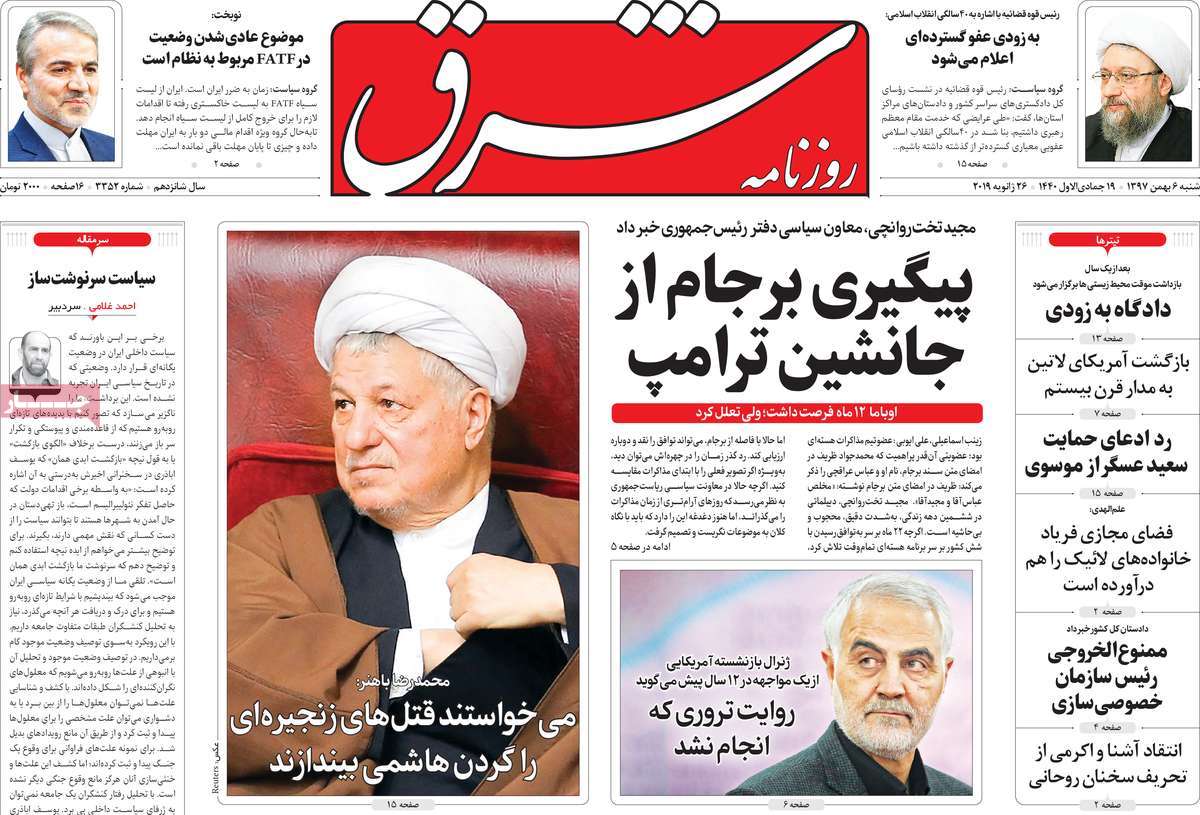
A Look at Iranian Newspaper Front Pages on January 26


Sobh-e Now:

1- Venezuela: Once Again Coup; Once Again US

2- We Show Commitment, They Impose Sanctions
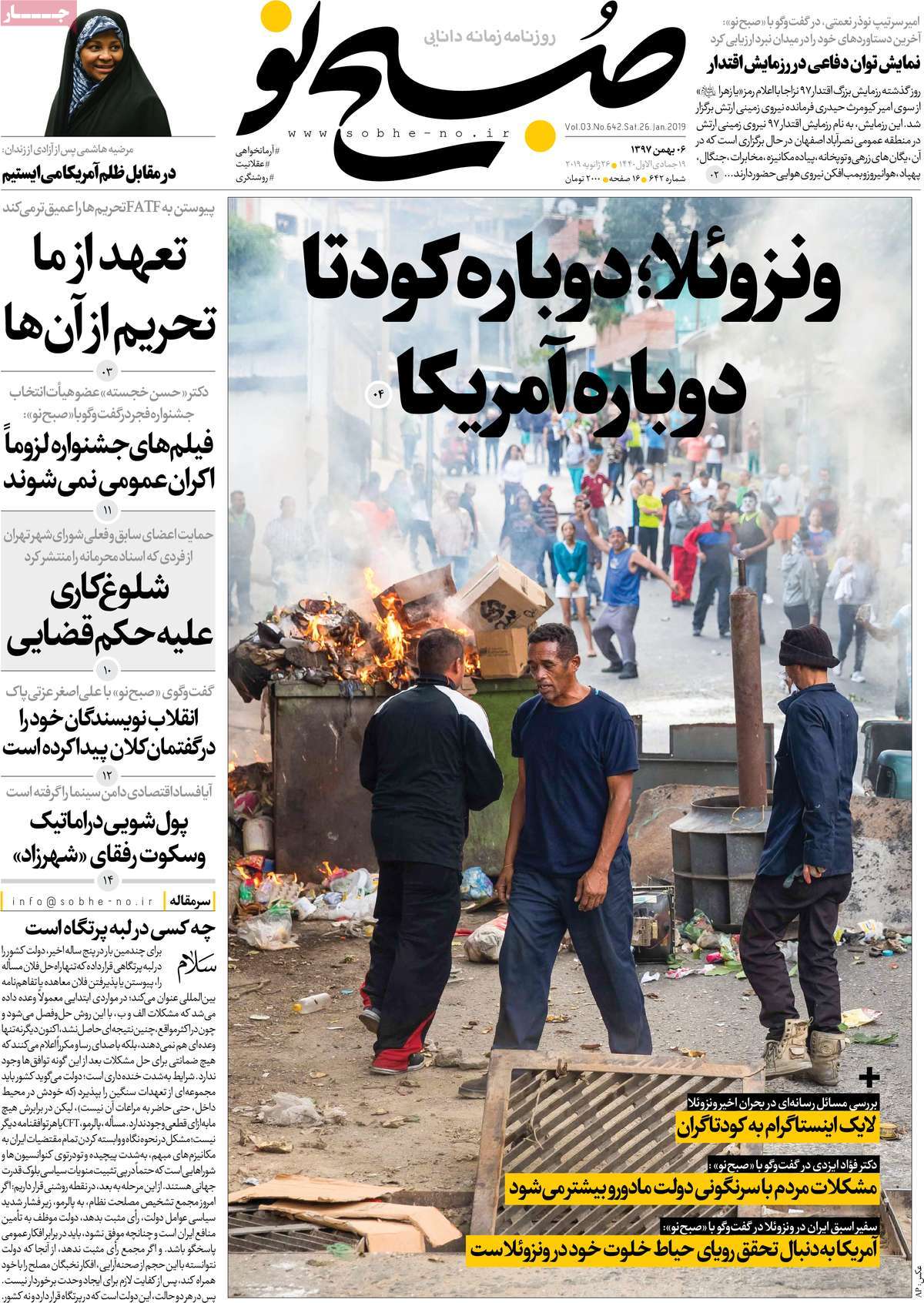
A Look at Iranian Newspaper Front Pages on January 26

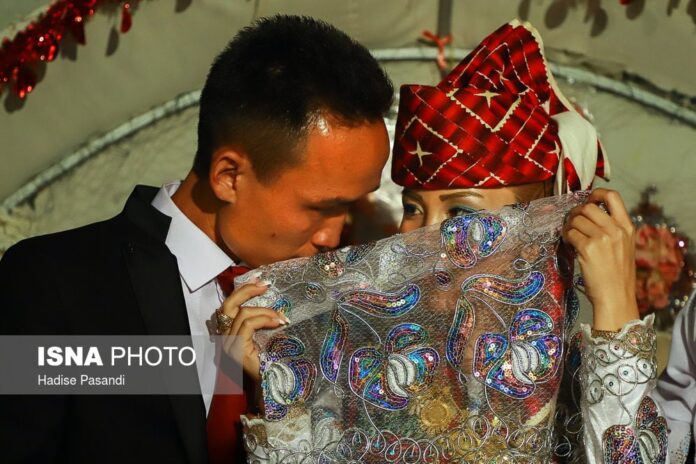
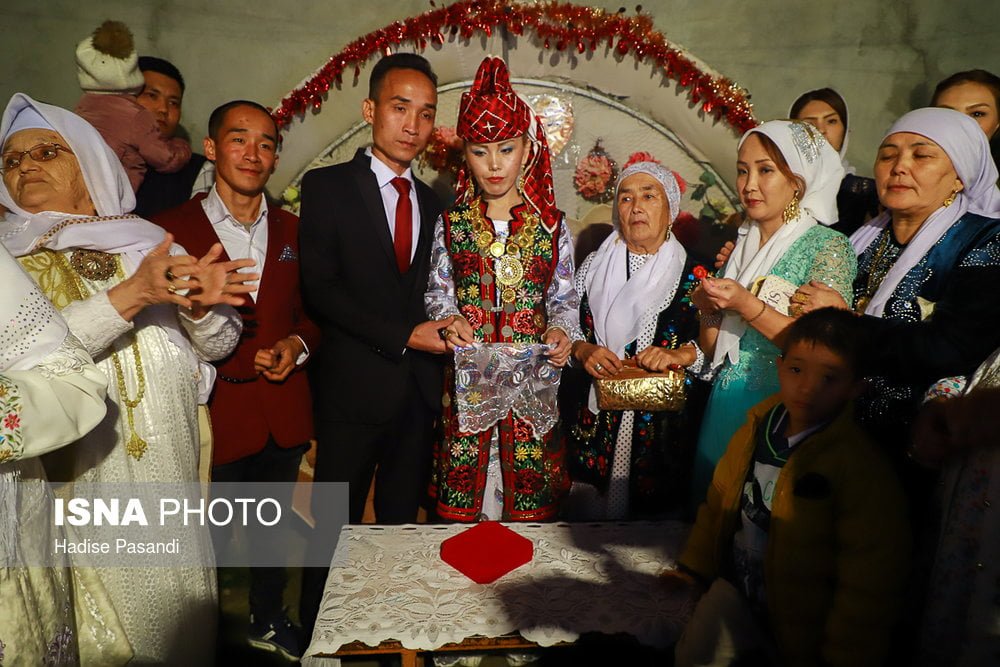
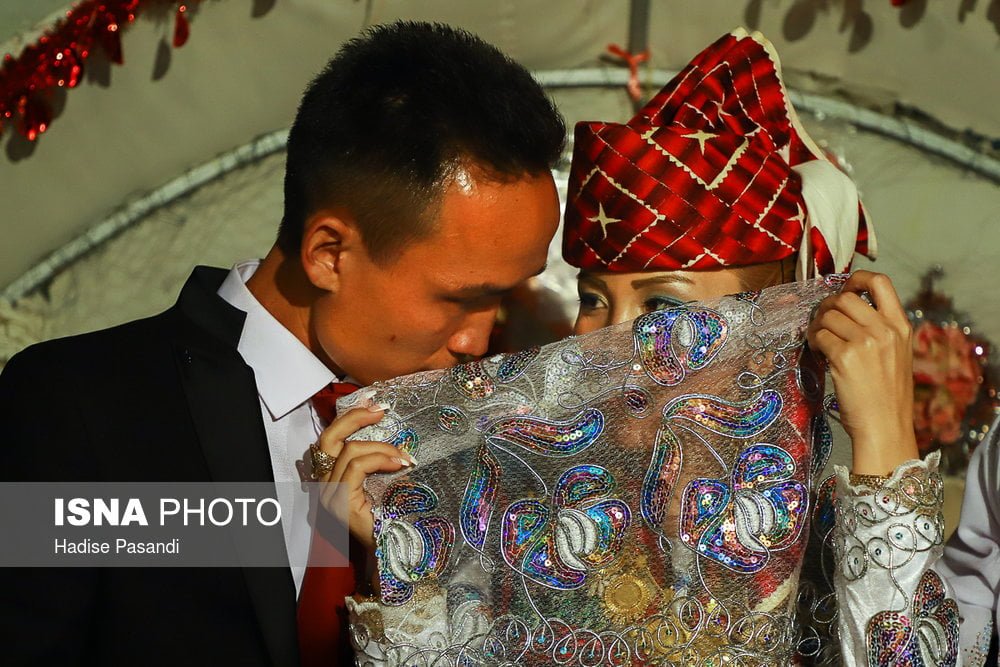
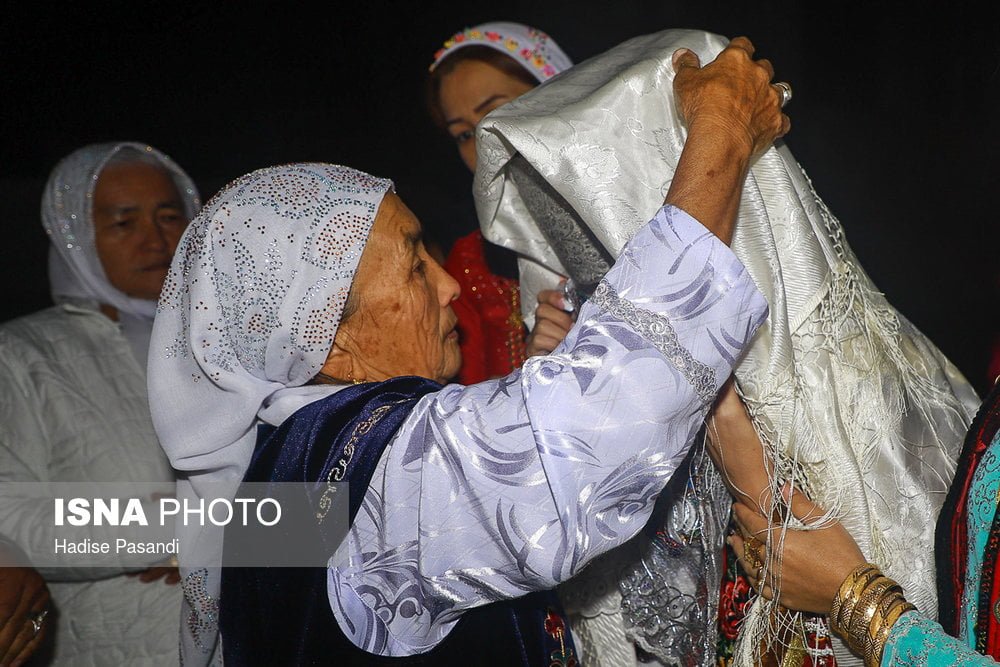
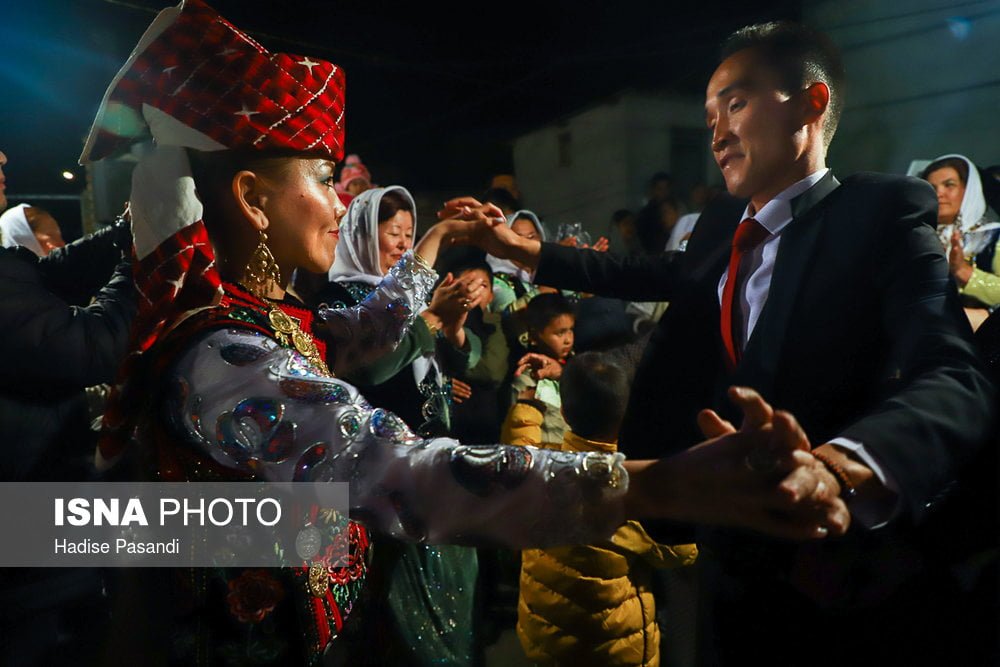
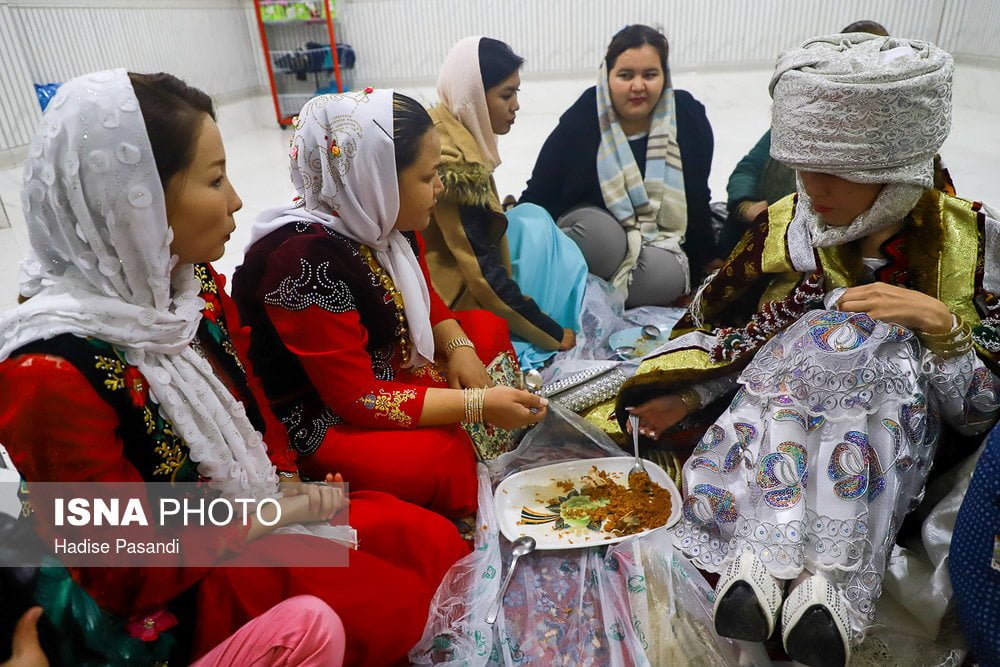
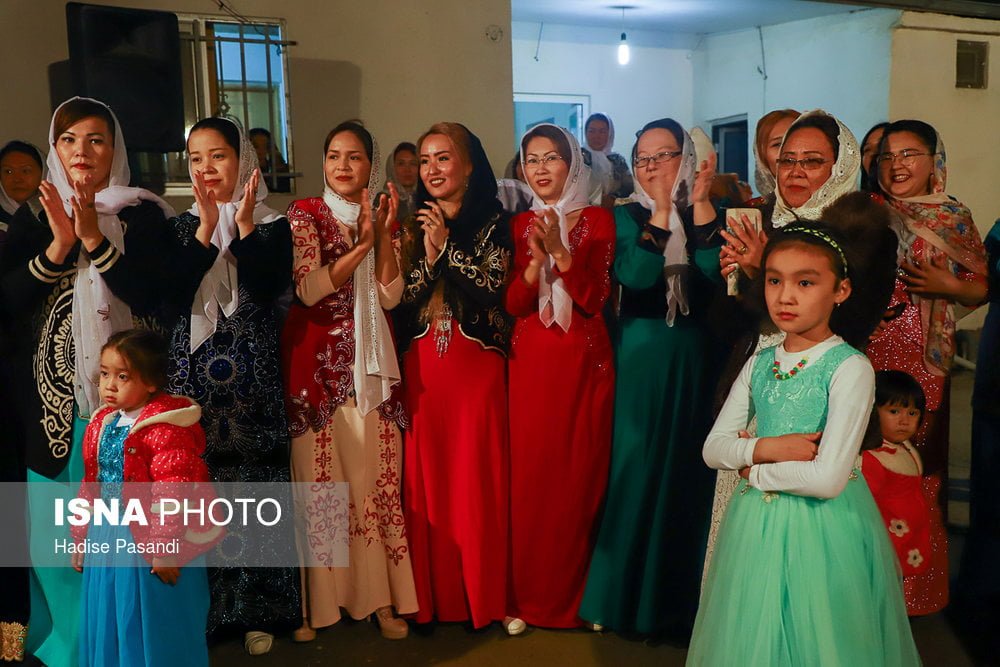
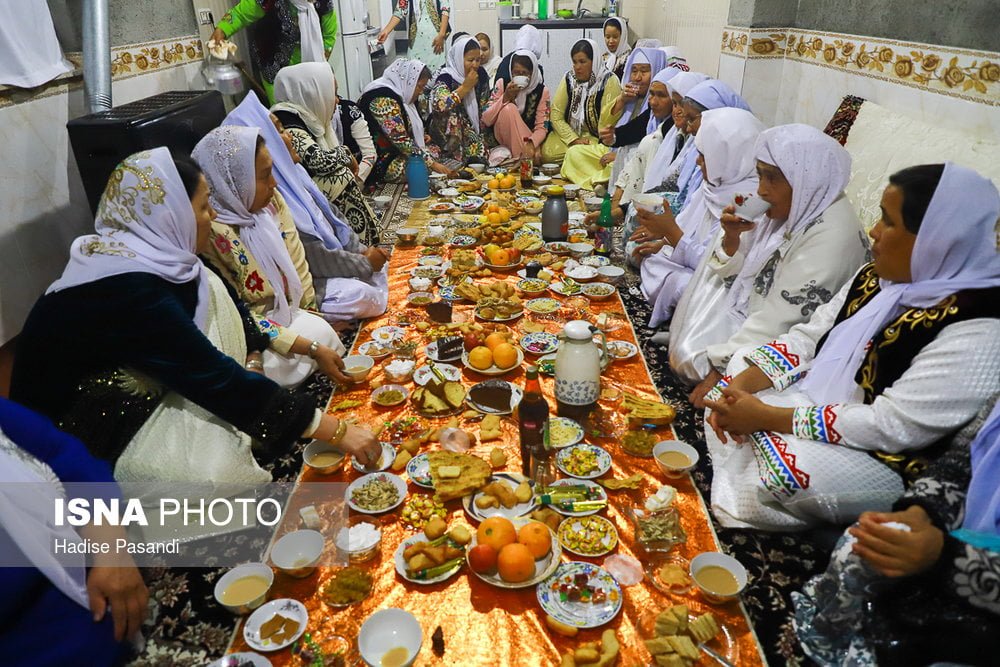
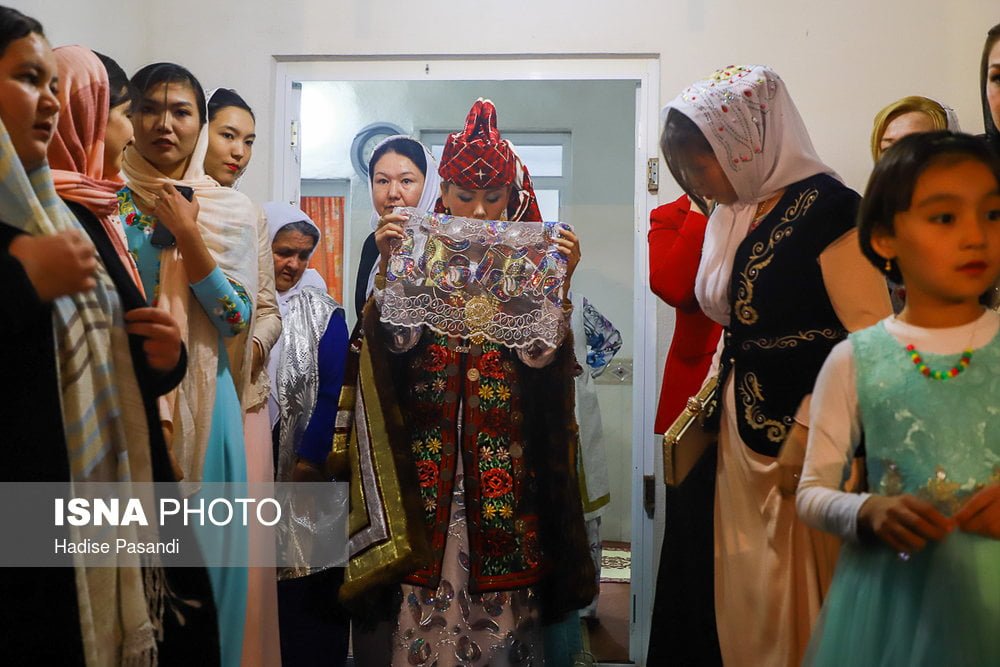
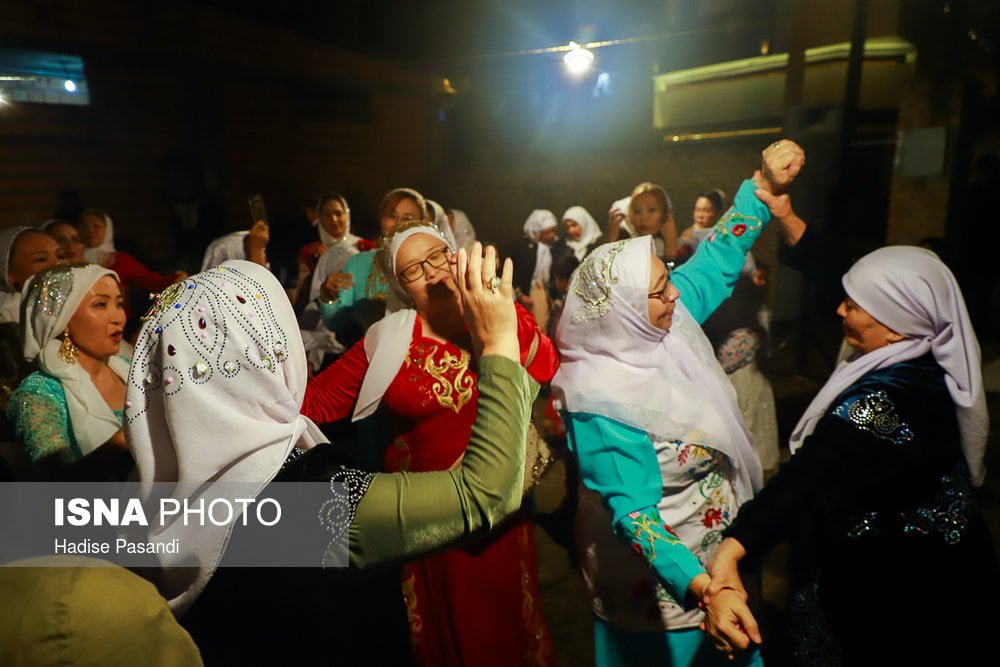
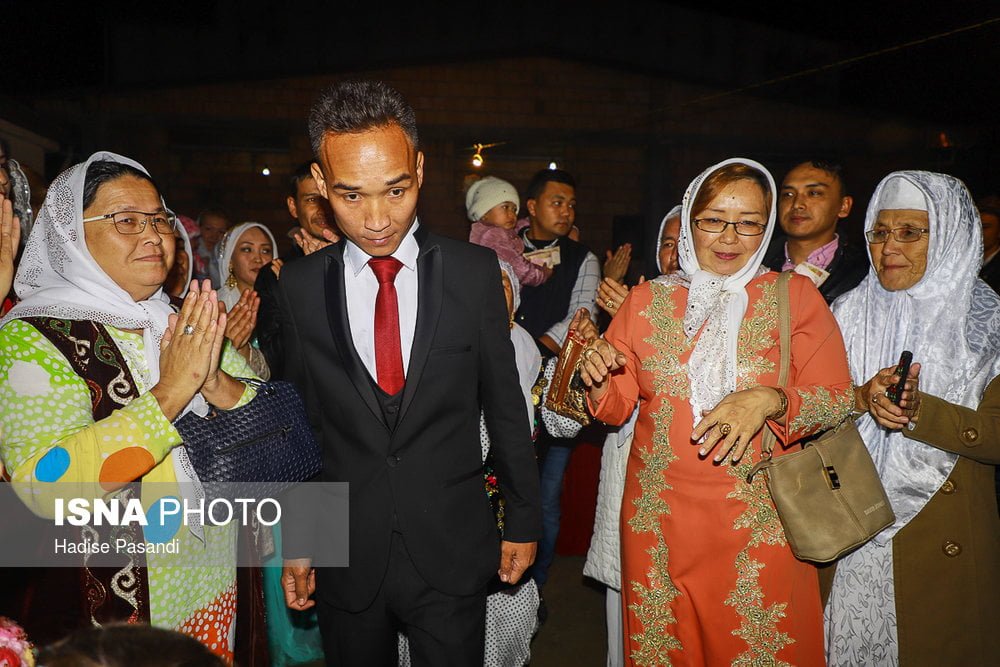
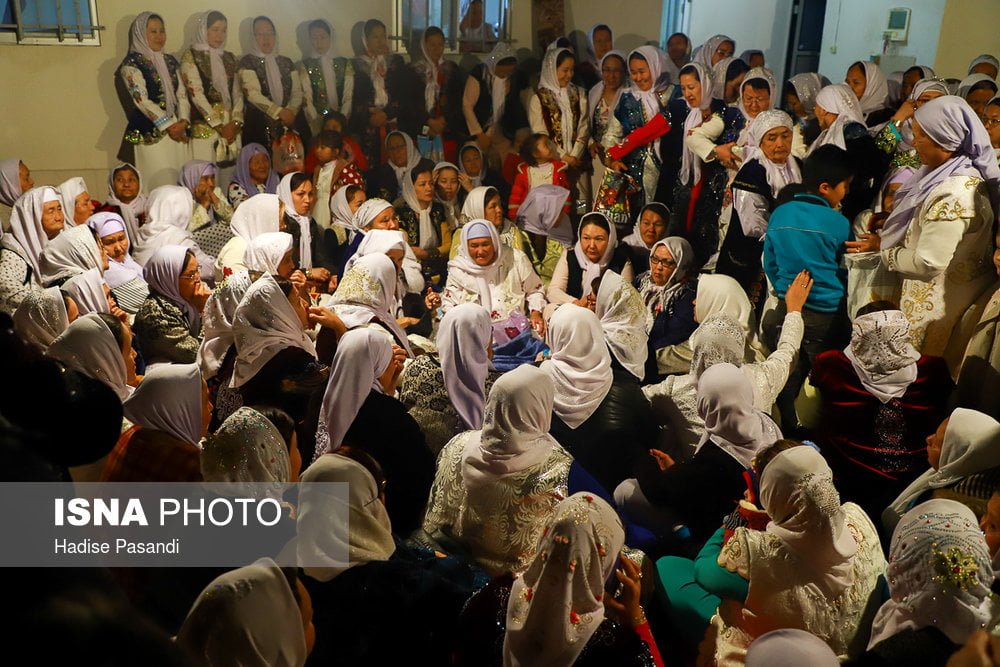
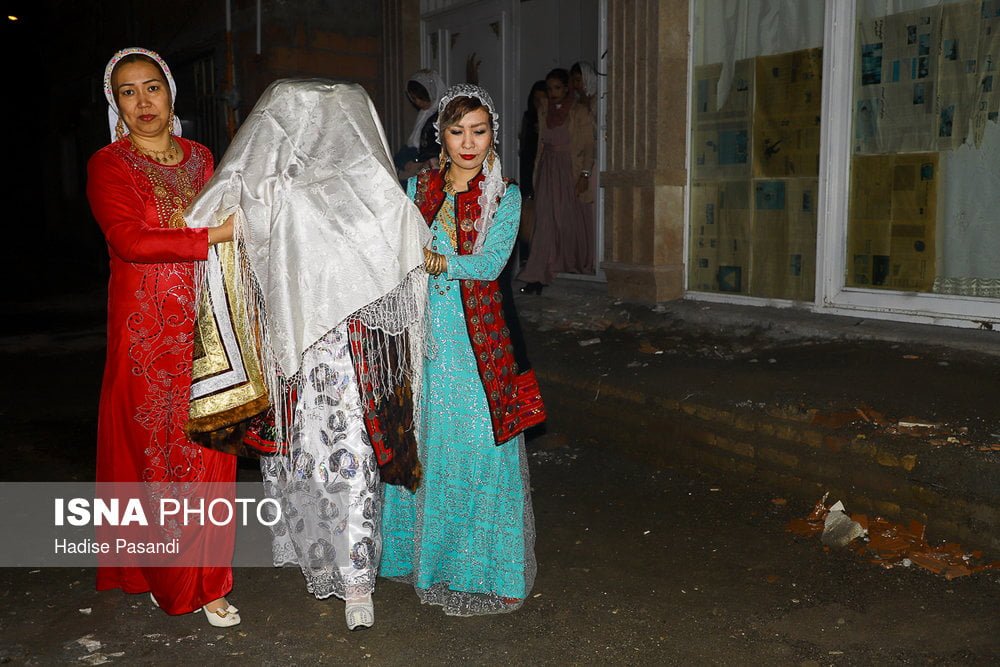
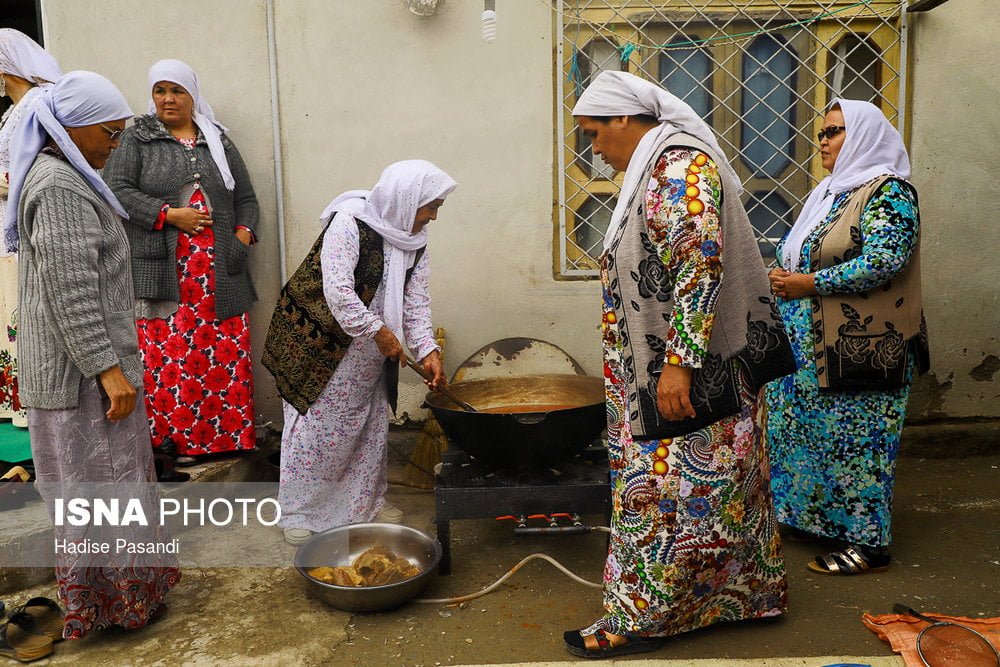
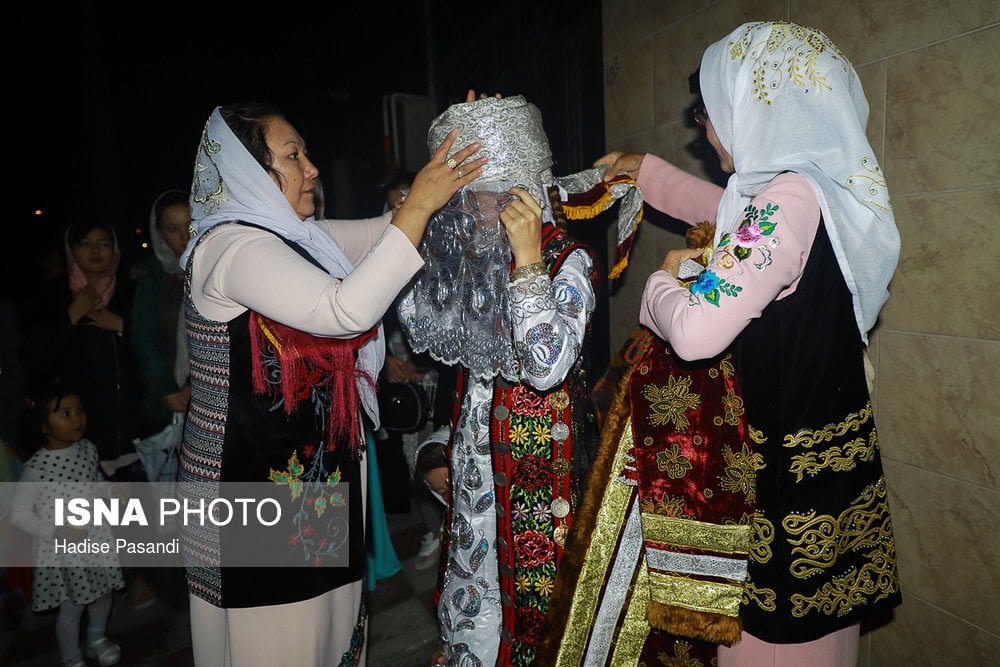
Migrant Kazakhs Hold Traditional Weddings in Northern Iran

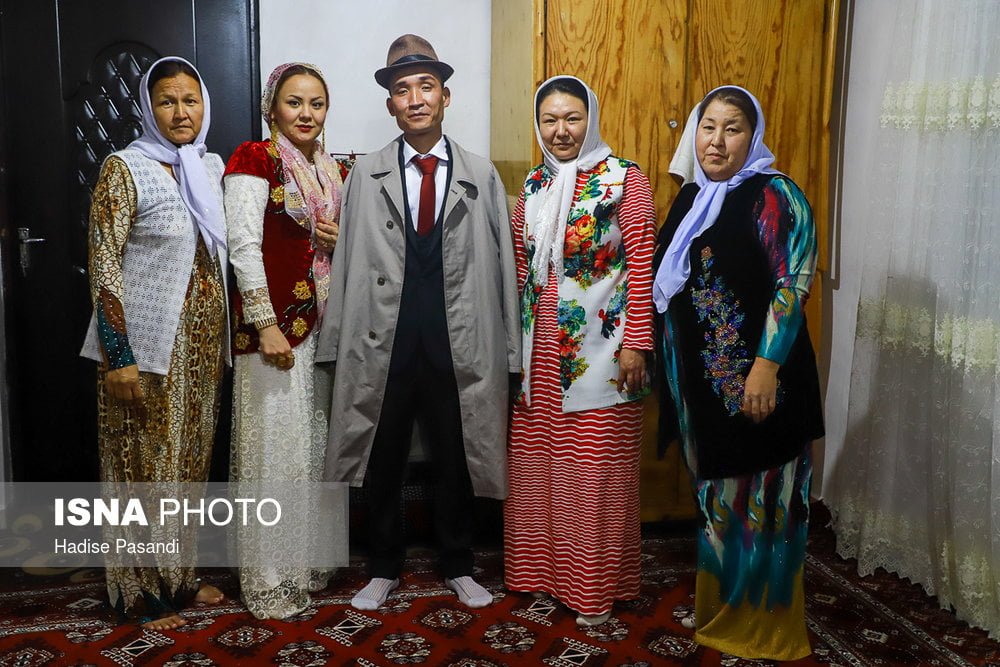
The clothes worn during the ceremony and the respect paid by the bride and groom to the elderly are among the main features of the ceremony.

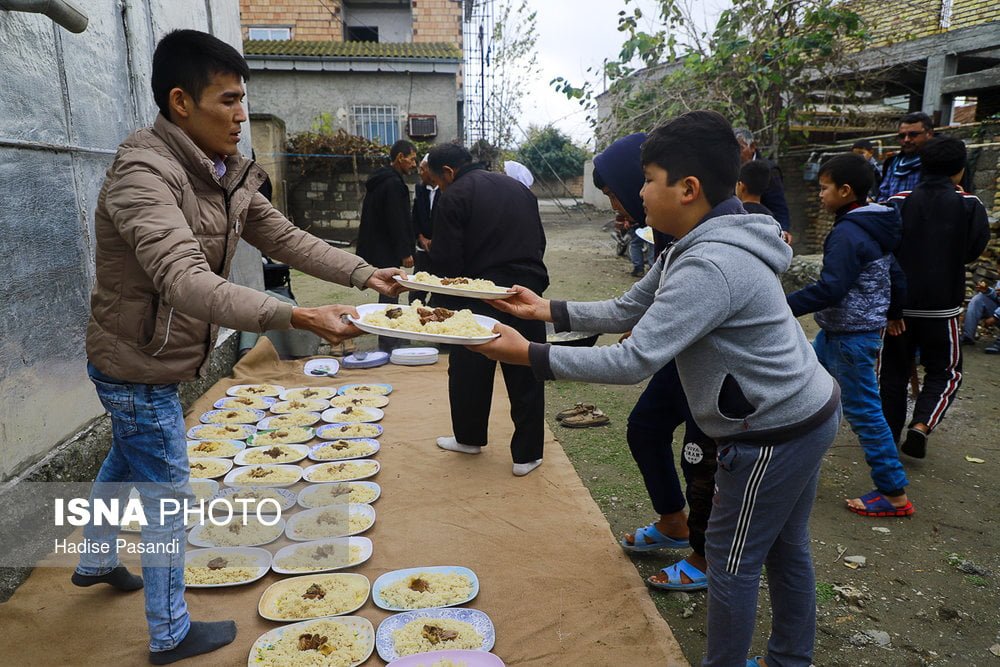
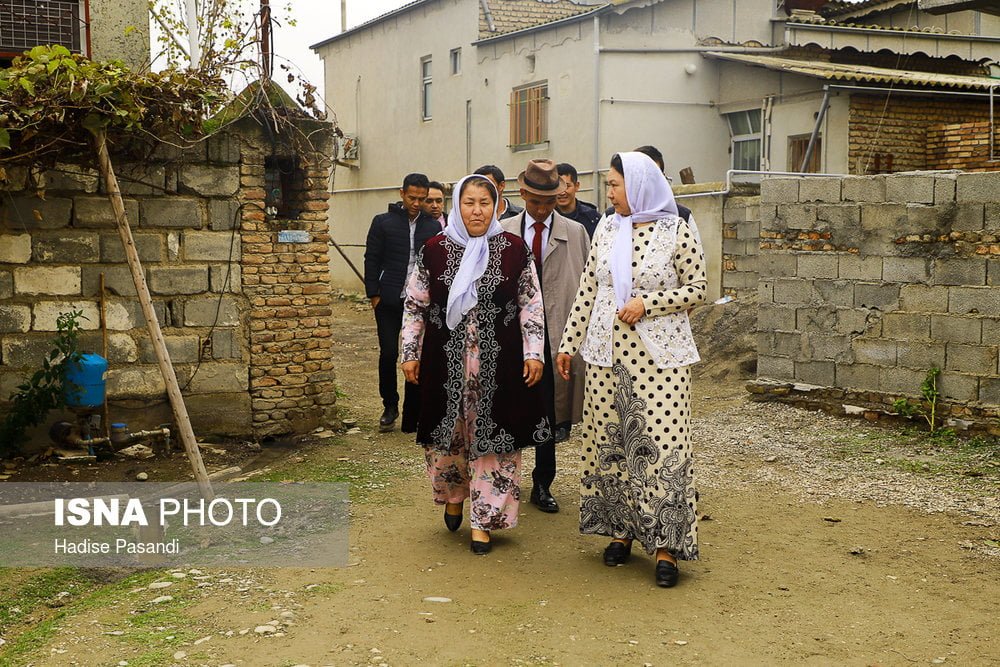
Kazakh Neighbourhood is widely known in the city of Gorgan. Its residents are yellow-skinned with almond eyes. They still wear their traditional cloths even after 90 years of living in Bandar Torkaman, Gonbad-e Kavus and Gorgan. They believe that Iran has provided them with a chance to keep their traditions and customs. Wedding is one of their traditions which have been protected so far.

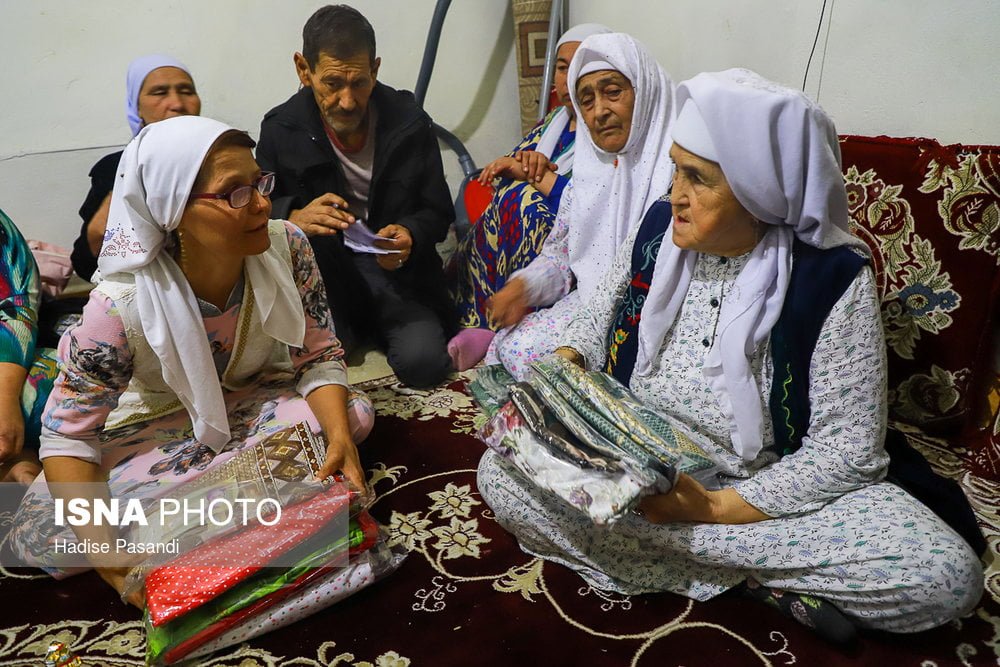
Migrant Kazakhs Hold Traditional Weddings in Northern IranKazakhs used to mark their wedding in 14 days. Today, due to various economic pressures, the number has been reduced to two days. Paying respect to the elderly is highly significant for the Kazakhs. During the wedding ceremony, the bride and the groom should stand up and bow down before each elderly who enters the ceremony. They cannot sit down before being permitted by the elderly.

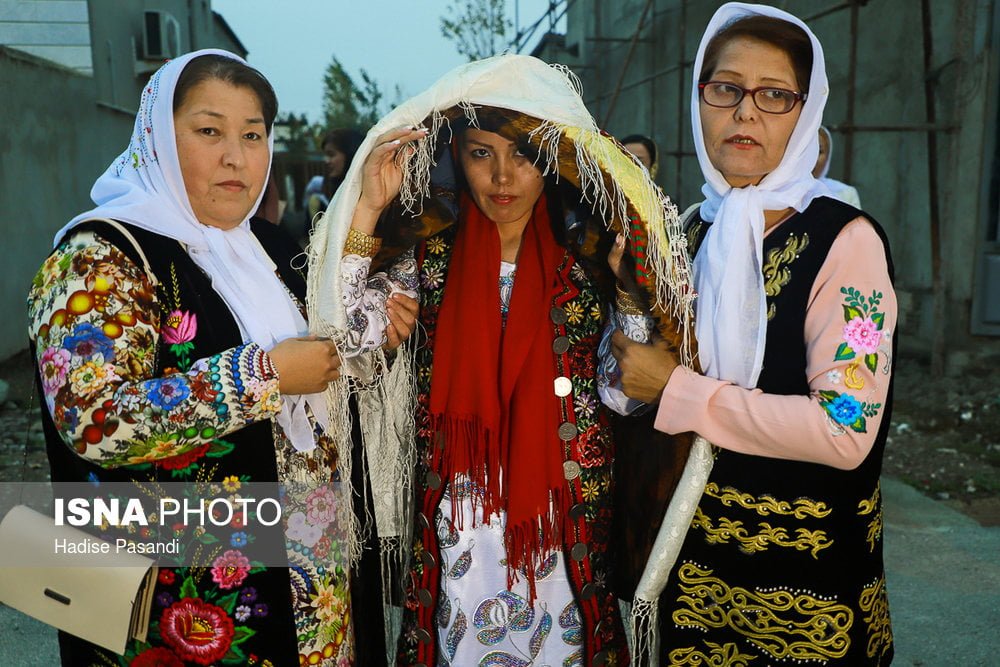
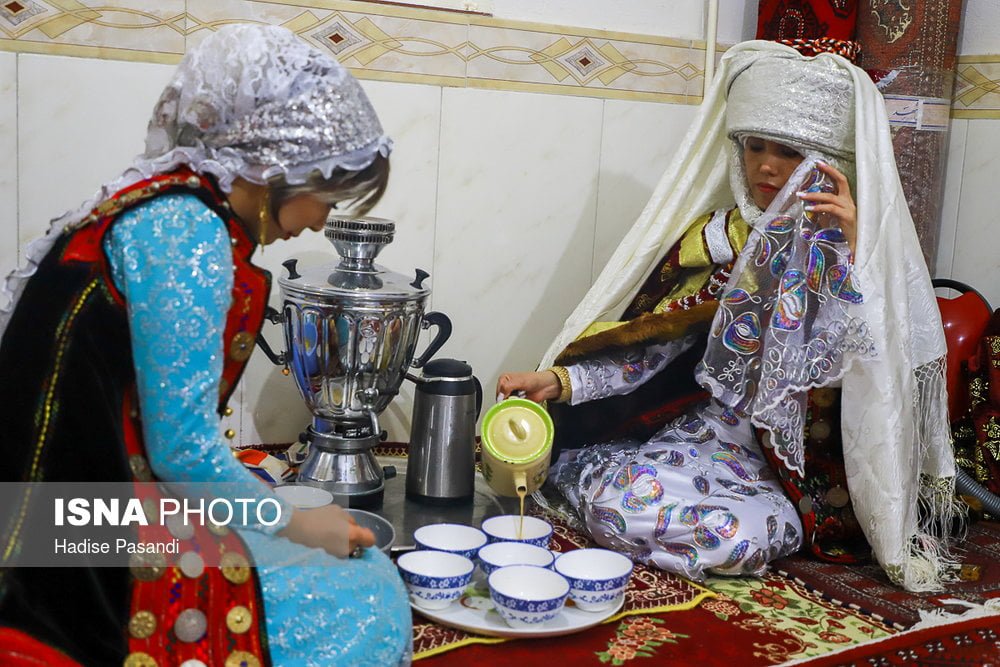
The clothes of the women in the ceremony is highly significant in terms of colour and beauty turning the ceremony into a festival of colours.

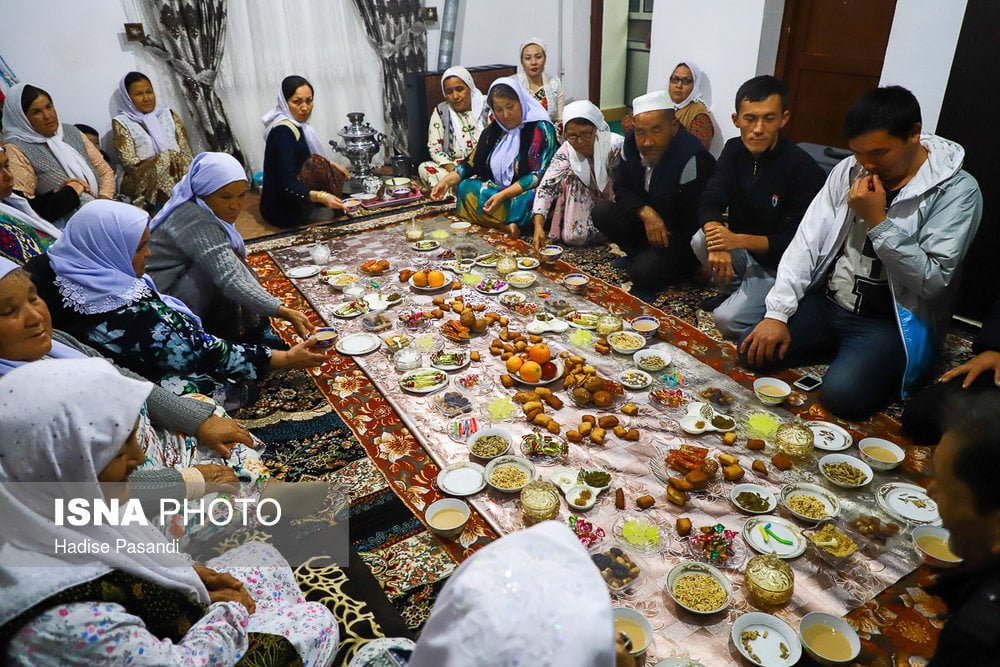
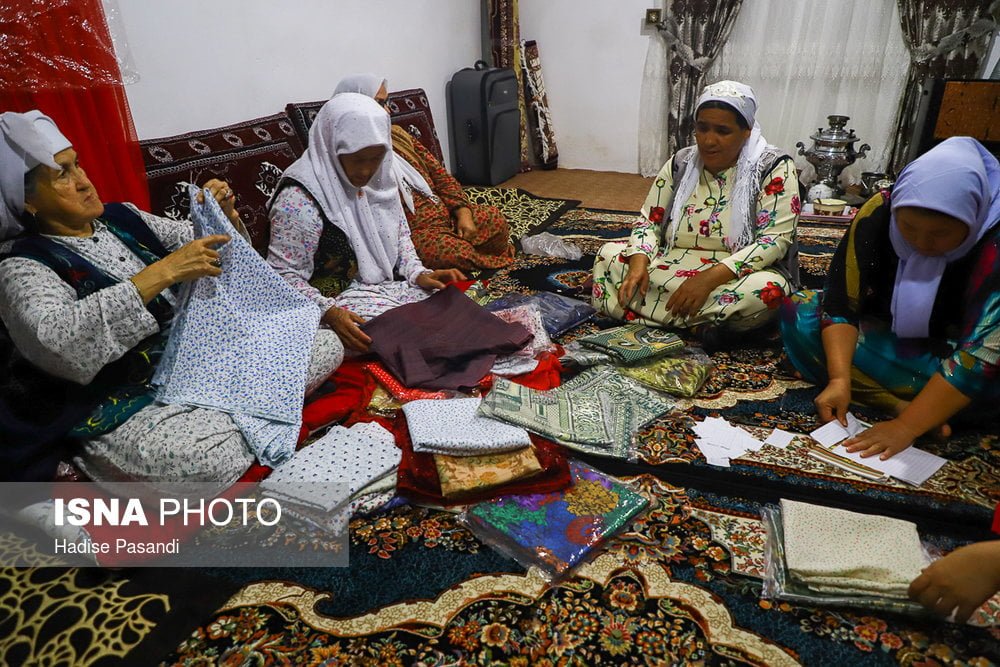
The groom has to pay Mahr to the bride amounting to several million rials before taking her to his home. Meanwhile, he should take a gift during his first visit to the house of the bride’s father. Known as Karjin in Kazakh, the gift includes a collection of food, dried fruits and sweets. The tradition is called Orin Boro in Kazakh language. The bridegroom should bow down three times before the elderly of the home. Bride’s mother gives him a cup of milk called Komis in Kazakh and wish them prosperity and health.

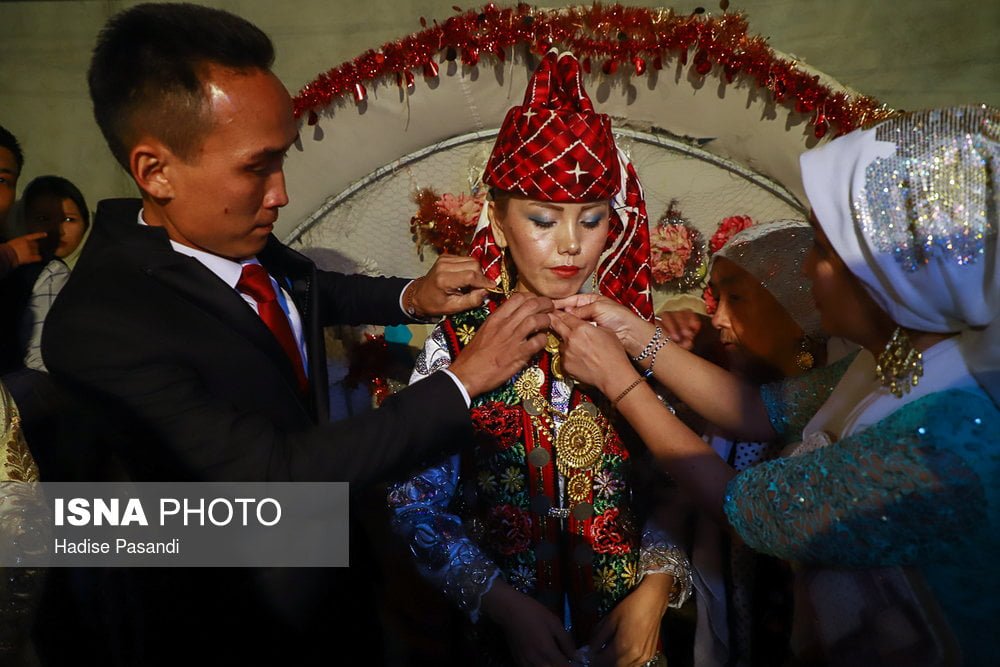
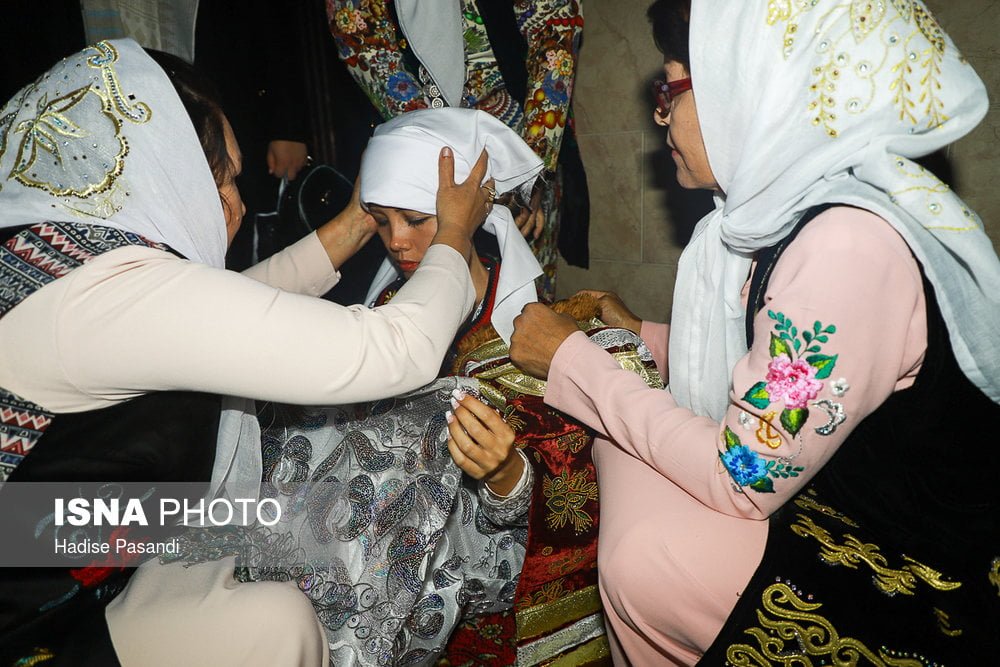
The bride is not allowed to wear contemporary bride clothes during the ceremony. She should wear traditional clothes. She is advised by the elderly during the wedding ceremony and bows down before them as a sign of respect. During the ceremony, sweets and local foods are cooked and served by the two sides’ relatives and families.

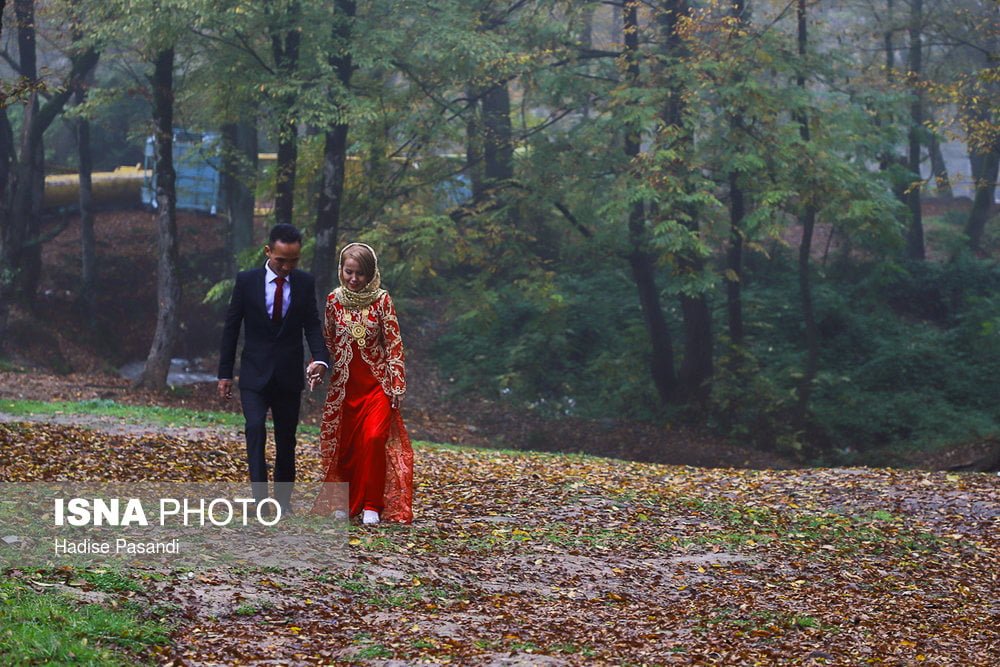
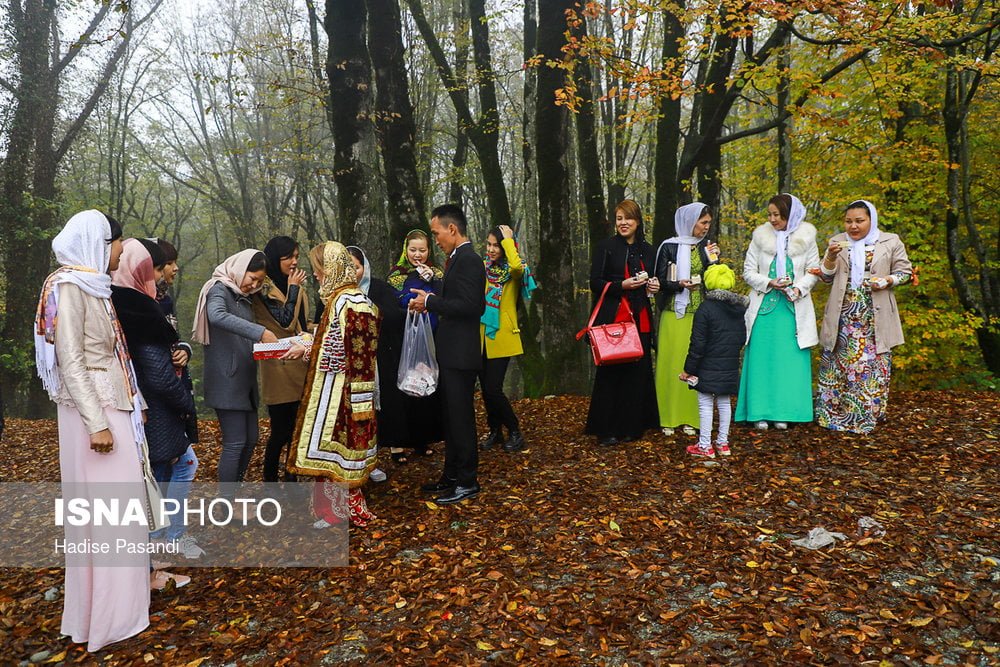
On the first afternoon of the wedding ceremony, the groom is required to take the bride along with the families’ girls to the jungle and serve them with sweets and syrup.

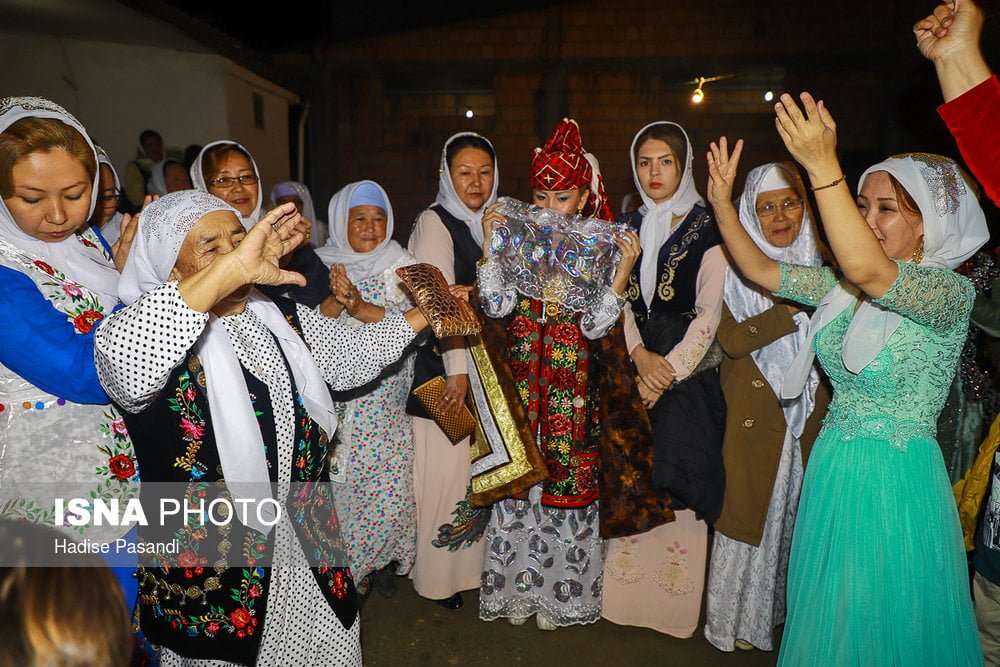
The ceremony comes to an end amid the festivity and dances of the participants. Then the two are seen off to their new home.

Migrant Kazakhs Hold Traditional Weddings in Northern IranKazakhs’ Arrival in Iran

According to the elderly of the Kazakh people residing in Iran, 90 years ago, the Kazakh Muslims from the former Soviet Union took shelter in Iran from the crackdown by their government. Drought and dire economic situation had fueled internal conflicts among the Kazakhs. Therefore, most of them along with their children fled their homes to reside in Iran, Afghanistan and Turkey. Those arriving in Iran settled in Gorgan. Iranian army began to feed them, and helped them launch their own business for meeting their needs. They were mainly involved in carpentry and forging. Their skills in making chariots immediately attracted attentions.  Even today, the Kazakhs of Golestan province are known as hardworking artisans.

22 years ago, Kazakhstan government sent invitations to Kazakhs who migrated to the neighbouring states and called them to return to their own country. It also vowed to provide them with homes and jobs. Some of them residing in Iran returned, but most of them remained in Iran because they had got accustomed to the country and viewed themselves as Iranians. Those who went to Kazakhstan returned to Iran after a short while.

The young Kazakhs say, in addition to the warm hospitality of the Iranians, they have got accustomed to the climate of the country. Kazakhstan’s weather is cold and dry and during the winter the temperature goes down to minus 20 to 30 degrees.

On the other hand, they have lands in Iran. So, they cannot leave Iran. They call themselves Iranians. The Kazakhs living in Iran has Iranian ID cards. They perform compulsory military services and like any Iranians enjoy the rights of ordinary citizens of the country.

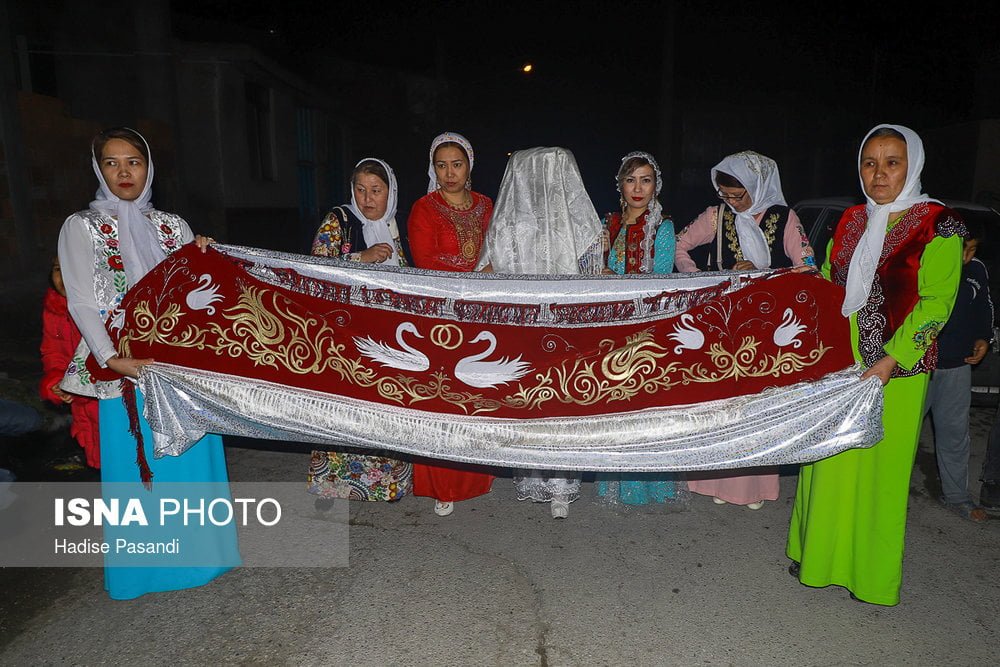
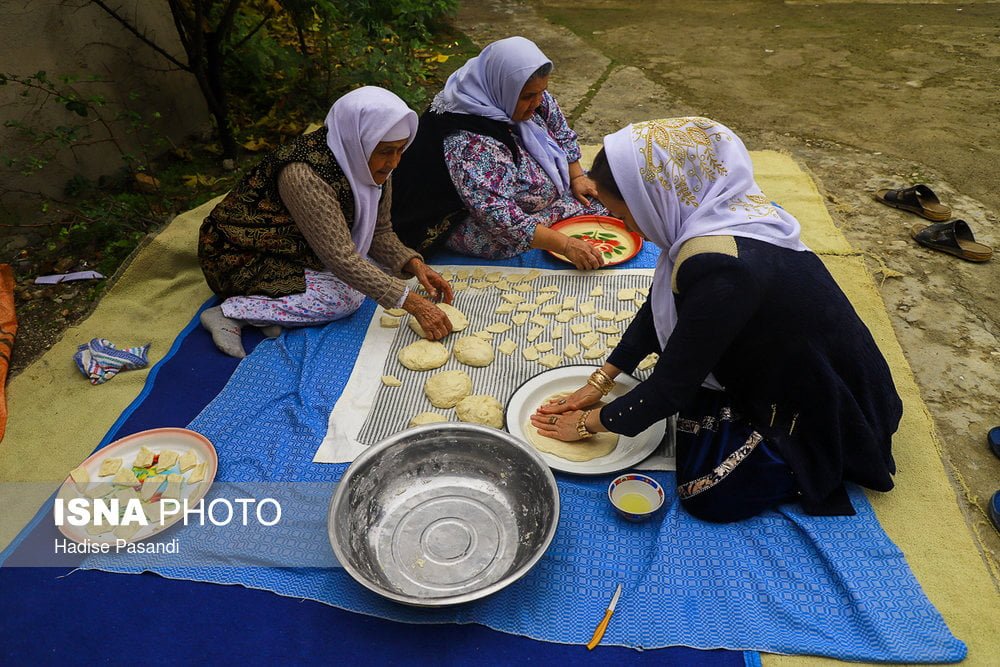
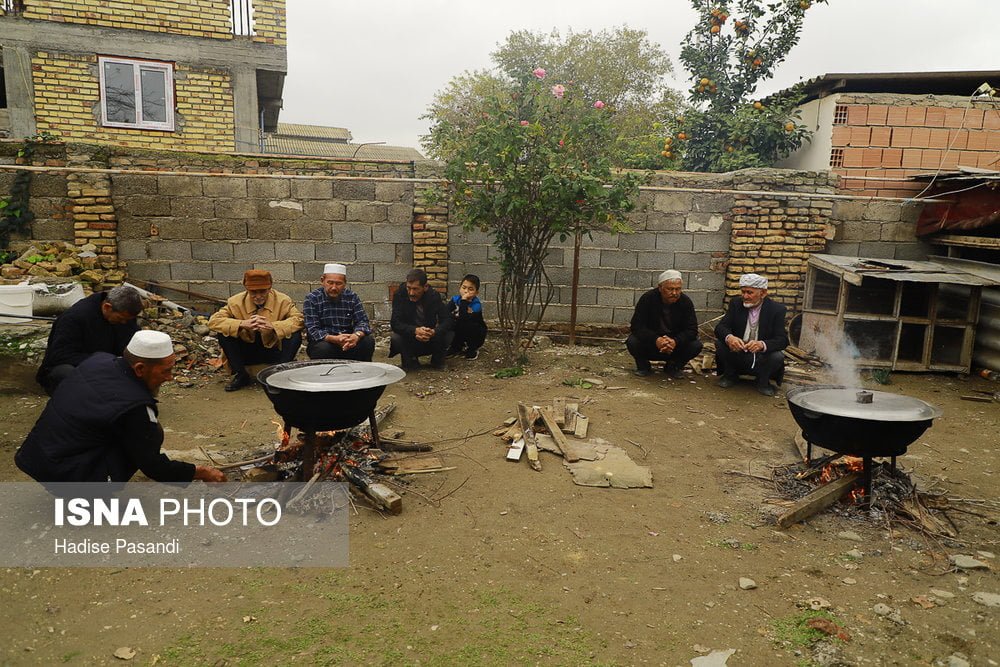
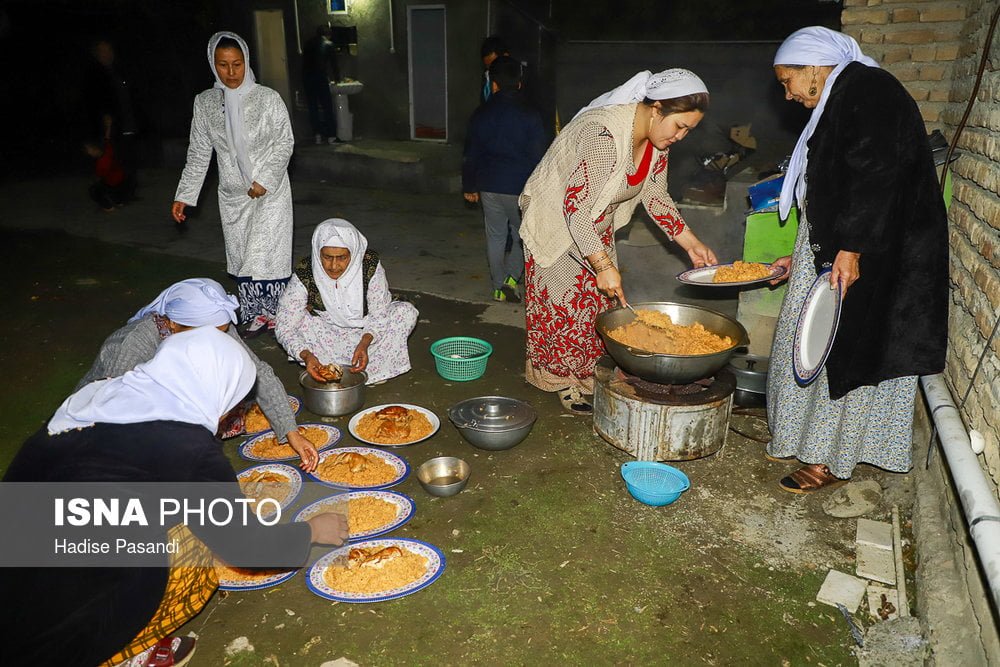
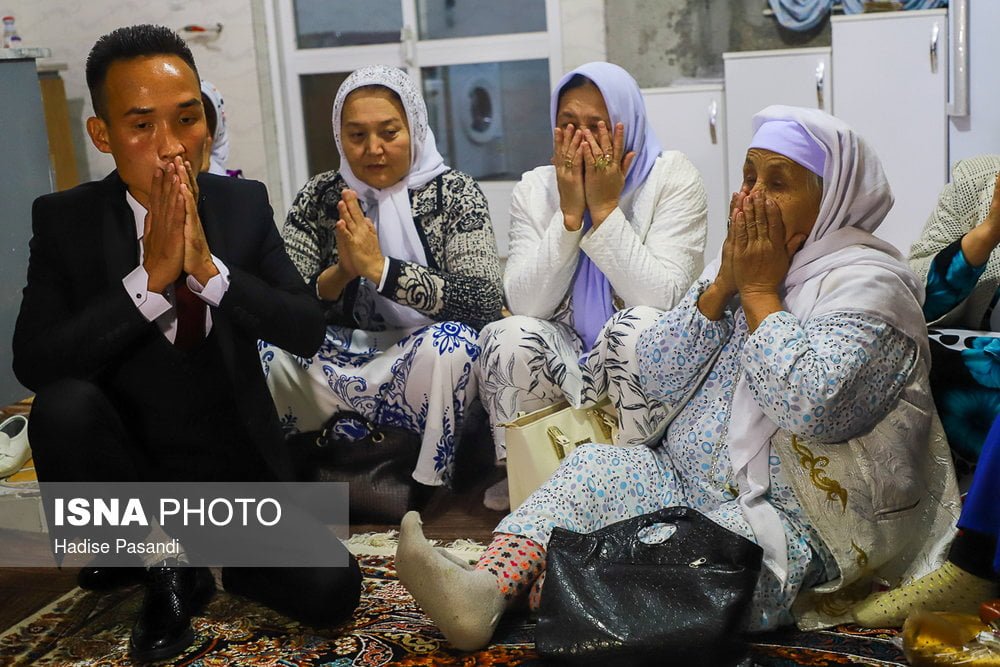
They, however, have preserved their traditions so far like that of their wedding. Below you can watch a collection of photos of the traditional wedding of the Kazakhs in Gorgan. The photos are retrieved from ISNA.

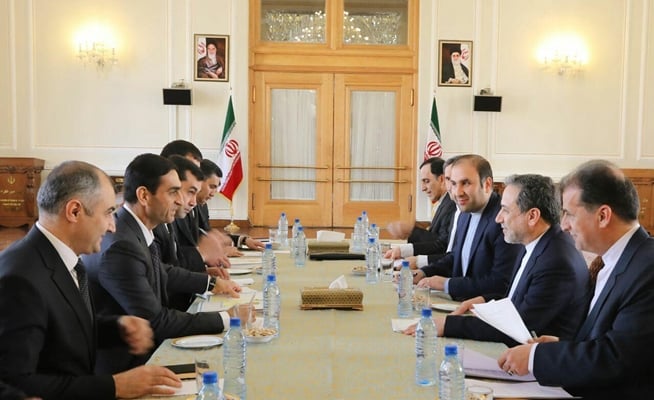
Iran, Turkmenistan Explore Ways of Expanding Ties

In the meeting, the two sides discussed bilateral and regional cooperation and explored joint solutions and plans to develop political and economic collaborations.

The two sides also stressed their will to maintain the current cooperation, and called for efforts to create new capacities in bilateral relations, particularly in the fields of energy and transit.

Araqchi and Khadzhiev reached agreement on updating the road map of expanding bilateral relations considering new developments.

Iranians’ Hospitality Attracts French Artist Couple

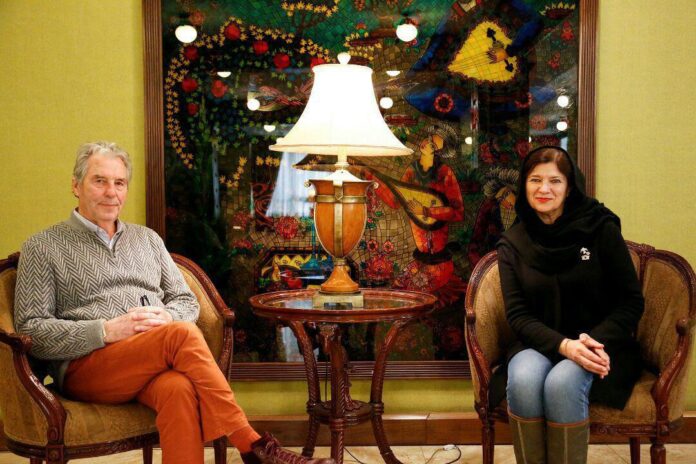
Alain Ceccaroli and his wife Masma say they are charmed by Iranian culture, and are going to travel to the country after a few months to enjoy Iran’s many attractions.

They said it was their first time in Iran; however, as there are many attractions in the country, they are going to make another trip to Iran soon, but this time as two tourists.
“Of course, this will not be my last trip to Iran,” he says adding that he would like to visit other cities of Iran during Nowruz in which Iranians celebrate Persian New Year.

“I want to meet the people of this land who in my opinion are so lovely and kind. Before being attracted by the nature and many historical and ancient sites of Iran, we were more attracted by the warmth and hospitality of the people of this country. Although we have had a lot of travels, we have not seen people as kind as the Iranian people.”

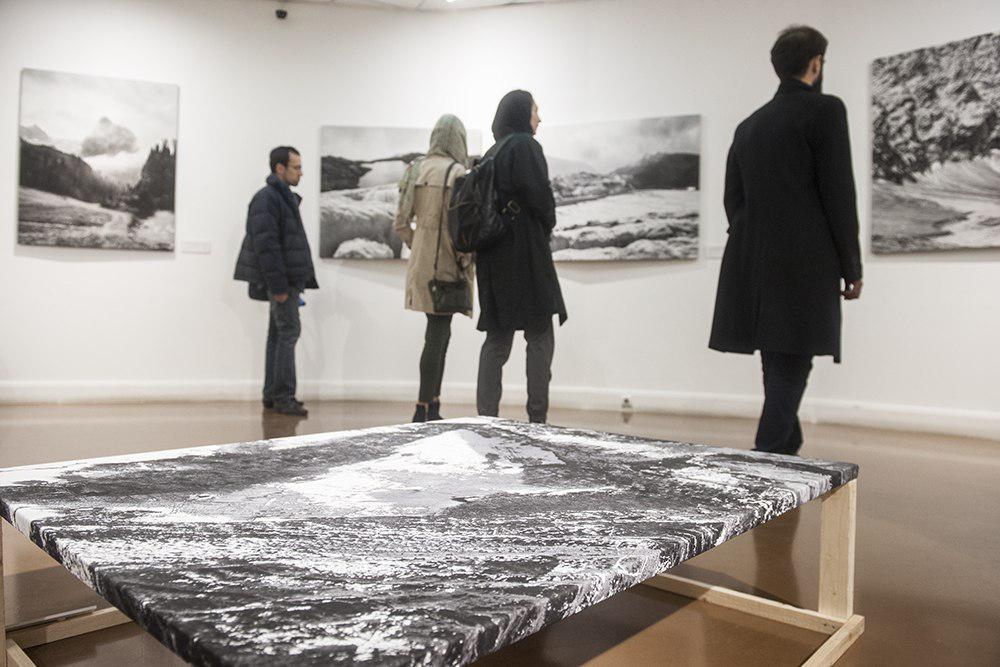
About selecting his collection of photos for display in Iran, Ceccaroli stated that “As I knew the Iranians are really interested in nature, I tried to select my collection from those showing trees and mountains.”

He says this collection of works are from his visit to Switzerland’s Alps and France’s Pyrenees mountains in 1985.

“I did not want to put on show many works while attention is not paid to the subject and theme of the photos.”

Iranians’ Hospitality Attracts French Artist CoupleIRNA has conducted an interview with this French artist and his wife that you can read parts of it here:

Q: Are there any pictures of Iranian landscapes in this collection?

A: No, because I had not traveled to Iran before. This is my first trip to Iran and certainly will not be the last.

Q: Do you plan to hold another exhibition in Iran again?

A: It is not clear yet. I want to visit the cities of Iran and meet its people who, I think, are very caring and kind. Although I have traveled a lot, I have never seen any people more hospitable than Iranians in Isfahan.

Masma (Ceccaroli’s wife): We really loved Isfahan. It was a beautiful and clean city. As soon as I return to France, I suggest to my family and all my friends to have a trip to Iran. As some media sometimes publish false news about Iran, I will tell them about our experiences and the facts in Iran. We did not want to be restricted by the things we read in the press or see in the media. We wanted to touch the reality ourselves. We know there are problems in Iran, but it should be noted that we are next to you.

Q: What do you think about some foreign media that write about Iran with specific approaches and try to show Iran an insecure and undeveloped country which is involved in war and unrest?

Masma: What is certain is that France’s approach is a cooperative one towards Iran.

Ceccaroli: The views of governments and nations can be two separate issues. We came to Iran as artists to see the nature, architecture and meet people.
Q: Mrs. Ceccaroli, some Western media describe Iran as a country that restricts women? Do you agree?

Masma: Not at all. During this time, we met many women in the organisations and in the market. There were also artist women who were busy with professional activities. The presence of women in the Iranian society was something we saw ourselves. We did not imagine Iranian women to be so active in different fields.
At the end of this interview Ceccaroli said “I’ve always worked on the Mediterranean countries. Although Iran is far away from this region and maybe it’s easier for me to travel to other countries, I do not think about it, and I will do my best to come back to Iran.”

Alain Ceccaroli was born in Morocco in 1945. He has always lived and worked in the Mediterranean. So far, he has held many exhibitions in various cities of France, as well as Switzerland, Belgium and Greece.
A collection of Ceccaroli’s photographs titled “Between Wandering and Eternity” was put on show in the Iranian capital Tehran. It ran until November 30.