Monday, December 22, 2025
Home Blog Page 2380

South Korea calls for restoring communication lines with North

On Sunday, South Korea’s Unification Ministry issued a call encouraging the Democratic People’s Republic of Korea (DPRK) to restore a communication hotline between the two countries.

Officials noted that Kim Yo Jong’s recent statement of North Korea being open to conditional talks is “meaningful” toward reconciliation, denuclearization and peace on the Korean Peninsula. The South Korean government is reportedly eager to resume stable communications with the DPRK.

The hotline between the two nations was previously restored back in July, when both countries vowed to improve their communication. While liaison officials of both nations have agreed to communicate, the hotline only remained active for a few weeks.

North Korean officials cut the communication line in June 2020, after the DPRK contended that South Korea had failed to block activists from distributing airborne anti-North Korea leaflets. That same month, Pyongyang razed a building used for the inter-Korean liaison office established in 2018.

According to the DPRK, South Korea has systematically breached multiple agreements, including the Panmunjom Declaration signed in 2018 by North Korean leader Kim Jong Un and South Korean President Moon Jae-in.

The agreement details that both North Korea and South Korea must “cease all hostile acts”.

Kim Yo Jong appeared to have made reference to this section of the agreement when she urged South Korea to halt what she referred to as its “hostile policies” toward North Korea.

As for the prospect of another summit between the Koreas, Kim Yo Jong contended that a meeting between the North Korean leader and the South Korean president could only be held within an “impartiality and the attitude of respecting each other”.

N. Korean leader’s sister pointed out that both the summit, and discussions on the end of the war between the two Koreas, could wait.

“There is no need for the North and the South to waste time faulting each other and engaging in a war of words,” the memo from Kim Yo Jong stated.

She emphasized in a separate, Saturday statement that South Korea also seeks to re-establish communication and reunification talks on the Korean Peninsula.

“I felt that the atmosphere of the South Korean public desiring to recover the inter-Korean relations from a deadlock and achieve peaceful stability as soon as possible is irresistibly strong,” Kim Yo Jang said, adding, “We, too, have the same desire.”

Source: Sputnik

Top Iranian cleric laid to rest in home village

Thousands participated in the funeral held on Monday. Allameh Hassanzadeh Amoli was buried in his home village near Amol.

Mazandaran province has declared a week of mourning over the top Shia cleric’s passing.

Allameh Hasanzadeh Amoli was a renowned Iranian Shia Islamic philosopher, mathematician, theologian, and mystic.

He passed away on Saturday at the age of 93.

Leader of Iran’s Islamic Revolution Ayatollah Seyyed Ali Khamenei offered condolences over the cleric’s departure in a message on Sunday.

Johnson mulls using UK army to deliver fuel

Hundreds of soldiers could be scrambled to deliver fuel to petrol stations running dry across the country due to panic buying and a shortage of drivers under an emergency plan expected to be considered by Johnson on Monday.

The prime minister will gather senior members of the cabinet to scrutinise “Operation Escalin” after BP admitted that a third of its petrol stations had run out of the main two grades of fuel, while the Petrol Retailers Association (PRA), which represents almost 5,500 independent outlets, said 50% to 90% of its members had reported running out. It predicted that the rest would soon follow.

The developments led to growing fears that the UK could be heading into a second “winter of discontent” and warnings that shelves could be emptier than usual in the run-up to Christmas.

In a bid to prevent the crisis from deepening further, ministers including the business secretary Kwasi Kwarteng, transport secretary Grant Shapps and home secretary Priti Patel gathered for a midday meeting on Sunday to discuss options – including Operation Escalin.

Conceived years ago during the planning for a no-deal Brexit, it would mean hundreds of soldiers being drafted in to drive a reserve fleet of 80 tankers. It is understood that it would take up to three weeks to fully implement, because some of those mobilised may already be on other deployments and others could be reservists. Escalin was touted as an option last week, but government sources downplayed the chance of its activation.

Late on Sunday night, Kwarteng also announced that fuel firms would be temporarily excluded from the Competition Act for the purposes of sharing information and optimising supply. He admitted there had been “some issues with supply chains”, but insisted there was still “plenty of fuel at refineries and terminals”. Officials said the move would make it easier for firms to “share information, so that they can more easily prioritise the delivery of fuel to the parts of the country and strategic locations that are most in need”.

The Escalin and other proposals will be put to Johnson on Monday afternoon, in a meeting where ministers are also expected to discuss more immediate solutions to try to influence people’s behaviour and put an end to the current levels of panic buying.

Ministers are exasperated because they think that the true magnitude of fuel shortages would have been tiny if the public were acting normally, and the HGV driver shortage would have only had a marginal effect, but media reports have prompted queues outside forecourts across the country. The PRA announced demand at one service station had risen by 500% on Saturday compared with last week.

A source suggested that a high level of shortages will last at least another five days – and could go on even longer if people’s behaviour does not change. They called the situation a “catch-22”, because by making any interventions, the government could end up exacerbating the problem: “The more we seem to react to this, the more we end up driving it. But if we don’t react, it just carries on. We’re almost generating our own crisis.”

The shortage has also had major knock-on effects that ministers feel need urgent remedying, with teachers and doctors unable to fill up their tank to drive to school or hospital. The blunt communications strategy of insisting there is no lack of fuel is likely to be shifted to urging people to be mindful of others when buying petrol.

Attention is also turning to Christmas. Kate Martin of the Traditional Farm-fresh Turkey Association (TFTA) said the UK could face a “national shortage” of turkeys in the run-up to December.

The TFTA, which represents producers of high-end free-range turkeys, said it was “100% caused by a labour shortage” due to post-Brexit immigration rules, meaning “a whole host” of the workforce is “no longer available for us to use on a seasonal basis”.

The British Retail Consortium also said moves to relax immigration rules to fix supply chain issues was “too little, too late” for Christmas.

Andrew Opie, the group’s director of food and sustainability policy, predicted to the BBC that during the festive season, shoppers would see “less choice, less availability, possibly shorter shelf life as well, which is really disappointing because this could have been averted”.

Jim McMahon, Labour’s shadow transport secretary, claimed the government’s solution of streamlining HGV tests and granting about 5,000 extra visas for drivers and another 5,000 for poultry workers was “not good enough”. He added if ministers did not do more, “shelves will continue to be bare, with medicines not delivered and Christmas ruined for the nation”.

A Tory MP, David Morris, spelled out the scale of the challenge facing the government, noting, “I can remember the winter of discontent and I remember what was building up to it and this to me feels very, very reminiscent.”

Morris added, “We’re not anywhere near that situation yet, but there are perfect storm analogies coming along that could put us into that territory”. He stressed it was a “historic problem” that ministers were trying to address, but admitted the pressure Covid was likely to put on the NHS this winter and the looming end of the universal credit uplift would make it a challenging winter for many.

Shapps on Sunday urged people to “be sensible” and blamed “one of the road haulage associations” for what he called a manufactured crisis, suggesting on Sky News that the group had leaked details from a meeting last week about driver shortages at fuel firms. However, the Road Haulage Association branded it a “disgraceful attack” concocted to “divert attention away” from the government’s handling of the issue.

Israeli PM meets Persian Gulf top diplomats

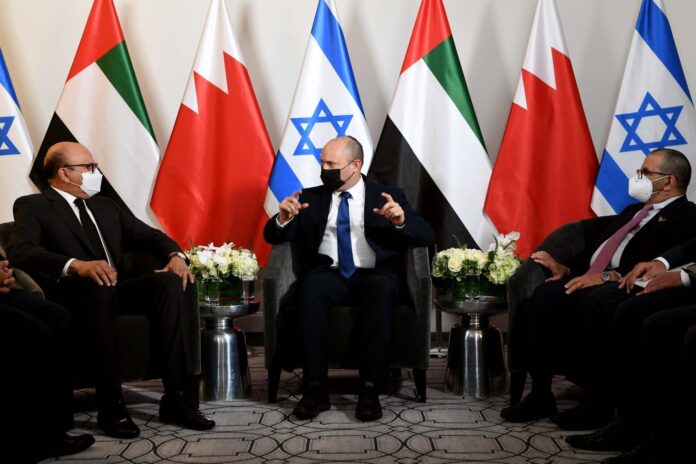
Bennett met with Bahraini Foreign Minister Dr. Abdullatif bin Rashid Al Zayani and Minister of State in the Foreign Ministry of the United Arab Emirates Khalifa Shaheen Almarar at the sidelines of the United Nations General Assembly in New York.

“I am so very happy to meet you. I felt it’s important that we meet to signal the year of the Abraham Accords, which from our perspective is very meaningful,” a statement on the website of the Prime Minister’s Office quoted Bennett’s words.

During their meeting, Bennett noted that Israel wishes to strengthen and expand its relationship with the UAE and Bahrain in all areas and further highlighted how he hopes more countries in the region “will join the circle of peace”.

Bennett also informed Al Zayani and Almarar that he met with the King of Jordan and the President of Egypt who expressed their satisfaction with the relationship between Israel, Bahrain and the UAE.

“We are stable and we believe in this relationship, and we want to expand it as much as possible,” Bennet added.

On Sunday, Bennett travelled to New York where he is expected to speak at the UNGA.

In September 2020, after a series of contacts with Israel at different levels, the UAE and Bahrain, with the mediation of the United States, signed agreements on a full normalization of relations. This meant that embassies could open, direct flights were established, visits by members of the governments were initiated, and tourist trips were restored.

Iran Protest to IAEA over “Biased” Report

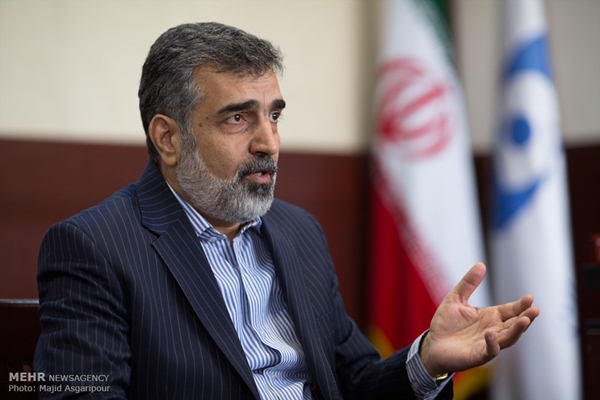
AEOI spokesman Behrouz Kamalvandi also warned the IAEA to avoid filing biased reports that undermine the constructive cooperation between Iran and the agency.

He was responding to an I-A-E-A report that said Tehran has allowed the Agency to service its monitoring equipment at Iran’s nuclear sites except for the Centrifuge Component Manufacturing Workshop at the Tesa Karaj Complex, near Tehran.

Kamalvandi said that Grossi and his colleagues know well that the deal they agreed with Iran earlier this month does not cover cameras at Karaj complex.

The AEOI spokesman noted that the site is still under security and judicial probes, following the sabotage incident in June, therefore was left out of the Iran-IAEA deal.

He further explained that Grossi has asked for inspection of Karaj site, but his request was rejected twice. He stressed that the agreement with the agency clearly refers to “designated” equipment to exclude the site from the IAEA operation to replace surveillance CCTV memory cards.
Kamalvandi underlined that the IAEA officials should avoid politicking and filing wrong and biased reports against Iran.

Tunisians call for president resignation

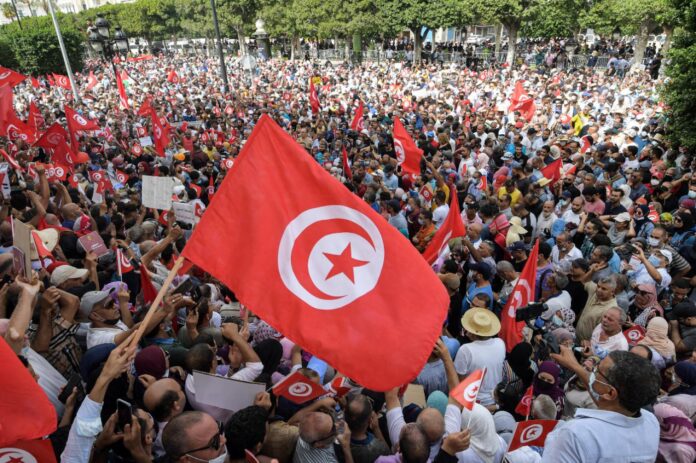
Demonstrators gathered on Sunday in the centre of Tunis along Habib Bourguiba Avenue under a heavy police presence to demand his resignation, chanting, “The people want the fall of the coup.”

Brushing aside much of the 2014 constitution, Saied gave himself the power to rule by decree on Wednesday, two months after sacking the prime minister, suspending parliament, and assuming executive authority.

About 2,000 people attended the rally in front of the iconic National Theatre, historically home to all the major demonstrations in Tunis.

“I’m really, really angry,” said Soumaya Werhani, a 30-year-old student amid the roar of the crowd and the sweltering heat, adding, “We are demonstrating to denounce the president’s decisions to stop the constitution and his coup against state institutions.”

About 20 global and Tunisian human rights groups issued a statement on Saturday condemning the move as a “power grab”.

The signatories argued the decree, which strengthens the powers of the president’s office at the expense of those of the prime minister and parliament, is “implicitly abrogating the constitutional order in … a first step towards authoritarianism”.

Belgassen Bounara waved a copy of the 2014 constitution that Saied plans to rewrite. He came from Tataouine, in southern Tunisia, a poor region forgotten by the state.

The computer salesman said he came to demonstrate because “Saied wants to get rid of the constitution and our democracy. He is taking us back into dictatorship”, Bounara told Al Jazeera.

Sunday’s protest was the second since Saied dismissed the government and suspended parliament on July 25.

However, Saied’s move has the consensus of large swaths of the population, who see his actions as necessary to address a crisis of political paralysis, economic stagnation and a poor response to the coronavirus pandemic.

On the other side of the street, a small but vocal group of Saied supporters chanted, “Kais Saied is good”.
“The decree is nothing important, the Tunisian people want a clean, honest president who doesn’t steal from the people,” artist Mohamed Khaled told Al Jazeera, adding, “It’s stressful. People just want to fill their shopping bag and eat.”

Cherif El Kadhi, a former parliamentary officer, told Al Jazeera the demonstrations were a sign that Saied’s actions are loathed as much as they are accepted.

“These protests I think will continue to gain momentum depending on the economic situation,” he said.

“It’s quite clear Tunisians are fed up with the political elite 10 years after the revolution,” which is why they have put their trust in Saied, a former law professor, he added.

However, discontent could lead to more protests in the coming weeks and months, he continued.

Tunisia’s largest political party, the moderate Islamist Ennahdha, decried Saied’s moves as “a flagrant coup against democratic legitimacy”, and called for people to unite and defend democracy in “a tireless peaceful struggle”.

Ennahdha is itself grappling with internal dissent after 113 senior party members announced their resignation on Saturday. They blamed the head of the party, Rachid Ghannouchi, and his entourage for failing to form a united front to oppose Saied and confront the country’s political crisis.

Envoy: IAEA report on Iran complex inaccurate

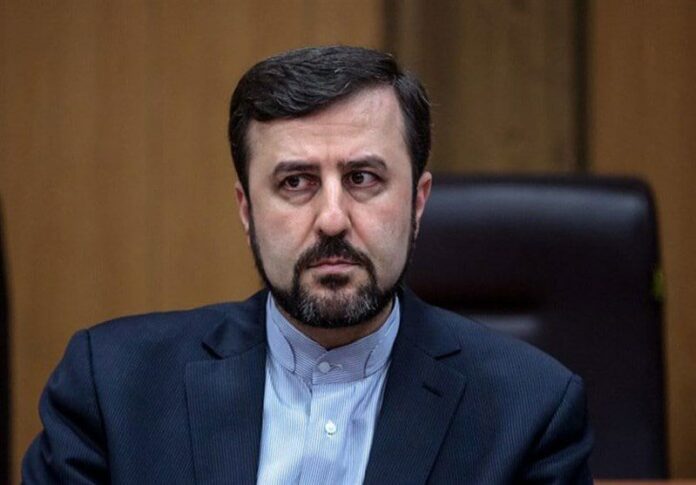
In a tweet thread, Ghariabad said, “It’s deeply regrettable that after 3 terrorist attacks in Iran’s nuclear facilities over the past year, the Agency has not yet condemned the acts of terror, as it is required to do and even for the sake of its own equipment, safety and security of its inspectors.”

Ghariabadi added that the joint statement by the head of the Atomic Energy Organization of Iran and the IAEA director general on Sep 12 was achieved due to Iran’s good-will to replace the storage media of the “identified equipment”. These activities were performed by the Agency from 2o-22 Sep.

According to Gharibabadi, during the discussions in Tehran and Vienna, Iran said, since the Tessa Karaj Complex is still under security and judicial investigations, any equipment related to the complex will not be serviced.

He said the IAEA chief’s report on Sep 26 isn’t accurate and goes beyond the agreed terms of the joint statement.

Gharibabadi noted that any decision taken by Iran on monitoring equipment is only based on political rather than legal considerations and the Agency cannot and should not consider it as a right.

Turkey says intends to buy more S-400, likely to infuriate US

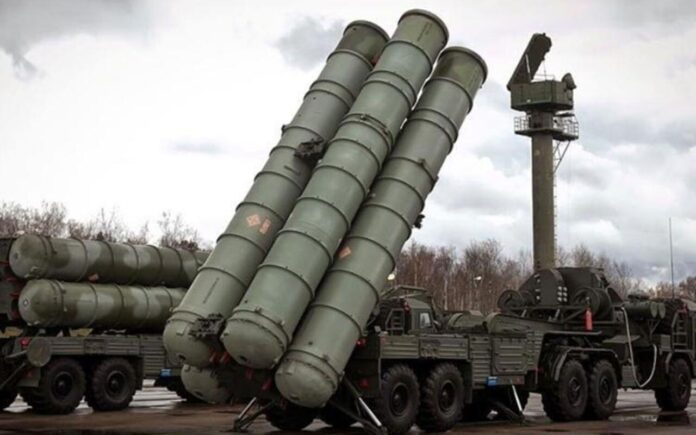
“I explained everything to President [Joe] Biden,” Erdogan stated in an interview with host Margaret Brennan that aired on CBS’ “Face the Nation“.

He added that the United States’ refusal to deliver F-35 aircraft that Turkey agreed to purchase and Patriot missiles it wished to acquire gave Turkey no choice but to turn to Russia for its S-400 antiaircraft missile system, a point of contention between Turkey and the NATO alliance during both the Donald Trump and Biden administrations.

“In the future, nobody will be able to interfere in terms of what kind of defense systems we acquire, from which country at what level. Nobody can interfere with that. We are the only ones to make such decisions,” Erdogan continued, noting, “Are we going to keep on expecting delivery of weapons from other countries that didn’t give us those weapons?“

NATO fears that deploying Russia’s S-400 missiles alongside the F-35 would allow the S-400 to collect vital data about the aircraft it otherwise would not have access to, potentially compromising security.

Discussing another point of contention with the United States, Erdogan said the U.S. must choose between supporting Turkey and offering support to Kurdish groups that wish to carve out a state from an area that includes parts of Turkey.

The Kurdish forces had joined the U.S. and Turkey in combating Daesh in Syria. Erdogan called these Kurdish groups “terrorist organizations“.

“Receiving this kind of support should be stopped once and for all,” he stated, adding, “Turkey is [a] NATO member and we are in a position to be obliged to forge a solidarity under the roof of NATO. But so long as the terrorist organizations receive such logistical support that upset us … we would be vocal about this.”

The Turkish leader noted he would like to see the remaining U.S. forces withdrawn from Syria, something that critics have said could give Turkey a free hand in persecuting the Kurds.

Erdogan was critical of U.S. actions in Afghanistan.

“With the American footprints dating back to two decades, the region was not any safer,” he stated.

He also added that Turkey hopes to maintain some sort of relationship with the new Taliban regime in Afghanistan, though it withdrew amid the chaos accompanying the American withdrawal there.

“We have historic relations with the Afghan people,” he said, “and we’ve always been very supportive of [Afghanistan] in an unprecedented fashion, unlike any other. And in terms of infrastructure, in terms of superstructure, we were involved in major investments, which we will continue for the future. But because of the mistakes made in the field, we had to withdraw our troops and evacuate our civilians. And right now, we are not present in Afghanistan“.

Source: CBS

‘Bennett disagrees with Biden on Iran, consulate for Palestine, settlements’

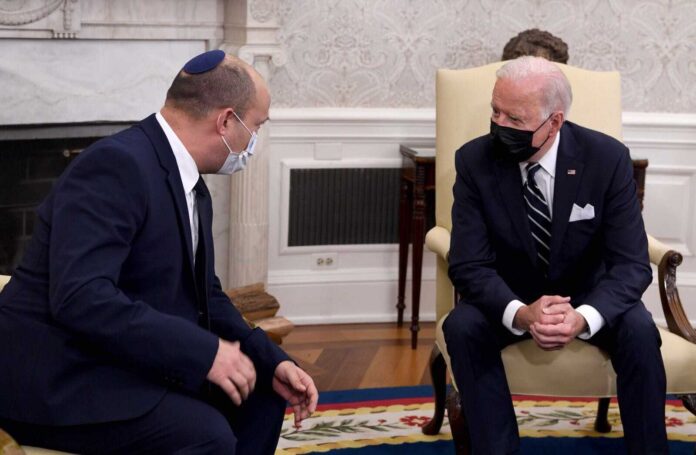
“I told Biden ‘no’ three times,” he said during a meeting with leaders of the Yesha Council settlements umbrella group, sources present told Zman Yisrael, referring to his meeting with the American leader at the White House in August.

“Once on the Iranian issue, but I can’t tell you exactly about what — they requested something and I said ‘no’. The second time was about the Palestinian consulate in Jerusalem — it won’t happen. And the third time was about settlements,” he added.

The Biden administration is holding indirect negotiations with Iran on its nuclear program, which have been stalled since June. The new administration has also announced plans to reopen its Jerusalem consulate, which had served Palestinians in the West Bank and East Jerusalem and acted as a de facto US mission to the Palestinians.

When the Donald Trump administration moved the US embassy to Jerusalem, the mission was subsumed into the embassy as the Palestinian Affairs Unit, which was regarded by Palestinians and others as a major blow to their diplomatic standing. Israel opposes the reopening of the consulate.

The administration has also voiced support for a two-state solution and has been reported to convey its disapproval of settlement construction to Jerusalem on multiple occasions.

Bennett, a former director of the settlement umbrella movement who opposes the establishment of a Palestinian state, reassured the settler leaders that construction in the West Bank and East Jerusalem would not slow despite US pressure.

“We know what the Democrats are saying,” Bennett told them, noting, “The settlements are illegal and all that. They told me to build less. Guys, you know where I’m coming from. I’m committed to you — as it was so shall it remain.”

“You know what’s the most relevant [takeaway] from my visit to the United States?… If I am not for myself, who will be for me,” added the prime minister.

Settler leaders present at the meeting earlier this week said that they were taken aback by his candidness.

“We were surprised by his openness,” stated an official present at the meeting, while two other participants contrasted his approach with that of his more circumspect predecessor Benjamin Netanyahu.

Bennett is currently in the US, ahead of his first speech to the United Nations General Assembly on Monday.

Bennett will seek to portray Israel as a global player, whose expertise can offer solutions to pressing world problems, during his speech, a senior adviser said on Sunday.

Bennett’s first UN General Assembly address will focus on the “Israeli ethos of action, of solutions, of innovation, of optimism”, the adviser added in a phone briefing from New York City.

The speech will also address “Israel’s place in the less sympathetic region we live in, and Israel’s place in the wider global context, where there is good news and there is bad news”.
Iran’s nuclear program will also be a focus of the speech, with the message that the time has come for concrete action.

However, Bennett will not speak much about the Palestinians, reflecting his belief that Israel is an important, multi-faceted country, and that its role on the global stage should not be seen through the prism of its conflict with the Palestinians.

“Israel’s relations with the world don’t need to be defined by this specific issue,” the adviser stated.

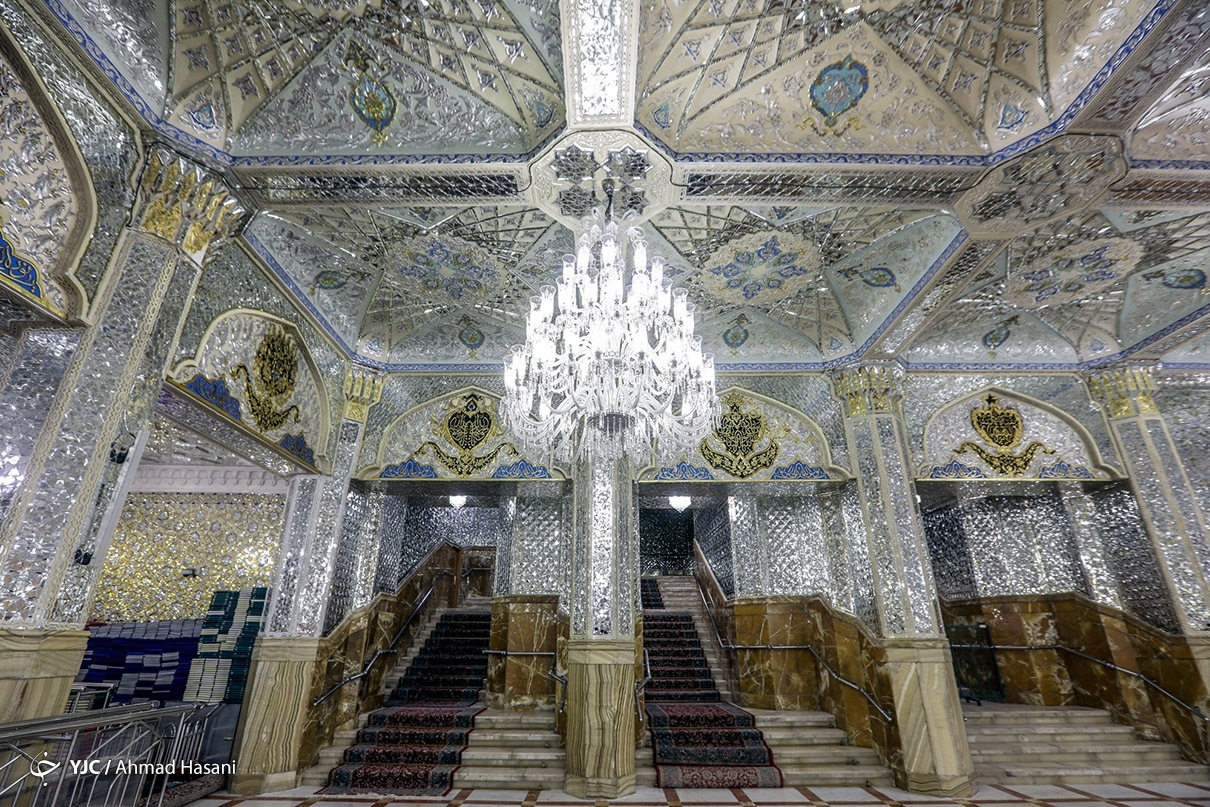
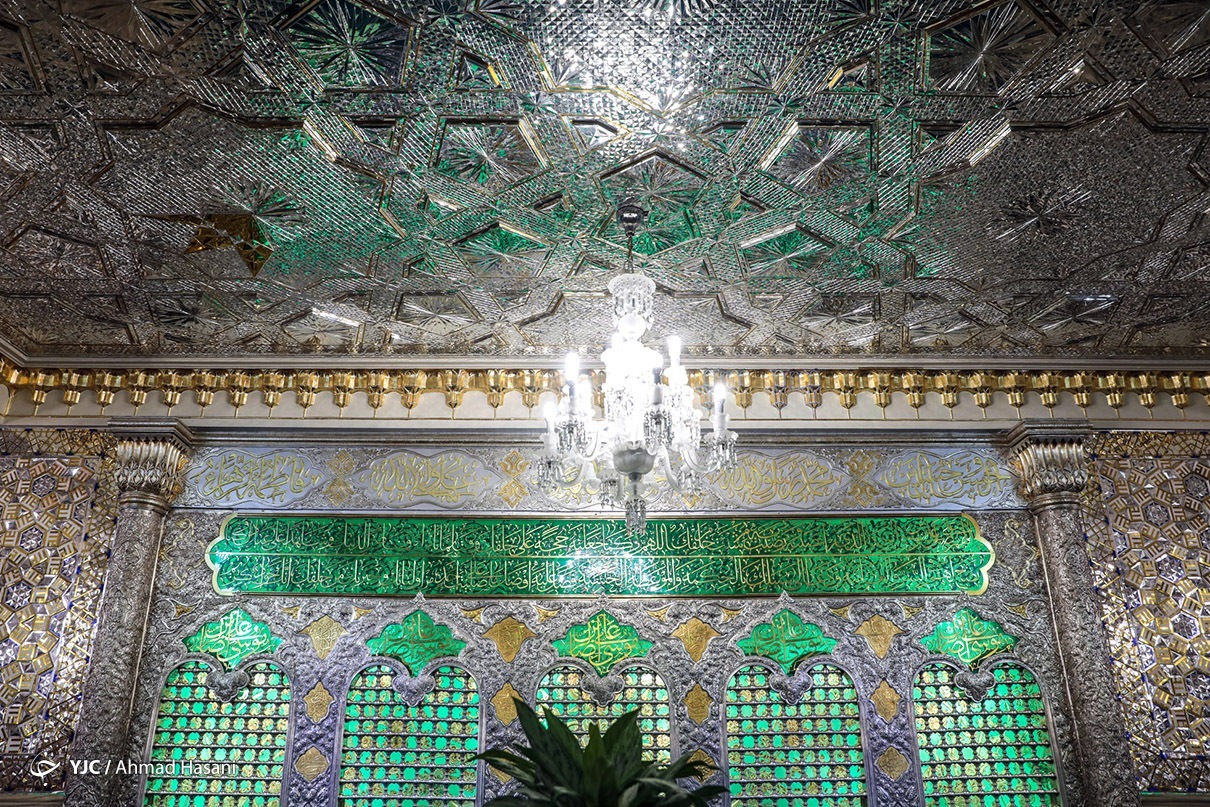
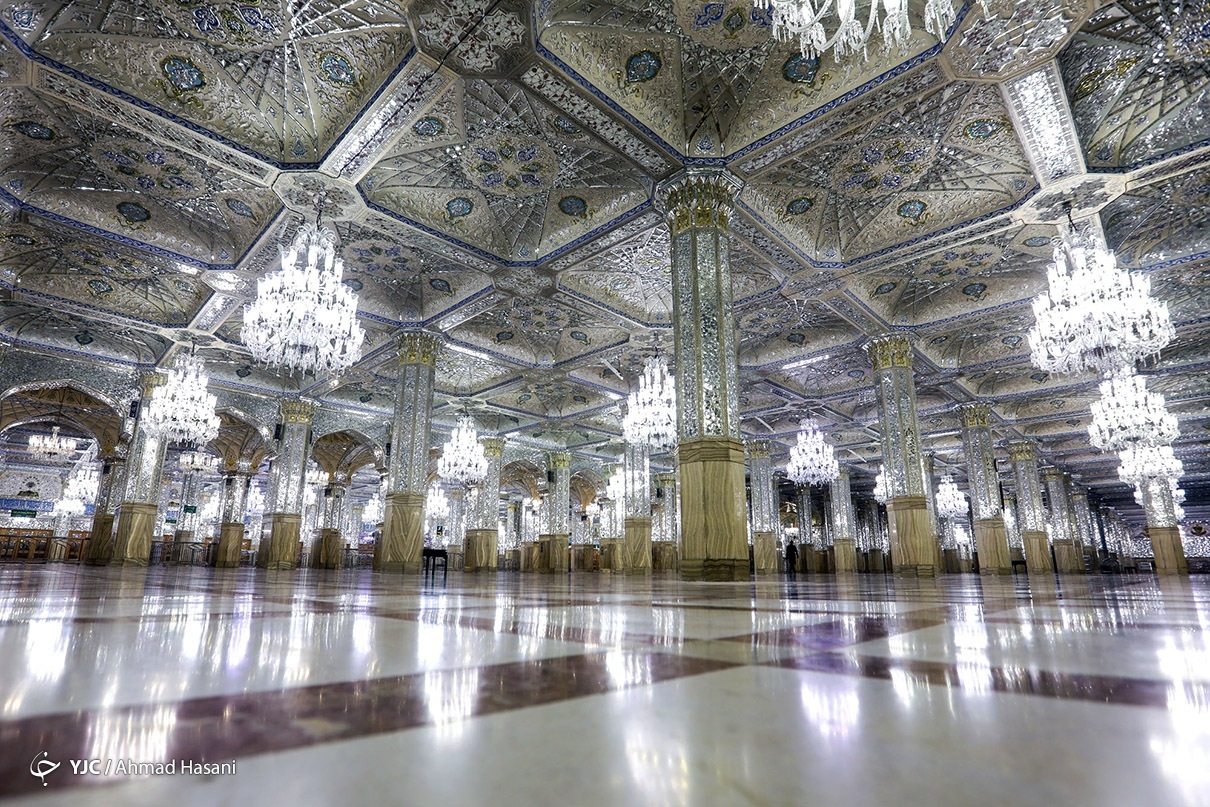
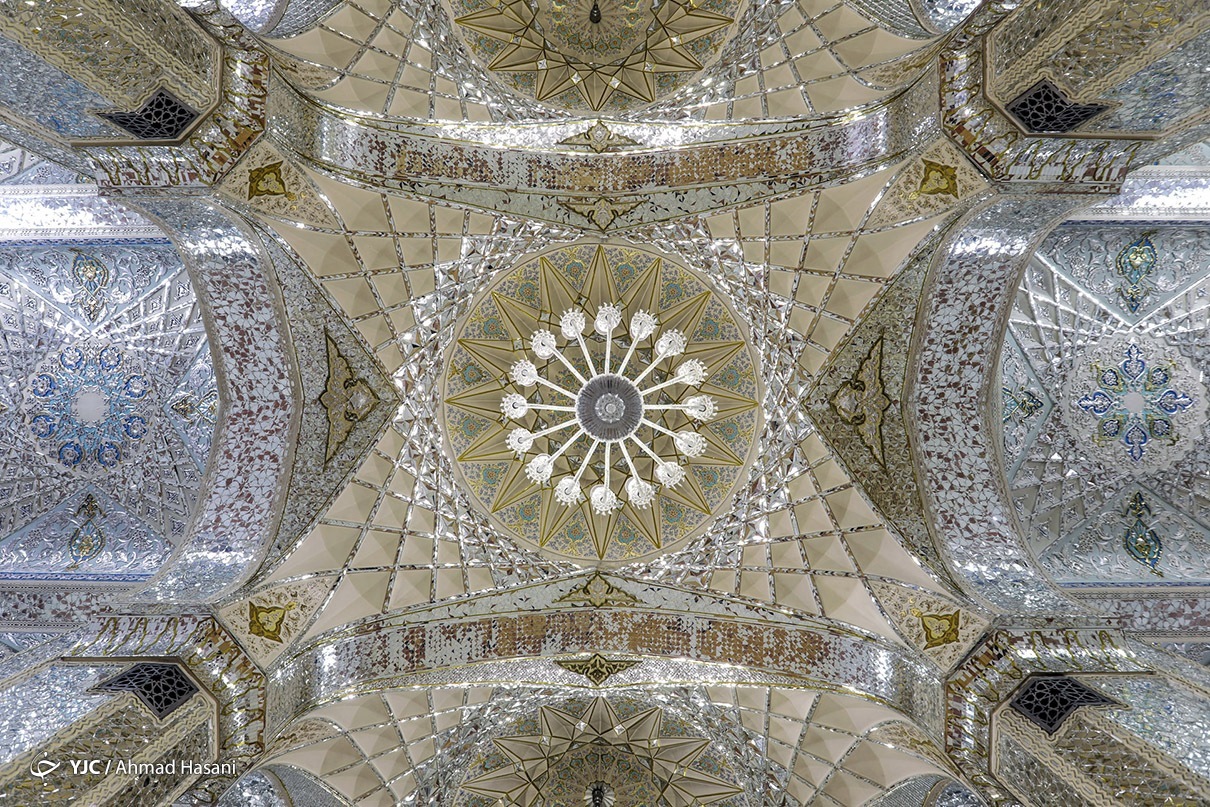
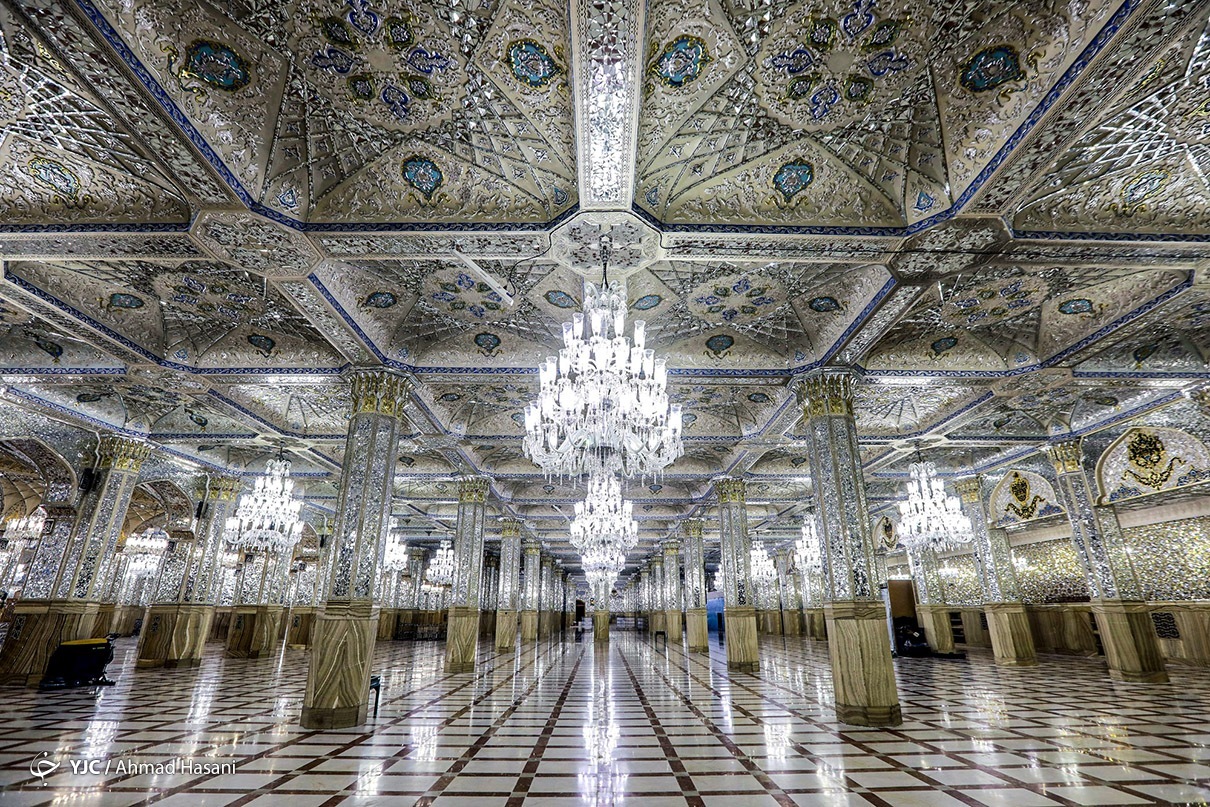
New Portico at Imam Reza Shrine: An Architectural Wonder

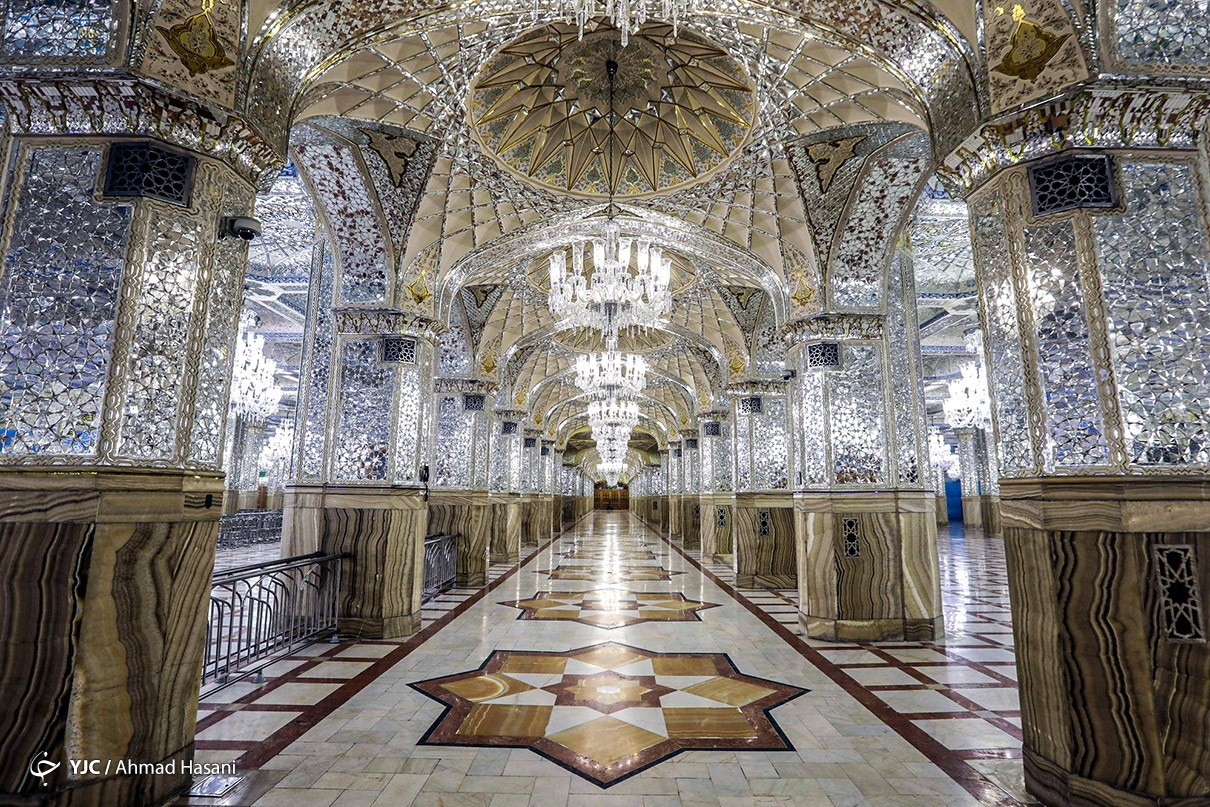
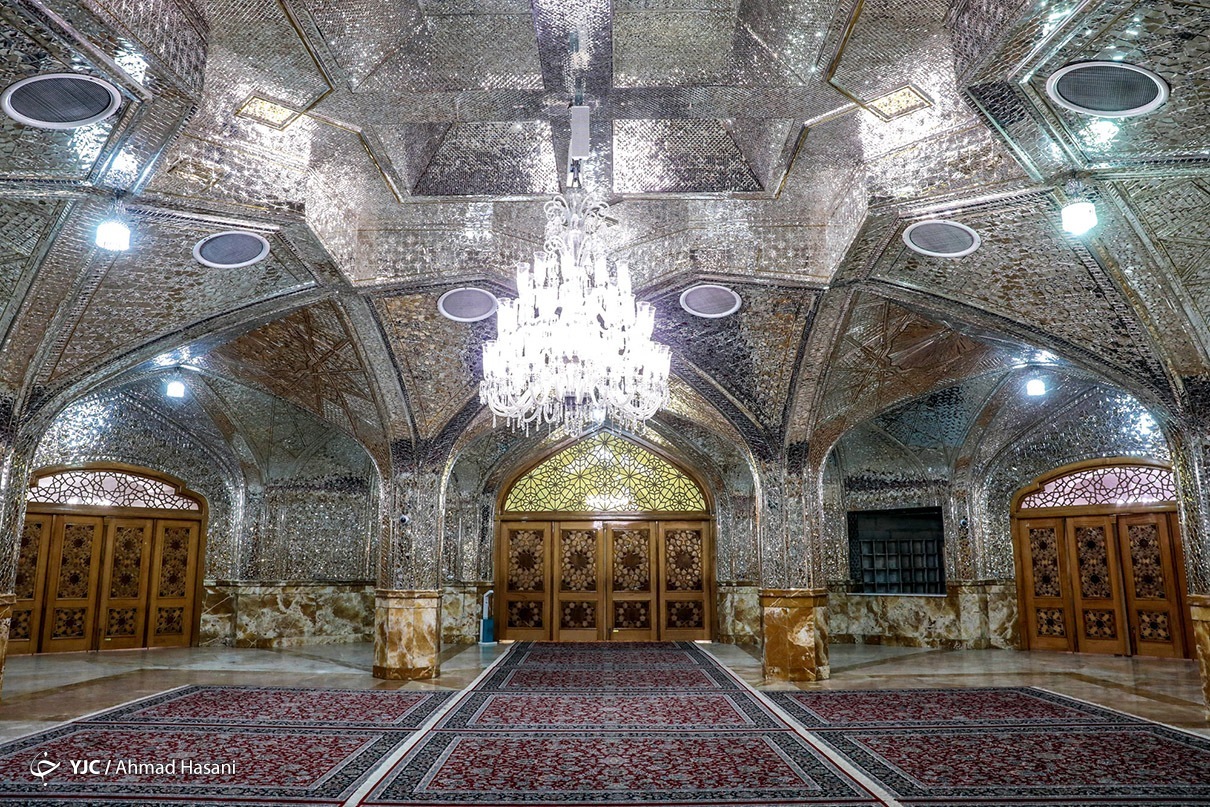
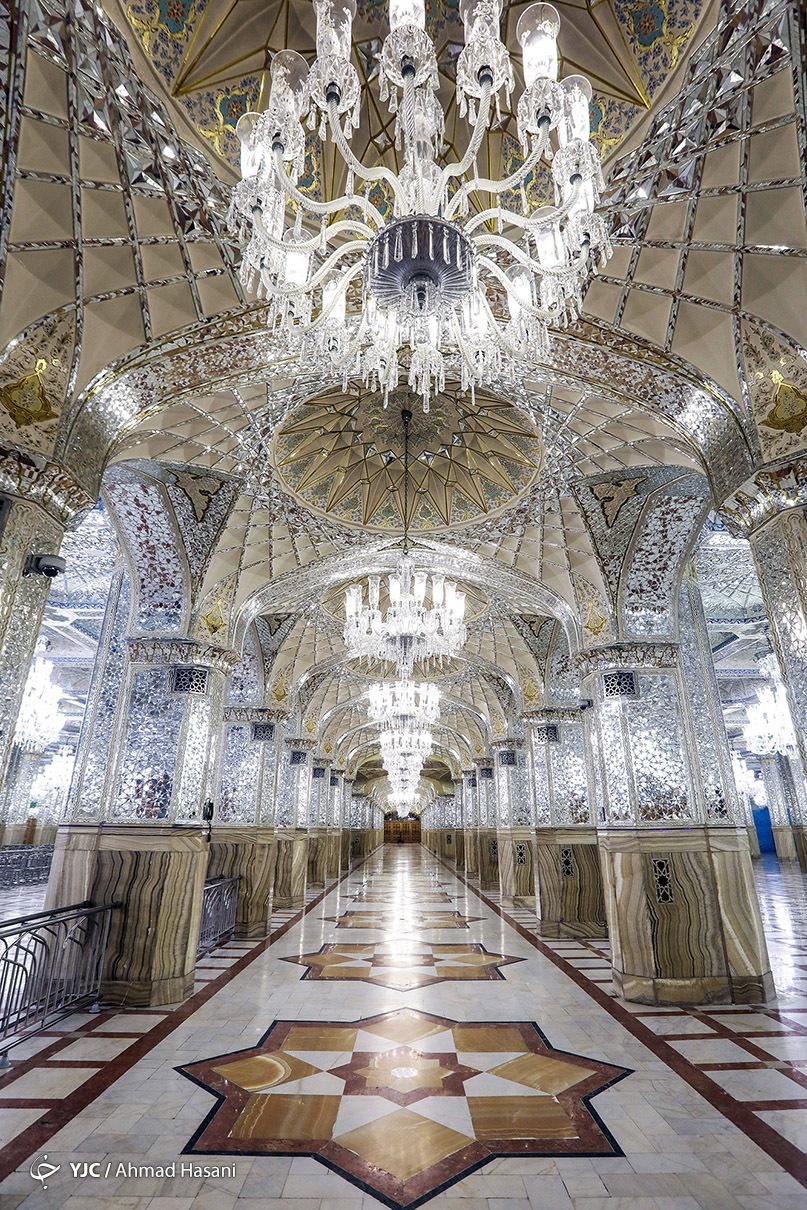
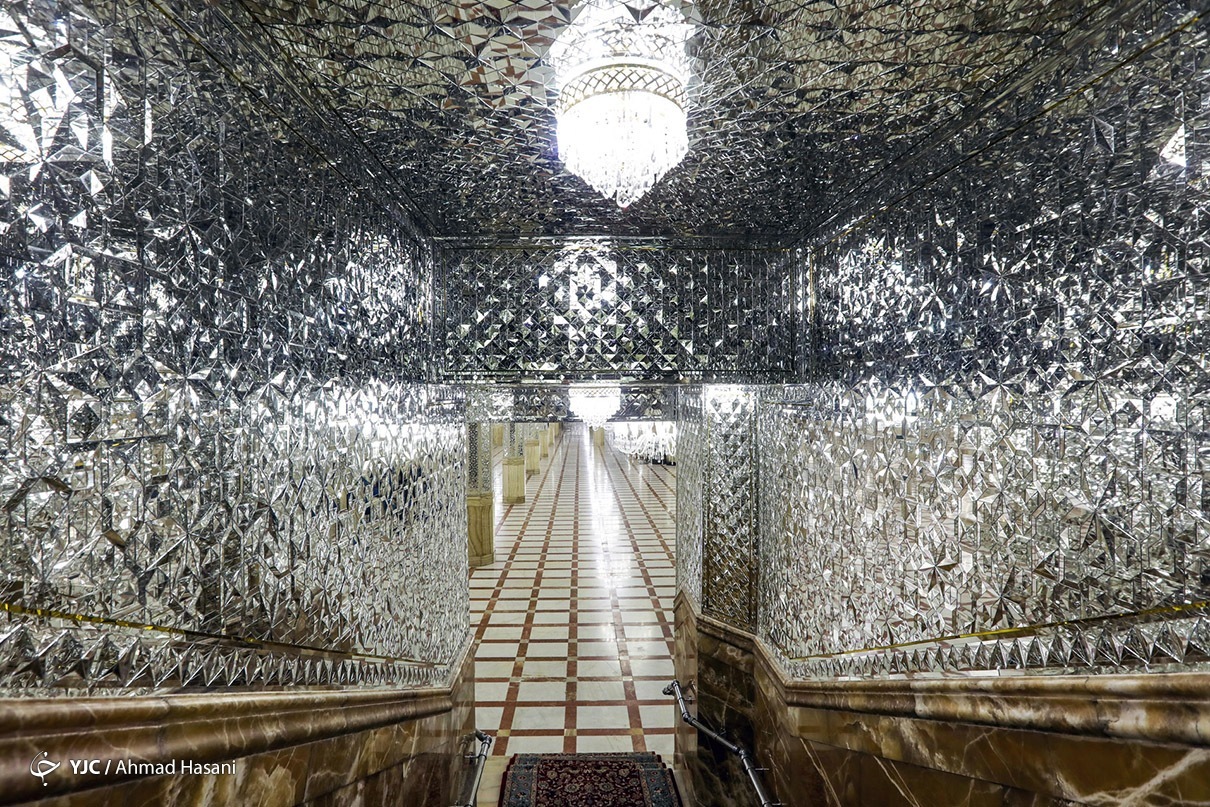
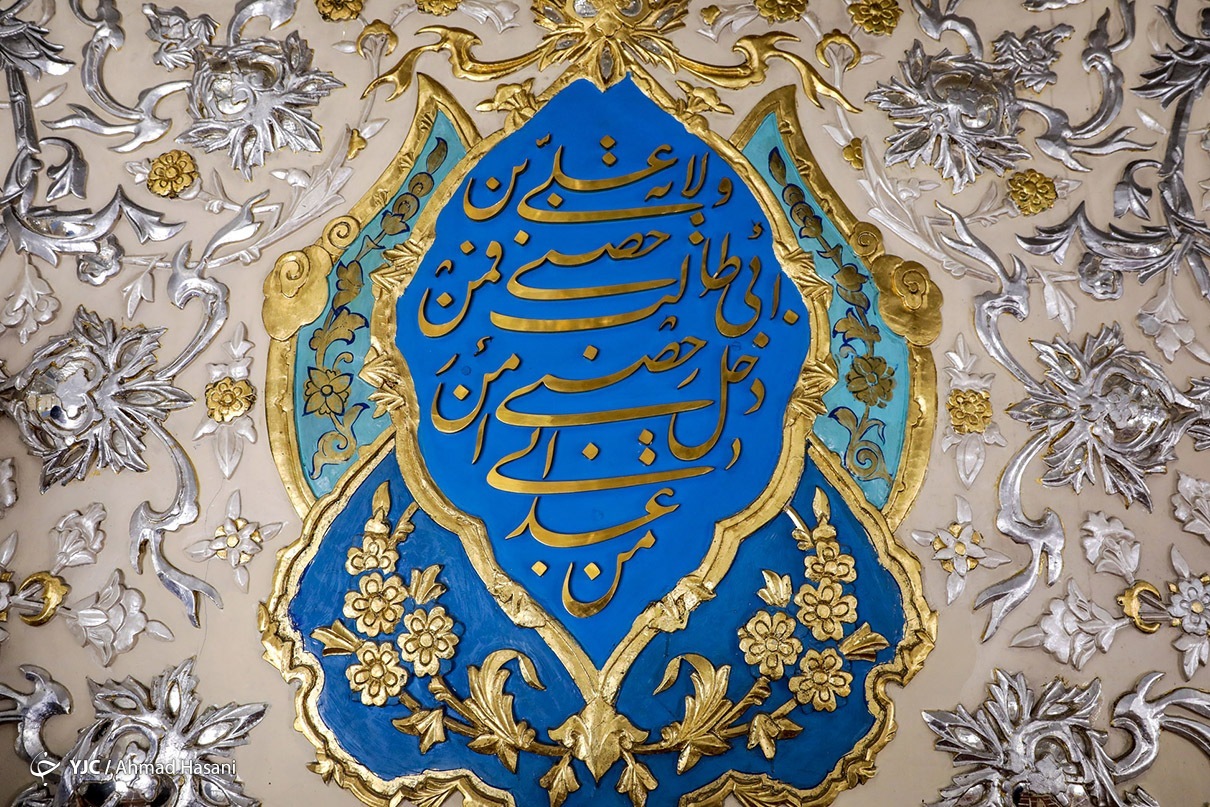
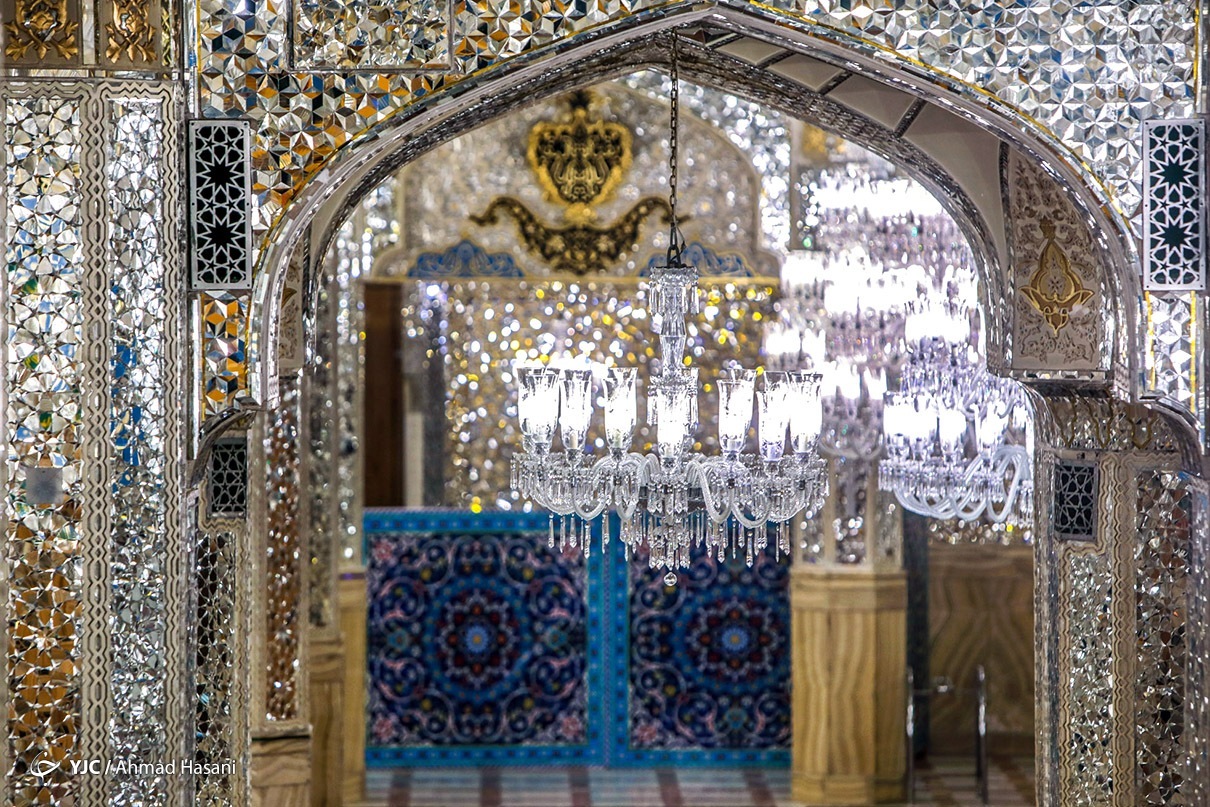
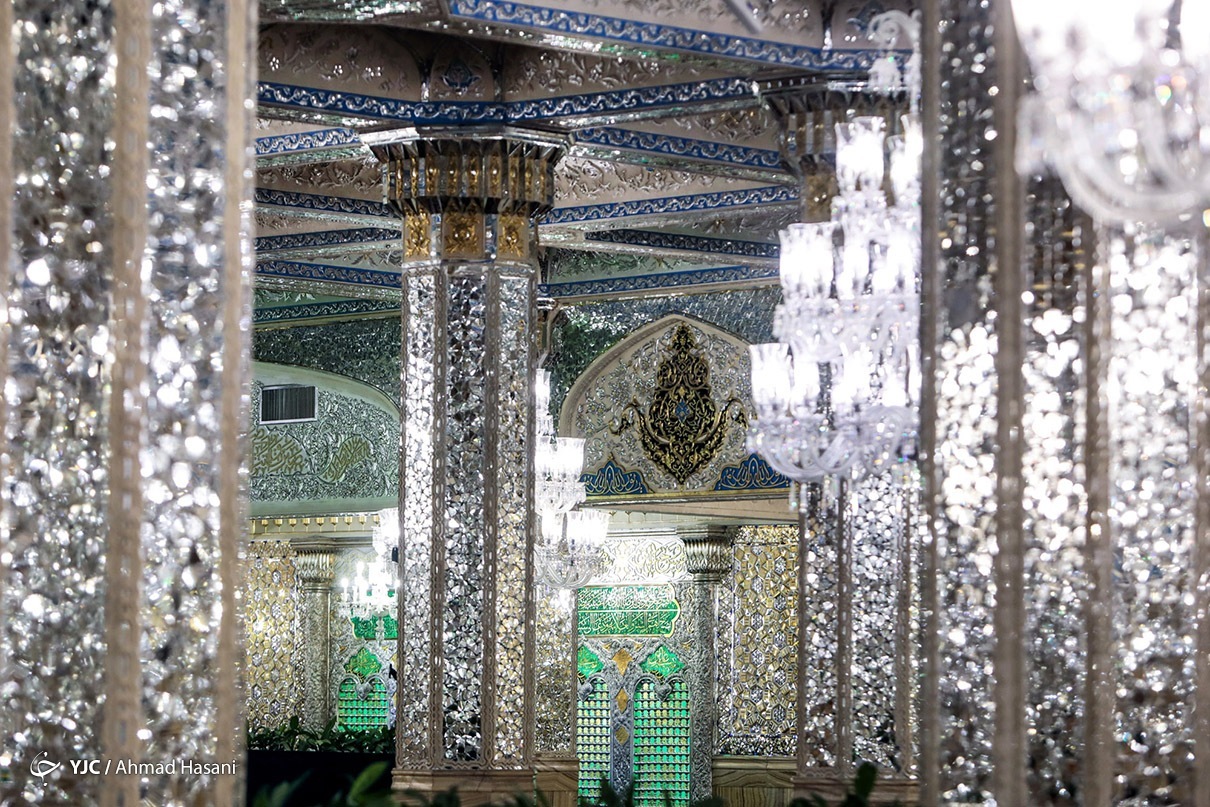
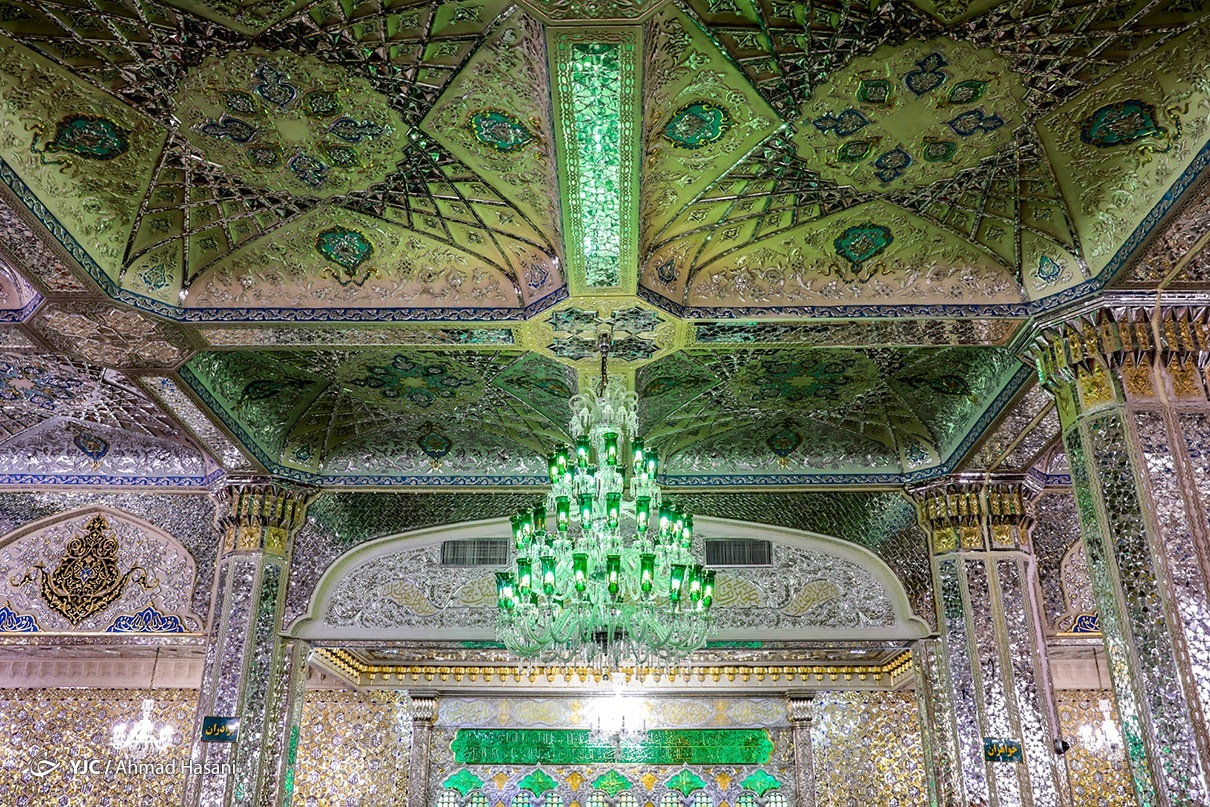
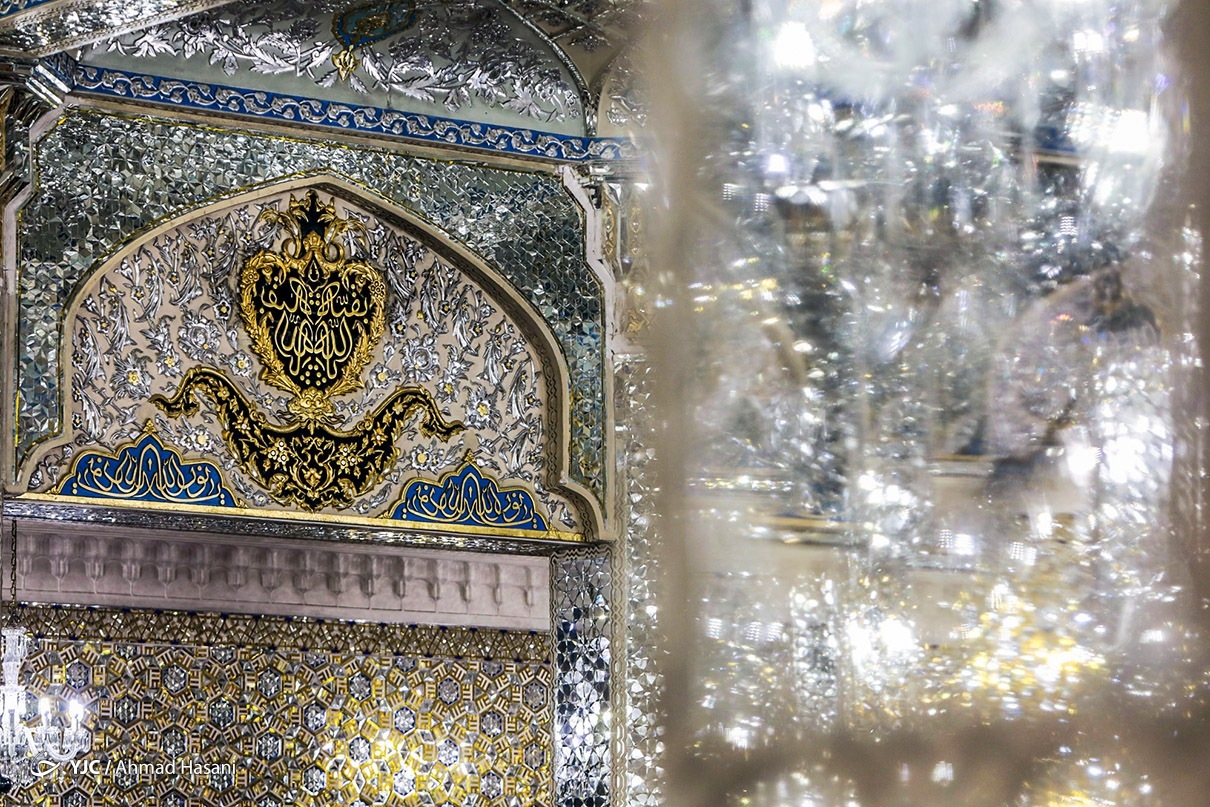
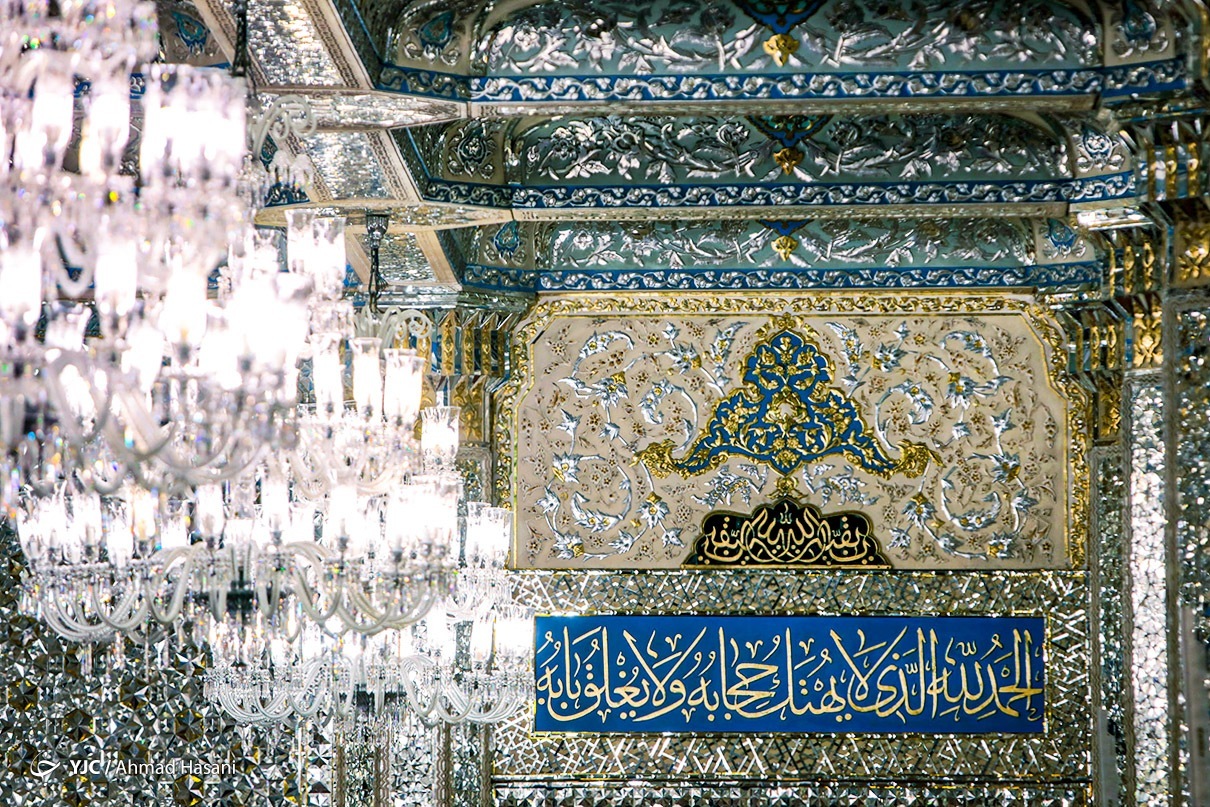
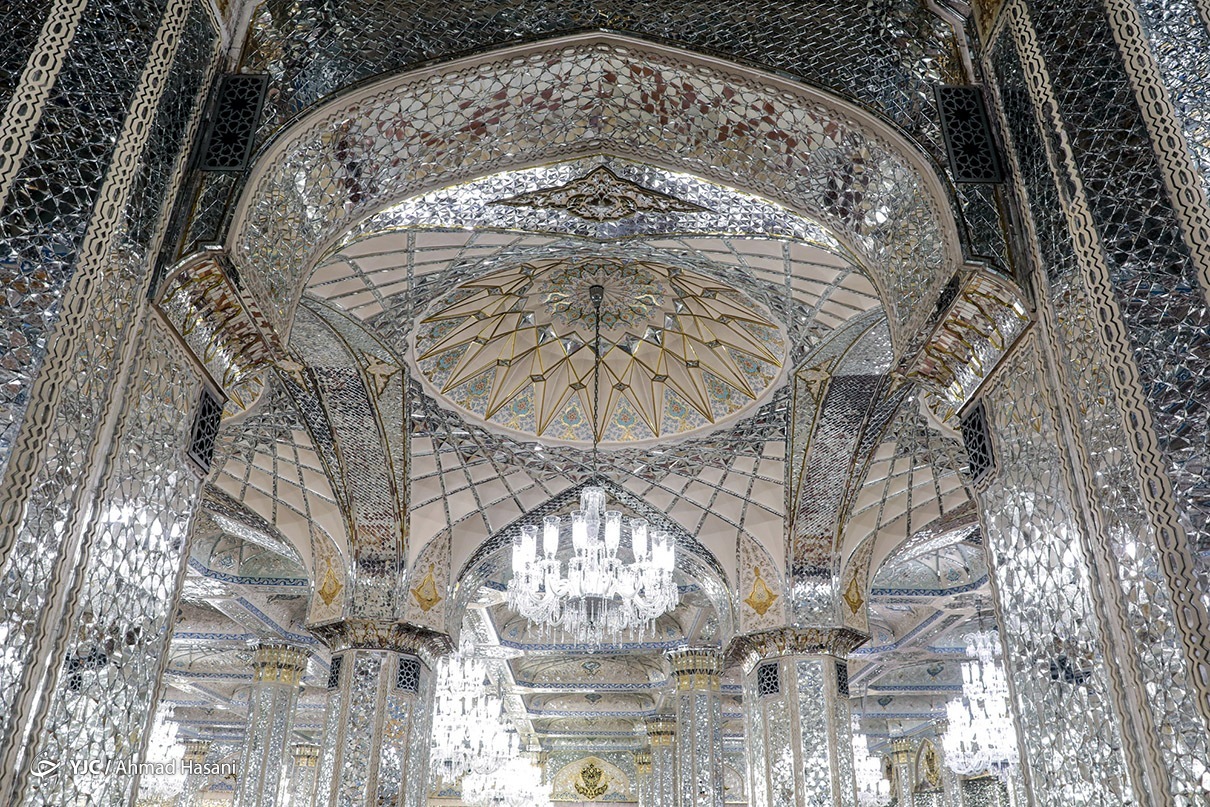
The walls of the Darolhojjeh portico are decorated with dado work containing an amalgamation of stucco, mirror work and paintings on plaster.

The two main entrance gates to the portico open to two adjacent porticos on either side.

The newest portico at the Imam Reza mausoleum, Darolhojjeh has been constructed using the most modern excavation engineering techniques.

Among the wonders of this colossal portico is that excavation work was conducted underneath two of the most massive portals of the shrine weighing around 7,000 tonnes each without any harm or risk of damage to the portals thanks to the reinforcements installed.

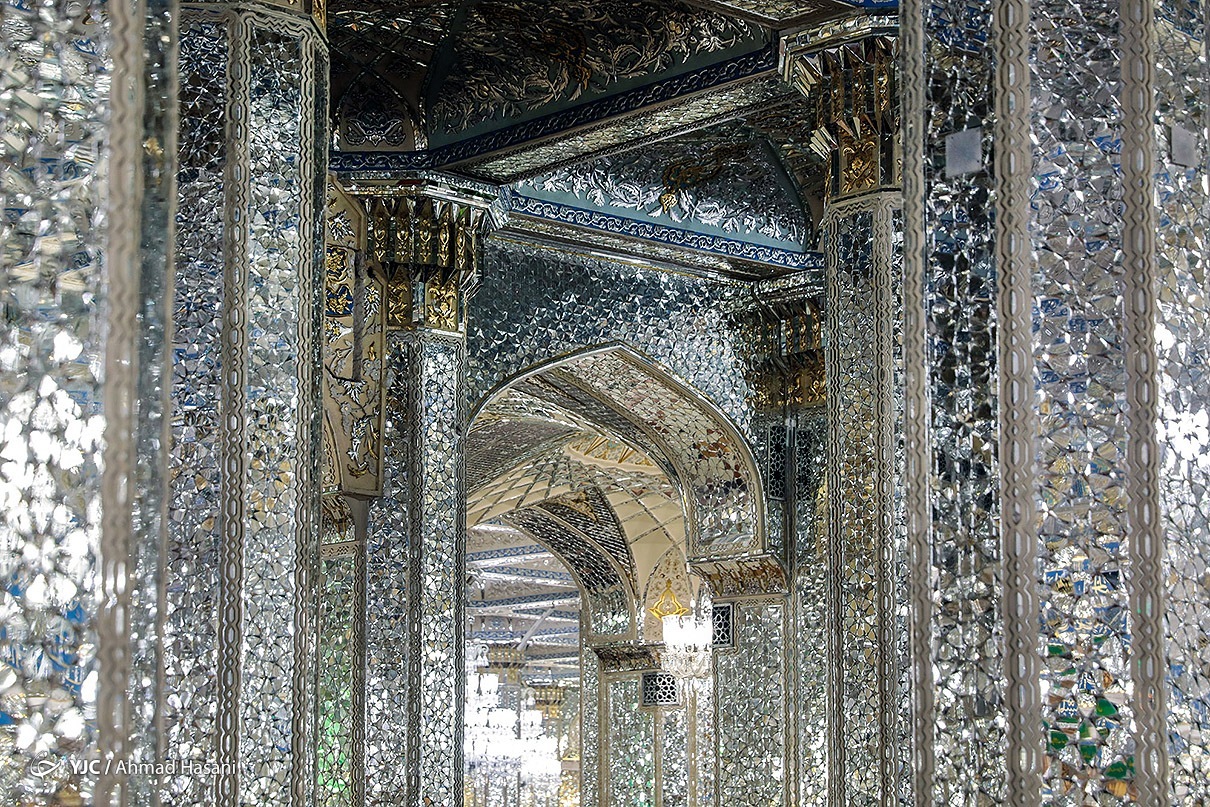
The portico is decorated with more than 8,000 square meters of mirror work and as much masonry.

The floor of the portico has been covered with white, cream and pink stones.

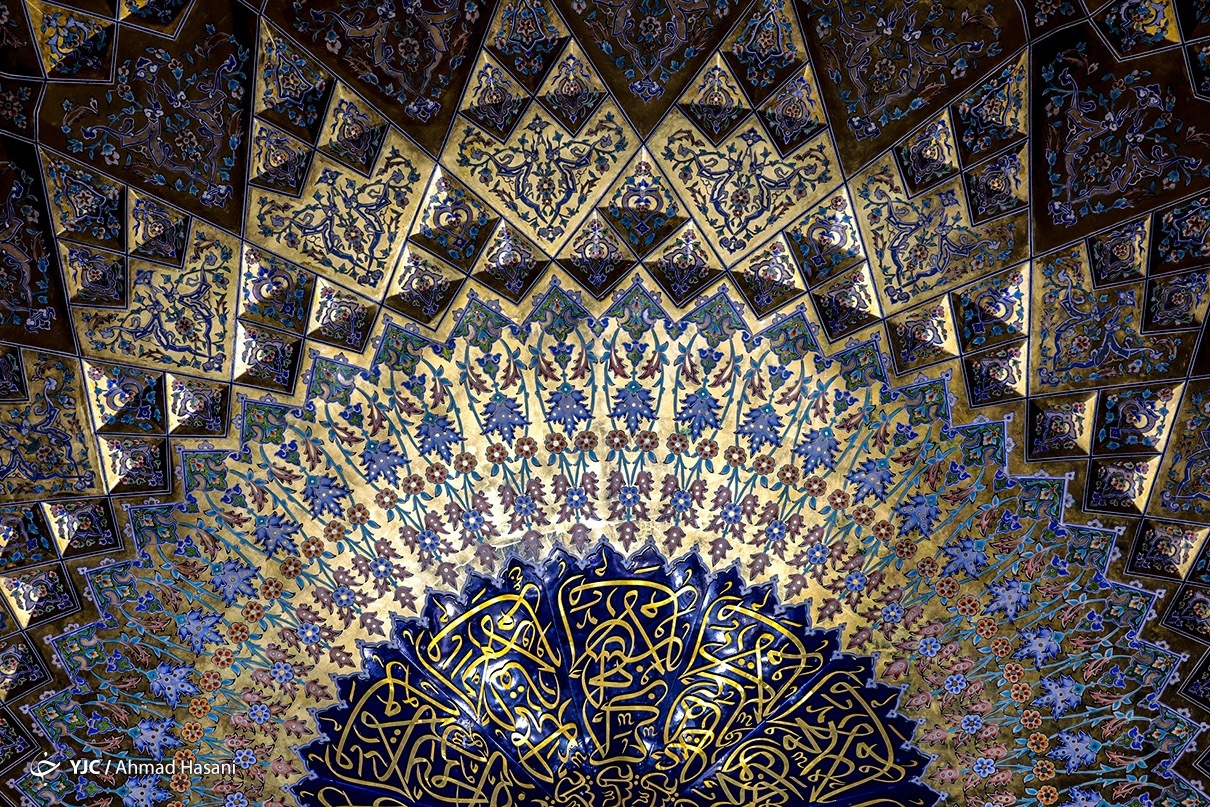
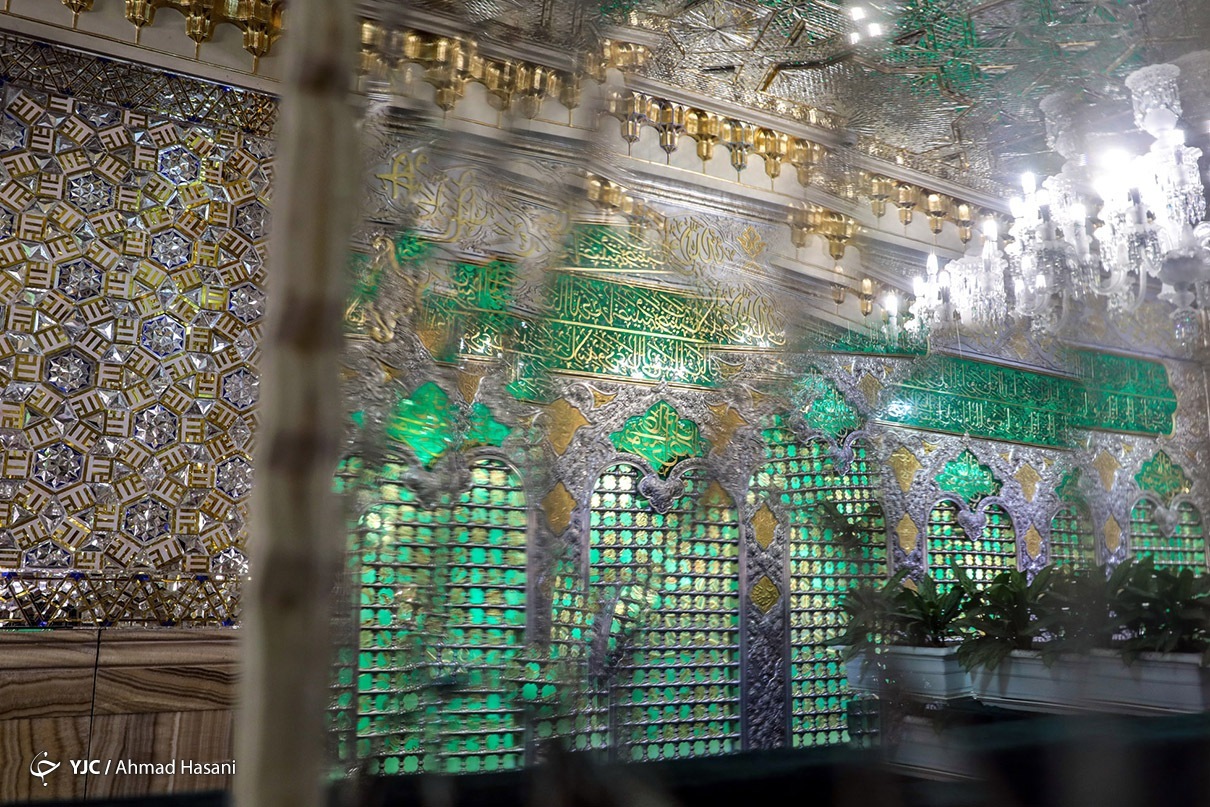
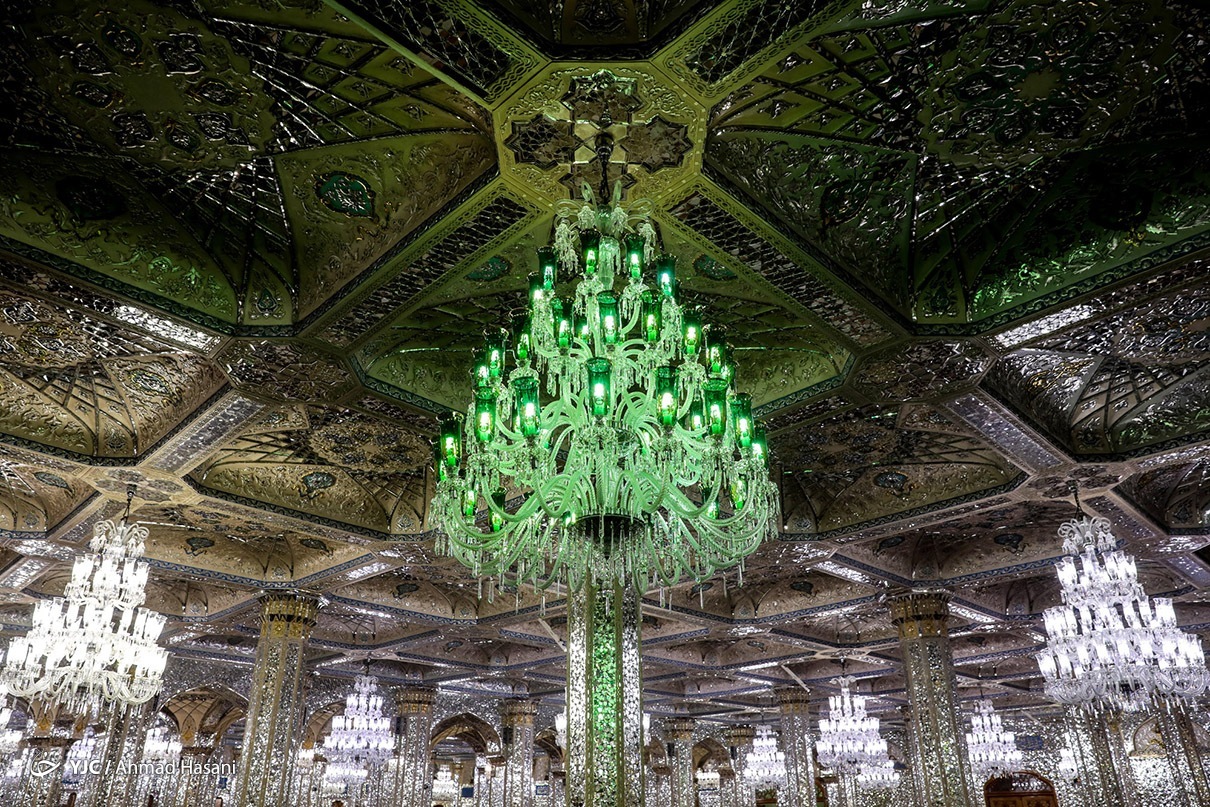
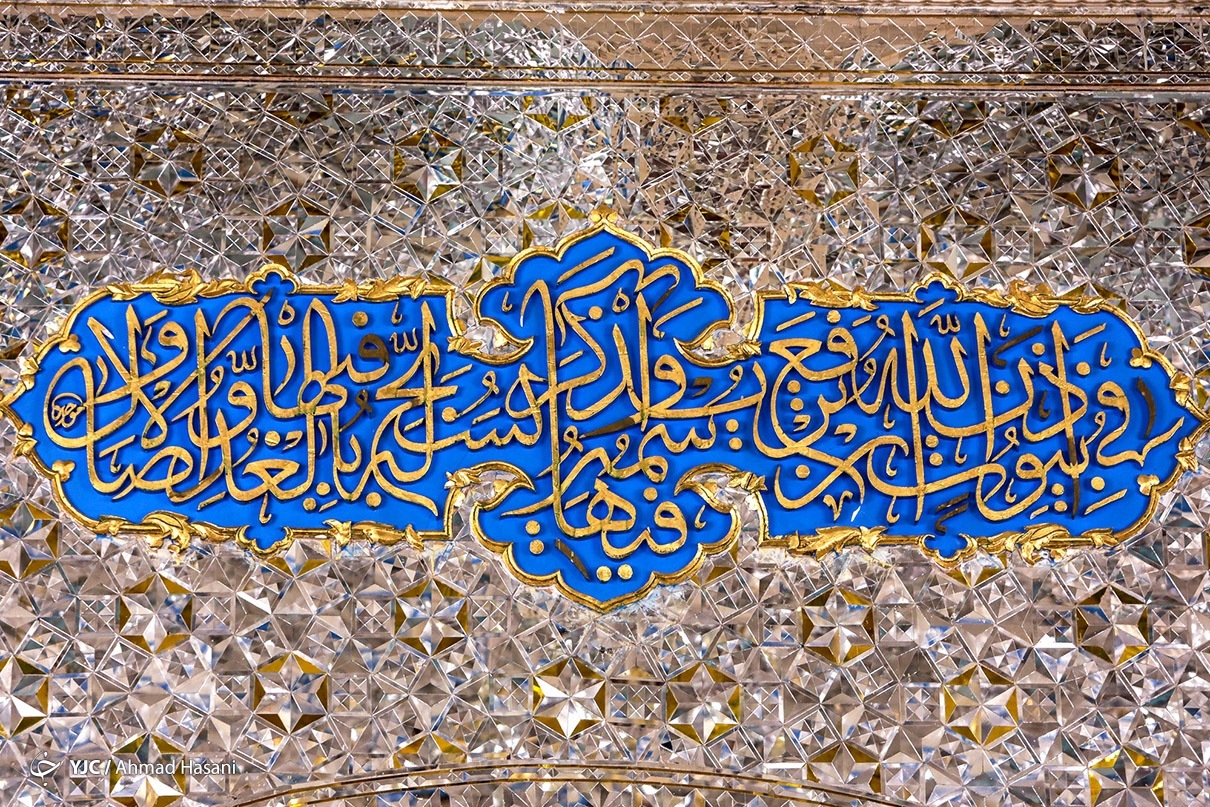
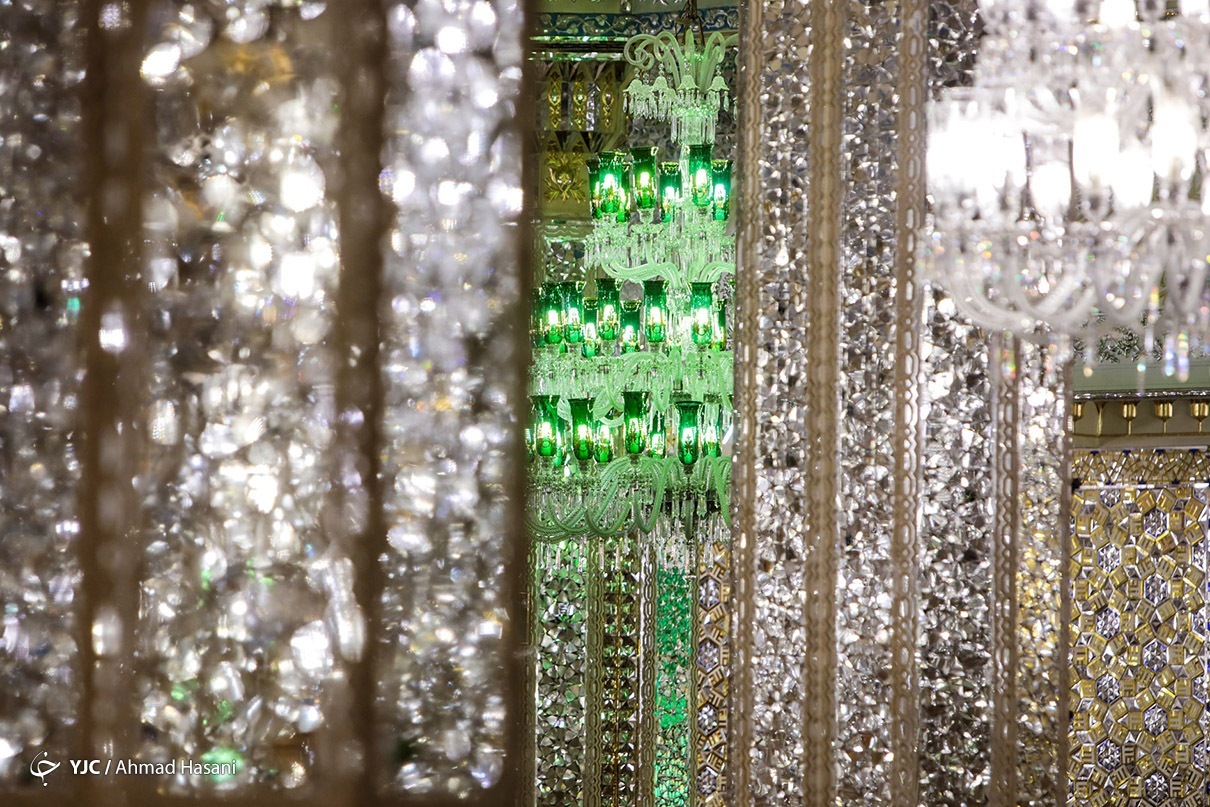
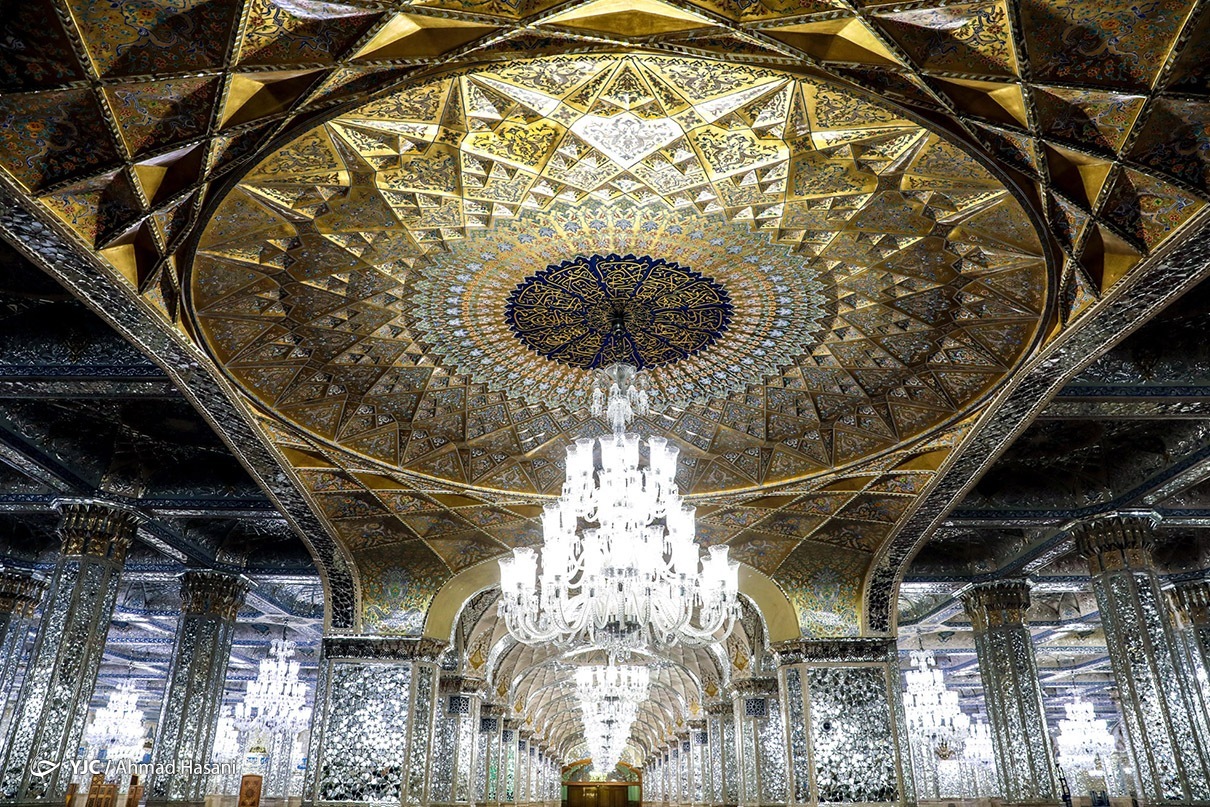
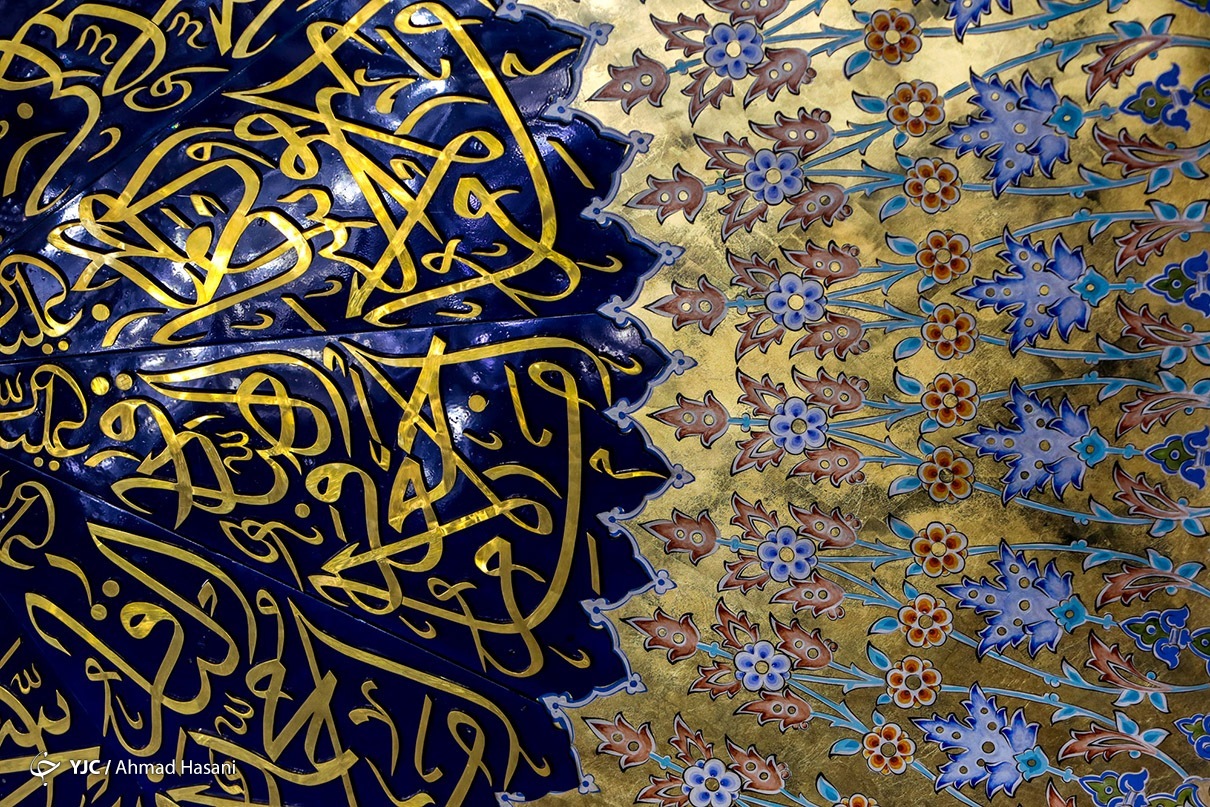
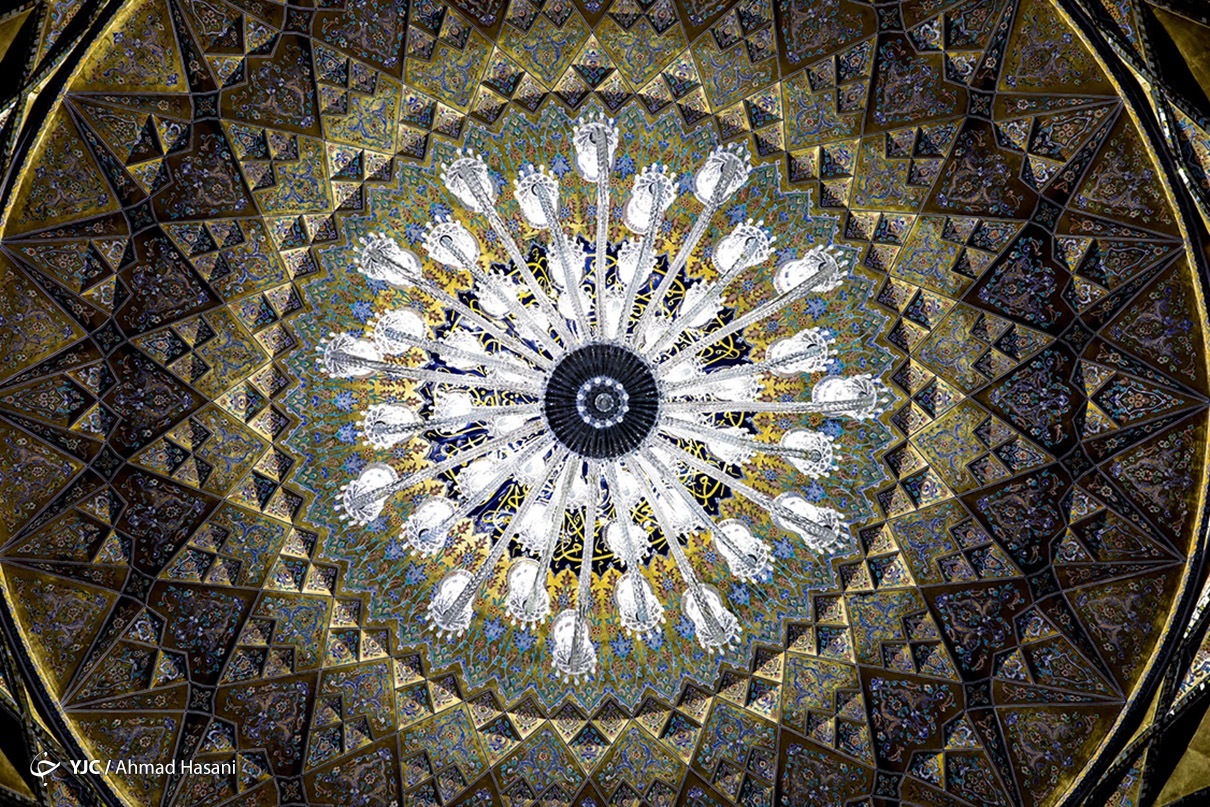
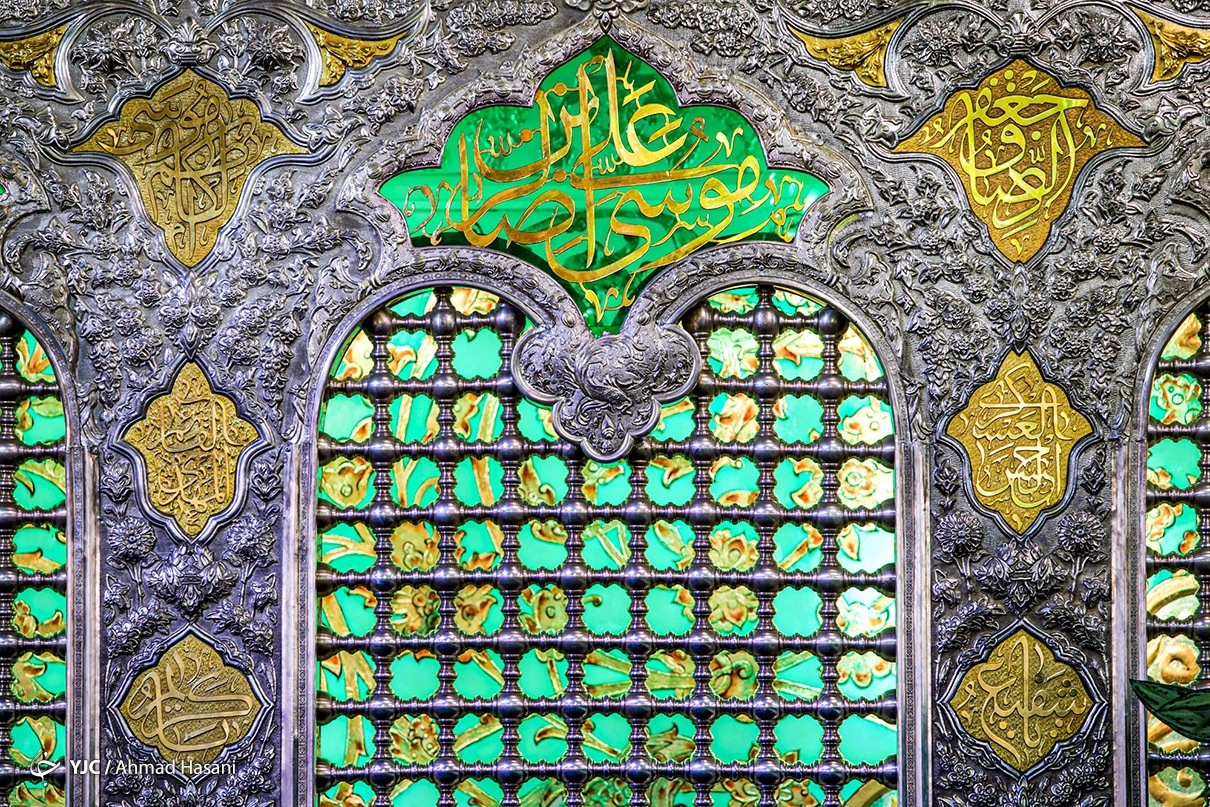
Mirror work, gold decorations, silverwork, stucco and colouring have joined hands to create an exquisite form of art which is unique and eye-pleasing in its own right.

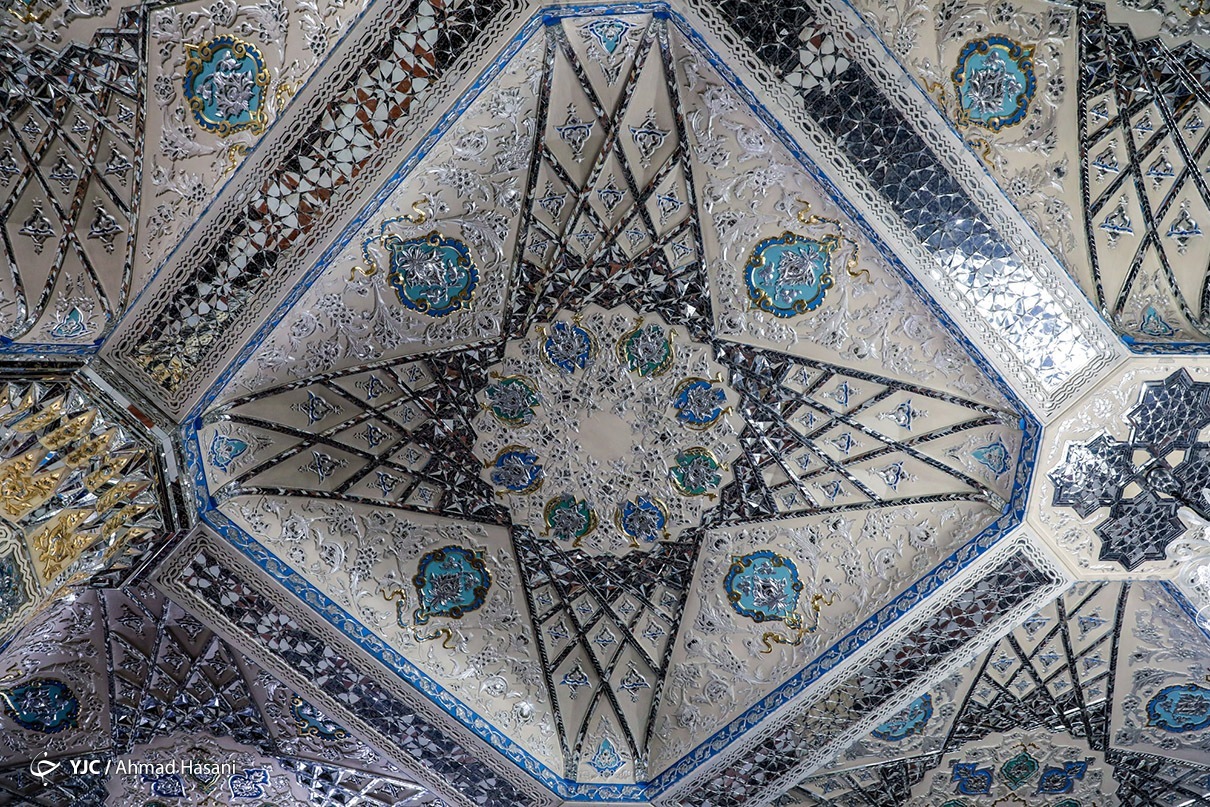
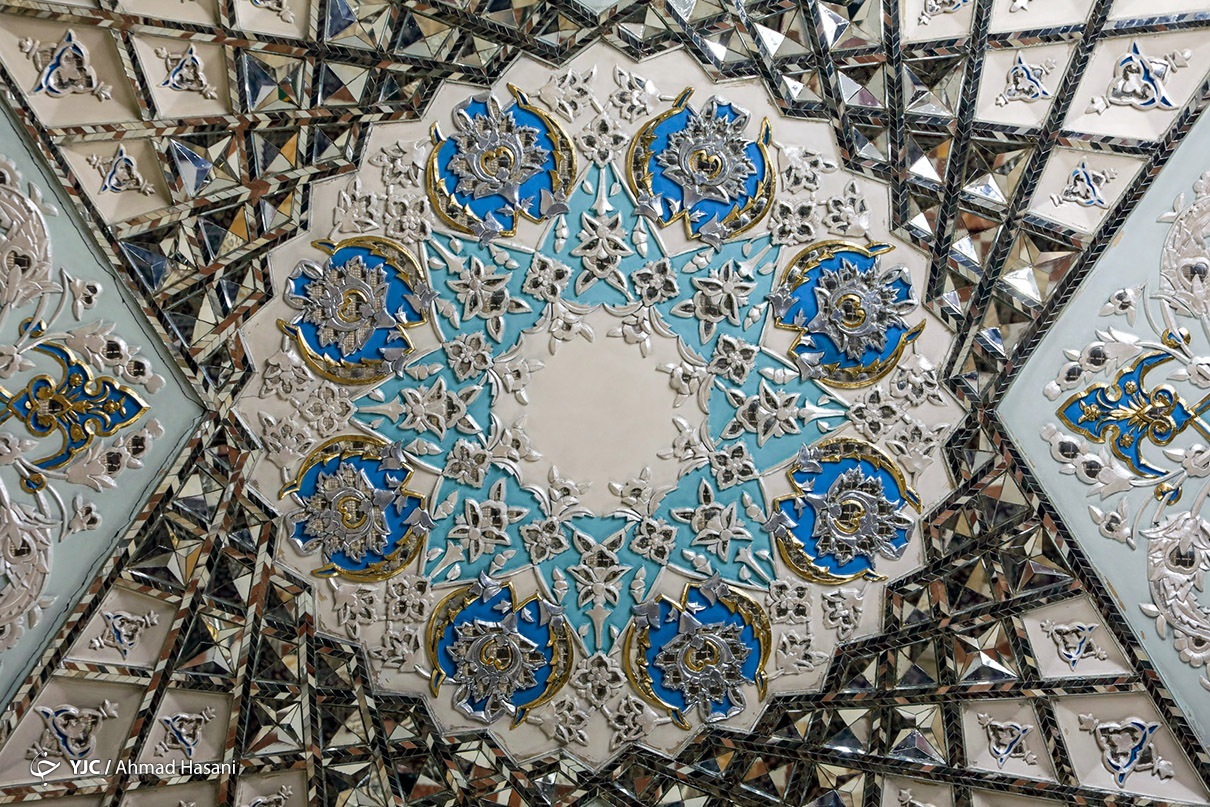
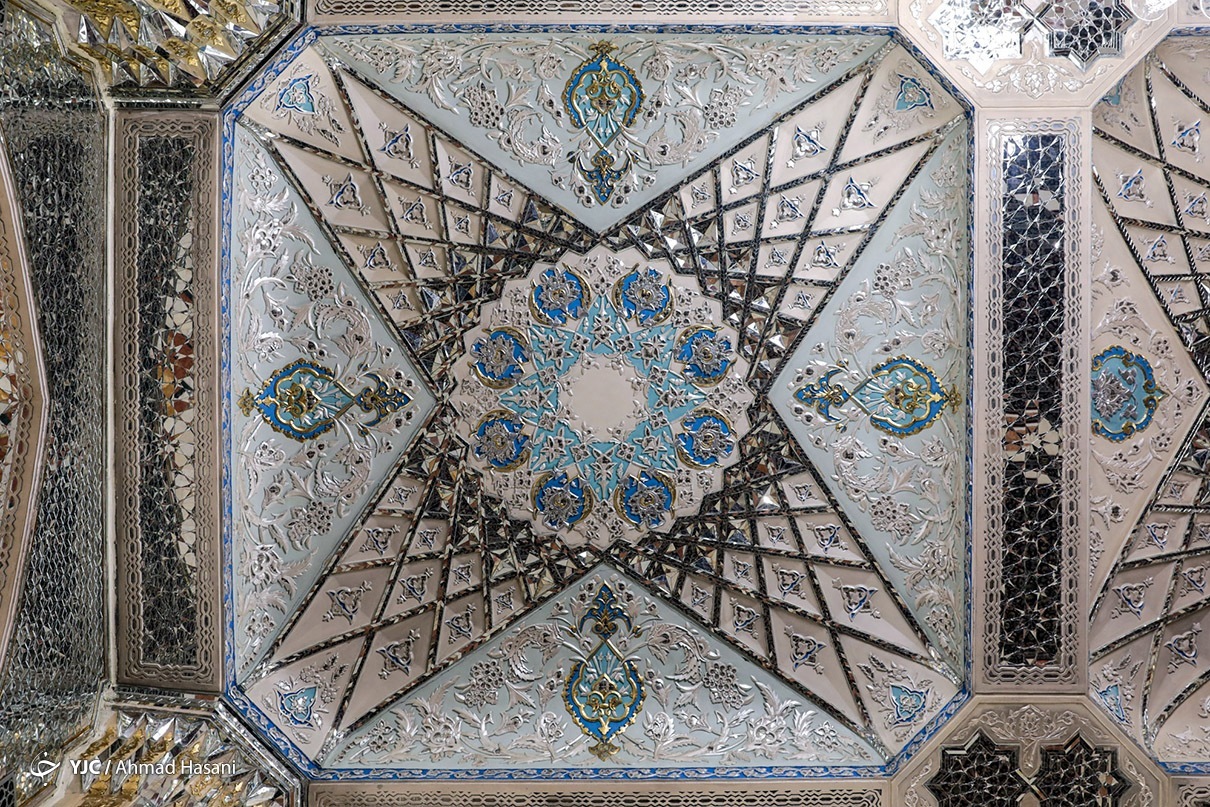
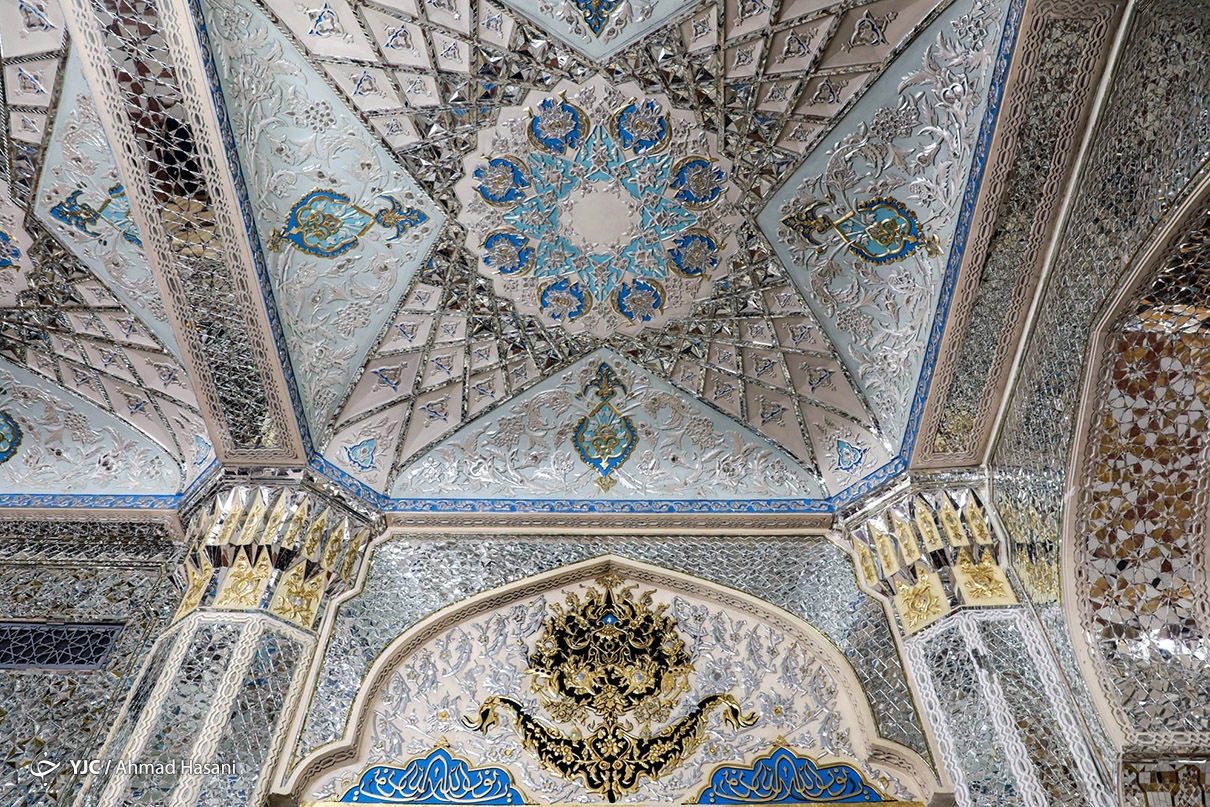
The concave structures on the ceiling are decorated with petal-shaped relief stucco covered with silver leaves.

The centre of the petals are embellished with convex mirror work.