Thursday, December 25, 2025
Home Blog Page 2362

Capacity of Iran’s Bushehr Nuclear Power Plant to be tripled

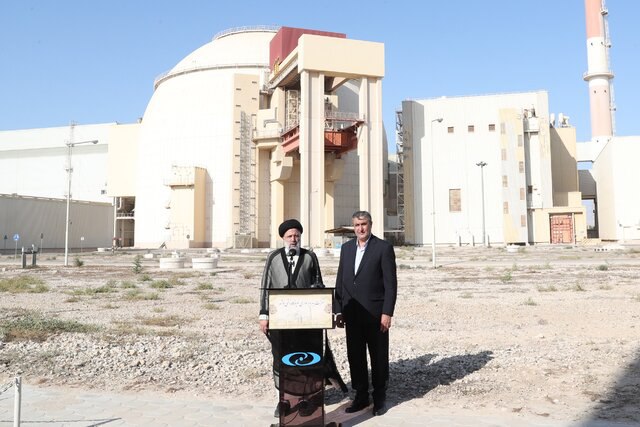
“We are delighted that the Bushehr Power Plant is operating at its maximum nominal capacity and produces one thousand megawatts of electricity, and this amount will triple in its development phases,” Raeisi said during a visit to the nuclear power plant in southern Iran on Friday as part of his sixth provincial trip since he took office in early August.

He also said the Atomic Energy Organization of Iran has been tasked with increasing the country’s nuclear electricity production capacity to ten thousand megawatts.

“The Islamic Republic of Iran’s definite policy is the use of peaceful nuclear energy and we will not give up on that,” Raeisi, who was accompanied by Iran’s Atomic Chief Mohammad Eslami, told reporters.

He also said the Atomic Energy Organization of Iran should supply part of water consumed in Bushehr through nuclear water desalination.

The Iranian president went on to say “Nuclear knowledge will determine the scientific development and the tremendous progress of countries in the future, and we should not lag behind the world’s scientific movement. Significant growth and development of nuclear knowledge will lead to advances in other technologies and techniques.”

The Bushehr plant is Iran’s first nuclear power station. It was connected to the national electricity grid in 2011. Iran has planned to build several more atomic power stations to meet its rapidly increasing power needs.

Envoy: Reports about closure of Iran-Turkey border crossings baseless

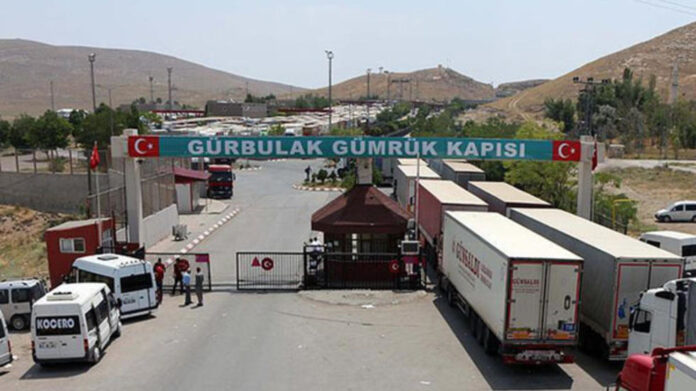
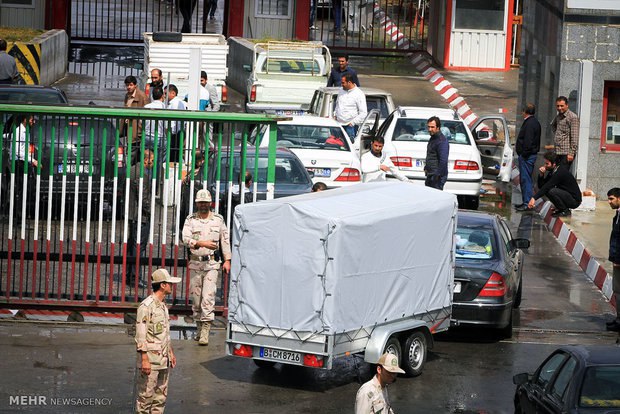
Sajjad Soltanzadeh said from October 8, 2021, the three crossings on the Iran-Turkey border were reopened by both sides to passengers provided that they observe health protocols such as showing vaccination proof and PCR test result.

He added that some 900 trucks pass through the border crossings each day and that the traffic is normal. Soltanzadeh noted that Ozjan Aras, the head of the Iran-Turkey Trade Expansion Association, officially denied the reports. Aras reiterated the association’s goal to expand trade between Iran and Turkey.

Aras had been quoted by Russia’s Sputnik news agency as saying that trucks were banned from passing through the crossings.

According to Soltanzadeh, Iranian deputy Foreign Minister Ali Bagheri is now in Ankara for talks with Turkish officials and that the two sides have stressed their determination to maintain the best neighborly relations and to boost their friendship and the regional peace.

Iran FM: Agreements reached with Saudi Arabia on some issues

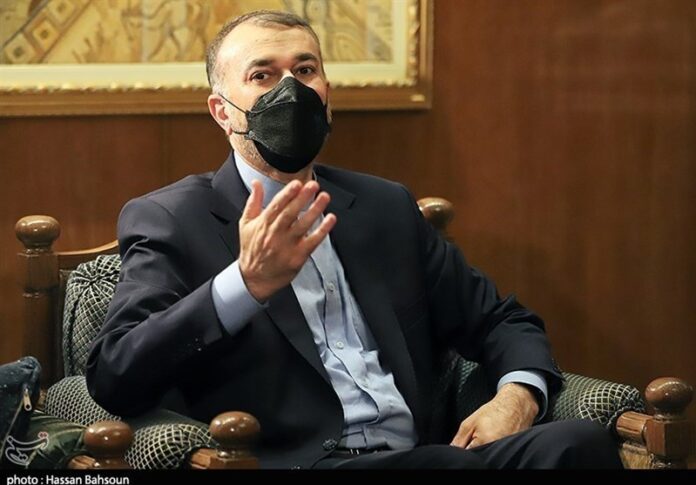
“We and Saudi Arabia have reached agreements in some areas and we welcome these talks,” Amirabdollahian told Lebanon’s Al Mayadeen TV channel on Friday.

The Iranian foreign minister said the talks between Iranian and Saudi negotiators are in the interest of the region.

“This is a constructive dialog. Iran and Saudi Arabia are two important countries and play an important role in stabilizing regional security,” he added.

Amirabdollahian stated that Iran believes that the equation of dialogue and welcoming the views of other countries can bring the region a bright future.

The Iranian top diplomat also said the main goal of the Iranian administration is a comprehensive multilateral economic plan adding that the results of Iran’s initiatives to establish peace and security in the region will be seen in the near future.

Iranian and Saudi officials have held several rounds of negotiations in the Iraqi capital Baghdad over the past months on mending relations which were cut in 2016.

Later in his remarks, Amirabdollahian touched on the negotiations between Iran and the remaining parties to the Iran nuclear deal.

“We will not waste our time negotiating unless the other side is serious about returning to it. If the United States is serious about returning to the nuclear deal, we can count on it,” he noted.

The U.S. unilaterally withdrew from the JCPOA and re-imposed sanctions on Iran in 2018, but now says it wants to be part of the nuclear deal again.

Iran and other remaining parties to the Joint Comprehensive Plan of Action, namely Russia, China, Britain and Germany have held several rounds of talks in recent months on a possible U.S. return to the JCPOA.

Iran says it will soon resume negotiations in the Austrian capital Vienna.

UN drops Yemen war crimes investigation

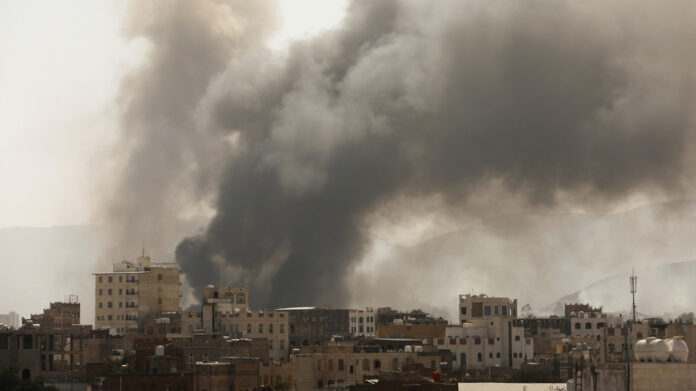
Members of the UN rights body pushed through a vote on Thursday to end war crimes investigations in Yemen, with 21 countries voting against the motion, 18 in favor and seven abstentions.

The vote marked the first time a resolution has been defeated in the UN Human Rights Council’s 15-year history.

The resolution, led by the Netherlands, would have given independent investigators another two years to monitor atrocities perpetrated by the Saudi-led coalition during Yemen’s protracted conflict.

Dutch ambassador Peter Bekker denounced the vote as a major setback, saying, “I cannot help but feel that this Council has failed the people of Yemen.”

“With this vote, the Council has effectively ended its reporting mandate, it has cut this lifeline of the Yemeni people to the international community,” he added.

Radhya Almutawakel, chairperson of the independent Yemeni activist group Mwatana for Human Rights, said she was deeply disappointed by Thursday’s vote.

“By voting against the renewal of the GEE today, UN member states have given a green light to warring parties to continue their campaign of death and destruction in Yemen,” she added, referring to the investigators known as the Group of Eminent Experts.

John Fisher of Human Rights Watch said the failure to renew the mandate was “a stain on the record of the Human Rights Council”.

“By voting against this much-needed mandate, many states have turned their back on victims, bowed to pressure from the Saudi-led coalition, and put politics before principle,” he added.

The vote came as several rights advocacy groups revealed earlier this week that Saudi Arabia, which is not a voting member of the UN Human Rights Council, had been heavily lobbying against the resolution that would extend the mandate of UN investigators in Yemen.

“Saudi Arabia, a leading party to the conflict in Yemen accused of serious violations including likely war crimes, together with its coalition allies, is engaging in a tireless lobbying campaign to deter states at the Human Rights Council from renewing the inquiry mandate,” Afrah Nasser, Yemen researcher at US-based group Human Rights Watch, said in a statement.

Nasser added if the panel bowed to Saudi pressure and failed to extend the mandate by two years, it would be “a stain on the credibility of the Council and a slap in the face to victims”.

Stephane Dujarric, a spokesman for UN Secretary-General Antonio Guterres, said the UN chief still believes there is a need for accountability in Yemen.

“We will continue to press for accountability in Yemen, a place … in which civilians have seen repeated crimes committed against them,” Dujarric added.

The Group of Eminent Experts, set up by the council in 2017, has found repeatedly that Saudi air raids and shelling during the seven-year conflict may amount to war crimes.

Kamel Jendoubi, head of the group, said in presenting its latest report last month that airstrikes launched by the coalition “continue to exact a huge toll on the civilian population”.

Since March 2015, Jendoubi added, it is estimated that over 23,000 airstrikes had been carried out by the coalition and that over 18,000 civilians had been killed or wounded.

Saudi Arabia, backed by the US and regional allies, launched a war on Yemen in March 2015, with the goal of bringing the former Riyadh-backed regime back to power and crushing popular Ansarullah resistance movement.

The war has left hundreds of thousands of Yemenis dead, and displaced millions more. It has also destroyed Yemen’s infrastructure and spread famine and infectious diseases.

Downward trend in Covid deaths continues in Iran

Coronavirus

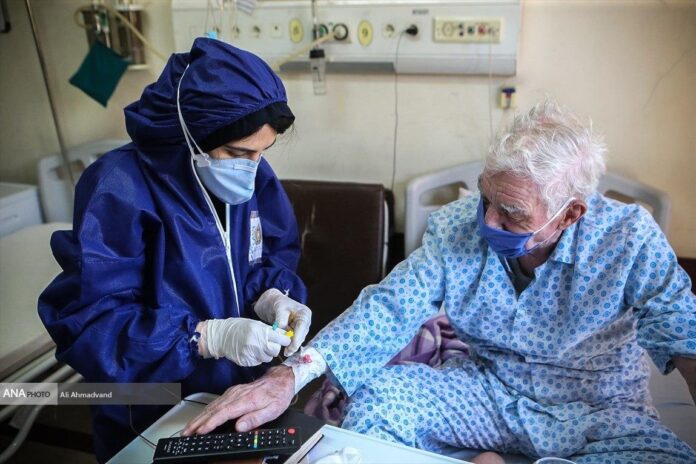
The Friday announcement of the Iranian Health Ministry says 185 people died of the disease in the past 24 hours.

Medical officials also reported 9,897 new infections including 1,424 hospitalizations.
The latest deaths push the total number of Covid fatalities in Iran to 122,197 since the pandemic began in early 2020.

The downward trend of deaths and infections began a couple of weeks ago. This has prompted officials to lift many Covid-related restrictions like traveling and nighttime driving bans.

Iranian officials attribute the downward trend to a rise in vaccine production and imports as well as the acceleration of the vaccination process in Iran. They, however, urge people to care for social distancing, wear masks and refrain from gathering.

Healthcare centers and many hospitals across Iran have been working round the clock to inoculate the entire population.

Now only 7 cities in Iran are marked red, which is the highest level of risk from Covid. 108 cities are orange, 248 ones yellow, and 85 other blue.

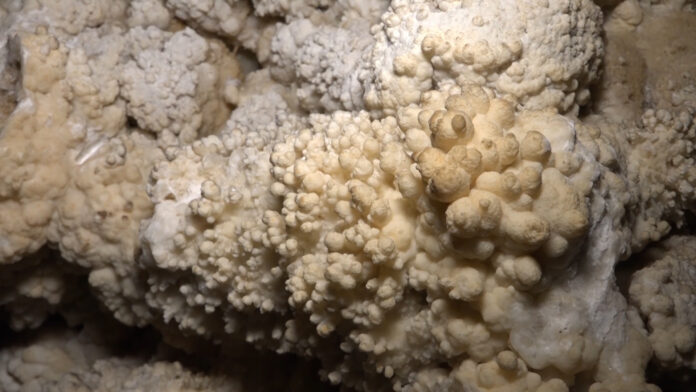
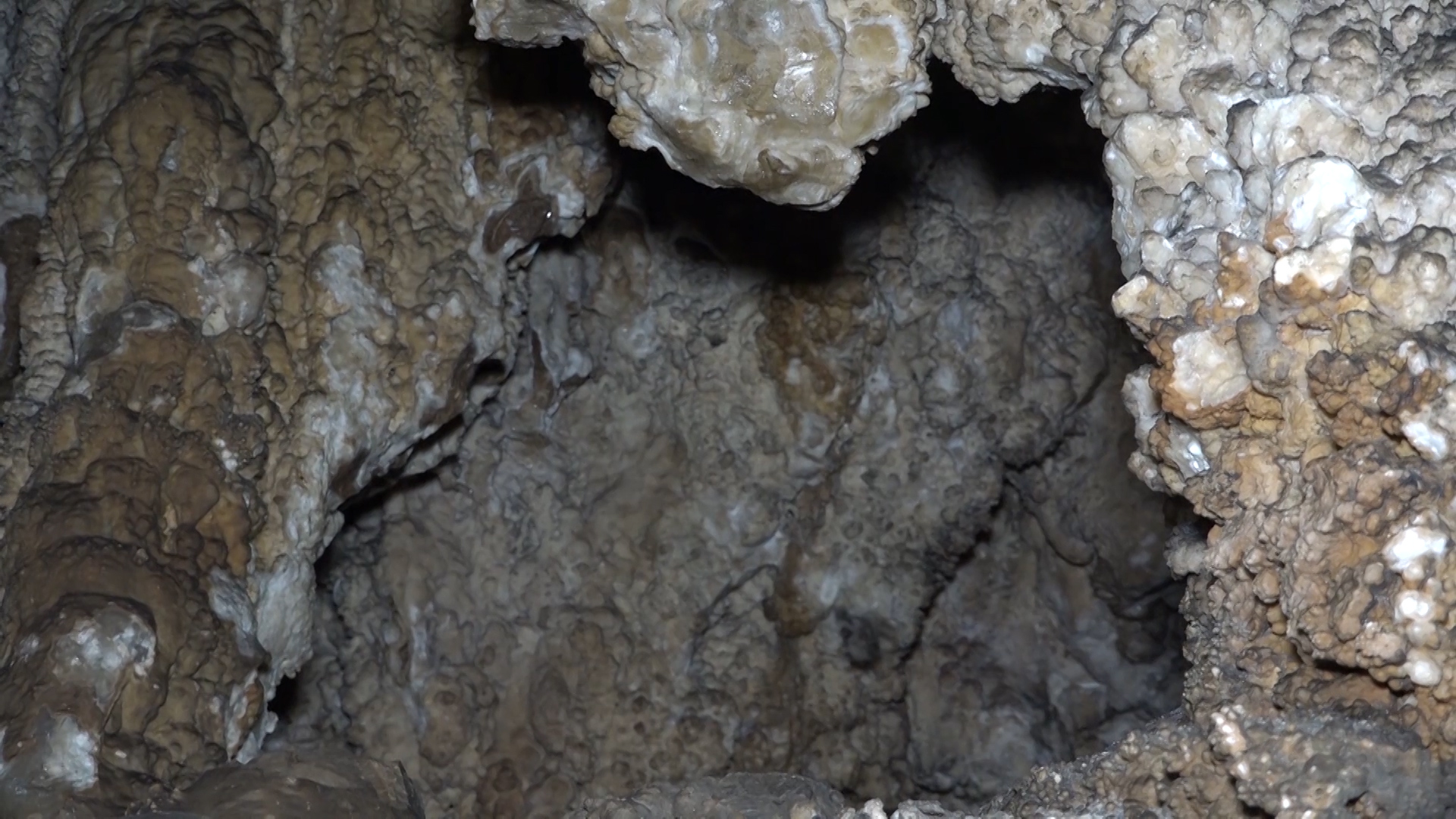
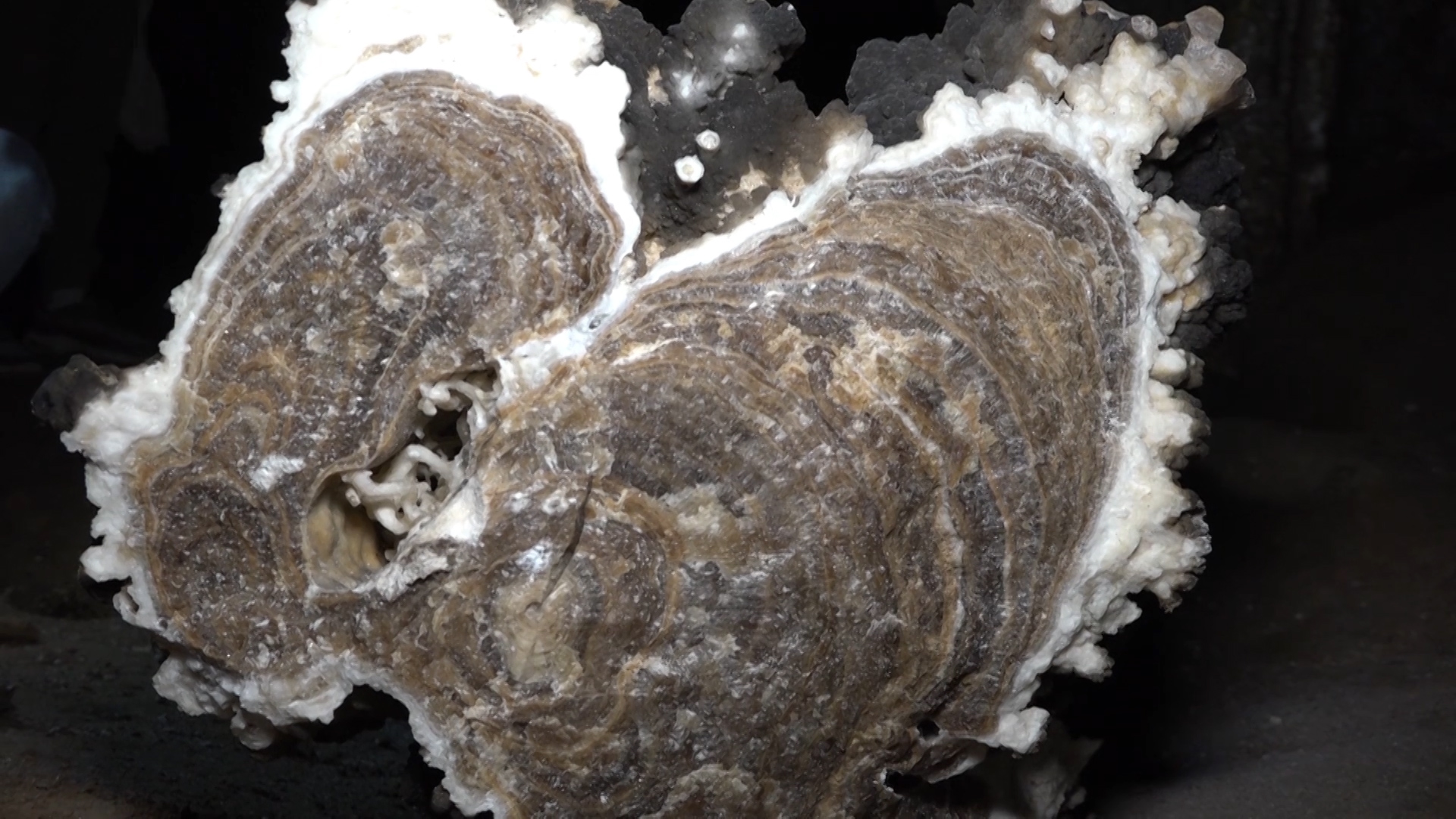
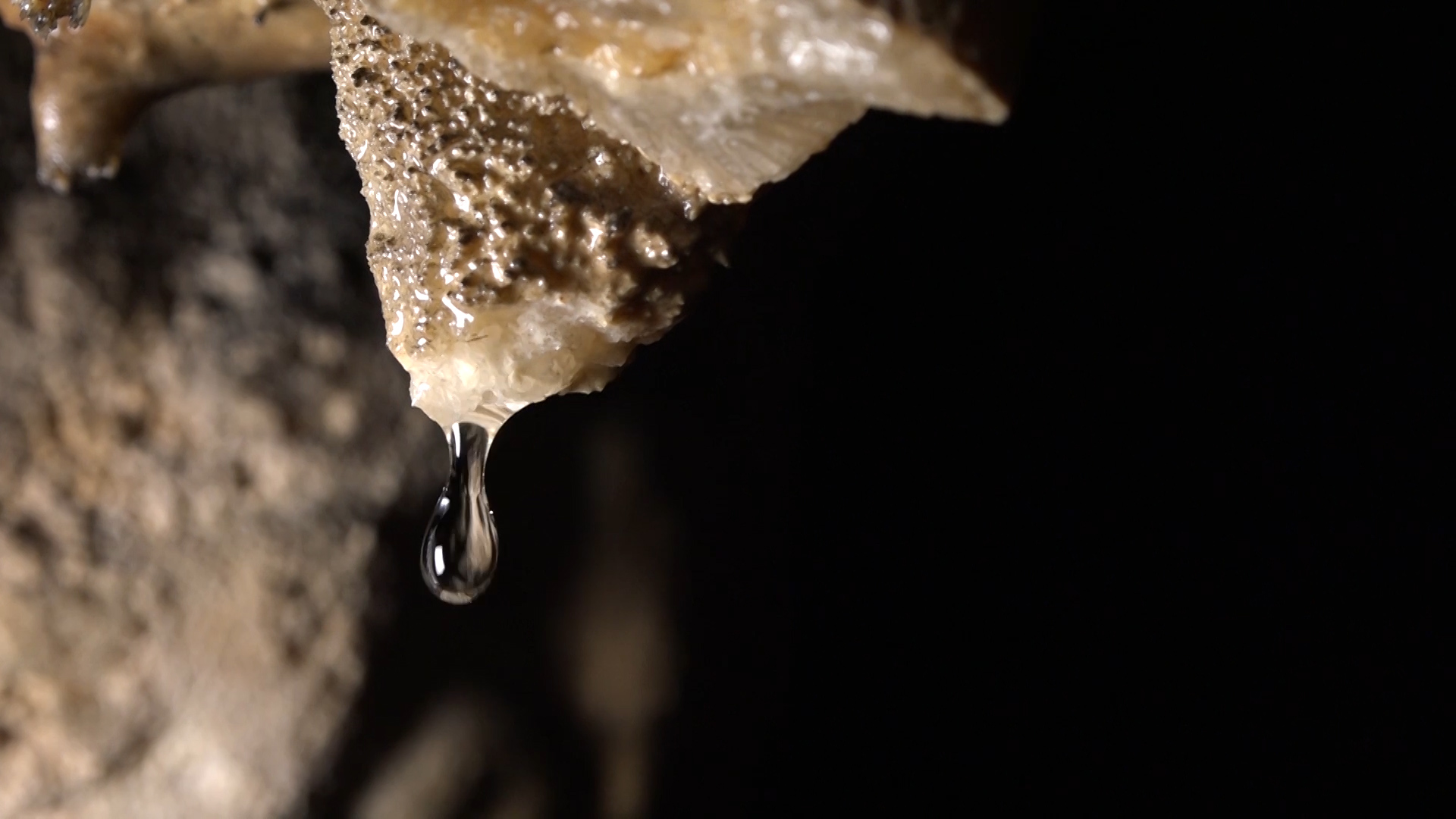
65-million-year-old wonder cave in Isfahan Province

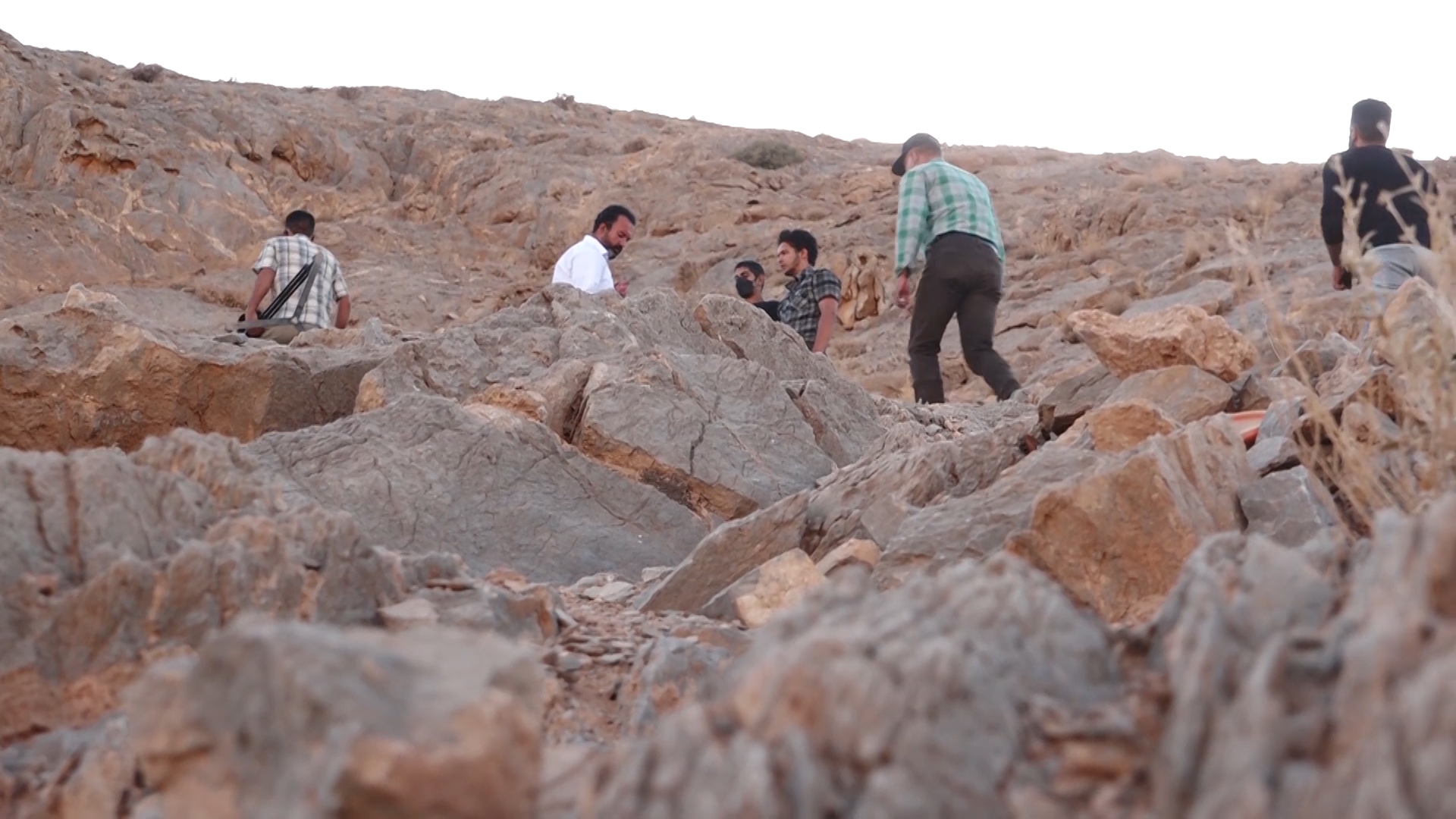
Experts believe that the cave East of Alavijeh city in Najafabad County in Isfahan Province, dates back to the Cretaceous period 65 million years ago.

Caving instructor Hassan Ghandehari says the cave was first discovered by the elders and local people of the village.

Then, he said, cavers identified 7 halls adding that the depth of Sangriz cave has not yet been discovered due to the difficult underground passages.

The limestone chandeliers, which were formed millions of years ago and gave a special beauty to the cave, are being destroyed and crushed today due to natural and human factors, the caving instructor warned.

Iran’s West Azarbaijan Province reopens all border crossings

All five land borders of the province which are Bazargan, Razi and Sarv on the border with Turkey, Tamerchin on the border with Iraq and Poldasht on the border of the Republic of Azerbaijan are open from today, Friday, the director general of highways and road transport of West Azerbaijan Province announced on Friday.

Arsalan Shokri added that those who want to leave the country through the province’s land borders need to have a valid vaccination card and a negative PCR test result.

He noted that passengers entering Iran from the land border crossings must also present a negative PCR test certificate and a valid vaccination card at the border; otherwise they will be barred from entering.

Shokri said before the coronavirus outbreak, more than 5 million passengers traveled through the land borders of West Azarbaijan Province annually adding that the number fell to 1 or 2 percent of that figure when the pandemic broke out.

U.S. nuclear submarine collides object in South China Sea

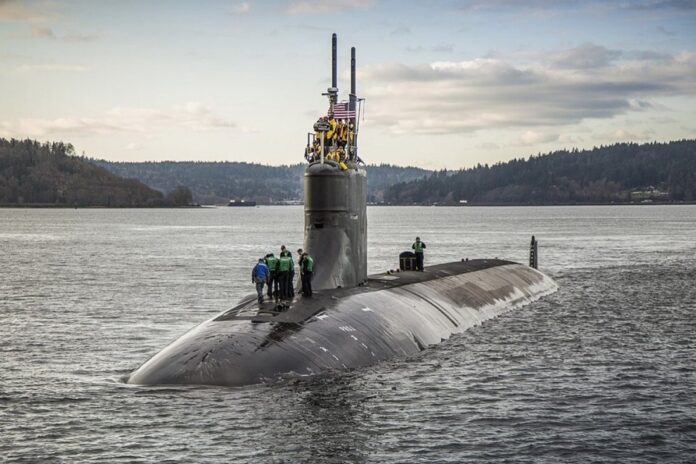
A U.S. Navy submarine hit an “object” while submerged in the Asia-pacific region, but the incident did not result in any life-threatening injuries, the United States military announced on Thursday.

The incident took place on Saturday and the submarine’s nuclear propulsion plant and spaces were not impacted and remain operational, the Navy said in a statement.

“The submarine remains in a safe and stable condition,” the Navy added.

U.S. officials, speaking on the condition of anonymity, stated the incident took place in international waters in the South China Sea and that fewer than 15 people suffered minor injuries like bruises and lacerations. Two of the injuries were categorized as “moderate”.

The officials added that the submarine was now headed toward Guam under its own power for further inspection.

It was unclear so far what the submarine hit, the officials said.

CIA creates China-focused mission center

In a statement on Thursday, the CIA said the China Mission Center was formed “to address the global challenge posed by the People’s Republic of China that cuts across all of the agency’s mission areas”.

The group is just one of fewer than a dozen mission centers operated by the CIA and will hold weekly, director-level meetings meant to better coordinate the agency’s strategy towards China.

It will address global issues critical to US competitiveness, the CIA added, such as emerging technologies, economic security, climate change and health challenges.

CIA Director William Burns stated the new mission center “will further strengthen our collective work on the most important geopolitical threat we face in the 21st century, an increasingly adversarial Chinese government”.

“Throughout our history, CIA has stepped up to meet whatever challenges come our way,” Burns said in a statement on Thursday, adding, “And now facing our toughest geopolitical test in a new era of great power rivalry, CIA will be at the forefront of this effort.”
The announcement comes amid a wider prioritisation by the administration of President Joe Biden on countering Beijing.

In June, Biden announced a new task force at the Pentagon to assess and respond to Beijing’s military challenge.

Relations between the two superpowers have been particularly strained in recent years. However, a US official noted on Wednesday that Biden and Chinese President Xi Jinping are expected to hold a virtual meeting by the end of this year.

China is considered an especially difficult challenge for the US intelligence community given the insularity of its Communist Party leadership, its large military and security services, and its development in advanced technologies that can counter spying.

Underscoring the challenge, the CIA recently sent a memo to its agents around the world admitting that it was experiencing a shortage of informants from other countries, with some captured or killed, The New York Times and the Washington Post reported.

The CIA and FBI recently unearthed dozens of cases of China recruiting US citizens to supply it classified or corporate proprietary information, as well as instances of Chinese citizens working in the US as intelligence collectors.

The CIA also announced on Thursday that it will designate a chief technology officer for the first time as part of a broader effort to implement advanced computing methods at the agency.

UN chief welcomes Saudi-Iran talks

Iranian Foreign Minister, Hossein Amirabdollahian, told a press conference in the Lebanese capital on Thursday that Iran had come a “good distance” in talks with Saudi Arabia.

On Sunday, Saudi foreign minister Faisal bin Farhan revealed that his country had organized on September 21, a fourth round of direct negotiations with Iran and that it is still in its “exploratory” phase.

The spokesperson for the UN chief told reporters in New York that the talks between Saudi Arabia and Iran are of paramount importance for stability in the region.

“We welcome the negotiations between the two countries and we are, of course, ready to provide assistance in any form whatsoever, if requested”.

Iran and Saudi Arabia are divided over a range of issues including Yemen. The Saudis claim Iran interferes in the internal affairs of Arab countries including Saudi Arabia.

Iran wants the Saudis to end their deadly war on Yemen. It also accuses Riyadh of supporting Takfiri terrorist groups in the region.

Saudi Arabia cut ties with Iran in 2016 following spontaneous attack by angry Iranians on its embassy in Tehran prompted by the execution of Saudi Shia Cleric Sheikh Nimr al-Nimr.