Saturday, December 27, 2025
Home Blog Page 2326

US says ready for talks with N Korea without preconditions

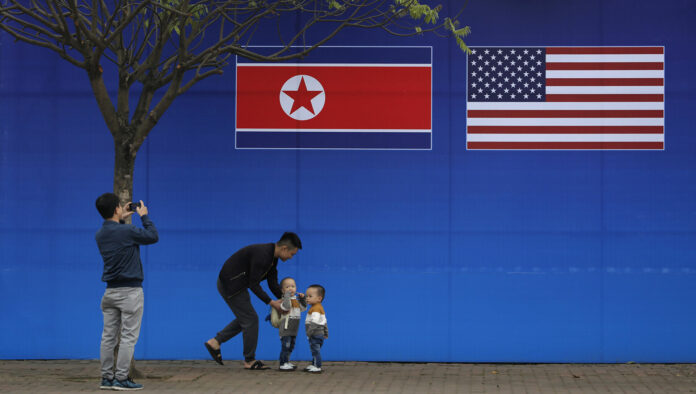
Washington’s envoy has expressed readiness for negotiations with Pyongyang without preconditions but urged the Asian country to end its recent series of missile tests and resume negotiations.

“I look forward to continuing to work with special representative Noh to explore different ideas and initiatives, including the ROK’s [South Korea’s] end-of-war proposal as we continue to pursue our shared objectives on the peninsula,” Kim said on Sunday, as quoted by the South Korean Yonhap news agency.

The special representative told reporters that Washington was ready to help address North Korea’s humanitarian concerns amid the coronavirus pandemic.

“We remain ready to meet with the DPRK [North Korea] without preconditions, and we have made clear that the United States harbors no hostile intent towards the DPRK,” Kim stated, adding that Washington hopes Pyongyang “will respond positively to our outreach.”

Kim stressed that North Korea’s missile tests are counterproductive and called on Pyongyang to stop “destabilizing” activities and return to the negotiating table.

In his turn, South Korean representative Noh noted that Seoul and Washington are ready to discuss any issues if North Korea accepts their talk offer.

At the start of October, US State Department spokesperson Ned Price announced that Washington was ready to meet with officials from North Korea without preconditions.

On Wednesday, US Ambassador to the United Nations Linda Thomas-Greenfield reiterated that the US was open to dialogue with Pyongyang without any conditions and held no hostile intent toward North Korea. Thomas-Greenfield called on North Korea to refrain from further provocations following Pyongyang’s recent launch of a ballistic missile from a submarine.

On Friday, UN Special Rapporteur on the human rights situation in North Korea Tomas Ojea Quintana stated that sanctions against North Korea should be reviewed and, when necessary, eased, given the humanitarian effects of the COVID-19 pandemic on the nation.

US, Taiwan discuss UN attendance ahead of Xi speech

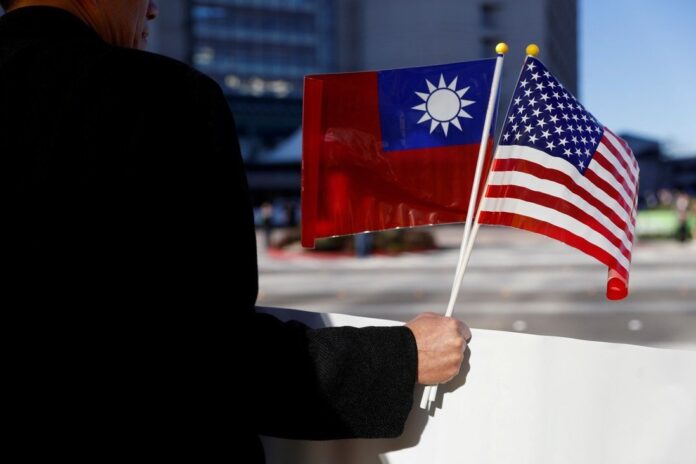
US and Taiwanese officials discussed plans to allow the island to “participate meaningfully” at the UN on Friday in the latest move to upgrade Washington’s relationship with the island.

The US State Department said in a statement released on Sunday that “high-level representatives” of the US State Department and Taiwan’s foreign ministry had discussed “expanding Taiwan’s participation at the United Nations and in other international fora”.

“The discussion focused on supporting Taiwan’s ability to participate meaningfully at the UN and contribute its valuable expertise to address global challenges, including global public health, the environment and climate change, development assistance, technical standards, and economic cooperation,” the statement added.

“US participants reiterated the US commitment to Taiwan’s meaningful participation at the World Health Organization and UN Framework Convention on Climate Change and discussed ways to highlight Taiwan’s ability to contribute to efforts on a wide range of issues,” it continued.

China’s foreign ministry did not reply to requests for comment. Taiwan’s foreign ministry expressed “gratitude for US firm support”.

Participants included acting principal deputy assistant secretary for international organisations Hugo Yon, deputy assistant secretary for China, Taiwan, and Mongolia Rick Waters and Taiwan’s de facto deputy ambassador in Washington Wang Liang-yu, the statement read.

Taiwan, under the name of the Republic of China, had held the Chinese seat until then.

China views Taiwan as a breakaway province that must be reunited with the mainland, by force if necessary.

Although the US withdrew formal diplomatic recognition from Taiwan in 1979 when it established relations with Beijing, it is required by the Taiwan Relations Act to help the island to defend itself.

It has also maintained a policy of “strategic ambiguity”, in which it does not indicate whether it would take military action in Taiwan’s defence.

But relations between the US and Taiwan have been upgraded in recent years amid the escalating rivalry between Beijing and Washington. China has also intensified political and military pressure on the island.

US President Joe Biden caused confusion on Thursday when he told CNN that the US would come to the island’s defence in the event of an attack by mainland China. The White House later clarified that Washington’s policy toward Taiwan had not changed.

China’s foreign ministry has repeatedly called on the US not to send the wrong signal to proponents of Taiwanese independence. It said on Thursday that China had no room for concessions when it came to the issue of sovereignty and territorial integrity.

Shi Yinhong, a professor of international relations with Renmin University, said the Biden administration was following the previous administration’s policy of increasing official contacts with Taiwan, but given China’s international influence, Taiwan’s desire to return to the UN “cannot be achieved”.

“The United States hopes that through long-term activities, Taiwan’s international space will gradually expand and China’s international influence on the Taiwan issue will face setbacks,” he added.

“The United States and its allies, in terms of military, political, economic, and diplomatic measures to support Taiwan, may have a relatively large impact,” he continued.

Liu Weidong, a US affairs specialist from the Chinese Academy of Social Sciences, said the Biden administration was trying to adopt new tactics to further pressure China.

“The United States will not really help Taiwan, the so-called armed defence of Taiwan is only political rhetoric,” Liu added, noting, “Basically it will not be put into practice, the United States will not be willing to shed blood for Taiwan.”

Liu said Washington was stepping up its engagement with Taipei to send a message to Beijing “that I have enough power to restrain you and that you have no power to fight back”.

He added: “China’s principle has been consistent that China cannot accept any country to develop official relations with Taiwan, but now internationally, the trend of building close contact with Taiwan is surging, not only the United States, but also France, Lithuania, the Czech Republic, these countries that used to have no conflict with China are first to the front. In such a context, China’s response to the Taiwan issue is more difficult and a test of top leaders’ political wisdom.”

Iranian president: US, Europe facing decision-making crisis

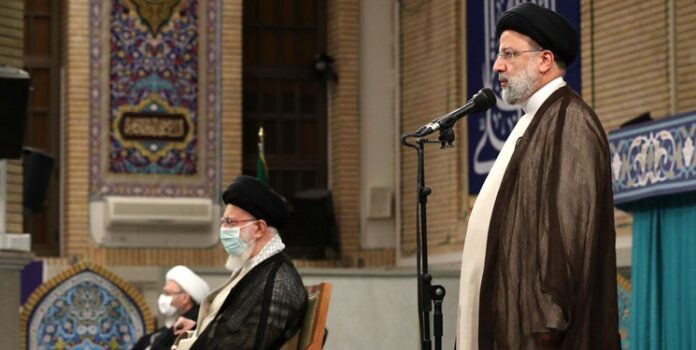
Raeisi was speaking during a Sunday meeting with the Leader of Iran’s Islamic Revolution in the presence of some other government officials and foreign guests on the occasion of the Islamic Unity Week in Tehran.

He said Iran is sticking by its obligations regarding the nuclear deal and the talks aimed at reviving it. The president added that Tehran will not tie its economy to the negotiations.

Raeisi noted that the Islamic Republic’s foreign policy is based on interaction with the international community, particularly with neighboring countries.

Elsewhere in his comments, the Iranian president said the Covid pandemic and the supply of basic goods for citizens are two major concerns for his administration.

Raeisi said, “With the large-scale vaccination campaign, the government has taken a long stride in protecting people’s health and the provision of basic goods has dispelled worries”.

Hungarian PM: US, EU meddling in upcoming vote

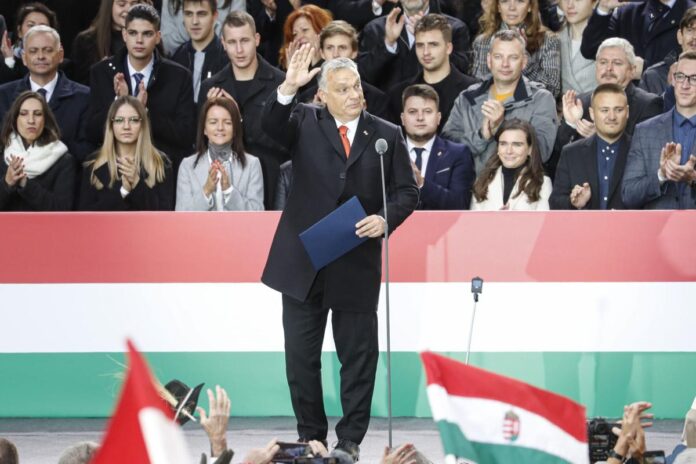
Orban told tens of thousands of his supporters at a rally in Budapest that Washington and Hungarian-born billionaire George Soros were trying to get the Hungarian leftist opposition elected using their money, media and networks.

“But what matters is not what they in Brussels, in Washington and in the media which is directed from abroad, want. It will be Hungarians deciding about their own fate,” Orban stated.

“Our strength is in our unity… we believe in the same values: family, nation, and a strong and independent Hungary,” he added, calling on his supporters to defend his nationalist government.

The rally drew participants from across the country as well as from Romania, Italy and Poland.

Several Orban supporters at the rally were seen carrying Polish flags while one held a placard reading “Brussels = dictatorship.”

Showing his support for Poland, Orban said the “EU speaks and behaves to us as and the Poles as if we were enemies.”

Europe’s “high dignitaries wanted to beat Hungarians into Europeans, liberals” and tell the citizens of Hungary, as well as Poland, how to live, he continued.

Orban’s anti-immigration government faces increasing pressure both in Hungary and Brussels.

The EU is considering imposing financial penalties on Hungary over concerns of weakening democratic institutions and the rule of law.

Both Hungary and Poland have vowed to veto any EU measures to punish the other.

“Brussels would do well to understand that even the communists could not handle us. We’re the David who Goliath is better off avoiding,” Orban stated.

Hungary celebrated a bank holiday on Saturday, marking the uprising against communist rule that erupted on October 23, 1956, and was suppressed by Soviet troops a few days later.

Meanwhile, some two kilometers away from Orban’s rally, thousands of people gathered in support of the opposition.

For the first time since he rose to power in 2010, Orban will face a united front of opposition parties, including leftists, liberals and the formerly far-right, now center-right, Jobbik party in next year’s race.

The six-party alliance is led by small-town mayor and Catholic conservative Peter Marki-Zay.

At the separate opposition rally, Marki-Zay said that if elected, his government would draft a new constitution, stamp out corruption, introduce the euro and guarantee freedom of the press.

“This regime has become morally untenable… the momentum we have now should take us to April 2022,” he added.

UN warns of catastrophe and loss of life in Myanmar

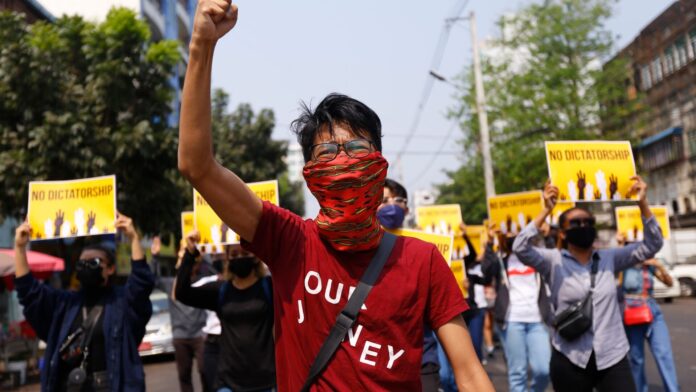
The United Nations has announced it fears a greater human rights catastrophe in Myanmar amid reports of thousands of troops massing in the north of the Southeast Asian country which has been in chaos since a February coup.

UN Special Rapporteur on Myanmar Tom Andrews, who was presenting the findings of an annual human rights report on Myanmar to the UN General Assembly on Friday, said he had received information that tens of thousands of troops and heavy weapons were being moved into restive regions in the north and northwest.

The findings, he stated, also indicated that the military government had engaged in probable crimes against humanity and war crimes.

“We should all be prepared, as the people in this part of Myanmar are prepared, for even more mass atrocity crimes. I desperately hope that I am wrong,” added Andrews.

More than 1,100 civilians have been killed in the country’s bloody crackdown on dissent and more than 8,000 arrested since the coup, according to a local monitoring group.

“These tactics are ominously reminiscent of those employed by the military before its genocidal attacks against the Rohingya in Rakhine State in 2016 and 2017,” Andrews addecontinued.

In 2017, about 740,000 Rohingya fled Myanmar’s Rakhine state after security forces launched a clampdown that the UN has said may amount to genocide.

Andrews urged countries to deny Myanmar’s military the money, weapons and legitimacy it desired, citing a prisoner release earlier in the week as evidence that pressure was working.

On Monday, Myanmar’s military chief Senior General Min Aung Hlaing announced the release of more than 5,000 people jailed for protesting against the coup.

The move came just days after the Association of Southeast Asian Nations (ASEAN) delivered a major snub to the military regime in excluding its head from an upcoming summit of the 10-country bloc.

Christine Schraner Burgener, the UN special envoy for Myanmar, told Al Jazeera she fears a civil war may break out in the country.

“People are now equipped with iPhones and the main source of information in Myanmar is Facebook and Twitter,” she said.

“They are very determined not to give up. And if they don’t give up, and if they are so angry to also use violence, then that the violence will create more violence” that would lead to “a full-blown internal armed conflict”, Burgener added.

Andrews said Myanmar forces had displaced a quarter of a million people. Many of those who had been detained were tortured, he noted, including dozens who had died as a result. He added that he had received credible reports that children had also been tortured.

Myanmar’s military government has also decried the decision by its Southeast Asian neighbours to invite only a non-political figure to an upcoming regional summit in a snub to the leader of the February coup, as calls grow for more international pressure on the coup leaders.

The military government’s foreign ministry said in a press release on Friday that the heads of state or government of Myanmar enjoyed equal and full rights to participate in summits of the 10-member ASEAN.

The next summit is to take place on October 26-28. It is not clear who, if anybody, will now represent Myanmar at the meeting.

“Myanmar will not be in a position to accept any outcome of the discussions and decisions which are…contrary to the provisions, objectives and cherished principles of the ASEAN Charter,” the foreign ministry added in its release.

Repot: COVID cases in Eastern Europe top 20mn

The region grapples with its worst outbreak since the pandemic started and inoculation efforts lag. Countries in the region have the lowest vaccination rates in Europe, with less than half of the population having received a single dose.

Hungary tops the region’s vaccination rates with 62% of its population having gotten at least one shot, whereas Ukraine has given just 19% of its residents a single dose, according to Our World in Data.

New infections in the region have steadily risen and now average over 83,700 new cases per day, the highest level since November last year, Reuters data through Friday showed.
According to a Reuters analysis, three of the top five countries reporting the most deaths in the world are in eastern Europe – Russia, Ukraine and Romania.

More social gathering indoors after the lifting of restrictions just as winter sets in is driving a rise in COVID-19 infections in many countries across Europe, the World Health Organization’s emergency director Mike Ryan said on Thursday.
As the wave of infections intensifies, many people in eastern Europe are torn between defiance and regret over not getting vaccinated.

Hundreds have protested in Sofia and other cities against mandatory certificates that came into force on Thursday, limiting access to many indoor public spaces to those who have been vaccinated.

A European Commission poll, the Eurobarometer, has shown that at least one person in three in most countries in the European Union’s east does not trust the healthcare system, compared to a bloc average of 18%.

More than 40% of all new cases reported in eastern Europe were in Russia, with 120 people testing positive every five minutes, according to a Reuters analysis. The country’s healthcare system is operating under great strain, Health Minister Mikhail Murashko said on Wednesday. The nation on Friday reported record COVID fatalities for the fourth straight day.

So far, Russia has vaccinated about 36% of its population with one vaccine shot.

Moscow, the country’s most populous city and capital, will next week shutdown all businesses except essential stores such as supermarkets and pharmacies to stem the spread of the disease.

Slovakia reported 3,480 new COVID-19 cases on Oct. 19, its highest daily tally since March, health ministry data showed Wednesday. The country has one of the lower vaccination rates in the EU, with just over half the adult population fully inoculated in the country of 5.5 million. This has contributed to a faster rise in infections than in some neighboring countries.

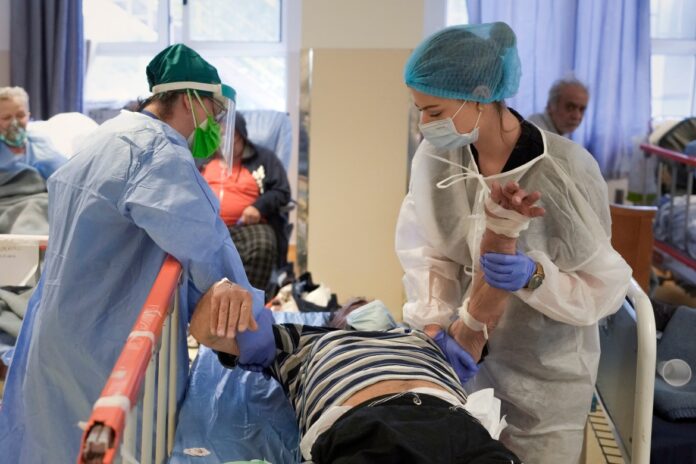
In Romania, hospitals are stretched to breaking point, with emergency beds fully occupied across the country. Morgues were also running at full capacity. The country reported record numbers of daily coronavirus fatalities and infections on Tuesday. The virus was killing one person every five minutes on average this month in a country where the inoculation rate is low.

Ukraine registered a record daily high of new coronavirus infections and related deaths for the second consecutive day on Friday. It also extended a state of emergency that allows authorities to impose curbs until year-end to rein in infections.

Iran Warns Israel about Costs of Tehran’s ‘Crushing Response’

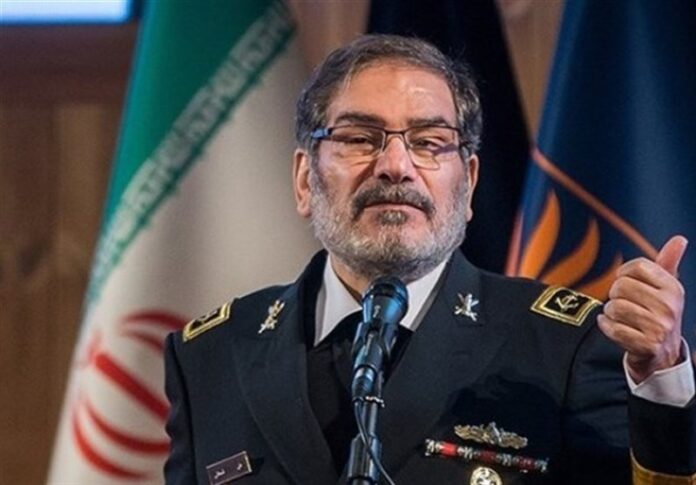
Vice Admiral Ali Shamkhani made the comment in reaction to reports that Tel Aviv had allocated a special funding to act against Iran’s nuclear program.

“Instead of earmarking a $1.5-billion budget to make evil moves against Iran, it should think of appropriating tens of thousands of billions of dollars for the reconstruction of damage from Iran’s crushing response,” he said.

Recently, Israeli media revealed that the Israeli Cabinet had given the regime’s Prime Minister Naftali Bennett a green light to set aside a special budget amounting to $1.5 billion to sabotage Iran’s nuclear program.

Also, in a letter to the rotating president of the United Nations Security Council, Iran’s Ambassador to the UN Majid Takht Ravanchi had warned the Israeli regime against any miscalculation and possible adventurism.

“Over the past months, the number and intensity of the Israeli regime’s provocative and adventuristic threats has constantly increased and reached alarming levels,” he said in the letter.

“The last move came from the head of the regime’s military, who had threateningly said that operational plans against Iran’s nuclear program were expanding, and that operations to destroy Iran’s capabilities on different fronts would continue at any time,” Iran’s ambassador noted in the letter.

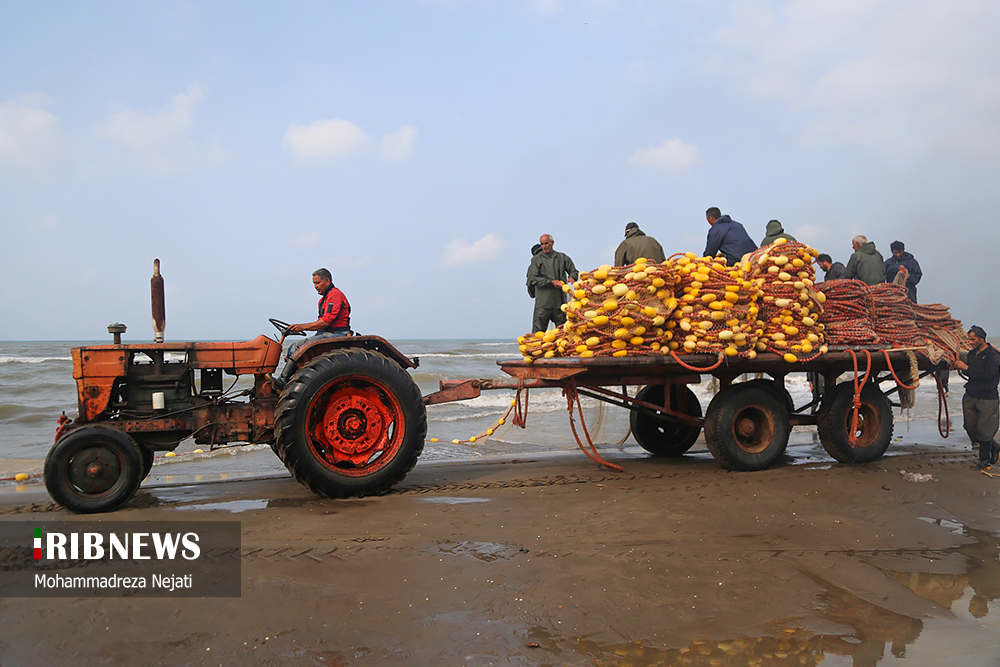
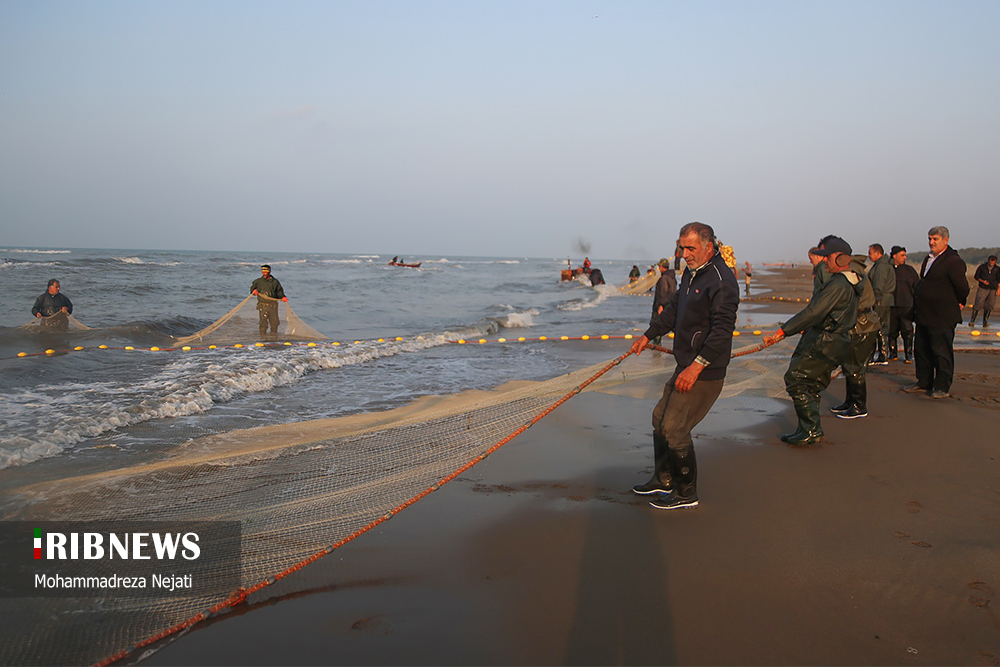
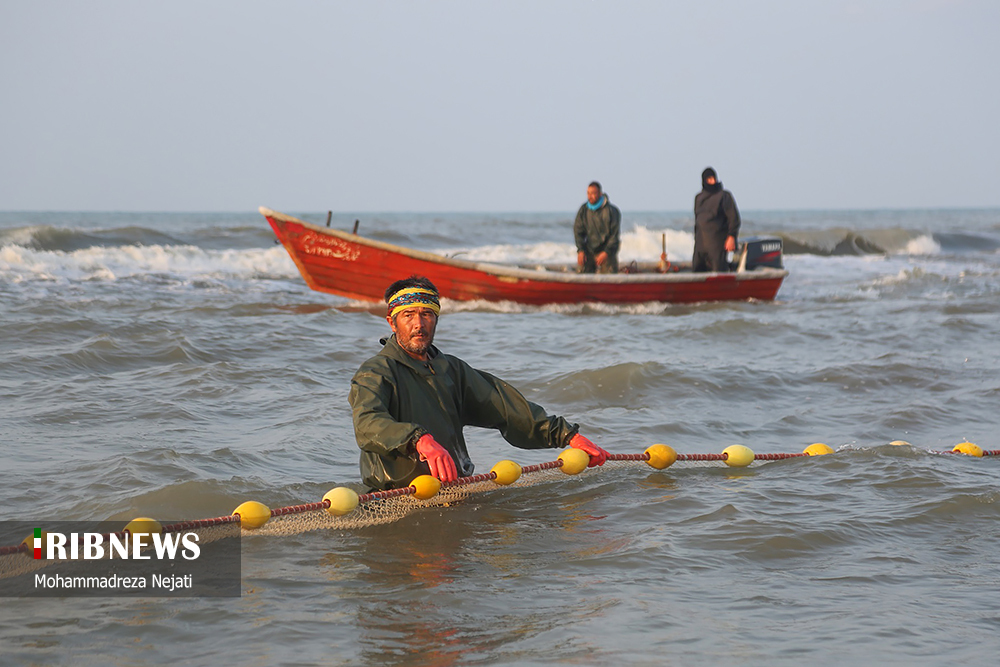
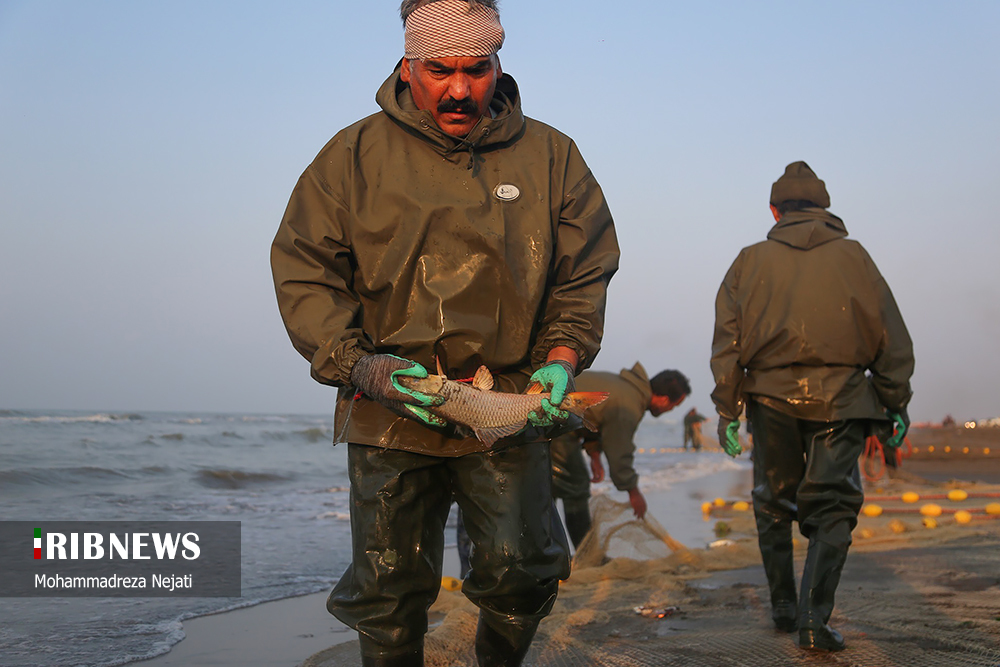
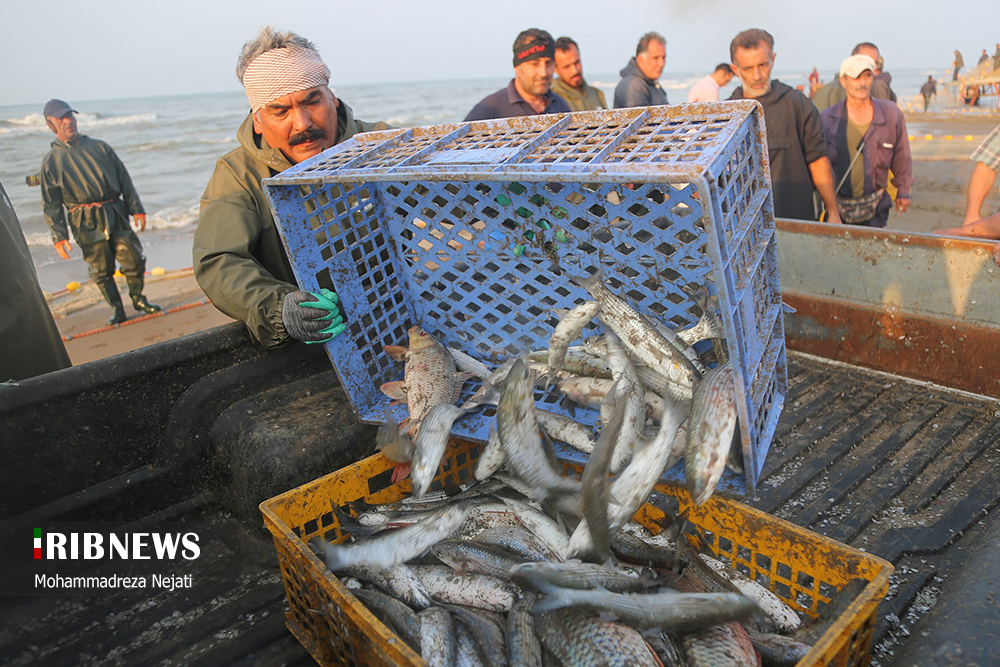
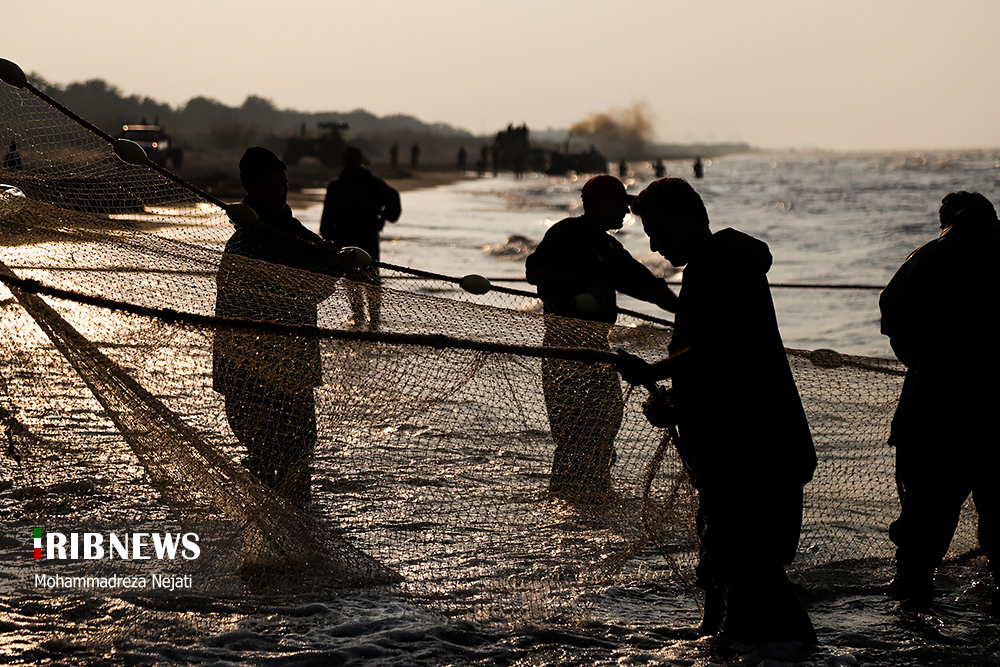
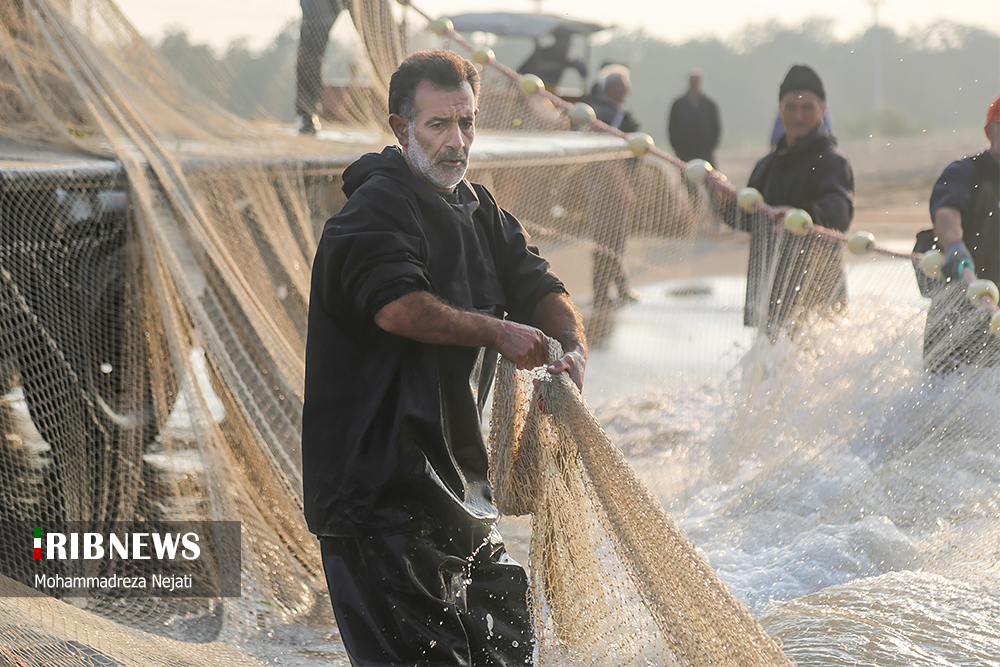
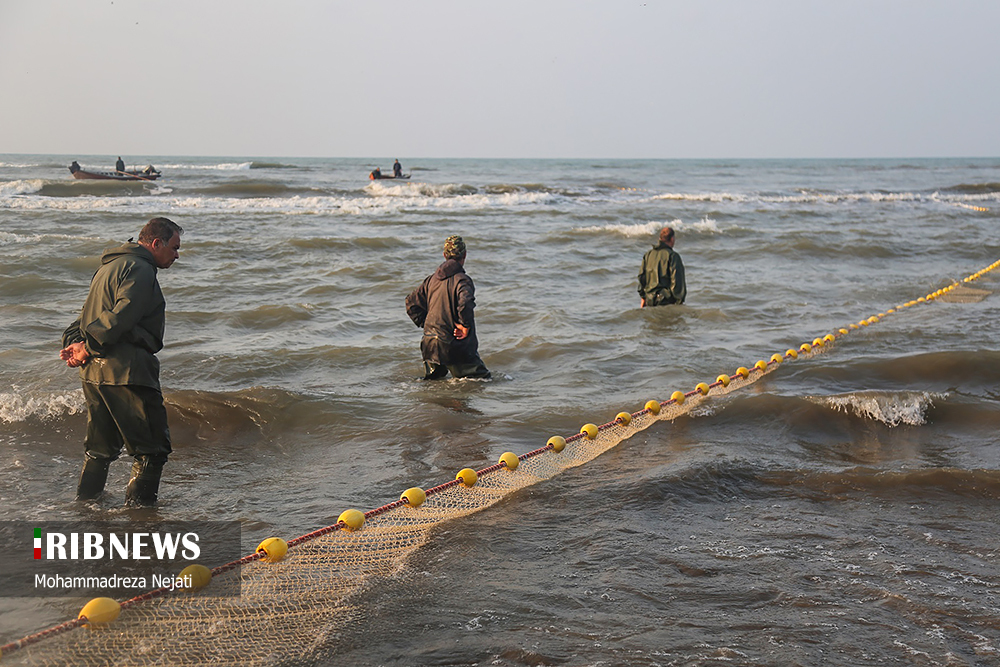
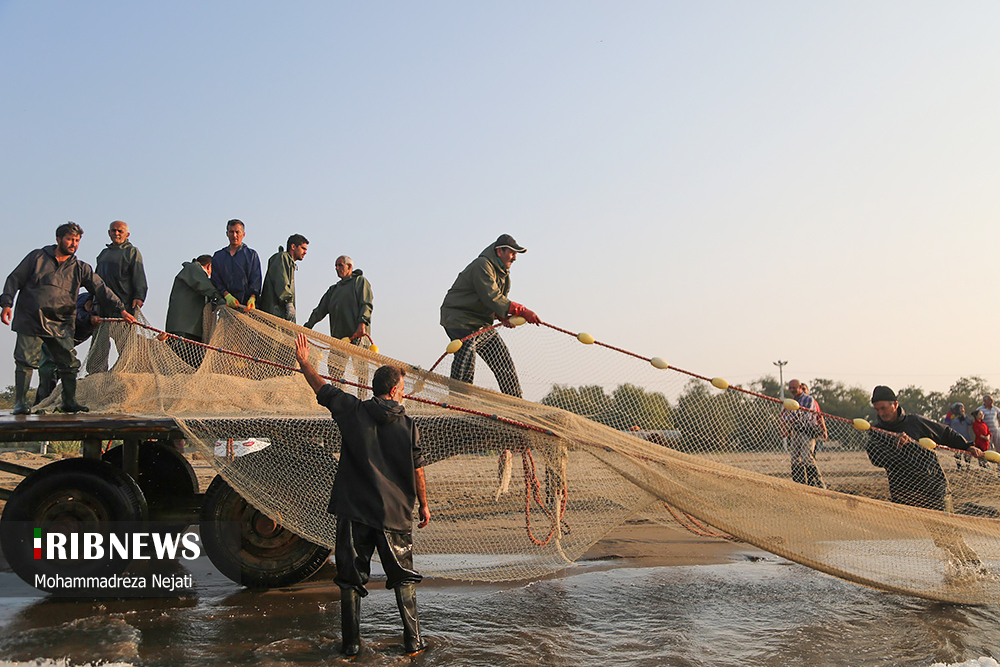
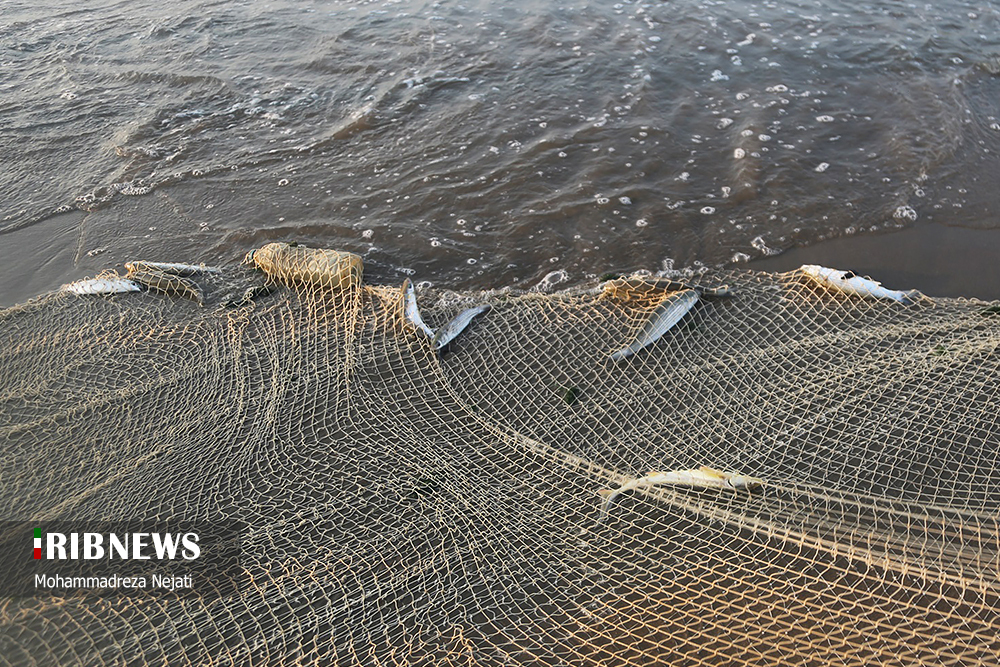
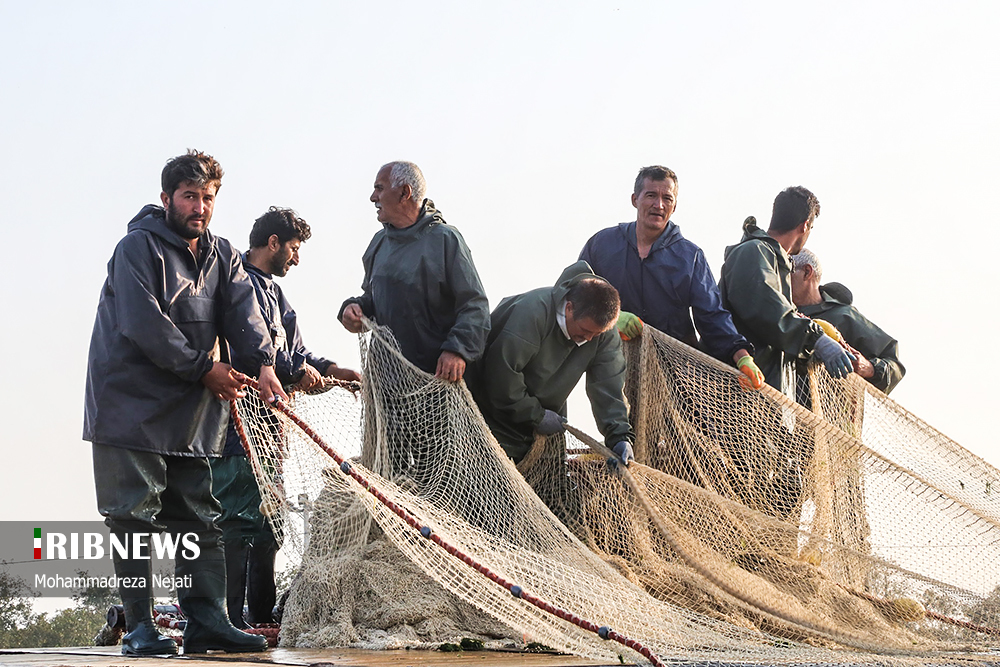
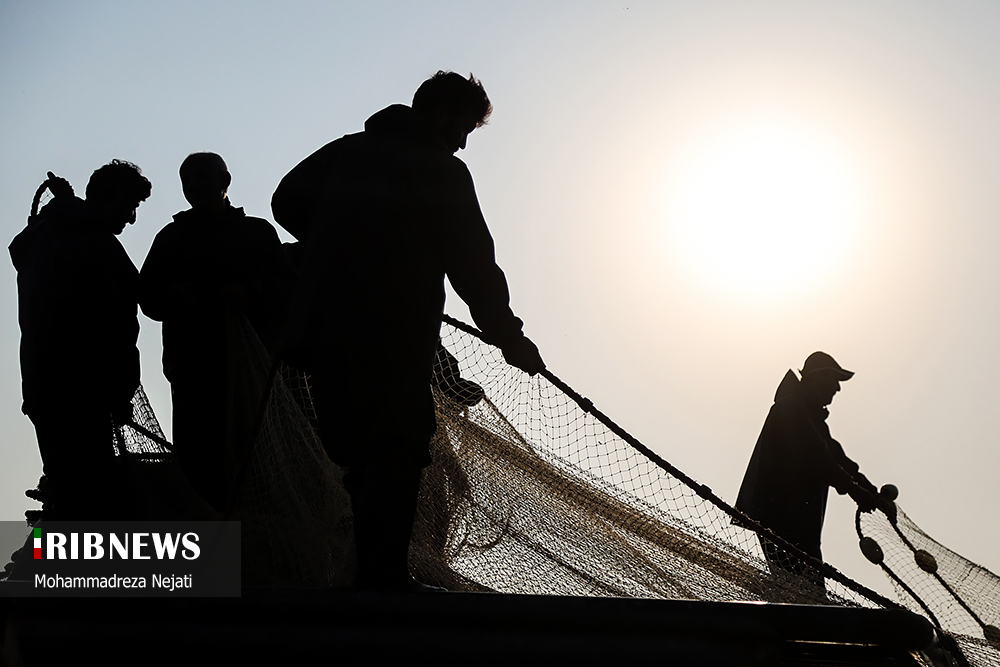
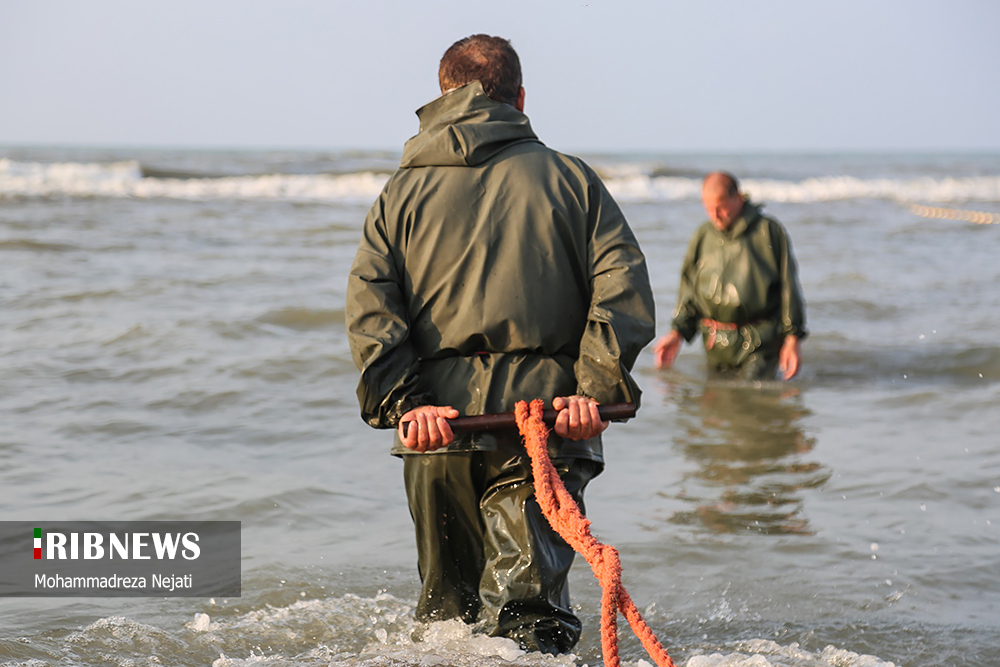
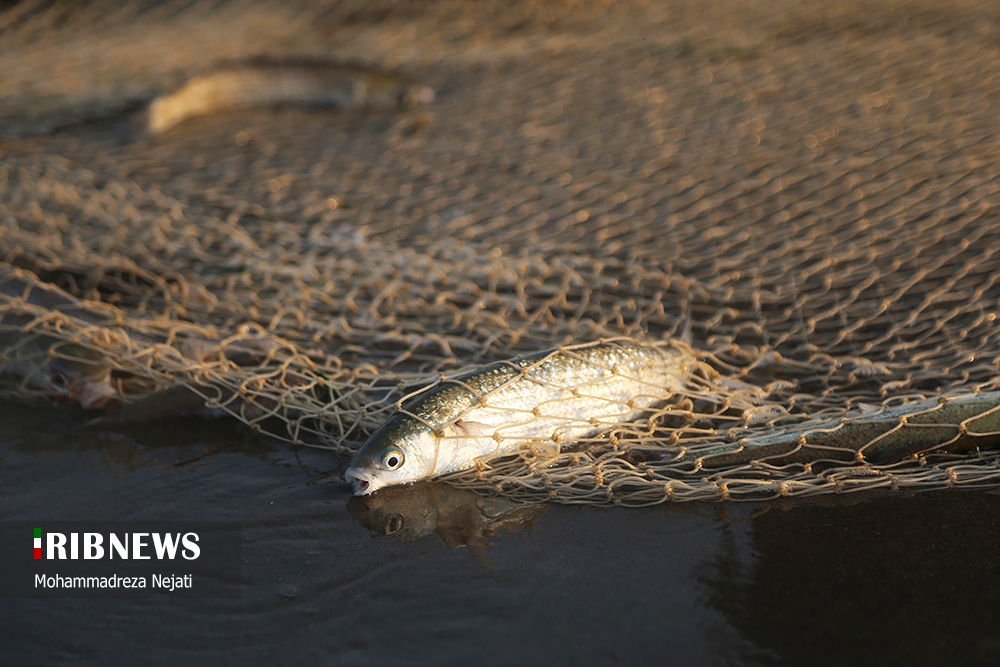
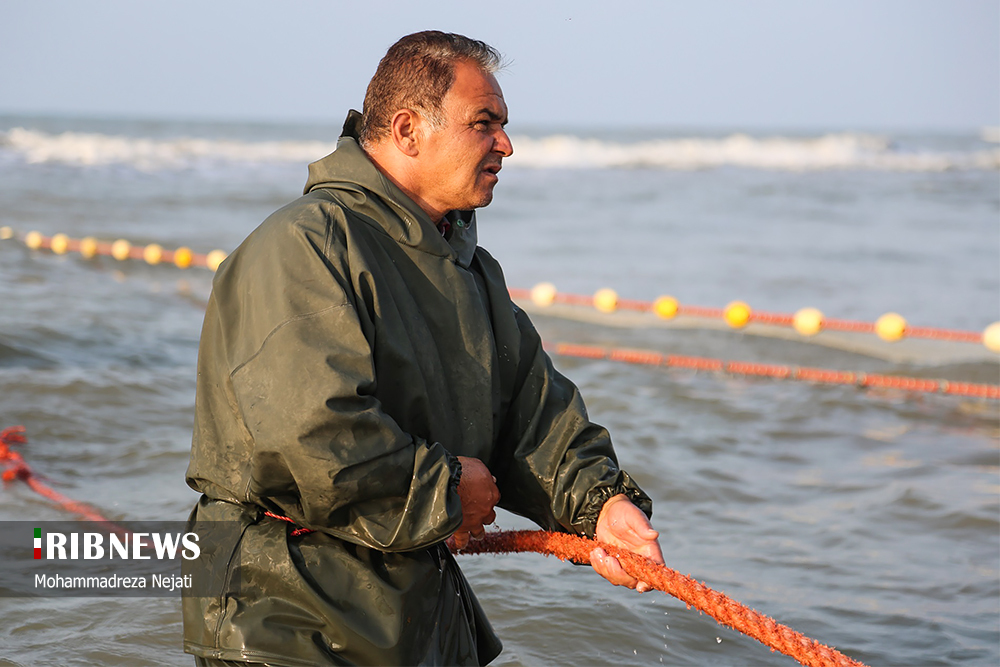
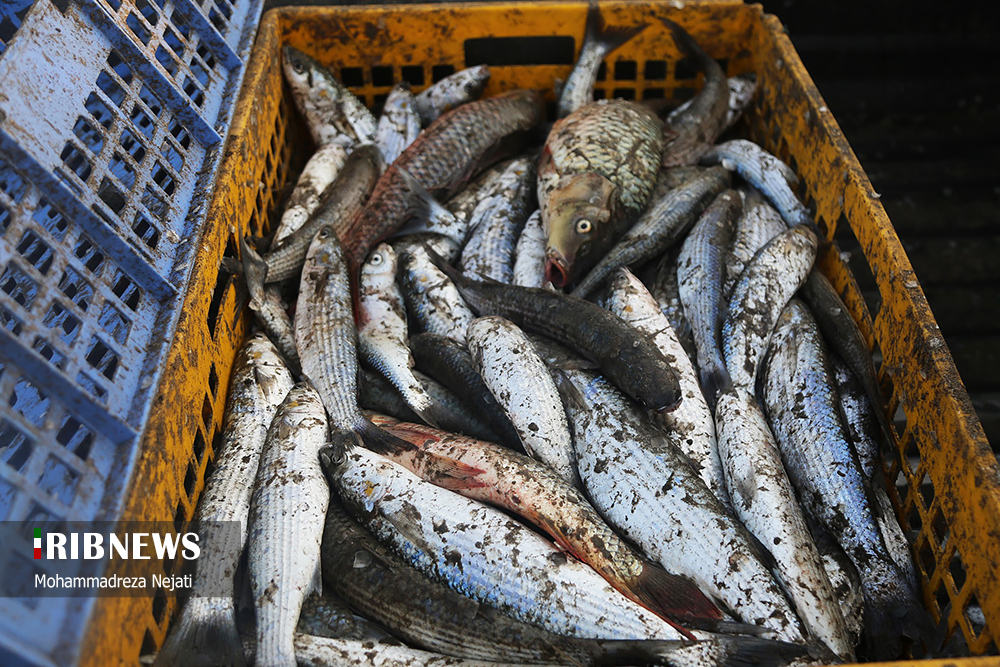
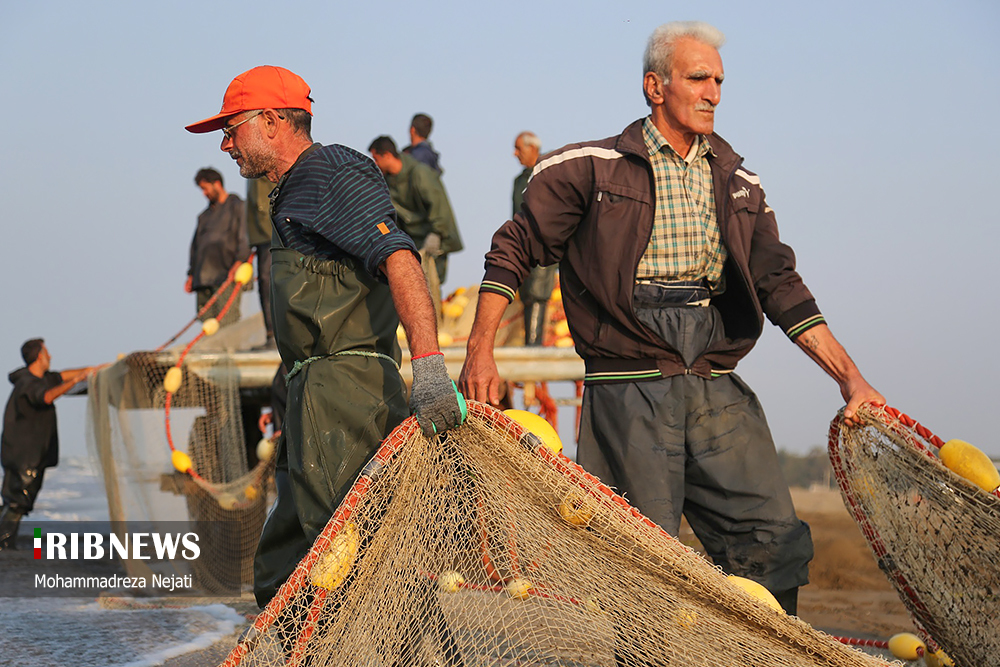
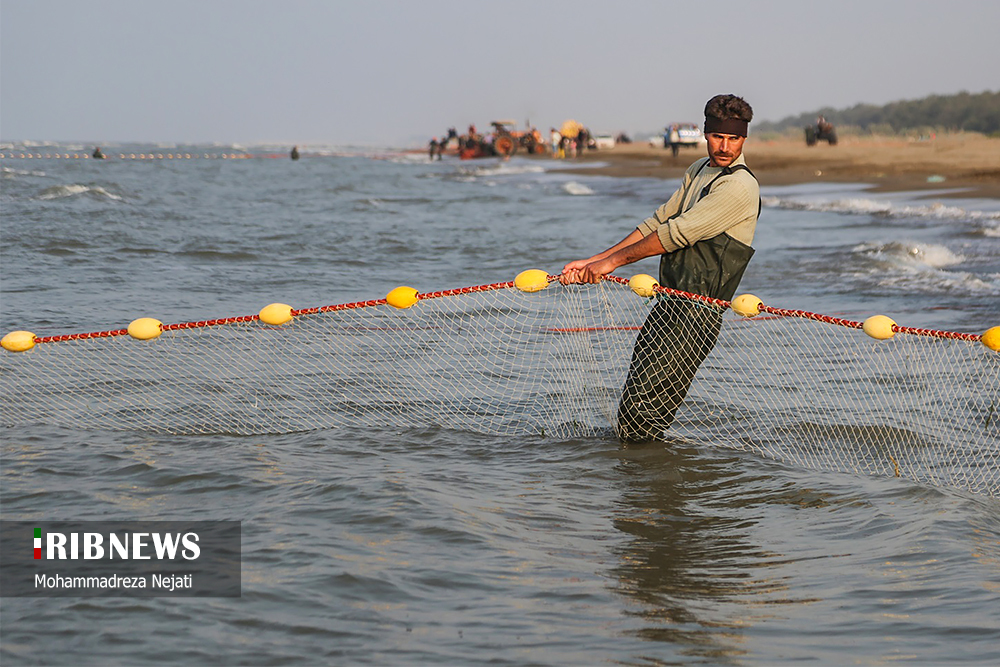
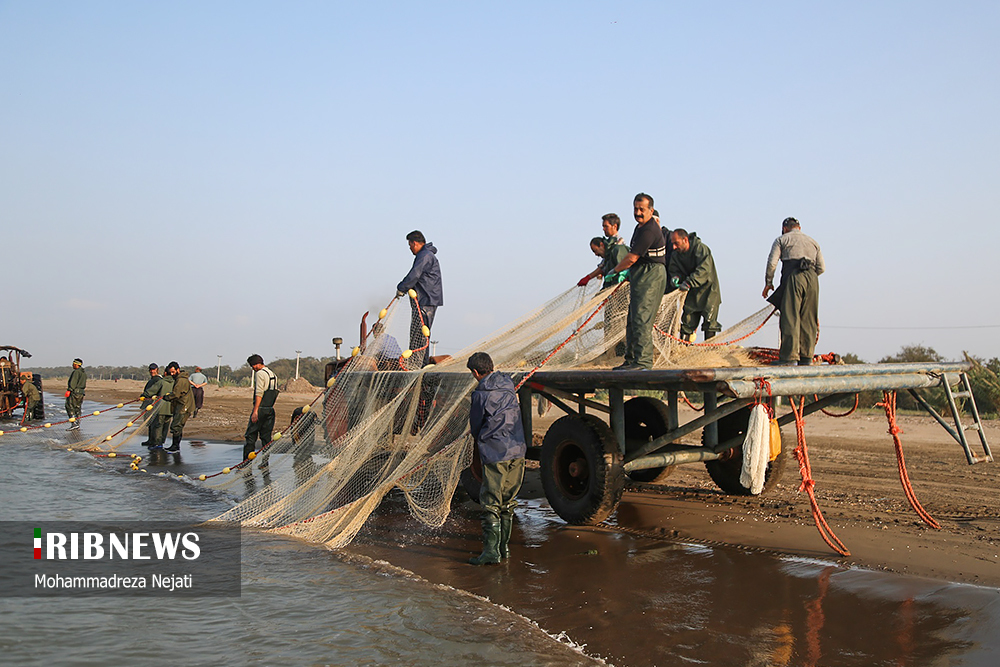
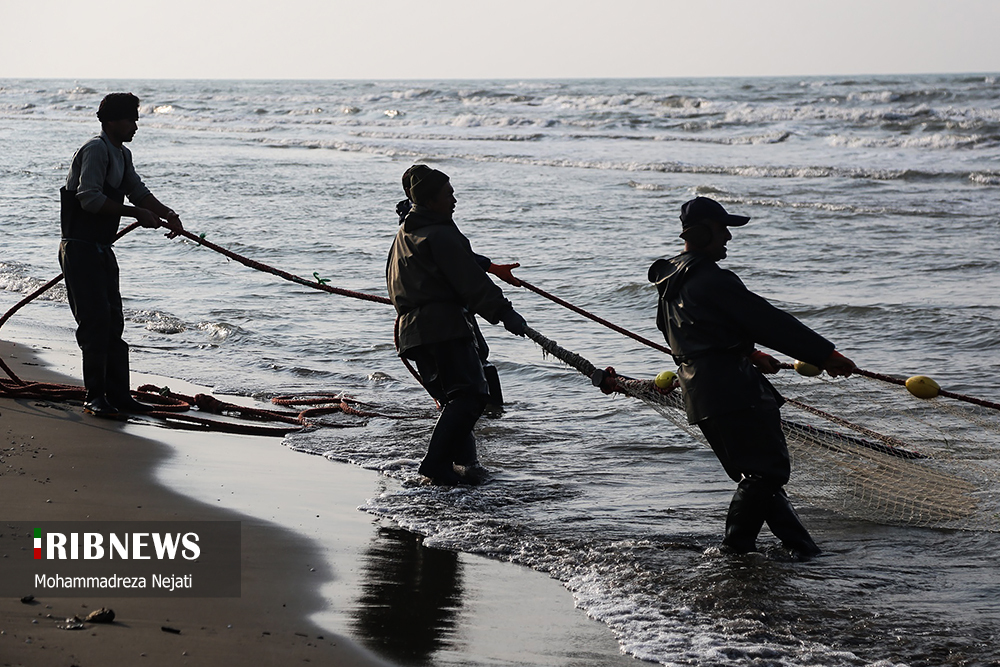
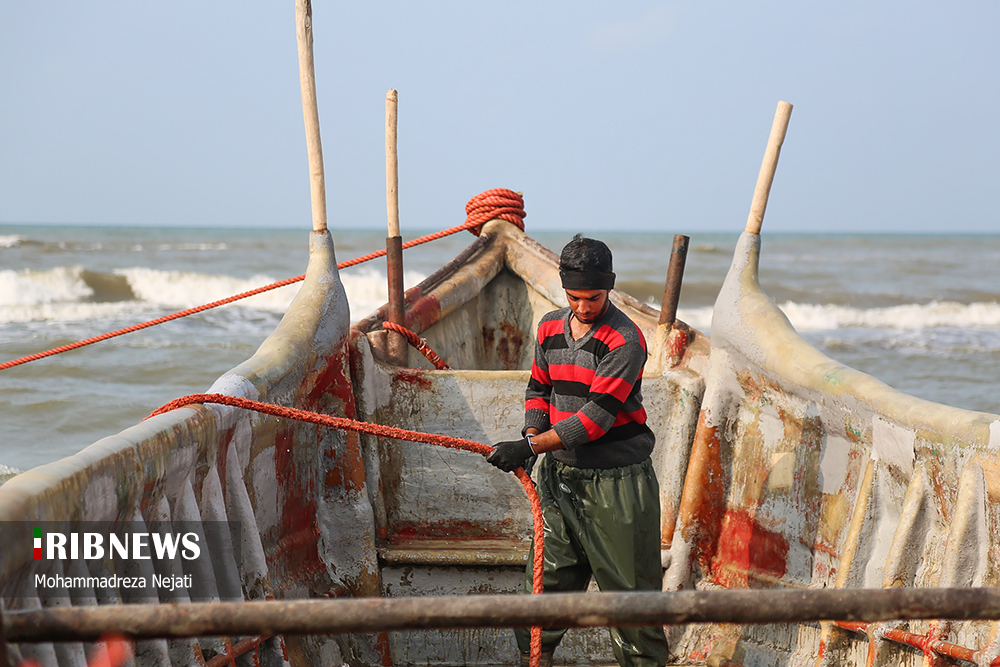
Harvesting Bony Fish Along Mazandaran Coasts

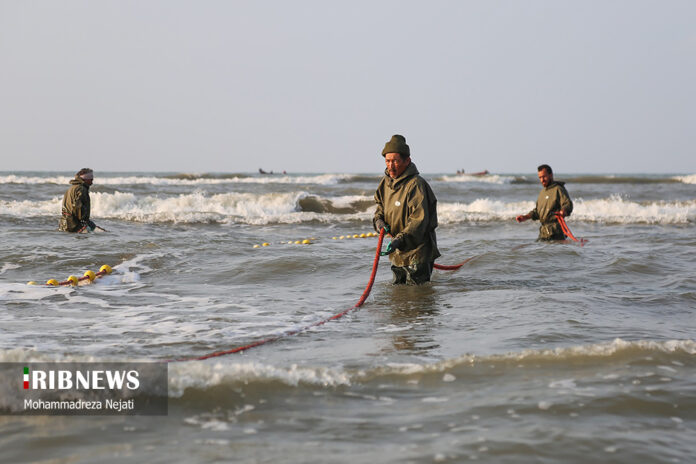
Mullets, Carps and the Caspian Whitefish (Kutum) are the main species harvested during the season.

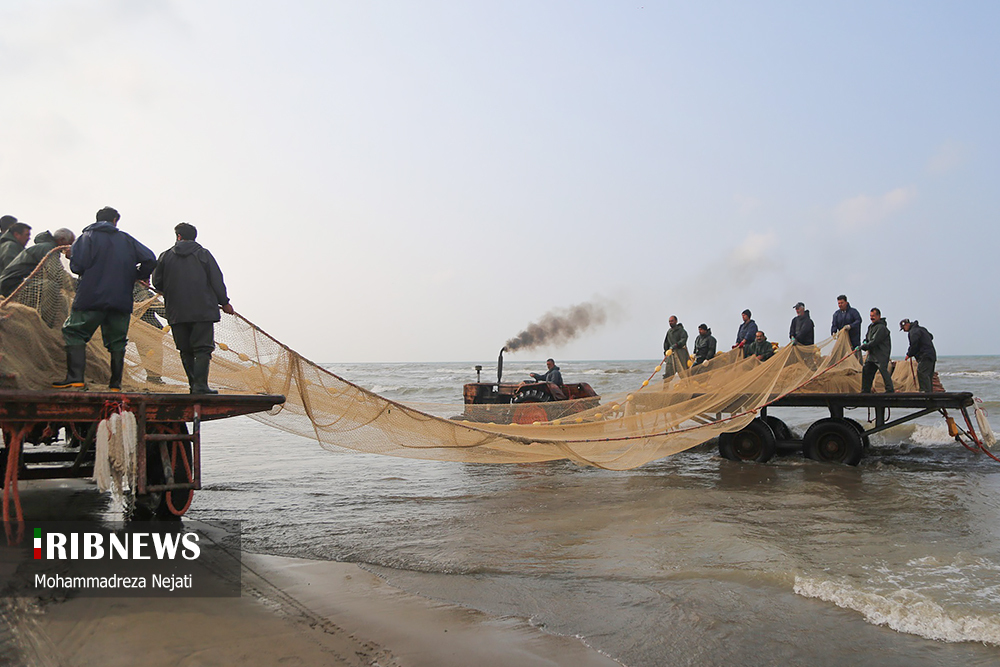
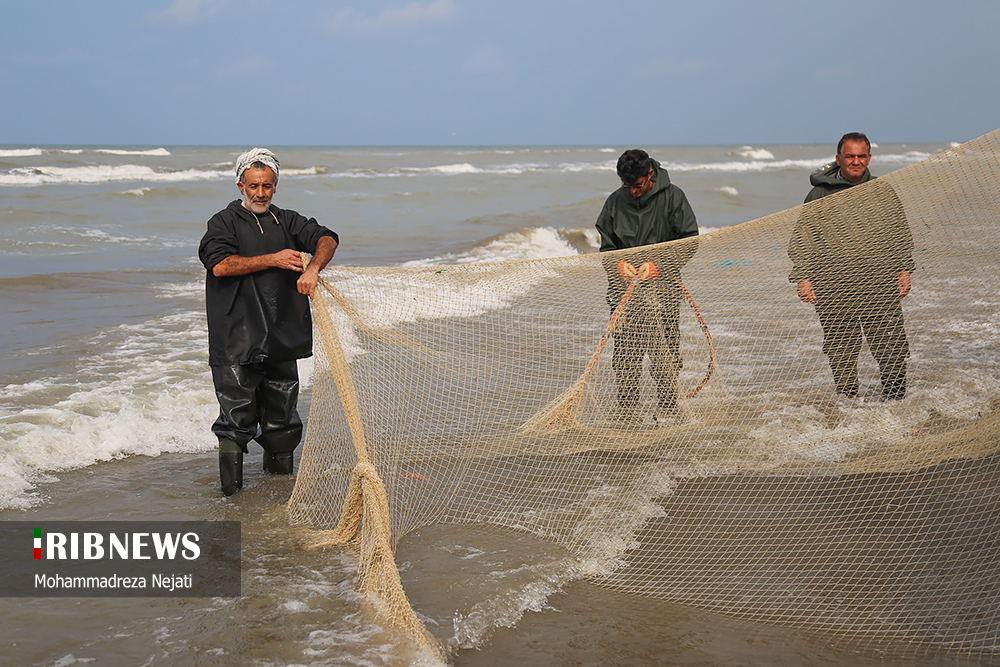
Some fishers in Iran’s northern province of Mazandaran use the traditional Parreh harvesting method. This is done using fishing nets with heights of 7 to 10 meters, which are up to 1,200 meters long.

The net is spread in the shape of a U letter at a certain distance from the shoreline, using a boat. The fishers then wait for the fish to get caught in the net.

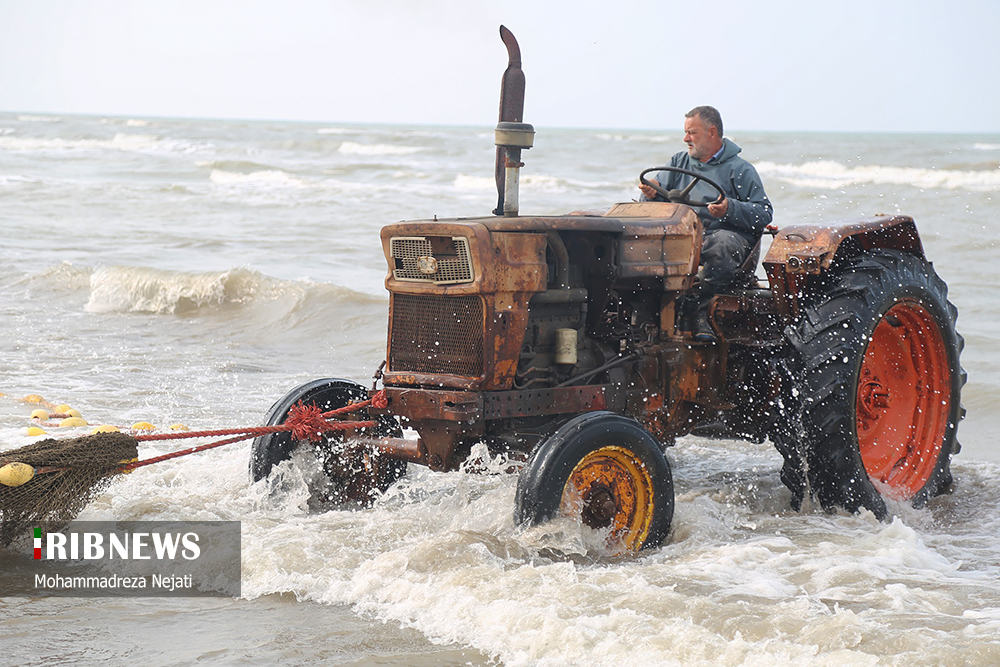
When there are enough fish in the net, the fishers haul the net using a tractor and gather the fish.

IAEA chief calls meeting Iran’s FM “very important”

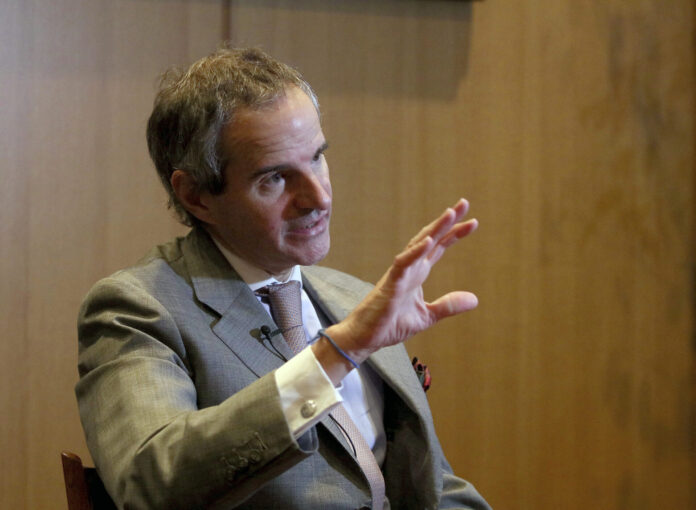
Director General of International Atomic Energy Agency (IAEA) Rafael Mariano Grossi from Argentina, gestures during an interview with The Associated Press at the International Center in Vienna, Austria, Tuesday, Dec. 3, 2019. The new head of the U.N.’s atomic watchdog agency says it still has not received the information it needs from Iran on the discovery of uranium particles of man-made origin at a site near Tehran that wasn’t declared to the agency. (AP Photo/Ronald Zak)

The head of the U.N.’s nuclear watchdog says his monitoring program in Iran is no longer “intact” after Tehran refused requests to repair cameras at a key facility, creating the possibility the world will never be “able to reconstruct the picture” of what the Iranians have been doing.

In an interview with NBC News, Rafael Mariano Grossi states he’s been unable to establish the type of direct communication with Iran’s government that he had before a new hardline government run by President Ebrahim Raisi was elected in June.

“I have never spoken to the new foreign minister,” Grossi notes.

“I hope to be able to have the opportunity to meet with him soon because it’s very important … so when there is a problem, when there is misunderstanding, when there is a disagreement, we can talk about it. I used to have it before, and I would assume it that I would be the normal thing.,” he adds.

Grossi spoke during a visit to Washington as the fate of the Iran nuclear deal hangs in the balance, with world powers urgently urging Iran to return to negotiations to restore the deal and the U.S. saying time is running out.

Although Grossi says he had “no indication” that Iran is currently racing for a bomb, he says the world needs look no further than North Korea to understand what’s at stake. IAEA inspectors were kicked out of North Korea, also known as the Democratic People’s Republic of Korea, in 2009, and the country is now believed to have dozens of nuclear warheads.

“The case of the DPRK should remind us of what may happen if diplomatic efforts go wrong,” Grossi continued, adding, “It’s a clear example, it’s an indication, it’s a beacon. If diplomacy fails, you may be confronted with a situation that would have enormous political impact in the Middle East and beyond.”

The 2015 Iran nuclear deal, struck by Iran, world powers and the U.S. under former President Barack Obama, imposed significant restrictions on Iran’s nuclear program in exchange for relief from sanctions. Former President Donald Trump pulled the U.S. out of the deal in 2018 and reimposed harsh sanctions, leading Iran to brush off many of its commitments under the deal and to enrich uranium to 60 percent purity — near weapons-grade.

The Joe Biden administration and European partners want to restore the deal but after six rounds of talks, negotiations have stalled following Raisi’s election. Now the United States and Israel are speaking more openly about a “Plan B” – widely perceived to mean a military option to stop Iran’s nuclear program if diplomacy fails.

“We are prepared to turn to other options if Iran doesn’t change course,” Secretary of State Antony Blinken said this month during a joint appearance with Israel’s top diplomat.

Iran’s mission to the United Nations didn’t respond to a request for comment. Iran has always maintained that its nuclear program is for peaceful civilian purposes.

Earlier this year, after Iran stopped allowing IAEA inspectors to conduct snap inspections required under the 2015 deal, Grossi brokered a “stopgap” arrangement in which Iran would allow IAEA cameras to keep running. That way if the deal, known as the JCPOA, were restored, global nations could piece together what had occurred during the period when it lapsed.

Grossi says Iran has allowed the IAEA to access most of its cameras to service them with new batteries and memory cards, with one important exception: A facility in the Tehran suburbs that makes centrifuge parts and was damaged in June in what Iran says was an act of sabotage by Israel. Iran has cited its ongoing investigation into the attack in refusing IAEA access to the site, Grossi adds.

Without that access, the IAEA’s monitoring and verification program in Iran is “no longer intact,” Grossi says.

“It hasn’t paralyzed what we are doing there, but damage that has been done, with a potential of us not being able to reconstruct the picture, the jigsaw puzzle,” Grossi states, adding, “If and when the JCPOA will be restarted, I know that for the JCPOA partners to go back to an agreement, they will have to know where they are putting their feet.”

As North Korea grows its nuclear arsenal and tests new weapons, including a ballistic missile believed to be fired from a submarine, Grossi sounded optimistic that diplomacy with Pyongyang could eventually be re-started. He says that he and Blinken, who met with Grossi during his Washington visit, have been discussing the possibility of “trying to re-engage.”

“So there will be a possibility to go back there with our inspectors,” Grossi notes, although he adds it’s impossible to know now whether the goal would be partial or full denuclearization given that the North already has nuclear weapons.

He says given the proliferation of sites across North Korea’s sprawling nuclear program, creating an inspections regime there would be significantly harder than in Iran.

“It would be a very big effort,” Grossi adds.

Kyrgyzstan rejects idea of US military center in the country

“We have a Russian [military] base in [the town of] Kant. One base is enough for us. We do not want to play cat and mouse with powers, hosting two bases,” Japarov told reporters when asked about the possibility of hosting a US airbase in the territory of Kyrgyzstan after the withdrawal of US troops from Afghanistan.
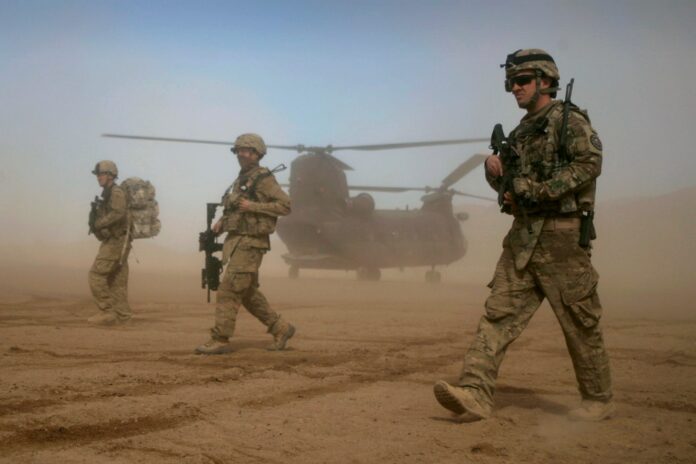

After the withdrawal of the US troops from Afghanistan, the White House reportedly considered Kyrgyzstan as a location for its military base.

The Russian airbase was established in Kant, located some 12 miles outside of Bishkek, in 2003 as part of the Collective Rapid Deployment Force and is involved in ensuring the security of the airspace of the states of the Collective Security Treaty Organization (CSTO).

In late 2012, Kyrgyzstan agreed to lease the base to Russia for 15 years, with an option for an automatic extension for another five years, in exchange for Russia’s reduction of the Kyrgyz debt.

The US base was opened at Bishkek’s Manas airport in 2001. It was tasked with supporting Operation Enduring Freedom in Afghanistan.

This facility housed the servicemen and equipment of the countries participating in the anti-terrorist coalition; the backbone of the group was made up of American forces and assets.

After 8 years, the airbase was renamed the Transit Center, and in the summer of 2014 it was closed at the behest of the Kyrgyz government.