Monday, December 29, 2025
Home Blog Page 2295

Iranian general: US suffered numerous defeats in recent months

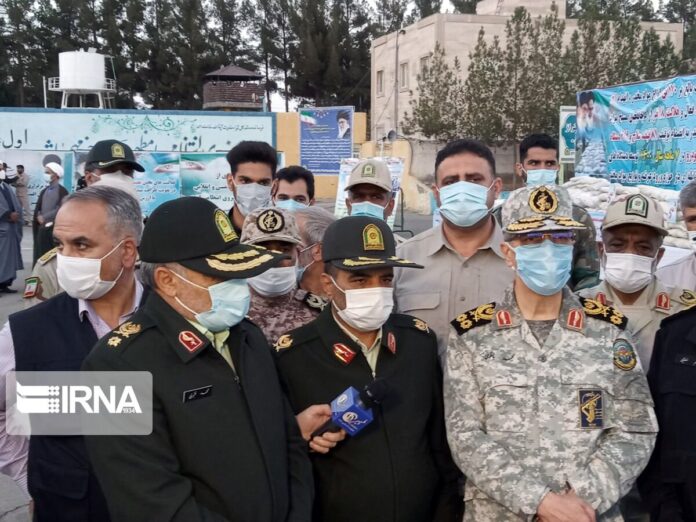
He was speaking on Tuesday at the Conference of Scholars and Elders of Shia and Sunni Tribes in the southeastern Province of Sistan and Balouchestan.

Bagheri said Washington’s escape from Afghanistan shows the enemy concluded that its occupation of the West Asian region would bring it nothing but loss.

He noted that the Iranian Law Enforcement forces have done their best to tackle insecurity in the country. Bagheri also added the Army is at the apex of its readiness and its recent drills in the Sea of Oman and the Coast of Makran were among the most massive war games this year.

The chairman of Iran’s Joint Chiefs of Staff said all these exercises are aimed at making sure Iran is not facing any threat.

He said, “Definitely, there is a promising horizon ahead of us and our youth will be able to build a bright future for the country”.

According to Bagheri, the Iranian armed forces have helped with development projects in less privileged areas of Iran including those in Sistan and Balouchestan.

Report: UAE FM in Damascus for talks with Syrian officials

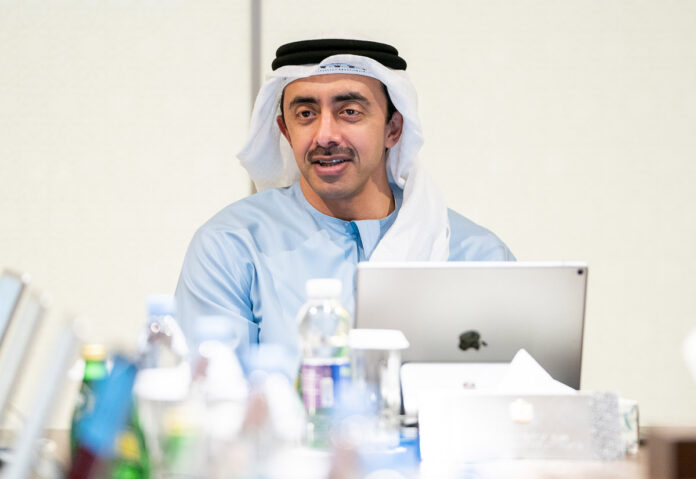
The United Arab Emirates foreign minister landed in Damascus on Tuesday, Lebanese broadcasters reported, a sign of improving ties between President Bashar al-Assad and one of the prominent Arab states that once backed rebels trying to overthrow him.

There was no immediate confirmation from either the UAE or Syrian foreign ministries or the Syrian presidency, and no word on the visit on Syrian state media.

Foreign Minister Sheikh Abdullah bin Zayed would be the most senior Emirati dignitary to visit Syria in the decade since the eruption of a war in which several Arab states lined up in support of rebels seeking to topple Assad.

The foreign minister arrived with a senior delegation, according to al-Manar TV.

The pro-government Syrian newspaper al-Watan cited unofficial media sources “talking about” his arrival.

The United Arab Emirates has been at the forefront of efforts by some Arab states to normalise ties with Damascus, and called for Syria to be readmitted to the Arab League earlier this year. It reopened its embassy in Damascus three years ago.

The United States, a close ally of the UAE, has announced it does not support any efforts to normalise ties with Assad or rehabilitate him until progress is made towards a political solution to the conflict.

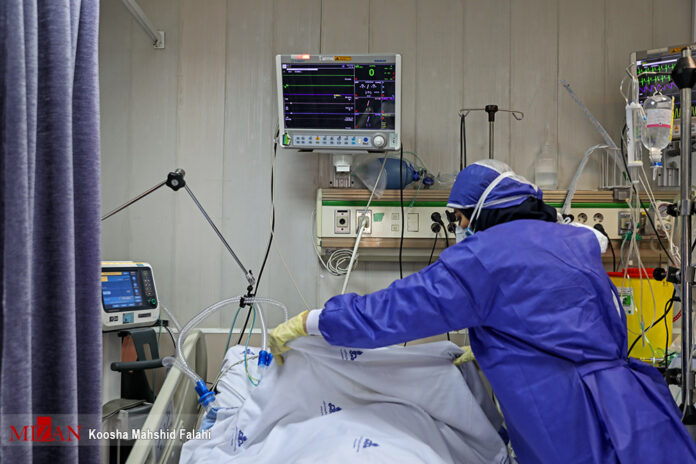
Covid kills more people in Iran

Meanwhile, the vaccination campaign is continuing across Iran. Over the past 24 hours, 882,603 doses of Covid vaccine have been administered.

The number of people having received the first dose has reached 55,405,154. Meanwhile, 40,193,195 people have received the second dose. The number of booster shots administered so far stands at 268,638.

They have mostly been given to healthcare staff.

The high rate of vaccination has kept down the number of new infections and deaths. Officials are however urging all unvaccinated citizens to get their jabs at vaccination centers which are not crowded given that most people have been fully inoculated.

They also say people should not relax health protocols because that will increase the likelihood of another wave of the pandemic in Iran.

Currently, 33 cities in Iran are marked red, which means the risk of Covid is very high there. 95 cities are orange, 220 yellow and 100 blue. Blue cities face the least level of risk from Covid.

Iran FM: Tehran to beef up defense irrespective of US

Hossein Amir Abdollahian also referred to the upcoming Vienna talks over the Iran nuclear deal.

He said Iran wants a good deal but it has requirements including the lifting of all anti-Tehran sanctions.

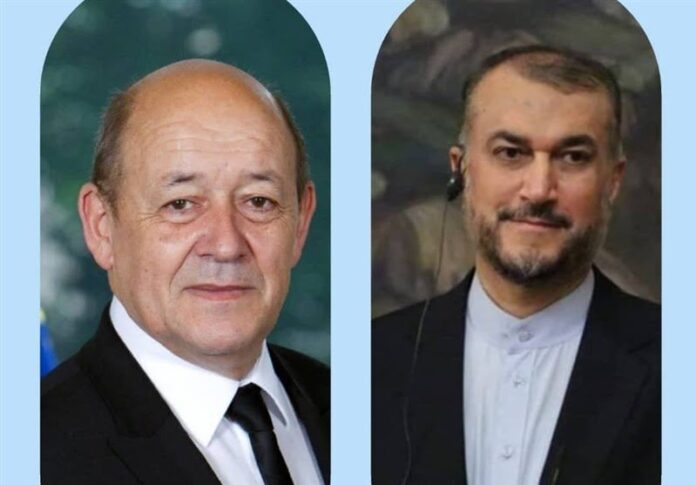
Iranian Foreign Minister Hossein Amir Abdollahian and his French counterpart Jean-Yves Le Drian have exchanged views on a whole range of topics in a phone conversation.

Among the issues discussed were bilateral relations and the upcoming talks in Vienna.
During the conversation, the top French diplomat asked about the health and physical condition of his Iranian counterpart and wished him a rapid recovery.

Amir Abdollahian, for his part, thanked the French foreign minister for asking about his physical health.

The Iranian foreign minister added Iran pursues a pragmatic and result-oriented approach vis-à-vis both bilateral ties and nuclear negotiations.
He expressed hope Tehran-Paris consultations will further promote practical collaboration between the two sides.

Amir Abdollahian added Iran and France enjoy great potential, saying the Islamic Republic of Iran stands ready for all-out expansion of bilateral relations based on mutual respect and common interests.

He said the two sides can forge closer cooperation on different fronts.

The two sides touched upon previous contacts between the presidents of both countries as well as talks between Amir Abdollahian and French President Emmanuel Macron on the margins of the Baghdad meeting along with the recent in-person meeting between the foreign ministers of the two countries, and traded views on reciprocal ties together with opportunities for cooperation.

The Iranian foreign minister also recalled the United States’ responsibility for the current situation of the JCPOA as well as the role that the three European countries’ silence has played in Washington’s excessive demands.

“Iran wants a good agreement, but it has requirements, including the other sides fully complying with their commitments and the effective lifting of sanctions,” said the top Iranian diplomat.

He referred to the United States’ recent sanctions against Iran, saying the move is yet another reason why Iran keeps distrusting the US.

He stressed the need for US guarantees and effective verification.

The foreign minister said Iran, like any other country, is entitled to have a defense program as a sovereign right, and added Tehran will move full steam ahead to increase its defense power without paying attention to the United States’ unconstructive sanctions policy.

He said Iran is serious in the nuclear talks and is ready to reach a good deal immediately.

He urged the International Atomic Energy Agency (IAEA) to avoid adopting politically-motivated approaches, and said Iran will continue its technical cooperation with the agency.

The French foreign minister, for his part, said Paris supports the return of all sides to the JCPOA, adding he will try his utmost in that regard.

He expressed hope that rapid headway will be made with the forthcoming negotiations in Vienna.

In the phone conversation, Macron’s greetings were conveyed to the Iranian president, and the mutual response was given by the Iranian side accordingly.

The deputy foreign ministers of the two countries will hold talks over bilateral, regional and international issues today in Paris.

Iran, world’s 3rd largest gas producer despite US sanctions

The country has produced 267 billion cubic meters of natural gas in 2019.

The US sanctions have affected Iran’s energy exports, financial transactions, and imports of certain technologies, but natural gas production in Iran has grown steadily over the past two decades despite, the US Energy Information Administration wrote on its website.

While the EIA estimated Iran’s total dry gas production in 2019 at 8.4 trillion cubic feet (237.8 billion cubic meters) which still made the country the third biggest producer, official figures have put it at 267 billion cubic meters.

Iran’s domestic natural gas demand, which the sanctions do not affect, has been the main driver of Iran’s natural gas production growth. According to officials, total gas production will hit 500 billion cubic meters in 2041.

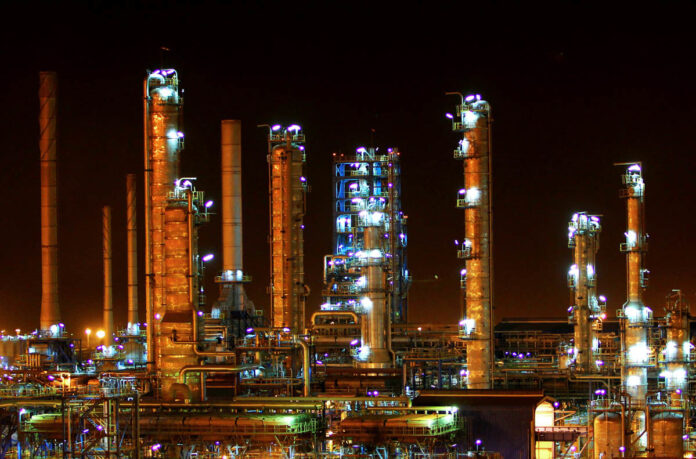
Much of the growth in natural gas production comes from development of the offshore South Pars field in the Persian Gulf.

In February, former Petroleum Minister Bijan Zanganeh stated Iran’s gas production had hit the record high above 1 billion cubic meters a day, a milestone reached three years after the US imposed its most draconian sanctions ever on the Islamic Republic.

The sanctions have discouraged international energy companies from dealing with Iran, but they have provided a rare chance for domestic firms to venture into a setting known to be an exclusive specialty of the elite club of companies.

When French oil and energy company Total ended participation in Phase 11 of Iran’s giant South Pars gas field in 2018, China’s state-owned energy major CNPC was said to be ready to take over the stake but the company also suspended investment in response to US pressure.

In January 2020, Zanganeh announced that Iran’s Petropars would develop Phase 11 of the world’s largest gas field.

Natural gas production at South Pars began in 2003, and so far, 23 of the 24 development phases have started producing. Phase 11 is the largest of the phases which currently produce 70 percent of natural gas consumed by Iranian households.

At maximum capacity, the South Pars natural gas field could annually produce 9.49 trillion cubic feet (268.7 billion cubic meters) of natural gas.

Iran holds the fourth largest oil reserves and the largest natural gas reserves in the world, and is considered an energy superpower, but its domestic consumption is disproportionately high and rising.

Almost all of the natural gas that Iran produced in 2019 was consumed domestically. That year, Iran consumed more natural gas than all but three other countries: The United States, Russia, and China.

In Iran, the residential and commercial sectors use natural gas for space heating, and the industrial sector uses it for feedstock, especially in the petrochemicals industry.

In January, Zanganeh chided residents in Tehran –a megacity of 12 million – over a 15 percent rise in gas consumption.

“The highest fuel consumption in the country is in homes, and I think this is because people think that if they leave windows open, the corona will go away. Authorities should tell people to close the windows and lower the temperature,” he noted.

The high consumption is driven by massive subsidies provided by the government which is in a race against time to catch up with the rising demand.

On Monday, head of Iran’s Renewable Energy and Energy Efficiency Organization (SABTA) Mahmoud Kamani said 10,000 megawatts of new renewable capacity will be built with the help of private investors over the next four years.

Currently, Iran has about 900 MW of installed renewable capacity, of which 310 MW is wind and 390 MW solar, he added.

According to Kamani, cheap and abundant fossil fuels in Iran are one of the factors contributing to the neglect of renewable energy.

“As a result, our power plants face problems in the winter despite the abundance of gas fuel, and the electricity supply becomes erratic, and in addition, a lot of pollution is produced,” he told reporters.

He said 100,000 MW of solar capacity and 40,000 MW of wind capacity has been identified in the country.

“10,000 MW is not a big figure compared to this huge capacity,” he added.

Dozens of cities across Iran faced power outages in January, with social media and news outlets wildly speculating that they might have been caused by bitcoin mining.

The natural gas is the major fuel used to generate electricity in Iran. Historically, the supply of low-cost electricity is a way to grow economies, increase populations and improve the quality of life.

Many producers in Iran are currently reaping the windfall from a record devaluation of the national currency, the rial, to ramp up production and increase exports.

Iran also trades relatively small volumes of natural gas regionally through pipelines. Since 2017, when Iran began exporting to Iraq, natural gas exports have risen substantially.

In 2019, Iran exported natural gas to Turkey, Armenia, Azerbaijan, and Iraq. It also imported natural gas from Azerbaijan.

Iran, Pakistan to facilitate traffic from China to Europe

Speaking in a conference on asphalt and related machinery on Tuesday, Qassemi criticized the current construction methods and stated that the Ministry under his leadership would use experts to leverage modern building and roads construction technology to prevent energy dissipation and reduce renovation costs.

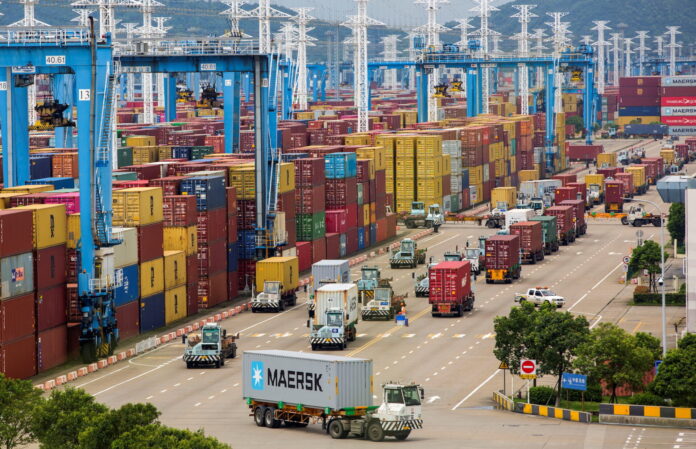
He referred to his recent meetings with Pakistani officials and noted the two countries have agreed to facilitate the traffic of Iranian trucks directly to China and Pakistani truck to Europe.

Iran has great advantages in transportation sector, he said, pointing to the passage of a Finnish cargo train which took 21 days to reach to its destination, while it had to spend three months to travel though marine routes.

He also added that the Ministry of Roads and Urban development was determined to make a great transition in railroads and highways as well as the relation transportation fleet.

Iran FM to German counterpart: Using language of force and threats not helpful

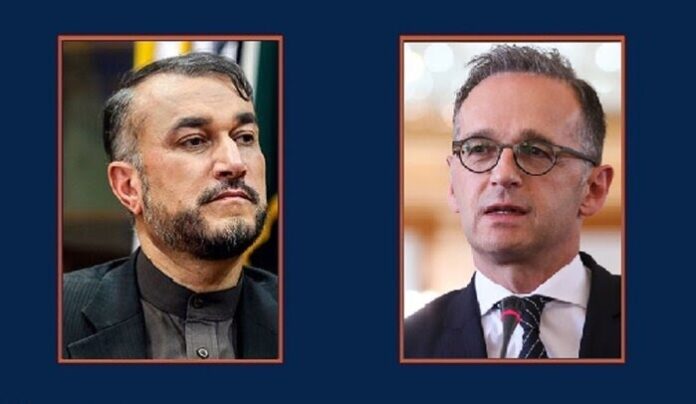
Iranian Foreign Minister Hossein Amir Abdollahian and his German counterpart Heiko Maas, in a phone conversation, have discussed the latest status of bilateral ties, the Vienna talks and the regional developments.

During their talks held on Monday night, Heiko Maas asked about the health situation of Amir Abdollahian and wished him full recovery.

The Iranian foreign minister, in turn, touched on the good record of cooperation between Iran and Germany in different fields and underlined the significance of their expansion.

Maas, for his part, said German companies are interested in cooperation with Iran and expressed hope that such cooperation are strengthened after removal of existing problems.

The two sides also reviewed cooperation in the areas of industry, renewable energies, power plants, agriculture, medicine, science and technology as well as environment and under the significance of relevant joint work.

The Iranian foreign minister also referred to the upcoming talks in Vienna. He said the US is to blame for the current situation.

“The US withdrawal [from the nuclear deal] and the failure of the three European countries to fulfill their obligations have increasingly deepened mistrust. Therefore, full removal of sanctions is a necessity,” he said.

Amir Abdollahian also reiterated the need for the European sides to avoid issuance of statements and comments, which fuel tensions.

“On the path to the talks and in media terms, using a language of force and threats is not helpful and the Islamic Republic of Iran will not give in to unfounded propaganda. Any inaccurate comment, which does not comply with the facts, can jeopardize ongoing efforts,” he said.

The German foreign minister also said his country understands Iran’s lack of trust. He noted that his country will put efforts into returning the US to the nuclear deal, and also to help talks bear results.

During the conversation, which was held in a friendly atmosphere, regional issues were also reviewed. 

On the current situation in Iraq, the Iranian foreign minister once more reiterated Iran’s condemnation of the attack on the residence of the Iraqi prime minister.  

The German foreign minister, in turn, touched on the joint stance of Germany and Iran to condemn the attack and underlined the necessity of continued support for peace and stability of Iraq. 

Meanwhile, Amir Abdollahian talked about the situation and developments in Afghanistan, and stressed the need for sending more aid to the country. He also said the campaign to vaccinate some four million Afghan nationals in Iran is almost complete, noting that Tehran is ready to dispatch Germany’s aid to Afghanistan through Iran borders.

The Iranian foreign minister also called for an end to the humanitarian blockade on Yemen, which was welcomed by his German counterpart. 

The developments in Lebanon and support for the country’s legitimate government were among other topics highlighted during the phone call.

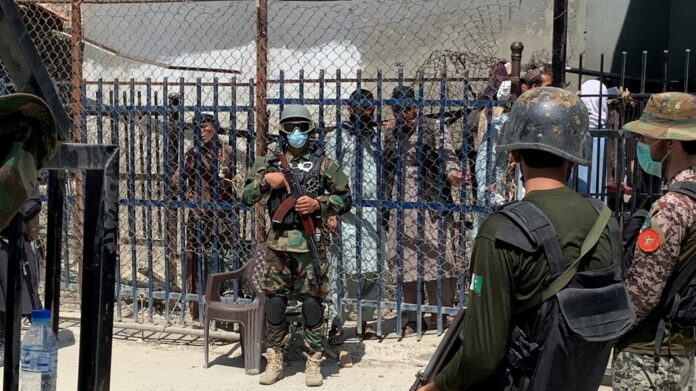
Pakistan reaches ceasefire agreement with local Taliban

Government spokesman Fawad Chaudhry stated the Taliban government in Afghanistan helped facilitate the ceasefire between the government of Prime Minister Imran Khan and the banned outfit.

“The government of Pakistan and banned Tehreek-e-Taliban Pakistan (Pakistan Taliban) have agreed on a complete ceasefire,” Chaudhry noted in a statement on Monday.

According to state broadcaster Pakistan Television (PTV), the minister added the focus of the talks was on “state sovereignty, national security, peace, social and economic stability in the areas concerned”.

In a statement, Pakistan Taliban spokesperson Mohammad Khurasani confirmed the ceasefire beginning November 9 would remain in place until December 9, during which both sides will form a committee to continue talks. He noted both sides will adhere to the ceasefire.

The peace talks between the government and the TTP began last month. Chaudry underscored the truce could be extended if talks continue to make progress.

The Pakistan Taliban is a separate organisation from Afghanistan’s Taliban, which seized power in August.

Authorities had earlier underlined that peace talks were taking place with TTP leaders in Afghanistan, where they have been hiding for the past several years. The Pakistan Taliban was formed by armed rebels in 2007 and since then, thousands of people have been killed in dozens of attacks claimed by the group in the past 14 years.

About a million people were displaced when Pakistan launched operations in the northwest in 2013 to clear out TTP fighters. They returned to their homes after 2017 after Pakistan claimed victory against the armed group.

Pakistan military offensives have driven the Pakistan Taliban from its stronghold in the tribal districts but it is estimated to control some 4,000-5,000 fighters, many based across the border in Afghanistan.

Both Pakistan and the former western-backed government in Kabul regularly accuse each other of providing shelter to Taliban groups and allowing them to conduct cross-border attacks.

Russia resumes flights with several countries, including Iran

Russia has stopped its regular flights to various countries since March 2020 when COVID-19 outbreak started.

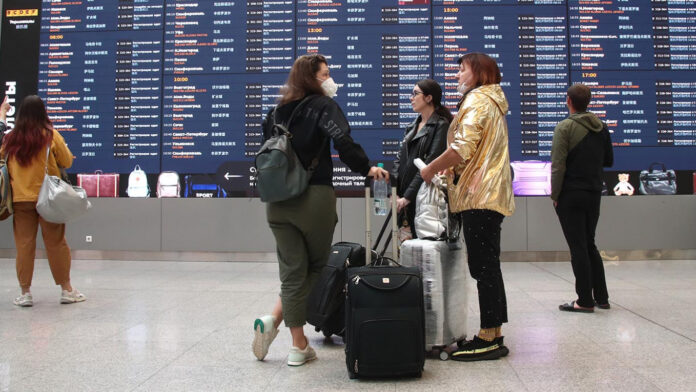
Russia has resumed its flights to Iran, the Bahamas, Norway, Slovenia, Tunisia, Sweden, and Thailand.

Accordingly, three flights will be made between Tehran and Moscow every week and one flight between Sochi and Tehran.

Earlier, Head of Rospotrebnadzor Anna Popova in a meeting with Iranian Ambassador to Russia Kazem Jalali hoped for opening Russian borders to Iranian businessmen, students, and people.

Deputy Minister of Cultural Heritage, Tourism, and Handicrafts for touristic affairs Ali Asghar Shalbafan had announced that the first group of Russian visitors will enter Iran following declaration of new regulations for trips by foreign tourists amid COVID-19 pandemic.

Iran: Pakistani measures helped curb drug trafficking via borders

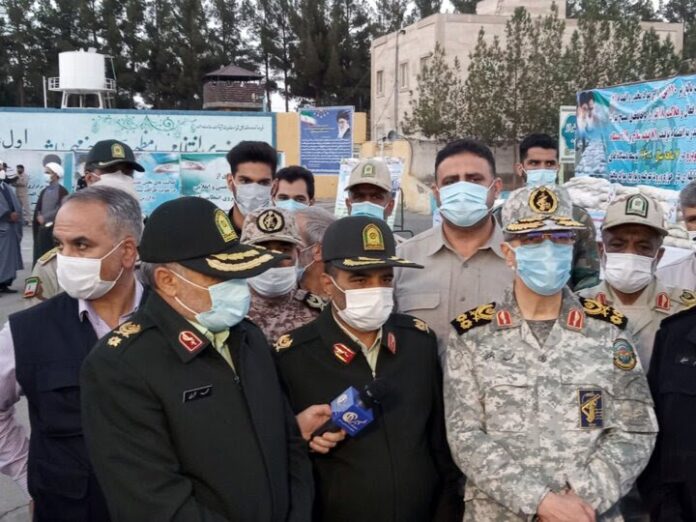
Major General Mohammad Bagheri made the comment during a visit to the provincial capital of Zahedan, where security forces have seized a large narcotics haul.

He said Iran’s intelligence and operational work at the border area and “appropriate measures” taken by Pakistan to set up border barriers and increase border patrols have helped reduce drug trafficking into Sistan and Balouchestan province.

“All these measures by the neighboring country [of Pakistan] have been in full coordination with the Iranian border guards and have ultimately led to enhanced security and turned this border to a hub of peace, friendship and lasting security and these ties will continue,” he said.

Meanwhile, Deputy Chief of the Iranian Law Enforcement Brigadier General Ghasem Rezaei said during Bagheri’s visit that over 170 tons of industrial and other narcotics were seized and 130 drug lords were arrested in Sistan and Balouchestan over the past seven months. 

He said 4.6 tons of the drugs were seized over the past 72 hours.