Tuesday, December 23, 2025
Home Blog Page 2283

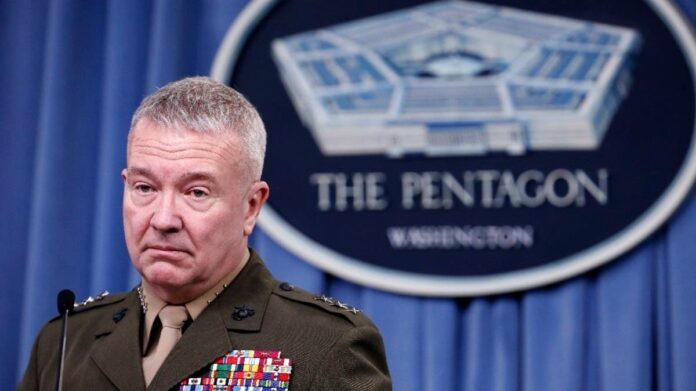
Iranian admiral: US forces on war footing, failed to stop IRGC forces

Tangsiri said, “This is a big lie”. He was speaking on Tuesday at a ceremony to appreciate the Iranian naval forces who bravely raided the Vietnamese oil tanker and escorted it to an Iranian southern port before the eyes of the US troops. 

Tangsiri said the US warships were on a war footing and the images released by the Islamic Revolution Guards Corps naval force clearly show what happened. 

Tangsiri added that the US warships came within a 30-meter distance of Iranian forces but failed to stop them and were forced to retreat. 

Iran on Wednesday released the Vietnamese tanker upon an order by the Iranian Judiciary after unloading the oil it was carrying. 

The tanker was confiscated last week by the IRGC naval force in the Sea of Oman after it was used by U.S. forces to carry seized Iranian crude.

IRGC forces used helicopters to board Sothys and led it towards Iranian territorial waters.

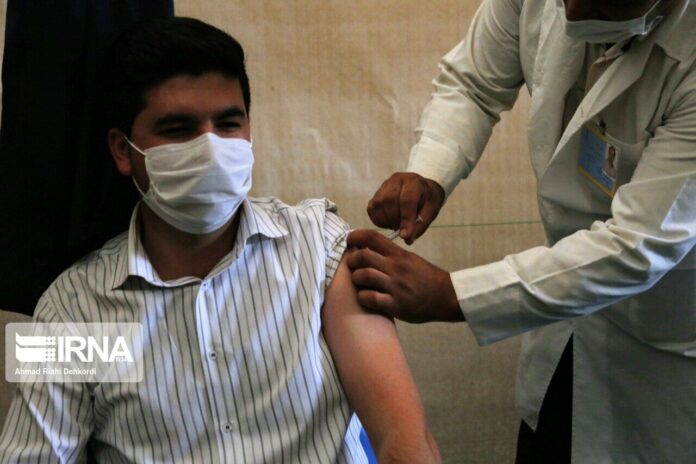
Iran: Hundreds of thousands of Covid vaccine shots administered

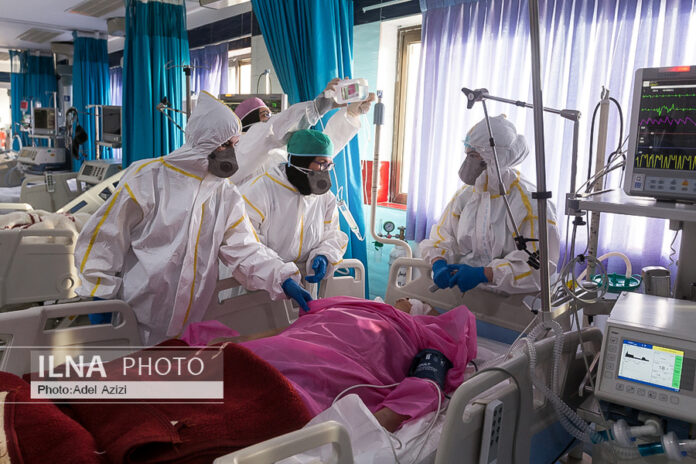
The number of people who have received the first dose is 55,484,337. Meanwhile, 40,829,657 people have received the second dose. Authorities put the number of booster shots- the third injection- administered to people at 268,638.

Healthcare staff and ordinary people are both receiving the booster shots.

Officials say Covid has killed 135 people in Iran over the past day. The total death toll, since the start of the pandemic in early 2020, stands at 127,686.

The high rate of vaccination in Iran has kept down the number of new deaths, infections and hospitalizations. Officials are urging all unvaccinated citizens to get their jabs at vaccination centers which are not crowded given that most people have been fully inoculated.

They say people should not relax health protocols because that could cause another wave of the pandemic in Iran. There has been no change in the number of red cities in terms of risk from Covid compared to the past couple of days. Now, 33 cities in Iran are marked red, which is the highest level of risk from the disease. Meanwhile, 95 cities are orange, 220 yellow and 100 blue.

Tajikistan: Terror threat from Afghanistan growing

“The situation on the Afghan-Tajik border remains difficult, while the terrorist threat from Afghanistan is growing,” Nasrullo Mahmudzoda said on Wednesday within the meeting of the Delhi Regional Security Dialogue on Afghanistan.

Mahmudzoda added that having seized power in Afghanistan the Taliban movement has adjusted to the military-political and geopolitical climate worldwide, changing the situation in the field of international and regional security.

“Tajikistan’s concern over the situation in Afghanistan are well-founded, since our country borders it and is at the forefront of countering the spread of the dangers of terrorism, extremism, drug trafficking and other types of cross-border crime into the region,” Mahmudzoda stressed.

National security advisers and secretaries to security councils from India, Iran, Kazakhstan, Kyrgyzstan, Russia, Tajikistan, Turkmenistan and Uzbekistan have gathered for a multilateral meeting on Afghanistan. The event is chaired by National Security Advisor for the Indian Prime Minister Ajit Doval. Previous meetings were organized by Iran in 2018 and 2019.

After the Joe Biden administration announced the end of its US military operation in Afghanistan and the launch of its troop pullout, the Taliban embarked on an offensive against Afghan government forces. On August 15, Taliban fighters swept into Kabul without encountering any resistance and gained full control over the Afghan capital within a few hours. Afghanistan’s President Ashraf Ghani said he had stepped down to prevent any bloodshed and subsequently fled the country. On September 6, the Taliban announced they had taken control of the entire country and announced a new interim government the following day. However, this government has not been officially recognized by any of the world nations.

On September 23, Tajik President Emomali Rahmon, speaking at the 76th session of the UN General Assembly, called for elections in Afghanistan, as well as for the establishment of a new government, which would include members of all ethnic groups, in particular, Afghan Tajiks. According to the president, declaring any government without considering Afghan citizens’ interests could result in disastrous consequences. Rahmon also warned about the growing threat of international terrorism in the country.

Iran’s Shamkhani meets Indian PM, Afghanistan in focus

He told Modi that the security meeting was Iran’s initiative and has continued successfully. 

Referring to the need to achieve the goals of the leaders of Iran and India in bilateral relations, the secretary of Iran’s Supreme National Security Council stressed the importance of Chabahar Port in regional relations and the north-south transit route. 

He also spoke of the situation in Afghanistan. Shamkhani said the reality on the ground in Afghanistan after 20 years of US occupation is a grim picture and that the plight of the Afghan people has complicated the situation in the region. 

He also underlined the need to resolve the issue within the framework of a regional security conference. 

While thanking the foreign delegations for their presence in the meeting during the Covid pandemic, the Indian prime minister expressed concern over the situation in Afghanistan. 

Modi stressed the importance of collective work and consensus in this regard. The Indian prime minister also described terrorism as a common pain in the whole region and expressed hope that he will meet with Iran’s President Ebrahim Reisi as soon as possible. 

The heads of the delegations attending the New Delhi security meeting were also present at the talks between Shamkhani and Modi.

Iran: Unilateral sanctions block sustainable development

In a statement on Tuesday, Majid Takht Ravanchi said issues such as exclusion and inequality can act as potential drivers and aggravating factors for conflicts and weaken opportunities in achieving lasting peace in conflict-ridden countries.

According to the UN reports, the provision of humanitarian needs in conflict situations has been on the rise and today it is at the highest level.

Humanitarian assistance can treat the symptoms but cannot cure the disease. Therefore, prevention is always better than cure.

In this context, prevention of conflicts is one of the main obligations set forth in the Charter of the United Nations and primary responsibility for this obligation has been assigned to Member States.

Tackling such challenges, which are essentially internal matters of countries, require an integrated and holistic approach and should be dealt with by the states concerned.

Nevertheless, the international community also needs to be involved in addressing such challenges.

The international community and the UN must assist conflict-affected countries, upon their request, through provision of tailored technical and financial supports to address the root causes of the conflicts properly and more effectively.

As stated in Goal 10 of SDG, reducing poverty and inequality, and ensuring no one is left behind are integral to achieving the sustainable development. We highlight the significant role of the United Nations in this regard.

For effective prevention of conflicts, other underlying causes, such as climate change, foreign intervention, and occupation as well as application of unilateral acts, which lead to prolonged conflict situations, must also be considered, and tackled.

In this context, the imposition of unilateral coercive measures such as illegal US sanctions imposed on the Iranian people causes serious consequences for the well-being of all segments of population.

These unlawful acts, which have caused severe shortages in basic needs of the people, especially medicines and medical equipment needed for combatting COVID-19, exacerbate economic hardships.

Unilateral sanctions also prevent access of the affecting countries to their financial and developmental resources necessary for realization of the goals of the sustainable development.

The provision of technical and humanitarian assistance to the people in need in conflict and post conflict situations should in no way be politicized, conditional or discriminatory.

The constructive contribution of the UN in preventing conflicts requires coherence, sustained engagement, and coordination among the General Assembly, the Security Council, and the Economic and Social Council, consistent with their mandates as set out in the Charter of the United Nations.

In this context, we emphasize that the Security Council must adhere to the purposes and principles of the Charter of the United Nations and should focus its efforts on any situation, which is likely to endanger the maintenance of international peace and security.

The issues such as exclusion and inequality with social and economic aspects, must be addressed, by competent organs of the United Nations, namely the General Assembly and the Economic and Social Council.

Iran frees oil tanker Sothys after unloading crude oil

The tanker was confiscated last week by the IRGC naval force in the Sea of Oman after it was used by U.S. forces to carry seized Iranian crude.

Last Wednesday, IRGC forces used helicopters to board Sothys and led it towards Iranian territorial waters.

The American naval forces continued to pursue the tanker using several helicopters and a warship, but the presence of the IRGC Navy prevented them from reaching the vessel.

UN warns over 7mn Yemenis in need of shelter, non-food items

The UNHCR Yemen Office wrote on Twitter 7.3 million Yemenis require “shelter” and “non-food assistance”, with 75% being women and children.

The body added that an exhibition was being organized on Tuesday in the capital Sanaa, aimed at “presenting solutions to the soaring shelter needs”.

Saudi Arabia, backed by the US and regional allies, launched the war on Yemen in March 2015, with the goal of bringing the Mansour Hadi government back to power and crushing Ansarullah.

The war has left hundreds of thousands of Yemenis dead, and displaced millions more. It has also destroyed Yemen’s infrastructure and spread famine and infectious diseases.

Yemeni armed forces and the Popular Committees have grown steadily in strength against the Saudi-led invaders, and left Riyadh and its allies bogged down in the country.

New Iran humanitarian aid package in Afghanistan

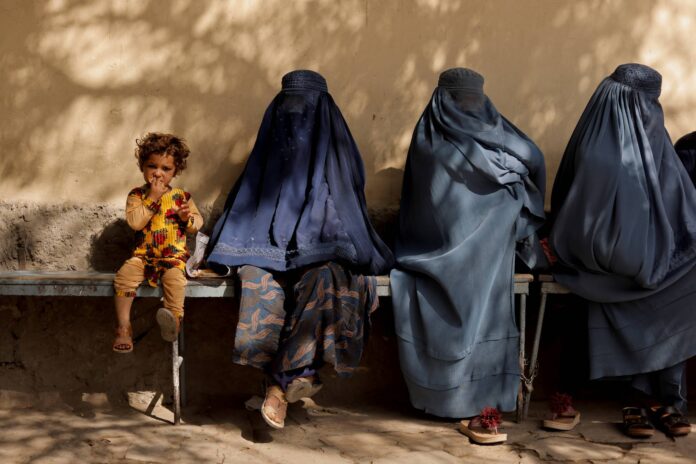
The aid shipment contains food and medicine for victims of two recent terror attacks on Sardar Mohammad Daoud Khan hospital and Eid Gah mosque in the capital Kabul which left dozens of people dead and many more injured.

This is the 11th shipment of Iranian humanitarian aid to the people of Afghanistan over the past two months

The Islamic Republic of Iran previously sent aid packages of food, warm clothes, medicine and other items for the victims of terrorist attacks in Kunduz and Kandahar and the poor and vulnerable people in the neighboring country.

Tehran says it is ready to allow the use of its its transit routes as well as facilities at Chabahar port for any humanitarian mission in Afghanistan. 

Over the past four decades Iran has hosted millions of Afghans fleeing civil war.

French daily: Iran hints France mediating between Washington-Tehran

“Although the approaches of Russia or China are closer to our stance, from the moment of my today’s meeting I assume that France wants to play a more serious role in those negotiations,” he stated, commenting on the November 9 meeting with Philippe Errera, the Director-General for Political Affairs and Security at the French Foreign Ministry.

“If France demonstrates a more independent stance from now on, it will strengthen its position as a negotiator state,” he added.

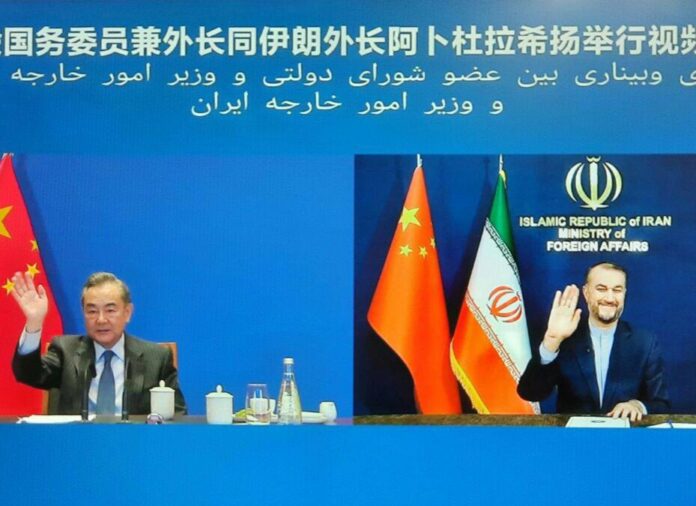
French Foreign Minsiter Jean Yves Le Drian had a phone conversation with his Iranian counterpart Hossein Amir Abdollahian. on Tuesday to discuss the Joint Comprehensive Plan of Action (JCPOA) on Iran’s nuclear program. The French FM emphasized the importance of resuming the talks, suspended by Iran on June 20. 

The JCPOA, also known as the Iran nuclear deal, was signed by Iran, the five permanent members of the United Nations Security Council (Russia, the United Kingdom, China, the United States and France) and Germany in 2015. Under the deal, Iran undertook to curb its nuclear activities and place them under total control of the International Atomic Energy Agency (IAEA) in exchange of abandonment of the sanctions imposed previously by the United Nations Security Council, the European Union and the United States over its nuclear program.

The future of the deal was called in question after former US President Donald Trump had announced his country’s unilateral pullout in 2018. US President Joe Biden has reiterated that he wants to take the United States back into the Iran nuclear deal.

Since April 2021, the P5+1 (Russia, the UK, Germany, China, the US and France) have been holding talks with Iran in Vienna to reinstate the deal. To date, six rounds have been held. The next round is due to begin in Vienna on November 29.

Shamkhani: US exit from Afghanistan a “fiasco”

Ali Shamkhani was speaking on Wednesday at a regional security conference in India’s capital New Delhi. He said Iran’s ready to allow the use of its strategic ports like Chabahar and also transit routes to help resolve the problem.

Shamkhani also spoke of the US legacy is in Afghanistan. He said the US invaded Afghanistan with the stated goal of toppling the Taliban, eradicating al-Qaeda terror group and turn Afghanistan into a role model and a source of inspiration.

But, Shamkhani said, the invasion only made matter worse in the country, increasing poverty there and killing innocent Afghans.

He added Iran always warned that the US occupation will not resolve the crisis in Afghanistan, noting, “The US escape showed we were right and that Washington made a miscalculation as always”.

Shamkhani maintained that the US’s so-called nation building project ran ashore in Afghanistan, describing its escape from the war-torn country as a fiasco.

The secretary of Iran’s Supreme National Security Council said Tehran believes that the United Nations must play the role of the key mediator in talks aimed at restoring lasting peace in Afghanistan.

Security chiefs of Russia, Iran and five central Asian countries have gathered in New Delhi for a security dialogue on Afghanistan.