Sunday, April 19, 2026
Home Blog Page 2277

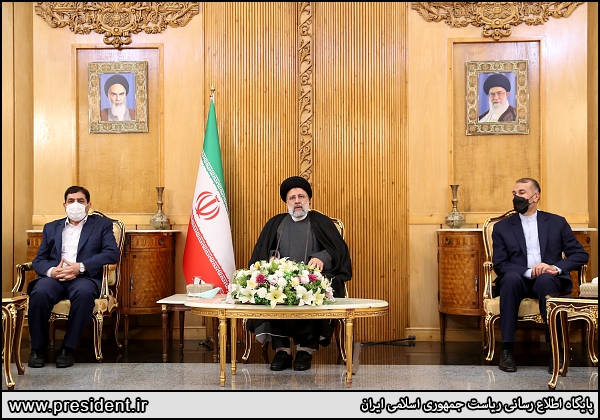
Iran president, Azeri counterpart discuss key issues

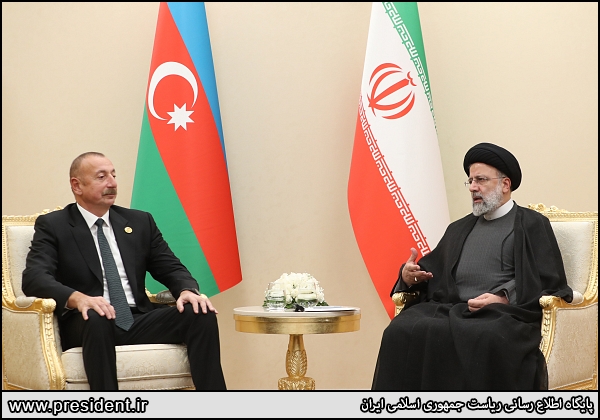
Ebrahim Raisi told his opposite number Ilham Aliyev from the Azerbaijan Republic that people of both countries enjoy deep-rooted civilizational, cultural and religious bonds.

“The two countries have age-old and deeply entrenched ties, and we will never allow these relations to be affected by enemies,” said Raisi in the meeting held on the margins of a summit of the Economic Cooperation Organization (ECO) in Turkmenistan’s capital, Asghabat.

Raisi recalled Iran’s support for the Azerbaijan Republic’s independence and territorial integrity, saying, “Experience shows whenever regional countries settled their issues through understanding and dialog, the path to creating sedition and foreign meddling was blocked,” the Iranian president said.

He voiced concern over insecurity and foreign presence in the region, saying, “the ISIS and Zionist terrorism are two sources of threat in the region and should be tackled,” Raisi noted.

He then touched upon the United States and Israeli regime’s objective of disrupting the relationship between Iran and the Azerbaijan Republic, saying, “Foreign interference is to the detriment of the regional countries, and we should remain vigilant against their plots,” President Raisi said.

He also welcomed his Azeri counterpart’s request to boost economic ties between the two countries and extending transportation routes with the cooperation of Iranian companies.

Aliyev, for his part, said an ad hoc working group comprised of senior government officials will be set up to follow up on the implementation of the agreements reached between the two countries.

Aliyev also lauded Iran’s support for his country’s independence.

He said Baku attaches great importance to its relations with Tehran and will not allow those ties to be harmed.

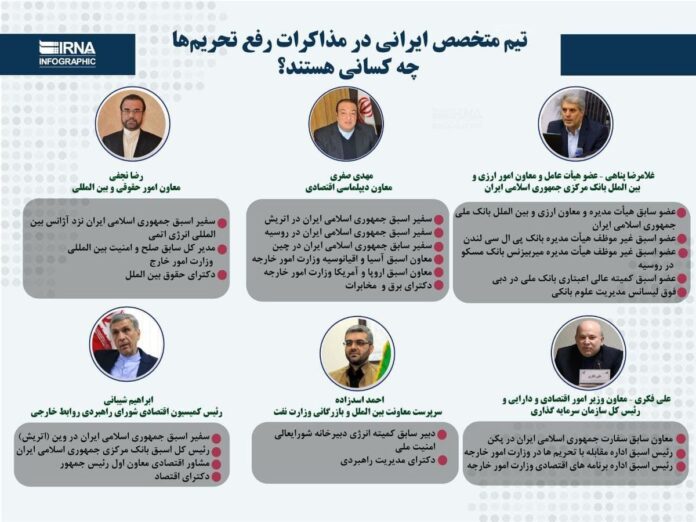
Iran’s negotiating team in Vienna comprised of seasoned experts

The negotiating team is comprised of a host of top experts in various legal, banking and energy sectors hit hard in recent years by the United States’ cruel sanctions.

One of the negotiators is Mehdi Safari, the deputy foreign minister for economic and diplomacy affairs. He used to serve as Iran’s ambassadors to Austria, Russia and China.

He also served as former deputy foreign minister for Asia-Pacific affairs as well as former deputy foreign minister for Europe-US affairs.

Safari holds a Ph.D. degree in Electricity and Communications.

Another member of Iran’s negotiating team is Reza Najafi, the deputy foreign minister for legal and international affairs.

He served as Iran’s ex-ambassador to the International Atomic Energy Agency (IAEA).

He also used to be the director general for international peace and security at the Iranian Ministry of Foreign Affairs, holding a Ph.D. degree in International Law.

Ebrahim Sheibani, the chairman of the Economic Commission of the Strategic Foreign Relations Council, is also part of Iran’s team of negotiators.

He used to serve as Iran’s ambassador to Vienna, the Austrian capital.

He has a Ph.D. degree in Economics and has served as Governor of the Central Bank of Iran as well as the economic advisor to the first vice president.

Another negotiator is Ali Fekri, the deputy minister of finance and economy as well as the director general of the Investment Organization.

He used to serve as Iran’s deputy ambassador to Beijing. A high-profile figure in the domain of economic diplomacy, Fekri was the head of the department charged with countering sanctions and also used to serve as the head of the Economic Programs Office of the Ministry of Foreign Affairs.

Iran’s negotiating team also boasts Ahmad Asadzadeh, the acting head of the International and Trade Department of the Oil Ministry.

He holds a doctorate degree in Strategic Management and served as former secretary of the Energy Committee of the Secretariat of the Supreme National Security Council.

And the last but not least is Gholamreza Panahi, a member of the Executive Board of the Central Bank of Iran and the bank’s deputy governor for forex and international affairs.

He used to sit on the Board of Directors of Iran’s Melli Bank and serve as the bank’s deputy chief for forex and international affairs.

Holding a Master’s Degree in Banking Sciences Management, Panahi was a freelance former member of the Board of Directors of London-based Persia International Bank PLC, a freelance former member of the Board of Directors of Mir Business Bank in Moscow and an ex-member of the High Credit Committee of Iran’s Melli Bank in Dubai.

A glance at the line-up of Iran’s new negotiating team in Vienna led by Deputy Foreign Minister Ali Bagheri shows the 13th Iranian administration’s strategy for taking part in the talks and achieving the final goal, i.e., the lifting of cruel and illegal sanctions against Iran, has changed considerably compared to the past.

Given the line-up, particularly the presence of economic experts on the team and their impressive track record in the domains of international economy, one can realize that Iran is set to achieve a precise and comprehensive political-economic agreement.

Another noteworthy point is that the economic experts on the negotiating team have been selected irrespective of their political affiliations. Almost all of the economic experts on the team used to serve in top political, economic and international posts in the previous administrations.

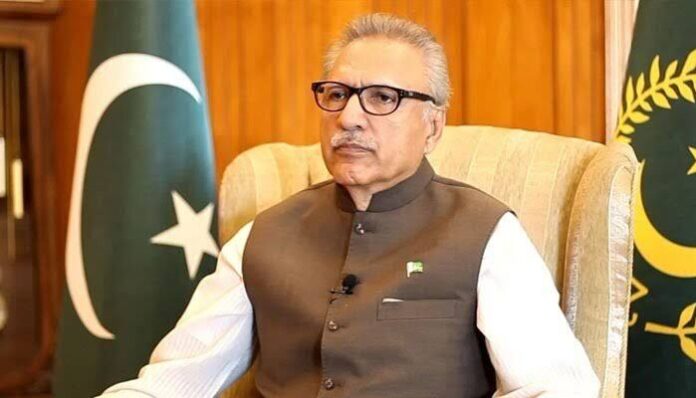
Pakistani president: Unilateral sanctions threaten regional security

Alavi made the comments in his speech at the Economic Cooperation Organization (ECO) summit in Ashgabat and was apparently referring to the US’s unilateral sanctions on the Islamic republic of Iran.

The Pakistani president added that no one knows better than “our Iranian brothers” the implications of unilateral sanctions. Alavi said, “We are witnessing the adverse effects of unilateral sanctions in our region. Freezing assets and imposing banking restrictions worsen human ordeal.“

Alavi noted that intra-regional trade between ECO members constitutes only 8% of their total trade and unlocking the potential for regional integration provides a significant impetus for growth and development in all member states. Alavi also referred to the situation in Afghanistan, saying regional relations largely depend on peace in Afghanistan. He said the war in Afghanistan is over after 40 years, but a humanitarian crisis and the specter of economic collapse are looming over the nation.

The Pakistani president called on the Muslim world, including members of ECO, to help prevent a humanitarian catastrophe in Afghanistan that could reignite chaos, conflict and threat of terrorism in the country.

He stressed that Afghanistan’s frozen assets should be released to help alleviate the sufferings of the Afghan people.

Iranian president back home after ECO summit

Raisi made the comment in Tehran on Sunday night upon returning from the meeting in Turkmen capital, Ashgabat.

He said Iran’s participation in the ECO Summit as one of its founders had different messages and that a lot work has been done, but it is not enough and “we have to take bigger steps”.

He added that Afghanistan was a common concern of all members that was raised at the summit and all came to the conclusion that Afghanistan will achieve security and stability with an inclusive government representing all ethnic and religious groups.

Referring to his meeting with Turkmenistan’s president, Raisi said the transit issue topped the agenda of talks at the meeting, and the ambiguities and problems were resolved and Iran can now have good trade and economic ties with East Central Asian countries.

He added that the issue of gas was another topic and the two sides signed a contract which will dispel concerns over gas outages in the winter.

Raisi referred to his meeting with Iranian businessmen and traders in Turkmenistan. He said the businessmen had problems that are serious and some were resolved with the gas contract, and the Foreign Ministry and the Chamber of Commerce were instructed to pursue those matters.

The president noted that the neighborhood policy has worked and that his administration insists on pressing ahead with that policy.

Afghanistan, Republic of Azerbaijan, Iran, Kazakhstan, Kyrgyzstan, Pakistan, Tajikistan, Turkey, Turkmenistan and Uzbekistan are member states of the Economic Cooperation Organization, ECO.

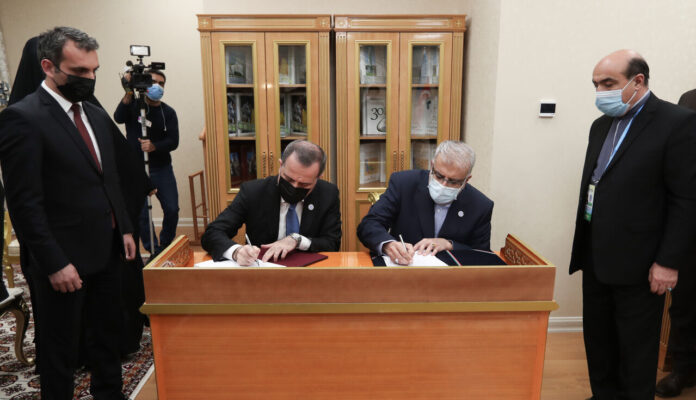
Iran, Azerbaijan and Turkmenistan sign gas swap deal

The deal was signed by the oil ministers of Iran and Azerbaijan on Sunday night after the end of the bilateral meeting between Iranian President Seyyed Ebrahim Raisi and his Azeri counterpart Ilham Aliyev.
Iranian and Azeri presidents also attended the signing ceremony.
Under the agreement, Turkmenistan will transfer 1.5 to 2 billion cubic meters of gas each year to the Republic of Azerbaijan through the territory of the Islamic Republic of Iran

Russia: JCPOA parties still have chances of agreement

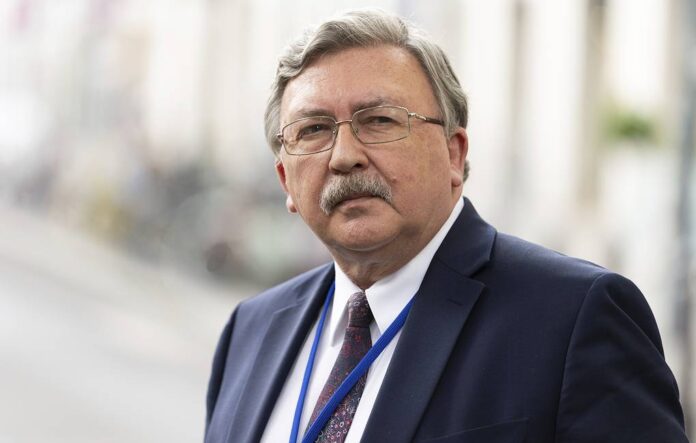
Russia's Governor to the International Atomic Energy Agency (IAEA), Mikhail Ulyanov, addresses the media near the 'Grand Hotel Vienna' where where closed-door nuclear talks take place in Vienna, Austria, Saturday, June 12, 2021. (AP Photo/Florian Schroetter)

“The attitude is positive, in a sense that it is necessary to make every effort to successfully finish the talks, as the alternatives vary between bad and really bad,” Russia’s permanent representative to the international organizations in Vienna, Mikhail Ulyanov, told Sputnik on Sunday.

“Opportunities to come to an agreement still exist,” he added.

On Saturday, Ulyanov’s Iranian counterpart, Ali Baqeri, left Tehran for Vienna to take part in the first round of the Vienna talks under President Ebrahim Raeisi and the seventh since they were launched in early April.

The Raeisi administration insists that its primary target in the talks is to have all of the United States’ unlawful sanctions removed in a verifiable manner.

The US slapped several rounds of sanctions on Tehran following its withdrawal from the nuclear agreement, officially called the Joint Comprehensive Plan of Action (JCPOA), despite the International Atomic Energy Agency (IAEA)’s 15 consecutive reports saying that Iran had continued to fully observe all of its obligations under the JCPOA.

The administration of President Joe Biden, which had promised to return to the JCPOA and call off the so-called maximum pressure on Tehran, now calls for a mutual return to the deal.

Tehran says it never left the deal in the first place to have to return to it. It also stresses the need for the US to remove all of its sanctions in practice and provide a guarantee that it will never leave the deal again in order to gain a seat at the JCPOA table.

Days earlier, Ulyanov told the IAEA Board of Governors that the root causes of Iran’s reduction of its nuclear obligations under the JCPOA need to be mentioned whenever discussing the issue.

“No one talks about the root causes,” Ulyanov stated, adding, “It must be remembered that the termination of the temporary application of the Additional Protocol was the result of the [US] policy of ‘maximum pressure’ and the assassination of an Iranian scientist.”

He was making a reference to the assassination of Mohsen Fakhrizadeh, Iran’s top nuclear scientist, on November 27, 2021, in a terrorist attack widely attributed to the Israeli regime.

On May 8, 2019, exactly a year after the US withdrawal from the JCPOA, Iran announced that it was no longer bound by certain limitations on its nuclear program, triggering the “dispute resolution mechanism” under paragraph 36 of the deal, which provided Iran with the option of taking reciprocal measures in the face of the significant non-performance of the other parties, in particular the US.

Prior to that, during both the Barack Obama and Donald Trump administrations, Iran had triggered the mechanism a number of times but refrained from taking reciprocal measures in order to keep the path of diplomacy open.

Since May 2019, Iran has been taking incremental “remedial measures” including enriching uranium to 60% purity and stopping its voluntary implementation of the Additional Protocol, after which Tehran and the IAEA have been at loggerheads.

Despite the disagreements, however, the IAEA has continued to confirm that Iran has not made a move to build nuclear weapons.

Iran has repeatedly said that it is not after developing nuclear weapons.


Iran, Uzbekistan call for inclusive govt. in Afghanistan

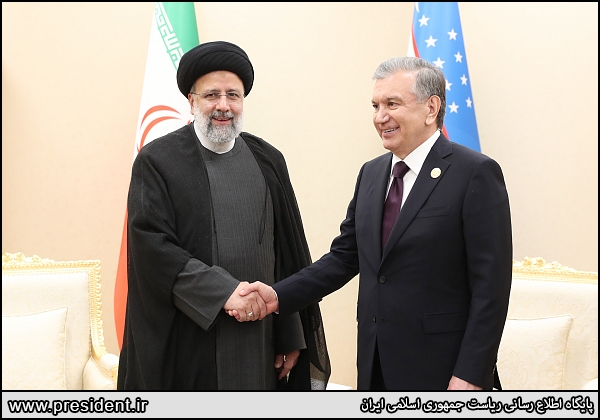
The announcement was made during a meeting between Iran’s President Ebrahim Raisi and his Uzbek counterpart
Shavkat Mirziyoyev on the sidelines of the ECO summit in Ashgabat.
Raisi and Mirziyoyev said any government in Kabul should represent all Afghan ethnic groups and people and for the establishment of lasting peace and security in the country.
Raisi also said regional countries’ capacity to deepen relations is a good opportunity for them, underlining that in the current world situation, cooperation between regional countries turns many threats into opportunities. Raisi added that with the active presence of the countries, there is no room for foreign interference.
He referred to the volume of trade between the two countries, saying the foreign ministers of Iran and Uzbekistan should draw a roadmap for long-term cooperation.
During the meeting, Shavkat Mirziyoyev praised Iran’s active approach and said peace and stability in the region will be achieved with the participation of regional countries, and Uzbekistan welcomes any cooperation with Iran.
Mirziyoyev described the economic capacities and relations of Iran and Uzbekistan as a suitable platform for the development of ties.
He called for an increase in the volume of trade between the two countries.

US says likely to exert pressure on Iran over nuclear issue

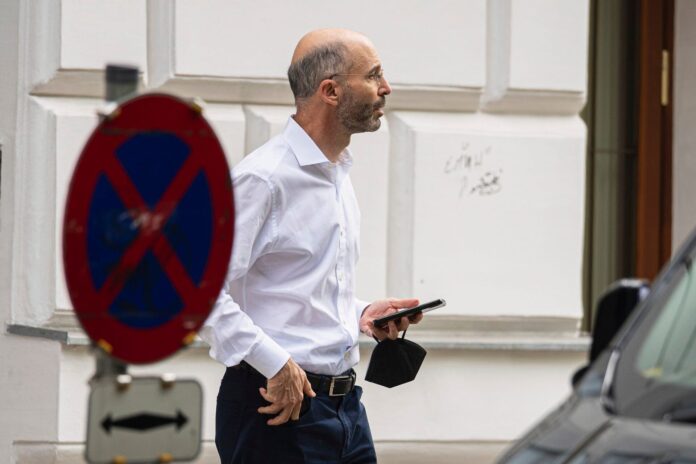
“If Iran thinks it can use this time to build more leverage and then come back and say they want something better it simply won’t work. We and our partners won’t go for it,” US special envoy to Iran Robert Malley told BBC Sounds.

In 2018, then-US President Donald Trump unilaterally pulled Washington out of the Joint Comprehensive Plan of Action (JCPOA) – also known as the Iran nuclear deal – and re-imposed harsh sanctions against Tehran.

“If that’s Iran’s approach, which is to try to use the negotiations as cover for an accelerated nuclear program, and as I say, drag its feet at the nuclear table, we will have to respond in a way that is not our preference,” said Malley, who heads up the US negotiating team.

“Nobody should be surprised if at that point there is increased pressure on Iran,” he continued.

“We hope not to get that there, but if we are, then pressure will have to increase to send a message to Iran that the choice it is making is the wrong one. That it has a different path available to it, but it’s not a path open indefinitely because Iran’s nuclear program is putting the very essence of the deal negotiated (in 2015) at risk,” he added.

Tehran has stated Washington should stop excessive demands and remove the illegal sanctions against Iran and should first remove the sanctions before it could return to the landmark agreement.

Iranian Foreign Minister Hossein Amir Abdollahian has recently stressed Tehran will pursue a policy in the upcoming nuclear negotiations that will be aimed at removing the illegal and cruel US sanctions.

Representatives from Iran and the P4+1 group of countries — Britain, France, Russia, and China plus Germany — are scheduled to hold the seventh round of nuclear talks in Vienna tomorrow.

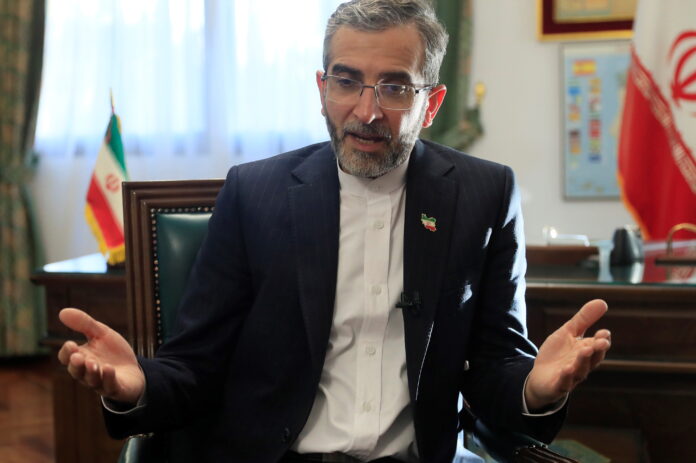
Ali Bagheri, the Deputy Foreign Minister, will chair the Iranian negotiation team in the negotiations. The top negotiator has stressed Washington must remove all sanctions against Tehran and provide guarantees that future US administrations will not leave the 2015 nuclear deal again.

Top Iran negotiator: West does not seek to implement a deal

Ali Bagheri Kani

This week, Iran and five global powers gather in Vienna for so-called “nuclear negotiations”. This very term — which is used to refer to the Joint Comprehensive Plan of Action (JCPOA) agreement — is rife with error.

Western countries, in particular the US, work tirelessly to portray “negotiations” as merely a process to restrict Iran’s legitimate and peaceful nuclear programme, which is enshrined in international treaties and watched by oversight organisations. From Iran’s perspective, however, “negotiations” must pursue real objectives, observed by all parties.

In this vein, we have two goals: the first is to gain a full, guaranteed and verifiable removal of the sanctions that have been imposed on the Iranian people. Without this, the process will continue indefinitely. “Negotiations” without an airtight solution benefit no one.

The second is to facilitate the legal rights of the Iranian nation to benefit from peaceful nuclear knowledge, especially the all-important enrichment technology for industrial purposes, according to the terms of the international Non-Proliferation Treaty (NPT).

Previous attempts to close the “trust gap” between parties of the nuclear talks have failed mainly because the west regards any agreement solely as an established platform from which to launch more pressure against Iran. In English, you call it “moving the goalposts”.

This is the crux of the dispute that has forced us, six years after the initial agreement, to the table yet again. We will be starting these new discussions under circumstances influenced by the unfortunate fate of the JCPOA, when US president Donald Trump unilaterally decided to abandon this deal. This was a terrible betrayal of trust for Iran and Iranians.

Experience tells us that the west does not seek to implement a deal. Rather, it seeks to score public perception points by announcing one while stealthily “dis-implementing” the agreement in every possible way. From our experience, this is followed by actions to “hijack” the JCPOA platform to force Iran to make more concessions in areas unrelated to the nuclear issue. As a result, the Iranian people trust neither the process, nor its outcome.

It would be naive to attribute these problems solely to the Trump administration and to his “maximum pressure campaign”. Constant US efforts to deny Iran any economic benefits for reducing its nuclear activities are why many once-passionate Iranian defenders of the agreement have now changed their minds: they no longer trust either its tangible benefits or its intent. Trump merely removed the velvet gloves from the cast-iron hand of the previous US administration.

From our viewpoint, past blunders should not be repeated. We have all, respectively, learned over the past six years what and who can be trusted. To ensure any forthcoming agreement is ironclad, the west needs to pay a price for having failed to uphold its part of the bargain. As in any business, a deal is a deal, and breaking it has consequences.

Iran remains committed to the process and we will adhere to our commitments. From our perspective, the principle of “mutual compliance” cannot form a proper base for negotiations since it was the US government which unilaterally left the deal. The US should therefore demonstrate that it is serious this time, and that it possesses the necessary competence to fulfil its commitments.

In Iran’s recent presidential elections, voters decided to invest their confidence in a paradigm that espouses a more realistic engagement with the west. Actions now matter more than mere words. We should be offered a clear and transparent mechanism to ensure that sanctions will be removed. For what other conceivable reason would we compromise regarding Iran’s technological advances and nationally-precious domestic nuclear programme?

Iran did not succumb to the use of either military threats, economic sanctions or “maximum pressure” under Trump and it will not do so under Joe Biden. In order to secure the rights and interests of our nation, we are ready for a fair and careful discussion, based on the principles of “guarantee” and “verification”. This must prioritise compensation for the violation of the deal, which includes the removal of all post-JCPOA sanctions.

In return, Iran is ready to voluntarily fulfil its nuclear commitments in accordance with the agreement. We remain prepared to react proportionately to any pressure and reciprocate any goodwill gesture.

We have made our choice. We will now find out whether or not the west has the will to enter real negotiations.

Raisi: Iran proudly hosts 4 million Afghans

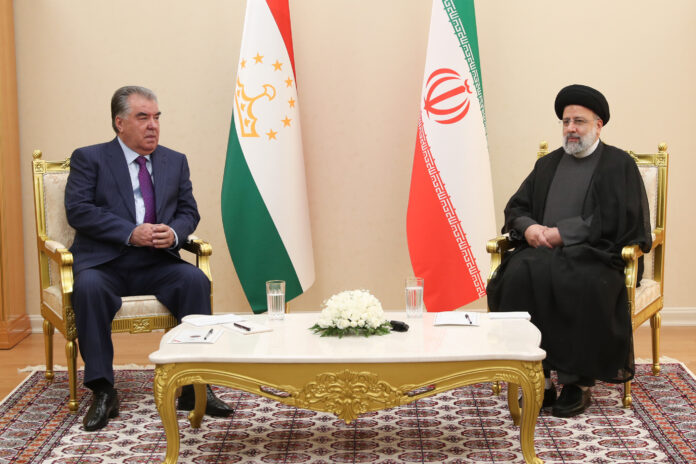
Raisi and Emomali Rahmon met on the sidelines of the ECO summit in Turkmenistan’s capital Ashgabat.

Raisi expressed pleasure for meeting the president of Tajikistan again after the Shanghai Summit, saying “My first foreign trip as President of Iran was to Tajikistan, and this trip changed relations between the two countries.”

“We have no doubt that relations will expand, because the current level of trade is not convincing, and by restoring capacities between the two countries, the level of ties can be improved many times over,” he added.

While inviting Emomali Rahmon to Tehran, the Iranian president said Iran thinks that due to deep cultural and linguistic relations and a long history of friendship, the two sides should cooperate more than others.

Regarding Afghanistan, Raisi said Tehran’s position on the country is clear and it welcomes the formation of a truly inclusive government in Afghanistan that represents all Afghan people, ethnic groups and political groups.

The president emphasized that the US occupied Afghanistan for two decades and left only a trail of deaths and looting.

He said Iran proudly hosts about 4 million Afghans and it hopes that only Afghans can decide their own fate.

The Tajik president also said all ethnic groups should be present in the Afghan government, stressing that insecurity in the country is to the detriment of the region.