Wednesday, December 24, 2025
Home Blog Page 2274

Tehran, Baku discuss ways of resolving road transportation problems

The Iranian delegation headed by Javad Hedayati, Director General of the Transit Department of Iran’s Roads and Transportation Organization, and Azeri officials are exploring ways of expanding cooperation in road transportation. 

At the meeting, Hedayati highlighted the importance of the meeting, saying the negotiators hold discussions about obstacles to developing trade relations and road transportation and will also explore ways of boosting transportation ties between Tehran and Baku. 

Hedayati added that the two sides intend to design new mechanisms and initiatives in order to define roads in a targeted way, facilitate road transportation, especially along border routes through reduction of transportation costs, and expand transit along the north-south corridor. The Azeri official for road transportation affairs for his part stressed the need to increase transportation cooperation between the two countries.  

Anar Rezayev said age-old relations between Tehran and Baku pave the way for cooperation in different areas. Rezayev expressed confidence that Iran and Azerbaijan will use the existing potentials to boost cooperation in road transportation. 

The Azeri official also noted that all problems are resolvable.

UAE says seeking to reduce tensions with Iran

Anwar Gargash, diplomatic adviser to the UAE president, stated the Gulf state remains deeply concerned about Iran’s behaviour in Iraq, Syria, Yemen and Lebanon.

“Despite this we have taken steps to de-escalate tensions as we have no interest in a confrontation. The whole region would pay the price of such a confrontation for decades to come,” Gargash told the Abu Dhabi Strategic Debate.

“I am realistic about the chances of success. It will be a slow process, but we hope that over time we can build together greater confidence between us and start to make progress towards a more sustainable and mutually beneficial status quo,” he added.

Gulf states are closely watching talks between global powers and Iran to revive a 2015 nuclear pact. The UAE, along with neighbour Saudi Arabia, believe the deal was flawed for not addressing Iran’s missile programme and network of regional proxies.

Gargash noted the UAE was working to build bridges with all countries, including those with which it has serious disagreements.

He cited last year’s establishment of diplomatic ties with Israel as an example of the UAE’s policy, as well as its recent actions regarding crises in Ethiopia and Sudan.

On Afghanistan, Gargash stated recent developments had been “very troubling” for the UAE on two fronts: the rise of extremism, and the perceived role of the United States in the region.

The UAE has moved to combat Islamist groups in the region such as the Muslim Brotherhood, which Gulf states see as a threat to their dynastic system of rule.

“We know that (the US) role is changing, but it is still a vital one,” he said, adding that the United States remains the UAE’s dominant security partner.

Bagheri: Lifting US sanctions high priority for talks

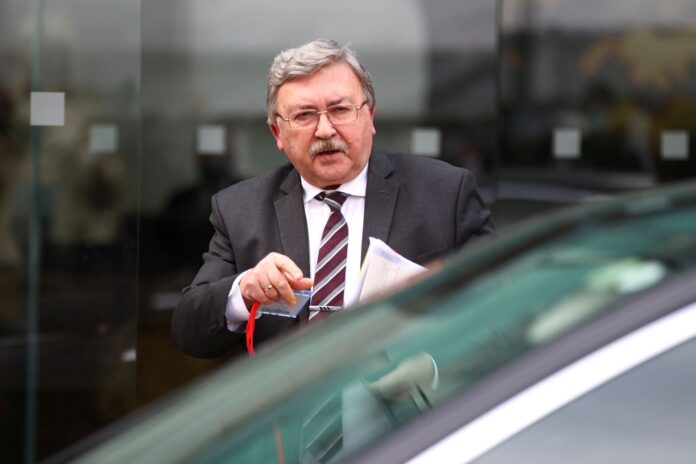
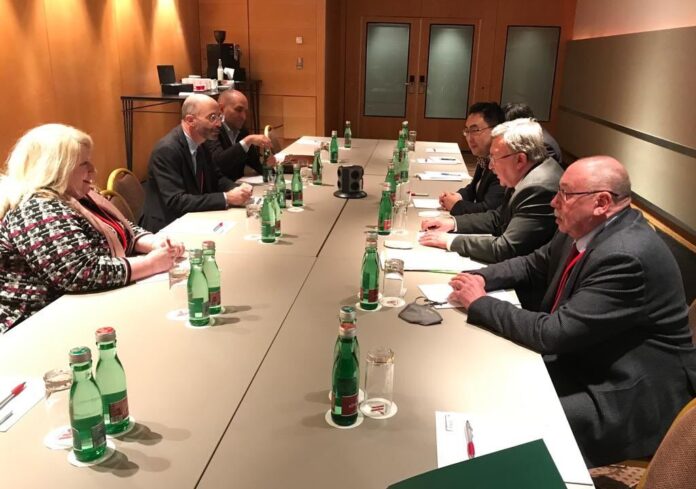
Iran’s Deputy Foreign Minister Ali Bagheri held talks via video conference on Monday with his Chinese and Russian counterparts Ma Zhaoxu and Sergei Ryabkov on the upcoming talks aimed at removing sanctions against Tehran.

During this video call, the Iranian deputy foreign minister referred to the ties between the Islamic Republic of Iran, the Russian Federation and the People’s Republic of China and the alignment of the three countries’ positions on different international issues.

Bagheri stressed the principled stance by the three countries in promoting multilateralism and countering unilateralism. He stated that the oppressive U.S. sanctions against Iran are the cost of countering unilateralism.

Bagheri said it is necessary that all sanctions contrary to the Joint Comprehensive Plan of Action be removed and actions contrary to resolution 2231 be reversed in a verifiable manner and in line with Iran’s economic benefits from the normalization of its economic and trade relations. He described this as a necessary condition for the success of the forthcoming negotiations.

The Iranian deputy foreign minister referred to the recent consultations in France, Germany, Britain and Spain on the forthcoming talks, saying the effective removal of illegal U.S. sanctions is a key necessity and a high priority for the forthcoming talks.

In this video call, the deputy foreign ministers of Russia and China emphasized the need for continued consultations and coordination among the three countries on different issues. They said the U.S. unilateral move to violate the agreement and re-impose sanctions against Iran is the main cause of current problems in implementing the agreement between Iran and the P5+1.

FM: Turkey encouraging investors to work with Iran

Mevlüt Çavuşoglu in a Monday meeting with his Iranian counterpart, Hossein Amir Abdollahian in Tehran, added Turkey has always opposed illegal sanctions against the Islamic Republic of Iran.

During the meeting between top Turkish diplomat Mevlüt Çavuşoglu with Iran’s Foreign Minister Hossein Amir Abdollahian, the most important issues regarding bilateral relations and regional as well as international developments were discussed.

In the meeting, Amir Abdollahian put emphasis on the policy of the Government of the Islamic Republic of Iran to expand relations with its neighbors and Turkey’s important place in this regard. He expressed hope that the Turkish president’s visit to Tehran with the aim of holding the seventh meeting of the Supreme Council of Cooperation between the two countries will happen in the near future.

He described the drawing up of a comprehensive document of cooperation between the two countries as useful. Amir Abdollahian said facilitating trade and investment and developing economic cooperation is of great importance in relations between the two countries. The Iranian foreign minister further underlined the need for the two countries to work towards protecting the environment and managing common water resources. Çavuşoglu also welcomed the views of his Iranian counterpart, saying “Turkey has always opposed illegal sanctions against the Islamic Republic of Iran and we encourage Turkish investors and companies to cooperate with Iran and call for paving the way for bilateral cooperation in this regard”.

The Turkish foreign minister said the finalization of the documents needed for the purpose of developing relations and increasing contacts between the officials of the two countries is necessary for the expansion of ties. He announced Mr. Erdogan’s readiness to visit Iran at the earliest opportunity.

Amir Abdollahian and Çavuşoglu also held talks over other topics including parliamentary and media co-operation, joint efforts to resolve consular and judicial problems, ways of facilitating the two countries’ diplomatic missions, and also the fight against drug trafficking, illegal immigration and terrorism.

The two foreign ministers also exchanged views on the most important regional developments, especially the current situation in Afghanistan and Yemen. They also stressed the need for the two countries to cooperate in order to strengthen stability and security in the region

Iran FM: US main culprit in nuclear deal situation

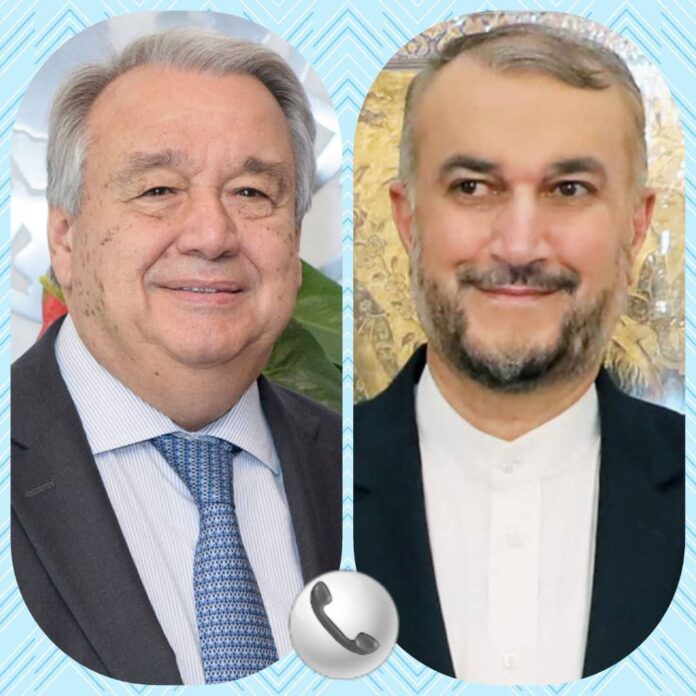
Hossein Amir Abdollahian has held talks over the phone with his Italian counterpart Luigi Di Maio over the state of bilateral ties between Tehran and Rome and also regional and international developments.

Amir Abdollahian described the 160-year-old diplomatic relations between Iran and Italy as a good support for the growing development of ties in various political, economic and cultural areas.

He said the new Iranian government is determined to further develop its cooperation with friendly countries, including Italy based on mutual respect and by reliance on the capacities and opportunities of the relationships.

Amir Abdollahian said he is pleased that the condition is ripe for cooperation between Iran and Italy, especially in the fields of industry, agriculture, medicine, science and technology, and the like.

He described the Tehran-Rome ties as age-old, underlining on the need to maintain and strengthen them. Iranian foreign minister further termed the sending of vaccine in the form of COVAX to Iran as one of the significant points in the friendly cooperation between Iran and Italy.

Referring to the upcoming Vienna talk, Dr. Amir Abdollahian stressed that all parties have reached a common understanding that the United States is the main culprit behind the current situation. He added that some parties have acted irresponsibly by remaining silent toward US extravagance and are partly to blame for the current unacceptable situation.

He said the new government of Iran is pragmatic and result-oriented. We have shared our views with the negotiating parties and are ready to reach a good agreement. This requires a full return of the negotiating parties to their commitments.

On Afghanistan, Amir Abdollahian reaffirmed the Islamic Republic of Iran’s backing for the establishment of an inclusive government in the country. He noted that the illegitimate presence and catastrophic exit of the United States exacerbated the crisis in Afghanistan and its negative impact on the humanitarian situation there triggered a refugee influx, especially into Iran.

He said Iran currently hosts about four million Afghans, so it is imperative that responsible international organizations fulfill their responsibilities to address the situation of these displaced people.

Amir Abdollahian also stressed that Tehran is ready to use its facilities to transfer international aid and supplies from other countries, including Italy, to Afghanistan.

He also outlined the dire humanitarian situation in Yemen and called for increased diplomatic efforts to end the war and siege on Yemen.

The Italian Foreign Minister for his part emphasized Rome’s determination to further expand bilateral relations with Iran. He expressed satisfaction with the positive trend in the ongoing efforts for the upcoming talks in Vienna, and said he is hopeful that this process will lead to favorable results so that “we will witness further expansion of trade relations between Iran and Italy”. During the telephone conversation, Luigi Di Maioalso expressed his views over some bilateral and regional issues.

At the end of the conversation, the two foreign ministers invited each other to visit their respective capital cities and underlined the necessity of continuing their consultations.

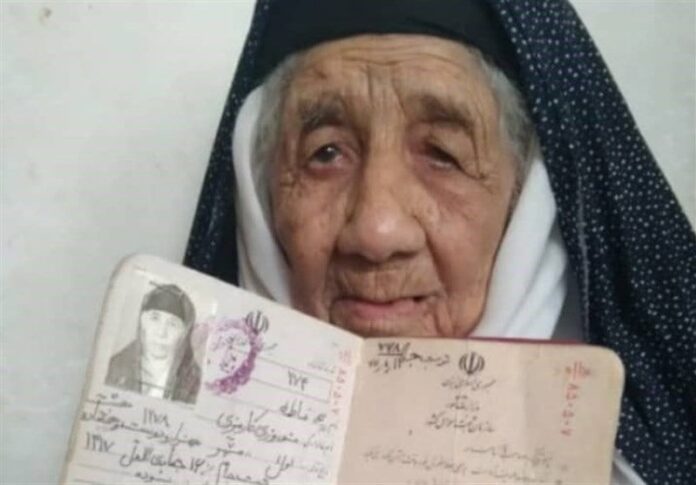
Iran to bury terror victim Fatemeh Asadi

Her remains were flown to her birthplace, the northwestern city of Sanandaj, on Monday after ceremonies in the cities of Qom, Mashhad and Kermanshah in which people bid final farewell to her.

Fatemeh Asadi will be laid to rest on Tuesday.

She is the first woman terror victim whose remains were identified by DNA analysis.

Her remains were recovered earlier this month on the heights of the city of Divandarreh, Kordestan Province.

Iran names newly discovered species of fish after Ali Daei

Seyyed Hamed Mousavi, a member of the academic board of the Guilan Faculty of Natural Resources in northern Iran said the decision was made as a token of gratitude for Daei’s efforts to collect humanitarian aid for people affected by the Kermanshah earthquake some years ago.

According to Mousavi, the research was carried out for eight months. He said the new species of fish discovered from the “Sisoridae”family in Iran, has been introduced to the world of science for the first time.

Mousavi said in Iran, some native fish have been discovered named after such great figures as Ferdosi, Hafez, Saadi, Sheikh Baha’i, Raeis Ali Delvari and Amir Kabir.

He added that in 2019, Professor Sharaf, an Egyptian ant specialist at King Saud University in Saudi Arabia, discovered an ant from the Yemeni-Oman border region which was named after Egyptian footballer Mohamed Salah for his hard work and appearance.

UNHCR praises Iran support for Afghan refugees

During a visit to Iran’s northeastern city of Mashhad on Monday, the UNHCR representative said Iran is shouldering most of the burden of supporting the Afghan refugees and helping resolve their problems.

He criticized insufficient aid from international organizations for the refugees in Iran.

“The decrease in the support from international organizations to address the plight of Afghan refugees living in Iran should be conveyed to UN member states so that necessary decisions are made in this regard,” he stated.

Freijsen also praised Iran’s establishment of three centers in the provinces of Khorasan Razavi and Sistan and Balouchestan to host people coming from the neighboring countries despite lack of international support.

Earlier on Monday, the head of foreign nationals and immigrants’ affairs department in Iran’s Razavi Khorasan province said that Iran receives more than a thousand new asylum seekers on the borders of Khorasan Razavi on a daily basis.

The northeastern Iranian province bordering Afghanistan hosts a very large number of Afghan refugees.

Iran has hosted millions of refugees from the neighboring country over the past decades.

The Islamic republic has repeatedly announced that, despite problems due to US sanctions, it will spare no effort to help the asylum seekers.

Following the Taliban takeover of Afghanistan last August, thousands of Afghans have flocked to Iran.

Raeisi calls for joint Iran-Turkey fight against terrorism

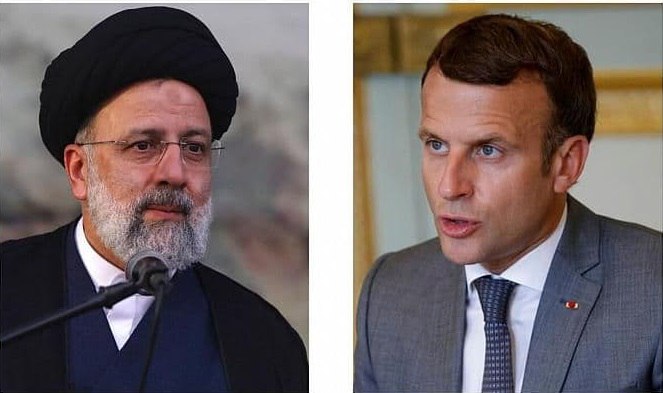
President Raeisi made the comment in a meeting with Turkish Foreign Minister Mevlut Cavusoglu in Tehran on Monday.

Raeisi added that Iran and Turkey have decided to draw up the roadmap to boost their cooperation and should be ready to increase their current level of ties in all areas.

He said Iran-Turkey ties can have an impact on global equations, stressing that regional countries are capable of resolving their problems without foreign interference. Raeisi said the presence of extra-regional powers will bring nothing but insecurity and tension between regional countries just as the US occupation of Afghanistan led to nothing but bloodshed and destruction.

He also said the Daesh terror group was created by the US as American officials have acknowledged themselves, and it’s now committing atrocities in different countries as a proxy of the US.

Raeisi said Iran and Turkey can cooperate in fighting terrorism and organized crime. He added that Iran’s ties with the Republic of Azerbaijan and Turkey are beyond a neighborly relationship and are rooted in deep cultural and religious bonds.

Cavusoglu also said Turkey considers Iran’s new government as being pragmatic and is determined to boost ties with Tehran. He further called for cooperation with Iran in fighting terrorism.

Famous Tehran international ski slope reopens


The resort was reopened on Monday morning in the presence of Ruhollah Emdad, CEO of Tochal Telecabin Company, and Abbas Nazarian, President of Iran’s Ski Federation. 

The resort, which is located at 3,800 meters above sea level, was reopened following the snowfall over the past two weeks.