Friday, January 2, 2026
Home Blog Page 2237

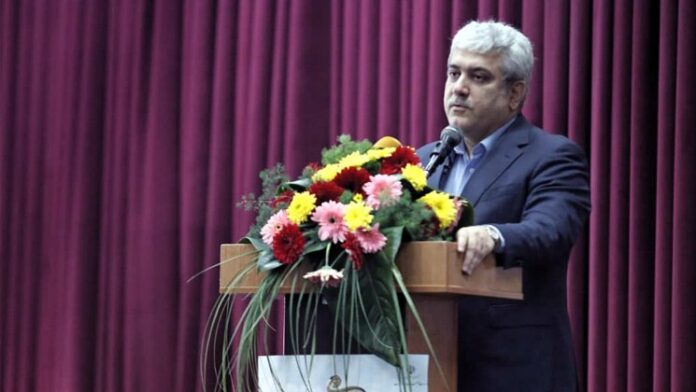
Iran knowledge-based ecosystem capable of making inroads in export markets

He was speaking at a ceremony in which the best knowledge-based exporters of Iran received awards for their efforts.

Sattari also said, “We are trying to facilitate this path and reduce obstacles and problems facing the export of knowledge-based products”.

Iran’s Vice President for Technological and Scientific Affairs also underlined the need to change people’s culture and view regarding such concepts as creativity, innovation, knowledge-based economy and soft industries.

Sattari said the society must believe that creating any new obstacle for the participation of knowledge-based and creative companies is an obstacle to the development and progress of Iran.

He stressed that in the field of product-oriented research, the government should only invest in infrastructure and the bulk of investment should be made by the private sector.

Sattari added that knowledge-based and creative companies have been able to follow this model and export more than $700 million worth of goods annually.

He said Iran’s knowledge-based and creative ecosystem has a high capacity to make inroads in export markets.

Iran’s Minister of Industry, Mines and Commerce was also attending the ceremony. He referred to the need to pay attention to the sale of knowledge-based products with higher added value than raw products.

Seyed Reza Fatemi Amin said, “We must move toward changing the composition of goods and services for export and the composition of target countries.”

He noted that export interactions should shift from government with government to business with business.

Fatemi Amin said this relationship should be used in building businesses because it is the strongest type of economic relationship.

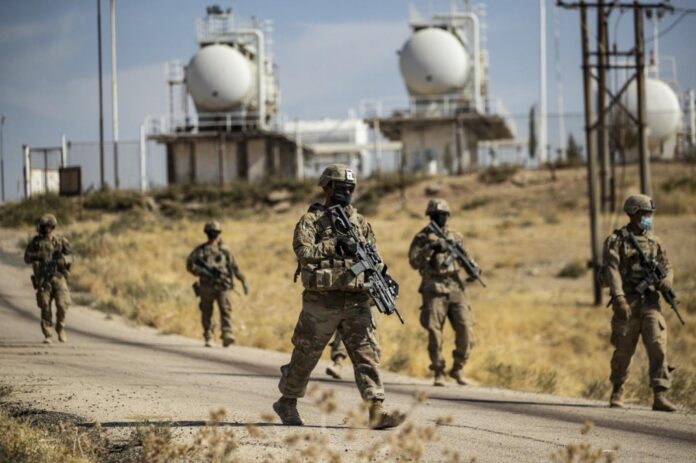
Civilians killed and kidnapped in US Syria operation

According to SANA, American troops were airdropped in the town of al-Busayrah at dawn, “raided” the township, and took several locals to an unknown location. The news agency did not specify how many people were missing and why they could have been taken.

The news agency’s sources also stated that the US forces killed three civilians in al-Busayrah as they fired “indiscriminately”, shooting at homes and local farms.

SANA added that the American troops were backed by Kurdish militants from the Syrian Democratic Forces (SDF).

This is not the first time this month that Syrian media has reported of locals being kidnapped by American forces. According to SANA, an unspecified number of civilians were kidnapped from the town of al-Shuhail in Deir ez-Zor Province on 7 December. As was the case with the reported events in al-Busayrah, the US forces were accompanied by the Kurdish militants who control eastern Syria.

US troops have been deployed in Syria since 2014. Yet, their presence lacks legal backing because they were neither invited by Damascus, nor have a UN Security Council mandate.

The Syrian government has accused the US of stealing the country’s natural resources, specifically oil, calling it the only reason for their illegal stay in the country. Washington insists that a small American military contingent remains in the country to keep the remnants of Daesh, allegedly active in the country, from taking over the nation’s oil extracting facilities.

On Sunday, The New York Times revealed a secret US Air Force (USAF) drone strike unit was allowed to operate in Syria for five years even as it broke rules of engagement and civilian casualties mounted.

The NYT reported that the unit, code-named Talon Anvil, operated from Iraq’s Kurdistan region and even inside Syria from 2015 to 2019, ostensibly targeting Daesh militants.

But it drew complaints from the CIA, USAF intelligence and others for killing farmers in their fields, children in the street, refugees and villagers hiding in buildings.

“They were ruthlessly efficient and good at their jobs,” said a former Air Force intelligence officer, who was with the unit from 2016 to 2018.

“But they also made a lot of bad strikes,” the officer added.

Talon Anvil was a small unit, often comprised of less than 20 personnel, who directed deadly air raids from in front of computer screens in civilian buildings in Iraq’s Erbil and north-eastern Syria. Operatives wore civilian clothes without rank or insignia, and many grew long beards.

But it directed a significant proportion of the 112,000 bombs and missiles dropped on supposed Daesh targets, working with Kurdish separatists and ‘rebels’ in the so-called Syrian Democratic Forces.

The US operations in Syria — conducted illegally without the permission of President Bashar al-Assad’s government — were officially kept under close control by top brass. But four serving and former officers said most airstrikes were ordered by low-ranking Army Delta Force commandoes.

In one incident in March 2017, aircraft directed by the team dropped a 500-pound bomb on a building in the village of Karama, where more than 50 people were taking cover.

The former USAF intelligence officer noted a Talon Anvil operative typed messages via a live text chat.

“All civilians have fled the area. Anyone left is an enemy fighter,” a message stated, adding, “Find lots of targets for us today because we want to go Winchester” — USAF jargon for expending all munitions.

The officer said he saw video recorded by drone-mounted cameras after the first bomb hit that showed women and children stumbling from the rubble, some missing limbs or dragging the corpses of others. His team sent Talon Anvil an initial assessment of 23 killed or seriously injured and 30 lightly hurt.

Drone coordinators merely acknowledged the message before pressing on with more attacks.

Former Pentagon and State Department adviser Larry Lewis announced Talon Anvil’s toll of innocents was ten times that of other units.

“It was much higher than I would have expected from a US unit,” Lewis stressed, adding, “The fact that it increased dramatically and steadily over a period of years shocked me.”

He said the unit increasingly came to justify attacks on targets up to 100 miles from the front lines on the spurious grounds of defending US troops embedded in the SDF.

“It’s more expedient to resort to self-defence,” Lewis said, adding, “It’s easier to get approved.”

Lewis also said that General Stephen Townsend, who headed the US-led coalition operations against Daesh — which frequently hit Syrian troops fighting terrorists — dismissed reports of civilian casualties in the media and from human rights organisations.

Townsend’s superior in the US Central Command, General Joseph Votel, claimed the shadowy nature of the US intervention meant his troops could not verify the results of bombing and missile attacks on “targets”.

“Our ability to get out and look after a strike was extraordinarily limited — it was an imperfect system,” Votel told the New York Times.

“But I believe we always took this seriously and tried to do our best,” he continued.

The US military presence in Syria has come under renewed scrutiny since it emerged that an air raid on the town of Baghuz in March 2019, called in by Task Force 9 unit, killed up to 80 civilians.

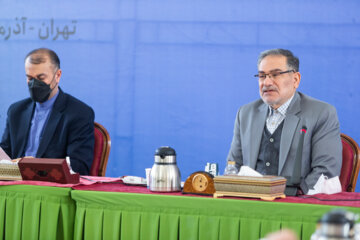
Shamkhani: Strategic partnership with neighbors Iran top priority

Ali Shamkhani was speaking at the meeting of ambassadors and heads of Iranian diplomatic missions in neighboring countries on Monday in Tehran.

He also said the failure of the US policies and the heavy blow that Iran dealt to the United States in Ain al-Assad base in northern Iraq, while proving the legitimacy of Iran’s regional policies to everyone, provided the ground for reducing the US presence and its withdrawal from the region.

Shamkhani said one of the most important developments of this era was the failure of the so-called policy of maximum pressure of the United States and its allies against the Islamic Republic of Iran.

He added that the resistance front has been able to defeat one of the most important destabilizing forces of the region, namely the Daesh terror group, and dismantle the center of terrorism organized by the United States.

The Secretary of Iran’s Supreme National Security Council referred to the decline of the US hegemony and the increasing development of emerging powers, saying these conditions have led to fundamental changes and the creation of new tensions and great international rivalry with the United States.

He added that the US withdrawal from the region was due to the failure of its policies in Iraq, Afghanistan and the wider West Asian region and the US decision to prioritize confronting China as a geoeconomic threat and Russia as a geopolitical threat based on the same conditions.

Shamkhani said the arrival of new factors and components and the mutation of the former components have caused key changes in the geopolitical structure of the region, and, as a result, security arrangements have changed compared to previous periods in West Asia.
Shamkhani mentioned the escalation of confrontation between Iran and the Zionist regime, the shift by the Zionist regime from the US European Union command known as Eucom to the US regional command or Centcom, and the normalization of relations between some Arab countries and the Zionist regime as dangerous signs of this change.

He also cited the defeat of the Arab League in the Yemen war, Lebanese resistance movement Hezbollah’s determination to maintain the deterrence equation and the emergence of Gaza as an important power against the Zionist regime as other examples of these developments.

The Secretary of Iran’s Supreme National Security Council pointed out that one of the main strategies of the Zionist regime is Iranophobia and creating tension in Iran’s relations with its neighbors, which is why Iran believes any presence of this regime in the Persian Gulf region is a source of crisis and tension and to the detriment of the interests of regional nations.

Shamkhani further referred to the global situation and its impacts on the strategic position of the West Asian region and underlined the need to adopt strategies that lead to convergence and synergy of regional nations, especially between the Islamic Republic of Iran and its neighbors.

He explained the policies of the Islamic Republic under such circumstances and said resolving any tensions and even misunderstandings, developing and strengthening comprehensive cooperation, especially in the economic, defense and security and strategic partnerships are top priorities of Iran’s foreign policy towards its neighbors. Shamkhani noted that the policy of giving priority to neighbors should turn into a quantitative indicator and be continuously measured in the form of evaluating the performance of officials of the Islamic Republic’s missions in neighboring countries and the governors of border provinces.

Shamkhani described the role of Iranian ambassadors and heads of its diplomatic missions in neighboring countries in advancing Iran’s policies as very important and vital.
He also stressed the need to use all available capacities to implement these policies.

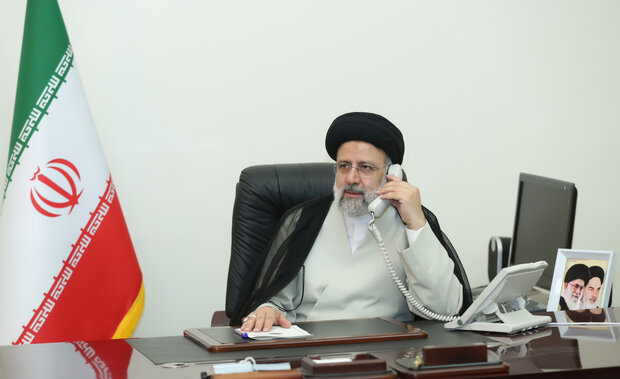
Iranian, Turkmen presidents talk bilateral ties

Raisi and Berdimuhamedow were speaking on the phone.

The Iranian president thanked his Turkmen counterpart for hosting the Economic Cooperation Organization summit, saying positive steps have been taken over gas cooperation between the two sides and the implementation of the Turkmenistan-Azerbaijan gas swap deal through Iran.

The President emphasized joint work in the field of transportation and transit of goods between the two countries, saying good measures have been taken to strengthen border ties and some obstacles can be overcome.

On tehcnological cooperation between Tehran and Ashgabat, Raisi said during his trip to Turkmenistan, a number of knowledge-based Iranian medical and paramedical products were given to Turkmenistan so that the two sides can have good cooperation in the fields. Berdimuhamedow also stressed the importance of cooperation between neighboring countries, saying relations between Turkmenistan and Iran should continue in the form of cooperation in international organizations.

He described trade and economic cooperation in the relations between the two countries as important and said Iran has a special place in medical development.
Berdimuhamedow also said the gas swap agreement between Azerbaijan and Turkmenistan on Iranian soil is important and called for the establishment of a joint cooperation commission in this field.

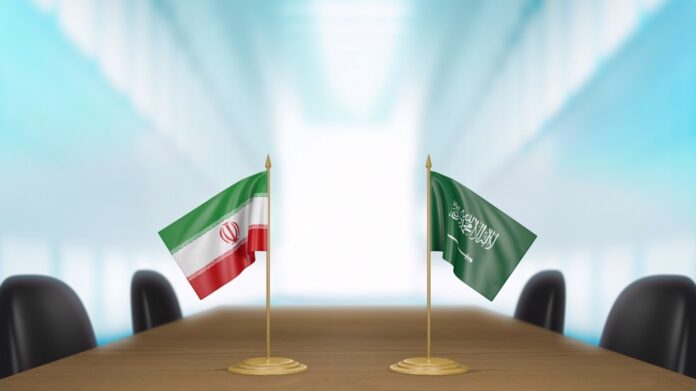
Saudi, Iranian experts conclude “security dialogue” in Amman

The discussion focused on security and technical issues, which included reducing the threat of missiles and delivery vehicles and technical measures needed to build confidence towards Iran’s nuclear program and cooperation on nuclear fuel among other issues, the state news agency of Jordan, Petra, reported on Monday.

The dialogue session was held in an atmosphere of mutual respect and a desire of both parties to enhance regional stability, stated Ayman Khalil, Secretary-General of the Arab Institute for Security Studies.

Khalil indicated that it is expected that other dialogue sessions will be hosted in Amman in the near future to follow up on the recommendations of the security and technical dialogue and to formulate its details.

A senior Iranian diplomat told Reuters that no Iranian official attended the session.

“What was held in Amman was not an official meeting. But of course such meetings between academics are useful to give better understanding about realities between the two neighbors,” the diplomat added.

There was no immediate comment from Saudi Arabia on the security dialogue in Amman.

The two neighbors have had four rounds of negotiations so far in order to ease tensions on several issues.

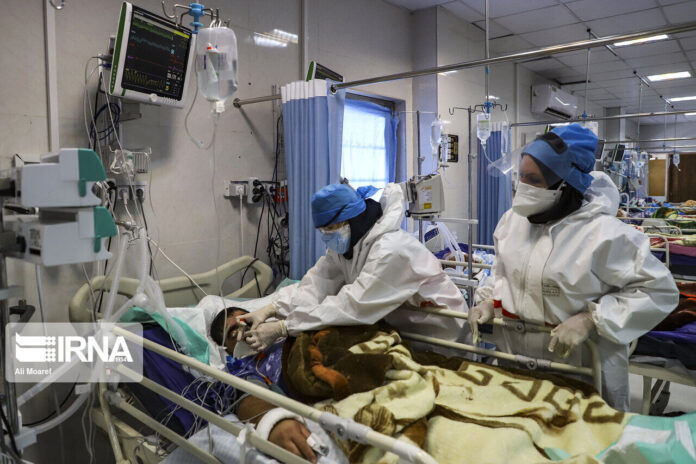
Iran Covid: Daily death toll falls below 50

Healthy Ministry figures on Monday shows that 42 people died of the disease over the past 24.
The total Covid fatalities stand at 130,764. The number of new cases and hospitalizations also decreased considerably. Since Sunday, 2706 new infections of Covid were logged including 442 hospitalizations.
The total caseload is 6,157,519 people. The majority of them, that is, 5,975,404 people have recovered from Covid.
The downward trend in Covid deaths and injections has not dissuaded authorities from pressing ahead with the nationwide vaccination campaign. The total number of doses administered in Iran is now 111,084,738 doses. The doses include 2,745,192 booster shots.
Currently there are no red zones in Iran in terms of Covid risk while 321 cities and towns are marked blue, the lowest level of danger from the disease. Meanwhile, 8 cities are orange and 119 ones are yellow.

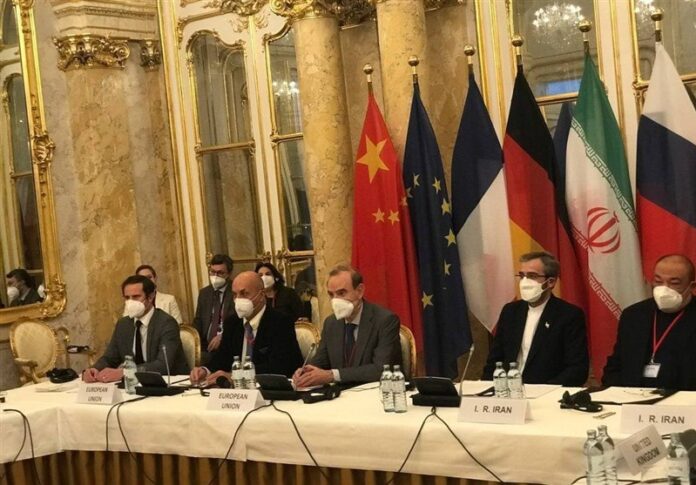
Report: Iran protests new US bans during Vienna talks

According to Iran’s Tasnim news agency, the measures by the US have raised objections both by Iran and some other delegations in the talks between Tehran and the P4+1 group of countries, Russia, China, Britain, France and Germnany. 

The objections reportedly center on the fact that the sanctions were timed to be imposed on the eve of the talks.

According to the report, the Iranian negotiating team has announced that Washington cannot claim to seek return to the nuclear agreement while it is simultaneously intensifying its campaign of the so-called maximum pressure against the Iranian nation, through fresh sanctions.

The report says the Iranian side has reiterated that continuation of this approach by the US will backfire and lead to greater complications in the process of the talks.

The US imposed its latest set of sanctions on Iranian entities and individuals as well as their alleged foreign partners just before the resumption of the seventh round of the Vienna talks Thursday.

Iran has repeatedly stressed that removal of all sanctions introduced or re-imposed since the Donald Trump administration’s withdrawal from the nuclear accord in 2018 is the only way forward to return of the US to the deal.

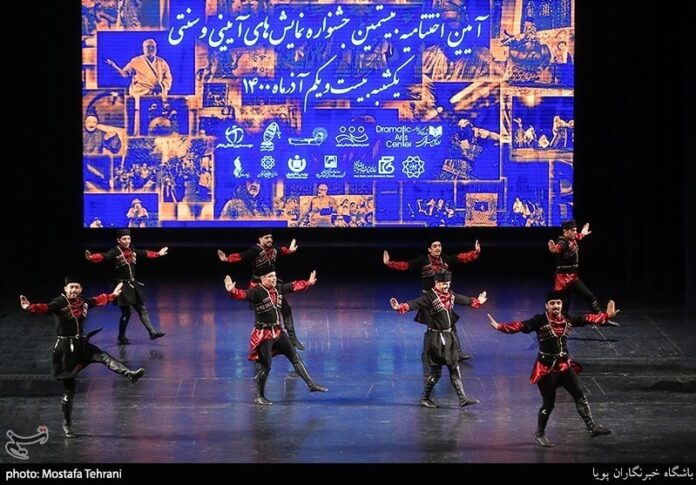
Closing ceremony of the 20th Festival of Ritual and Traditional Drama

From among 285 works contesting various sections of Iran’s 20th Festival of Ritual and Traditional Drama, 96 works competed in sections of scene, field, ritual (imitation and Ta’zieh), Iranian dramas, traditional dolls, Iran’s shoots, coffeehouse and international seminar. The event lasted one week and ended on Sunday.

Iran sanctions US individuals, entities for human rights violations

“There is the subject of reciprocity in the law and Iran has taken action on the same basis and some individuals and legal persons in the US, including people involved in the field of human rights, have been sanctioned,” Deputy Judiciary Chief and the council’s secretary Kazem Gharibabadi said.

He touched on the US travel bans and asset freezes on Iranian individuals and entities over the past two years, saying the sanctions by Iran are a response to such measures.

“We will not stay silent against violations of the law by the US. We may not have the strong financial backing to impose sanctions on the US, but we can, at least, do what we can and announce the names of individuals and say that they have violated human rights,” he stressed.

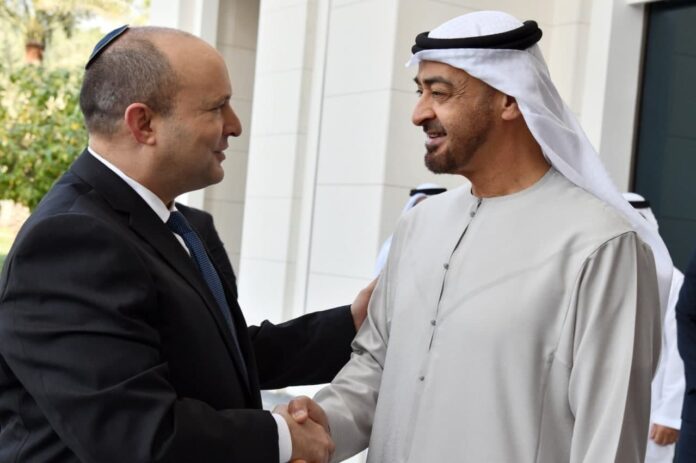
Israeli PM meets UAE Crown Prince in Abu Dhabi

It marked the first official visit of an Israeli Prime Minister to the United Arab Emirates and comes 15 months after the signing of a normalization agreement between the two countries.

Bennett had earlier highlighted growing trade ties between his country and the UAE in an interview with WAM, the Emirates’ state-run news agency. But there was no mention in the agency’s write-up of the interview of tensions with Iran.

“The volume of mutual trade has expedited within a few months with limitless future opportunities to develop it. Israel, like the UAE, is a regional hub for trade. Our cooperation provides unprecedented economic opportunities not only for us, but for more countries, which is another element for enhancing stability and prosperity in this region,” Bennett is quoted as saying.

The Israeli leader mentioned cyber security, health, education and aviation as four areas where the two countries were enjoying fruitful trade and investment, WAM wrote.

In addition to trade, the normalization agreement signed between Israel and the UAE, one of a series of such agreements inked between Israel and Arab states in the last months of the Donald Trump administration, is also seen in Israel as having a strong regional security component to it, specifically, shared concerns over Iran.

But the interview made only the slightest possible nod in that direction, writing: ‘On the UAE’s efforts to enhance international cooperation for facing common challenges, the Israeli Prime Minister stressed, “The values of tolerance, peace and dialogue are common, and that is why the friendship that unites us developed at such a high speed.’”