
Forecasts show the extreme weather conditions will persist in the province for the rest of the week, with temperatures increasing gradually in the coming days.
The General Department for Road Maintenance and Transportation of the province has also announced that currently all road links are reopened.
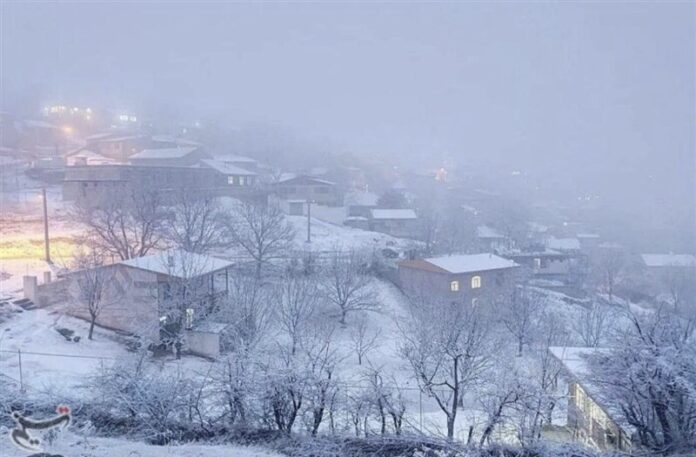
It follows heavy snowfall in Ardebil Province over the past few days that blocked road access to some 500 villages in the area.
The General Education Department of Ardebil Province has also announced that schools remain closed for in-person classes due to persisting frigid conditions and snow in several cities including Ardebil, Meshgin shahr, Khalkhal and Namin, among others.
Cold snap pushes temperatures down to minus 17 C in Iran’s Ardebil
IRGC forces killed in clashes with criminals in Zahedan
“Forces of the Quds base of the [IRGC’s] ground forces, during an operation, engaged criminal gangs, which led to the martyrdom of two of the base’s forces,” the Quds base said in a statement.
The name of the soldiers, who lost their lives, and other information on the clashes were not disclosed.
Iran’s southeastern province of Sistan and Balouchestan is a flashpoint of sporadic clashes between border guards and security forces on the one hand and terrorists and armed groups, mostly drug traffickers on the other.
Drug smugglers frequently use desert borders with Pakistan and Afghanistan to enter Iran, which they use as a route to smuggle narcotics to Europe.
Around 3,000 Iranian forces have lost their lives in clashes with the drug smuggling rings in the past four decades with an average of one billion dollars spent annually on the fight.
Iran has frequently called for international assistance and funding for the costly war on drugs and terror it has waged in the area. Tehran says European countries, specifically, have a responsibility to help Iran as hundreds of tons of narcotics it seizes in the area every year that would have otherwise found their way to Europe.
Report: Several Saudi rights activists nabbed in 2021
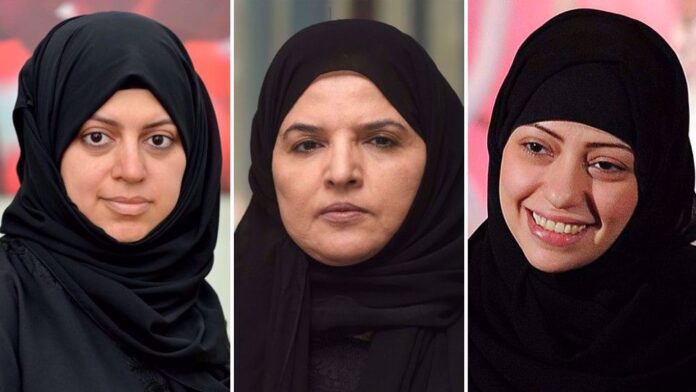
Sanad human rights organization , which monitors and exposes human rights violations in Saudi Arabia, announced that the campaigners were detained in different cities of the kingdom, as part of a brutal crackdown led by Crown Prince Mohammed bin Salman against political dissidents and opposition figures.
Sanad said that more than 100 women had been arrested ever since the 36-year-old crown prince assumed the position four years ago, and that some 60 of them were still languishing behind bars.
Saudi authorities bear full responsibility for violations of social rights and the right to freedom of opinion and expression, it added.
Earlier this month, more than 120 members of the European Parliament denounced the “ongoing persecution” of Saudi women’s rights defenders by the Riyadh regime, saying the activists freed from prison still face rights violations and harsh restrictions.
The legislators, in a joint letter signed on the occasion of the International Women Human Rights Defenders Day, reiterated their call for Saudi authorities “to immediately and unconditionally free all women targeted for their human rights activism.”
While all of the women activists arrested during a sweeping crackdown in 2018 have now been released from prison, the campaigners, including prominent figures Samar Badawi, Nassima al-Sadah and Loujain al-Hathloul, have been subjected to heavy restrictions and curtailment of basic rights since their release, the letter added.
Ever since MbS became Saudi Arabia’s de facto leader in 2017, the kingdom has ramped up arrests of activists, bloggers, intellectuals, and others perceived as political opponents, showing almost zero tolerance for dissent even in the face of international condemnations of the crackdown.
Muslim scholars have been executed and women’s rights campaigners have been put behind bars and tortured as freedoms of expression, association, and belief continue to be denied.
Iran, Oman hold Committee for Strategic Consultations, call for closer cooperation
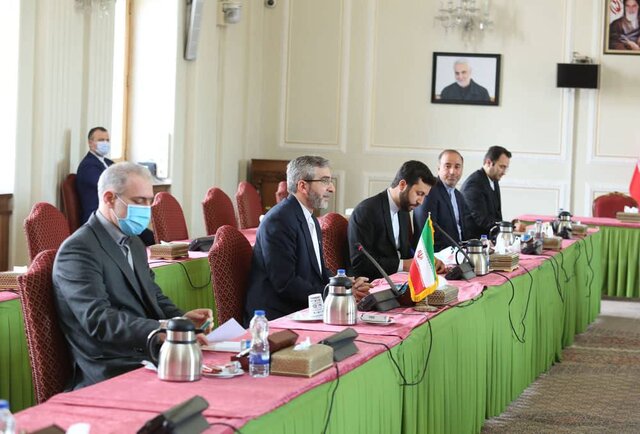
During the meeting, the two sides hailed the 50th anniversary of diplomatic relations between Iran and Oman and called for expansion of ties based on mutual trust.
The Iranian diplomat, for his part, underlined the need to resolve regional issues among regional countries and expressed hope existing disagreements between regional countries are resolved through dialogue.
The Omani official also said Iran has a pivotal role in regional developments, stressing that his country is willing to enhance bilateral and regional ties with Iran.
He added that Oman considers peaceful alternatives as a necessity for peace and calm in the region.
Bagheri and al-Harthi also discussed key international topics including the Vienna talks, the need for a political resolution to the crisis in Yemen and the necessity of dialogue in the region.
“Ties between Iran and Oman will have an impact on the region and beyond and will continue,” al-Harthi said.
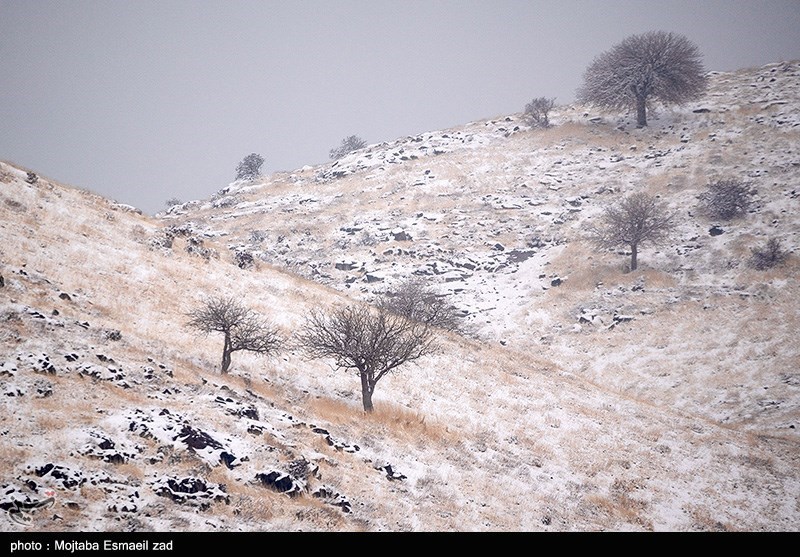
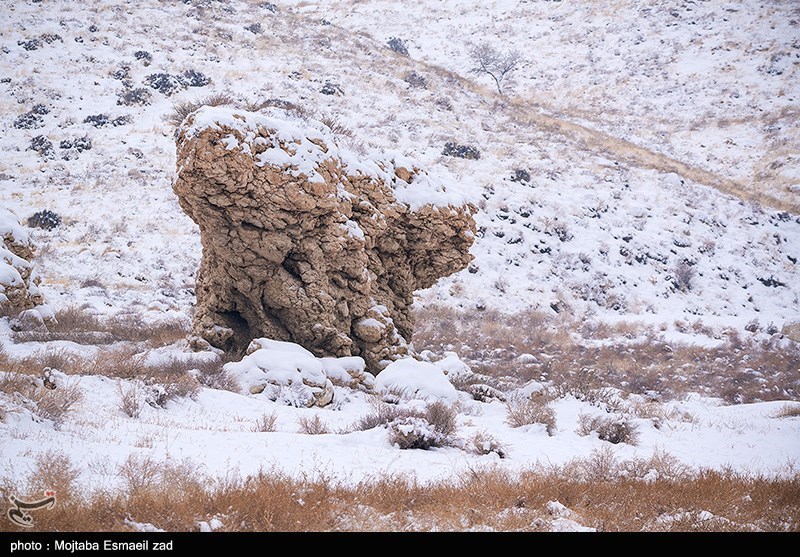
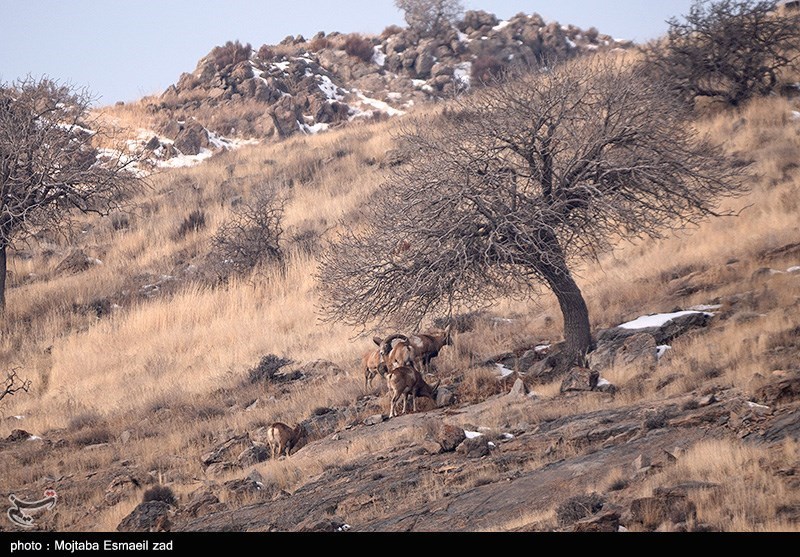
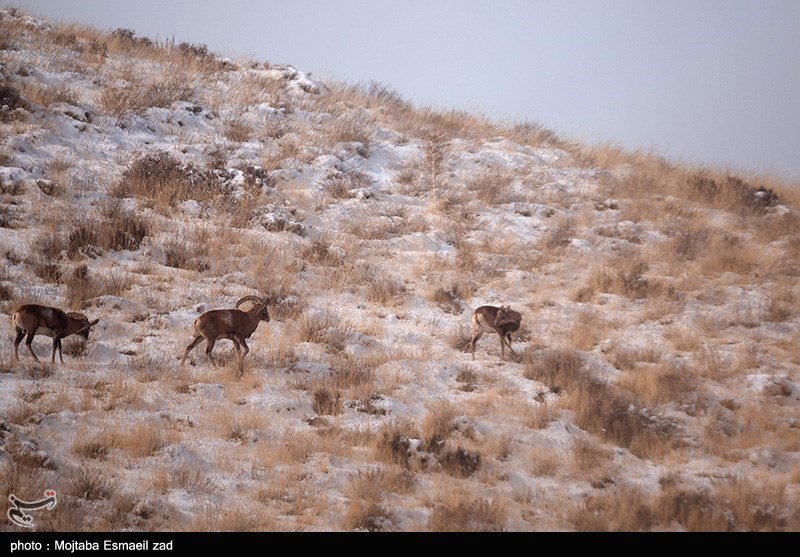
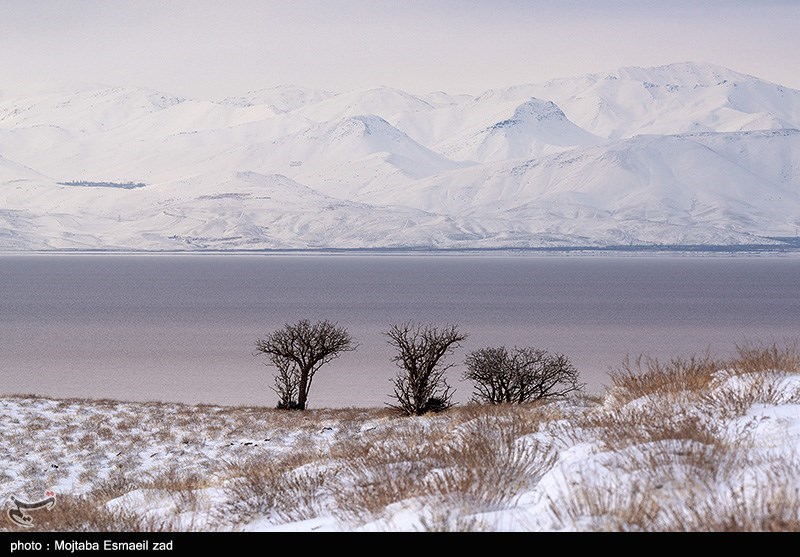
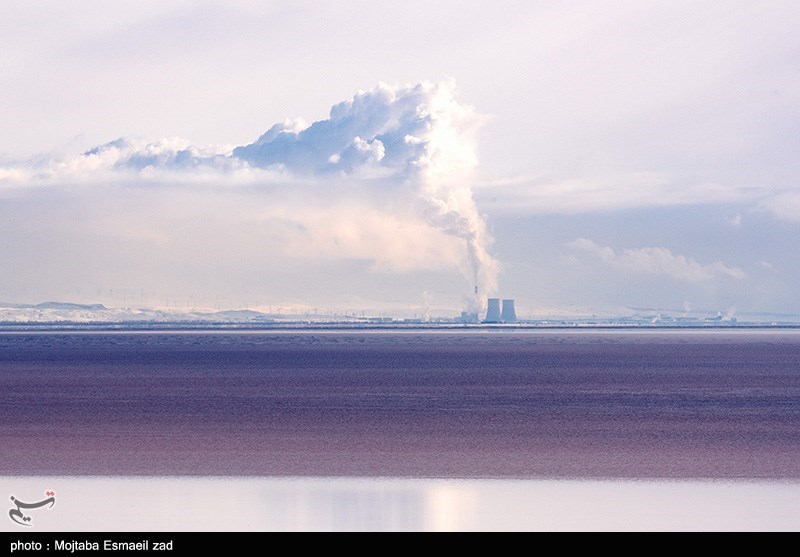
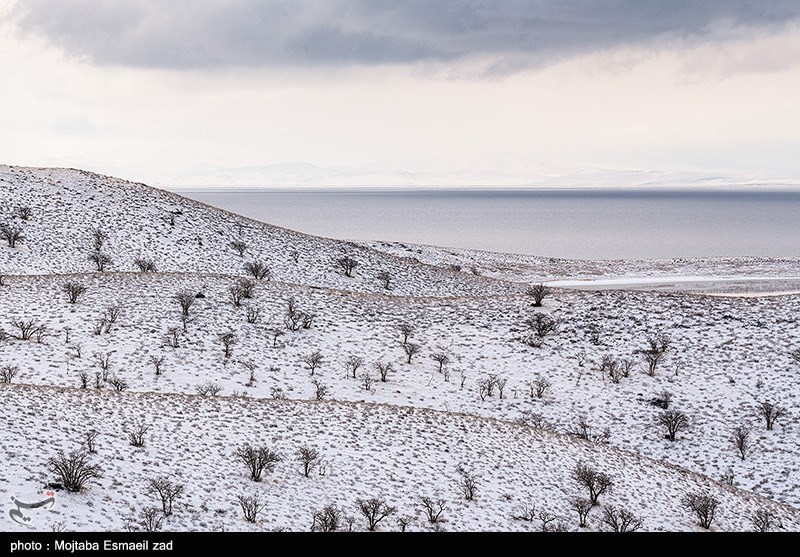
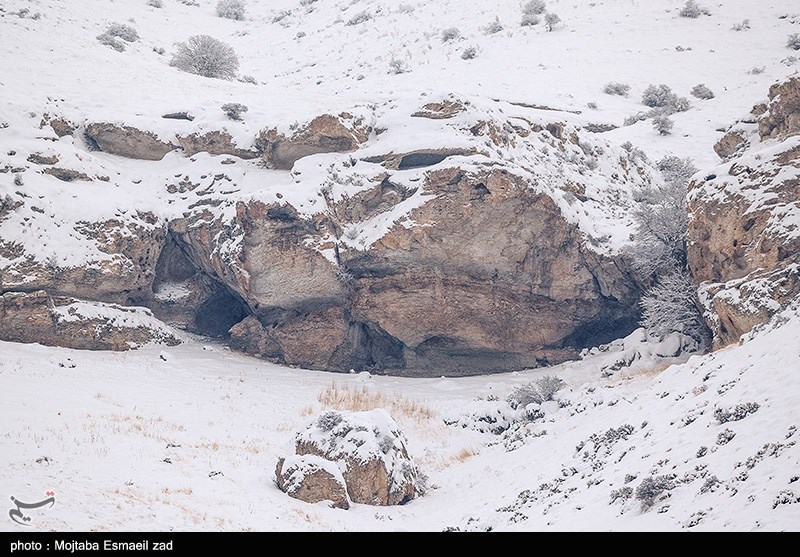
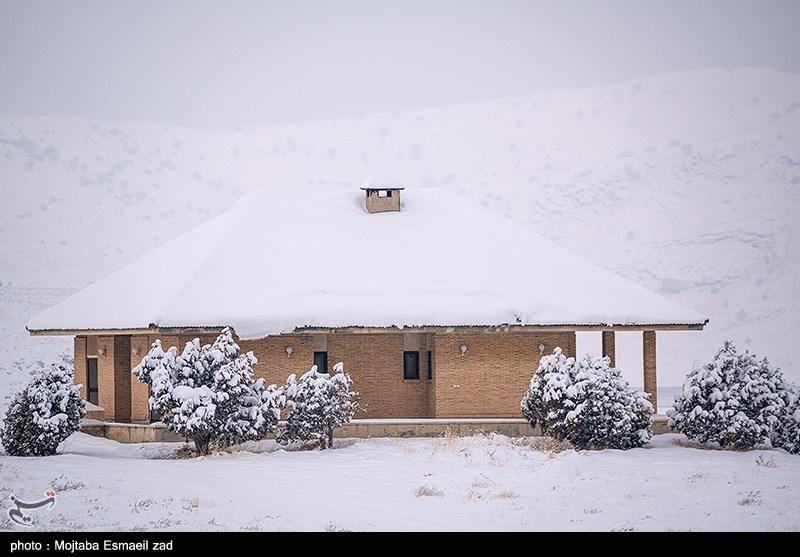
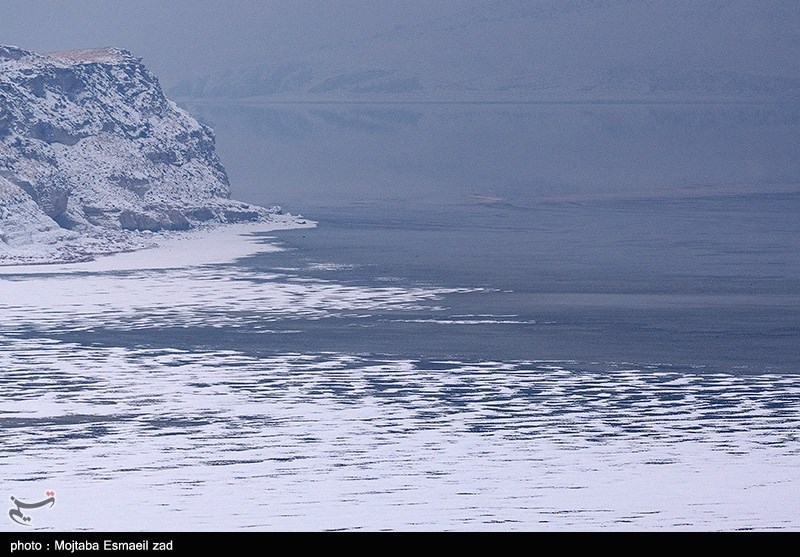
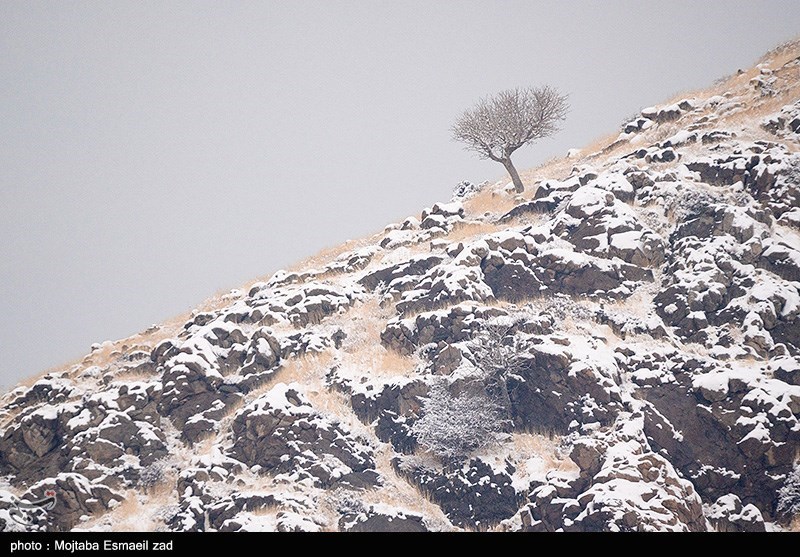
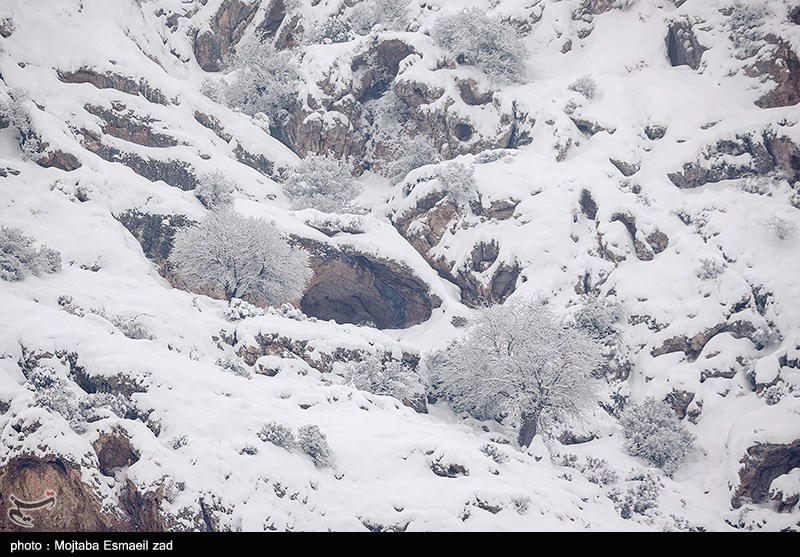
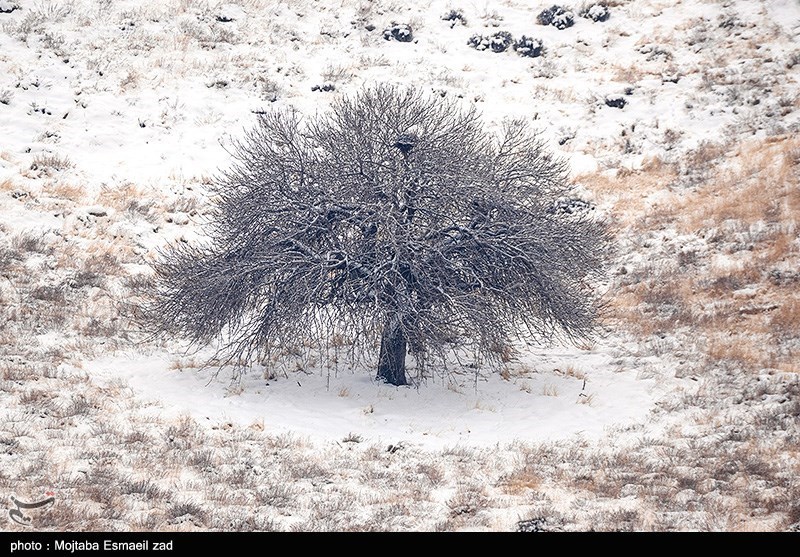
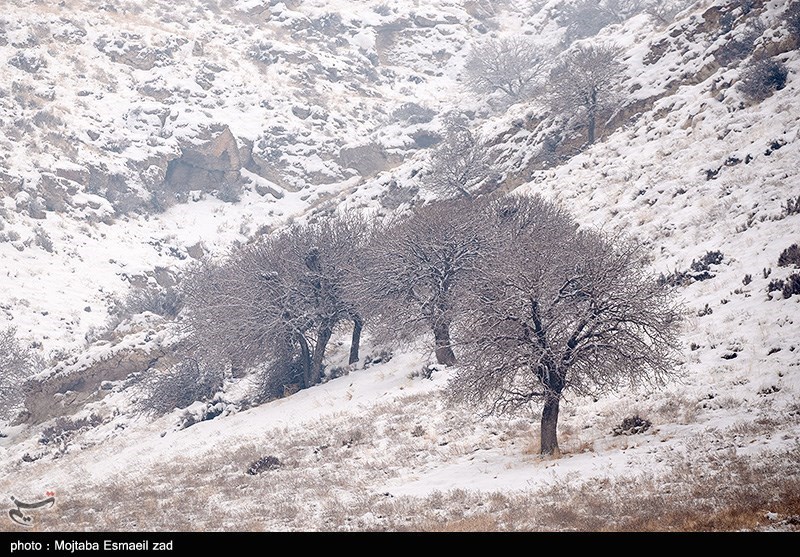
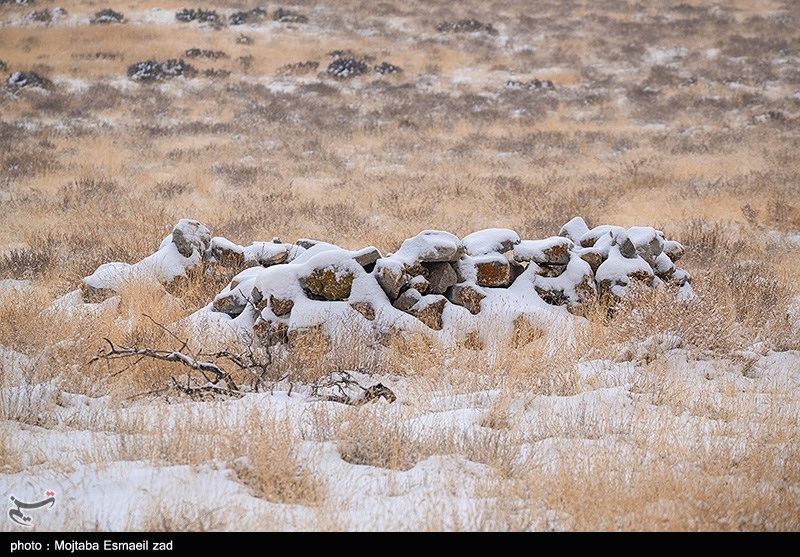
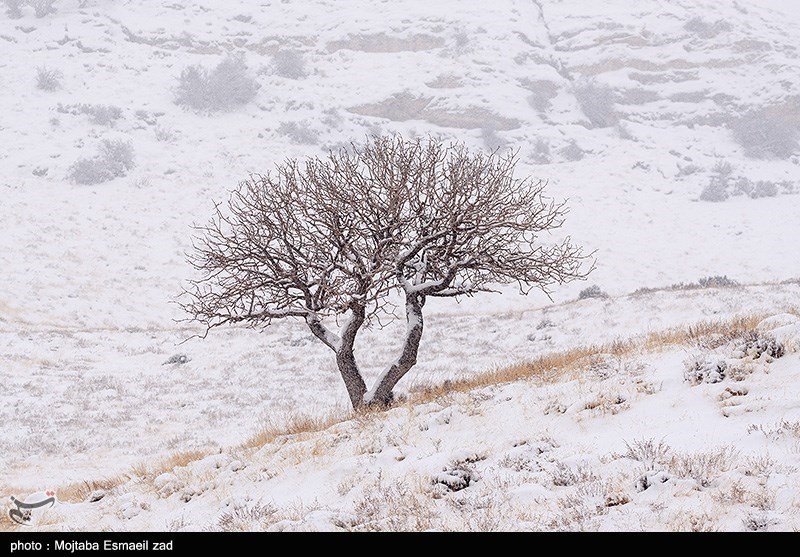
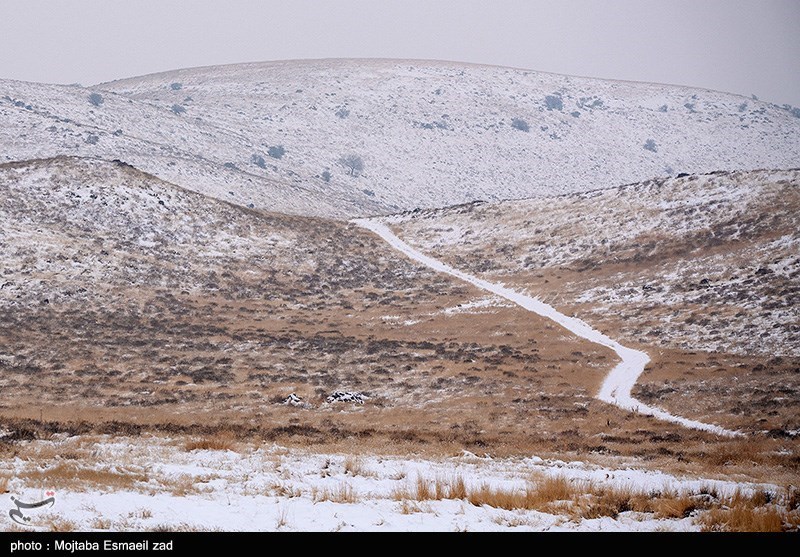
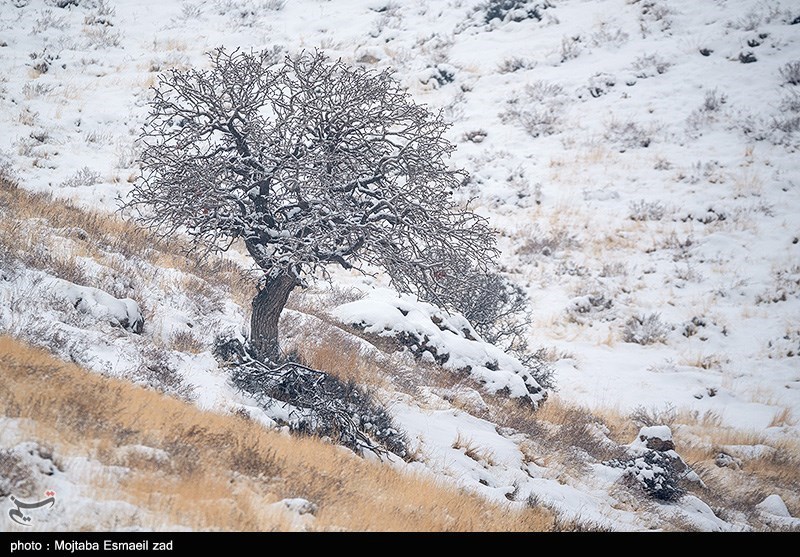
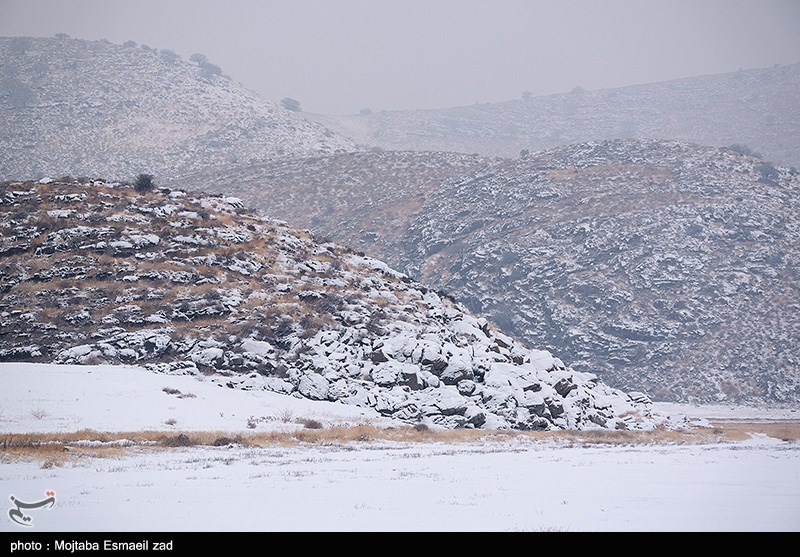
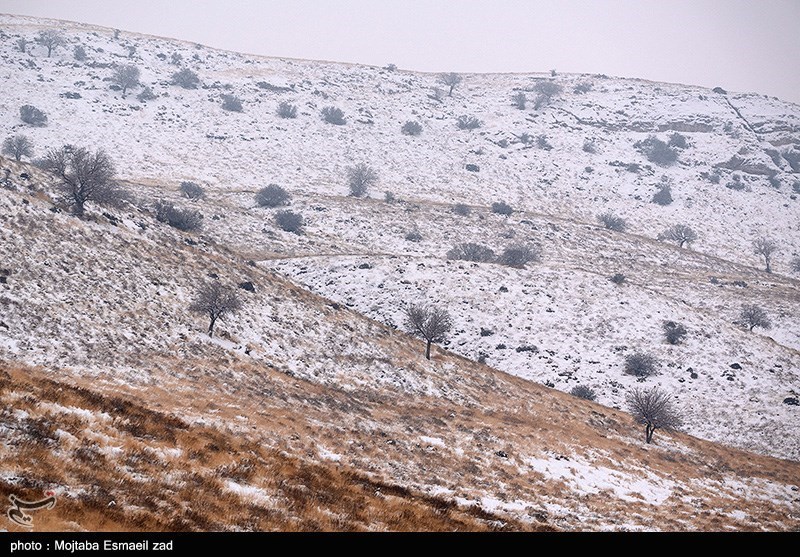
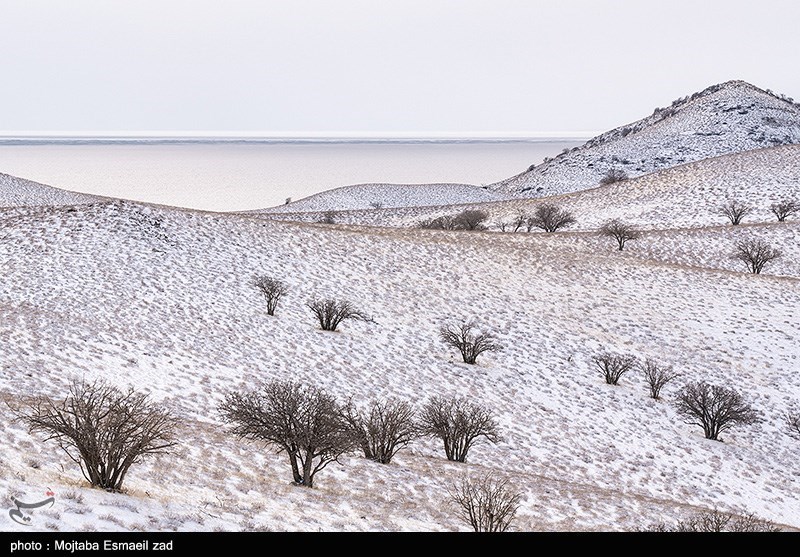
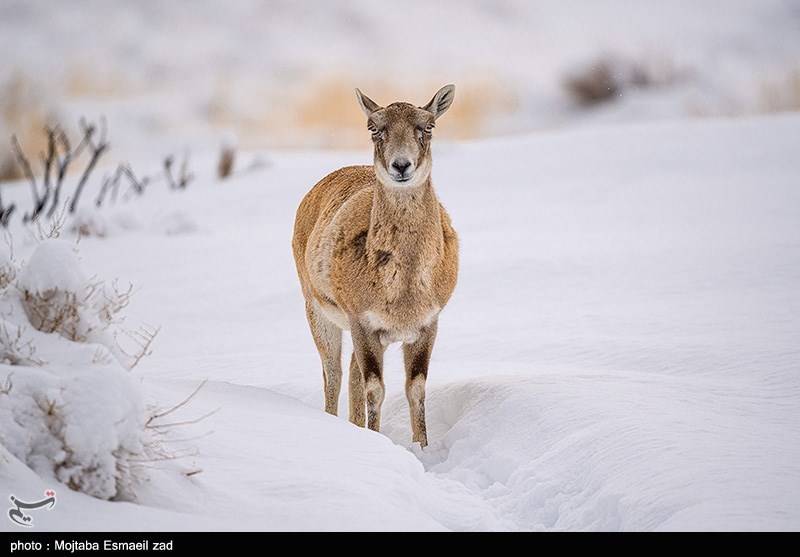
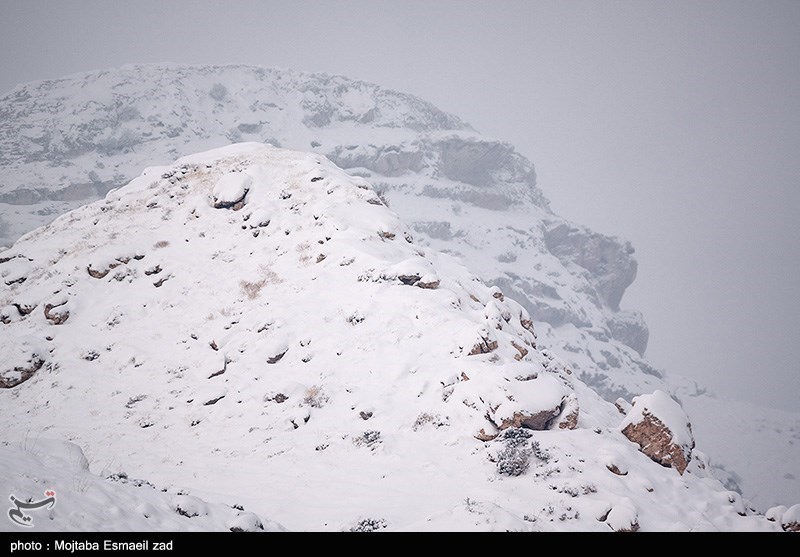
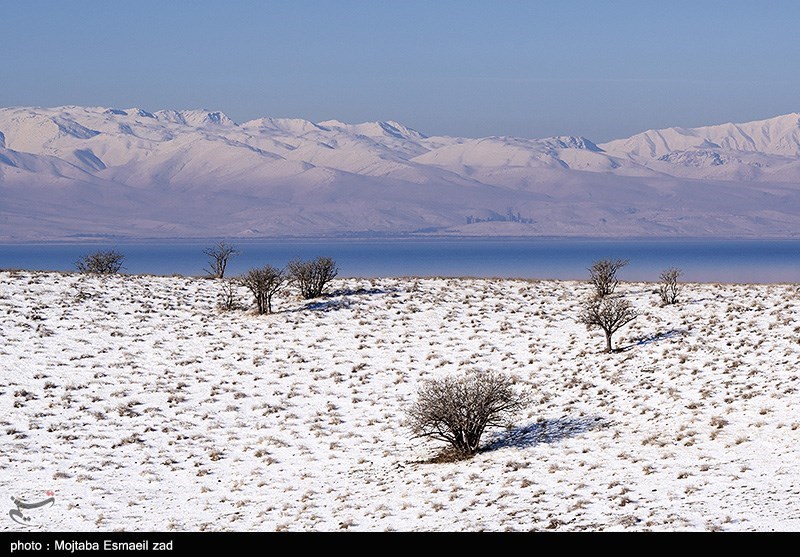
Winter Nature of Iran’s Lake Urmia Islands
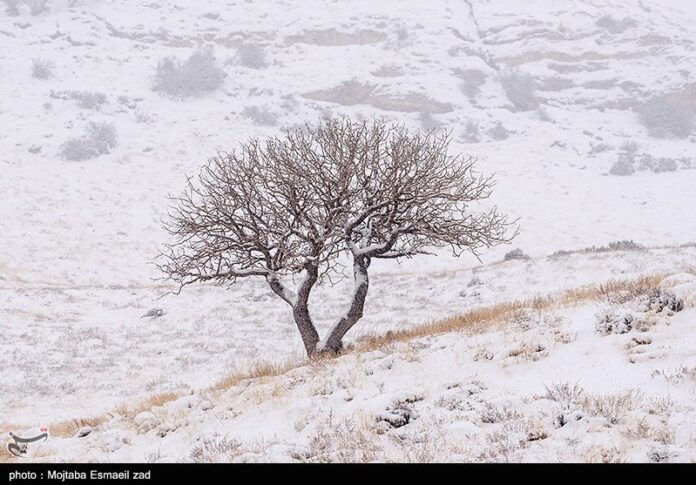
Kaboudan Island (Quyun Daghi) and Ashk Island are the largest islands of Lake Urmia in West Azerbaijan, which were declared protected areas by the Environmental Protection Organization in 1967 and then became a national park in 1976.
These two islands in northwestern Iran are located in the east of Urmia and south of the lake.
A variety of mammals and birds live on the islands, but the predominant species are Armenian rams and yellow deer.
The Persian yellow deer is a rare and endangered species that lives on Ashk Island.



Iran releases high-quality footage of simulated attacks on Israel’s Dimona
The high-quality video shows a target representing the Israeli nuclear site being successfully hit by state-of-the-art weapons, including missiles and rockets.
Meanwhile, IRGC Commander in Chief Major General Hossein Salami said after the exercises that Iran will cut off the hands of enemies if they make a wrong move.
Iran’s ballistic missiles have a range of 2,000 km and the entire occupied Palestine and U.S. bases in the region are within their reach.
IRGC’s large-scale military drills codenamed the Great Prophet 17 and held in the Persian Gulf, ended on Friday.
All US troops must leave Iraq: Al-Fath leader
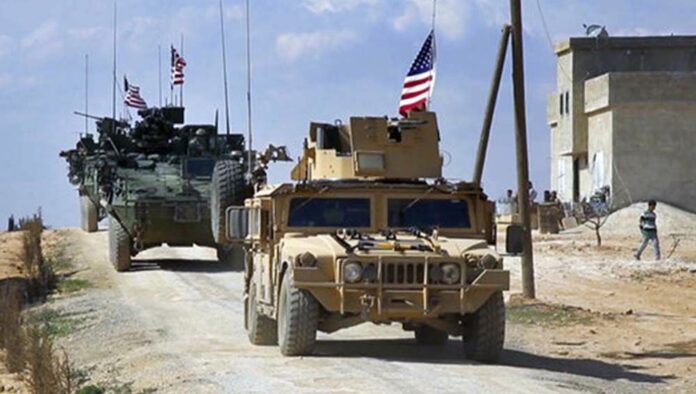
Hadi al-Ameri said the withdrawal of all US forces from Iraq is an objective on which no compromise can be made as national sovereignty and independence are Baghdad’s red lines.
He said he was opposed to US troops remaining in Iraq under the pretext of training and consultations, and that the presence of even a single American soldier in the country cannot be tolerated.
If the US chooses to stay in Iraq, he said, it will have to accept the consequences of this mistake.
He said if Iraq needs military trainers and consultants, an agreement must be concluded to specify the place where they would be present as well as their number and mission.
Elsewhere in his remarks, al-Ameri underlined that Iraq would not have been able to overcome terrorism without cooperation between the security apparatus and people from all walks of life.
“We have pledged not to allow terrorism and ethnicism to return to Iraq,” he said.
The comments follow an announcement by the US that American combat troops have left a few military bases in northern Iraq, with some US advisors remaining in the region.
6 new Omicron cases detected in Iran
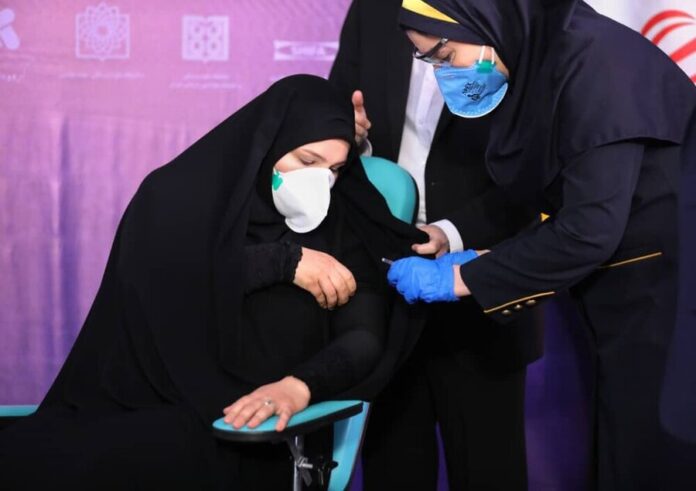
“Following the tests conducted, another 6 patients suffering from the Omicron strain [of COVID-19] were identified in the country,” said the Public Relations Office of the health ministry.
“Five of the cases were in Hormozgan in southern and one in Babol in the north,” it added.
This comes as Iran’s Interior Ministry has issued instructions in line with approvals from the National Coronavirus Control Taskforce to various agencies regarding passenger control at border crossings.
The decision was made due to a surge in cases of Covid’s new variant.
Interior Minister Ahmad Vahidi said there are measures in place to control the new strain based on which people from the countries in Europe and Africa where the new variant originated, face restrictions for entering
Iranian FM: Tehran ready to expand ties with Oman
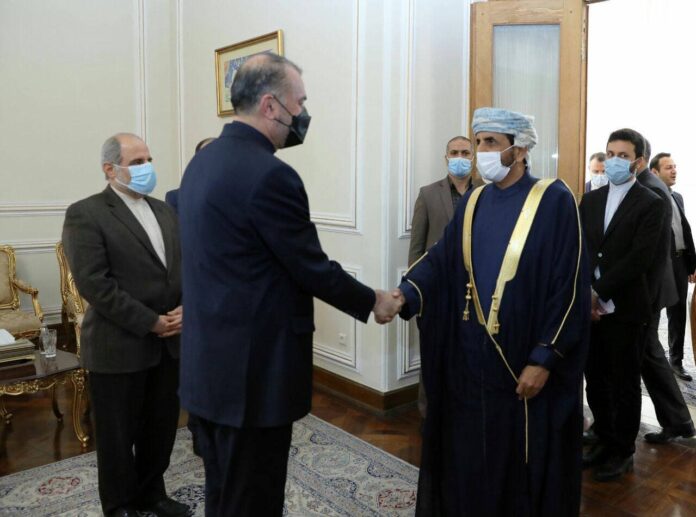
Amir Abdollahian made the comment in a meeting with Oman’s Deputy Foreign Minister Sheikh Khalifa al-Harthy, who is in Tehran to participate in the meeting of the Joint Strategic Consultation Committee.
Amir Abdollahian emphasized the significance of Oman’s special place among Iran’s neighbors saying it is necessary for the two sides to make efforts to enhance the volume of bilateral trade.
The Iranian foreign minister added that the Islamic Republic is committed to dialogue and the adoption of political solutions to resolve all problems in the region.
Amir Abdollahian declared Iran’s readiness to negotiate with regional countries in order to improve bilateral relations.
He expressed hope that the efforts of all countries in the region, especially Iran and Oman, will provide the necessary ground for ending the crisis in Yemen.
Oman’s Deputy Foreign Minister al-Harthy also expressed hope that the Yemeni crisis will end as soon as possible.
Al-Harthy added that Oman welcomes and supports any effort to reduce regional problems through peaceful means and dialogue.
Russian troops returning to bases after drills near Ukraine
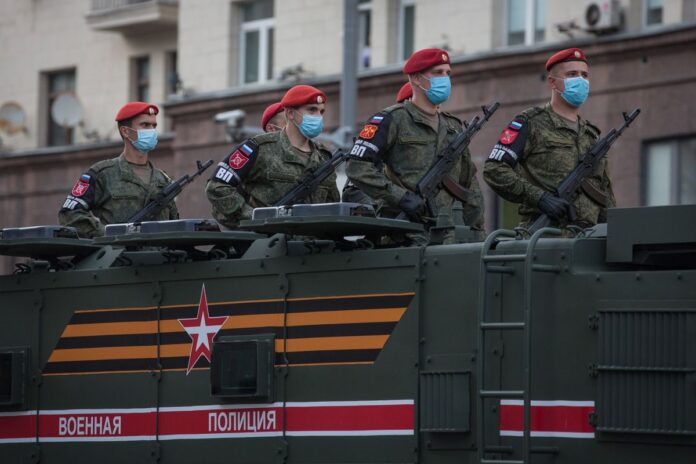
Interfax news agency reported the drills were held in several regions near Ukraine, including in Crimea, as well as in the southern Russian regions of Rostov and Kuban.
Russia’s deployment of tens of thousands of troops to the north, east and south of Ukraine had fuelled fears in Kyiv and Western capitals that Moscow was planning an attack.
Russia denies any such plans, stressing it needs pledges from the West – including a promise from NATO not to expand the alliance eastward towards Russian borders – because its own security is threatened by Ukraine’s growing ties with the Western alliance.
Moscow also says that it can deploy its troops on its territory as it sees fit.
Estimates for the number of Russian troops recently moved closer to Ukraine vary from 60,000 to 90,000, with one US intelligence document suggesting that number could be ramped up as high as 175,000.
“A stage of combat coordination of divisions, combat crews, squads at motorized units… has been completed. More than 10,000 military servicemen… will march to their permanent deployment from the territory of the combined arms’ area of drills,” Interfax quoted the army as saying.
