Wednesday, April 8, 2026
Home Blog Page 22

Saudi-led Coalition warns of intervention against Yemen’s separatists

The statements came a day after reported Saudi air strikes on separatist positions in Yemen’s Hadramawt province — and after Washington called for restraint in the rapidly escalating conflict.

General Turki al-Malki, the spokesman for the coalition, warned of intervention if efforts to de-escalate the situation failed because of the separatists’ actions.

“The coalition forces affirm that any military movements undermining these efforts will be dealt with directly and immediately to protect civilian lives,” he said, according to the Saudi news agency SPA.

He emphasised the coalition’s support for the internationally-recognised Yemeni government and called on all parties to “bear national responsibility, exercise restraint, and respond to efforts for peaceful solutions”.

Saudi Defence Minister Khalid bin Salman posted on X that troops from the separatist Southern Transitional Council (STC) should “peacefully hand over” two regional governorates to the government.

“It’s time,” he posted, “at this sensitive moment, to let reason prevail by withdrawing from the two provinces and doing so peacefully.”

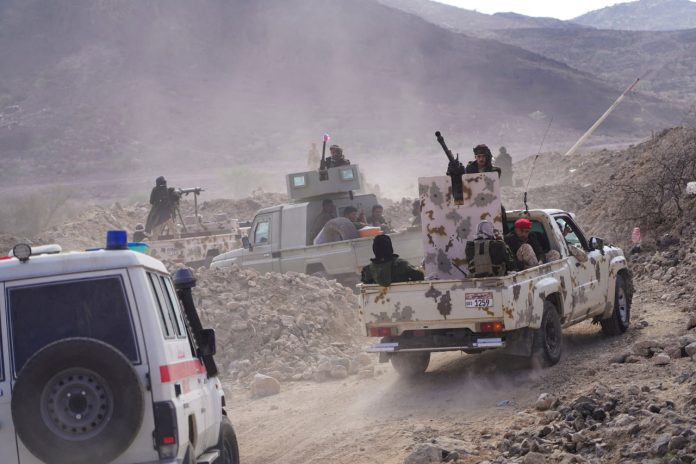
The STC had warned on Friday that they were undeterred after strikes blamed on Saudi Arabia hit their positions, in the latest escalation since they seized large swathes of territory in the Hadramawt and Mahrah provinces.

There were no immediate reports of casualties in the strikes.

In recent weeks the UAE-backed STC, which seeks to revive the formerly independent state of South Yemen, swept through swathes of the country, expelling other government forces and their allies.

Since the takeover, supporters of the separatists have been gathering regularly in cities including Aden to demand they declare independence, with the largest rallies taking place every Friday.

On Saturday, hundreds of Yemeni tribesmen gathered in Aden to ask the STC’s leaders to announce the independence of South Yemen, according to the separatist-affiliated Aden Independent Channel.

The channel aired footage of a large crowd marching and waving the South Yemen independence flag alongside the UAE’s flag.

Experts say their successes have embarrassed regional heavyweight Saudi Arabia, the main backer of the internationally-recognised Yemeni government.

Farea al-Muslimi, from the Chatham House think tank in London, told AFP that the STC had crossed Riyadh’s “red lines” and that the situation could quickly get worse.

“It is one bad thing to humiliate Saudi Arabia. And it is another much worse thing to humiliate Saudi Arabia publicly. And that’s exactly what they did,” he added.

In Washington, US Secretary of State Marco Rubio stated: “We urge restraint and continued diplomacy, with a view to reaching a lasting solution.”

Following Friday’s raids, Yemen’s government urged the Saudi-led coalition to support its forces in Hadramawt, after separatists seized most of the country’s largest province.

The government asked the coalition to “take all necessary military measures to protect innocent Yemeni civilians in Hadramawt province and support the armed forces”, the official Yemeni news agency reported.

A Yemeni military official said on Friday that around 15,000 Saudi-backed fighters were amassed near the Saudi border but had not been given orders to advance on separatist-held territory.

The areas where they were deployed are located at the edges of territory seized in recent weeks by the UAE-backed STC.

Separatist advances have added pressure on ties between Saudi Arabia and the UAE, which support rival groups within Yemen’s government.

The government is a patchwork of groups that includes the separatists, and is held together by shared opposition to the Houthis.

The Houthis pushed the government out of Yemen’s capital Sanaa in 2014 and secured control over most of the north.

On Friday, the UAE welcomed Saudi efforts to support security in Yemen, as the two Persian Gulf allies sought to present a united front despite backing different sides in the fighting.
Renowned Iranian filmmaker Bahram Beyzai dies on his birthday

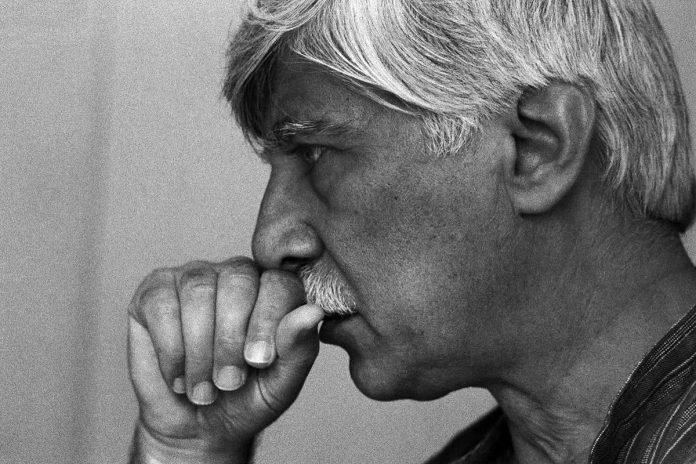
Beyzai, a towering figure in Iranian cinema and theater, was born on December 26, 1938, in Tehran. He died in the US, where he had been residing in recent years.

The Stanford University program in Iranian Studies has confirmed the news.

Widely regarded as one of the most influential cultural figures in modern Iranian art, Beyzai was a filmmaker, playwright, screenwriter, and scholar whose work shaped generations of Iranian cinema and theater.

Among his most acclaimed feature films are Ballad of Tara, The Death of Yazdgerd, Bashu, the Little Stranger, Maybe Some Other Time, The Travelers, and Killing Mad Dogs.

Over the course of his prolific career, Beyzai wrote more than 30 plays and staged eight major theater productions.

His body of work also includes 51 screenplays, five narrative works, and six academic research publications.

Iranian FM: Tehran will not relinquish its nuclear rights under US pressure 

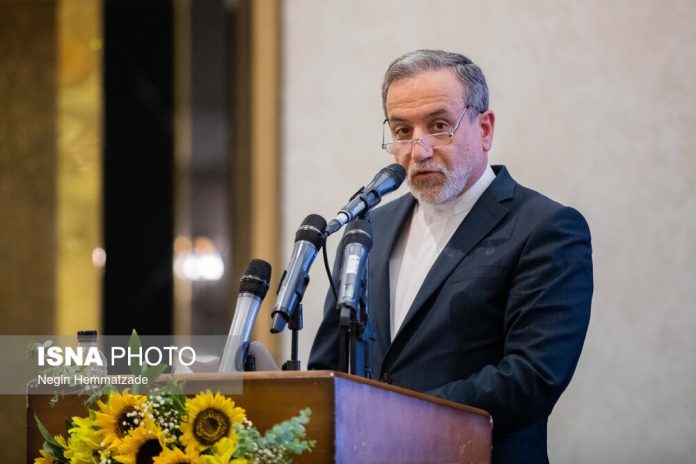
Abbas Araghchi

“If we were going to negotiate away enrichment, we would have done so years ago”, he said.

The foreign minister added that Iran has no intention of relinquishing its legitimate rights or yielding to US pressure.

Araghchi noted that the real strength of Iran lies in its ability to resist illegitimate demands by the United States and the West.

He added, “We will not compromise on our principles or bargain over our rights”.
Araghchi also spoke about Iran’s ties with Afghanistan. He noted that the Islamic Republic has not yet recognized the current government in Afghanistan, stressing that numerous challenges remain between Tehran and Kabul, including border security, water resources, drug trafficking, and migration.

Speaking on Iran’s approach toward Afghanistan, Araghchi noted that while the current government in Kabul is a political reality, Iran believes engagement and dialogue are necessary to manage existing challenges and safeguard the interests of both nations.

The top Iranian diplomat underscored that Tehran will continue talks with Afghan officials to address shared concerns.

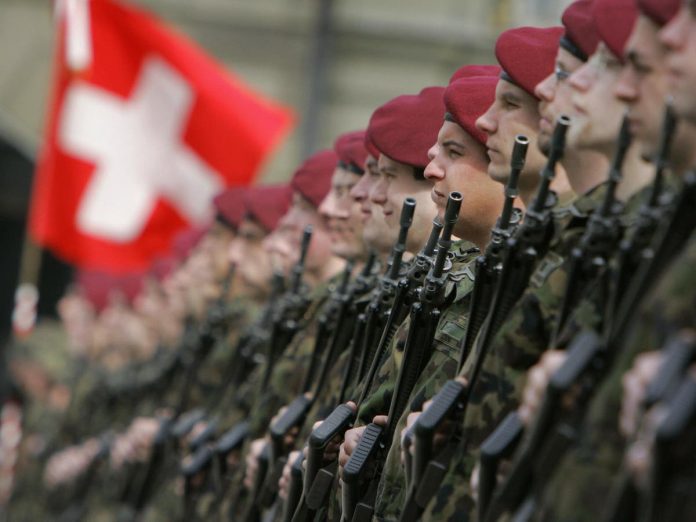
Switzerland can’t defend itself from full-scale attack: Army chief

The country is prepared for attacks by “non-state actors” on critical infrastructure and for cyber attacks, but its military still faces major equipment gaps, Thomas Suessli told the NZZ newspaper.

“What we cannot do is defend against threats from a distance or even a full-scale attack on our country,” said Suessli, who is stepping down at the end of the year.

“It’s burdensome to know that in a real emergency, only a third of all soldiers would be fully equipped,” he stated in an interview published on Saturday.

Switzerland is increasing defence spending, modernising artillery and ground systems and replacing ageing fighter jets with Lockheed Martin F-35As.

But the plan faces cost overruns, while critics question spending on artillery and munitions amid tight federal finances.

Suessli noted attitudes towards the military had not shifted despite the war in Ukraine and Russian efforts to destabilise Europe.

He blamed Switzerland’s distance from the conflict, its lack of recent war experience and the false belief that neutrality offered protection.

“But that’s historically inaccurate. There are several neutral countries that were unarmed and were drawn into war. Neutrality only has value if it can be defended with weapons,” he continued.

Switzerland has pledged to gradually raise defence spending to about 1 per cent of GDP by around 2032, up from roughly 0.7 per cent now – far below the 5 per cent level agreed by NATO countries.

At that pace, the Swiss military would only be fully ready by around 2050.

“That is too long given the threat,” Suessli added.


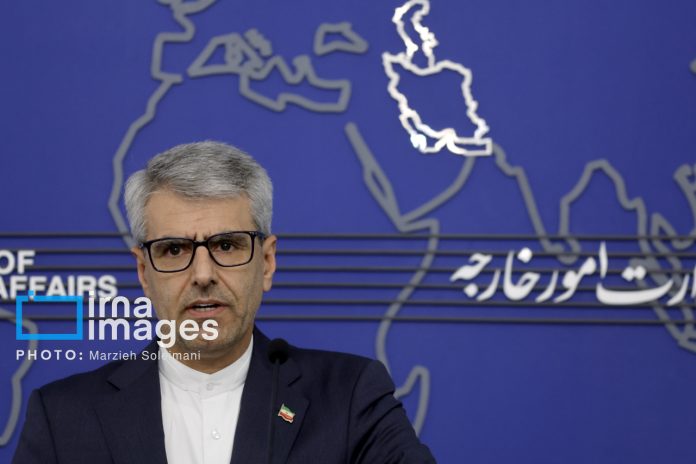
Iran condemns Zionist regime’s moves undermining Somalia’s territorial integrity

Esmail Baghaei

Baqaei described the move as a clear violation of the fundamental principles of the UN Charter and international law.

He further underlined the principled position of the Islamic Republic of Iran on the necessity of preserving the national sovereignty, unity, and territorial integrity of the Federal Republic of Somalia, slamming this malicious move by the Zionist regime as being in line with the regime’s policy of destabilizing regional countries and exacerbating insecurity in the Red Sea region and the Horn of Africa.

Baqaei then reaffirmed Iran’s support for the firm stance of the Organization of Islamic Cooperation as well as the African Union on the issue and their condemnation of the Zionist regime’s action.

The Iranian Foreign Ministry spokesman called on the international community to take decisive action to neutralize this expansionist and threat-creating act of the occupying regime.

Israeli Prime Minister Benjamin Netanyahu has announced the recognition of the “Republic of Somaliland”. Somaliland is the name adopted by clans in five northern provinces of Somalia that have declared independence from the country.

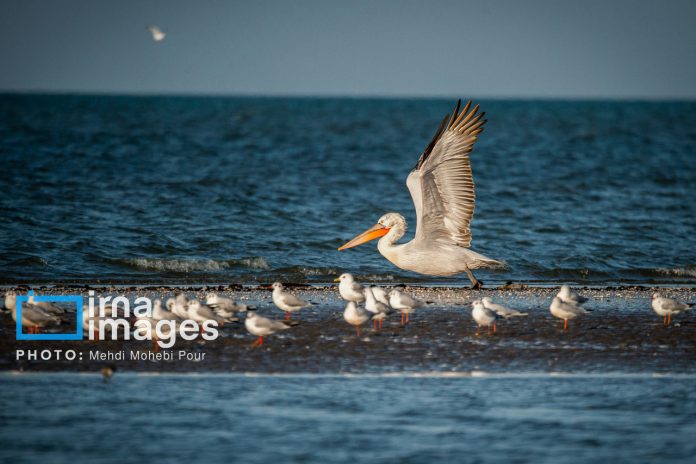
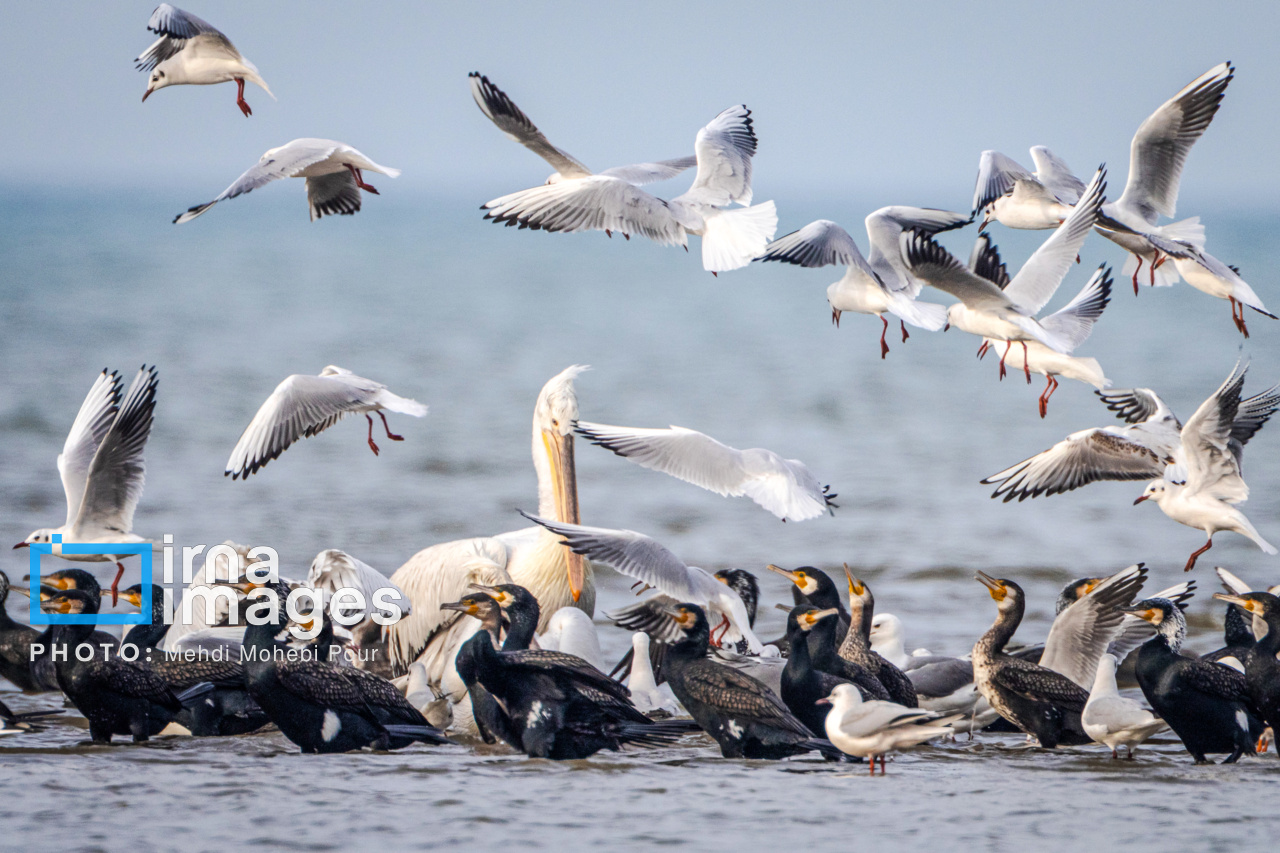
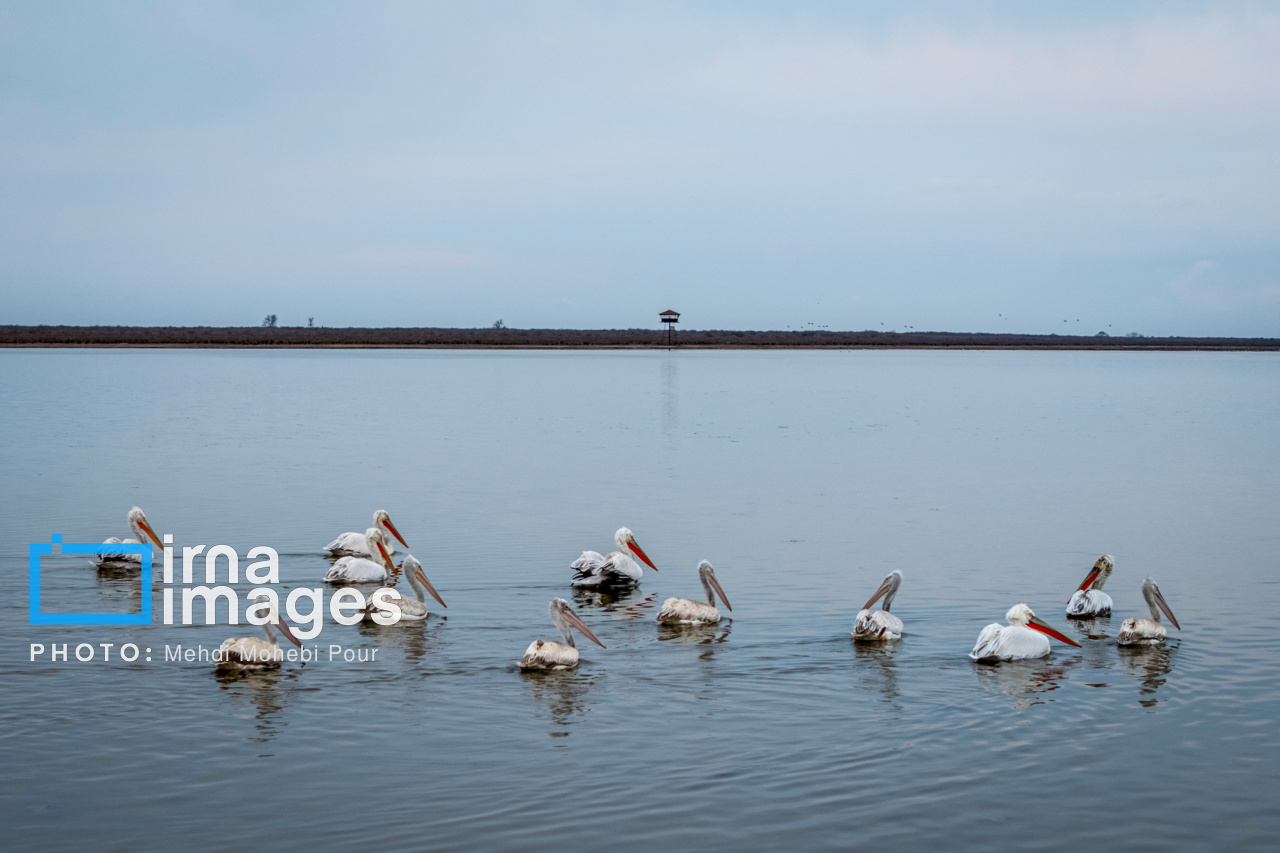
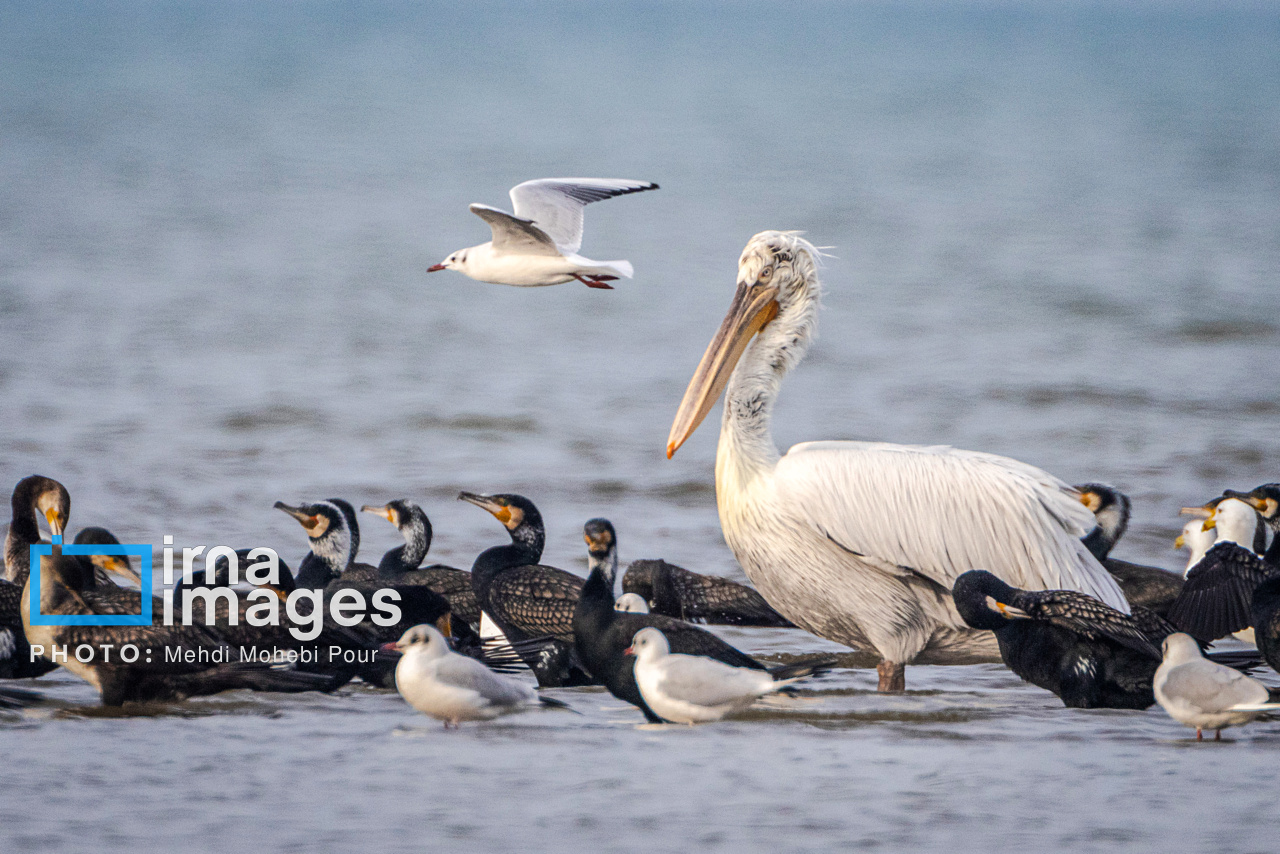
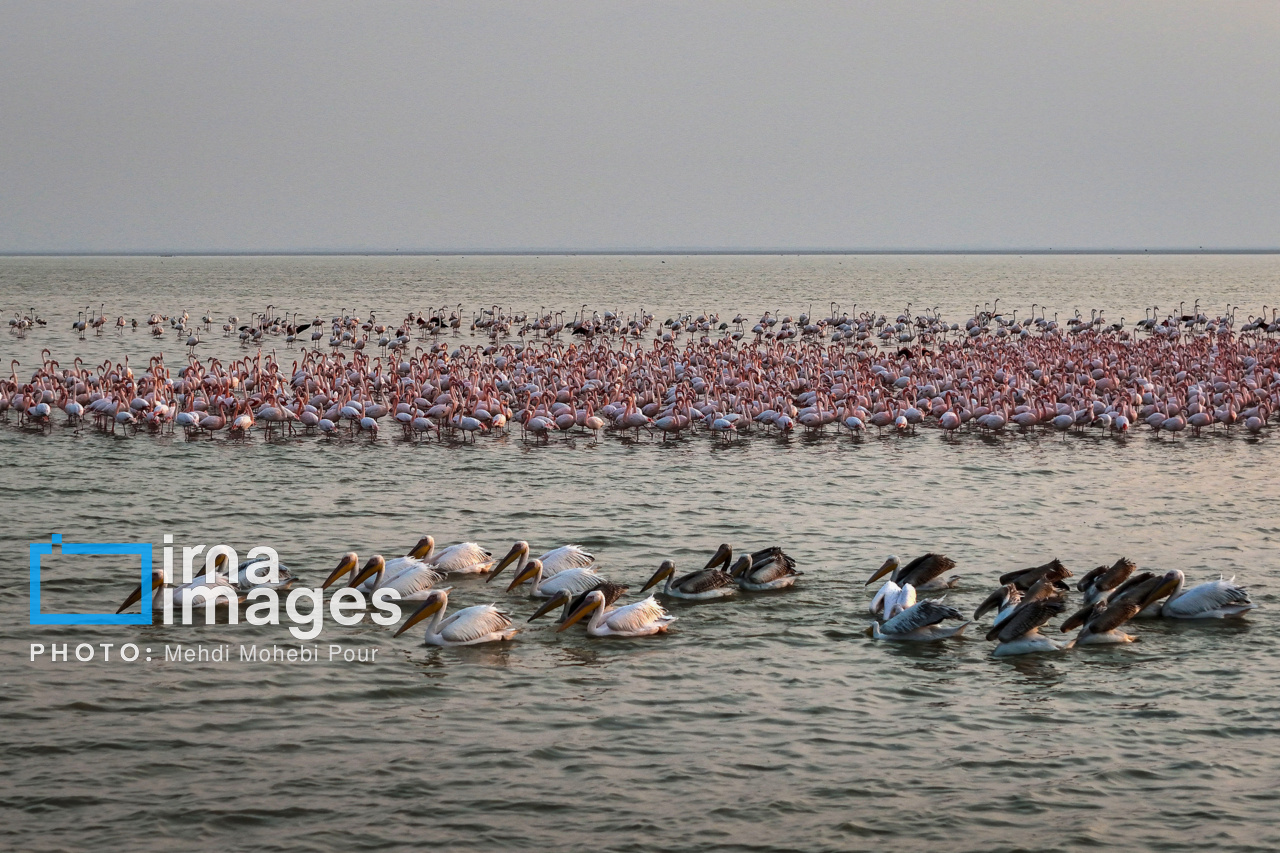
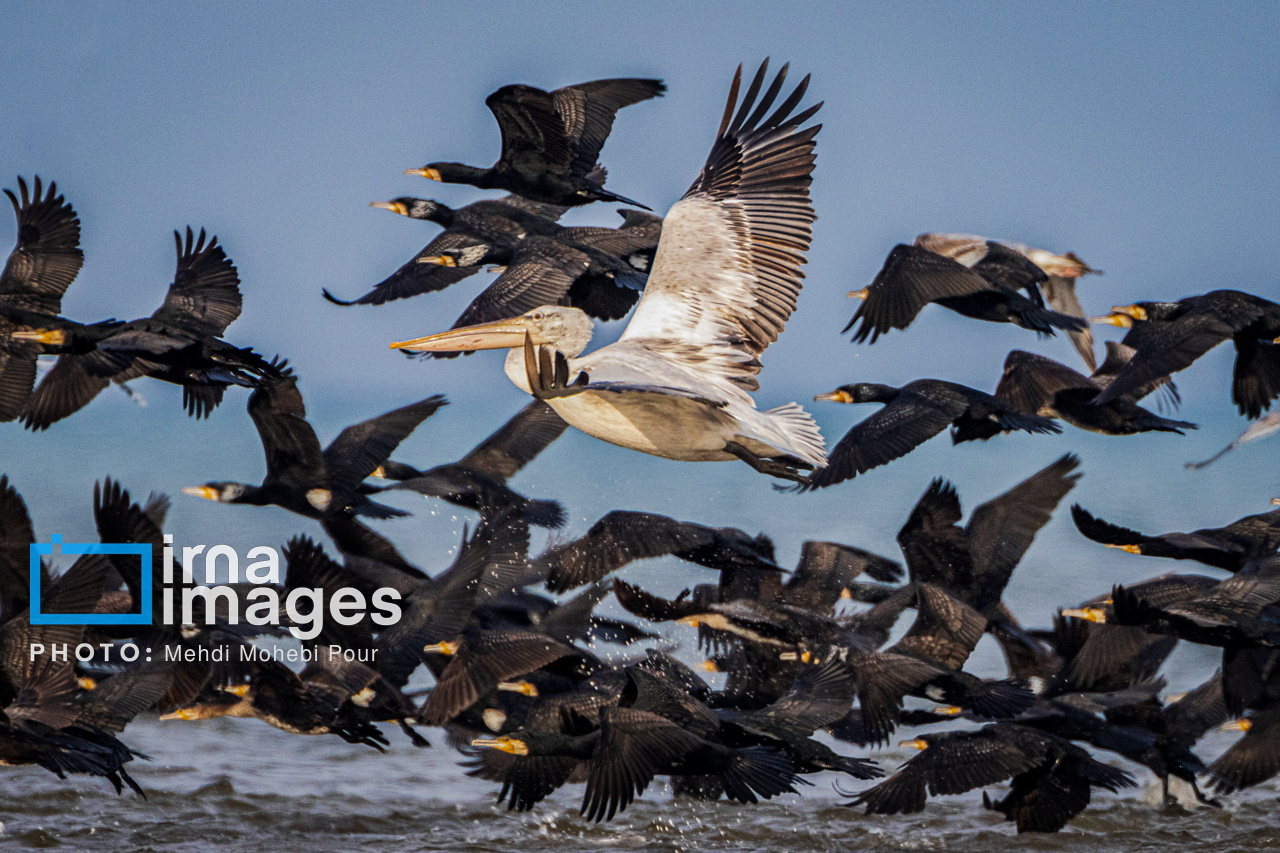
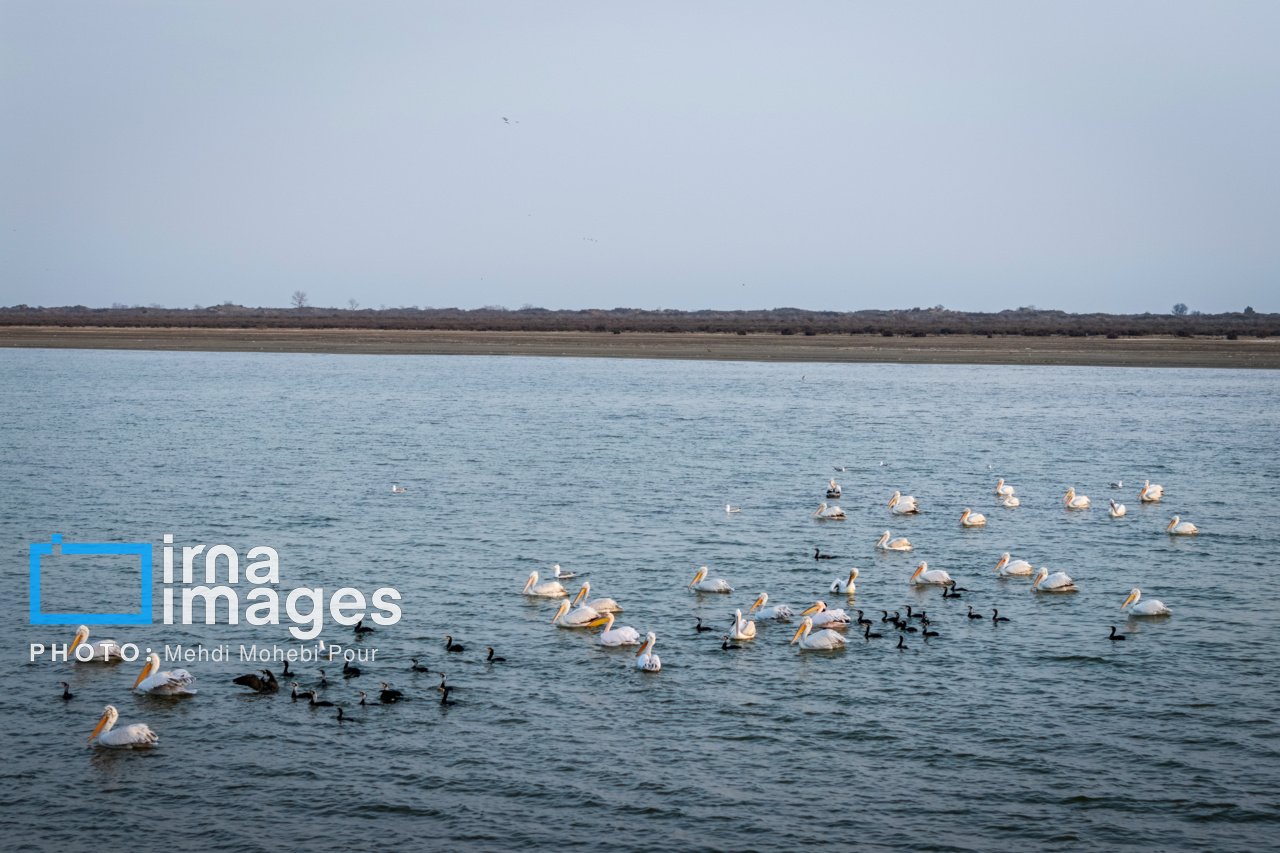
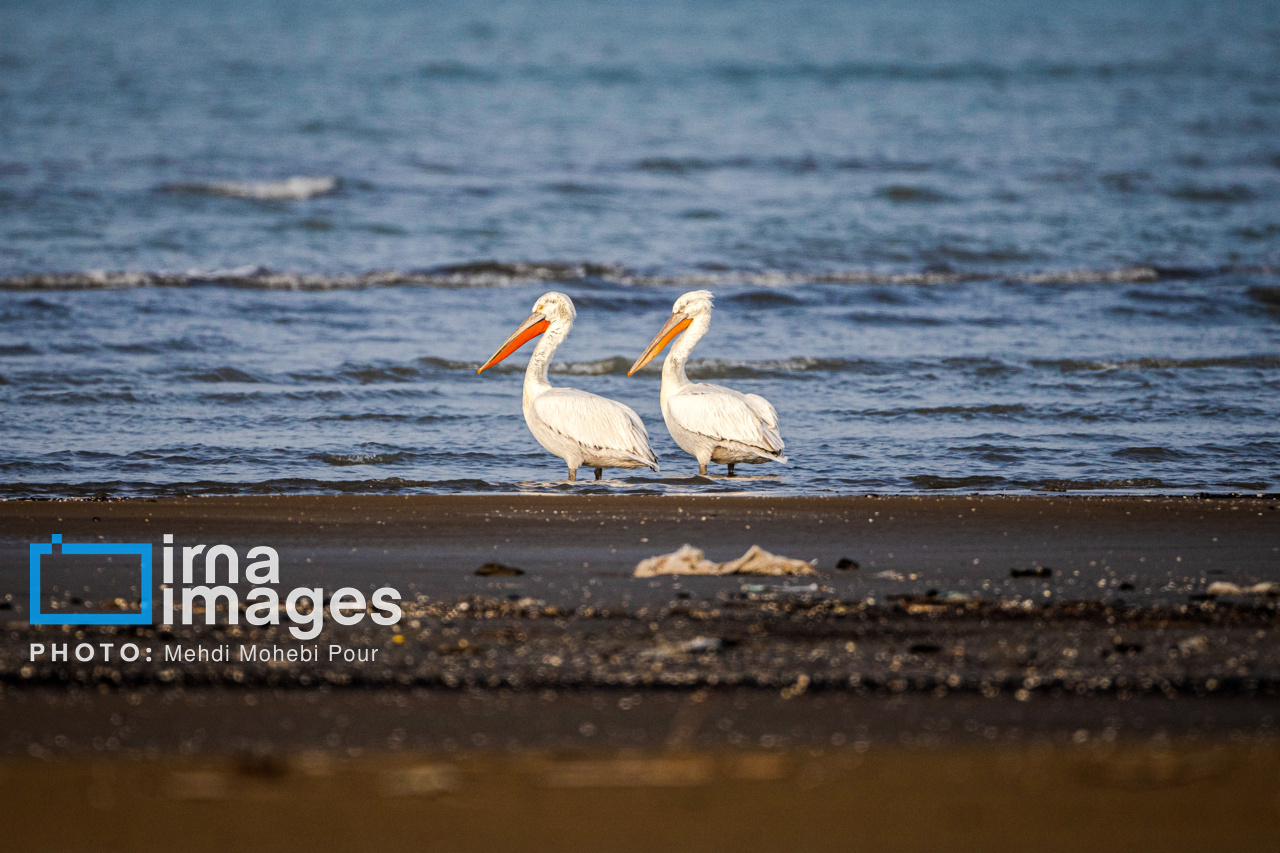
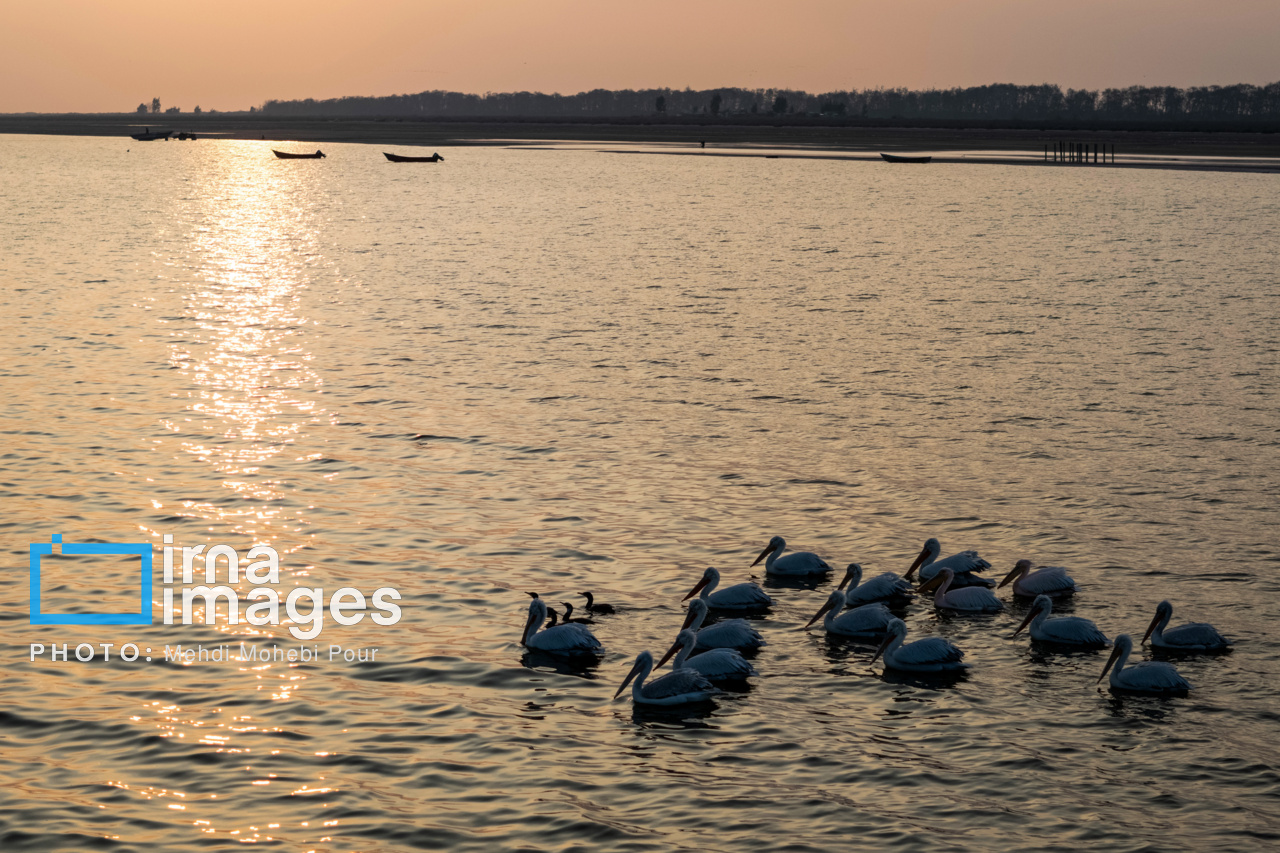
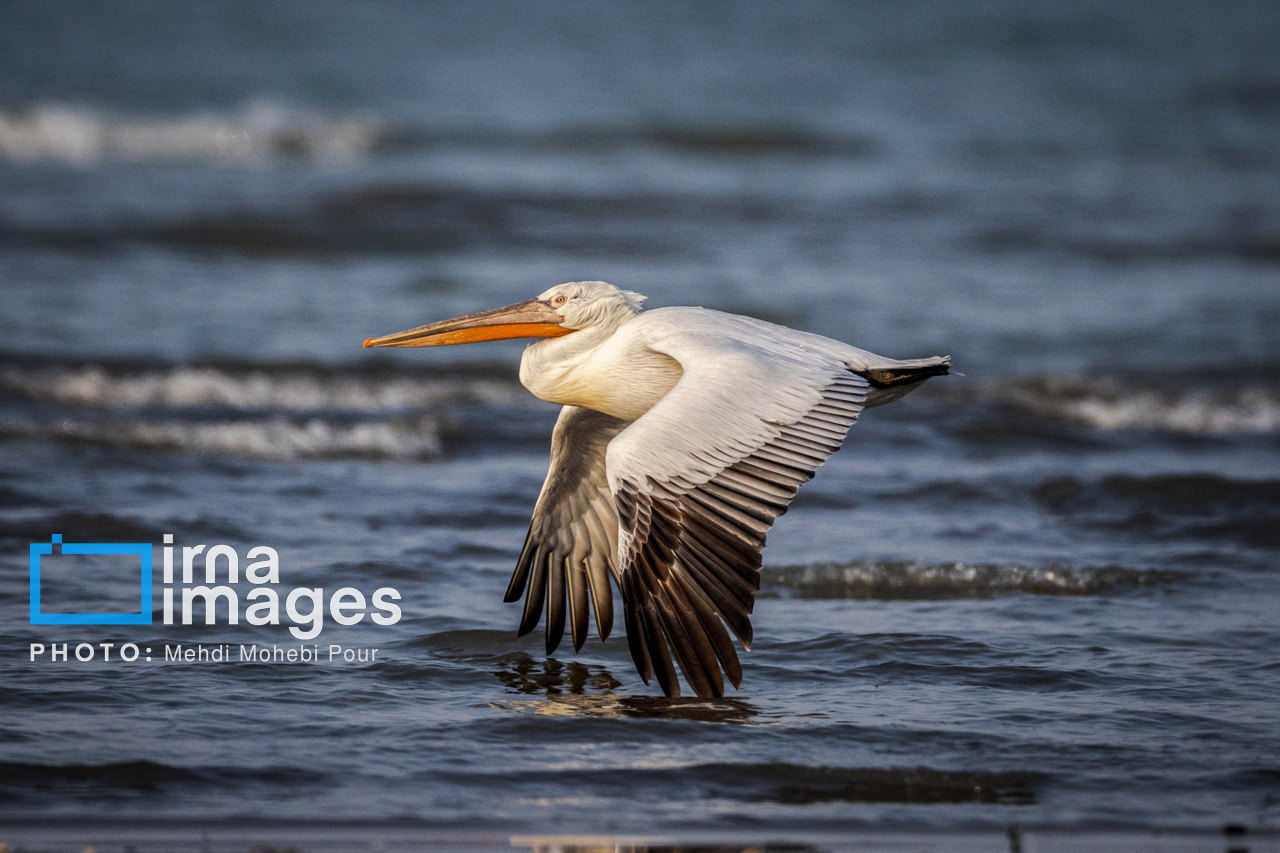
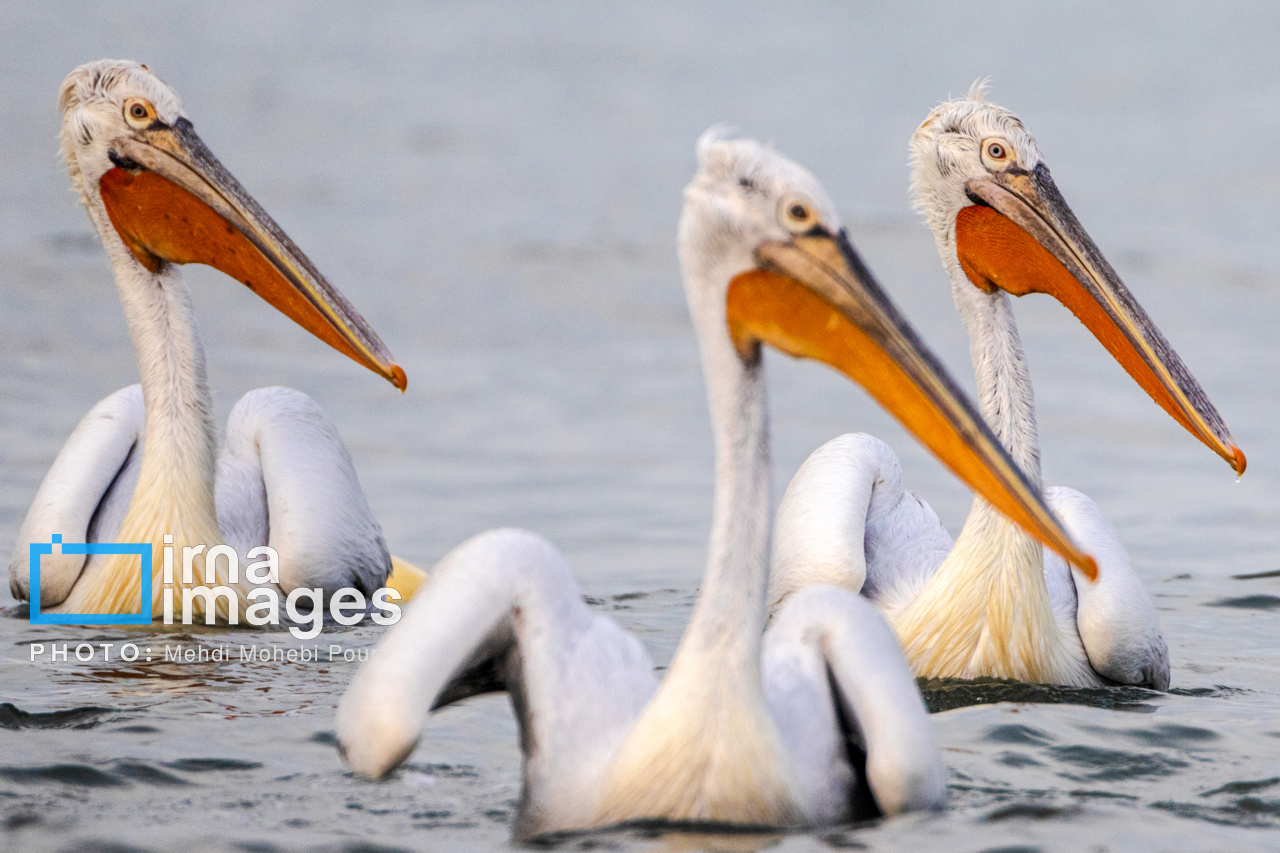
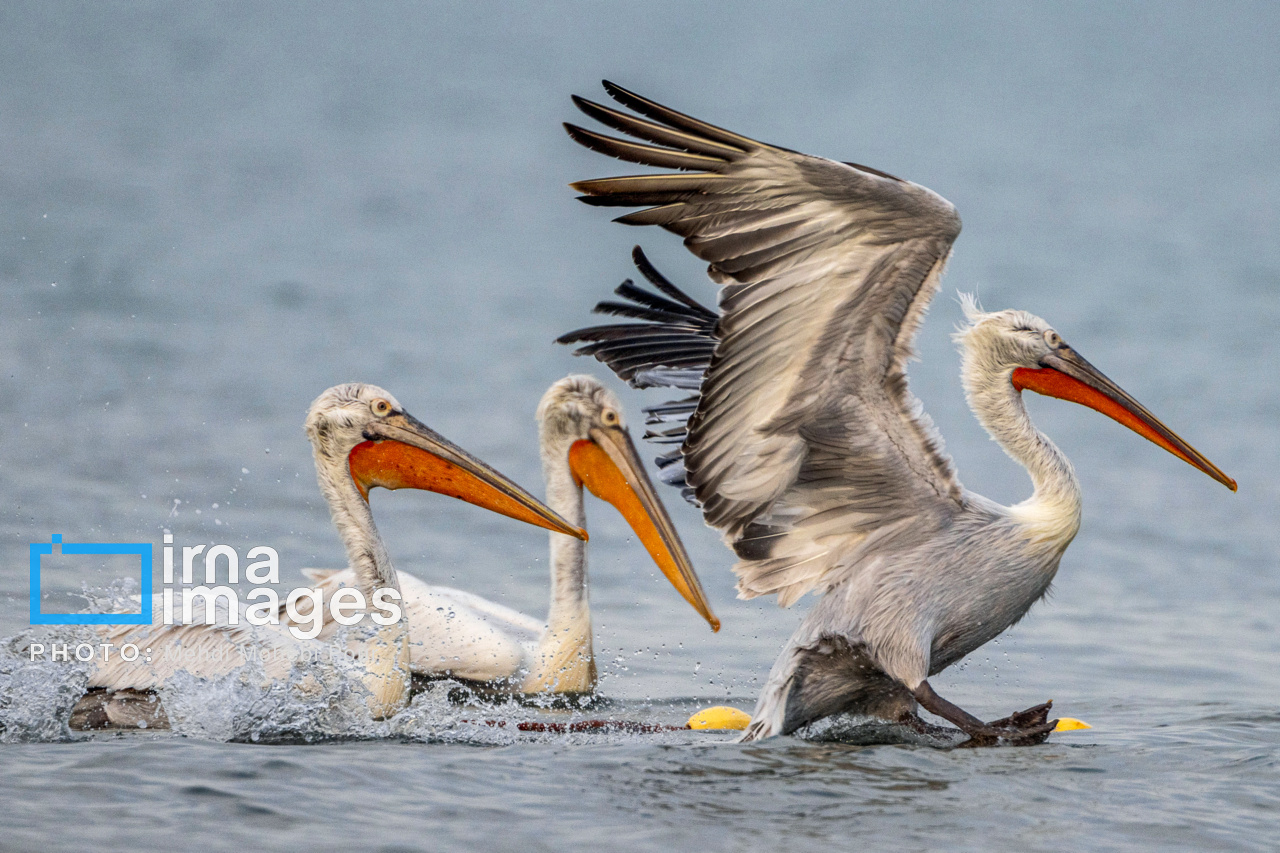
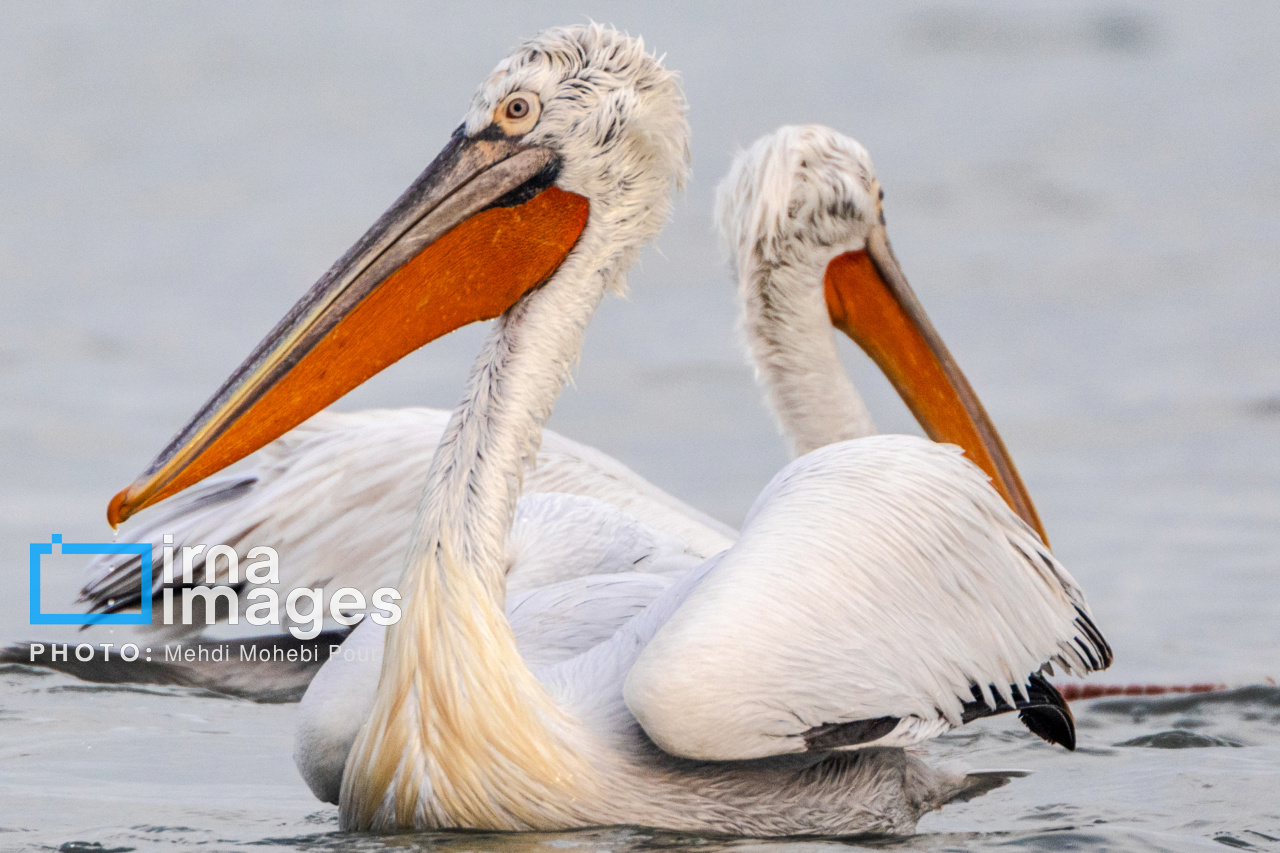
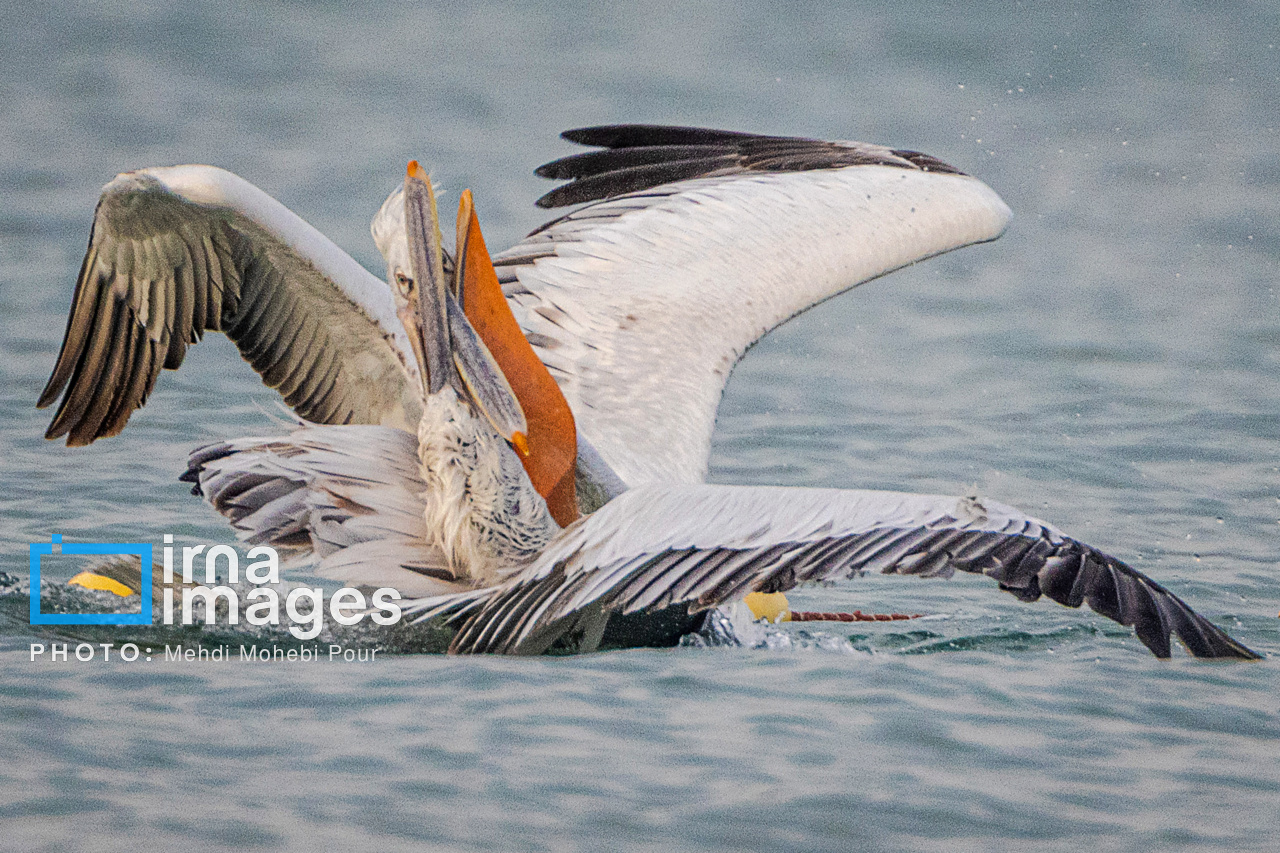
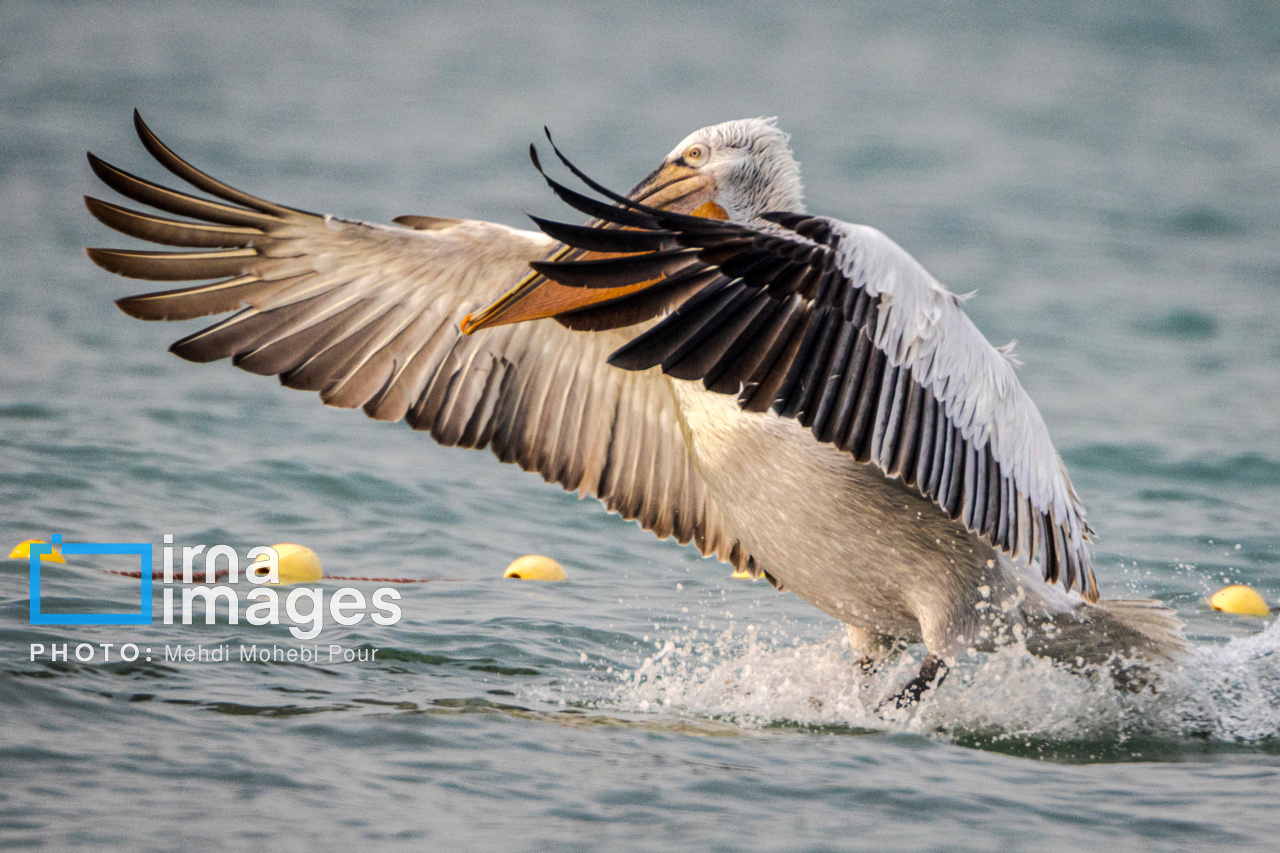
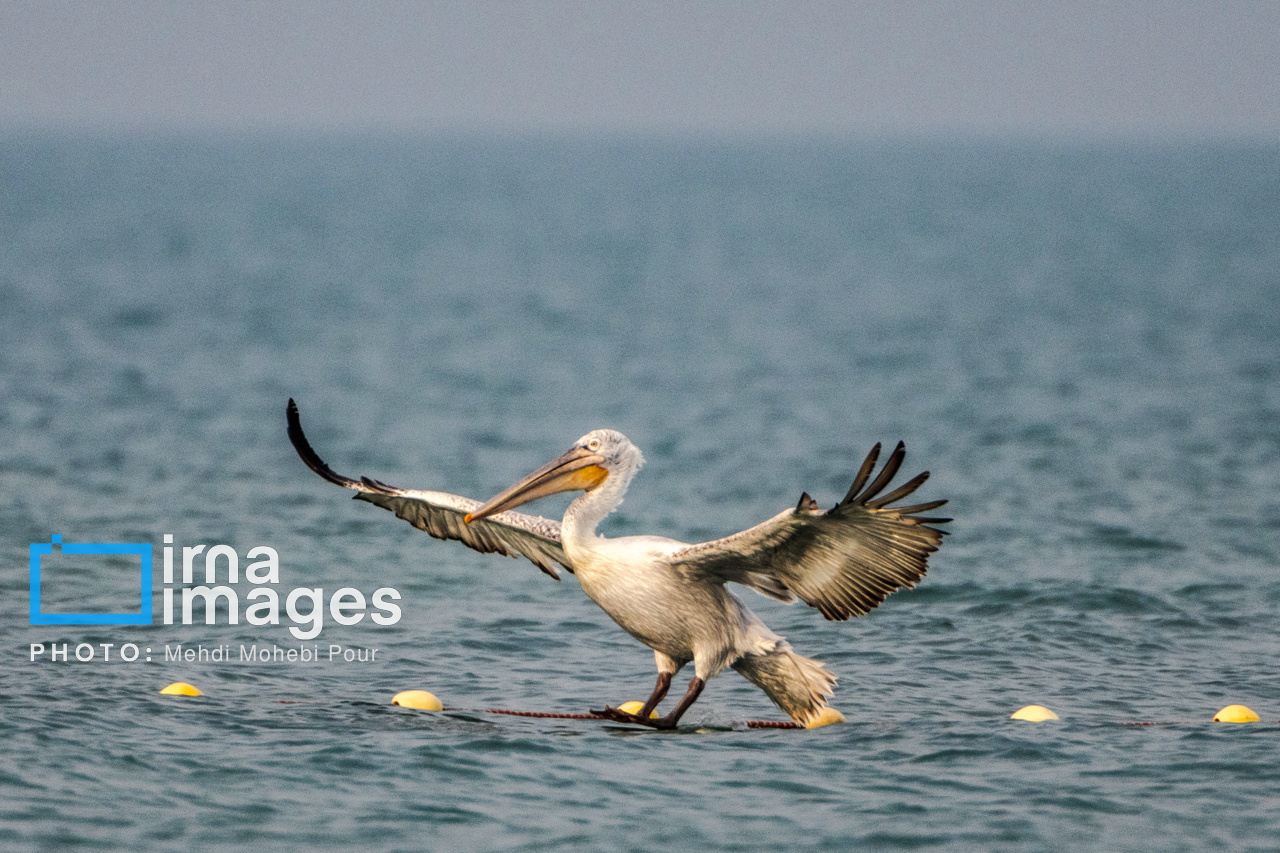
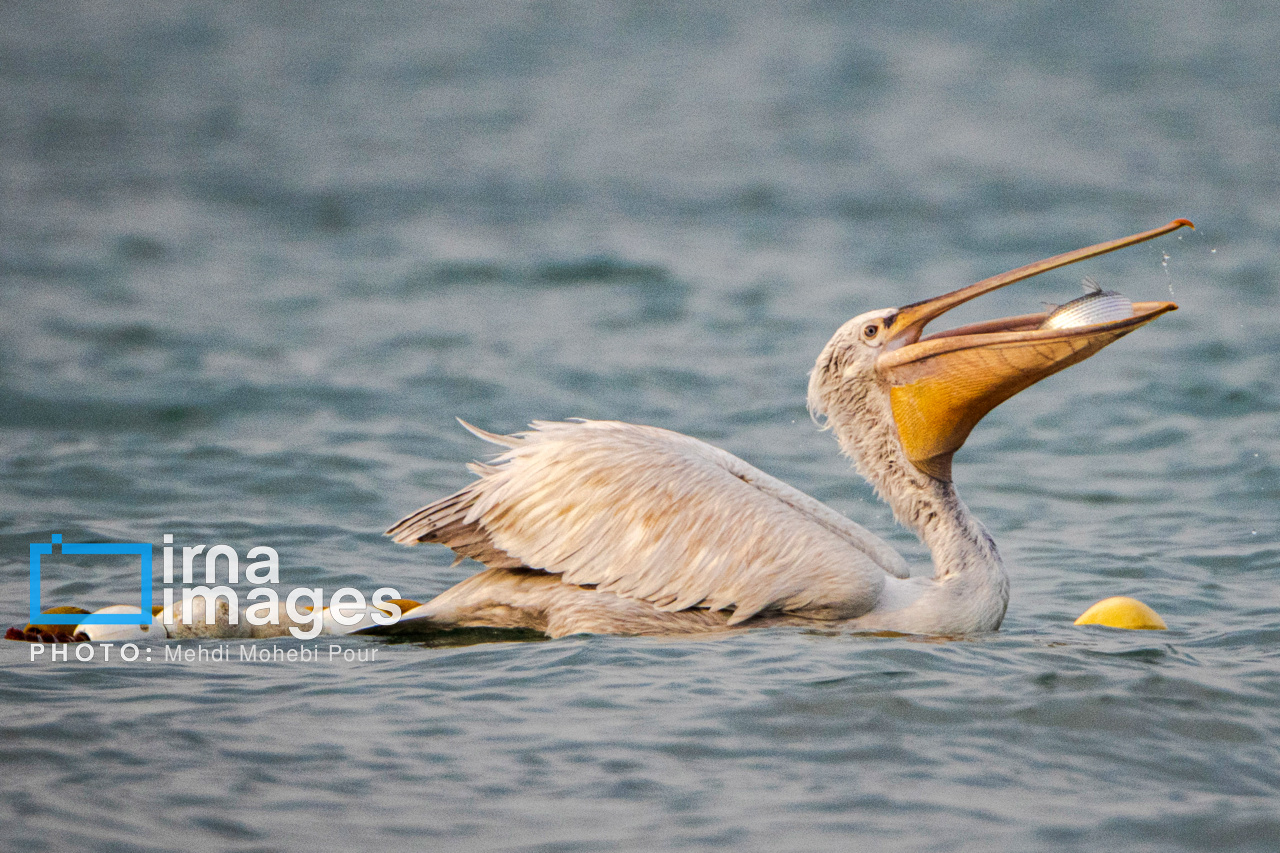
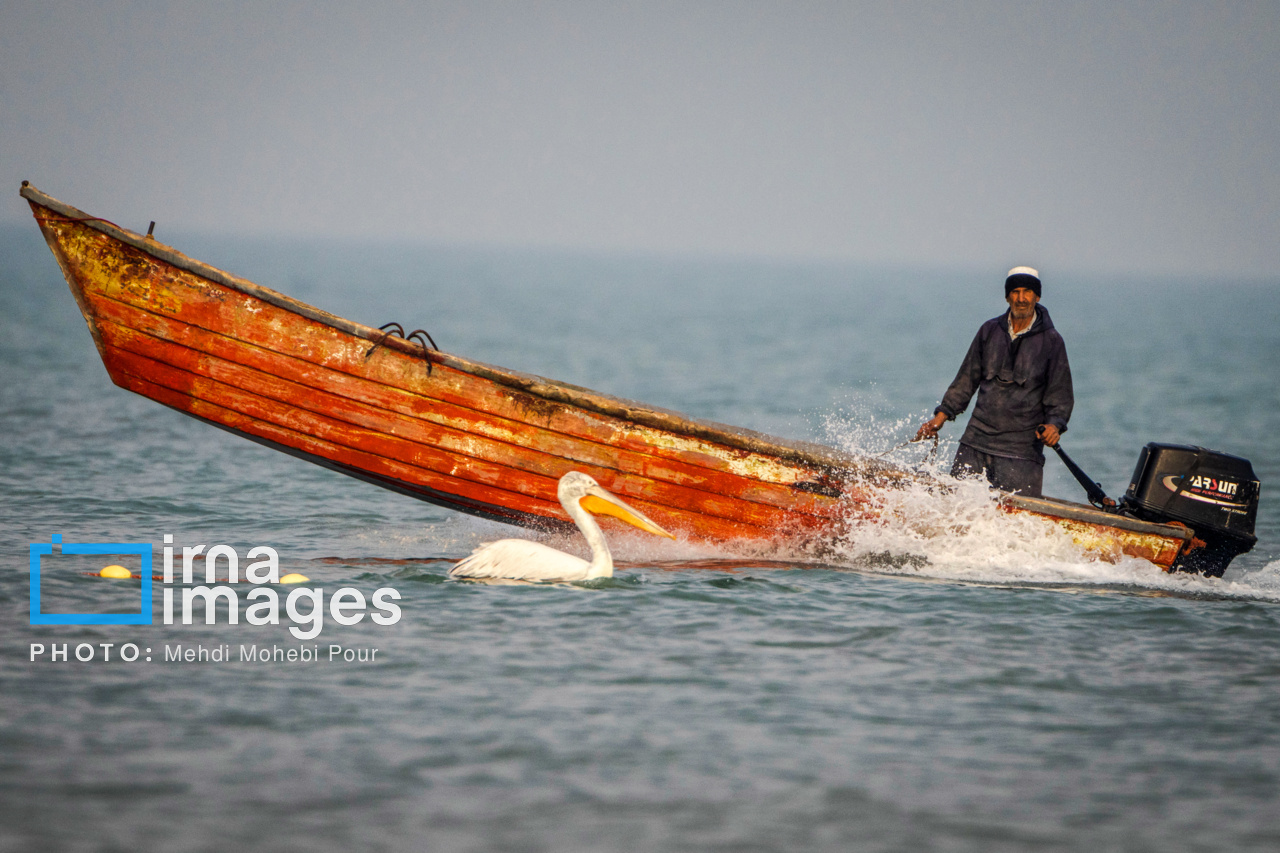
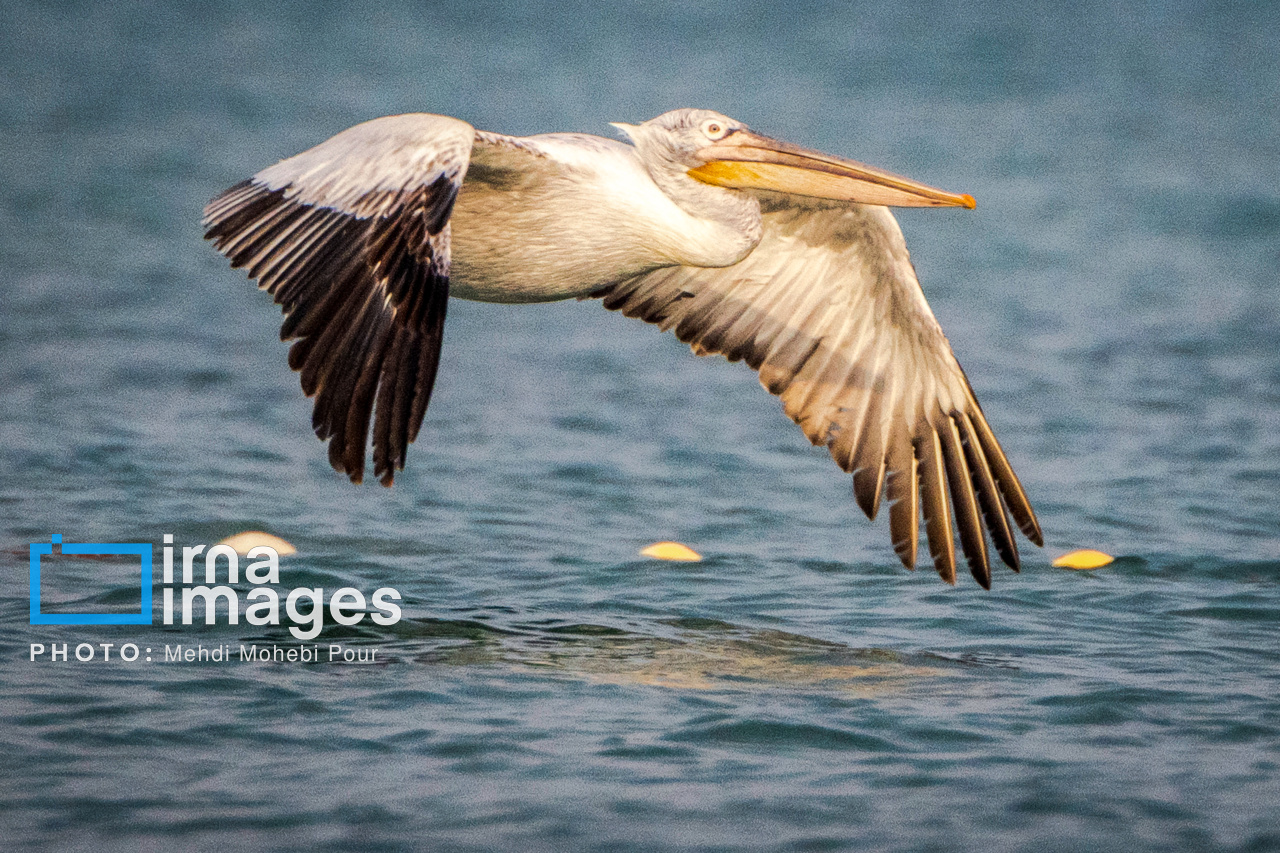
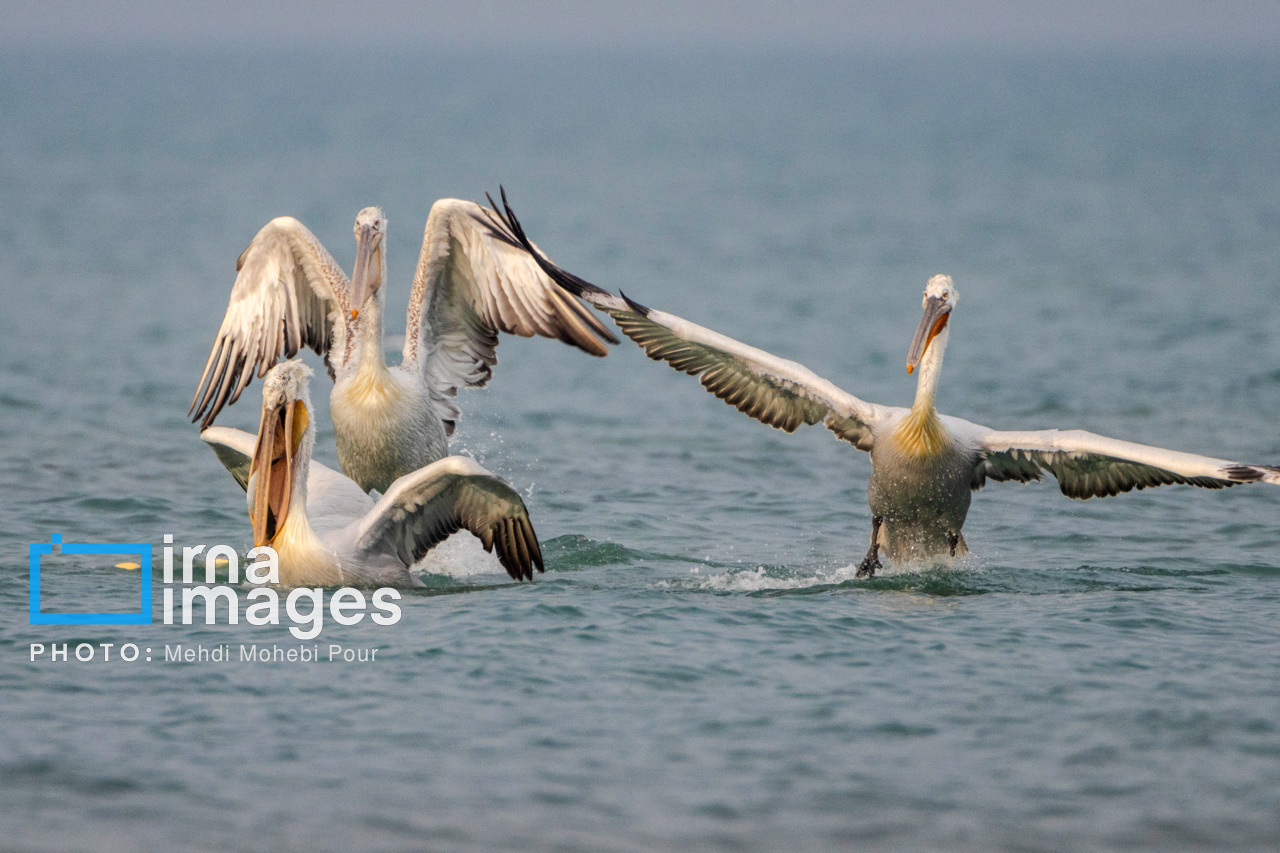
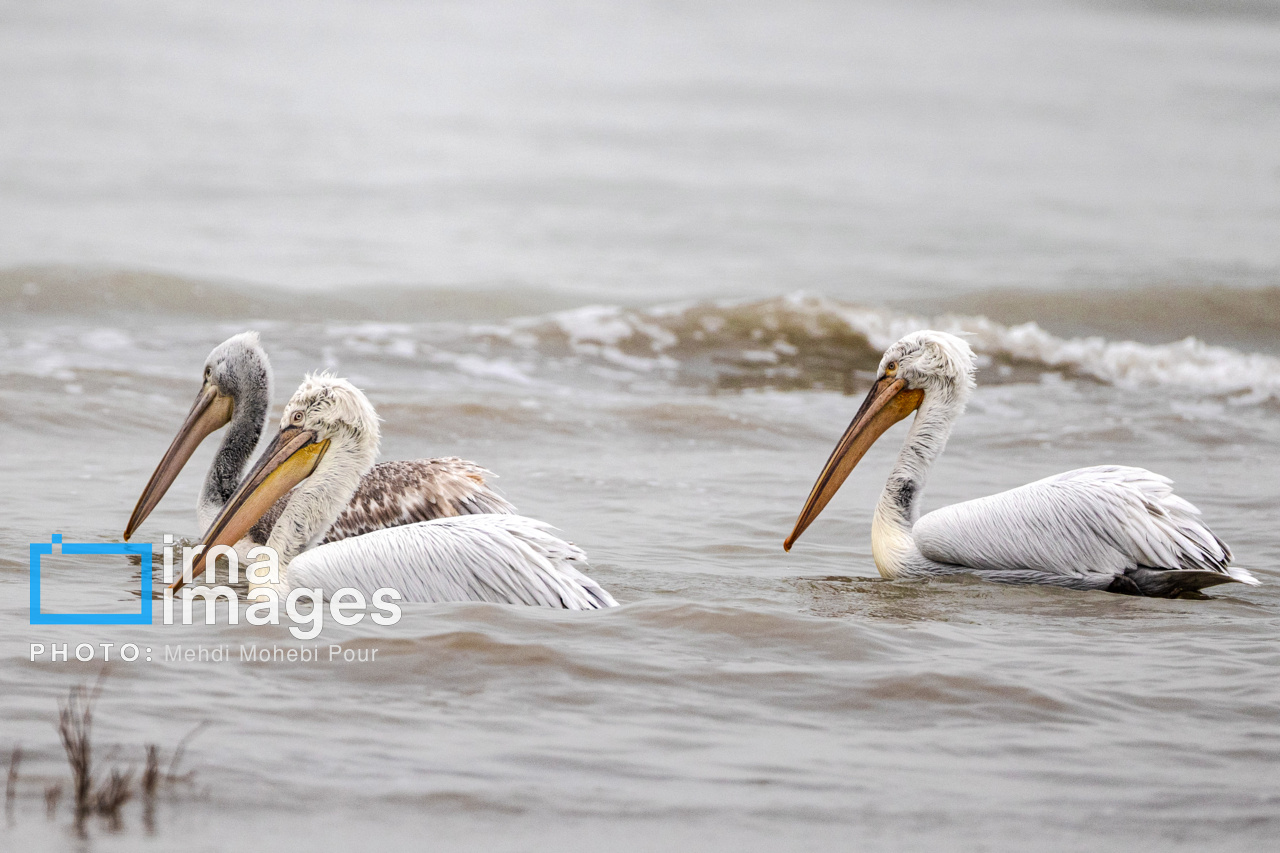
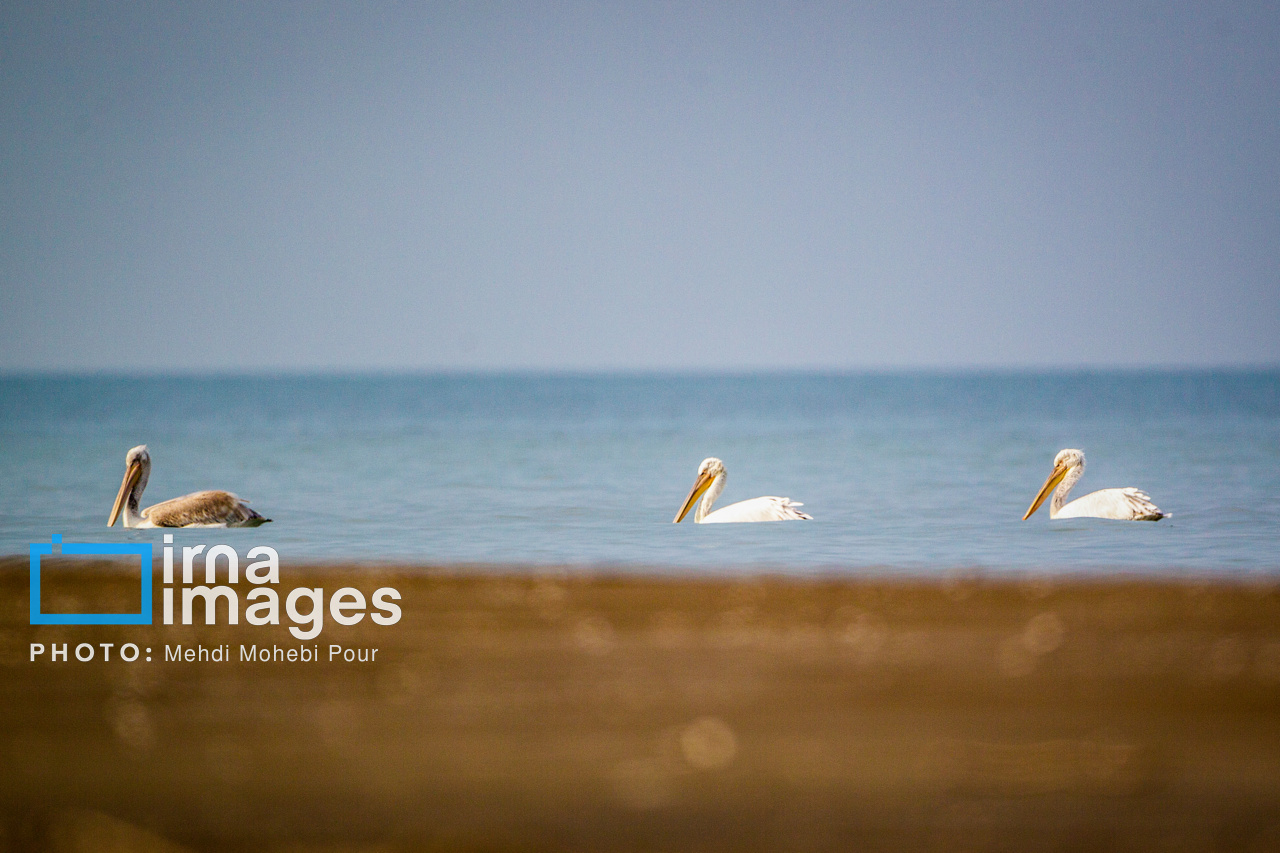
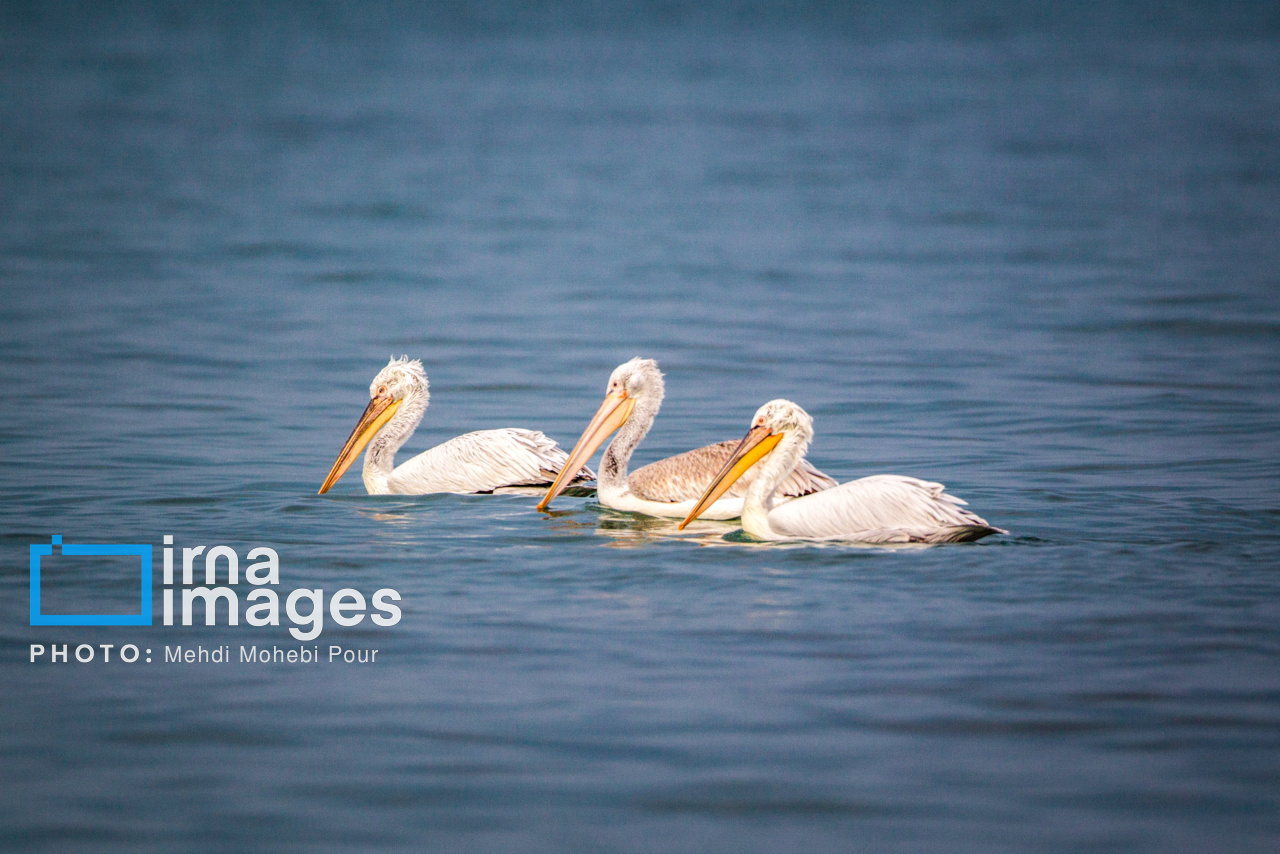
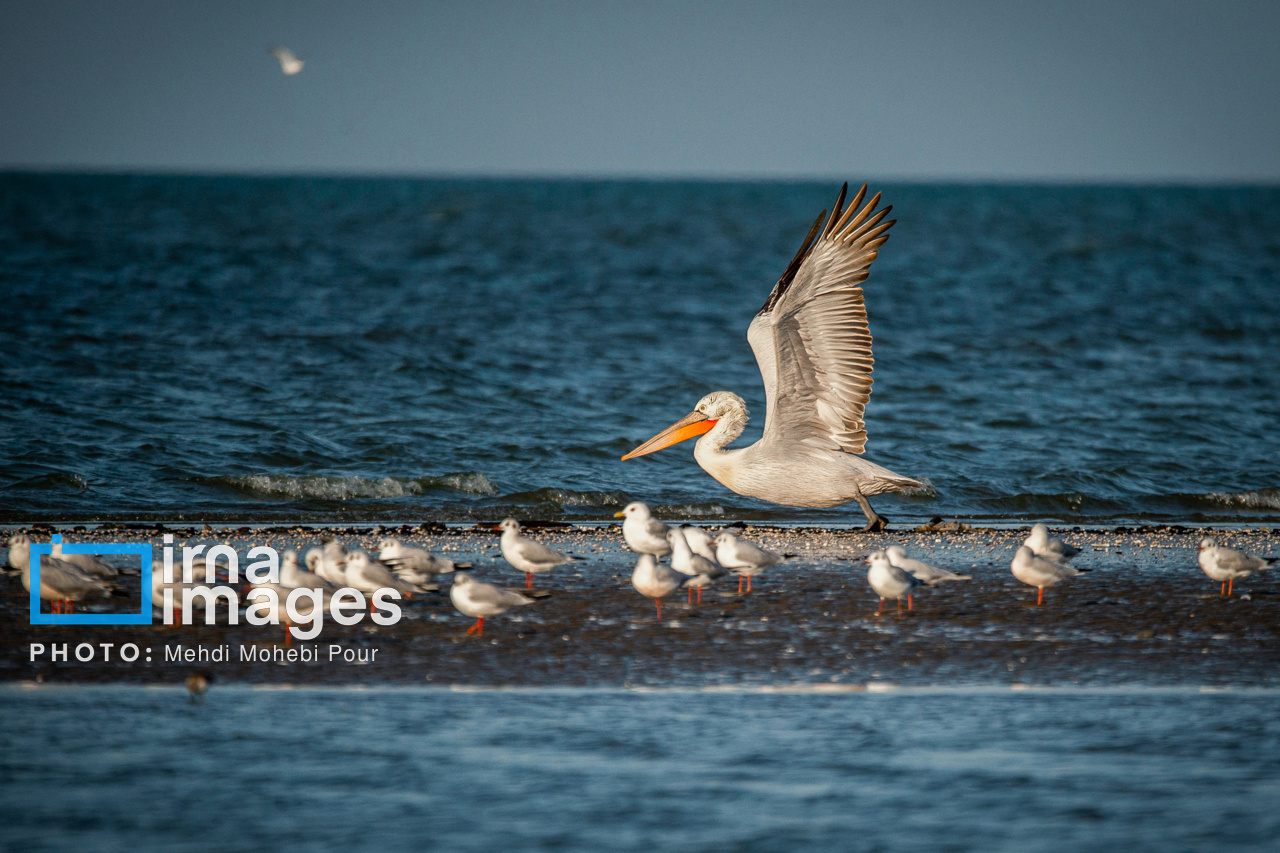
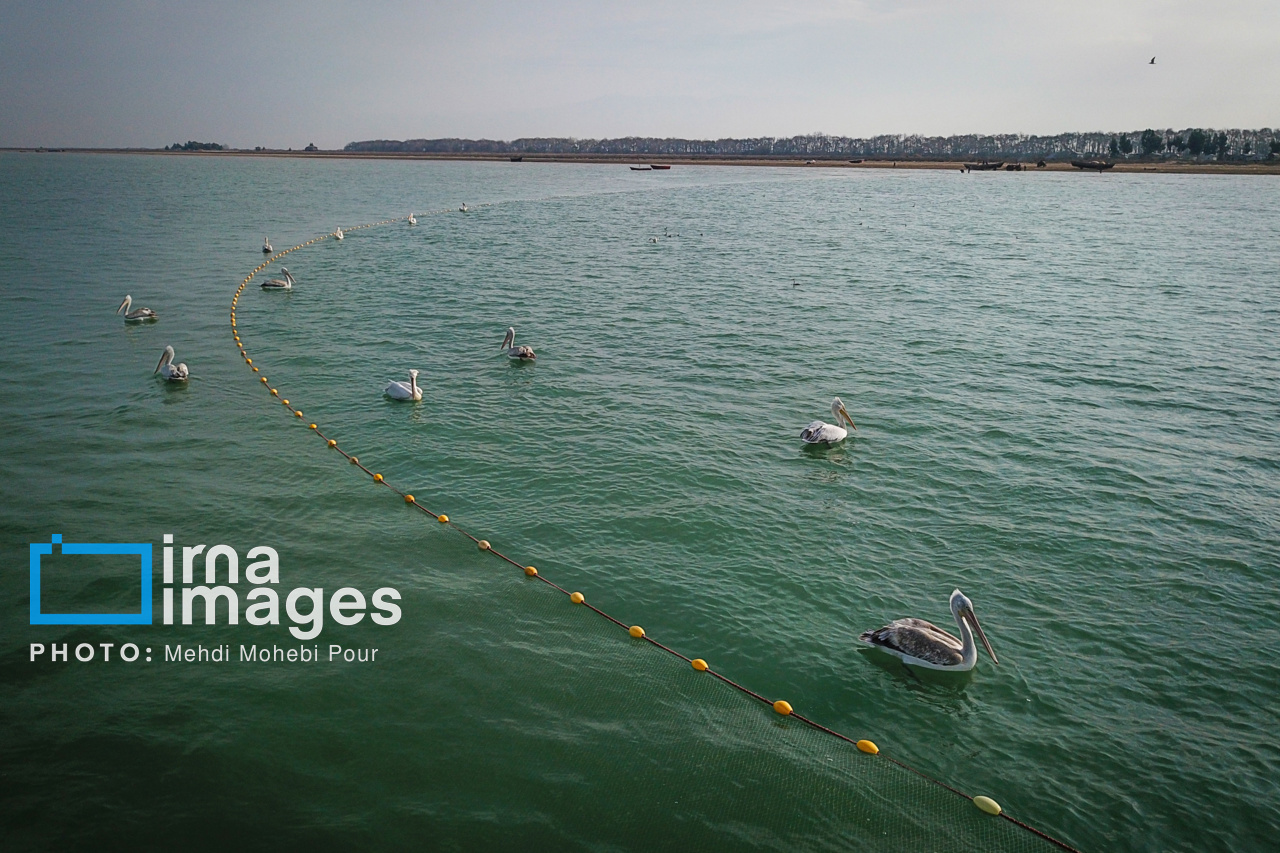
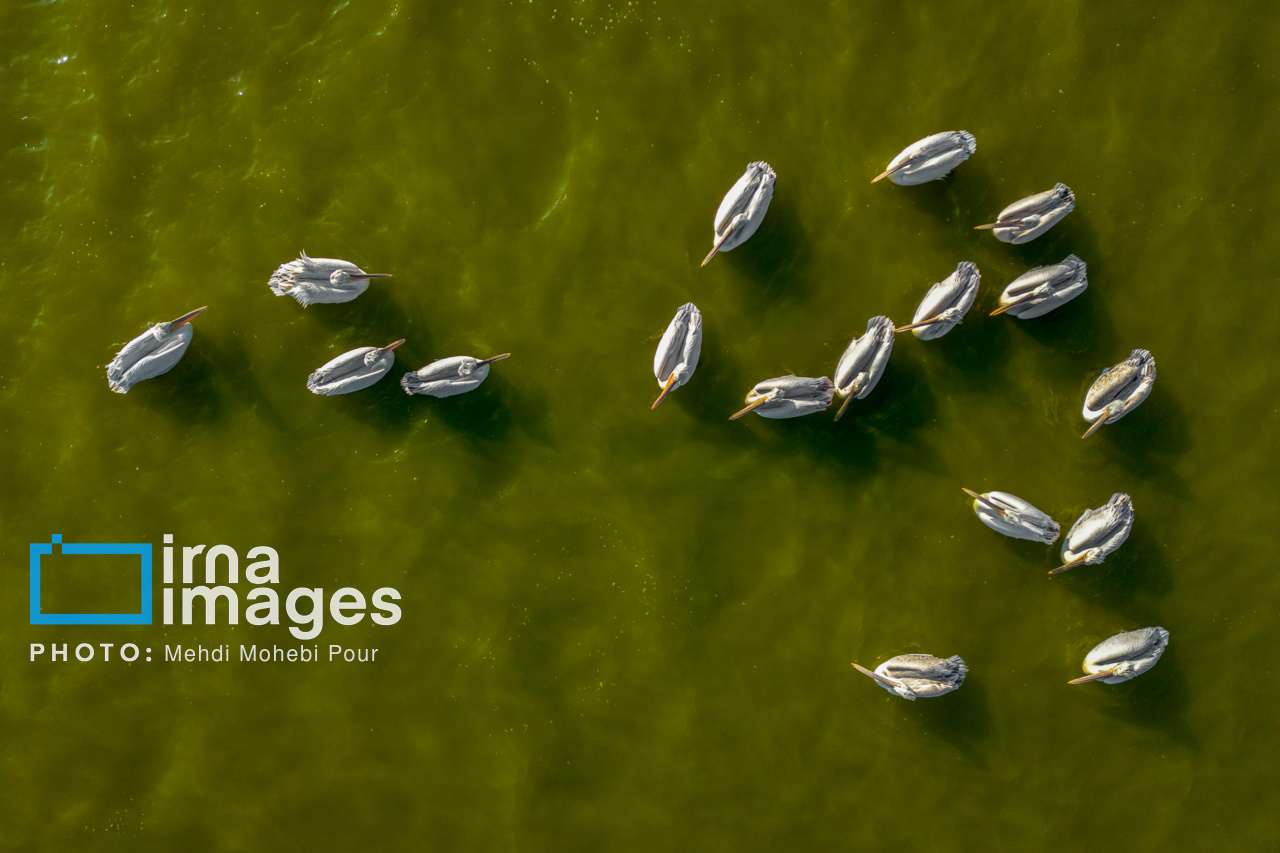
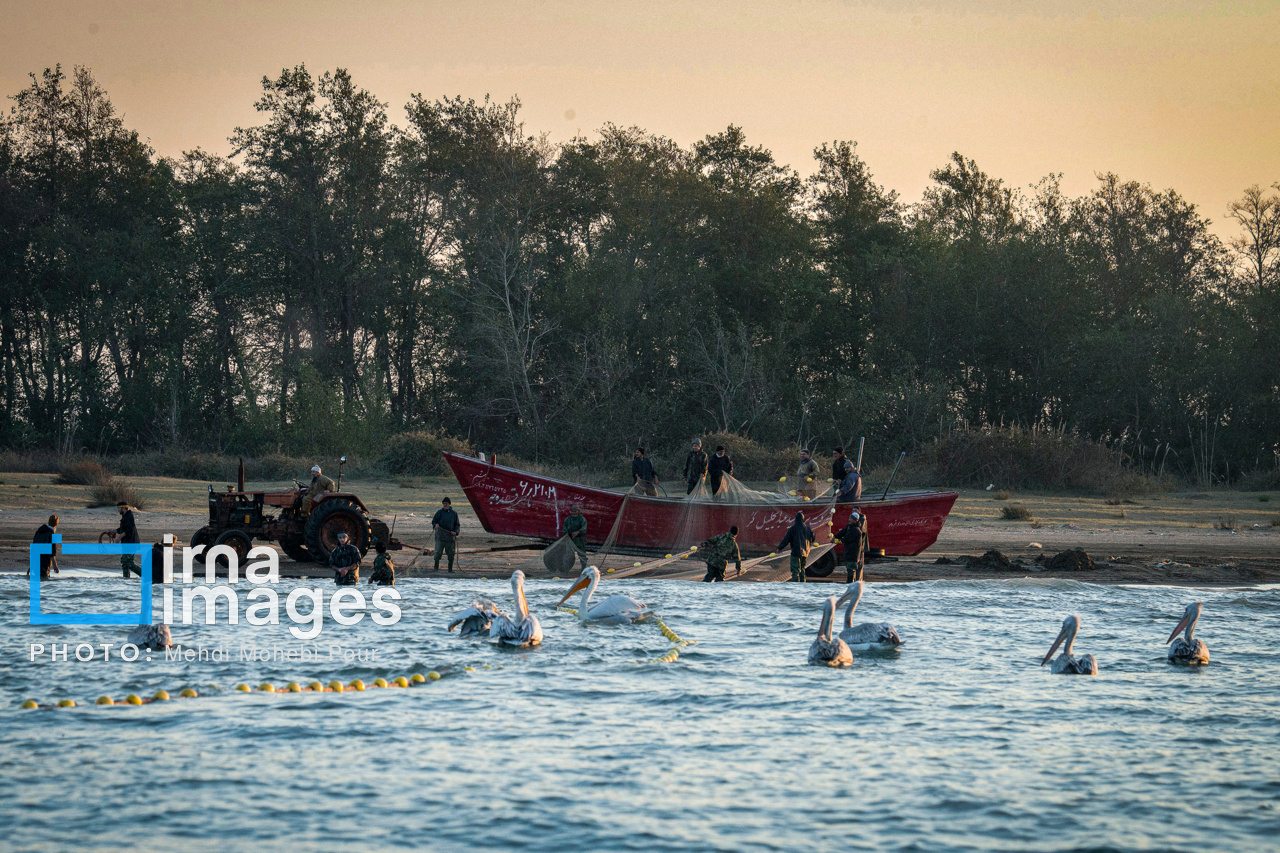
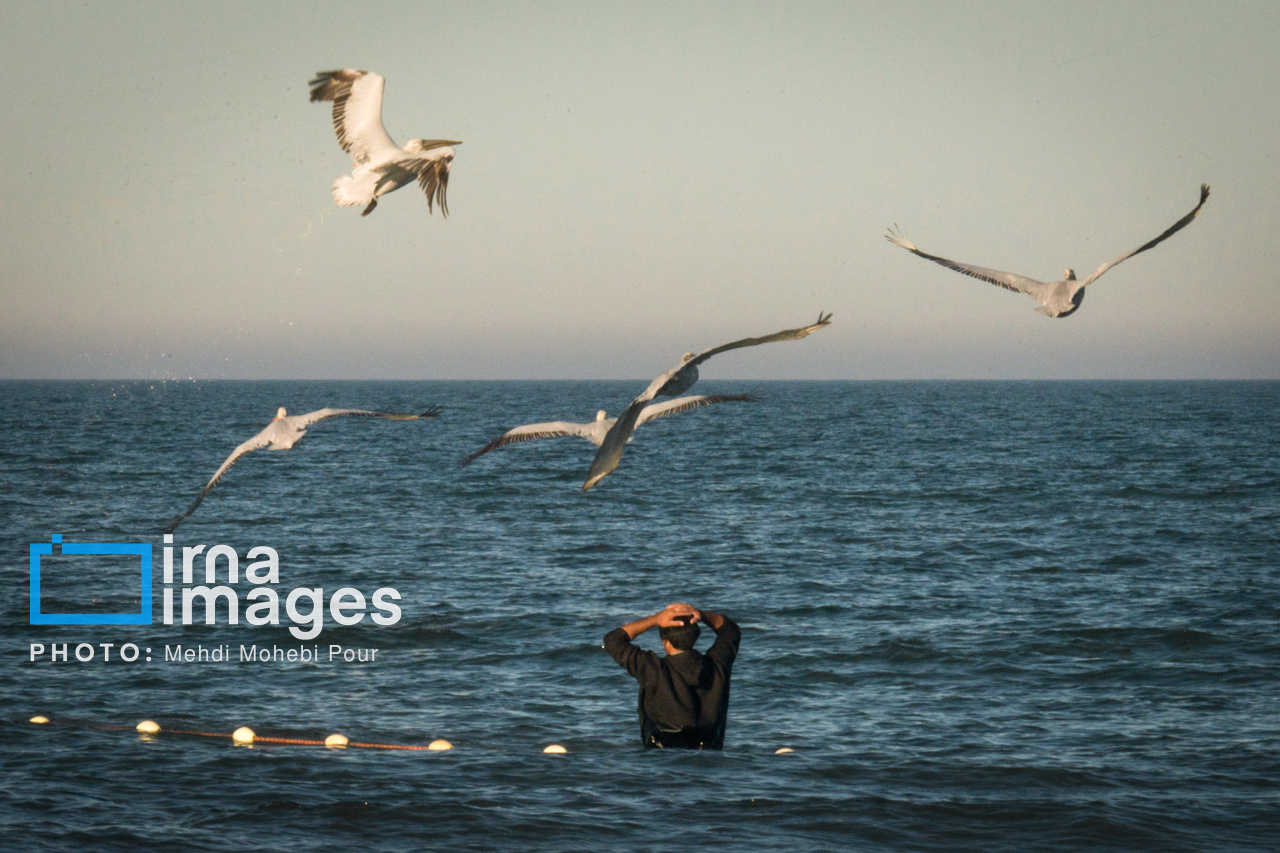
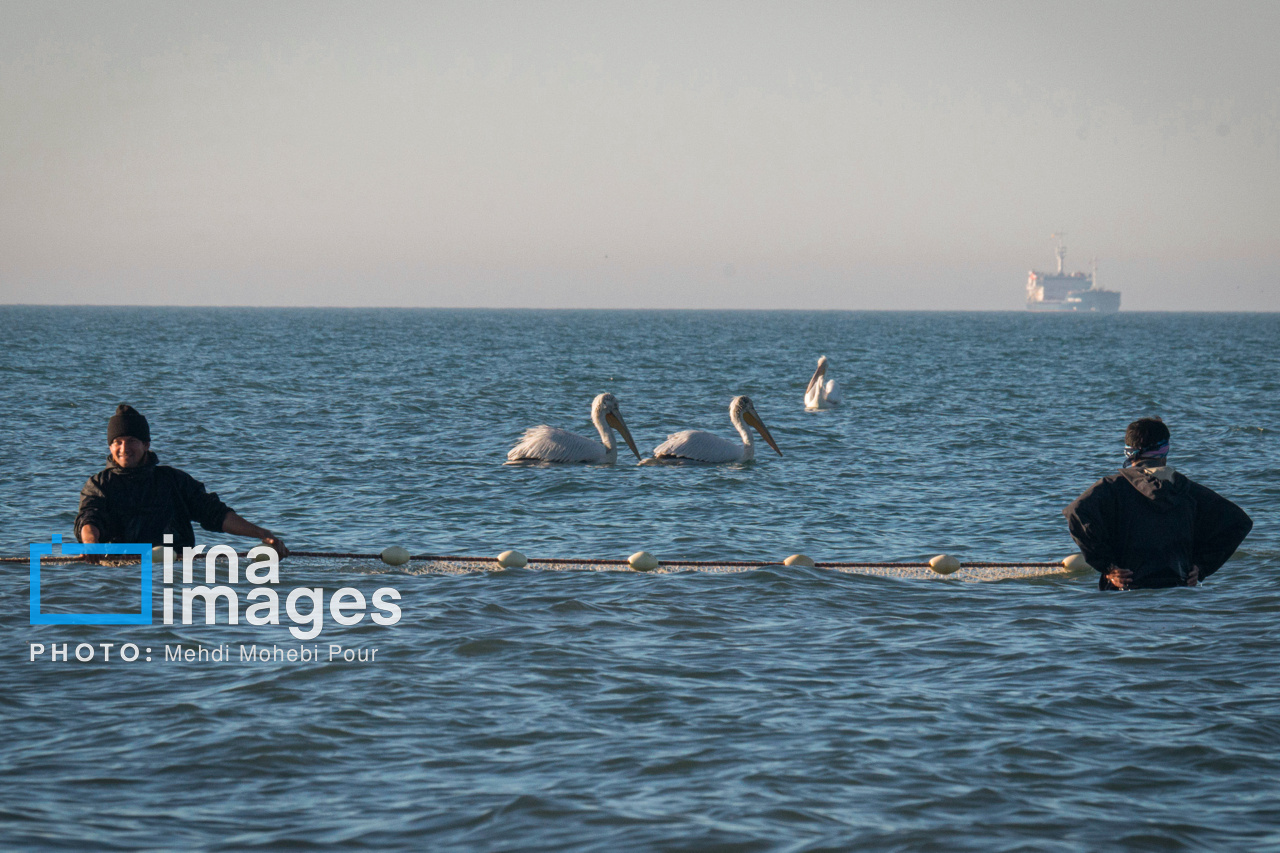
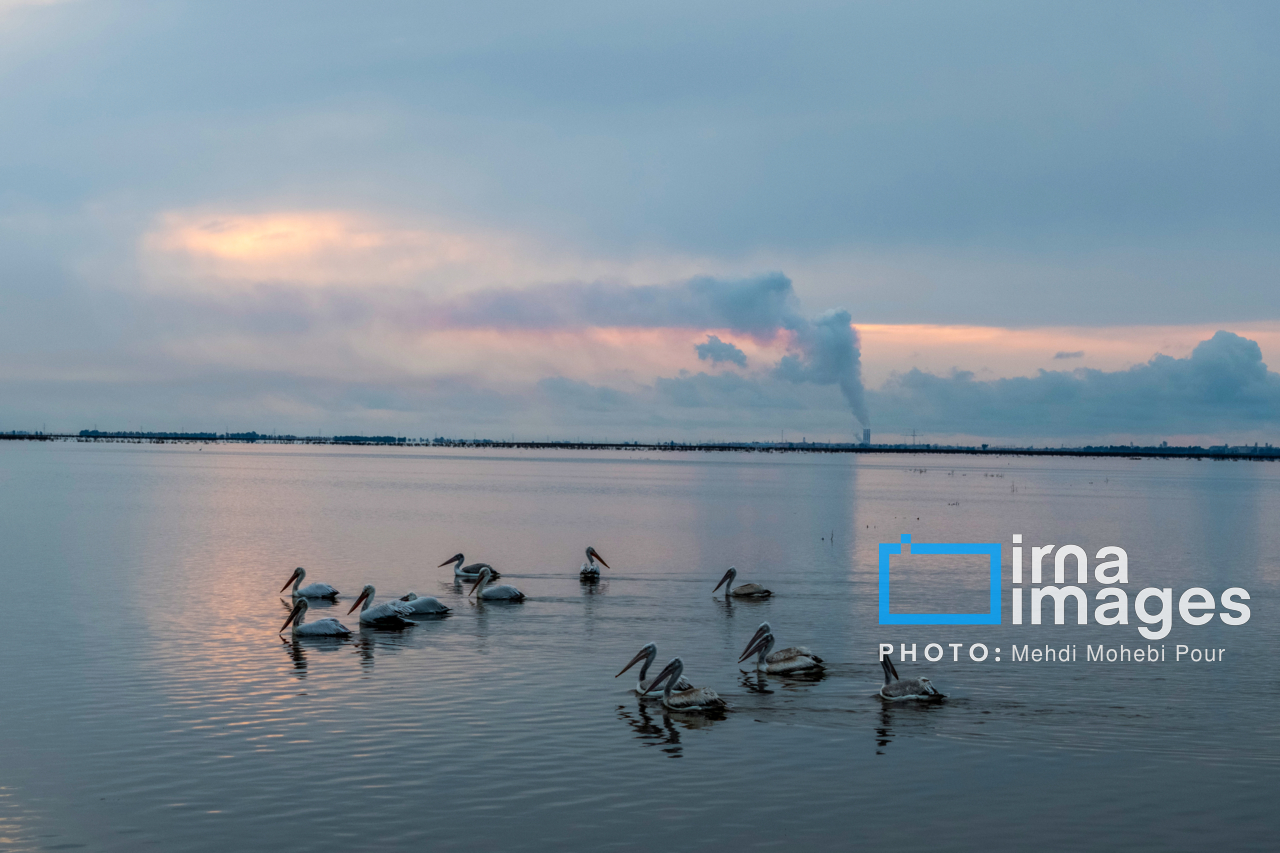
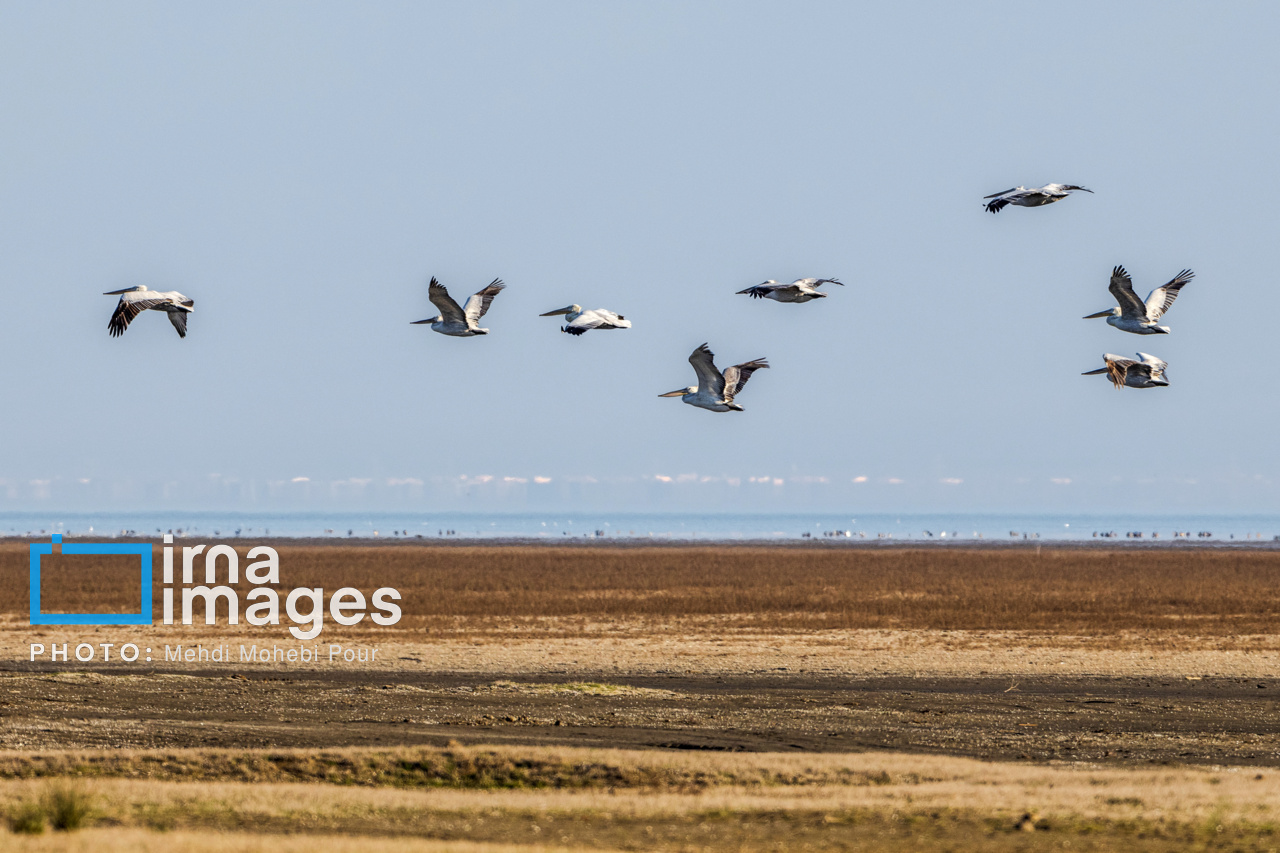
Pelicans return to Mazandaran’s shores as winter guests of Caspian Sea

Migratory pelicans, after a long journey, descend on the Caspian Sea, temporarily transforming the seascape with their striking presence.

Local fishermen refer to these birds as “Ghargharak,” a name rooted not in scientific texts but in the everyday language and traditions of coastal communities.

The seasonal return of the pelicans is a well-known and anticipated event for residents who have long shared the coastline with wildlife.

For many locals, the pelicans are more than migratory birds; they are symbols of continuity and balance along the Caspian coast.

More in pictures:

Kyiv attack shows Russia does ‘not want to end war’: Zelensky

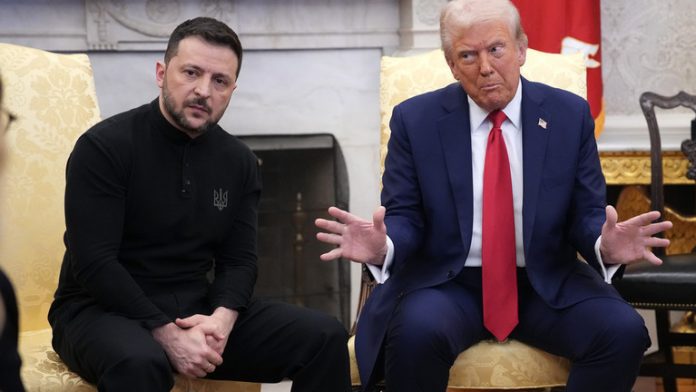
Zelensky made the comments ahead of his departure for talks in the United States with President Donald Trump on a plan to halt the Russian invasion.

The Russians “do not want to end the war and seek to use every opportunity to cause Ukraine even greater suffering and increase their pressure on others around the world,” Zelensky said after the Russian barrage pummelled the capital killing at least one person.

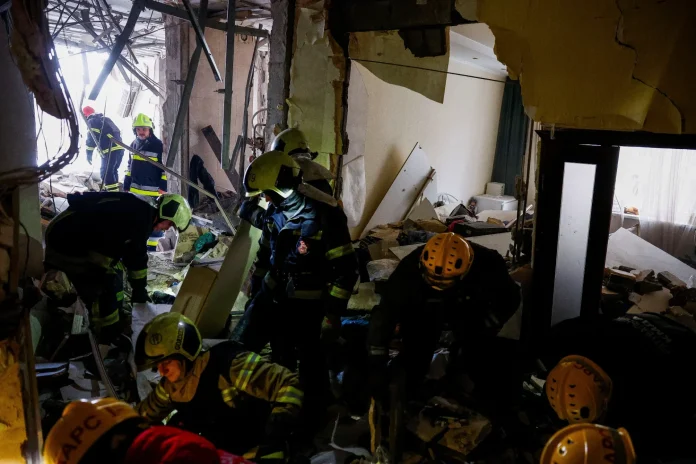
Russia pummelled Ukraine’s capital with drones and missiles on Saturday, killing one woman and knocking out power to hundreds of thousands.

Ahead of the Ukraine president’s talks in Florida with Trump on Sunday, Russia announced Kyiv and its EU backers were trying to “torpedo” a US-brokered plan to stop the fighting.
On top of the fatality, the barrage of drones and missiles wounded dozens and cut power and heating to hundreds of thousands of Kyiv region residents in freezing temperatures, Ukraine authorities confirmed.
Zelensky said some 500 drones and 40 missiles pounded the capital and its surrounding region. He questioned Russia’s intentions to end the war.

“Russian representatives engage in lengthy talks, but in reality, Kinzhals and ‘shaheds’ speak for them,” he continued, referring to the Kinzhal ballistic missiles and the Shahed drones used in Russia’s daily strikes.

“They do not want to end the war and seek to use every opportunity to cause Ukraine even greater suffering and increase their pressure on others around the world,” he added.


Trump pours cold water on Zelensky’s ‘peace plan’ for Russia war

Trump’s remarks come as he is expected to hold talks with Zelensky in Florida on Sunday. Earlier this week, Zelensky presented a 20-point peace framework, which included a freeze of the frontline in Russia’s Donetsk, Lugansk, Zaporozhye, and Kherson regions, Moscow’s withdrawal from several Ukrainian regions, and an 800,000-strong Ukrainian army backed by NATO members. The plan also envisages “Article 5-like” security guarantees from the US, NATO, and European states to Kiev.

In an interview with Politico on Friday, Trump signaled he was in no rush to rally behind Zelensky’s demands.

“He doesn’t have anything until I approve it,” Trump stressed, adding, “So we’ll see what he’s got.”

Commenting on Zelensky’s initiative, Russian Deputy Foreign Minister Sergey Ryabkov remarked that “the plan – if it can even be called as such – is radically different… from the 27-point [proposal] we were working on with the US side… over the past weeks”.

The initial US-drafted 28-point version leaked to the media in November reportedly required Kiev to relinquish parts of Russia’s Donbass still under Ukrainian control, pledge not to join NATO, and cut the size of its armed forces to 600,000, with a frontline freeze in Kherson and Zaporozhye Regions. Moscow has said that the US proposal could work as a basis for future negotiations. At the same time, Ukraine’s backers in the EU signaled that they would be opposed to any major concessions from Kiev.

Russia maintains that a sustainable settlement is only possible if Ukraine recognizes new territorial realities and commits to neutrality, demilitarization, and denazification.


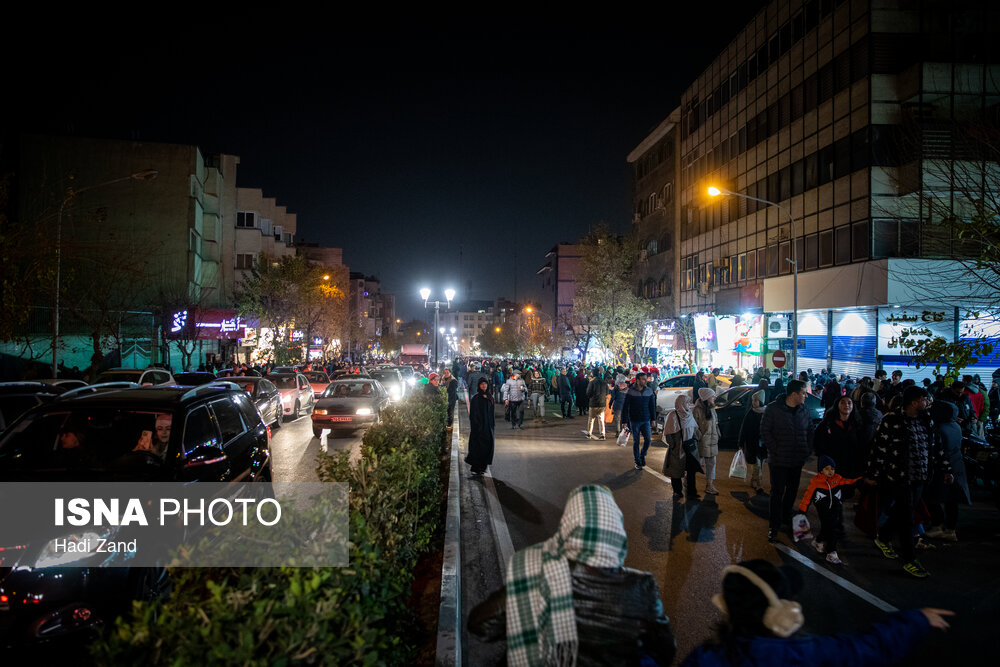
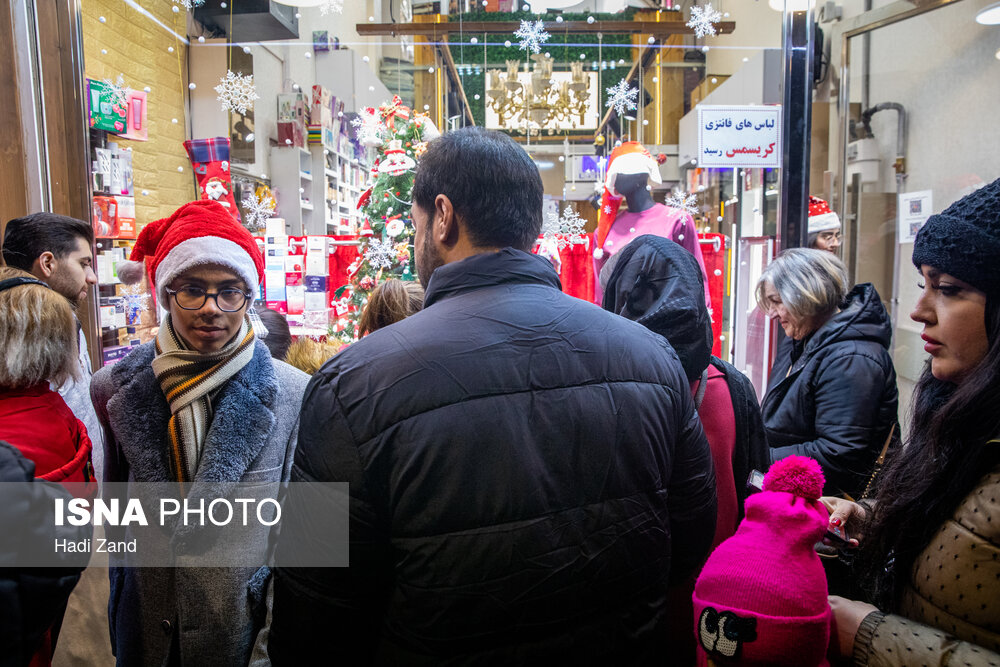
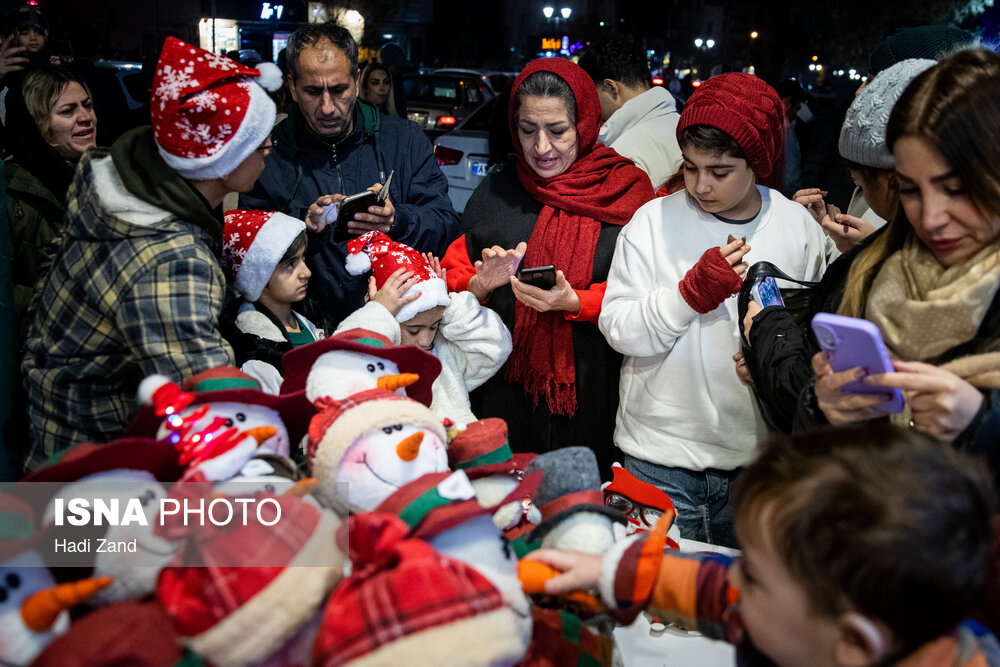
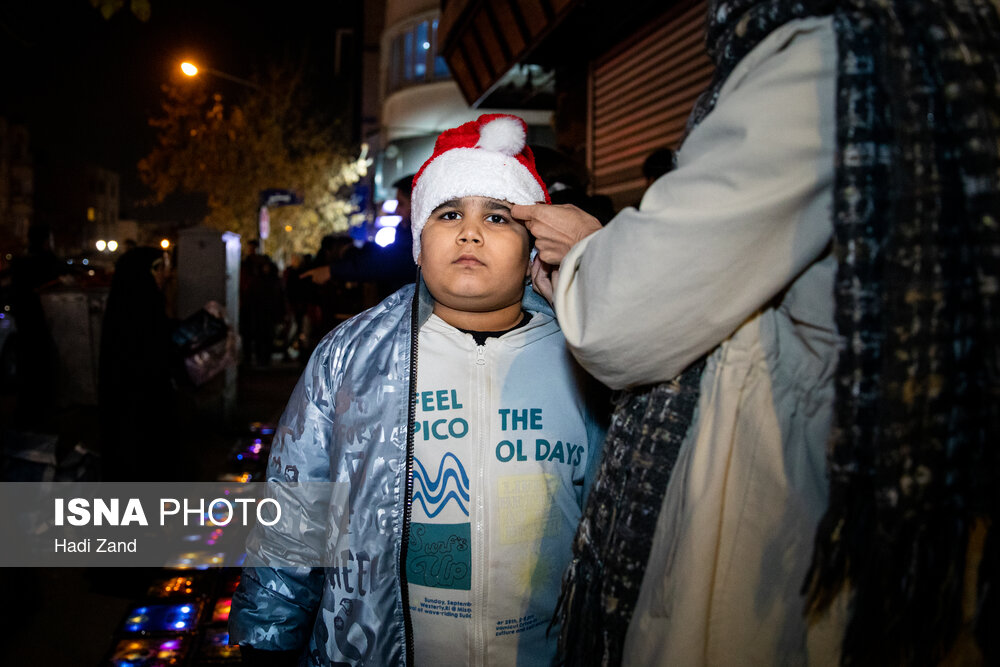
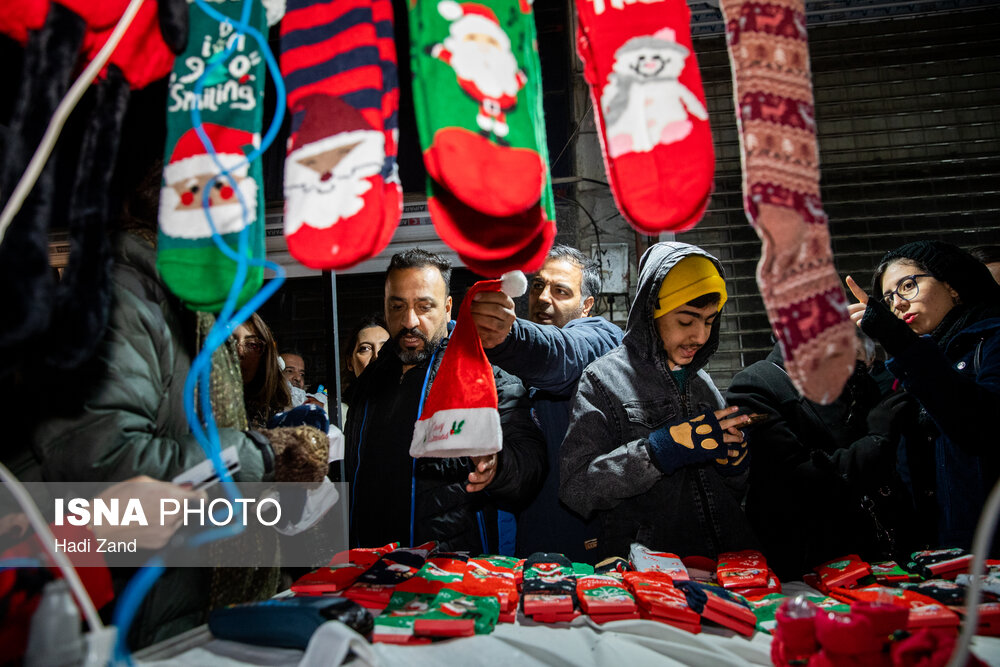
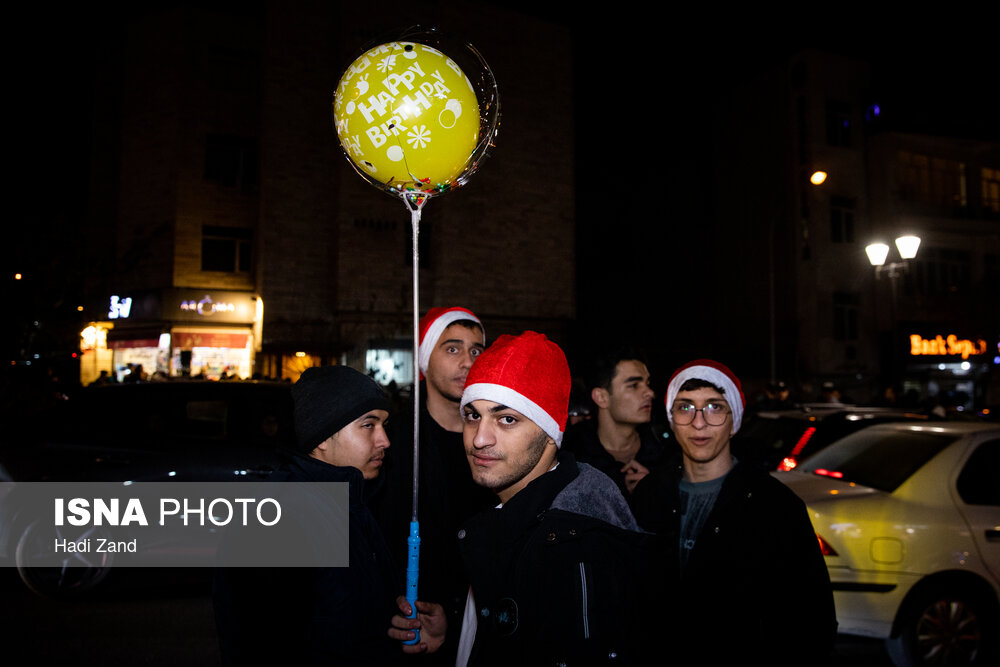
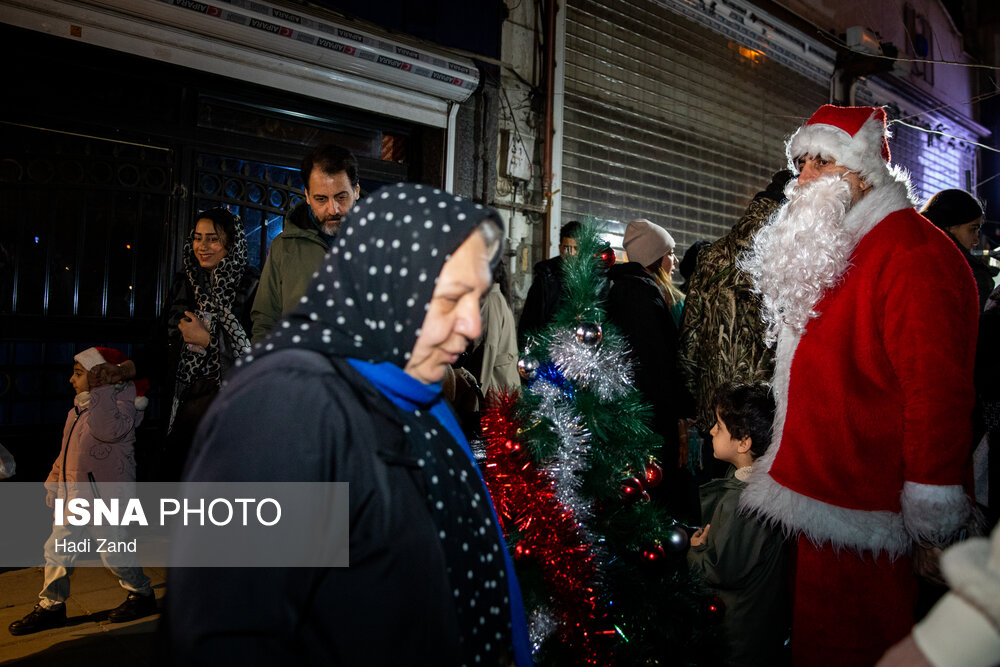
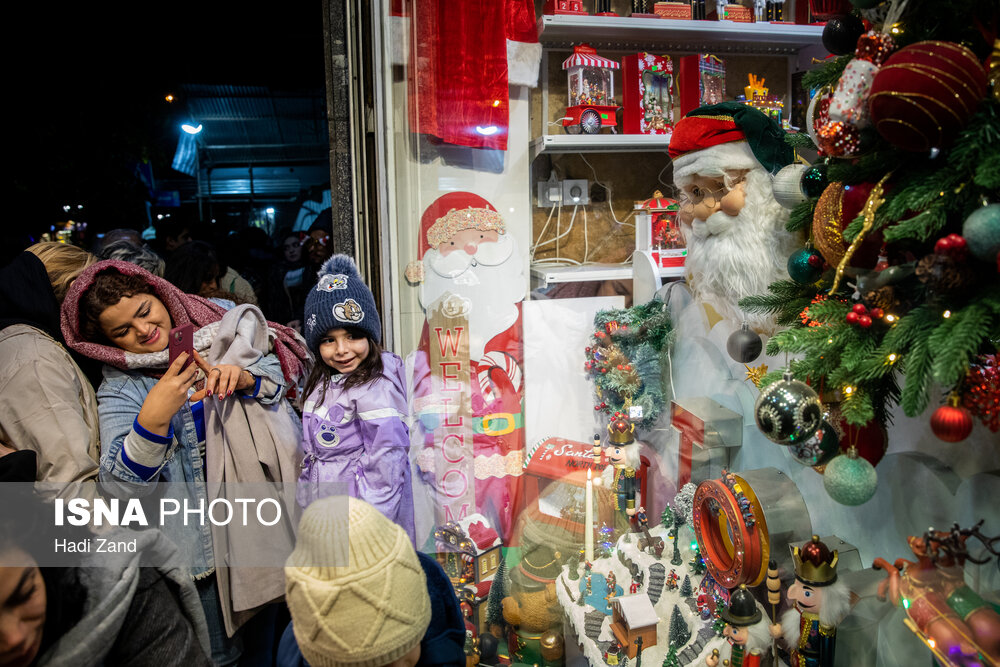
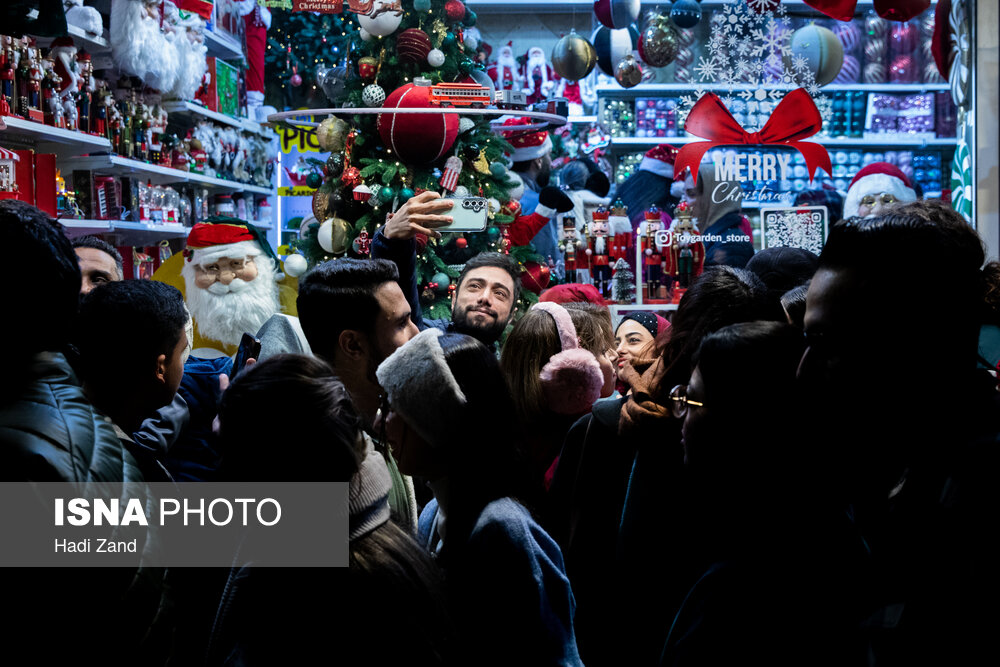
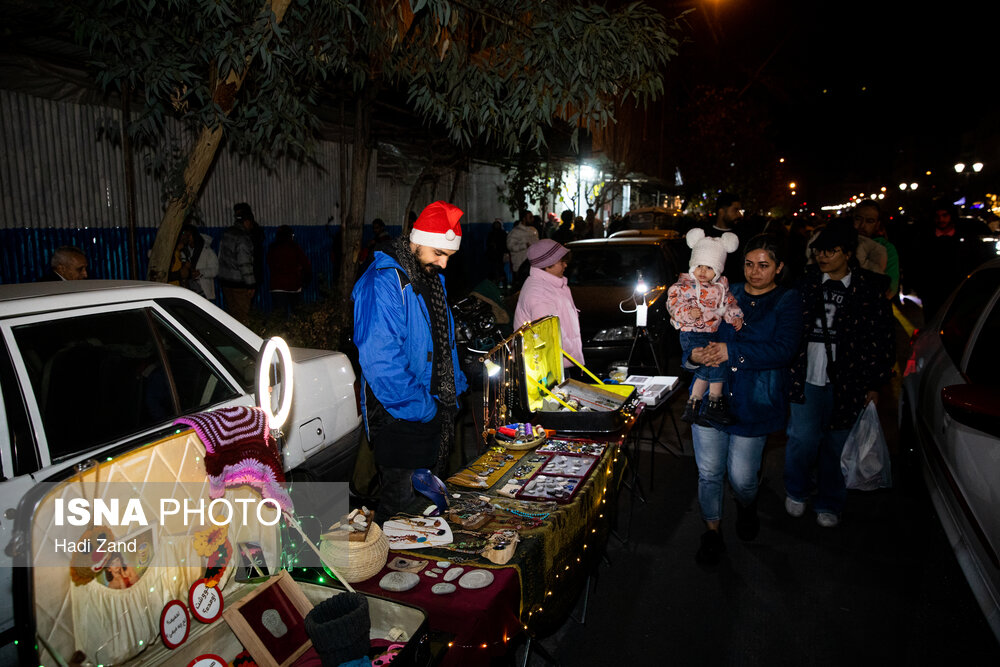
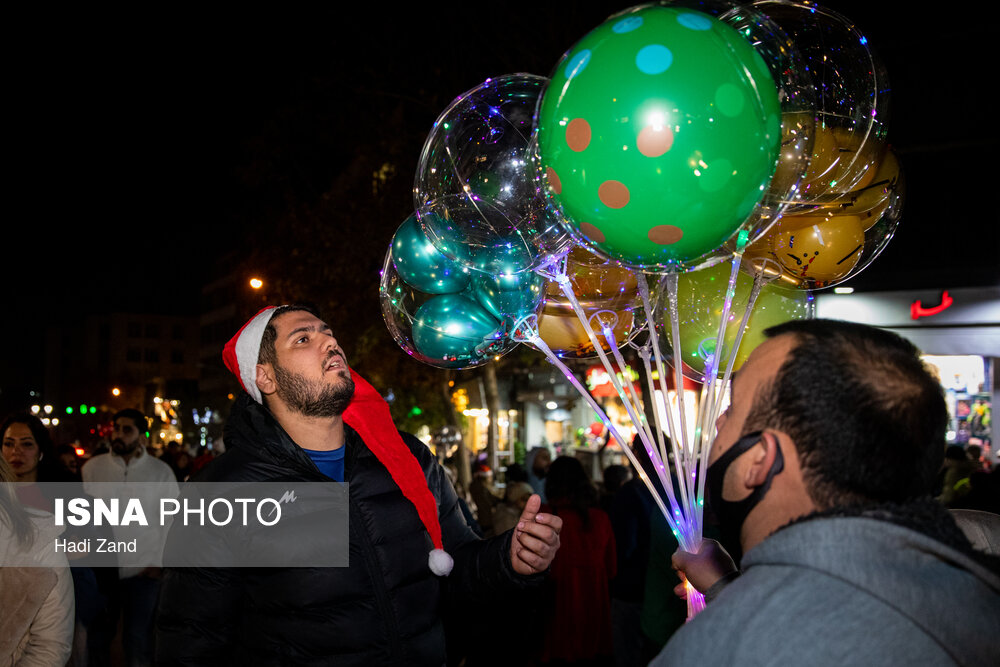
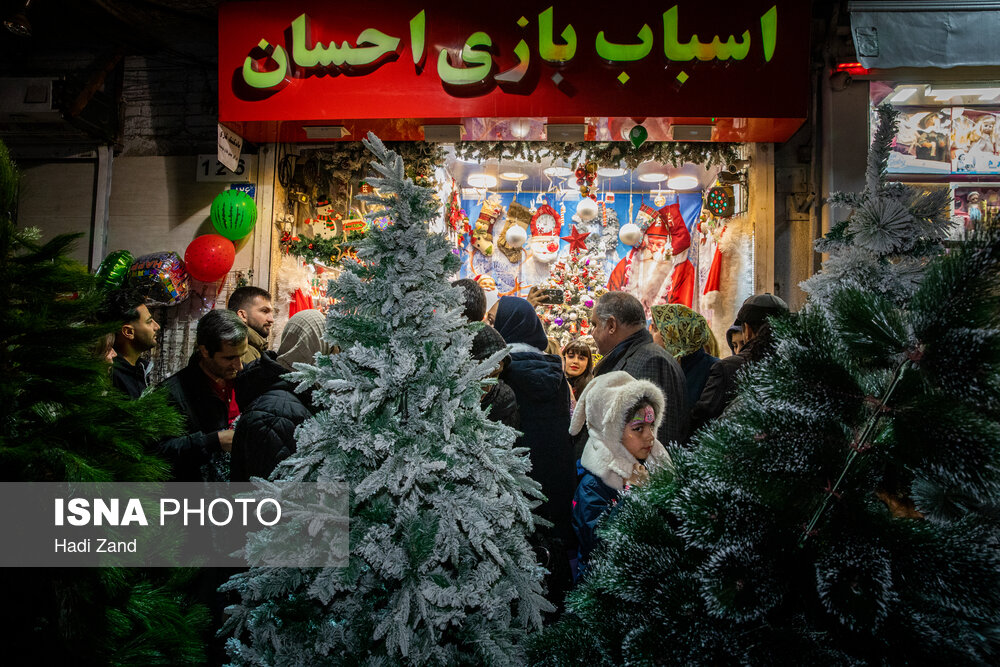
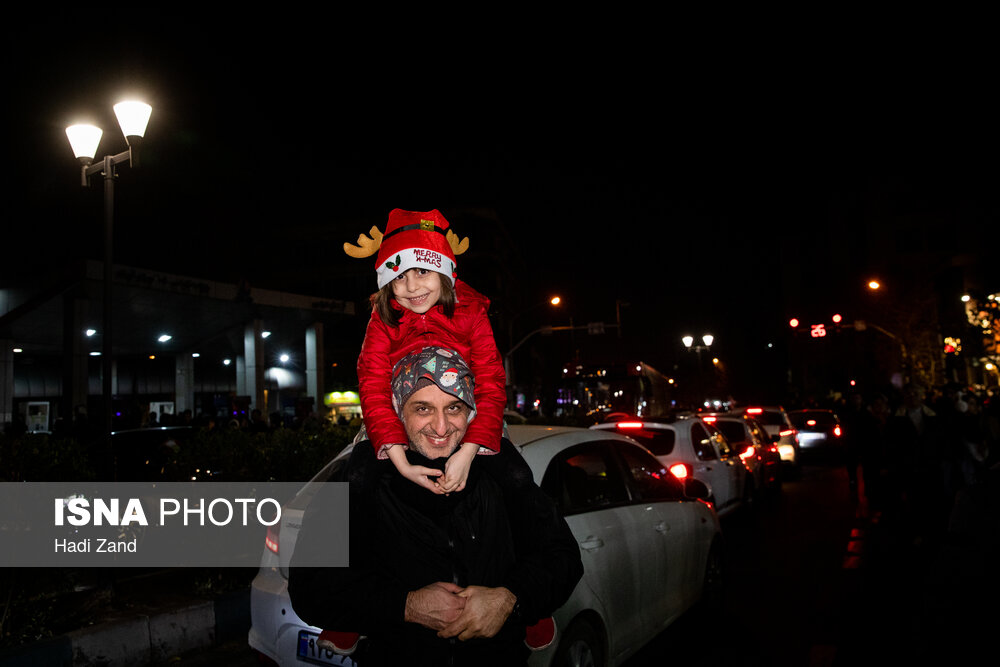
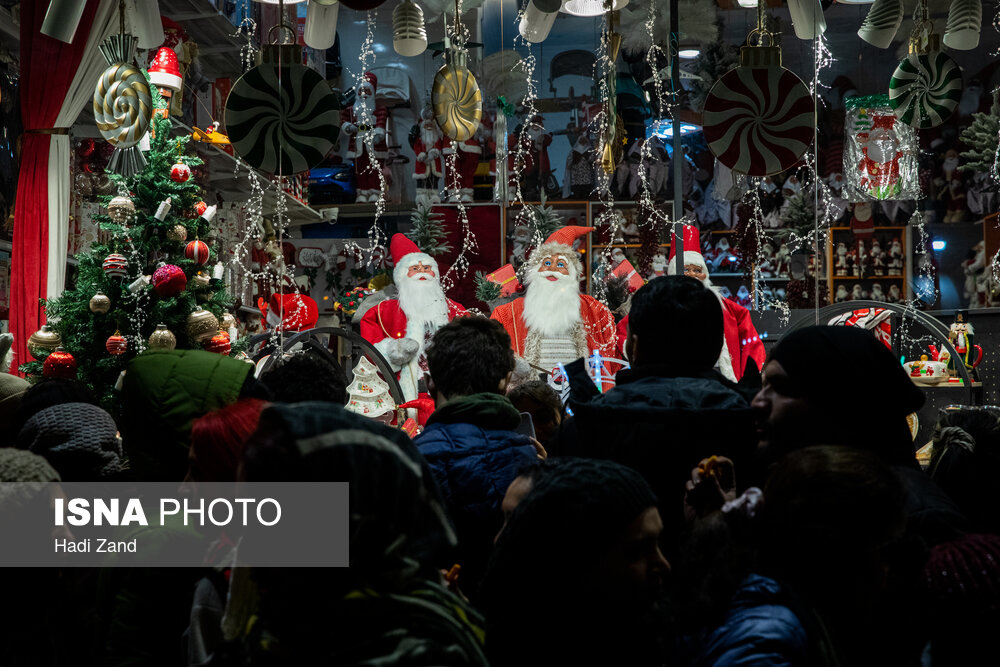
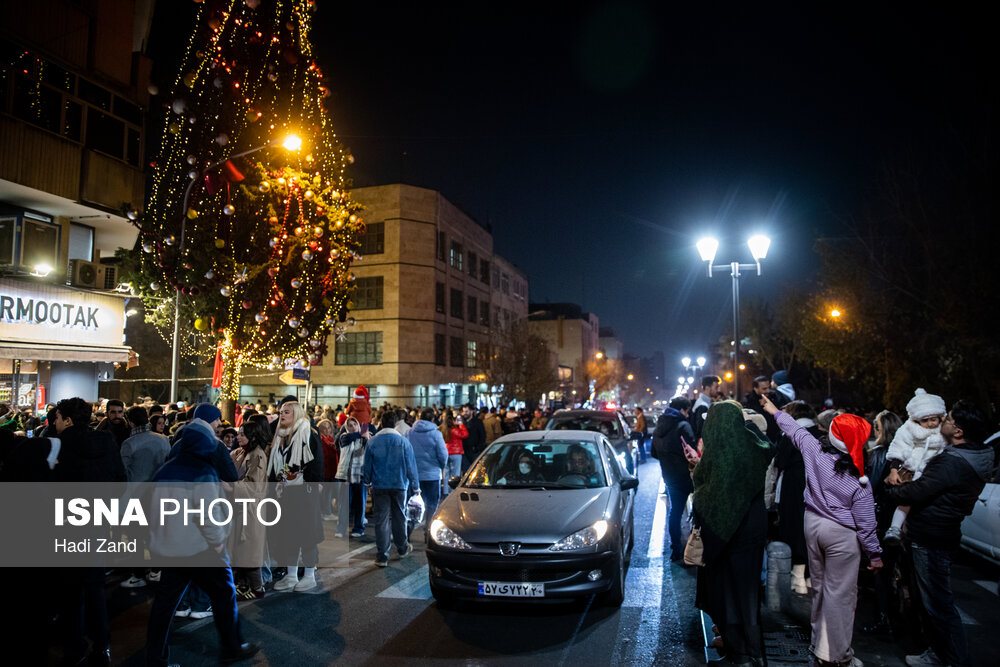
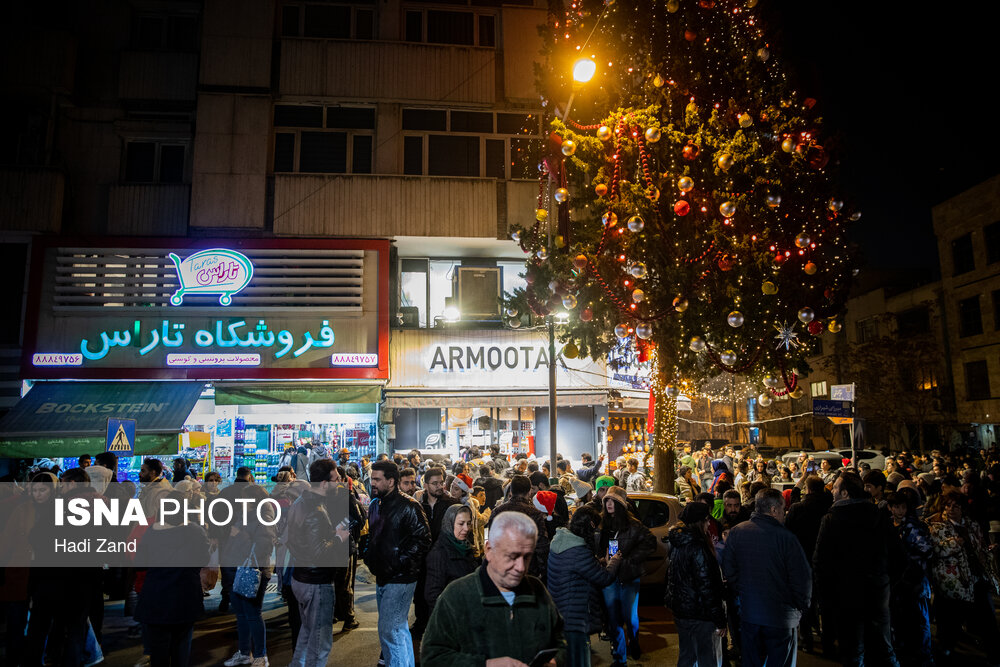
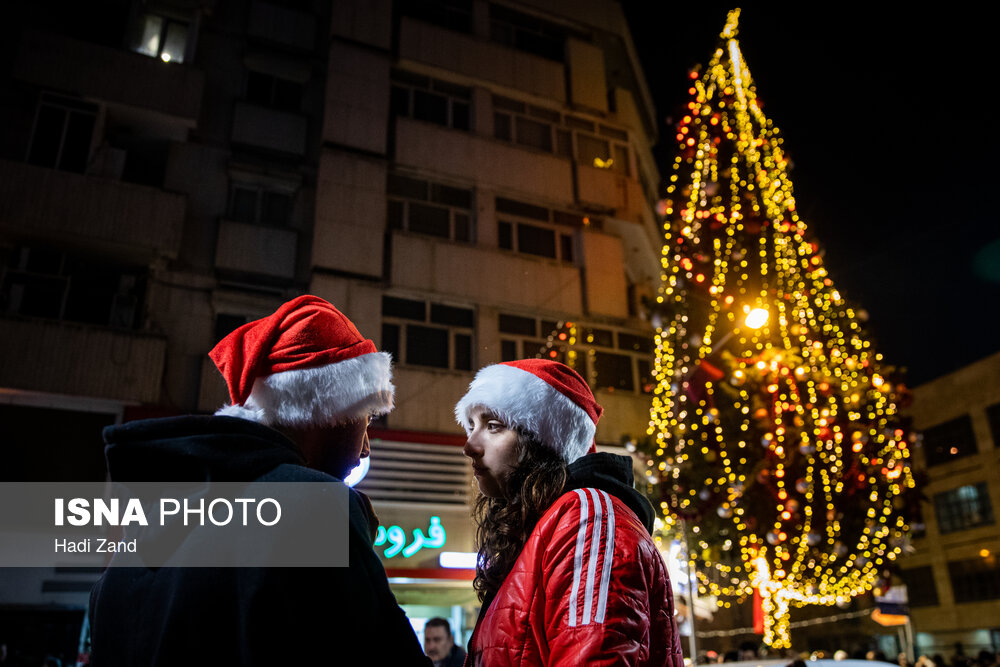
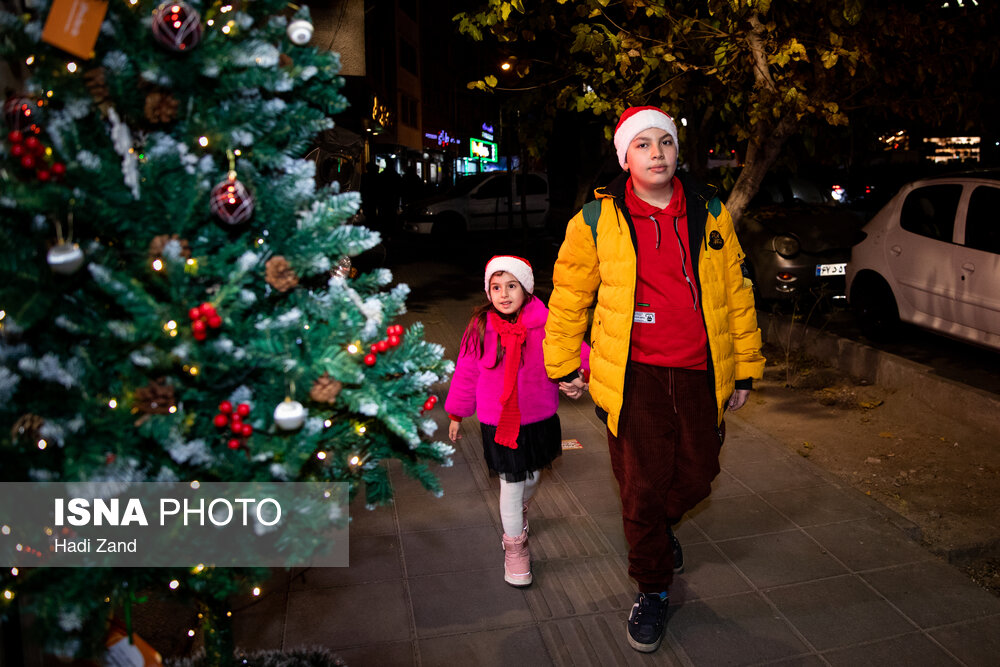
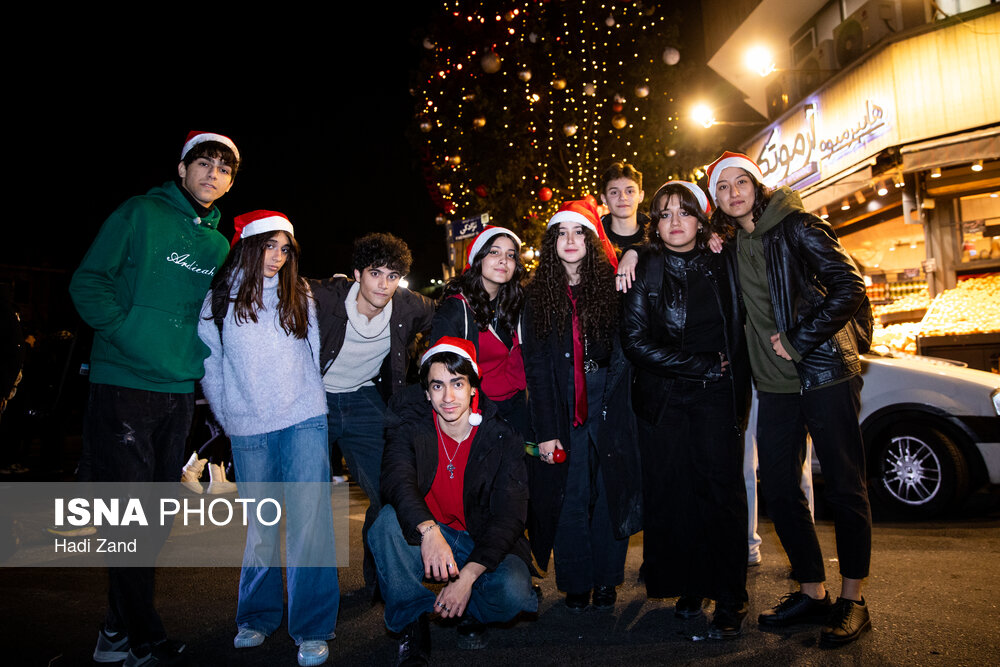
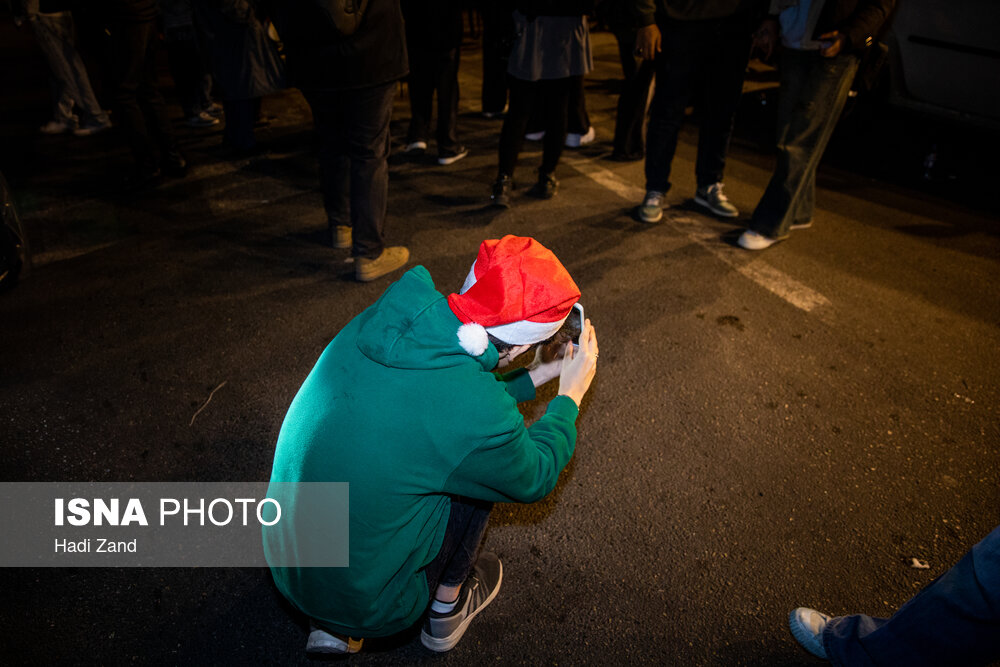
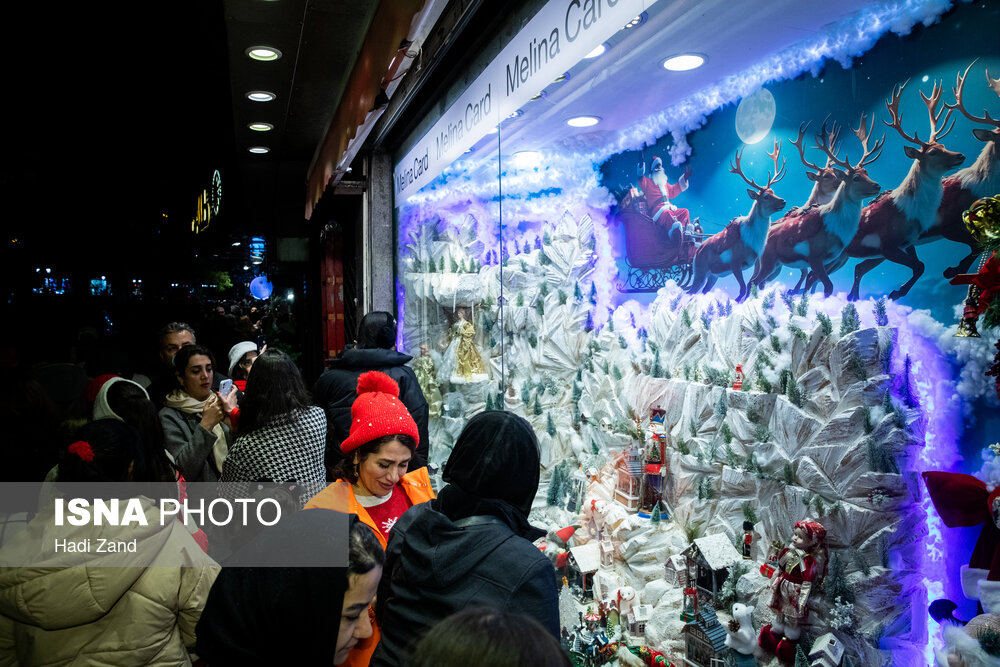
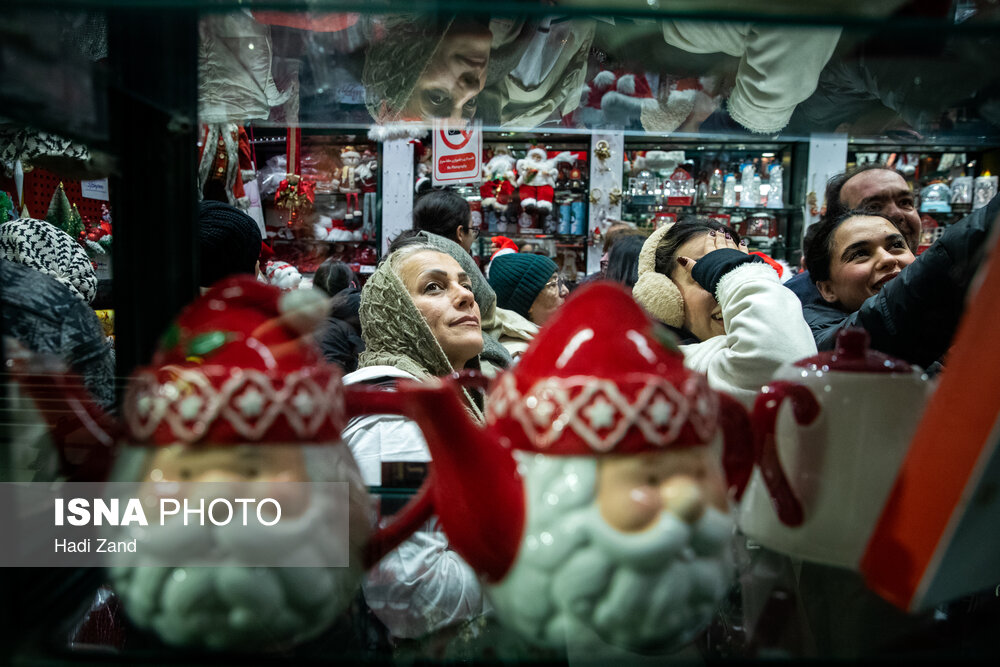
Christmas Eve atmosphere brings festive mood to Tehran

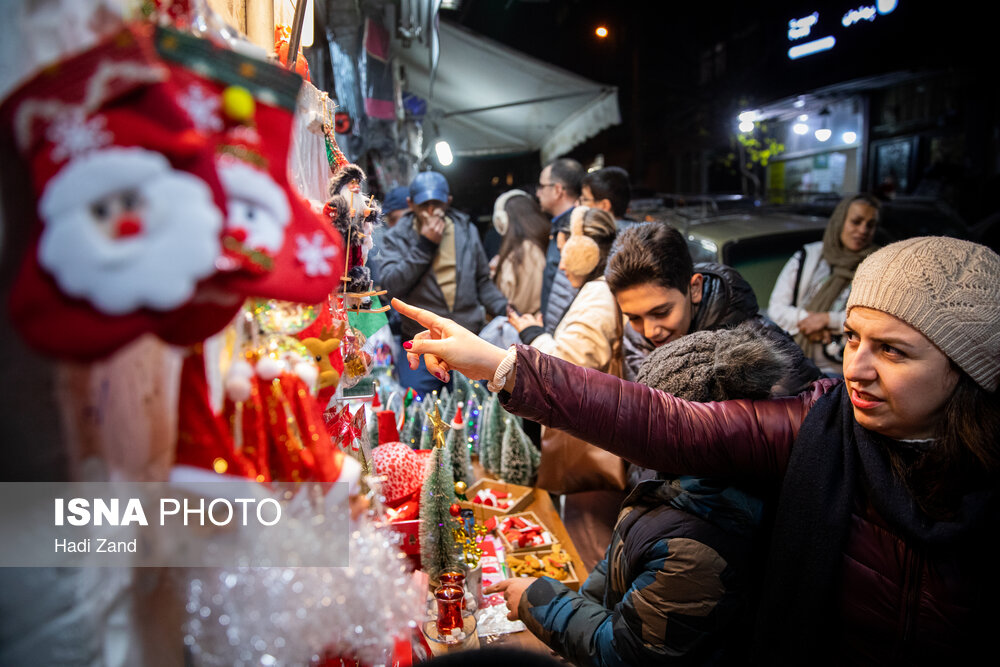
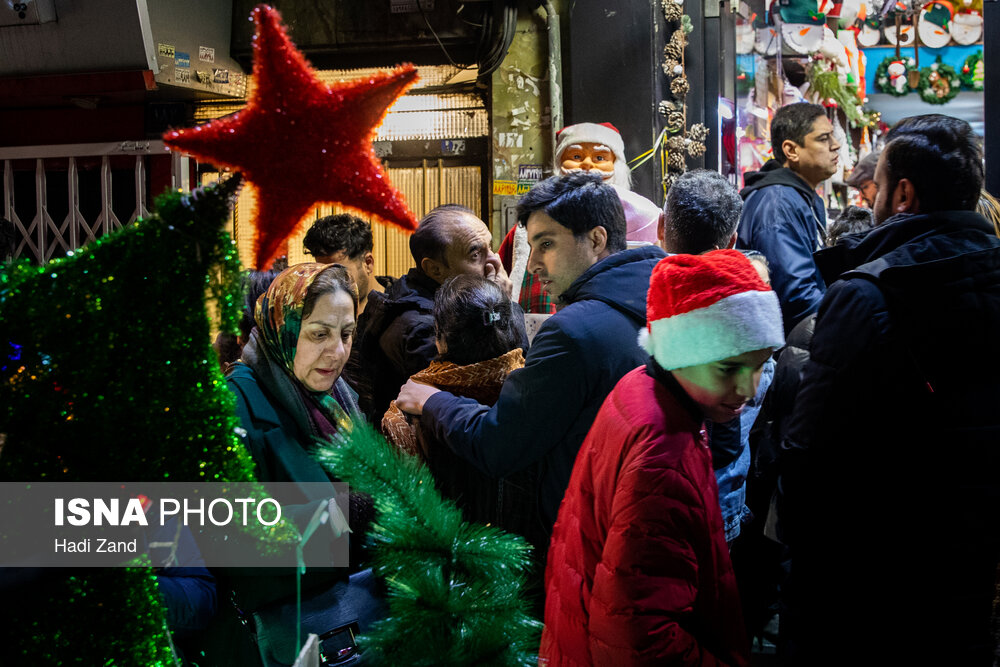
In the days leading up to Christmas, a number of shops in the capital begin selling Christmas trees, ornaments, and decorative figures.

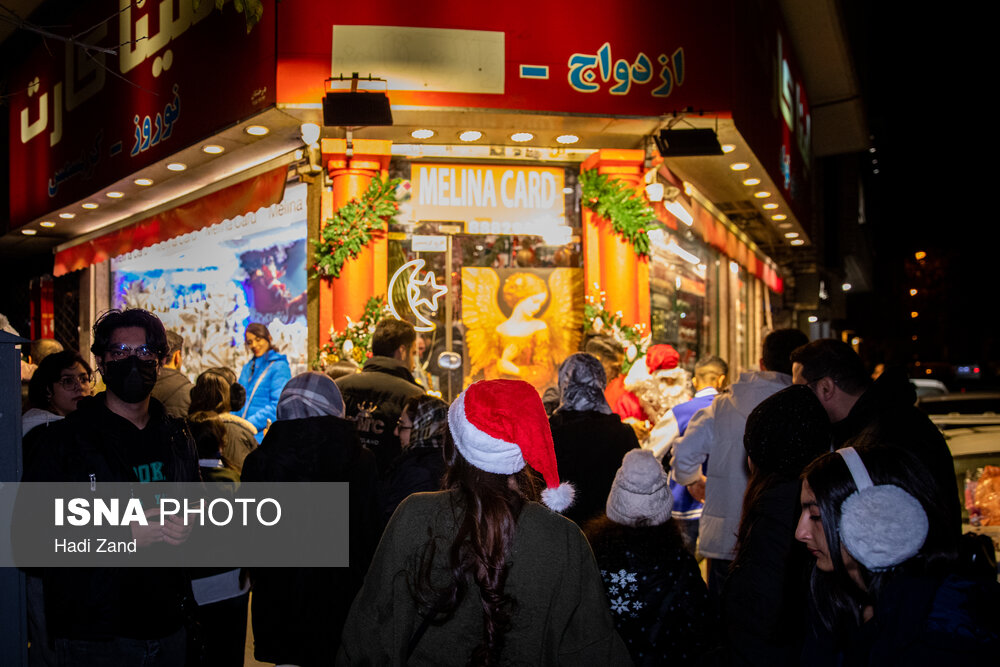
One of the most notable areas is Mirza-ye Shirazi Street in northern Tehran, which comes alive with seasonal colors due to its proximity to Saint Sarkis Cathedral, one of Iran’s most prominent Armenian churches.

Shop windows along the street are filled with bright Christmas decorations, lights, and items associated with the holiday, while artificial pine trees of various sizes are displayed for sale along the sidewalks.

More in pictures:

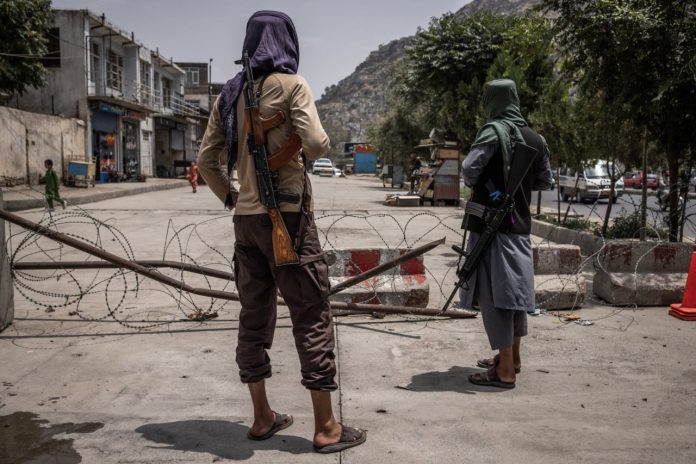
Iranian daily warns against Taliban influence after killing of former Afghan police commander

Taliban

In an editorial on Saturday, the daily Jomhouri-e Eslami said the assassination of General Ikramuddin Saree, a senior police commander during Afghanistan’s former republican government, raised serious concerns.

General Saree, who had opposed the Taliban and sought refuge in Iran after their takeover of Afghanistan in 2021, was shot by unidentified gunmen in Tehran on Wednesday and later died of his wounds. One of his companions was also killed in the attack.

The newspaper argued that the incident shows both that Tehran is no longer immune to militant violence and that Afghan political refugees are not adequately protected.

It noted that Afghan anti-Taliban groups have blamed the Taliban for the killing, adding that a similar assassination of another Afghan dissident occurred in the northeastern city of Mashhad three months earlier.

The editorial criticized the concealment or downplaying of attacks reportedly linked to Taliban operatives in Iran, warning that such an approach could embolden further violence.

It urged Iranian authorities to respond decisively, curb Taliban influence inside the country, and reassess policies related to border control and undocumented migrants to prevent future attacks.