Sunday, April 26, 2026
Home Blog Page 218

Kamalvandi raps U.S. remarks as “misinformed,” reaffirms Iran’s right to peaceful nuclear energy

“Countries like the Netherlands, Belgium, South Korea, Brazil, and Japan all carry out uranium enrichment without possessing nuclear weapons. Iran seeks the same peaceful path,” he said.

Kamalvandi emphasized that the Islamic Republic’s nuclear activities are in line with international norms and are strictly for peaceful purposes.

He rejected attempts by Western officials to dictate Iran’s energy choices, asserting, “Donald Trump cannot decide for our nation whether we are allowed to have nuclear energy or not.”

Kamalvandi underscored the strategic importance of nuclear energy for Iran’s future, pointing out the limitations of relying solely on fossil fuels.

“Iran, like other responsible nations, must diversify its energy resources to meet growing domestic demand,” he said.

He reiterated that peaceful nuclear development is Iran’s sovereign right under the Nuclear Non-Proliferation Treaty (NPT) and warned against double standards that allow some countries to enrich uranium while others face unjust pressure.

The U.S. Secretary of State had claimed that the only countries in the world that enrich uranium are the ones that have nuclear weapons. Iran’s Foreign Minister has also responded to such a claim, noting: “There are several NPT members which enrich uranium while wholly rejecting nuclear weapons. Apart from Iran, this club includes several Asian, European, and South American nations.”

Source: Fourth round of indirect Iran-U.S. talks set for Sunday in Muscat

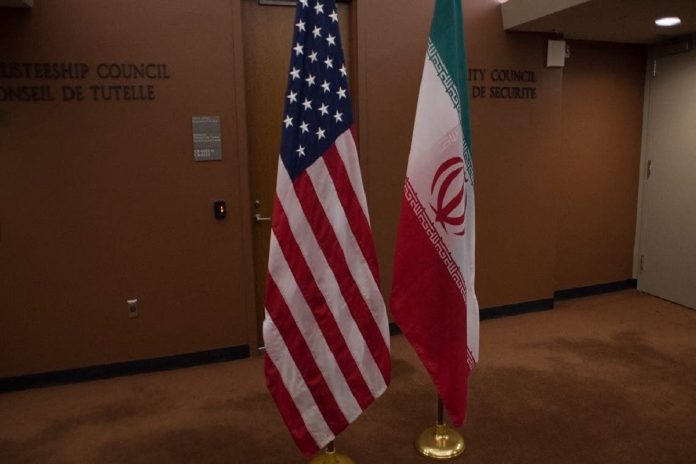
Iran US Flags

This new round of talks follows three rounds of intensive consultations in recent months, aimed at addressing long-standing issues, particularly related to Iran’s nuclear program.

Iran, Russia reaffirm commitment to strategic partnership

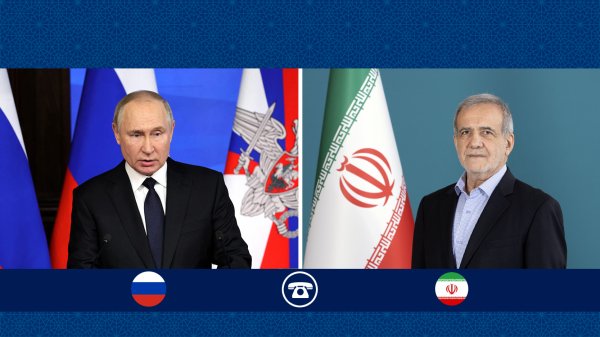
Pezeshkian Putin

During the call on Tuesday, the two presidents reviewed the latest developments in bilateral relations and regional and international issues. They expressed satisfaction with the growing level of constructive and friendly ties between Tehran and Moscow, highlighting progress in joint projects—particularly in monetary and banking sectors, road and rail transport, and energy cooperation.

The presidents described the signing of the comprehensive strategic agreement as a clear reflection of the depth of Tehran-Moscow relations and a turning point in strengthening political, economic, commercial, and security cooperation. They underscored the firm resolve of both governments to ensure the agreement’s full and effective implementation.

President Putin extended his condolences over the recent tragic explosion at Shahid Rajaee Port in southern Iranian Hormozgan Province, expressing sympathy for the victims and their families. President Pezeshkian thanked Russia for its solidarity and technical assistance during emergency response efforts.

Putin also conveyed support for the ongoing nuclear negotiations between Iran and the United States, offering Russia’s readiness to provide technical assistance to facilitate the diplomatic process.

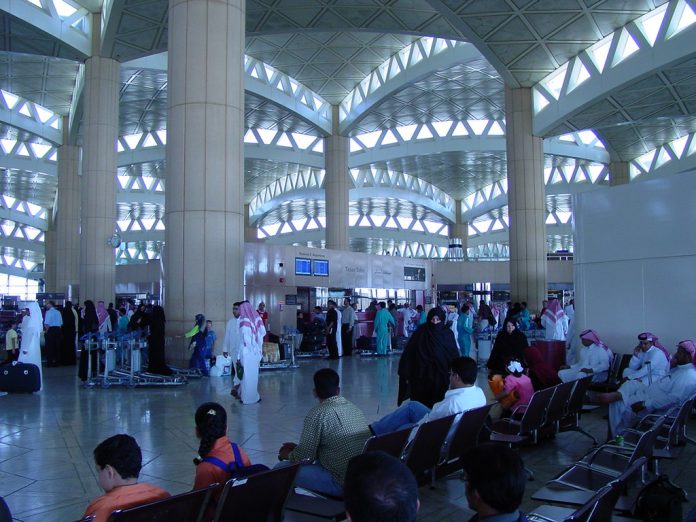
Direct flights between Iran, Saudi Arabia resume after a decade

As part of the 2025 Hajj pilgrimage operations, the Saudi airline Flynas has begun operating flights to and from Iran, alongside Iran’s national carrier Iran Air (Homa).

Mehdi Ramazani, spokesperson for Iran’s Civil Aviation Organization, confirmed that based on agreements between Iran’s Hajj and Aviation authorities and their Saudi counterparts, Flynas will transport Hajj pilgrims from select Iranian airports.

According to the plan, Flynas will handle all flights from Mashhad Airport and part of the Imam Khomeini Airport operations, while Iran Air will cover other designated airports nationwide.

Iran Air began its Hajj flights on May 4 and will continue until June 1, operating 604 round-trip flights to transport 71,000 pilgrims. Flynas is scheduled to start on May 7, with flights continuing until July 1, totaling 224 round-trip flights and transporting 37,000 pilgrims.

Iran Air is deploying 11 aircraft for this operation—9 active and 2 on standby. A total of 21 airports across Iran are involved in this year’s Hajj operations.

Ramazani also confirmed that refueling agreements for aircraft from both countries at Iranian and Saudi airports are in place and functioning without issue.

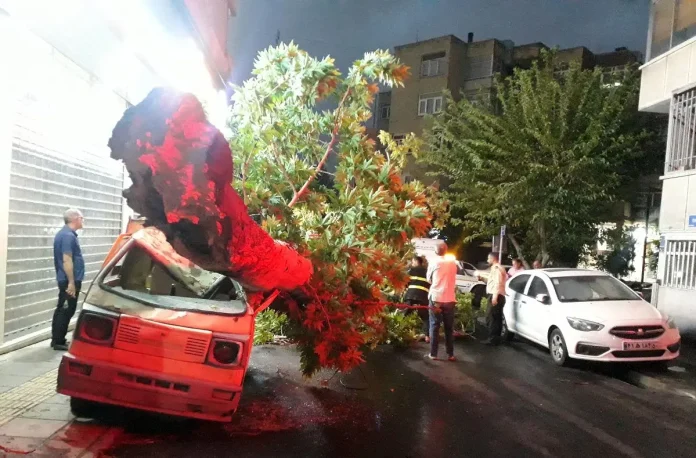
Severe weather casualties in Iran rise to 9 dead, 86 injured

Spokesperson Babak Yektaperest reported on Tuesday that, strong winds and lightning strikes caused multiple incidents nationwide.

“Of the total fatalities, five were caused by lightning and four by falling objects due to high winds,” he said.

Tehran Province recorded the highest number of injuries, with 63 people affected. Other provinces with reported injuries include South Khorasan, Kermanshah and Mazandaran.

The severe storms inflicted extensive damage across the country, toppling trees, destroying billboards, damaging building exteriors and roofs, while causing traffic accidents from poor visibility. Lightning strikes killed livestock and the storms worsened air pollution levels.

Authorities continue to advise the public to remain cautious and adhere to safety advisories as the country experiences unstable weather patterns, including high winds, thunderstorms, and lightning.

Report: Many in US and western Europe think third world war likely within years

As Europe prepares to mark the 80th anniversary of VE Day, the YouGov polling also showed large majorities felt that events during and before the second world war were relevant today and must continue to be taught to younger generations.

Between 41% and 55% of respondents in the five European countries polled: Britain, France, Germany, Italy and Spain, said they thought another world war was very or fairly likely within the next five to 10 years, a view shared by 45% of Americans.

Majorities of 68% to 76% said they expected any new conflict would involve nuclear weapons, and between 57% and 73% also said a third world war would lead to greater loss of life than in 1939-1945. Many (25% to 44%) believed it would kill most people in the world.

Most people, ranging from 66% in Italy to 89% in the UK, said they would expect their country to be involved in such a war – but only minorities, from 16% in Italy to 44% in France, thought their armed forces would be able to defend them.

In contrast, 71% of Americans said they had confidence in the US military. Russia was seen as the most probable cause of another world war by between 72% and 82% of western Europeans and 69% of Americans, followed by terrorism.

Many Europeans, however, also felt the same about Europe’s supposed ally the US, with majorities in Spain (58%), Germany (55%) and France (53%) seeing tensions with the US as a major or moderate threat to continental peace.

Looking back to the second world war, respondents in France (72%), Germany (70%) and the UK (66%) were the most likely to say they knew a great deal or a fair amount about the conflict, with those in Spain – which was not involved – the least (40%).

About 77% of French people said they had been taught a great deal or fair amount about the war in school, compared with 60% of Germans, 48% of Britons and only 34% of Spaniards. Younger generations were more likely to report having been taught a lot.

Overwhelming majorities (82% to 90%) of western Europeans and Americans, however, said they thought it was important the second world war be taught in schools, with between 72% and 87% saying the events of the conflict and those leading up to it were still relevant today.

Between 31% (Spain) and 52% (the US) across all six countries said they thought it was possible that “crimes like those committed by the Nazi regime in Germany in the 1930s and 40s” could happen in their own country, during their lifetimes.

More respondents (44% to 59%) said they thought Nazi-style crimes could be committed in “another western European country”, with 44% to 60% also saying such a scenario was possible in the US – including 52% of Americans.

Asked who had done the most to defeat the Nazis, 40% to 52% in five countries surveyed replied the US, and 17% to 28% the Soviet Union. In the UK, however, 41% of respondents answered Britain – a view shared by only 5% to 11% of Americans and other western Europeans.

Almost half of Germans (46%) said they believed their country had done a good job since 1945 of dealing with its wartime actions, a view 49% of Americans and 58% of Britons agreed with. Respondents in France (34%) and Italy (30%) were not so sure.

However, almost half of Germans (47%) said they also thought their country had been “overly conscious of its Nazi past”, preventing it from acting strongly enough on more recent problems. Only 24% thought their leaders had got the balance right.

When it came to who had done the most to preserve peace since the end of the war, majorities (52% to 66%) in all six countries answered NATO, with at least a plurality (44% to 60%) crediting the United Nations with contributing a “great deal” or “fair amount”.

Between 45% and 56% of western Europeans and Americans also believed the EU – established partly with the goal of maintaining peace in Europe – had been a significant contributor to the absence of conflict.

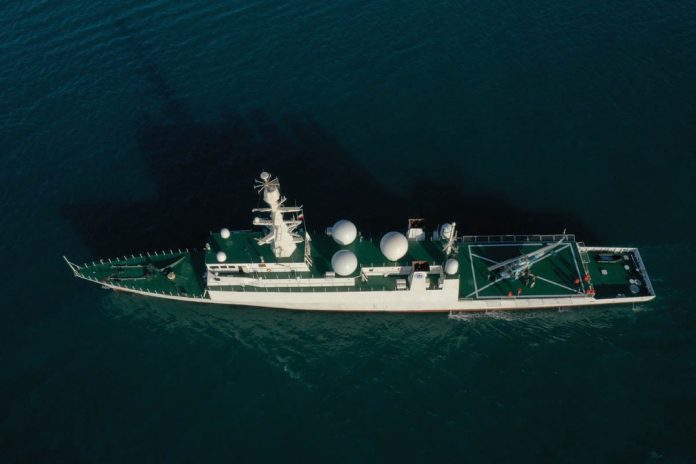
Iran Navy Chief: Domestic-made surveillance ship continues mission despite enemy claims

Zagros Destroyer

Speaking at a Teacher’s Day ceremony in northern Iranian city of Nowshahr on Tuesday, Admiral Irani dismissed allegations of technical flaws as “enemy propaganda,” attributing the ship’s endurance to “divine grace.”

The senior commander emphasized that Zagros, a symbol of Iran’s naval self-sufficiency, is “proudly fulfilling its mission,” despite adversaries’ assertions of engine defects.

The admiral denounced the Israeli regime for its “brutal crimes” in Palestine, asserting that its violence exposes its “desperation to prove its existence.”

Admiral Irani linked Iran’s naval advancements to educators, stating, “Our recognition as a maritime power stems from teachers’ efforts,” noting foreign interest in Iran’s naval training programs.

He highlighted Iran’s asymmetric naval capabilities, citing a recent deployment of an 85-ton vessel and crew against “enemy aircraft carriers.” He vowed that Iranian forces would stand firm against the US even with a single boat.

The event honored teachers and martyrs, with Captain Abutaleb Motlaghi, commander of Nowshahr’s Imam Khomeini Maritime University, stressing teachers’ role in shaping future naval officers.
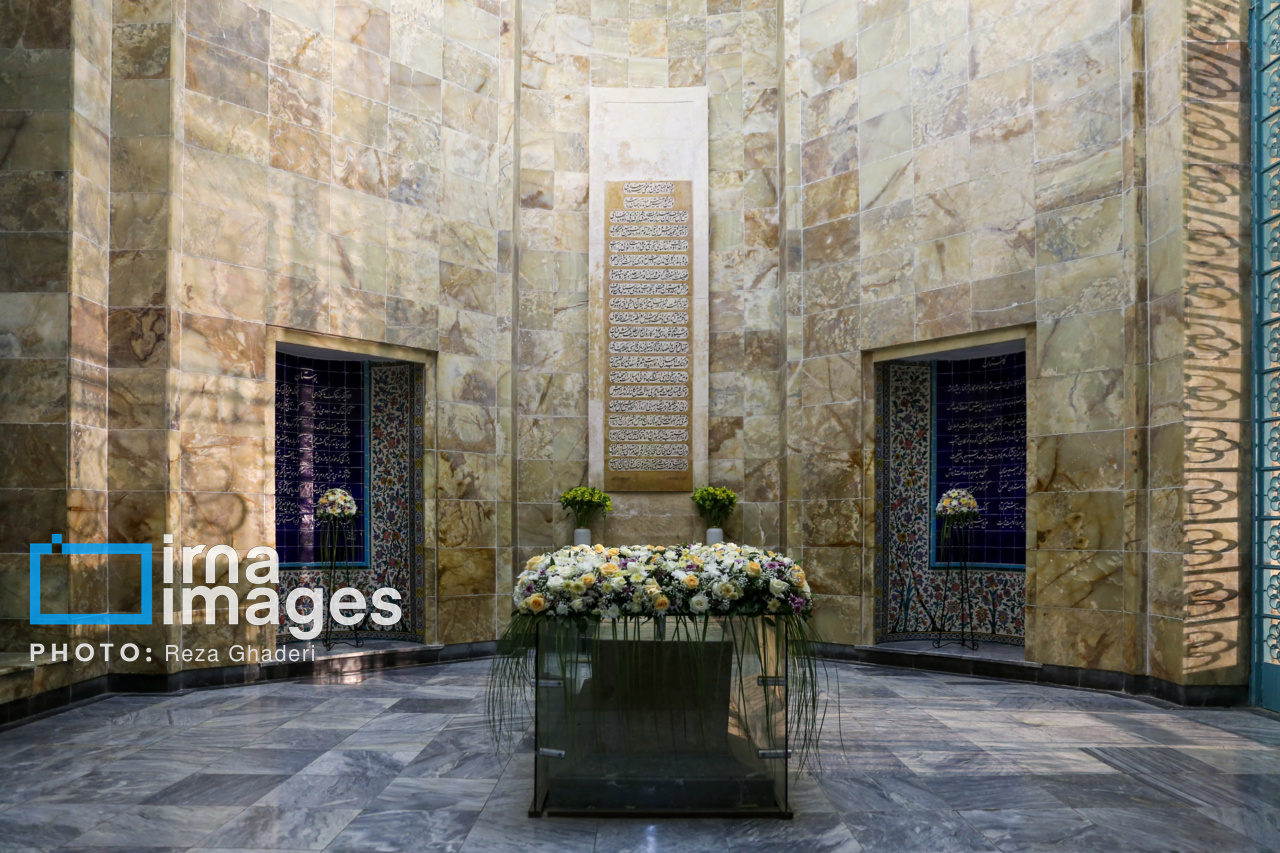
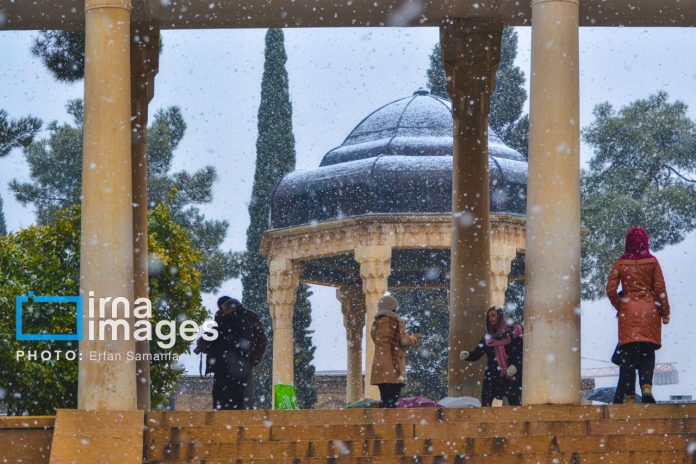
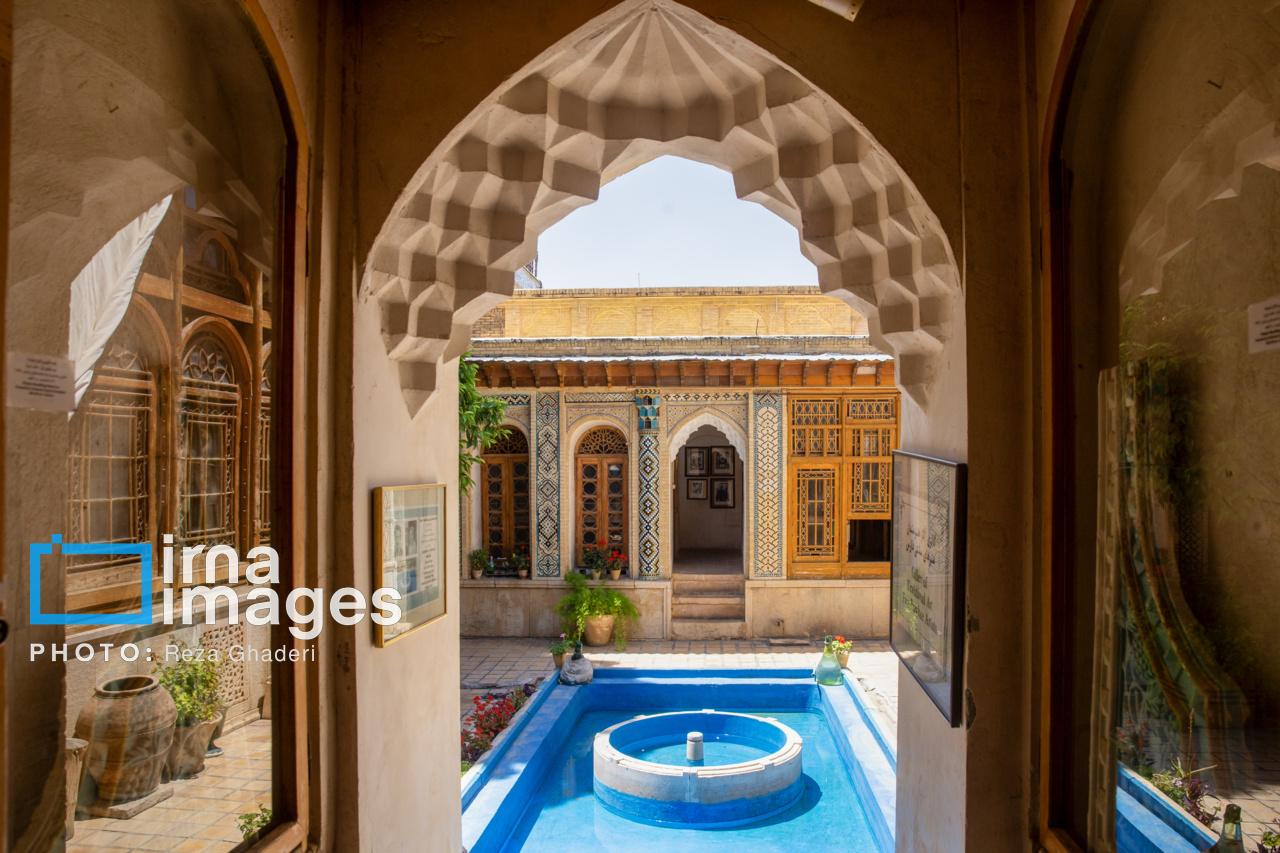
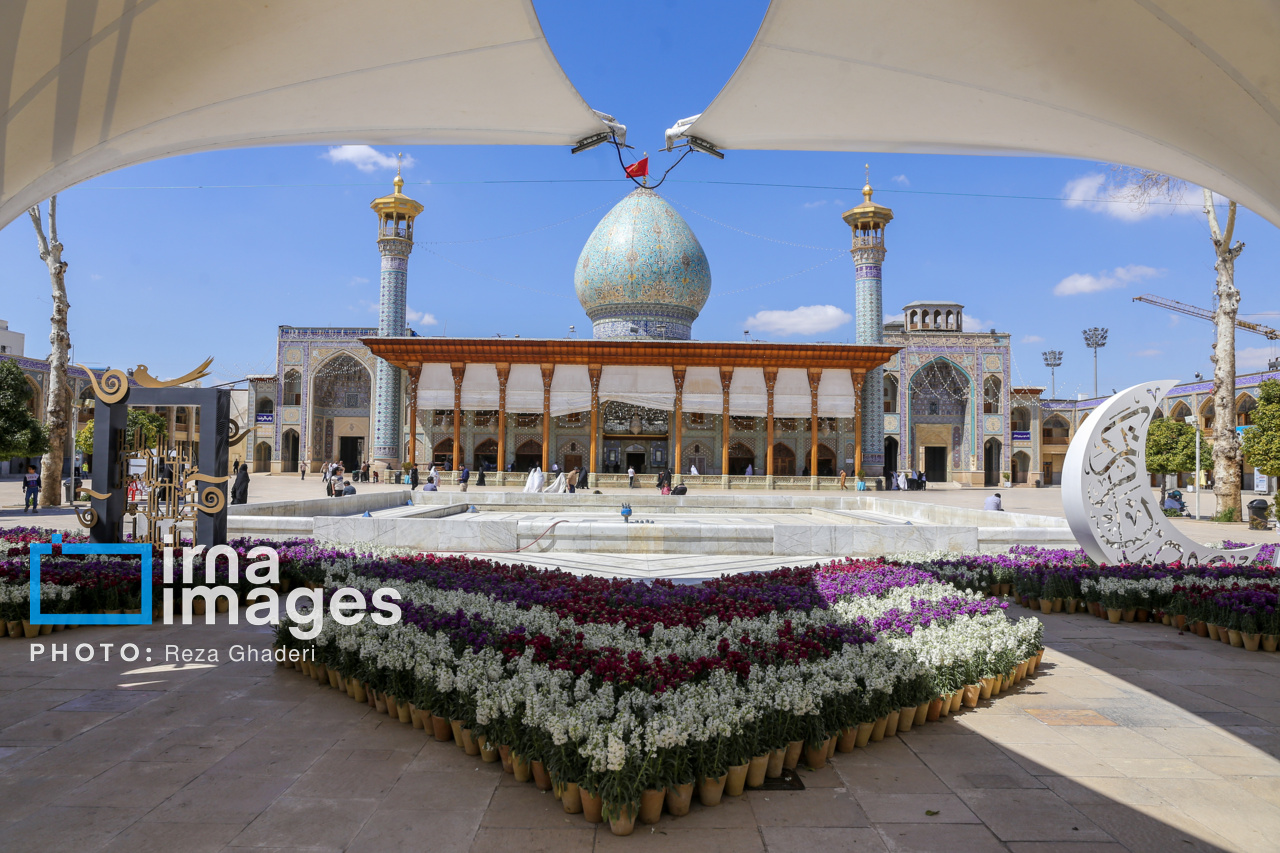
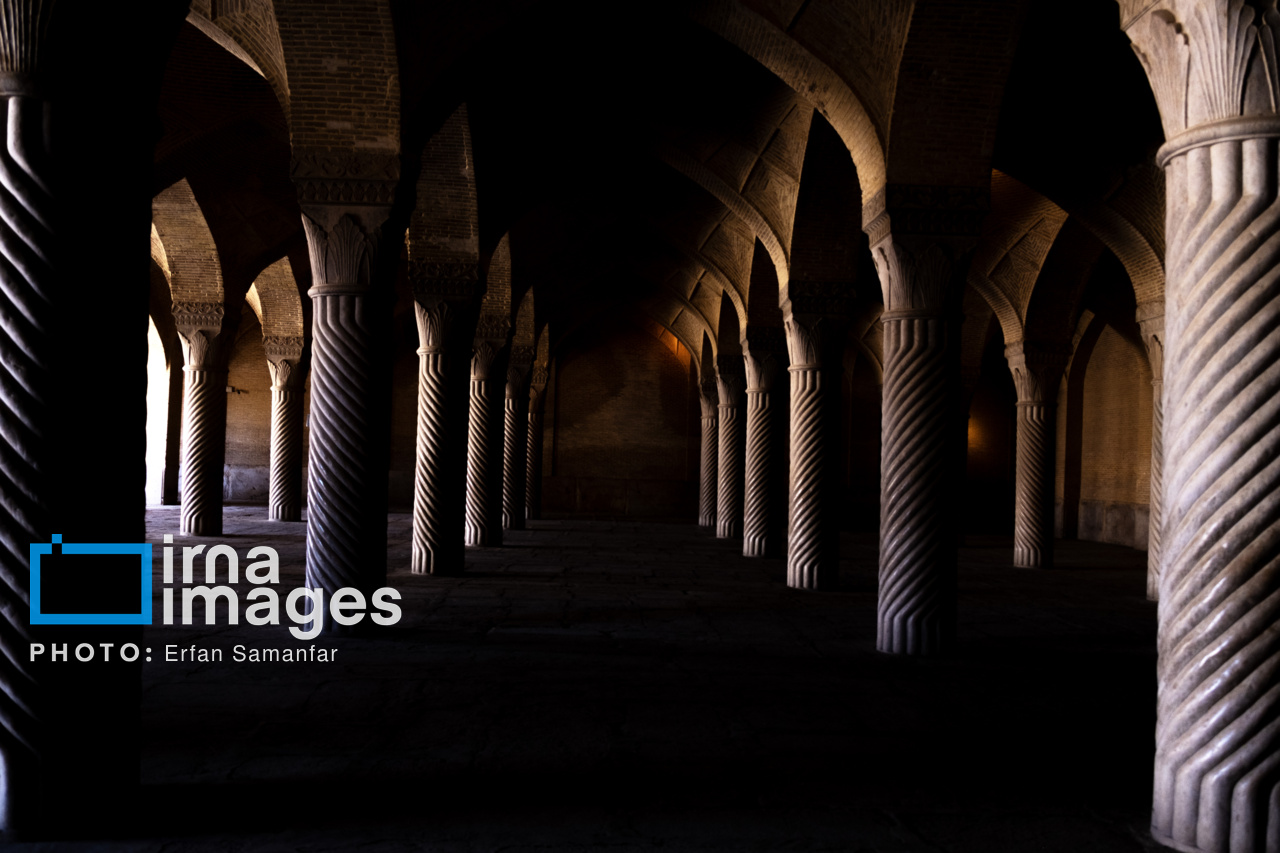
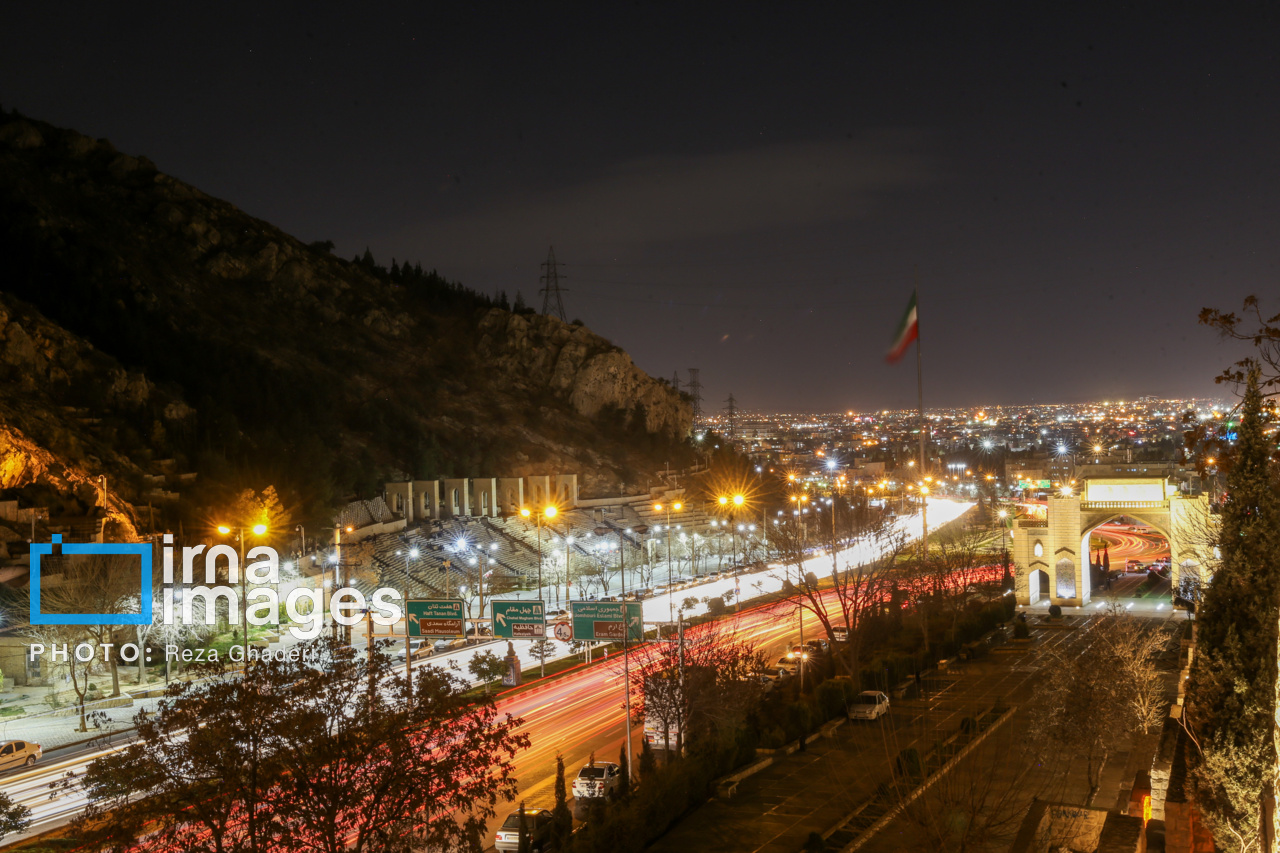
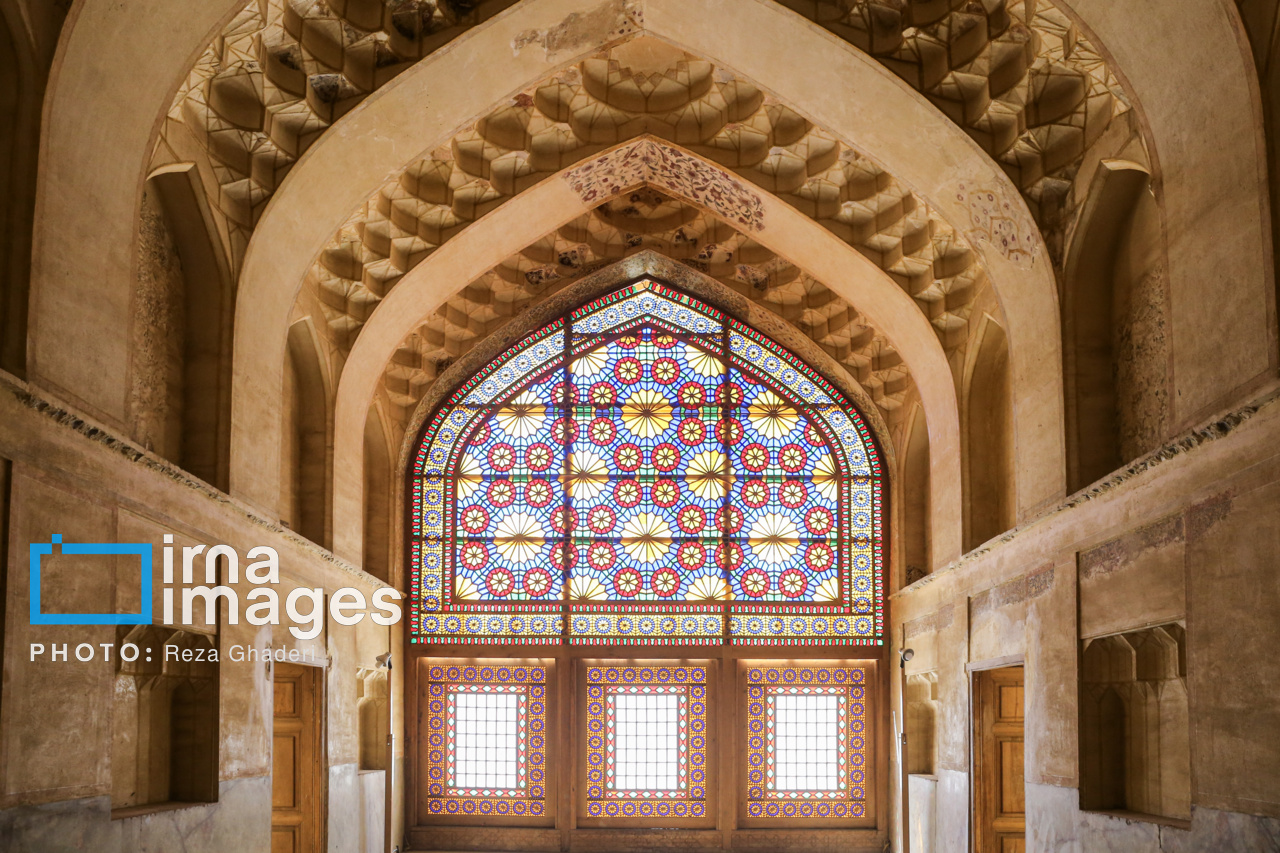
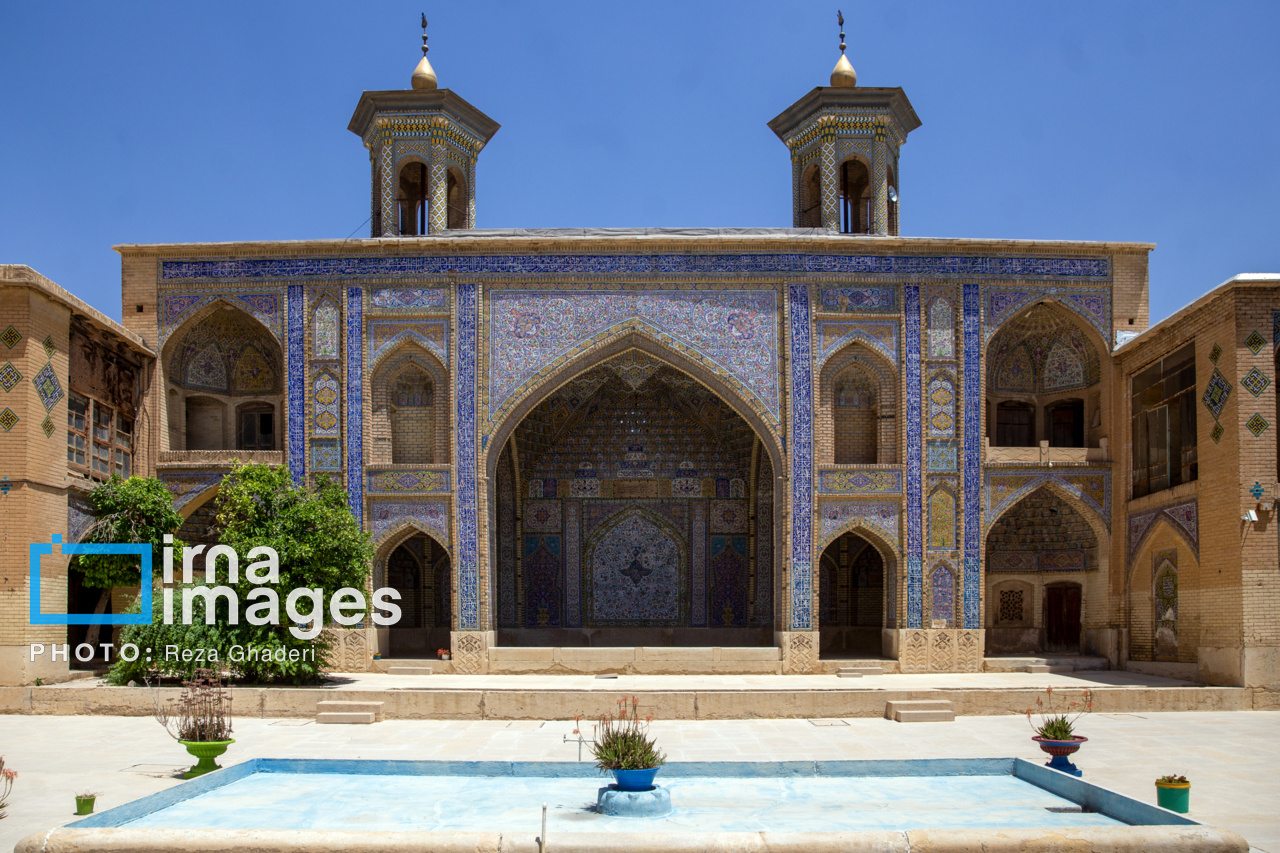
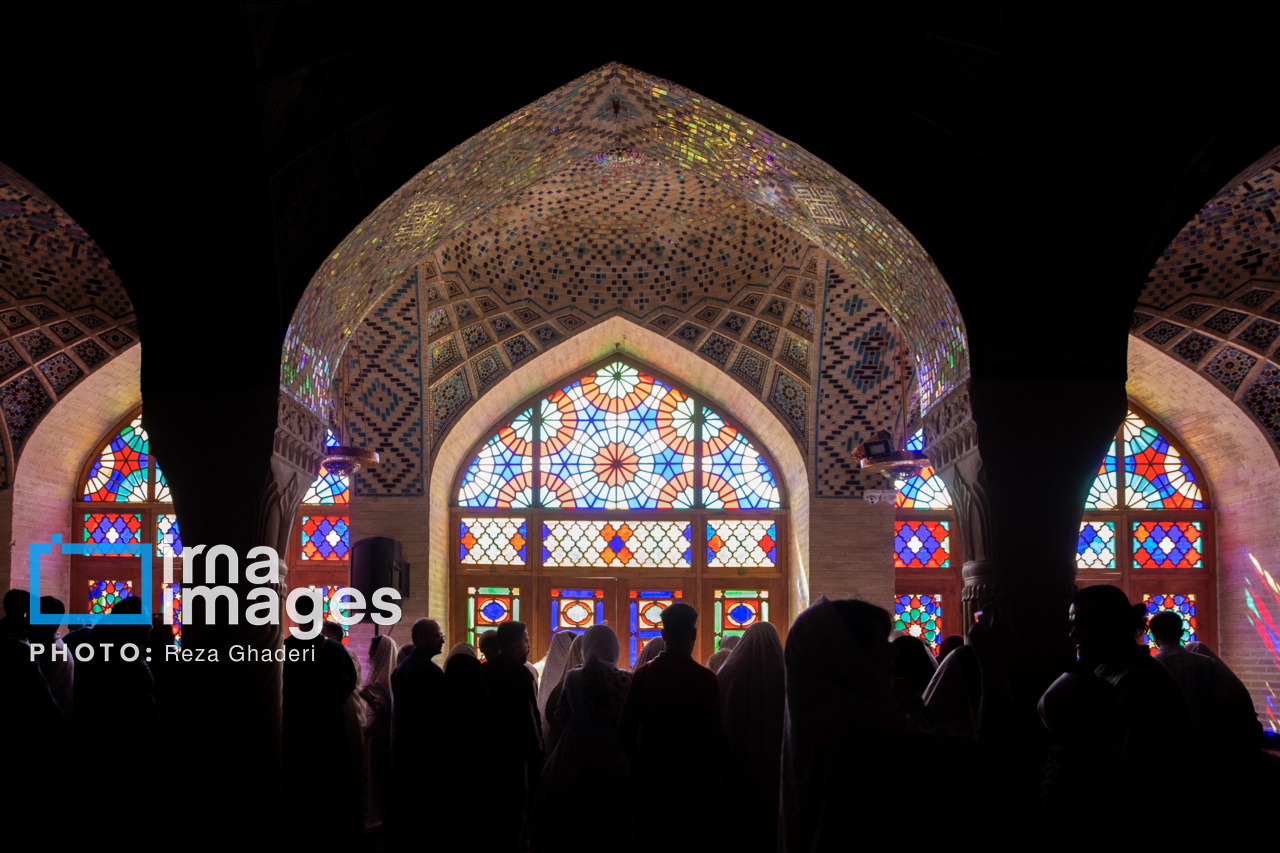
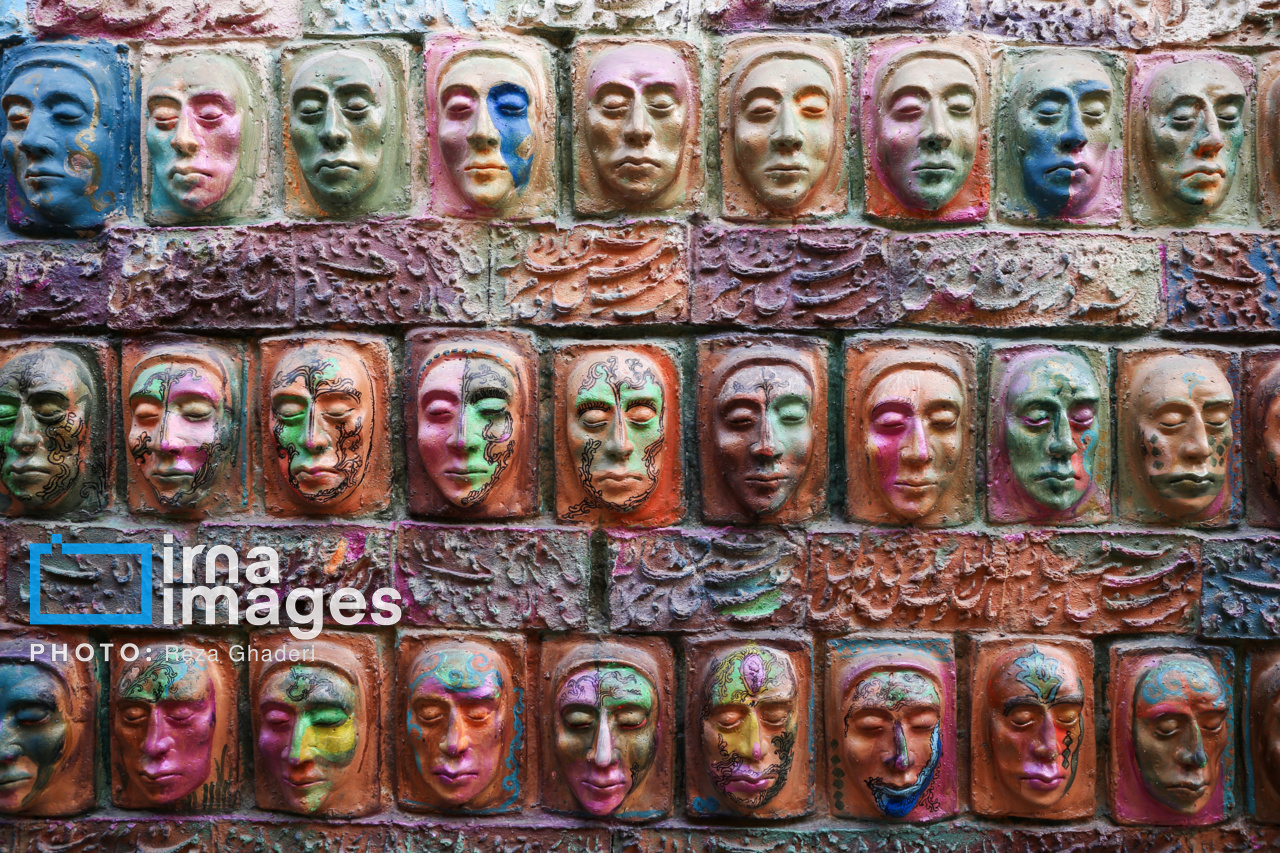
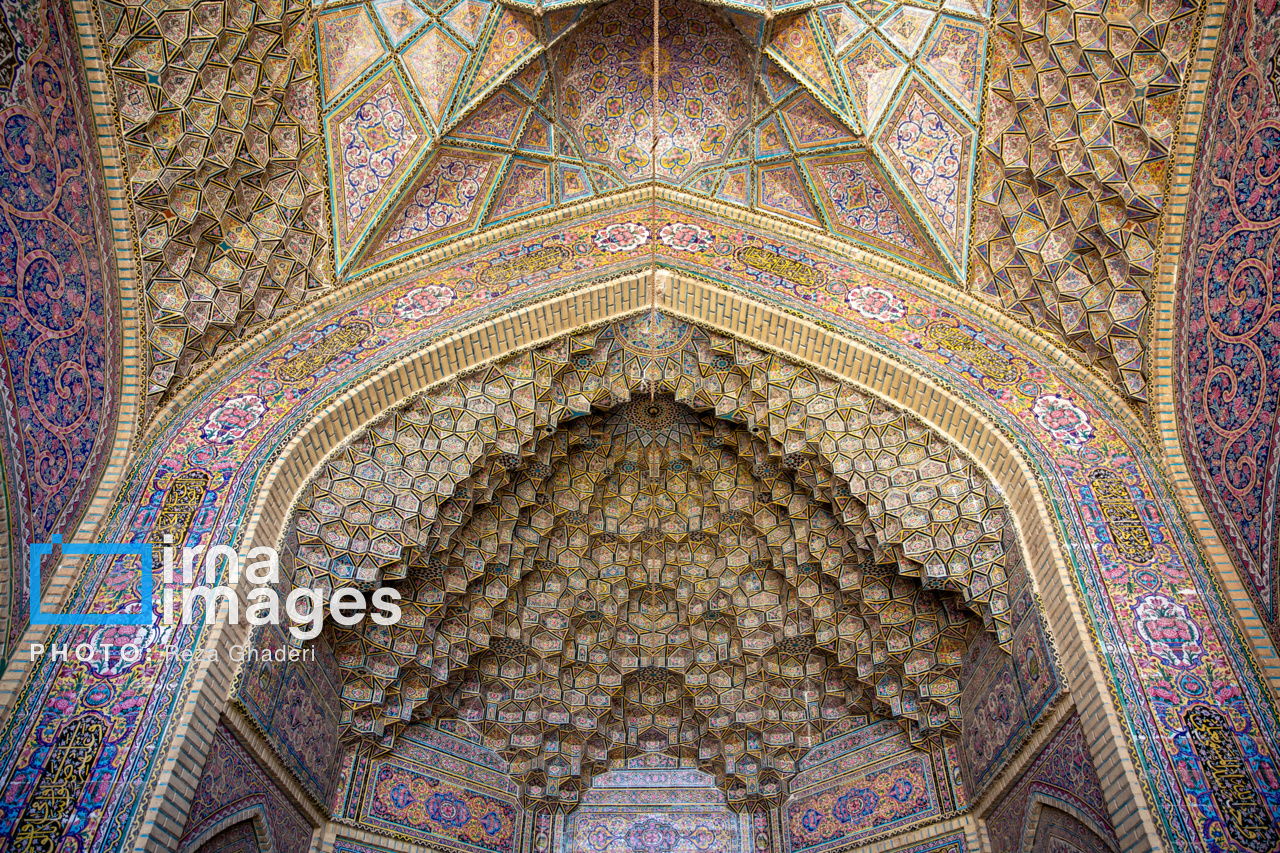
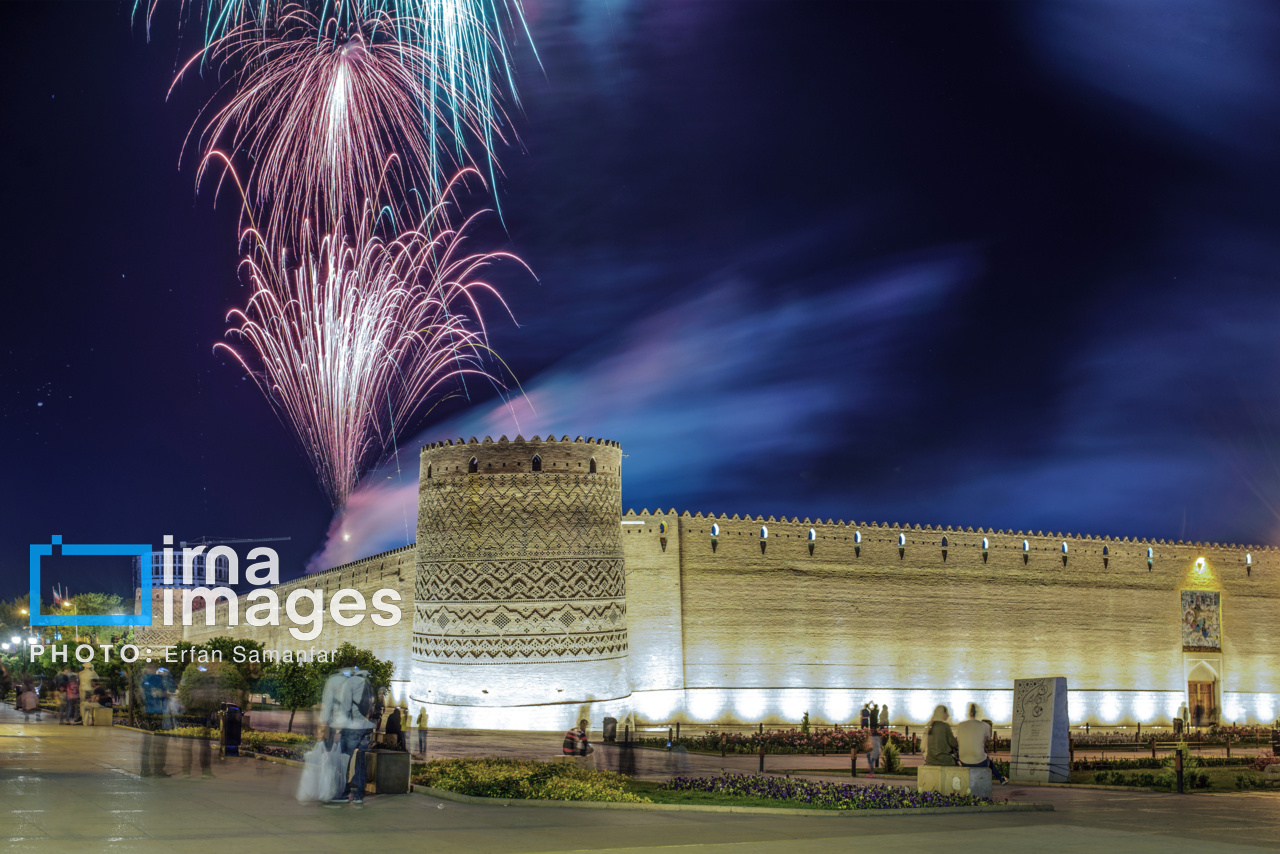
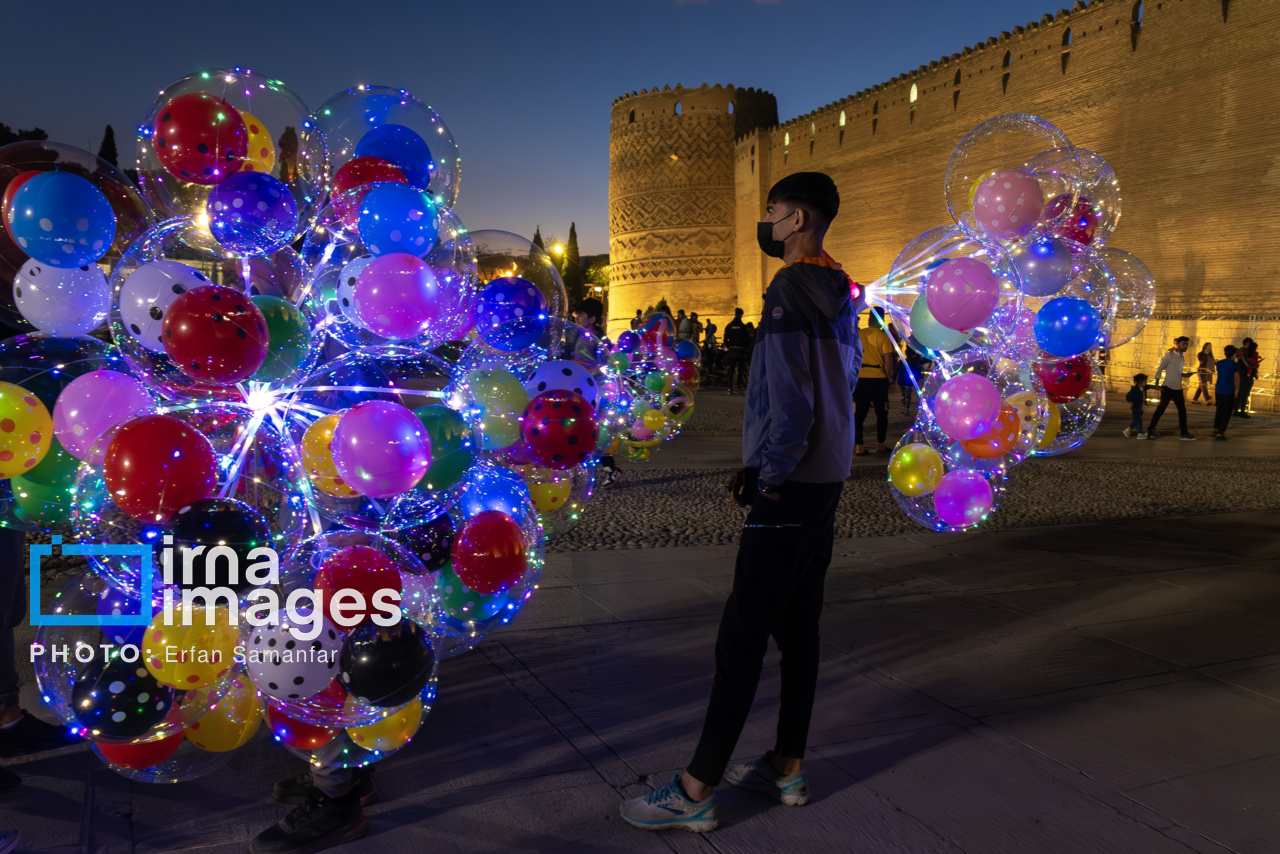
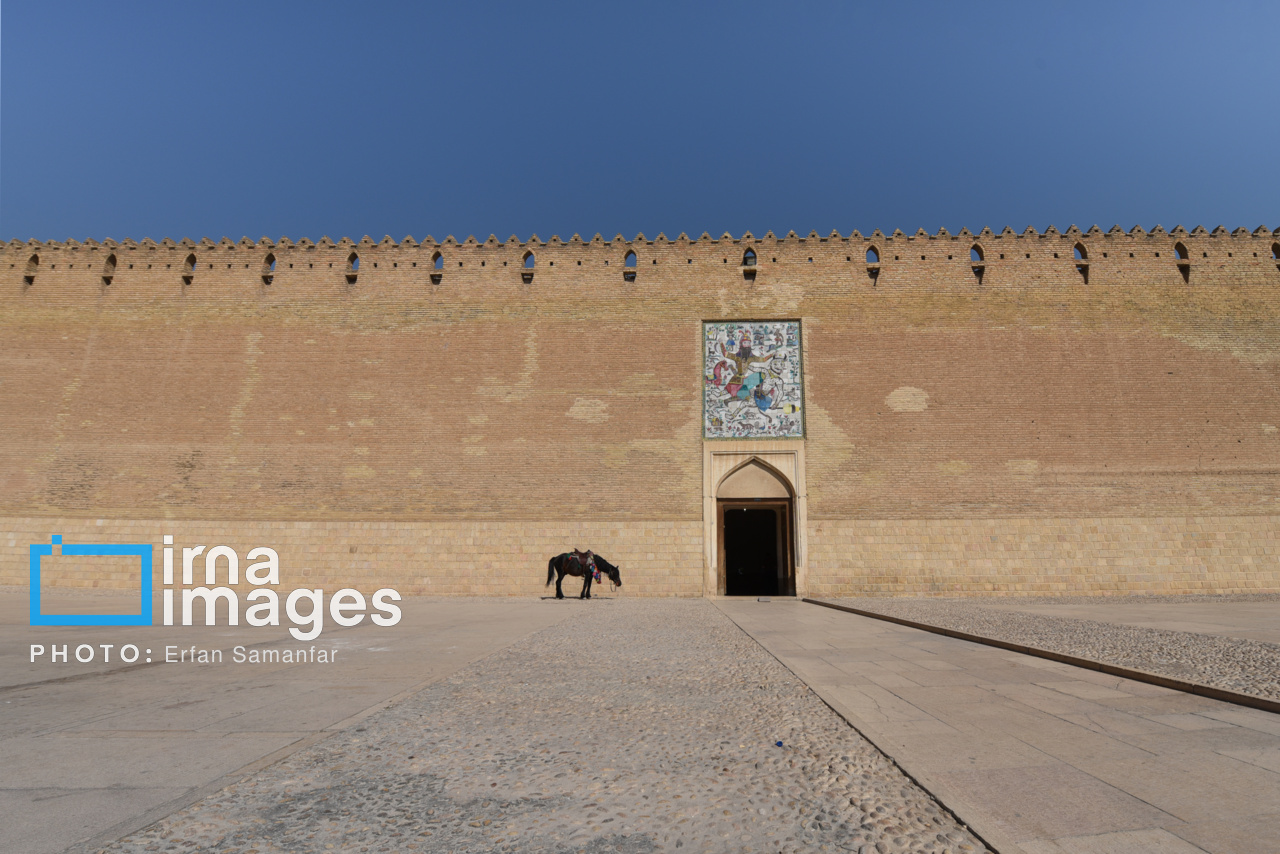
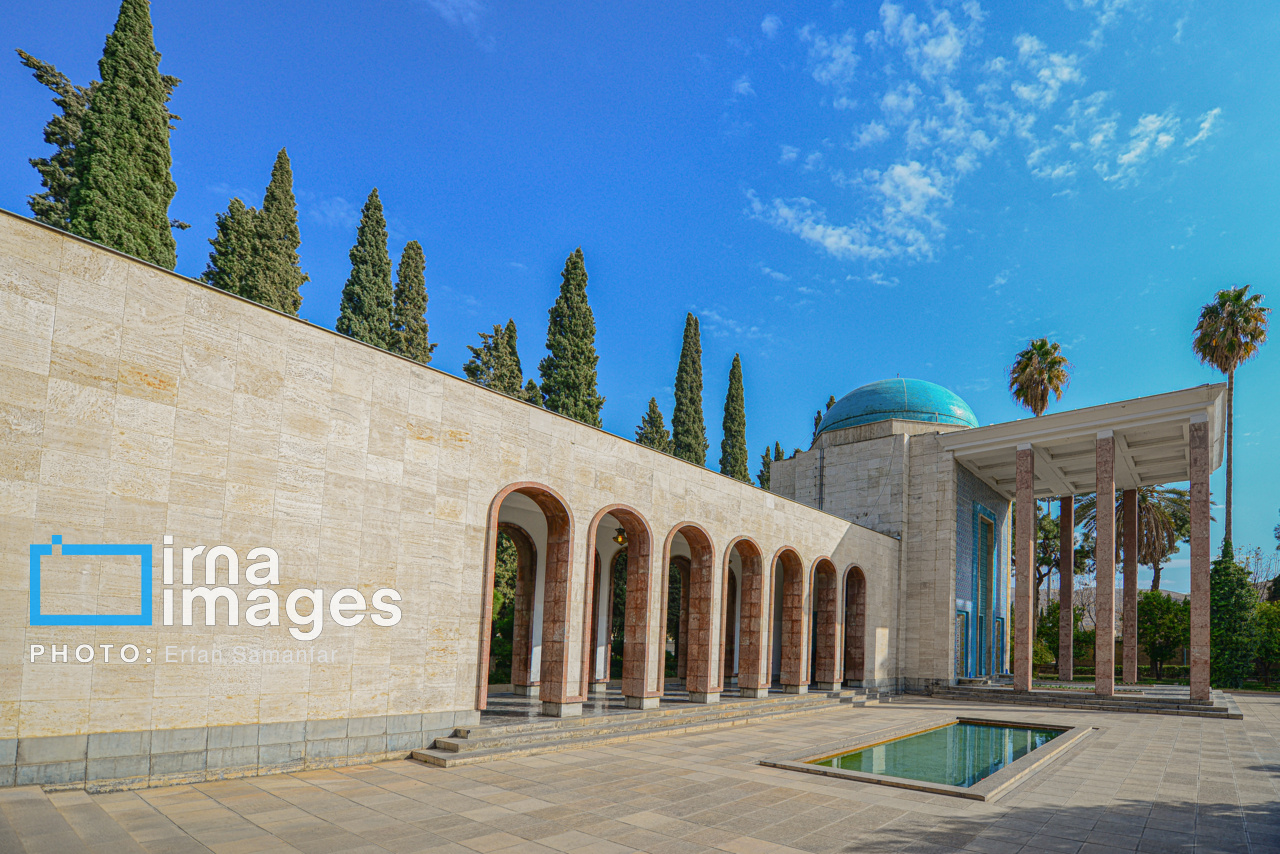
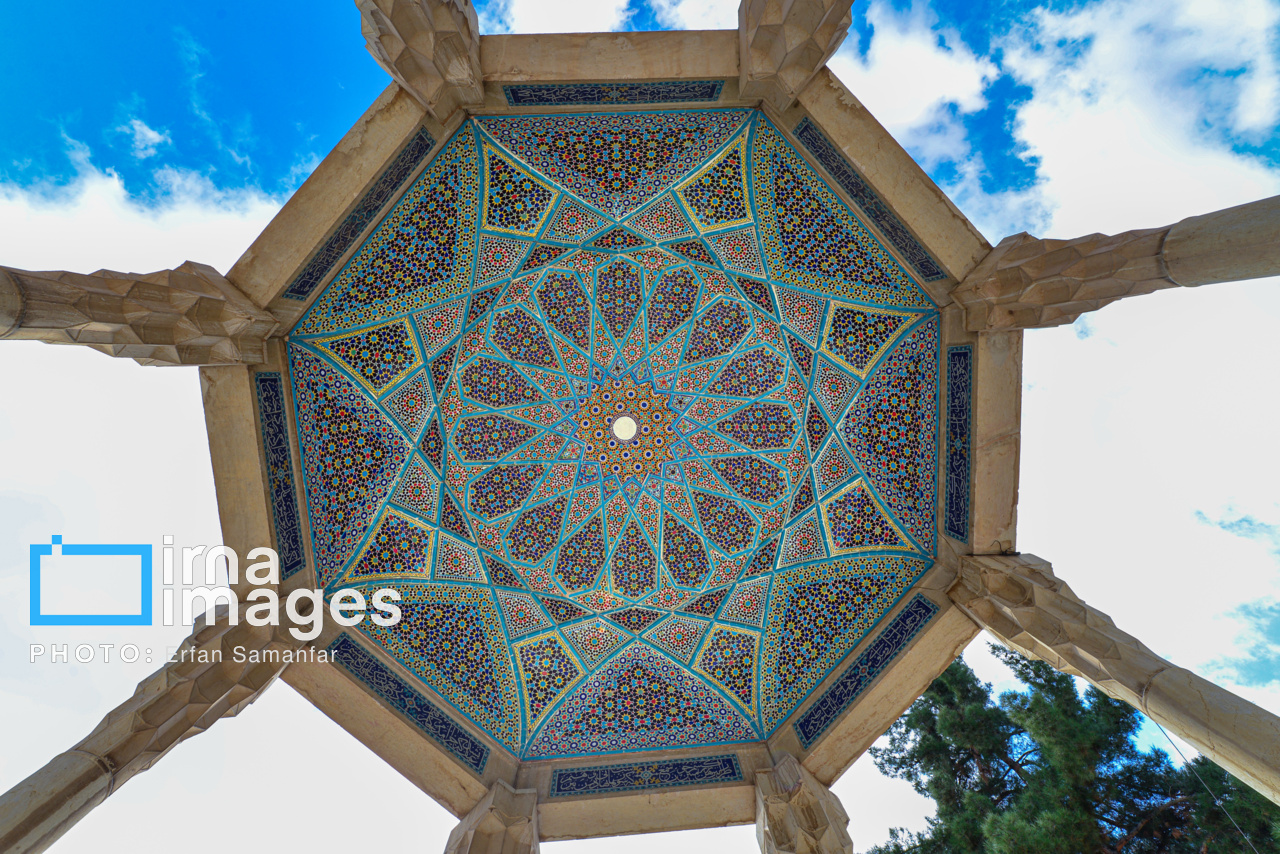
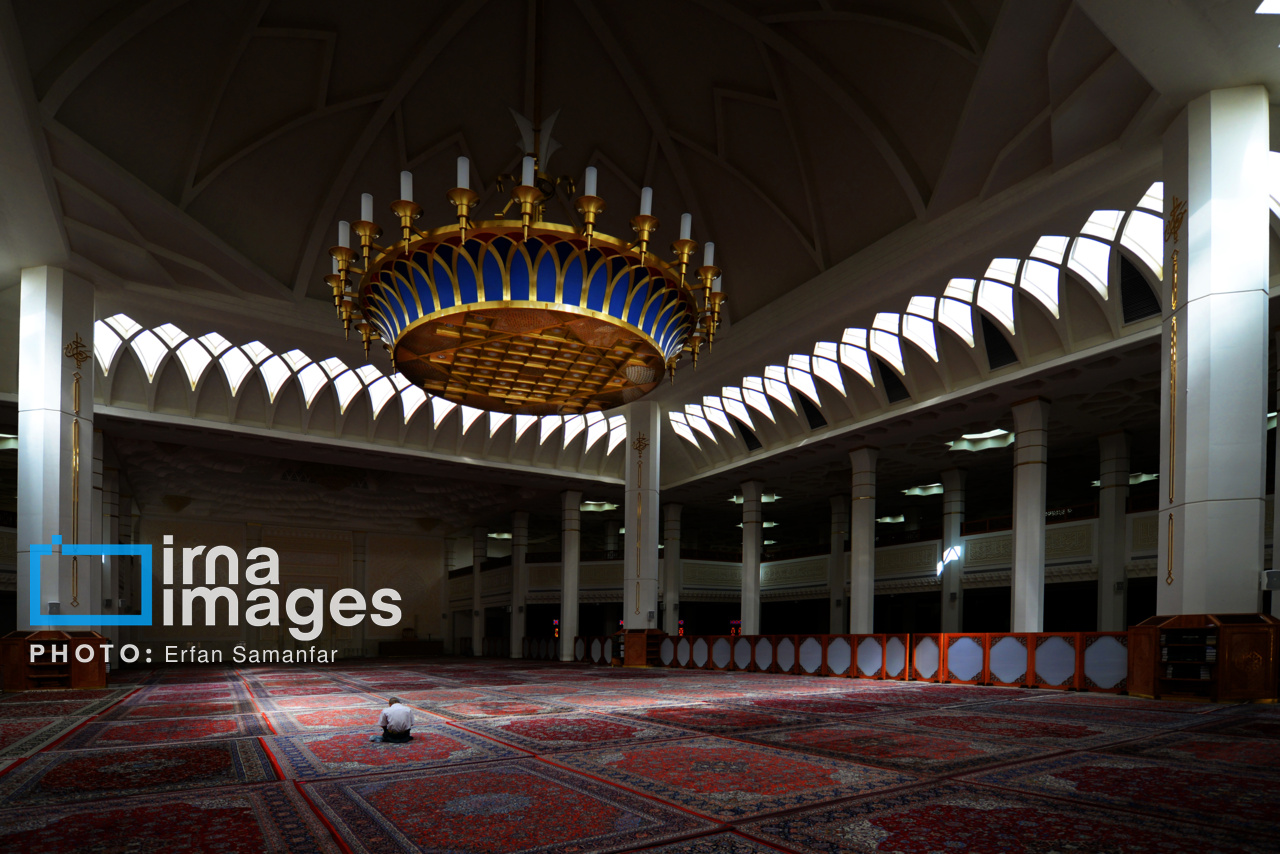
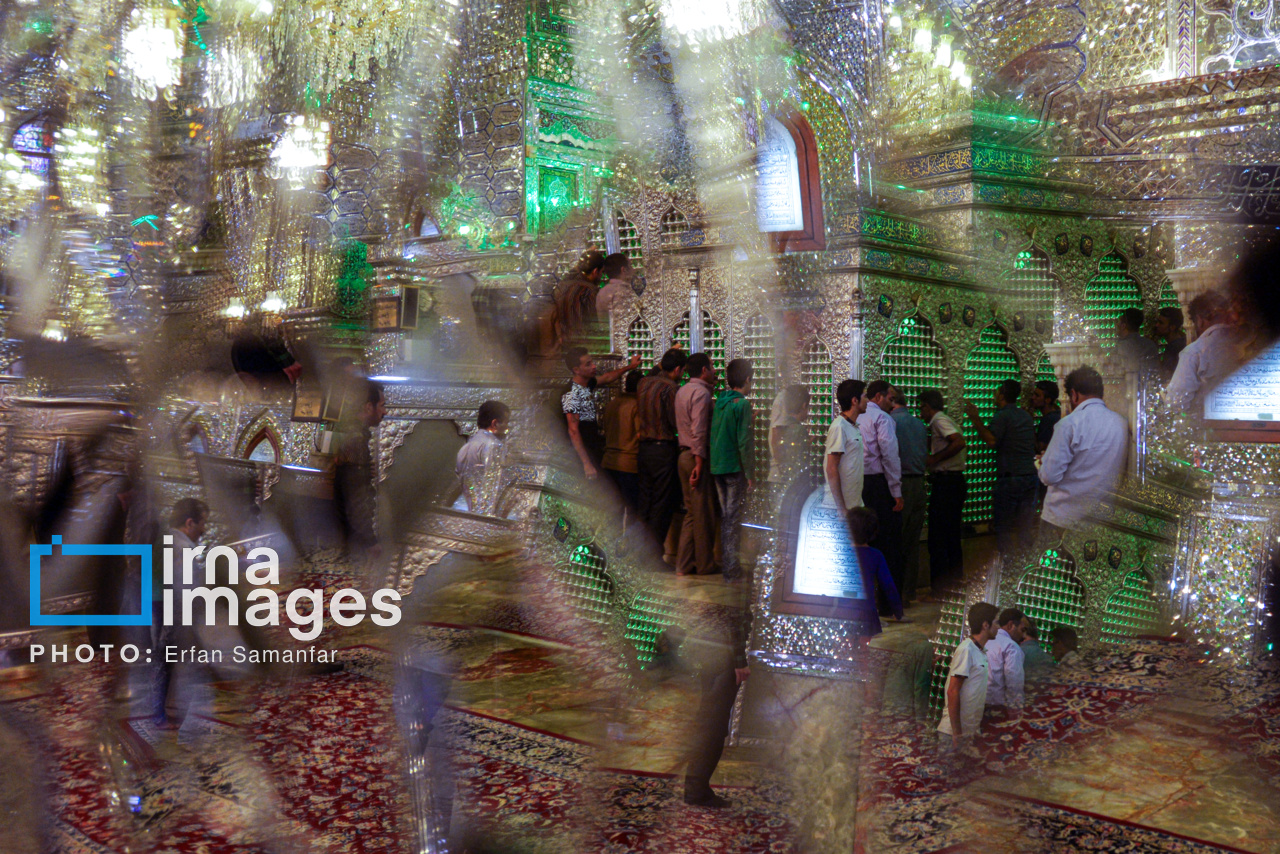
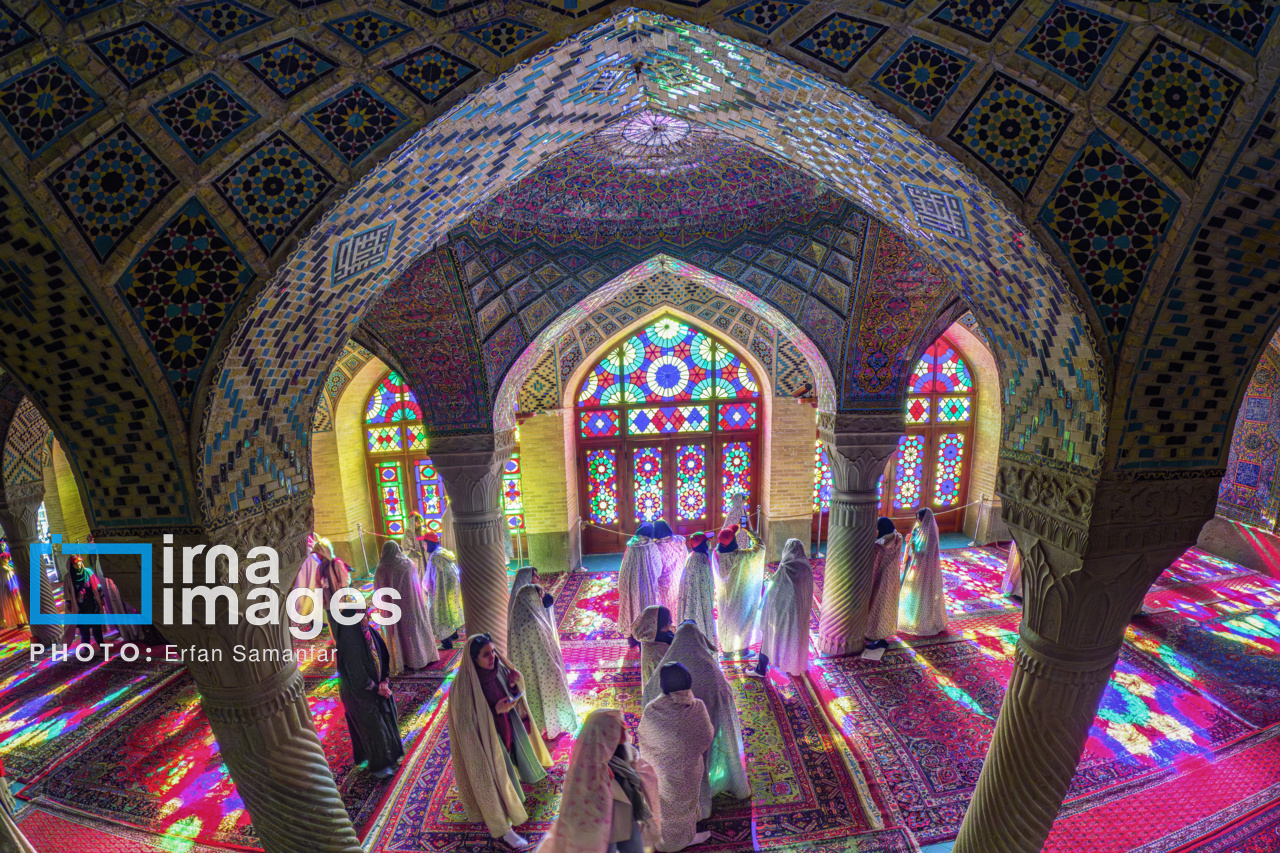
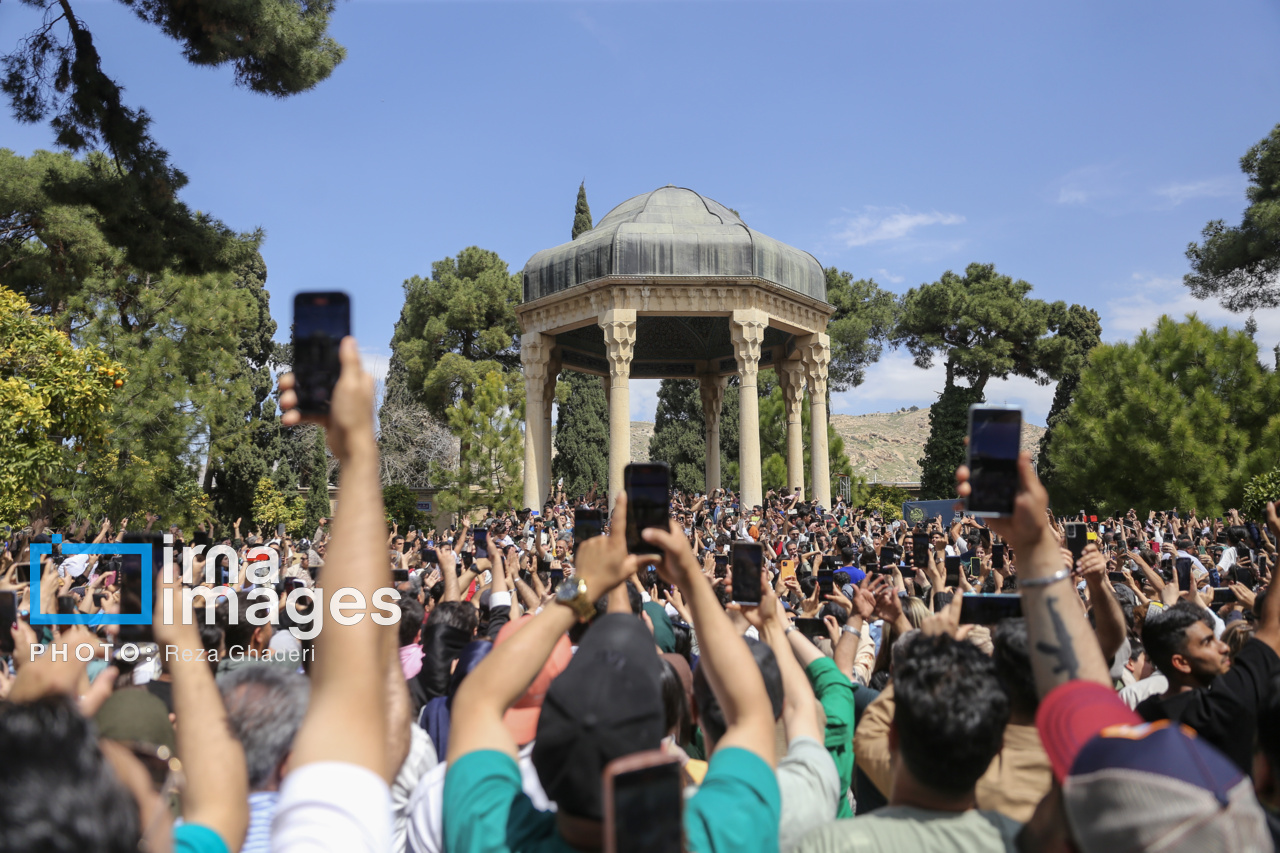
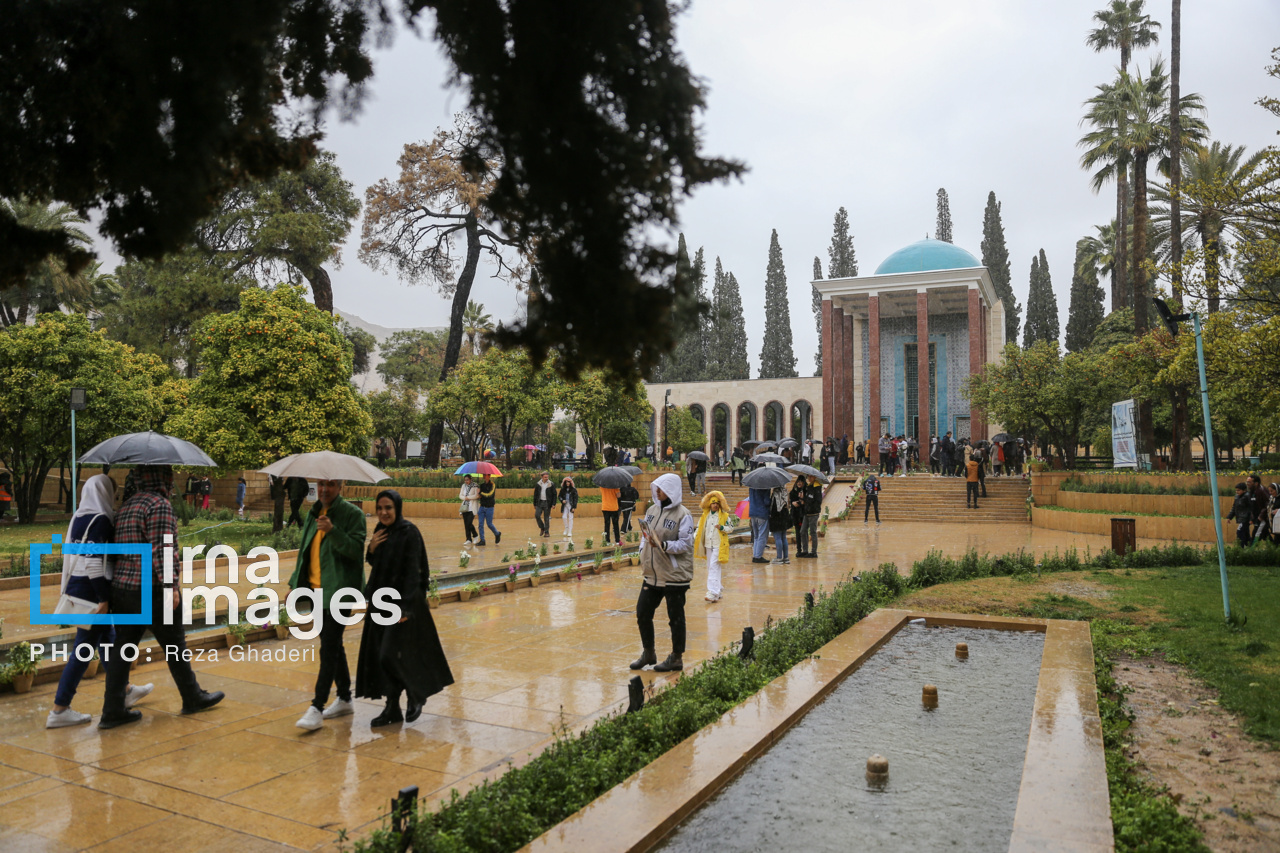
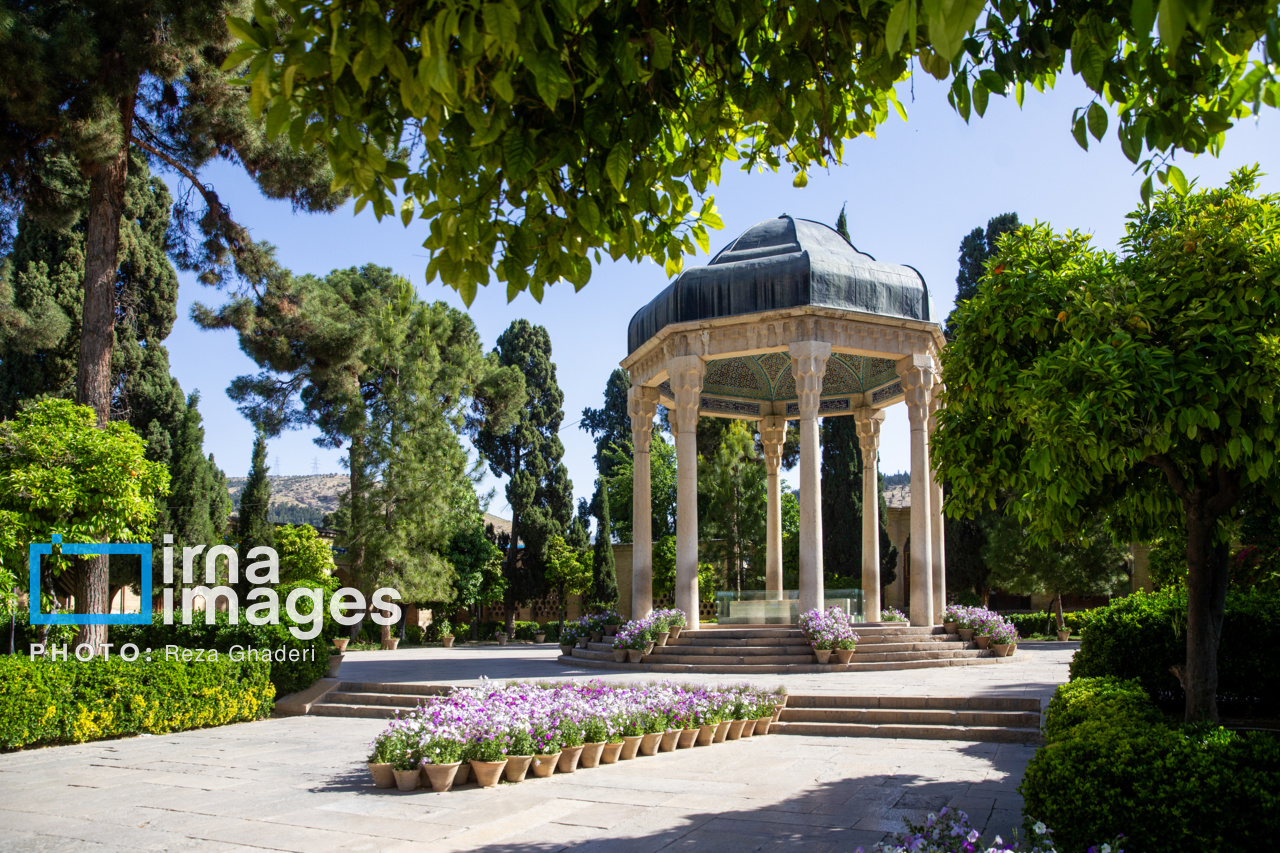
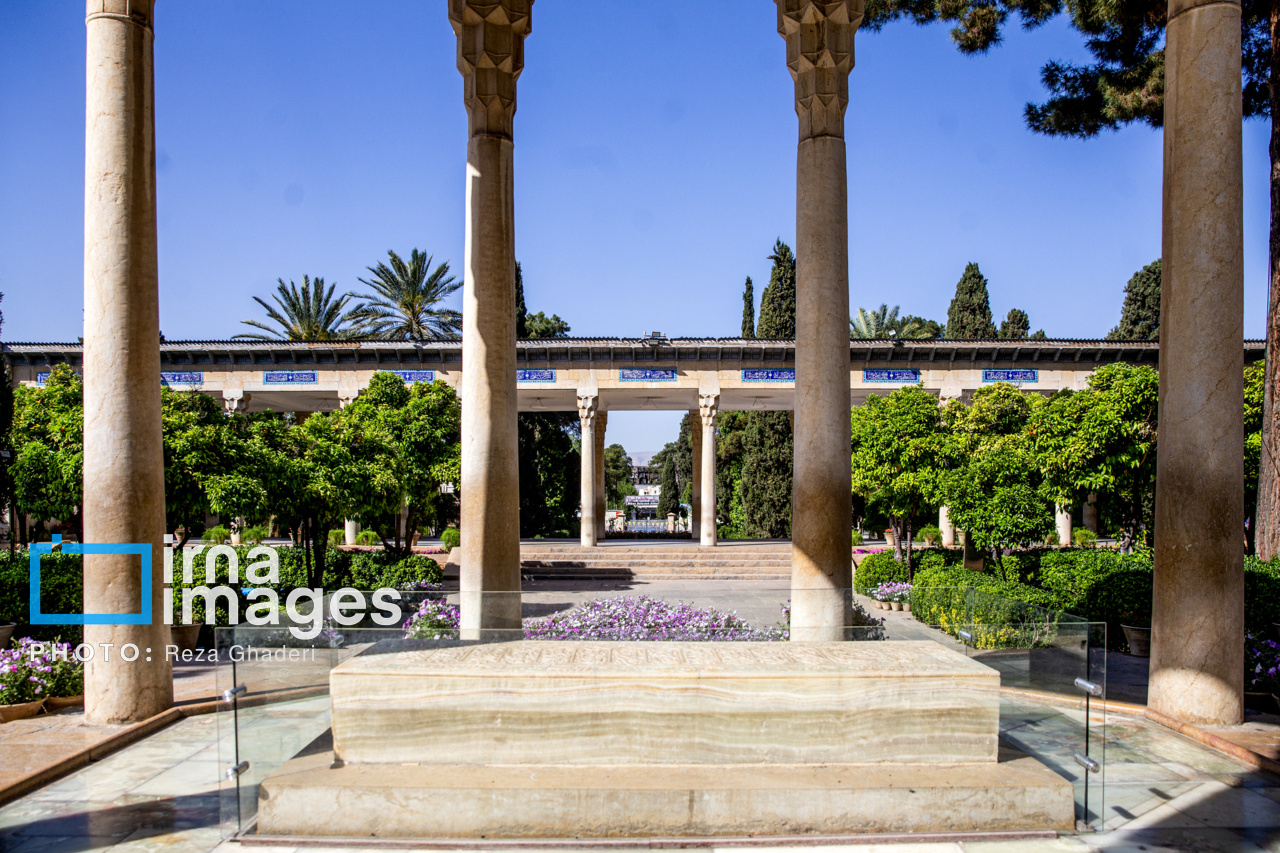
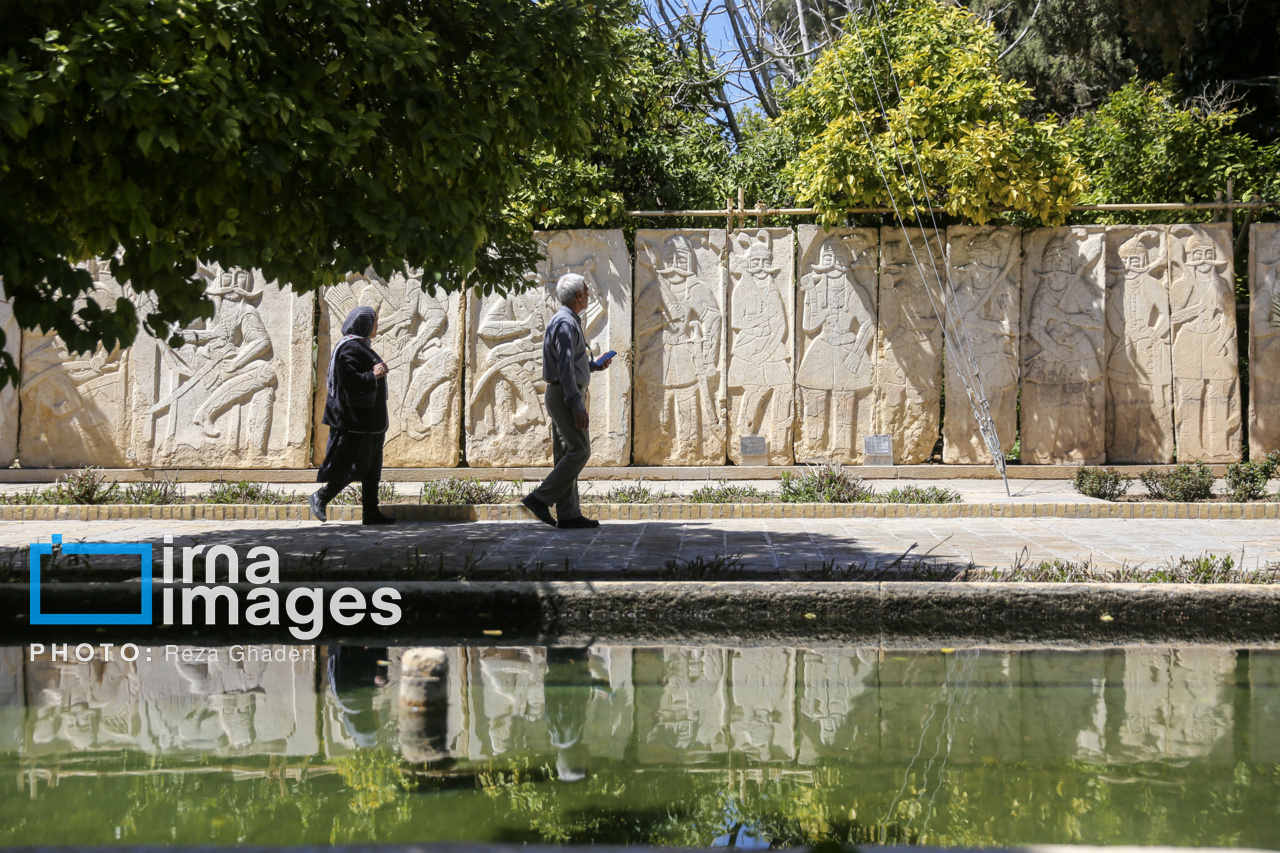
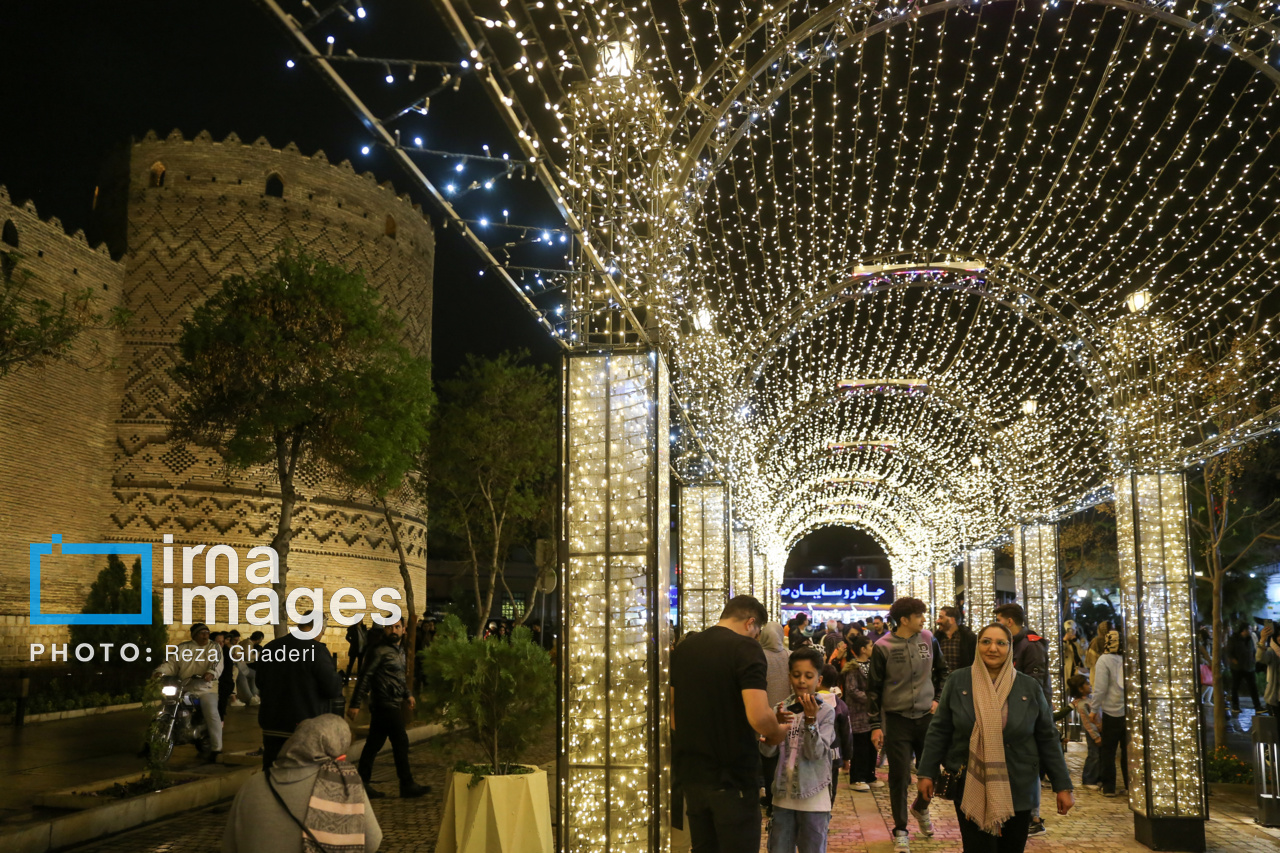
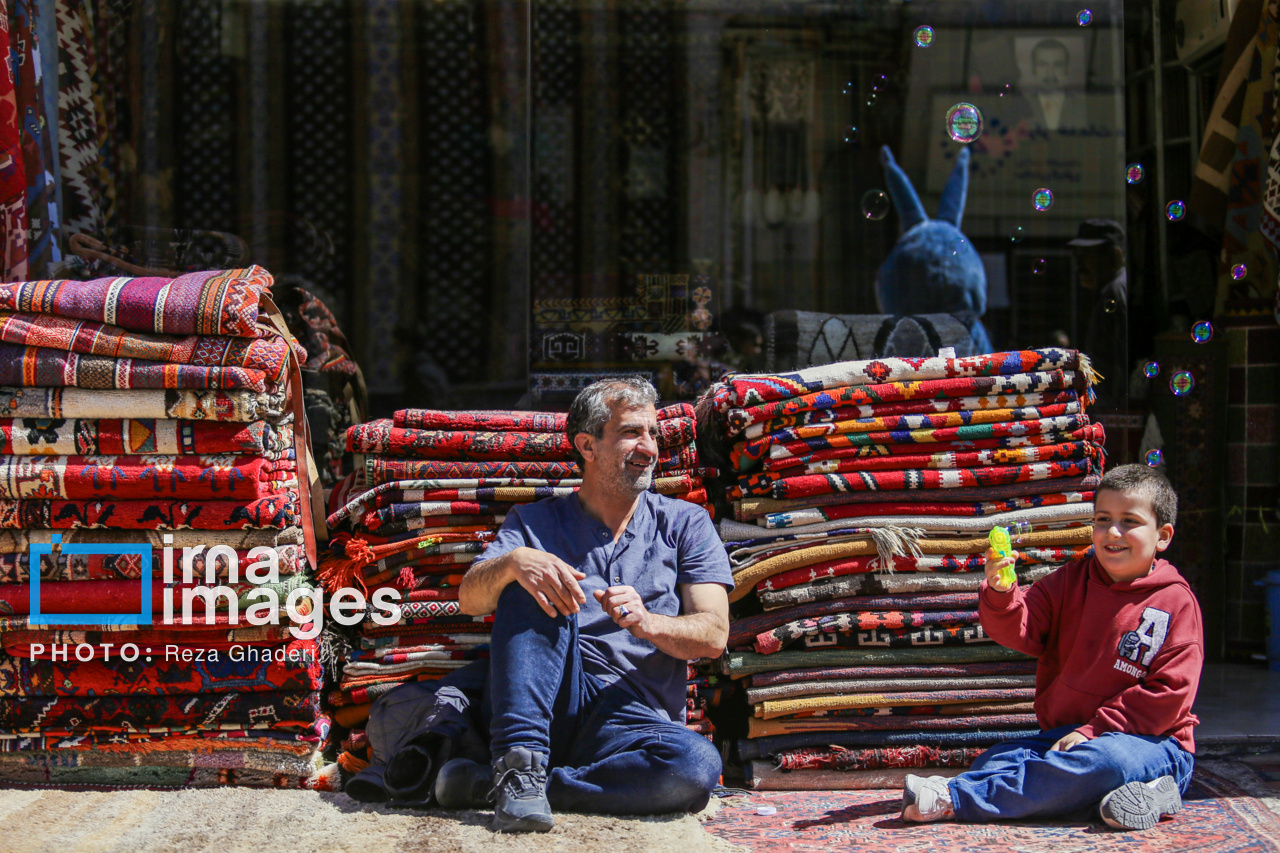
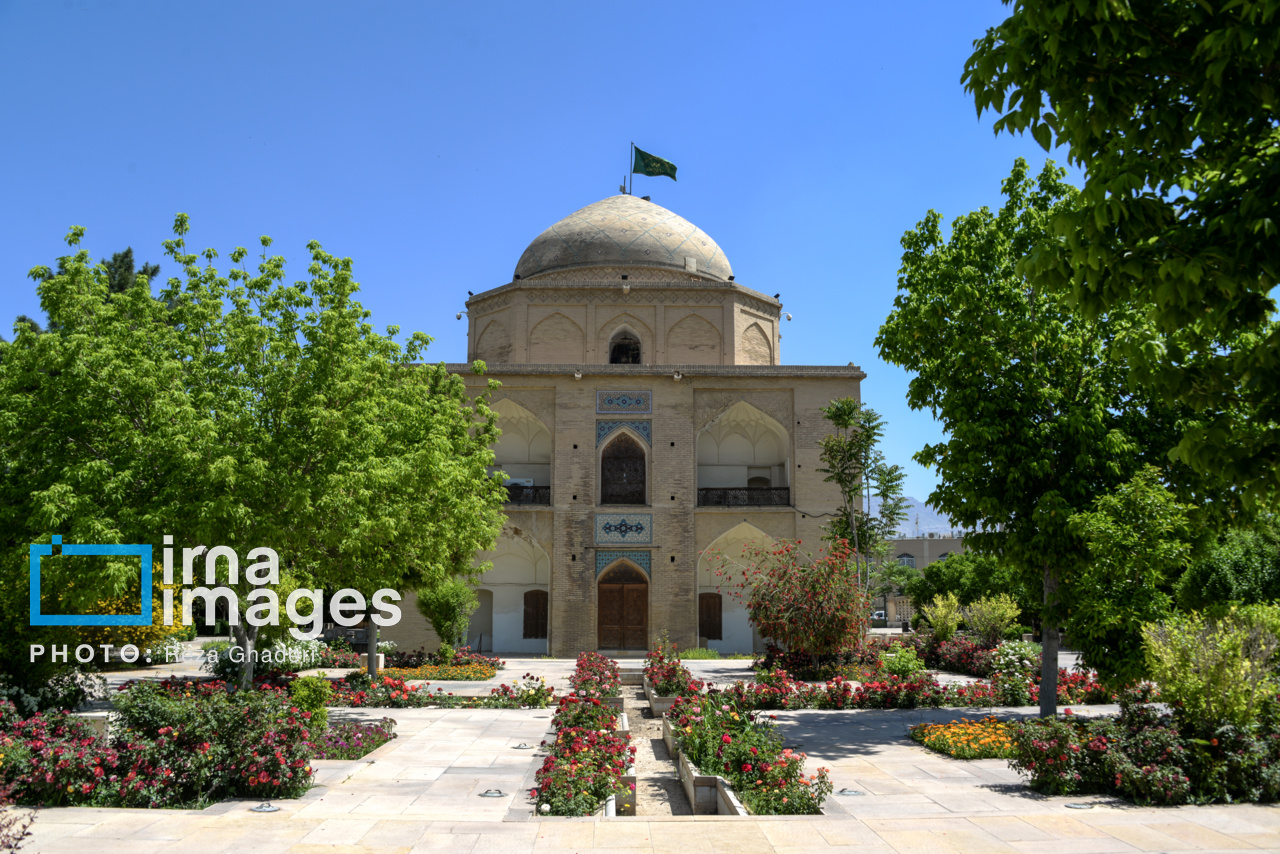
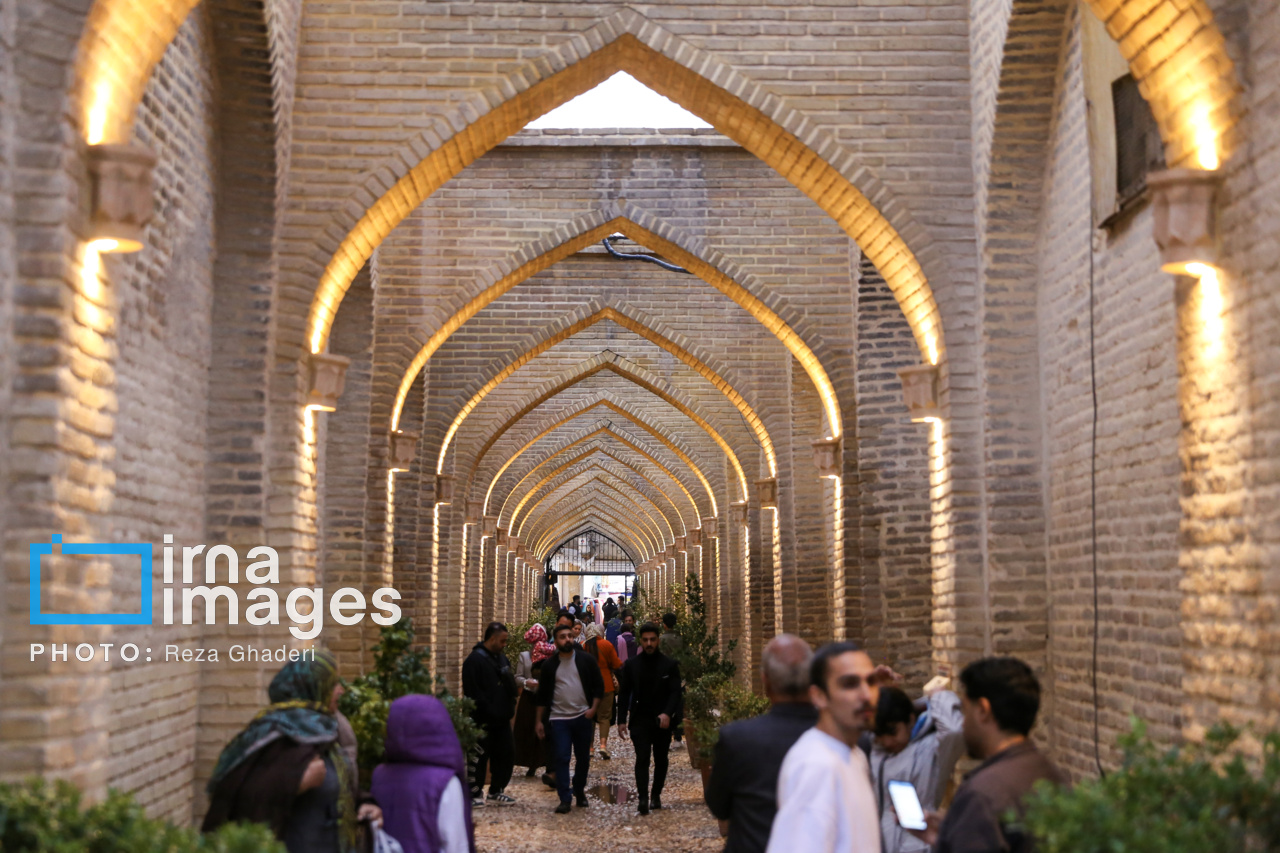
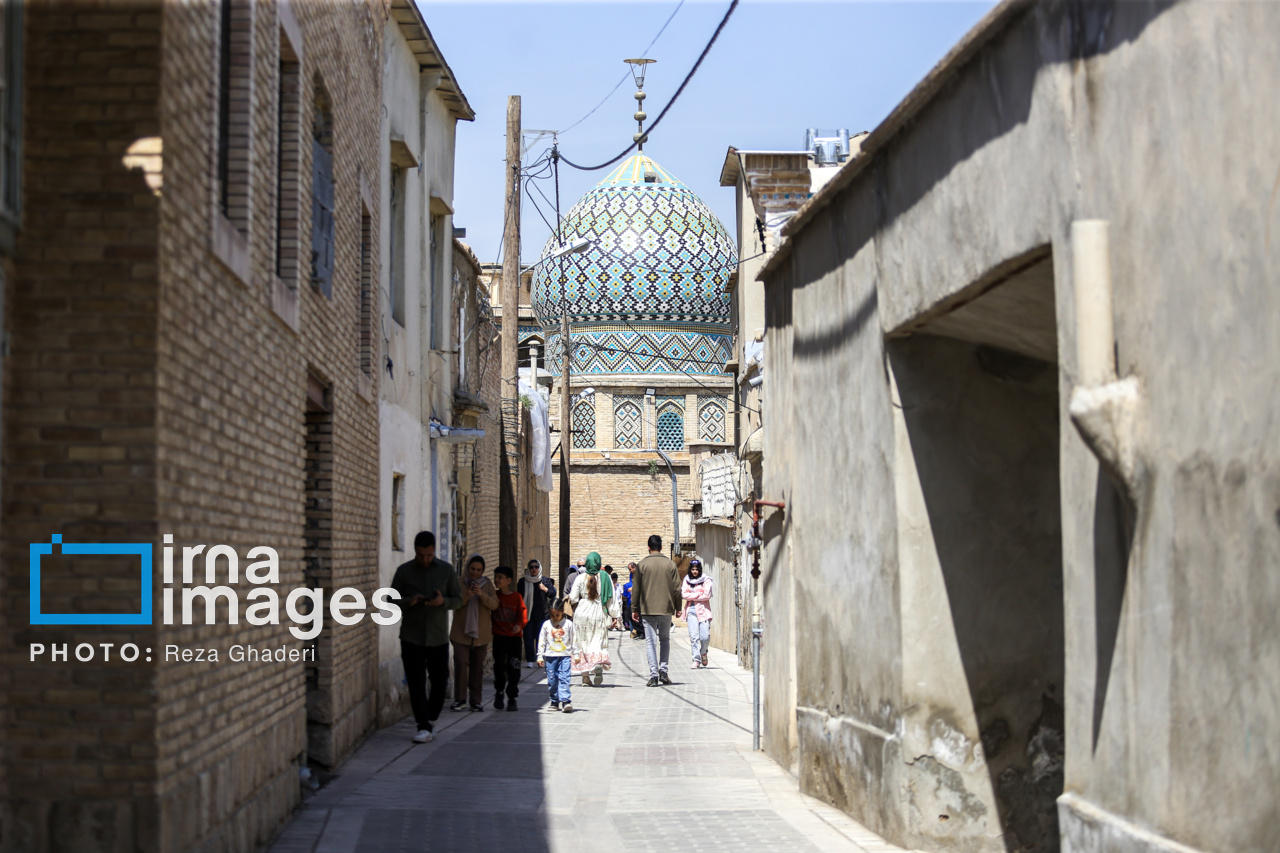
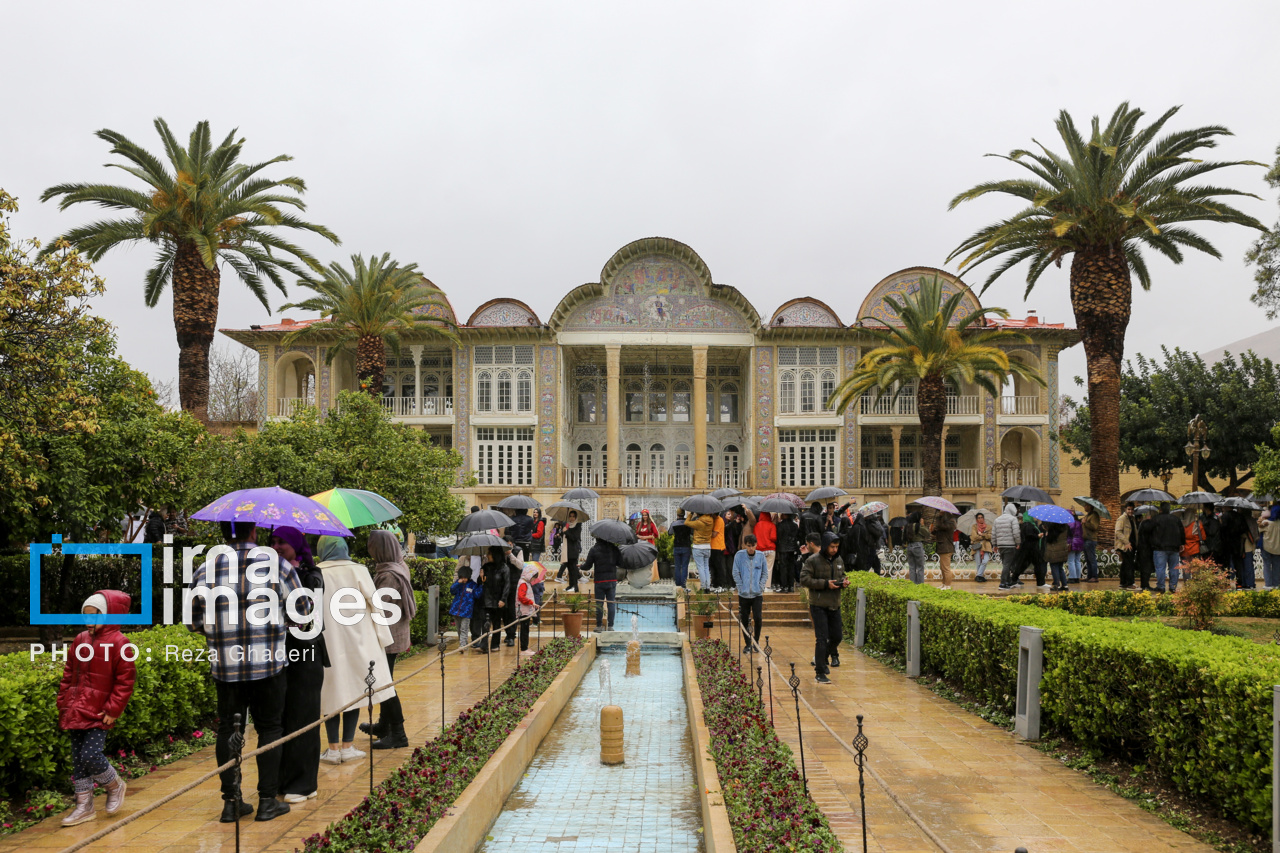
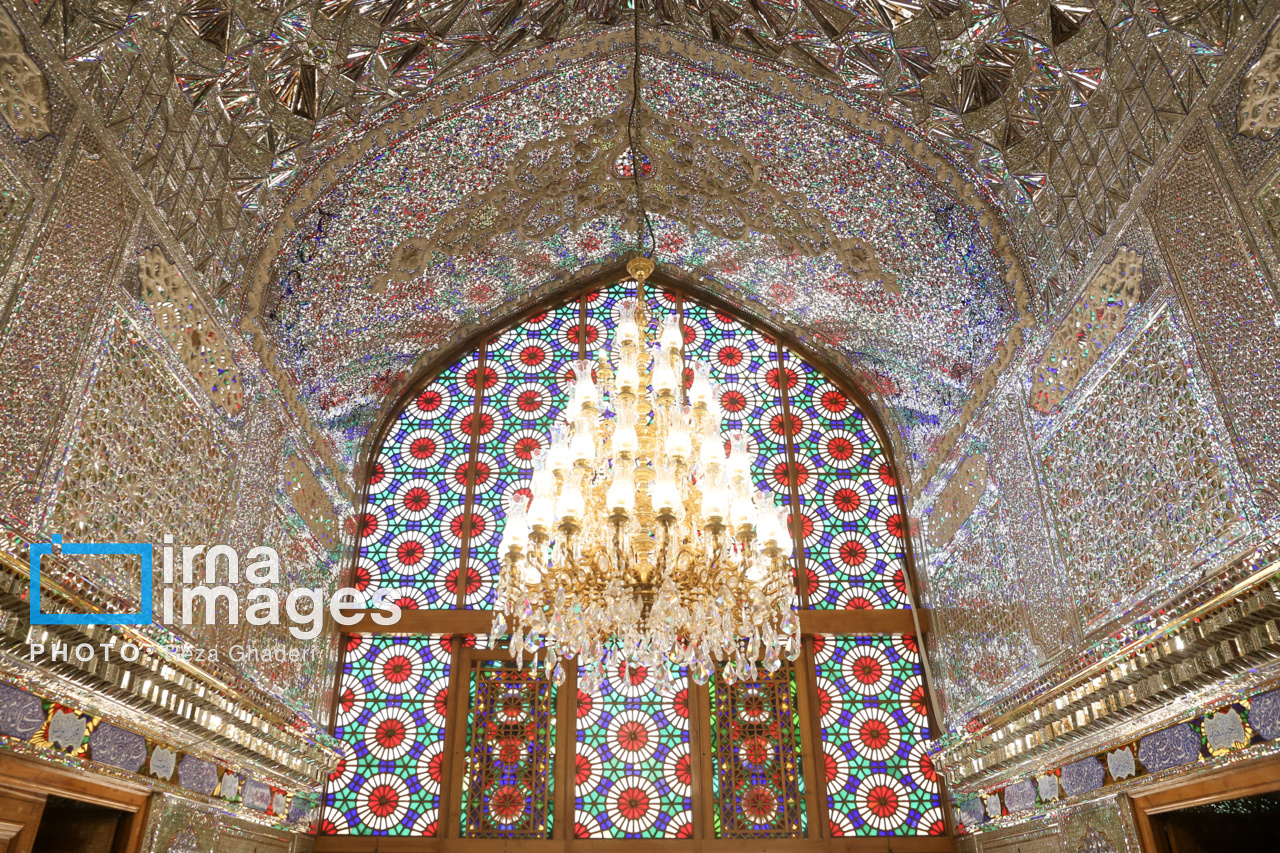
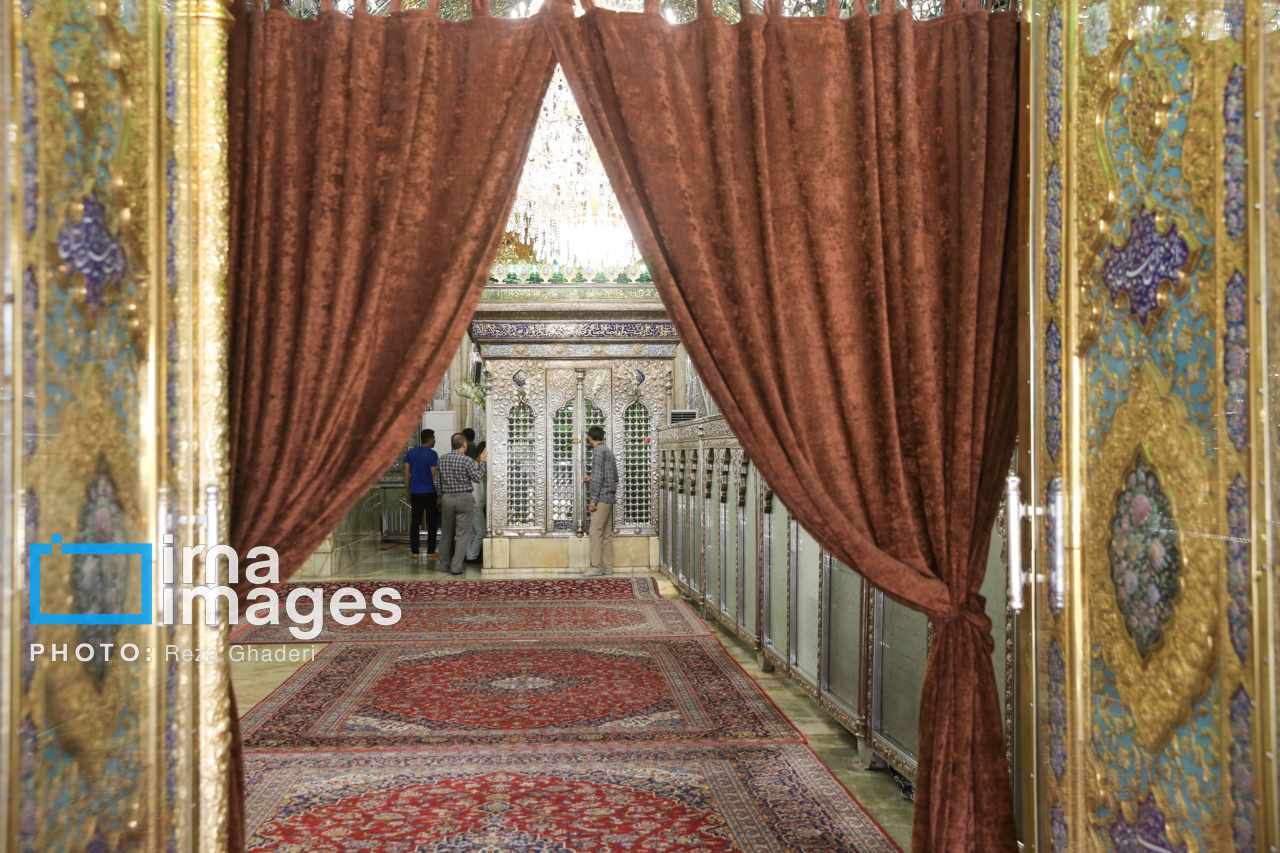
Shiraz Day: A celebration of culture and beauty

Located in southern Fars Province, Shiraz is often referred to as the cultural capital of Iran, boasting stunning natural landscapes, remarkable historical sites, and a deep-rooted literary legacy.

The enchanting city, known for its gardens, poetry, and hospitality, has been home to some of Iran’s greatest poets, including Hafez and Saadi.

Visitors can explore Persepolis, Eram Garden, Nasir al-Molk Mosque, and many other architectural wonders that make Shiraz a true gem of Iranian heritage.

Falling oil prices mean Russia ‘wants to settle’ a peace agreement in Ukraine: US

Oil

“I think Russia, with the price of oil right now, oil has gone down, we are in a good position to settle, they want to settle. Ukraine wants to settle,” Trump told reporters in the Oval Office.

Oil and gas revenues accounted for nearly 30% of Russia’s budget in January and February, according to government data cited by Bloomberg.

The roughly $15-per-barrel drop since the start of the year has strained the Kremlin’s finances, already burdened by soaring military expenditures in early 2025.

According to Reuters, the Organization of the Petroleum Exporting Countries (OPEC) agreed on May 3 to a large production increase in June, further pressuring prices.

Despite Western sanctions and price caps aimed at curbing Moscow’s oil revenues, energy exports remain a crucial funding source for Russia’s war effort.

Trump acknowledged that “we’ve come a long way” in negotiations and suggested a breakthrough could be imminent, adding, “Hopefully it will.”

Since early March, Ukraine has signaled readiness for a full 30-day ceasefire if Russia agrees to reciprocal terms. Moscow has refused, demanding extraordinary concessions, including a halt to all foreign military aid to Ukraine.

Trump has threatened tariffs and sanctions against Russia multiple times, but has not imposed concrete measures since taking office. Shortly after his inauguration, he warned Moscow that the U.S. could “do it the easy way or the hard way.”

Trump has voiced frustration with Russian President Vladimir Putin’s reluctance to negotiate, saying Putin might be “tapping me along” and uninterested in a deal.

Kyiv has repeatedly urged Washington to intensify economic pressure on Moscow.

Iranian firm develops coronary NC balloon catheter, cuts import costs by 50%

According to Iran’s Vice Presidency for Science, Technology, and Knowledge-Based Economy, the catheter is used in coronary angioplasty procedures to open blocked arteries.

Iran currently imports around 450,000 balloon catheters annually, 30,000 of which are of the NC (non-compliant) type.

The newly developed NC balloon catheter is designed to withstand high pressures without deforming, enabling physicians to treat severe blockages with greater precision. It is also used to further expand stents after implantation when necessary.

The company behind the innovation aims not only to meet domestic medical needs but also to expand into international markets. Over the past year, imported raw materials were used to train production staff and conduct extensive safety, performance, and preclinical testing in hospitals.

Company officials say the product, now classified as a high-tech medical device, aligns with national goals for technological self-sufficiency and healthcare innovation. The domestic production of this catheter is expected to eliminate the need for thousands of costly imports annually.