Saturday, December 27, 2025
Home Blog Page 1988

Iran has offered zero foreign aid to Ukraine: Ukrainian ambassador

Russia Ukraine War

Ambassador Burdiliak said “all countries in Central Asia and the Middle East” had dispatched “much humanitarian assistance” to Ukraine since the Russian war began on the country 40 days ago but “we have received not even a single rial from the Islamic Republic,” Entekhab reported, citing Asia Daily.

Burdiliak said ordinary people in Iran supported his country in the war with Russia.

“When they see our car, which has the Ukrainian flag on it, they shout and wave that ‘Ukraine will win!’ and they honk their car horn and express their support.”

“However,” he said, “we have so far received no support from the government of the Islamic Republic.”

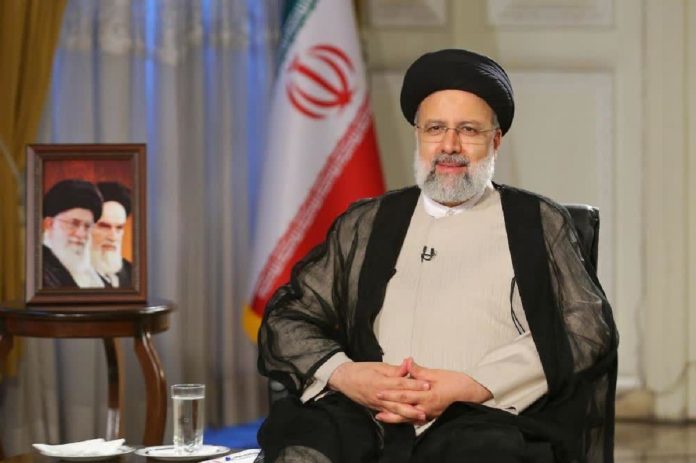
The Ukrainian ambassador said he had written personally to Iranian President Ebrahim Raisi and Foreign Minister Hossein Amir Abdollahian but had not received a reply.

Iranian government officials have said they oppose armed conflict but have not explicitly called out Russia.

Burdiliak said he wanted to tell the Iranian government that “we are your friends” and “our countries are friends with each other. We need help and what we’re talking about is humanitarian assistance like… medicine and medical equipment, which would not be used to support and strengthen Ukraine’s military power.”

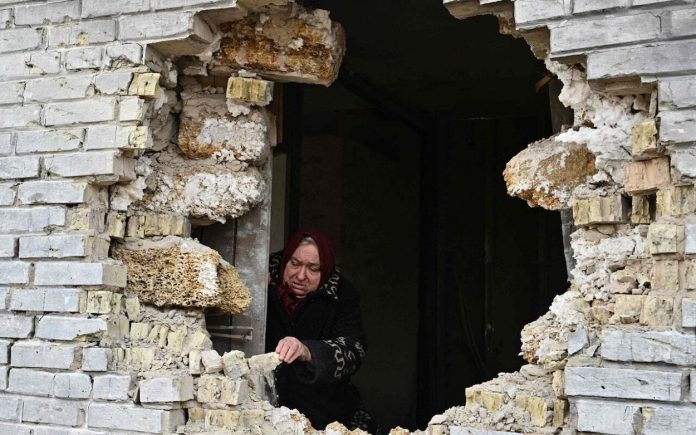
Russia launched what it calls a “special military operation” in Ukraine on February 24. The offensive, in an apparent reaction to Ukrainian aspirations to join NATO, has caused widespread destruction in Ukraine. The Russian government says it seeks to “de-Nazify” the former Soviet state.

President Raisi congratulates Syria National Day

Iran President Ebrahim Raisi

In the message, Raisi voiced confidence that by using all their potentials and possibilities, Iran and Syria can take precious steps toward peace, stability and development in the region, pave the way for regional cooperation and increasingly expand bilateral ties in all areas.

March 17 is marked as the National Day in Syrian.

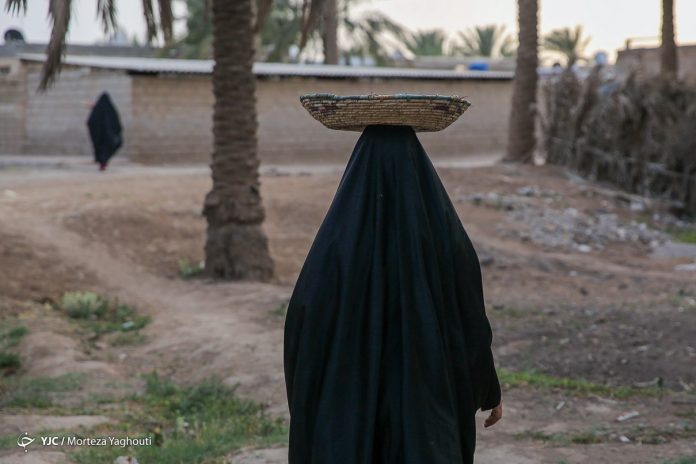
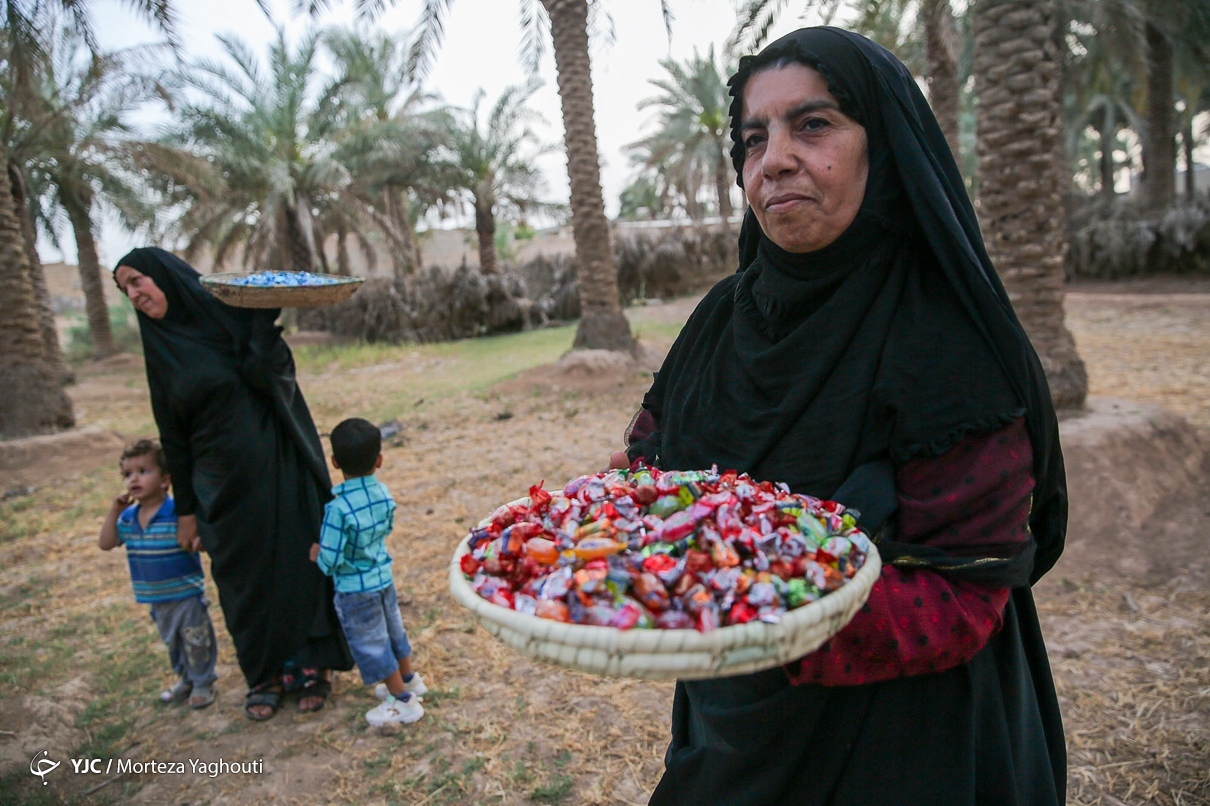
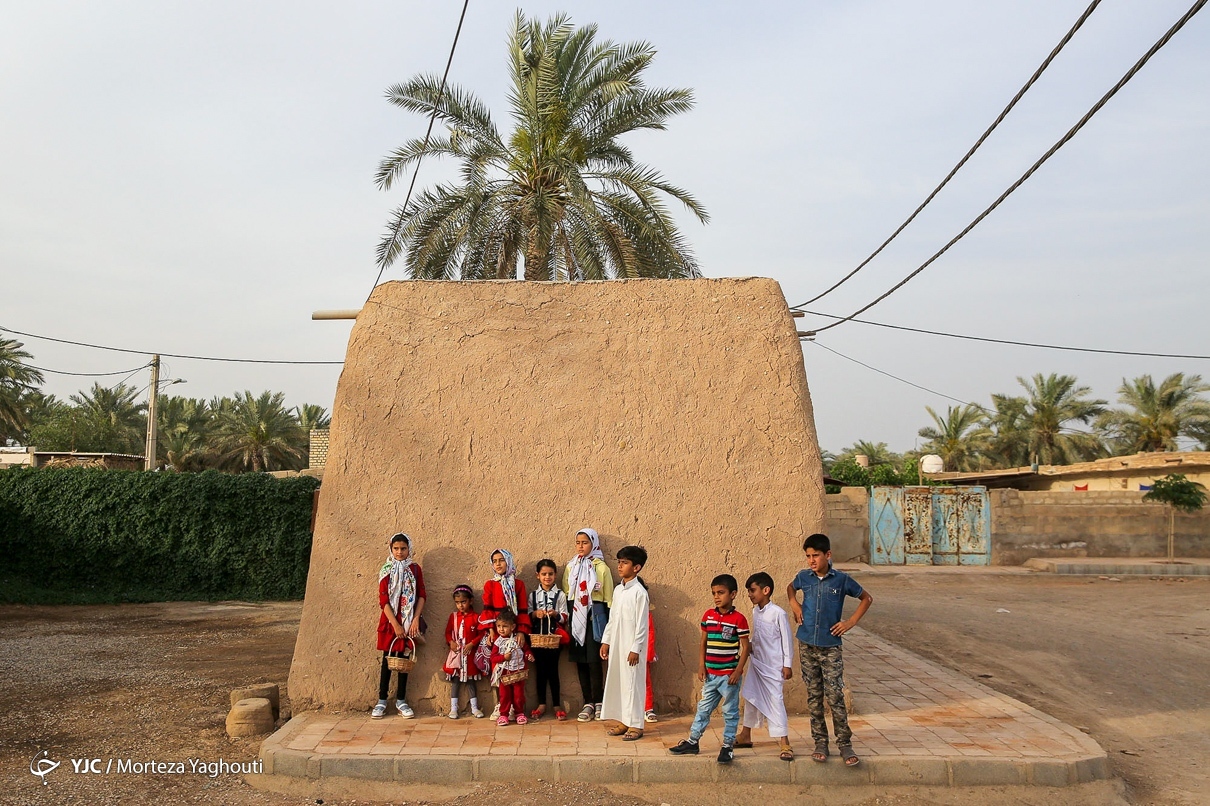
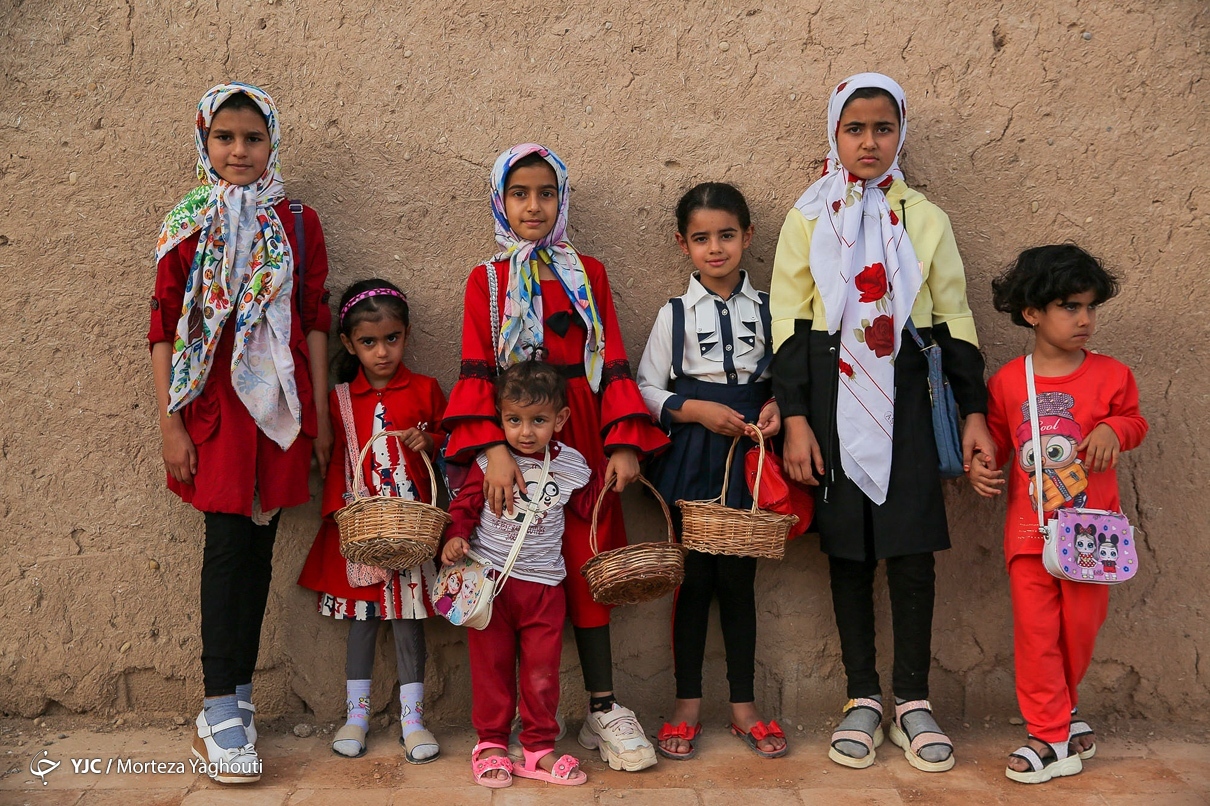
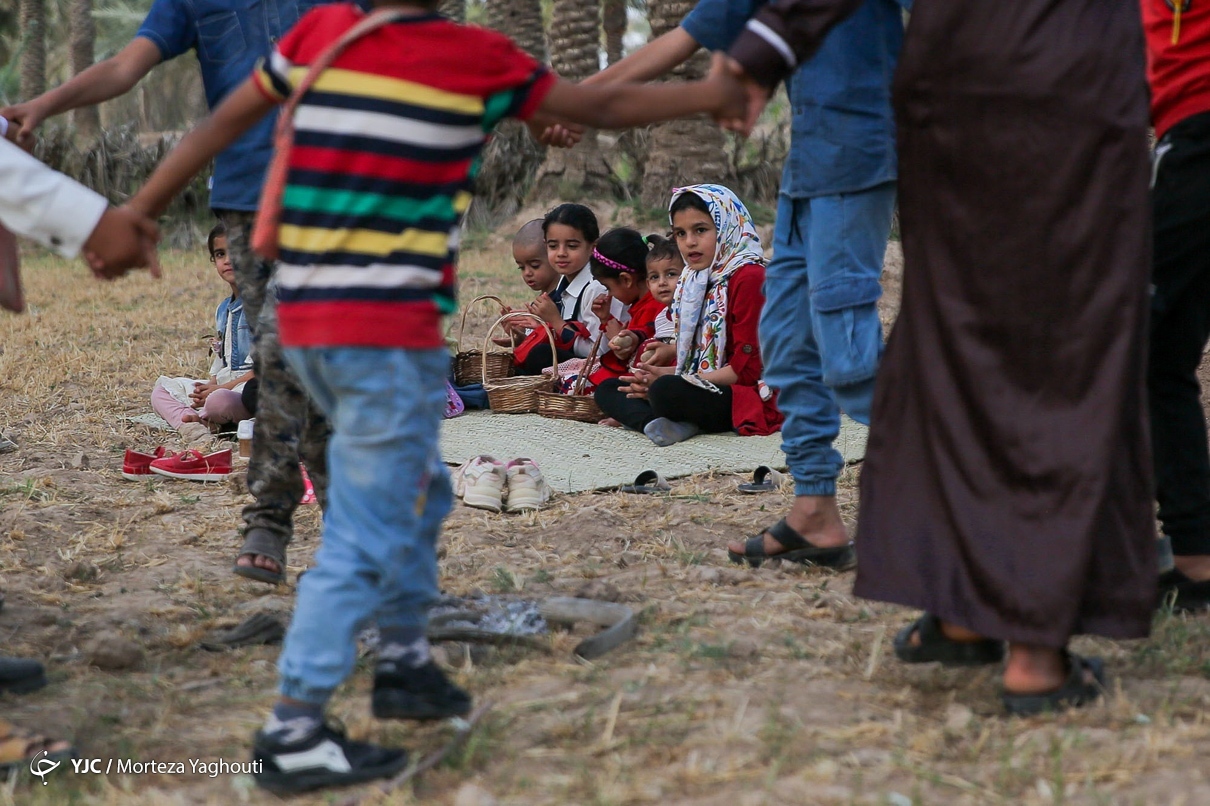
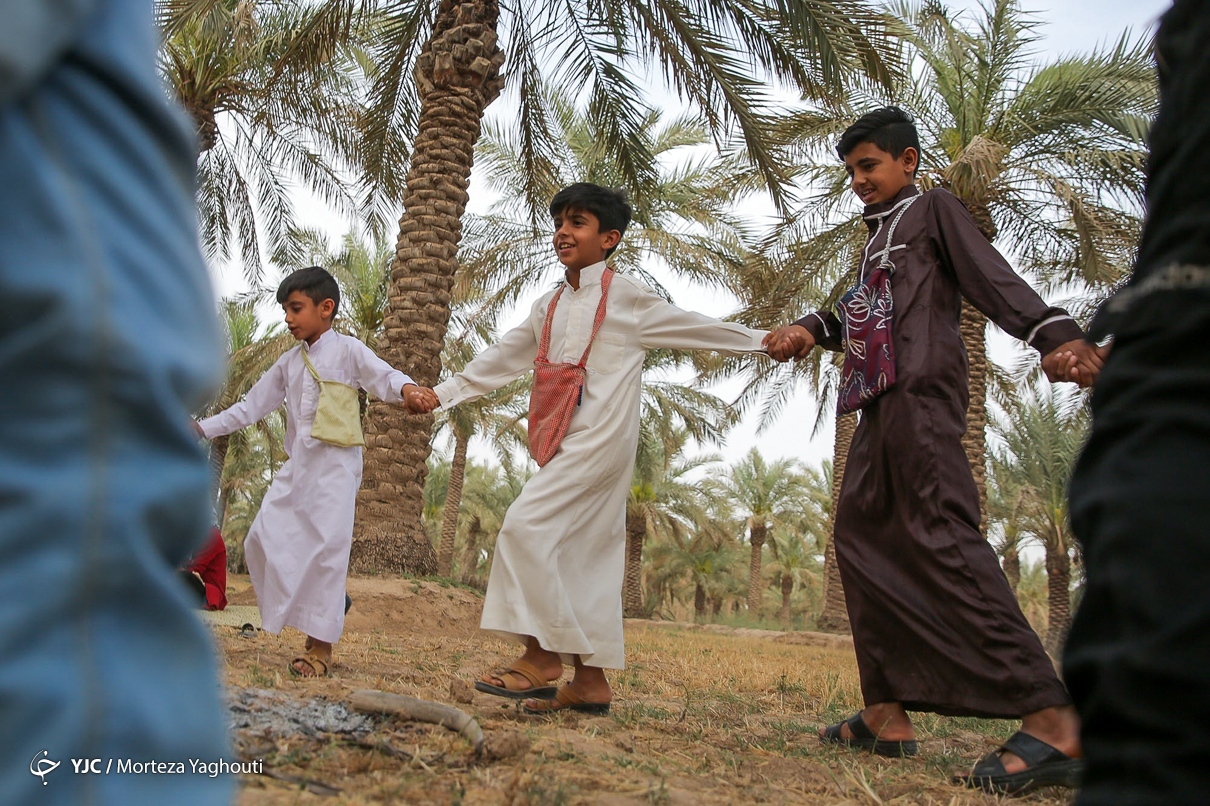
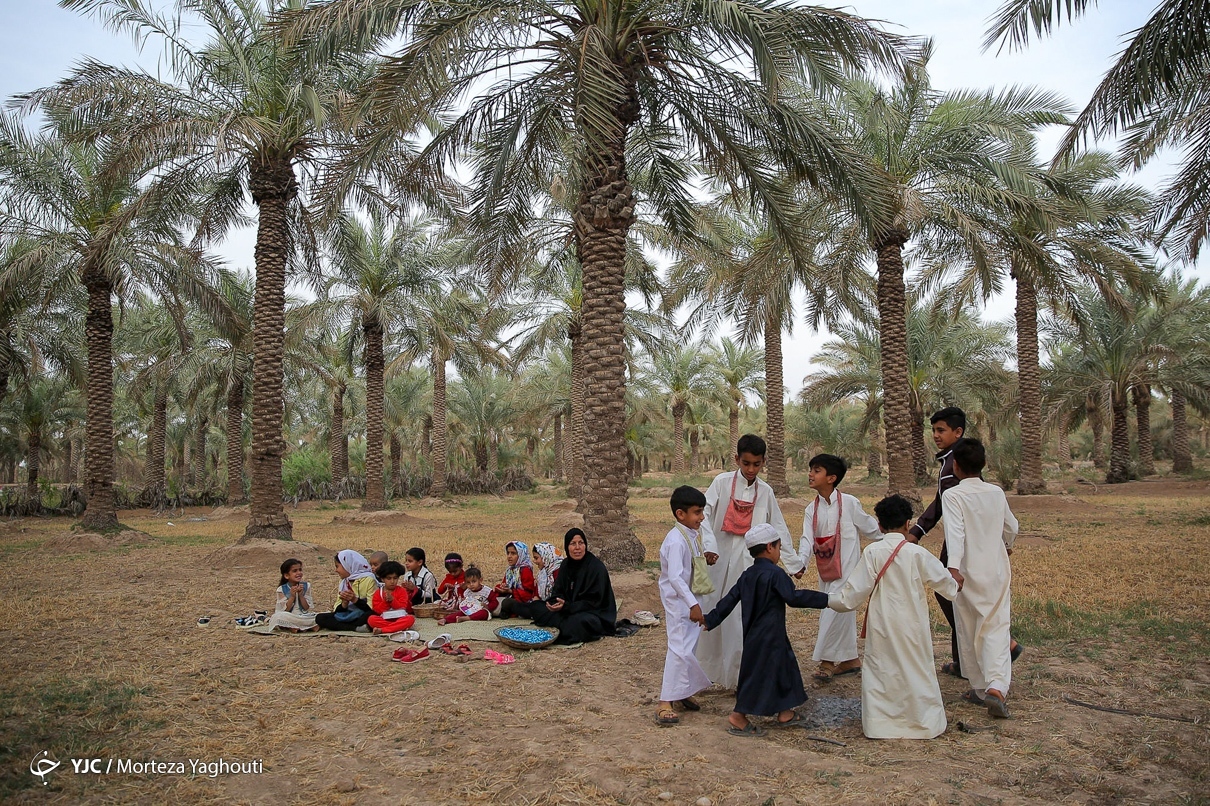
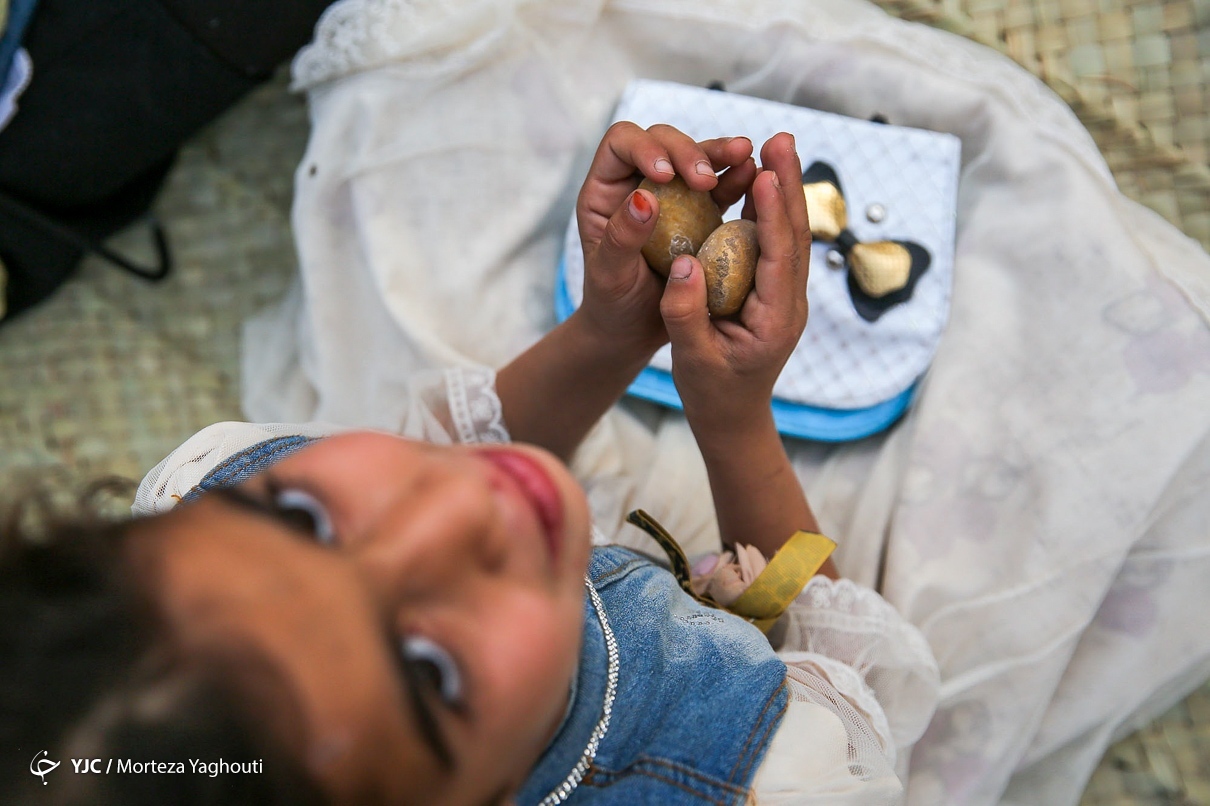
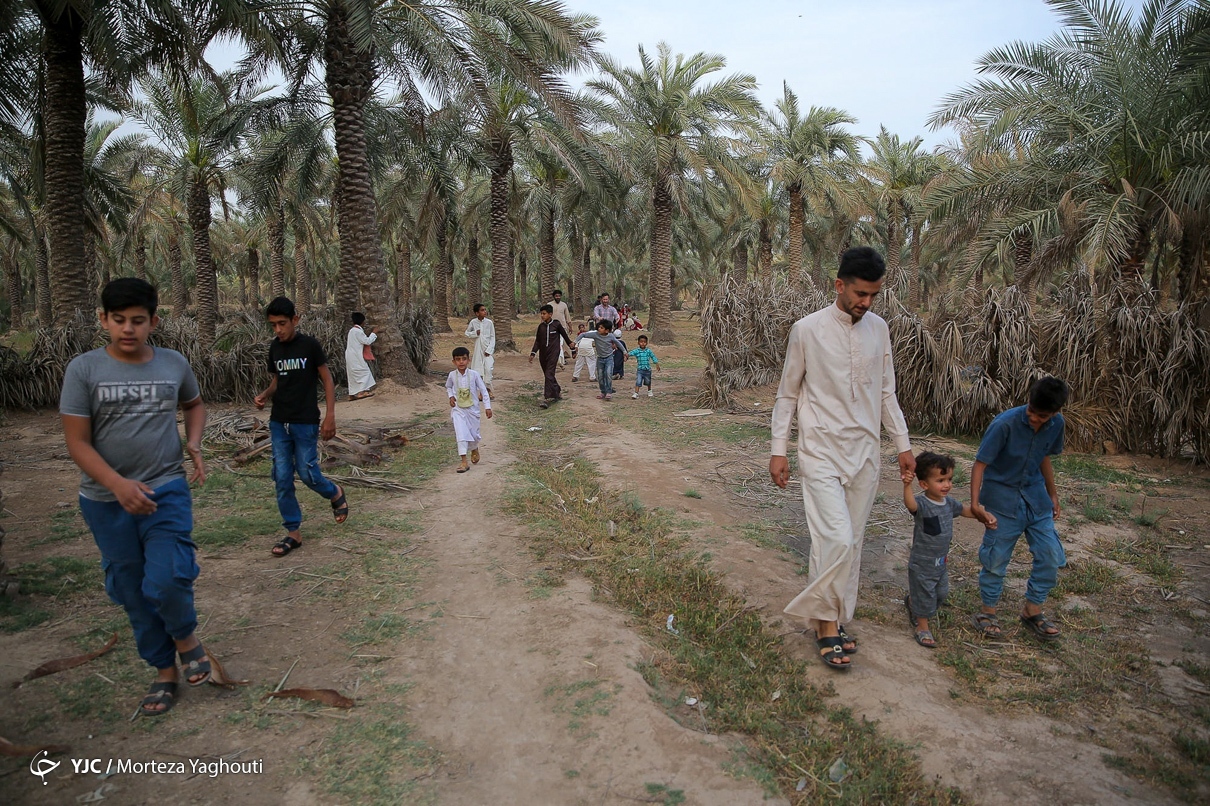
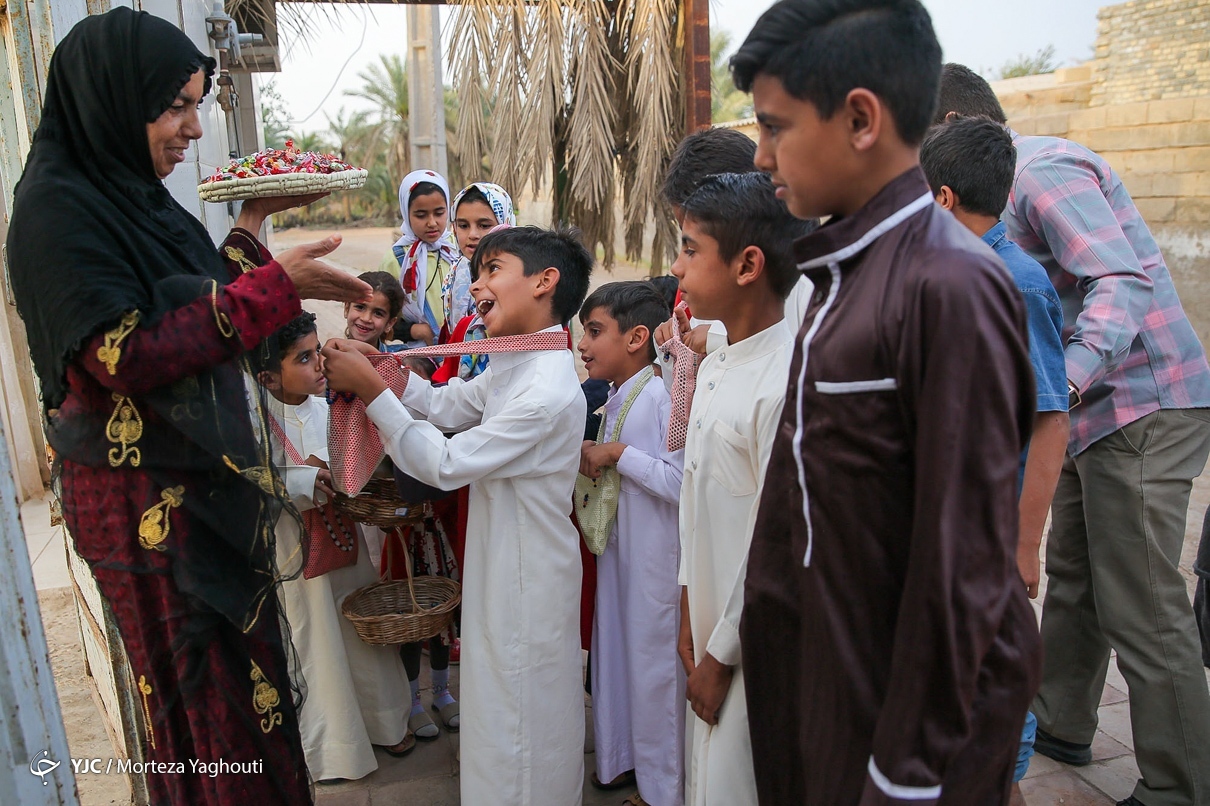
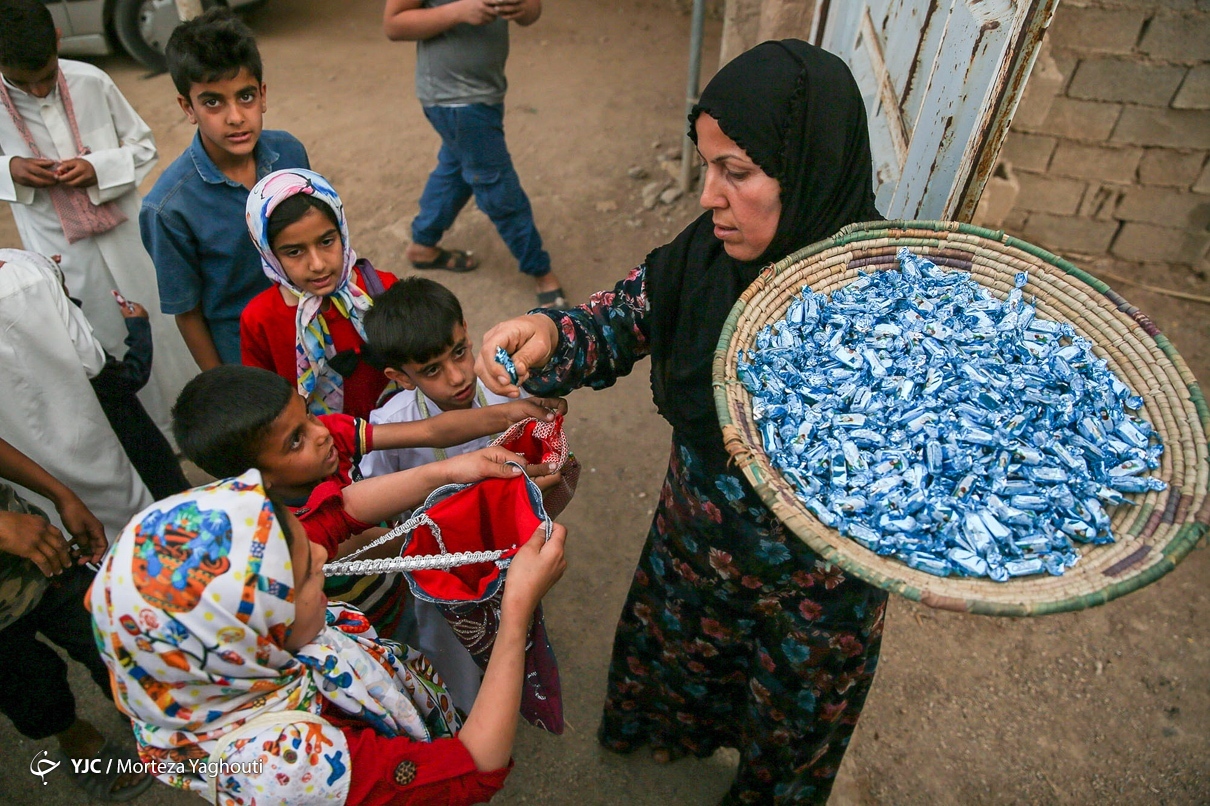
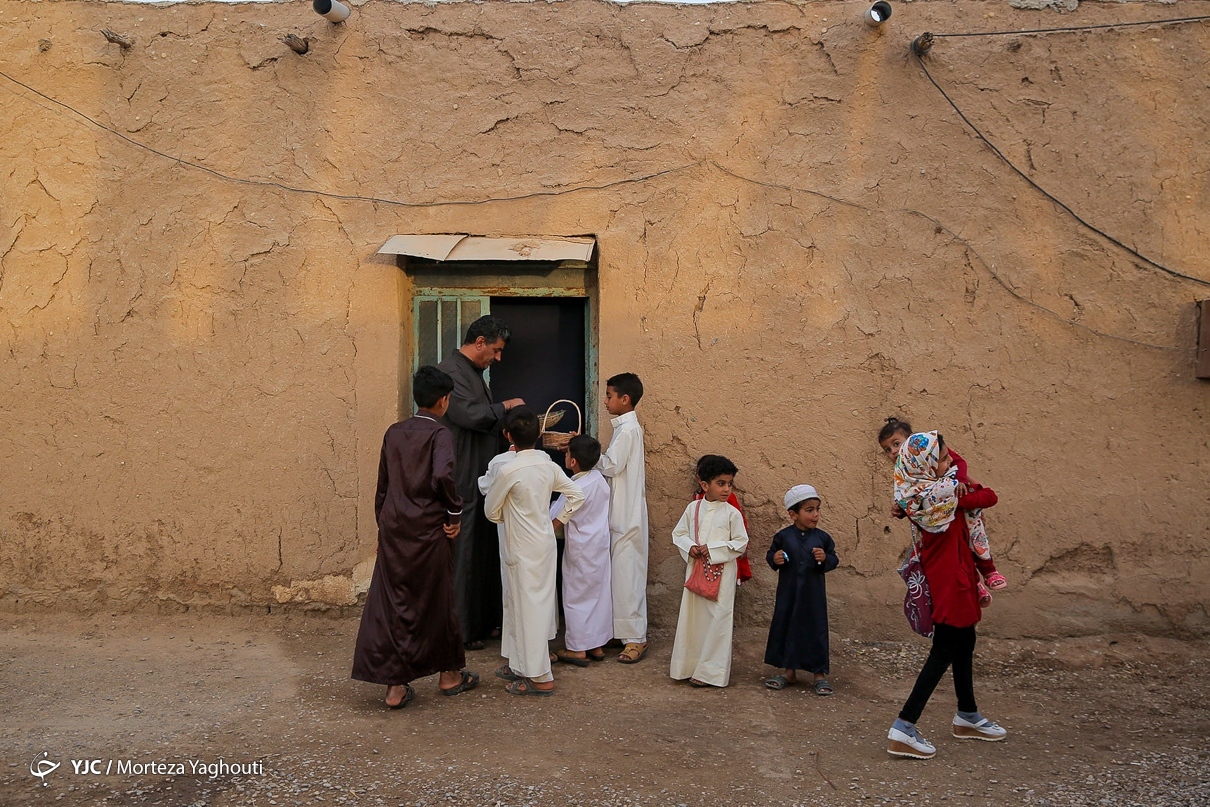
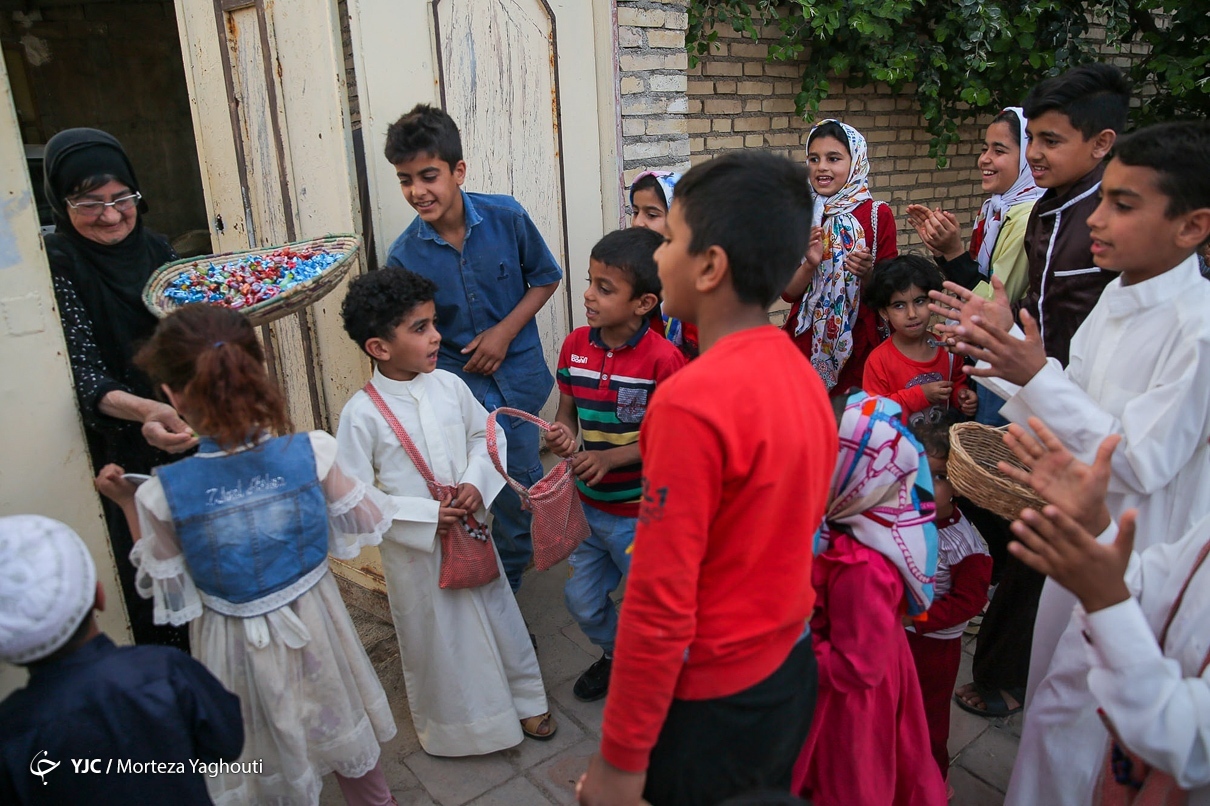
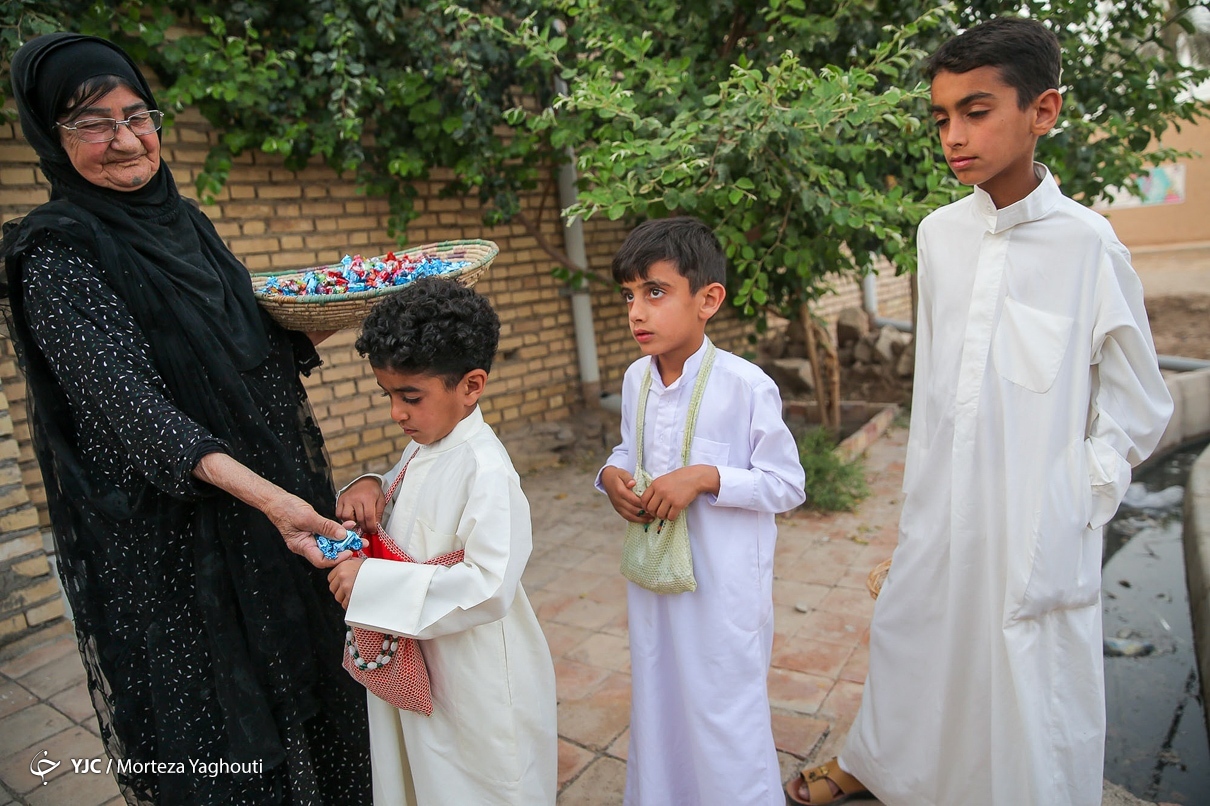
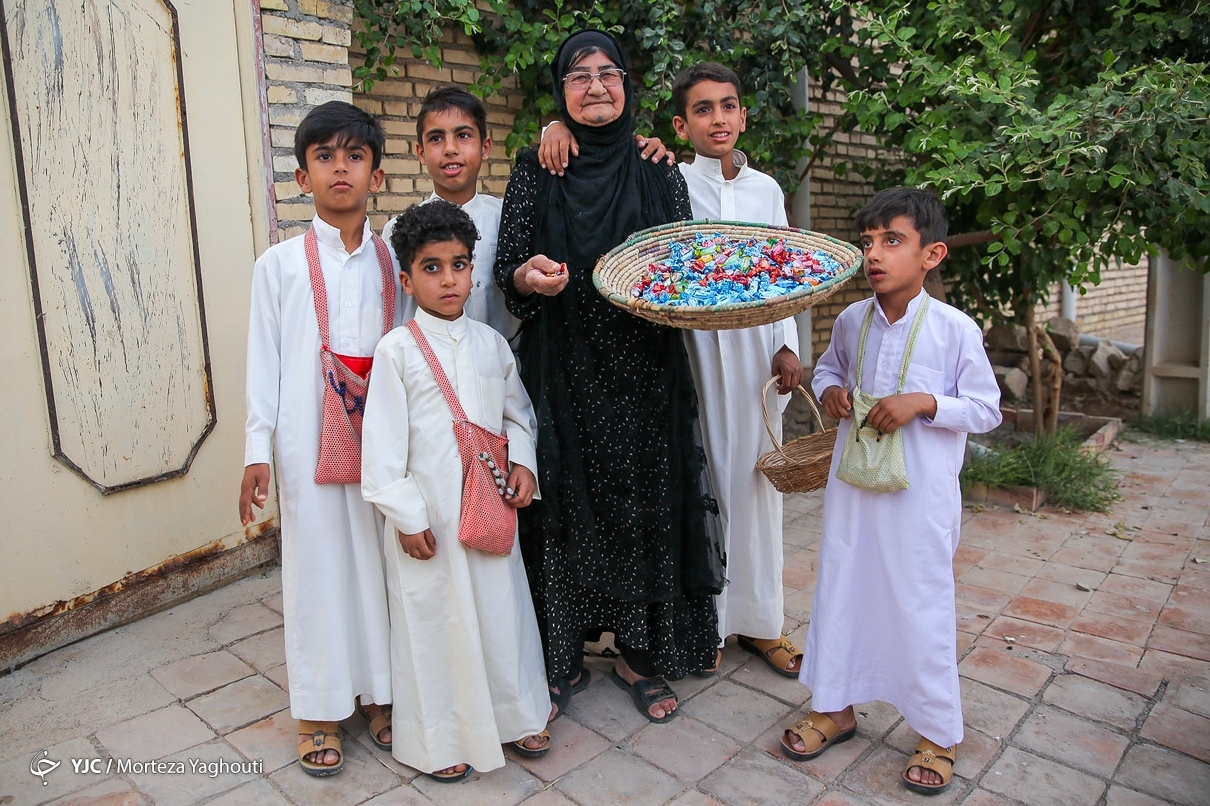
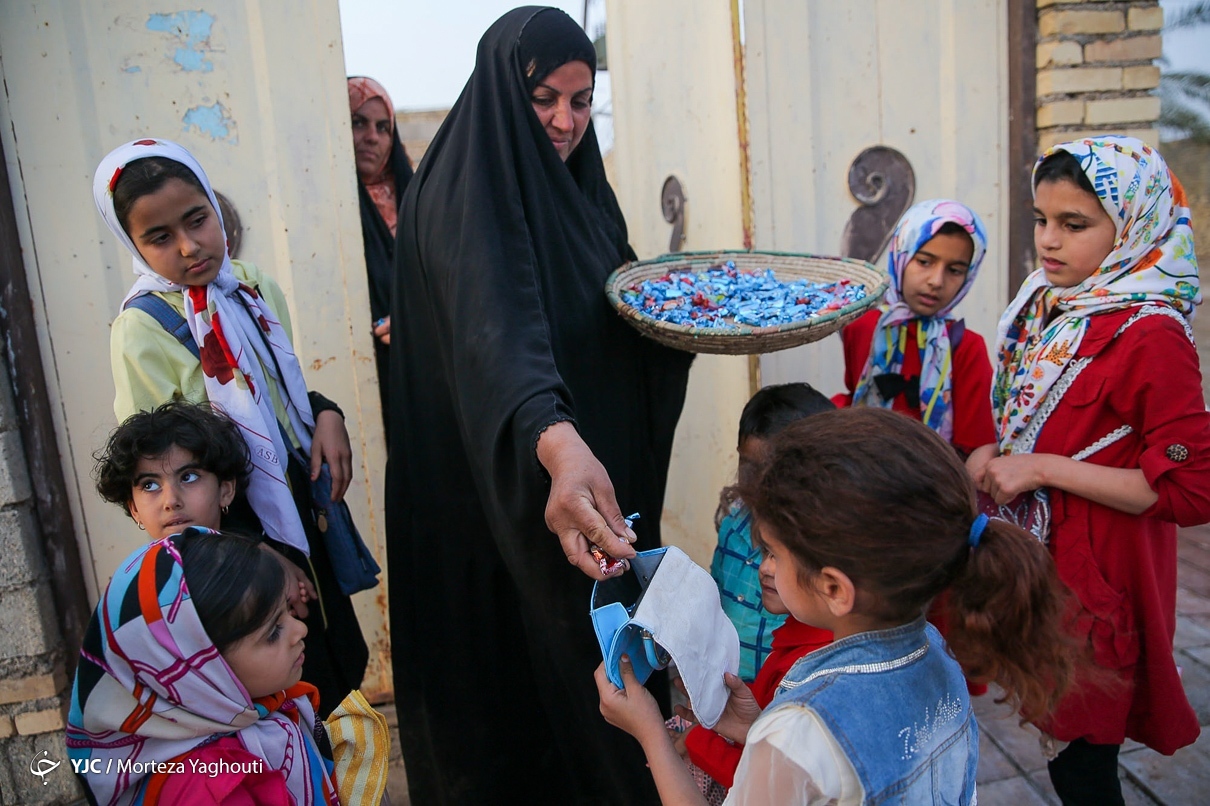
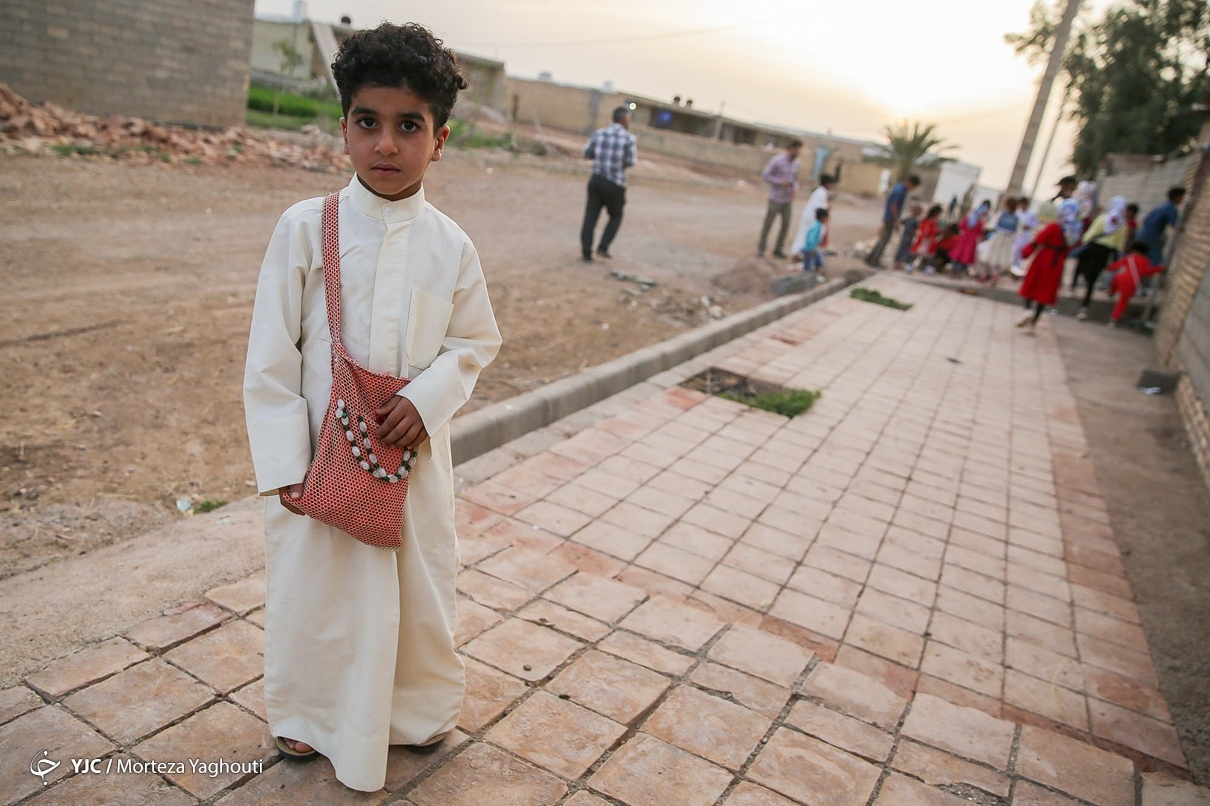
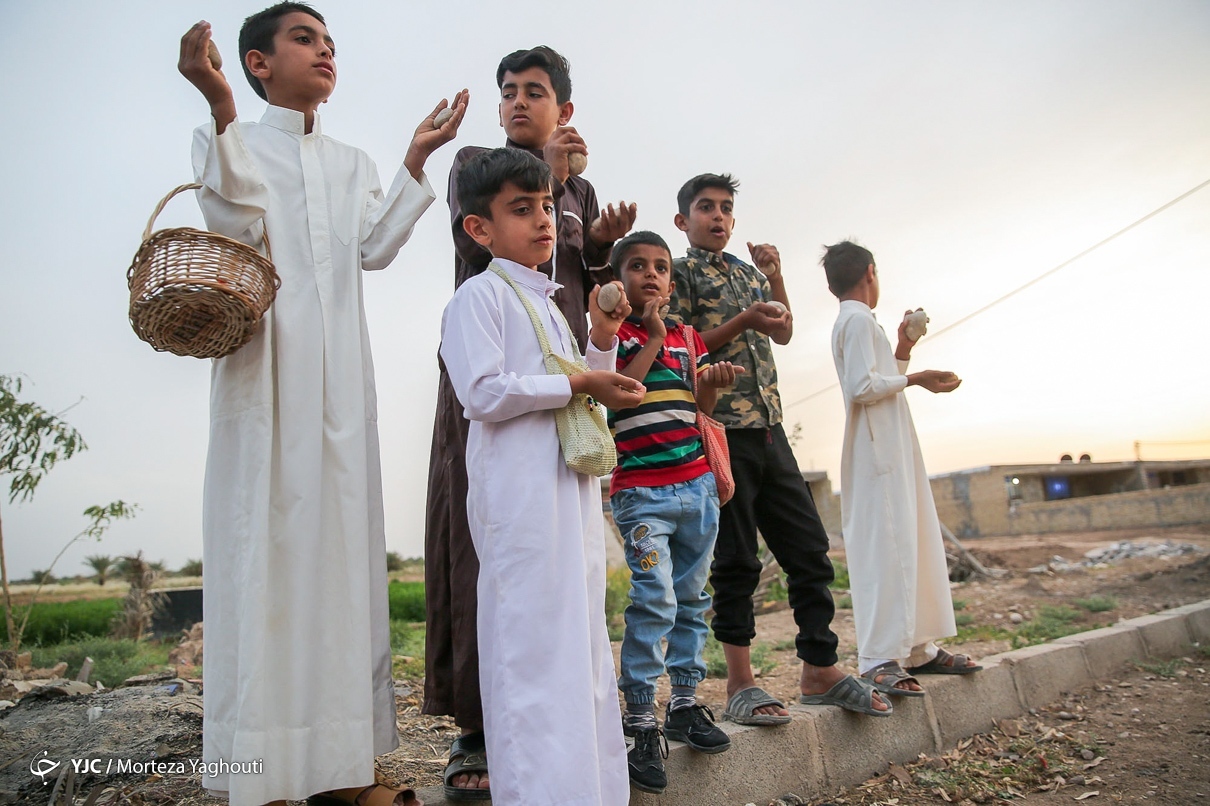
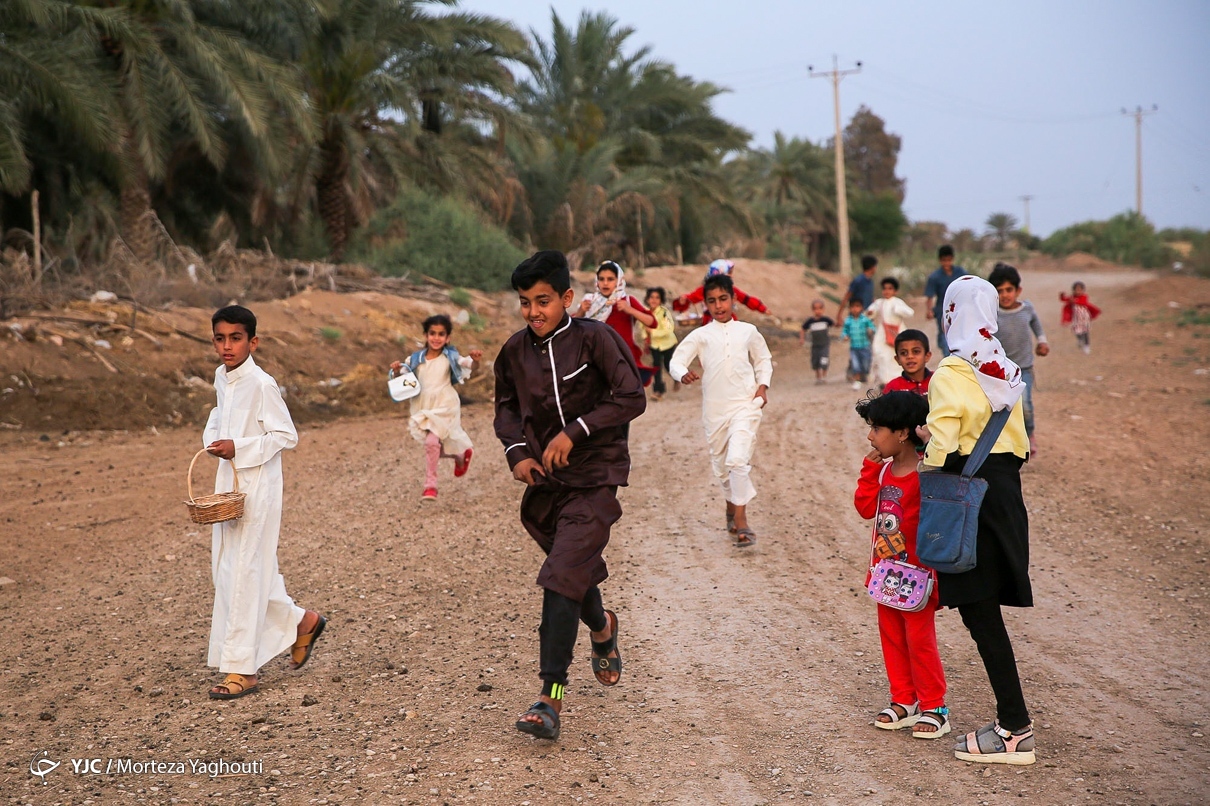
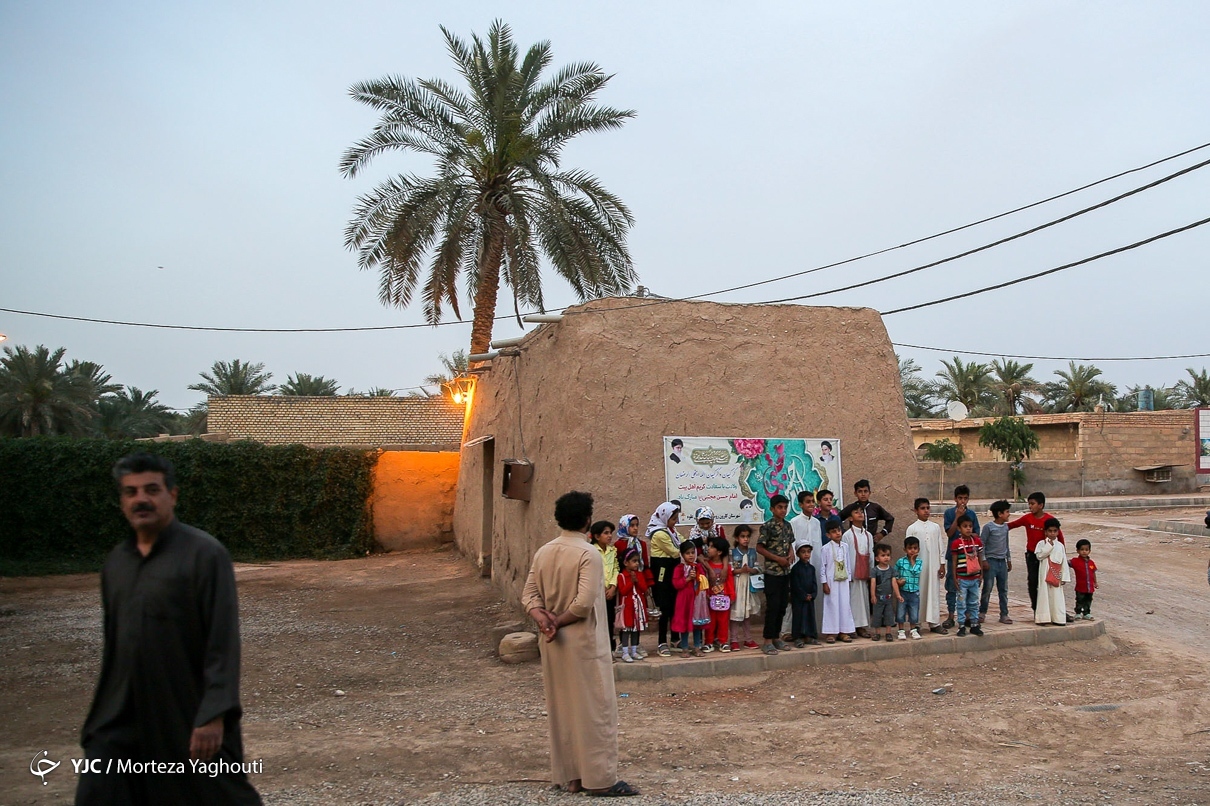
The traditional ritual of Gargee’an in the month of Ramadan

Traditional ritual of Gargee’an in the month of Ramadan

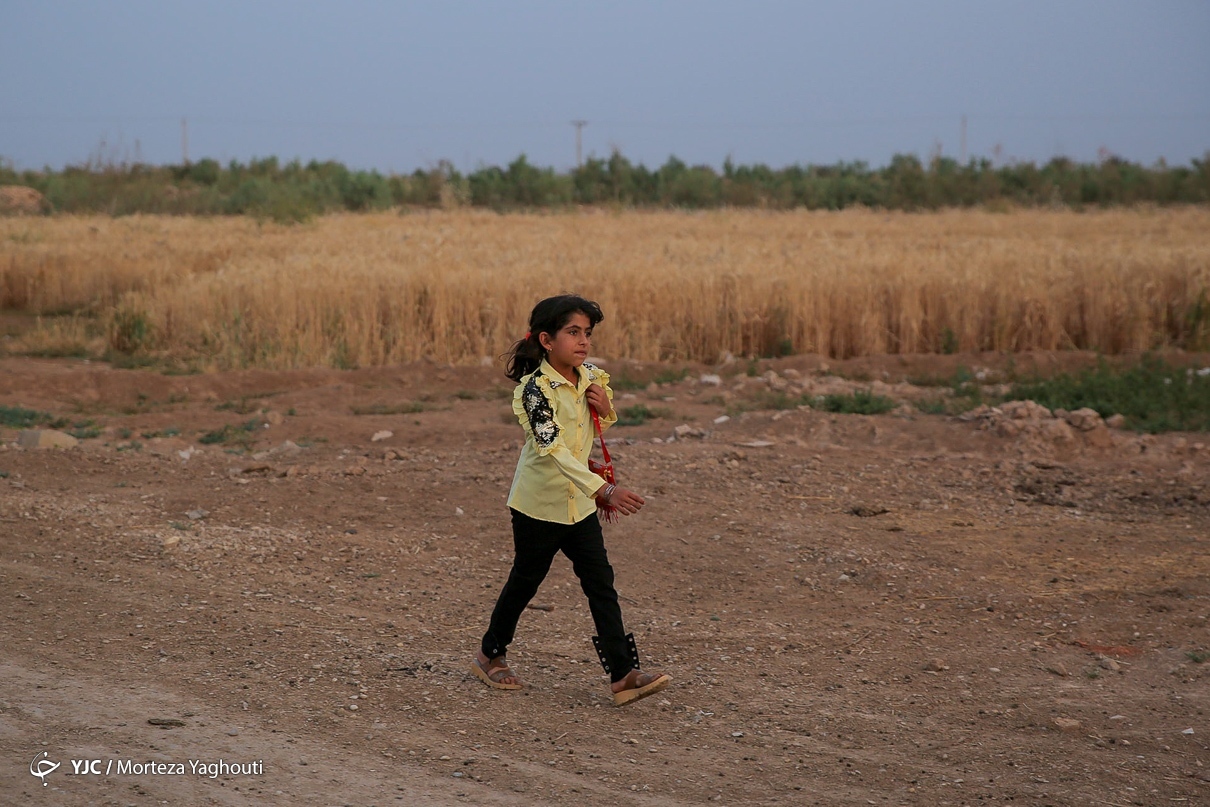
At night on the 15th of Ramadan, coinciding with the birthday anniversary of Imam Hassan Mojtaba (PBUH) the second Shia Imam, boys wear thawbs and girls Arab chadors and gleefully set about popping in at the doorsteps of houses to collect gifts and Ramadan sweets.

The ritual also involves the recital of various songs by Muslim Arabs. What follows is a video report on the gargee’an ritual, published by YJC:

COVID figures in Iran: A daily update

COVID in Iran

Both the fatalities and the new cases were much lower compared to figures from eight months ago, when tens of thousands of cases were detected by the day and the deaths were in their hundreds.

The deaths brought the total fatalities from COVID-19 in Iran to 140,829. And the caseload was raised to 7,206,959 people. Out of the new cases, some 257 people had to be put in hospital care.

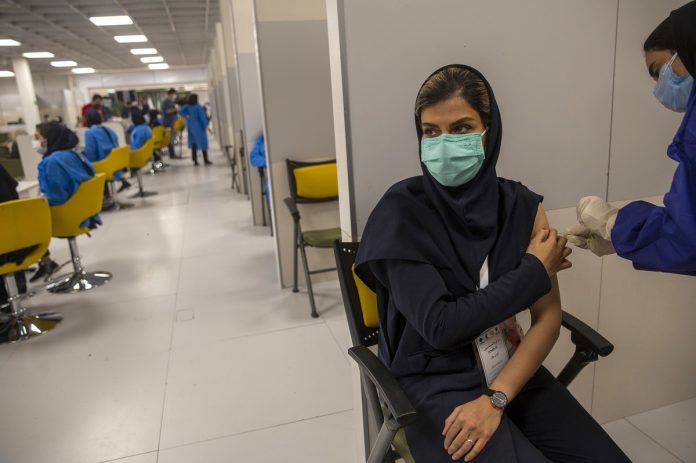
Iran, which has produced several vaccines against the disease caused by the coronavirus, has administered a total of 148,289,629 doses, and almost 26,751,000 people have received three jabs so far — a monumental achievement brought about by a national campaign of mobilization.

Only in the past 24 hours, 71,643 doses of COVID vaccines were administered in the country.

Nevertheless, 55 cities remain in the red-alert status, which means they are the most exposed to the virus because of high local caseloads.

Alireza Naji, the director of the Virology Research Center at Tehran-based Shahid Beheshti University, says the current low trend in the cases provides the best opportunity for people to visit vaccination centers to get their shots, including boosters.

A third dose is recommended for the majority of the people, while a rare fourth one is recommended to people with special diseases.

Iranian musician Keyhan Kalhor returns with new performances after Covid

Keyhan Kalhor

Kalhor will be accompanied by some internationally-renowned Iranian and non-Iranian musicians and players.

The cities Kalhor and the others are going to visit include Luxemburg, Vancouver, Victoria (British Colombia) and Montreal.

Keyhan Kalhor was born in 1963 in the Iranian capital Tehran and is the first Iranian musician who won the prestigious Womex international award.

He began playing at the age of 12. Kalhor is highly skilled in playing the kamancheh, tanbur and setar and has performed with prominent Iranian singers like Mohammad Reza Shajarian, Shahram Nazeri and Hossein Alizadeh.

Meanwhile, he has collaborated on production of the soundtrack of Francis Ford Coppola’s movie “Youth Without Youth” and the animation film “Soul”.

Kalhor made his debut in Iranian TV dramas in the series “Khatoon”. The musician has also composed music for Iranian movies such as “Lantouri” and “No Choice”, and his works have been used in the soundtrack of Ridley Scott’s “Paradise”.

Iran: Swedish government accountable for sacrilege against Quran

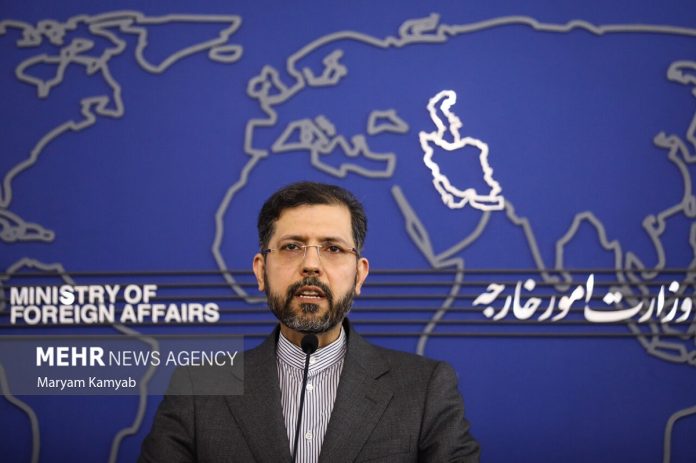
Saeed Khatibzadeh Iran FM Spokesperson

“The Islamic Republic of Iran strongly condemns setting the Holy Quran on fire in the Swedish city of Linkoping by a Danish racist and extremist element, which took place under the pretext of freedom of expression with the support of Sweden’s police,” Saeed Khatibzadeh said on Sunday.

The foreign ministry spokesman said the intentional repetition of this insulting move in the holy month of Ramadan hurts the feelings of Muslims in Sweden and across the world.

“This act of disrespect is a clear instance of hatemongering and is in violation of freedom of speech and must be condemned by all those who believe in coexistence and dialogue among religions,” he added.

“While we hold the Swedish government accountable, we are waiting for the immediate, strong and clear reaction of this country against the perpetrators of this insulting act and transparent and practical steps to prevent such moves from being repeated.”

“The move by the insulting person and his supporters makes unity of Muslims and Islamic countries against plots by enemies of Islam ever more necessary,” the foreign ministry spokesman added.

On Thursday, the leader of the Danish far-right Stram Kurs Party burned a copy of the holy Quran in a heavily-populated Muslim area in Sweden. Rasmus Paludan, accompanied by police, went to an open public space in southern Linkoping and placed the Muslim holy book down and burned it while ignoring protests from onlookers.

Israeli troops storm al-Aqsa Mosque, 2nd time in 48 hours

Israeli troops storm al-Aqsa Mosque

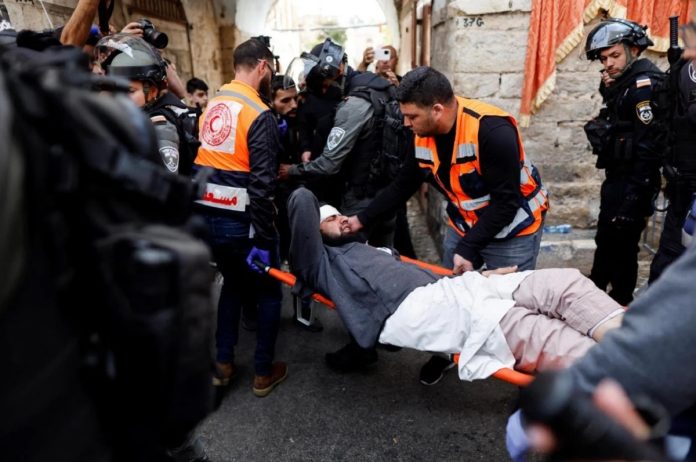
Around 7:00 am local time, hundreds of special forces entered the mosque’s courtyards and began striking Palestinians observing Ramadan with batons in a bid to force them out. There were also reports of stun grenades being deployed.

In the silver-domed Qibli prayer hall, Israeli forces fired teargas at worshippers and blocked them indoors. For more than three hours, dozens of people trapped inside have not been able to evacuate people who sustained minor injuries.

The Palestine Red Crescent Society (PRCS) announced its medics were also prevented from entering the mosque to provide first aid. Inside the Dome of the Rock hall at the centre of mosque’s complex, female worshippers were also blocked in and not allowed to leave.

People trapped inside the Qibli hall pleaded for help using loudspeakers, urging Palestinians to come and protect al-Aqsa Mosque.

Israeli forces reportedly tried to access the sound system room afterwards to cut off the loudspeakers.

Meanwhile, scores of Israelis, protected by heavily-armed forces, stormed the courtyards of the mosque after they had been emptied of Palestinians.

Far-right Israeli activists and settler groups had announced plans to storm al-Aqsa this week in large numbers starting from Sunday to mark the Jewish Passover holiday.

In the Old City outside al-Aqsa, some Palestinian men threw stones at buses carrying Israelis heading to al-Aqsa, lightly injuring five. Israeli forces arrested two people in connection with the incident.

Small Palestinian protests took placed near Lion’s Gate in the Old City as the raid continued.

Before dawn, Israeli forces increased their presence outside al-Aqsa’s gates and imposed restrictions on Palestinians trying to enter the mosque for prayer, eyewitnesses said.

The raid comes 48 hours after another violent attempt by Israeli forces to clear al-Aqsa of Muslim worshippers on Friday.

More than 150 were wounded and at least 450 arrested as Israeli forces fired rubber-coated steel bullets, teargas and stun grenades inside the courtyards and prayer halls of the mosque.

Shiekh Ekrima Sabri, the imam of Al-Aqsa, told Middle East Eye the raid was a “premeditated and orchestrated attack” against Palestinians.

“They want to deter Muslims from coming to the mosque and allow Jewish intruders to storm Al-Aqsa,” the 82-year-old added.

Flanked by the police, settlers enter al-Aqsa Mosque on an almost daily basis, showing complete disregard for the site’s Palestinian Muslim administration and the thousands of worshippers who are usually at the site.

Such raids were often scaled-down and at times cancelled during Muslim holidays, like in the holy month of Ramadan.

However, this has changed in recent years and settlers also began to perform prayer inside the mosque during their incursions which is a violation of the internationally-agreed status quo.

Israel’s control of occupied East Jerusalem, including the Old City, violates several principles under international law, which stipulates that an occupying power has no sovereignty in the territory it occupies and cannot make any permanent changes there.

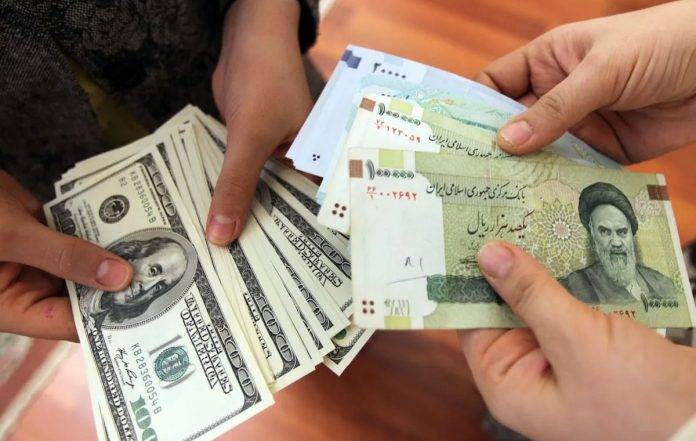
Iran pursuing talks on release of frozen assets

rial dollar

The announcement was made after Iranian Foreign Minister Hossein Amir Abdollahian made remarks on agreements reached about the release of Iran’s frozen assets and following a trip to Iran by a regional delegation, which, in turn, was followed by the US State Department adopting a position on the issue.

An official with the bank said a CBI representative is present in the talks on unfreezing the assets.

“Talks aimed at unfreezing Iran’s forex assets illegally blocked in other countries have been on the agenda for quite some time,” said the official.

“Accordingly, part of these frozen assets, i.e., around £390 million, which had been frozen by Britain for more than 40 years, was fully paid back to Iran,” the official said.

The same source touched upon a new agreement on releasing a considerable amount of Iran’s blocked financial resources as well as a trip to Tehran by a regional team to discuss the issue.

“Under this agreement, the general framework for releasing a sizeable amount of Iran’s frozen assets in one the countries was set, the trip to Tehran by the regional delegation was aimed at summing up details of implementing the agreement,” the official explained.

The Islamic republic has recently confirmed reports that $7 billion in Iranian assets, frozen in foreign banks due to the US sanctions, are going to be released.

Iran volirologist calls for new vaccinations as covid surge expected

COVID Vaccine

The director of the university’s Center for Virology Research says XE is a result of the combination of Omicron’s BA1 and BA2 variants.

Alireza Naji told ISNA that the new variant has a higher transmissibility than BA2 variant, but there is no information yet on the severity of illness or how much immunity previous vaccinations entail against it.

Naji said the XE variant’s spread might be wider than currently reported, stressing that Iran should strengthen its monitoring of new variants, which may occur but may not be traced by regular screenings.

The virologist also criticized the decision to reopen schools and universities immediately after the Nowruz holidays, which, he says, is itself expected to lead to a surge in the Covid cases.

He said the sixth wave of coronavirus is now on the decline in Iran but a surge is expected in the coming weeks, therefore time is ripe to begin administration of second booster jabs.

Intl. holy Quran exhibition begins in Tehran

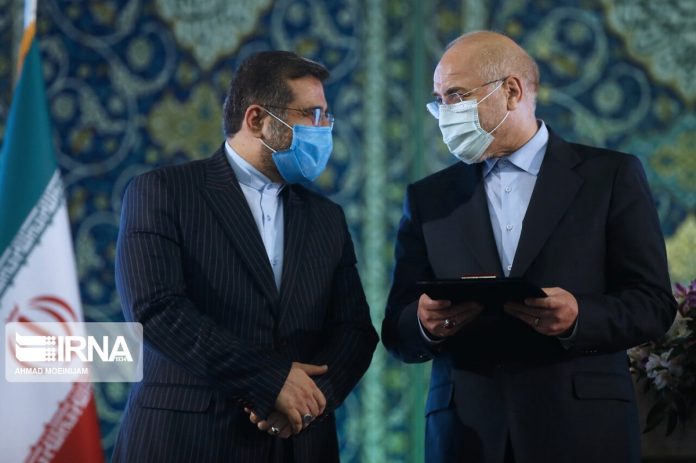
Mohammad Baqer Qalibaf & Mohammad-Mehdi Esmaili

The 29th edition of the International Holy Quran Exhibition began in-person in Tehran after two years due to the coronavirus pandemic.

The exhibition is being held in Imam Khomeini Mosalla from April 16 to 29.

Qalibaf, Esmaili, and some high-ranking figures and members of parliaments, as well as Quranic institutions, are present at this exhibition.