
This Ta’zieh is particularly captivating due to the large number of performers, the realistic setting, and horseback riders galloping through the scene. Here is a photo report of the Ta’zieh titled “Awakened Conscience”:
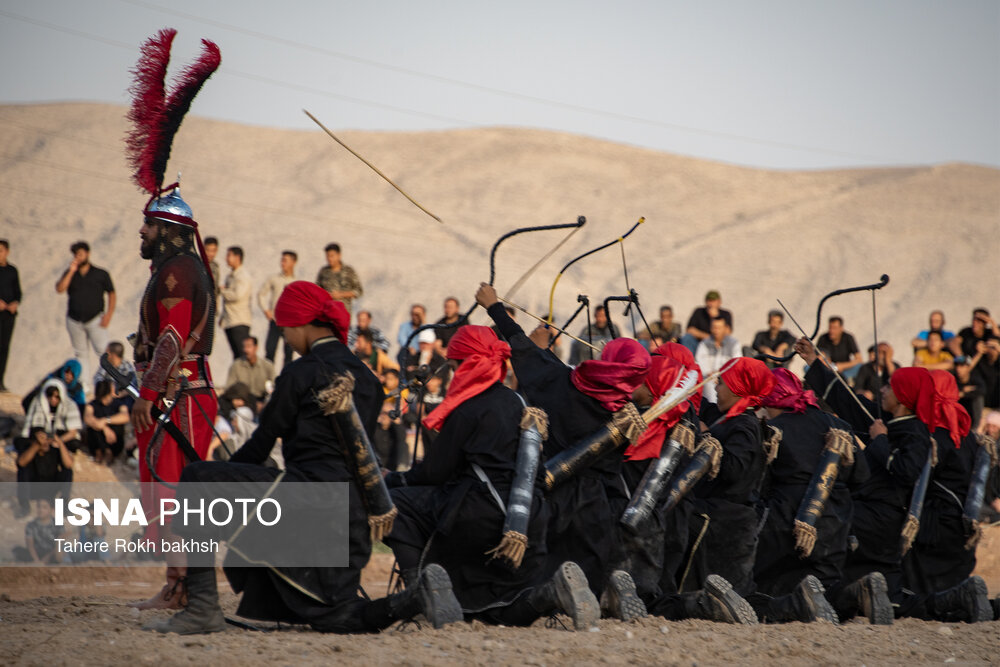
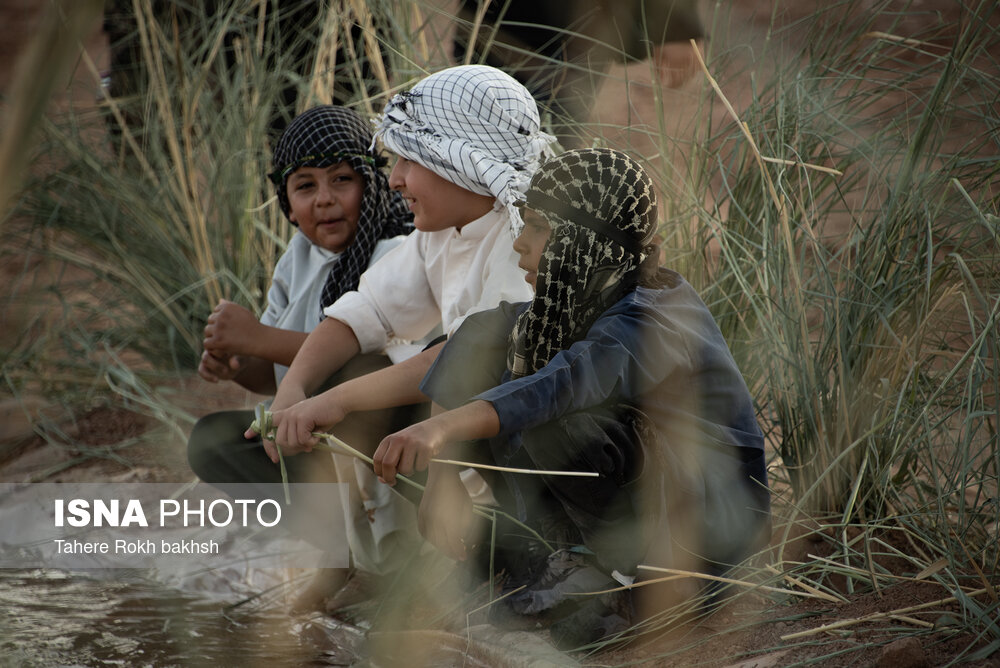
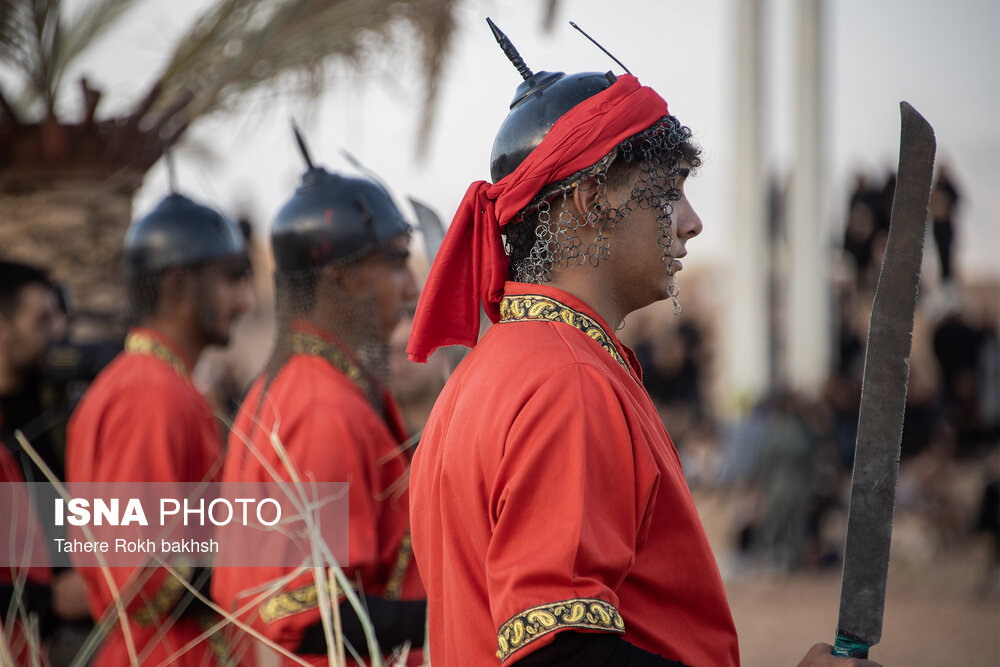
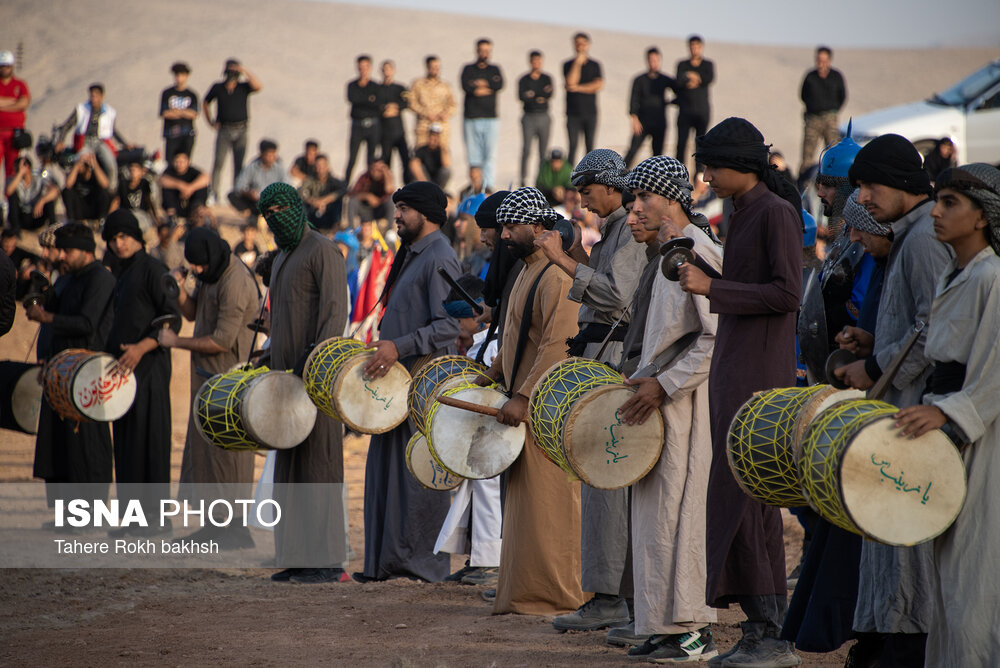
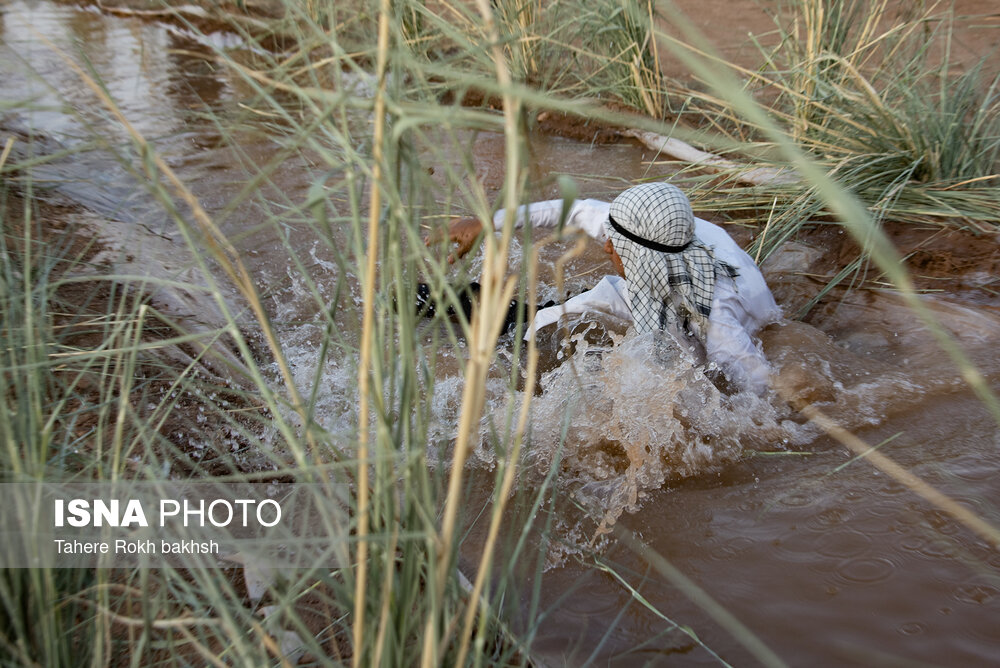
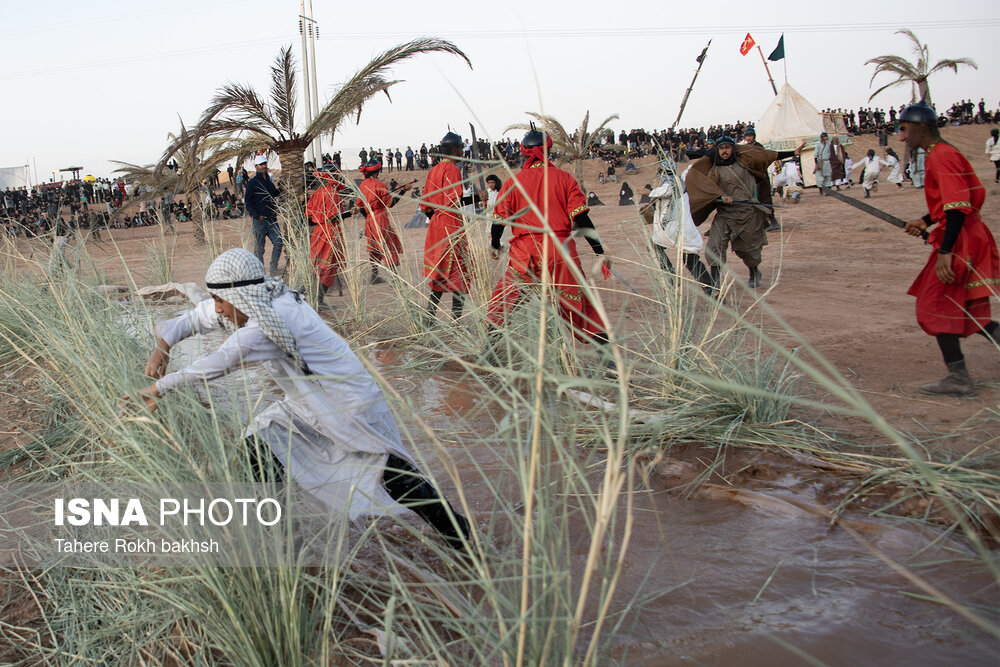
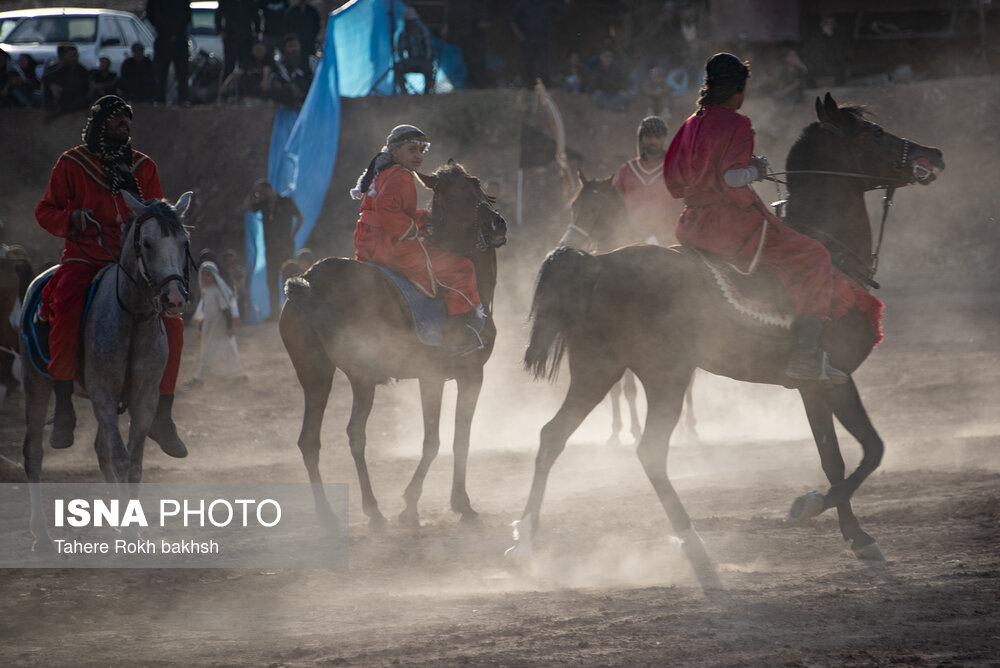
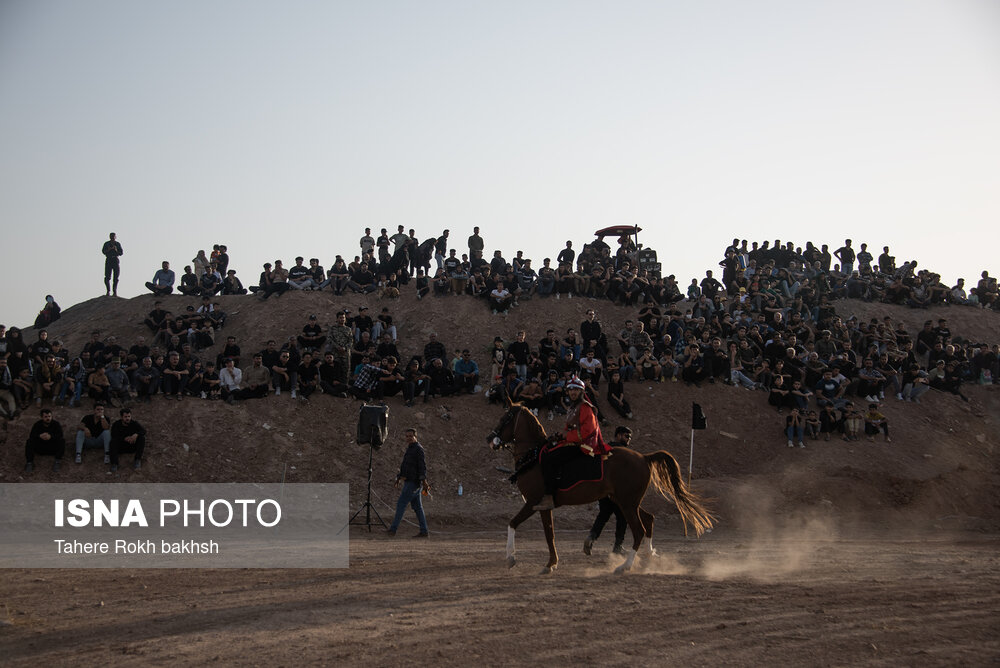
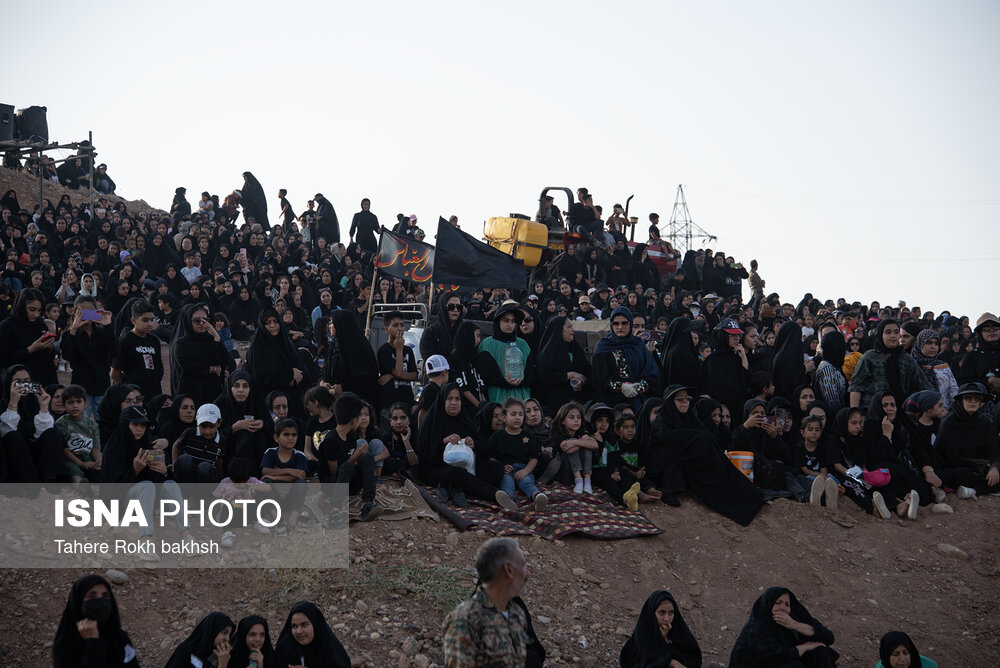
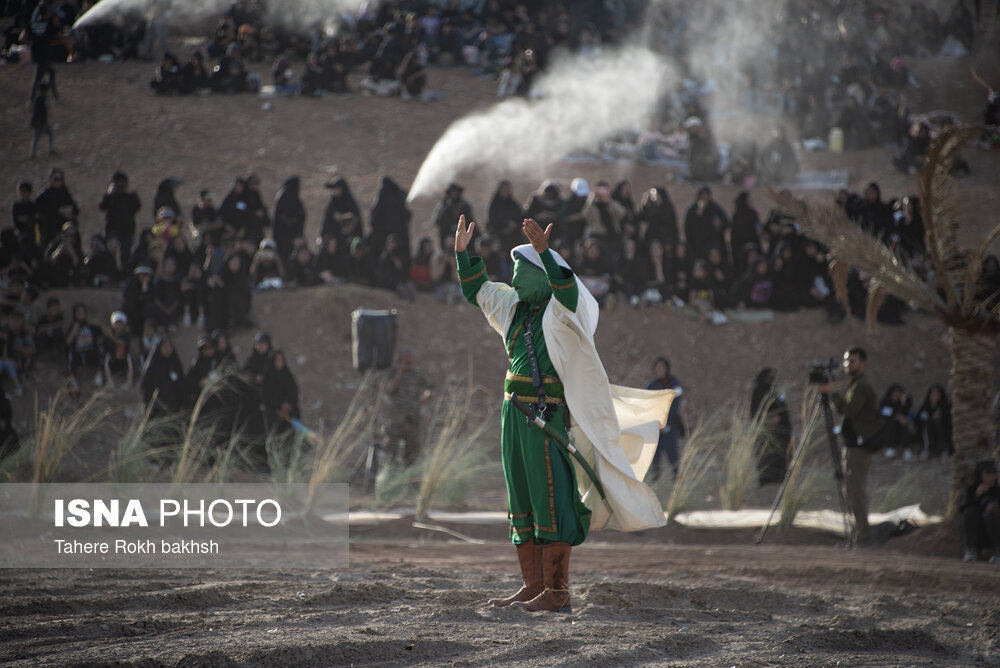
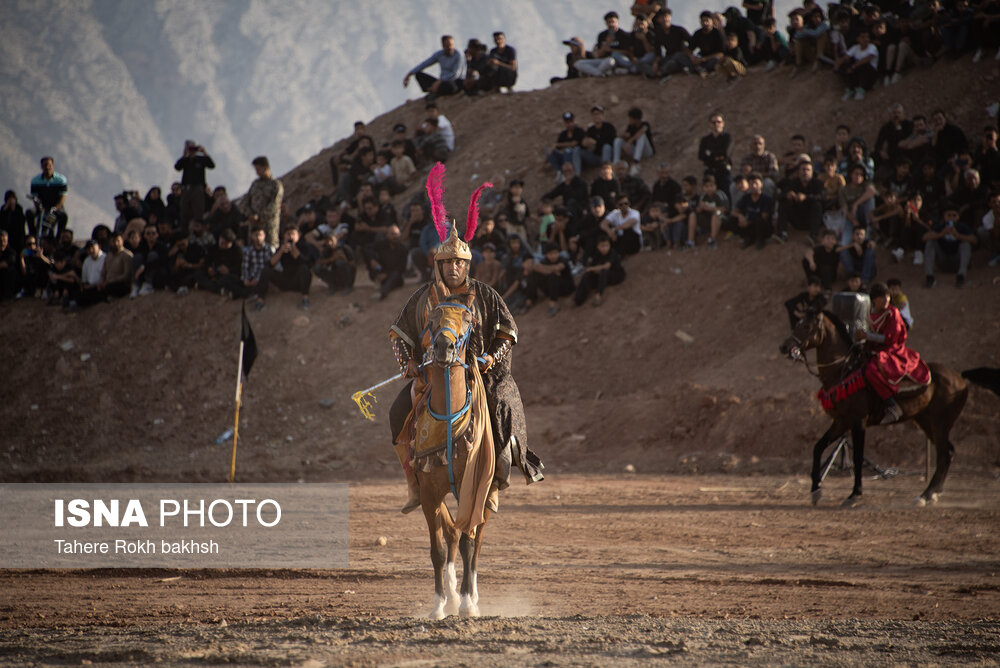
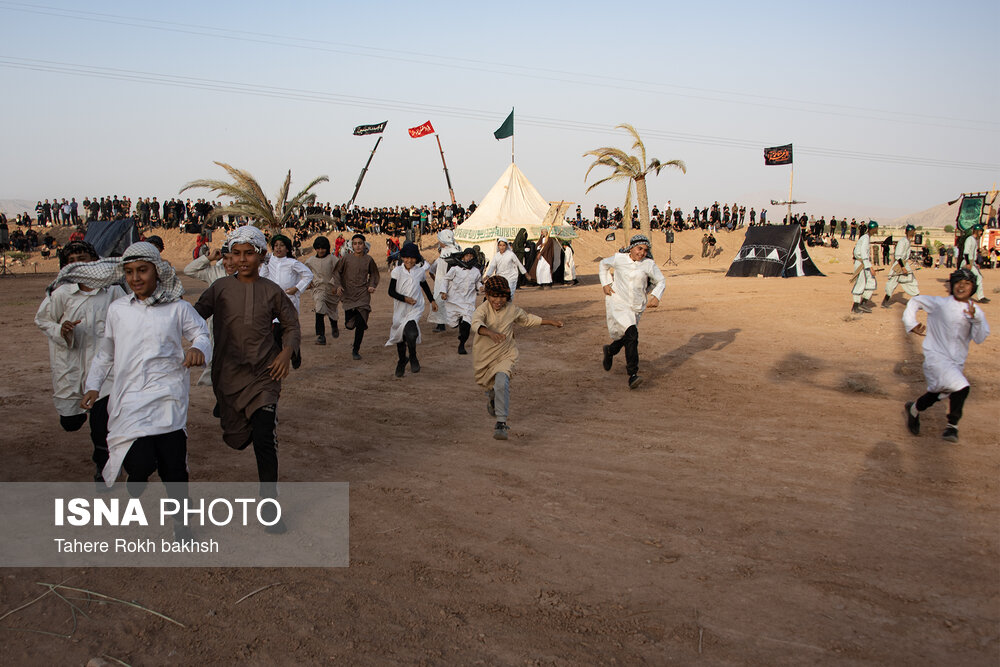
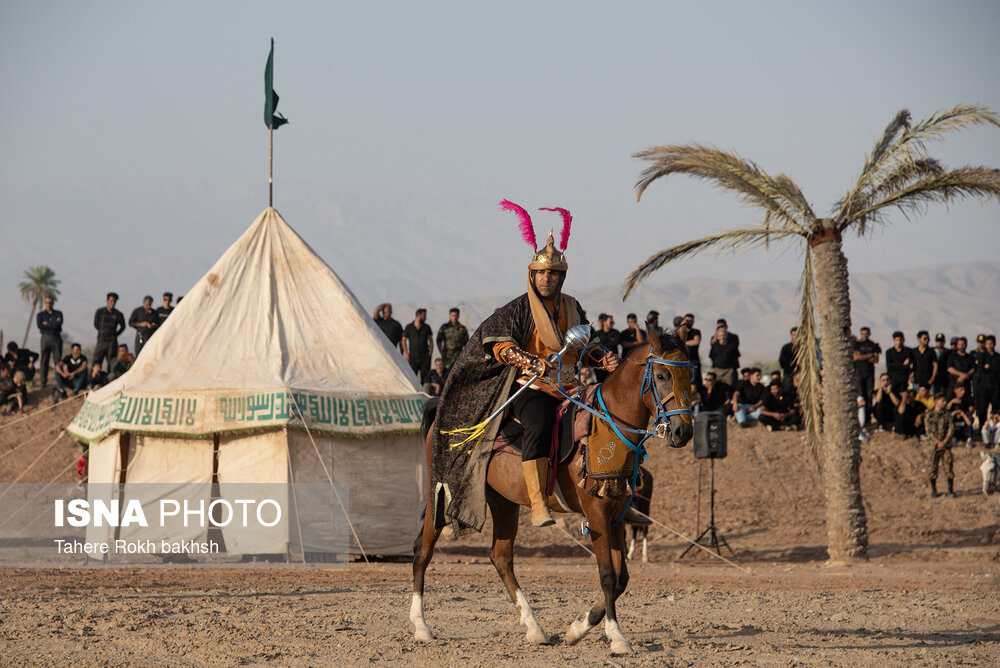
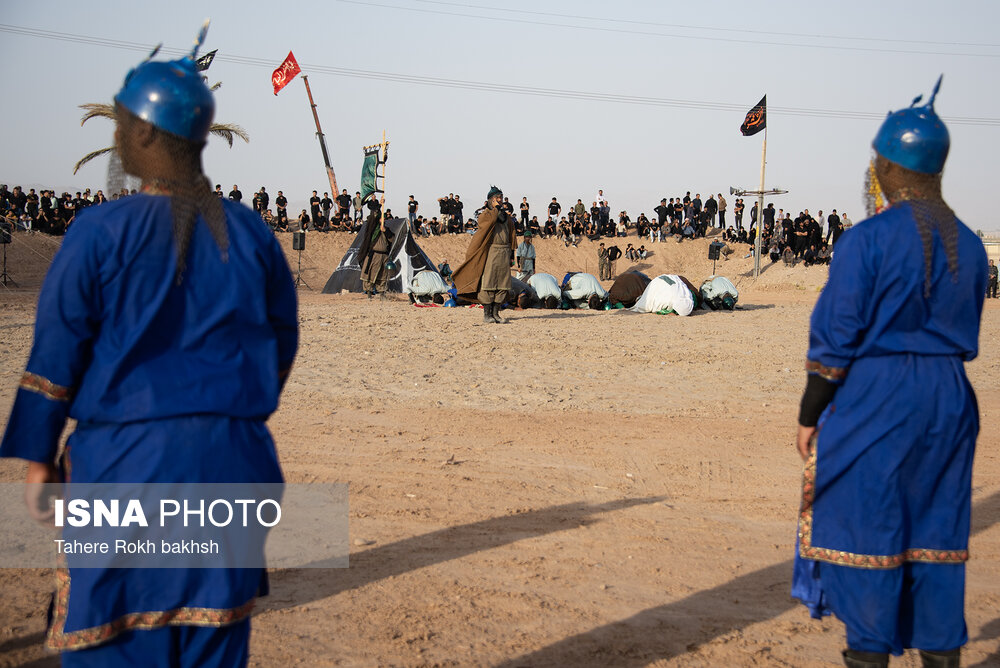
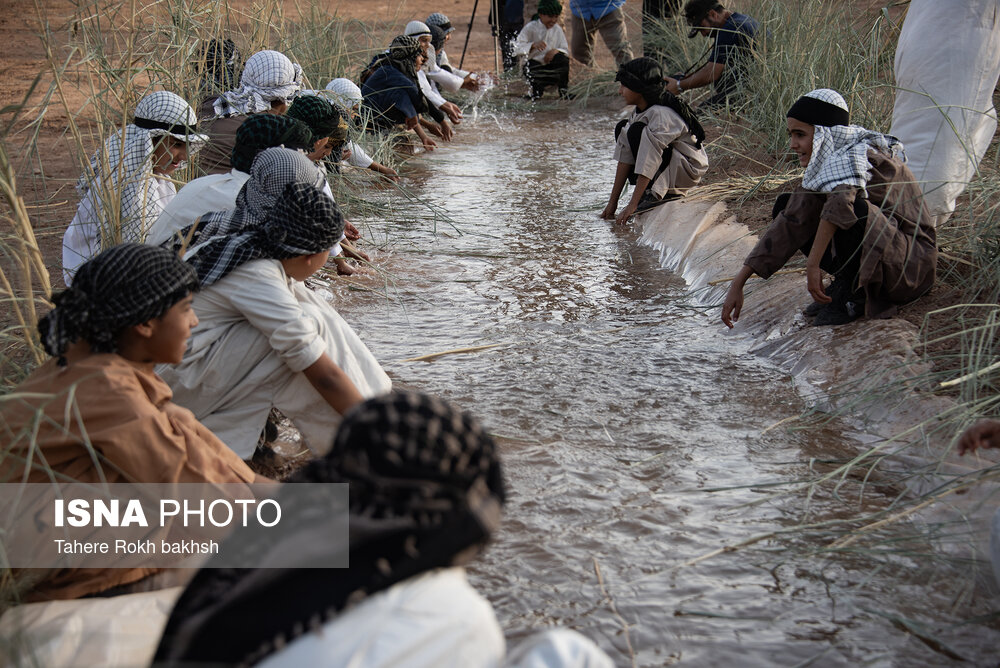
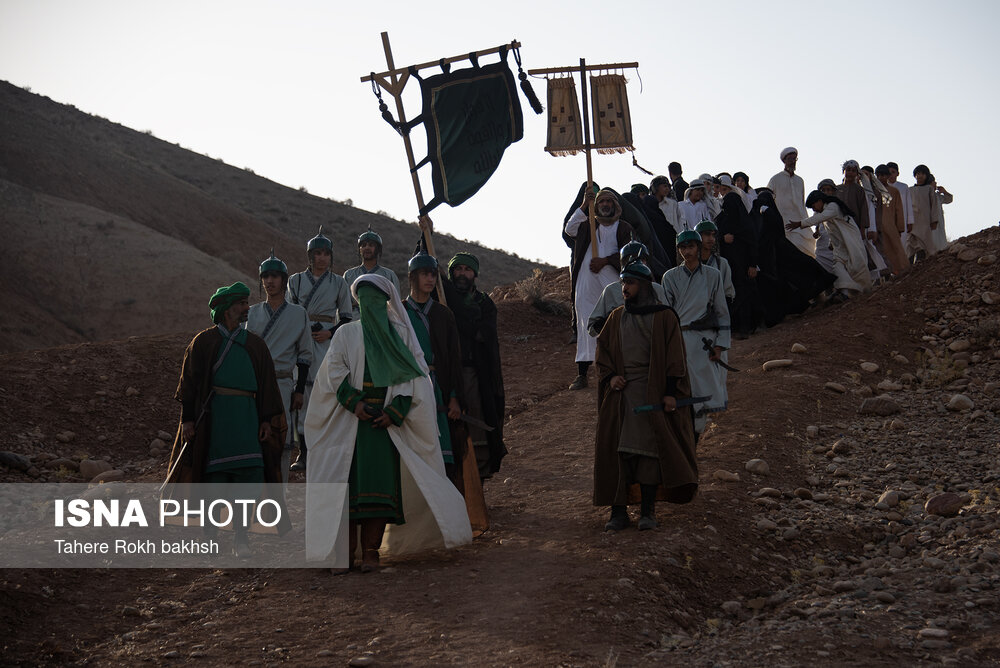

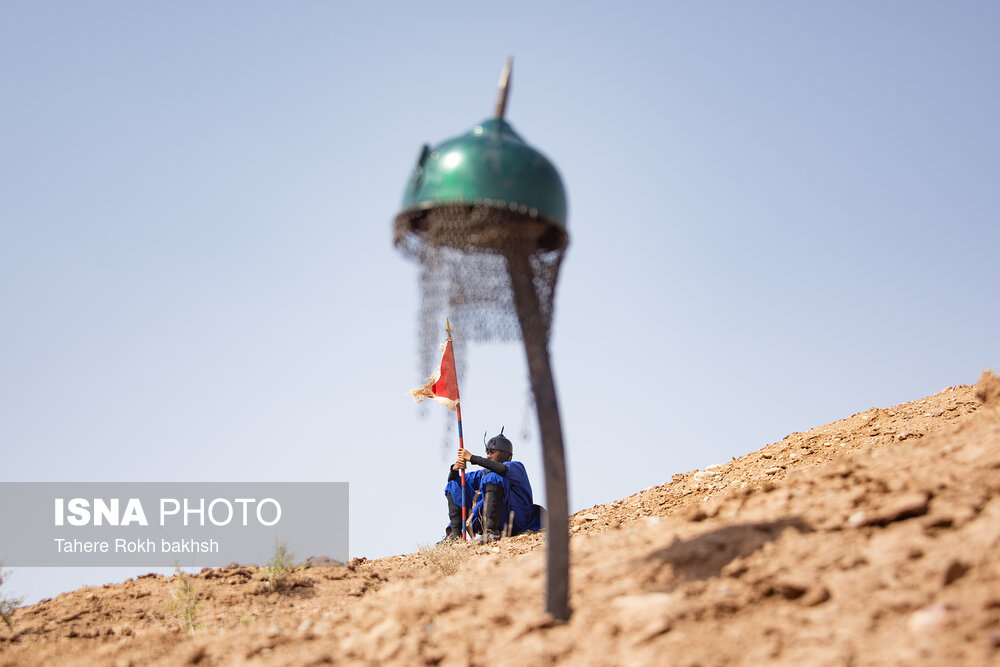
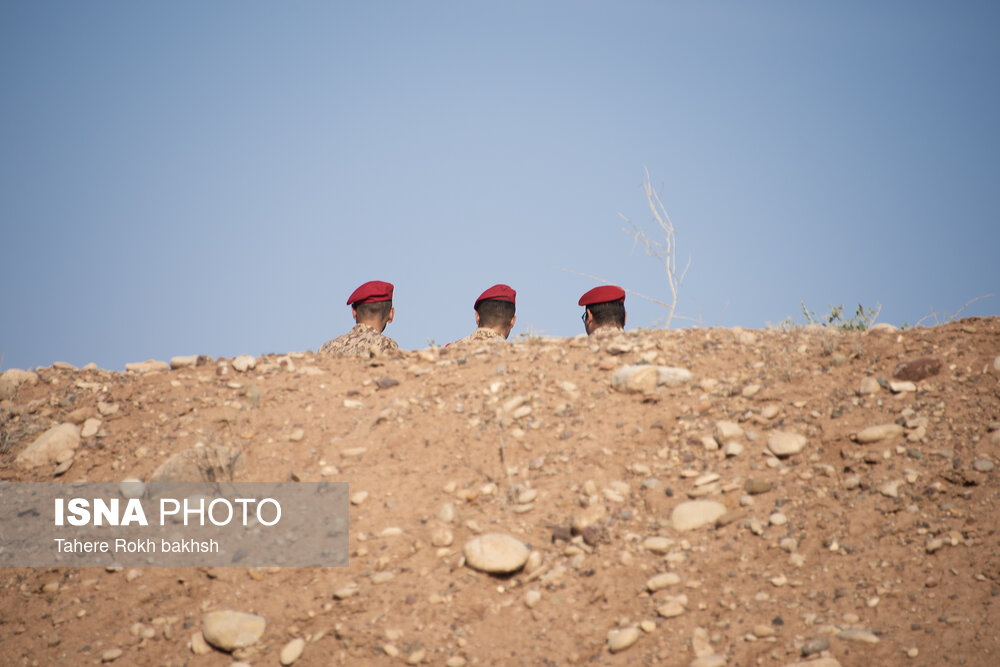

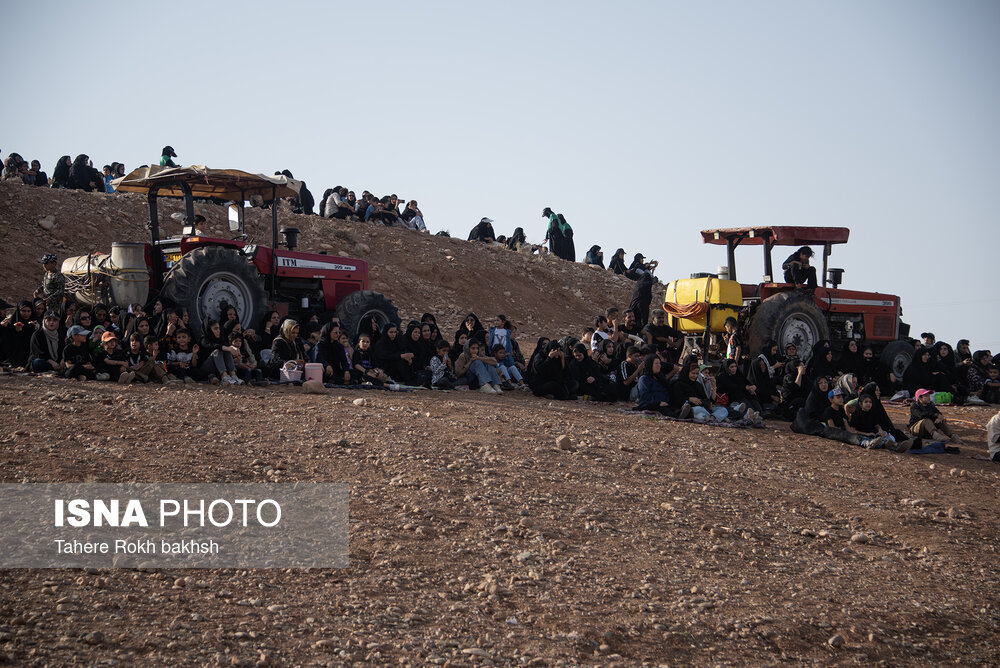

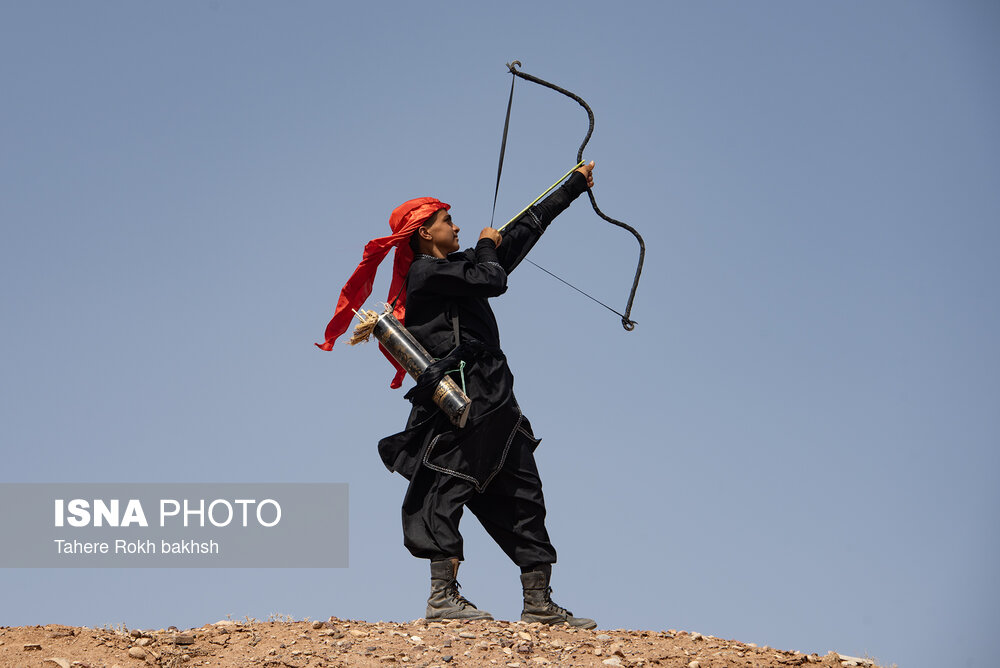
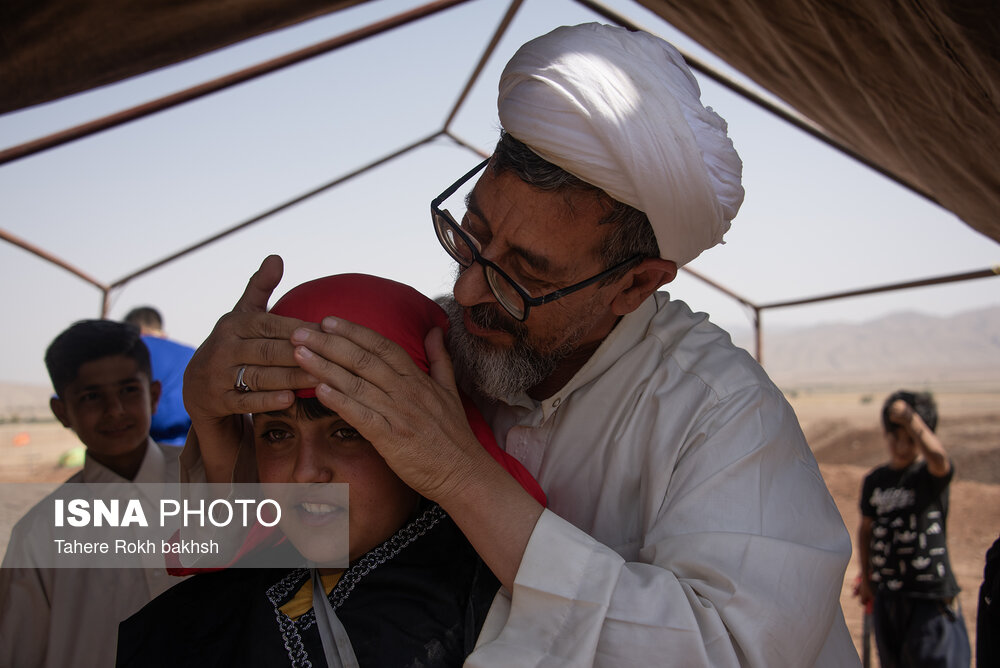

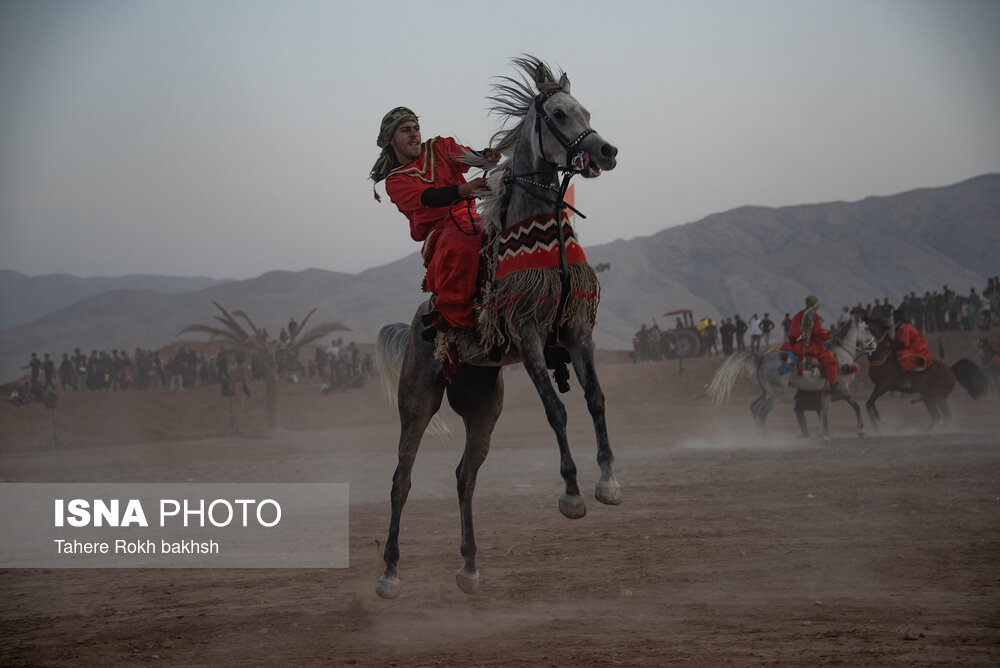
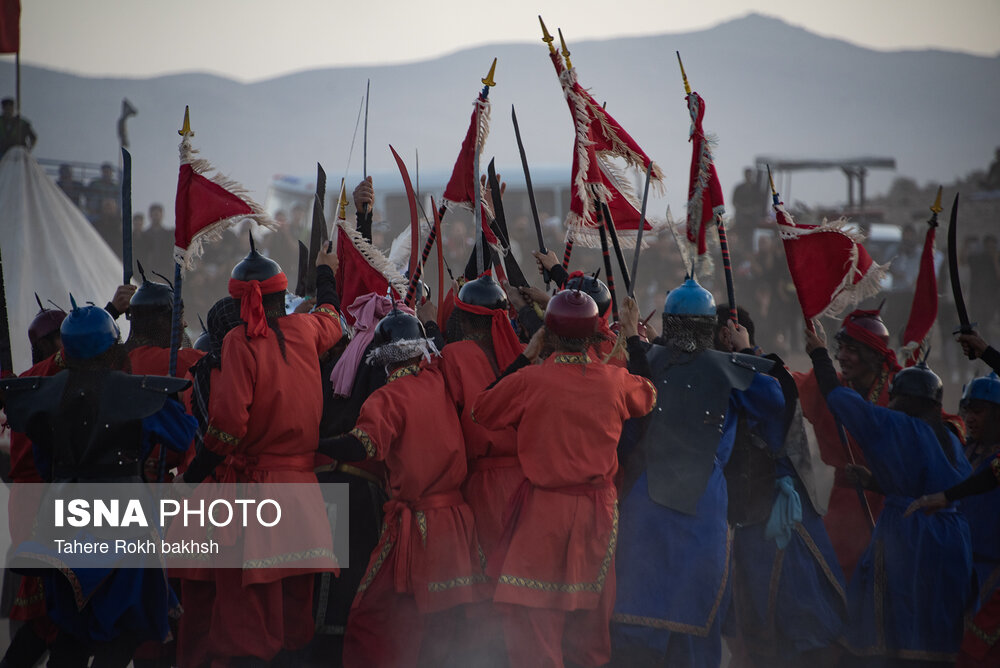

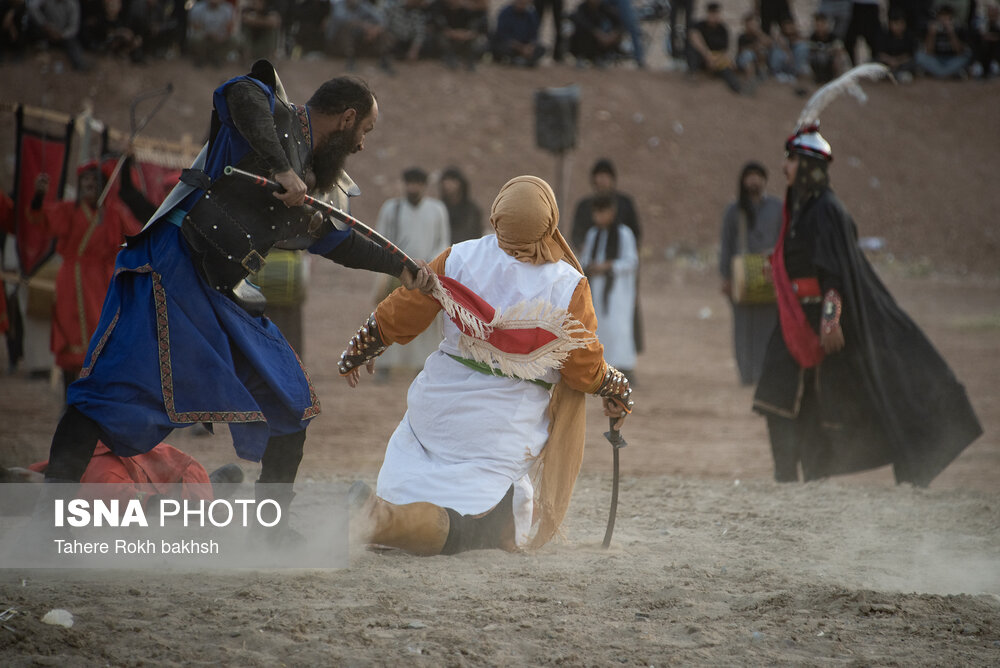
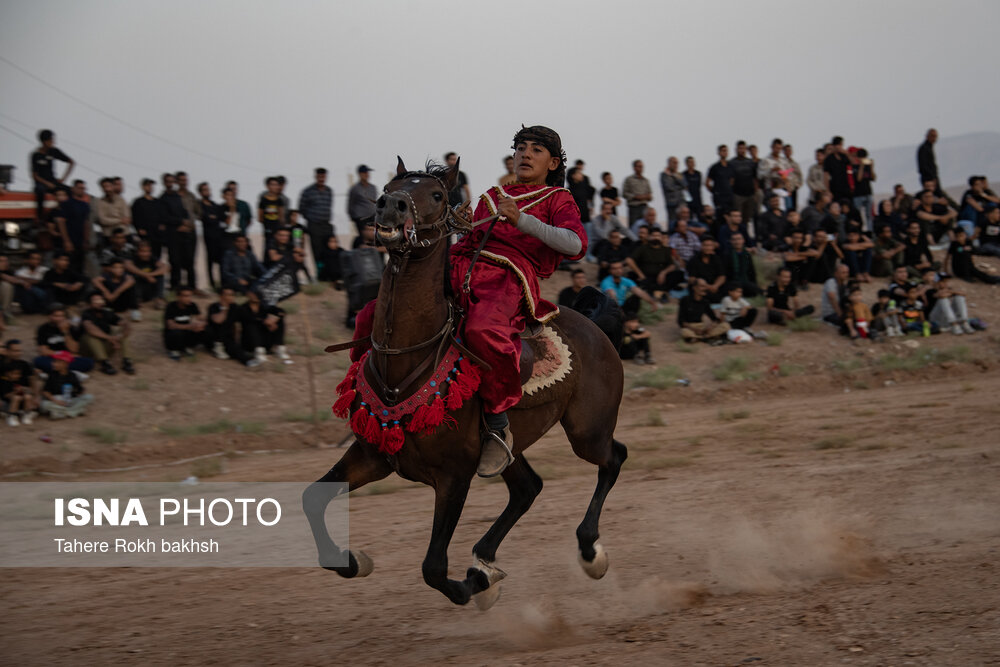
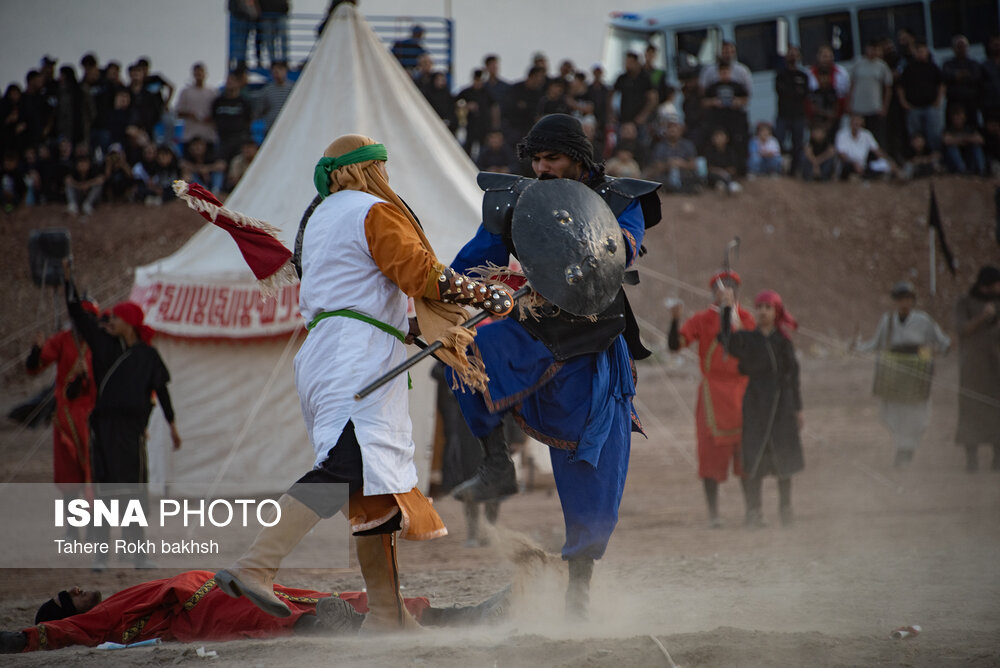
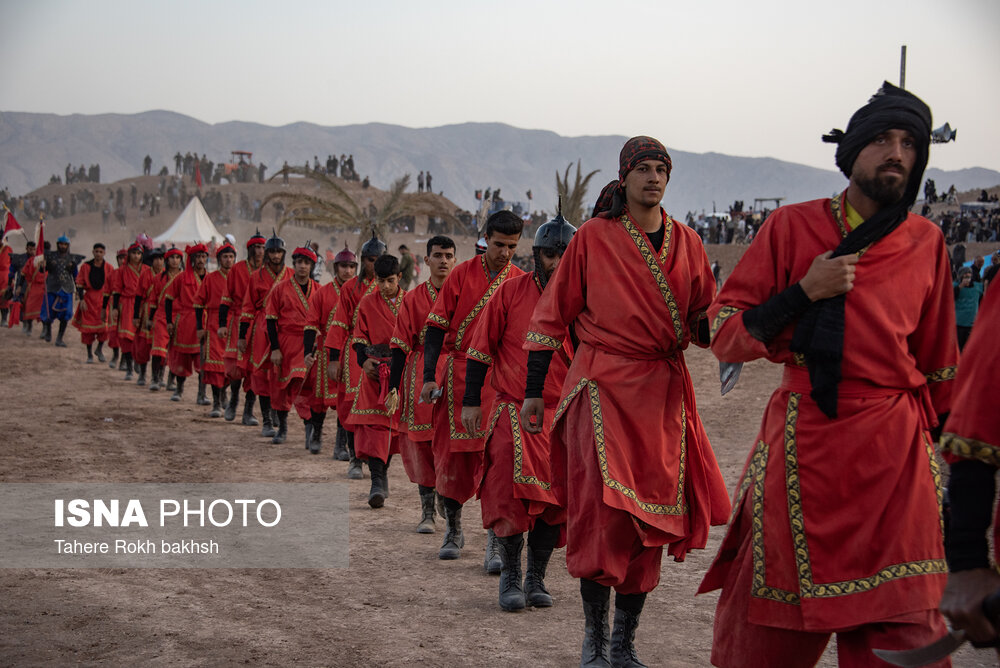

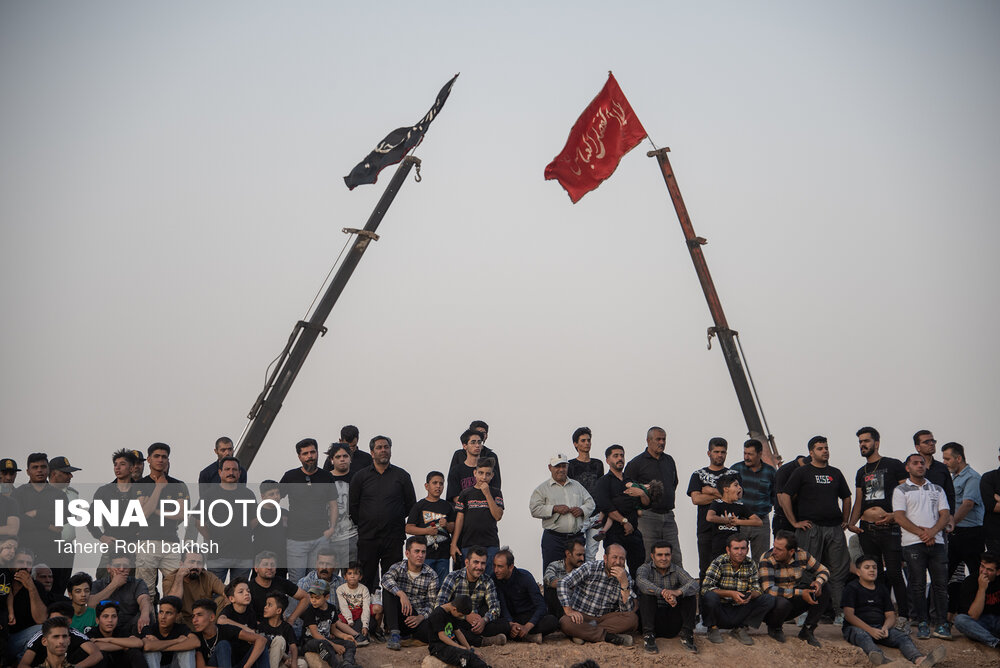
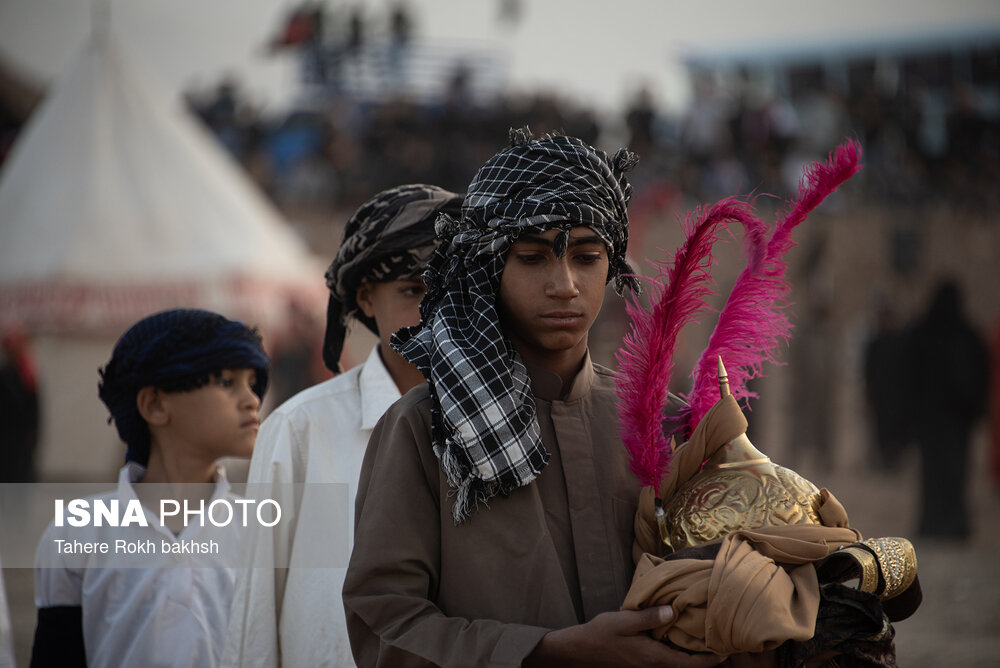
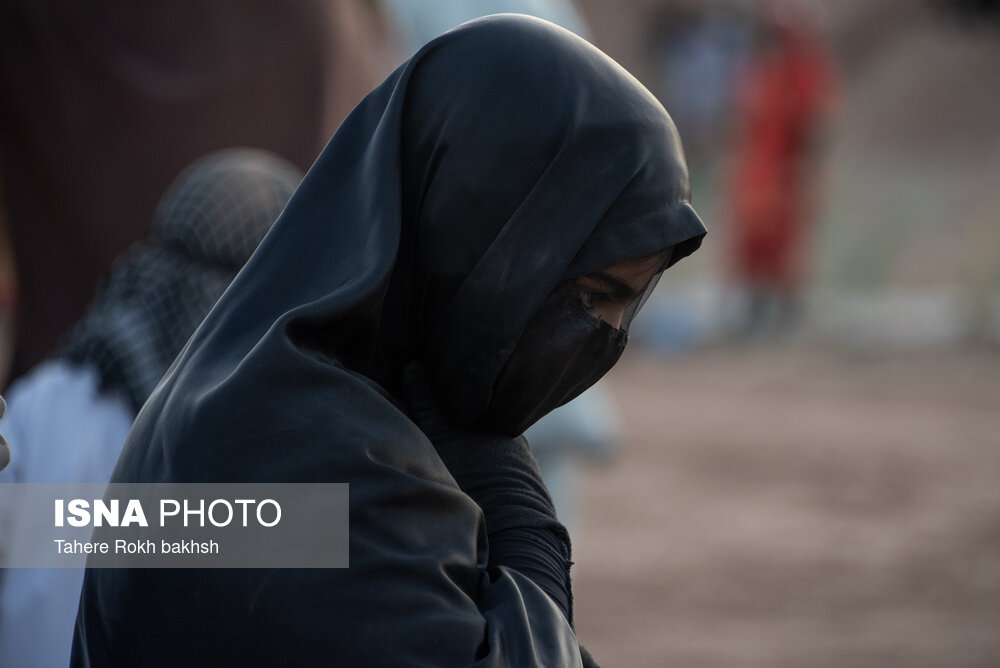
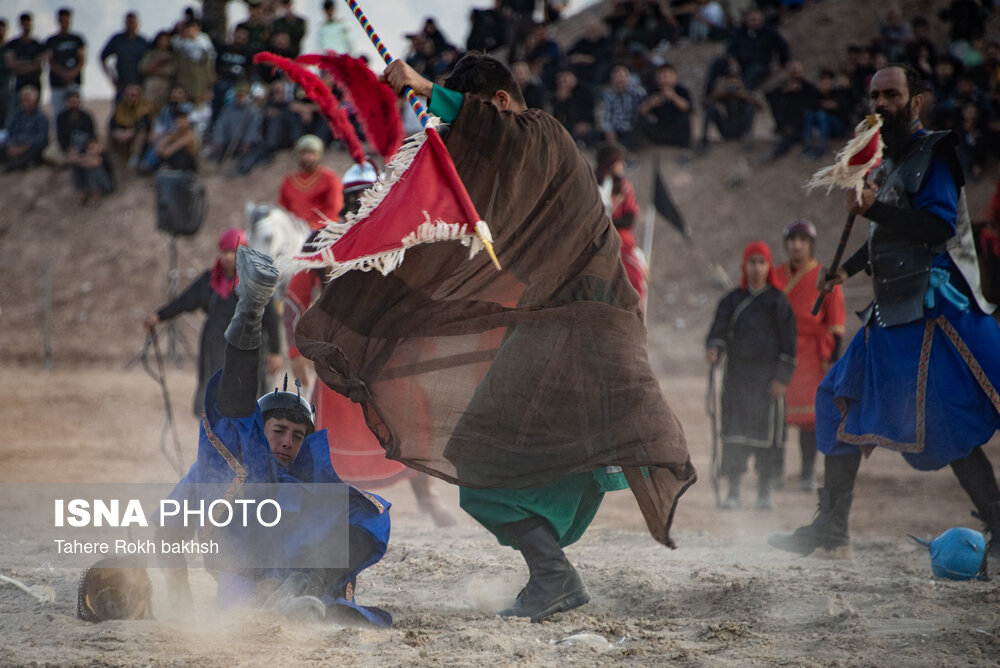
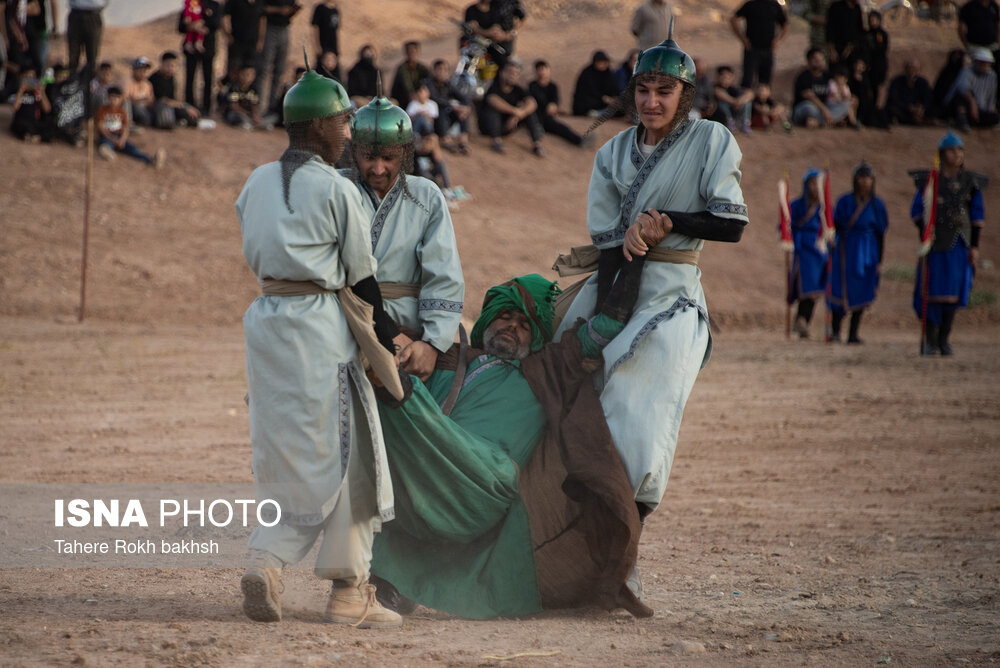
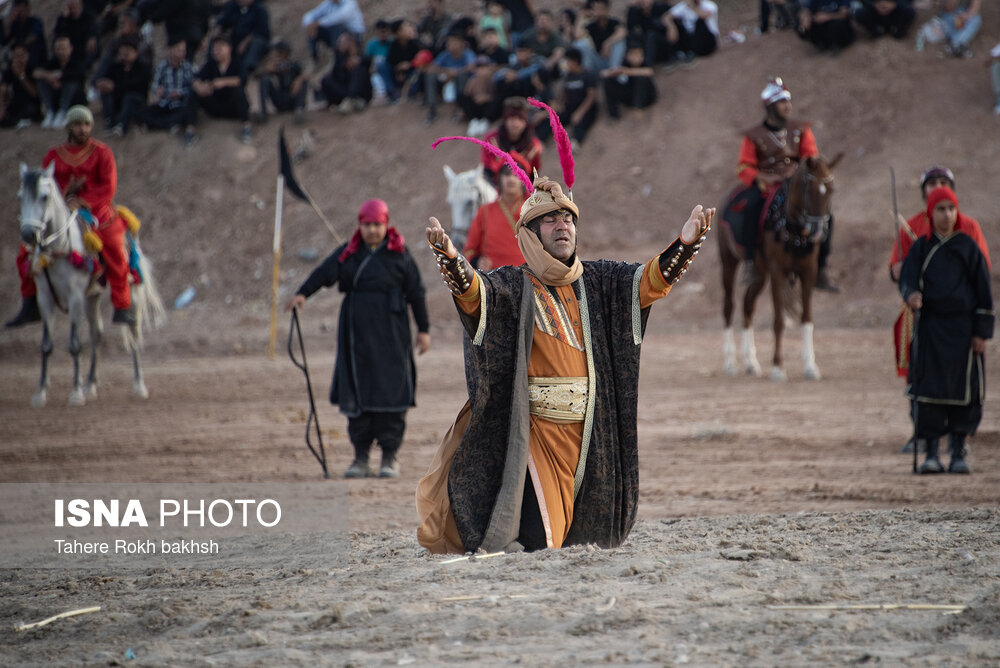

This Ta’zieh is particularly captivating due to the large number of performers, the realistic setting, and horseback riders galloping through the scene. Here is a photo report of the Ta’zieh titled “Awakened Conscience”:
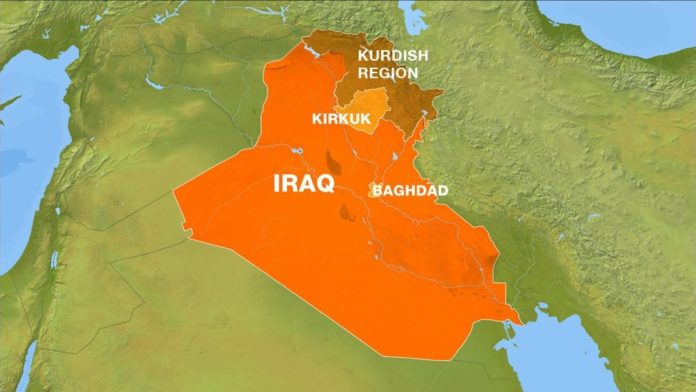
In a statement, the ministry firmly denied the existence of any Israeli bases or facilities within the Kurdistan region, labeling such accusations as baseless and harmful to regional security.
It further called on Iraq’s central government in Baghdad to intervene and prevent possible attacks and destabilizing actions against the autonomous region.
The Kurdistan counter-terrorism department also reported that an explosive-laden drone was intercepted and downed near Erbil airport late Thursday, causing no casualties or damage. Meanwhile, Iraqi lawmaker Thaer Mukhif has urged an emergency parliamentary session to address what he described as a dangerous security breach involving Mossad operatives in Kurdistan.
He warned that the presence of such elements would threaten Iraq’s sovereignty and security.
Mukhaif slammed Baghdad’s inability to hold Erbil accountable.
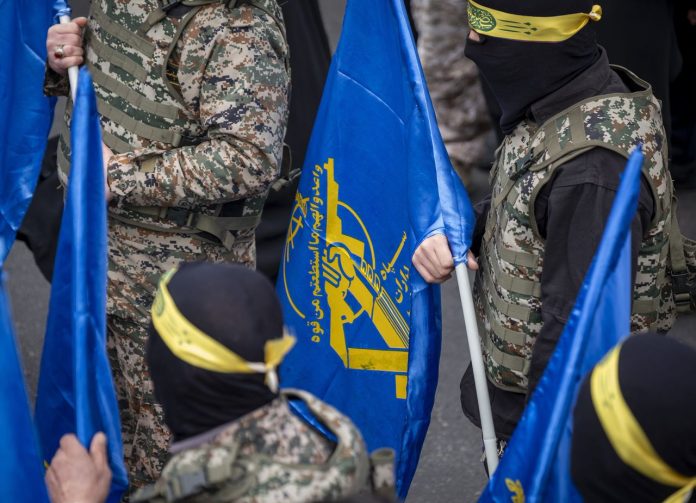
In an official statement, the IRGC warned that any new acts of aggression would accelerate the collapse of the “fake regime”.
The diplomats, Ahmad Motevaselian, Seyed Mohsen Mousavi, Taghi Rastegar Moghaddam, and Kazem Akhavan, were kidnapped by agents linked to the Israeli occupation forces in Lebanon on July 5, 1982.
The IRGC expressed solidarity with the families of the abductees and reaffirmed its commitment to continuing the legacy of resistance championed by these national heroes.
The statement noted that the anniversary comes shortly after the recent 12-day war initiated by Israel and the US against Iran, which ended with Iran’s decisive defensive response exposing Israel’s vulnerability.
The IRGC condemned the Israeli regime’s decades-long crimes, including ongoing genocide in Palestine and targeted assassinations of resistance figures.
It also called on the UN, the UN Human Rights Council, and the International Red Cross to actively and impartially pursue justice.
The statement urged Lebanon to intensify investigations and consider forming a joint fact-finding committee with international cooperation regarding the case.
The IRGC further affirmed Iran’s resolve to continue the path of steadfastness until divine promises are fulfilled.

Trump reiterated that he was “very unhappy” with the July 3 phone call between the two leaders.
“It just seems like he wants to go all the way and just keep killing people. It’s not good. I wasn’t happy with it,” Trump told reporters.
The call, which lasted about an hour, was confirmed by the Kremlin to have focused on Ukraine. Putin reportedly told Trump that Russia would continue pursuing its “goals” in the war.
Trump’s remarks follow a sharp escalation in Russian missile and drone attacks across Ukraine that have killed and injured hundreds of civilians in recent weeks.
The strikes have hit multiple regions, destroying civilian infrastructure amid persistent calls from Ukraine, the U.S., and Europe for an unconditional ceasefire.
The day after his call with Putin, the U.S. president spoke by phone with President Volodymyr Zelensky and said the two had a “very strategic” conversation.
“We talked about different things… I think it was a very, very strategic call,” Trump said. When asked about supplying Patriot air defense systems to Ukraine, he replied, “Yeah, we might.”
“They’re going to need something because they’re being hit pretty hard,” Trump added.
The statement comes as the U.S. Defense Department has paused deliveries of several key weapons systems, including Patriot missiles and precision-guided munitions, prompting concern in Kyiv.
While Trump has stated he wants to help Ukraine, his administration has not imposed new sanctions on Russia since taking office and has not approved additional aid packages.
The U.S. president has instead directed strikes against Iran, targeting three nuclear facilities in June in response to regional escalations, a move critics say contrasts with his cautious approach toward Moscow.
When asked why he appears tougher on Tehran than Moscow, Trump told reporters, “No, I think I’m tougher on Russia than I am on Iran.”
Despite two rounds of face-to-face talks between Moscow and Kyiv in May and June in Istanbul, no agreement on a ceasefire has been reached. The negotiations have only resulted in prisoner exchanges, as Moscow continues to push for maximalist demands in peace talks.
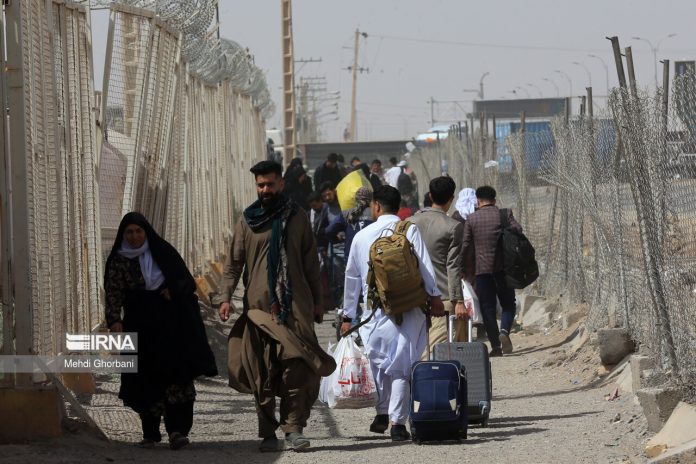
Amirollah Shamghadari said the process has been conducted with full respect and human dignity.
Shamghadari stressed that the border crossing has seen the highest volume of Afghan departures in recent weeks.
“67 percent of all Afghan exits have taken place via Dogharoun”, he said.
He added that on Friday alone, some 26,000 Afghans crossed the border, many of them directly without passing through refugee camps.
Shamghadari underlined Iran’s official policy of supporting voluntary, humane, and lawful departures, adding that Afghan nationals have expressed satisfaction with the services provided at the Safid Sang and Hasanabad camps.
“Priority is given to families who have voluntarily introduced themselves rather than those who were apprehended”, he noted.
He reiterated that xenophobia and anti-Afghan sentiment are fundamentally rejected by the Islamic Republic, highlighting the deep historical and cultural ties between Iran and Afghanistan.
Shamghadari further dismissed allegations that the Afghan departures were motivated by espionage concerns involving Mossad, labeling such claims as part of an enemy-led psychological operation.
He stressed that the Islamic Republic’s goal is to organize the current situation and eventually allow re-entry for Afghan nationals under legal and regulated frameworks.

Ramin Azari, Director General of East Azarbaijan Airports, announced that the first post-war flight, operated by Iran’s ATA Airlines, took off from Shahid Madani International Airport in Tabriz to Istanbul, following the completion of runway reconstruction.
He said the airport is now fully prepared to handle both domestic and international flights.
Azari commended the extraordinary round-the-clock efforts of airport staff in restoring operations after “brutal” Israeli aggression last month.
According to Azari, the facility was declared operational following thorough inspections and approval by the Civil Aviation Organization of Iran and the Airports and Air Navigation Company.
Shahid Madani International Airport, located in northwestern Tabriz, is a key hub for both passenger and cargo transport and operates 24/7 under an open-sky policy. It plays a vital role in regional and international air traffic, particularly as a corridor for flights between Europe and Southeast or Central Asia.
Tabriz was one of the hardest hit cities of Iran during the Israeli strikes, aided by the US.
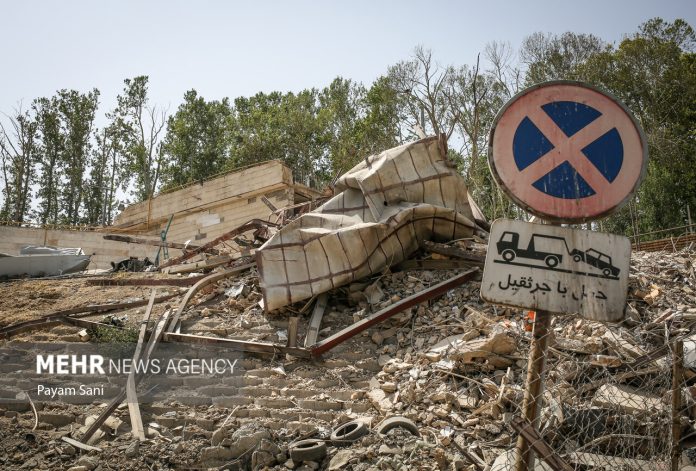
Foreign Ministry spokesperson Esmail Baqaei said Saturday that new evidence continues to emerge in the aftermath of recent Israeli attacks on Iranian territory, revealing “horrific dimensions” of war crimes by Israel during the 12-day military escalation supported by the US.
In a post shared on the social platform X, Baqaei published footage that showed the attack on Evin Prison’s hospital, where families of inmates had gathered for visits.
According to Baqaei, 79 people, including family members, staff, and bystanders, were killed after being trapped under rubble and burned in the bombing.
“No person of conscience can remain silent in the face of such blatant violations of international humanitarian law,” Baqaei wrote.
He emphasized that Israel must be “firmly condemned” and held responsible for “heinous crimes” committed against Iranian civilians.
The strike on Evin Prison added to a series of deadly incidents during the Israeli aggression that started on June 13, and at one point with the open involvement of the US, which targeted both military and civilian infrastructure.
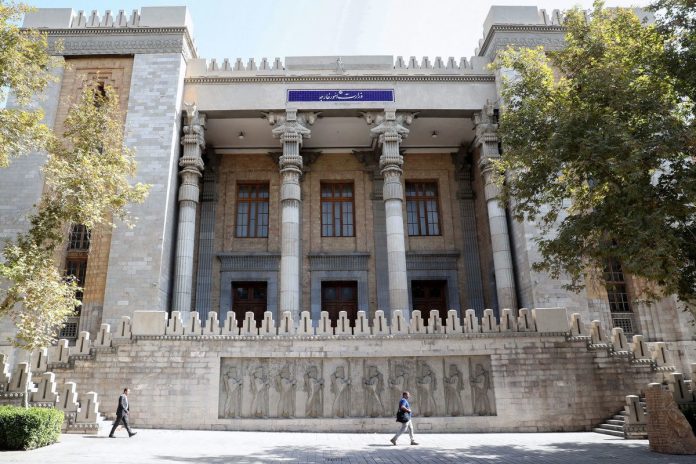
The ministry issed a statement on Saturday, honoring the memory of the abducted diplomats and expresseing solidarity with their patient and hopeful families.
Seyed Mohsen Mousavi, Ahmad Motevaselian, Kazem Akhavan, and Taghi Rastegar Moghadam, were abducted in Beirut on July 5, 1982.
The statement points out that
they were abducted by agents affiliated with the Zionist regime.
It further says, there is ample evidence indicating that the Iranian diplomats were abducted by an armed group in Lebanon during the Zionist regime’s occupation of Lebanese territory, handed over to the occupying forces, and subsequently transferred to the occupied territories.
According to Iran’s Foreign Ministry, the abduction not only violates international law and represents a grave breach of the 1961 Vienna Convention on Diplomatic Relations, but also constitutes an act of terrorism under the 1979 International Convention Against the Taking of Hostages.
It appreciated the cooperation of the Lebanese government on pursing the case of the four abducted diplomats, calling on the authorities of the Lebanese government, the UN Secretary General, the International Committee of the Red Cross (ICRC), and other competent international bodies to fulfill their legal and humanitarian responsibilities in following up on this case.
The Iranian Foreign Ministry emphasized the
establishment of a joint fact-finding committee between Iran and Lebanon, with the cooperation of the ICRC, to pursue the matter and determine the status of the abducted diplomats.
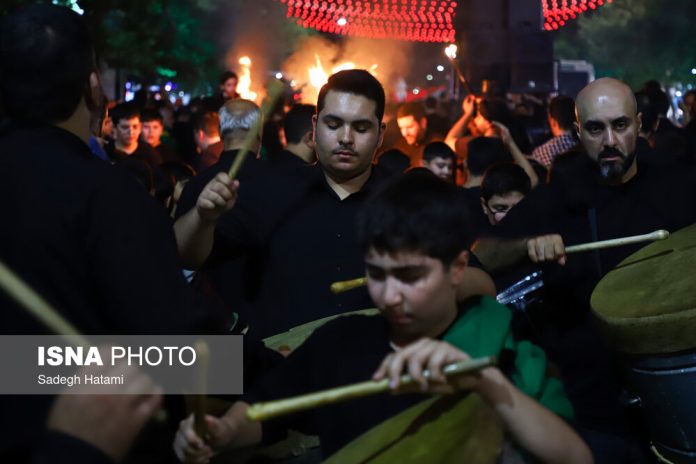
The events take place one day before Ashura, which marks the tragic Battle of Karbala more than 1,300 years ago in present-day Iraq.
Across cities, towns, and villages, mourners gathered to take part in traditional rituals, marching in processions, beating their chests, and wearing black to express their sorrow and solidarity.
Imam Hussein, the grandson of the Prophet Muhammad, was martyred in 680 AD while leading a small group of followers in a valiant stand against the oppressive rule of the Umayyad caliph Yazid I. His sacrifice is remembered as a symbol of resistance against tyranny.
Religious eulogists recount the events of Karbala and reflect on Imam Hussein’s message of justice and moral courage.
Ta’zieh, a dramatic reenactment of the battle, is also performed in many regions.
The mourning rituals culminate on Ashura, the tenth day of Muharram, when Imam Hussein, his family members, and companions were martyred in one of the most pivotal events in Shia Islam.
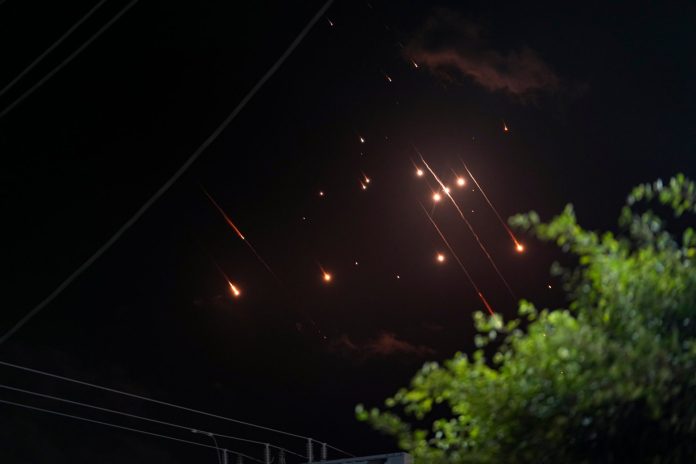
In an interview with IRNA, Boroujerdi stated, “If Israel makes the mistake of attacking Iran again, it will be writing the final chapter of its existence.”
His comments follow reports of continued Western military support to Israel and speculation about further Israeli strikes.
Referring to the 12-day conflict in June that saw hundreds of Iranian military commanders, scientists, and civilians killed, Boroujerdi said Iran would not initiate war but would deliver a “devastating response” to any aggression.
He recalled past targeted assassinations of Iranian scientists and commanders, describing them as part of a long pattern of hostility since the 1979 Islamic Revolution. Despite these attacks, he emphasized, Iran’s nuclear knowledge has advanced.
Boroujerdi concluded that Iran’s retaliation during the recent conflict proved its military readiness, adding that “Israel’s eventual acceptance of a ceasefire showed the failure of its campaign.”
© All Content by IFP News ( Iran Front Page ) is licensed under a Creative Commons Attribution 4.0 International License.
