Saturday, December 27, 2025
Home Blog Page 1472

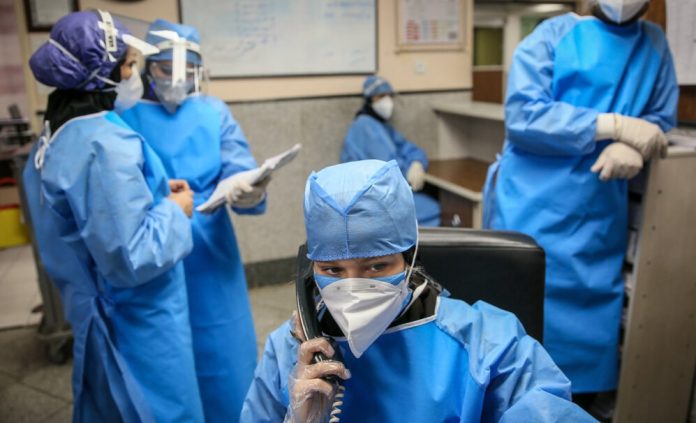
Official: Huge numbers of Iranian nurses migrating to foreign countries 

Covid Iran

Speaking during an interview with Entekhab online news outlet, Sharifi Moghaddam said the monthly salary of a nurse in Germany is 1800 euros but in Iran nurses are paid 120 thousand tomans, slightly more than 2 dollars, per day for the healthcare services they provide.

He noted that this has annoyed the Iranian nurses. Sharifi Moghaddam said, add to this the huge income inequality between physicians and nurses.

He singled out Saudi Arabia as an example, saying a doctor with specialty in Saudi Arabia is paid 15 thousand rials while a nurse receives 10 thousand rials per month, but the inequality between them in Iran is 100-fold.

The head of Iran’s Nurse House said another reason for the migration of nruses is that they think the foreign countries to which they emigrate are attractive.

Sharifi Moghaddam added that Oman has always been an important destination for migrating nurses.

He noted that the Omanis do not pay huge salaries to nurses, but they are fair. Sharifi Moghaddam predicted that Iranian nurses will also move to Kuwait and the UAE in large numbers.

The Iranian Health Ministry has yet to comment on this report.

Iran’s petrochemical industry projected to grow 3 tons in production

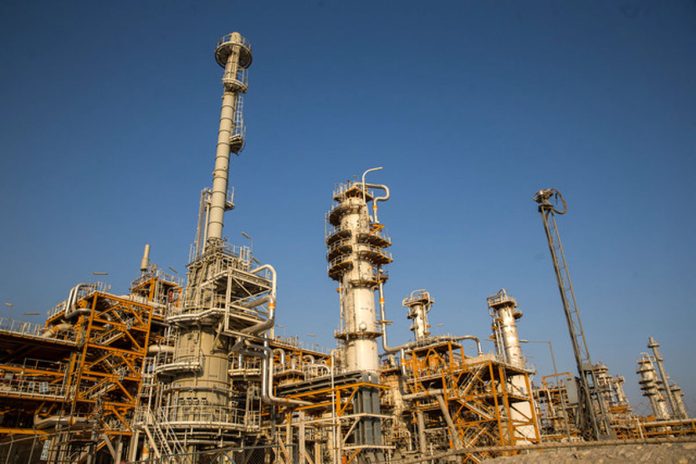
petrochemical factory in the southern Iranian port city of Mahshahr

Morteza Shahmirzaee said at a news briefing of the 14th International Conference of Iran’s Petrochemical Industry that the production capacity of Iran is currently 92 million tons and will increase by 3 tons by the end of this year to hit the 95 million ton milestone.

Shahmirzaee added that 10 new petrochemical projects will be launched this year as well, starting this month.

He noted that each month, one petrochemical project will be unveiled. The deputy oil minister pointed to the use of knowledge-based companies in the petrochemical industry, saying currently, 70 petrochemical factories account for the production of 550 types of polymer and chemical products.

Shahmirzaee said the petrochemical industry counts as a downstream industry of the oil sector and creating added value from upstream products of the oil industry is carried out by petrochemical factories.

He underlined that Iran must move from crude sales to value creation by converting crude and semi-crude products because the petrochemical industry serves as the driving force for other industries.

Shahmirzaee added that most of Iran’s oil and gas fields are in the second half of their life cycle and the maximum income model should replace maximum export of raw materials.
This, according to the deputy oil minister, will blunt the anti-Iran sanctions.

UK, EU announce fresh sanctions on Iranian officials over “rights abuse”

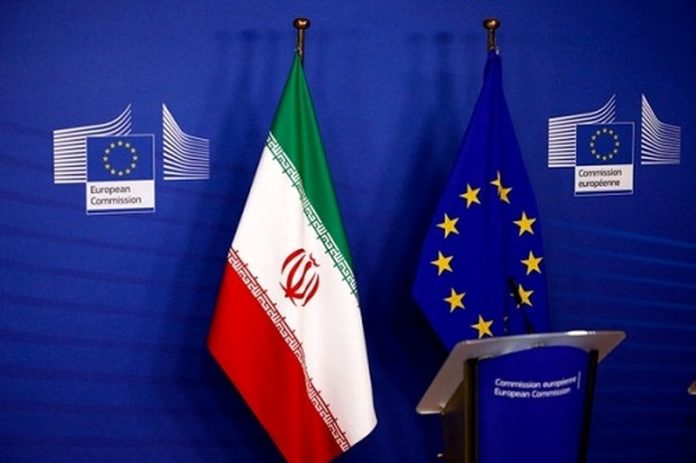
Iran and EU Flags

The latest UK sanctions are against four commanders of Iran’s Islamic Revolutionary Guard Corps (IRGC), “under whose leadership IRGC forces have opened fire on unarmed protestors resulting in numerous deaths, including of children, and have arbitrarily detained and tortured protesters.”

The UK has designated more than 70 Iranian officials and entities for “human rights violations” since October 2022, bringing the total number of Iran-related designations to more than 300.

The British government announced that sanctions will ensure that the individuals on the list cannot travel to the UK and any of their assets held in the UK will be frozen.

The European Council also said in a statement on Monday it had decided to impose restrictive measures on eight additional individuals and one entity responsible for “serious human rights violations” in Iran.

It added that the council is sanctioning Ariantel, an Iranian mobile service provider, which contributed to the telecommunications surveillance architecture mapped out by the Iranian government to quash dissent and critical voices in Iran.

New listings also include lawmakers in the Iranian Parliament, members of the IRGC and the IRCG Cooperative Foundation – the body responsible for managing the IRGC’s investments.

Riots broke out in Iran in mid-September after the death of Mahsa Amini. The 22-year-old fainted at a police station in Tehran and was pronounced dead three days later in hospital.

An official report by Iran’s Legal Medicine Organization concluded that Amini’s death was caused by illness rather than alleged blows to the head or other vital body organs.

Iran’s Intelligence Ministry stressed that the United States and the United Kingdom were “directly” involved in the unrest, adding that dozens of terrorists affiliated with the Israeli regime and anti-revolution groups have also been detained in the unrest.

Iran Coronavirus fatalities keep declining

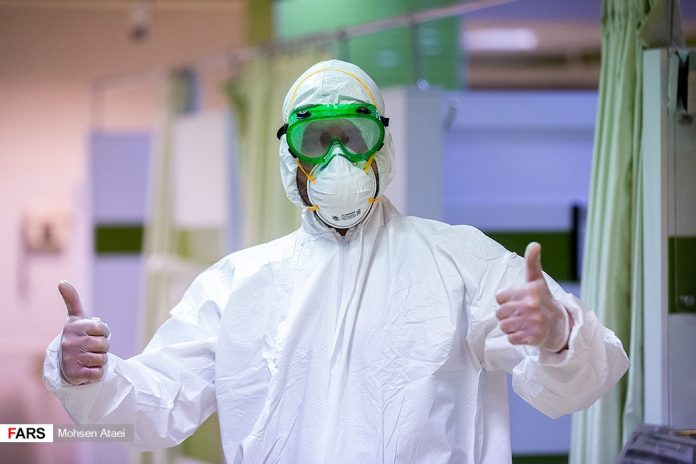
COVID in Iran

“A sum of 388 new patients infected with COVID-19 have been identified in the country based on confirmed diagnosis criteria during the past 24 hours,” the Iranian Health Ministry’s Public Relations Center said on Monday, and added, “190 patients have been hospitalized during the same time span.”

It further announced that the total number of COVID-19 patients has increased to 7,607,077.

“Unfortunately, 17 patients have lost their lives in the past 24 hours, increasing the number of the dead to 146,022,” the ministry noted.

It expressed satisfaction that 7,356,533 coronavirus patients have recovered or been discharged from hospitals so far.

The center went on to say that 706 cases infected with COVID-19 are in critical conditions.

It added that 56,303,326 coronavirus diagnosis tests have so far been carried out across the country.

The health ministry public relations warned that 4 cities are red, 39 cities are orange, 235 cities are yellow, and 170 cities are blue.

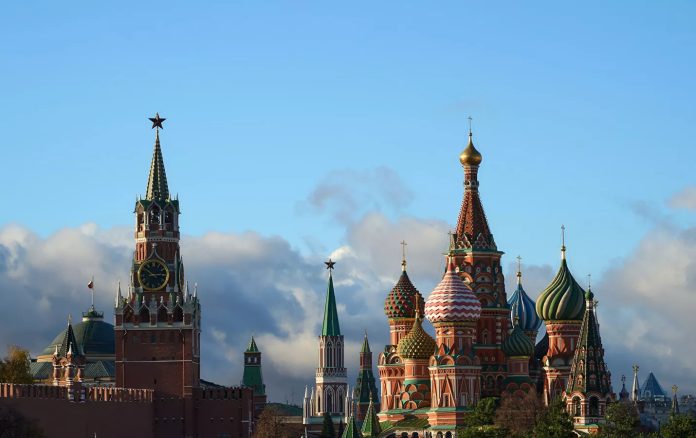
Kremlin claims west planning to interfere in Russia’s 2024 presidential election

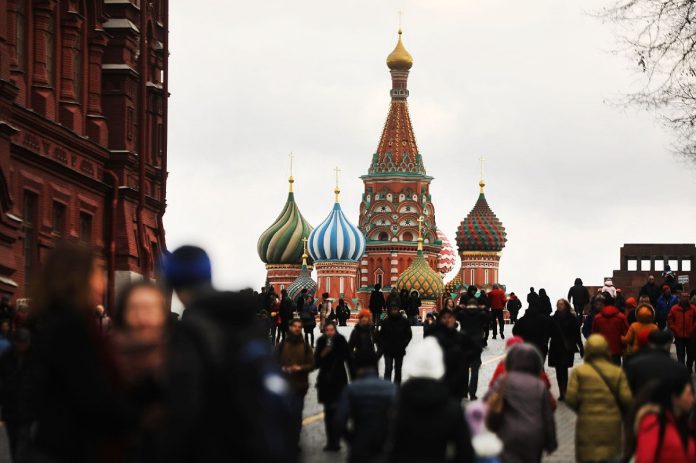
Kremlin

In general, according to him, “all elections are extremely important, particularly when it’s a presidential election.”

“The election will take place and preparations are already underway. In fact, there is no doubt that since foreign interference is always there, the pressure and interference attempts will significantly increase given the special military operation and the current international situation,” Peskov explained.

The Kremlin spokesman also pointed out that, in his State of the Nation Address to the Federal Assembly in February, Russian President Vladimir Putin “expressed his attitude toward the upcoming municipal and presidential elections.” In particular, the head of state emphasized that the 2023 and 2024 elections, including the presidential vote, would take place in strict accordance with the law and all democratic procedures.

Russian Central Election Commission (CEC) head Ella Pamfilova stated earlier on Monday that the West was determined to undermine the 2024 election.

“I can agree with that,” Peskov added, commenting on Pamfilova’s remark.

The CEC chief also noted that the country’s election system was ready for the 2024 election as it was “a viable and very resilient system, designed well to perform its mission, as well as a motivated one and capable of accurately meeting the demands of the times”.

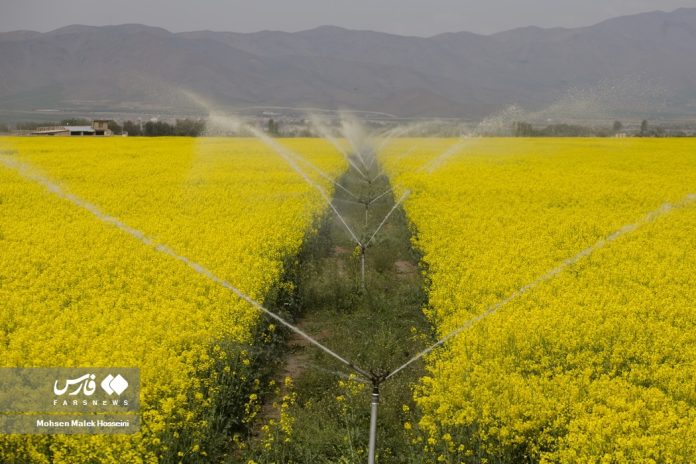
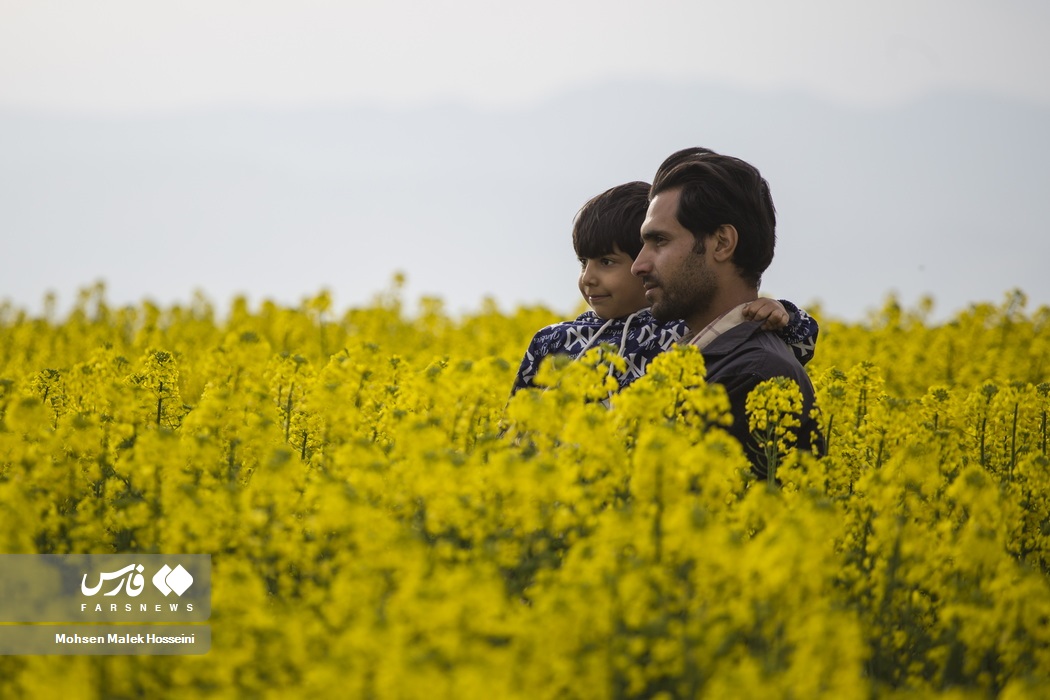
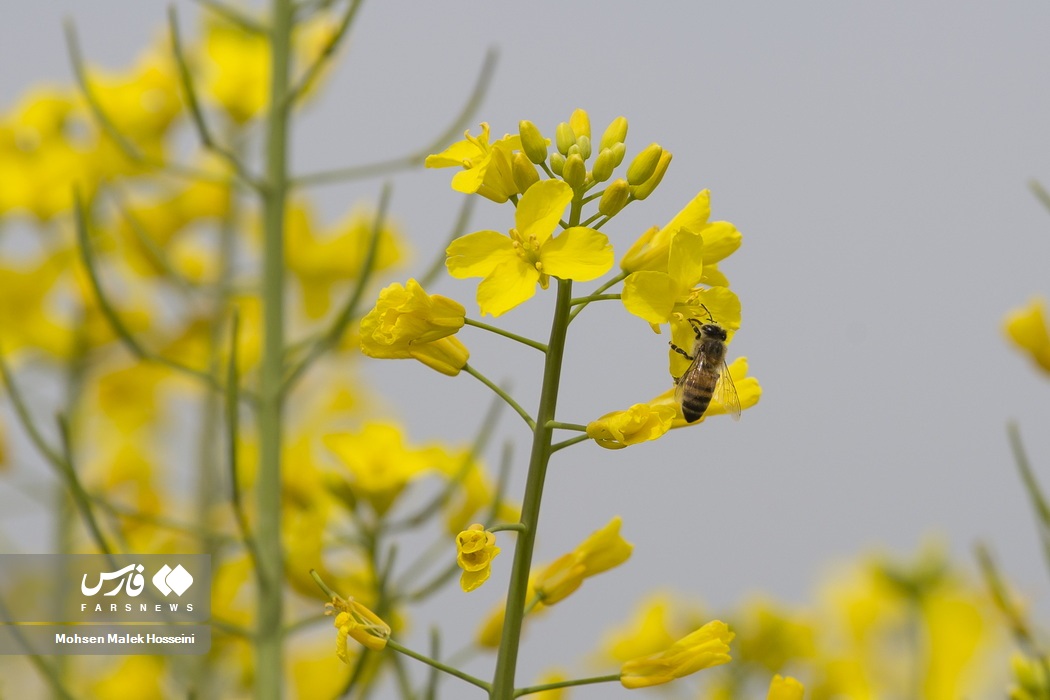
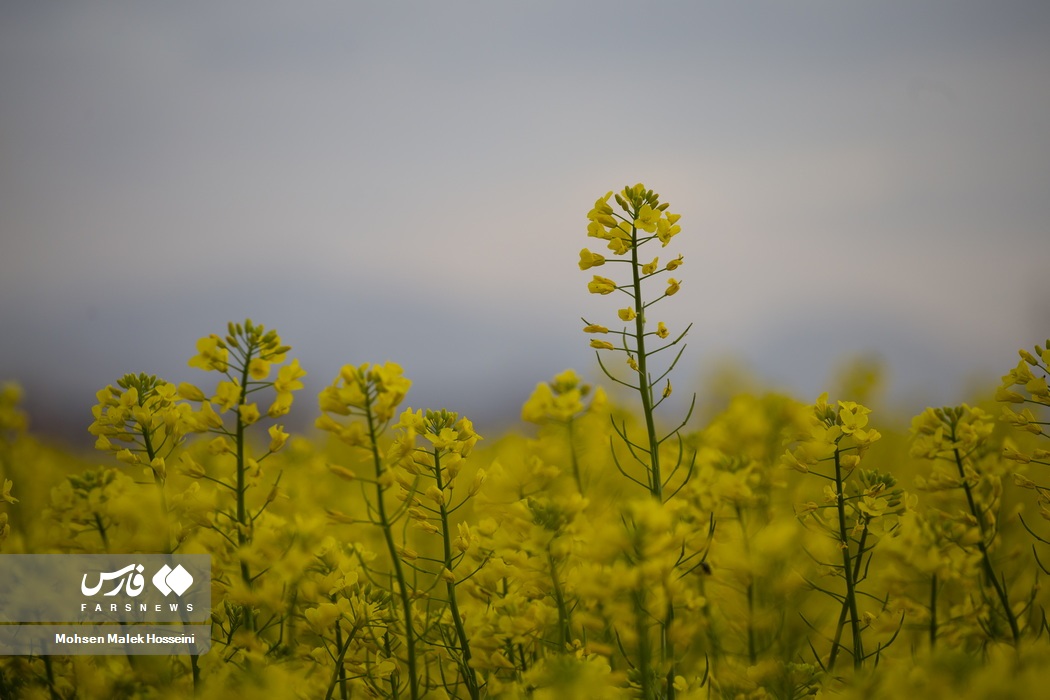
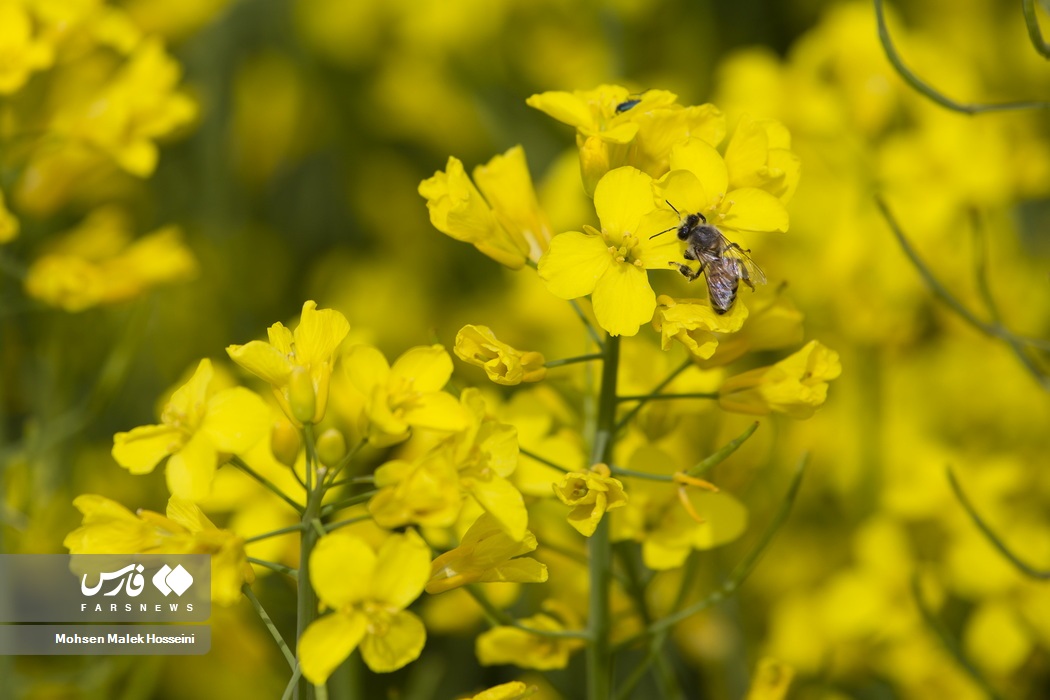
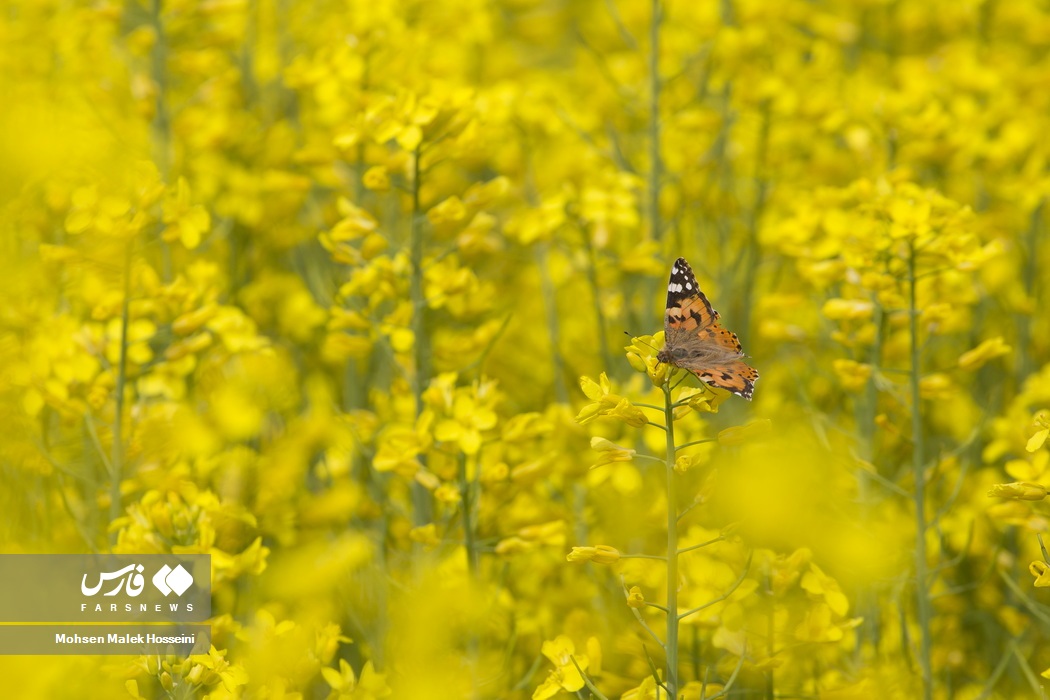
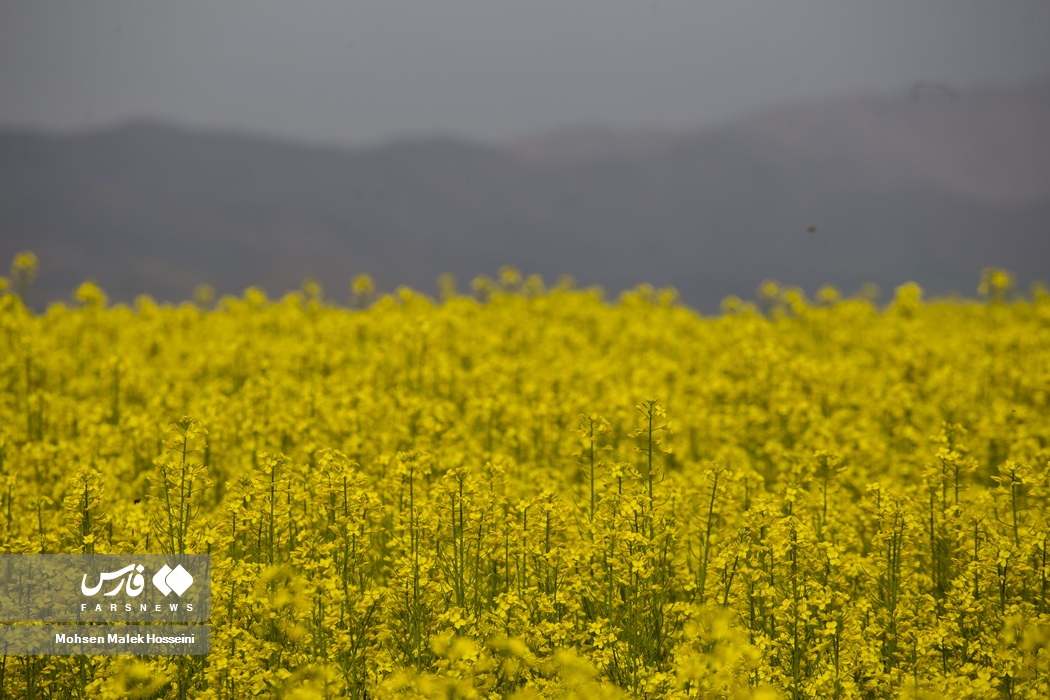
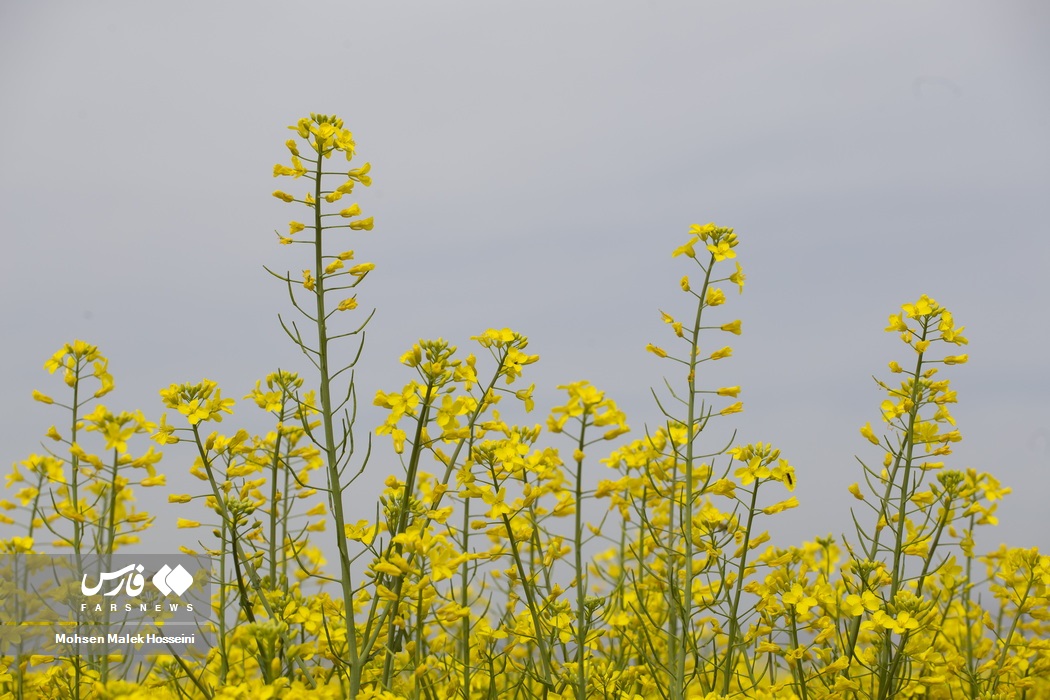
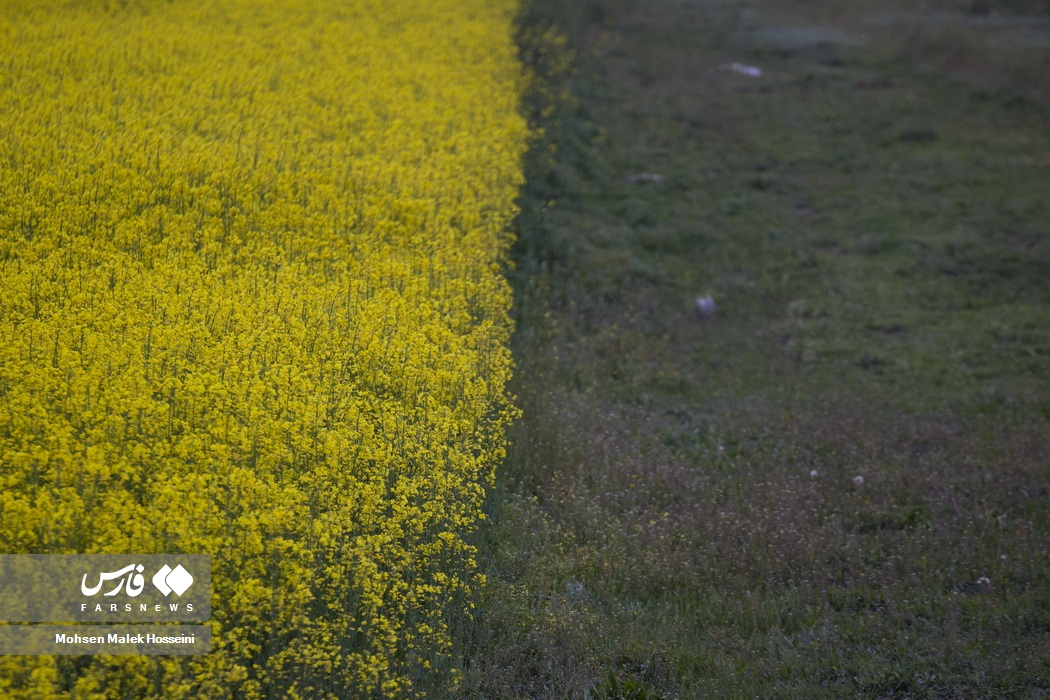
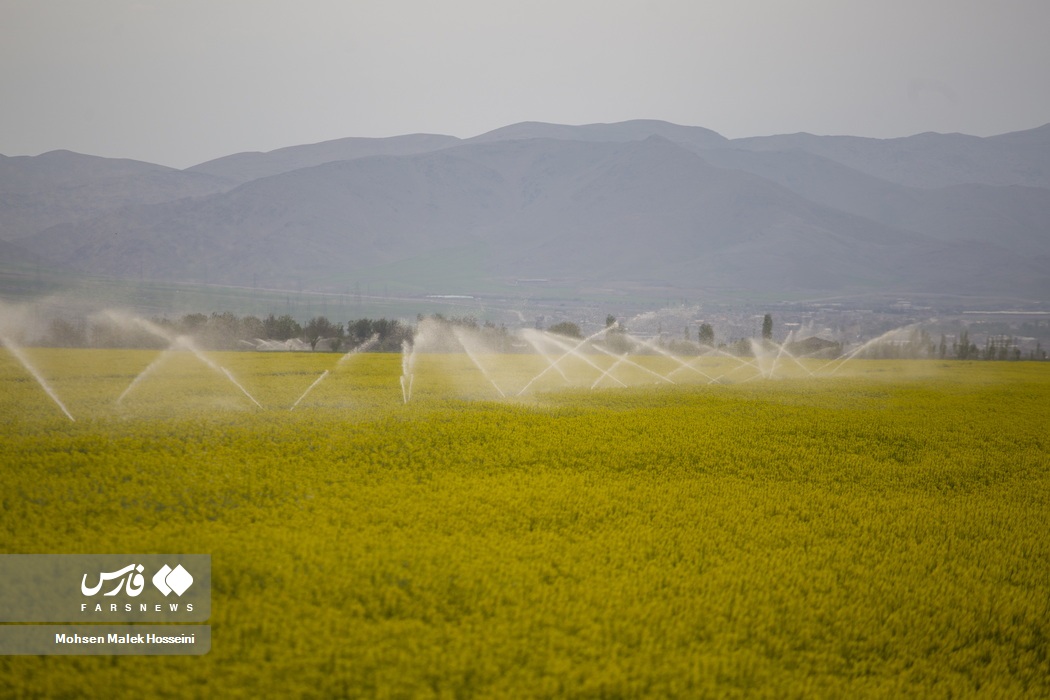
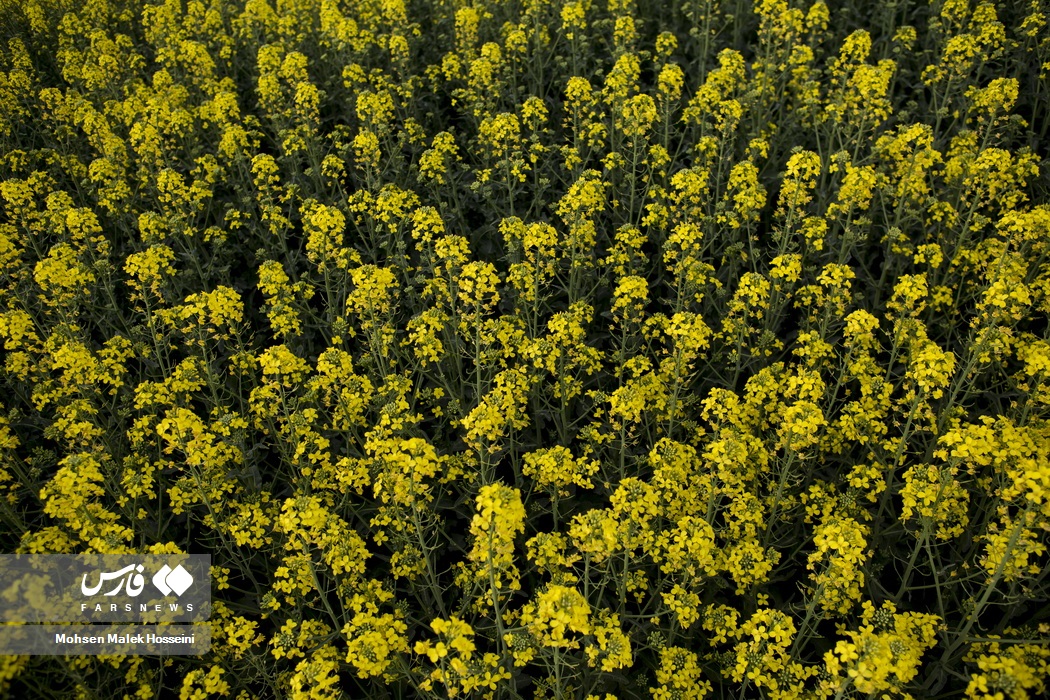
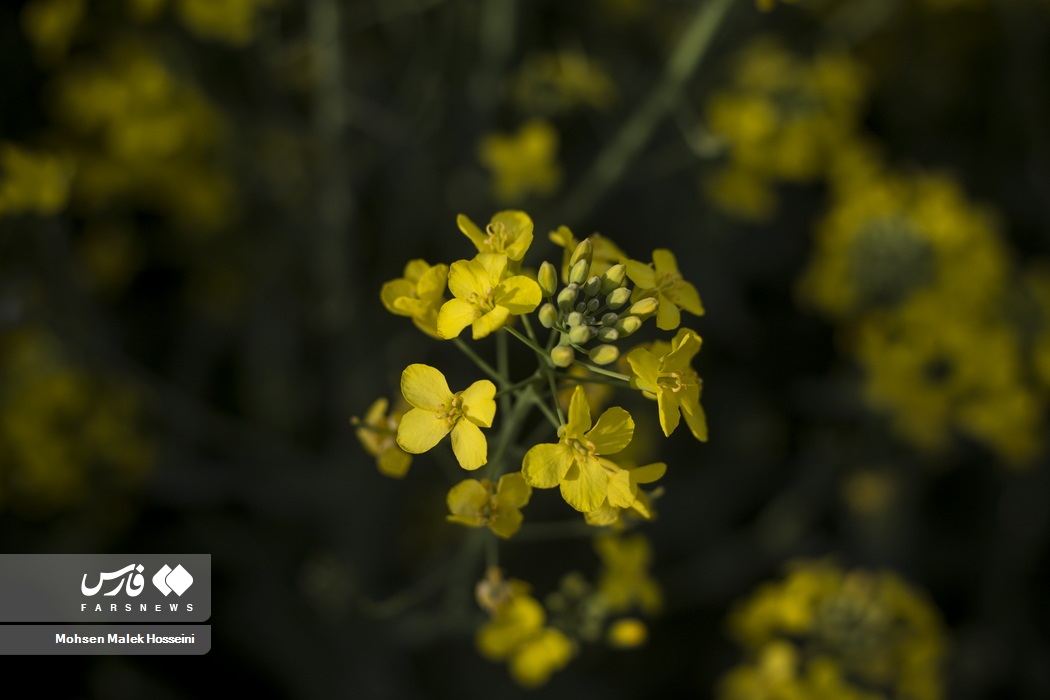
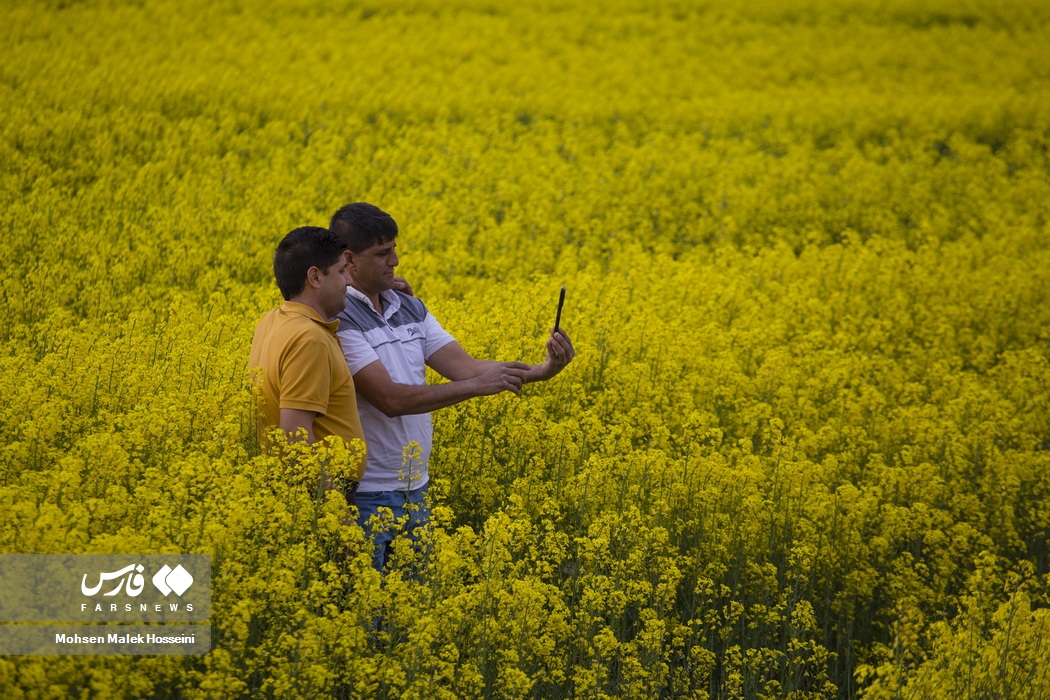
Canola fields turn gold as key oil plants flower in Arak, central Iran

Canola fields in Iran

The expansion of canola farming for its oil in the farmlands of the Markazi Province began in the year 2014 and agricultural experts started work to identify the types, which have a greater potential.

Currently, the province has 750 hectares of canola farmlands with an average output of over two tons a hectare. Farmlands in Arak, Zarandieh and Saveh counties have been producing the lion’s share of the crop.

Canola is one of the most significant oil seeds and certain types of the plant produce their maximum crop in moderate and cooler climates.

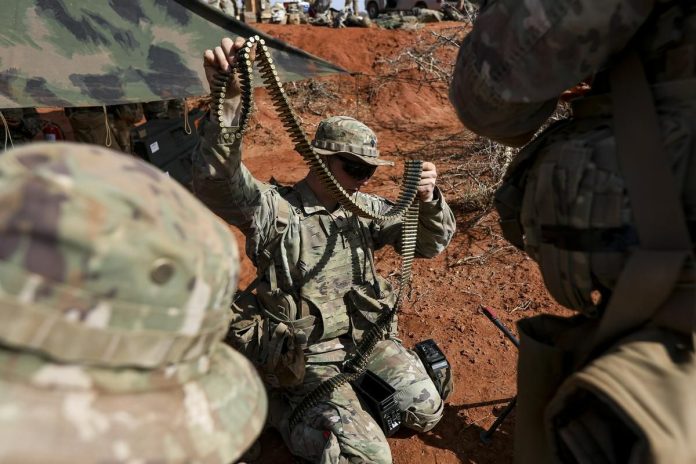
World military spending rises to record, US tops list: Report

World military spending

Europe’s military spending rose by 13% in 2022 compared to the previous year and was largely accounted for by Russian and Ukrainian spending, the international security think tank said in a statement.

“The continuous rise in global military expenditure in recent years is a sign that we are living in an increasingly insecure world,” said Nan Tian, a senior researcher with the SIPRI Military Expenditure and Arms Production Program.

“States are bolstering military strength in response to a deteriorating security environment, which they do not foresee improving in the near future,” added Tian.

Central and Western Europe spent $345 billion last year, for the first time surpassing spending in 1989 as the Cold War was ending.

Finland’s military expenditure saw the sharpest rise with 36%, followed by Lithuania with 27%, Sweden with 12% and Poland with 11%.

“The invasion of Ukraine had an immediate impact on military spending decisions in Central and Western Europe. This included multi-year plans to boost spending from several governments,” stated Diego Lopes da Silva, a senior researcher with the SIPRI Military Expenditure and Arms Production Program.

He noted that it is reasonable to expect military expenditure in Central and Western Europe to keep rising in the years ahead.

Britain is the top spender in Europe, coming in sixth place overall and accounting for 3.1 percent of global expenditure, ahead of Germany at 2.5 percent and France at 2.4 percent — figures which include military aid shipped to Ukraine.

Britain — Ukraine’s second-largest donor behind the US in their declared bid to expand the war against Russia — “spends more than France and Germany. It also gave more military aid than France and Germany,” Tian stressed.

Russia’s military spending rose by an estimated 9.2% last year, reaching $86.4 billion, with the country climbing to third place from fifth spot. It was equivalent to 4.1% of the country’s gross domestic product (GDP) in 2022, up from 3.7% of GDP in 2021.

Military expenditure by Ukraine reached $44 billion in 2022.

“At 640%, this was the highest single-year increase in a country’s military expenditure ever recorded in SIPRI data. As a result of the increase and the war-related damage to Ukraine’s economy, the military burden shot up to 34% of GDP in 2022 from 3.2% in 2021,” it announced in the statement.

US world’s biggest military spender

US military spending totaled $877 billion in 2022, up 0.7% from the previous year.

The country accounted for 39% of total global military expenditure, ranking at the top.

“The increase in the USA’s military spending in 2022 was largely accounted for by the unprecedented level of financial military aid it provided to Ukraine. Given the scale of US spending, even a minor increase in percentage terms has a significant impact on the level of global military expenditure,” said Tian.

According to the data, US military aid to Ukraine totaled $19.9 billion in 2022 — the largest amount of military aid given by any country to a single beneficiary in any year since the Cold War.

China followed the US as the second-largest military spender with $292 billion last year, up 4.2% compared to 2021. The country’s military expenditure has increased for 28 consecutive years, SIPRI added.

Japan’s military expenditure rose by 5.9% in 2022, reaching $46 billion or 1.1% of its GDP. Last year’s military spending was the highest in Japan since 1960, driven by a national security strategy published last year.

India and Saudi Arabia were the fourth and fifth largest military spenders last year with $81.4 billion and $75 billion, respectively.

NATO members’ military expenditure grow 0.9%

According to SIPRI, the real-term rise in global military expenditure last year was slowed by the effects of inflation, which saw the highest levels in decades in many countries.

Last year saw a 0.9% rise in NATO members’ military expenditure, reaching $1.23 trillion.

The UK had the highest military spending in Central and Western Europe with $68.5 billion, while an estimated $2.5 billion of this total was financial aid to Ukraine.

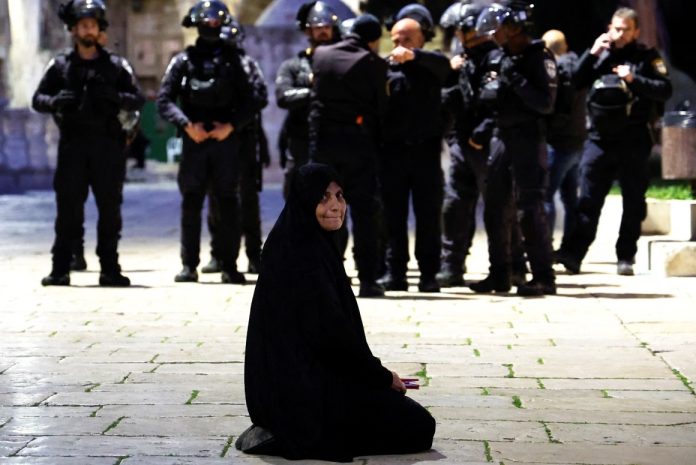
OIC, Arab League rap Israeli assaults on Muslim, Christian sites in al-Quds

Al-Aqsa Mosque

The general secretariat of 57-member OIC, in a statement on Sunday, deplored such attacks as a flagrant violation of international law, Geneva Conventions, and international resolutions, saying the attacks amount to incitement and a serious provocation to the feelings of some two billion Muslims worldwide.

The organization held Israeli authorities fully responsible for the dire repercussions of daily assaults on sacred places in al-Quds, calling on the international community to assume its responsibilities and put an end to repeated Israeli violations, which would fuel religious conflict and extremism and lead to instability throughout the region.

Assistant Secretary-General for Palestine and the Occupied Arab Territories in the Arab League, Saeed Abu Ali, also censured Israeli assaults on Muslim and Christian sanctities as an act of deliberate desecration and vandalism, warning against the adverse consequences of such measures.

Abu Ali noted that Israeli troops resumed their assaults on al-Aqsa Mosque on the second day of the Eid al-Fitr holiday, which marks the end of the holy fasting month of Ramadan, by breaking into the Bab al-Rahma (The Gate of Mercy) prayer area.

He stated that the sacrilegious move and deliberate act of sabotage resulted in serious damage to the electrical wiring, doors and stuff inside the quarter, which is an integral part of al-Aqsa Mosque.

According to Palestinian news outlets, Israeli forces stormed the Bab al-Rahma prayer area on Saturday and inflicted great damage inside, as Muslim worshipers were celebrating the Eid al-Fitr holiday.

The Israeli troops also assaulted Palestinian youths, who were on their way to perform the Eid prayers, beating them with sticks near the Lions’ Gate in occupied al-Quds.

Palestinian resistance groups Hamas and the Islamic Jihad have condemned the Israeli acts of violence and vowed to defend their sanctities in the face of the regime’s assaults.

During the holy month of Ramadan, Israeli authorities imposed strict restrictions on the entry and exit of Palestinians to and from the gates of al-Aqsa Mosque. Amid heightened tensions with Palestinian worshipers, Israeli settlers also pressed ahead with their frequent incursions and provocative rituals at the holy site.

Moscow to host Russia, Iran, Turkey, Syria defense ministers meeting

Kremlin

A meeting of defense ministers and intelligence chiefs of Turkey, Russia, Syria, and Iran will be held in Moscow on Tuesday, Akar said on Monday.

He stated that Turkish, Russian, and Syrian defense ministers and intelligence chiefs met in Moscow on December 28 last year, and resolved to continue the meetings.

“Later, views were exchanged on the participation of Iran in these meetings. This was approved by the relevant authorities. As a continuation of that session, this time as a quartet, we are preparing for a meeting to be attended by defense ministers and intelligence chiefs,” Akar continued.

“On April 25, this meeting is scheduled to be held in Moscow. Our aim is to solve the problems through negotiations and bring peace and tranquility to the region as soon as possible,” the minister added.

Akar said several positive steps are expected after the meetings.

He added that Ankara is determined in the fight against terrorism and aims to ensure Syrians in Turkey return to their land voluntarily, safely and with dignity.

“We have Syrian brothers and sisters with whom we are together, whether they are in Turkey or Syria. It is out of the question for us to take any decision that will put them in trouble,” the Turkish defense chief stressed.

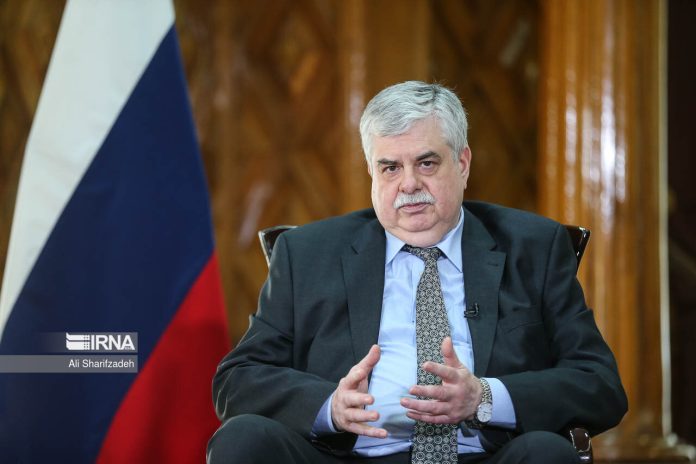
Russian ambassador: Tehran, Moscow working on long-term inclusive cooperation agreement

Alexey Dedov

The aim, Alexey Dedov told IRNA, is all-out expansion of cooperation.

Dedov said both Iranian and Russian economies are sanctioned, therefore both sides have a completely logical choice to make efforts to ditch the dollar from their transactions.

He said this process is progressing and will weaken the US exclusivist approach to international financial mechanisms.

Dedov also welcomed the recent China-mediated agreement between Iran and Saudi Arabia to restore their diplomatic ties.

He said Moscow supports this and encourages Iran and Saudi Arabia to bring their stances closer together.

The envoy also hailed the role China played in the process adding that western countries feel frustrated about the Tehran-Riyadh normalization as they use tension among countries for their own political ends.

Dedov said western governments were pleased with the confrontation between Iran and Saudi Arabia and this is the source of their current frustration.

The ambassador also talked about the political process in Syria.

He said Saudi Arabia has invited the Syrian president to take part in the summit of the Arab League, noting that Russia has always supported the return of Syria to the so-called Arab family as this helps stabilize the Middle East.