Saturday, December 27, 2025
Home Blog Page 1470

Minister: Iran and Saudi Arabia resume trade ties

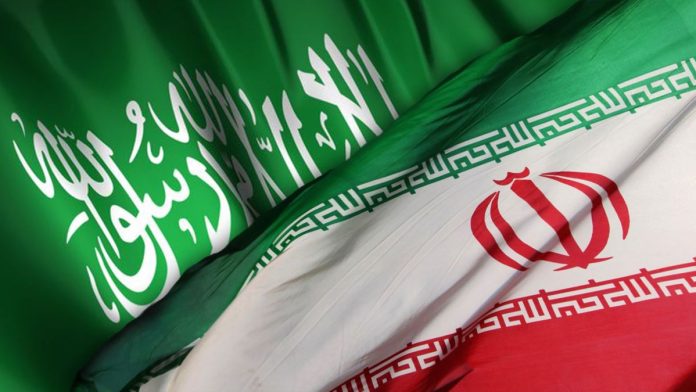
Iran Saudi Flags

Seyyed Reza Fatemi Amin said following the restoration of ties with Saudi Arabia, Iran is planning on exports of goods to the kingdom.

He however noted that this requires a detailed explanation, but with the start of trade between Iran and Saudi Arabia, the ministry of industry, mine and trade has started the process of exporting goods to the kingdom.

The two countries signed a rapprochement deal several weeks ago after extensive talks mediated by China.

Saudi Arabia cut ties with Iran in 2016 after its embassy in Tehran was attacked by protesters following the execution of a Shia Muslim cleric in the kingdom.

Under their normalization agreement, Iran and Saudi Arabia have agreed to respect each other’s sovereignty and avoid any move that would undermine it.

Iran and Saudi Arabia are expected to reopen their embassies before the Hajj season in June.

Kazakh prime minister to visit Tehran on Wednesday 

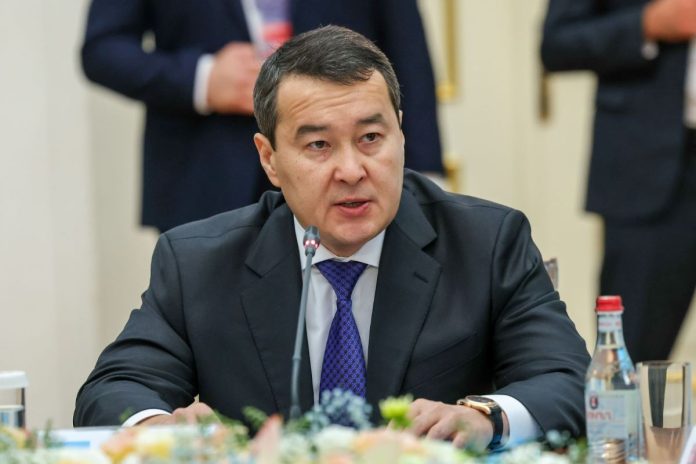
Kazakhstan’s prime minister Ali Kahn Ismailov

Mohammad Jamshidi, Deputy Head for Political Affairs of the Iranian President’s Office, said Ismailov will be accompanied by a high-ranking delegation.

Jamshidi added that the Kazakh officials will be holding talks on different issues including bilateral ties with the Iranian first vice president and other senior officials of the Islamic Republic during their stay in Tehran.

The administration of President Ebrahim Raisi has made expansion of ties with neighboring and regional countries a major part of its foreign policy.

Iran’s trade relations with neighbors have expanded considerably since President Raisi took office over two years ago.

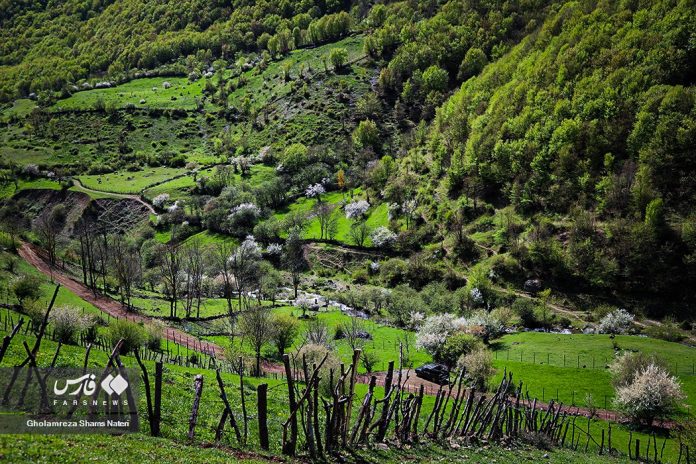
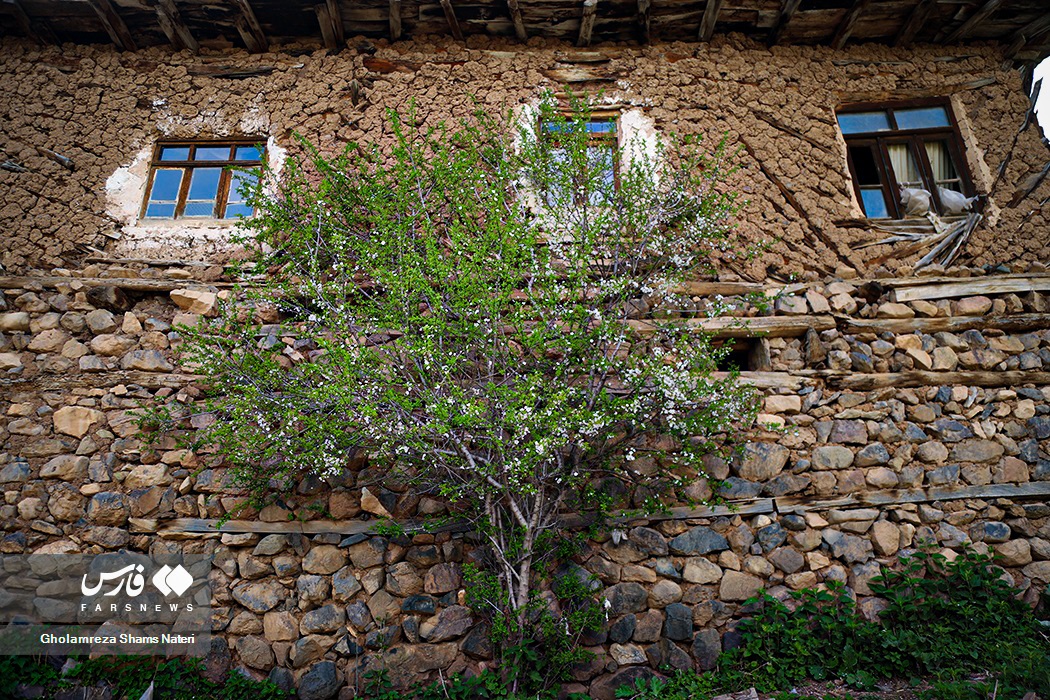
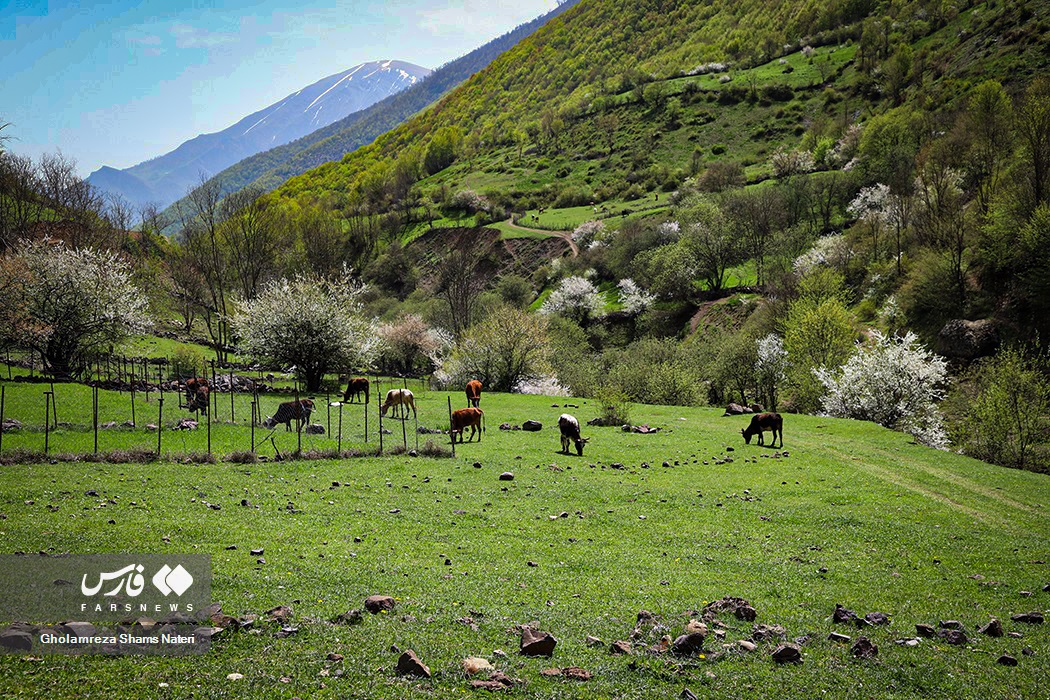
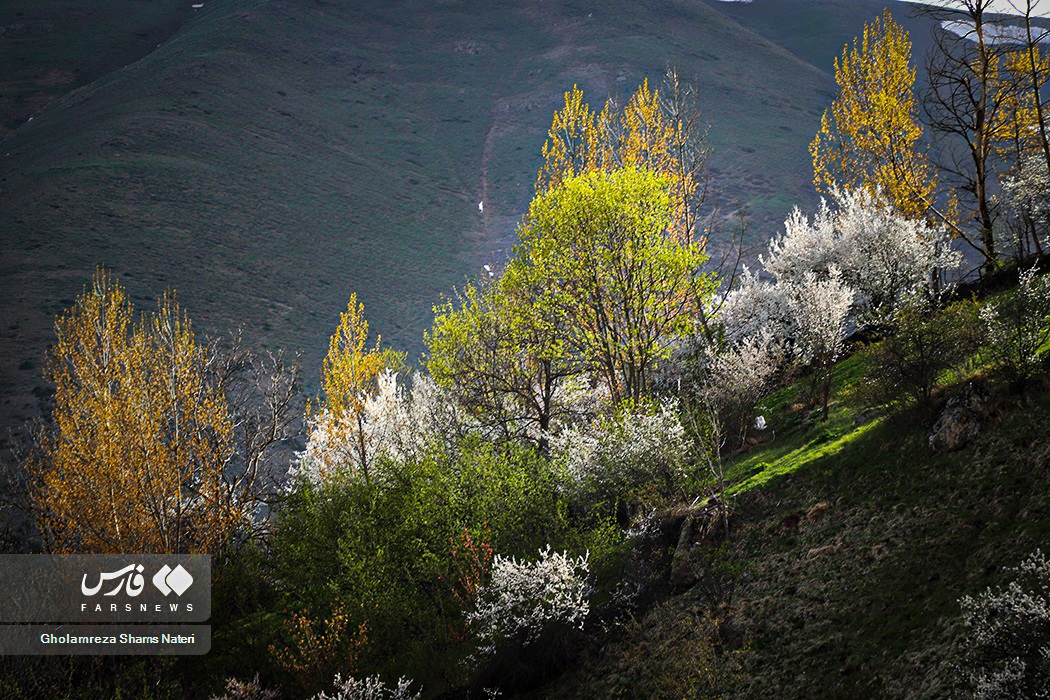
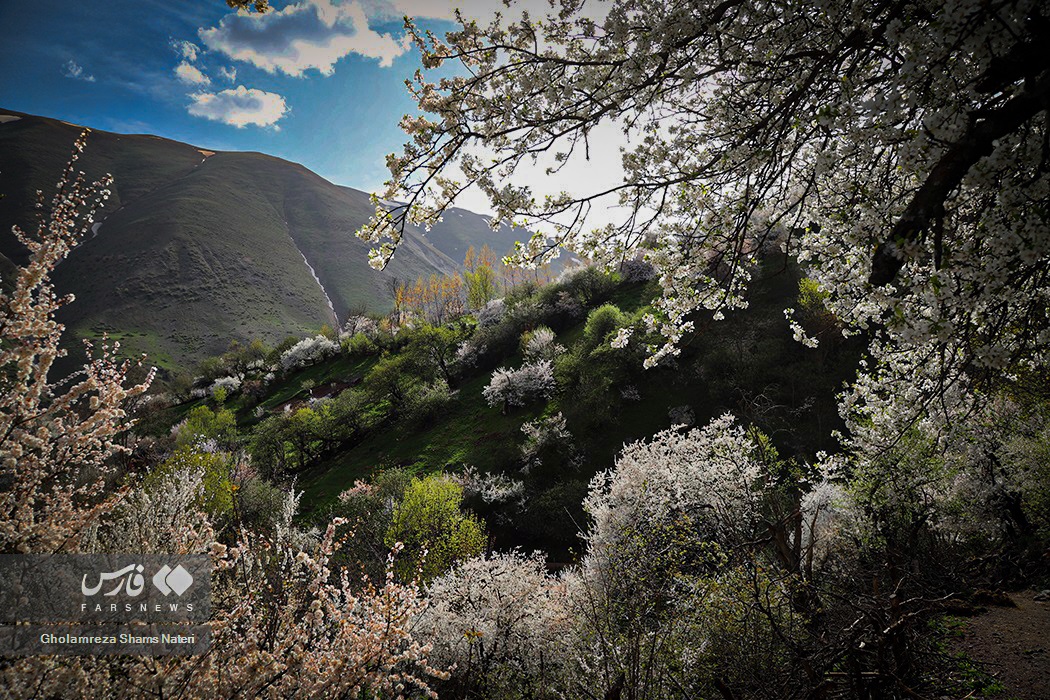
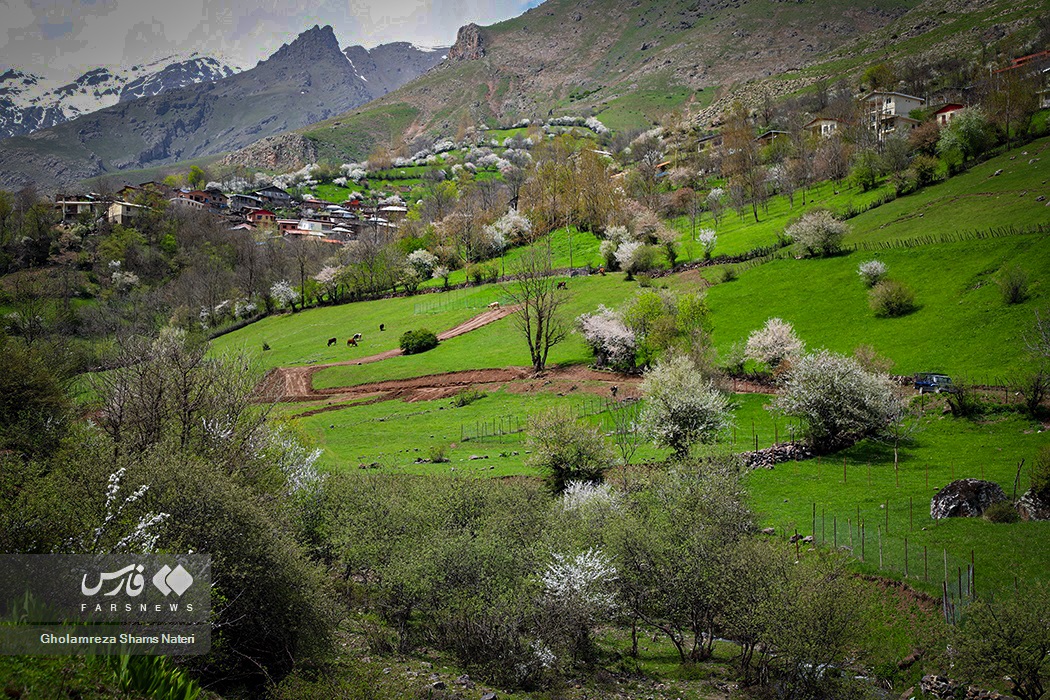
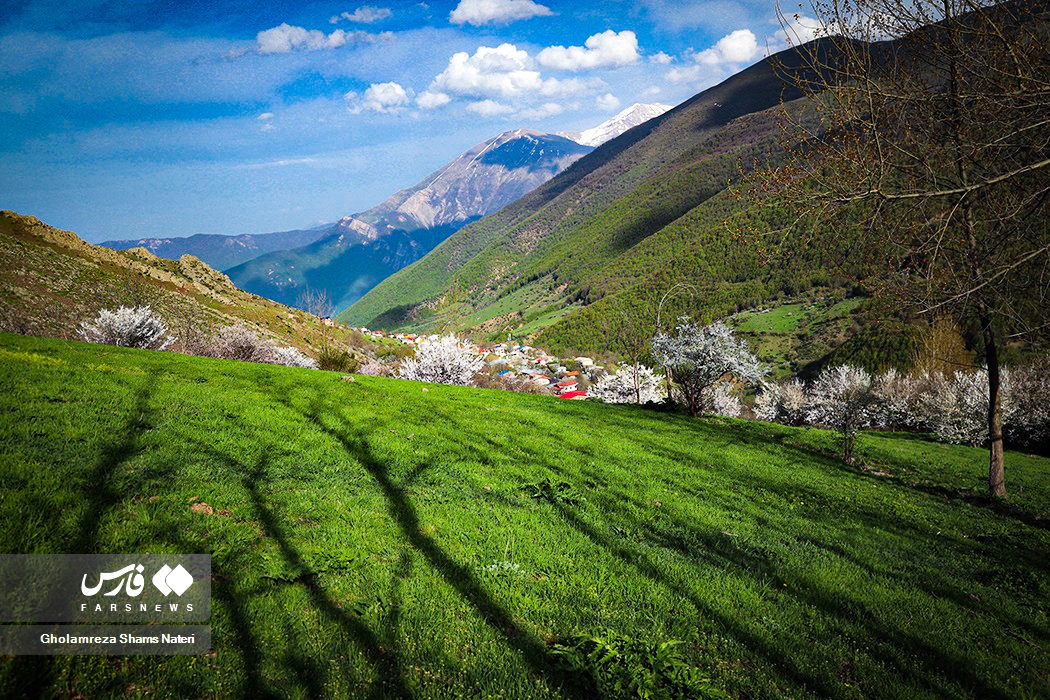
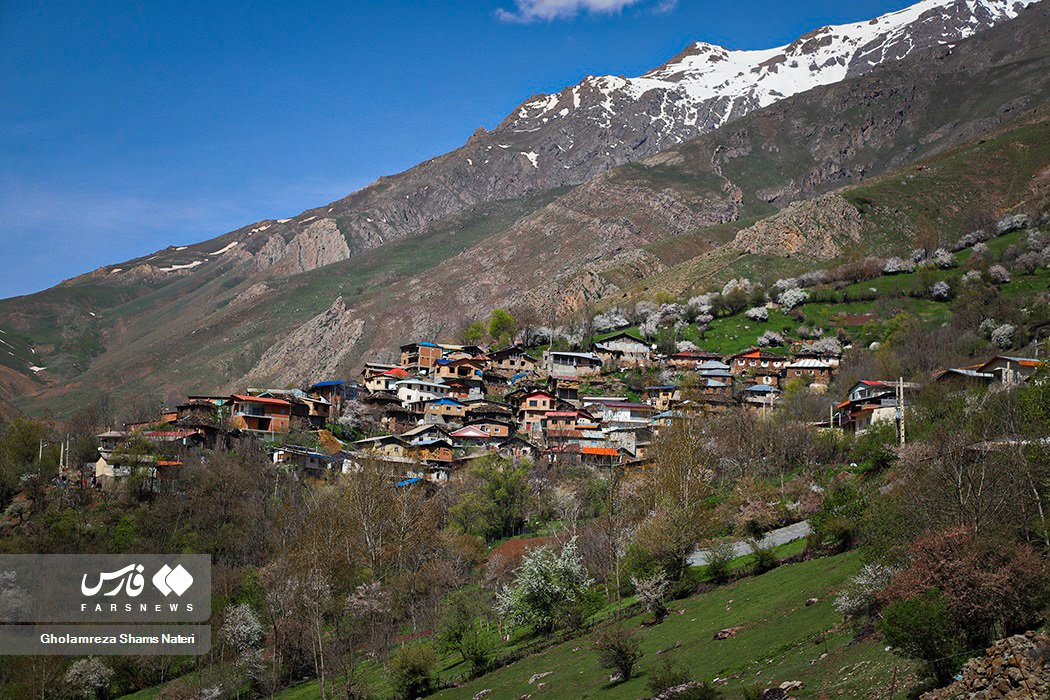
Spring nature of Chalus Mountains, northern Iran

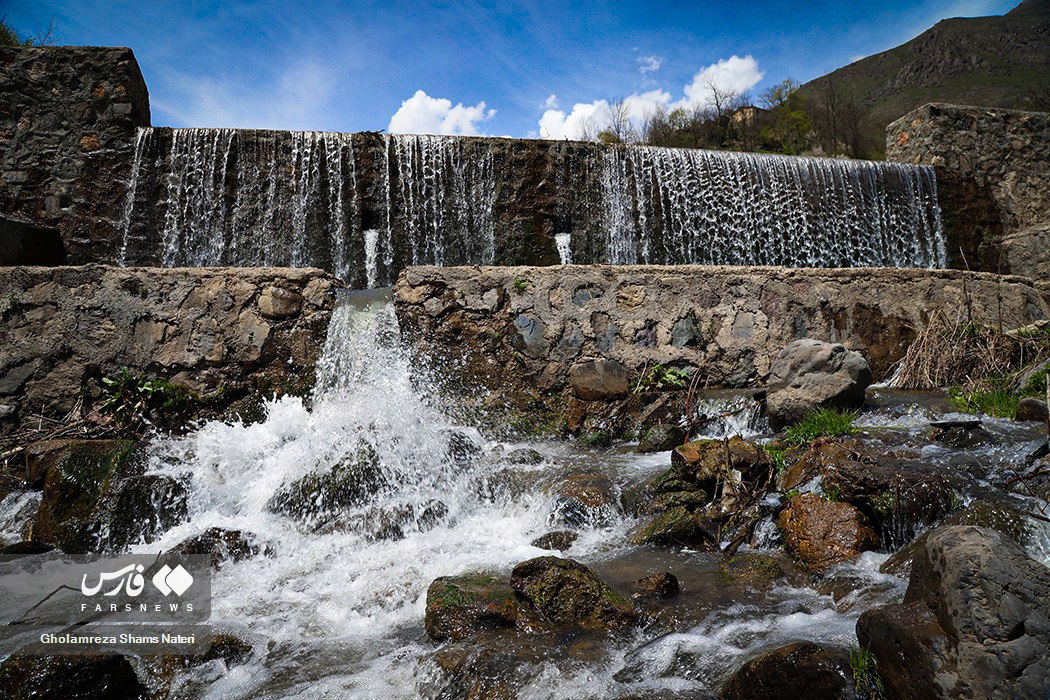
Chalus Mountains in Iran

See related pictures:

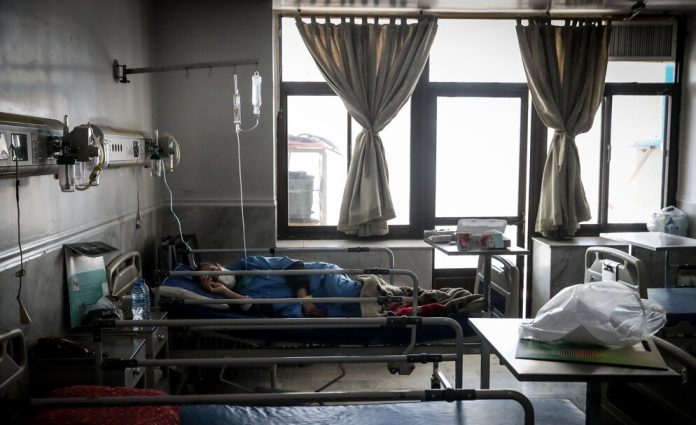
Covid in Iran: 19 dead, over 300 infections

COVID in Iran

“A sum of 326 new patients infected with COVID-19 have been identified in the country based on confirmed diagnosis criteria during the past 24 hours,” the Iranian Health Ministry’s Public Relations Center said on Tuesday, and added, “189 patients have been hospitalized during the same time span.”

It further announced that the total number of COVID-19 patients has increased to 7,607,403.

“Unfortunately, 19 patients have lost their lives in the past 24 hours, increasing the number of the dead to 146,041,” the ministry noted.

It expressed satisfaction that 7,357,076 coronavirus patients have recovered or been discharged from hospitals so far.

The center went on to say that 677 cases infected with COVID-19 are in critical conditions.

It added that 56,317,968 coronavirus diagnosis tests have so far been carried out across the country.

The health ministry public relations warned that 4 cities are red, 39 cities are orange, 235 cities are yellow, and 170 cities are blue.

Deputy UN chief says talks with Iran FM on humanitarian issues ‘constructive’

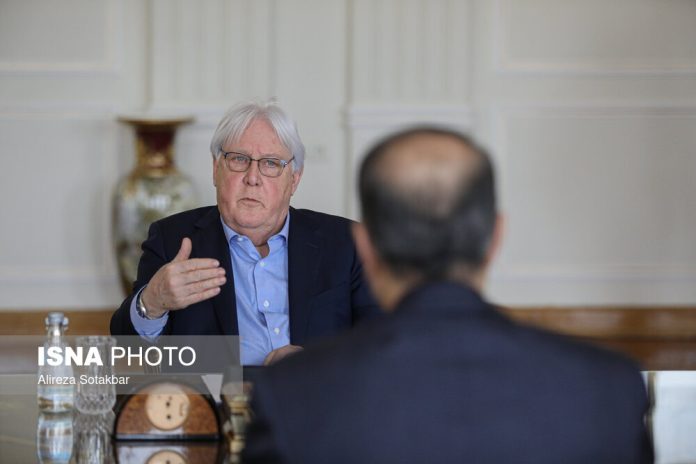
Martin Griffiths and Hossein Amirabdollahian

Addressing reporters during a visit to Tehran on Tuesday, Griffiths praised cooperation with Iran in humanitarian issues, expressing hope for closer ties between Iran and the world body.

He said his discussions with Amirabdollahian focused, among other things, on the pressure exerted on Iran by an influx of Afghan refugees into the country and a lack of international assistance to Tehran in its efforts to host the Afghan nationals.

The UN official called on the countries which have committed to provide relief aid to Afghans to fulfill their promises.

He emphasized the significance of UN reports, such as the one prepared by Elena Dohan, the world body’s special rapporteurs on the impact of unilateral sanctions.

Several UN institutions and the one “that I represent are active in humanitarian affairs. Wherever sanctions are applied, they do their best to reduce the effects of sanctions on the people, and Iran is no exception to this,” he said.

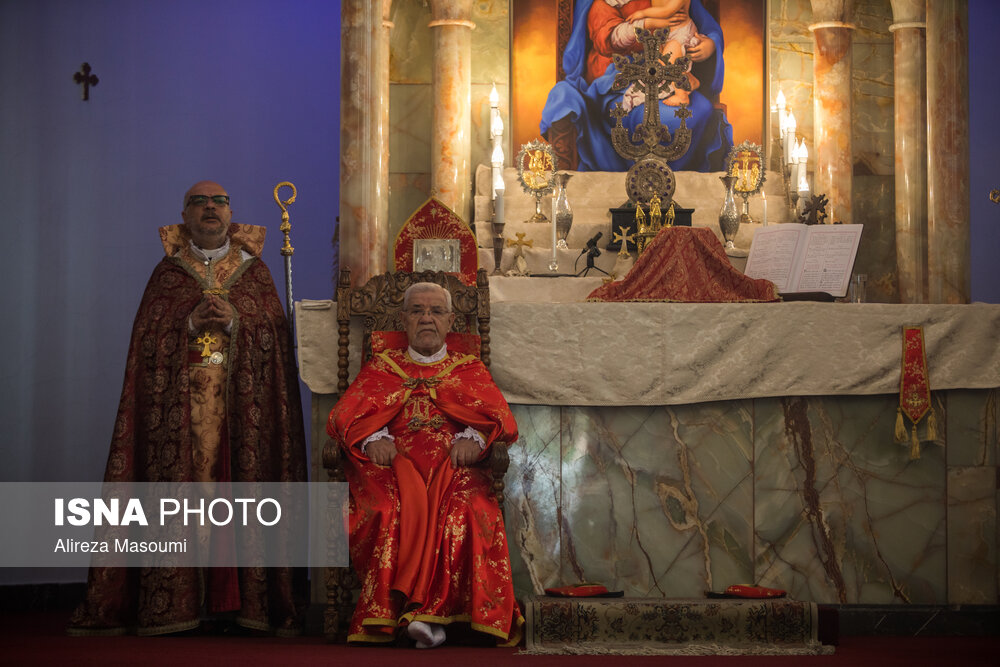
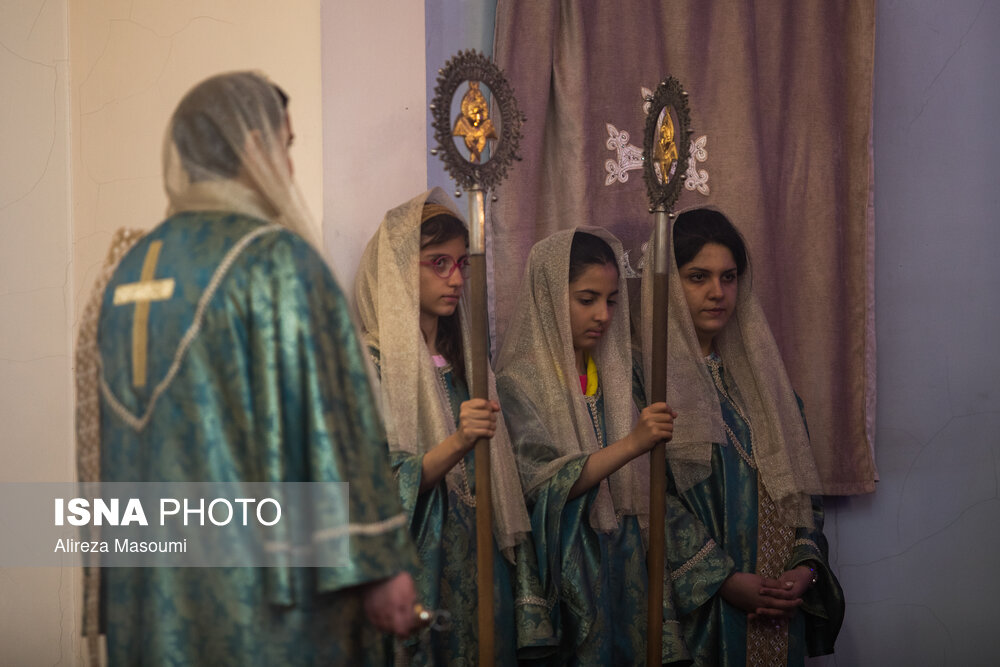
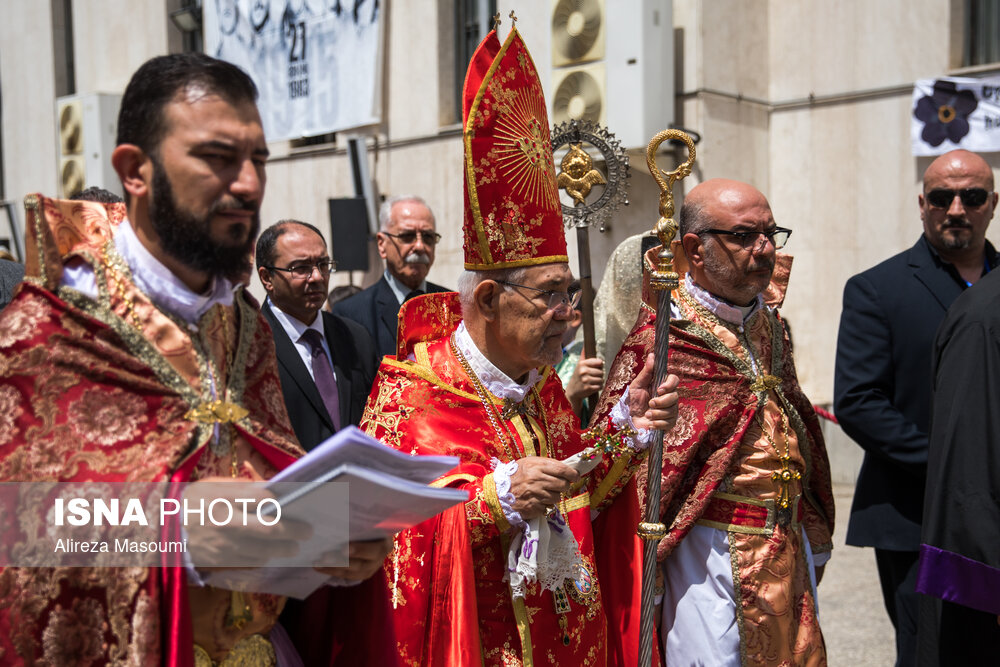
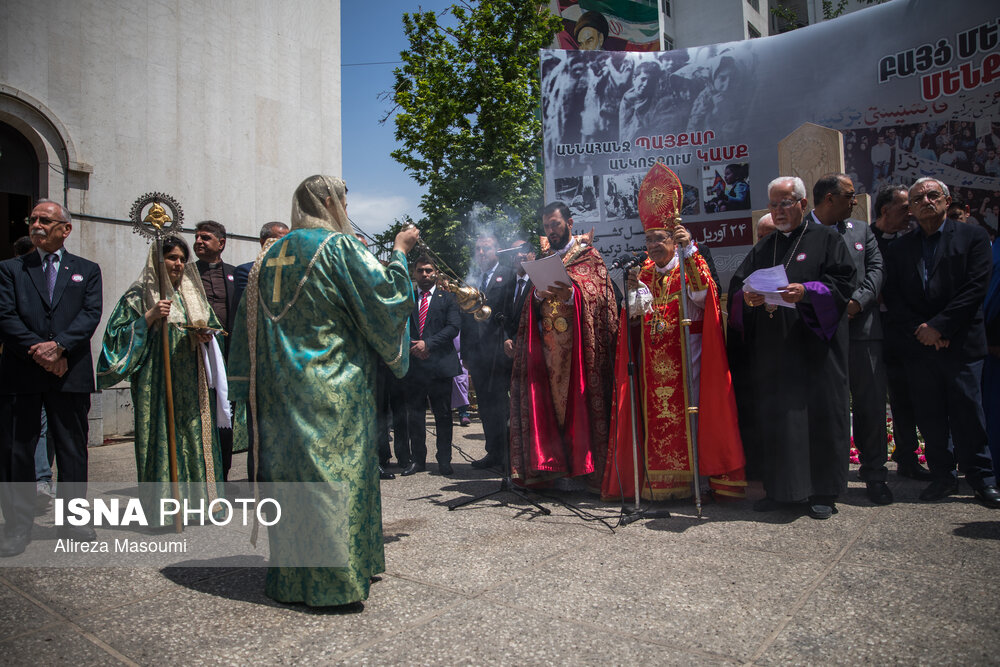
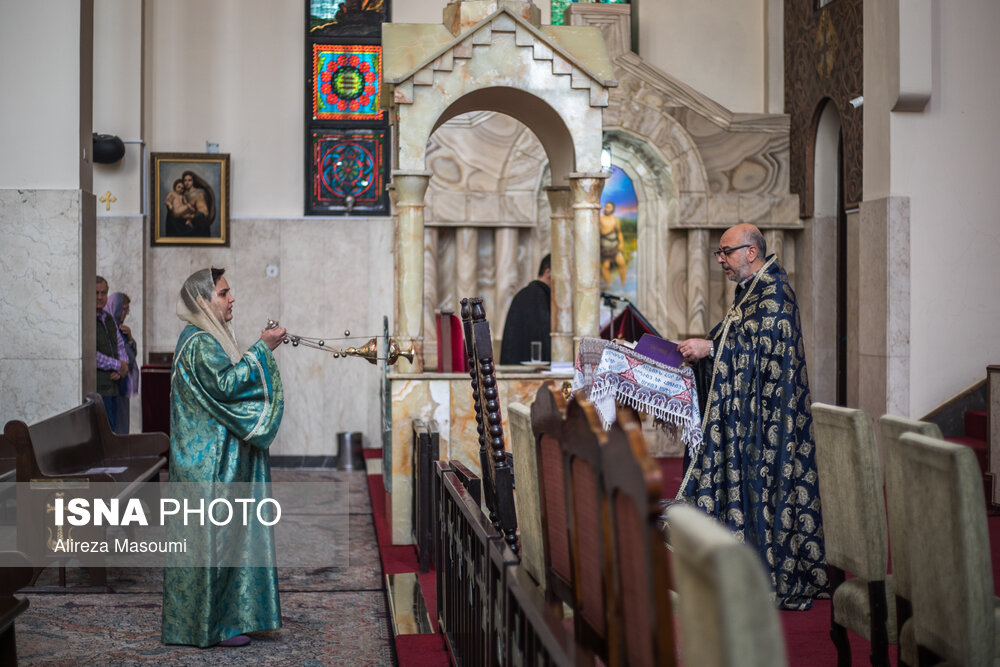
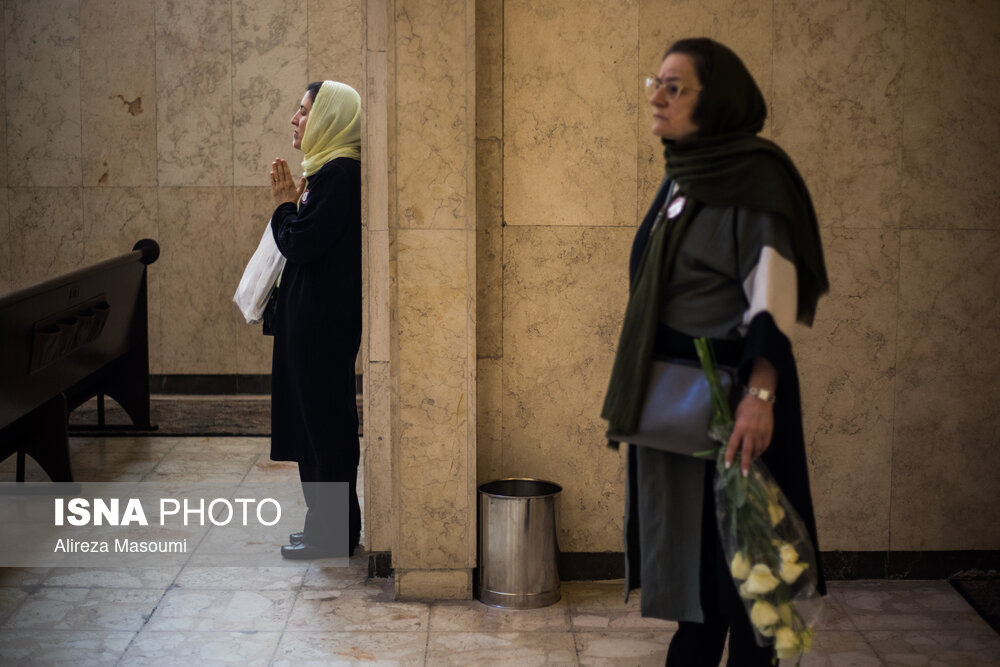
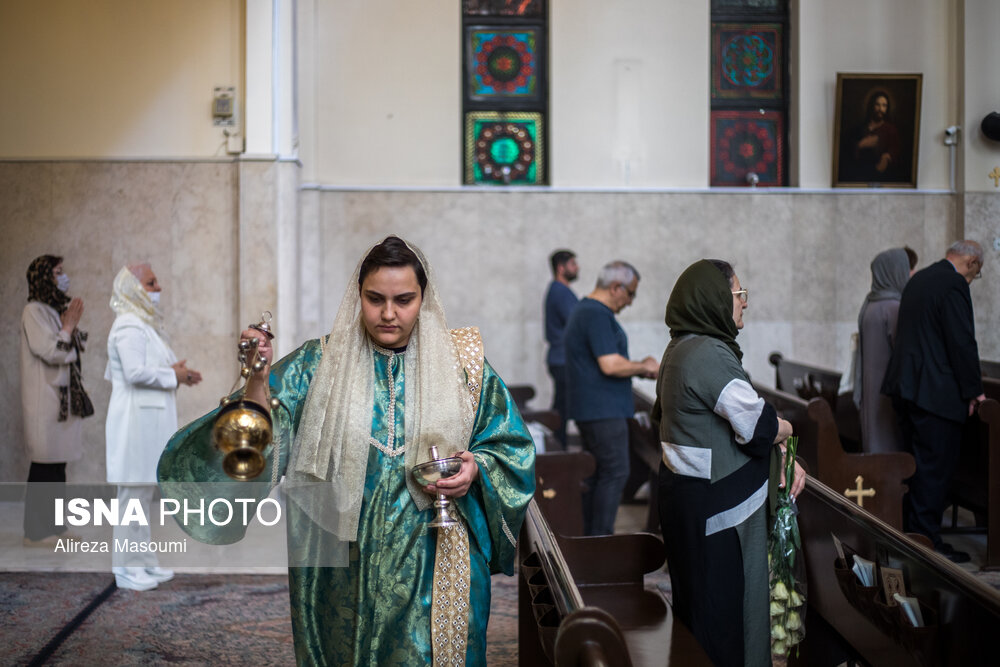
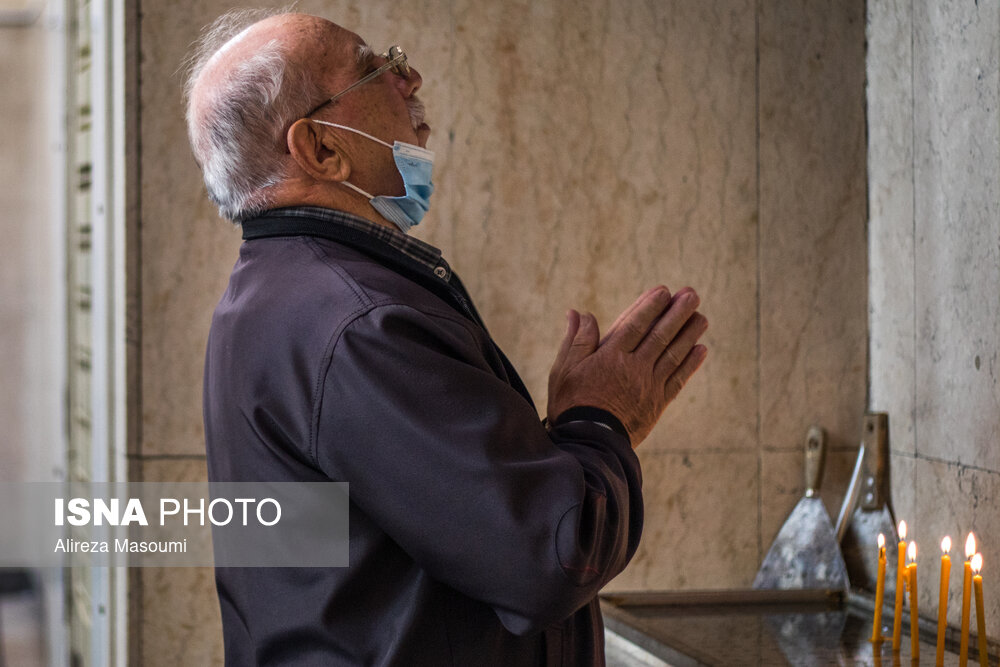
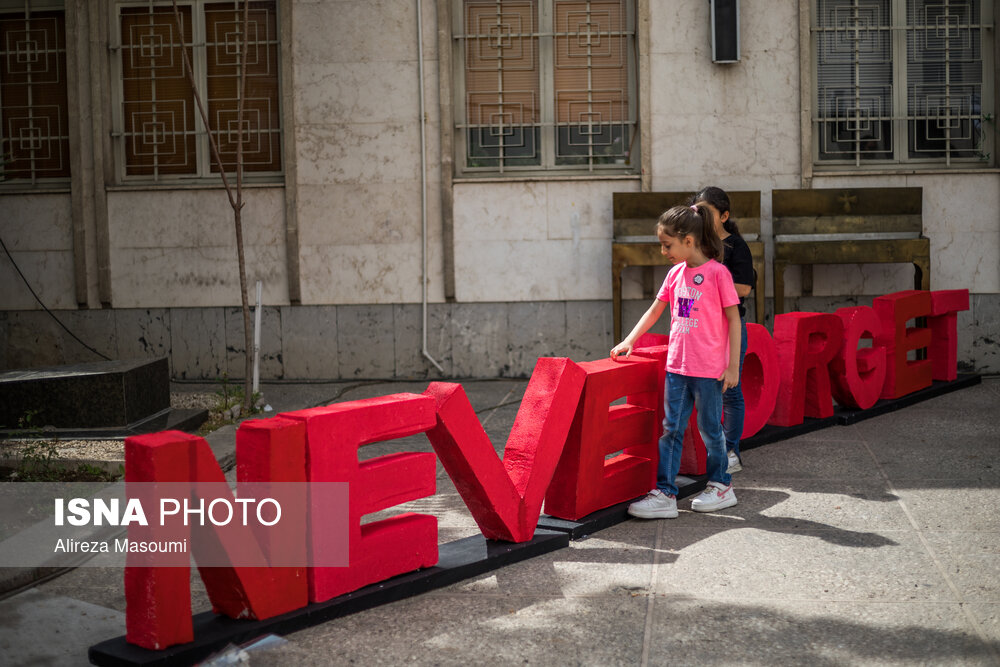
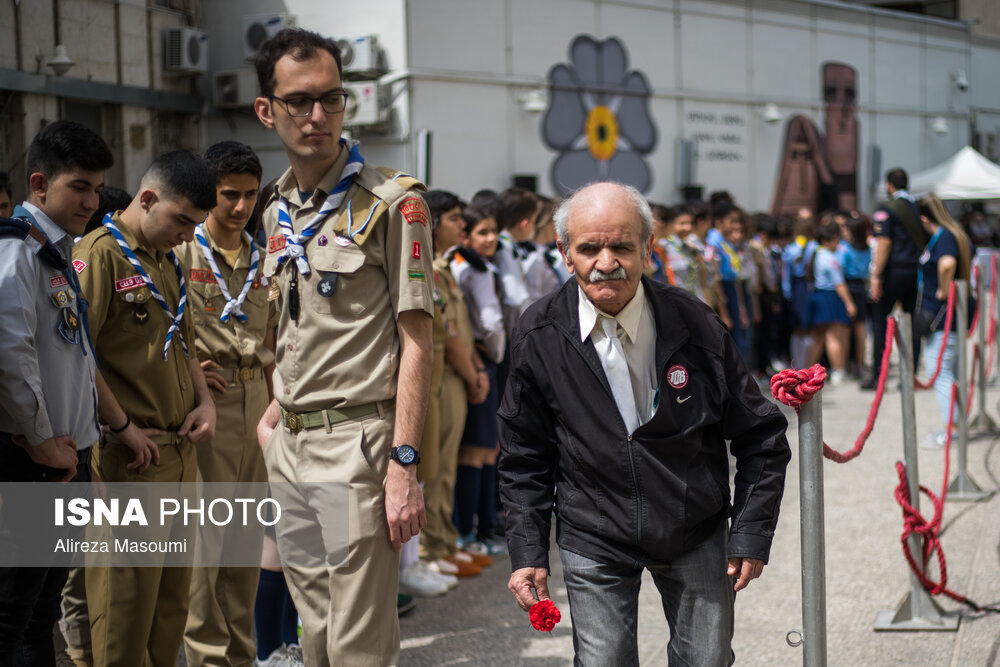
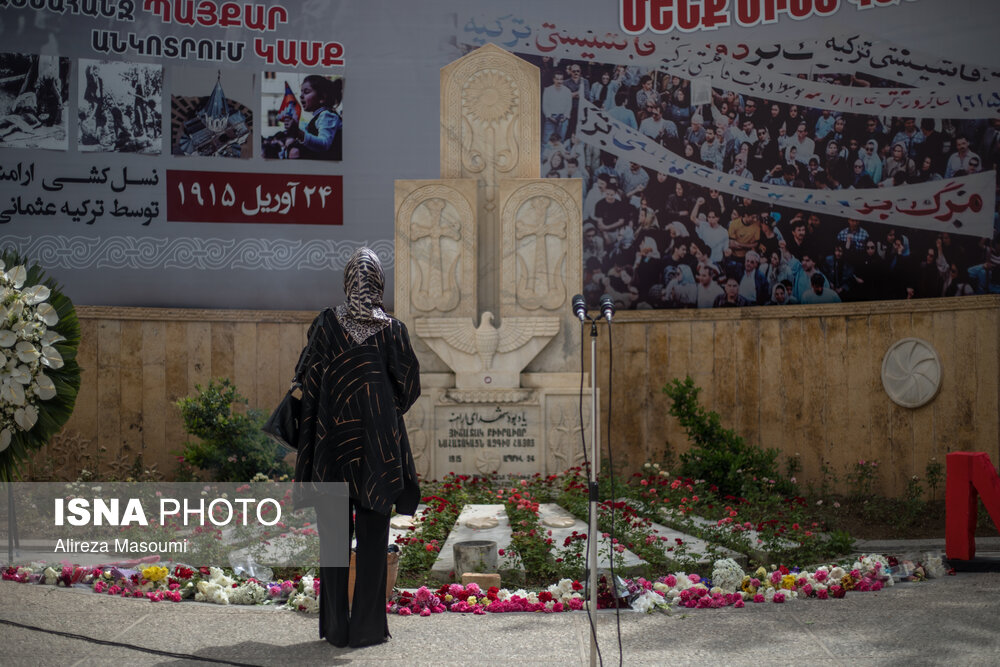
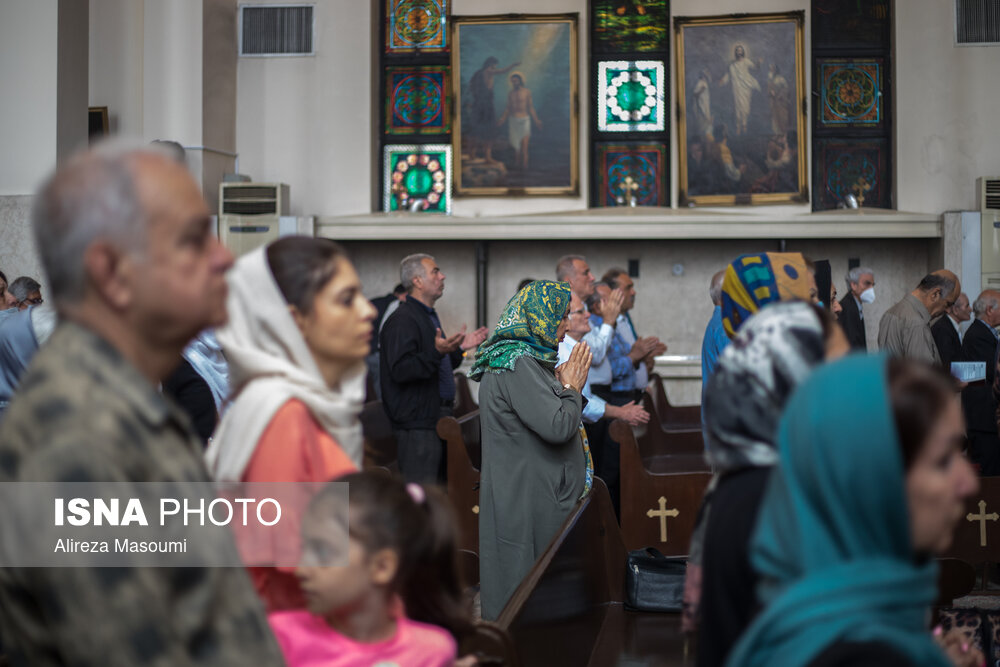
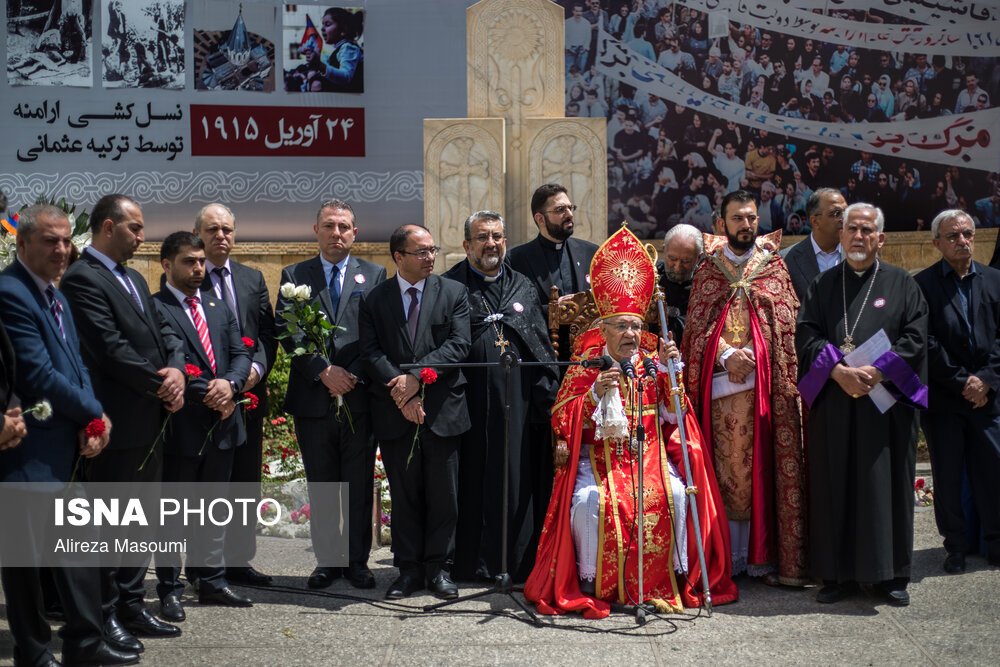
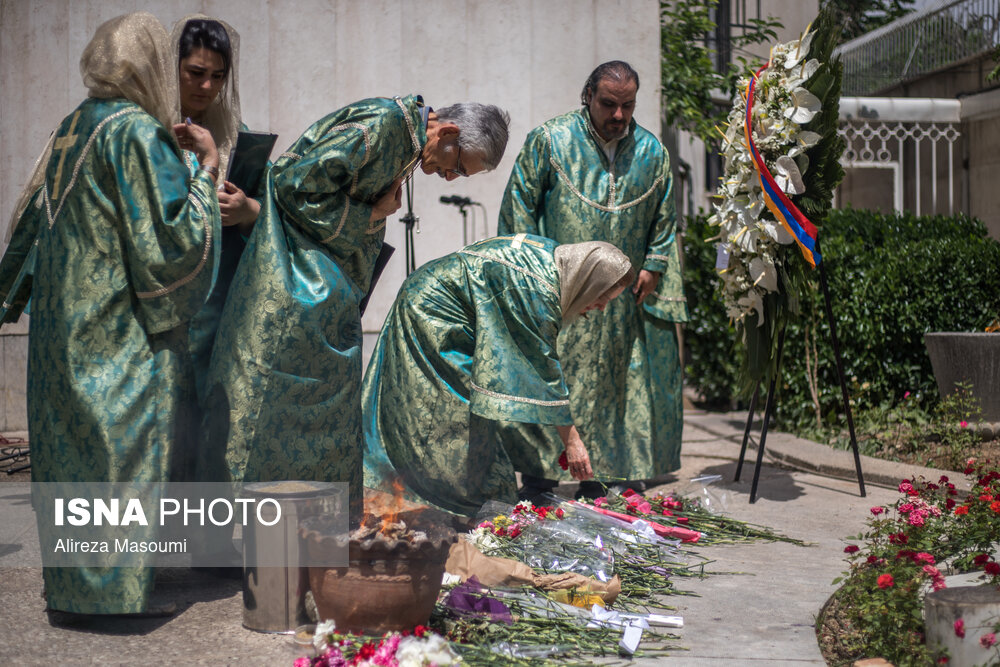
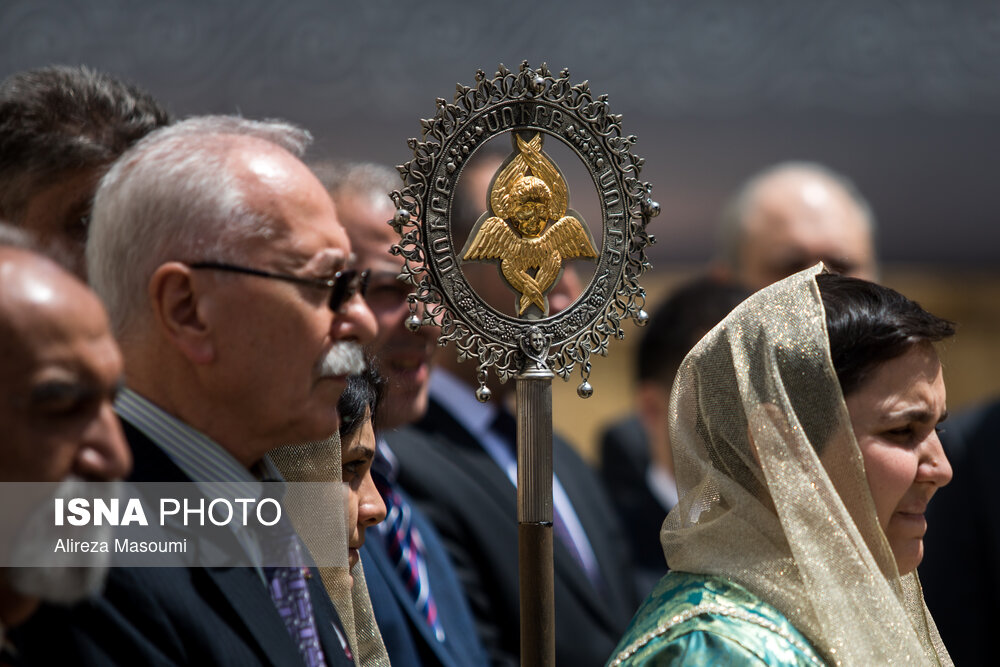
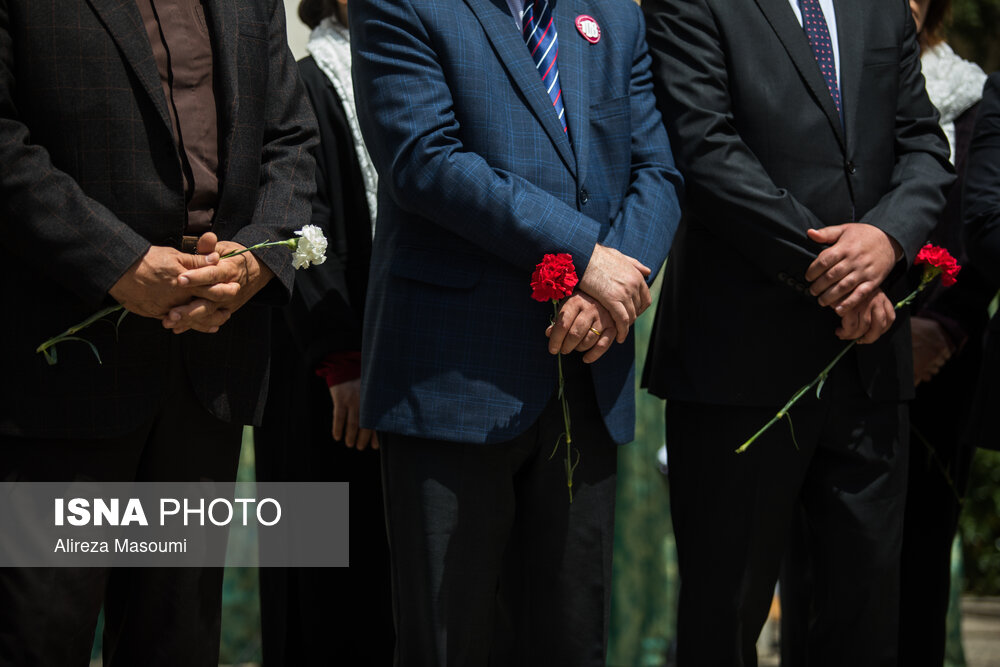
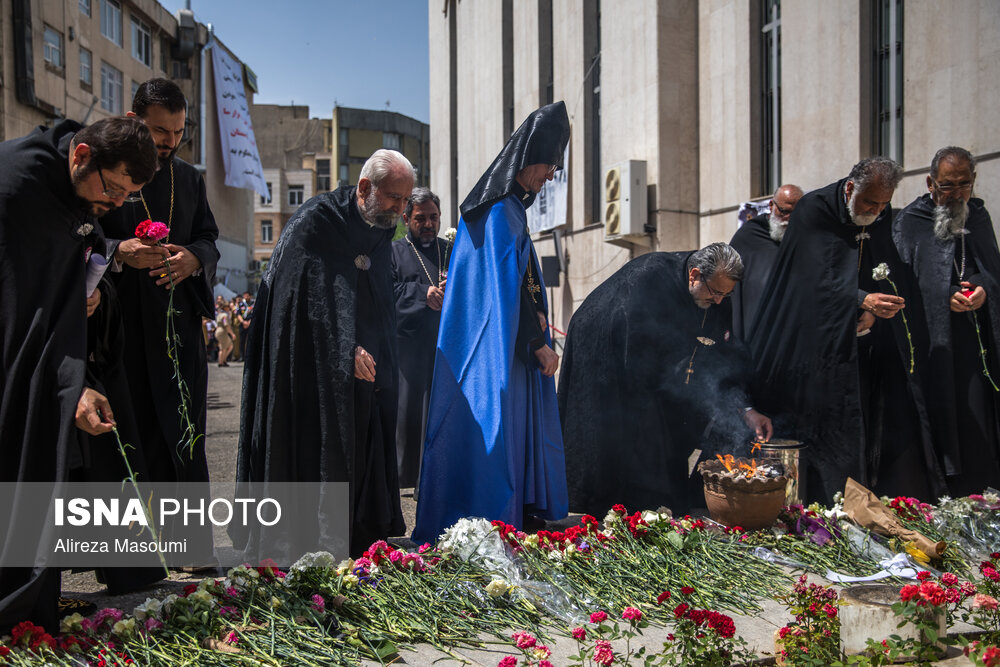
Iranian-Armenians mark “Armenian Genocide” anniversary in Tehran

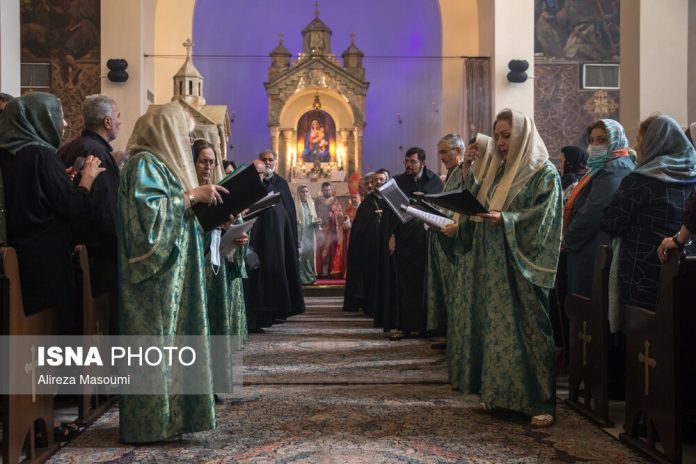
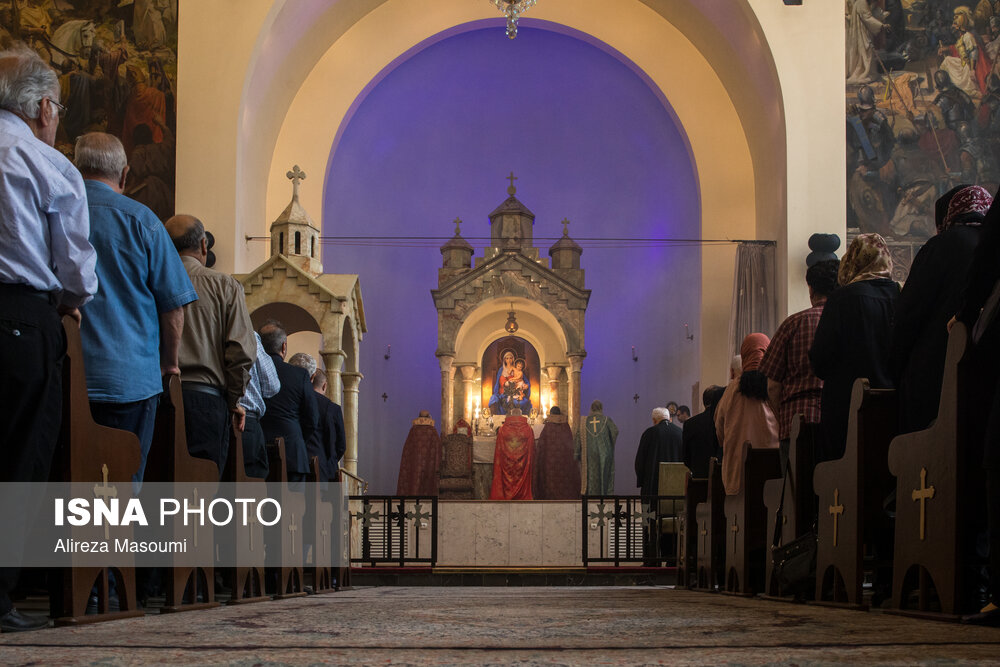
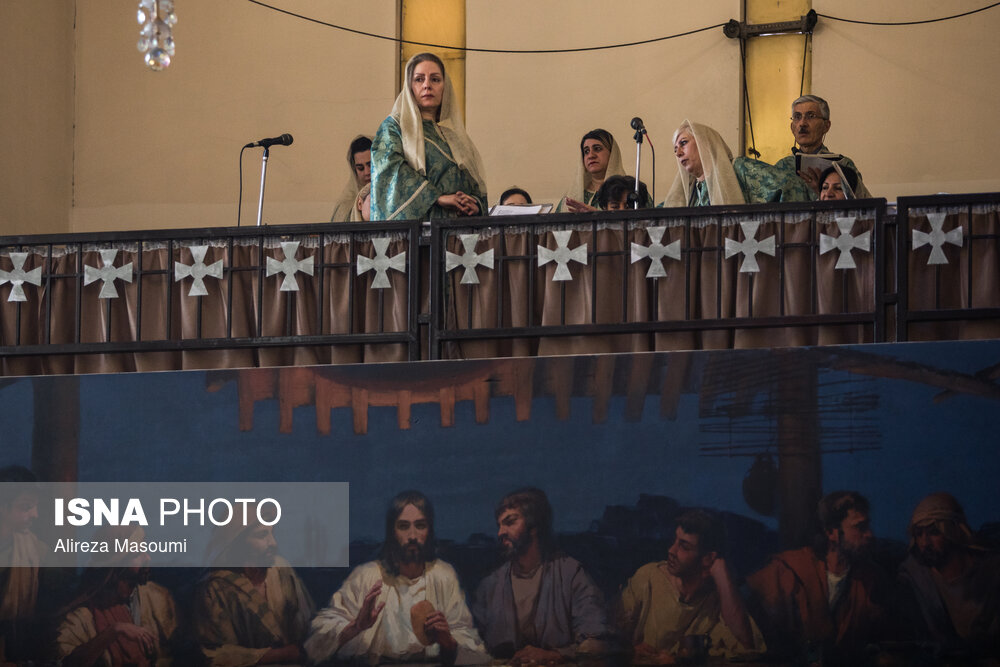
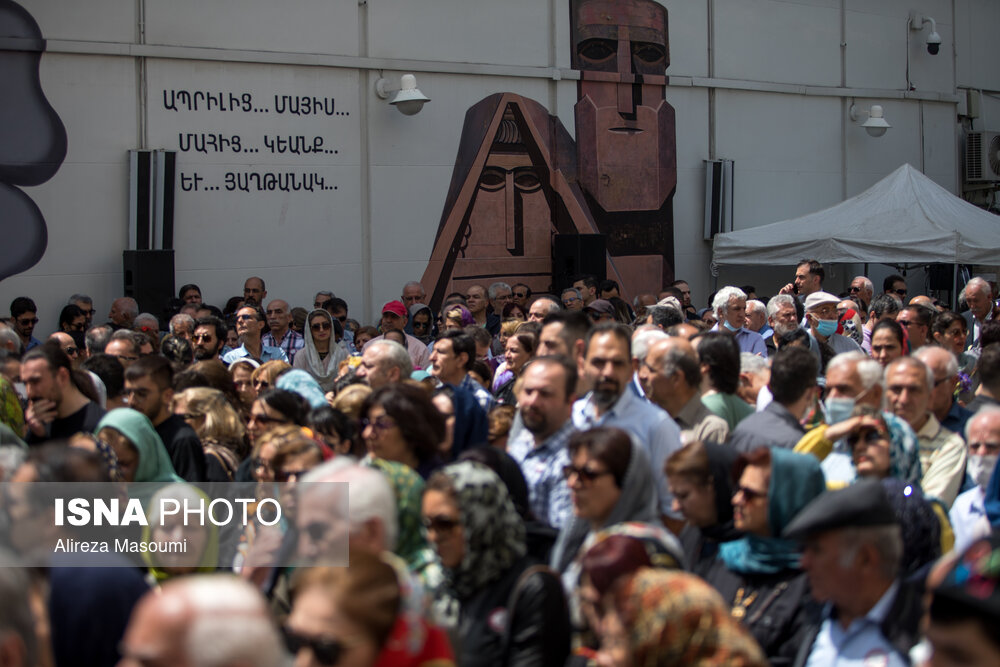
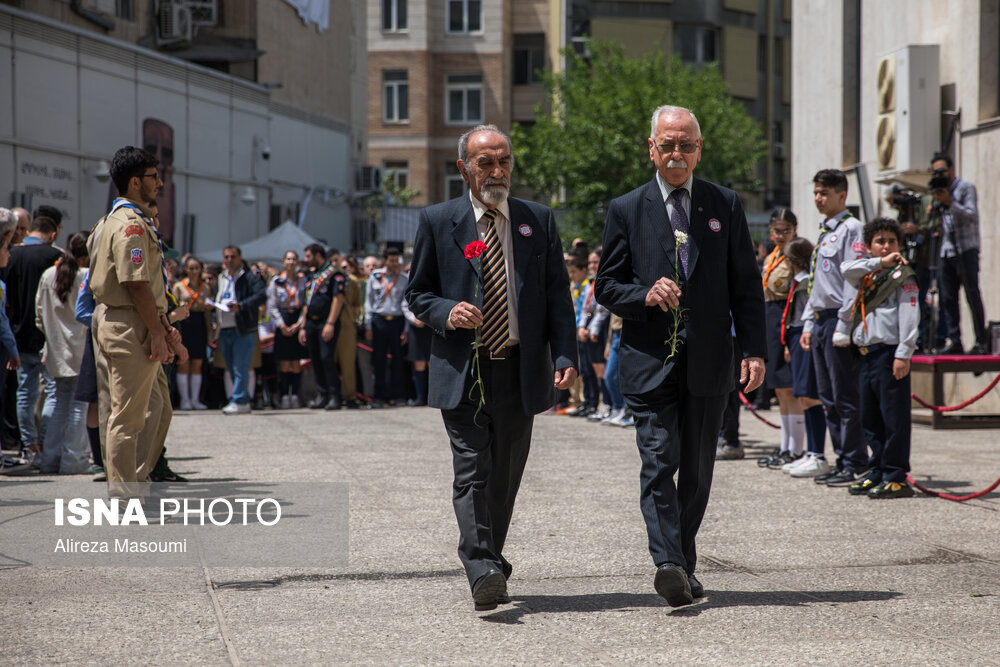
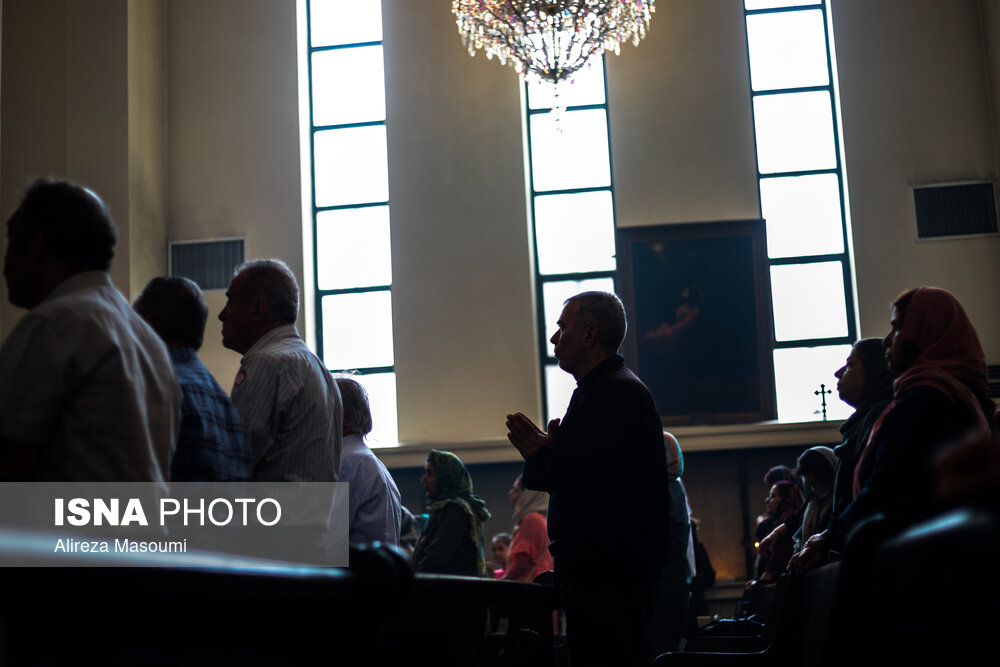
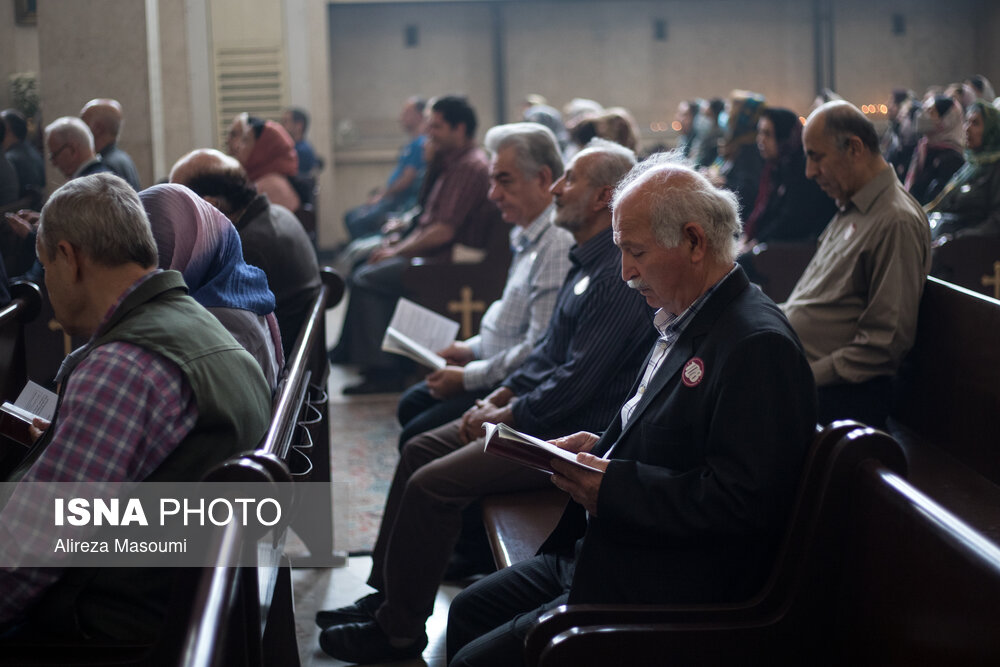
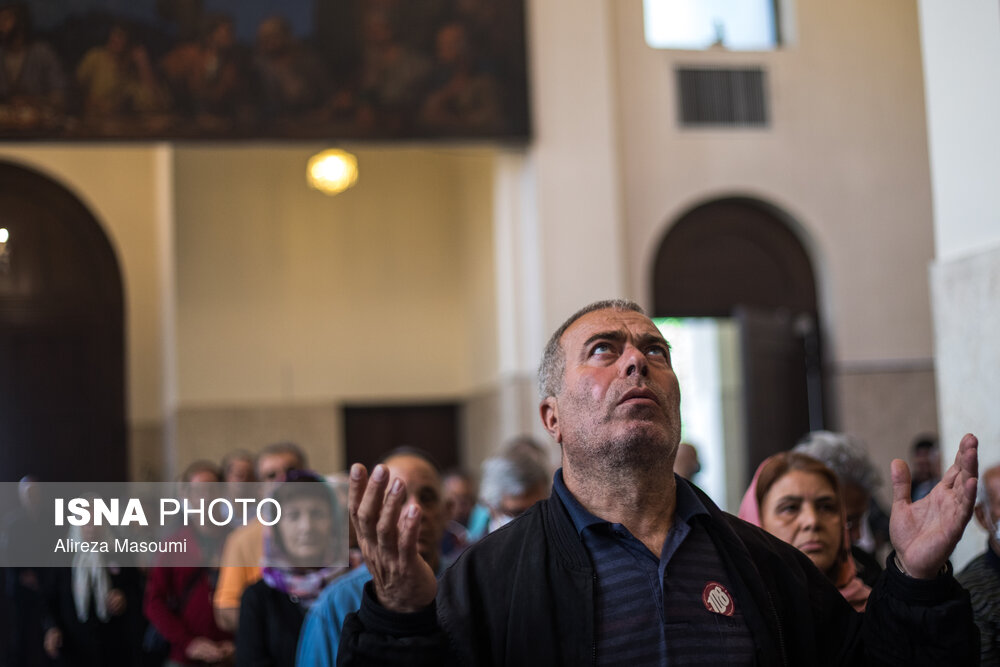
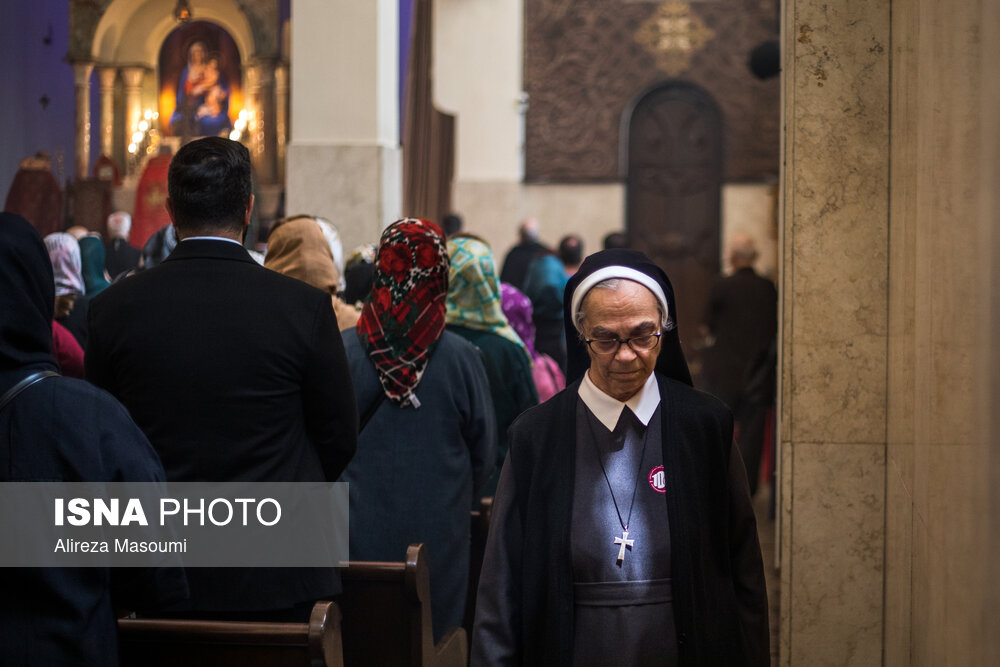
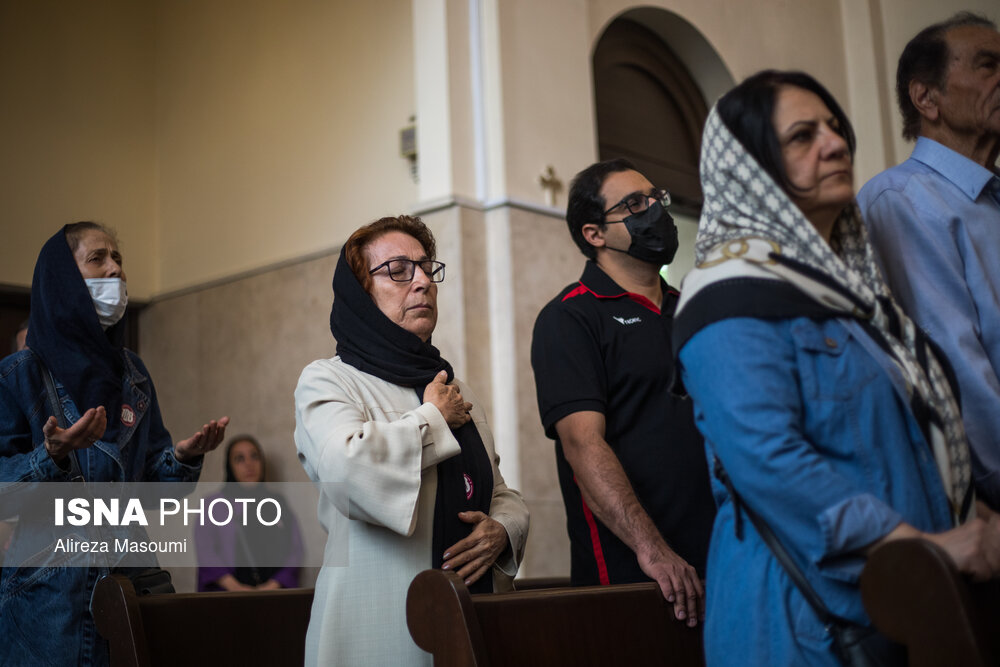
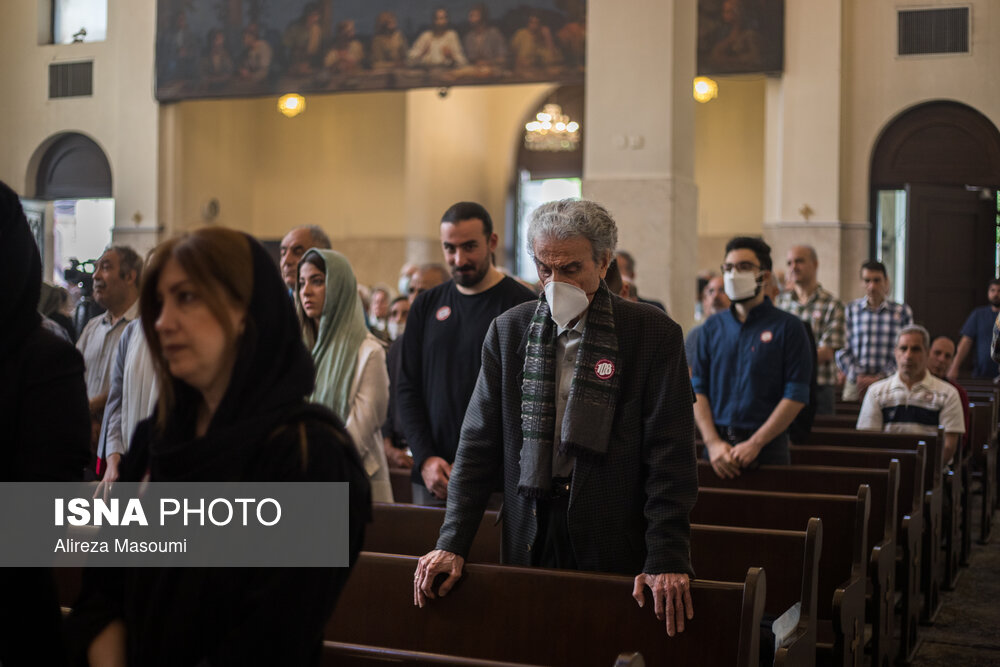
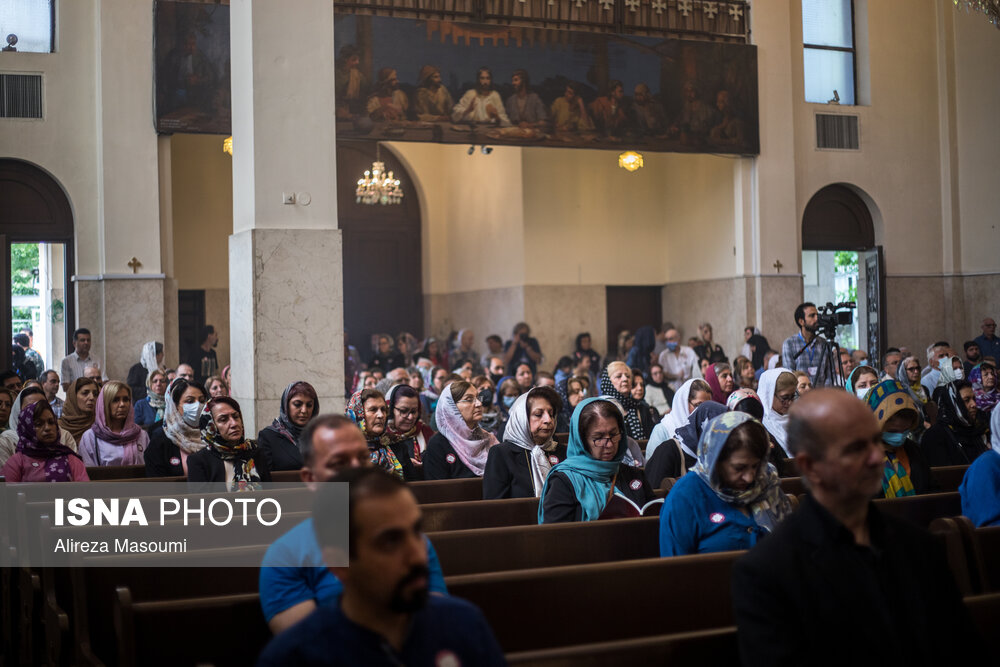
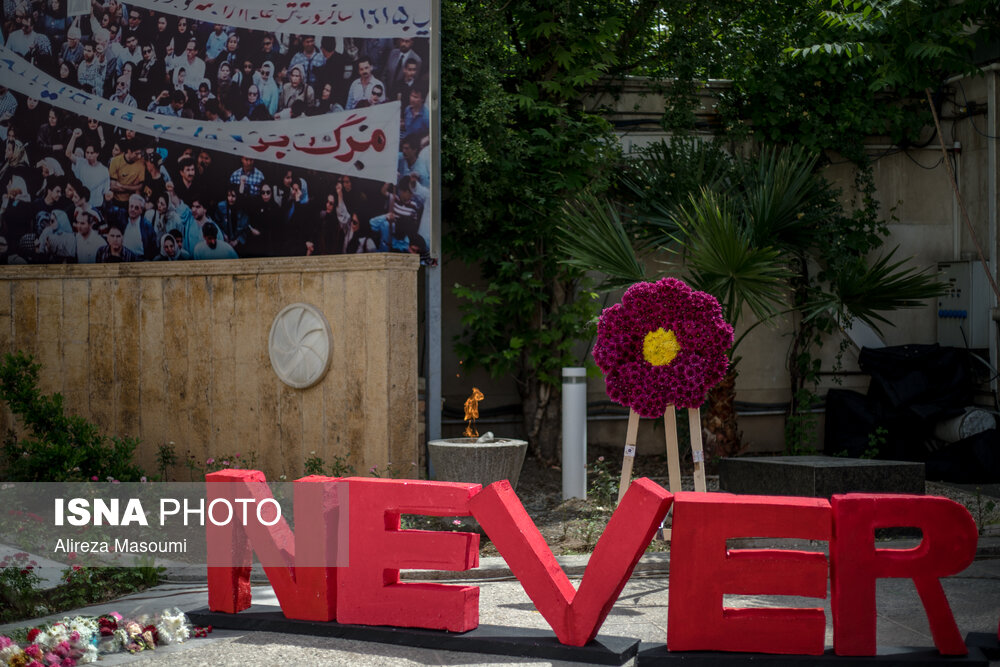
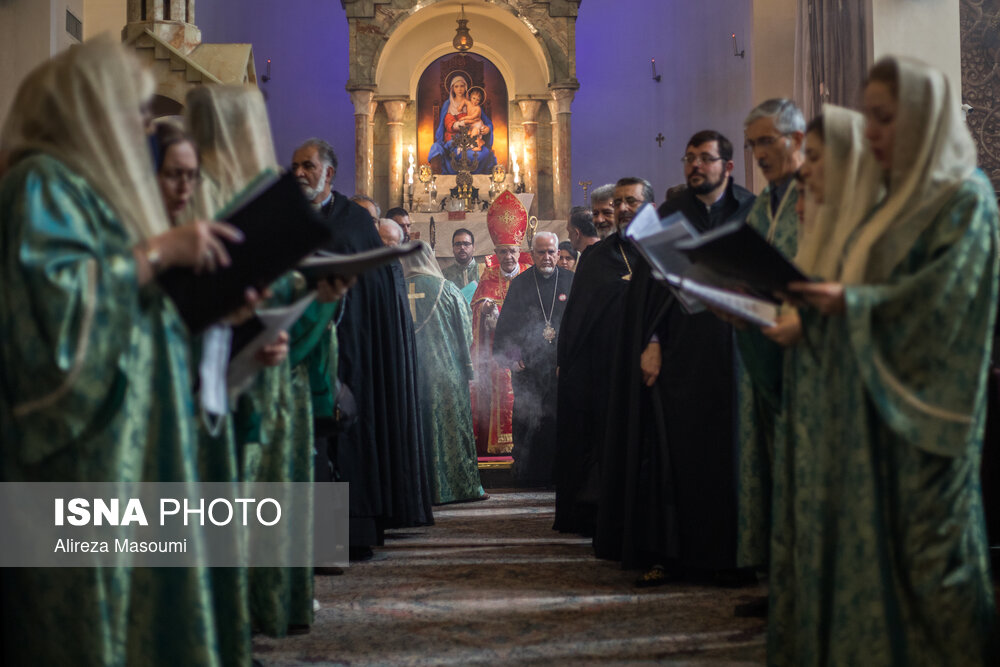
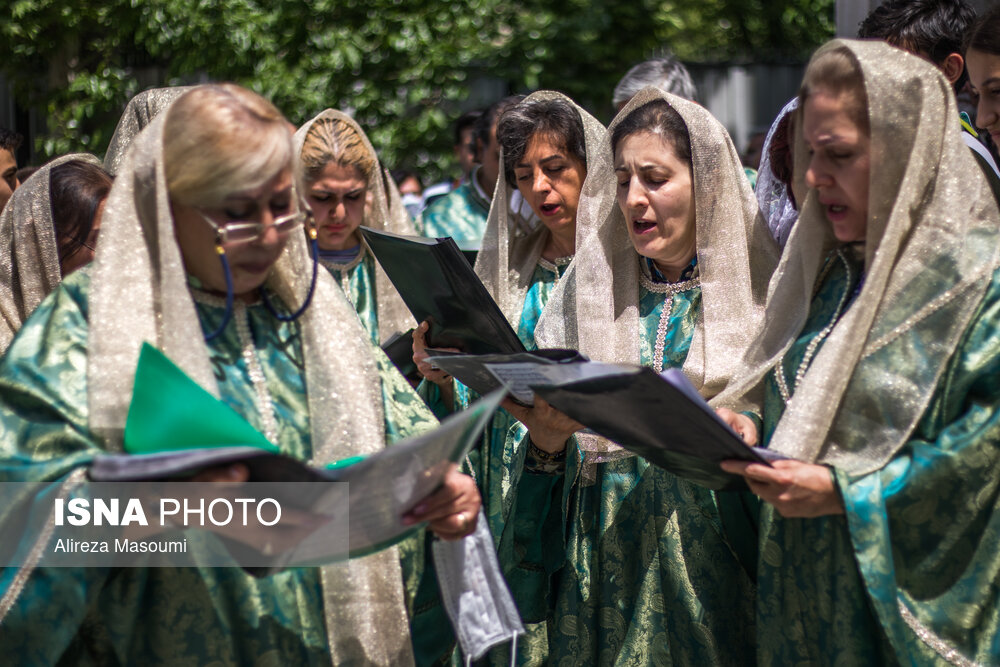
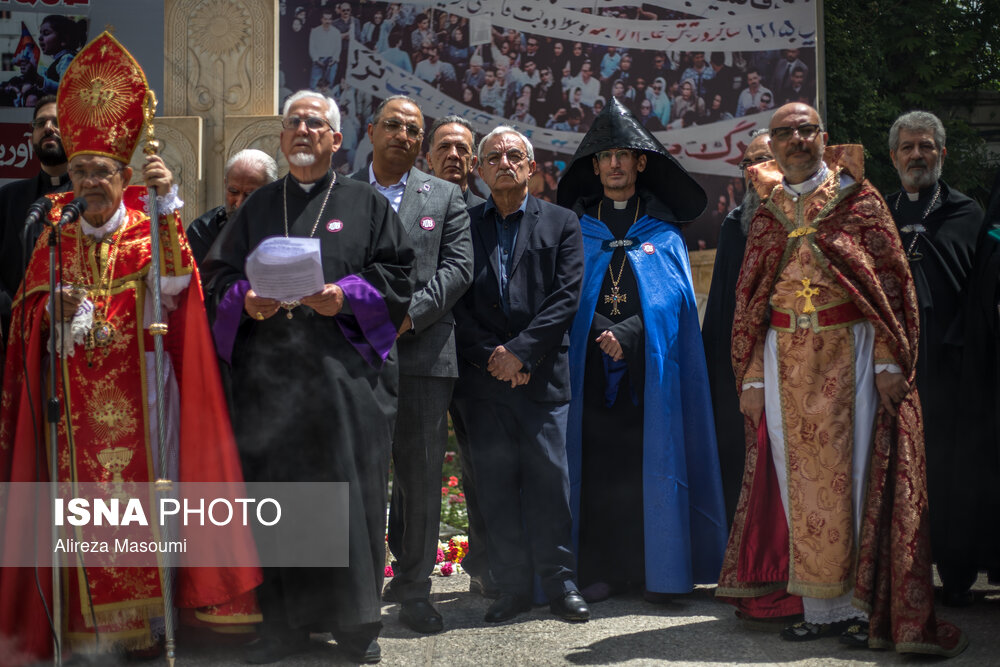
Iranian-Armenians mark “Armenian Genocide” anniversary in Tehran

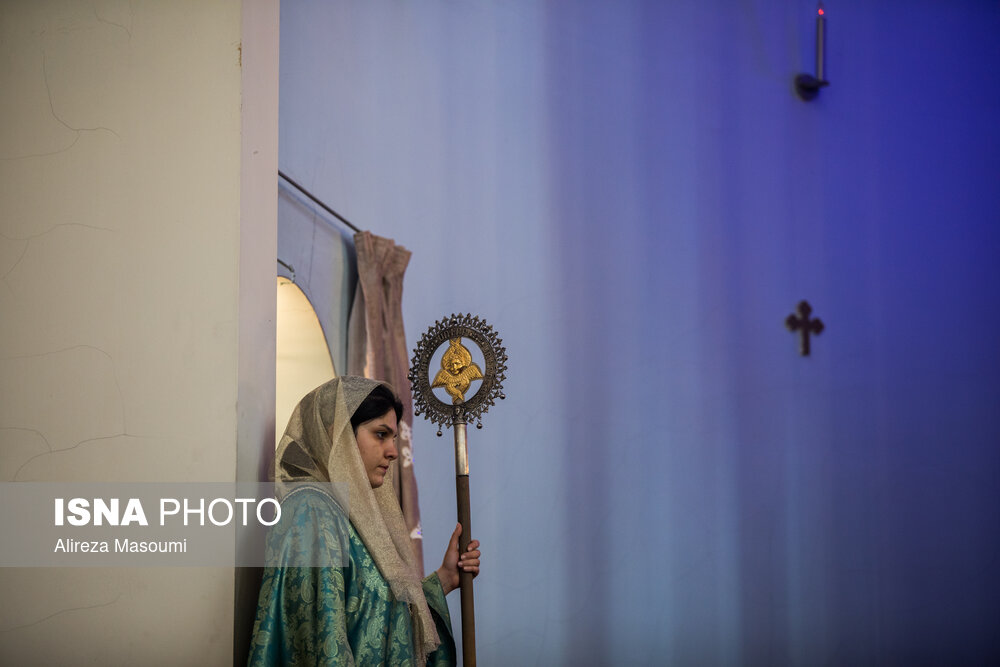
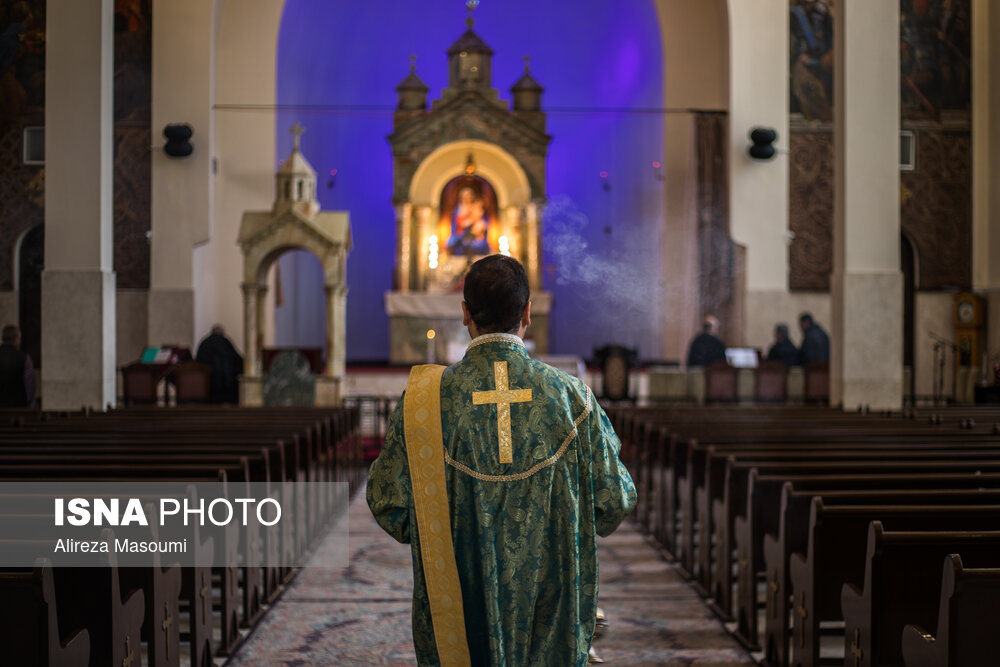
The vigil was held in the Saint Sarkis Cathedral in Tehran on April 24. Between 600,000 and 1.5 million Armenians are said to have been killed in systematic decimations by Ottoman Turkey starting in 1915.

Turkey denies the claim, saying the killing of the Armenians was not a genocide and the fatalities were victims of war.

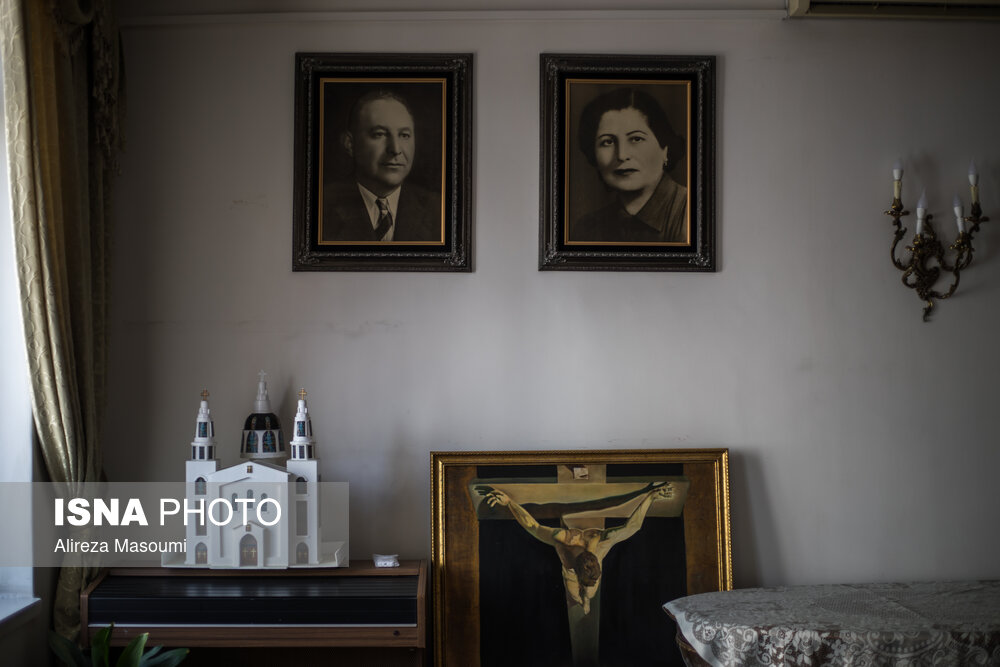
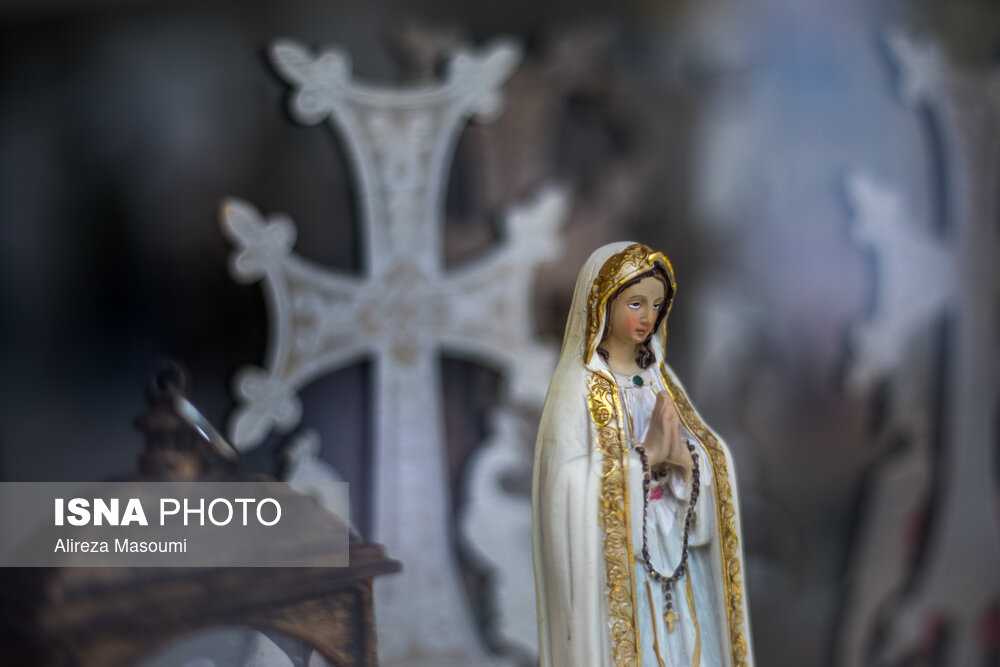
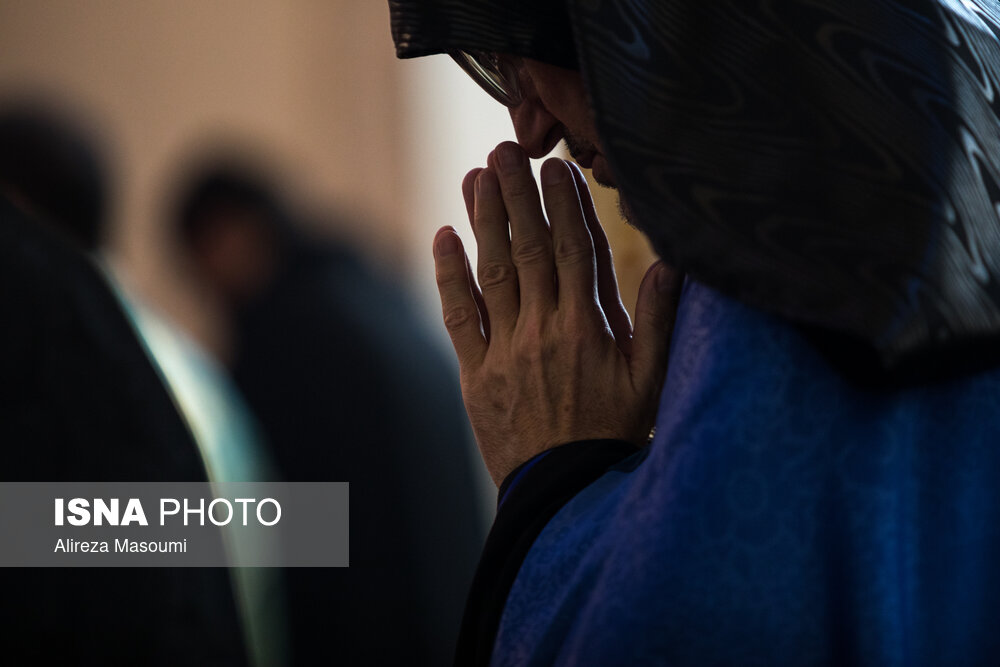
Below find a selection of photos form the memorial congregation at the Saint Sarkis Cathedral in Tehran:

Mossad targeted in major cyber attack

Cyber attack

The Hebrew-language Maariv daily newspaper reported that various Israeli websites, including those of Mossad and the so-called National Insurance Institute, which is responsible for the social security of Israeli settlers, were knocked offline due to a widespread cyber attack by a hacker group calling itself Anonymous Sudan on Monday.

“This attack is in preparation for a much more significant [cyber] attack,” the group wrote on its Telegram channel.

The development came only two days after the group targeted the websites of a major airport port as well as the largest supplier of electrical power across the Israeli-occupied territories in a massive cyber attack.

Hebrew-language media outlets reported at the time that the Anonymous Sudan hacker group took down the websites of Ben Gurion International Airport and Israel Electric Corporation (IEC) on Saturday.

The reports added that the Distributed Denial of Service (DDoS) attacks, during which websites are targeted by overwhelming their servers with too many requests to connect, made the websites unavailable for a while, before they were brought back into service.

“We have not forgotten our Eid gift for Israel. There will be a major [cyber] attack, and it will bring down a large part of infrastructure in Israel. We will attack at any moment,” the group wrote on its Telegram channel.

Also, an Indonesian hacker group carried out a massive cyber attack against a number of Israeli websites last week, including those of the ministries of foreign affairs, education and health.

The Jerusalem Post spaper reported that the group, calling itself VulzSecTeam, announced on April 17 that it had managed to break into the websites of the Israeli education, health and foreign ministries, as well as Israel police and bus and train companies in recent days, and took them down.

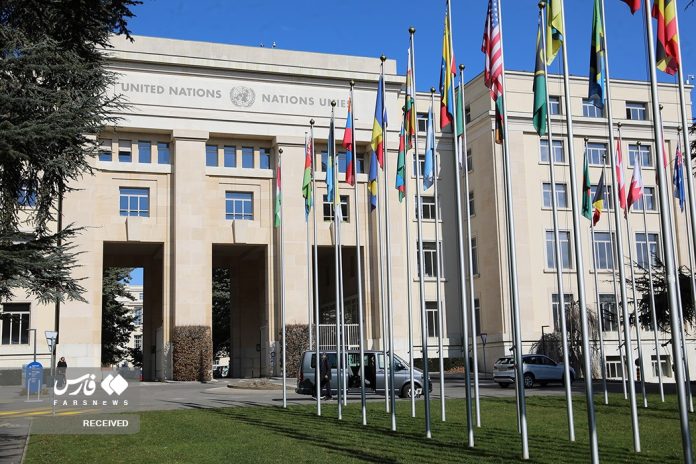
Russia calls for relocation of UN headquarters to Geneva or Vienna

United Nations

“We, of course, would prefer that it [the UN headquarters] be moved to a more neutral location, Geneva or Vienna, but many member countries don’t want to leave New York. There are a lot of reasons for this, including that they already have the real estate, it’s hard for them to have two offices, so they have everything in New York. These are rather reasons of financial and economic nature,” he said.

“We are thinking about it. Firstly, it’s a shorter trip, and secondly, the Austrians and the Swiss are more neutral, even despite what they are doing now. But we have not found support from the majority of member countries,” Ilyichev added.

Earlier, the delegation of Russian Foreign Minister Sergey Lavrov had a lot of problems getting US visas to travel to New York to participate in the UN Security Council’s events on April 24 and 25. Representatives from the Russian news media weren’t issued visas at all. The US didn’t provide any explanation as to the motivations for this decision. In response to this, Lavrov said that the United States was “scared” and assured reporters that Russia “will not forget or forgive” this incident.
Lavrov chaired Monday’s session of the UN Security Council, dedicated to “effective multilateralism.” In his opening remarks, he outlined the nature of the current conflict, which he said was really between the UN Charter and the “rules-based order” of the collective West.

Lavrov also noted that the US had effectively denied visas to his accredited media pool, a move to which Moscow has vowed to respond in such a way “to make Americans remember that things should not be done in such a fashion.”

The UN-centric system is going through a deep crisis caused by some members’ desire to replace international law with their “rules-based order,” Lavrov said.

Such “rules” are invented ad hoc and applied to stop independent development. They are enforced through means ranging from military force to embargoes, financial sanctions, confiscation of property, “destruction of critical infrastructure” – likely a reference to Nord Stream sabotage – and “manipulation of universally agreed norms and procedures.”
The WTO has been paralyzed, market mechanisms have collapsed, and the IMF has been turned into “an instrument for achieving the objectives of the US and its allies.”

“In a desperate attempt to assert its dominance by punishing the disobedient, the US has moved to destroy globalization, which for many years it extolled as the greatest good of all mankind,” stated the Russian foreign minister. Now the US and its allies blacklist anyone who dissents from their “golden billion” and tell the rest of the world, “those who are not with us are against us.”

Yet the “Western minority” has no right to speak for the entire world, Lavrov said. Its “rules-based order” amounts to rejection of sovereign equality, the key principle of the UN Charter, as evidenced by EU commissioner Josep Borrell’s infamous statement about the European “garden” and the “jungle” outside it.
In addition to the string of US military “adventures” from Yugoslavia and Iraq to Libya, the worst violation of the UN Charter was its meddling in the affairs of post-Soviet states, Lavrov continued. As examples, he brought up the “color revolutions” in Georgia and Kyrgyzstan and the 2014 coup in Kiev. When the UN sought to stop the ensuing war by endorsing the Minsk Agreements, they were “trampled by Kiev and its Western masters, who recently cynically and even proudly admitted that they never intended to fulfill them, but only wanted to buy time to pump Ukraine with weapons against Russia,” the Russian foreign minister added.
Today “it is clear to everyone” that the Ukraine conflict isn’t about Ukraine at all, but “about how international relations will be built: through crafting a stable consensus based on a balance of interests, or through aggressive and explosive promotion of hegemony,” Lavrov continued. Russia has “honestly said what we are fighting for” in Ukraine, he added. The goals of its military operation are to eliminate the threat to its security posed by NATO, and protect the people whose rights recognized by international conventions have been systematically violated, by a regime that seeks to “expel and exterminate” them.

The West has made a “brazen attempt to subjugate” the UN by taking over its secretariats and other international institutions, Lavrov told the Security Council. Washington and its allies have abandoned diplomacy and demanded a battlefield showdown within the halls of the UN, created to prevent the horrors of war. Genuine multilateralism “requires the UN to adapt to objective trends” of emerging multipolarity in international relations, the Russian foreign minister argued. The Security Council should be reformed to increase the representation of Africa, Asia and Latin America, as the current “exorbitant overrepresentation” of the West “undermines the principle of multilateralism.”

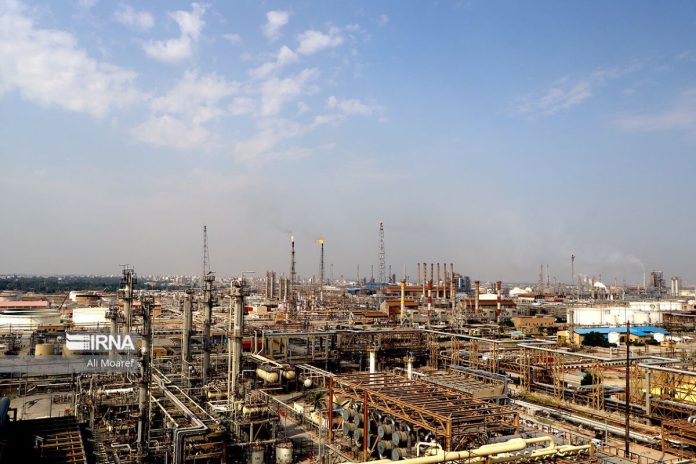
High-ranking Russian delegation to visit Iran, discuss economic, energy ties

Iran Oil and Gas

Ahmad Assadzadeh said on Tuesday that the Russian delegation’s visit had been discussed during a phone conversation between Iranian Oil Minister Javad Oji and Russian Deputy Prime Minister Alexander Novak.

Oji and Novak also discussed bilateral ties in the fields of banking, transit, oil, gas, and petrochemicals, which Assadzadeh said would be topics of further discussion between Iranian and Russian officials during the delegation’s visits to Tehran.

He said Novak would be at the head of the Russian delegation, which will also include Russian Central Bank Governor Elvira Nabiullina.

The delegates will attend B2B sessions and be present at the inauguration ceremony of the 27th Iran International Oil, Gas, Refining & Petrochemical Exhibition, which is to be held on May 17.

Assadzadeh said agreements would be signed between Iranian and Russian officials during the delegation’s visit.

Iran and Russia have been boosting their relations in recent years and drawn closer to each other by increasing US hostility.

Numerous US and Western sanctions have targeted different Iranian and Russian sectors, including their energy ties with third countries.

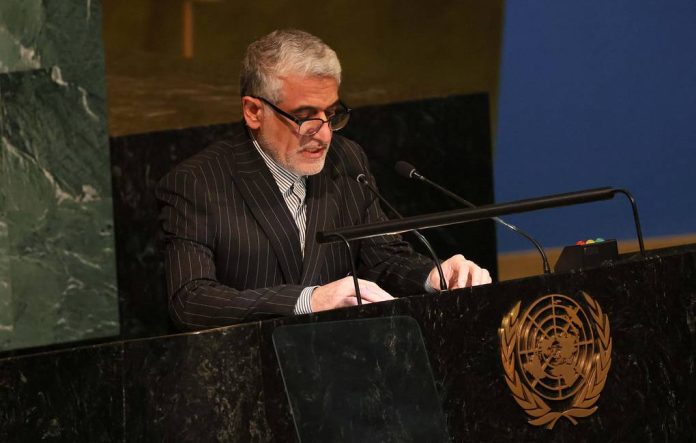
Iran UN envoy: US withdrawal from nuclear deal clear example of unilateralism

Amir Saeed Iravani

Other examples of the US’s unilateral actions include its re-imposition of sanctions against the Islamic Republic of Iran as well as its coercion of other countries to engage in the anti-Iran measures, the envoy said as he addressed a UN Security Council meeting on Monday that discussed multiallelism, international peace and security.

The following is the full text of the Iranian representative’s speech at the meeting held in New York City:

Mr. President,

We acknowledge Russia’s Presidency for convening this important and timely open debate, and we thank the Secretary-General for his insightful views and for reaffirming the significance of multilateralism.

Mr. President,

Multilateralism has been recognized as a well-established approach to addressing global challenges and effective multilateralism, operating within the framework of the UN Charter, is essential for ensuring international peace and security.

Achieving this requires a strong commitment to upholding international law, promoting transparency and accountability, and adhering to the principles outlined in the UN Charter.

The UN Charter establishes a comprehensive framework of principles and norms that member states must adhere to in their relations with one another. These principles include peaceful dispute resolution, respect for sovereignty and territorial integrity, non-interference in internal affairs, the prohibition of the use of force, and the promotion of human rights and fundamental freedoms. By abiding by these principles, member states can promote a stable and secure international legal order that benefits all nations and peoples.

In the meantime, multilateralism must ensure the active participation of all nations, regardless of their size, wealth, or political orientation.

The exclusion of any country undermines the principle of inclusiveness and may result in biased outcomes.

All countries, especially those directly affected by decisions made through multilateral mechanisms, should have an equal opportunity to participate, contribute, and be heard in the decision-making processes.

Mr. President,

The integrity and effectiveness of multilateralism are undermined by the abuse of the UN system and selective application of international law, as well as the use of unilateralism, which poses a serious threat to international cooperation, peace, and security.

Unilateral coercive measures (UCMs), including their extraterritorial application, represent a concerning example of harmful unilateral acts that run counter to the fundamental principles of international law, the UN Charter, and basic human rights.

These illegal measures have far-reaching humanitarian consequences and can undermine diplomatic efforts aimed at resolving disputes and promoting cooperation.

Within this context, the United States’ unilateral withdrawal from the JCPOA, re-imposition of illegal unilateral sanctions on Iran, its coercion of other countries to engage in these illegal actions, and defiance of the International Court of Justice’s order are striking examples of how such harmful unilateral acts violate the UN Charter, undermine the UN system and threaten the multilateralism.

In its recent judgment on 30 March 2023 in the case concerning Certain Iranian Assets, the International Court of Justice (ICJ) has declared that the United States has violated its international obligations to the Iranian people by imposing unilateral sanctions that are deemed illegal under international law. The ICJ’s ruling is final and binding, requiring the US to comply with this decision.

In conclusion, Mr. President, collaboration should be the cornerstone of multilateralism, rather than confrontation. Collaborative approaches foster trust, build consensus, and promote sustainable solutions to global challenges. Through collaborative problem-solving and engagement with all parties, multilateralism can effectively address the challenges facing our world today.

In this context, diplomacy, dialogue, and negotiation should be the preferred means for resolving disputes among member states.

I thank you, Mr. President.