Friday, January 2, 2026
Home Blog Page 1398

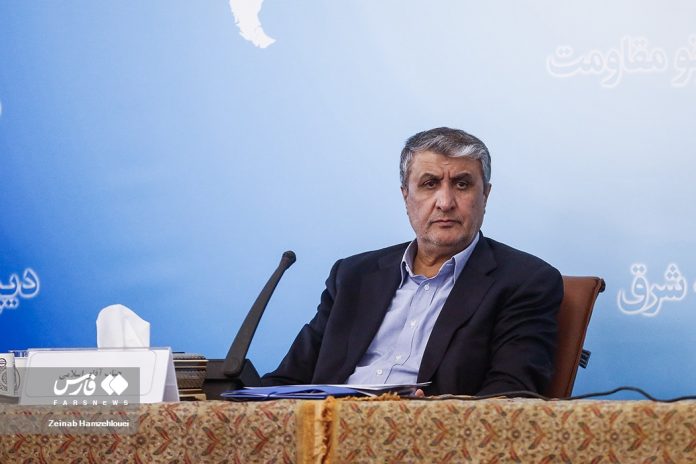
Iran nuclear chief says Tehran managed to expand all radioactive generating systems despite bans

Mohammad Eslami

Mohamamd Eslami was speaking at a meeting with the members of the academic board of the Khajeh Nasir Industrial University in Tehran on Monday.

He noted that despite the US-led sanctions on Iran, the AEOI and the Islamic Republic’s nuclear industry have made great achievements.

Eslami also described the development of managerial knowledge and skills as well as the strengthening of engineering capacity as missing links in Iran, where university graduates mostly lack these skills.

The director of the AEOI added that the problem should be resolved so that the university graduates can be attracted to the field.

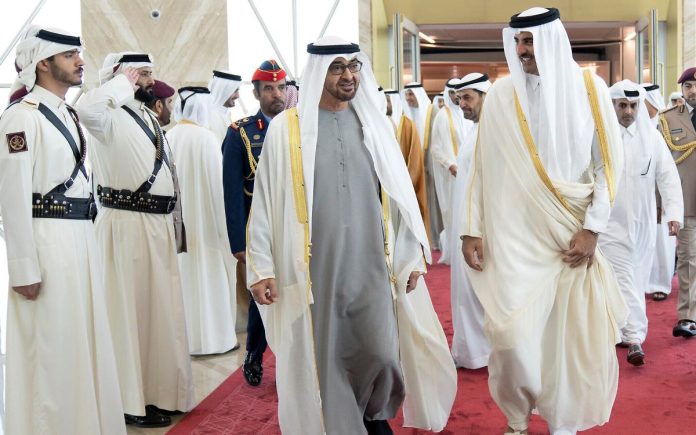
Qatar and UAE resume diplomatic relations after six years

Qatar UAE

The UAE Foreign Ministry said the move was done based on “the keenness of the two countries to strengthen bilateral relations” and the al-Ula Agreement, which was signed in Saudi Arabia in 2021 by the leaders of the Persian Gulf Cooperation Council to ease years of tensions.

Qatar, meanwhile, said its foreign minister and prime minister, Mohammed bin Abdulrahman Al Thani, spoke to his Emirati counterpart Sheikh Abdullah bin Zayed on Monday as the two states reopened their diplomatic missions. Qatar’s consulate in Dubai is also reopening.

In 2017, the UAE, Saudi Arabia, Egypt and Bahrain cut all ties with Qatar and enforced a stringent boycott following disagreements over foreign policy. The boycotting states accused Doha of sponsoring terrorism, a charge the Qataris denied.

In recent years, however, the Middle East has witnessed a wide regional reconciliation process, with Saudi Arabia and Egypt resuming relations with Qatar in 2021.

Turkish President Recep Tayyip Erdogan, who is a close ally of the Qatari government, similarly reconciled with the UAE and Saudi Arabia in recent years. Ankara been opposed to the UAE over several crises across the Middle East and North Africa, including in Libya, where the two sides backed different warring parties.

Meanwhile relations between Turkey and Saudi Arabia hit a nadir after journalist Jamal Khashoggi was killed by Saudi agents in Istanbul in 2018, an operation Ankara linked to the government of Crown Prince Mohammed bin Salman.

However, last year, Erdogan met the crown prince in the Saudi city of Jeddah, further easing tensions.

One accusation levelled at Qatar in 2017 by its Persian Gulf detractors was that Doha was too close to Iran. In April, Saudi Arabia and Iran signed a landmark agreement in Beijing, and have reopened embassies and consulates in their respective countries.

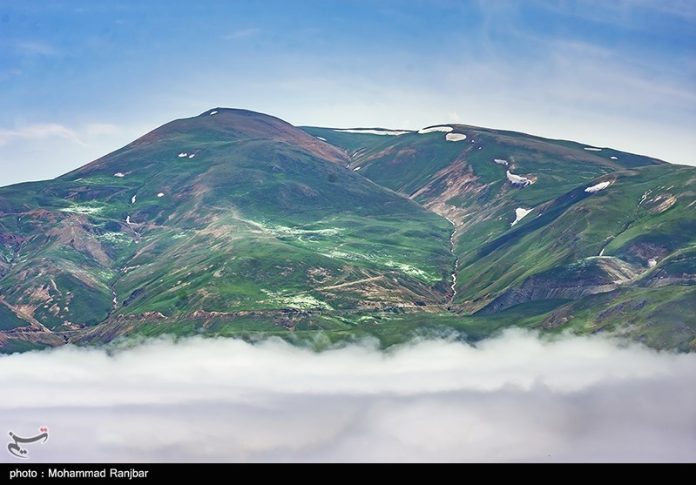
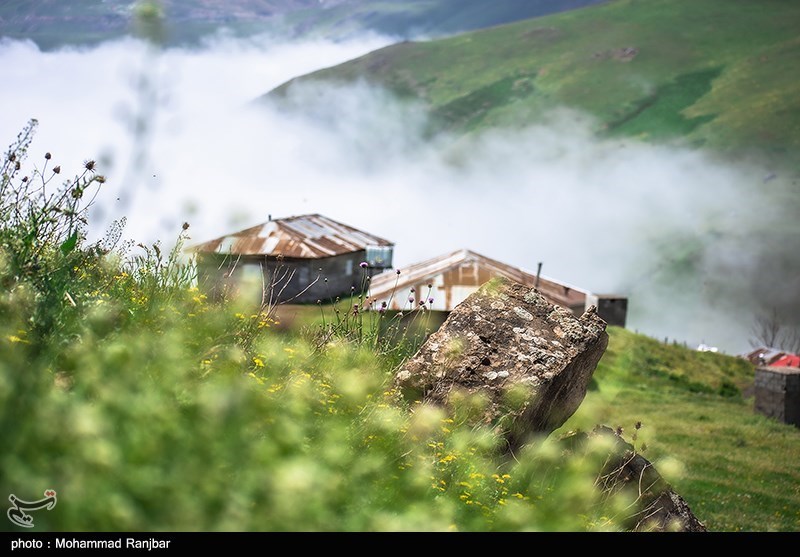
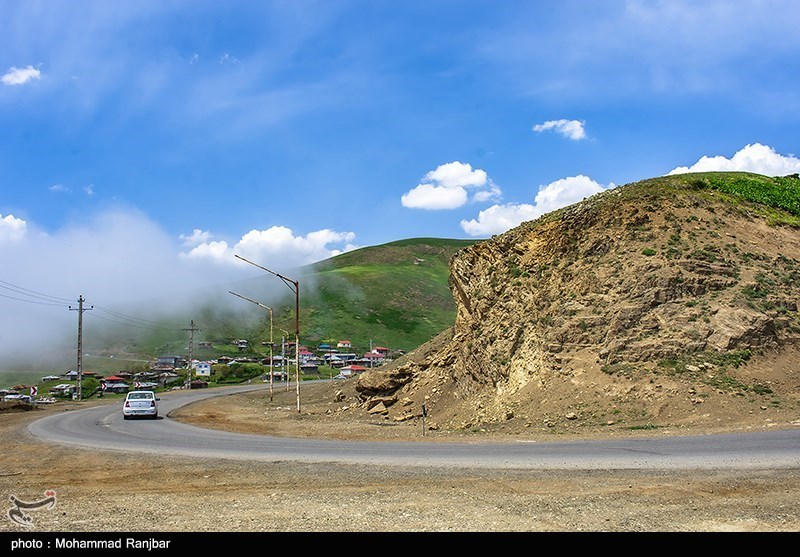
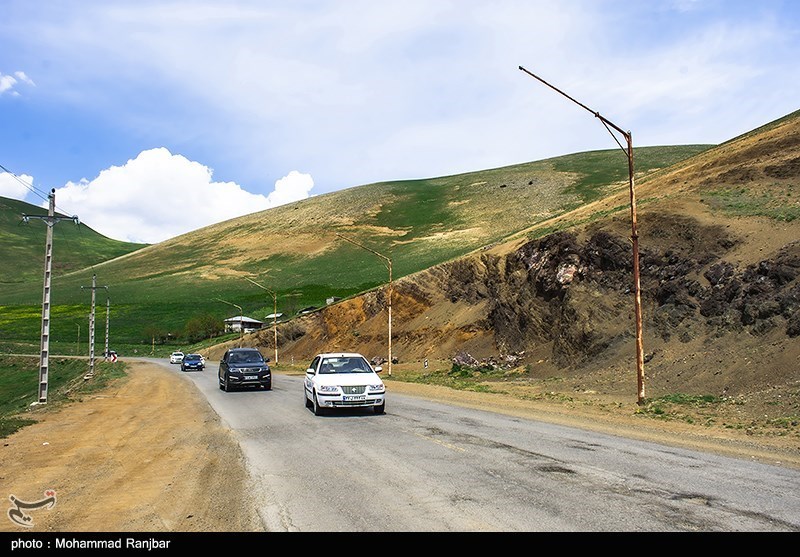
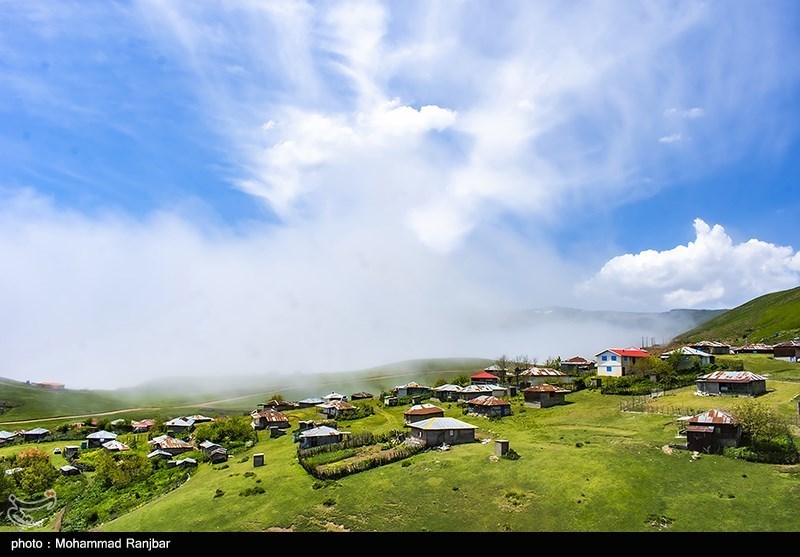
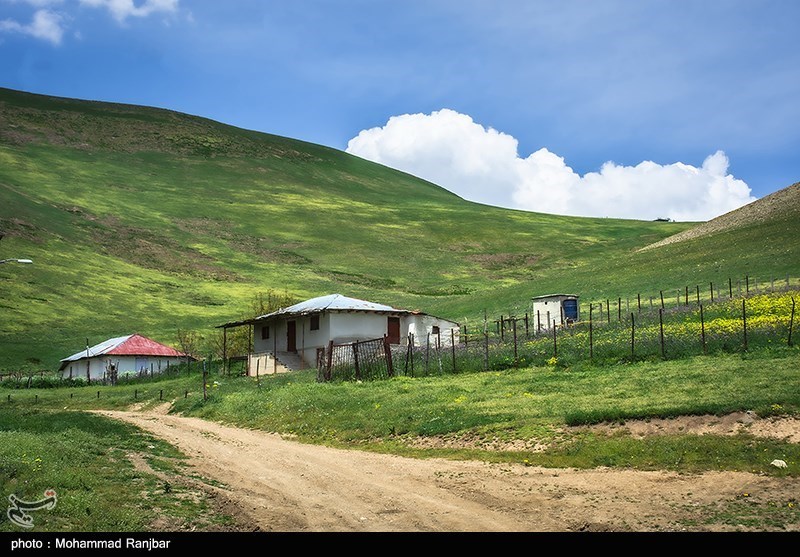
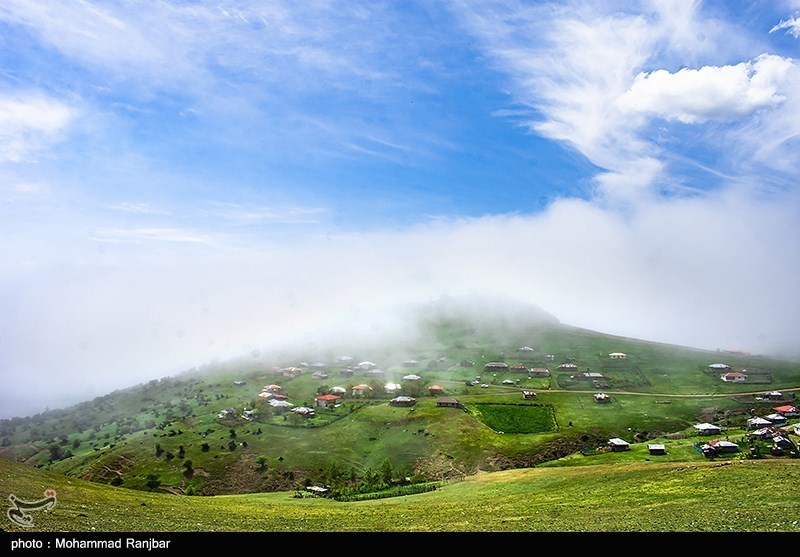
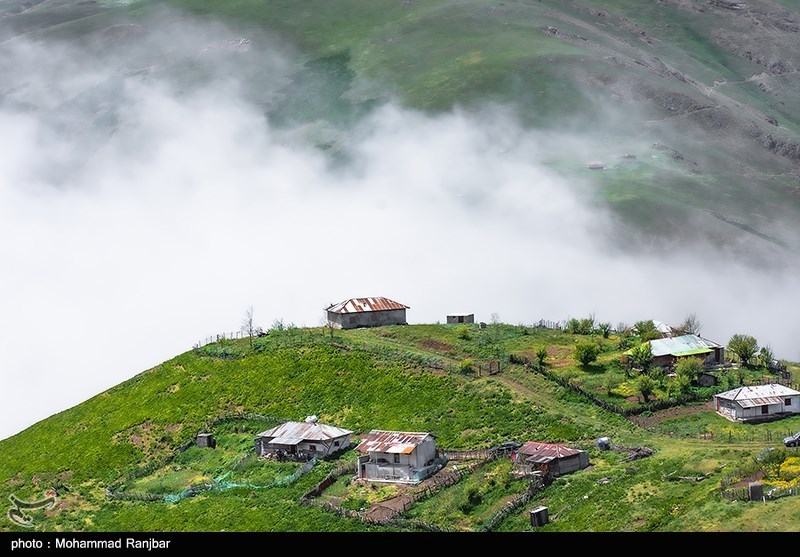
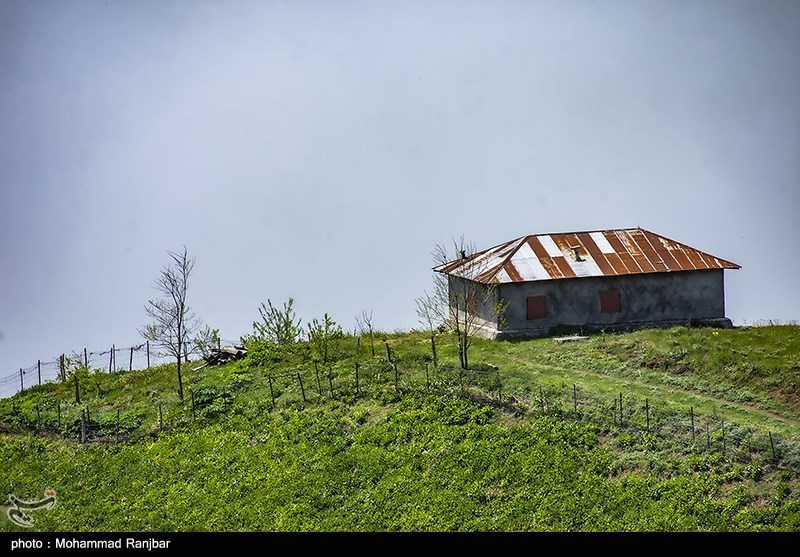
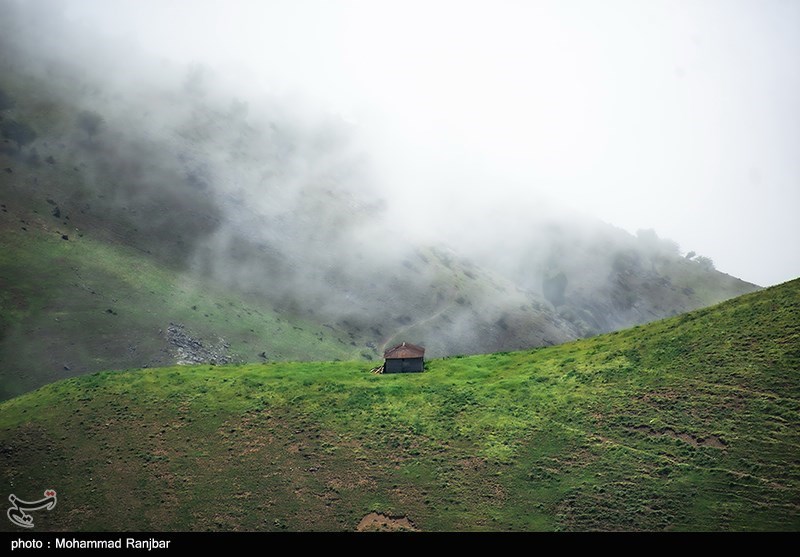
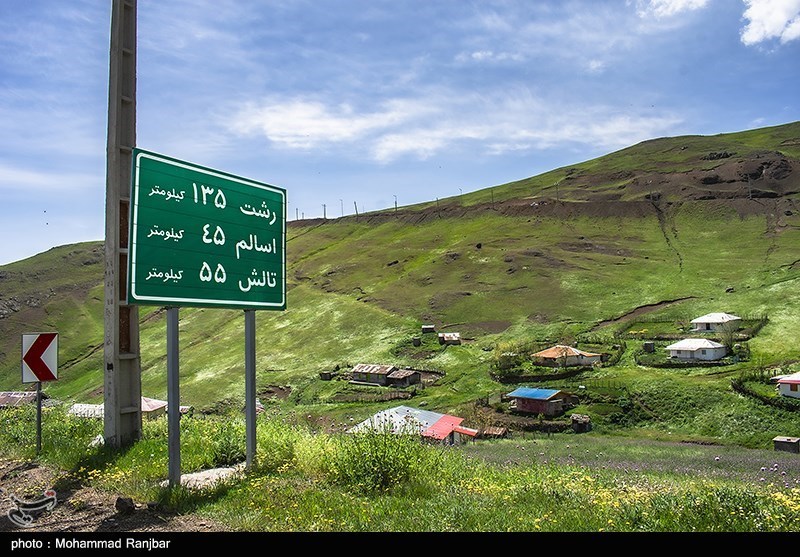
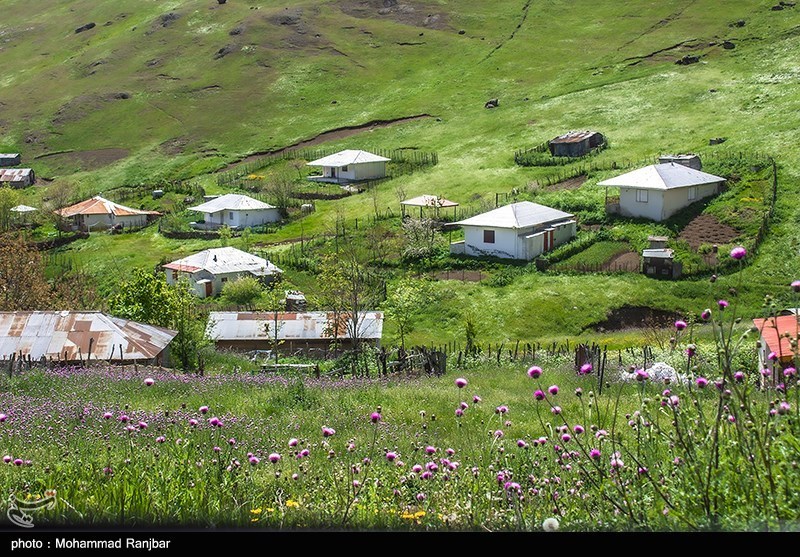
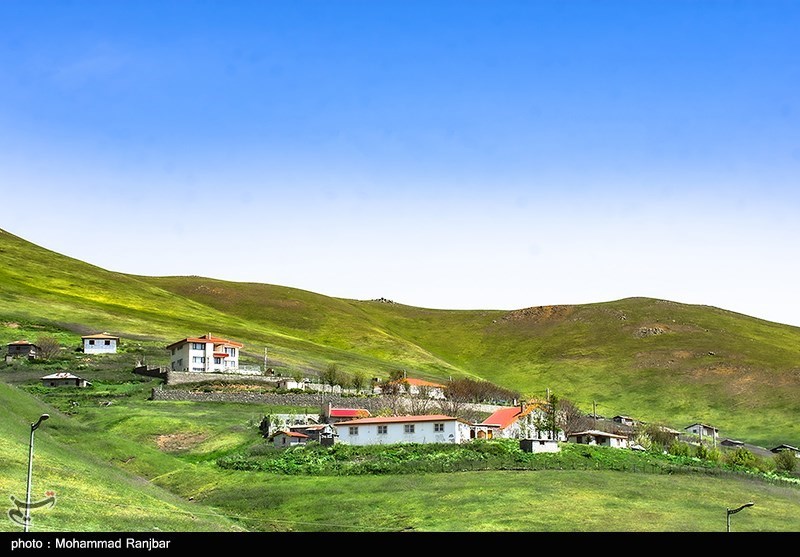
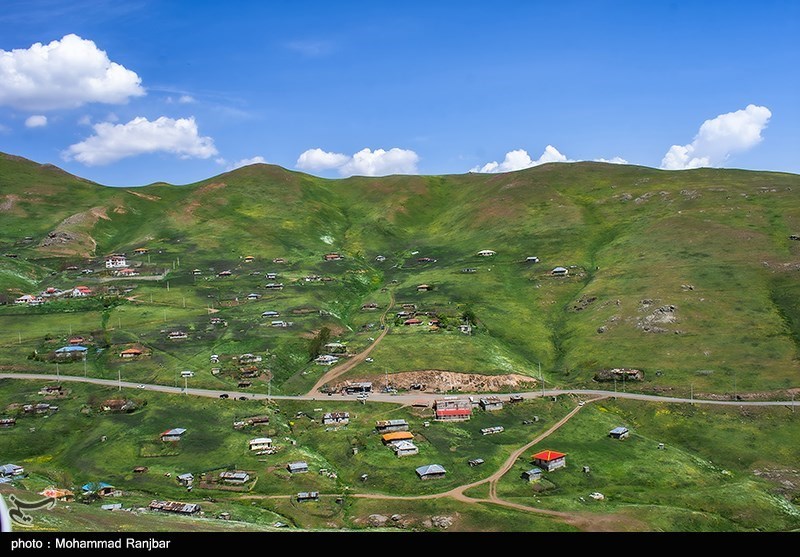
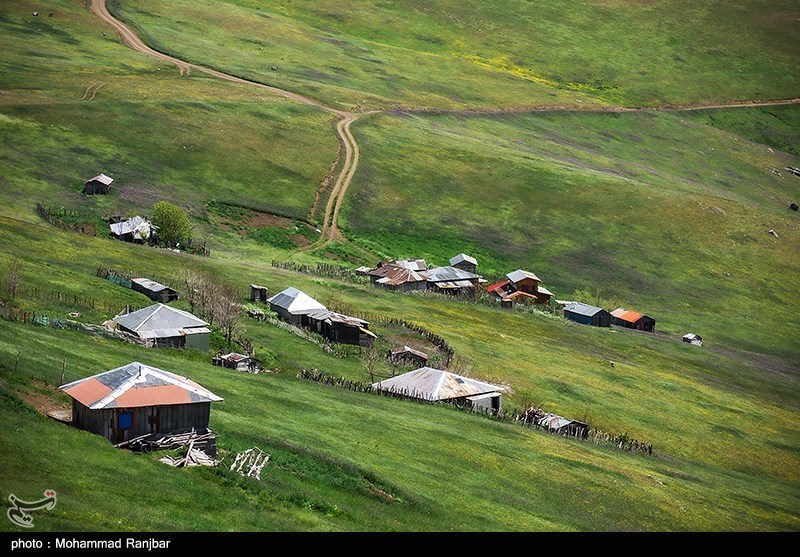
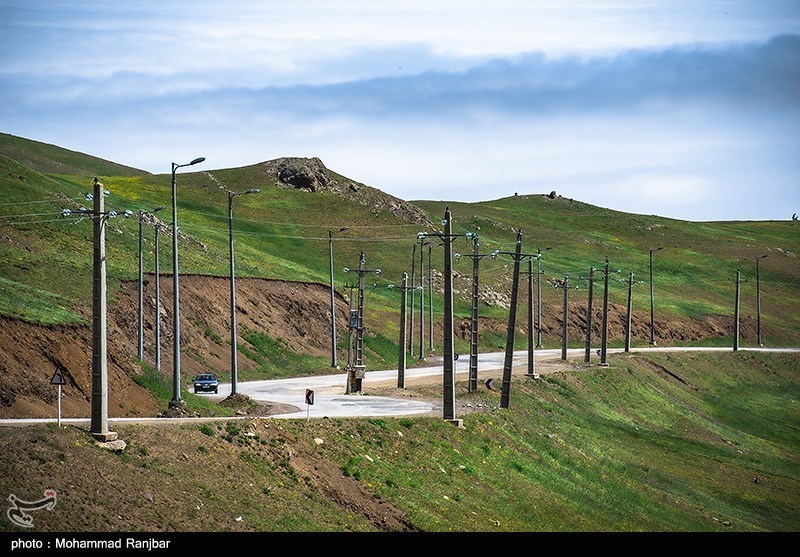
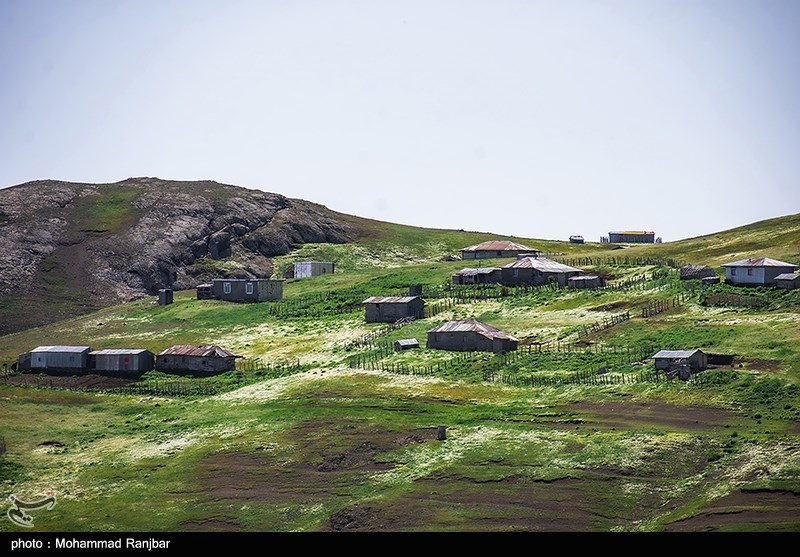
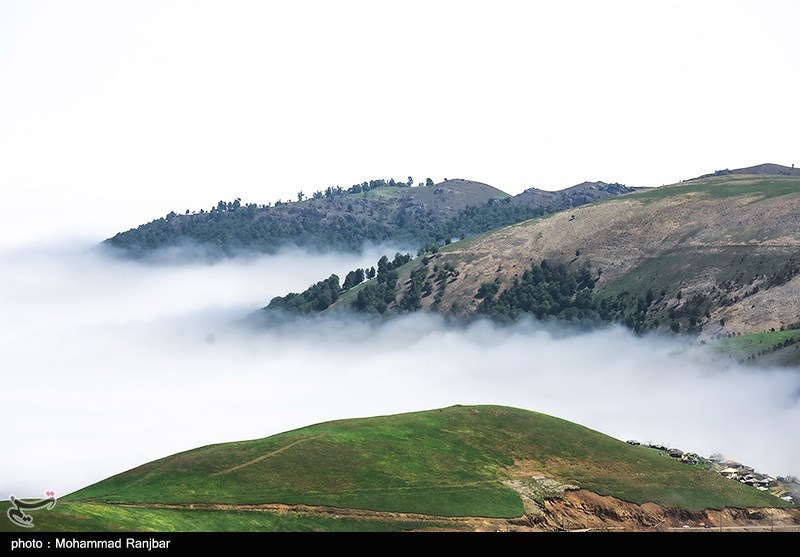
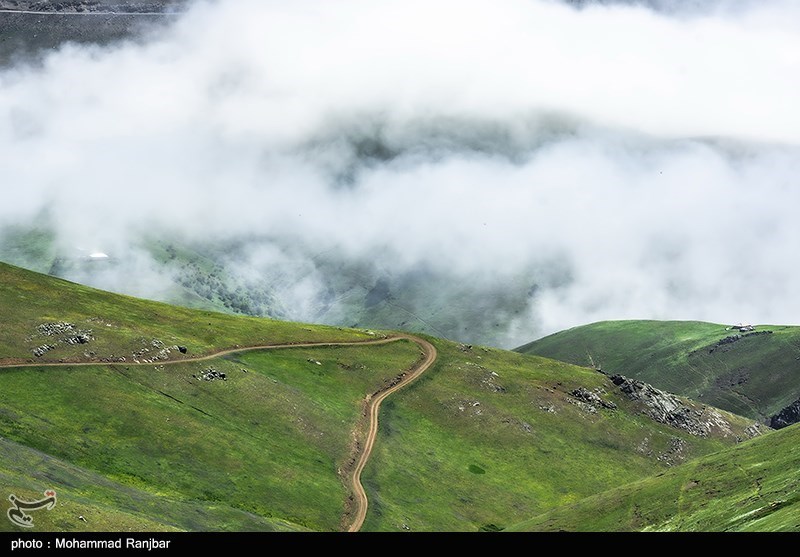
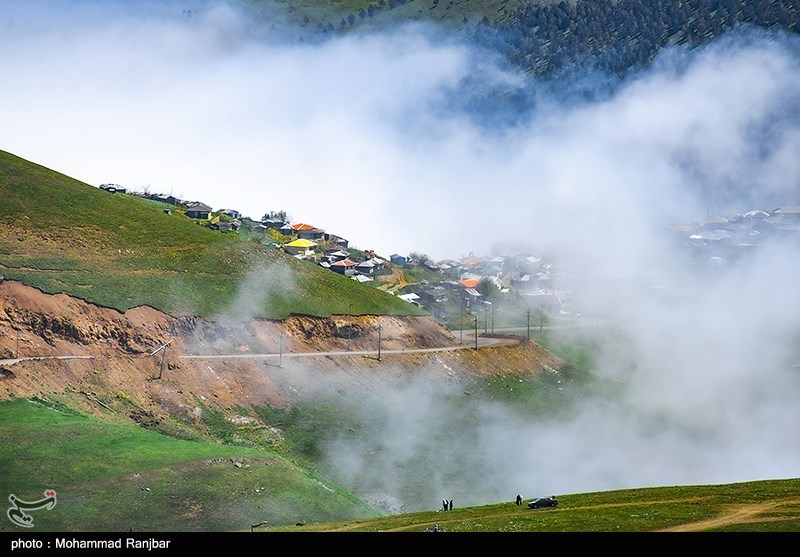
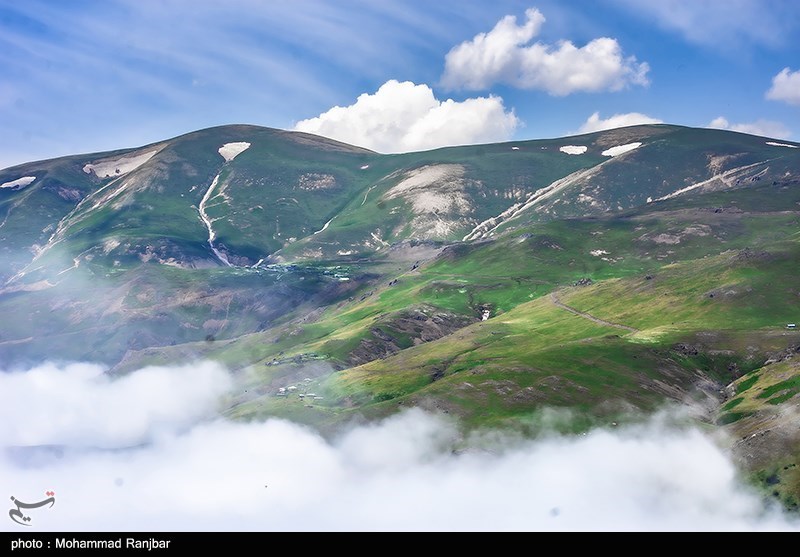
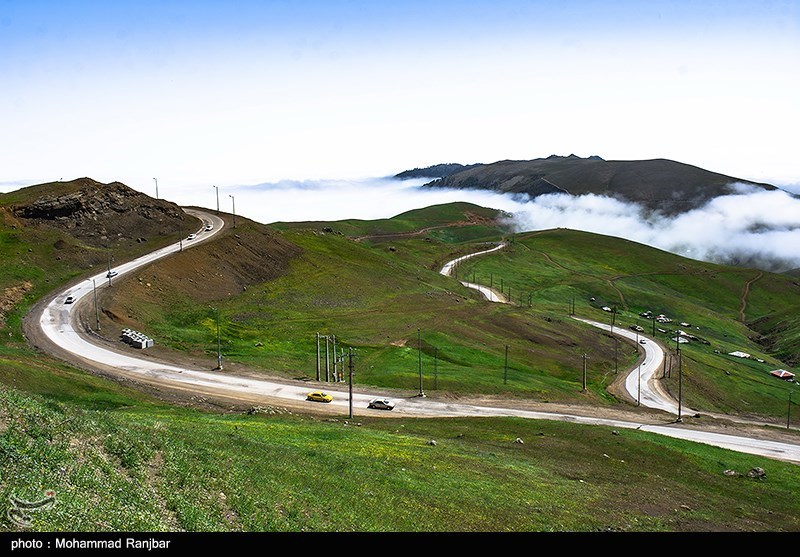
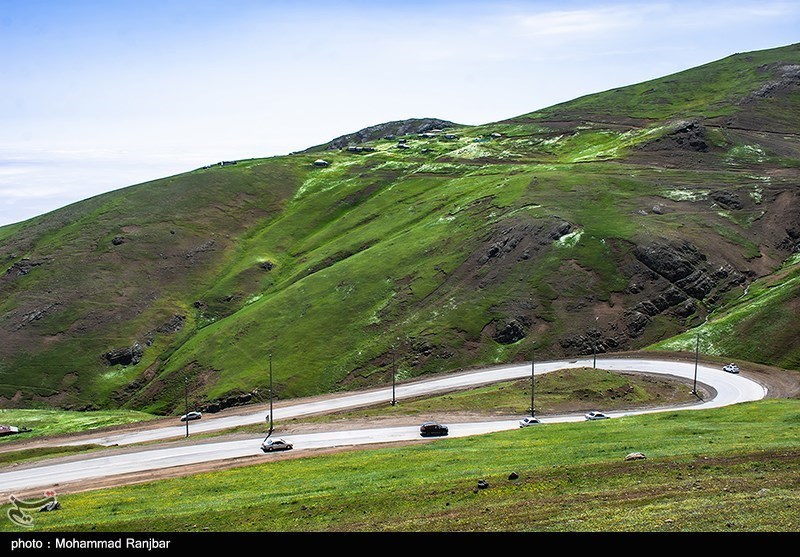
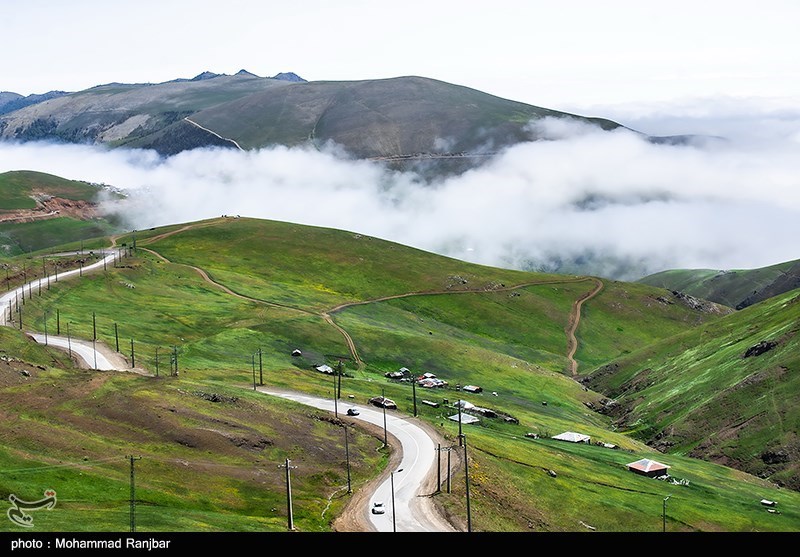
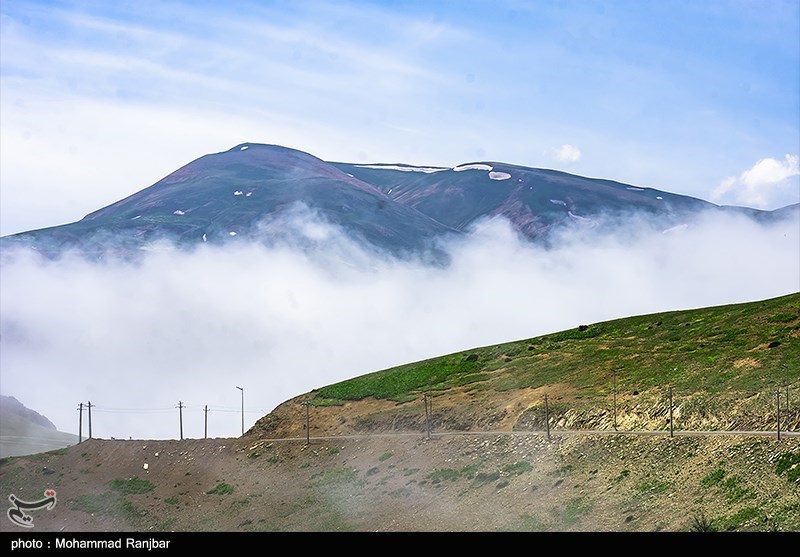
Iran tourism: Gorgeous natural scenery of Asalem-Khalkhal Road

This road is a high region with matchless views consisting of peaks, Zagros slopes and Hyrcanian forests of the city of Talesh in Gilan Province.

Take a look at the collection of the related images:

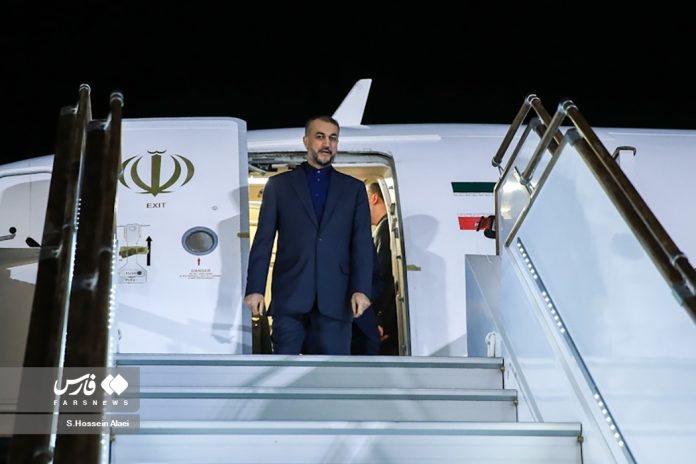
Report: Iranian FM to visit Oman and Qatar

Hossein Amirabdollahian

That’s according to an informed source at the Iranian parliament’s national security and foreign policy commission.

The agenda of Amirabdollahian’s talks is unknown. But Oman is said to be mediating between Iran and the US for talks over a possible prisoner swap deal.

Omani officials have been engaged in a shuttle diplomacy in order to finalize the agreement.

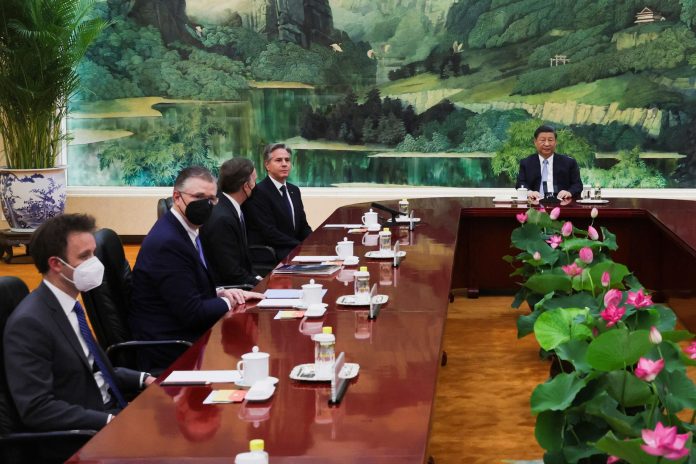
Xi tells Blinken: World needs stable China-U.S. relations

Xi and Blinken

During the meeting at the Diaoyutai state guest house — which lasted 35 minutes, according to the U.S. State Department — Xi stressed the world needed a “generally stable” China-U.S. relationship, according to a translated readout from China’s foreign ministry.

Xi added that whether the two countries “can find the right way to get along bears on the future and destiny of humanity.”

“I hope that, through this visit, Mr. secretary, you will make more positive contributions to stabilizing China-U.S. relations,” the Chinese leader said in a video carried by Chinese state television outlet CCTV, following “candid and in-depth discussions” between the two officials that led to progress and agreement on some undetailed “specific issues.”

Beijing respects Washington’s interests and will not challenge or try to replace them, Xi said, adding that the U.S. should likewise respect China and not prejudice its legitimate rights and interests.

Blinken agreed on the need for the U.S. and China to stabilize their bilateral relationship, before adding it was his hope that the two countries would have better communications. He also added Washington was clear-eyed about the challenges Beijing posed.

Earlier in the day, the secretary said U.S. President Joe Biden had asked him to travel to China because “he believes the United States and China have an obligation to responsibly manage our relationship.”

“The United States is committed to doing that,” Blinken stated, adding, “It’s in the interest of the United States in the interest of China and in the interest of the world.”

“I appreciate this opportunity to discuss a way forward with you,” Blinken told Xi.

Blinken’s trip — which had not initially confirmed a meeting with Xi on the agenda — makes him the highest-level American official to visit China since Biden became U.S. president, as well as the first U.S. secretary of State to make the trip in nearly five years.

His original travel plans for February were disrupted by news of an alleged Chinese spy balloon flying over U.S. airspace, in an incident that stoked tensions between the world’s two largest economies.

The visit could pave the way for a November meeting between Biden and Xi, after the two world leaders last met in person on the sidelines of the G20 summit in Bali late last year.

Blinken’s encounter with Xi echoed the optimistic, communication-geared tone of the state secretary’s other meetings with senior Chinese officials in recent days.

Islamic Jihad chief meets Iran’s president, FM, thanks Tehran for supporting Palestine cause

Ebrahim Raisi and Ziad al-Nakhaleh

Amirabdollahian has held a meeting with Nakhalah and his accompanying delegation, congratulating the recent major victory of the resistance fighters in the 5-day Gaza war and the key role the unity of resistance groups played in this regard.

Amirabdollahian described the issue of Palestine as a pivotal issue of the Muslim world and reiterated the support of the Islamic Republic of Iran for the Palestinian cause, the holy al-Quds and the legitimate resistance of the Palestinian nation against the Zionist occupiers.

The Iranian foreign minister described the racist Zionist regime as the root-cause and the main source of insecurity and instability in the region.

He called for coordinated and effective measures by the Islamic countries and governments to halt the inhumane crimes of the Zionists against the oppressed people of Palestine and in support of the Islamic sanctities in the holy al-Quds.

Elsewhere in his remarks, Amirabdollahian touched on the role late Iranian General Qassem Soleimani played in shoring up the Palestinian resistance, adding that strengthening the solidarity of Muslim nations, eliminating the threats posed by the regime to the Islamic Ummah and countering the US hegemony were top priorities in the viewpoints and sincere efforts of the general.

He said, on Palestine, just as reiterated in the deep comments by the Islamic Revolution Leader, general Soleimani, in the true sense of the word, propped up the Palestinian resistance against the aggressive regime, which is armed to the teeth, and enjoys an all-out support by the US and the West.

He added that the result and fruit of the efforts and sacrifices of the general is today’s belief among many regional governments and nations in the need to take the reins of the fate of regional security and stability in their own hands and pursue regional development away from meddling by foreigners.

Also during the meeting, Nakhalah offered his assessment of the process of developments in Palestine and occupied territories and stressed that Palestinian resistance groups are in the best possible shape in terms of preparedness and unity of action against the Israeli regime and, with the absolute support of the Palestinian nation, can resist any act of aggression by the usurper Zionist regime and obtain major victories.

On Sunday, Nakhaleh also met President Raisi, who, for his part, stated that attempts at normalizing relations between the Zionist regime and Muslim states will get nowhere. The Iranian president stressed that ultimate victory belongs to the Palestinian resistance.

One of the main objectives behind the Zionist regime’s attempts at the normalization of ties with a number of Arab and Islamic countries is to disappoint the Palestinian younger generation’s hopes for the liberation of the occupied territories, Raisi noted.

“We deeply believe that these attempts (at normalization of ties) won’t bear fruit, because the first and most serious opponents of such normalization of relations are the people of the very same (Muslim and Arab) countries,” the Iranian president added.

Hailing the Palestinian resistance groups for their initiatives in the battle against Zionists, Raisi stressed that the Palestinian nation has become united more than ever while the Zionist community has been torn apart and is heading towards downfall.

Palestine has won the hearts and minds of people all over the world, from the region to Latin America, he stated.

Describing Iran as a major and influential country in regional and international developments, Nakhaleh described the Iranian president’s recent tour of Latin America as a testimony to the Islamic Republic’s success in defeating the sanctions.

Expounding on the resistance forces’ achievements and victory in a recent 5-day war in Gaza, he said while the Zionist regime claimed that it had reached an agreement with Egypt for an end to the clashes with the resistance forces, it later had to announce following the most recent round of conflicts that it has come to an agreement with the resistance forces.

The PIJ chief described such an admission as a big victory for Palestine that resulted from the Palestinians’ resistance and perseverance.

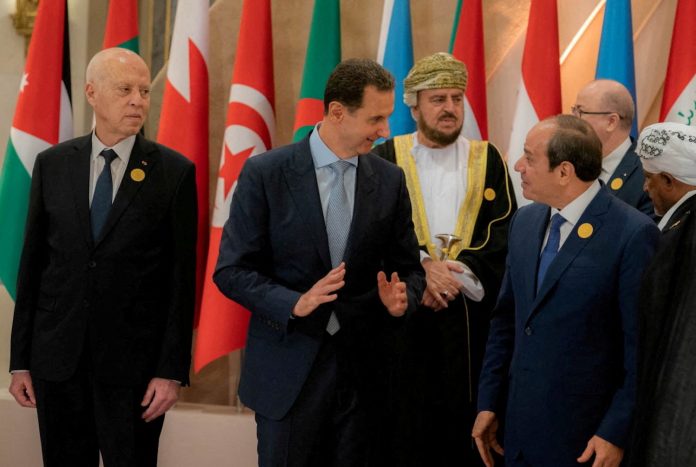
Egypt blames EU for canceling meeting with Arab League over Syria’s readmission

Bashar Assad Arab League

Speaking at a press briefing with EU foreign policy chief Josep Borrell in the Egyptian capital of Cairo on Sunday, Shoukry urged the EU to respect the decision made by the bloc.

“The League’s decision had to be appreciated by the European Union, but canceling its meeting with the Arab League, which had not been held for four years, was a regrettable decision,” Shoukry said.

Shoukry’s remarks came following Borrell’s joint press conference with Secretary-General of the League of Arab States Ahmed Aboul Gheit on Sunday, where he announced that the EU and the Arab League ministerial meeting will be postponed due to Syria’s return to the pan-Arab body.

While Borrell stated the EU “fully respects” the Arab League’s “sovereign decision,” he claimed that Syria was readmitted to the Arab League despite the fact that it made no “meaningful efforts towards solving the conflict.”

“The position of the European Union will not change unless Damascus achieves progress in implementing United Nations resolutions, especially Security Council Resolution 2554,” he added.

Shoukry said that the decision to readmit Syria to the pan-Arab body was taken in order to support the Syrian people. “We must look forward to restoring stability to Syria.”

In mid-June, the European Union also chose to exclude representatives from the Damascus government from the seventh Brussels Conference on “Supporting the future of Syria and the region.”

Syrian Ministry of Foreign Affairs and Expatriates said in a statement that organizers of the event only invited corrupt individuals affiliated with Daesh, Hayat Tahrir al-Sham (HTS), and other Takfiri terrorist outfits.

The ministry added that the guests oppose the Syrian nation’s desires and primary interests, obstruct attempts aimed at repatriation of Syrian refugees to their homeland and impede efforts aimed at the transfer of humanitarian supplies to liberated areas and/or quake-devastated districts.

In early May, Arab League ended its suspension of Syria’s membership in the 22-member pan-Arab body.

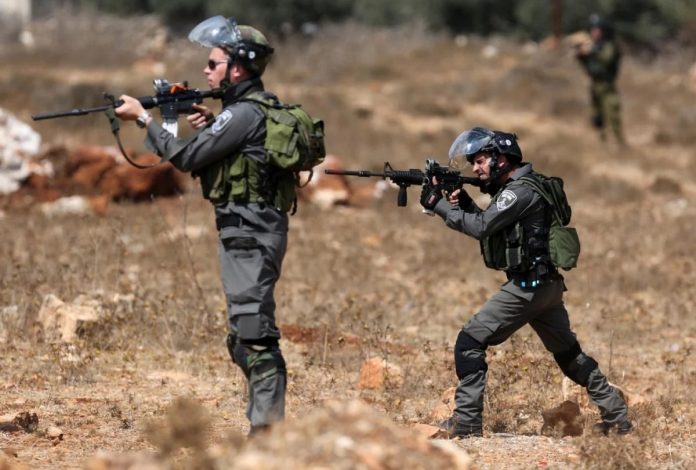
5 Palestinians killed, dozens wounded in Israeli raid on Jenin, West Bank

Israeli forces West Bank

The Palestinian health ministry identified the victims as Khaled Darwish, 21, Qassam Sariya, 19, and Ahmed Saqr, 15, Qassam Faisal Abu Sirriya, 29.

The fifth victims has yet to be identified.

The ministry added that at least 60 people have been injured. At least 10 of those injured are in critical condition.

Jenin has been a regular target of Israeli assaults in the West Bank over the last year.

At least eight Israeli soldiers are reportedly wounded, some of them seriously, according to Palestinian news site Arab48 and the Israeli media outlet, Haaretz, though this has not been confirmed by Israel.

Early Monday, a large number of Israeli troops stormed the city in the northern West Bank, deploying snipers on some houses, and violent confrontations broke out in several areas, during which soldiers fired live bullets, stun grenades and tear gas, and attack helicopters were used.

The Palestinian Islamic Jihad resistance group claimed its members had detonated several explosive devices near Israeli military vehicles and then targeted them with gunfire.

Footage circulating online show Israeli army vehicles coming under heavy gunfire fire with explosions in the background. Another video shows an Israeli military jeep facing an apparent improvised explosive device.
One clip circulating online shows an Israeli attack helicopter firing at targets in the city.

The Israeli military rarely uses aircraft in its operations in the occupied West Bank. Israeli media reported that it was the first use of an attack helicopter in the territory since the Palestinian uprising in the early 2000s.

An Israeli army spokesperson on Monday said that military forces had entered the city to arrest Palestinian suspects. During the operation, “massive exchanges of fire occurred, and improvised explosive devices were thrown at the forces who responded by firing”, the official added.

Tensions in the West Bank have been on rise over the last year, with Israeli forces carrying out near-nightly raids resulting in clashes with Palestinian resistance groups.

Israeli forces and settlers have killed at least 159 Palestinians this year, including 26 children.

A total of 122 fatalities have been recorded in the West Bank and East Jerusalem and a further 34 in the Gaza Strip.

Palestinians have killed at least 20 Israelis in the same period.

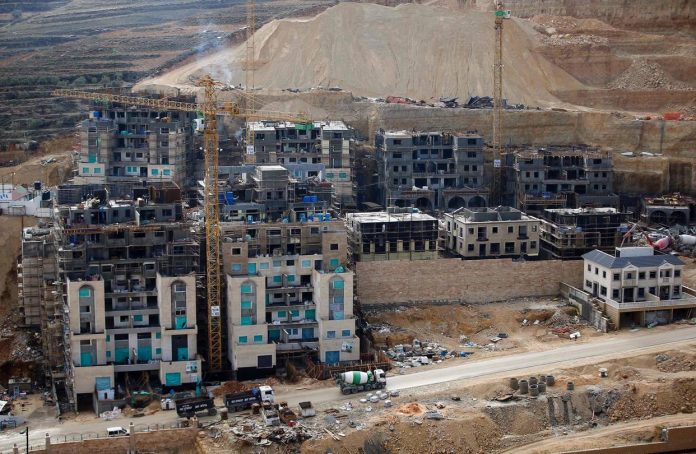
Israel set to ramp up settlement expansion in West Bank

Israel settlement expansion

On Sunday, Prime Minister Benjamin Netanyahu ratified the move in the cabinet, allowing pro-settler Finance Minister Bezalel Smotrich to bypass the six-stage process for building settlements, which are considered illegal under international law, said Al Jazeera’s Imran Khan in West Jerusalem.

The deal between Netanyahu and Smotrich was on the cards for a while, Khan said, adding that it enables the finance minister to “effectively take over the entire illegal settlement-building process”.

Smotrich stated: “We will continue to develop the settlement project and strengthen Israeli control of the territory.”

The plans for the approval of 4,560 housing units in various areas of the West Bank were included on the agenda of Israel’s Supreme Planning Council that meets next week.

Various factions expressed deep concerns that the entire West Bank could soon come under Israeli control.

To approve settlement activity is a “dangerous escalation to complete the annexation of the West Bank”, the Palestinian foreign ministry announced.

Hamas, which has ruled Gaza since 2007, said the move would only escalate tensions in the region, while Fatah warned that “the settlers will be removed from the West Bank as they were removed from the Gaza Strip”.

The Palestinian Authority said it would boycott a meeting of the Joint Economic Committee with Israel scheduled for Monday.

Israel’s hardline government – which includes ultra-Orthodox parties and a far-right ultranationalist religious faction – had put settlement expansion in the occupied West Bank at the top of its priorities.

Netanyahu’s Likud Party pledged to “advance and develop settlement in all parts of the land of Israel – in the Galilee, Negev, Golan Heights, and Judea and Samaria” – the Biblical names for the occupied West Bank.

The new push puts Israel on a collision course with its closest allies, including the United States, which said it was “deeply troubled” by the settlement expansion plan and the reports of changes to the processes for planning and approval of settlements.

“The United States opposes such unilateral actions that make a two-state solution more difficult to achieve and are an obstacle to peace,” State Department spokesperson Matthew Miller stated on Sunday, adding, “We call on the Government of Israel to fulfill the commitments it made in Aqaba, Jordan and Sharm El Sheikh, Egypt and return to dialogue aimed at de-escalation.”

Earlier, illegal settlements in the occupied West Bank came under Israeli military control. There were six phases in the construction process that were overseen by the Coordination of Government Activities in the Territories (COGAT), the Israeli military’s civil body that administers the West Bank. Objections could be made at any of the stages by the international community or even by Israelis.

Smotrich “now has the final and first say over what settlements can be built”, said Khan.

Given that a lot of Smotrich’s support is from people who live in the settlements, “he’s unlikely to say no to any kind of expansion”, Khan added.

Since taking office in January, Netanyahu’s coalition has approved 7,000 new housing units, many in the occupied West Bank. The government also amended a law to clear the way for settlers to return to four settlements that had previously been evacuated.

Nearly 750,000 Israelis live in 250 illegal settlements in the occupied West Bank, built on land captured by Israel in the 1967 Six-Day War.

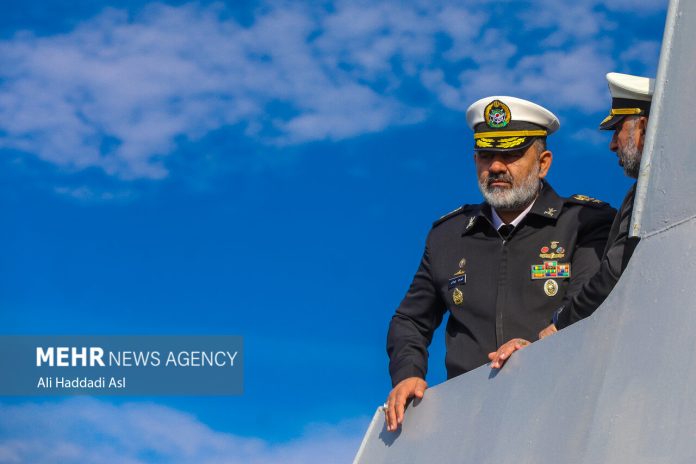
Iranian Navy chief in Pakistan, seeking enhanced maritime cooperation

Shahram Irani

The admiral and the accompanying Iranian delegation were officially welcomed in the Islamabad airport upon arrival in the city.

Admiral Irani is scheduled to visit the headquarters of the Pakistani Navy later Monday for a meeting with his counterpart Mohammad Amjad Khan Niazi.

The visit by the Iranian admiral is aimed at expansion of bilateral cooperation in the fields of maritime security and training as well as exchange of delegations with Pakistan.