Sunday, December 28, 2025
Home Blog Page 1338

Live Update: Russia’s “Special Operation” in Ukraine; Day 521

Russia Ukraine War

Ukraine using North Korean rockets: Financial Times

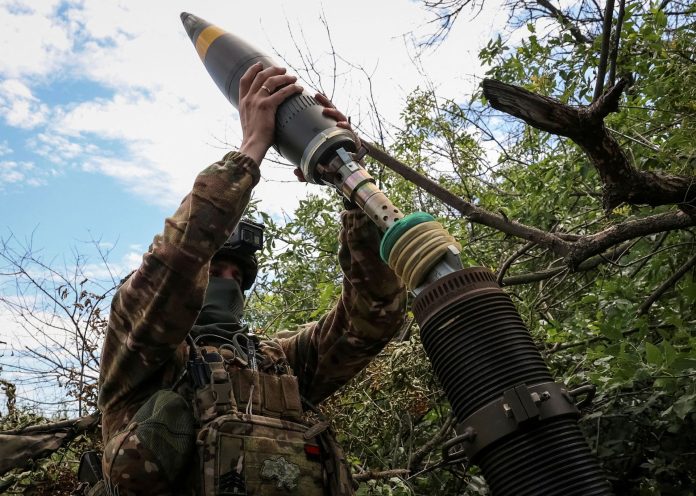
Ukrainian forces have been firing North Korean rockets at Russian positions in Donbass, the Financial Times has claimed.

The British newspaper said the munitions in question were shown to its journalist by the Kiev troops operating a Soviet-era Grad multiple rocket launcher near the Russian-held city of Artyomovsk (Bakhmut).

According to the daily, the markings on the rockets suggested they had been manufactured by Pyongyang in the 1980s and 1990s.

The Ukrainians say the projectiles were “very unreliable” and sometimes did “crazy things.” However, they added that they were still happy to have them amid ammunition shortages experienced by Kiev’s forces. “We need every rocket we can get,” one of the soldiers remarked.

When asked about the origins of the munitions, the troops told the FT that North Korean rockets had been “seized” from a ship by a “friendly” country and handed over to Ukraine.

Yuriy Sak, an adviser to Ukraine’s defense minister, whom the paper also contacted, suggested that the munitions may have been captured from the Russian military.

However, the paper doubted his claim, saying that “it is highly unlikely that North Korea would provide Ukraine directly with the munitions as Pyongyang has been supportive” of Russia’s military operation in Ukraine.

Last fall, the New York Times and several other outlets published the findings of a US intelligence assessment, which claimed that Moscow had been purchasing artillery shells and rockets from Pyongyang.

When asked about the issue by journalists at the time, Pentagon spokesman Brigadier General Pat Ryder said, “We do have indications that Russia has approached North Korea to request ammunition.”

In an interview with CNN, Russian Ambassador to the EU Vladimir Chizhov rejected those claims, suggesting that the whole story had been invented by the Western media.

The report in the Financial Times comes in the wake of a visit to Pyongyang by Russian Defense Minister Sergey Shoigu. During the trip, Shoigu touted the “rich history of cooperation” between North Korea and Russia, expressing confidence that those ties would be boosted further. The defense minister held talks with North Korean leader Kim Jong-un and other top officials, inspected Pyongyang’s most advanced weapons, and attended a military parade.


Pentagon authorizes hazard pay for US troops in Ukraine: Military Times

The Pentagon has introduced additional hazard pay for American troops serving in Ukraine, the Military Times reported, citing a US defense official.

The outlet stated that the bonus, known as imminent danger pay (IDP), will be offered to all service members operating in areas where they could be harmed by hostile fire or mines, insurrection, civil war, or terrorism.

The introduction of the payment was first revealed in a memo reportedly written by the Pentagon’s top personnel official, Grier Martin, which was dated July 13 and was posted to an unofficial US Air Force account on Facebook on Thursday. The Military Times claims that a source within the Pentagon has now confirmed the authenticity of the document.

According to the memo, the entire land area and airspace above Ukraine will be retroactively designated as an IDP area, effective April 24, 2022. That means all US military personnel currently on duty in Ukraine or who have served there since that date are eligible for an extra $7.50 per day, with a cap of $225 per month.

The Military Times noted that the IDP payments come on top of a service member’s base salary and other bonuses, and that some troops could qualify to receive the bonus as back pay.

The memo also stated that there will be a reduction in the monthly rate of so-called Hardship Duty payments, which gave American service members in Ukraine an additional $150 a month. After the introduction of IDP, that bonus will drop to $100 per month, meaning troops will be able to earn a maximum of $325 in monthly hazard pay.

Officially, the US only has a small number of troops currently stationed in Ukraine. According to the Military Times, part of that contingent works at the American Embassy in Kiev, operating as its security detail and accounting for billions of dollars of military equipment that Washington has sent Ukraine.

According to ABC News, another special operations team working out of the US Embassy has been helping Ukrainian troops with intelligence operations and providing security for high-level visitors since the early days of the Russian military campaign. The outlet claimed that this team does not take part in military operations or visit the front lines.


Shoigu in North Korea looking for weapons: Blinken

The US secretary of state, Antony Blinken, has said Washington believes Russia’s defence minister is in North Korea to secure supplies of weapons to aid the stalled invasion of Ukraine.

Following Sergei Shoigu’s arrival on a rare trip to Pyongyang, Blinken stated that Russia is scrambling to buy arms from allies across the world.

“I strongly doubt he’s there on holiday,” Blinken told reporters in Australia.

“We’re seeing Russia desperately looking for support, for weapons, wherever it can find them to continue to prosecute its aggression against Ukraine,” he added.

“We see that in North Korea, we see that as well with Iran, which has provided many drones to Russia that it’s using to destroy civilian infrastructure and killed civilians in Ukraine,” he continued.

While in North Korea, Shoigu met the country’s leader Kim Jong-un, in what Pyongyang’s state media described as “a friendly talk”.


Russian missiles hit Dnipro, injuring nine people

Russian missiles hit an apartment block and a nearby building of Ukraine’s security service in the central city of Dnipro on Friday night, injuring nine people and causing widespread damage.

The regional governor, Serhiy Lysak, said on Telegram the injured were receiving treatment at home.

The Dnipro mayor, Borys Filatov, stated it was the third time the SBU security service building had been targeted. Both buildings were largely empty – the residential building because it had just been completed and units were being put up for sale.

“There were two hits in Dnipro at about 8.30pm, Iskander missiles, according to preliminary information,” Lysak said on national television.

“Part of the apartment building was destroyed. It was not even yet in use and there weren’t many people there. A few people were trapped but are now out. The security service building is partially destroyed,” he added.

Pictures posted on social media showed part of one building reduced to rubble and debris strewn across a large courtyard.

“Dnipro. Another terrorist attack,” Sergiy Kruk, head of the Ukrainian State Emergency Service, noted, adding, “Currently, we know of 9 injured, including two children. Work continues.”

Ukraine’s President, Volodymyr Zelensky, said: “Dnipro. Friday evening. A high-rise building and the security service of Ukraine’s building were hit. Russian missile terror again”.

The president added he had convened emergency meetings with the SBU, the interior ministry, emergency services and local officials following the missile strikes.


Ukraine’s commander on southern front reports some success in developing counteroffensive

Ukraine’s top commander on the southern front announced his forces are making some progress in driving back Russian troops, as Kyiv’s counteroffensive appears to be entering a more aggressive new phase.

“The defense forces are systematically driving the enemy back and are having some success,” Gen. Oleksandr Tarnavskyi said.

“In particular, Ukrainian troops have liberated Staromaiorske in Donetsk region and are consolidating their positions,” he added, referencing a village in southeastern Ukraine which Kyiv’s troops claimed Thursday.

The general described intense, ongoing combat in the area he commands, which encompasses southern parts of Donetsk and the Zaporizhzhia region.

It is impossible to verify Ukrainian or Russian claims about the state of the battlefield, but Kyiv appears to be ramping up its counteroffensive after months of slow progress.


African Union chairman says Putin is willing to “find a solution” to end war, but needs to convince Ukraine

Russian President Vladimir Putin is willing to engage in “dialogue and find a solution” to end the war in Ukraine, according to Azali Assoumani, the African Union chairman and president of the Union of the Comoros.

Now the union needs to convince Ukraine to hold negotiations with Russia, he said Friday. Assoumani said the African Union will “act as an intermediary.”

He also added Putin’s offer to help Africa with food supply after pulling out of the key Black Sea grain deal is “not quite enough.”

“We need to achieve a ceasefire, because war is always something unpredictable, and the longer it goes on, the more unpredictable it becomes,” he continued.

Speaking later Friday at the summit, Putin blamed Ukraine for not being willing to engage in negotiations, saying “the ball is completely in their court.” He also criticized Kyiv’s efforts to join NATO, calling Ukraine’s potential membership in the military alliance a “fundamental threat” to Russian security.

In mid-June, South African President Cyril Ramaphosa and several other African leaders traveled to Ukraine to meet with Ukrainian President Volodymyr Zelensky and present a 10-step peace initiative that several African countries have agreed to participate in.

At his Russia-Africa summit, Putin has said the Kremlin is “carefully” considering the African leaders’ proposal.

But Ukrainian President Volodymyr Zelensky has ruled out any peace negotiations with Russia until Moscow’s troops withdraw from his country’s territory. Zelensky said allowing any negotiations while another nation’s military is occupying Ukraine would only “freeze” the war, pain and suffering caused by Putin’s invasion.


EU Council imposes sanctions on Russians over “digital information manipulation campaign”

The European Union Council announced on Friday that it imposed sanctions on seven Russian individuals and five entities.

Those sanctioned are accused of conducting a “digital information manipulation campaign” called ‘RRN’ (Recent Reliable News), aimed at distorting information and disseminating propaganda in support of Russia’s war of aggression against Ukraine,” the council said in a statement.

The statement said the campaign to which “government bodies or bodies affiliated to the Russian state have participated” does rely on “fake web pages usurping the identity of national media outlets and government websites, as well as fake accounts on social media.”

“This coordinated and targeted information manipulation is part of a broader hybrid campaign by Russia against the EU and the member states,” the statement added.


Moscow vows to retaliate for attack on Russian city that wounded over a dozen people

Moscow reserves the right to take tough measures in response to a missile attack that wounded more than a dozen people in the Russian border region of Rostov on Friday, a foreign ministry spokesperson said.

The official, Maria Zakharova, said the strike on the southwestern Russian city of Taganrog was “directed against the civilian population and peaceful infrastructure. They obviously had no military meaning.”

Zakharova called on the international community to condemn the attack, adding, “The Russian side reserves the right to take tough retaliatory measures.”

Earlier on Friday, air defenses shot down a missile over Taganrog. The missile’s remnants fell on the center of the city, leaving 14 people wounded, according to the Russian defense ministry.

The ministry says air defense systems also intercepted a second missile in the Rostov region Friday, but that it “fell in a deserted area.” Rostov’s governor confirmed the second attack.

Friday’s strike on Taganrog is believed to be the first time the city – some 40 kilometers (nearly 25 miles) from the border with Ukraine — has been hit since Russia’s full-scale invasion of Ukraine.

Ukraine has not immediately commented on Russian reports of the attack.


Neutral status for Ukraine ‘fundamental’ to Russia: Putin

The prospect of Ukraine becoming a member of NATO is an existential threat to Russian national security and will not be tolerated, Russian President Vladimir Putin told representatives of several African countries on Friday.

In the document that ushered in Ukraine’s independence from the Soviet Union, “it is written in black and white that Ukraine is a neutral state,” Putin reminded the visiting African leaders, during the public part of their meeting in St. Petersburg. The president was referring to the 1990 declaration proclaiming Soviet Ukraine a sovereign state that would strive to become “a permanently neutral country.”

“This is of fundamental importance. Why the West began to drag Ukraine into NATO is not very clear to us. But this created, in our opinion, a fundamental threat to our security,” Putin added.

“We cannot accept the advance towards our borders of military infrastructure of a bloc that is de facto hostile to us,” he continued.

Western countries have spent years steering Ukraine towards a conflict with Russia, as they planned to use Kiev as a tool to undermine Russian national security, Putin stressed. He argued that Russia’s retaliation, including its ongoing military operation in the neighboring state, was justified.

“This problem was not created yesterday. It was instigated by certain forces in the West, which for a long time were preparing a hybrid war against our country, and did everything to transform Ukraine into an instrument of undermining the foundations of the security of the Russian Federation,” Putin said.

The president added that the West had planned to use Kiev to “damage Russia’s positions on the world stage, and to undermine our statehood.”
8 killed in fire, blast at textile warehouses in Iraq’s Karbala

The blaze erupted on the Imam Ali (AS) Street in Karbala’s Old City on Friday.

Karbala Governor’s Office released a statement, saying, “The fire was brought completely under control thanks to firemen’s efforts.”
The Interior Ministry ruled out any act of terror, adding that firemen were extinguishing the fire.

Fire crews arrived on the scene and put out the blaze “in record time, despite the difficulty of moving fire trucks through the crowds of pilgrims,” an emergency services statement said.
The statement by the Governor’s Office, meanwhile, added that Karbala’s Governor Nassif al-Khattabi directly monitored the firefighting efforts, alongside Interior Minister Abdul Amir al-Shammari, who has travelled to the holy city to observe the conduct of Ashura ceremonies.

Ashura commemorates the martyrdom anniversary of Imam Hussein (AS), the third Shia Imam and the grandson of Prophet Mohammad (Peace be upon Him).

Each year, millions of Muslims converge on the holy city to observe the occasion.

Turkey’s Erdogan: Ashura cause for unity between Islamic countries

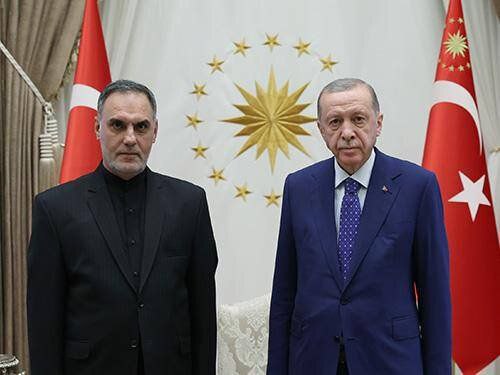
During a meeting with Iran’s new Ambassador to Ankara Mohammad-Hassan Habibollah-Zadeh on Thursday, President Erdogan said Turkey and Iran should increase cooperation to fight terrorism and Islamophobia and enhance unity in the Islamic world, according to a report by ISNA.

Habibollah-Zadeh submitted his credentials during the same meeting.

Erdogan said Turkey and Iran could conceivably increase bilateral trade to 30 billion dollars a year, and demanded that officials from both countries make efforts to remove obstacles in the way of the realization of that goal.

Habibollah-Zadeh said both countries planned to boost cooperation, including in regional and international issues.

Meanwhile, millions of Muslims are mourning Imam Hossein (PBUH)’s martyrdom anniversary across Iran and some other otheries.

Ashura, or the tenth day of the month of Muharram on the Islamic calendar, is the peak of the Battle of Karbala, when in 680, Imam Hossein and only 72 of his companions faced off with the forces of the tyrant ruler of the time, Yazid, the second Umayyad caliph, and were all martyred.

Iran strongly condemns deadly terror attacks in Syria 

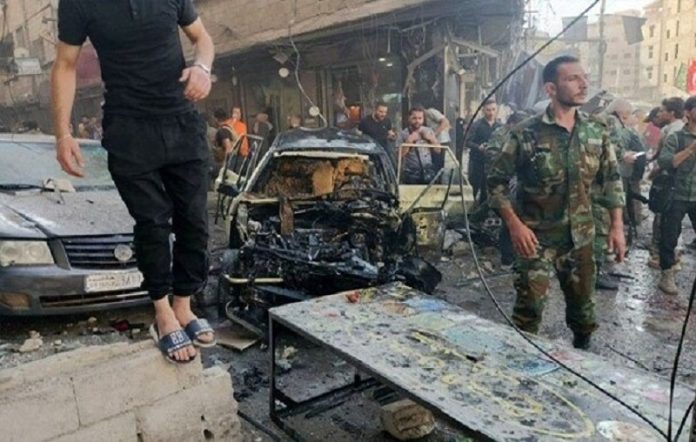
Six people were killed and aroud two dozen more injured in a bomb blast in Sayyidah Zaynab neighborhood on Thursday.

Kanaani offered condolences to the Syrian government and people as well as the families of the victims.

He said, “In a situation where the innocent Syrian people are suffering from the cruel sanctions of the United States and some Western countries, and amid the painful silence of the international community, the terrorist groups supported by the Zionist regime and the United States are also committing such heinous crimes.”

“Considering the many years of the Syrian government and nation’s battle against terrorism, it is appropriate for the world community and international organizations to take immediate and effective measures to secure a removal of the unilateral and brutal sanctions imposed by the US and the West against Syria and dispatch humanitarian aid to this country.”

Kanaani also called on the international community to condemn any aggression against Syria, including the aggressive attacks of the Zionist regime and the recent terrorist blasts in the country.

The Thursday blast near Damascus happened as people were marking the martyrdom anniversary of Imam Hossein, the third Shia Imam.

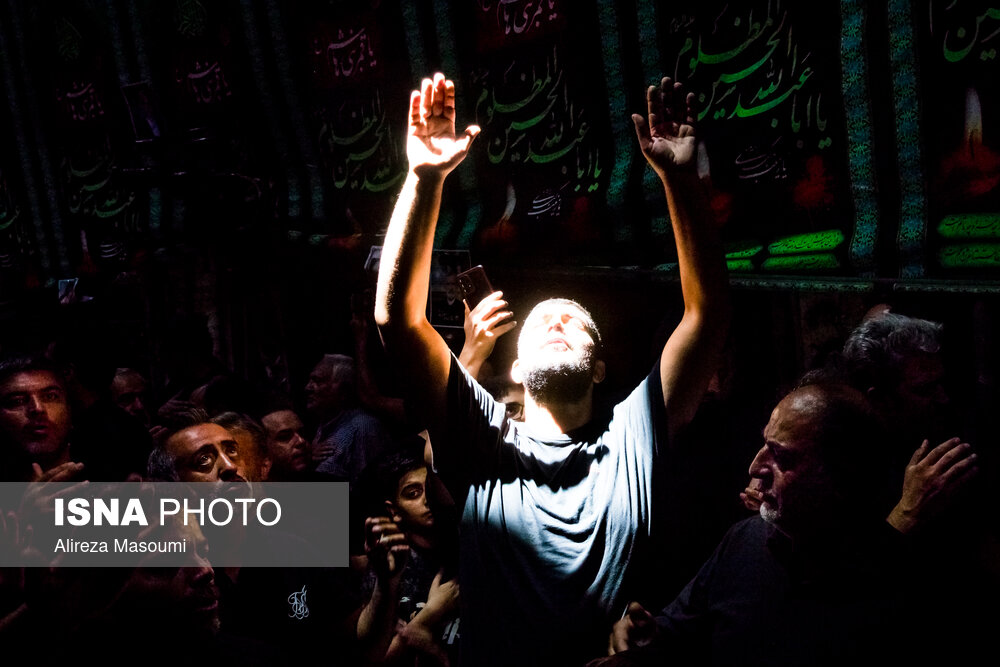
Grief sweeps Iran on Imam Hossein martyrdom anniversary

Ashura, or the tenth day of the month of Muharram on the Islamic calendar, is the peak of the Battle of Karbala, when in 680, Imam Hossein and only 72 of his companions faced off with the forces of the tyrant ruler of the time, Yazid, the second Umayyad caliph.

As noon arrived on that day, Imam Hossein was left alone — the last of his companions had been martyred — and fought and was martyred.

His family, mostly women and children, were taken as captives.

Imam Hossain’s half-brother, Abolfazl al-Abbas, was martyred a day earlier in the battle, known on the calendar as Tasu’a, and is highly revered among Muslims as a symbol of loyalty
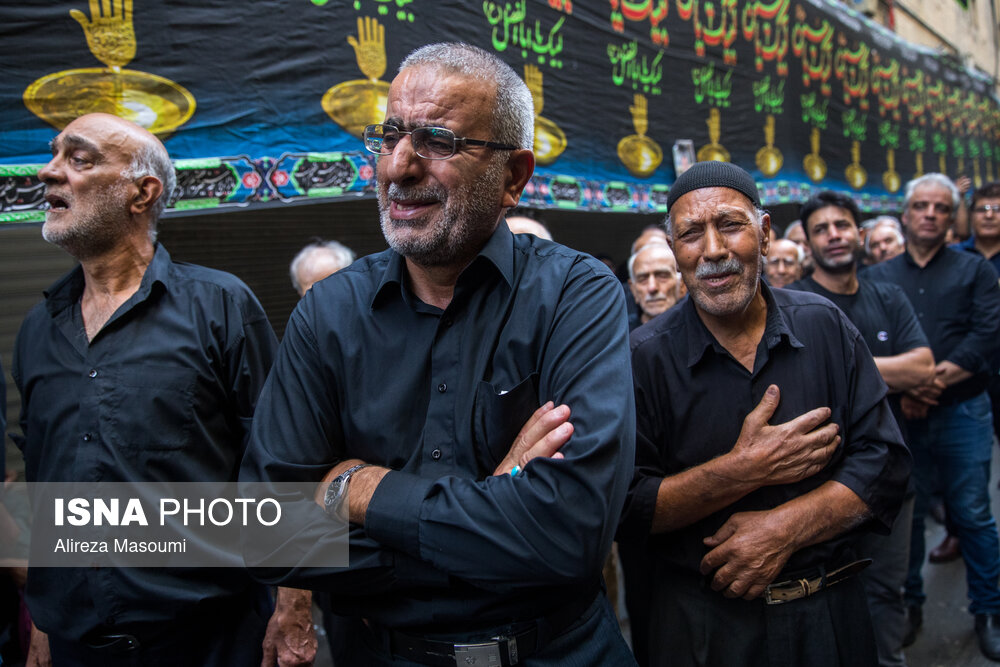
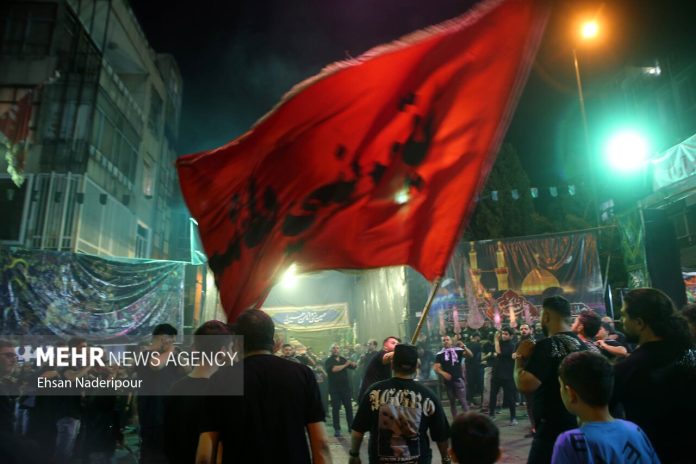
Iranians in cities, towns, and villages across the country are marking the day on Friday by going to mosques or pouring into the streets and joining processions, beating their chests to eulogies, beating the back of their shoulders with light chains, etc.

Iranian people also traditionally cook and distribute charity food among their neighbors, family members, and the poor.

Iran: Israeli minister presence in Al-Aqsa aimed at defiling Islamic sanctities

Nasser Kanaani

Nasser Kanaani, in a tweet on Thursday, added the action is part of the global scheme of the Zionists to violate Islamic sanctities, ” from the evil actions of burning the Holy Quran to the desecration of the first Qibla of Muslims.”

Kanaani strongly condemned the move.

Israel’s far-right national security minister Itamar Ben-Gvir led a group of more than one thousand ultranationalist Israeli settlers to the Al-Aqsa compound in occupied East Jerusalem on Thursday, his third such entrance to the site this year.

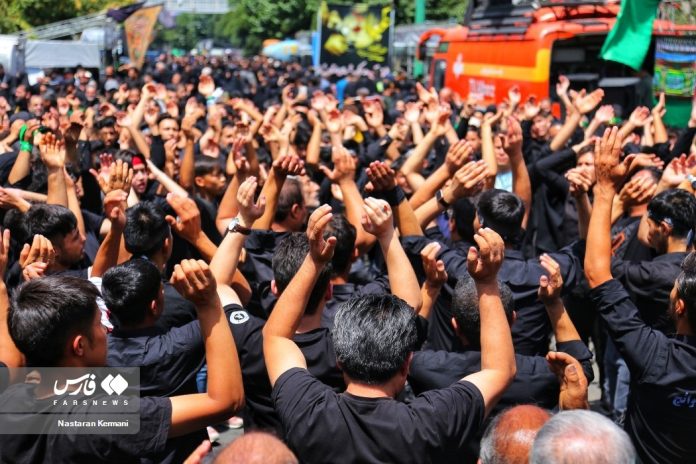
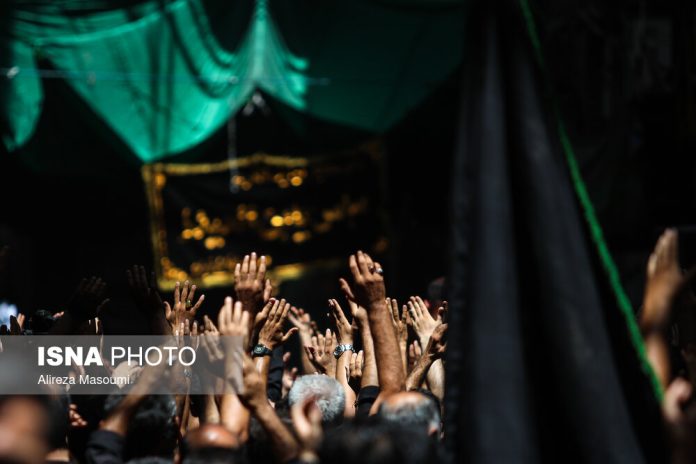
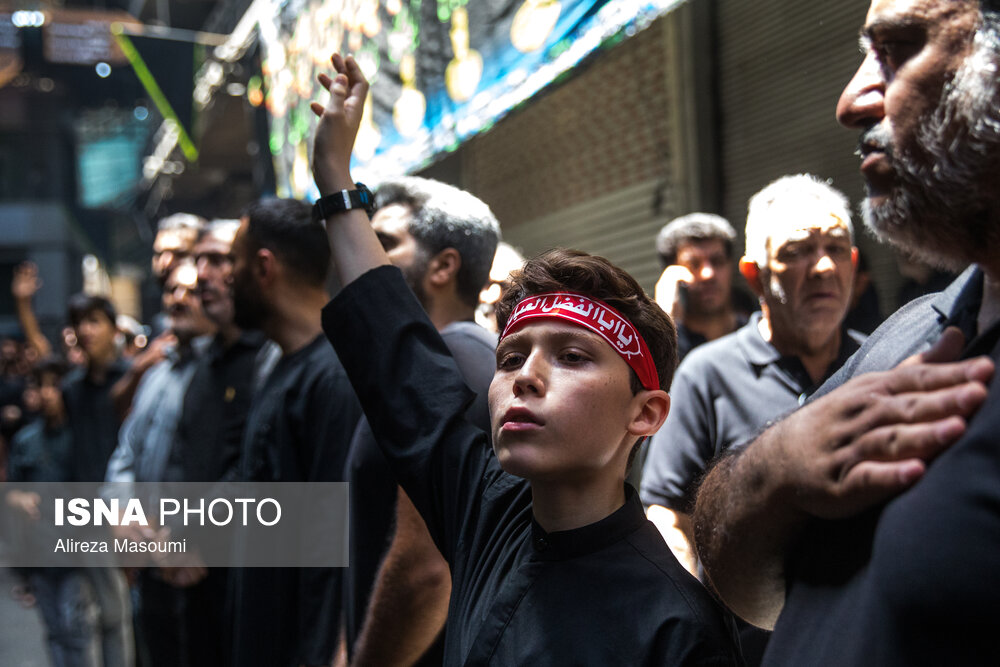
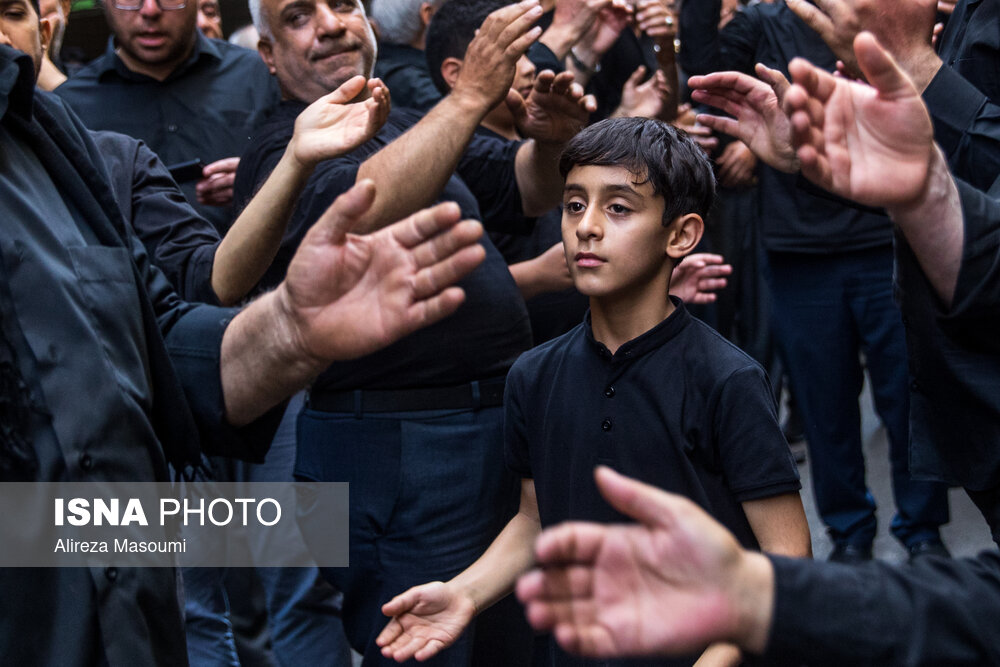
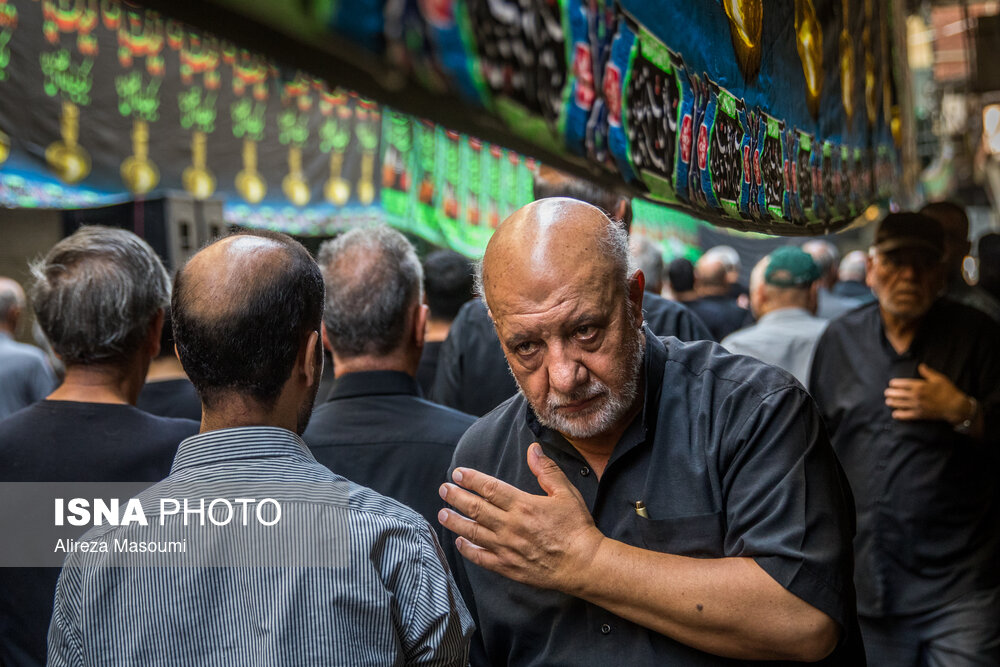
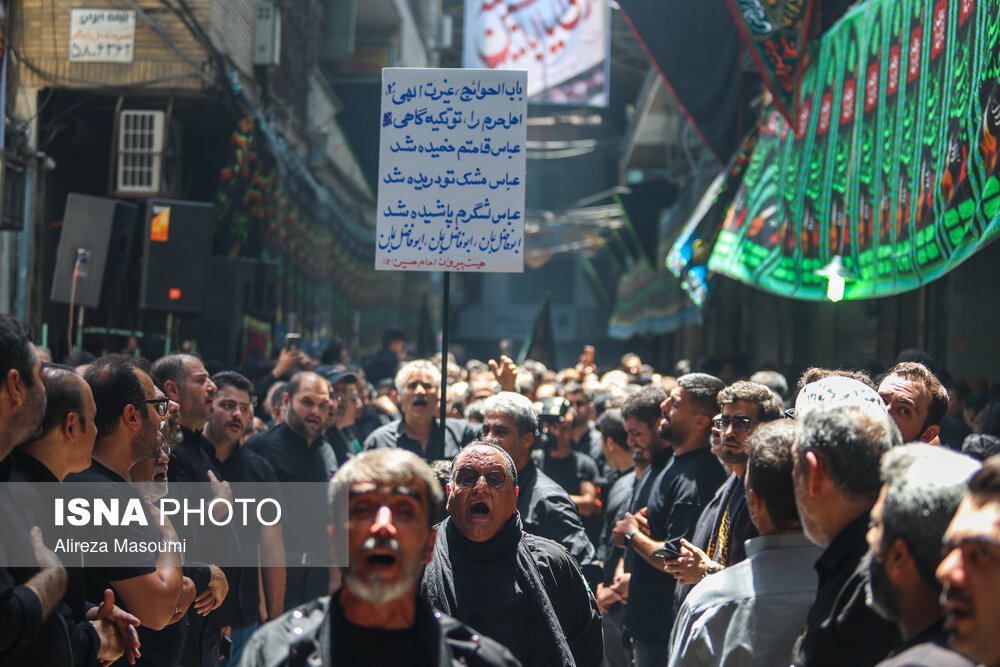
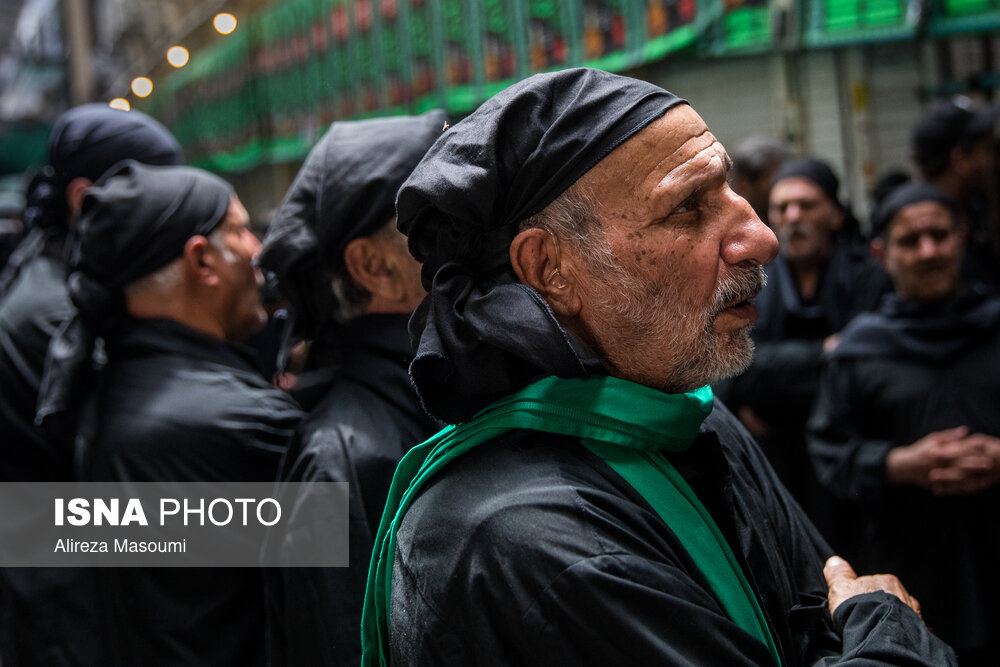
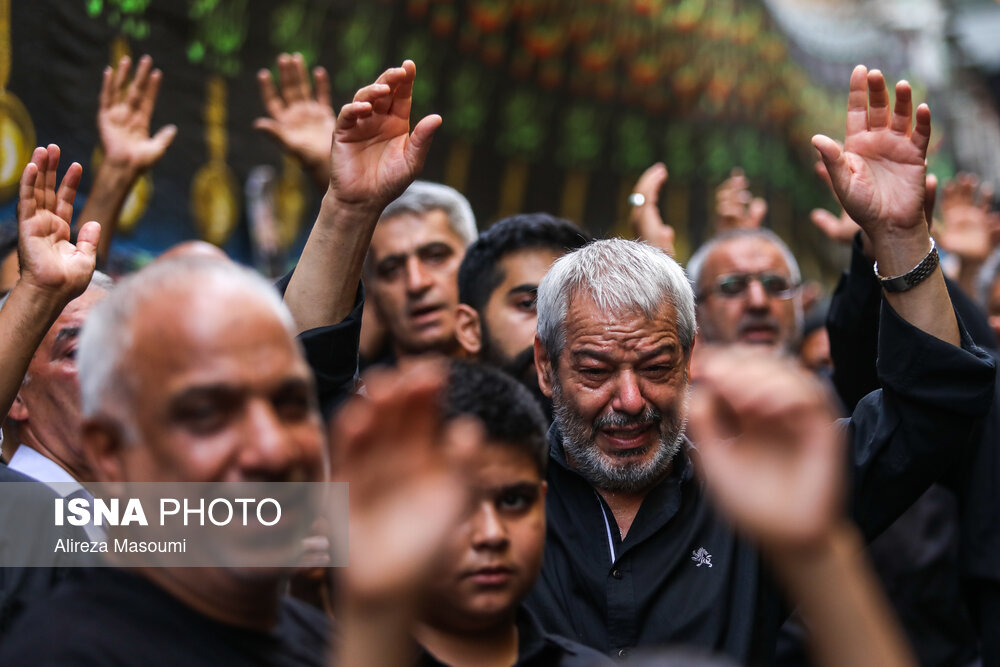
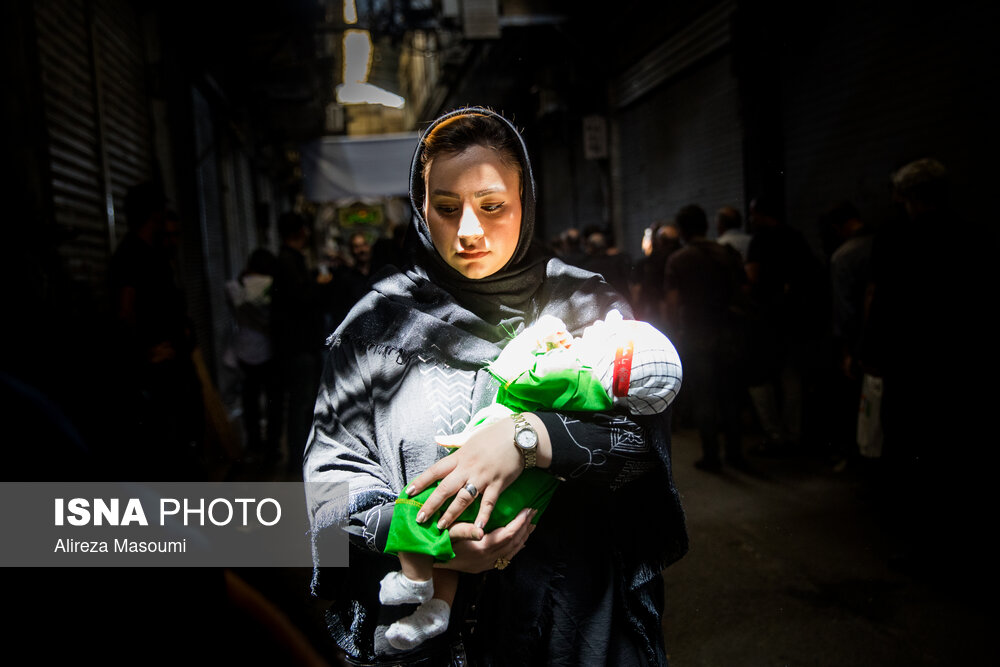
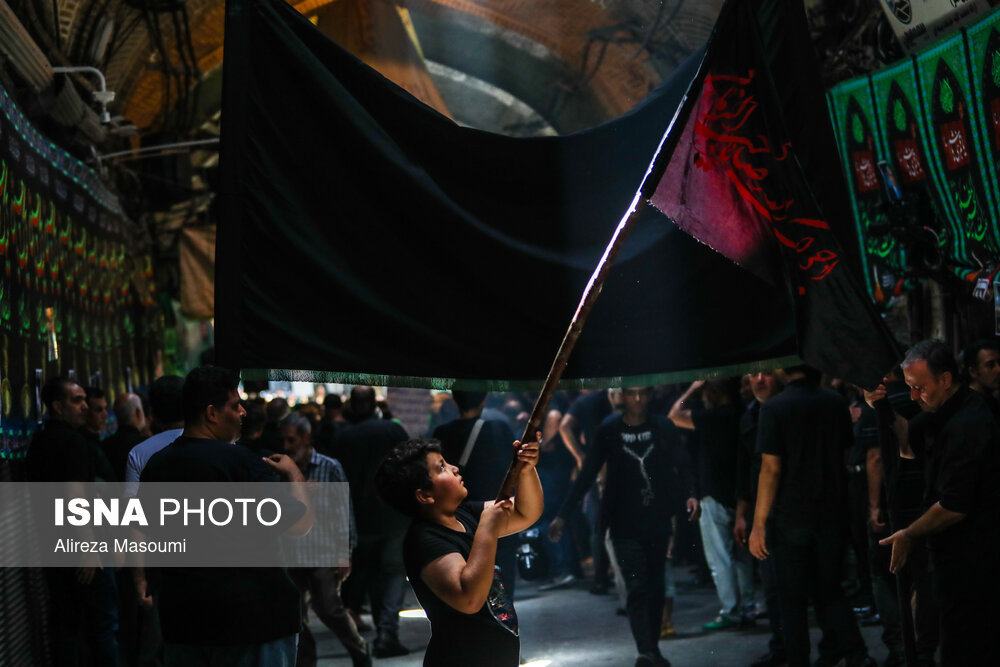
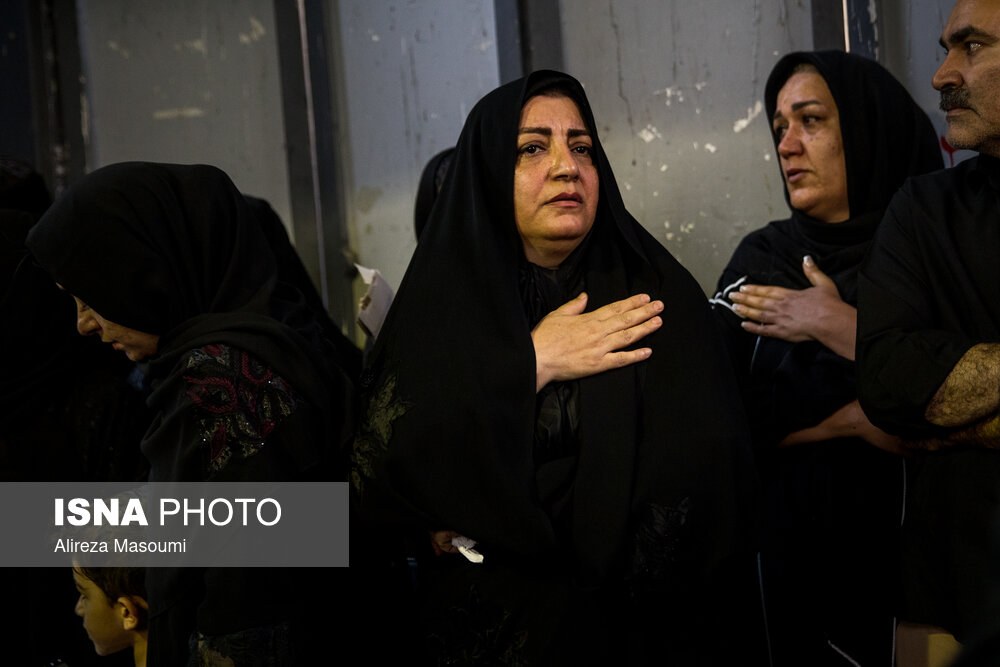
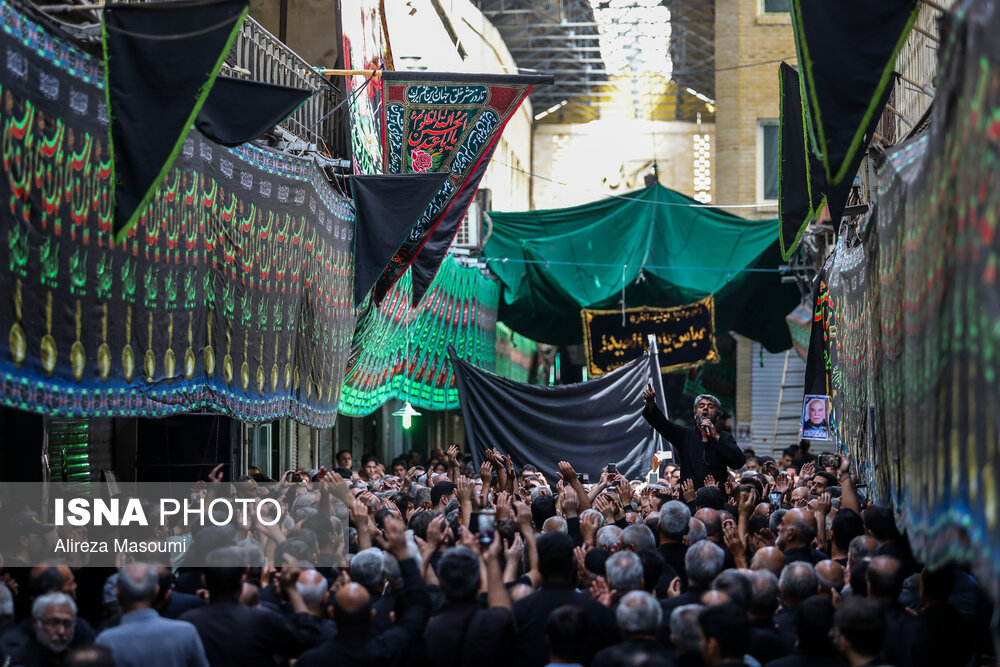
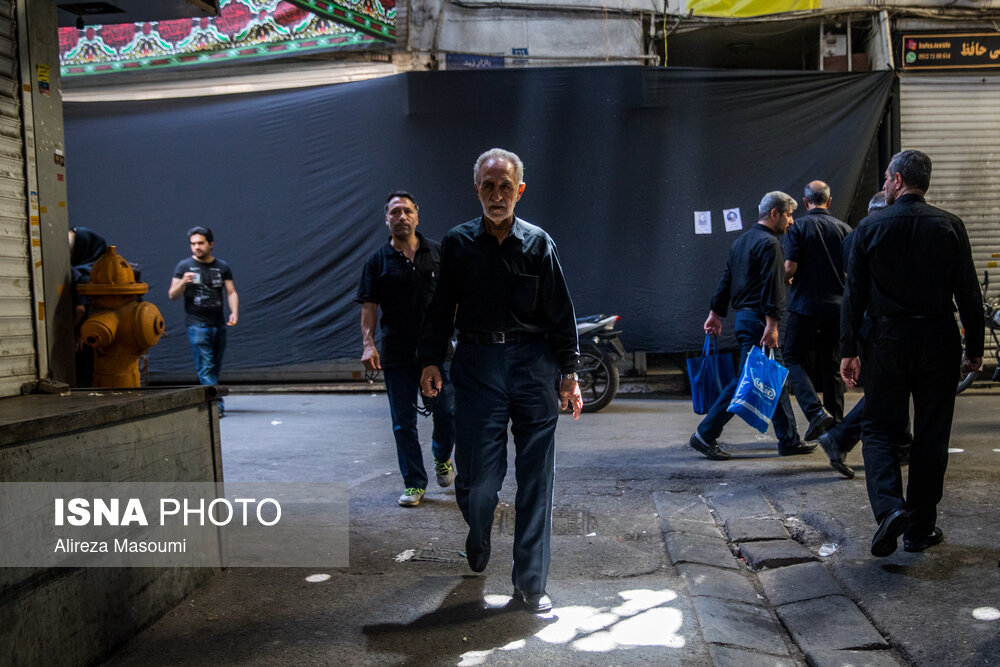
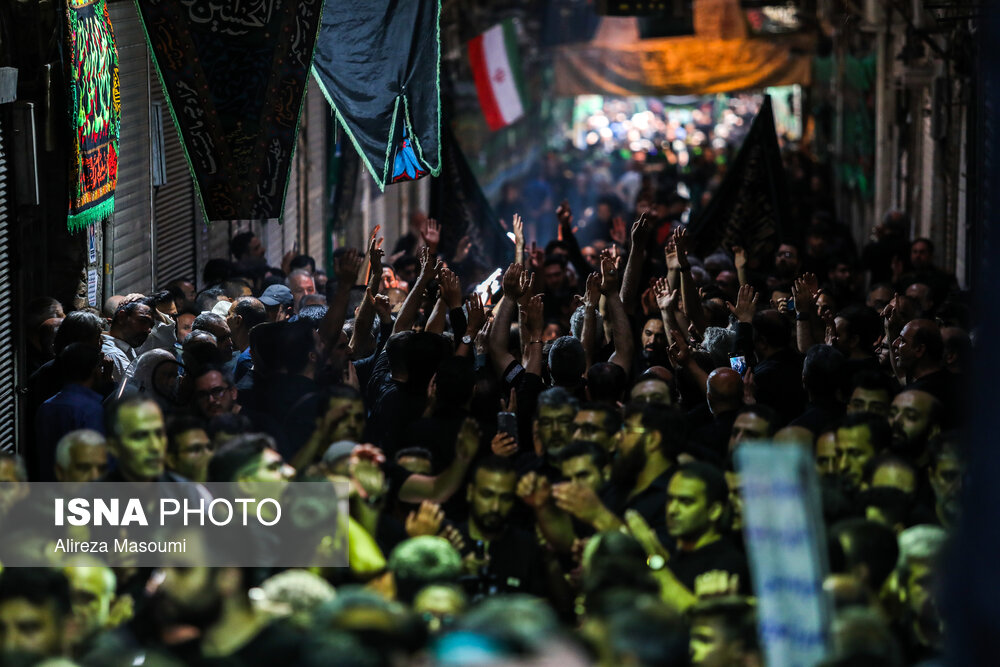
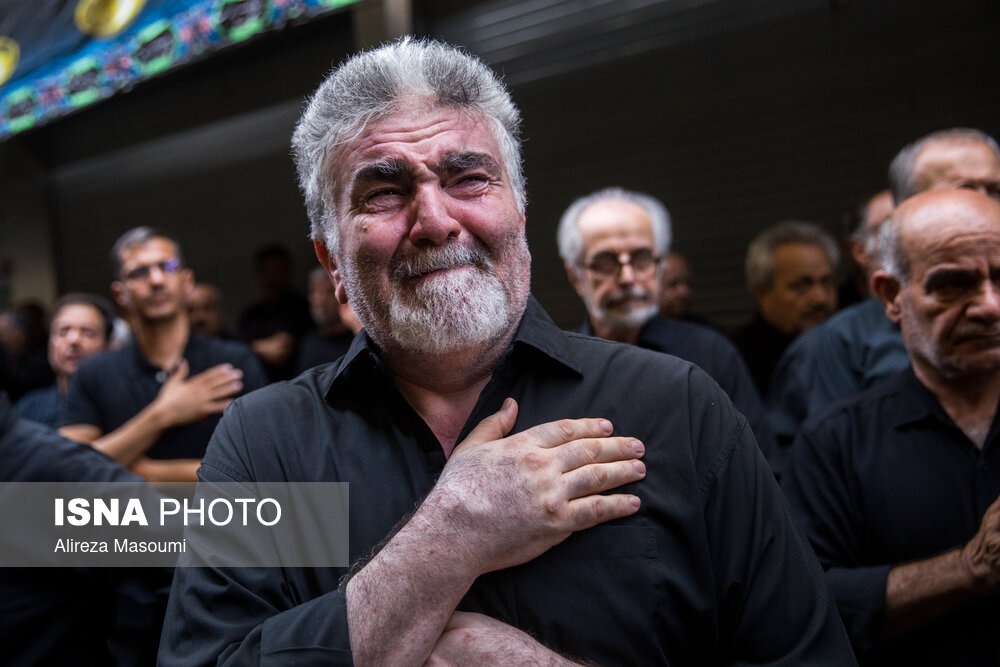
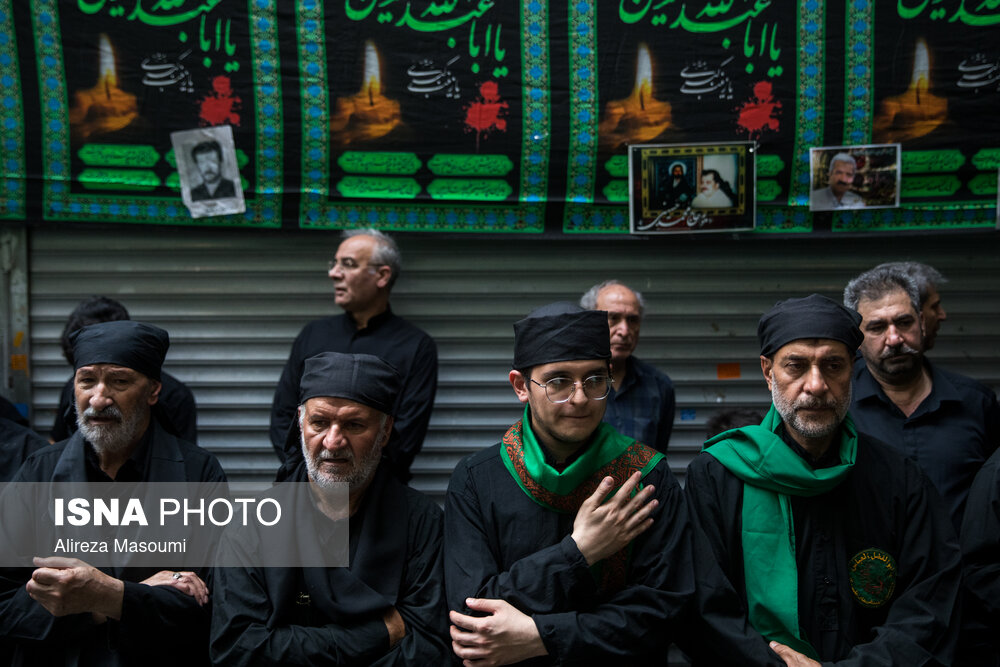
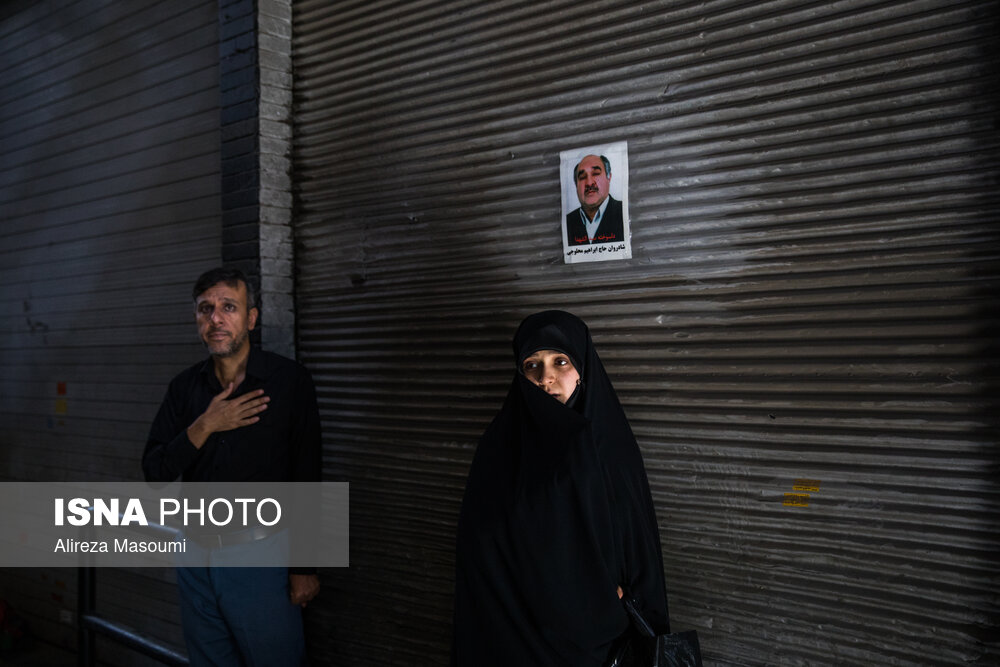
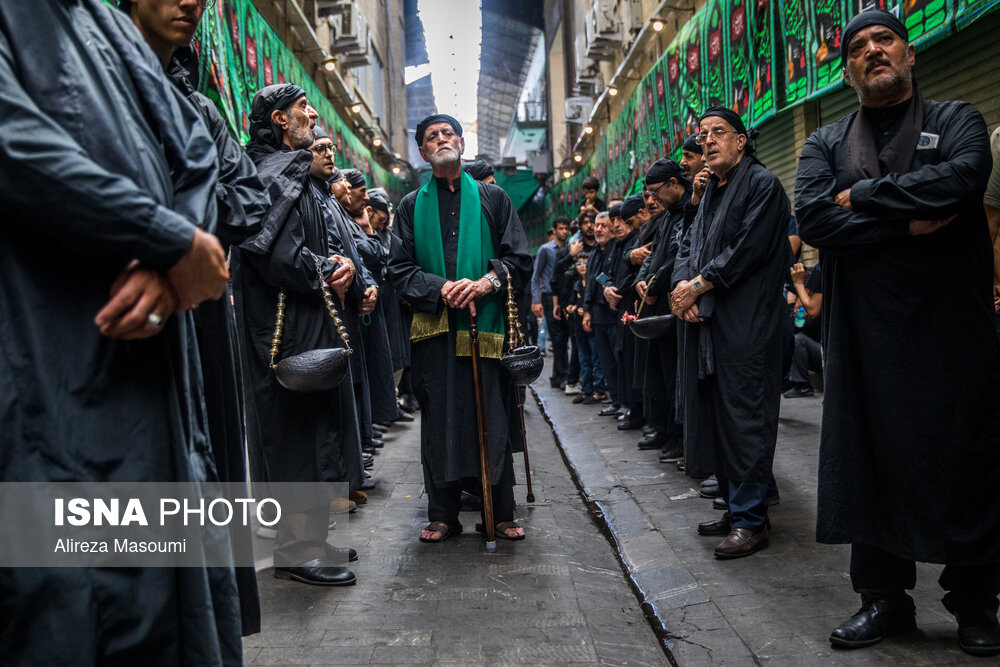
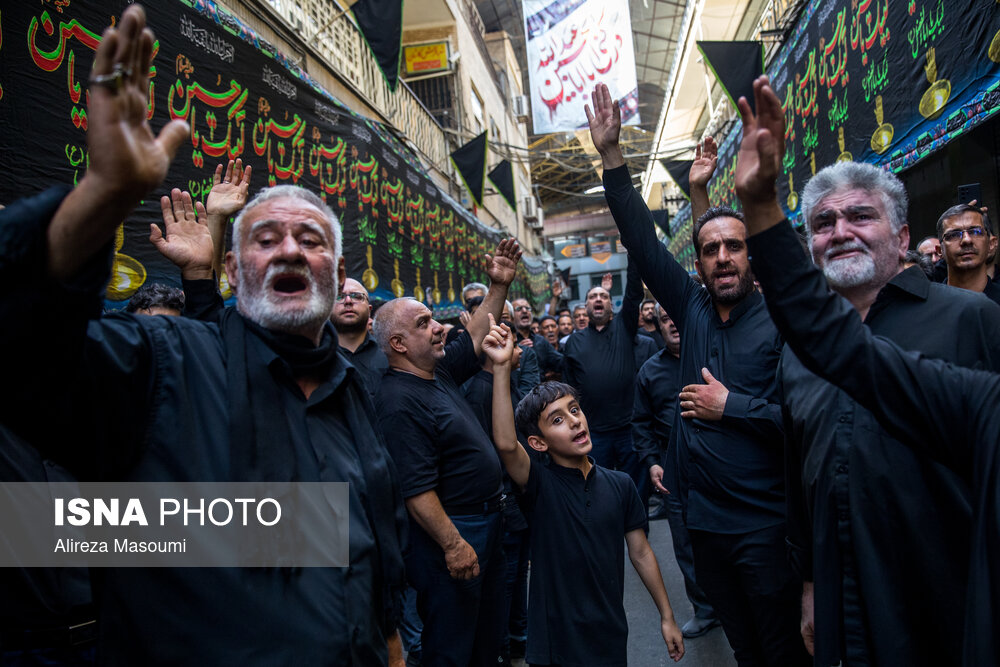
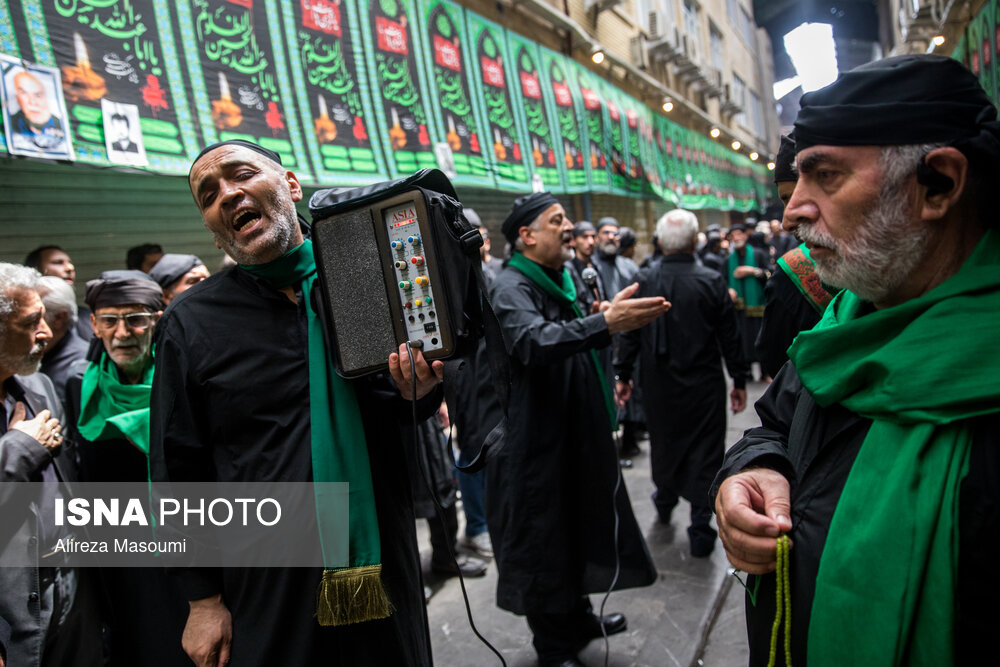
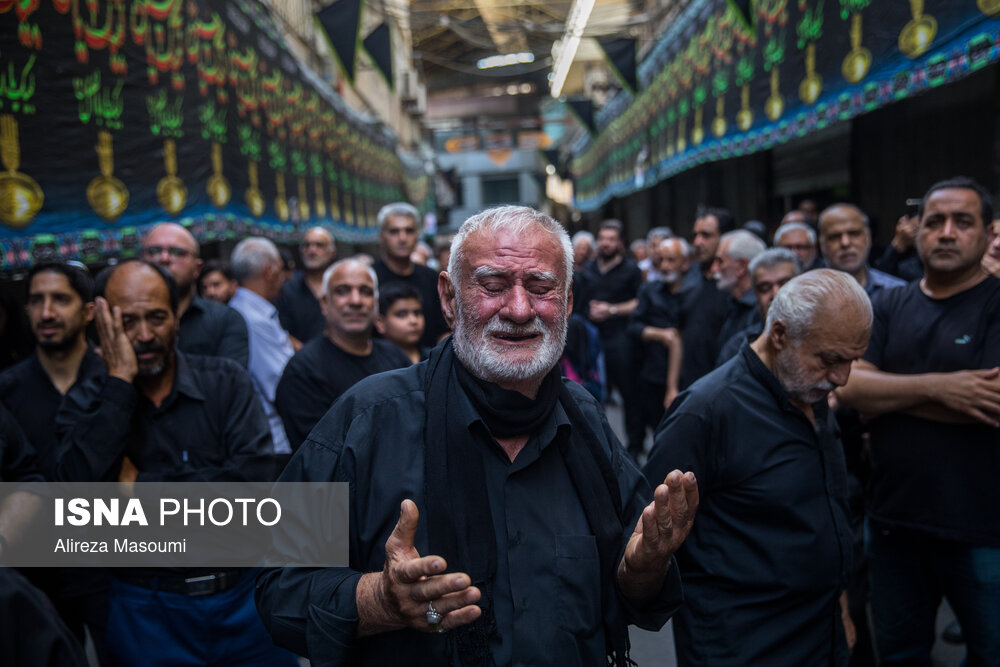
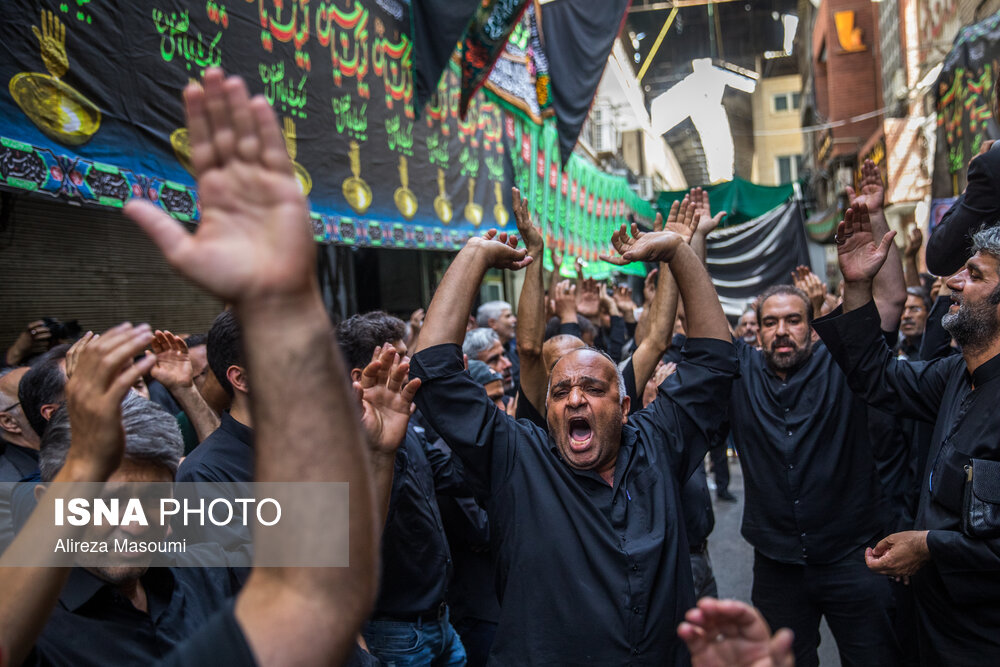
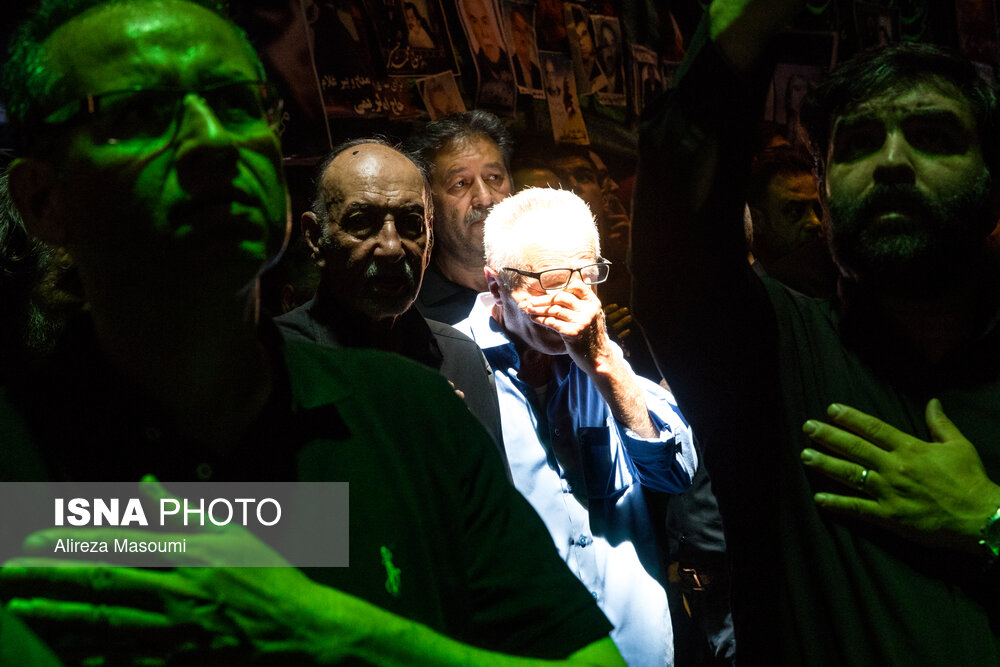
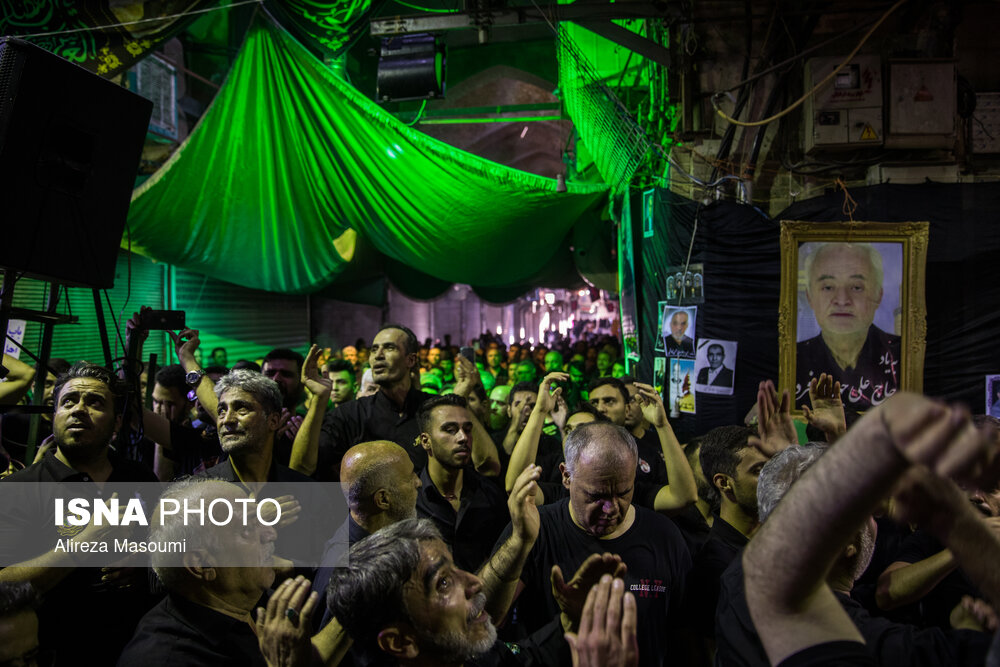
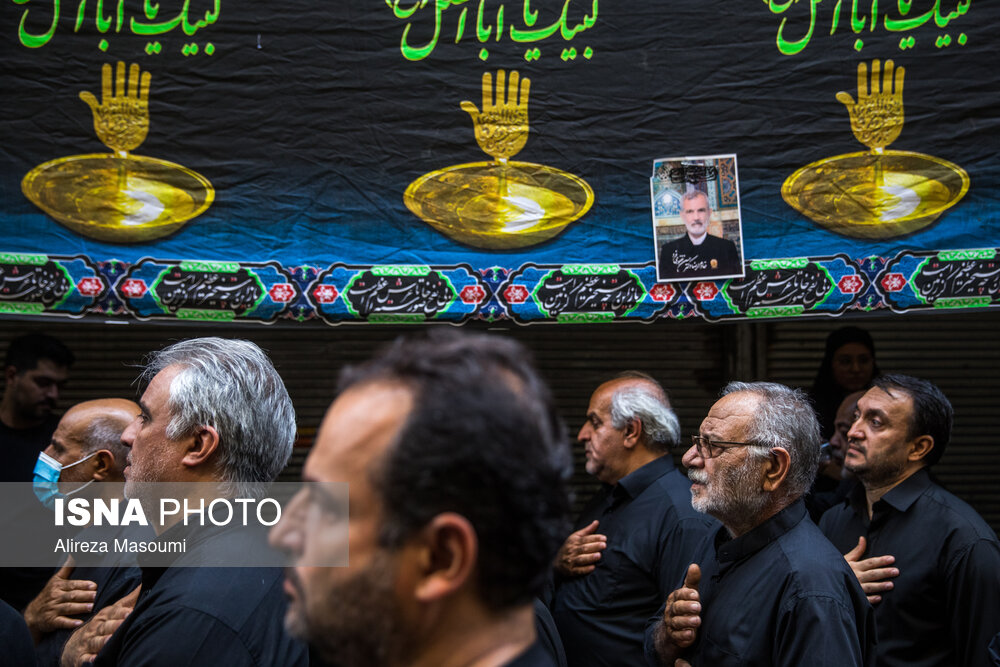
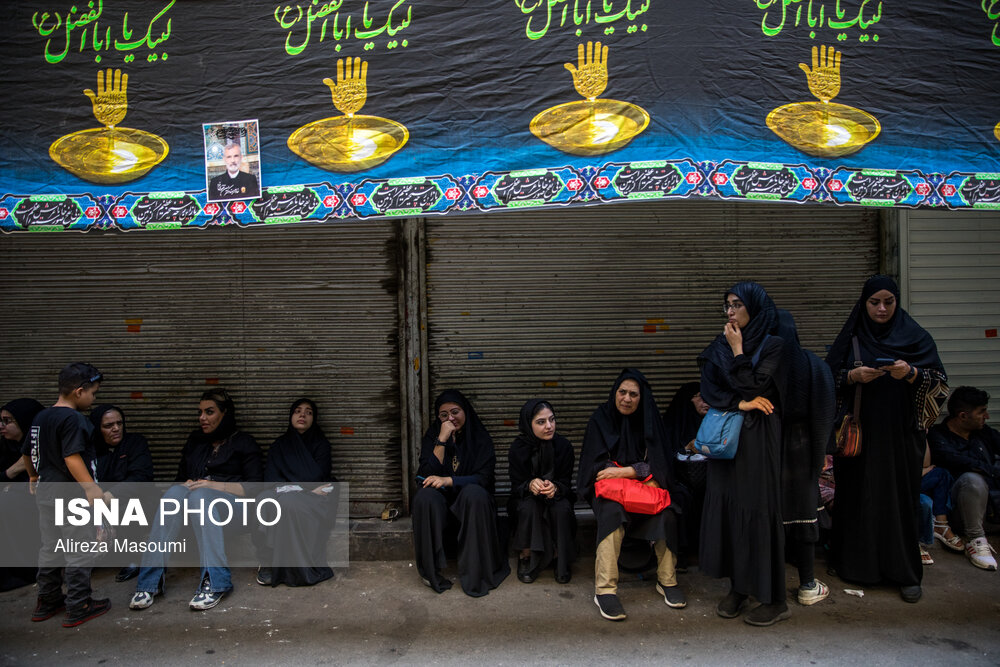
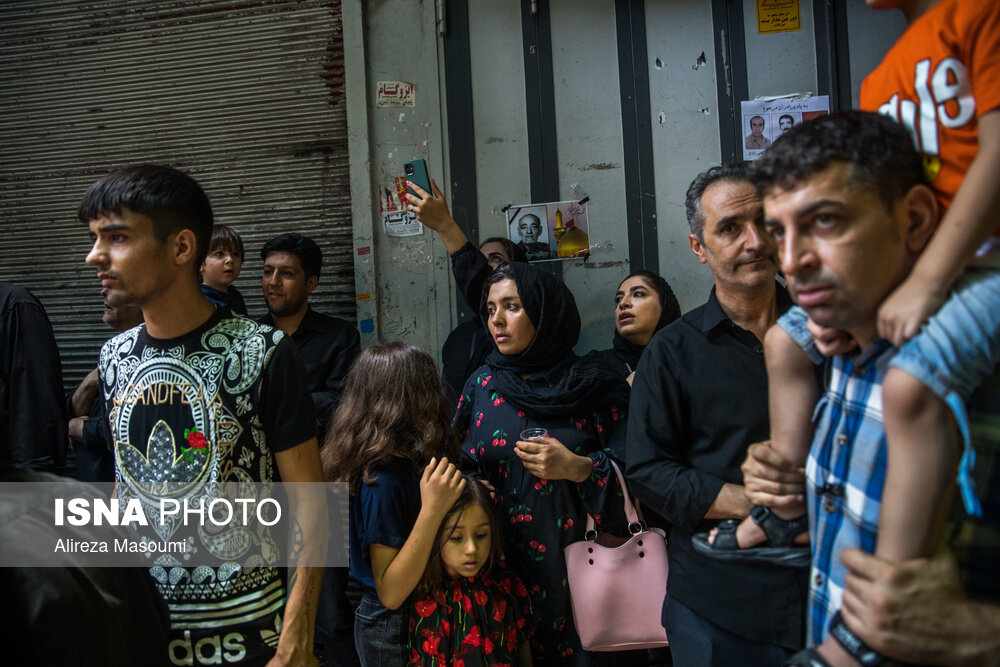
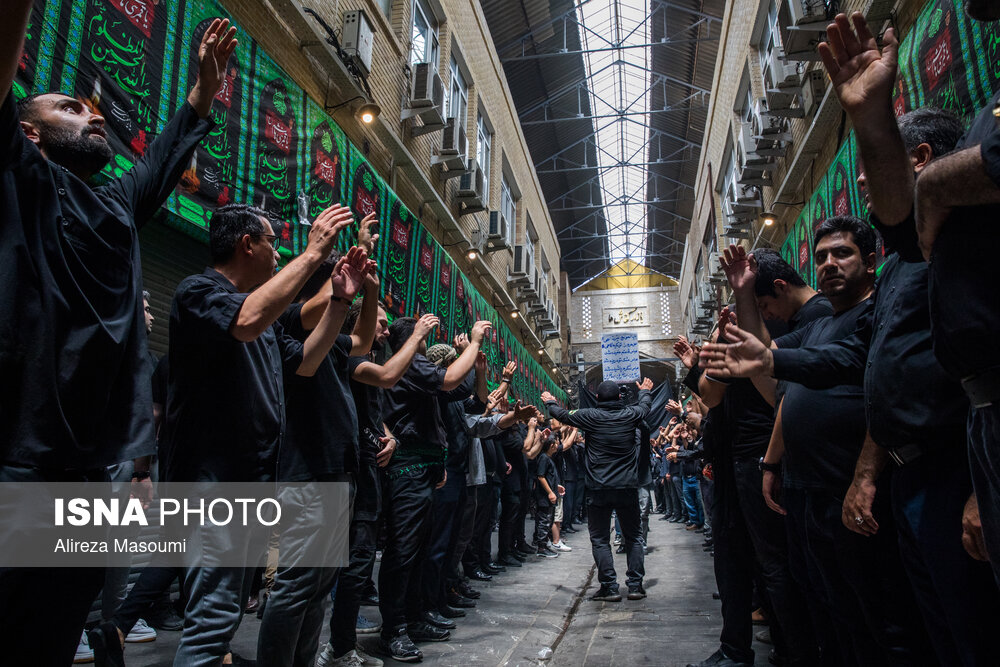
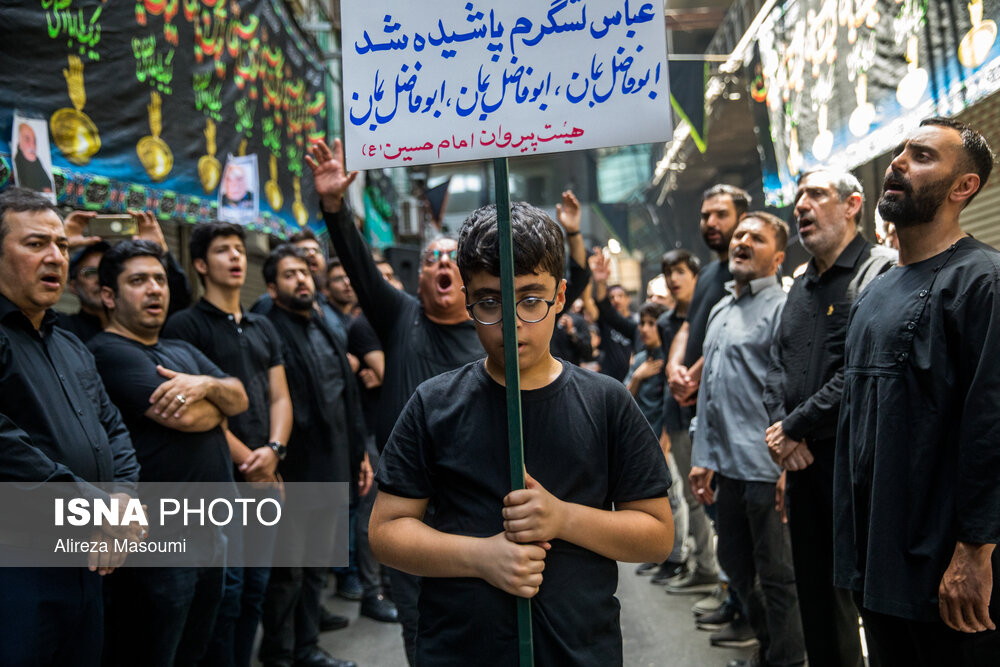
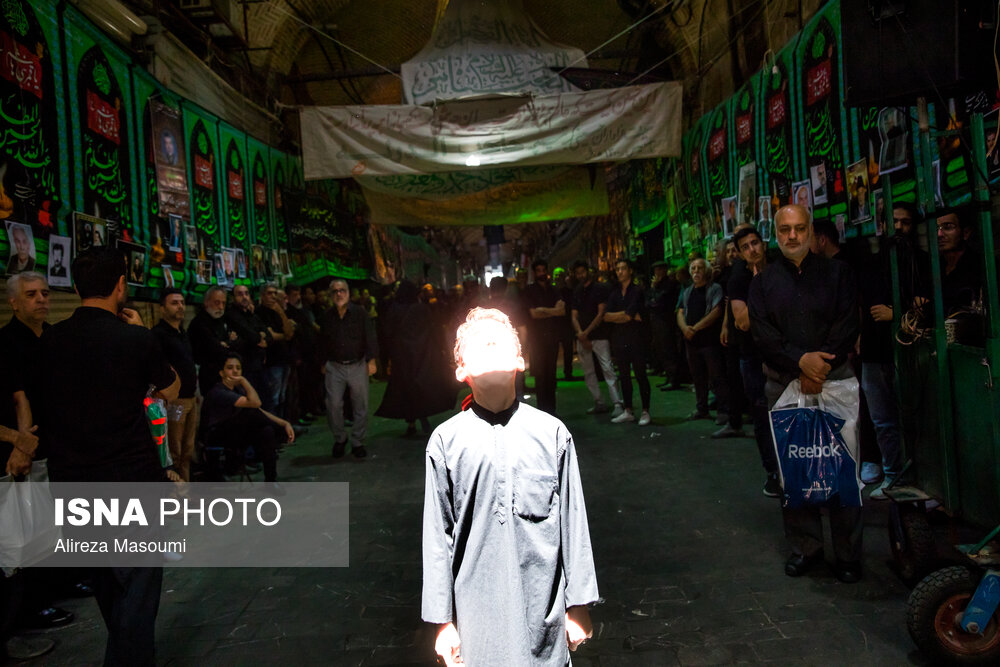
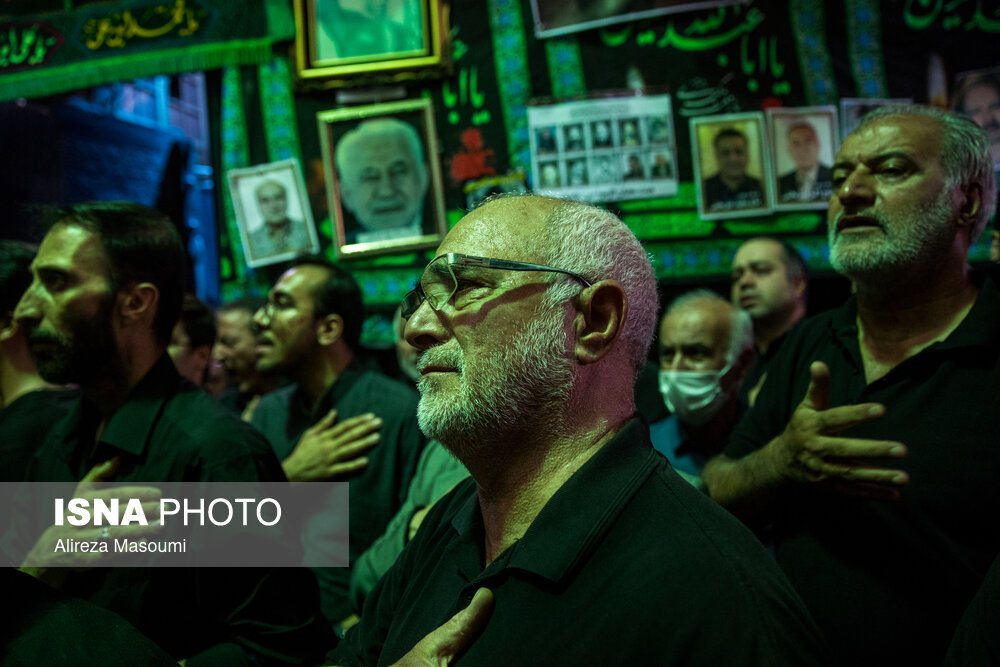
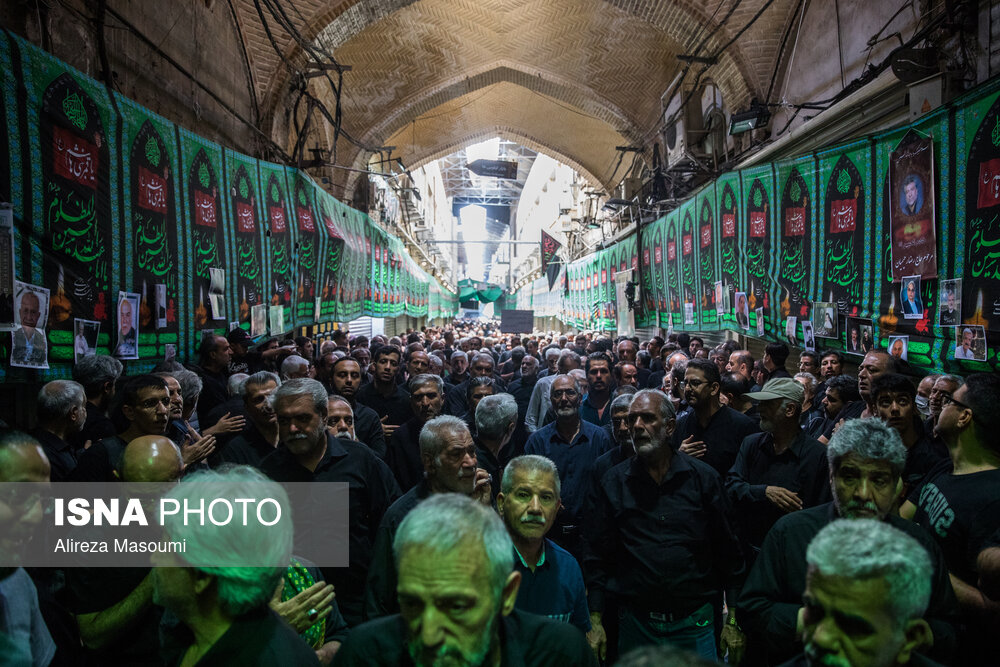
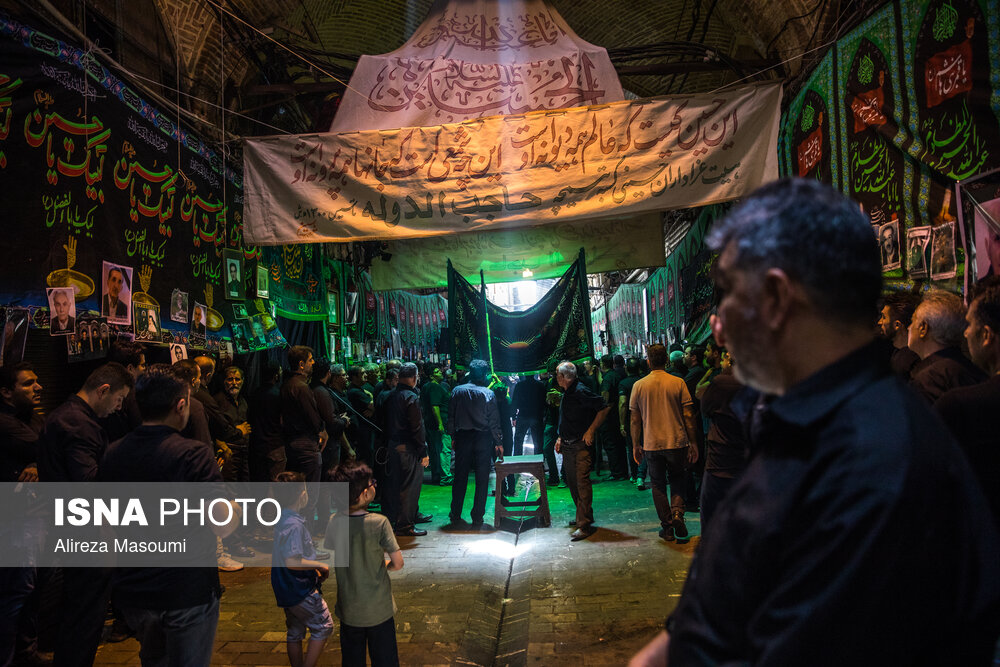
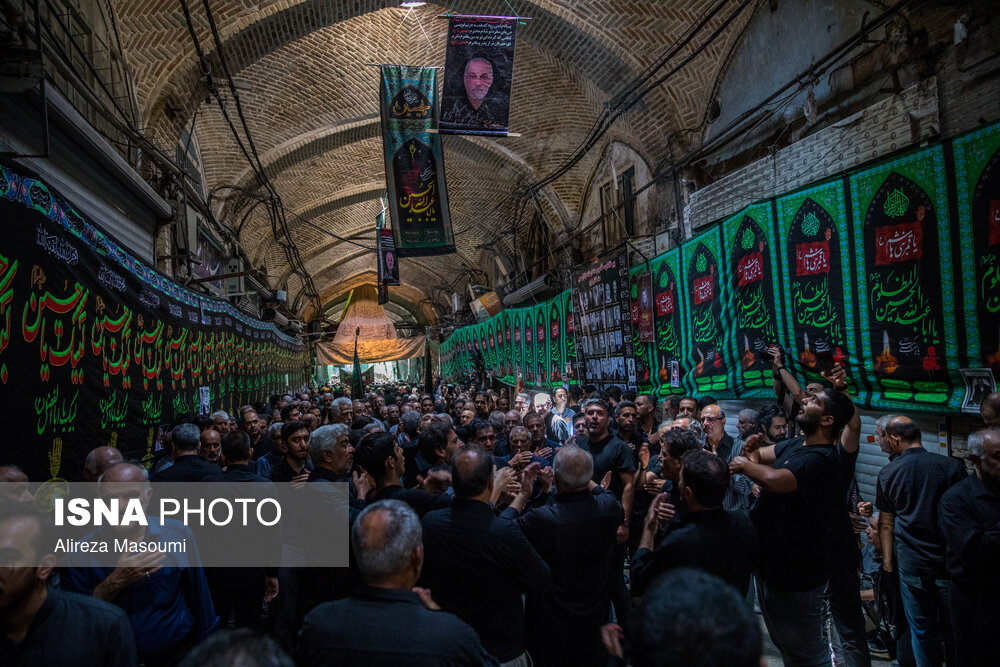
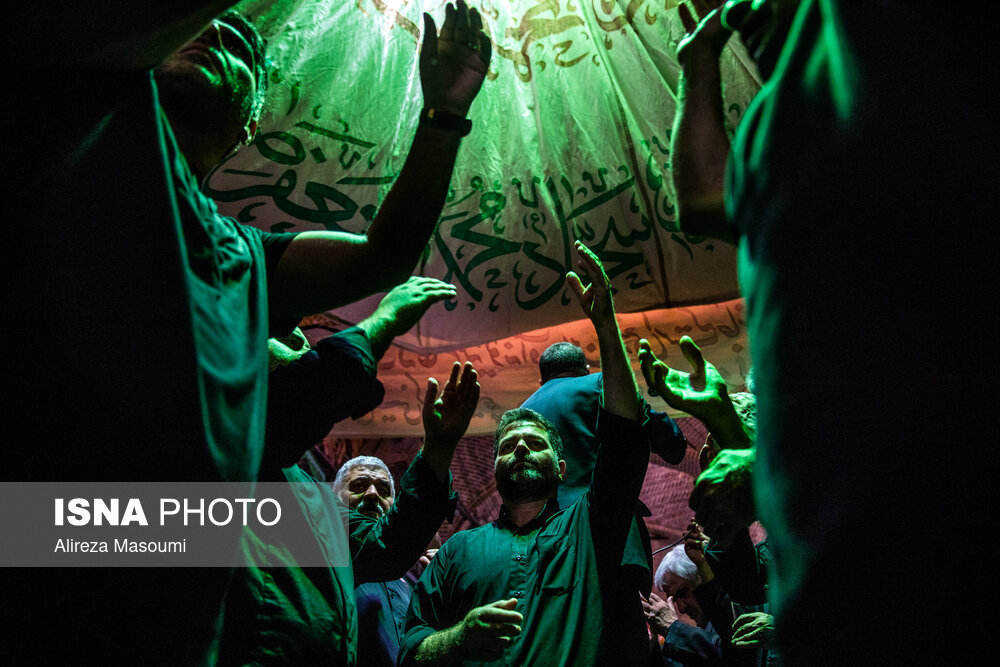
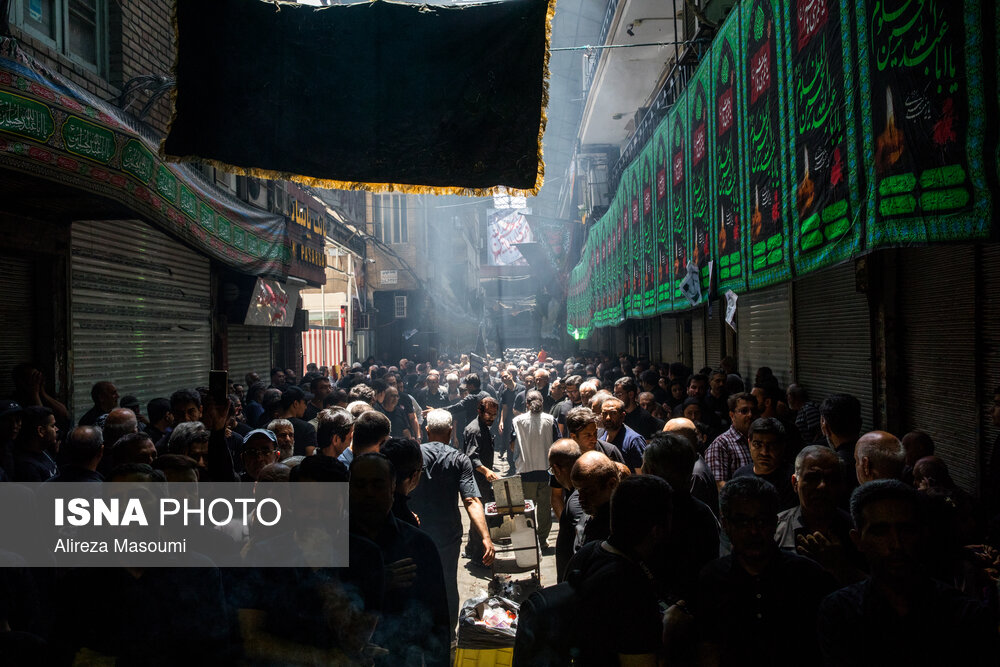
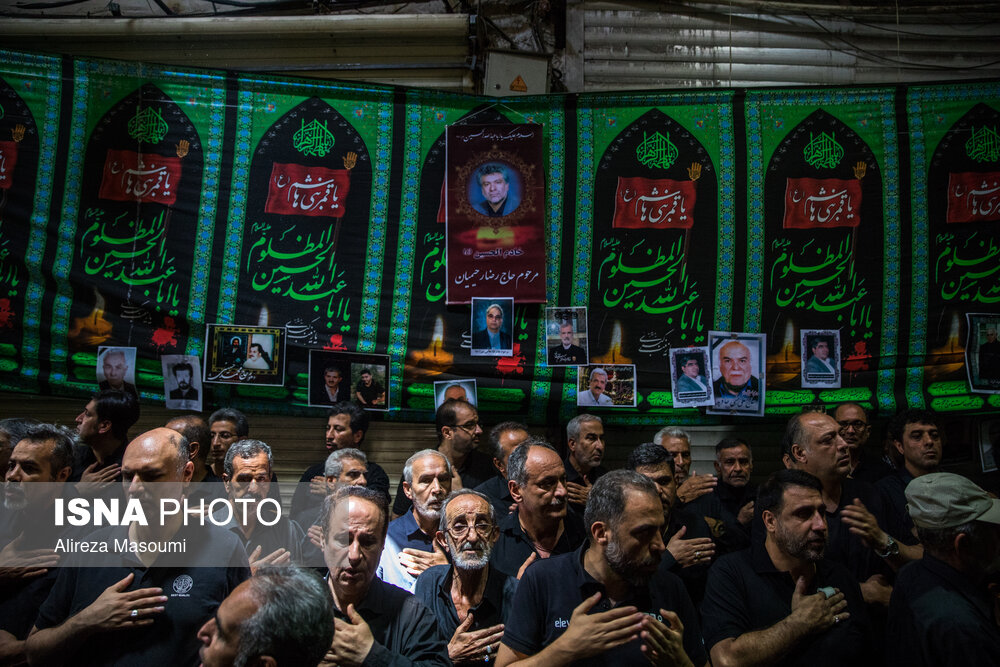
People observe Tasou’a in Tehran Bazzar in Honour of Imam Hossein

The ninth day of the Muslim-calender month of Muharram is called Tasou’a.

Every year during the first 10 days of Muharram, Iranians mark the martyrdom of Imam Hussein and his companions, who were killed by the forces of the tyrannical ruler of the time on the plains of the modern-day Iraqi city of Karbala around 1400 years ago.

More in pictures:

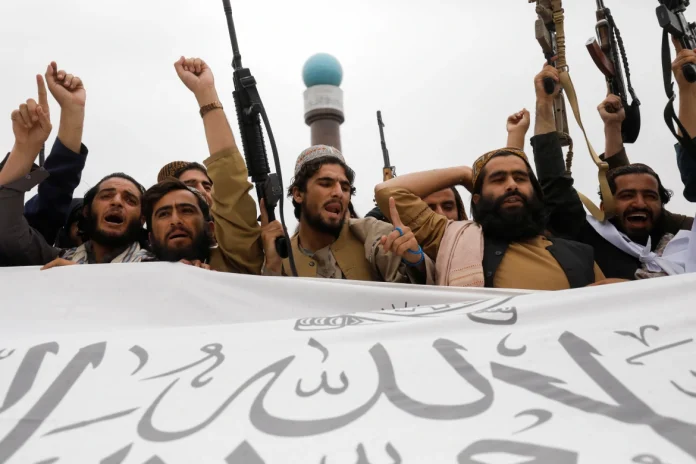
US and Taliban officials to meet in Qatar to discuss security and human rights

Taliban

The Joe Biden administration’s special representative for Afghanistan, Thomas West, and special envoy for Afghan Women, Girls, and Human Rights, Rina Amiri, will travel on Wednesday for visits to Astana, Kazakhstan, and Doha, Qatar.

US and Taliban representatives signed a peace agreement in February 2020. The Taliban, who waged a two-decade insurgency against the US, took control of the country in August 2021, after the US’s withdrawal.

In the agreement, the Taliban-run Islamic emirate government committed to counter terrorism threats, establish an “inclusive Islamic” government and respect human rights, including allowing women to attend school.

In December, the Taliban banned Afghan women from universities and employment at NGOs. The decision brought widespread condemnation from the international community, including from Muslim countries.

Since withdrawing from the country and the Taliban declaring victory and taking control of Kabul, Washington has had limited engagement with the Taliban. No country has yet to recognise the Taliban’s government.

The Biden administration froze $7bn in funds belonging to the Afghan central bank and announced in September 2022 that half of these funds would be distributed between the families of the victims of the 9/11 attacks, while the other half would be placed in an “Afghan Fund” and would be run by Swiss government officials and Afghan economic experts.

Afghanistan, meanwhile, is in desperate need of cash. The country’s gross domestic product plummeted 20 percent following the Taliban takeover after the US withdrawal.

Foreign aid, which accounted for 95 percent of the government’s budget under the previous administration, has dried up. It is estimated that 95 percent of the population does not have enough to eat.

The meeting comes as some experts have called for the US to reengage with the Taliban.

At an event hosted by the Middle East Institute in July, Douglas London, who formerly served as the CIA’s counterterrorism chief for South and Southwest Asia, said he “would like to see the United States have an official presence on the ground, not just in Kabul, but particularly in Kandahar, where leadership decisions are being made”.

There are also some signs that the Taliban are being courted by Washington’s top geopolitical foe.

In May, China’s then-foreign minister, Qin Gang, met Afghanistan’s acting foreign minister, Amir Khan Muttaqi, to make plans for Afghanistan to join the Belt and Road Initiative, a massive infrastructure project led by China that aims to stretch around the world.

But the Taliban remain isolated.

A UN-convened meeting on Afghanistan next month will not focus on the possible international recognition of the Taliban administration, a UN spokesperson has stressed, after comments by the deputy UN chief sparked concern and confusion.

After a senior UN official suggested that a UN meeting on the country could find “baby steps to put us back on the pathway to recognition” of the Taliban, a UN spokesperson said that was not the UN’s focus.

Temperament in traditional Iranian medicine

Humorism in traditional Iranian medicine

Given the popularity of traditional Iranian medicine among the Iranian people from various social classes, and its strong historical and cultural background, we have decided to introduce this medical tradition on Iran Front Page (IFP).

In the previous article, we presented a general introduction of traditional Iranian medicine. Here, we will be discussing the important topic of temperament, one of the most important pillars of that medicine.

What is the science of temperament?

Temperament is crucial to the identification of people’s physical and mental characteristics and can help diagnose and treat diseases. Also, the type of food that we eat can change the body’s general workings based on our humor.

Therefore, by correcting nutrition models, one can avoid food that would harm the body and instead prioritize food that is proportionate to one’s humor type.

Below, we will discuss humor and its different types:

The relation between temperament and general health in traditional Iranian medicine
In the nature, each plant and creature has a specific humor, and according to traditional medicine experts, food intake should be compatible with that humor. A case can be made that, by using temperament, one can fully control one’s temperament and physical health.

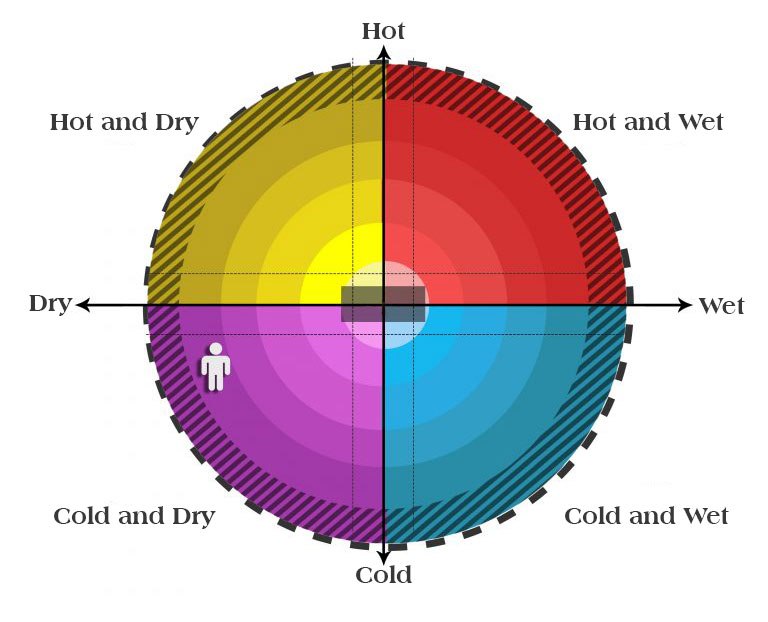
Based on the level of hot, cold, dry, and wet phlegm in one’s body, a person’s humor can be categorized into the four groups of hot/wet, hot/dry, cold/dry, and cold/wet.

Four compound humors in traditional Iranian medicine

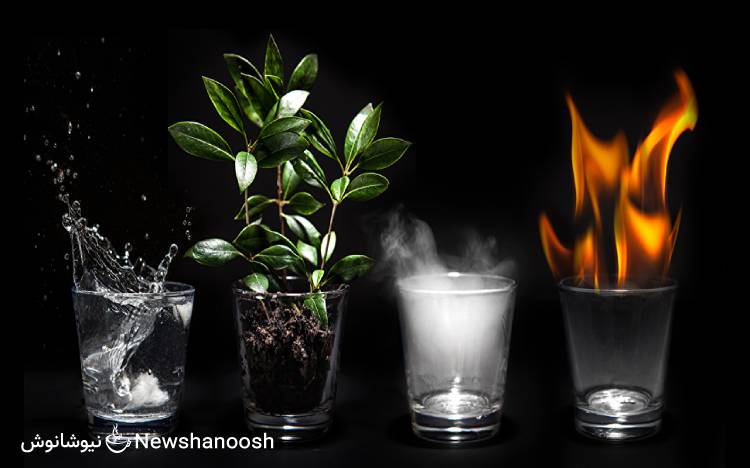
The body’s humors, which are based on the four classical elements, are: hot (fire), cold (earth), wet (water), and dry (air). There are four compound humors based on those:

  • Hot and dry: choleric
  • Hot and wet: sanguine
  • Cold and dry: melancholic
  • Cold and wet: phlegmatic

Four compound humors in traditional Iranian medicine

An individual’s humor can be identified via the following methods:

  • Touching the body
  • Examining the complexion and condition of the skin
  • Sleep condition
  • Examining the hair

Prescriptions for each humor

Temperament is founded not just on general advice but also specific guidelines related to nutrition and lifestyle for each humor. Thus, food that may be helpful to one individual could be harmful to another. In fact, any nutrition guideline and lifestyle, no matter how healthy, can harm one’s health if it is not compatible with that individual’s humor.

Temperament is a key topic in traditional medicine. By correctly identifying the humor, one can rightly pinpoint the cause of a disease and prescribe a treatment. Things such as the nutrition, amount of rest, and mental states of an individual are directly related to her humor.

Paying attention to such physical features as a person’s skin color, shape of hair, the growth level of hair, muscles mass, mental states, etc. can help identify a humor. Additionally, signs such as a pale or a red face, lack of sleep, boredom, a short temperament, facial blisters, etc. may be signs of malnutrition, requiring medical action.

Temperament in traditional Iranian medicine

Signs of a hot and wet humor

The most important physical and behavioral characteristics of people with a hot and wet humor are:

  • A heavy, muscular build, and a stout and fleshy body;
  • a reddish skin color;
  • thick, greasy hair;
  • a good memory;
  • a warm body with prominent capillary on the skin;
  • a soft and balanced skin;
  • and painful menstruation (in women).
  • Physically, they are active and have a good stamina.
  • Behaviorally, they are bold, emotional, humorous, dreamy, and happy, and they have a flexible, convincing, and friendly personality.

Signs of a hot and dry humor

The most important physical and behavioral characteristics of people with a hot and dry humor are:

  • Large, strong joints;
  • big eyes;
  • a dry skin;
  • and coarse, thin hair.
  • Physically, they are very active; and mentally, they are meticulous and methodical.
  • They have a good memory and appetite.
  • Behaviorally, they are generous, clever, and emotional. They have a short temper, and tend to be desultory in conversation.

The body’s humors, which are based on the four classical elements, are: hot (fire), cold (earth), wet (water), and dry (air).

Signs of a cold and dry humor

The most important physical and behavioral characteristics of people with a cold and dry humor are:

  • A thin and bony structure, with small joints;
  • a cold and dry skin, with fine texture;
  • small eyes, a low voice (they talk fast, though);
  • coarse, dark, dry, thin, hair;
  • a good short-term memory;
  • and a changing appetite.
  • Physically, they are stable and active. They tend to have insomnia.
  • Mentally, they have a restless quality, and are sensitive, fragile, timid, and anxious.
  • Women experience depression during menstruation.
  • Behaviorally, they have good management qualities, and are thoughtful and analytical.
  • They also have an artistic thinking, and are idealists.

Signs of a cold and wet humor

The most important physical and behavioral characteristics of people with a cold and wet humor are:

  • A heavy and portly build;
  • a cold, light, moist, and soft skin;
  • thin, greasy, and light hair;
  • large eyes, and a low-pitch voice;
  • and their main sign is that they are portly and have layers of fat. They have a tendency to gain weight.
  • They have a low stamina and are slow thinkers.
  • Behaviorally, they are timid, emotional, and bashful. They have a calm personality and are good listeners.

Next, we will present traditional Iranian medicine’s advice for each humor.


What are the 4 types of temperament?

  • Hot and dry: choleric
  • Hot and wet: sanguine
  • Cold and dry: melancholic
  • Cold and wet: phlegmatic

Israeli soldiers kill 14-year-old Palestinian boy in West Bank

Israeli Forces

The Palestinian health ministry named the victim as Fares Sharhabeel Abu Samra, who it said was shot in the head.

Israeli troops stormed a neighbourhood in the vicinity of Qalqilya, which led to confrontations according to the Palestinian news agency Wafa.

Israeli forces used live and rubber-coated metal bullets, stun grenades, and fired tear gas at residents.

The Israeli military said it fired into the air after “rioters” threw “stones and Molotov cocktails” at soldiers. It added that Abu Samra’s death was under investigation.

The military makes near-identical statements after killing Palestinian civilians in the West Bank, often claiming that soldiers reacted to an attempted attack against them.

It rarely investigates the killing of Palestinians by its troops and has been criticised by rights groups for its “shoot-to-kill” policy even when Palestinians pose no danger to soldiers.

A report in 2022 by the Israeli rights group Yesh Din found that less than one percent of soldiers accused of harming Palestinians between 2017-2021 were ever charged with crimes.

The military law enforcement authorities “systematically avoid investigating and prosecuting soldiers who harm Palestinians”, the group announced.

On Wednesday Mohammad Abdel-Hakim Nada, 23, was shot in the chest by Israeli gunfire and later died in hospital.

Israeli troops raided the Al-Ain refugee camp in Nablus in the late morning to arrest some Palestinians, local media reported.

At least 202 Palestinians have been killed by Israeli fire this year, including 35 children – a rate of nearly one fatality per day.

A total of 165 people have died in the West Bank and East Jerusalem, making 2023 one of the bloodiest years in the occupied Palestinian territories. Another 36 people were killed in the Gaza Strip.

Meanwhile, Palestinians have killed 25 Israelis in the same period, including six children.