Thursday, December 25, 2025
Home Blog Page 1286

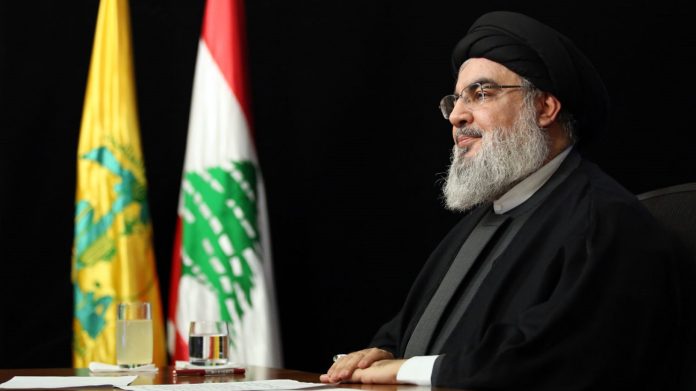
Hezbollah warns any assassination attempt by Israel in Lebanon will be met with “powerful” response

Sayyed Hassan Nasrallah

Nasrallah made the remarks during a televised speech broadcast live from the Lebanese capital city of Beirut on Monday evening as he addressed a ceremony held to mark the sixth anniversary of Lebanon’s Second Liberation.

The Second Liberation took place on August 28, 2017, when Lebanon’s army and Hezbollah fighters liberated the country’s northern and eastern borders from Daesh and other Takfiri terrorists who were threatening the lives of Lebanese and Syrian people.

Back then, Nasrallah named the occasion the Second Liberation after the first liberation in 2000, when Hezbollah, along with other Lebanese resistance groups, forced Israeli occupation troops to withdraw from Southern Lebanon and Western Bekaa region.

During his Monday speech, Nasrallah said Israel has carried out many assassinations over the years of conflict with the resistance front, but has not been able to weaken the resistance.

“No type of threat will be able to stop the resistance front and its forward march, but will make it more steadfast and powerful,” the Hezbollah leader stated.

“No assassination attempt on the Lebanese soil targeting the nationals of Lebanon, Palestine or Iran or other countries would go unanswered,” he added, stressing that Hezbollah will not allow Lebanon to turn into an open arena for assassinations.

“The enemy must admit that it has hit a historical, existential and strategic dead-end and has no way out of it,” Nasrallah said.

Elsewhere in his speech, the Hezbollah leader turned to the current situation in the neighboring Syria, saying what is happening in Syria has been planned by the United States, which has sought help from a number of regional countries.

“Since day one, the commander of the ongoing war in Syria has been the United States and the US ambassador has owned up to this,” he said.

Nasrallah went on to note that armed Takfiri elements fighting against the Syrian government were only a tool in the hands of the United States.

“Daesh was just an excuse for US forces to return to Iraq and they also used them as a pretext to enter Syria and occupy the part of the country lying to the east of the Euphrates [River],” the Hezbollah leader added.

Referring to Washington’s brutal sanctions against Damascus, Nasrallah said anti-Syria sanctions and the so-called Caesar Act were put in gear after Americans understood that the military option has failed and the Syrian government’s standing is improving.

He noted that the United States is currently occupying the oil-rich part of Syria east of the Euphrates, and continues to plunder the country’s oil.

Stressing that Syria and its allies can easily liberate east of Euphrates, the Hezbollah leader added, “If Americans wanted to fight, we would welcome that [decision] and it would be a real war that would change all equations.”

In another part of his speech, the Hezbollah leader touched on the ongoing resistance against Israel across the occupied West Bank and the regime’s claim that it is based on an Iranian plan.

“The intensification of [anti-Israel] resistance in this region and Israel’s inability [to stop it] has made [the regime’s Prime Minister Benjamin] Netanyahu claim that what is taking place in the West Bank is planned by Iran,” he stated.

“The resistance [against Israel] across the West Bank totally stems from the will of Palestinians,” Nasrallah said, adding that such claims only prove foolishness of Israeli officials.

“They have forgotten that the Palestinian nation fought against them before the victory of the Islamic Revolution in Iran and even if the [regime of former Iranian] Shah was still in place, Palestinian people would still fight, because this people have every right to live [on their own land],” Nasrallah continued.
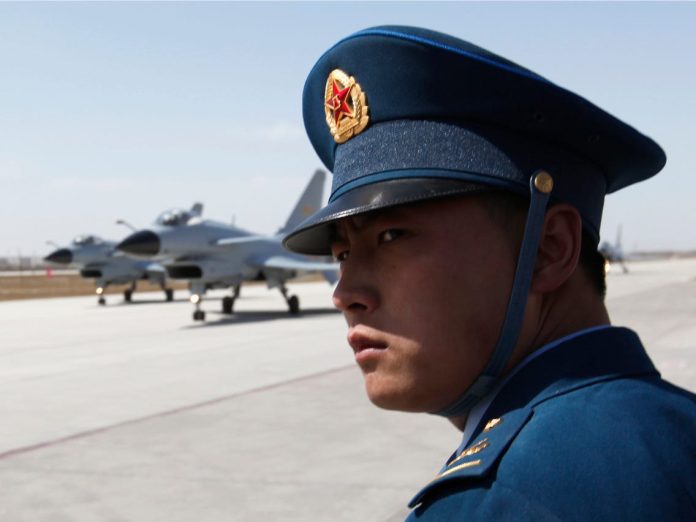
China, Pakistan hold joint air drill to bolster defense cooperation

China Air Force

Ground and air forces from the two sides are “focusing on organizing joint training in typical combat scenarios such as joint air defense, joint countermeasures, and joint seizure and control,” said a Chinese Defense Ministry statement.

The ministry added that two sides will use fighters, early warning aircraft and several other types of planes, as well as ground-to-air missiles and radar and signal troops during the exercise being held in China.

Chinese naval aviation units will also be involved in the training, it noted.

it is the 10th joint exercise between the air forces. The first was held in 2011.

China represents Pakistan’s largest defense partner, followed by the US.

In recent months, China has staged a series of joint military drills aimed at fighting terrorism and countering the US influence in the region.

Washington has become more vigilant about the relations between Beijing and regional countries.

Beijing says such drills are countermeasures in the face of provocations by the United States and its allies.

In March, China, Iran and Russia conducted joint drills in the Sea of Oman. The Marine Security Belt 2023 aimed to strengthen regional security. Observers from Pakistan and Kazakhstan also participated in the drills.

Iraq hangs 3 for 2016 Daesh-claimed Baghdad bombing that killed hundreds

Daesh

The office of Prime Minister Mohammed Shia al-Sudani said on Monday that the hangings were carried out on Sunday night and Monday morning, but did not name those executed or provide details about when they were sentenced.

The attack took place early on July 3, 2016, in Baghdad’s Karrada shopping area when it was filled with people in advance of the Eid al-Fitr festival at the end of the Muslim holy month of Ramadan.

The car bomb killed a limited number of people, officials announced at the time, but it caused flames that spread and trapped people inside shopping centres that lacked emergency exits.

By the time the fire was put out, 323 people had died, making it one of the deadliest attacks to ever hit Iraq and one of the world’s deadliest attacks since the September 11, 2001, attacks on the United States.

Police Major-General Talib Khalil Rahi stated at the time that the bomber’s minibus had been loaded with plastic explosives and ammonium nitrate. Some of the dead could not be identified due to the intensity of the raging fires.

Interior Minister Mohammed Ghabban resigned in the wake of the blast.

Al-Sudani’s office said in its statement that the prime minister met the victims’ families following the hangings and informed them that “the rightful punishment of death sentence was carried out against three key criminals found guilty of their involvement in the terrorist bombing”.

Amid instability in Iraq, ISIL overran large territories in the north and west of Baghdad in 2014.

Iraqi forces had regained significant parts of the country’s lost territory from ISIL by the time the bombing took place, with the attack seen as ISIL targeting civilians in response.

A large military campaign backed by a US-led armed coalition ensued, and the Iraqi central government declared victory against the group in late 2017.

The United Nations estimated in a report in March that ISIL still has “5,000 to 7,000 members and supporters” across Iraq and neighbouring Syria, “roughly half of whom are fighters”.

Remaining cells affiliated with the group continue to target security forces and civilians in both countries, but the UN report said ISIL has been much depleted by “sustained counterterrorism operations” on both sides of the border.

The government announced in October 2021 that it had arrested one person outside the country it said was the main suspect behind the Karrada blast. Then-Prime Minister Mustafa al-Kadhimi identified the man as Ghazwan Alzawbaee and said “many others” were suspected in the case.

The AFP news agency quoted an unnamed government source as saying Alzawbaee was one of the three who were hanged.

Over several years, Iraqi courts have handed down hundreds of death sentences as well as life imprisonment under the penal code for membership in “a terrorist group”.

Iraq executed at least 11 people in 2022, which was fewer than the US, and sentenced at least 41 to death, according to Amnesty International.

Ex-Iranian VP criticizes dismissal of university professors

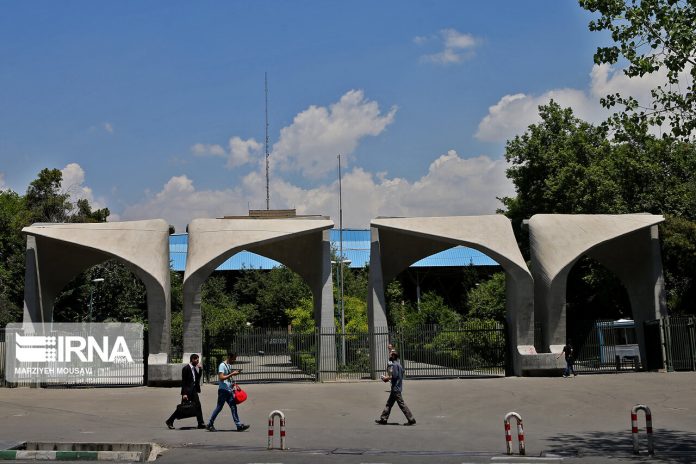
Iran University

Salehi, a professor at the Tehran-based Sharif University of Technology, said one just can’t employ members of academic board in large numbers.

He noted that when universities send people without a good scientific quality to classes, they no longer can be called universities.

Accordion to Salehi, university managements must act prudently and with deliberation and patience.

He further warned that the economic situation is tough in Iran and “we should avoid letting small pretexts turn into big ones”.

The university professors have been apparently dismissed for their support for last year’s protests that erupted in the wake of the death of a 22-year old woman in police custody.

The professors include some prominent ones teaching at prestigious universities like Sharif University and the University of Tehran.

Critics of their dismissal say the decision will decrease the quality of higher education in Iran and will also damage the country’s academic reputation in the international arena.

Meanwhile the Iranian Interior Ministry has defended the dismissals, describing it as a revolutionary measure carried out within law.

Sources in Libyan gov’t say foreign minister dismissed after meeting Israeli counterpart

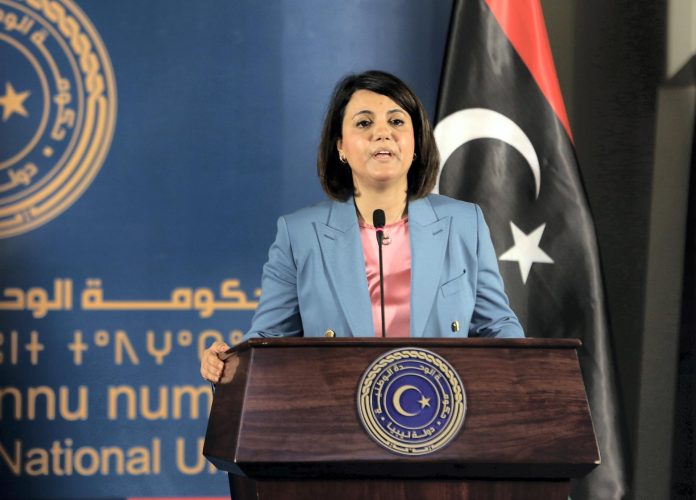
Najla El Mangoush

Sources close to Prime Minister Abdul Hamid Dbeibah reported al-Mangoush’s dismissal after an earlier announcement of an investigation into her meeting with Israeli Foreign Minister Eli Cohen last week in Rome.

Al-Mangoush has been the subject of much speculation since yesterday’s announcement by Cohen, which set off large protests across Libya, including rumours that she had left the country.

Libya’s Internal Security Service responded by denying reports that it had allowed or facilitated her departure and announcing that she was on the list of people barred from travelling.

The political row broke out Sunday after Israel’s Foreign Ministry announced the two countries’ top diplomats met the previous week in a meeting hosted by Italian Foreign Minister Antonio Tajani.

“I spoke with the foreign minister about the great potential for the two countries from their relations,” Cohen said in a statement from Israel’s foreign ministry, adding that it was the first such diplomatic initiative between the two countries.

The news was not well-received in Israel, with commentators remarking that Cohen’s behaviour was a breach of acceptable diplomatic practice.

Israel’s Channel 12 commented that Cohen’s announcement had seriously damaged Israel’s credibility.

Opposition politician Yair Lapid agreed, saying on X, the platform formerly known as Twitter, that Cohen’s action had made countries doubt the suitability of Israel as a foreign relations partner.

The Libyan Foreign Ministry has announced al-Mangoush had “refused to meet with any party” representing Israel, and that the meeting was “a chance and unofficial encounter… which did not involve any discussion, agreement or consultation”. It also accused Israel of trying to “present this incident” as a “meeting or talks”.

The North African country does not recognise Israel nor does it have diplomatic relations with Tel Aviv. Under a 1957 Libyan law, dealing with Israel is punishable by up to nine years in prison.

According to The Associated Press, an anonymous Libyan government official said the normalisation of relations between Libya and Israel was first discussed in a meeting with Dbeibah and CIA Director William Burns, who visited the Libyan capital in January.

According to the official, Burns proposed that Dbeibah’s government, which is recognised as Libya’s internationally backed government, join the group of four Arab countries that normalised relations with Israel under the US-brokered Abraham Accords in 2020.

The Libyan premier gave initial agreement but was concerned about public backlash in a country known for its support for the Palestinian cause, the official said.

On Monday, an Israeli official told the Reuters news agency that the meeting between al-Mangoush and Cohen was agreed in advance “at the highest levels” in Libya and lasted more than an hour.

Separately, Israel’s Former Foreign Minister and Prime Minister Yair Lapid criticised Cohen for going public with the sensitive meeting.

“Countries of the world this morning are looking at the irresponsible leak of the meeting of the Israeli and Libyan foreign minister and asking themselves: Is it possible to manage foreign relations with this country? Is it possible to trust this country?” Lapid said in a statement.

Israel has normalised relations with some Arab countries in recent years as part of US-backed deals known as the Abraham Accords.

However, Prime Minister Benjamin Netanyahu’s hardline government has come under intense criticism from Arab states because of surging violence in the occupied West Bank and for backing the expansion of Jewish settlements in the occupied territory.

Dbeibeh had replaced al-Mangoush with Fathallah al-Zani, the current youth minister, as interim foreign minister.

Photos and videos on social media showed demonstrations in front of the foreign ministry building in Tripoli on Sunday night, calling for al-Mangoush’s dismissal. Some protesters also called for Dbeibah’s resignation, setting fire to his residence in Tripoli.

Earlier on Sunday evening, Libya’s Presidential Council asked the government for “clarifications”, according to Libya Al Ahrar TV, citing spokesperson Najwa Wheba.

The Presidential Council, which has some executive powers and sprang from the UN-backed political process, includes three members representing the three Libyan regions.

Their request said the meeting “does not reflect the foreign policy of the Libyan state, does not represent the Libyan national constants and is considered a violation of Libyan laws which criminalise normalisation with the ‘Zionist entity’”.

Agreement reached with Iraq to ‘disarm, relocate’ terrorists based in Kurdistan region: Iran

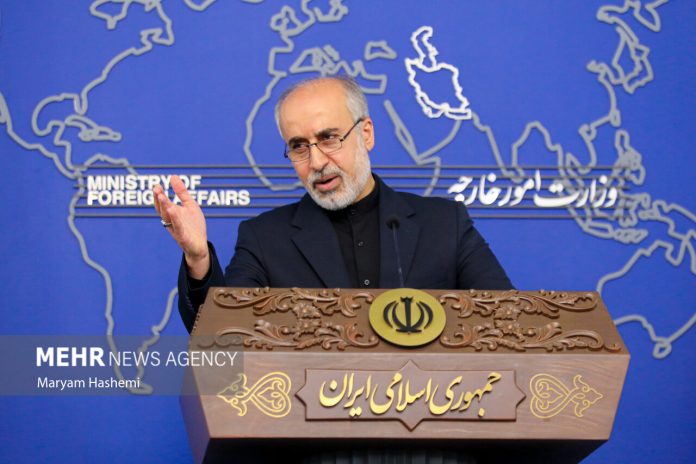
Nasser Kanaani

Speaking to reporters at a weekly press conference on Monday, Kanaani said the government of Iraq has undertaken, under an agreement with Iran, to disarm the armed terrorist groups on the Iraqi soil, throw them out of their military bases, and relocate them to camps determined by Iraq until the end of the current Iranian month of Shahrivar (September 19).

He noted that the government of Baghdad has communicated the decision to the KRG officials for implementation, warning that the deadline of September 19 will not be extended by any means.

Describing the relations between Iran and Iraq as friendly and based upon good neighborliness, Kanaani stressed the presence of terrorists in the Iraqi Kurdistan region is a dark stain on the bilateral ties.

“We expect this dark stain to be removed. Security matters to Iran,” he continued.

The IRGC launched several rounds of military strikes on the positions of separatist groups in Iraq’s Kurdistan Region in 2022. The IRGC stressed that Iran on many occasions has warned officials of the Iraqi Kurdistan Region about the terrorist groups’ activities in the region but they have failed to pay necessary attention to the warnings and take proper measures to prevent terrorist moves.

Elsewhere in the presser, Kanaani said the charge d’affaires of the Swiss embassy in Tehran, representing US interests in Iran, has been summoned by the Iranian Foreign Ministry following the unloading of hundreds of thousands of barrels of seized Iranian oil sitting in a Greek tanker off the coast of Texas.

The US Navy unloaded a tanker of stolen Iranian oil worth around $56 million off the Texas port, brushing off warnings from Iran.

For months, American oil firms had resisted the temptation of touching the 800,000-barrel tanker for fear of Iranian retaliation in the Persian Gulf waters.

But as Iran was marking the 70th anniversary of the CIA-engineered military coup against Iran’s then-PM Mohammad Mosaddeq this month, the US Navy briskly transferred the oil to another tanker.

The Marshall Islands-flagged Suez Rajan tanker carrying Iranian oil was illegally seized by Washington in April under the guise of “a sanctions-enforcement operation” and guided toward the Texas port.

Interestingly, it came days after a group of US senators and House representatives, at the behest of the Israeli lobby in Washington, began mounting pressure on the Joe Biden administration to unload the tanker, without considering its possible repercussions.

It’s not the first time though that Americans have resorted to such foolhardy adventurism, stealing oil and blatantly bragging about it. The quintessential US banditry and thuggery have been on display on many occasions in recent years.

In May last year, Americans seized a Russia-operated ship, the Pegas, carrying Iranian oil off the shore of Karystos near Greece to dispatch the oil cargo to the US but the Greek court ruled against the move, refusing to bow down to the hegemon’s pressure.

In February 2021, Americans seized a tanker carrying Iranian oil off the coast of the Emirati city of Fujairah and sold more than a million barrels of oil confiscated from it for $110 million, or $55 a barrel.

Pakistan court “dismisses murder charges” against ex-PM Imran Khan

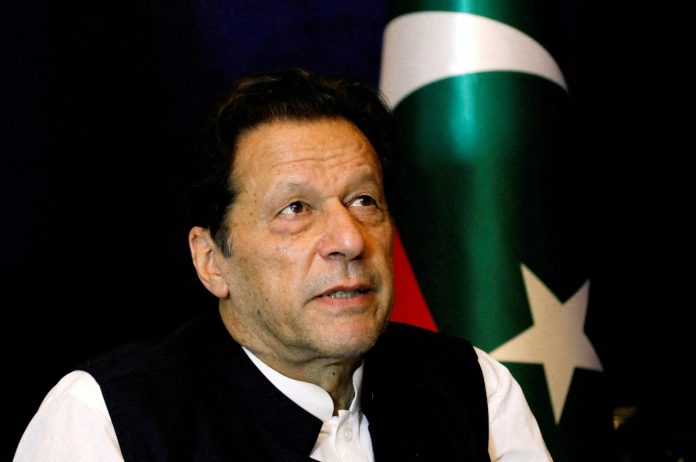
Imran Khan

“God be praised,” his lawyer Naeem Panjutha wrote on X, formerly Twitter.

Panjutha said that the charges, which were related to the murder of a lawyer in the southern city of Quetta, had been dropped by the Balochistan High Court.

Khan was accused of the murder in June this year, and has been grappling with this and around 170 other cases brought against him since he was ousted from office. He has denied the charges, which range from graft to sedition, as politically motivated.

He was arrested earlier this month in relation to a corruption case and remains in detention.

Earlier this month, a trial court found Khan guilty of illegally selling state gifts, locally known as the Toshakhana case, and sentenced him to jail for three years. A separate hearing was also taking place on Monday at the Islamabad High Court in which Khan’s lawyers were appealing for that conviction to be suspended.

Abdul Razzaq Shar, a senior advocate, was murdered by unidentified individuals riding three motorcycles on 6 June. The attack on him took place as he was on his way to the Balochistan High Court, local media reported.

The slain lawyer’s son had registered a First Information Report (an initial chargesheet that represents the first step in criminal investigations in Pakistan) with the police against Khan and others from Pakistan Tehreek-e-Insaf (PTI).

Ataullah Tarar, special assistant to Prime Minister Shehbaz Sharif, stated at the time that the murder was closely connected to a treason case against Khan, which Shar had been working on.

Khan remains in the high-security Attock prison in connection with a corruption case. He was arrested immediately after the court sentence in the eastern city of Lahore.

The former prime minister was also barred from politics for five years by the Election Commission of Pakistan.

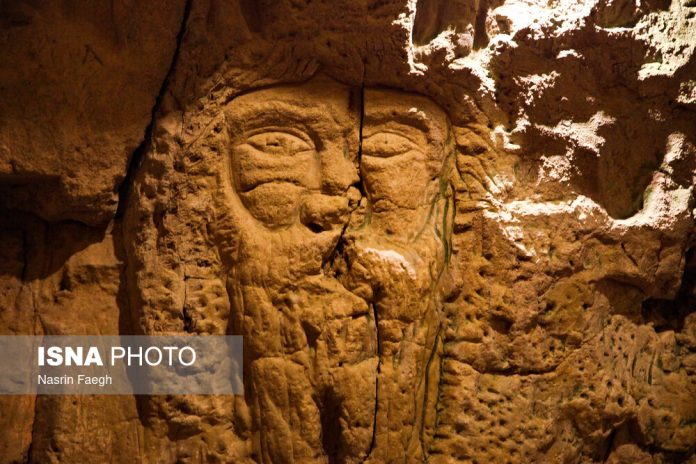
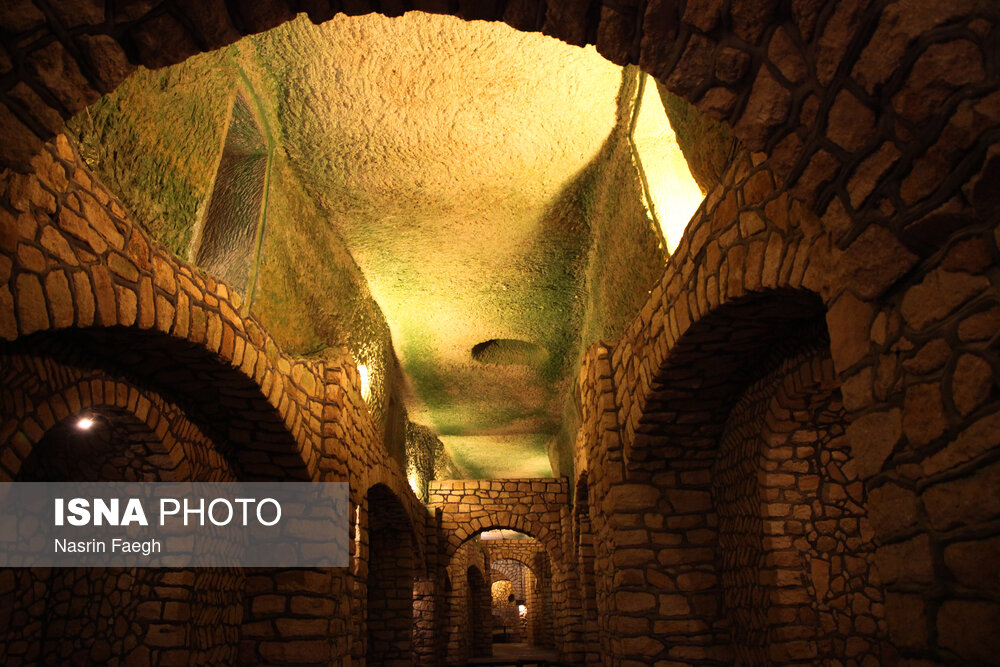
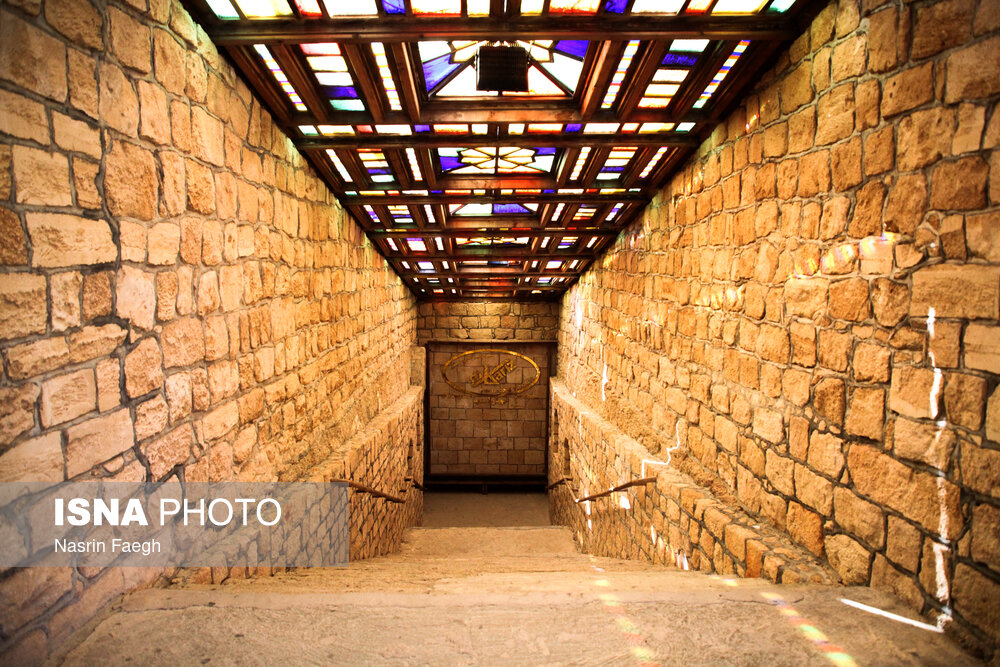
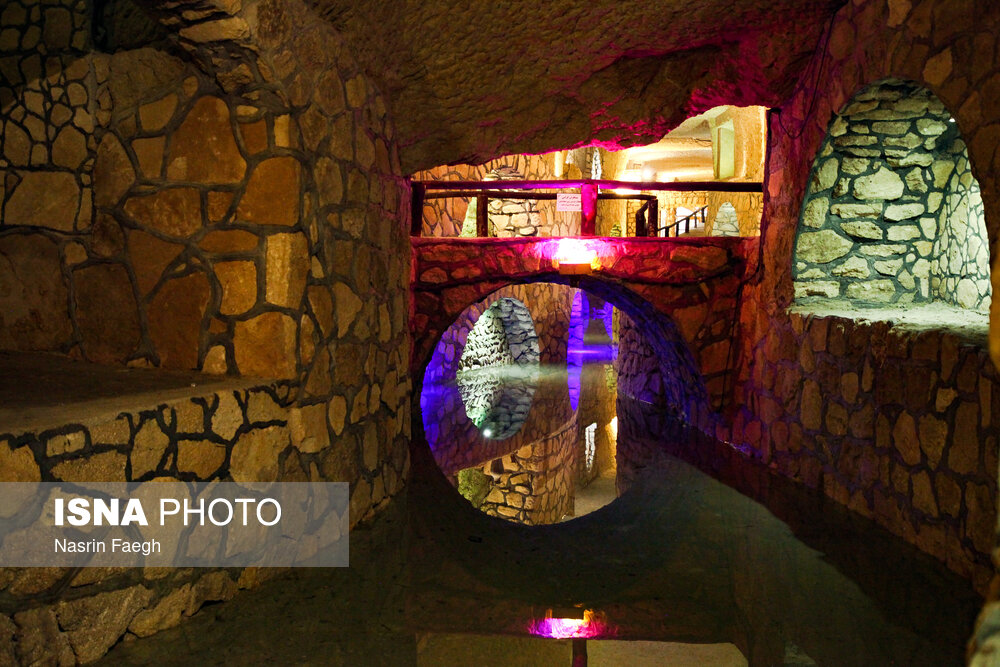
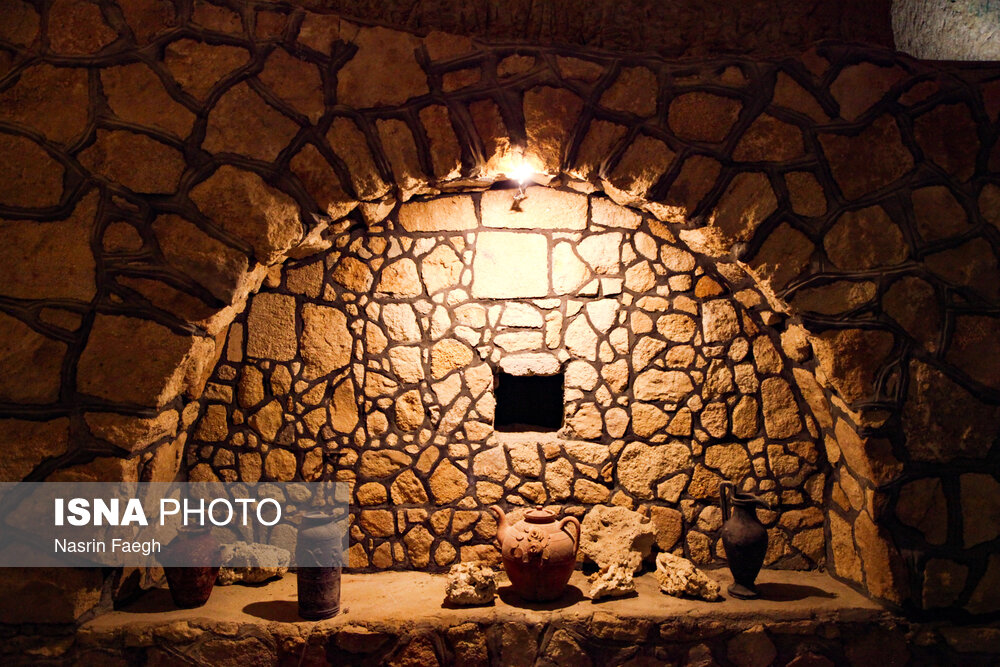
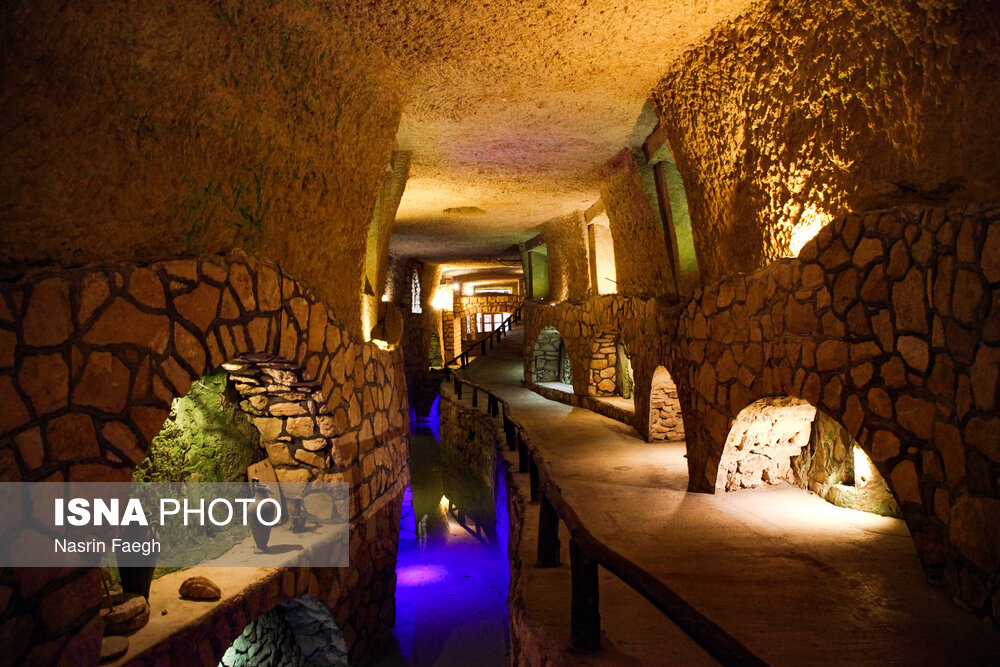
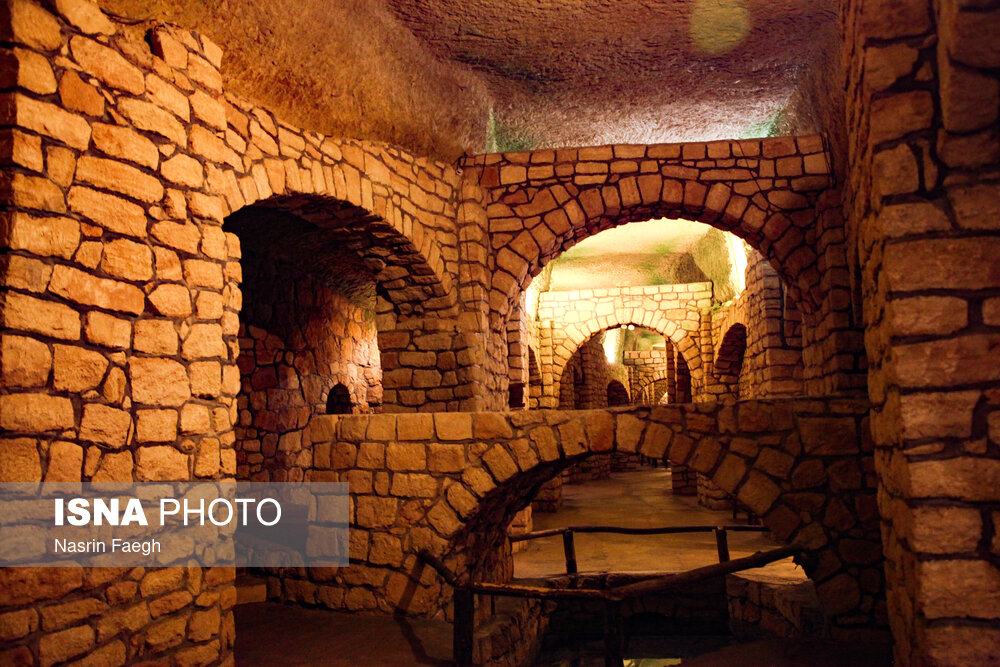
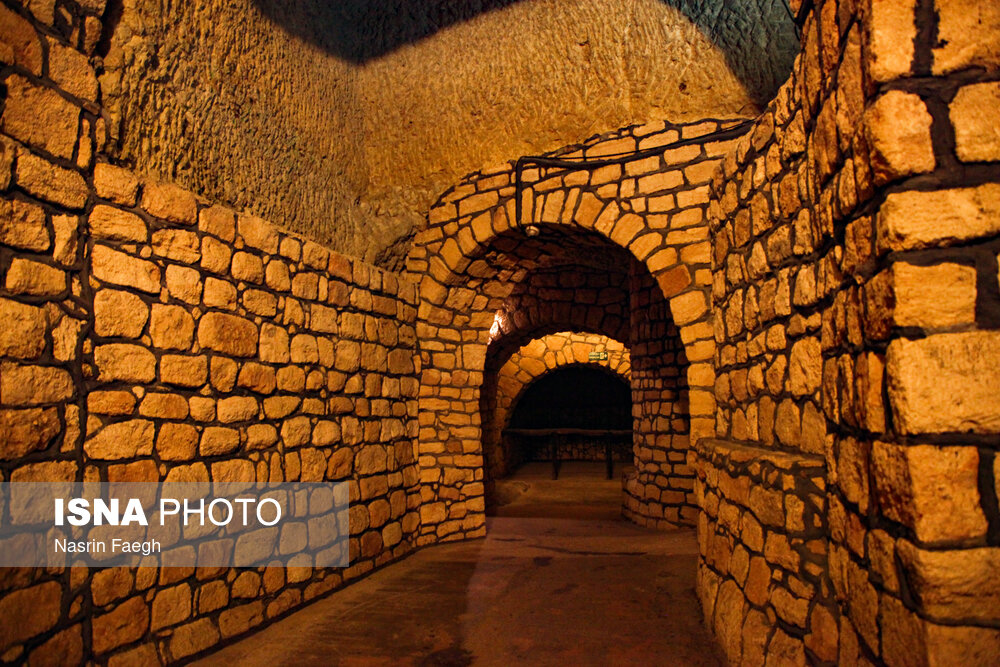
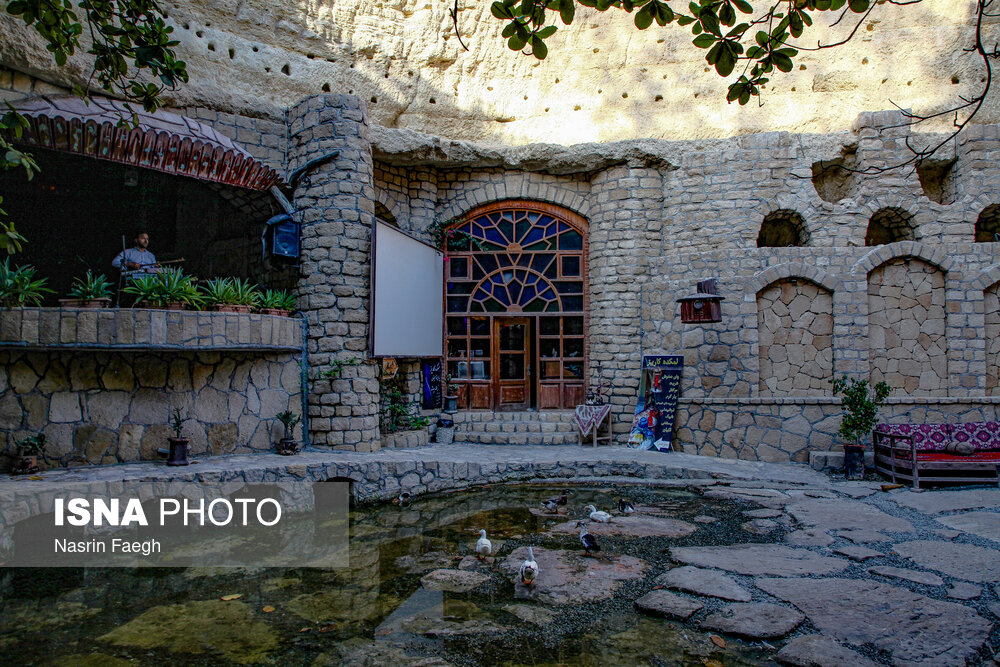
Kariz in Iran’s Kish Island, underground city with natural beauty and Iranian art

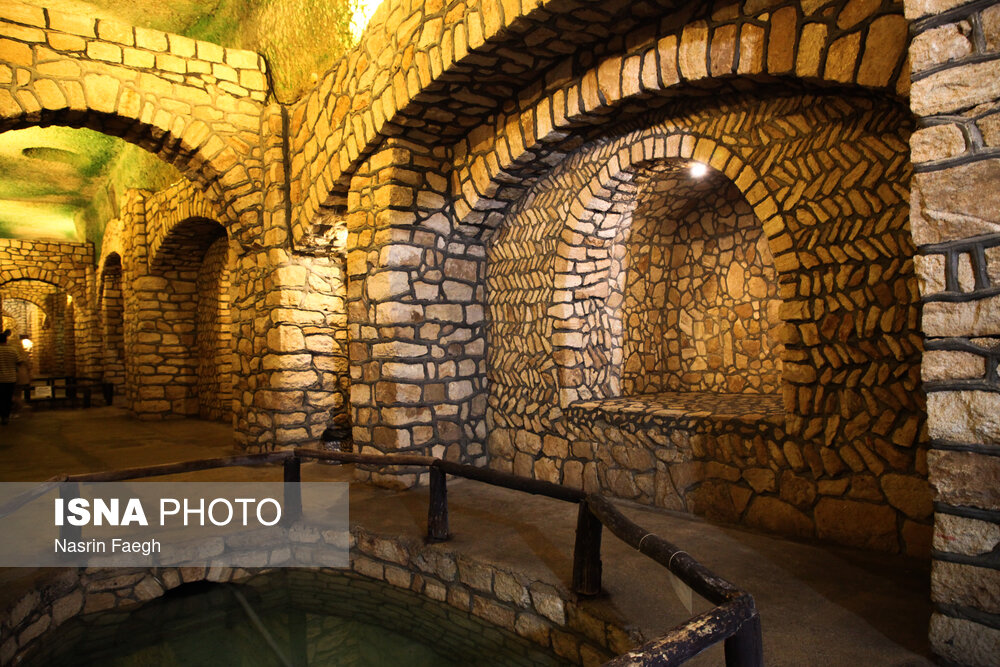
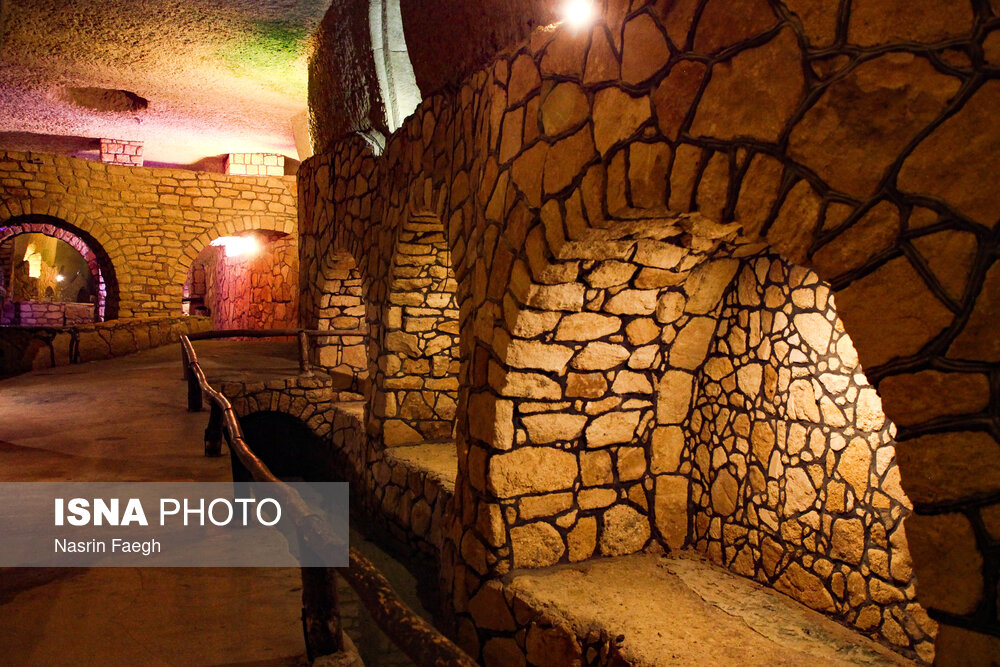
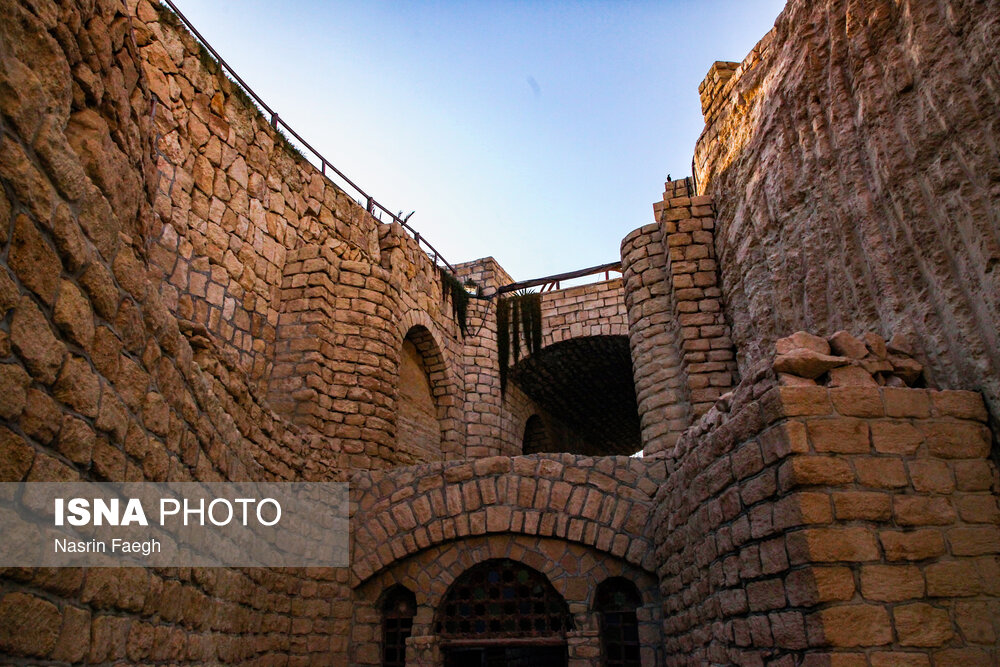
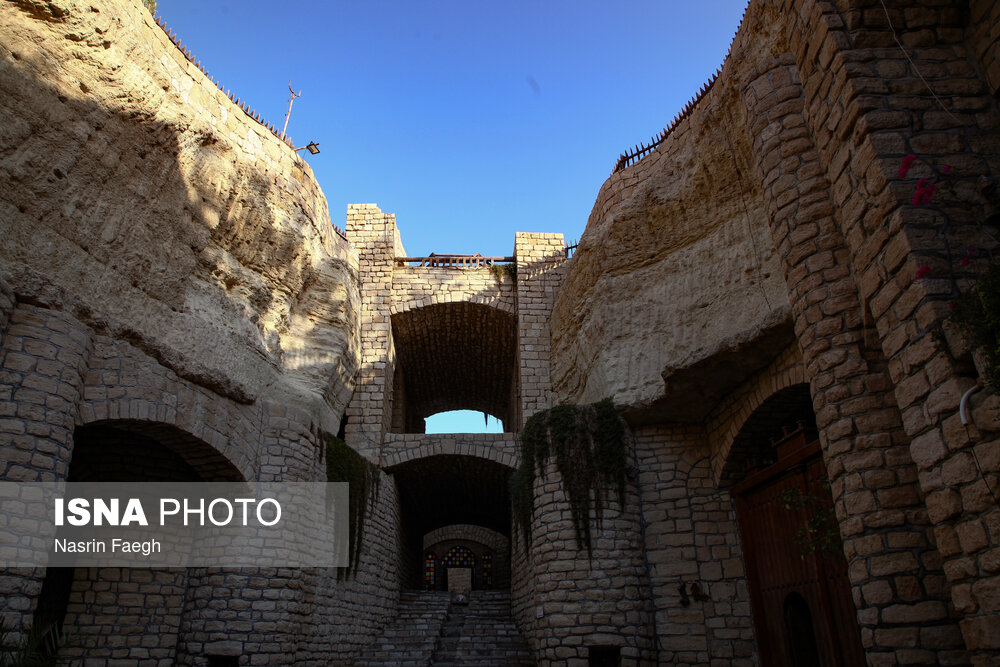
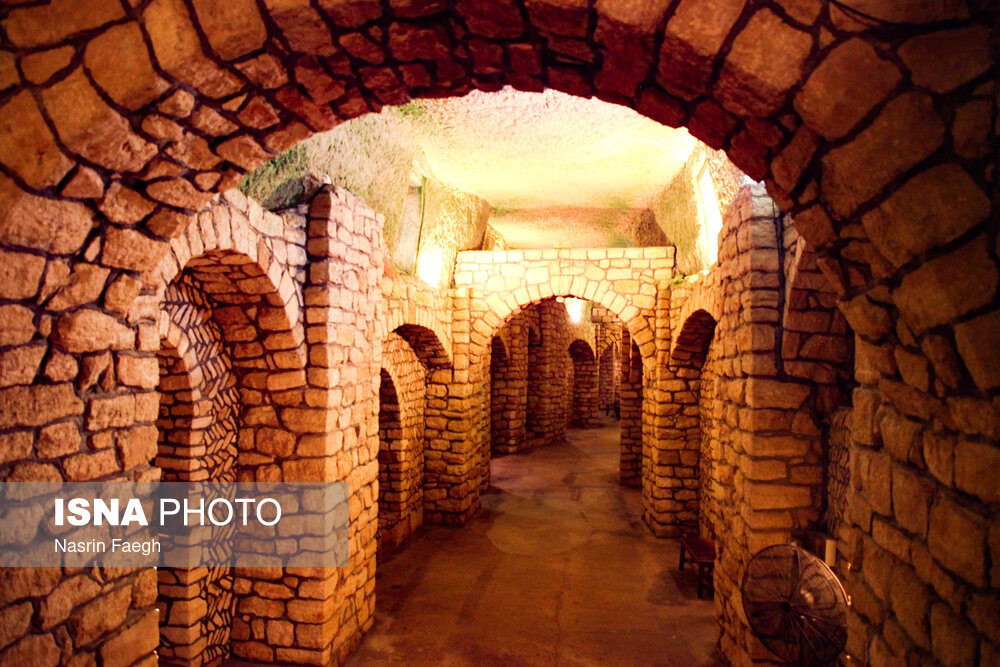
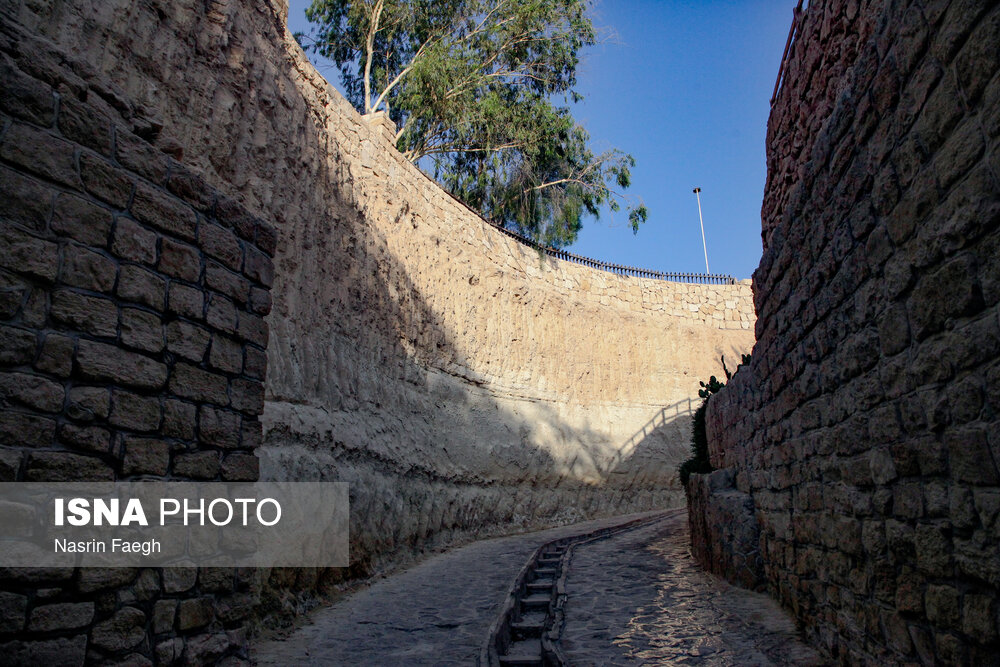
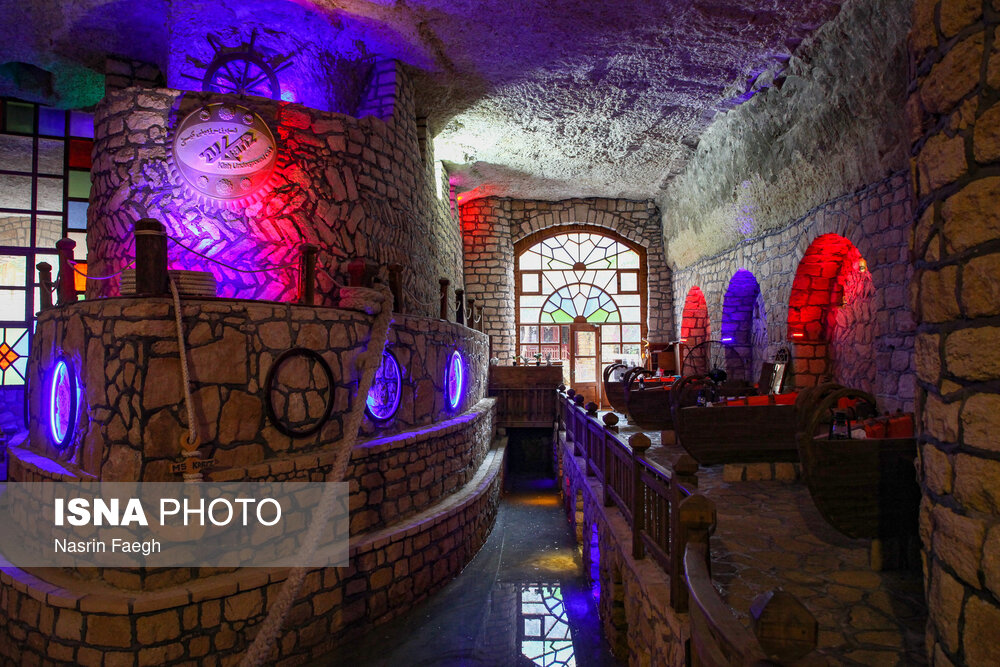
The aqueducts of Kish Island in the Persian Gulf date back to 2,500 years ago. It once provided the islanders’ drinking water. Today, it is transformed into an amazing underground city, with an area of 10,000 square meters. The complex is now called Kariz-e Kish.

Now, Kariz has opened up a new exceptional chapter for all nature lovers who are able to visit the largest coral collection directly. Various other facilities, such as residential, shopping, and leisure centres in an area of 60,000 square meters will be built on Kariz grounds.

Its experienced advocates took on the painstaking design work and have tried to keep its historic fabric while providing new uses during its renovation.

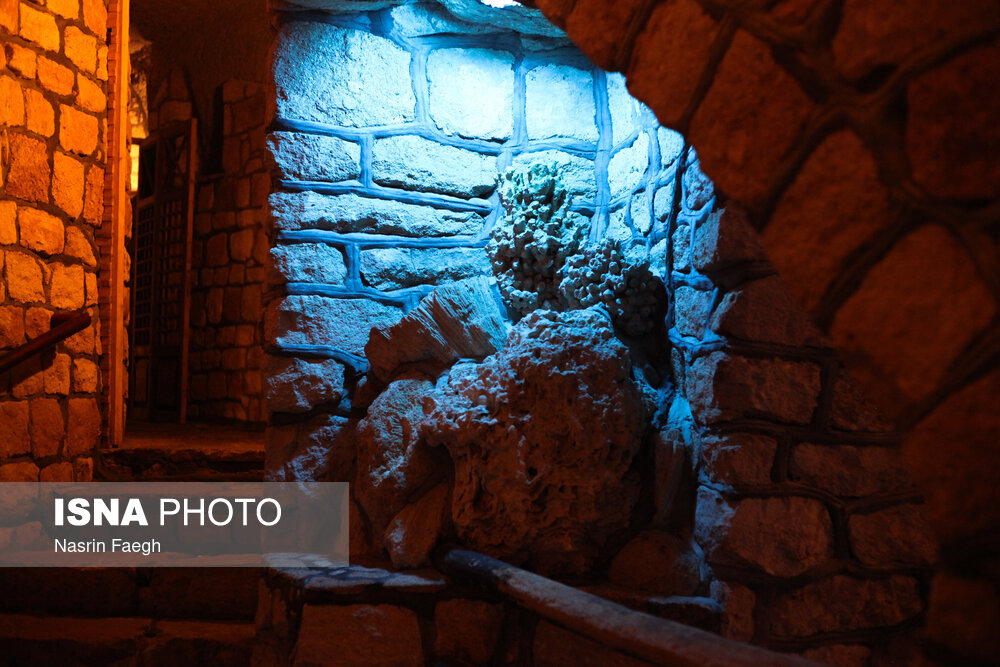
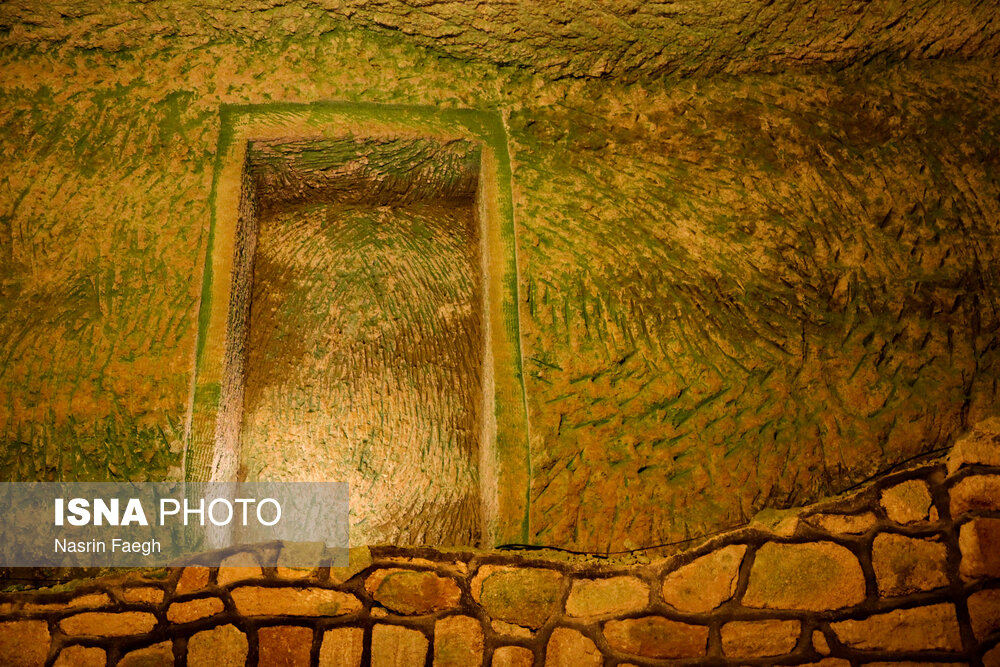
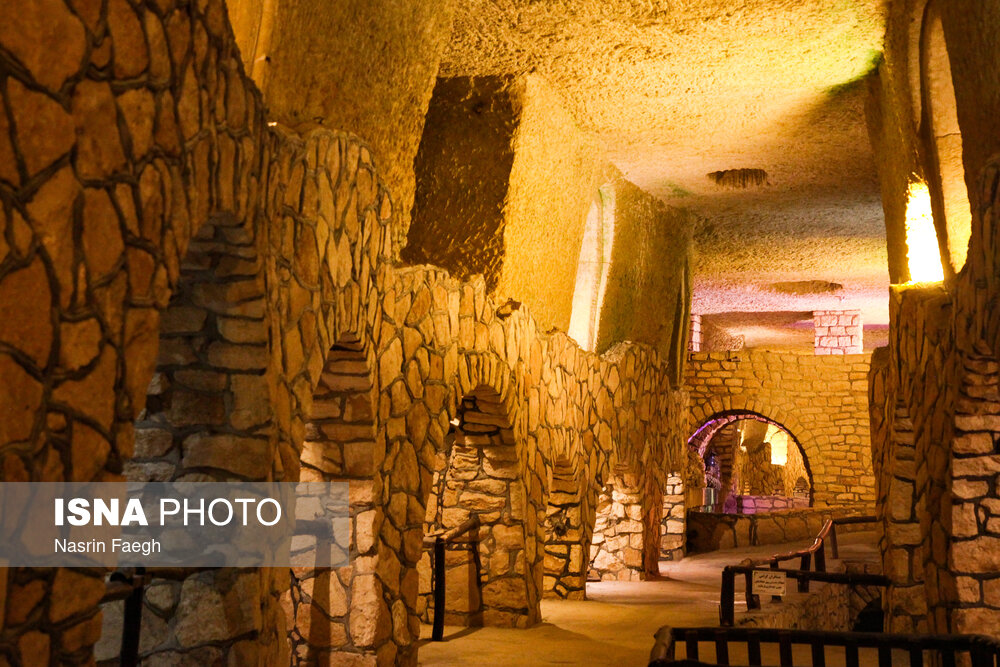
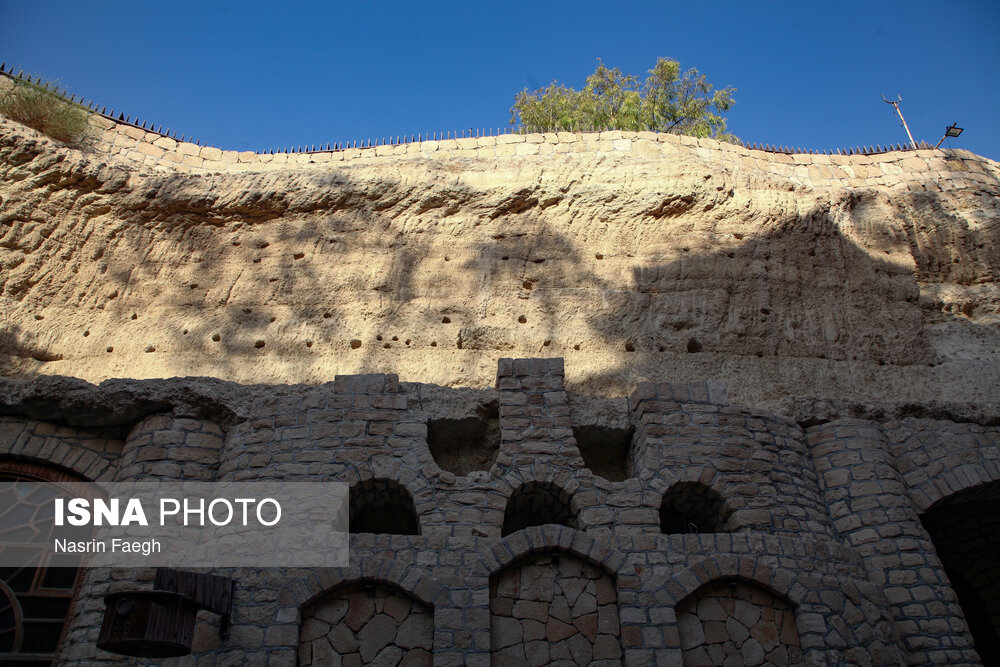
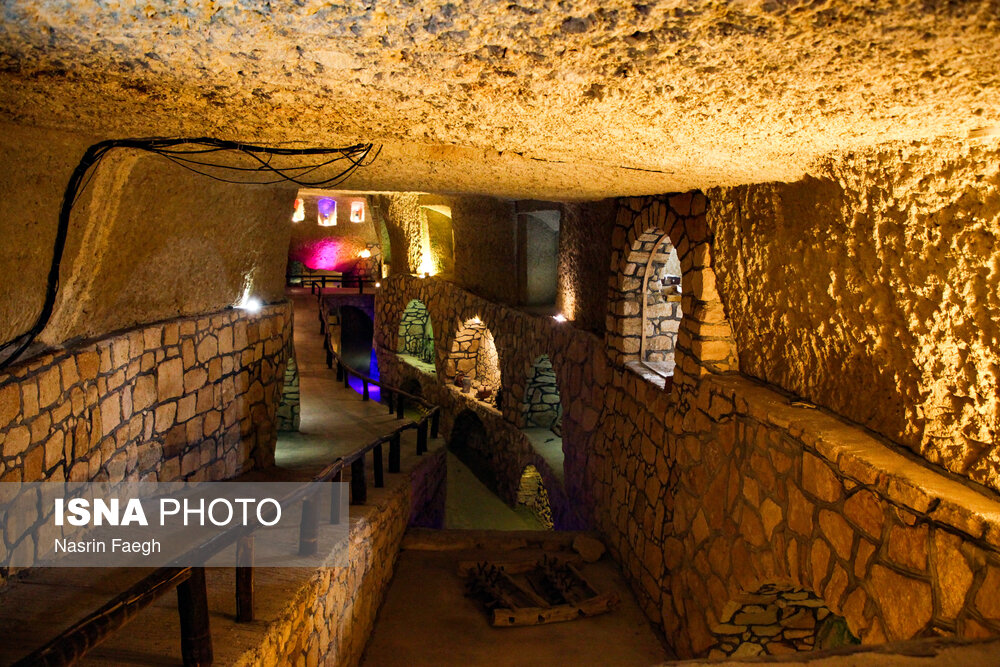
The city is located 16 metres beneath the ground. Its ceilings are eight metres high and mostly covered by fossils, shells, and corals estimated to be 270 to 570 million years old.  Each one has been identified and they all have official IDs.

It is the only structure with a ceiling of natural shells and corals, for which there were only two ways to be sees– natural museums or scuba diving in free waters.

And finally, it must be said that the earth excavated from Kariz has much medicinal value and will have abundant use in “mud treatment”.

The ground above Kariz will be transformed into a large park with two high hills. These hills are made of the excavated grounds of Kariz and will turn into a unique view of Kish Island.

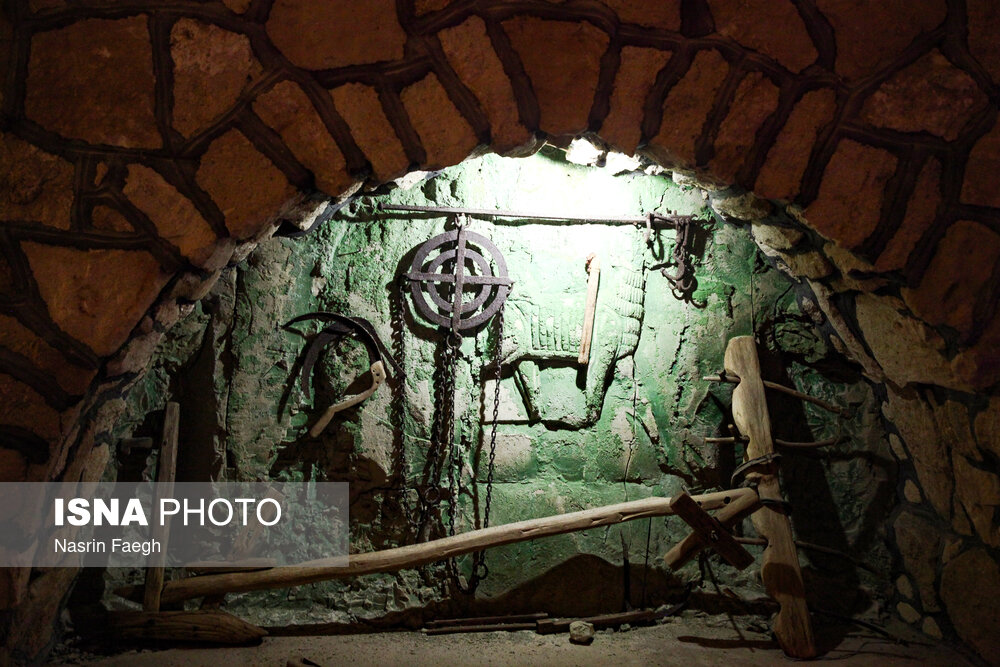
Here are ISNA’s photos of the historical complex in Kish Island:

Iran president inaugurates gas production at Phase 11 of South Pars field, Persian Gulf

Ebrahim Raisi

President Raisi launched the project, termed as the National Iranian Oil Company (NIOC)’s most strategic and important projects, in Asaluyeh port city in the southern Bushehr Province.

During the ceremony, the head of the NIOC Mohsen Khojasteh Mehr said the project will generate an income of $5 billion a year once it is fully developed.

South Pars Phase 11 is tipped to produce 56 million cubic meters of gas, 50,000 barrels of gas condensate and 750 metric tons of sulfur per day.

The drilling operations at the South Pars gas field started in 1996 and phases 1 to 10 of the field were launched by the end of 2009, but the project hit snag and was halted.

Iran’s Petropars Company and indigenous experts took up the project at South Pars Phase 11 after France’s Total and China National Petroleum Corp (CNPC) shirked their responsibilities to develop the field due to US embargoes.

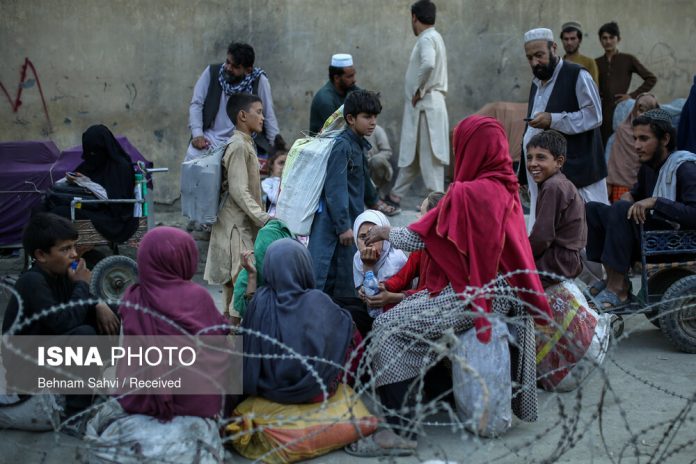
Iranian Daily raises security alarm over growing number of Afghan refugees in Iran

Afghan Refugees in Iran

Johmouri-e Eslami, in an article on Monday, wrote that the increasing number of Afghans who seek refuge in Iran can provide the ground for terrorist attacks similar to the deadly incidents in the southern Iranian shrine of Shah Cheragh on August 13 this year, and October last year, perpetrated by Daesh-affiliated foreign nationals.

The Tehran-based daily also said the refugees are straining the country’s shrinking resources amid crippling Western sanctions.

“In a month in the fall last year, out of 300 deliveries and births in the hospital of Kavar, 40 kilometers away from (the southern city of) Shiraz, only 3 deliveries were for Iranians, and the rest of the deliveries were carried out by Afghans,” Johmouri-e Eslami wrote, citing unofficial data.

Iranians increasingly perceive undocumented Afghans as a threat to security and society, as there are concerns about radicalization among Afghan refugees.

Government figures put the number of Afghan refugees in Iran at five million, a vast majority of them undocumented.