Thursday, December 25, 2025
Home Blog Page 1251

Russian president confirms trip to China

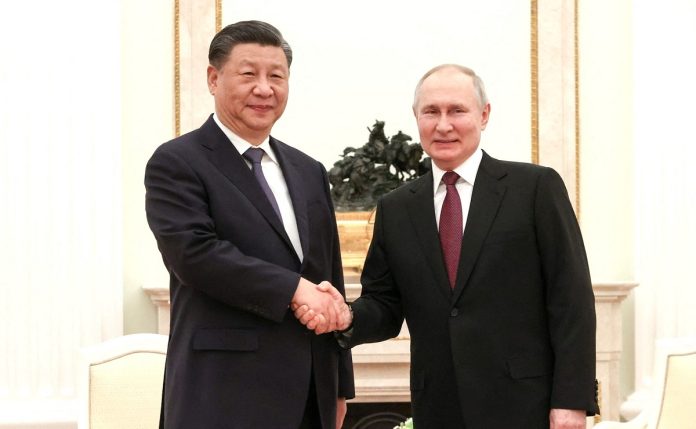
Putin and Xi
Russian President Vladimir Putin and Chinese President Xi Jinping attend a meeting at the Kremlin in Moscow, Russia, March 20, 2023.

Speaking at a meeting with Chinese Foreign Minister Wang Yi on Wednesday, Putin touted his last sit-down with Xi, which took place in March, as “extremely successful” and “groundbreaking,” noting that it had given a strong impetus to bilateral relations.

The Russian president said that he “was happy to accept the invitation” from Xi to visit China this October as part of the Chinese leader’s push to promote his Belt and Road Initiative, which he said has already gained international acclaim.

According to Putin, Xi’s vision is fully in line with the interests of both nations, as it “integrates our ideas about the creation of a greater Eurasian space.”

Commenting on the upcoming visit, Kremlin Press Secretary Dmitry Peskov stated that the groundwork for the trip was already being laid, but would not provide specific dates.

The visit, which was first reported by Bloomberg in late August, was confirmed by Patrushev on Tuesday. At the time, he said that Moscow was looking forward to “substantial bilateral” talks between Putin and Xi in Beijing during the Belt and Road Forum.

Earlier this month, China announced that the event would be attended by representatives from 90 countries, including Serbian President Aleksandar Vucic and Argentine President Alberto Fernandez.

The Belt and Road Initiative was first floated by Xi Jinping in 2013, with its goal being to foster infrastructure development and investment in Central Asia, the Middle East, Africa, Europe, and elsewhere. More than 150 countries and organizations have joined the project.

Putin’s last visit to China was in February 2022, shortly before the Ukraine conflict began. At the time, the two leaders stressed that the “friendship between the two states has no limits,” and “there are no ‘forbidden’ areas of cooperation.” Since the start of hostilities, China has refused to join Western sanctions against Russia, blaming NATO expansion for the crisis.
Iranian defense minister: Military cooperation with Russia secures peace, stability

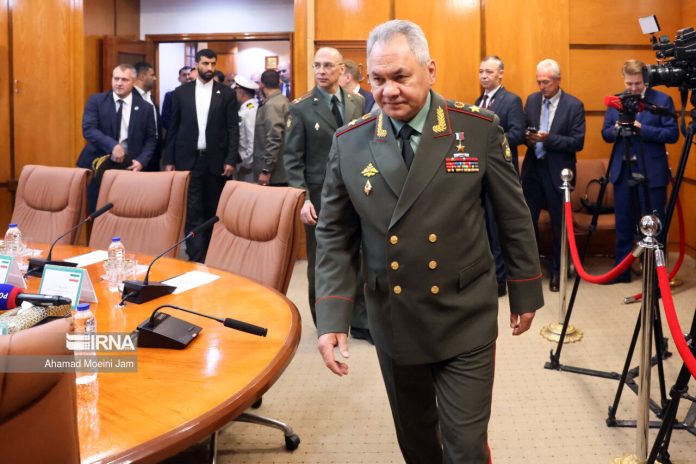
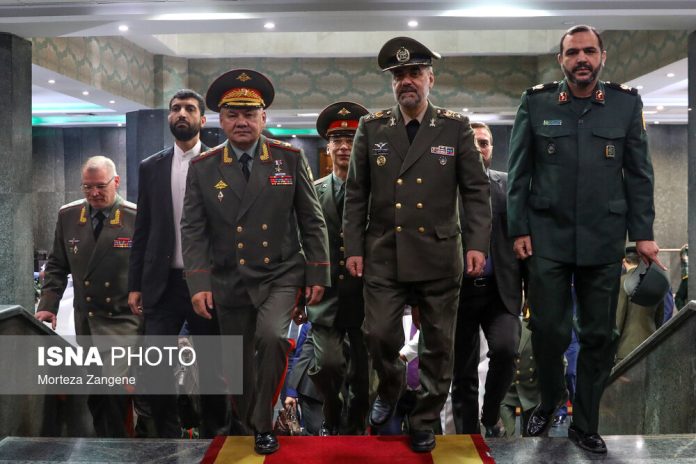
Sergei Shoigu and Mohammad Reza Ashtiani

Ashtiani was speaking during a meeting with his Russian counterpart Sergei Shoigu in Tehran on Wednesday.

Ashtiani referred to the new international developments and efforts by independent countries to create a multipolar and fair order against unilateralist policies of some countries, saying the growth of regional organizations such as the Shanghai Cooperation Organization and BRICS signal that world nations prefer a multipolar world order.

Ashtiani spoke about the importance of cooperation between Tehran and Moscow at regional and international levels and called it the guarantor of the interests of the two nations.

The Iranian defense chief stressed that countering common challenges including the US’s unilateralism is a strategic and important issue for both countries. Ashtiani reaffirmed Iran’s policy to support the territorial integrity of regional countries including in the Caucasus region.

He further condemned the European troika’s decision to not lift the anti-Iran missile embargo, saying their claim that Iran does not comply with its commitments is a big lie.

The Russian defense minister also said the Iran-Russia relationship is strategic, adding Russia plays an active role in regional issues and it can help strengthen regional peace and security with the help of Iran.

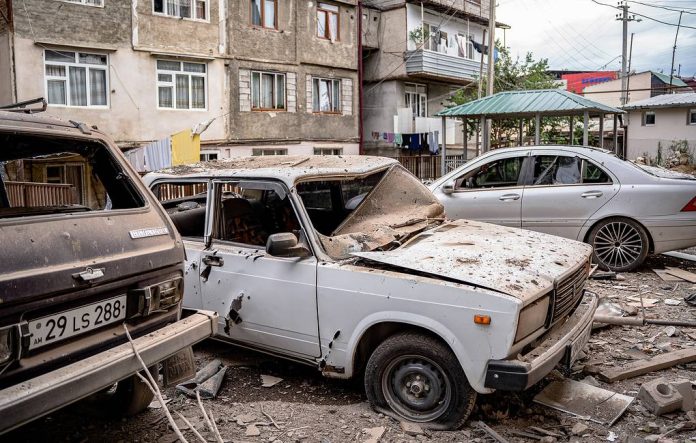
Azerbaijan announces ceasefire in Nagorno-Karabakh

Armenia Azerbaijan

“The formations of the Armenian armed forces located in the Karabakh region of the Republic of Azerbaijan and illegal Armenian armed formations are laying down their weapons, abandoning combat positions and military posts and completely disarming. Units of the Armenian armed forces are leaving the territory of Azerbaijan, illegal Armenian armed formations are being disbanded,” the statement said.

The ministry added that the “illegal formations” in Nagorno-Karabakh are handing over all weapons, heavy equipment under the reached agreement that is being ensured by Russian peacekeepers.

Azerbaijani Defense Ministry spokesman Anar Eyvazov claimed that Azerbaijani forces took control of 90 Armenian combat positions before the agreement on suspending activities in Nagorno-Karabakh.

No strikes are being carried out on the retreating “Armenian military formations,” the spokesperson stated.

“Conditions are being created for the voluntary retreat of the personnel of the Armenian armed forces accompanied by our technical means. In such cases, attacks on retreating military formations are not carried out,” Eyvazov said.

The administration of Azerbaijani President Ilham Aliyev on Wednesday announced a meeting with representatives of Armenians in the breakaway region of Nagorno-Karabakh scheduled for September 21 to discuss reintegration issues in the city of Yevlakh.

“As proposed by the Presidential Administration of the Republic of Azerbaijan, the meeting with the representatives of the Armenian residents living in the Karabakh region of Azerbaijan to discuss the reintegration issues, based on the Constitution of the Republic of Azerbaijan and its laws, will be held on 21 September 2023 in Yevlakh,” the administration announced in a statement.

On Tuesday, Baku announced the launch of “local-level anti-terrorist activities” in Nagorno-Karabakh aimed at “restoring the constitutional order.” Yerevan described the operation as aggression against the population of Nagorno-Karabakh and reiterated that it had no military presence in the disputed region.

Iran’s security chief, Russian defense minister slam foreign interference in region

Sergei Shoigu

Ahmadian, who is also Iranian Leader Ayatollah Seyyed Ali Khamenei’s representative, discussed a wide range of bilateral, regional and international issues as well as the recent developments in the Caucasus region with the Russian defense minister.

The two sides emphasized that Tehran and Moscow need to boost their cooperation to fight against organized terrorism, stressing that involvement of extra-regional countries is the biggest source of insecurity and instability in the region.

They tipped expansion of regional cooperation as the effective means to secure collective security and put an end to foreign interference

The Russian defense minister arrived in the Iranian capital of Tehran on Tuesday afternoon at the head of a high-ranking military delegation to meet top Iranian officials.

Iranian VP: Court verdicts ready for scores of MKO terrorists

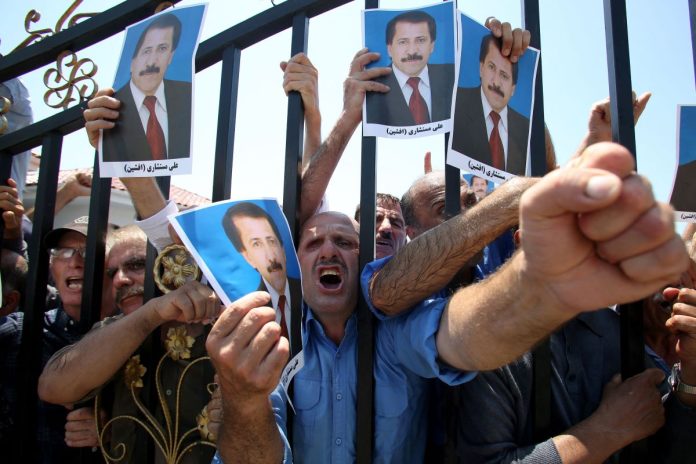
MKO

Mohammad Dehghan told a cabinet meeting on Wednesday, “It is surprising that the MKO terrorists were no tried and no verdict has been issued against them during the past years despite all the crimes they have committed.”

The MKO is an anti-Iran terrorist group supported by the West and has the blood of over 17,000 Iranian civilians on its hands. The sided with former Iraqi dictator Saddam Hussein during the Iraqi- imposed war on Iran in the 1980s.

Dehghan said judiciary officials will follow up on the cases at home and will pursue the matter abroad to restore the victims’ rights.

Meanwhile, the Iranian vice president touched on the recently-released $6 billion of blocked Iranian assets from South Korean banks.

The total amount was initially supposed to be $7 billion but the change in the exchange rate between the won, the South Korean currency, and the US dollar caused a $1 billion drop in the value of the assets.

Dehghan said Iran has hired international lawyers to resolve the short-change issue.

US to complete joint military drill with Armenia

US Forces in ME

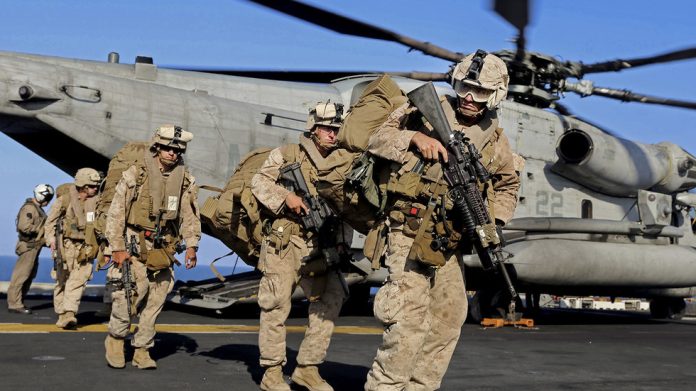
The spokesperson said on Wednesday there had been no change to the 10-day Eagle Partner 2023 exercise involving 85 US soldiers and 175 Armenians, despite Azerbaijan’s launch of what it called an “antiterrorist” operation in the Nagorno-Karabakh region on Tuesday.

“We were aware that they were conducting operations but we didn’t assess there to be any risk to our soldiers at the time and so they remained for the duration of the exercise,” the spokesperson added.

The drills that began on September 11 were designed to prepare the Armenians to take part in international peacekeeping missions. It took place at two training grounds near the capital Yerevan.

The Armenian Ministry of Defence said at the time that “the purpose of the exercise is to increase the level of interoperability of the unit participating in international peacekeeping missions within the framework of peacekeeping operations, to exchange best practices in control and tactical communication”.

Though small in scale, the drill has irked Russia, which has a military base in Armenia and regards itself as the prime security guarantor in the region.

Earlier this year, Armenia refused to host military drills by the Collective Security Treaty Organization (CSTO), a Russian-led alliance of post-Soviet countries, reflecting Yerevan’s growing tensions with Moscow.

Prime Minister Nikol Pashinyan stated earlier this month with an Italian newspaper that Russia had failed to protect Armenia against what he called continuing aggression from oil-rich Azerbaijan.

He suggested that Russia’s war in Ukraine meant it was unable to meet Armenia’s security needs.

Armenia and neighbouring Azerbaijan have fought two wars in the three decades since the collapse of the Soviet Union.

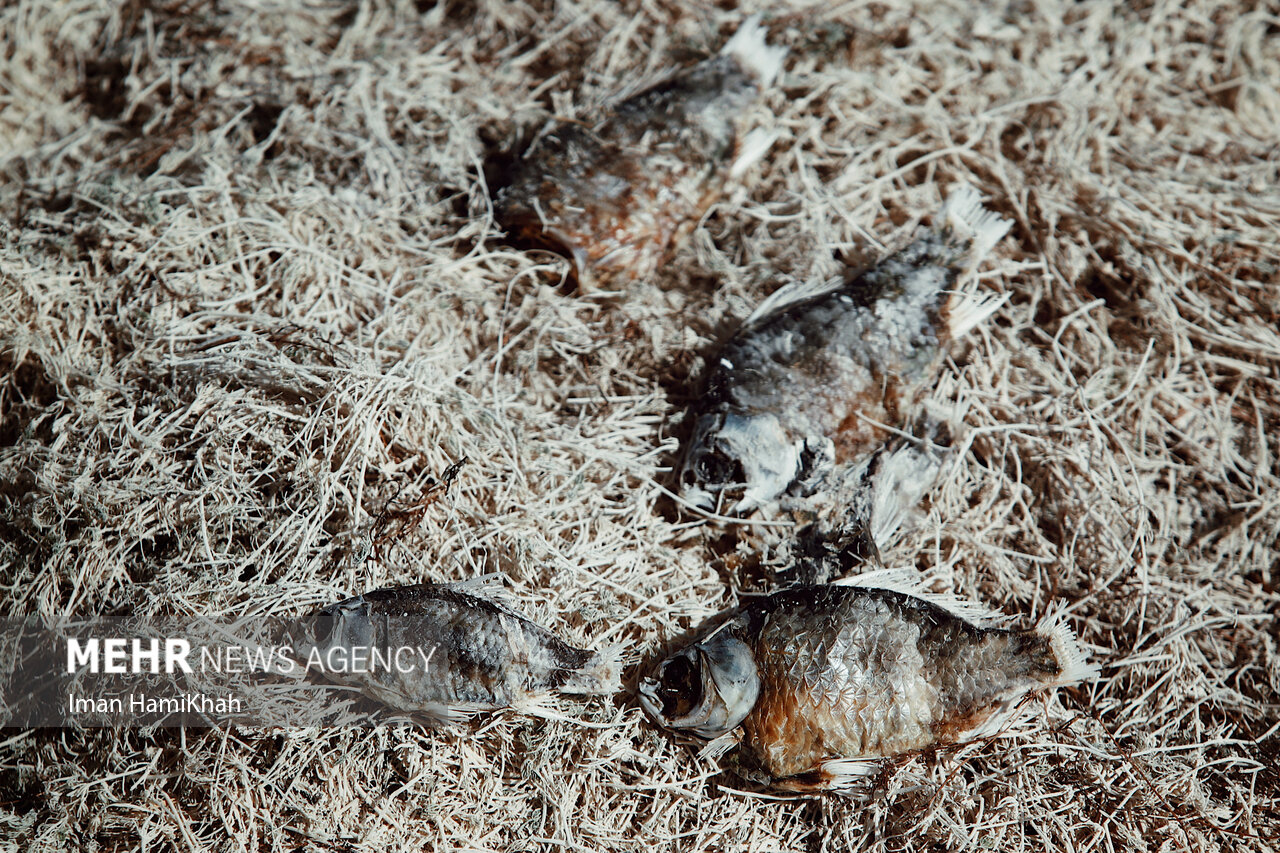
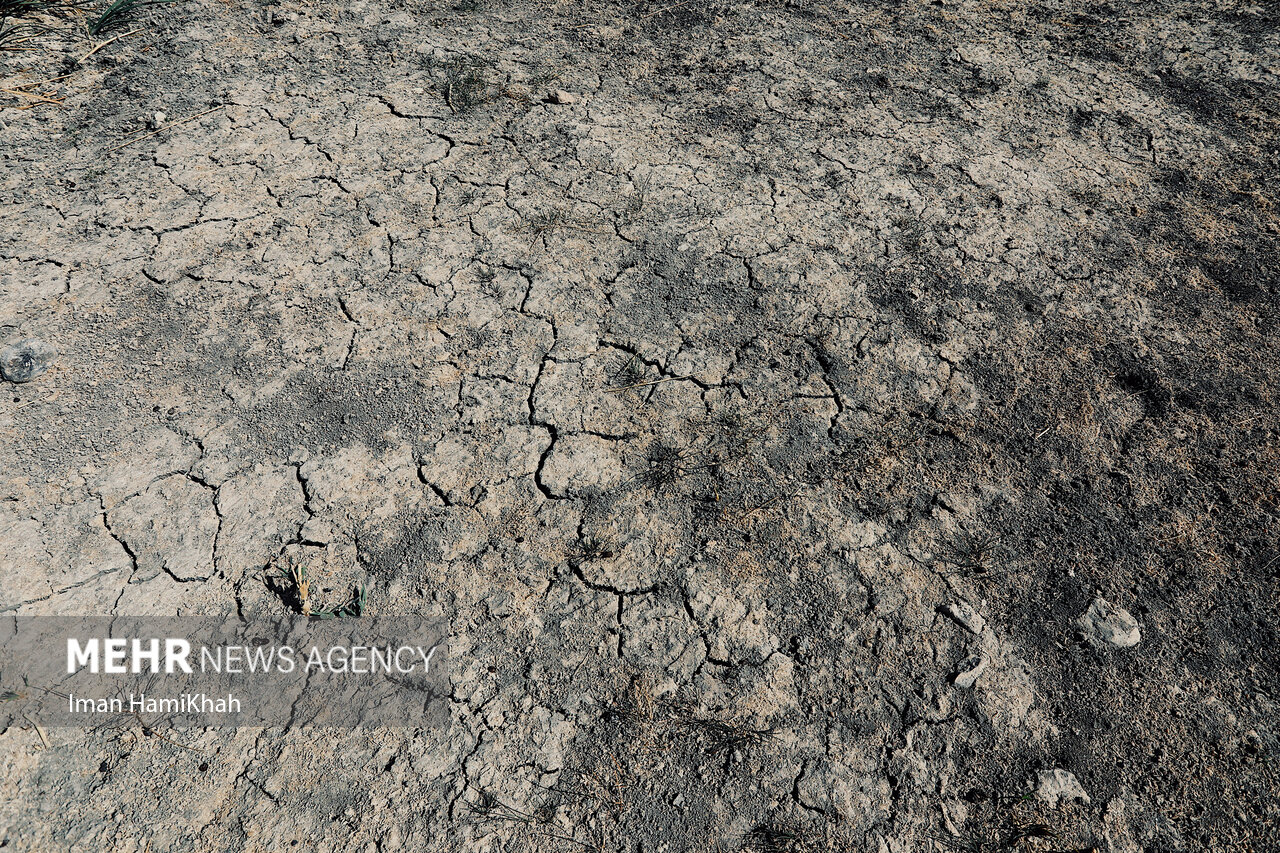
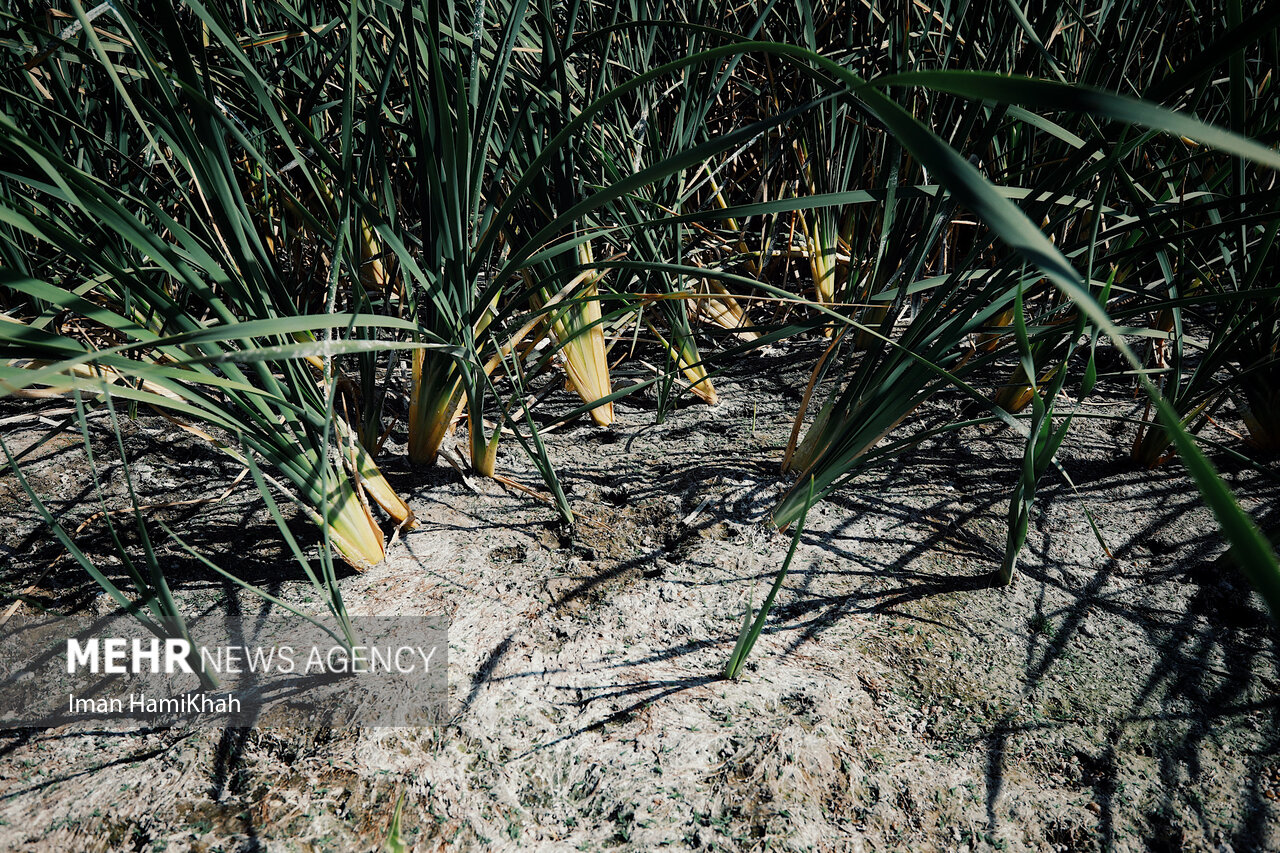
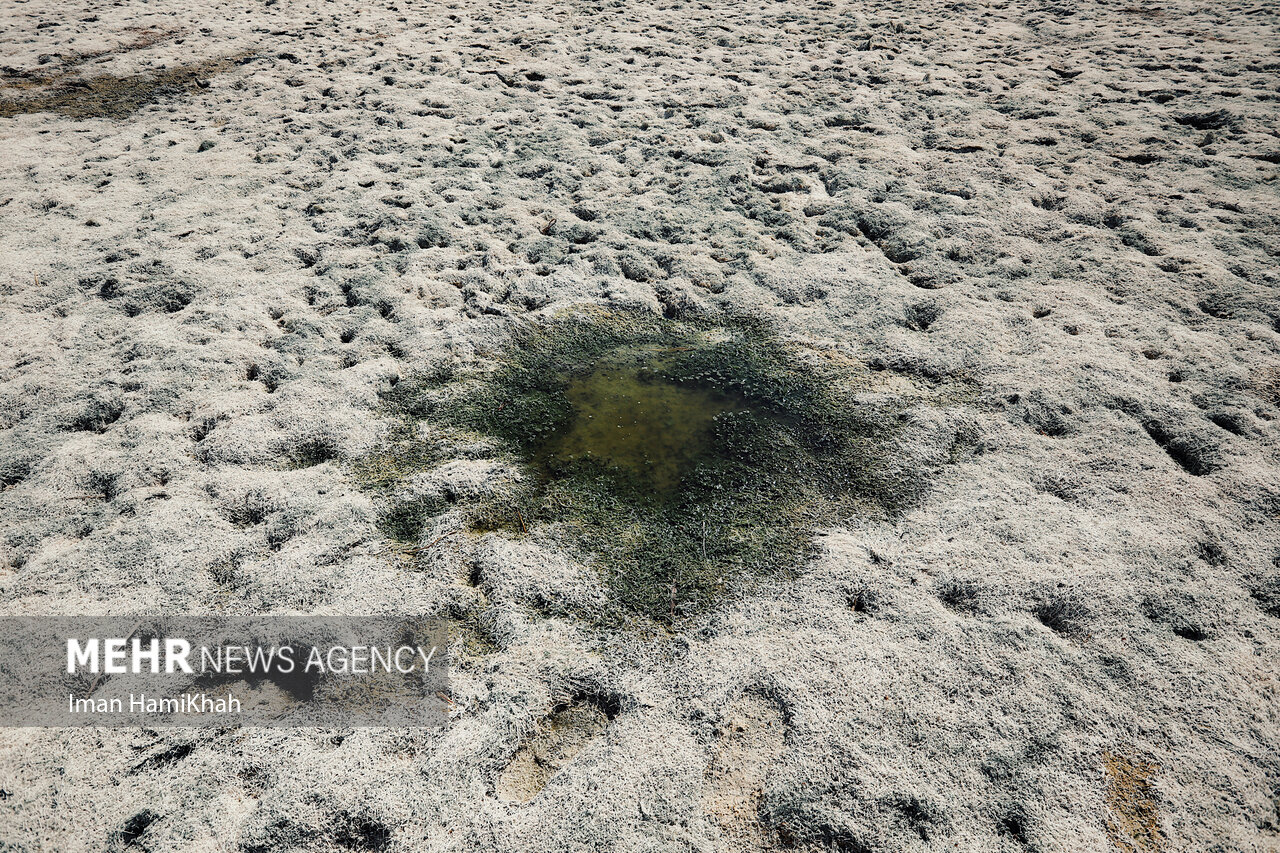
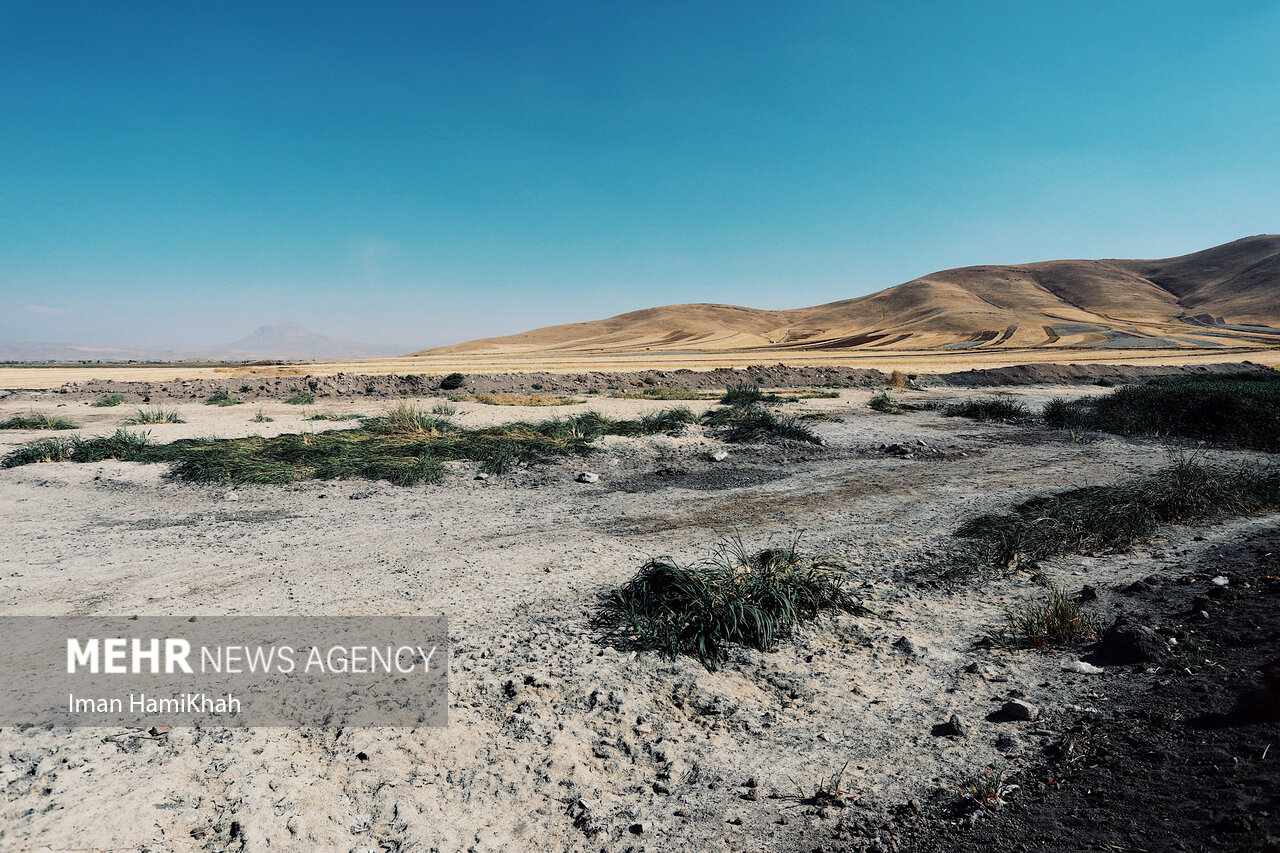
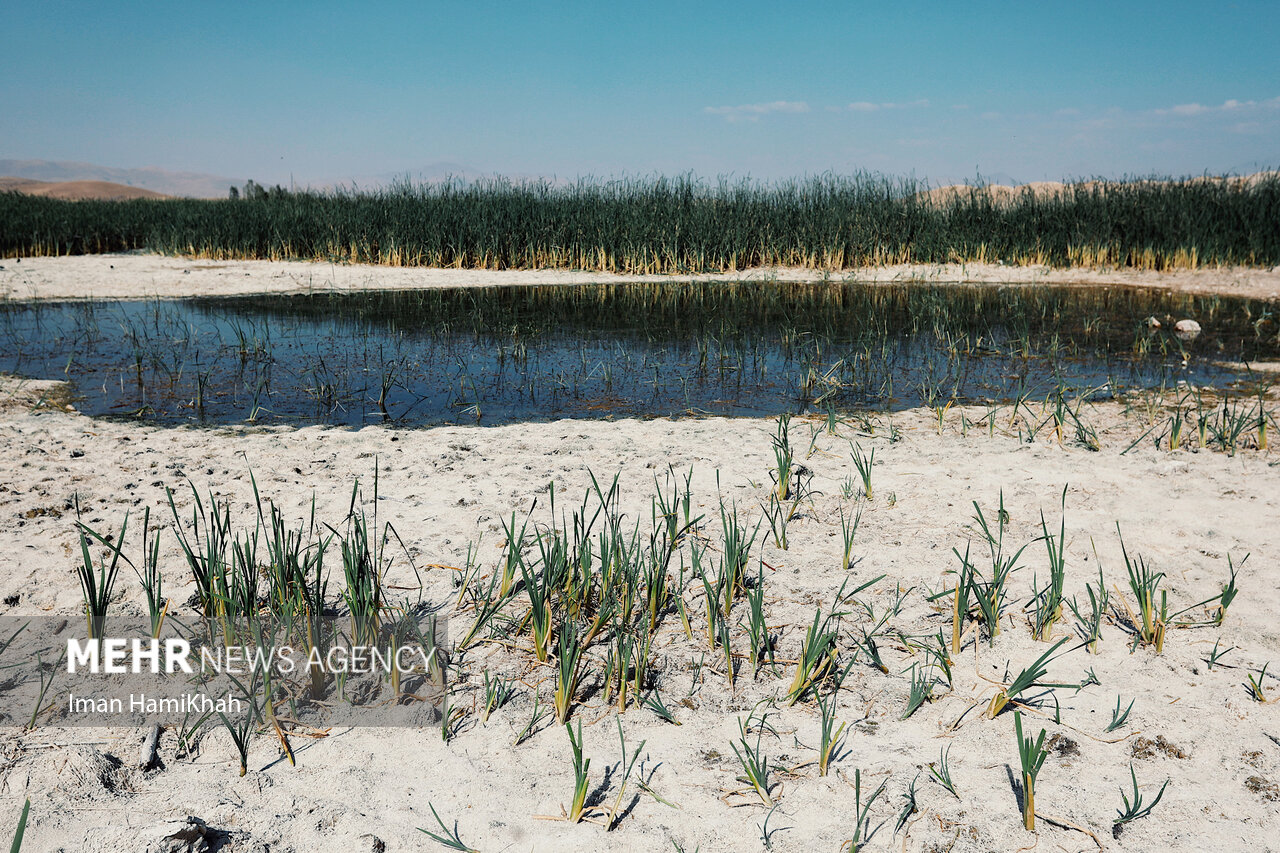
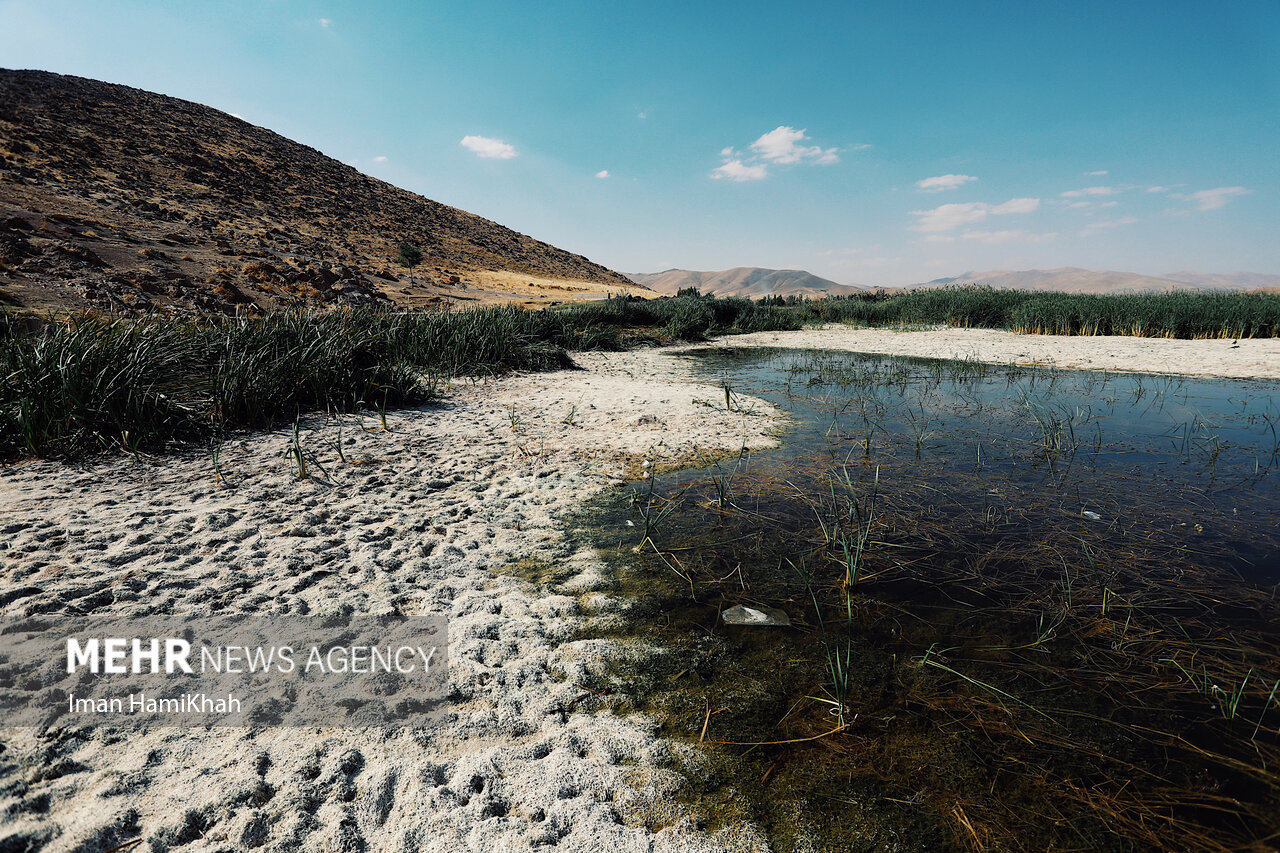
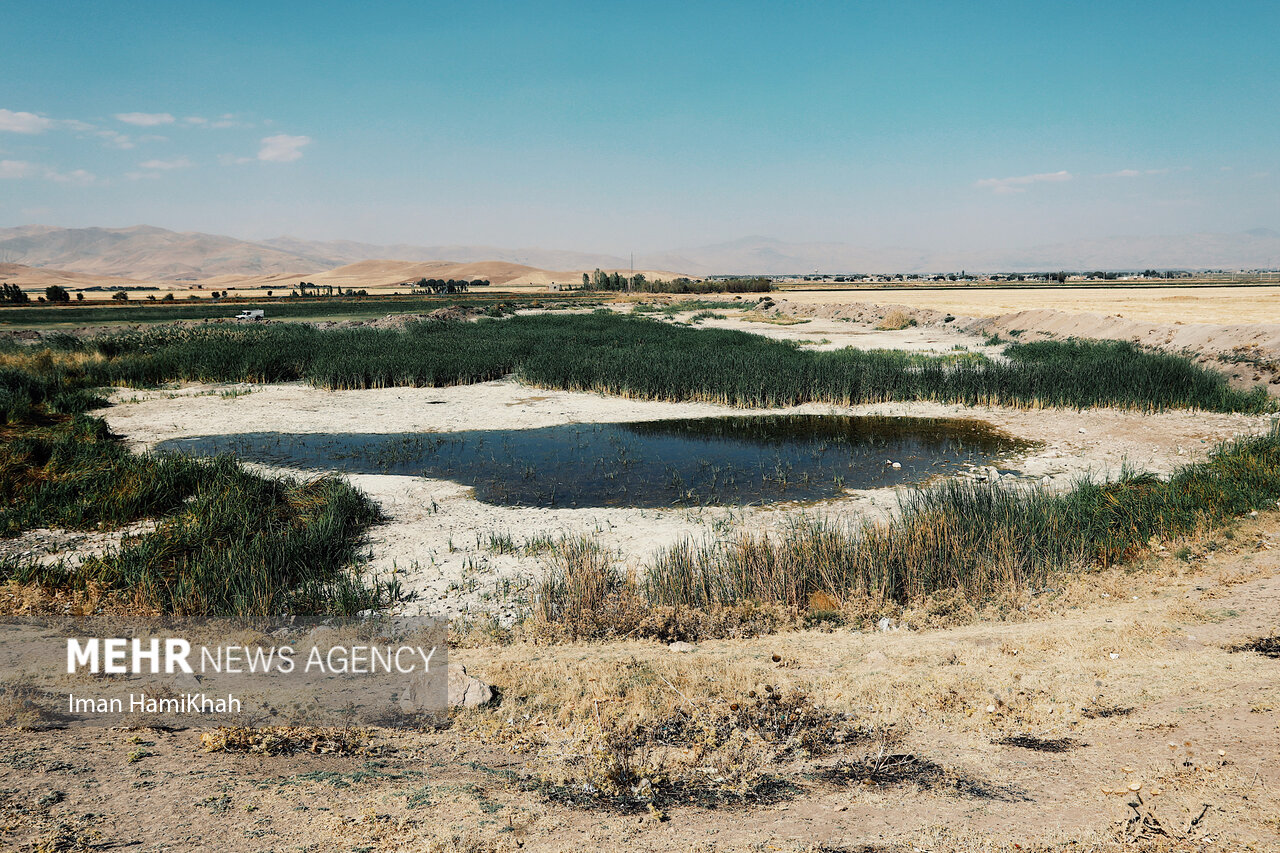
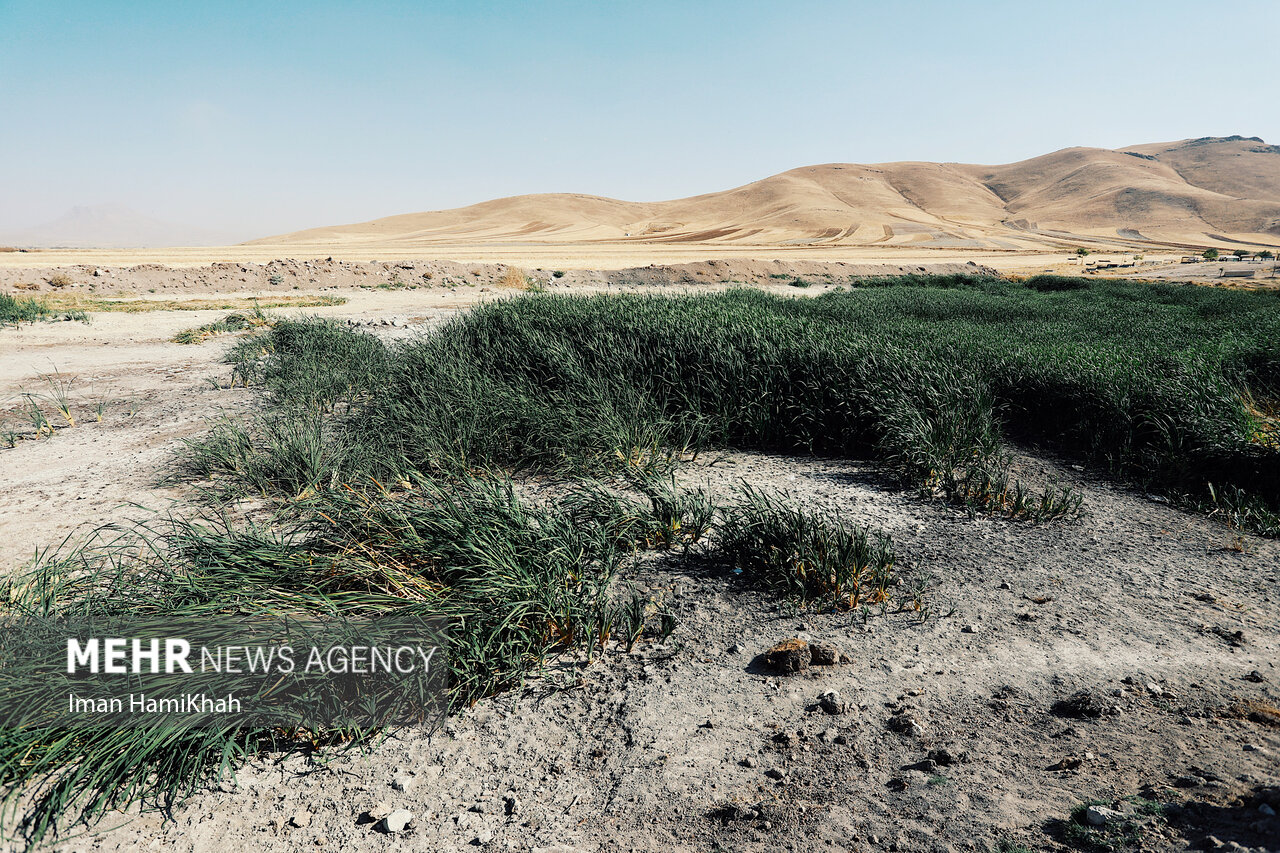
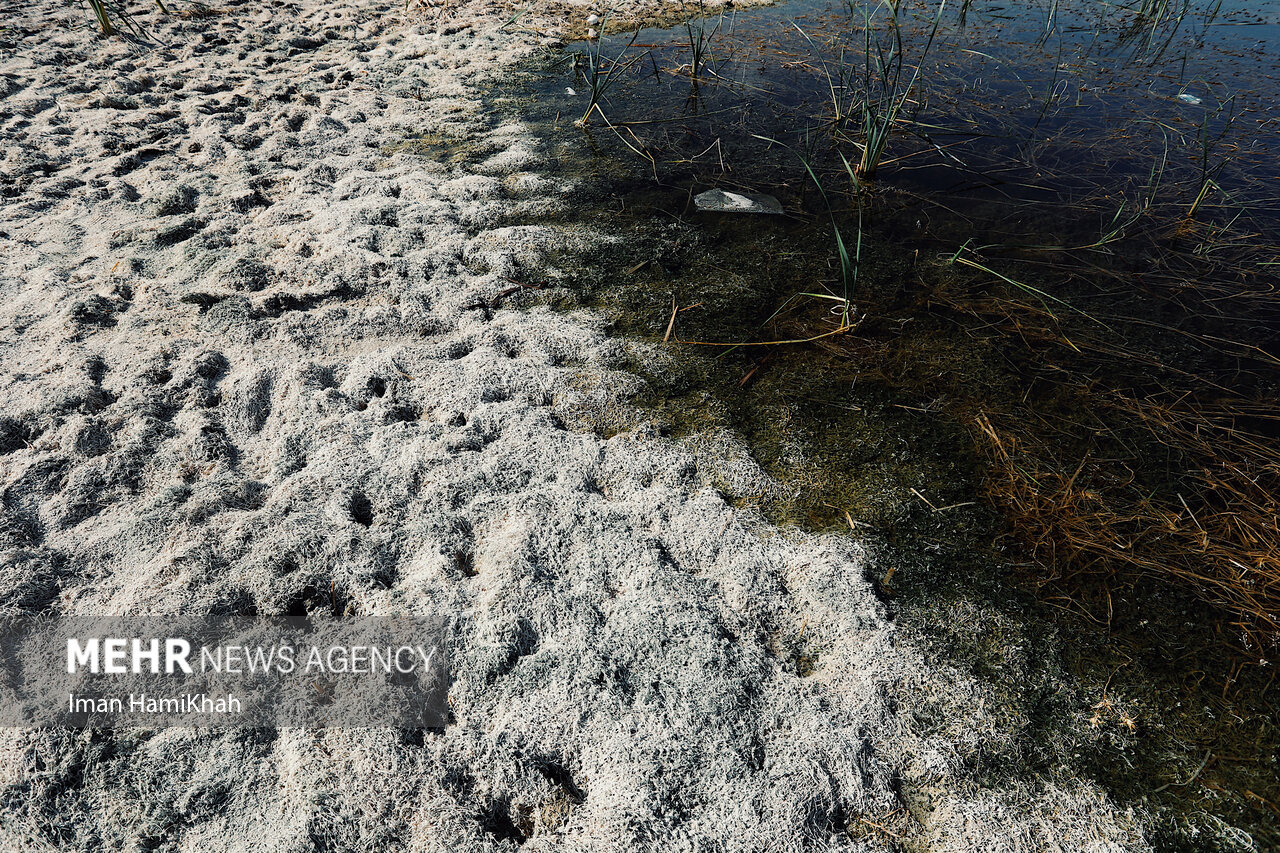
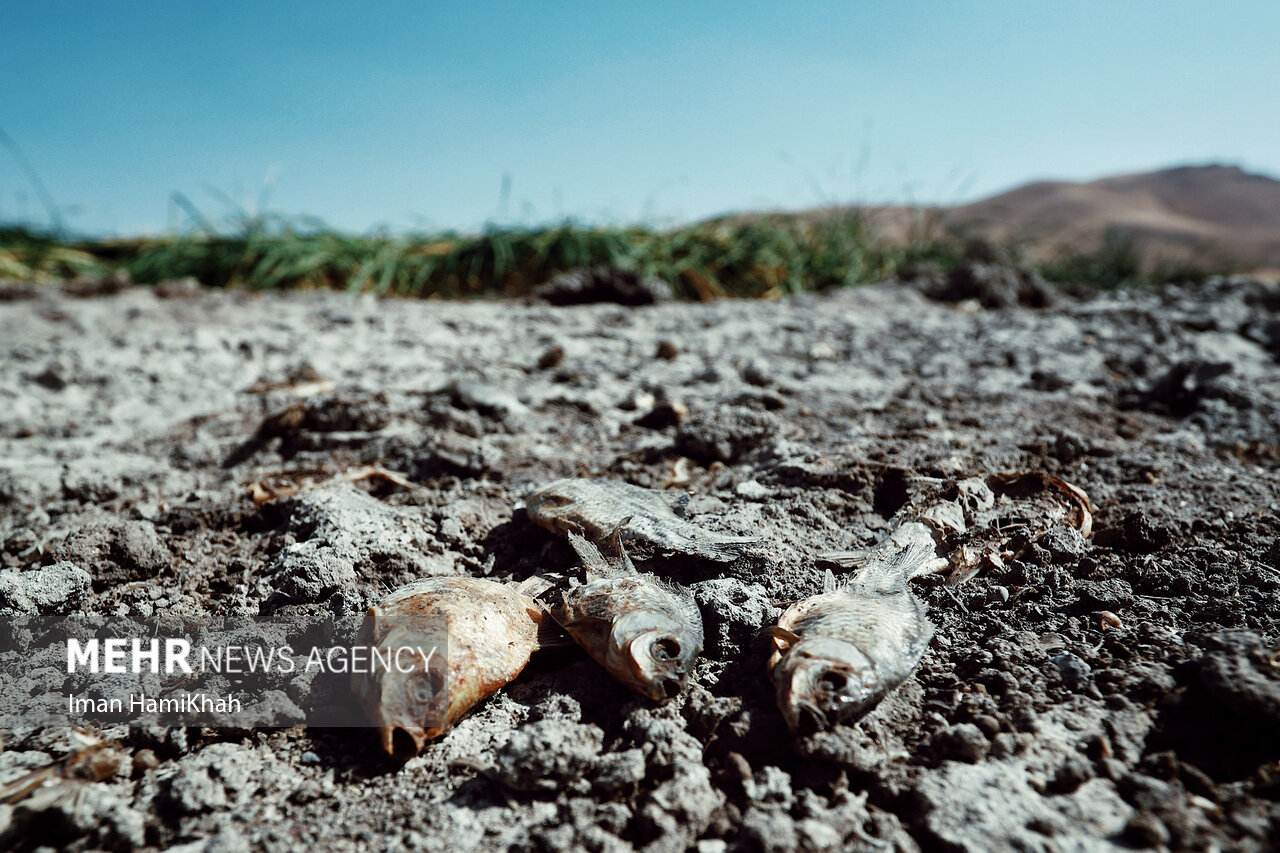
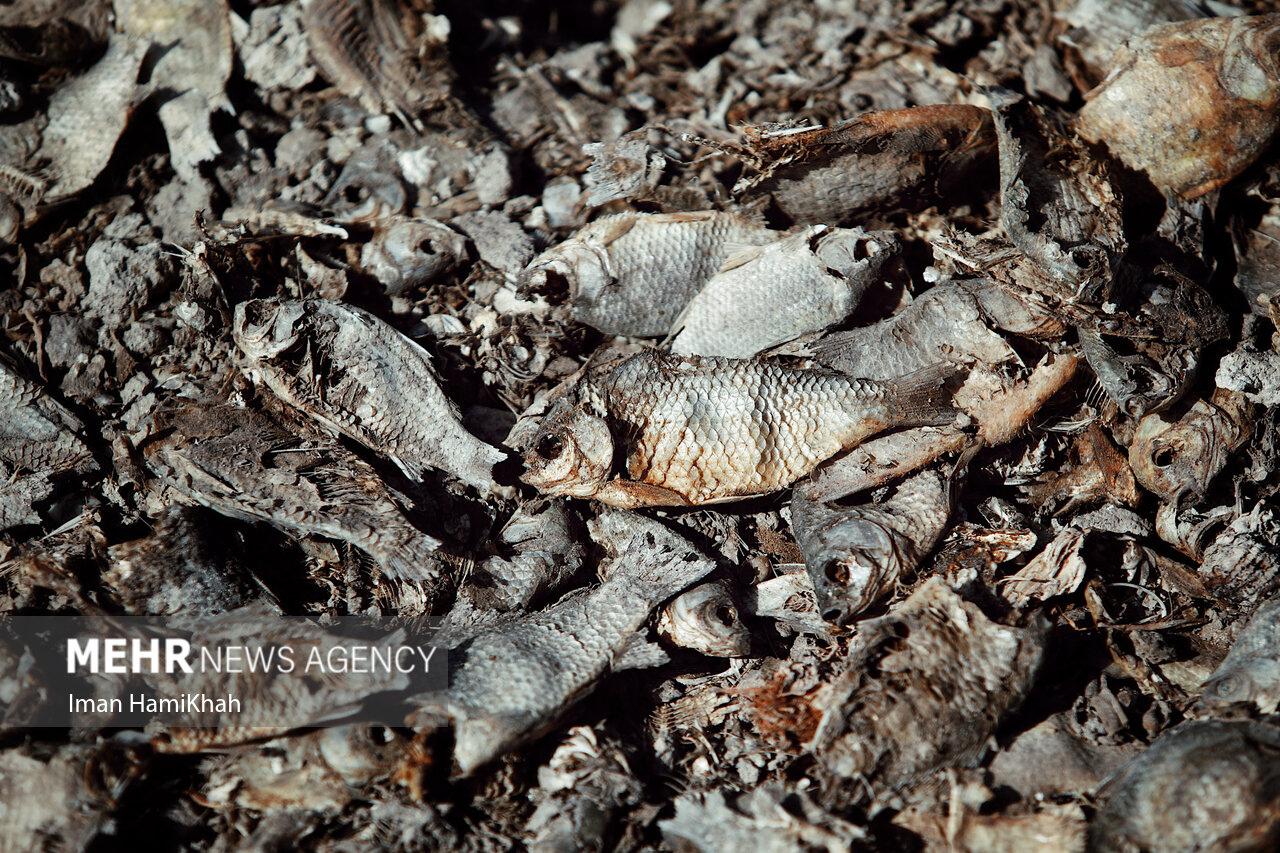
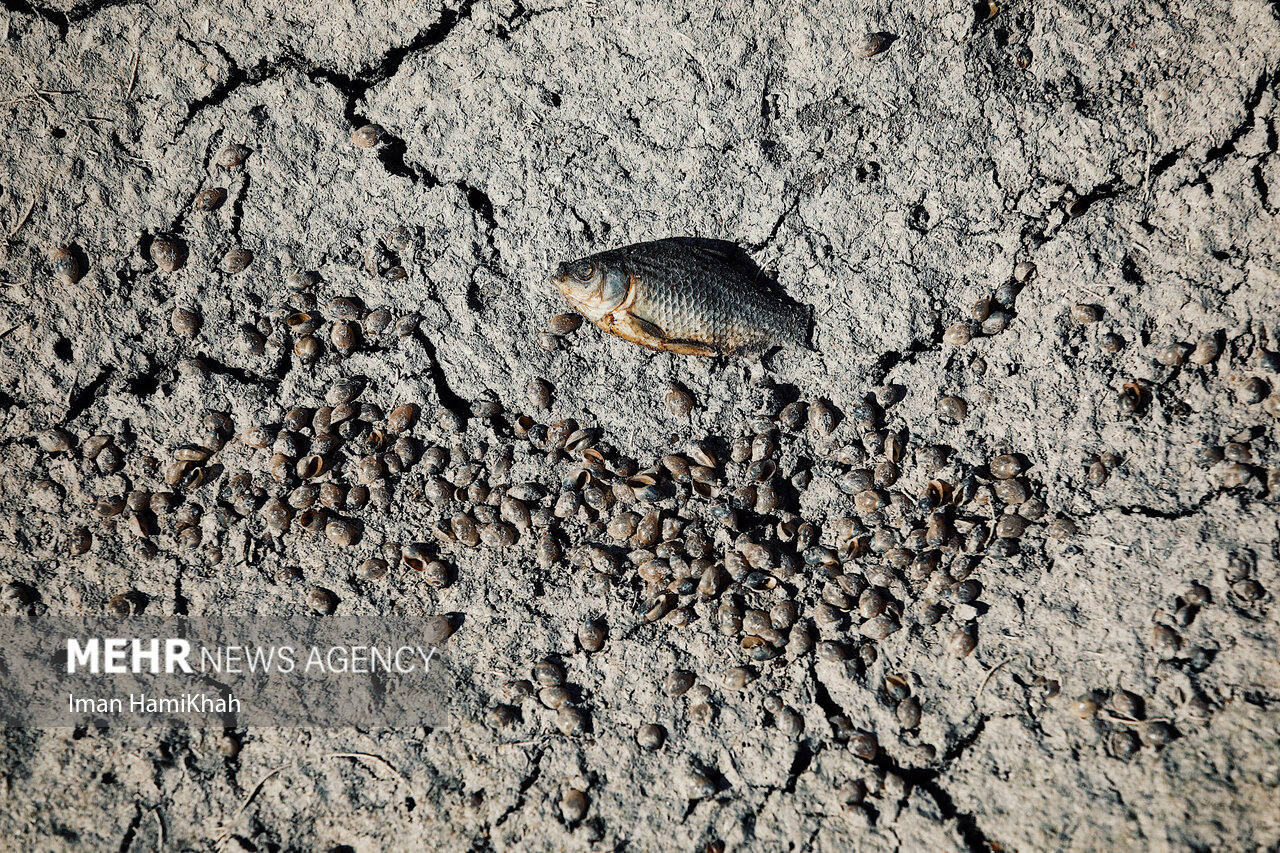
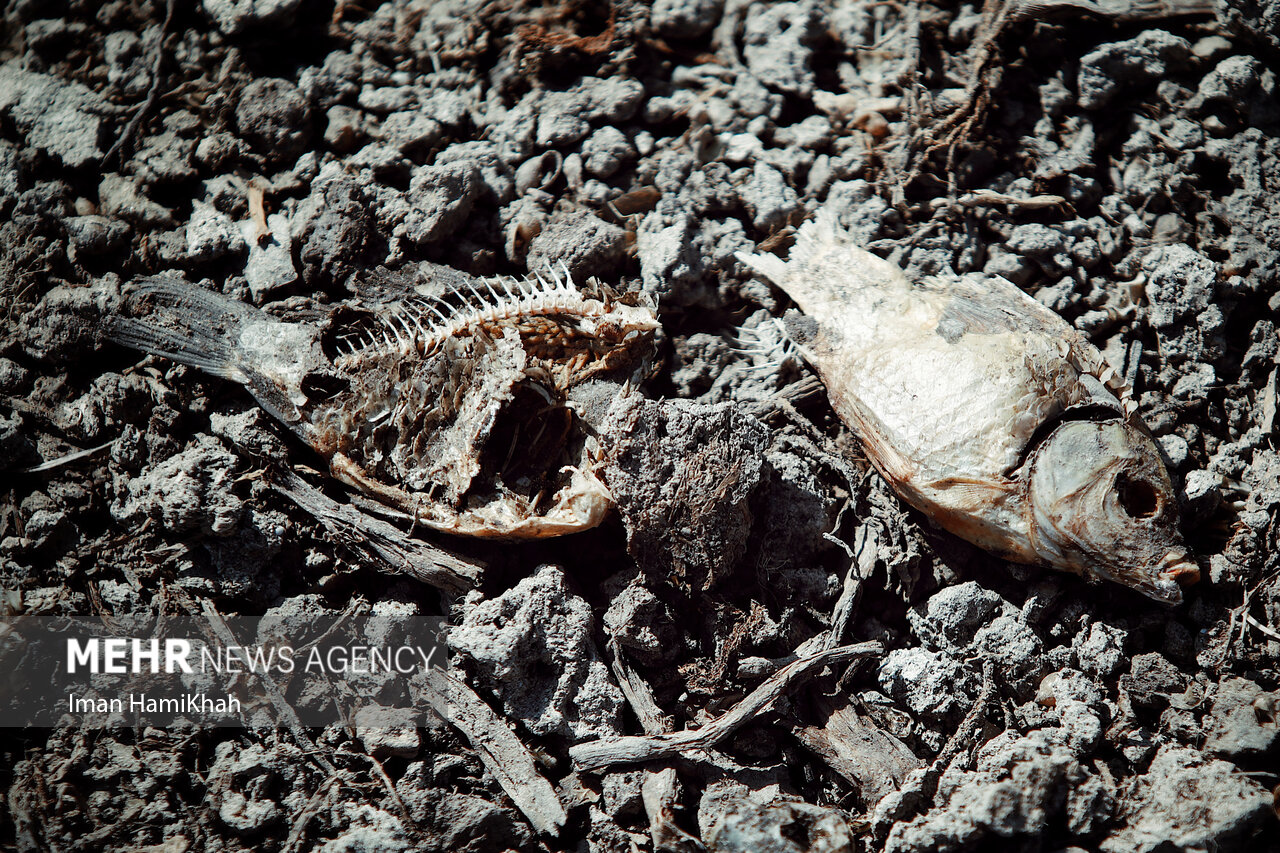
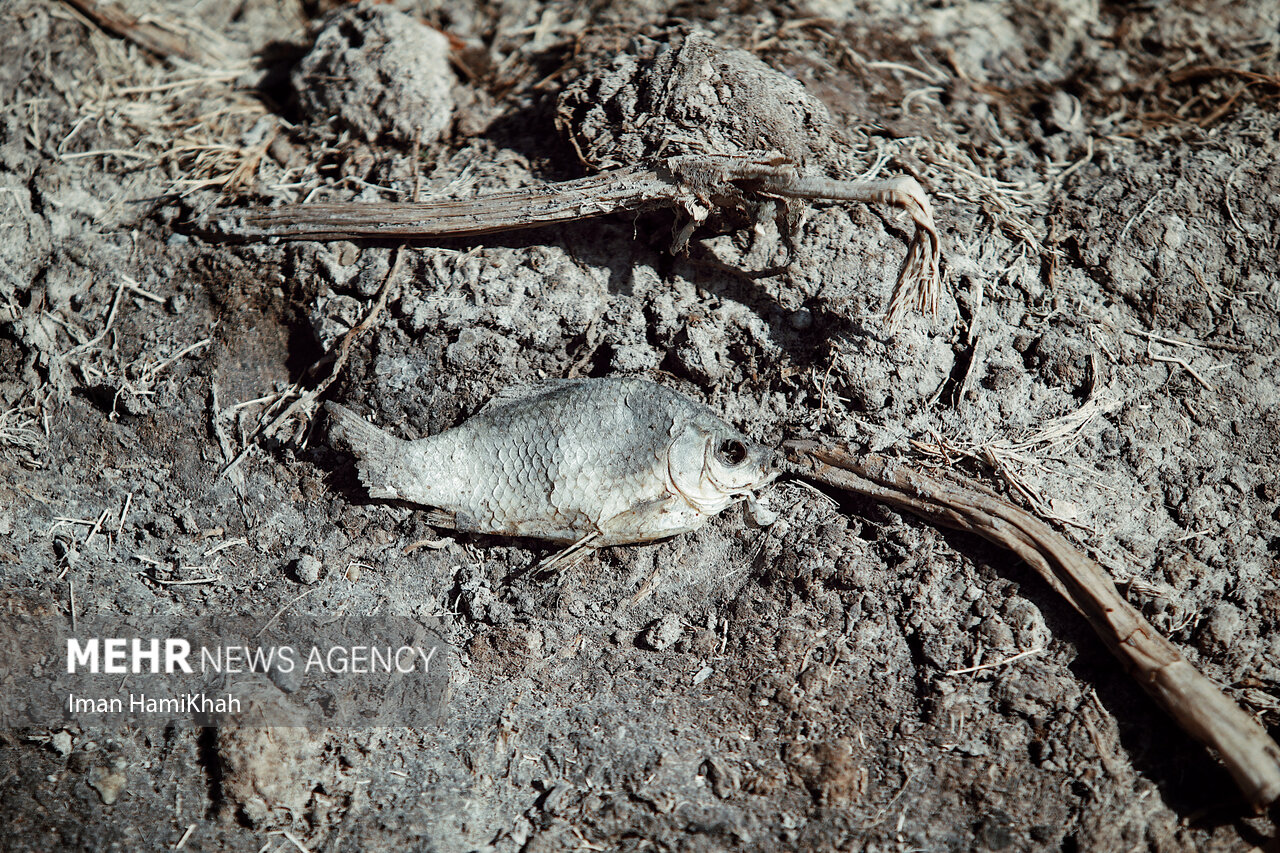
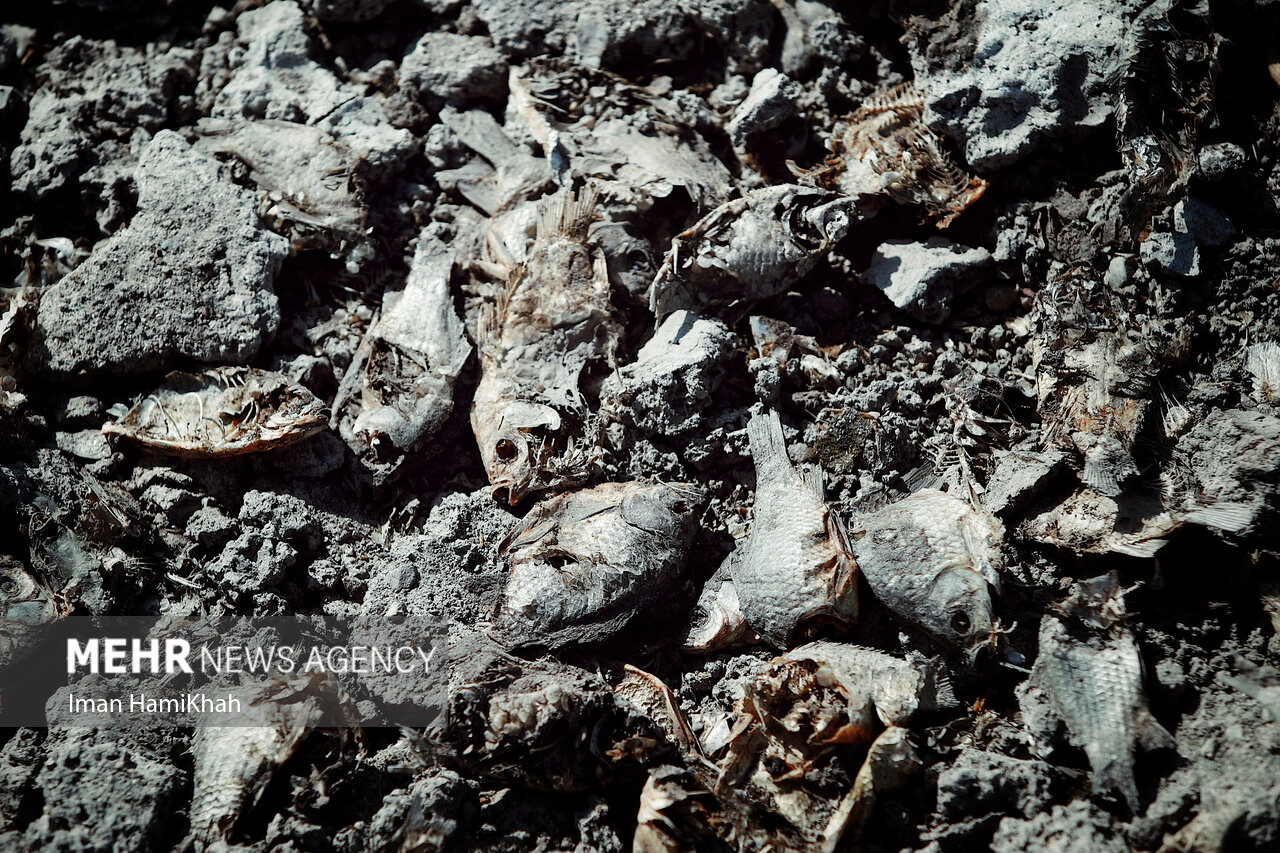
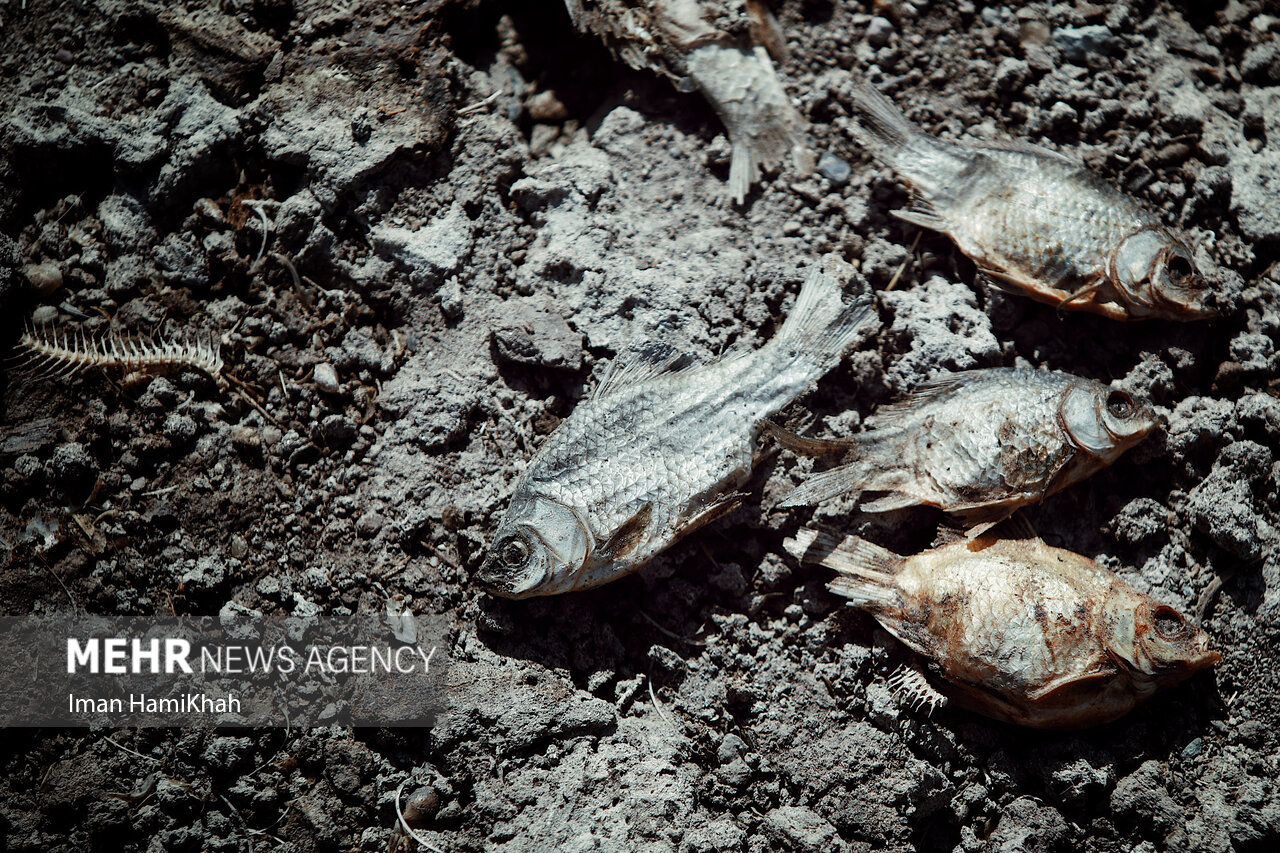
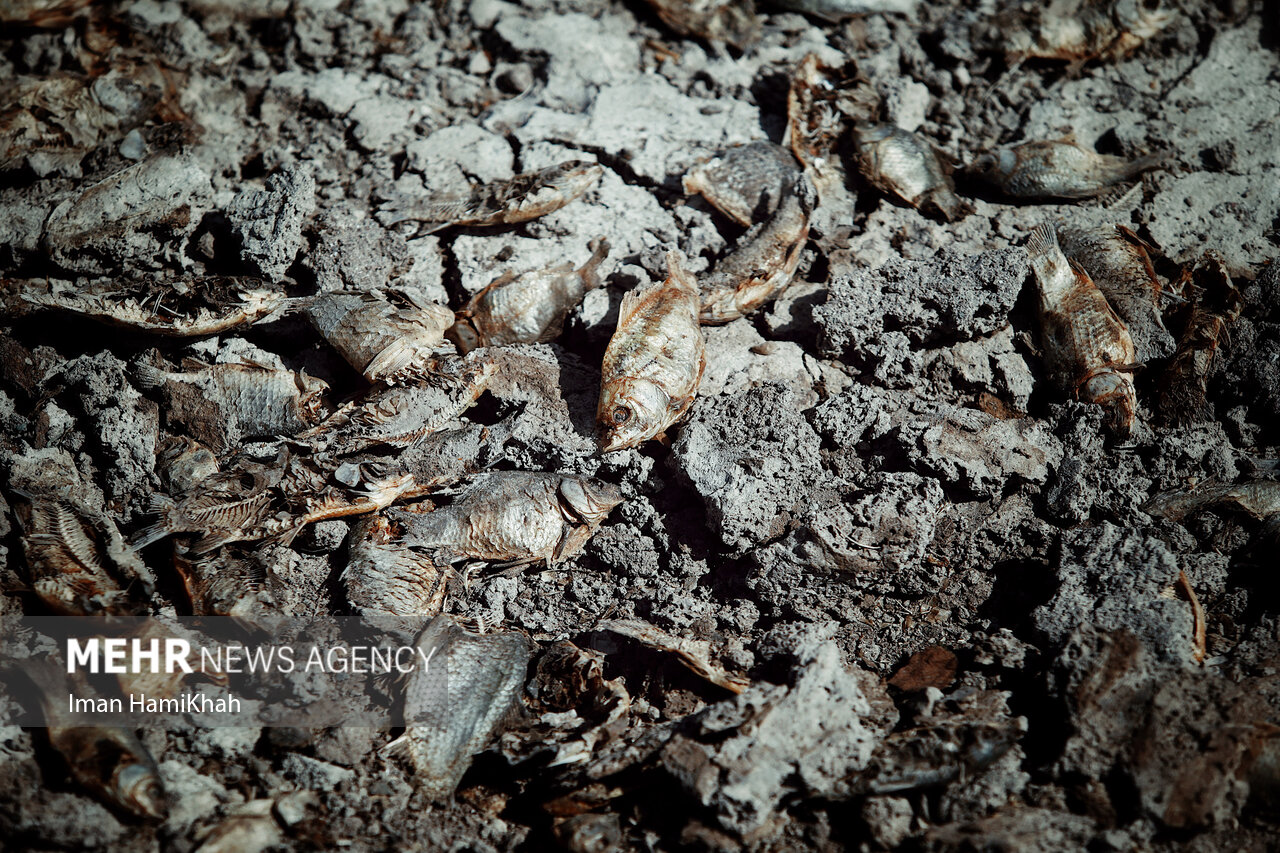
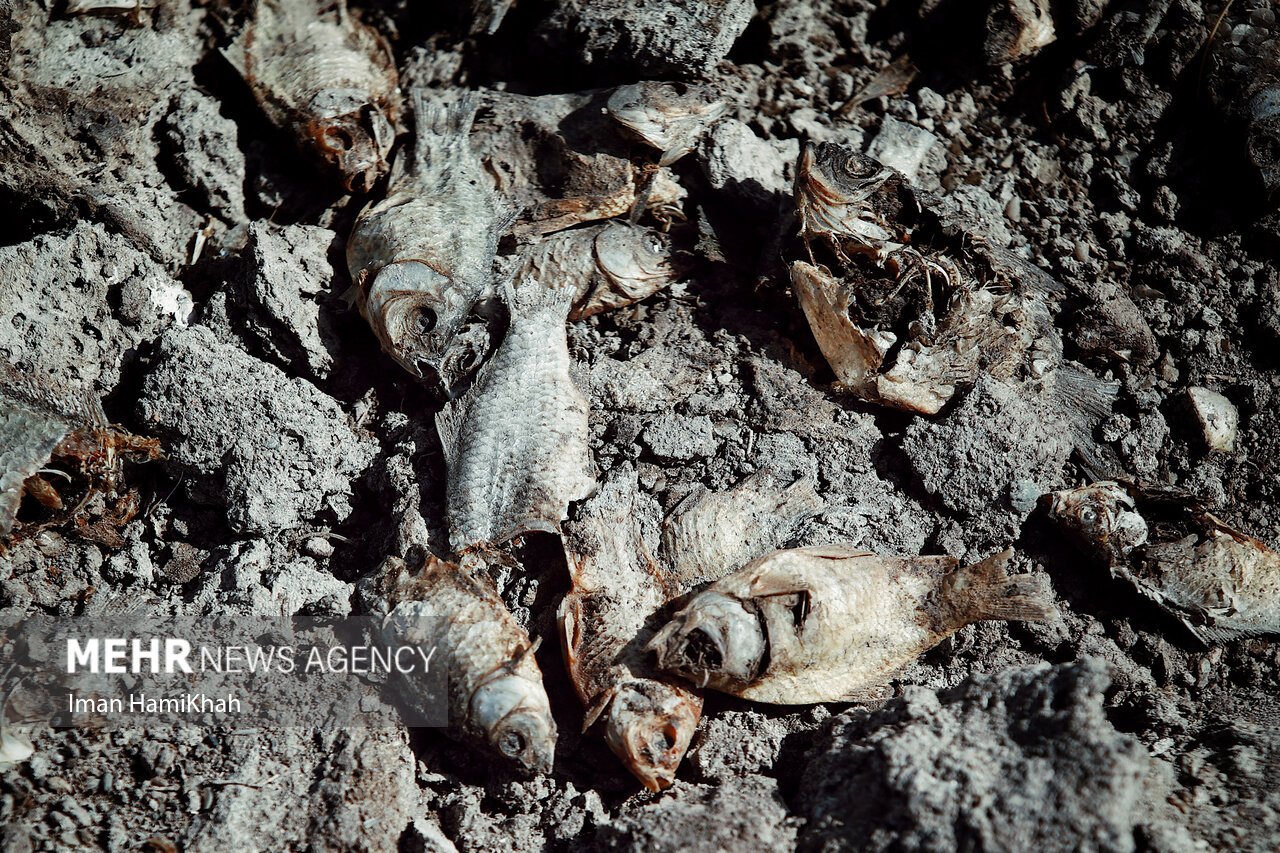
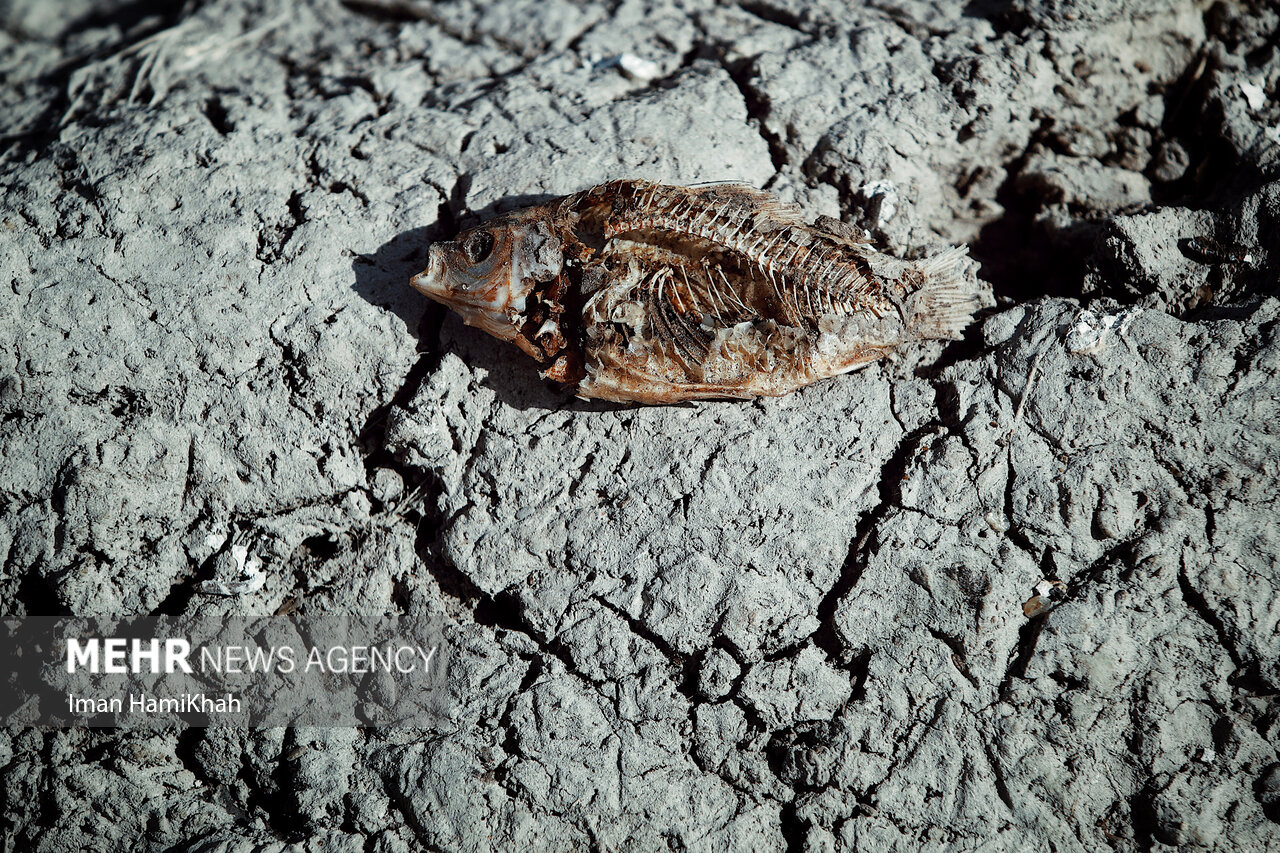
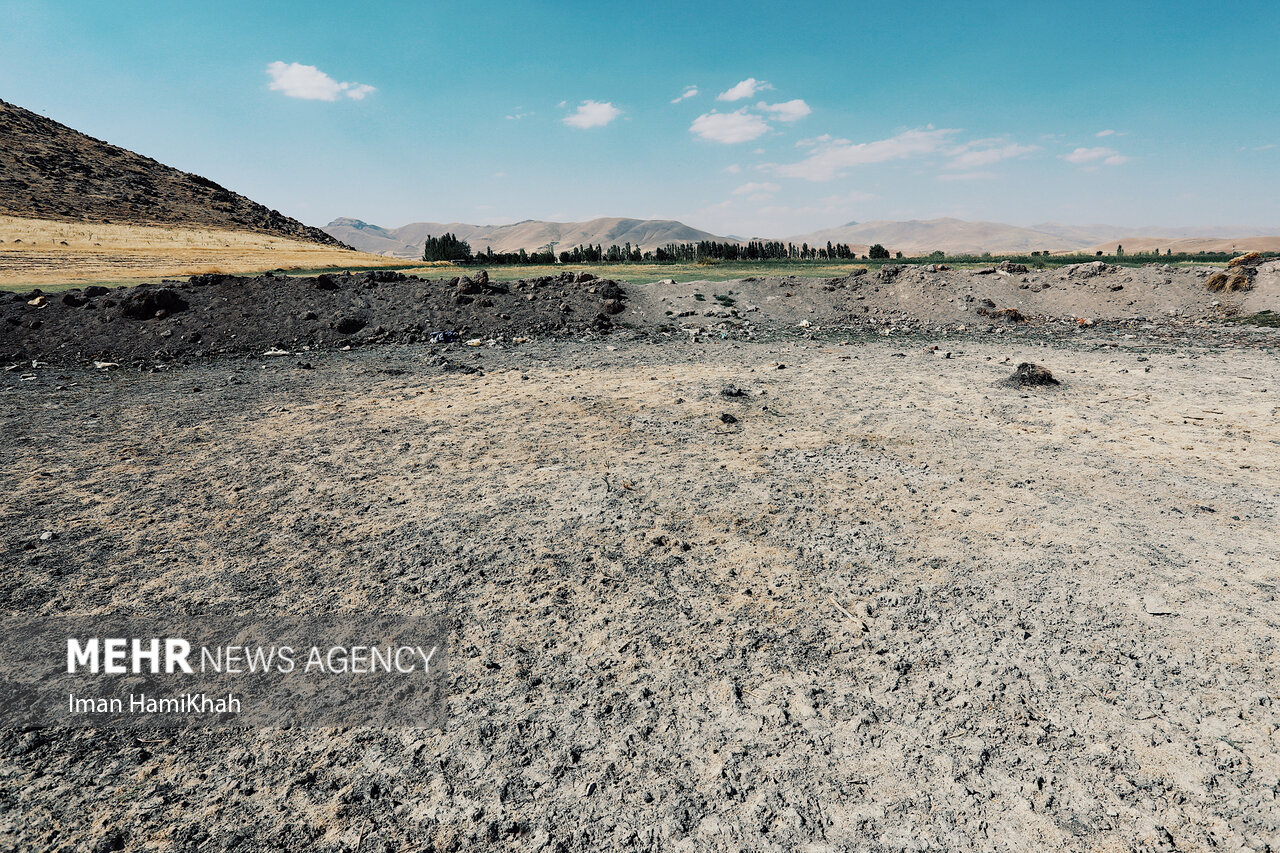
Pirsalman Wetland in western Iran on last leg

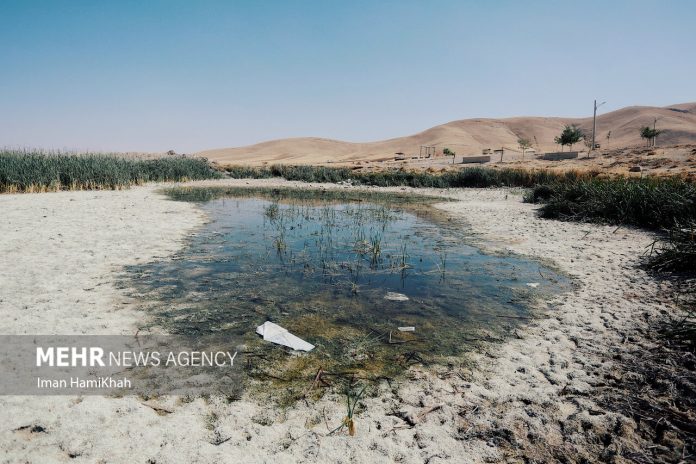
Pirsalman Wetland in Iran

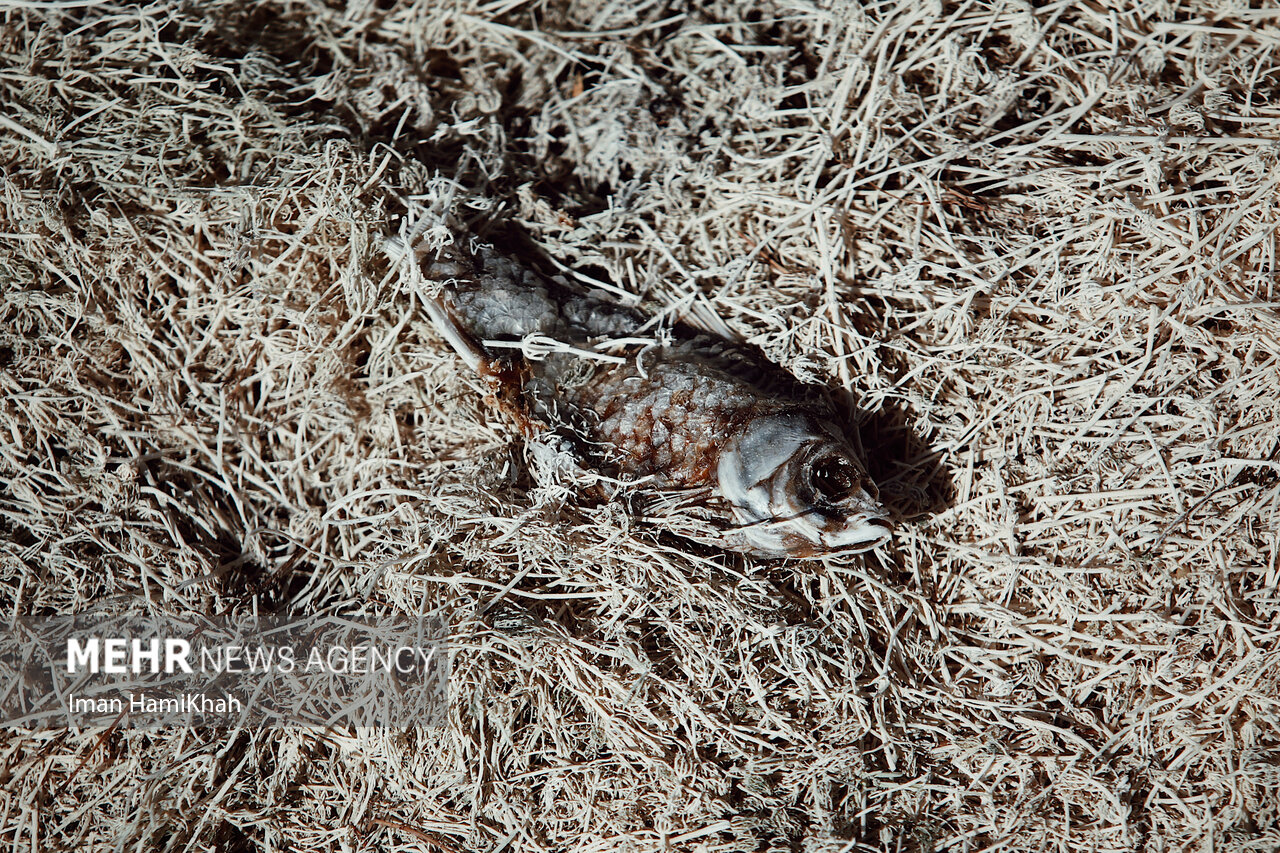
The 3-hectare wetland near the city of Asadabad in western Iran, which is named after an adjacent mausoleum, is drying up due to low precipitations and overconsumption of water resources for agriculture on nearby farms.

Here, you can see pictures of the moribund wetland:

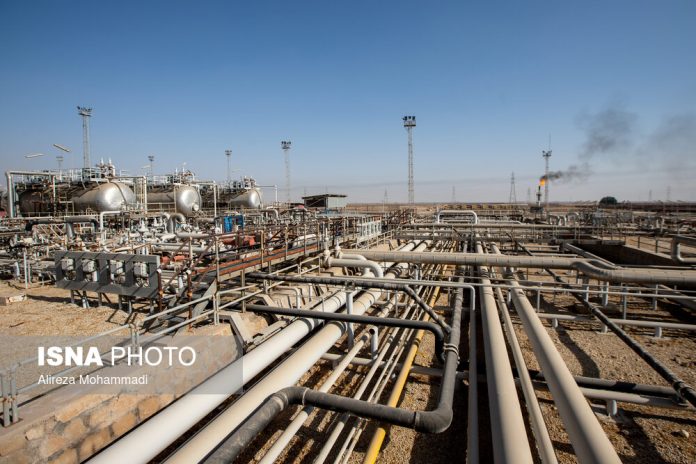
Persian Gulf Star Oil Company’s refining capacity rises to 455,000 barrels

Iran Oil

Alireza Jafarpour Boroujeni said the company has the largest share in the Iran’s gasoline production by supplying about 40 percent of the country’s need.

He said the establishment of a hydrogen purification unit for oil and gas and the implementation of the national project for the export of liquefied gas to increase the production and quality of the products of the world’s largest gas condensate refinery are among the achievements of the PGSOC.

Iran inaugurated the PGSOC, also known as the Bandar Abbas Gas Condensate Refinery, the largest gas condensate in the world and the most modern one the Middle East in May 2017 at heat of the Western-led sanctions on the country.

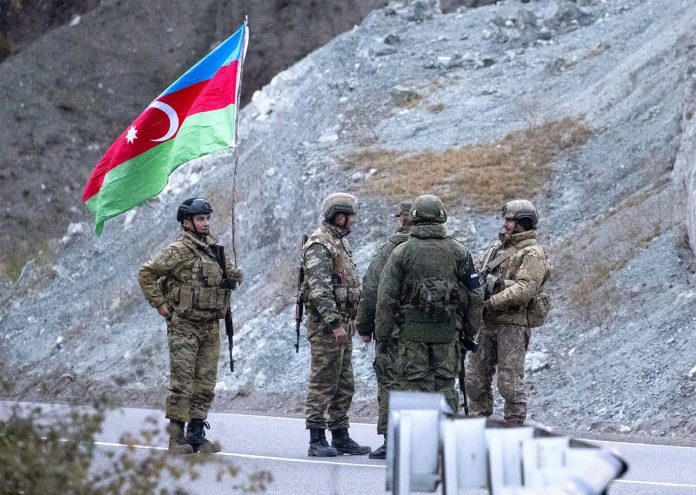
Azerbaijan says to end operation in Nagorno-Karabakh once “military” lays down arms

Azerbaijani Forces Nagorno-Karabkh

“The head of state said that anti-terrorist activities would end if weapons were laid down,” the press service announced in a statement.

Aliyev also stated that Armenian units had to disarm. He stressed that civilians and infrastructure facilities weren’t the target of the anti-terrorist activities and the Azerbaijani Armed Forces were only destroying legitimate military targets.

The Azerbaijani president pointed out that his administration had repeatedly invited representatives of Karabakh’s Armenian population to engage in dialogue to discuss reintegration but they had refused. Still, in Aliyev’s words, they were once again invited to dialogue after the local anti-terrorist activities had been launched.

Aliyev noted that Azerbaijan was forced to start the local anti-terrorist activities in the region “to put an end to the provocative and inflammatory actions of the Armenian side.” In this regard, he mentioned that an Armenian sabotage and reconnaissance group had laid mines in Karabakh, which resulted in the death of civilians and law enforcement officers, while Azerbaijani army units had come under mortar and small-arms fire.

“President Ilham Aliyev emphasized that these activities, as well as the move to hold the so-called presidential election in the Karabakh region of Azerbaijan on September 9, were the continuation of deliberate provocative steps by Armenia and the so-called separatist entity that it created and supports, aimed against Azerbaijan’s sovereignty,” the statement added.

According to the Azerbaijani presidential press service, Blinken expressed concern about the situation, called for a ceasefire and said that the US supported direct dialogue between Baku and the Armenian population of Karabakh.

Tensions have flared up again in Nagorno-Karabakh on Tuesday. Baku announced it was launching what it described as “local anti-terrorist measures” and demanded the withdrawal of Armenian troops from the region. Yerevan, in turn, stressed there were no Armenian forces in Karabakh, calling what was happening “an act of large-scale aggression.”

Azerbaijan’s Defense Ministry said in a statement the army successfully continues anti-terrorist activities in the Nagorno-Karabakh region.

“The local anti-terrorist activities conducted by the Armed Forces of the Republic of Azerbaijan in the Karabakh economic region successfully continue. Azerbaijan Army Units neutralized combat positions, military vehicles, artillery and anti-aircraft missile launchers, radio-electronic combat stations and other military means belonging to formations of the Armenian armed forces,” the statement read.

Armenia’s ambassador-at-large, Edmon Marukyan, has called on the US to intervene in the renewed fighting in Nagorno-Karabakh, asking Washington to defend the region’s civilian population.

“Now, Azerbaijan has started a large-scale aggression and military operation against the peaceful people of Nagorno-Karabakh,” Marukyan wrote on X (formerly known as Twitter).

“It is the US’s turn now as to what measures will be used to stop the aggression and military attack on the trapped and starving people,” he added.

The diplomat appealed to US President Joe Biden, French President Emmanuel Macron, and EU leaders, asking them to condemn Baku.

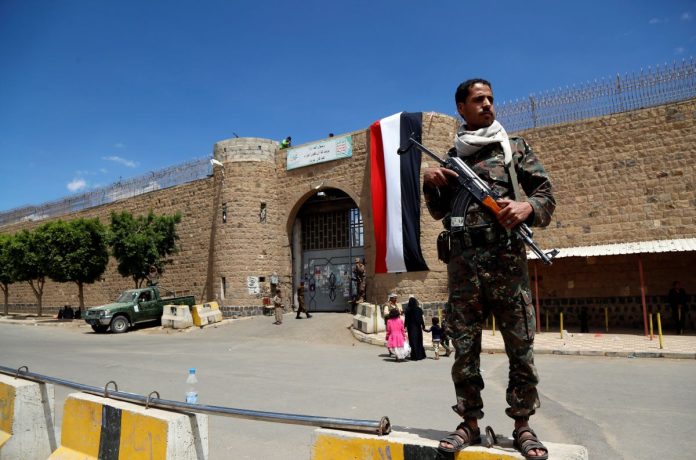
Yemen’s Huthis voice optimism about peace negotiations with Saudis, Riyadh hails talks

Yemen's Houthi

“Negotiations with Saudi Arabia were serious and positive,” Ali al-Qhoom, a member of Ansarullah’s Political Bureau, was quoted by Lebanon’s al-Mayadeen television network on Tuesday as saying.

“There existed optimism regarding elimination of [standing] obstacles and complications concerning the humanitarian files,” he added.

Qhoom’s comments came following five days of Omani-mediated negotiations between a visiting Ansarullah delegation with Saudi officials in the kingdom’s capital of Riyadh.

The Yemeni delegation has now returned to the Yemeni capital of Sana’a for consultations with the leaders of Yemen’s Supreme Political Council.

According to Mahdi al-Mashat, head of the council, the Yemeni delegation would revisit Riyadh for “completion” of consultations with the Saudi party.

Two sources said some progress has been made on some of the main sticking points between the Houthis and Saudi Arabia, including a timeline for foreign troops exiting Yemen and a mechanism for paying public wages, , adding that the sides would meet for more talks after consultations “soon”.

The Saudi Foreign Ministry has also supported a political solution to the Yemen conflict in a statement released on Wednesday.

The ministry said it welcomed “the positive results of the serious discussions regarding reaching a road map to support the peace path in Yemen.”

Riyadh, it added, “continues to stand with Yemen and its brotherly people and … encourages the Yemeni parties to sit at the negotiating table to reach a comprehensive and lasting political solution … under the supervision of the United Nations.”

Saudi Arabia and a number of its allies, including the United Arab Emirates, began the war in March 2015 to restore power in Yemen to the impoverished country’s Western- and Riyadh-allied government.

The former Yemeni government’s president, Abd Rabbuh Mansur Hadi, resigned from the presidency in late 2014 and later fled to Riyadh amid a political conflict with Ansarullah. The movement has been running Yemen’s affairs in the absence of a functioning administration.

The war and a concomitant siege that the Saudi-led coalition has been imposing on Yemen has, meanwhile, caused the death of tens of thousands of Yemenis and turned the entire country into the site of, what the United Nations has described as the world’s worst humanitarian crisis.