Tuesday, April 7, 2026
Home Blog Page 12

President Pezeshkian: Real terrorists label others as terrorists

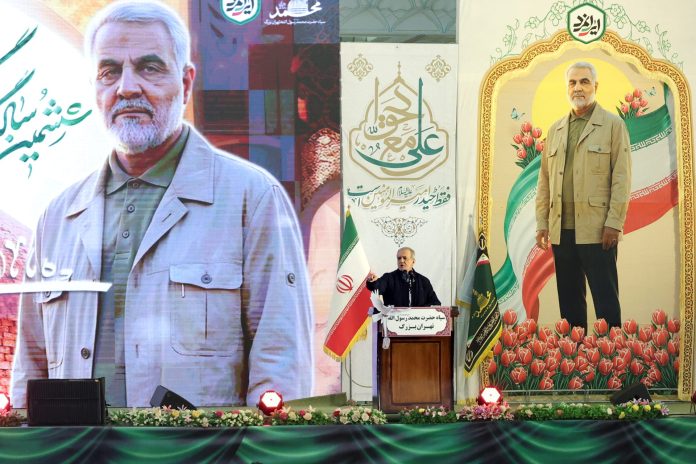
He made the comments during a ceremony marking the sixth anniversary of the martyrdom of General Qassem Soleimani.

Pezeshkian said powerful governments, under the slogans of democracy and freedom, commit oppression and violence across the world.

He stated that the United States and the Israeli regime target influential, aware, and capable individuals who stand against injustice, calling this a form of “state terrorism.”

He added that figures such as General Soleimani, Abu Mahdi al-Muhandis, Iranian scientists, commanders, and religious leaders were targeted precisely because they defended the oppressed and resisted domination.

According to the president, branding such figures as terrorists is an attempt to hide the crimes of those who hold power.

Pezeshkian described General Soleimani as a sincere and humble figure who served without seeking recognition.

He said Soleimani was never attached to worldly interests and always stood firmly against injustice, whether in Iran or elsewhere.

The president emphasized that Soleimani supported the oppressed in all situations, not only in military matters.

He said this sincerity and moral integrity turned Soleimani into a global symbol, respected beyond Iran and even remembered in other countries after his assassination.

Pezeshkian said the Iranian nation remains committed to continuing the path of Soleimani and other martyrs, stressing that their values of honesty, courage, justice, and defending the oppressed remain a guiding model for the country.

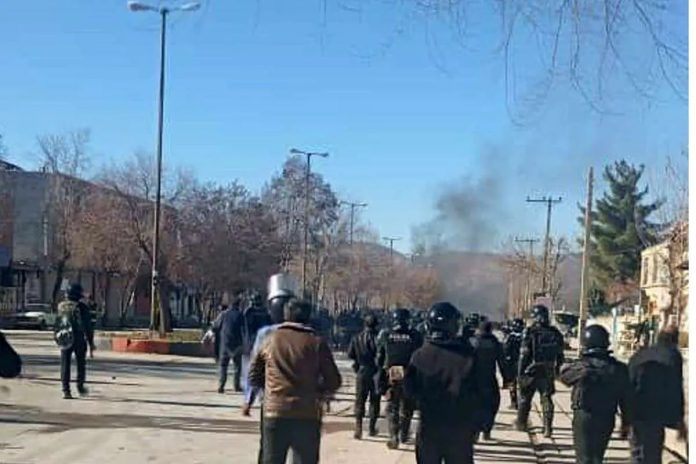
Several killed, dozens arrested amid protests in Iran

The unrest began on Thursday morning, with protesters throwing stones at government offices, banks, and municipal buildings.

Police and security forces intervened and used tear gas after coming under attack. Some protesters were reportedly armed, and gunfire was exchanged during the clashes.

Media reports have quoted an informed source as confirming that several people were killed during the unrest in Lordegan. A number of police officers were also injured.

Security forces arrested several individuals described as key figures in the disturbances, including some reportedly non-local. Authorities later said the situation in the city had returned to calm.

Separately, the public prosecutor of the city of Kuhdasht, Lorestan province, said Thursday that unrest overnight led to the arrest of 20 people. According to officials, 13 police officers were injured, and one Basij member died from severe injuries sustained during the clashes.

Officials stressed that those responsible for violence, damage to public property, and threats to public security will face legal action.

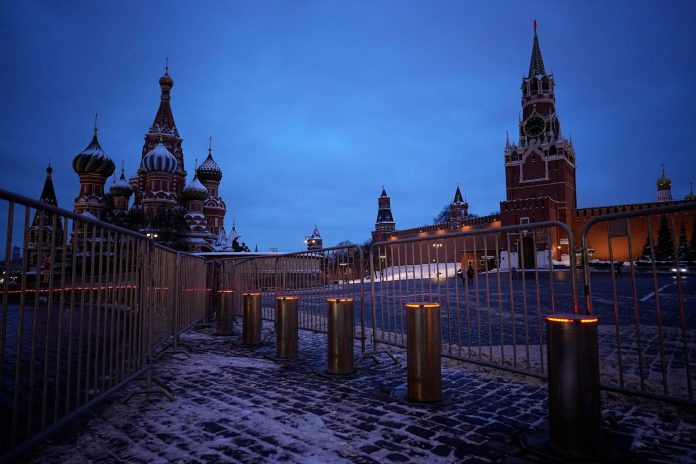
Russia says will give US proof of attempted Ukrainian attack on Putin residence

Kremlin

Moscow accused Kyiv on Monday of trying to strike a residence of President Vladimir Putin in Russia’s northern Novgorod region with 91 long-range attack drones. It noted that Russia would review its negotiating position in ongoing talks with the U.S. on ending the Ukraine war.

Ukraine and Western countries have disputed Russia’s account of the alleged attempted strike.

In a statement posted on Telegram on Thursday, Russia’s Defence Ministry said: “Decryption of routing data revealed that the final target of the Ukrainian drone attack on December 29, 2025, was a facility at the Russian Presidential Residence in the Novgorod region.”

“These materials will be transferred to the American side through the established channels,” it added.

The Wall Street Journal reported on Wednesday that U.S. national security officials had found Ukraine did not target Putin or one of his residences in a drone strike. Reuters could not immediately verify the report.

U.S. President Donald Trump initially expressed sympathy for the Russian charge, telling reporters on Monday that Putin had informed him of the alleged incident and that he was “very angry” about it.

By Wednesday, Trump appeared more sceptical, sharing on social media a New York Post editorial accusing Russia of blocking peace in Ukraine.

Ukraine has denied carrying out such an attack and described the accusation as part of a Russian disinformation campaign meant to drive a wedge between Kyiv and Washington after a weekend meeting between Trump and Ukraine’s President Volodymyr Zelensky.

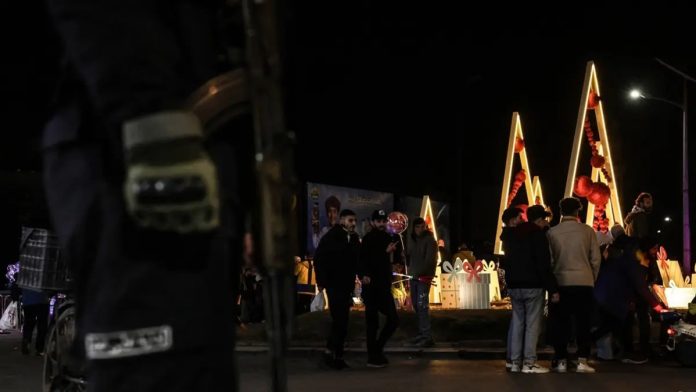
Daesh planned new year’s eve attacks on churches: Syria

IS recently increased its attacks in areas of Syria controlled by the Damascus authorities, and was blamed for an attack last month in Palmyra that killed three Americans.

The interior ministry said in a statement it had information that IS planned “suicide operations and attacks targeting New Year’s celebrations in a number of governorates, particularly the city of Aleppo, by targeting churches and civilian gathering spots”, prompting security to be tightened.

In Aleppo’s Bab al-Faraj neighbourhood, one officer “became suspicious of a person who was later found to be affiliated with Daesh”, the statement added.

While being interrogated, the man “opened fire, resulting in the martyrdom of one of the police officers, and then he blew himself up, wounding two officers while they were trying to intervene to arrest him”.

On December 13, two US soldiers and an American civilian were killed in an attack Washington blamed on a lone IS gunman in Syria’s Palmyra.

In retaliation, American forces struck scores of IS targets in Syria.

The Syrian Observatory for Human Rights said the US strikes killed five members of the terror group.

Syrian authorities have also carried out several operations against IS since then, saying on December 25 they had killed a senior leader of the group.

In November, during a visit by Syrian President Ahmed al-Sharaa to Washington, Syria officially joined the US-led coalition against IS.

Sharaa is a former militant whose group fought IS at the height of his country’s war.

Sharaa’s rule since the December 2024 fall of longtime ruler Bashar al-Assad has raised concerns among minorities, who have fallen victim to deadly sectarian violence over the past year.

Civilians among the Alawite community to which Assad belonged were massacred on the coast in March, and there were clashes in Druze-majority Sweida province in July.

In June, a suicide bombing in a Damascus church killed 25 people.

Syria’s authorities blamed IS, but a shadowy Sunni extremist group called Saraya Ansar al-Sunna claimed responsibility.

Analysts have said Saraya Ansar al-Sunna serves as a front for the IS group.

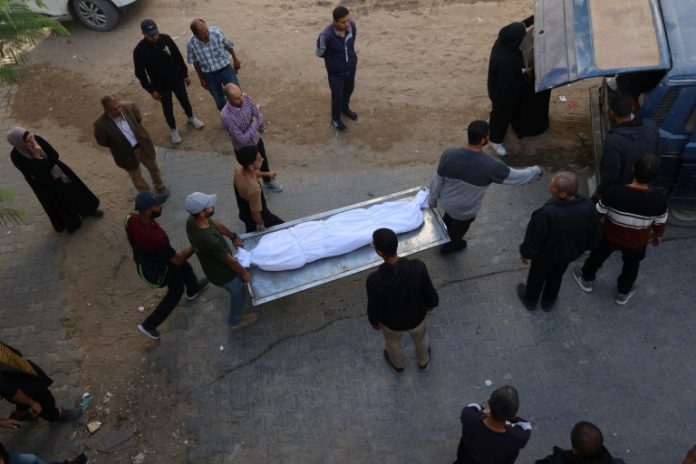
2025 marks deadliest year for Palestinians amid Israeli aggression: Report

Gaza War

In an end-of-year report, the bureau said mass killings, forced displacement, and the widespread destruction of basic infrastructure caused serious and long-term damage to population stability, economic and social conditions, and human rights across the Palestinian lands.

Citing the Palestinian Ministry of Health, the bureau said more than 72,000 Palestinians have been killed since the start of Israel’s assault on Oct. 7, 2023, with 98% of the deaths recorded in Gaza, the highest toll in the history of Israeli attacks on Palestinians.

By the end of December 2025, the victims included 18,592 children and about 12,400 women, while about 11,000 people remained missing and the number of wounded rose to 171,195.

Since the start of the war, which Israel launched with US support, about 100,000 Palestinians were forced to leave Gaza, while nearly two million people were displaced from their homes out of a prewar population of about 2.2 million.

In the West Bank, intensified Israeli military operations and settler violence killed 1,102 Palestinians and wounded 9,034 others since October 2023.

The bureau said the scale of casualties and displacement directly reshaped population figures.

The Palestinian population stood at about 5.56 million by the end of 2025, including 3.43 million in the West Bank and 2.13 million in Gaza.

Gaza’s population fell by about 254,000 people, which is a 10.6% decline compared with prewar estimates, marking an unprecedented demographic contraction caused by killings, displacement and the collapse of living conditions.

The number of Palestinians worldwide reached an estimated 15.49 million by the end of 2025, with 5.56 million living inside Palestinian territories and 1.86 million inside Israel.

About 8.82 million Palestinians live in the diaspora, including 6.82 million in Arab countries, reflecting the continued expansion of forced displacement rooted in political and historical factors.

Israel’s ongoing offensive since October 2023 caused a near-total collapse of Gaza’s health system, the bureau reported, citing World Health Organization data.

About 94% of health care facilities and hospitals in Gaza were damaged or destroyed, with only 19 of 36 hospitals partially operating at severely limited capacity because of shortages of medicine, medical supplies and fuel, along with the exhaustion of health workers.

Hospitals currently have about 2,000 available beds to serve more than two million people, far below minimum health needs, especially amid the surge in wounded and sick patients.

The bureau warned that 40 hospital beds faced immediate loss in facilities located in evacuation zones, while another 850 beds could be lost if security conditions around health centers continued to deteriorate.

Health Ministry data showed about 60,000 pregnant women in Gaza faced severe health risks due to the lack or limited availability of maternal health care.

An additional 155,000 pregnant and breastfeeding women struggled to access prenatal and postnatal services.

More than 70% of Gaza’s population relied on contaminated or unsafe drinking water, the bureau said, adding that by July 2025, 95% of households could not access safe drinking water.

About 96% of households experienced water insecurity, and 90% reported severe deterioration in water quality, contributing to the spread of intestinal diseases, particularly among children.

The education sector suffered widespread destruction, particularly in Gaza, where more than 179 public schools were completely destroyed by early December 2025, while 218 others were damaged or targeted, including 118 public schools and 100 run by the UN agency for Palestinian refugees (UNRWA.)

In higher education, 63 university buildings in Gaza were completely destroyed, while eight universities in the West Bank were repeatedly raided and vandalized.

Education-sector casualties were extensive, with 18,979 students killed, including 18,863 in Gaza, along with 1,399 university students, 797 teachers and administrators, and 241 higher-education staff members.

Economic indicators for 2025 also showed an unprecedented collapse of the Palestinian economy.

Gross domestic product in Gaza contracted by 84% compared with 2023 amid near-total economic paralysis, while GDP in the West Bank fell 13%, despite modest growth of 4.4% compared with 2024.

Gaza’s economy continued to shrink in 2025 by an additional 8.7%, and unemployment reached record levels at 46% of the Palestinian labor force, 28% in the West Bank and 78% in Gaza, among the highest rates globally, the bureau added.

About 650,000 Palestinians were unemployed by the end of the year, underscoring the depth of the economic and social crisis facing Palestinians, the report said.

Iran says repelled ‘one of world’s most complex’ cyberattacks on national infrastructure

Cyber attack

Speaking at a meeting of the Steering Council for Communications and Information Technology, Seyed Sattar Hashemi said the attack occurred on Sunday, coinciding with the launch of Iranian satellites.

He described the operation as a highly sophisticated cyber assault aimed at disrupting the systems of one of Iran’s telecom operators.

Hashemi said the cyberattack was carried out in two phases and was successfully contained. According to him, the first phase was managed outside the country, while the second phase was neutralized domestically using Iran’s indigenous technical capabilities.

“The fact that such a complex attack was controlled in two stages shows the resilience of our national infrastructure,” he said, adding that local experts played a key role in preventing serious damage.

The minister stressed that despite extensive international sanctions, Iran’s knowledge-based production cycle remains active and effective, particularly in the field of cybersecurity and information technology.

Iran has repeatedly reported cyber threats against its critical sectors, especially during sensitive political, technological, or scientific developments.

Iran says foreign intelligence services sabotaged nuclear equipment in transit

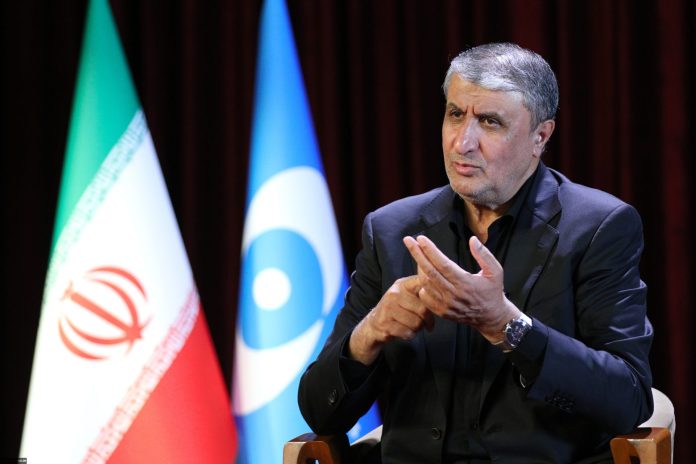
Mohammad Eslami

Speaking at the inauguration of a new plasma-based wound treatment clinic in Isfahan, Eslami said Iran had legally purchased components from reputable European suppliers. However, during transit to Iran, US and Israeli spy agencies secretly tampered with the equipment at an intermediate facility, carrying out “micron-level sabotage.”

According to Eslami, the components appeared intact upon arrival, but after installation in pilot systems, Iranian experts noticed they did not function as expected. He said this prompted further technical checks that revealed deliberate interference.

Eslami stressed that Iran is not seeking to revive a “Persian empire,” rejecting claims recently made by Israeli officials. Instead, he said opposition to Iran stems from its advances in power-generating fields and in sciences and technologies that create strategic superiority.

He added that industrial sabotage against Iran dates back decades and has been particularly evident in the nuclear sector for more than 25 years. Despite such actions, Eslami said Iranian specialists have developed systems to detect faults and continue advancing domestic capabilities.

Saudi Arabia sets executions record in 2025: AFP

Execution in Saudi Arabia

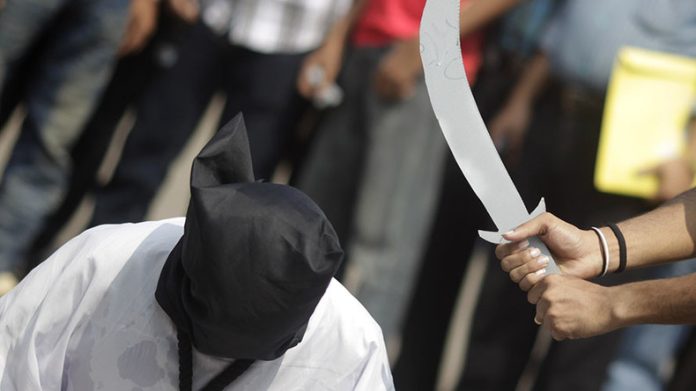
Analysts have largely attributed the surge in executions to Riyadh’s ongoing “war on drugs” launched in recent years — with many of those first arrested only now being executed, following legal proceedings and convictions.

Official data released by the government said 243 people were executed in drug-related cases in 2025 alone, according to AFP’s tally.

The figures from 2025 mark the second consecutive year Saudi Arabia has set a new record for executions, after authorities executed 338 people in 2024.

Saudi Arabia resumed executions for drug offences at the end of 2022, after suspending the use of the death penalty in narcotics cases for around three years.

The Arab world’s largest economy is also one of the biggest markets for captagon, an illicit stimulant that was Syria’s largest export under deposed leader Bashar al-Assad — according to the United Nations.

Assad was ousted from power in December 2024.

Since launching its war on drugs, the country has increased police checkpoints on highways and at border crossings, where millions of pills have been confiscated and dozens of traffickers arrested.

Foreigners are largely bearing the brunt of the campaign to date.

The Persian Gulf kingdom has faced sustained criticism over its use of the death penalty, which rights groups have condemned as excessive and in marked contrast to the country’s efforts to present a modern image to the world.

Activists say Riyadh’s continued embrace of capital punishment undermines the image of a more open, tolerant society that is central to de facto leader Crown Prince Mohammed bin Salman’s Vision 2030 reform agenda.

Saudi Arabia is spending big on tourist infrastructure and top sports events such as the 2034 football World Cup as it tries to diversify its oil-reliant economy.

Authorities in the kingdom, however, argue the death penalty is necessary to maintain public order and is only used after all avenues for appeal have been exhausted.

Amnesty International began documenting executions in Saudi Arabia in 1990.

Figures dating from before then are largely unclear.

Taiwan leader’s speech ‘filled with lies’: China

Lai Ching-te’s New Year address was “filled with lies and nonsense, hostility and malice”, said Taiwan Affairs Office spokesman Chen Binhua, adding that Lai had “incited cross-strait confrontation”, Beijing’s Xinhua news agency said.

The Taiwanese President vowed on Thursday to defend the democratic island’s sovereignty in a New Year’s speech, after China carried out military drills.

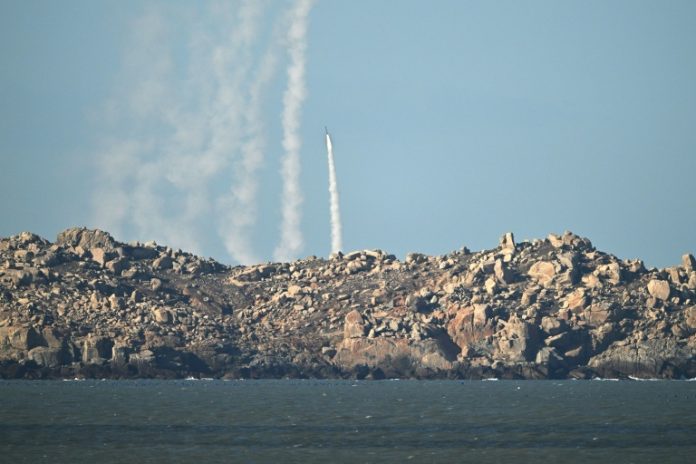
Beijing launched missiles and deployed dozens of fighter jets, navy ships and coastguard vessels this week to encircle Taiwan’s main island, in exercises condemned by Taipei as “highly provocative”.

China claims democratic Taiwan is part of its territory and has threatened to use force to annex it.

“My stance has always been clear: to steadfastly defend national sovereignty, strengthen national defence and whole-of-society resilience, comprehensively establish effective deterrence capabilities, and build robust democratic defence mechanisms,” Lai said in a televised address from the Presidential Office.

China’s show of force follows a bumper round of arms sales to Taipei by the United States, Taiwan’s main security backer, and comments from Japan’s prime minister that the use of force against Taiwan could warrant a military response from Tokyo.

Lai stated that international support for Taiwan “has never wavered”, which signalled that “Taiwan is no longer just Taiwan”.

“We are not only indispensable, we are also a trustworthy, responsible force for good in the international community,” Lai added.

Former FM Zarif urges Iran to shift focus from confrontation to peace, cooperation

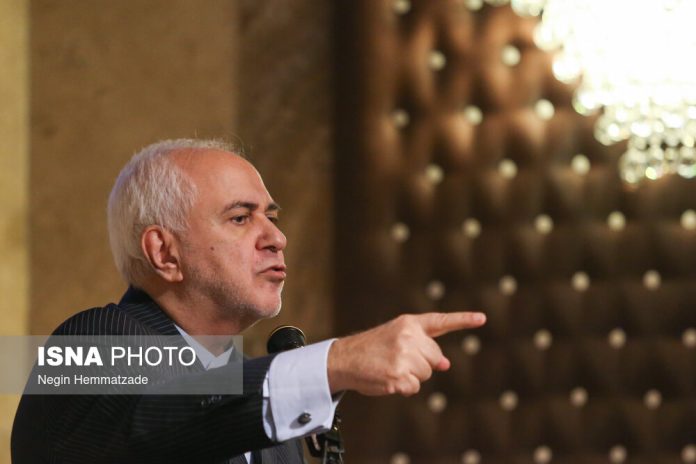
Javad Zarif

Speaking at the opening ceremony of the Covenant Party congress, Zarif said the modern world is no longer defined by rigid blocs or permanent alliances, but by interconnected networks and issue-based coalitions.

He argued that relying on fixed allies is unrealistic in today’s global order and stressed that even traditional adversaries can cooperate on specific issues when interests align.

Zarif described an enemy-driven mindset and zero-sum thinking as ineffective, warning that framing internal groups such as youth, women, the private sector, or digital connectivity as threats only reproduces insecurity in practice. He emphasized that threats are often constructed mentally before they materialize in reality.

Highlighting Iran’s deep civilizational roots, Zarif said national pride should not translate into attempts to recreate past empires or glories, which he described as impractical and costly in current conditions. Instead, he called for realistic idealism grounded in existing human, cultural, and economic capacities.

Zarif stressed that Iran’s greatest asset is its people, noting that no external power has ever been able to dominate the Iranian nation.