Friday, January 2, 2026
Home Blog Page 1101

Iran: Kerman terror attack caused by those using terrorism as tool for their objectives

Kerman Terror Attack

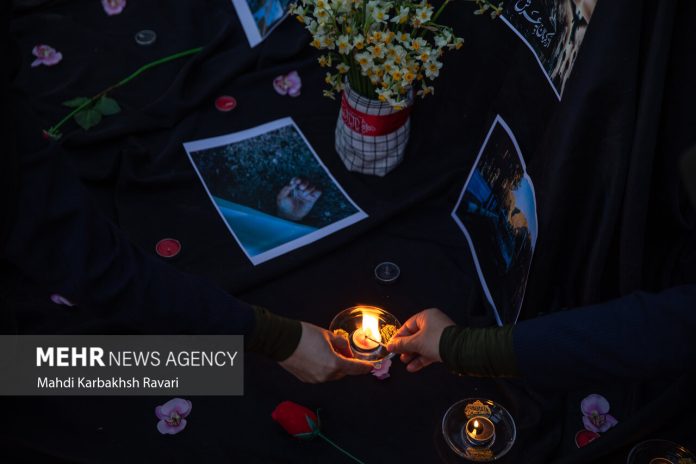
Speaking at a weekly press conference in Tehran on Monday, Kanaani strongly condemned Wednesday’s two explosions in Kerman by the Daesh terrorist group that killed 91 people and injured hundreds of others.

“The incident showed that terrorism is a pervasive peril to all governments and nations. Those who use terrorism as a tool to reach their objectives should be held accountable and bear responsibility for supporting terrorist movements,” he added.

The diplomat also said that the Daesh Takfiri terrorist group has served the interests of the Zionist regime, highlighting confessions about the US’s role in the creation of the ominous phenomenon.

He further emphasized that Iran’s intelligence forces have shown that they are capable of ensuring the security of the nation amid a wave of instability in the region.

Regarding Israel’s genocidal war on the Gaza Strip, the Iranian diplomat said that firstly, the West needs to stop providing Israel with political and security support.

Secondly, he continued, the capacities of international mechanisms and the United Nations Security Council should be used to end Israel’s atrocities against the Palestinian people.

Kanaani also said that Iran believes in the rights of the Palestinian people in defiance of threats by some parties promoting unfair solutions in favor of the Zionist regime.

“We believe that Iran’s initiative can … end the Palestinian crisis. We believe that the [Israeli] occupation is Palestine’s major issue and that it must be resolved,” he added.

Iran has long proposed a referendum with the participation of all the original inhabitants of the Palestinian lands and their descendants as an ultimate solution to the long-running conflict in Palestine.

On Sunday, US Secretary of State Antony Blinken warned that the Israeli war on Gaza could “metastasize” to the wider West Asia.

Commenting on the remarks, Kanaani said, “If the crimes of the Zionist regime are not prevented, the scope of the war will expand. If we are witnessing the spread of the war in the region, it is the outcome of the US’s negligence toward this concern.”

He further stressed that regional issues are related to the governments and nations of the region and that Washington plays a destructive role in this regard.

Kan’ani also described recent incidents in the Red Sea as “an outcome of the situation in Palestine.”

“The cause is the occupation and the war that is being waged against the oppressed people of Gaza with US support over the past three months. The war has had consequences in the region and if it goes on, the consequences will continue.”

Israel waged the genocidal war on Gaza on October 7 after the Palestinian Hamas resistance movement carried out a historic operation against the occupying entity in retaliation for its intensified atrocities against the Palestinian people.

So far, the Tel Aviv regime has killed at least 22,835 Palestinians, mostly women and children, and injured 58,416 others.
Taliban brand Daesh as common Enemy of Afghanistan, Iran

Daesh

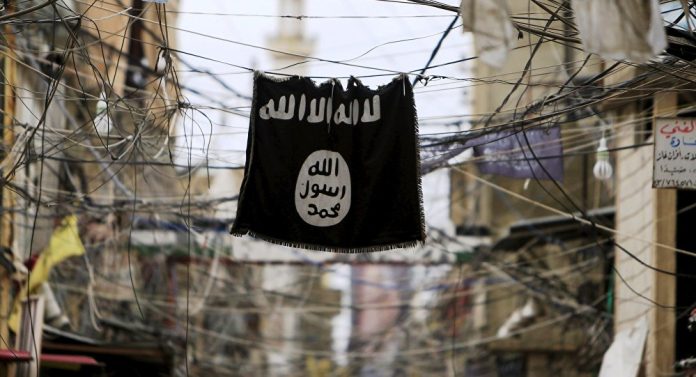
In a meeting with Iran’s special envoy for Afghanistan, held in Kabul, the political official of the Taliban offered his condolences to Iran over a January 3 terrorist attack that killed over 90 people in Iran’s southern city of Kerman.

Branding the Daesh terrorists as the common enemy of Afghanistan and Iran, Abdul Kabir said the notorious group seeks to upset security in the region and murder innocent people.

He also appreciated Iran for its assistance to Afghanistan, which he said favors closer relations with all neighbors.

The clear policy of the Taliban is that no threat originating from Afghanistan should be posed to other countries, he stated, highlighting Kabul’s efforts to play a positive role in the establishment of regional security and stability.

For his part, the Iranian envoy, Hassan Kazemi Qomi, emphasized that Iran would not support the opponents of the Taliban government.

Iran is trying to incorporate Afghanistan into regional cooperation, he added.

The envoy also expressed confidence that the groups and parties seeking to incite discord and division between Iran and Afghanistan will get nowhere.

Apart from the political developments, the two officials discussed ways to promote economic cooperation between the two Muslim neighbors.

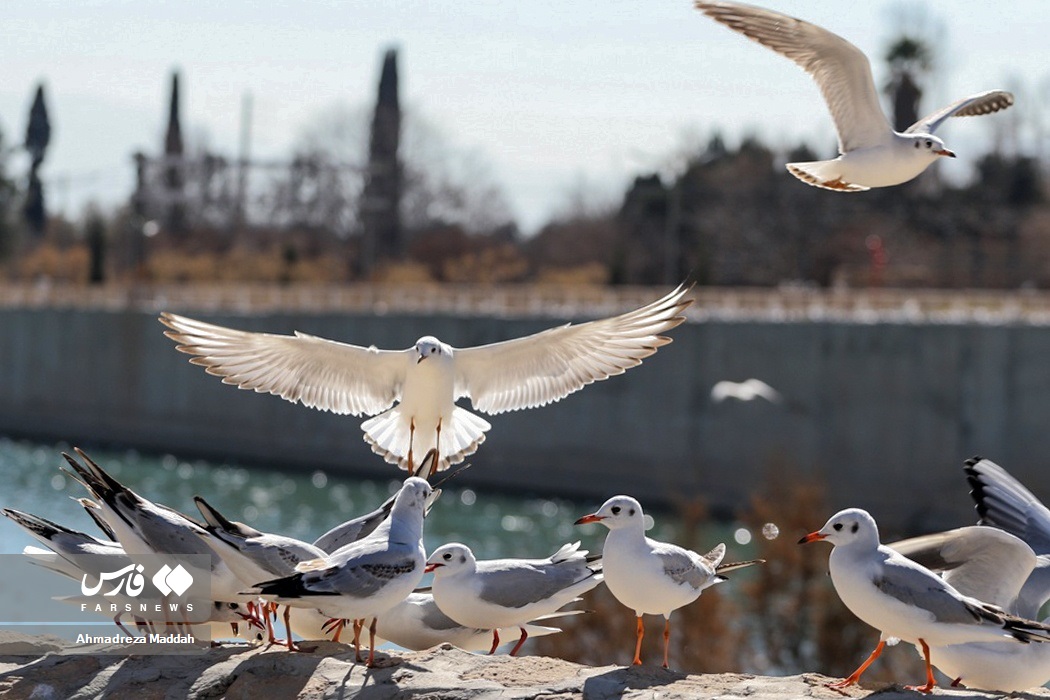
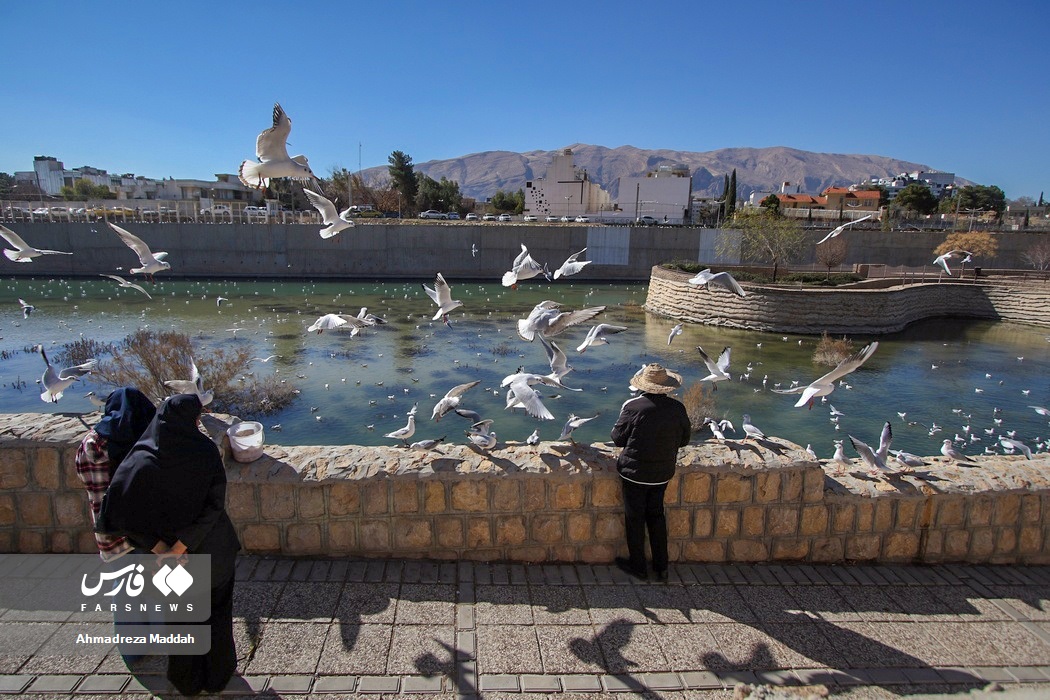
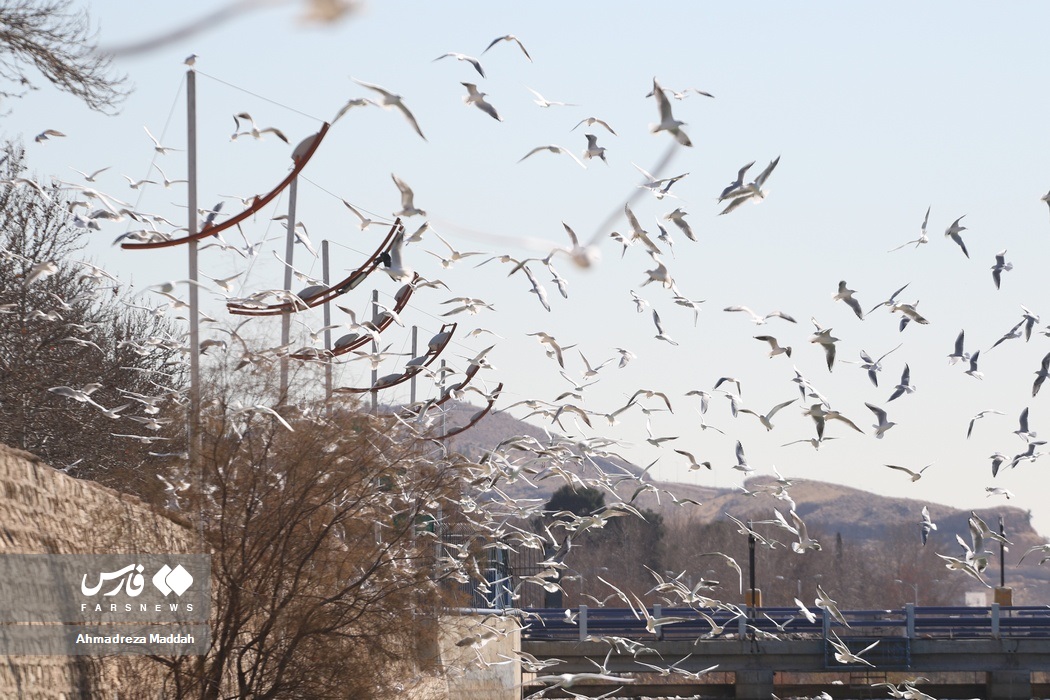
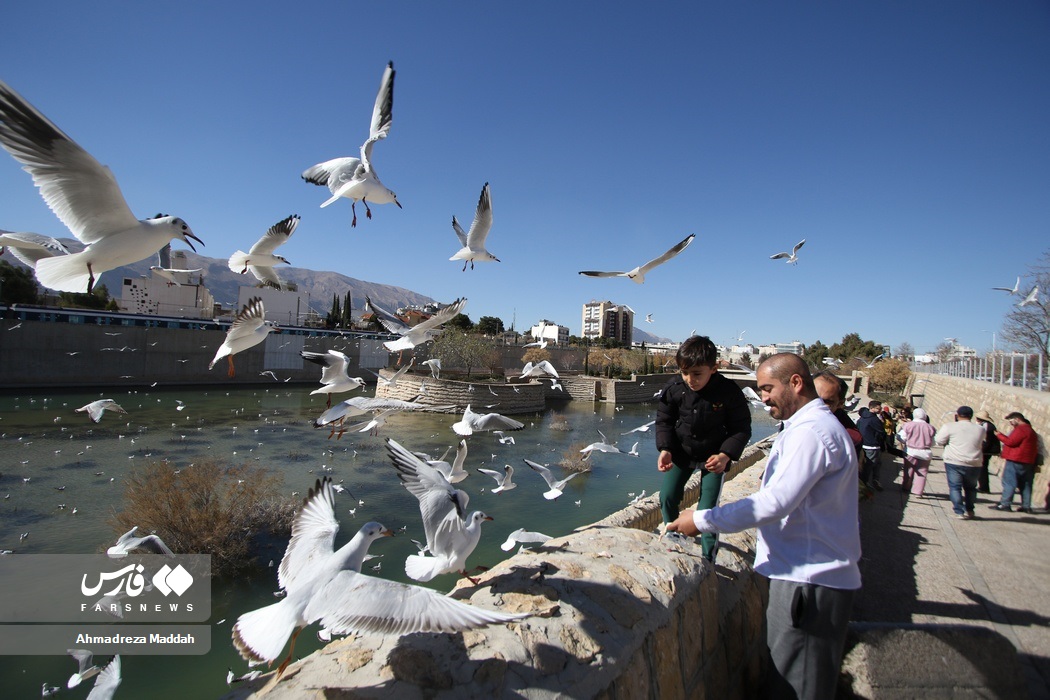
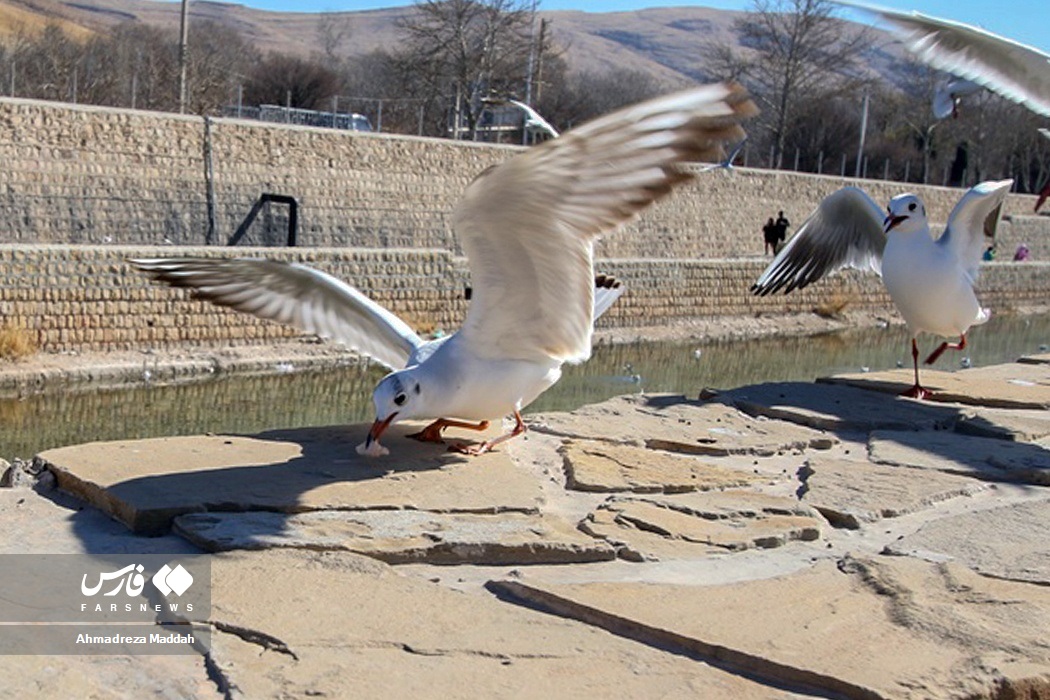
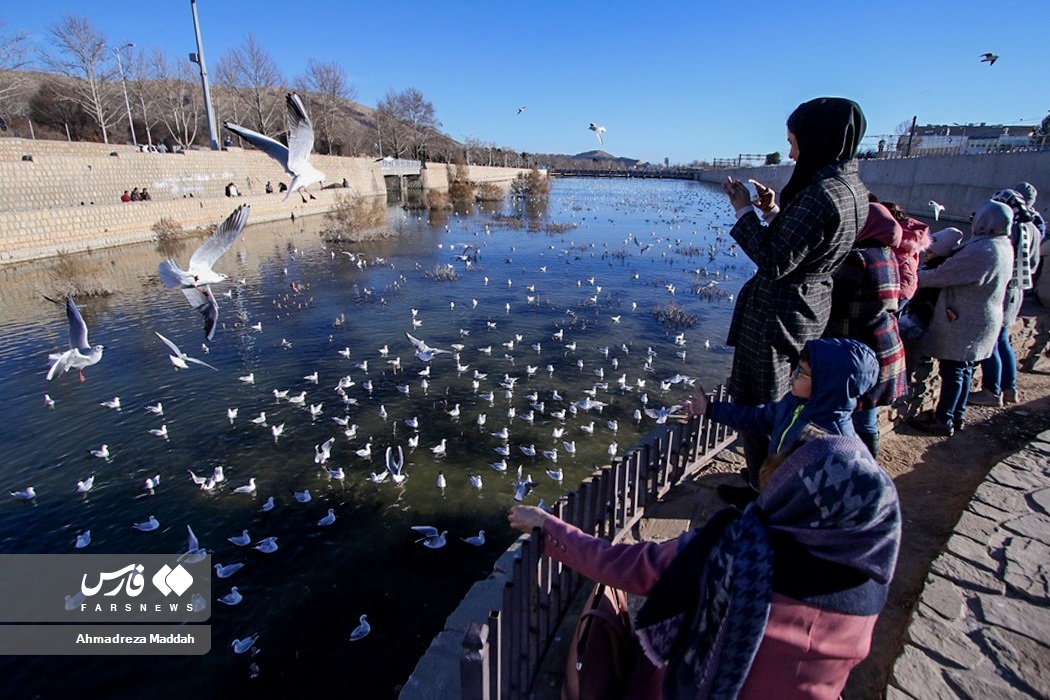
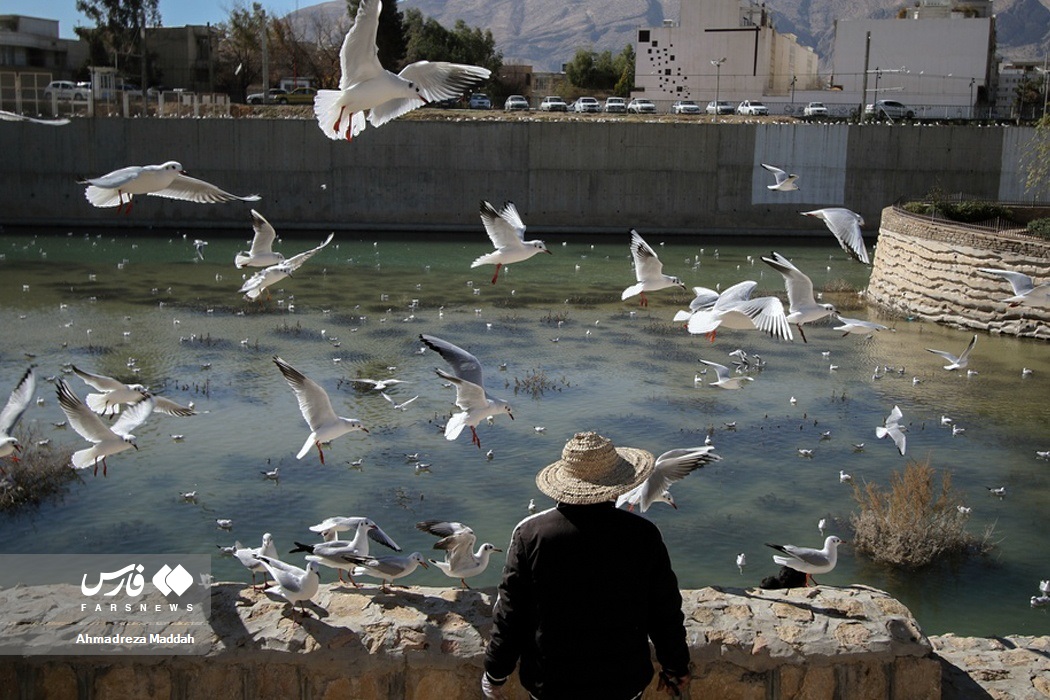
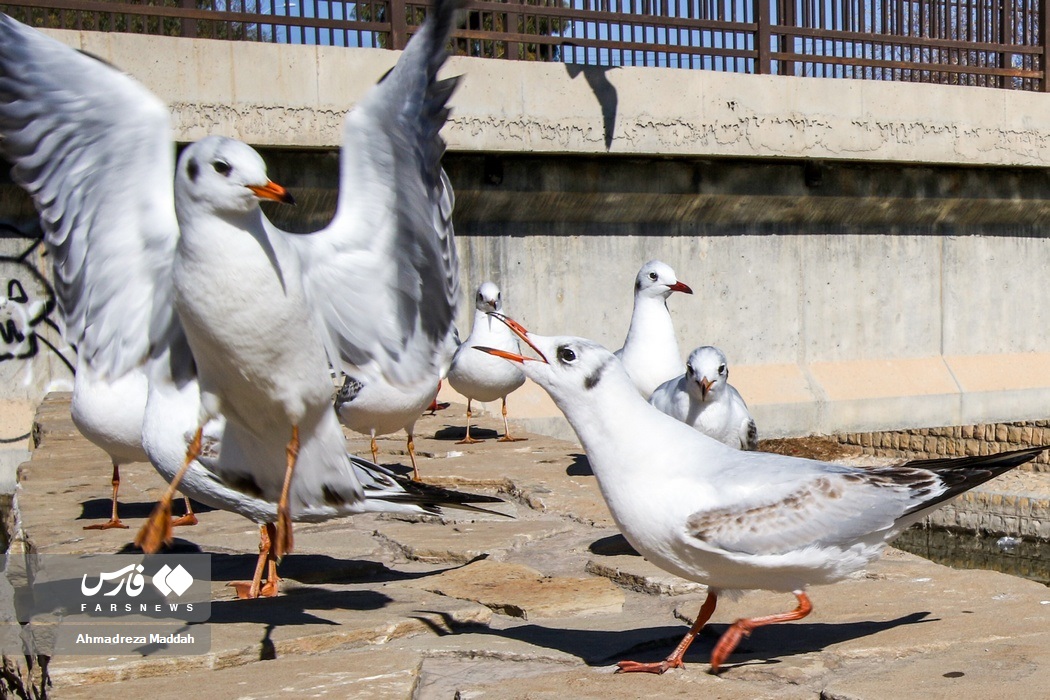
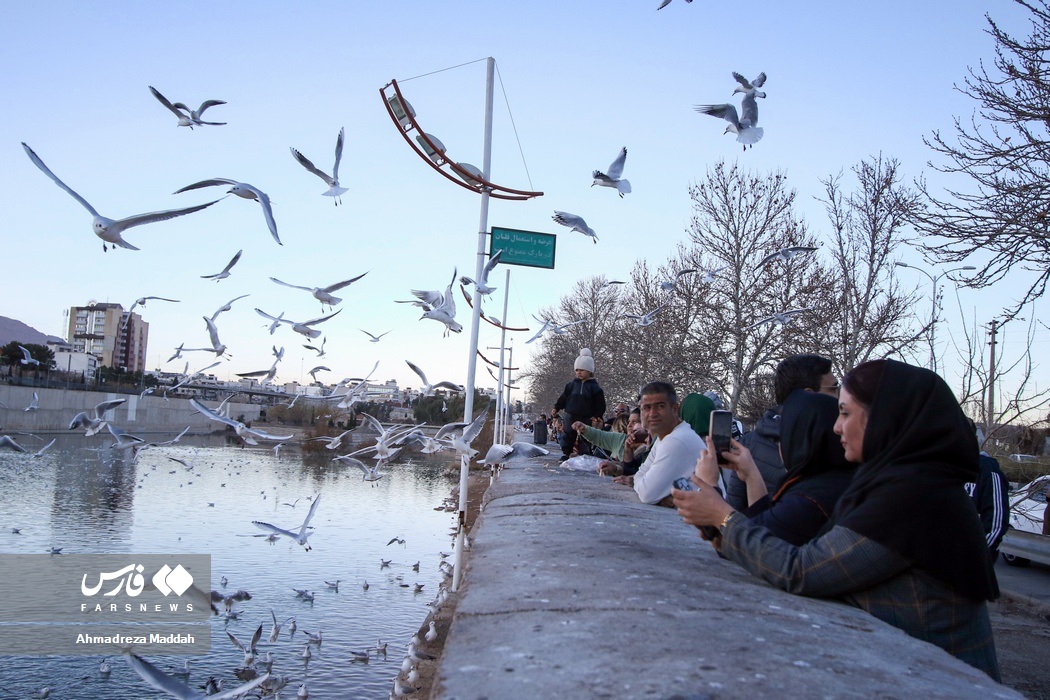
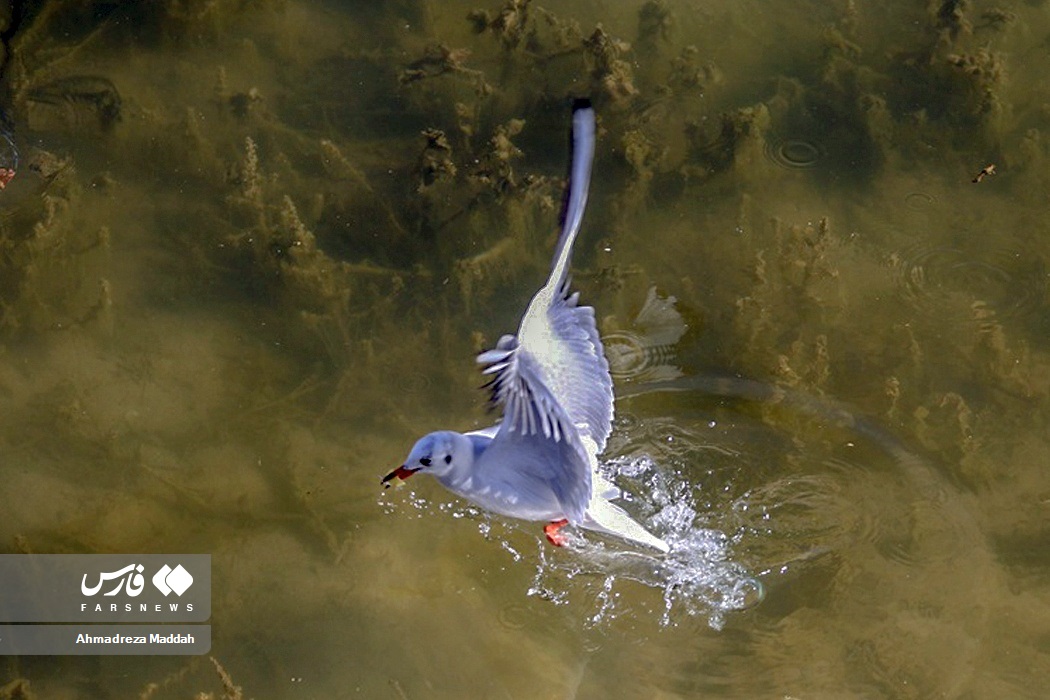
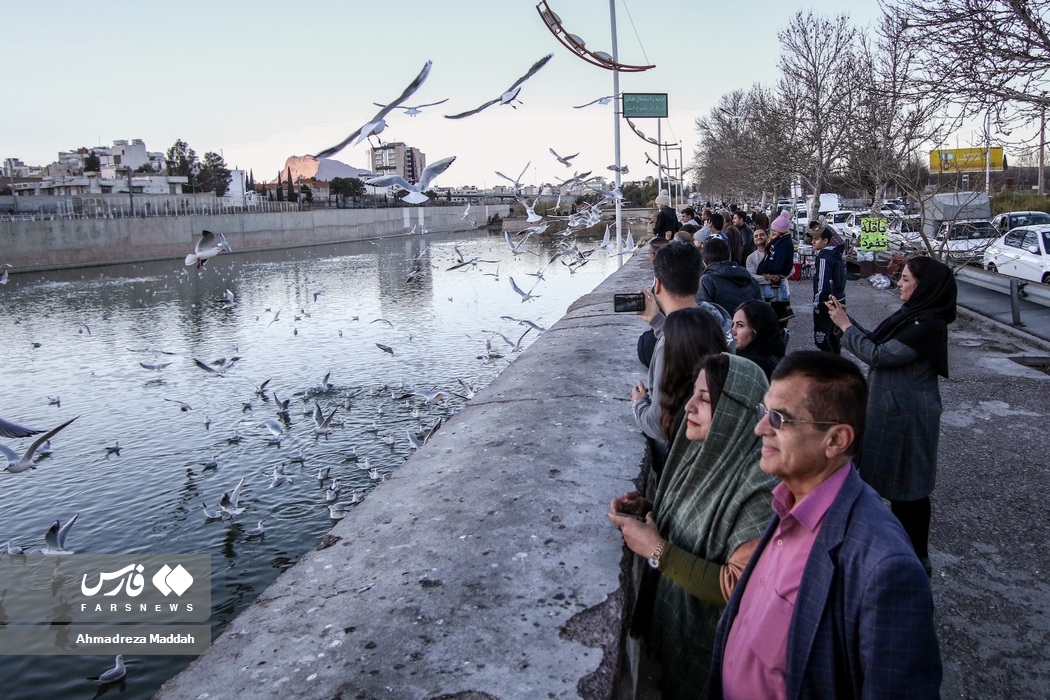
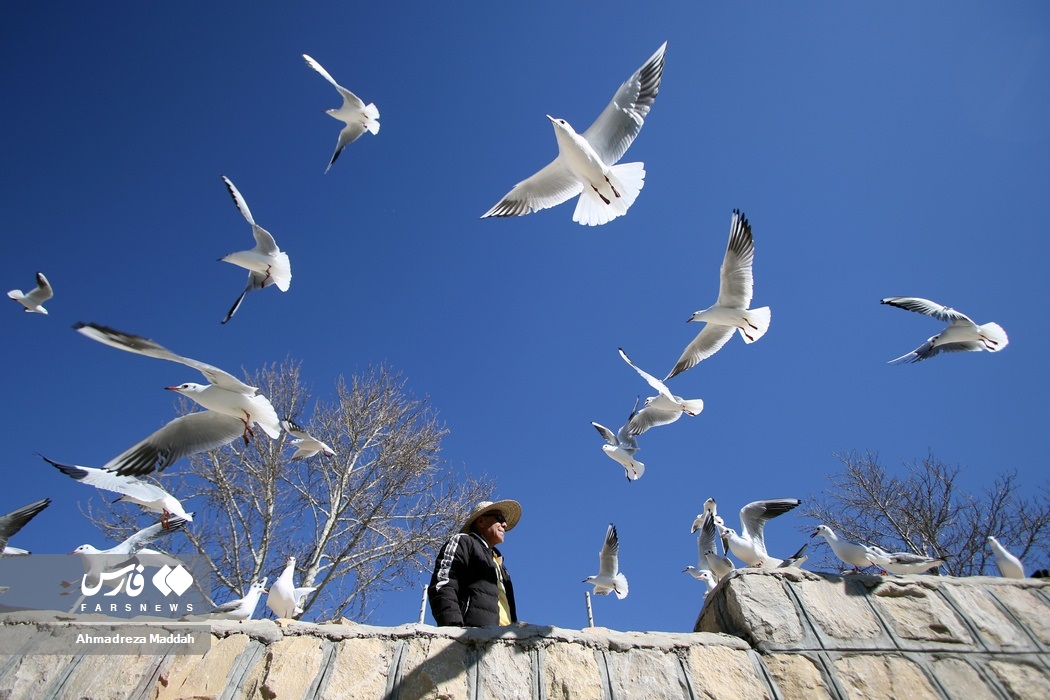
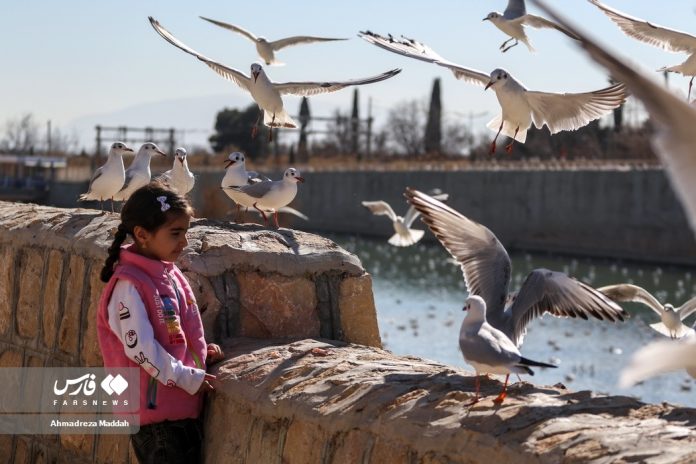
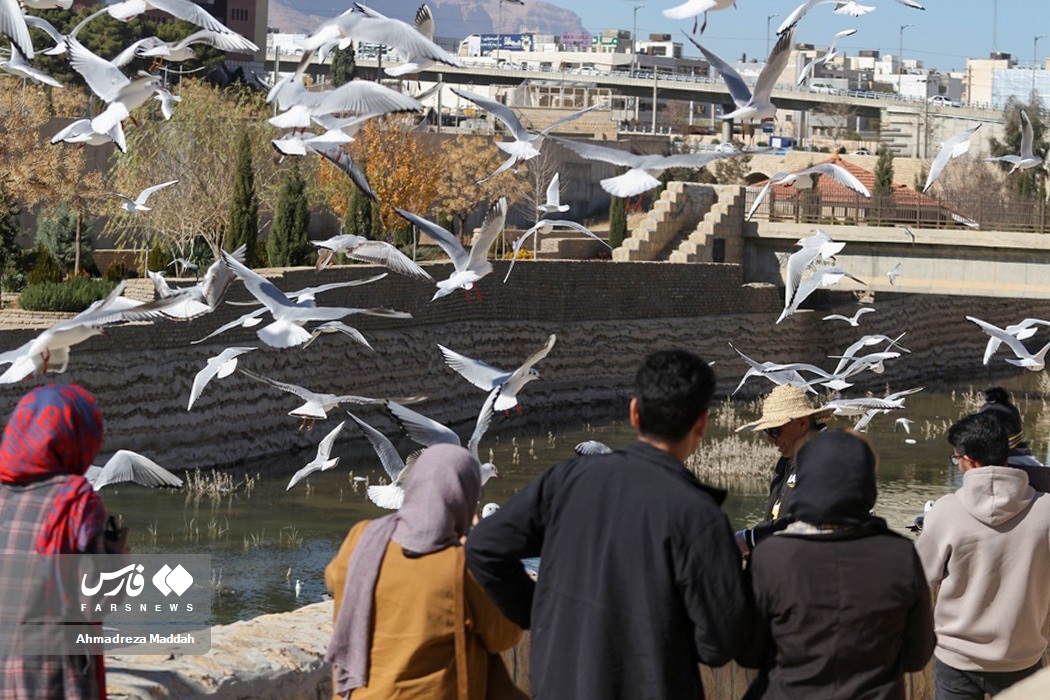
Siberian seagulls, cherished guests of Iran’s Shiraz

Siberian seagulls, cherished guests of Iran’s Shiraz

The migratory birds, who choose the dam as their new abode, give a new splendor to the city which has earned the titles of “Flowers and Nightingales” and “Poetry and Literature” among others.

You can enjoy watching some of the enthralling pictures:

Iranian official sounds the alarm over migration rate

Iran Airport

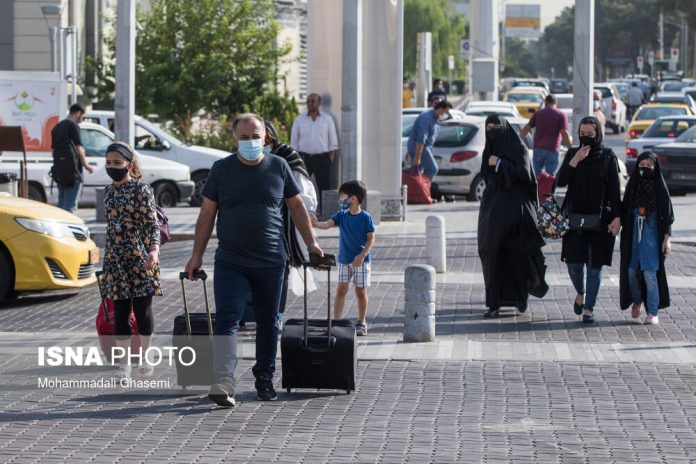
Addressing a conference dubbed the Revolution System Theory on Monday in the capital Tehran, the head of the Center for Strategic Studies affiliated with the President’s Office said Iranians do not necessarily migrate for economic reasons.

Mostafa Zamanian said, “When we take a closer look, analyze and examine many social phenomena such as migration … we realize that the root cause of the issue is not really economy, unemployment, or job creation, but it is because we haven’t given the people a bright picture of the future.”

The official also said the new wave of migrants are not looking for a better future in other countries, but rather, they are disillusioned with their homeland, a trend he described as ‘dangerous’.

Iran Migration Observatory, which offers statistics on the rate of migration from the country, says emigration from Iran is currently plaguing different sectors and professions.

Although no official figures have been released on the migration of physicians in Iran, World Health Organization reports on the employment have indicated that Iran ranks high in terms of the number of migrants in the sector.

Global oil prices may double: Report

Iran Oil Tanker

The Houthis have staged a de facto blockade of shipping through the Red Sea and continued to attack cargoes following the escalation of hostilities between Israel and Hamas in Gaza. The Yemen-based fighters target vessels thought to be linked to Israel, which they say is in solidarity with the plight of the Palestinians.

“If you’ve got a disruption of the Strait of Hormuz for a month, prices would rise by 20%,” Struyven said, adding that prolonged interference in the strait could eventually double oil prices.

Despite viewing the scenario as “highly unlikely”, Struyven joins a wide range of analysts from across the entire energy sector decrying the situation in recent weeks.

The increasing attacks have forced global shipping companies to divert vessels from the Red Sea around the Cape of Good Hope, at the southern tip of Africa. For cargos travelling from Asia to Europe or North America, that course adds around 6,000 nautical miles to the journey and can delay delivery times by up to a month, inevitably sending shipping costs soaring.

The Houthi strikes have been continuing for weeks, and threaten to significantly disrupt the flow of commercial goods through the Red Sea and Suez Canal, an important artery for trade between Asia and Western countries. The militants have launched missiles at least two dozen times since December 19 in response to the Israel-Hamas war.

EU has other problems to solve before creating ‘European Army’: Russia

Maria Zakharova

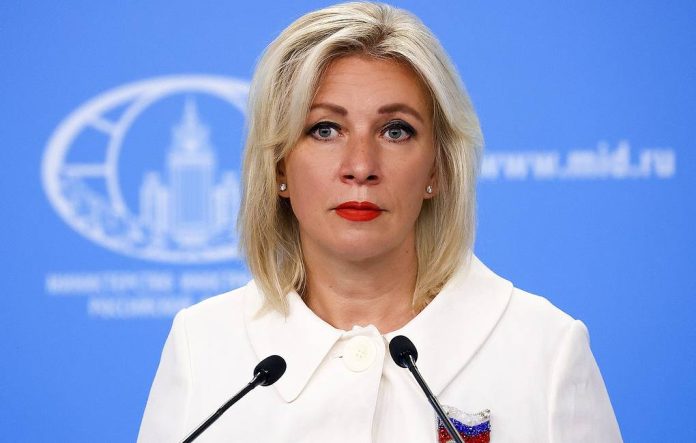
“An EU army? Maybe you should start by developing your own vaccine against COVID-19? Or learn how to humanely — in accordance with your international obligations — guard the borders of the EU?” Zakharova wrote on her Telegram channel.

The spokeswoman added that the EU also has an unresolved refugee problem.

The official stressed that before armed forces are established, it is necessary to determine what fuel they will use. Otherwise, the United States will be able to blackmail the EU by raising fuel prices if Brussels does not send its troops where Washington says, the spokeswoman emphasized.

Zakharova concluded by questioning why each NATO member pays into the “common treasury” — in fact, the US treasury — huge sums that should have been spent on ensuring collective security.

Earlier on Sunday, Tajani stated the European Union should form its own army that could play a role in peacekeeping and conflict prevention.

Last November the head of NATO’s Joint Logistics Command, Alexander Zolfrank, announced his desire to create a “military Schengen”. The agreement would imply that the armies of member states would be able to move freely within the alliance. The general explained that NATO forces now face obstacles in the form of national regulations in the movement of troops and ammunition. The official said Europe should “prepare in advance the theatre” of potential military action in the event of possible application of the NATO charter’s article five on collective defense.

Commenting on these statements, Russian presidential spokesman Dmitry Peskov said Europe was unwilling to listen to Moscow’s concerns and ignored the principle of indivisibility of security.

Over 10 children a day lose a limb in Gaza: Report

Gaza War

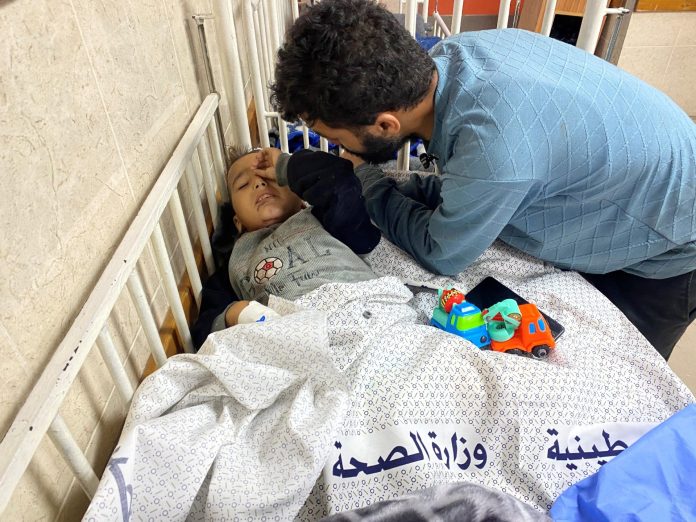
Jason Lee, Save the Children’s country director in the occupied Palestinian territories, said on Sunday that more than 10 children per day, on average, had lost one or both of their legs in Gaza since Israel launched an all-out aggression on the besieged territory early in October.

Lee made remarks on Sunday while explaining about the dire humanitarian situation across the Israeli-bombarded besieged strip. He further warned that the killing and maiming of children constitute grave violations of children’s rights.

“The suffering of children in this conflict is unimaginable and even more so because it is unnecessary and completely avoidable. This suffering, the killing and maiming of children is condemned as a grave violation against children, and perpetrators must be held to account,” he stated.

Lee further added that the international community must take serious action to stop violations and hold Israel responsible for crimes against children.

“Unless action is taken by the international community to uphold their responsibilities under International Humanitarian Law and prevent the most serious crimes of international concern, history will and should judge us all. We must heed the lessons from the past and must prevent “atrocity crimes” from unfolding.”

“I’ve seen doctors and nurses completely overwhelmed when children come in with blast wounds. The impact of seeing children in that much pain and not having the equipment, or medicines to treat them or alleviate pain is too much for even experienced professionals. Even in a war zone, the sights and sounds of a young child mutilated by bombs cannot be reconciled let alone understood within the bounds of humanity.”

Since 7 October, more than 1,000 children have had one or both legs amputated, according to the UN Children’s Fund, UNICEF.

Many of these operations on children were done without anesthetic, with the healthcare system in Gaza crippled by the Israeli aggression, and major shortages of doctors and nurses, and medical supplies like anesthesia and antibiotics, according to the World Health Organization (WHO).

Lee highlighted that children are experiencing widespread destruction, relentless attacks, explosions and a severe shortage of necessities.

“Small children caught up in explosions are particularly vulnerable to major, life-changing injuries. They have weaker necks and torsos, so less force is needed to cause a brain injury. Their skulls are still not fully formed, and their undeveloped muscles offer less protection, so a blast is more likely to tear apart organs in their abdomen, even when there’s no visible damage.”

While 13 out of Gaza’s 36 hospitals remain partially functional, they are operating on a partial and fluctuating basis, dependent on their access to fuel and basic medical supplies on any given day.

The nine partially functional hospitals in the south are operating at three times their capacity while facing critical shortages of basic supplies and fuel. In addition, only 30% of Gaza’s pre-conflict medics are still working.

Elsewhere in his remarks, Lee underlined the need for an urgent ceasefire in Gaza and the delivery of humanitarian aid to the besieged territory.

“Only a definitive ceasefire will end the killing and maiming of civilians and allow in desperately needed humanitarian aid – including critical medicines for wounded children – at the scale and locations required,” he underscored.

The US has provided the regime with thousands of arms consignments since the initiation of the war.

Washington, which has backed Tel Aviv’s ferocious attacks on Gaza as a means of “self-defense”, has also been casting its veto against the UN Security Council resolutions that would call on the occupying regime to cease its aggression.

The Gaza-based Hamas resistance movement slammed the US for sinking the UN ceasefire call, stating that the measure clearly shows Washington’s direct complicity in the Israeli carnage against Palestinians in the Gaza Strip.

Some 23,000 Palestinians have been killed and a further 58,000 injured in the three months since October 7, with children being maimed and killed at a devastating rate, and entire families being killed daily.

Gaza war to continue throughout 2024: Israel’s army chief

Israel Army

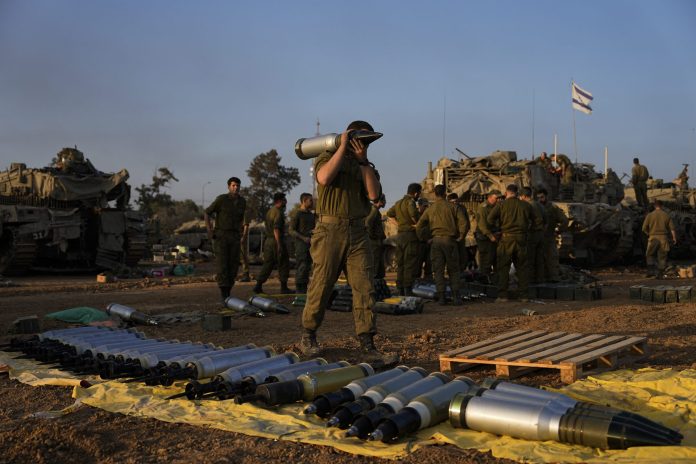
Herzi Halevi, the chief of staff of the Israel Defense Forces (IDF), made the remarks during a visit to the West Bank, a Palestinian territory occupied by Israel since 1967.

Halevi said 2024 would be “challenging” and that Israel would “certainly be involved in fighting in Gaza throughout the year”, implying that the current full-scale conflict with Hamas, the Palestinian faction that rules Gaza, could ease but not end.

The Palestinian death toll from the ongoing Israeli attacks on the Gaza Strip rose to 22,835, and the injuries have reached 58,500, the Gaza-based Health Ministry announced Sunday. Additionally, around 1,200 people in Israel have lost their lives due to the Hamas attack.

He also warned of a possible flare-up in violence “on other fronts, especially the West Bank,” where tensions have risen since the start of the ongoing conflict in Gaza, which started on Oct. 7, 2023, following a surprise attack from Hamas.

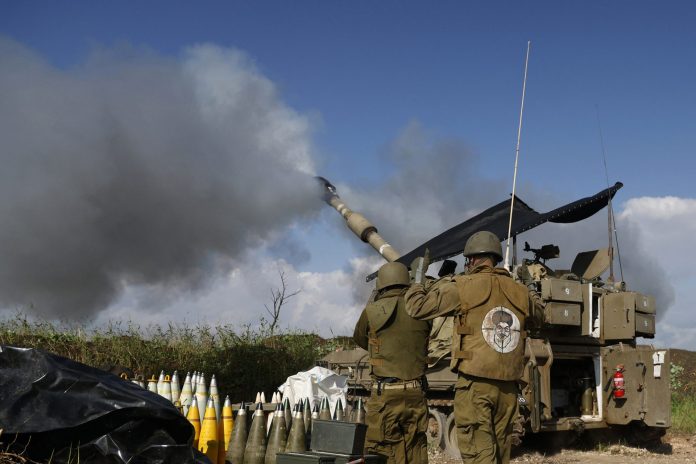
Halevi also added the IDF would increase “the pressure it exerts” on Israel’s northern border with Lebanon, where it has traded fire with Hezbollah in recent months.

“Hezbollah has decided to join this war. We are increasingly exacting a toll on them,” he said, adding that the army had “a responsibility, a duty, to securely return northern residents to their homes”.

Hezbollah has been trading fire with Israel since early October when the Israeli regime launched a full-scale military campaign against the Palestinians in Gaza. Hezbollah’s attacks on Israeli targets are aimed at forcing the regime to end the aggression that has left more than 22,700 people dead in Gaza.

The fighting has forced the evacuation of tens of thousands from the northern part of the Israeli-occupied territories, which have been pummeled by rocket fire and shelling carried out by Hezbollah and allied Palestinian groups.

Nearly 150 Hezbollah fighters have lost their lives since the beginning of the conflict, while some 11 Israeli soldiers have also been killed.

Hezbollah has already fought off two Israeli wars against Lebanon in 2000 and 2006, forcing a humiliating retreat upon the Tel Aviv regime’s military in both cases.

The resistance movement has vowed to resolutely defend Lebanon in case of any Israeli-imposed war.

The group announced on Saturday that it hit an Israeli observation post with 62 rockets as a “preliminary response” to the recent killing of senior Hamas leader Saleh Al-Arouri in Lebanon.

Cost of Israeli war on Gaza Strip reaches $60 billion: Report

Israeli Army

“After tabulating every aspect of the war thus far, the price tag stands at around $60 billion. This includes the war budget itself as well as the various forms of financial aid for every civilian that saw his income dwindle because of the conflict,” Yedioth Ahronoth newspaper said.

The Israeli daily noted most objectives set by the Israeli government for the Gaza war have not yet been achieved, citing failure to dismantle Hamas and the release of hostages held by the Palestinian group.

“Another goal that remains elusive is the killing of Hamas’ most senior commanders,” it added.

“Forces are proving more adept at recognizing and dismantling explosive traps as well as more efficient maneuverability to avoid ambush and evacuating the wounded,” it added.

The newspaper said that the Gaza war costs the Israeli around $272 million every day.

“Evacuated populations, both from the north and south, numbers about 125,000 people, and taking care of them runs a tab that’s already in the billions.”

“State budget is looking at a $30 billion deficit as is, which will require both budget cuts and tax hikes to the tune of over $18 billion, which will be felt keenly in terms of quality of life and reduced services for the Israeli public at large.”

Israel has launched air and ground attacks on the Gaza Strip since a cross-border attack by Palestinian resistance group Hamas on Oct. 7.

At least 22,835 Palestinians have since been killed and 58,416 others injured, according to Gaza’s health authorities, while nearly 1,200 Israelis are believed to have been killed in the Hamas attack.

The Israeli onslaught has left Gaza in ruins, with 60% of the enclave’s infrastructure damaged or destroyed, and nearly 2 million residents displaced amid acute shortages of food, clean water, and medicines.

Numerous international legal experts have said Israel’s actions in Gaza constitute war crimes or genocide, and countries such as Türkiye and South Africa are working to bring legal cases to that effect in international courts.

Yemen says US insistence on support for Israel would blow up West Asia

Gaza War

“The US’s insistence on continuing support for Israel against Gaza could blow up the region,” Mohammed Abdul-Salam, spokesman for Yemen’s Ansarullah resistance movement, said in a social media post on Sunday.

The United States has offered untrammeled support for Israel since October 7, when the occupying entity waged the bloody war on Gaza following a historic operation by the Palestinian Hamas resistance group.

Since the start of the offensive, Israel has killed at least 22,835 Palestinians, mostly women and children, and injured 58,416 others.
In solidarity with the Palestinians in besieged Gaza, the Yemeni armed forces have targeted ships in the Red Sea with owners linked to Israel or those going to and from ports in the occupied territories.

In November, they seized the Israel-leased cargo ship Galaxy Leader and turned it into a tourist attraction.

The US has formed a multinational military coalition against Yemeni forces in the Red Sea, through which 12 percent of global trade passes.

Abdul-Salam stated that the US should realize that the militarization of the Red Sea will not prevent Yemen from supporting the Palestinian resistance in Gaza.

In a bid to divert public attention from the Israeli massacre in Gaza, American officials try to portray developments in the Red Sea as a threat to global interests, he added.

Separately on Sunday, Mohammed Ali al-Houthi, a member of Yemen’s Supreme Political Council, asked ships passing through the Bab al-Mandeb Strait to declare they have no connection with the Tel Aviv regime.

Each ship approaching Bab al-Mandeb should broadcast the sentence, “We have no relation with Israel”, he stressed, noting that it is a “simple and inexpensive solution” to de-escalate tensions in the Red Sea.