Thursday, December 25, 2025
Home Blog Page 1085

“It’s a horrific situation across board”: WHO citing food scarcity in Gaza

Gaza War

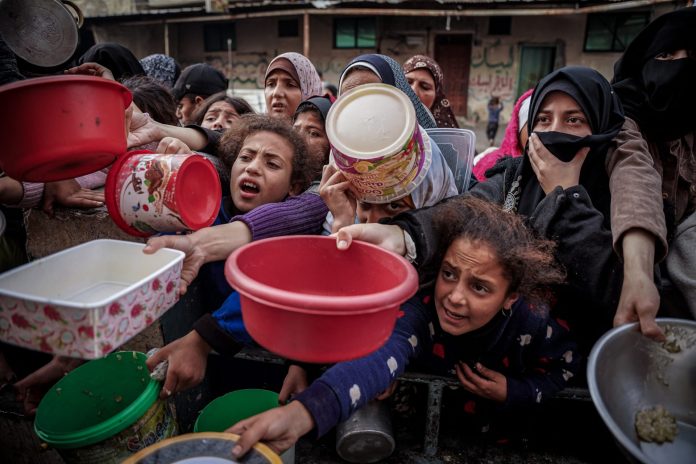
“There’s almost no food available and everybody we talked to begs for food,” Sean Casey, an emergency coordinator for the WHO said during a news briefing Wednesday.

Casey, who has carried out several WHO missions to northern Gaza, stated each time his team delivered medical supplies to the region, they were asked to bring food the next time.

“That’s not possible for a number of reasons including coordination and security concern,” Casey added.

WHO has “no communication with entire areas”, but Casey said when he meets a patient who has had a double amputation and asks for food or water, it is clear “they’re not getting their basic needs met”.

The WHO was unable to reach northern Gaza since December 26 and was forced to cancel six planned missions, according to briefing notes.

Many people in central Gaza are also going hungry because there is not enough food coming in, Casey continued.

Even in southern Gaza, closest to the Rafah border crossing with Egypt where deliveries are received, not many people are eating a full meal a day, he said, adding, “It’s a horrific situation across the board.”

WHO Director-General Tedros Adhanom Ghebreyesus also said Wednesday although many around the world rang in the new year earlier this month, “2024 is not a happy new year”.

This Sunday will mark 100 days since the Israel-Hamas conflict, Tedros noted, adding that “the situation is indescribable”.

In Gaza, “People are standing in line for hours for a small amount of water, which may not be clean, or bread, which alone is not sufficiently nutritious. Only 15 hospitals are functioning, even partially”, Tedros said.

“Delivering humanitarian aid in Gaza continues to face nearly insurmountable challenges. Intense bombardment, restrictions on movement, fuel shortages and interrupted communications make it impossible for WHO and our partners to reach those in need,” he continued, adding, “We have the supplies, the teams and the plans in place. What we don’t have is access.”

Disruptions to the health care and water sanitation systems, the lack of food and water as well as having people displaced in the winter is “a cocktail for diseases”, said Dr. Richard Peeperkorn, the WHO’s representative in the occupied Palestinian territories.

WHO Health Officer Dr. Teresa Zakaria, the incident manager for the escalation of violence in Israel and the occupied Palestine territories, stated the agency’s surveillance systems are capturing the manifestation of diseases, but they aren’t able to verify the bacteria, parasite or virus causing the illnesses.

“We have seen increased reports of acute respiratory infections, diarrheal diseases, jaundice. But again, these are just manifestations of multiple diseases and we can’t get to the bottom of it because we’re not in a position to even test, collect samples and test,” she added.

“We don’t know what we’re dealing with,” she said, adding, “There are a lot of diseases that may actually just spread undetected and that is extremely concerning because by the time we actually find out about it, it will be at a very late stage for which then containing it will be extremely difficult.”

The agency canceled six planned missions to northern Gaza since December 26 “because our requests were rejected and assurances of safe passage were not provided”, the director-general continued.
Number of severely wounded Ukrainian soldiers up by 30%: Report

Russia Ukraine War

Russian forces now enjoy key advantages, including a greater number of drones, the capability to counter Kiev’s own unmanned aerial vehicles as well as larger stocks of ammo, unnamed soldiers have told the outlet.

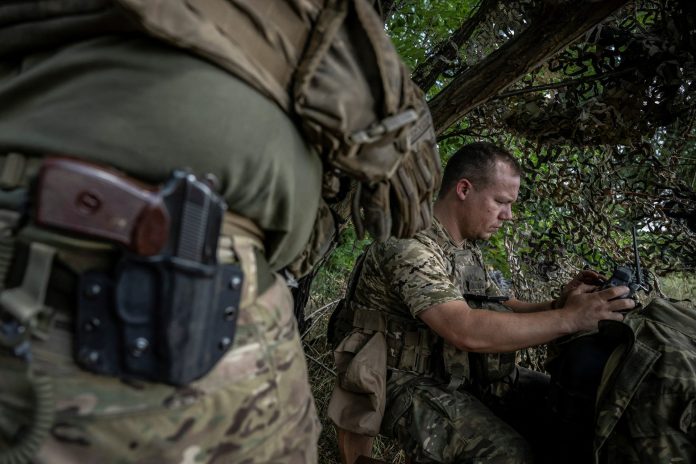
Dr. Sergey Ryzhenko of the Mechnikov Hospital in Dnepr, one of the oldest and largest in Ukraine, told the broadcaster the facility is now taking in between 40 and 100 seriously wounded service members a day, a 30% increase on previous casualty figures.

His team is performing between 50 and 100 surgical procedures per day on the soldiers, many of which are amputations.

Doctors at the hospital have performed amputations on about 3,000 service members since the escalation of the Ukraine conflict in February 2022, Ryzhenko told the outlet.

ABC also spoke with a Ukrainian amputee who lost his arm in a Russian drone strike, noting that these weapons have become one of the most dangerous in Moscow’s arsenal.

Ukraine is heavily dependent on its Western backers for military supplies. The US has struggled to approve further funding for Ukraine due to Republican opposition in Congress; additionally, the EU has so far been unable to greenlight €50 billion ($54 billion) in aid for Kiev because of Hungary’s veto.

Ukraine has been reluctant to release the official data of its battlefield losses but it recently announced plans to mobilize an additional 500,000 troops.

The conscription campaign, which has been underway since the early days of the conflict, has been marred by draft dodging and corruption. Ukraine’s former Prosecutor General Yury Lutsenko suggested that Kiev might convince the population to join the fight by revealing the true scale of its losses, which he estimated at 500,000, or 30,000 a month.

Last month, Russian Defense Minister Sergey Shoigu said that Ukraine had lost 383,000 troops since late February 2022, and on Tuesday he stated that Kiev’s casualties in 2023 alone reached 215,000 soldiers. According to Moscow, Ukraine suffered particularly heavy losses during its botched summer counteroffensive that failed to gain any significant ground.

Health Ministry: Staff inspected cases resulting from Israeli use of banned weapons in Gaza

Gaza War

“The health system in the Gaza Strip is constantly collapsing in light of the ongoing bombing and the absence of medical aid,” Ashraf al-Qudra said.

He added that the Israeli forces have sentenced 800,000 people to death in northern Gaza as a result of the catastrophic healthcare system in hospitals.

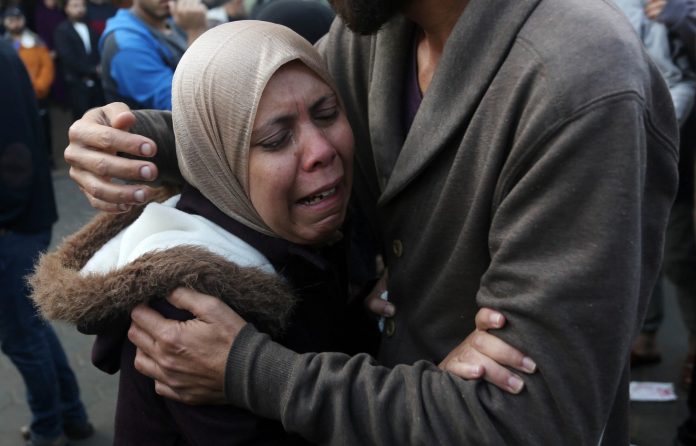
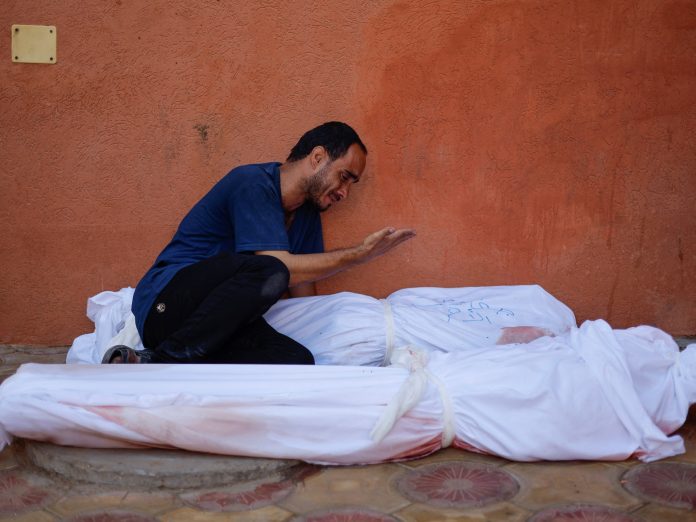
The Palestinian death toll from a deadly Israeli offensive on the Gaza Strip has surged to 23,357 since Oct. 7, the Health Ministry in the enclave said on Wednesday.

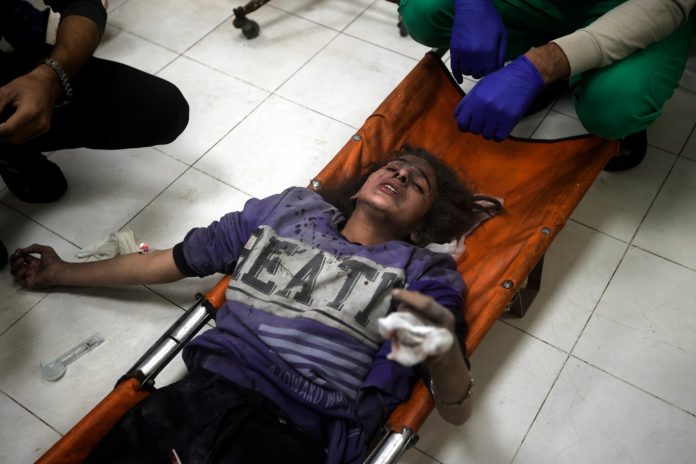
A ministry statement noted that 59,410 other people have also been injured in the onslaught.

“At least 147 people were killed and 243 others injured in Israeli attacks in the last 24 hours,” the ministry added.

“Many people are still trapped under rubble and on the roads and rescuers can’t reach them,” the statement read.

Israel has pounded the Gaza Strip since a cross-border attack by Palestinian group Hamas in October, in which nearly 1,200 Israelis are believed to have been killed.

About 85% of Gazans have been displaced by the Israeli onslaught, while all of them are food insecure, according to the UN. Hundreds of thousands of people are living without shelter, and ⁠less than half of aid trucks are entering the territory than before the start of the conflict.

Robert Mardini, director of the International Committee of the Red Cross (ICRC), told Al Jazeera that all hospitals in Gaza are suffering from a total collapse of the healthcare system, calling it “unacceptable and dangerous”.

“The medical supplies in the Gaza Strip are absolutely insufficient to provide relief to the wounded and sick,” he said, adding, “Hospitals in northern Gaza are no longer able to provide any surgical services.”

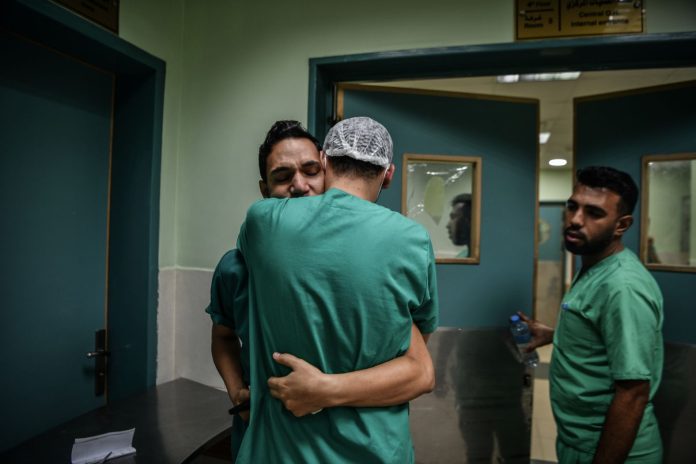
Officials say the current health situation in Gaza is “beyond catastrophic,” with most hospitals completely out of service in Gaza City and the north. Out of 36 hospitals, 30 of them now are completely out of service.

Yemen Houthis say targeted US naval vessel in Red Sea

Yemen Houthis

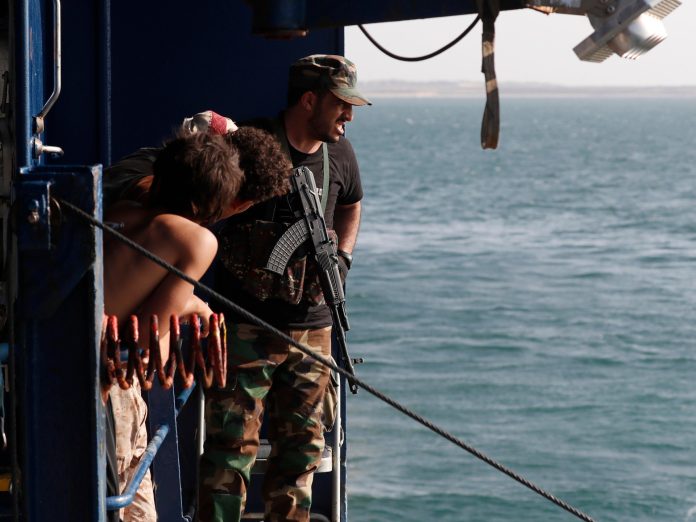
“The naval forces, the missile force, and the drone force of the Yemeni armed forces carried out a joint military operation with a large number of ballistic and naval missiles and drones, targeting an American ship that was providing support to the Zionist entity,” he said in a statement on Wednesday.

The operation was in response to the “malicious attack” on Houthi ships by US forces last Sunday, and Saree stressed the Houthis will respond to all hostile threats against them.

Last week, US Navy helicopters attacked four boats belonging to the Yemeni Naval Forces, sinking three of them and killing at least 10 Yemeni servicemen.

“The Yemeni armed forces continue to prevent Israeli ships or those heading to the ports of occupied Palestine from navigating in the Arab and Red Seas until the aggression stops and the siege on our steadfast brothers in the Gaza Strip is lifted,” he added.

Yemen’s Armed Forces have been staging missile and drone attacks against vessels heading to Israeli ports in support of Palestinians in the Gaza Strip, which has been under an unrelenting genocidal war by the Israeli regime for more than two months now.

More than 23,000 people, mostly women and children, have been killed during the war, which the regime launched on October 7 following an operation by Gaza’s resistance movements, dubbed Operation al-Aqsa Storm.

The Yemeni forces have vowed to keep up their strikes until the regime stops the war and lifts a concomitant siege that it has been imposing on Gaza.

In reaction, the United States has announced formation of an American-led naval coalition of Washington’s allies aimed at heading off the Yemeni attacks.

11 Palestinians killed every hour in Gaza war: Palestine’s UN envoy

Gaza War

Mansour said residents in Gaza are being killed, tortured and humiliated, and children are being amputated and orphaned as he called for an end to Israeli atrocities in the Palestinian enclave at a UN General Assembly meeting on a US veto for a Gaza cease-fire

“During these 90 days, 11 Palestinians were killed every hour, including seven women and children. Every single hour for 90 days. Hundreds are killed every day to this day,” he added.

“Ninety days of hell on earth. Ninety days of massacres. How many more Palestinians killed till you say enough is enough? How many more tragedies? How much more destruction?” the envoy continued.

Mansour said 1% of Palestinians in Gaza have been killed, and “that is the equivalent of 3 million Americans.”

“Three percent of Palestinians in Gaza have been wounded. Take a moment and imagine what that represents compared to your own population. That is the equivalent of 10 million Americans,” he added.

“Eighty-seven percent of Palestinians in Gaza have been displaced. Take a moment and imagine what that represents compared to your own population. That is the equivalent of 284 million Americans.”

Mansour said supporting an immediate cease-fire is the only moral, legitimate and responsible position.

He cautioned that security will never come through the death, destruction and dehumanization of the Palestinian people.

“Our people have a right to life. To freedom. To justice. Palestine is here to stay. The Palestinian people are here to stay. The Palestinian people will not disappear, but their resilience is no reason to prolong their suffering,” added the envoy.

“Don’t call for peace and spread fire. If you want peace, start with a cease-fire. Cease fire. Cease fire. Now,” he stated.

The UN refugee agency also announced the Gaza Strip has become an “uninhabitable place” as Israel continued its deadly military offensive in the Palestinian territory since Oct. 7.

“Gaza is the worst place on earth, and the enclave is being transformed into an uninhabitable place,” Adnan Abu Hasna, a spokesman for the UN Relief and Works Agency for Palestinian Refugees (UNRWA), told the UN News website.

“There are 1.9 million displaced people across the enclave, of whom around 1.4 million seek shelter in 155 UN-run schools and shelters,” he added.

The UNRWA spokesman said that most of Gaza’s population are being forced to flee to Rafah city in southern Gaza near the border with Egypt.

“There are around 1.4 million displaced people in Rafah and this figure is likely to rise to 1.5 million,” Abu Hasna said, adding, “UNRWA cannot cope with the unfolding collapse.”

“What is happening not only exceeds the capabilities of UNRWA but also the capabilities of countries, as an entire population is being displaced to the city of Rafah.”

UN rapporteurs on Wednesday said that the starvation and lack of housing due to damages caused by Israel in Gaza aggravate charges of “genocide.”

Francesca Albanese, the special rapporteur on the situation of human rights in the Palestinian territory occupied since 1967, wrote on X that 45% of people in Gaza experience severe hunger.

“In some areas 9 out of 10 families go 24 hours without food,” Albanese continued, adding: “This aggravates charges of genocide, as physical destruction can be achieved through starvation (ICTR).”

Regarding the housing situation, Balakrishnan Rajagopal, the special rapporteur on the right to housing, wrote on X that about 56% of houses in Gaza are destroyed or damaged.

More than 23,300 Palestinians have since been killed and nearly 60,000 injured, according to Gaza’s health authorities. Nearly 1,200 Israelis are believed to have been killed in the Hamas attack.

Iran voices full support for South Africa move against Israel at ICJ

Gaza War

The ministry referred to the passage of more than three months since Israel launched a “brutal all-out war against the Palestinian people in the Gaza Strip and also against Palestinians in the West Bank”.

It said, “During the period, the Zionist regime, while enjoying all-out, unlimited and unconditional support by specific governments, has committed all types of crimes specified in international conventions against the oppressed people of Palestine and these atrocities are continuing.”

The statement reads, “The Islamic Republic of Iran once again strongly condemns the war crimes and the genocide by the apartheid Zionist regime against the Palestinian people and reaffirms its support for the approach of the resistance as a liberating move and it also supports the legitimate and internationally recognized right of the Palestinians to fight occupation.”

“The Islamic Republic of Iran once again underlines the need for the international bodies such as the UN Security Council to create effective deterrence against the Zionist regime and put an end to the regime’s attacks against Gaza.”

Referring to its policy  regarding Israel as a “fake and illegitimate entity”, the Islamic Republic threw “its full support behind the move by the South African government at the International Court of Justice in light of the Convention on the Prevention and Punishment of the Crime of Genocide of 1948.”

It also called on the international bodies to take decisive action to hold the perpetrators of the crimes to account.

More than 23,300 Palestinians have been killed in Israel’s onslaught against Gaza since early October.

Analysis shows US media’s pro-Israel bias in Gaza war reporting

Gaza War

The print media outlets, which significantly affect perceptions of the war in Gaza, largely overlooked the unprecedented effects of Israel’s blockade and bombing campaign on children and journalists in the blockaded enclave, the analysis found.

Pro-Palestinian advocates have criticised leading newspapers for displaying a pro-Israel slant, highlighted by protests at the New York Times headquarters in Manhattan over its Gaza coverage- a claim that The Intercept says its analysis supports.

Major US newspapers showed a bias in their coverage of the war by focusing more on Israeli casualties; using more emotional terms for Israeli fatalities compared to Palestinian deaths; and giving extensive coverage to antisemitic incidents in the US, while largely overlooking anti-Muslim racism following 7 October.

Israel has launched air and ground attacks on the Gaza Strip since a cross-border attack by the Palestinian resistance group, Hamas, on Oct. 7.

At least 23,200 Palestinians have since been killed and more than 59,000 injured, according to Gaza’s health authorities. Nearly 1,200 Israelis are believed to have been killed in the Hamas attack.

About 85% of Gazans have been displaced, while all of the populations are food insecure, according to the UN. Hundreds of thousands of residents are living without shelter, and ⁠less than half of aid trucks are entering the territory than before the start of the conflict.

Iraq says seeking ‘quick’ exit of US troops but no deadline set

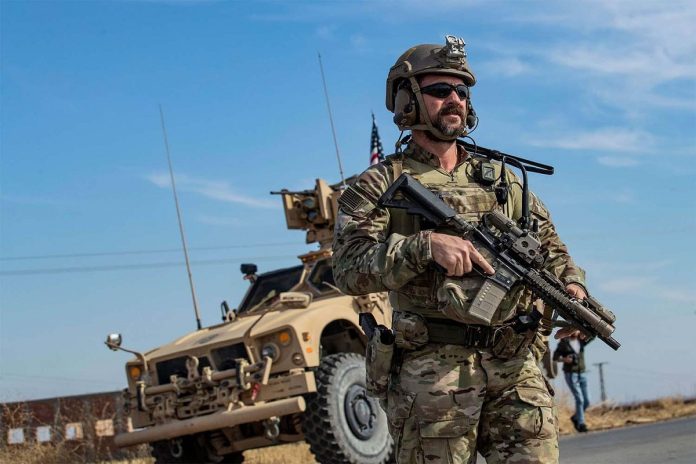
US Troops in Syria

Prime Minister Mohammed Shia al-Sudani described the US presence as destabilising because of the regional spillover from Israel’s war on Gaza.

“There is a need to reorganise this relationship so it is not a target or justification for any party, internal or foreign, to tamper with stability in Iraq and the region,” al-Sudani told Reuters.

“Let’s agree on a timeframe [for the coalition’s exit] that is, honestly, quick so they don’t remain long and the attacks keep happening.”

He added: “This [end of the Gaza war] is the only solution. Otherwise, we will see more expansion of the arena of conflict in a sensitive region for the world that holds much of its energy supply.”

The US has 2,500 troops in Iraq and 900 in Syria to assist with efforts to prevent the resurgence of the Islamic State (IS) group, which took over large swathes of both countries in 2014, before being defeated by international forces.

The armed Iraqi groups have claimed responsibility for carrying out over 100 attacks on US forces in Iraq and Syria since mid-October, in solidarity with Palestinians in Gaza.

The presence of American forces has long prompted a backlash in Iraq. Following the assassination of Abu Mahdi al-Muhandis, the former deputy head of the PMF who was killed in a US drone strike alongside Iranian general Qassem Soleimani near Baghdad airport in January 2020, Iraq’s parliament passed a resolution calling for the expulsion of foreign troops in the country.

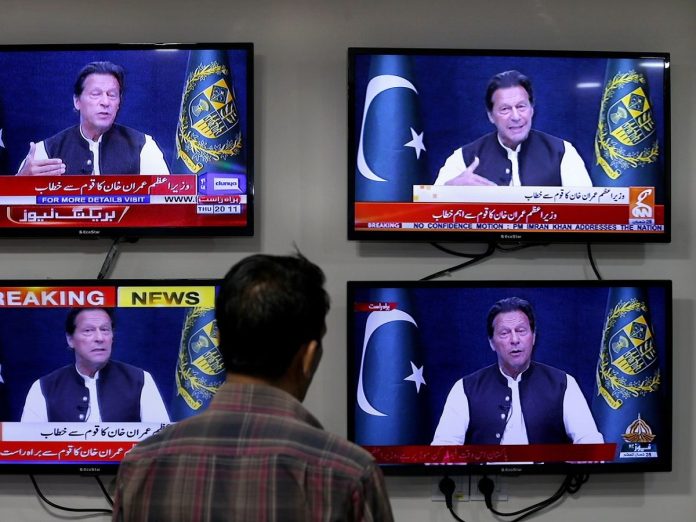
Former Pakistani PM Imran Khan, his wife indicted on graft charges

Imran Khan

The latest indictment was another blow to Khan and his political party ahead of parliamentary elections on Feb. 8.

Officials said Khan and his wife, Bushra Bibi, pleaded not guilty when the charges were read out at a court at the prison in the garrison city of Rawalpindi.

Khan’s legal team confirmed the indictment of Khan and his wife in the case filed by the National Accountability Bureau.

Khan was ousted from power in a no-confidence vote in Parliament in April 2022.

The 71-year-old former cricketer, Pakistan’s most popular opposition figure, is serving time on a corruption conviction and has multiple other legal cases hanging over him.

Ukrainian official says air defense resources depleted by Russian attacks

Russia Ukraine War

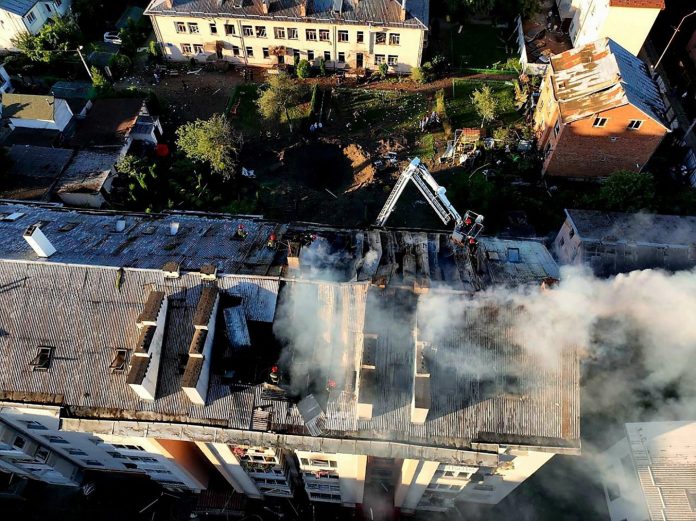
“Intense Russian air attacks force us to use a corresponding amount of air defense means,” Air Force spokesman Yury Ignat said on Tuesday in a Ukrainian television interview.

“That’s why we need more of them, as Russia keeps increasing its attack capabilities.”

Moscow’s forces have ramped up airstrikes in the past two weeks, launching hundreds of missiles and drones targeting weapons plants and other targets in Ukrainian cities. A Russian barrage on Monday morning targeted military-industrial facilities in Kharkov, Dnepropetrovsk, Khmelnitsky, and Zaporozhye regions, and Kiev admitted that its air defenses failed to intercept most of the missiles.

Ignat added Ukraine is currently reliant on supplies of guided missiles for its Western and Soviet-era air defense systems. Speaking by video on Sunday at a Swedish defense conference, Ukrainian President Volodymyr Zelensky warned that Kiev lacks adequate air defenses “on the battlefield and in our cities”.

The air defense shortfall comes at a time when Ukraine’s biggest military supplier, Washington, has run out of money to send more weapons to Kiev. US President Joe Biden’s plan to provide $61.4 billion in additional aid for Ukraine as part of a $106 billion emergency spending bill has stalled in Congress amid rising opposition from Republican lawmakers. Meanwhile, a €50 billion ($54.6 billion) EU aid package was derailed at least temporarily by a Hungarian veto in December.

Kiev is pinning its hopes for near-term help on NATO’s council of Ukraine backers, which is scheduled to meet on Wednesday in Brussels. Ukrainian Foreign Minister Dmitry Kuleba stated he hopes the meeting will be followed by “prompt commitments” to help beef up Kiev’s air defenses amid the Russian onslaught.

“First and foremost, we expect the meeting to expedite critical decisions on further strengthening Ukraine’s air defense capabilities, both in terms of modern systems and their ammunition,” Kuleba said in a statement.

He added that supplying missiles for Ukraine’s Patriot, IRIS-T, and NASAMS air defense systems is a “top priority that must be completed today, not tomorrow.”